Category: Food

Retail News Asia is committed to providing both local and global retailers with the latest Food and Food & Beverage news throughout the Asian market. This on a daily base.

  • South Korean pizza chain GoPizza eyes major Asian expansion

    South Korean pizza chain GoPizza eyes major Asian expansion

    South Korean fashion chain GoPizza has launched its first physical location in Indonesia as part of a broader Asian expansion plan.

    This brand’s first direct-to-consumer store in Indonesia is located in Jakarta. It follows the opening of a small store inside CGV Grand Indonesia in October of last year in collaboration with Korean multiplex operator CGV. The brand reportedly will open its second branch at Mall of Indonesia this month and the KM 6B Toll Rest Area the following month.

    Beyond Indonesia, the company aims to increase its footprint in India from 25 to 100 locations this year and is preparing to expand into other markets, including Vietnam, Thailand, Malaysia, and the US.

  • Papa Johns to open 650 new stores in India

    Papa Johns to open 650 new stores in India

    Popular US-based pizza chain Papa John’s has partnered with PJP Investments Group to expand in India. It plans to open 650 outlets in the country by 2033. The first of these restaurants will be opened in Bengaluru in 2024. Papa John’s had forayed into India earlier too, but closed down its restaurants in 2017.

    The pizza chain, based in Atlanta, Georgia, has plans to open its stores in Southern cities first, and then scale up to other regions of the country. Papa John’s deems India an important market because of its size, as well as the rising aspirations of the middle class and the increasing income.

    Amanda Clark, Papa John’s Chief International and Development Officer said that the pizza chain first partnered with PJP in 2005 as they were expanding into the UAE. “We are excited that their commitment to the flawless execution of Papa John’s high standards is now being brought to India,” said Clark.

    PJP operates over 100 Papa John’s restaurants in the UAE, Saudi Arabia and Jordan. It will also open the first Papa John’s outlet in Iraq in 2024.

    PJP CEO Tapan Vaidya said Papa John’s expansion in South Asia would introduce an enormous new customer to the popular pizza chain’s offerings. The private equity investment firm will operate around 1,000 Papa John’s restaurants within the next 10 years.

    Meanwhile, Papa John’s partner FountainVest Partners plans to open more than 1,750 new Papa John’s restaurants in China by 2040.

    Established in 1984, Papa John’s original pizza dough is made of only six ingredients and is never frozen. It is also known for topping its pizzas with cheese made from mozzarella, pizza sauce made with vine-ripened tomatoes that go from vine to can in the same day, and meat free of fillers. It stated that it does not use artificial flavors and synthetic colors in its food menu. As of December 2022, it had 5,700 restaurants in around 50 countries and is the world’s third-largest pizza delivery company.

  • South Korean burger chain Mom’s Touch to expand into Mongolia

    South Korean burger chain Mom’s Touch to expand into Mongolia

    South Korean chicken burger chain Mom’s Touch&Co. said Tuesday it inked a master franchise agreement with Mongolia’s Foodville Farm LLC, in its first steps to enter the central Asian country.

    Foodville Farm is an independent company established by the local franchise operator Monbakery LLC to expand the Mom’s Touch brand in Mongolia. The company operates the South Korean coffee franchise Caffe Bene and bakery chain Tous les Jours in the Asian country.

    The South Korean chicken burger franchise said it has decided to enter Mongolia due to the country’s rapid economic growth, a relatively young population and a growing interest among Mongolians in Korean food, and products from K-pop and the broader Korean Wave.

    Experts said the Korean Wave generated by K-pop and TV dramas could turn fans in foreign countries into active consumers of South Korean products.

    Mom’s Touch’s first Mongolian restaurant is set to open in the first half of this year. The company plans to add more than five stores by the end of the year, it said.

  • Soy milk contaminated during shipment to Japan

    Soy milk contaminated during shipment to Japan

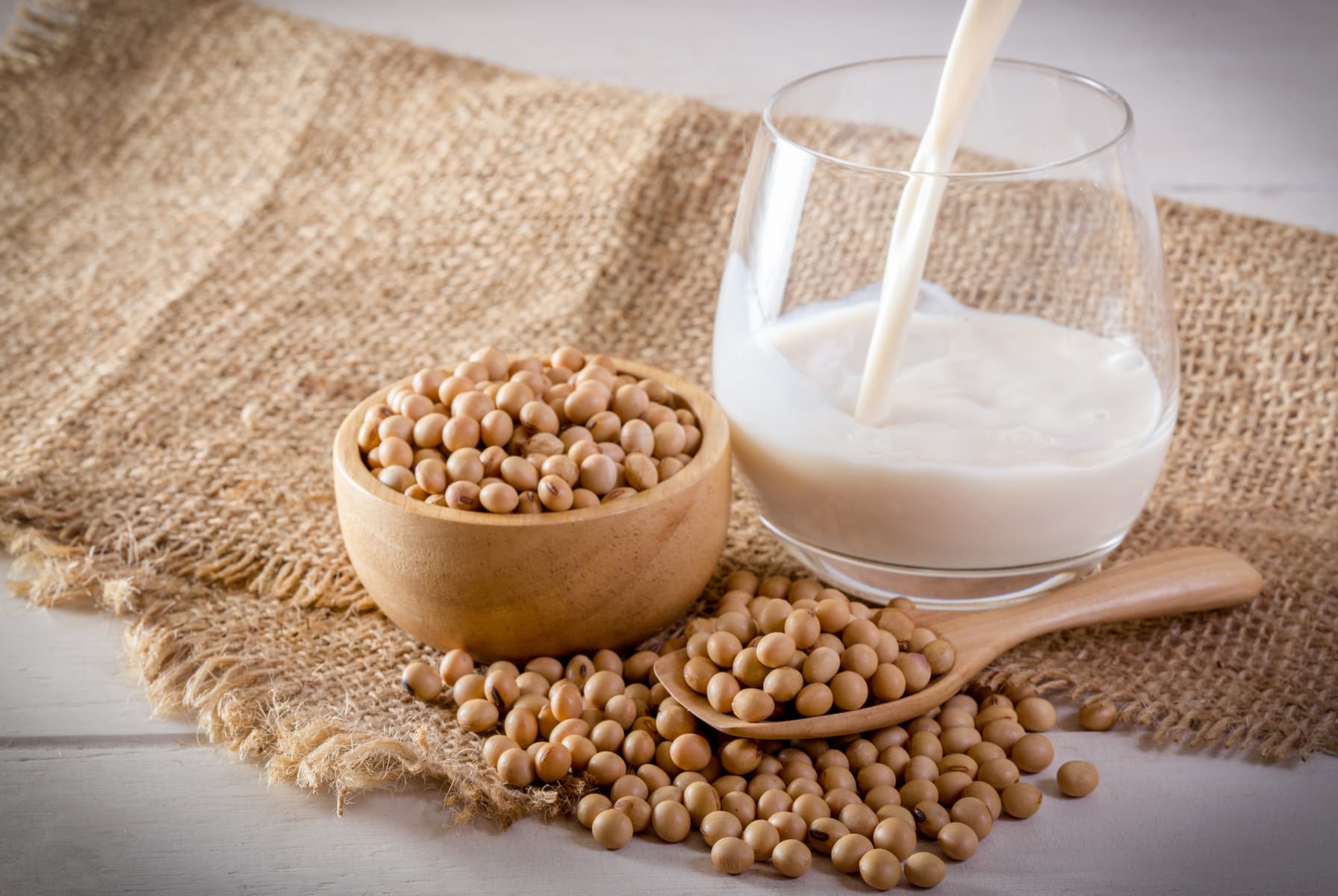
    A consignment of soy milk found contaminated and destroyed in Japan must have been tainted en route, Vietnamese exporter Vinasoy has said.

    Tests by the National Institute For Food Control on Monday did not find coliform bacteria in the Fami Calcium Soy Milk samples it had retained from the export consignment, it said.

    But 640 packs imported to Japan by Next Trading company were found to have coliform and ordered to be recalled and destroyed in Chiba city.

    A Vinasoy spokesperson said the contamination must have happened during the shipment or distribution process in Japan.

    The spokesperson said that Coliform cannot survive the enzyme inactivation processes in which soy milk is heated to 120 degrees Celsius (248 Fahrenheit) and ultra-high-temperature sterilization at 140 degrees Celsius.

    A carton of soy milk with coliform would be bloated and go sour in two to four days, and so the factory would have noticed any contamination right away, the spokesperson added.

    Japan’s Ministry of Health, Labor and Welfare confirmed the contamination.

    But a spokesperson for Next Trading told broadcaster NHK that while the company was “surprised and sorry” to learn about the contamination, it had tested the products based on health ministry standards before distribution and had not detected any coliform.

    Since the news broke, Vinasoy has consistently said its product was not contaminated.

    It has 25 years’ experience in making soy products and is the industry leader in Vietnam.

    It exports to several other markets with high standards such as the U.S. and South Korea.

    Coliform, which can be found in water and the feces of warm-blooded animals, does not often cause serious illness, but a person exposed to it could have an upset stomach, vomiting, fever, and diarrhea.

  • Bacardi launches its first premium spiced liquor

    Bacardi launches its first premium spiced liquor

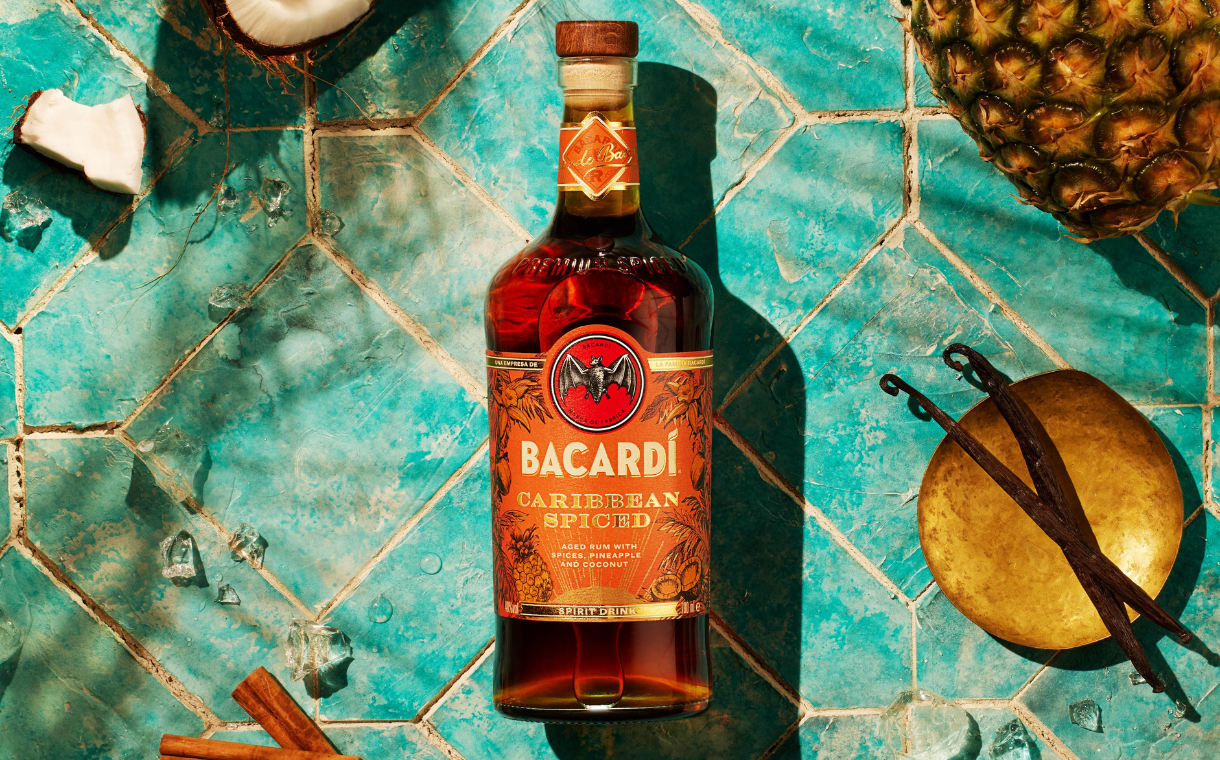
    Bacardi has announced the launch of its new Bacardí Caribbean Spiced rum, which is said to be the brand’s first premium spiced aged product.

    The aged rum-based spirit is created with pineapple, coconut, vanilla, and cinnamon.

    To create the Caribbean Spiced rum, Bacardi’s process uses both a heavy-aged rum base which provides the bold smoky flavors of molasses, and a light-aged rum base, along with blending coconut blossom sugar, pineapple and coconut water. After being rested and filtered, cinnamon and vanilla are blended into the spirit, followed by a further rest and a second polishing filter for clarity and color.

    Dickie Cullimore, global brand ambassador for Bacardí Rum, said: “Category research showed us that flavored and spiced are the fastest growing segments in rum and specifically premium rum, and the Piña Colada has risen through the ranks as a top five cocktail. Even more exciting was our discovery that people were looking specifically for unique flavors and aged rums.”

    He continued: “Understanding this desire was key in creating Bacardí Caribbean Spiced and ensuring the flavors and aged rum quality were intensified to deliver the best craftsmanship and taste”.

    Bacardí Caribbean Spiced, which has an ABV of 40%, is currently available at Ocado and will roll out in retailers nationwide, including Tesco and Waitrose, from next month.

  • The Coffee House operator continues to rake up losses

    The Coffee House operator continues to rake up losses

    Seedcom, which owns The Coffee House and fashion store chain June, has reported a 14.5% increase in losses to VND270 billion ($11.5 million) last year.

    However, revenues rose by 60% thanks to increasing contributions by its fashion and supermarket chains, according to its consolidated financial results.

    Since the onset of the Covid pandemic, it has made losses for three straight years.

    Seedcom chairman Nguyen Hoanh Tien said that last year’s losses were inevitable because the company expanded its retail networks.

    “High-interest rates, rising rents, and increased costs of raw materials and logistics strongly affected the profit margin of the retail industry.”

    Last year Seedcom’s liabilities decreased by 16% to VND1.2 trillion. This year it redeemed bonds worth nearly VND250 billion.

    It owns delivery companies AhaMove and Giao Hang Nhanh, fashion brands WeStyle, Juno and Hnoss, online retail platform Haravan, and restaurant management solutions provider iPOS.

  • Pepsi heads back to the 90s in major logo revamp

    Pepsi heads back to the 90s in major logo revamp

    Pepsi has unveiled its new logo and visual identity, making it the first update of the Pepsi globe logo in 14 years. Rolling out the new look in North America later this year, in time for the brand’s 125th anniversary, Pepsi will introduce it to the rest of the world in 2024.

    According to Pepsi, the new logo and visual identity pays homage to the brand’s heritage while being forward-looking in terms of sustainability. Reminiscent of the 1990s version of the logo, which according to Pepsi’s chief marketing officer, Todd Kaplan, has made an impression with consumers and stuck, the new logo is modernized and bolder with a different font and font color as well as a new border.  While the previous font had a lower-case Pepsi sitting shyly next to the globe with a pastel blue background.

    Kaplan said that Pepsi is a “bold and confident brand” that stands for “unapologetic enjoyment” this was unfortunately not being delivered by the brand’s current logo and as such in need of a change. He added that the new visual system brings out the best of the Pepsi brand’s rich heritage while taking a giant leap forward to set it up for success in an increasingly digital world.

    Along with the updated color palette and modern, custom typeface, he explained that the new design also includes the signature Pepsi pulse, which evokes the “ripple, pop, and fizz” of Pepsi-Cola with movement.

    “We couldn’t be more excited to begin a new era for Pepsi, as this exciting new and modern look will drive brand distinction to show up bigger and bolder and help people find new ways to enjoy the things they love unapologetically,” Kaplan said.

    Mauro Porcini, chief design officer of PepsiCo said that the new brand identity was mainly designed to connect with future generations with the brand’s heritage by “marrying distinction from our history with contemporary elements to signal our bold vision with what is to come.”

    He added that in an increasingly digital world, the revitalized and distinct design hopes to introduce more movement and animation into the visual system, unlocking more flexibility for Pepsi to move between physical and digital spaces.  Especially in the age of the metaverse, brand identities need to be agile in moving from retail shelves to the metaverse to maintain its relevance.

    Meanwhile, Pepsi has also upped its marketing antics. Following the celebrated debut of the Pepsi Zero Sugar “Great Acting or Great Taste?” campaign during Super Bowl, Pepsi has made the fictitious character Derek Zoolander as its new face.

    As part of the campaign, Zoolander is asking cola drinkers to taste Pepsi Zero Sugar and decide for themselves if the new and improved Pepsi Zero Sugar is actually “really really” delicious tasting, or just a result of Zoolander’s one-of-a-kind modeling slash acting.

  • Vietnam’s rice exports rise 30%

    Vietnam’s rice exports rise 30%

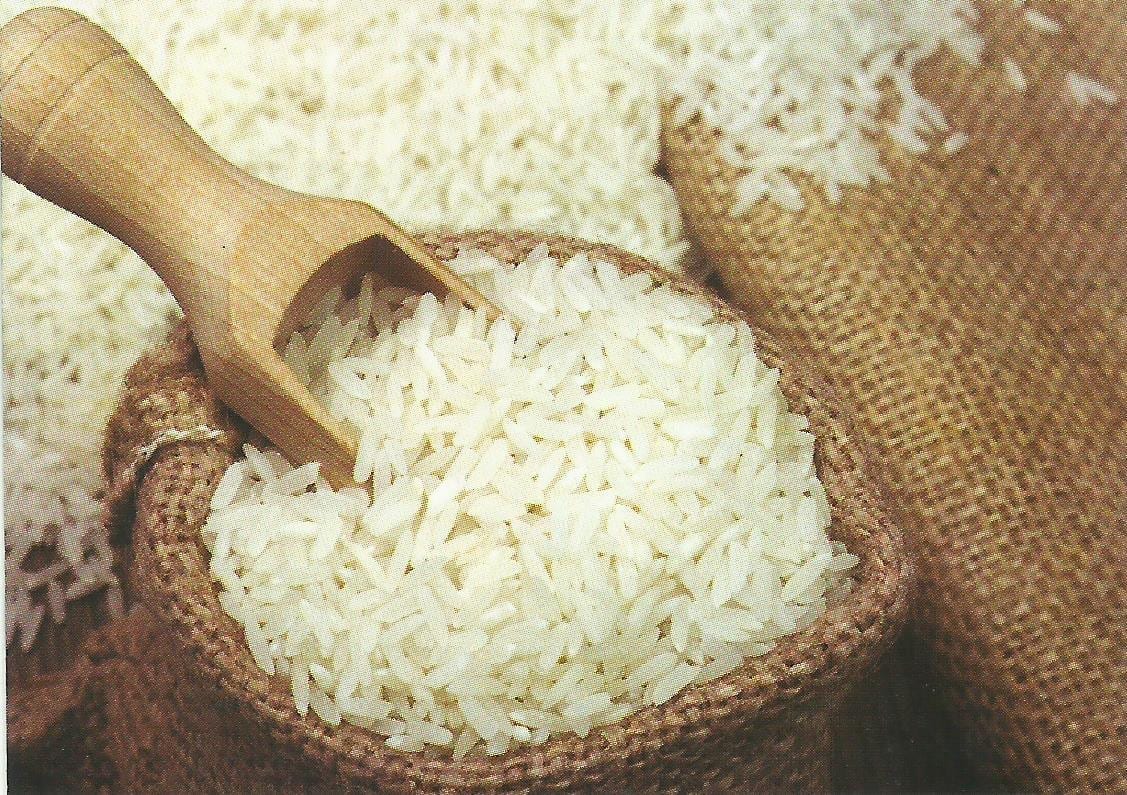
    Vietnam’s rice export value rose 30.2% in the first quarter despite export volume falling 19.2%.

    According to a Ministry of Agriculture and Rural Development report, the country shipped 1.79 million tons of rice worth $952 million abroad in the period.

    The average export price reached $531 a ton, up 9.2% over the same period in 2022. The hike is mainly because shipments to China are recovering, and Indonesia is also buying more to build up national reserves.

    At a conference on rice exports at the end of February, Nguyen Ngoc Nam, Chairman of the Vietnam Food Association (VFA), predicted that rice prices will remain high in the second quarter.

    According to the UN Food and Agriculture Organization (FAO), many countries are at risk of drought in the second half of the year, so food production may decline. As a result, they are increasing the purchase of rice to ensure food security.

    This is an opportunity for Vietnamese rice exports to benefit, said experts.

  • Vietnam-grown Musang King durian more expensive than imports

    Vietnam-grown Musang King durian more expensive than imports

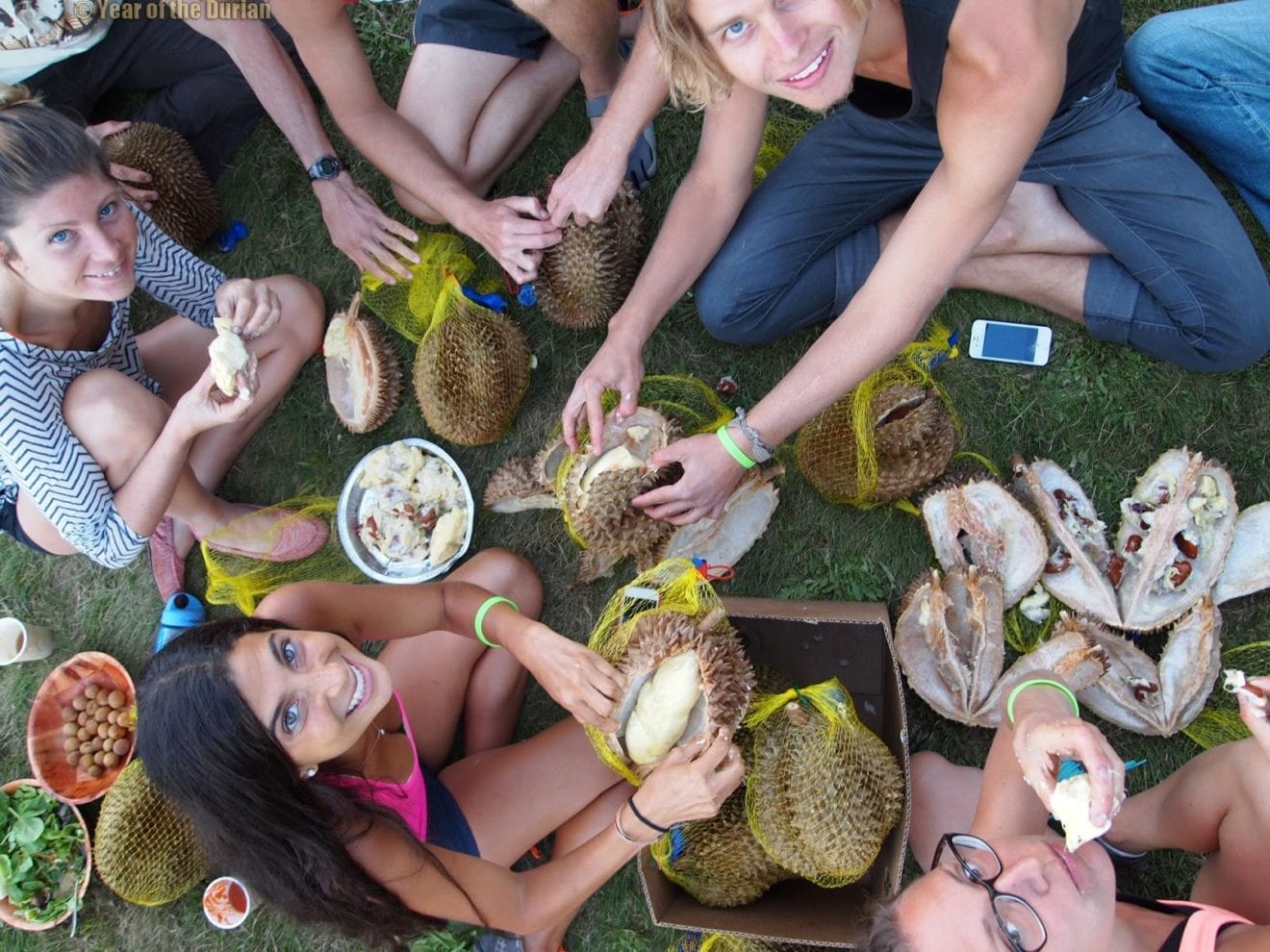
    A kilogram of Vietnam-grown Musang King now costs VND1.5-1.8 million ($64-$76), 20% higher than imports of the same varietal.

    A kilogram of husked local Vietnamese Musang King ranges from VND500,000-850,000 per kilogram, equivalent to VND1.5-1.8 million per kilogram (husk removed). The price has increased 10% over a year ago.

    Malaysia’s Musang King is considered the “best durian in the world” and is currently grown by Vietnamese farmers in the Central Highlands and the Mekong Delta.

    The fruit regularly sells out at local markets, and buyers must wait two weeks and a month to receive their stocks.

    Oanh, a durian connoisseur in Ho Chi Minh City, said Musang King durian flesh is fragrant, supple and fat. “I have to pay deposits a month in advance to receive the goods.”

    A fruit shop in Hanoi also reported that it had just sold 10 unhusked Musang Kings for VND700,000 per kg (2-4 kg per fruit).

    “Since it is a fallen fruit, and is shipped by air, the quality is high. No matter how many we have, customers buy them all,” the store manager said.

    Explaining the high price of Vietnam-grown Musang King durian, Can Tho wholesaler Dang Manh Khuong said that durian is currently out of season, so low supplies have led to increased demand.

    “I can only find a few dozen Musang Kings to buy a day, sometimes 2-3 quintals at most,” he said.

    Hoa, who owns about 50 Musang King trees in Can Tho, said that her garden only has a few trees that bear fruit early, so most of her crop will not be harvested until August.

    Vietnamese farmers here can grow the fruit in the offseason, while other regional producers cannot.

    In addition to scarce supply, according to traders, the fresh Vietnam-grown varietal has higher transportation costs, and is more difficult to preserve than frozen imported goods, so the price is higher.

    “In July-August, when this fruit is in full season, and output is high, the price will cool down,” Khuong predicted.

    Musang King durian is oval, not too large, and weighs 2-4 kg. The husk is dark green and has huge spikes. A groove in the middle of the peduncle and stem characterizes the species.
  • Kinder Bueno rolls out new chocolate eggs for Easter

    Kinder Bueno rolls out new chocolate eggs for Easter

    Confectionary giant Ferrero has rolled out a new Kinder Bueno chocolate range for Easter.

    The company described its new range as “addictive as they sound” and “filled with zero regrets”.

    “What’s more important than winning your family’s easter egg hunt?” said the chocolatier. “We make sure you arrive with the ultimate chocolate advantage to entice more action in the hunt”.

    The Easter chocolate range features:

    • Kinder Bueno Eggs: A milk hazelnut filling surrounded with crispy wafer and coated in chocolate.
    • Kinder Easter Hollow Figures 35g: Available in six spring figures.
    • Kinder Joy 20g.
    • Kinder Mini Eggs 100g.

    The new Kinder Bueno Easter Range is available at Coles, Metcash, and Target.

  • Starbucks expands Laos network with second Vientiane store

    Starbucks expands Laos network with second Vientiane store

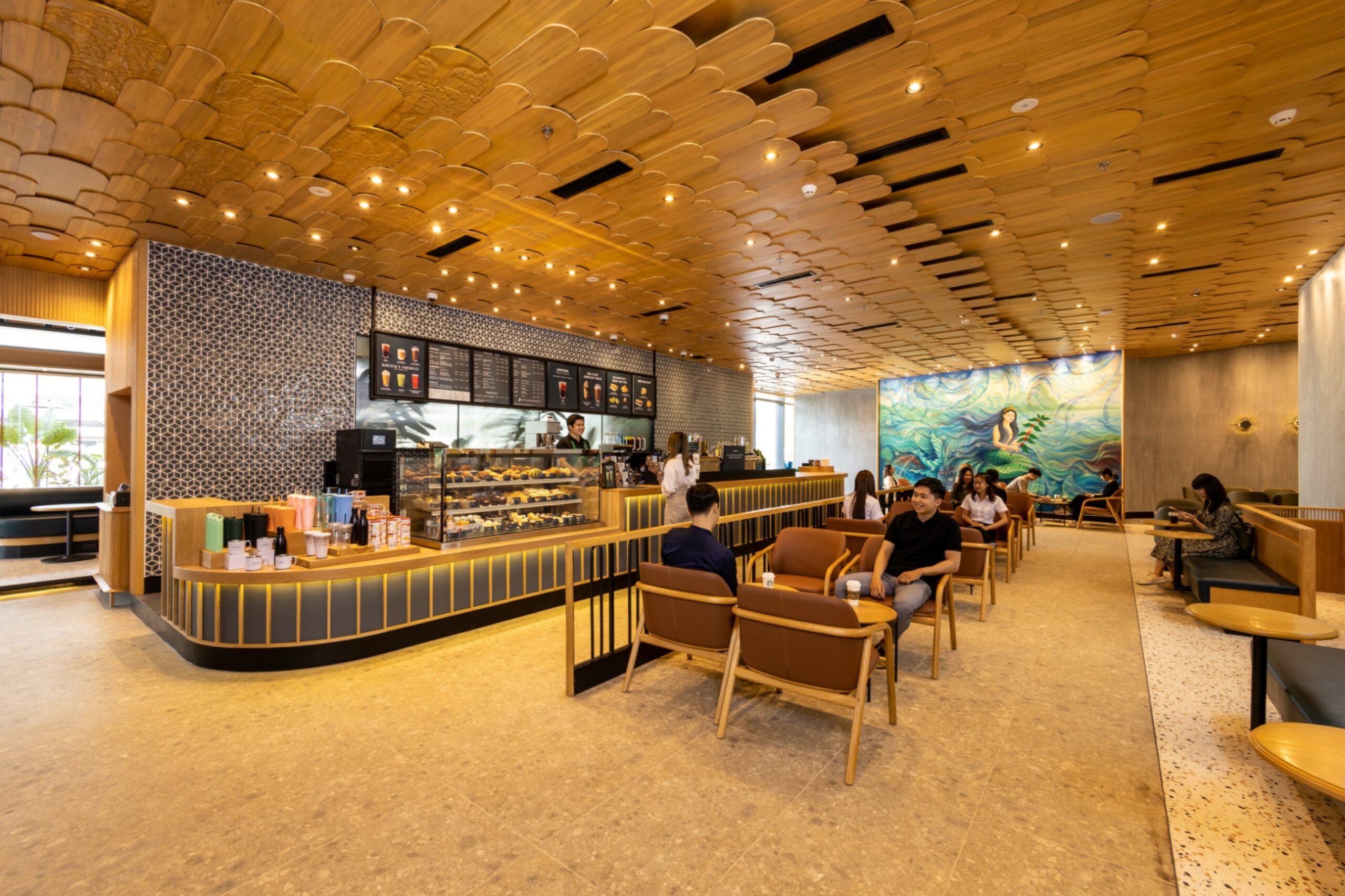
    As part of its continued expansion in the market, Coffee Concepts (Laos) Limited, Starbucks operating licensee in Laos, today announced the opening of its second store in View Mall in the capital city, Vientiane. Following the opening of its first location in Parkson Laos just five months ago, customers can now also enjoy the Starbucks experience in the new store in View Mall.

    The new Starbucks store in View Mall, Laos, is designed to provide customers and partners an immersive and visually striking coffee experience. The colorful and vibrant underwater world inspires the design, featuring soft light blue and orange accent colors contrasting with black textured paint.

    This creates a joyful and magical oasis-like atmosphere inviting our customers and partners to connect over a cup of coffee. The sophisticated tube ceiling feature stretches over the ceiling from the entrance to the bar, and throughout the store, highlighting the bar as the store’s focal point that showcases coffee and connections.

    To celebrate the opening of the second store in Laos, the first 100 Starbucks customers to visit the store will receive a drinkware gift upon purchase of a Grande or Venti size handcrafted beverage, as a token of gratitude.

  • Bundaberg Rum brings a fan-favourite flavour to life

    Bundaberg Rum brings a fan-favourite flavour to life

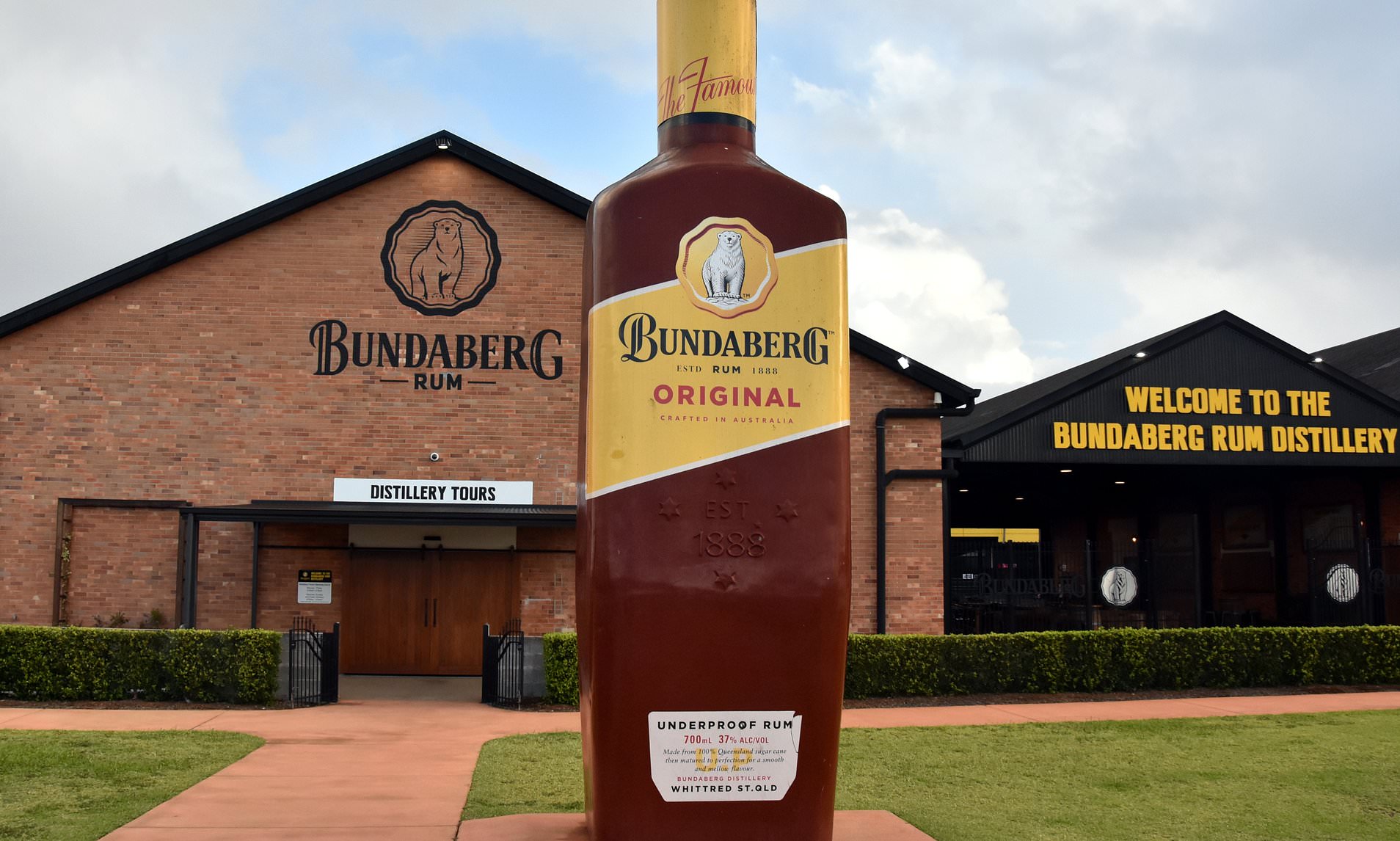
    A world-famous Queensland distillery has joined forces with a popular local brewery to create something unique and exciting – and some big fans couldn’t be more chuffed.

    Beer and rum lovers will be happy to hear of the newest collaboration between the brewers at the Sunshine Coast’s Eumundi Brewery and the famous Bundaberg Rum Distillery team.

    They have concocted a new combination – Bundy Rum and Eumundi beer.

    Avid Bundy rum devotee, Queensland Senator James McGrath, said he has loved Bundy’s smooth and rich taste since he could legally drink.

    “It is the taste of Queensland in a glass,” the Senator said.

    “The new EU-BUNDY collaboration is a perfect marriage of two Queenslanders. Bring it on.

    “I’m as excited as a frog in a sock to try the new EU-BUNDY spiced rum lager.

    A world-famous Queensland distillery has joined forces with a popular local brewery to create something unique and exciting – and some big fans couldn’t be more chuffed.

    Beer and rum lovers will be happy to hear of the newest collaboration between the brewers at the Sunshine Coast’s Eumundi Brewery and the famous Bundaberg Rum Distillery team.

    They have concocted a new combination – Bundy Rum and Eumundi beer.

    Avid Bundy rum devotee, Queensland Senator James McGrath, said he has loved the smooth and rich taste of Bundy since he could legally drink.

    “It is the taste of Queensland in a glass,” the Senator said.

    “The new EU-BUNDY collaboration is a perfect marriage of two Queenslanders. Bring it on.

    “I’m as excited as a frog in a sock to try the new EU-BUNDY spiced rum lager.”

    The drink has been described by its creators as “a classic Aussie Lager mixed with a classic Aussie Rum” and “A lagery lager with Bundaberg Spiced Rum – lightly infused with hints of vanilla and aromatic spices.”

    Nambour resident, former 2011 MasterChef contestant and keen Bundy Rum fan, Jay Huxley has collected and drank the Queensland favorite for more than 20 years.

    When Mr Huxley’s father lived in Bundaberg, he was able to up his collectors game, by getting his dad to make special trips to the distillery to buy him exclusive and limited edition bottles.

    The local catering business owner and chef even incorporates spiced rum flavours and deserts created with Bundy Rum as a base.

    “Over the years I’ve gathered quite a collection and developed a keen appreciation for it,” Mr Huxley said.

    “Bundy itself is uniquely Australian and I love the taste.”

    He said the new EU-BUNDY collaboration was extremely exciting, as both businesses produced consistently quality products.

    “I can’t see it not being amazing; being from these two places, pretty much everything both of them do is great,” he said.

    “I am very interested to try the new spiced lager and will certainly keeping an eye out for it and trying it out.”

    Eumundi Brewery Head brewer Chris Sheehan said the partnership continues to combine two of the finest Queensland producers – Eumundi Brewery and the Bundaberg Rum Distillery – with strong local roots.

    “When we released the EU-BUNDY Black Rum and Plum Pudding Ale last year, we were astonished by its popularity, with people lining up to get their hands on the festive release,” Mr Sheehan said

    “We’re confident this classic blend will be the cheers of the town and is bound to be a hit with those looking to crack open a cold one … or a great pairing to enjoy themselves this summer.”

    The Bundaberg Rum Distillery’s Duncan Littler was also eager to welcome the new lager, which he describes as “the best of the two best worlds, in one can”.

    “We are using a crisp Lager base and combining it with our Bundaberg Spiced Rum, giving drinkers a cracking rum infused beer that has a super refreshing taste,” he said.

    A limited release of the Eu-Bundy Spiced Rum Lager will be available at the Bundaberg Rum Distillery, The Imperial Hotel Eumundi, online at eumundibrewery.com.au, and other select stores in Queensland. The limited-edition EU-BUNDY Spiced Rum Lager hit stores earlier this week.

  • Paris Baguette opens its first store in Canada

    Paris Baguette opens its first store in Canada

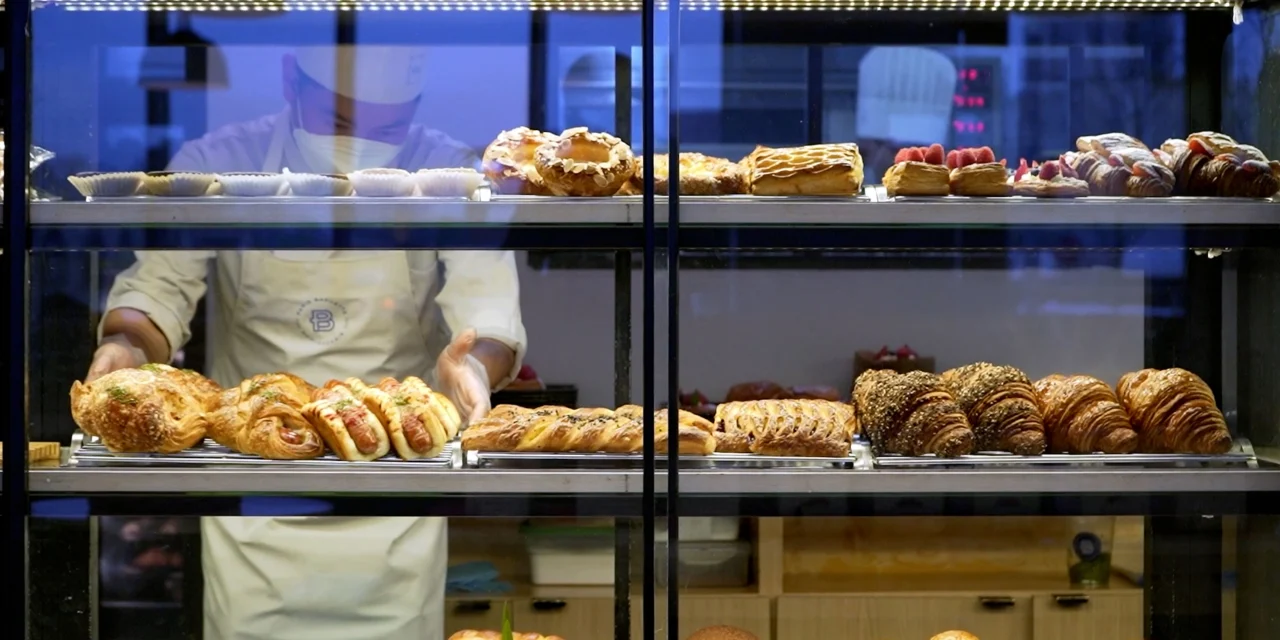
    Bakery cafe franchise Paris Baguette is opening its first Canadian storefront, kicking off the brand’s planned expansion into Canada. The bakery cafe offers coffee bar drinks, bread, pastries and cakes. Paris Baguette plans to open seven more locations across Canada this year, as well as more than 64 new storefronts in the United States.

    “The expansion of our bakery cafes into Canada marks an exciting period of growth for Paris Baguette,” said Darren Tipton, chief executive officer, Paris Baguette North America. “We can’t wait to celebrate moments of joy with our guests as we establish our neighborhood bakery cafes in Toronto and bring our vision to life throughout Canada.”

    The new Toronto location boasts a 2,300-square-foot cafe space with seating for up to 20 guests. An open kitchen design allows customers to observe bakers at work while a center island displays some of the cafe’s signature baked foods.

  • McDonald’s Korea fined for breach of customers’ personal data

    McDonald’s Korea fined for breach of customers’ personal data

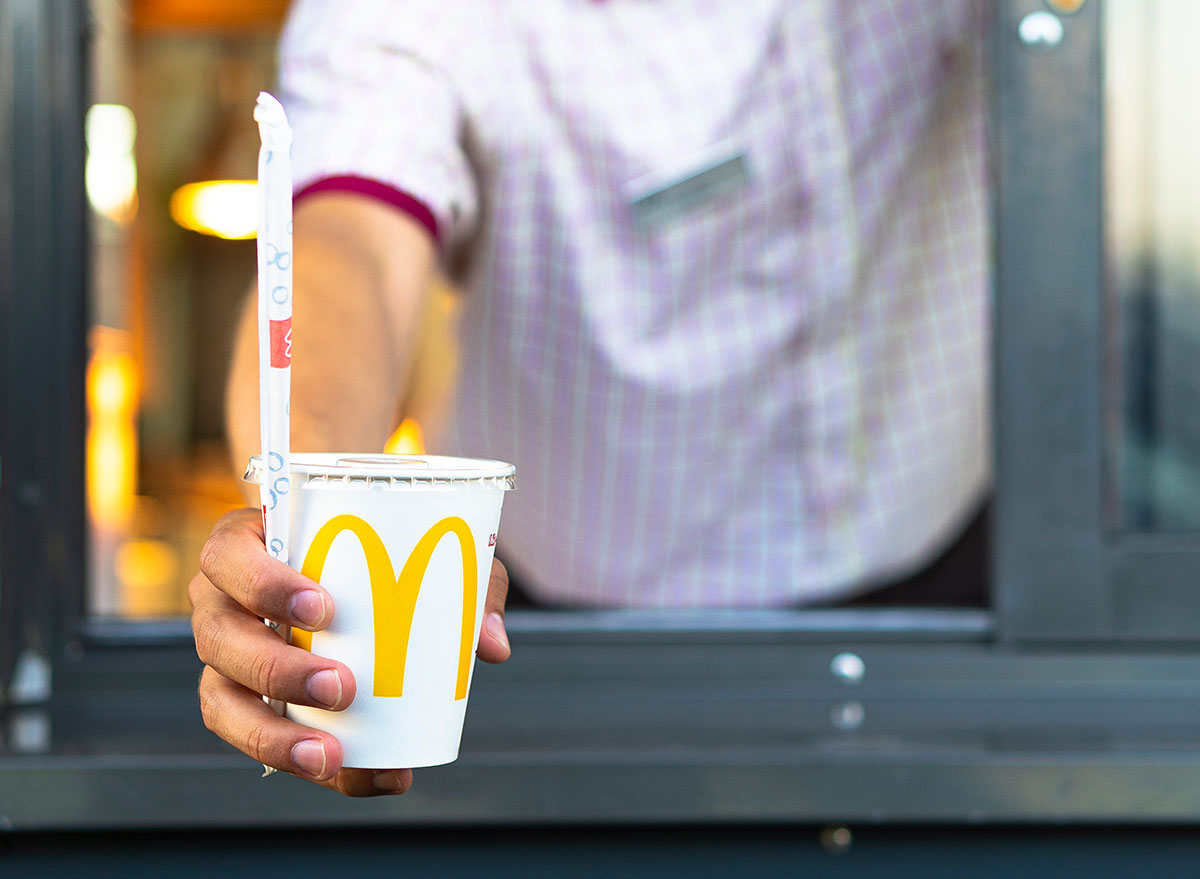
    McDonald’s Korea was given a fine of 696 million won ($532,110) on Wednesday after the personal data of 4.87 million customers was leaked to hackers due to the firm’s lax data management.

    The Personal Information Protection Commission handed out the fine to the Korean branch of the American fast food chain, along with a financial penalty of about 10 million won for the data breach.

    According to the commission’s findings, McDonald’s Korea did not perform sufficient access control, leaving a backup file containing the personal data of its restaurant and McDelivery customers accessible via protocols for file sharing.

    As a result, the personal data of more than 4.87 million customers was hacked and leaked. McDonald’s Korea was also found to have not destroyed the personal data of 766,846 customers for whom the data retention period had expired, and belatedly notified authorities and customers of the data leakage.

  • Aldi named Best Sustainable Seafood Supermarket

    Aldi named Best Sustainable Seafood Supermarket

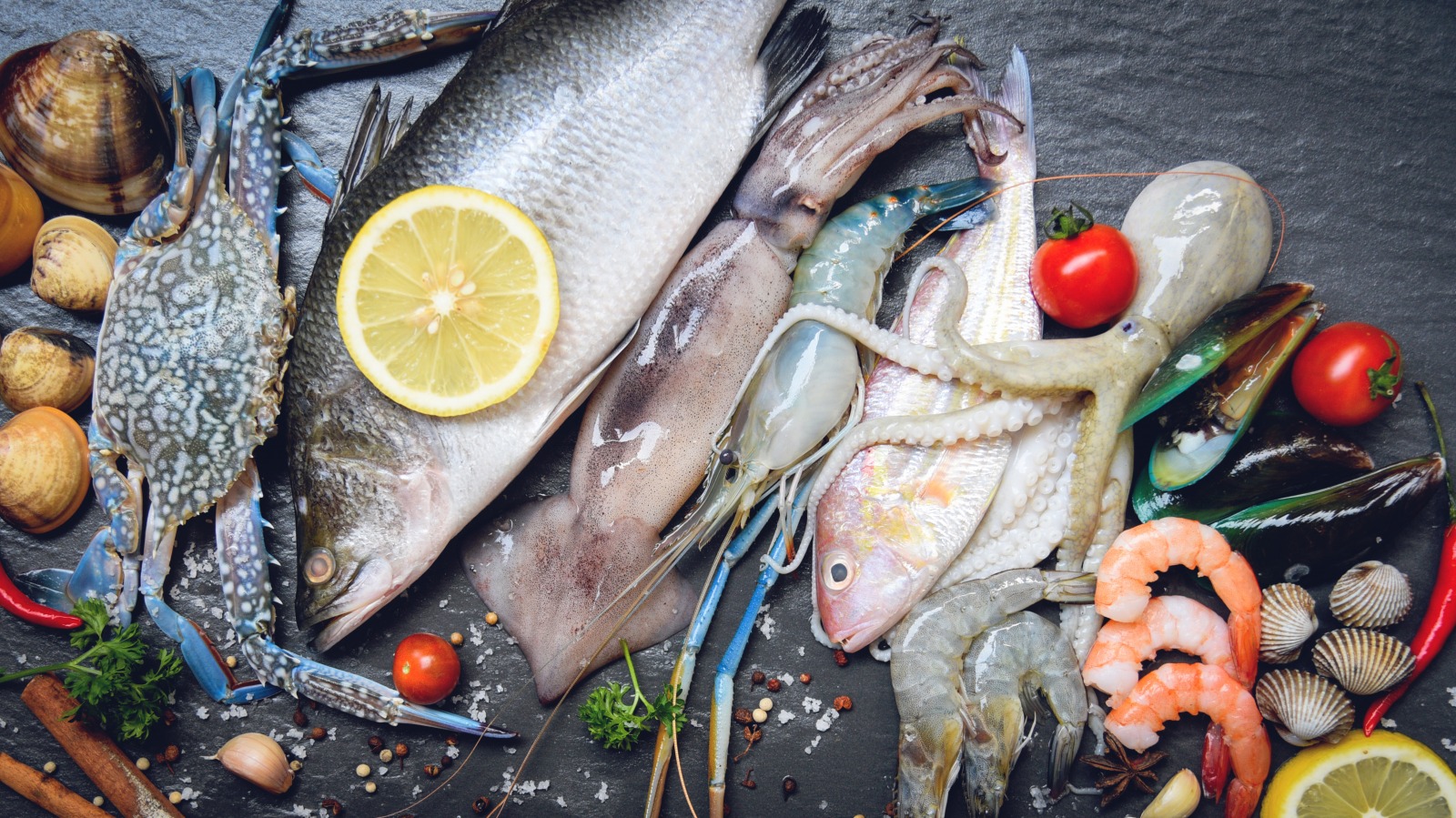
    Aldi has overtaken Sainsbury’s as the most sustainable supermarket for seafood, according to MSC league tables released today.

    Though Sainsbury’s remained top of the NGO’s table in terms of the volume of MSC-certified products, the percentage of Aldi’s seafood range that was MSC certified rose from 69% last year to 79%. Some 76% of Sainsbury’s range was MSC certified.

    The discounter’s smaller range meant the addition of 11 certified products took it to the top of the table, with a total of 85 MSC-approved seafood SKUs.

    Nine of the 10 supermarkets surveyed by the MSC were stocking more MSC-certified SKUs than in 2017, the survey found, with Asda and Tesco the fastest-growing (adding 35 and 33 certified products to their ranges respectively). Iceland was not surveyed by the MSC in 2017, but came bottom of the table in 2018’s rankings, with just one product, equivalent to 3% of its fish range.

    Morrisons remained near the bottom of the table with 4% of its fish products carrying the MSC logo, though it added five certified products. Sainsbury’s added the fewest new products, extending its certified product range by one to 226 from 2017 to 2018.

    “Our approach is to provide our customers with fresh, sustainably sourced fish and this is reflected in the MSC’s findings,” said Aldi MD of buying Julie Ashfield. “Customers know that shopping at Aldi means they can enjoy quality, responsibly sourced products, at affordable prices.”

    It follows a move by Aldi to launch a responsibly sourced assurance scheme for own-label fish in November. Its Love Fish signage would appear on products sourced in accordance with a “range of standards including MSC and ASC certification,” it told The Grocer last year.

    Overall, British supermarkets were selling more sustainable seafood than ever before, with offerings increasing 60% since 2016, said the MSC. More than 20,000 seafood products worldwide carry the MSC blue tick label.

    “The majority of British supermarkets are making a real investment in the future of their seafood,” said MSC programme director Toby Middleton.

    “Consumers are not powerless in making sustainable choices. Our league table shows that retailers are offering their customers clear labelling and the chance to make a difference, helping to protect fish stocks for our children and our grandchildren.”