Category: Food

Retail News Asia is committed to providing both local and global retailers with the latest Food and Food & Beverage news throughout the Asian market. This on a daily base.

  • Fruit, vegetable exports see high potential, tough requirements

    Fruit, vegetable exports see high potential, tough requirements

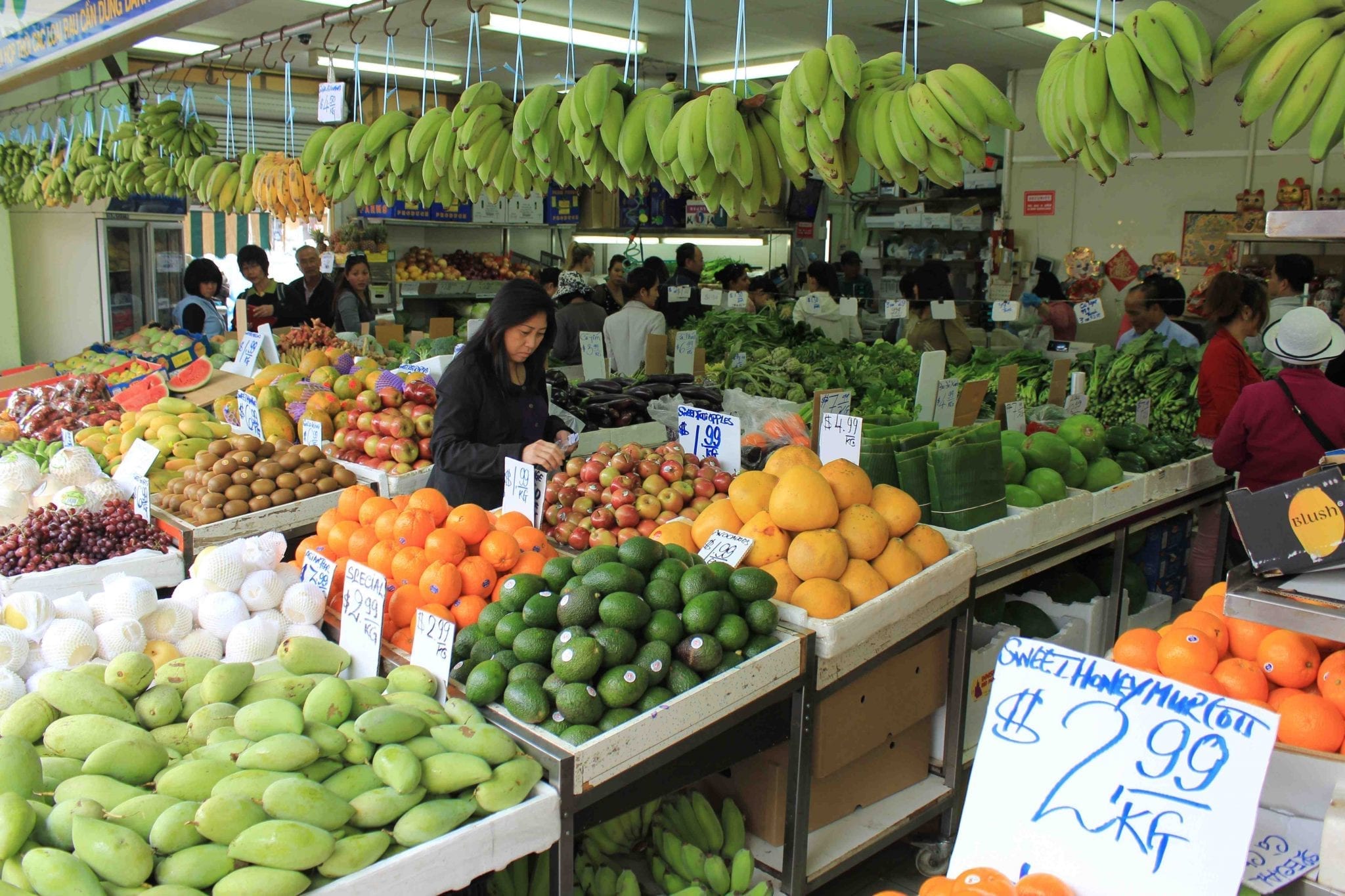
    Vietnamese vegetables and fruits are eyeing potential overseas markets, in which quality requirements and standards are high, said experts at a forum in Ho Chi Minh City on March 1.

    Nguyen Minh Phuong, Director of the Asia-Africa Market Department under the Ministry of Industry and Trade, said that due to low supply and high demand, the Middle East and North Africa are also promising markets for Vietnamese farm produce.

    However, experts underscored that the major challenge for Vietnamese fruits and vegetables is the increasing requirements in international market, especially those in origin traceability and food safety.

    Pham Minh Thang from the Agrotrade said that Vietnamese firms have faced a lack of information on market demands and access to distribution channels in imported countries.

    Meanwhile, the export of fresh vegetables to other markets is encountering obstacles due to transportation difficulties, while the rate of processed products remains modest.

    In order to promote fruit and vegetable exports, Thang advised producers and exporters to actively renovate their farming techniques to increase their product quality, while strengthening processing and trade promotion activities, diversifying trading activities in digital platforms, and applying information technology in the sale of farm produce.

    Le Thanh Hoa, Vice Director of the Agro Processing and Market Development Authority (Agrotrade), said that over the recent years, fruits and vegetable have been among the groups with export revenue of over $3 billion each year. The figure reached $3.37 billion in 2022.

    Last year, many kinds of fruits such as passion fruit, durian and banana were allowed to be exported to China through official channels, while Vietnamese pomelo was excepted to the U.S., limes and pomelos to New Zealand, and fresh longan to Japan.

    In the first two months of this year, the export of fruits and vegetables hit $592 million, up 17.8% compared to the same period in 2022. China remained the major market of Vietnam, consuming 57.5% of the country’s total fruit and vegetable exports.
  • South Korean restaurants feel the pinch of surging delivery costs

    South Korean restaurants feel the pinch of surging delivery costs

    Higher demand for food delivery workers has ramped up the industry’s labor cost. The rapid growth of South Korea’s food delivery market during the COVID-19 pandemic has inadvertently caused a sharp rise in delivery fees, leaving small business owners and consumers struggling to cope with the added costs, Korea Bizwire reported.

    According to a government-issued report, the number of domestic delivery workers in South Korea has doubled in just three years, reaching 237,100 in the first half of 2022.

    Amidst surging demand for food delivery services, delivery companies have been struggling to secure enough delivery workers to meet the demand, compelling them to offer increasingly attractive pay packages. The higher cost of labor has been passed on to consumers through higher delivery fees.

    Companies such as Baemin and Coupang Eats paid delivery workers an additional fee of $1.54 (KRW2,000) to $1.92 (KRW2,500) per delivery in 2021 to secure their services. Some also offered prizes such as camping cars or pure gold.

    Popular delivery apps such as Baedal Minjok and Coupang Eats said they have had to raise their brokerage and delivery fees in response to rising labor costs.

    Consumers are paying almost the same amount for delivery as their food, with the average delivery tip based on the maximum distance being $3.84 (KRW5,000) in February. The average amount for Baemin delivery tips was higher at $4.46 (KRW5,810).

  • Starbucks to open 400 stores in APAC in 2023

    Starbucks to open 400 stores in APAC in 2023

    Its newly-opened 5,000th store is located in Gwanyang-si, South Korea.

    Starbucks is planning to expand further in Asia Pacific by opening 400 stores this 2023 after it opened its 5,000th store in the region in South Korea.

    In a statement, Starbucks said it aims to build on its over 300-store portfolio across 40 cities in India and enter the market of at least five new cities.

    In Southeast Asia, the company plans to build more stores outside the metropolitan areas of Indonesia, Thailand, Malaysia, and the Philippines. It opened its first store in Laos in November in the capital city, Vientiane, and plans to open another this year.

    The company’s 5,000th store in the region opened in Gwanyang-si, South Korea which is located on a major road that connects the residential areas with business districts and features a drive-thru service.

    “Asia Pacific is a dynamic and diverse engine of growth for Starbucks globally. As recovery continues, the region achieved over 20% sales growth year on year, demonstrating the strength and relevance of the brand,” said Michael Conway, group president, International and Channel Development for Starbucks.

    “We are well positioned for further growth with our licensed business partners, who continue to elevate the Starbucks Experience across a range of innovative store formats,” he added.

  • Vietnam eyes $1B from seaculture product exports by 2025

    Vietnam eyes $1B from seaculture product exports by 2025

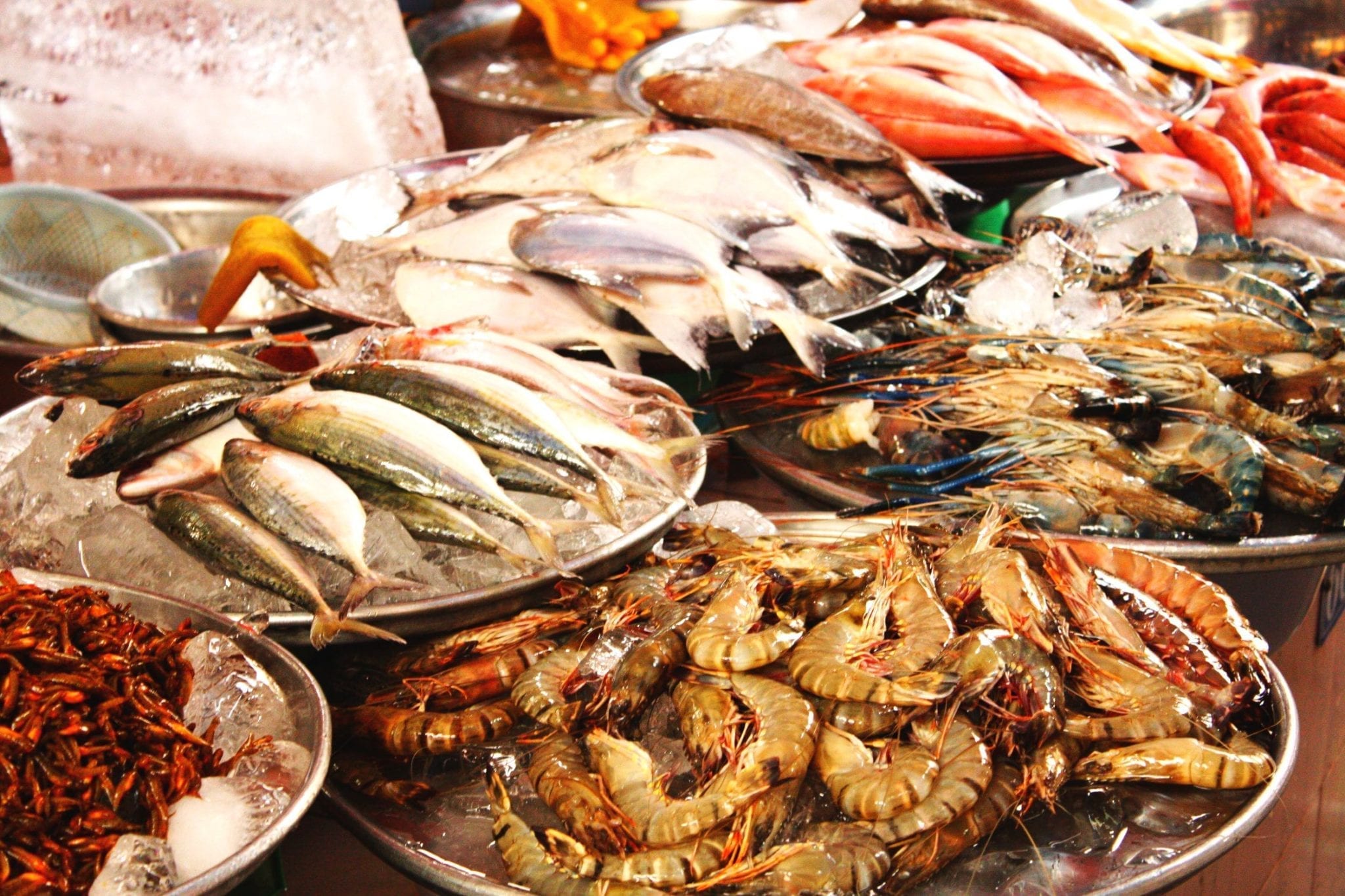
    Vietnam expects to rake in between 800,000 to $1 billion worth of sea culture product exports by 2025, according to a development project of the sector towards 2030 with a vision to 2045.

    Also by the time, the total area of sea culture is set to hit 280,000 hectares with an annual yield of 850,000 tonnes.

    By 2045, the sector is expected to contribute more than 25% of the country’s total fishery productivity, with its export value expected to exceed $4 billion.

    Such goals require efforts to tackle bottlenecks and turn Vietnam’s sea culture into a large-scale production industry in a synchronous, safe, effective, environmentally friendly and sustainable manner.

    According to the Ministry of Agriculture and Rural Development, the country now has about 7,447 sea culture establishments with a total area of 85,000ha.

    The sector’s current growth is estimated at 23.3% annually.

  • Tim Hortons plans ‘hundreds’ of restaurants across SE Asia

    Tim Hortons plans ‘hundreds’ of restaurants across SE Asia

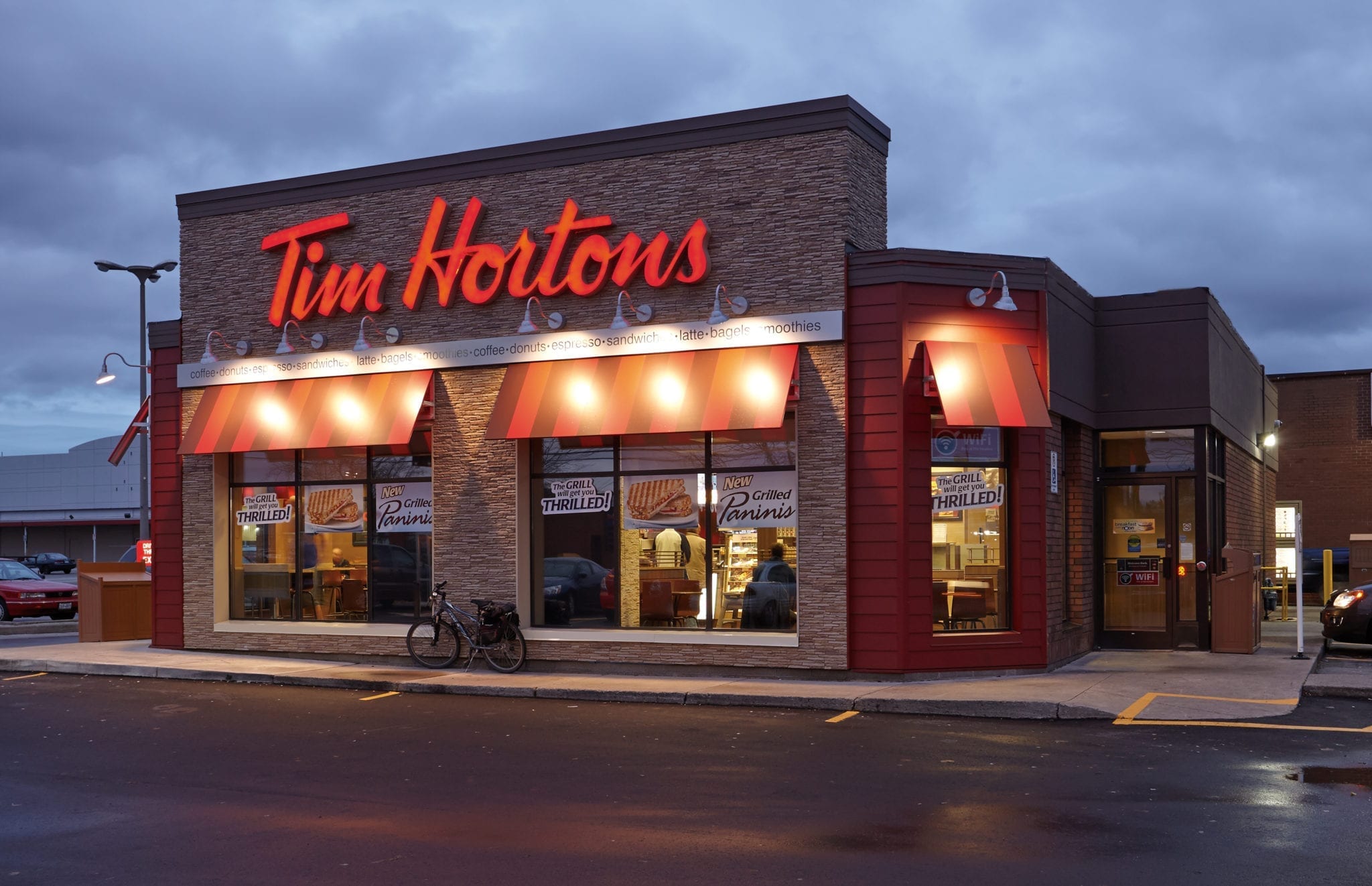
    Japan’s Marubeni plans to open hundreds of Tim Hortons coffee shop franchises in three Southeast Asian countries, a move the trading conglomerate hopes will make around $300 million in sales by 2033.

    Tim Hortons, headquartered in Canada, currently has over 5,600 locations worldwide. Marubeni signed an agreement with Tim Hortons’ parent company, Restaurant Brands International, to develop and operate the new coffee shops in Singapore, Malaysia, and Indonesia.

    Marubeni plans to start opening franchises in Singapore and Malaysia in the next fiscal year beginning this April, while stores in Indonesia will begin opening in fiscal 2024. The plans will see hundreds of new Tim Hortons franchises in operation by 2033.

    Marubeni will make use of its existing retail network in Southeast Asia to support operation of the new businesses, which will have menus tailored to local tastes. Currently, Marubeni chiefly operates stores that sell pharmaceuticals and cosmetics.

    The Tim Hortons franchises will be the first businesses launched under a new corporate development division Marubeni established last year, focused on business growth in the Asian consumer market.

    Going forward, Marubeni plans to position restaurant operations as a core segment of its business expansion ventures.

  • Vietnamese favor Canadian lobsters, snow crabs

    Vietnamese favor Canadian lobsters, snow crabs

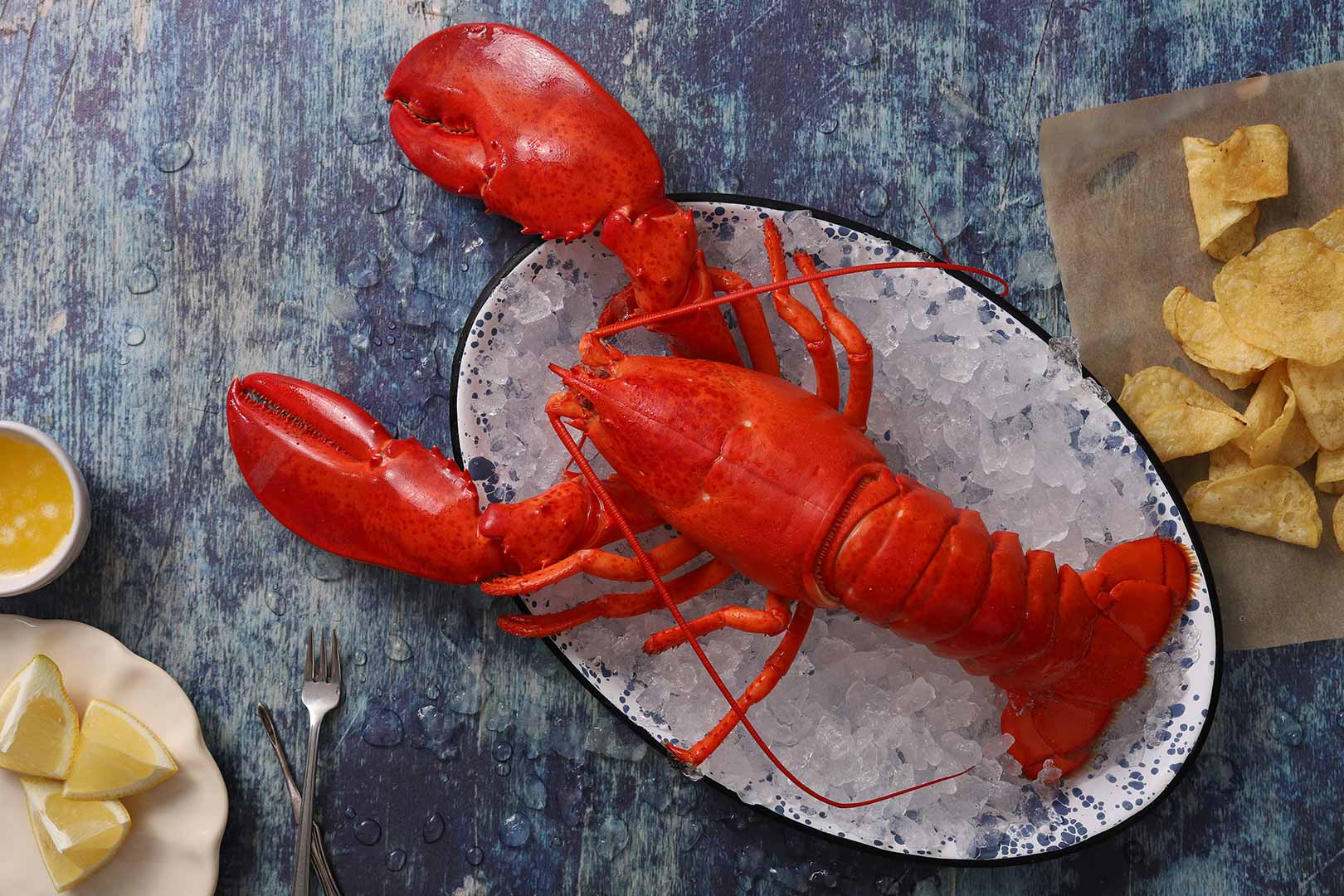
    Vietnam spent US$65 million importing Canadian seafood, mainly lobsters and snow cabs last year, doubling 2021 imports and trebling 2020.

    Among Southeast Asian countries, Vietnam was Canadian’s biggest seafood importer, Steve Craig, Minister of the Department of Fisheries and Aquaculture of the Canadian province of Nova Scotia, said at a recent business networking event in HCMC.

    Although Vietnam is the world’s fourth largest seafood exporter with an annual turnover of $11 billion, it is still a fertile ground for Canadian products, he said, noting that Vietnamese are among the world’s top seafood consumers.

    Tran Van Truong, CEO of Royal Seafood chain, an official importer of Canadian seafood in large quantities, said the seafood is famous in Vietnam because their prices are always stable and often 5-20%, sometimes 40%, lower than imports other countries.

    Currently, in the Vietnamese market, Canadian lobsters are priced at VND1.4 million ($59.3) per kilogram, and Australian lobsters at VND2.4 million. The price of cod, oysters, and geoducks imported from Canada are also lower.

    Between 50 and 60 Vietnamese firms directly import Canadian seafood, and the number of Canadian seafood shops in Vietnam is rising.

    Canada will create more favorable conditions for Canadian and Vietnamese seafood to penetrate more deeply into each other’s markets, Craig said, stating that the Vietnamese market is very promising.

    Overall, bilateral trade between Canada and Vietnam was $14 billion last year, he said, noting that Vietnam is Canada’s biggest trading partner in Southeast Asia.


  • Dairy Farm to sell its Malaysian grocery business

    Dairy Farm to sell its Malaysian grocery business

    Dairy Farm International Group (DFI) is disposing its grocery venture in Malaysia, which includes the supermarket chain Giant, for an unspecified figure after having operated in the country for 24 years.

    The retail group, based in Hong Kong and listed in Singapore, has inked an agreement with a group of Malaysian business people headed by Datuk Andrew Lim Tatt Keong, who is both the deputy chairman of Sogo Department Store and executive chairman of the Gama Group.

    The switchover is anticipated to be finished by next month and the new owner will take over 2500 staffs from Giant, Cold Storage and Mercato grocery businesses.

    The Edge Markets suggested that the agreement could be worth “at least a couple of billion (ringgit)”.

    DFI entered Malaysia in 1999 by obtaining a 90 percent stake in Giant via its subsidiary GCH Retail. The subsidiary registered a net loss of US$23.4 million in 2021 with store numbers being cut to less than half of the pre-Covid period.

    “By uniting these companies under experienced local leadership, we have laid the foundations for them to continue growing and contributing to the Malaysian economy,” the company said.

  • Starbucks Unveils Innovative Olive Oil Coffee Brew

    Starbucks Unveils Innovative Olive Oil Coffee Brew

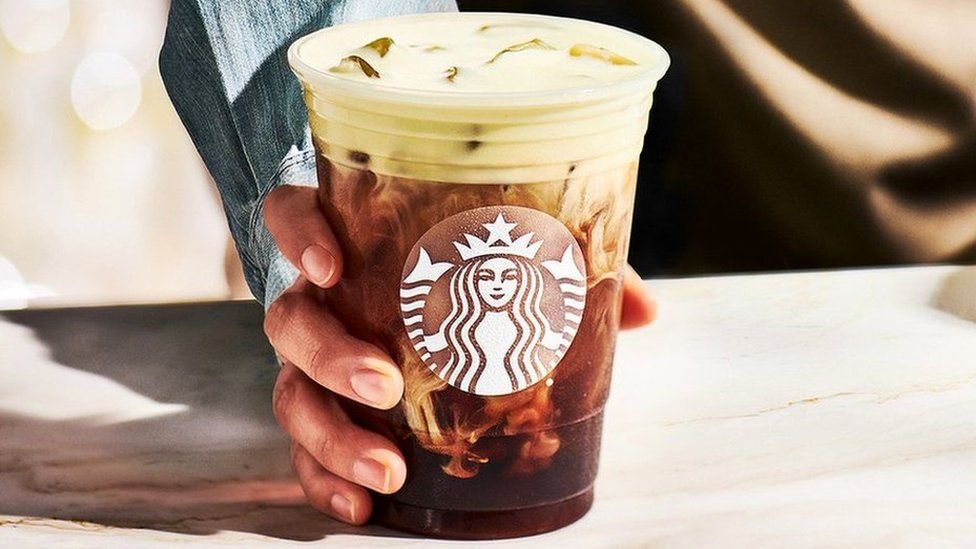
    It’s no secret that Starbucks is constantly looking for ways to innovate and stay ahead of the competition. Recently, the global coffee giant has unveiled its newest innovation – an olive oil coffee brew. This new brew has taken the coffee world by storm and is gaining a lot of attention from coffee enthusiasts around the world.


    Starbucks is one of the world’s largest coffee chains, with over 30,000 locations in 80 countries. Founded in 1971, Starbucks is known for its high-quality coffee and innovative drinks. It is also known for its commitment to sustainability and ethical sourcing.

    The recent launch of Starbucks’ olive oil coffee brew has been met with excitement from coffee lovers around the world. This new brew is made with a combination of coffee and olive oil, creating a unique flavor that is completely different from traditional coffee.

    The combination of coffee and olive oil in Starbucks’ new brew provides a number of benefits. Firstly, it is packed with antioxidants, which can help protect your body from free radicals and reduce inflammation. Additionally, the olive oil adds a rich, buttery flavor to the coffee, which is sure to be a hit with coffee lovers.

    Furthermore, the combination of coffee and olive oil can help to increase energy levels and mental clarity. This makes it the perfect choice for those who need an extra boost throughout the day. Finally, the olive oil coffee brew is naturally low in calories, making it a healthier alternative to sugary coffee drinks.

    The olive oil coffee brew is completely different from traditional coffee. Firstly, it is made with high-quality, cold-pressed extra virgin olive oil. This adds a unique flavor and aroma to the brew that is unlike any other coffee.

    Secondly, the olive oil adds a rich, buttery texture to the coffee, which is sure to be a hit with coffee lovers. Finally, the olive oil coffee brew is naturally low in calories, making it a healthier alternative to sugary coffee drinks.

    starbucks plans to continue to expand the reach of its olive oil coffee brew. The company plans to open more locations that serve the olive oil brew and also plans to release additional flavors in the future. Additionally, Starbucks plans to use the olive oil brew as a way to introduce customers to other products, such as its cold brews, espresso drinks, and tea lattes.

  • Finance ministry again moots tax on sweetened beverages

    Finance ministry again moots tax on sweetened beverages

    The Ministry of Finance is again considering imposing a tax on sweetened beverages eight years after failing to get other ministries’ backing for it.

    A “reasonable” special consumption tax on sugary drinks would help protect people’s health in line with the World Health Organization’s recommendation and international practice, it said.

    Consumption of sweetened beverages in Vietnam had surged by nearly eight times between 2002 and 2018 to 50.7 liters per person per year.

    Surveys by the National Institute of Nutrition in 2001-10 and 2011-20 found the overweight children rate rising quickly in urban and rural areas.

    In 2012 15 countries were imposing a tax on sweetened beverages, but by 2021 it had risen to 50, including six in Vietnam’s neighborhood: Thailand, the Philippines, Malaysia, Laos, Cambodia, and Myanmar.

    “WHO recommends that governments take actions to encourage people to consume healthy food, including using tax measures on sugary drinks to orient consumption,” the ministry said.

    In 2014 the ministry had proposed a 10% special consumption tax on sweetened beverages, but other ministries opposed it. The Ministries of Planning and Investment and Justice said the argument for the tax was not convincing, and the Ministry of Industry and Trade said it could have a negative impact on businesses.

    The finance ministry is also considering hikes in the special consumption tax on beer and other alcoholic beverages and cigarettes.

    Between 2016 and 2019 it had increased the rate on beer and certain alcoholic beverages from 55% to 65% and on cigarettes and cigars from 70% to 75%.

    But the hikes do not seem have had much effect, the ministry admitted.

    Vietnam remained the biggest beer consumer in Southeast Asia and third biggest in Asia. In 2019 an average person consumed 47.6 liters a year, 20% more than in 2015.

    In 2020 around 42.3% of Vietnamese men smoked, while the government’s target had been to bring it down to 37%.

    But the country’s taxes on alcoholic drinks remain lower than in other countries, and account for only 30% of retail price compared to 40-85% elsewhere, according to WHO.

    On cigarettes, the rate is 35% compared to 70% in Thailand, 69% in Singapore, 57% in Malaysia, and 51% in Indonesia. It is as high as 80% in France and 75% in Germany.

    Another reason for the ministry’s proposal to increase the tax is that prices of alcoholic drinks have been rising slower than average incomes.

    In 1998 it had taken a person 8.2% of their annual income to buy 10 liters of Vodka Hanoi, but by 2014 the ratio had dropped to 2.2%. In the case of red wine, the rate had dropped from 5.9% to 1.6%.

  • Oversupply fears as Mekong Delta farmers switch en masse to durian

    Oversupply fears as Mekong Delta farmers switch en masse to durian

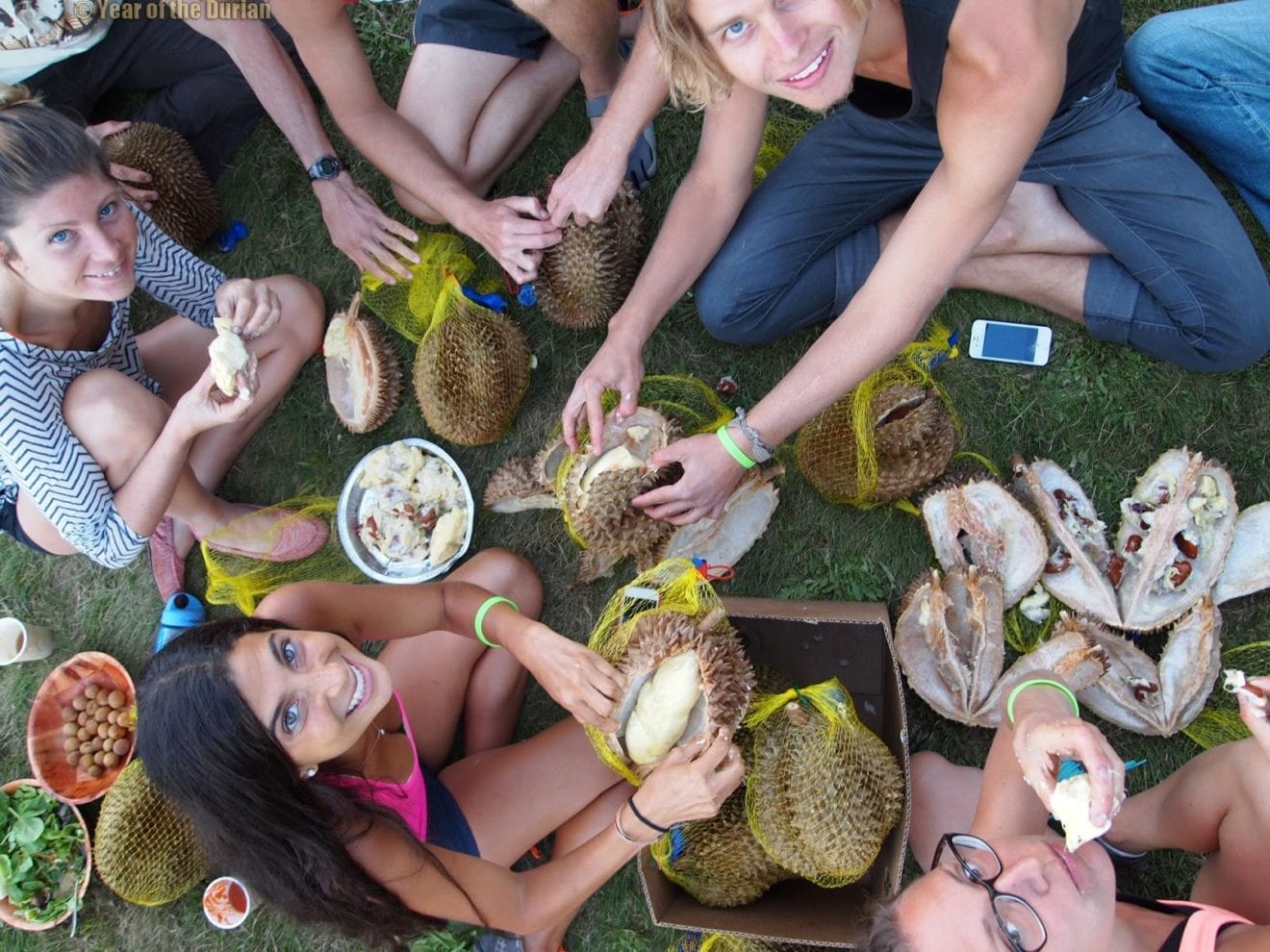
    Rice farmers in the Mekong Delta have been switching to durian on thousands of hectares of lands despite warnings the soil is unsuitable and there will be oversupply.

    Tran Dang Khoa in Long An Province in the delta is busy preparing to harvest his durian crop he has sold to a trader at VND150,000 ($6.32) per kilogram.

    The 32-year-old man borrowed from banks five years ago to plant the fruit trees on a part of his 3.5-hectare rice farm. He invested VND1 billion to plant over 150 durian trees, which are now nearly ready for harvest.

    “One hectare can produce 15 tons of fruits, and I can earn an income of over VND1 billion,” he said, pointing out that was 10 times the income he would get by growing rice on his whole farm.

    In the neighboring province of Tien Giang, Nguyen Van Dong gets up early every day to fertilize his four-year-old durian trees that will be ready for harvest next year.

    He too used to farm rice, but it fetched him VND20 million a year. When jackfruit prices rose, he switched to it, but prices plunged due to oversupply and he suffered losses.

    He switched to the fruit with durian prices rising relentlessly in recent years.

    “I have 200 trees and invested VND800 million in the farm, part of it borrowed from banks.”

    In the last three years the area under durian in Tien Giang has expanded by 21% to 17,600 ha. Neighboring localities such as Can Tho City and Hau Giang Province have been witnessing a similar trend with thousands of hectares of durian added in recent years.

    The Ministry of Agriculture and Rural Development planned to have 75,000 ha of durian by 2030, but the figure has already exceeded 80,000 ha and is increasing.

    Nguyen Bao Ve, former head of agriculture studies at Can Tho University, said warned about unsuitable soil and low yields.

    Tan Phuoc District in Tien Giang has for instance acid sulphate in the soil, and it would cost farmers a lot of money to make the soil suitable for growing durian, he said.

    Tien Giang, Long An and Dong Thap provinces frequently suffer flooding and growing durian there without building dikes could lead to losses, he warned.

    Vo Huu Thoai, head of the Southern Horticultural Research Institute, said farmers used to replace rice with jackfruit when the latter’s prices rose and chop them down when prices dropped. The same thing happened with orange and is now happening with durian, he said.

    “Of the 80,000 hectares of durian in Vietnam, only 5% are approved for imports by China, and this poses a great risk to farmers.”

    In the long run the government needs to impo

  • China begins large purchase of Vietnamese tra fish

    China begins large purchase of Vietnamese tra fish

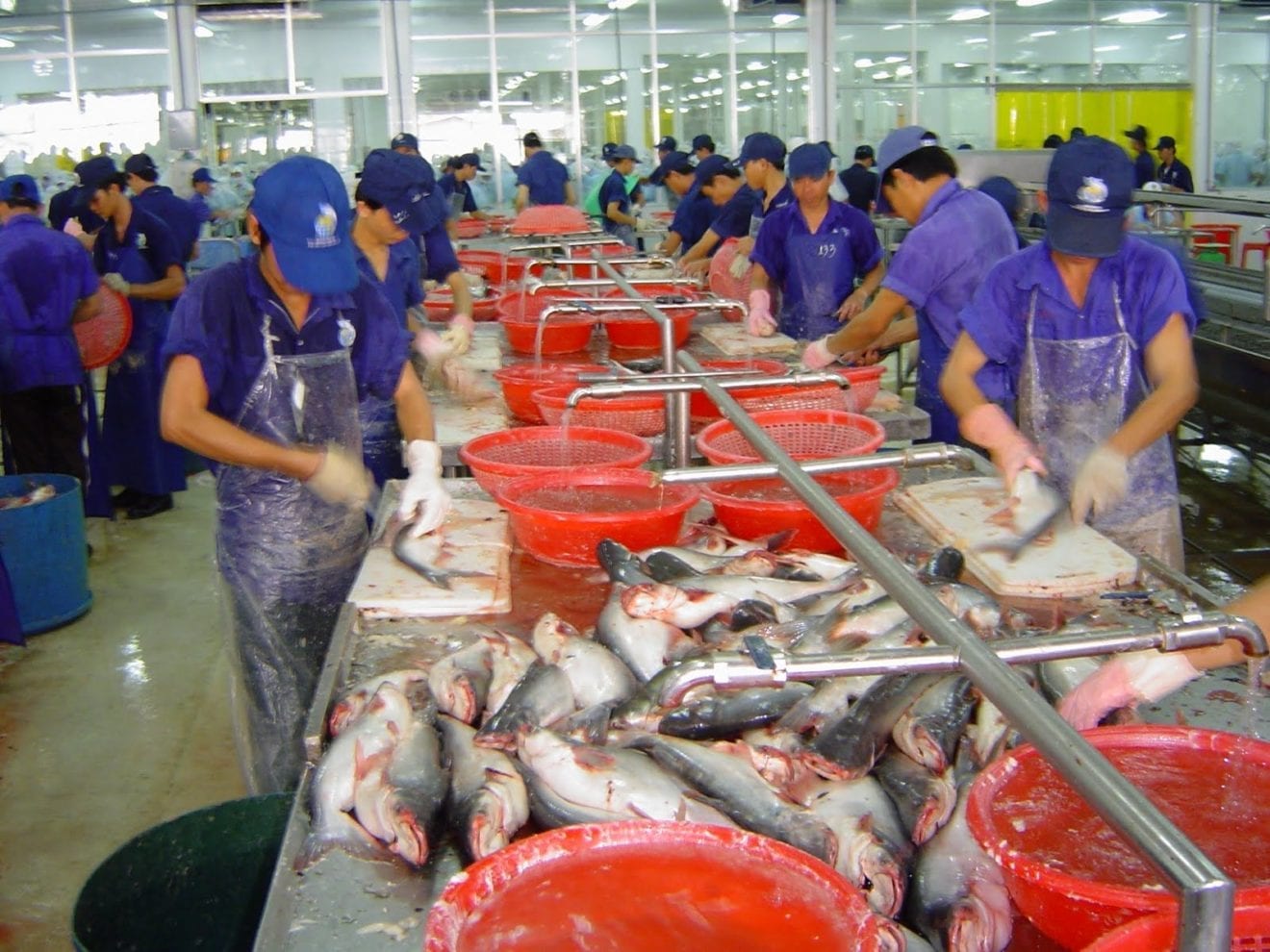
    A Chinese trader has imported 500 containers of tra fish weighing 12,000 tonnes from Vietnam right after China lifted its zero-Covid policy, showing a positive signal for the sector this year.

    China is the second biggest importer of Vietnamese tra fish, after the U.S. Last year, Chinese traders bought nearly 300,000 tonnes of the fish from Vietnam, with a total value of more than $700 million.

    Notably, the current price of fillets exported to this market ranges from $3.5 to 3.6 per kg – the best export price of this product – in the context of the global economic downturn.

    Vietnamese tra fish is now exported to 138 countries and territories worldwide.

    About 350 tra fish-raising establishments in the Mekong Delta region with a total area of nearly 3,120 ha have been certificated to meet Vietnamese Good Agricultural Practices (VietGAP) standards.

    According to the Vietnam Association of Seafood Exporters and Producers (VASEP), this year, tra fish exports are expected to surpass $2.4 billion – a record high set in 2022.

  • Shrimp exports fall by half in January

    Shrimp exports fall by half in January

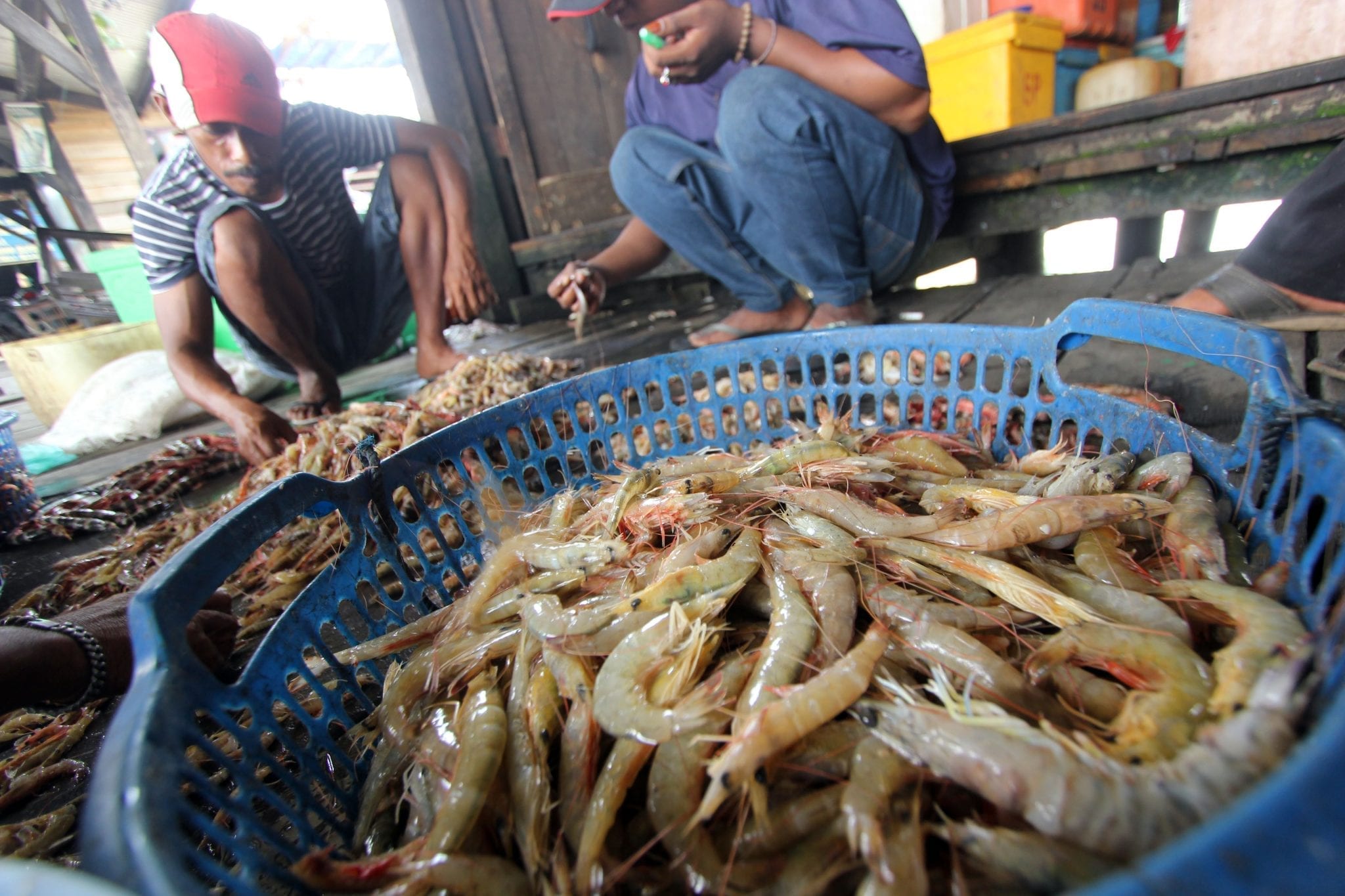
    Shrimp exports plummeted by 55% year-on-year in January to US$141 million due to weaker global demand and stronger competition from other countries.

    According to the Vietnam Association of Seafood Exporters and Producers, exports to the U.S. were worth $23 million, down 65%, the sharpest decline among all markets.

    Shipments to the EU were down 55% to $24 million. Vietnam’s largest market, Japan, imported $29 million worth of shrimp, a 47% decline.

    A major reason for the fall in exports was that demand in the EU was weaker because of the impact of inflation and uncertainties related to the Russia-Ukraine conflict.

    Vietnam also saw heightened competition from rivals such as Ecuador and China.

    Shrimp exports would face a lot of challenges this year due to the unfavorable global economic situation, which would drive down demand, and high inventories in many markets, the association said.

    Exporting to Japan is becoming increasingly difficult because of the high hygiene, safety and sustainability standards the country has, it said.

    However, China’s reopening in January would help the Vietnamese fisheries sector realize its export target of over $10 billion this year, including $4 billion worth of shrimps, it added.

  • Panda Express introduces first drive-thru store in Asia

    Panda Express introduces first drive-thru store in Asia

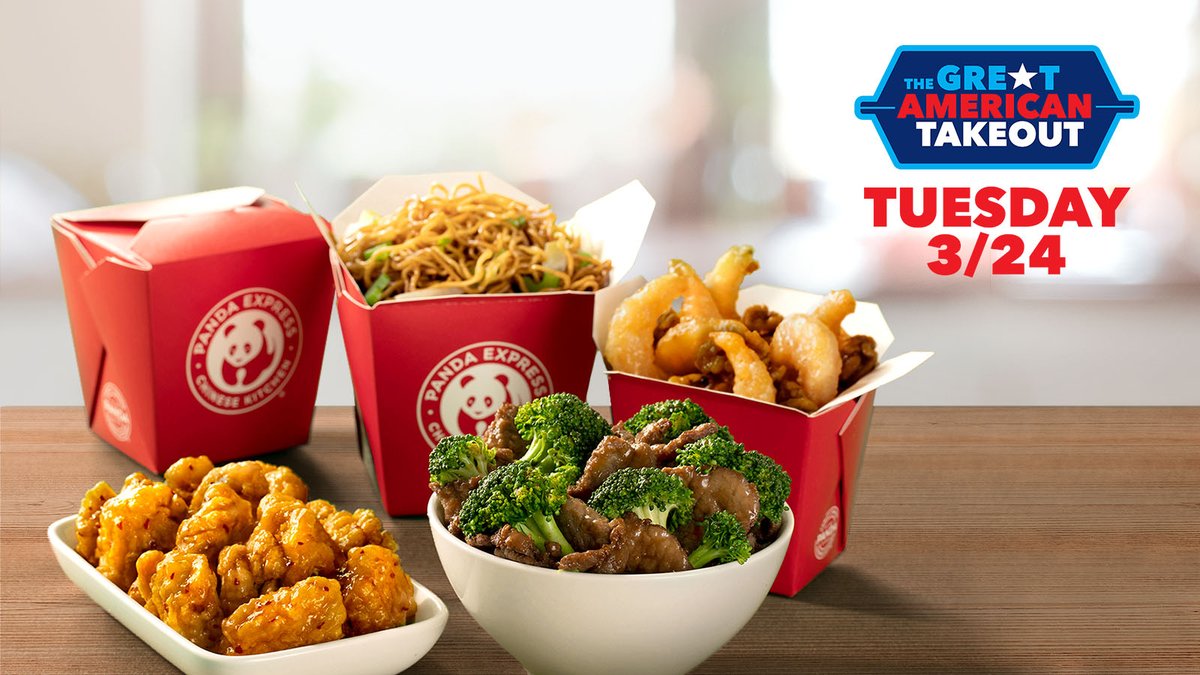
    Get ready to enjoy delectable American-Chinese cuisine, even while on the road. Panda Express—the world’s largest American Chinese dining concept–finally opened its first drive-thru restaurant in Asia with the launch of its Sumulong Highway branch. The latest store—located at Toyota Avenue corner Sumulong Highway, Marikina City — also marks the 100th international restaurant.

    “We are excited to open the first Panda Express drive-thru store in Asia, allowing even more guests to experience our American-Chinese cuisine,” said Doug Stalgren, vice president of Panda Express International. “Our global Panda Family is thrilled to be celebrating this milestone with our Filipino guests who have shown us so much love since the opening of our first store in the country in late 2019.” In 2019, Jollibee Group formed JBPX Foods, Inc., a joint venture with Panda Restaurant Group, Inc. (PRG) to bring the iconic US restaurant brand to the Philippines. The latest store opening is part of JBPX Foods, Inc.’s plans to open more stores across the country in response to guests’ demand for savory Panda Express dishes.

    Panda Express continues to offer a variety of entrées with Chinese influences with its latest Sumulong Highway store, including the bestselling dish, The Original Orange Chicken, a wok-tossed crispy chicken coated in sweet tangy sauce; and Honey Walnut Shrimp, a mouth-watering entrée made with premium crispy shrimp wok-tossed in a honey sauce and topped with glazed walnuts.

    A long queue of cars welcomed the opening of the drive-thru and lined up as early as 5 a.m. to order their Panda Express favorites. The first 100 drive-thru guests received limited-edition Panda Bear, and those with minimum order value of P500 got a free pail of Medium Orange Chicken.

    Dine-in customers also waited in line as early as 8 a.m. to get a taste of their favorite Panda Express dishes. As a special treat, the 100th dine-in guests, Marian Amurao and Bryle Lukban, received a pail of Giant Orange Chicken.

    “I’m really happy a new Panda Express store has opened near me. I’ve always been a fan of the Original Orange Chicken and its Honey Walnut Shrimp,” said Amurao.

    As a special treat during the Panda Express store opening in Sumulong Highway, the 100th dine-in guests, Marian Amurao and Bryle Lukban, received a pail of Giant Orange Chicken.

    “Since Panda Express opened its first store in Megamall, I have always craved for their dishes. Now that we have it near our place in Marikina, it’s really nice that I can order my favorite Panda Express meals anytime, either via drive thru or by dining in,” Lukban shared.

    To date, Panda Express is operating in over 2,400 locations worldwide, with stores in the Philippines, Canada, Guatemala, Japan, Mexico, El Salvador, South Korea, and the United Arab Emirates.

  • Gelatissimo opens stores in Thailand, Singapore, Hawaii

    Gelatissimo opens stores in Thailand, Singapore, Hawaii

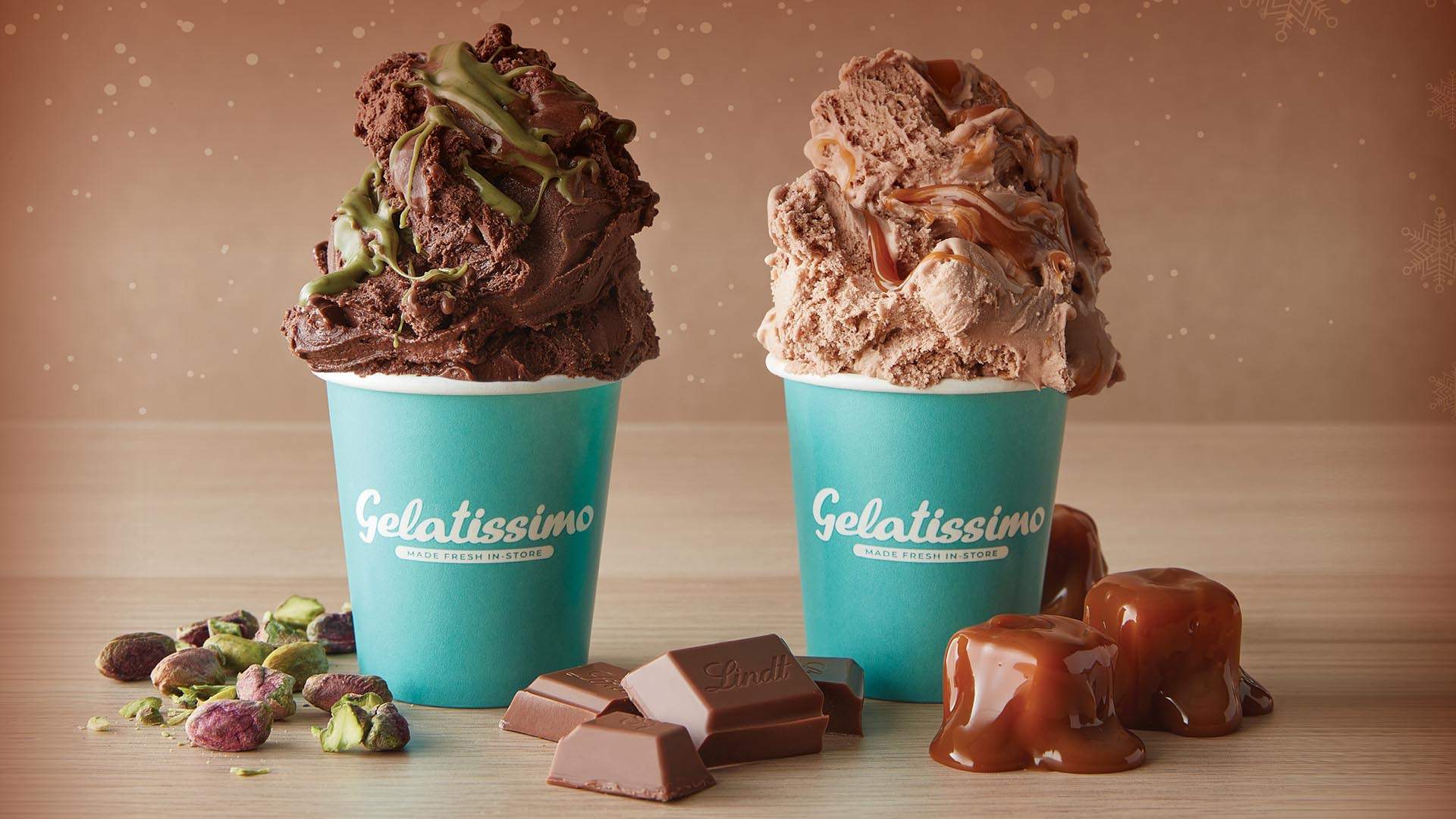
    Australian gelato chain Gelatissimo has opened five new stores – including in Thailand and Singapore – taking its international store network to 70.

    One store has opened in Sunny Laguna in Phuket, Thailand, another in Hawaii’s Royal Hawaiian Center at Waikiki and a third at Jewel Changi Airport in Singapore. In Australia, the company opened stores in Rhodes, NSW, and Highpoint, Victoria.

    The overseas stores will feature unique, locally inspired flavours such as the Phuket exclusive, Mango Sticky Rice and the Hawaiian Pina Colada along with its core flavours served globally.

    Gelatissimo CEO, Braeden Lord, said the refreshed brand and store experience creates a “destination for locals” to make memories.

    “We are so proud to be achieving all our expansion plans both in Australia and overseas and this year has plenty more openings and new launches in the pipeline,” he said.

    All new locations will feature Gelatissimo’s contemporary new store design which combines gelato’s Italian heritage and the brand’s Aussie roots.

  • Smiths x Mad Mex launch limited-edition hot-sauce nachos

    Smiths x Mad Mex launch limited-edition hot-sauce nachos

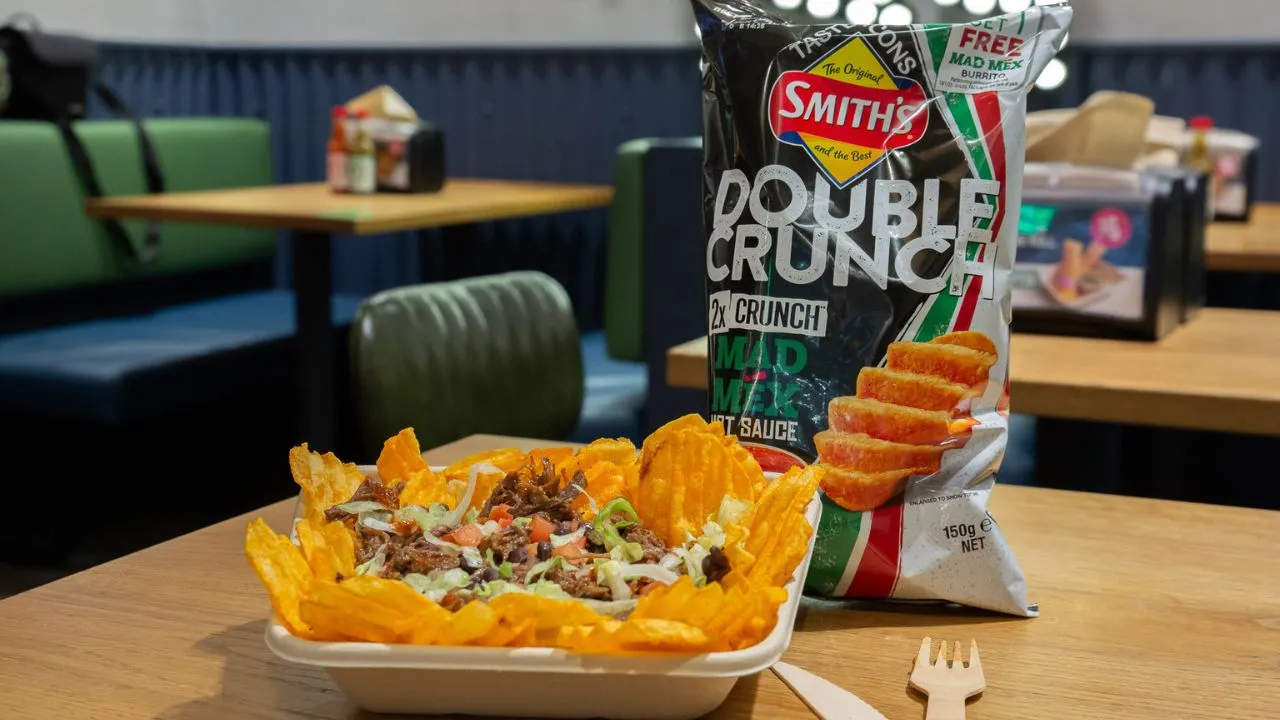
    Mad Mex is rolling out a limited-time menu item, the Double Crunch Hot Sauce Nachos, starting on Tuesday, February 21.

    The new item puts a spin on the classic nachos recipe by using Smith’s x Mad Mex Hot Sauce chips and is expected to be popular among spice-loving customers.

    “We’re excited to take our collaboration with Smith’s into our restaurants and have developed this killer ‘mashup’ menu item.” Mad Mex CEO and Founder, Clovis Young said expressed his enthusiasm for the collaboration with Smith’s.

    Fans can grab the Double Crunch Nachos at any Mad Mex location in Australia until 20 March 2023.