Category: Food

Retail News Asia is committed to providing both local and global retailers with the latest Food and Food & Beverage news throughout the Asian market. This on a daily base.

  • Vietnam rice exports to Taiwan continue to rise

    Vietnam rice exports to Taiwan continue to rise

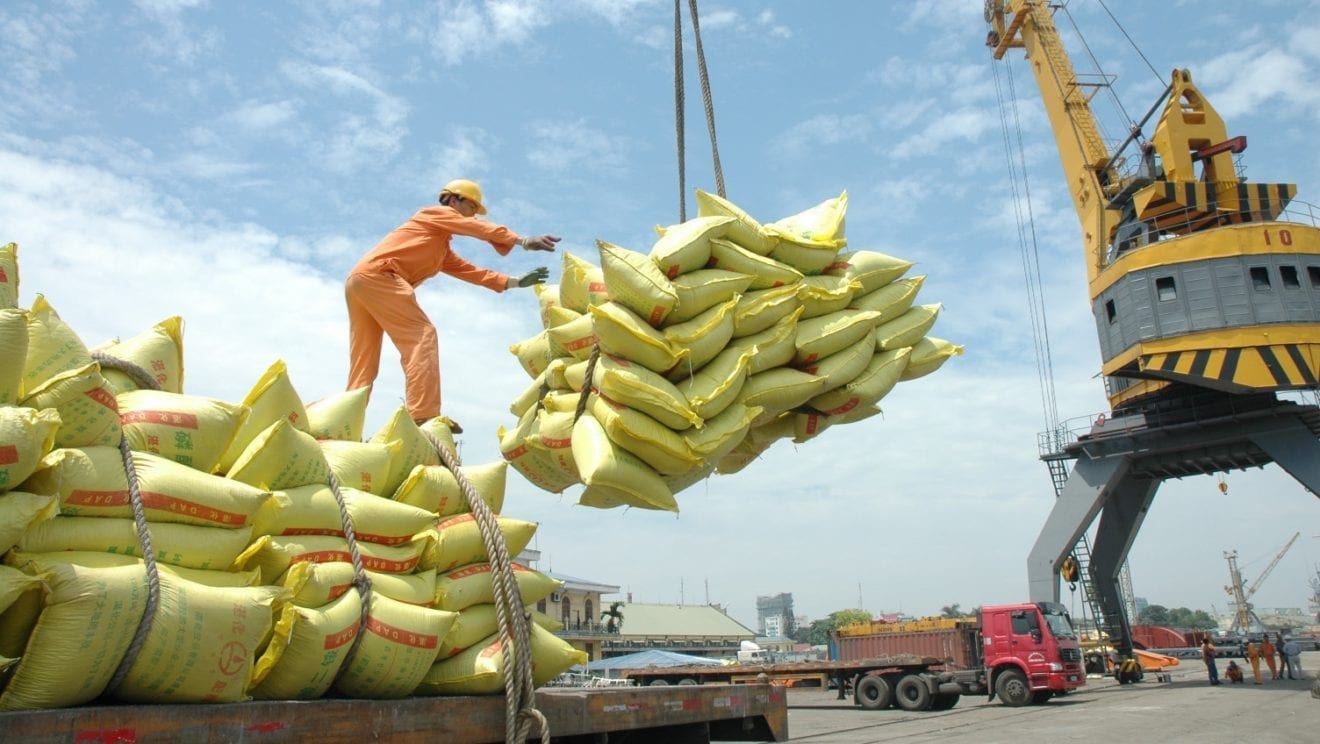
    Vietnam’s rice exports to Taiwan rose by 18.5% last year as quality improved and prices were competitive.

    It shipped 20,281 tons worth over US$10 million, accounting for more than 16% of Taiwan’s imports, the third highest market share.

    In recent years Vietnam’s exports of high-grade rice to the market have been steadily increasing as its prices are lower than Thailand’s, Taiwan’s second-largest source of imports at 23,042 tons.

    But Thailand’s exports declined by 20% last year. Vietnam’s sticky rice exports to Taiwan exceeded those of the U.S. and Thailand.

    Overall, Vietnam exported more than seven million tons of rice worth $3.5 billion to the global market last year.

    It was sold in European supermarkets for the first time.

  • Seafood exporter Minh Phu reports surge in profits

    Seafood exporter Minh Phu reports surge in profits

    Minh Phu Seafood Corp., a leading shrimp exporter, reported consolidated after-tax profits of nearly VND840 billion (US$35.6 million) last year, up 27% from 2021 and its highest since 2015.

    Its revenues rose by 20% to VND16.43 trillion.

    According to the Vietnam Association of Seafood Exporters and Producers, shrimp exports were worth a record $4.3 billion last year after rising by 11% on high demand and high prices in the first half.

    In the second half high inflation in major economies affected demand, and exports declined.

    In 2022 shrimp exports to China grew by 61%.

    Vietnam’s shrimp exports to it are expected to continue to surge this year after China’s reopening.

  • Chinese tea chain Mixue opens its first Australia outlet

    Chinese tea chain Mixue opens its first Australia outlet

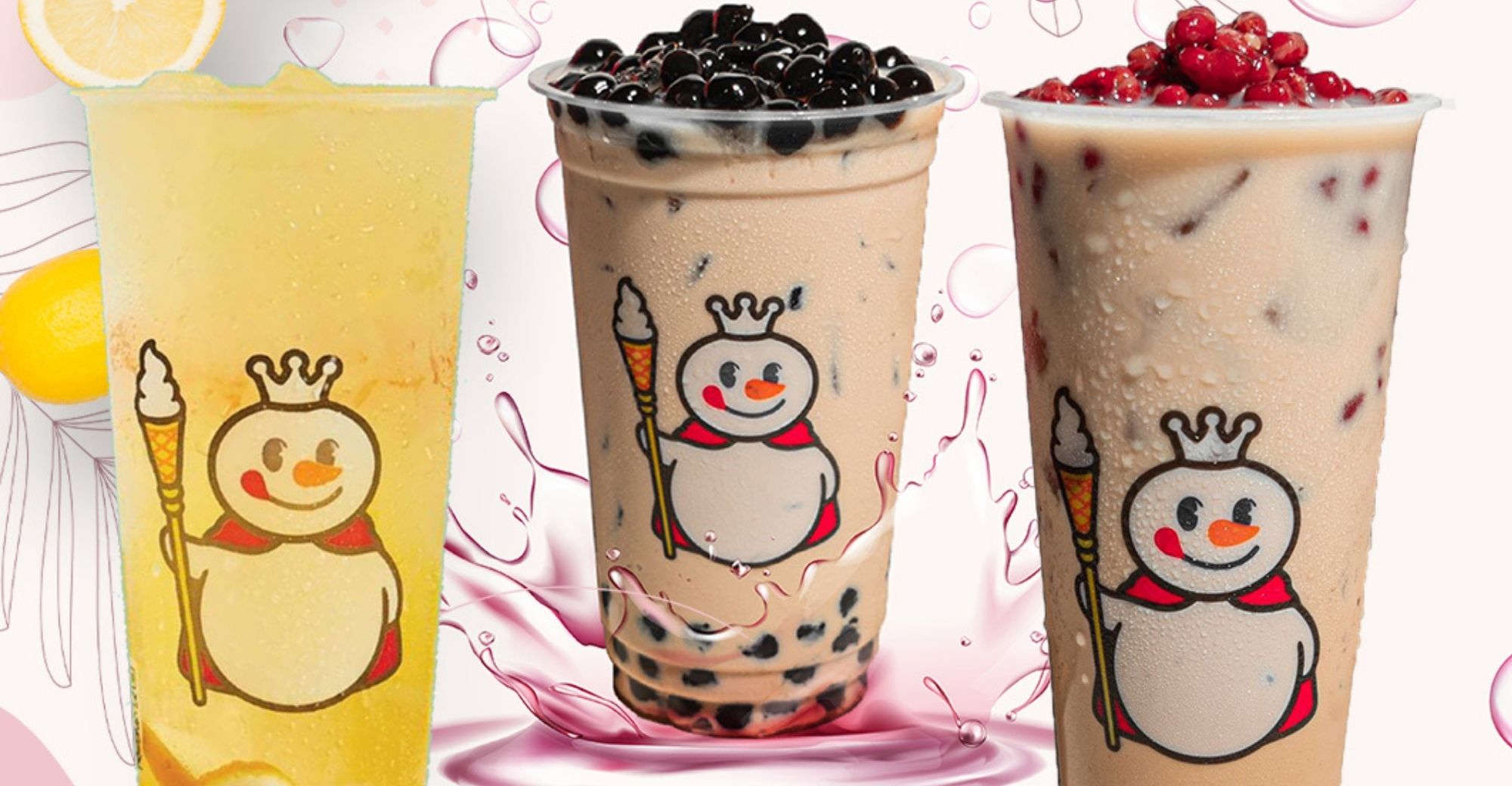
    Chinese tea chain Mixue has launched in Australia, opening its first store in Sydney’s World Square shopping centre.

    Two more locations are imminent in Brisbane and Melbourne.

    The Sydney store features floor-to-ceiling windows spanning an entire wall and red steel frames.

    A marketing campaign by Mixue offering “1000 Sydney students to have a drink for free” was launched for the brand’s Sydney launch. Mixue said that although the pricing will be different to that in its home market, the quality will not change.

    Founded by Zhang Hongchao in 1997, Mixue Ice Cream and Tea opened its first overseas store in Vietnam in 2018 and currently has 600 stores in 11 Asian countries and 21,000 stores in China.

    With several milk tea companies expanding into the market during the past two years, Australia is a promising destination for the sector.

    Global milk tea giant Gong Cha last year said it planned to add 17 new stores to its existing 118 locations in Australia and both Gotcha and Chatime recently said they planned to prioritise the market.

  • Japanese restaurant chain Zensho to buy Lotteria Japan

    Japanese restaurant chain Zensho to buy Lotteria Japan

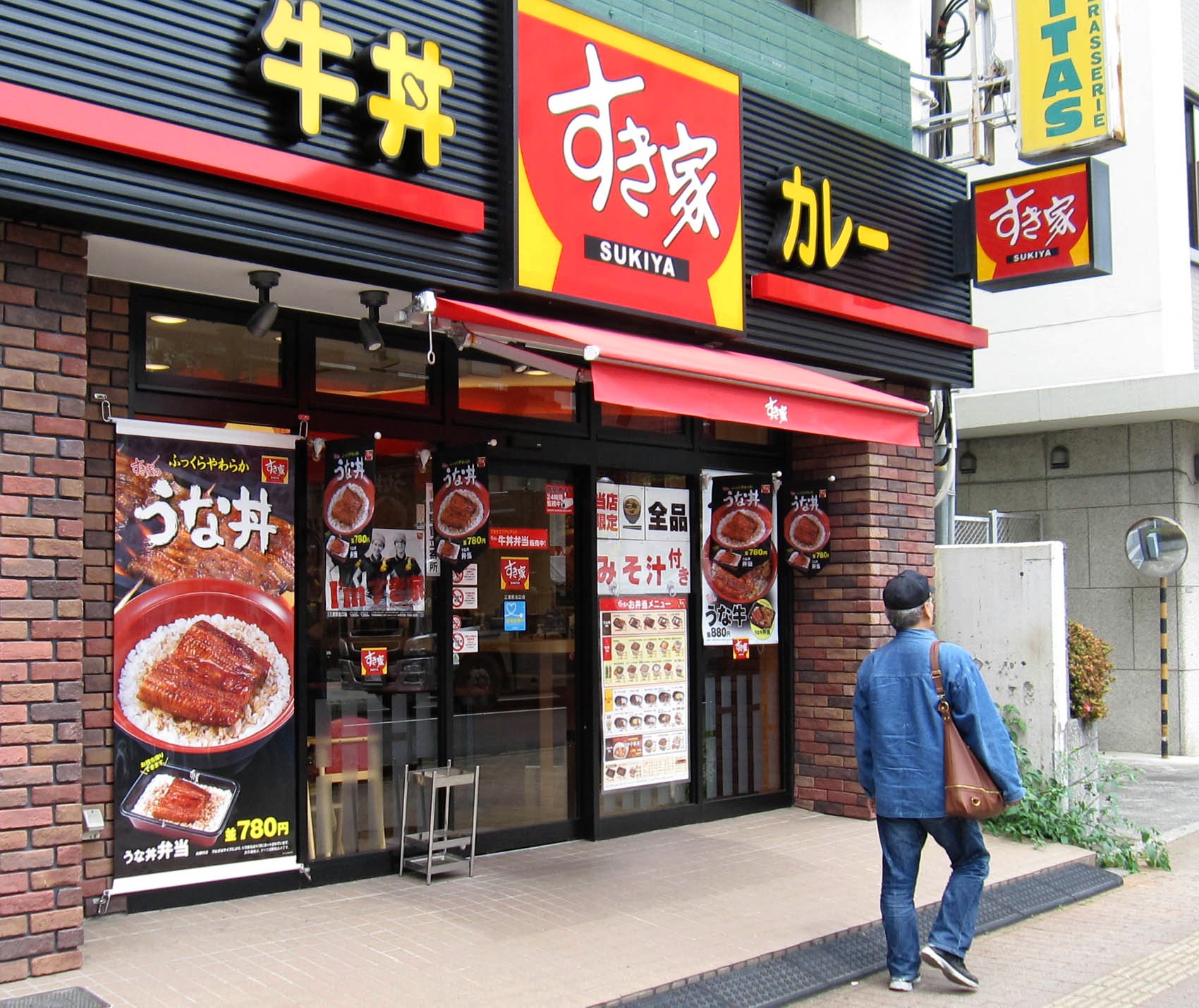
    Sukiya beef bowl chain’s operator, Zensho Holdings, is to acquire burger franchise Lotteria Japan from Lotte Holdings for an undisclosed sum.

    The deal is expected to be completed on April 1.

    Entering Japan in 1972 with the first store opened in Tokyo’s Nihonbashi, Lotteria had 358 stores across the country as of January 1.

    Zensho Holdings said it has decided to acquire the shares based on the judgment that the synergistic effect of its mass merchandising system and wide range of food business will contribute to the future expansion and development of Lotteria’s business.

    The deal is part of an operational restructuring by South Korea’s Lotte Holdings.

    “We believe this is the best option for Lotteria to pursue new growth,” Lotte Holdings said in an announcement.

    The company said the Lotteria brand will continue for a certain period after the transfer of the shares but the new owners may rename it in the future.

    As of March 31 2022, Zensho Holdings managed and developed 10,078 restaurants, with sales of about US$4.9 million. Its portfolio of brands includes Sukiya, Big Boy, Nakau, Victoria Station and Jolly Pasta. The company previously operated US burger chain Wendy’s restaurants’ in Japan.

  • International Fruit prices drop by half

    International Fruit prices drop by half

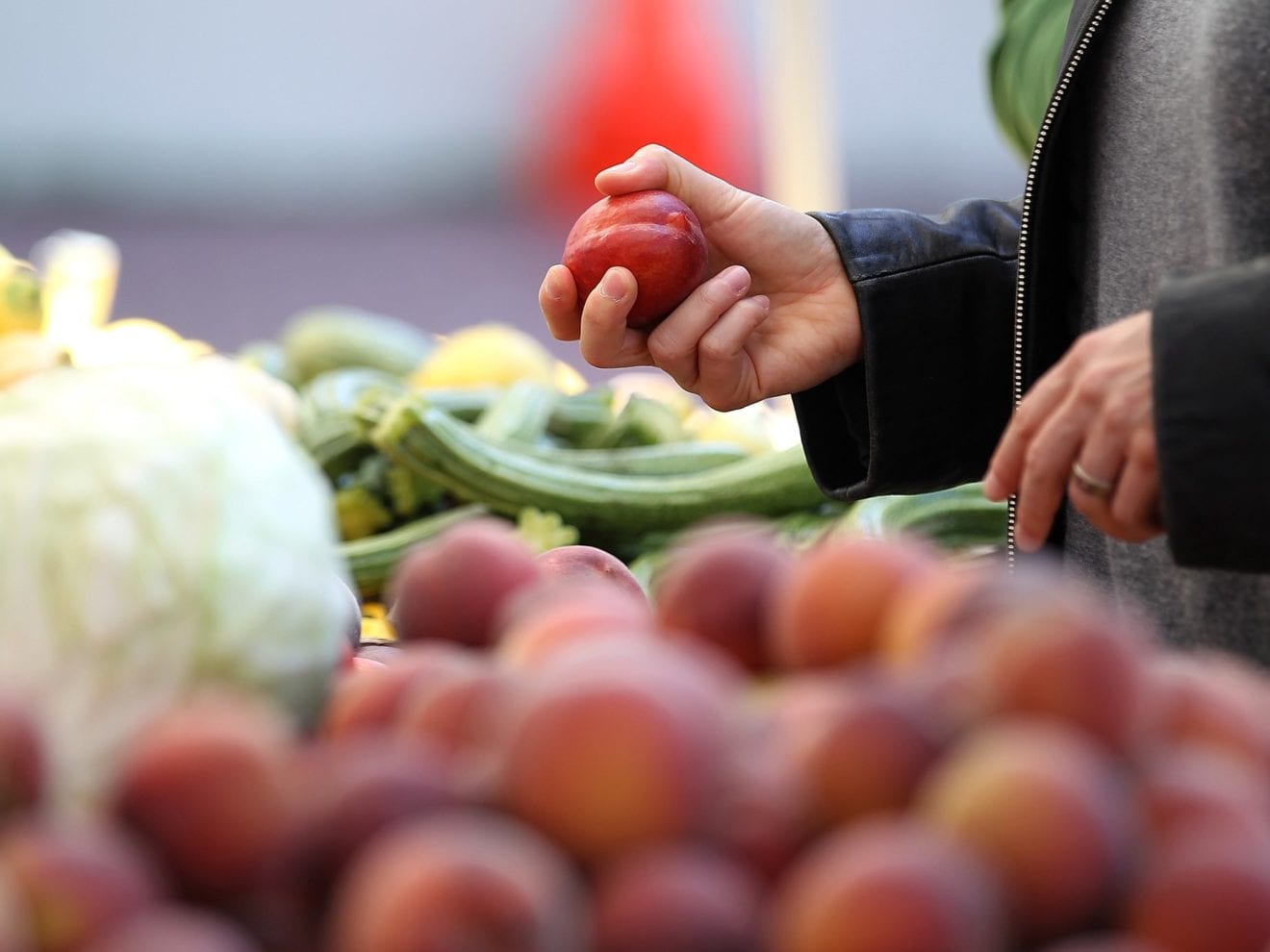
    Oranges, coconuts, and wax apples are sold at VND1,000-7,000 (4-29 U.S. cents) per kilogram at farm, half the prices compared to a month ago.

    In Ho Chi Minh City these days, vendors are selling king oranges at VND7,000-20,000 per kilo, depending on the size and quality of the fruit, along the sidewalk, on mobile trolleys or in wet markets. The prices have decreased 50%.

    Coconut is being sold at VND5,000-8,000 per fruit, pomelo VND8,000-15,000 per kilo, wax apple VND10,000-15,000 per kilo, down 30-50% compared to two months ago.

    Dat, who owns a one-hectare king orange farm in Tra On District of the Mekong Delta’s Vinh Long Province, said traders have bought his family’s oranges at VND4,000-5,000 per kilo and for this crop, he has lost almost VND100 million (US$4,228).

    The loss mainly comes from the cost of fertilizers and drugs, and yet to include the efforts.But he said “for those that have to rent land to grow oranges, the loss would even double.”

    Wax apples farmers in An Phuoc Commune, Long Thanh District of Dong Nai Province which borders HCMC said they are suffering “heavy losses” as the fruit’s prices sold at farm fall sharply to VND6,000-7,000 per kilo.

    In Ben Tre Province, Vietnam’s coconut kingdom, prices of dry coconut have also halved compared to the same period last year and farmers have reported to lose VND20-50 million for every hectare of coconut with prices dropping by half.

    Huynh Quang Duc, deputy director of Ben Tre’s Agriculture Department, said the reason for prices of dry coconut prices to fall sharply is because, after Covid-19, many countries with large coconut areas such as India, Indonesia, and the Philippines have lots of dried coconut inventories, resulting in a supply surge on the market, pushing the prices down.

    As for king orange, the Vinh Long Province’s Agriculture Department said consumers in northern and central Vietnam have lost appetite for the fruit during the past month under impacts of prolonged cold waves.

    Meanwhile, the supply source has remained abundant as farmers prepared a lot for Tet sales in January and then the crop in February resulted in high yield.

    Tra On District now has as many as 50,000 tons of oranges in stock and from now until early March, an extra of 60,000 tons will be harvested, according to the department.

    As per an approved plan, Vinh Long only have 12,000 hectares for king orange farming but in the past two years, with prices of the fruit on the rise and farmers earning profits, they have rushed to grow the fruit, expanding the farming area to 17,000 hectares.

    The Ministry of Agriculture and Rural Development has asked localities to support farmers by strengthening the connection between farms and supermarkets as well as fruit shops and online markets to help farmers sell all of their ripe oranges, despite the low prices.

    Several supermarket chains in HCMC are buying in oranges at VND10,000-14,000 per kilo.
  • Starbucks accelerates Asian expansion plan – eyes 400 more stores

    Starbucks accelerates Asian expansion plan – eyes 400 more stores

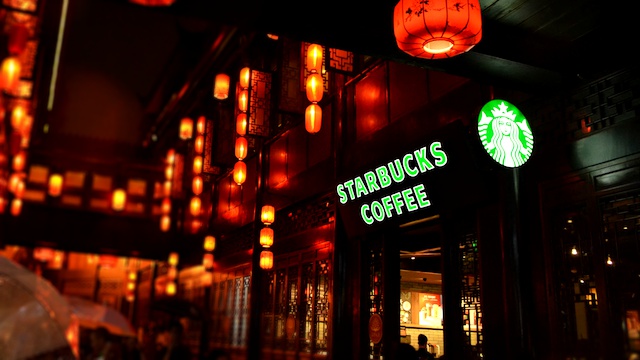
    Starbucks is ramping up its expansion plan in the Asia Pacific region, revealing plans today to open 400 additional stores this year alone.

    The expansion will include new cities and outside of major metropolitan areas in markets such as Thailand, Indonesia, Malaysia and the Philippines. In Laos, where it first opened its doors in November in the capital city of Vientiane, Starbucks also plans to open a new store this year.

    The rollout plans exclude the company’s Chinese and Japanese operations.

    Meanwhile, Starbucks plans to build on its existing portfolio of more than 300 stores in India by expanding into at least five new cities.

    The company recorded an 8 percent growth in net new stores during the past year.

    In South Korea, the US-headquartered coffee chain has introduced a 500sqm thrive-thru store in the business district of Gwangyang-si, marking its 5000th location in the region (excluding China and Japan).

    “Our 5000th store in Asia Pacific is a drive-thru store that speaks both to the changing habits of our customers and of our determination to meet them where it is most convenient, while still offering the Starbucks connection,” said Emmy Kan, president of Starbucks Asia Pacific.

    “We will continually enhance our store formats and innovate, not just to cater to changing customer behaviours, but also to fuel growth in the region.”

    Starbucks doubled its number of drive-thru stores in the region in the last four years. The brand plans to open more than 100 locations this year.

    Michael Conway, group president, of international and channel development for Starbucks, said the region achieved more than 20 per cent growth year on year as recovery continues.

    “We are well positioned for further growth with our licensed business partners, who continue to elevate the Starbucks Experience across a range of innovative store formats.”

    Last month, Starbucks launched its first community concept cafe in Taiwan in Xiulin Township with local operator Uni-Wonder Corporation.

  • Vietnam needs to build national brands for fruits

    Vietnam needs to build national brands for fruits

    Experts said that Vietnam must develop national fruit product brands to increase added value and competitiveness in international markets.

    Although fruits bring in billions of U.S. dollars in export revenue annually, Vietnam has no well-established fruit brands.

    “When talking about apples, we think about the US,” said Nguyen Dinh Tung, Director of Vina T&T Import-Export Company. “Talking about kiwis, we think about New Zealand. Talking about melons, we think about Japan. Talking about Monthong durians, we think about Thailand. Talking about Musang King durians, we think about Malaysia… Meanwhile, where many types of fruits are grown, Vietnam has no famous fruit brands.”

    Tung said Vietnam has Ri6 durian, which could compete with durian from Thailand and Malaysia in terms of quality and is chosen by many companies as an export product.

    However, it is still falling behind in terms of brand identity and value.

    “Because there is no brand, the price of Ri6 is always about 20% lower than Monthong and much lower than Musang King,” he said.

    Le Thi Kieu Oanh, Director of Apple LLC, which exports Vietnam’s agricultural products to Japan, said Japan imported dragon fruit from Vietnam, but only 10% were sold at supermarkets under Vietnamese brand names.

    According to Ta Duc Minh, Vietnamese Trade Counselor in Japan, Vietnamese lychees are exported to many countries and have become popular with the Japanese market.

    However, Vietnamese lychees remain inferior to their Japanese counterparts in terms of economic value, even though Japan does not have a production advantage in lychees.

    Japanese lychees are grown in Miyazaki over an area of around 10,000 hectares, and Japan has built a brand for its lychees as a precious fruit. There was a time when each Japanese lychee was sold for as much as $10 each, and people still waited in line to buy them, Minh said.

    According to Tung, Vietnam must develop national fruit brands to increase their value and competitiveness in the international market.

    “We should select several types of fruits to build national brands for,” Tung said. “Like New Zealand, this country successfully built brands for kiwis, which have markets around the world with the export value of over $3 billion per year, equal to the whole fruit and vegetable export of Vietnam.”

    To build fruit brands of national pride, Tung said it was necessary to pay attention to factors including varieties associated with soil, Vietnamese culture, quality, food hygiene and safety, planting area, high yield and preservation technology.

    Tung said that grapefruit, coconut and durian were fruits with large potential for export.

    He said that to build national fruit brands, it was vital to control the granting of geographical indication certificates strictly.

    Each type of fruit is only suitable for the climate and soil of certain localities. However, many kinds of fruit, such as pomelo, dragon fruit and lychee, are grown all over the country, which can affect branding, according to Tung.

    Therefore, it is important to select products associated with local culture and history to grant and manage geographical indication certificates.

    For example, the best quality coconuts are from Ben Tre province, lychees from Bac Giang and Hai Duong, white-flesh dragon fruit from Binh Thuan and red-flesh dragon fruit from Long An. Vietnam could choose typical products of each locality and upgrade them to national brands.

    Ngo Tuong Vy, General Director of Chanh Thu Company, said that among dozens of fruits exported, Vietnam could choose from three to five fruits to focus the resource on to build brands of Vietnam’s pride.

    “It’s time for Vietnamese fruits to focus on improving quality and adding cultural and creative elements to farming methods so that products contain stories that appeal to consumers,” Minh said.

    Minh pointed out that Japan focused on the quality of some world-famous fruits of the country. Even output was controlled to maintain selling prices. For some, special farming techniques were incorporated into the story to ensure the best quality.

    Building national brands and quality management databases and traceability systems would be the focus of the Ministry of Agriculture to increase the export value, Deputy Minister Tran Thanh Nam said, adding that growth should not be based on output any longer.

    He said that the agriculture ministry must work with the Ministry of Industry and Trade to propose to the Government a program to build national brands for agricultural products.

    The branding should also be integrated with a digitalization process in traceability, field diary, fruit chain management, and registration and protection of fruit brands in foreign markets.

    Vietnam’s export of fruit and vegetables reached nearly $3.34 billion in 2022, 80% of which were fruit exports.

  • Japanese firm looks to raise export-quality oysters in Vietnam

    Japanese firm looks to raise export-quality oysters in Vietnam

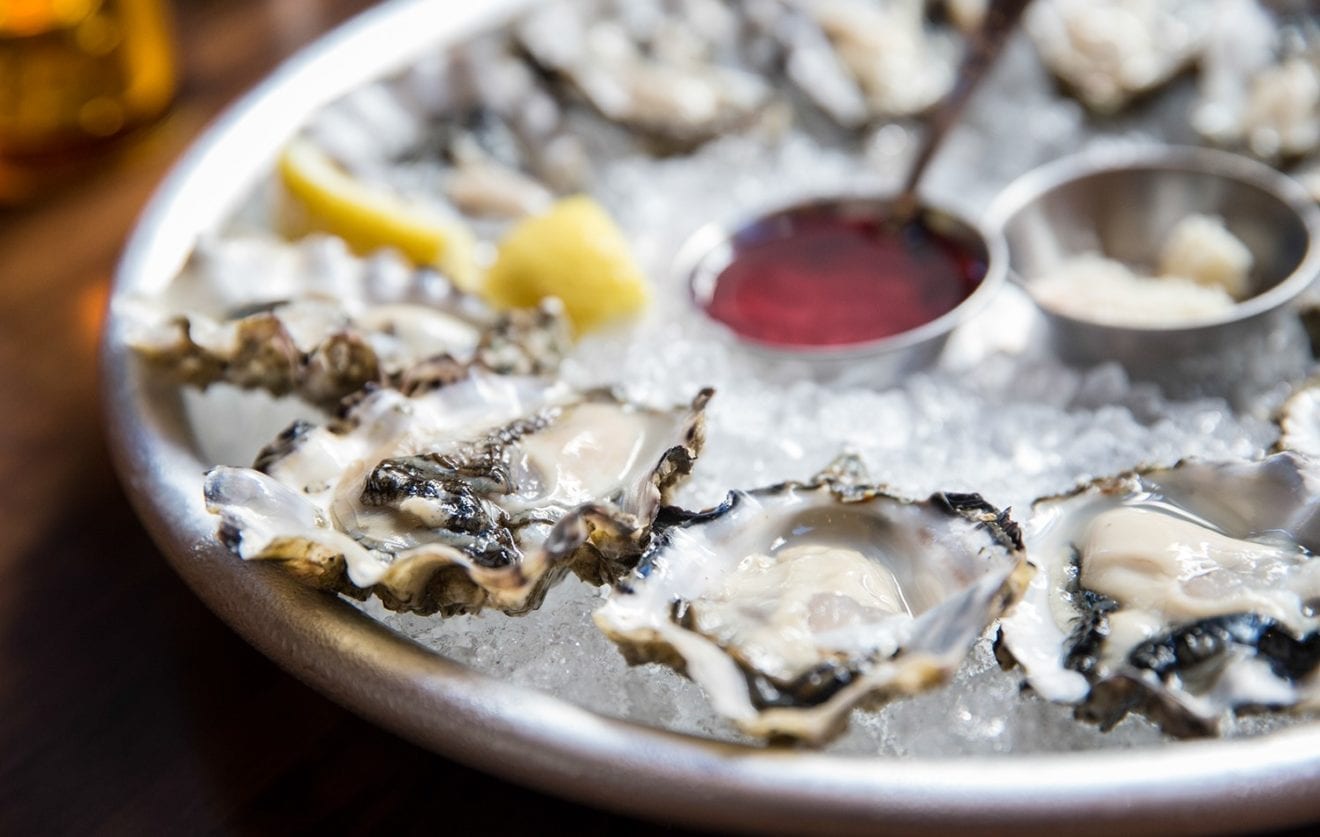
    Japanese seafood producer Yamanaka wants to partner with Vietnam agencies to raise oysters locally for both domestic and international markets.

    A feasibility research conducted by Yamanaka in the central province of Khanh Hoa since June last year, with the support of the Japan International Cooperation Agency (JICA), found that raising oysters in Vietnam under two Japanese methods brought high yields as well as oysters of a quality high enough to be eaten raw.

    “With this project we hope to establish a foundation for raising oysters with natural disaster resistance to improve productivity and farmer incomes,” said Shinji Takada, CEO of Yamanaka.

    Yakamana sells Japanese oysters in 350 sales points in Vietnam, but the company is now seeking to grow the shellfish locally and sell them in Vietnam, Taiwan and Thailand.

    Vietnam has nearly 3,000 hectares for oyster farming. The shellfish is being raised in 20 out of 28 seaside localities, with Khanh Hoa and Quang Ninh leading in numbers, according to the International Collaborating Centre for Agriculture and Fisheries Sustainability (ICAFIS).

    A farmer in Khanh Hoa needs around VND45 million ($1,904.44) to invest in an oyster raft which would fetch him VND30-50 million worth of oysters in a season. Each household typically has three to five rafts. There are three seasons each year in Vietnam, ICAFIS said.

    However, the added value of oysters in Vietnam remains low and therefore only a small amount of them are exported. In Khanh Hoa 95% of oysters are used as lobster food, while 4% goes to domestic consumption and 1% are exported.

    Ho Chi Minh City oyster farms produce over 21,000 tonnes of oysters a year but mostly for domestic consumption. Only two companies, BIM Group and VINABS, export oysters regularly.

    “A challenge in the oyster farming industry is setting up a clean source of water,” said Dinh Xuan Lap, deputy director of ICAFIS. “In Vietnam there is lack of technology to ensure the quality of oysters and to help them cope with natural disasters.”

    The hanging method and Australian basket method have both proved to be suitable for producing export-standard oysters in Vietnam, Japanese researchers have found.

    “We plan to set up an oyster cleaning system for commercial use, hopefully this or next year,” said Takada.

    One important step is identifying which oyster breed to farm, as the popular breeds in Vietnam cannot be raised with the hanging method, said Nguyen Thanh Luan, a seafood farming expert.

  • Cointreau revamps bottle design, a first in 140 years

    Cointreau revamps bottle design, a first in 140 years

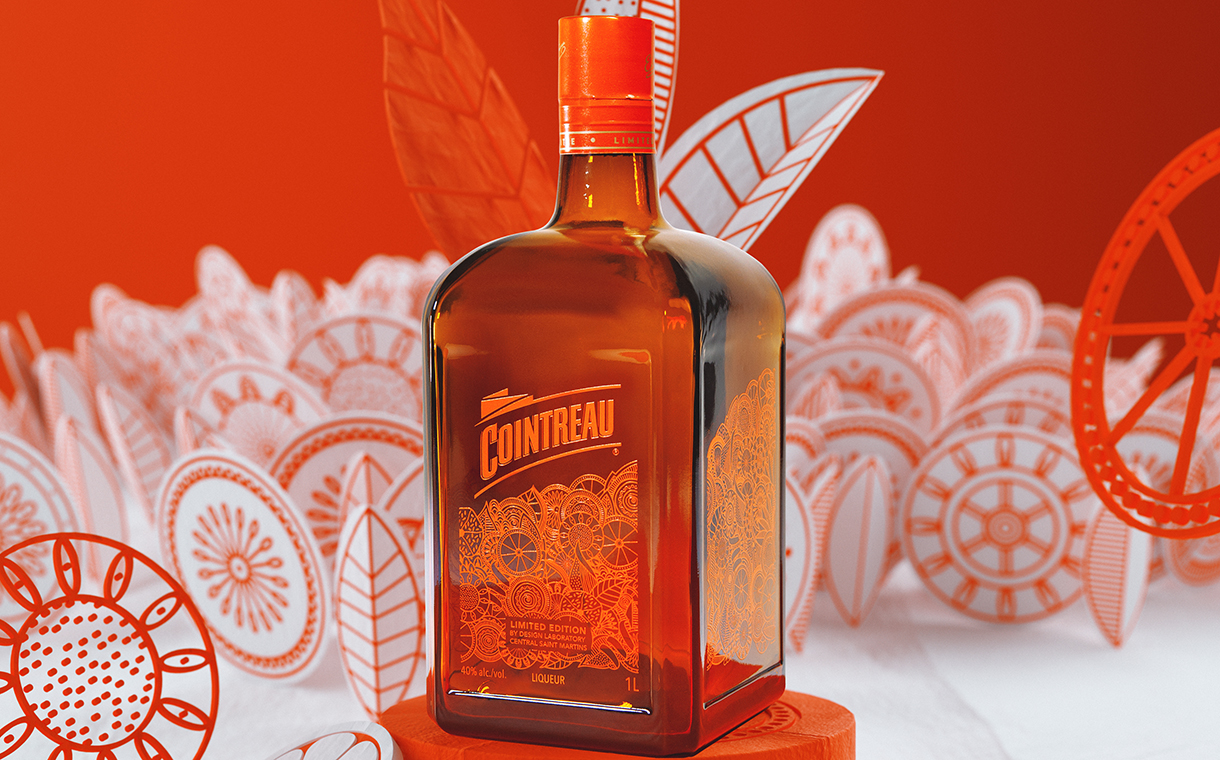
    French liqueur brand Cointreau has unveiled a redesign of its popular amber bottle, the first significant revamp in 140 years.

    Cointreau, an orange liqueur, has been produced in Angers, France since 1849. It is distilled with a combination of sweet and bitter orange peels to produce a clear spirit that enhances the flavour of cocktails.

    The new bottle has an updated shape, including a longer neck – making it easy to pour – and features a minimal illustration of the Maison embellished with Cointreau’s signature copper foiling.

    The lid now features an embossed pattern to enhance form and function while adding grip to the cap.

    In the last three years alone, the brand has reported a 40 percent increase in sales of its 700ml bottles as margaritas reign as a consumer favorite.

  • Zuum energy gum rolls out in Chemist Warehouse stores

    Zuum energy gum rolls out in Chemist Warehouse stores

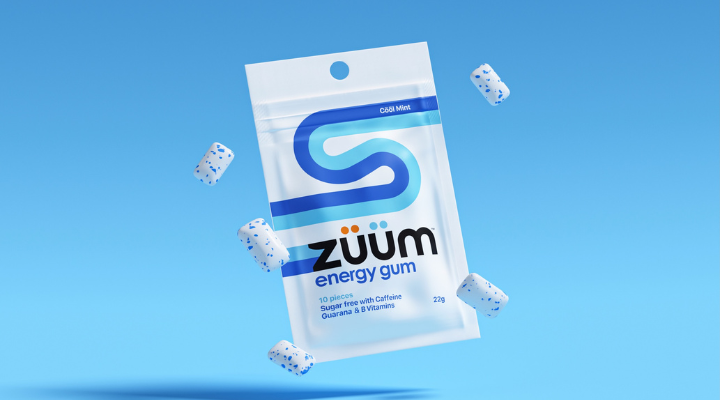
    A Melbourne-based startup is offering a fresh take on the caffeinated foods market by launching a sugar-free “energy gum” in Chemist Warehouse stores nationwide.

    Zuum is a sugar-free gum infused with caffeine, guarana, and B vitamins that claim to boost energy, reduce fatigue and support focus.

    Each piece of gum contains only four calories but has the equivalent caffeine content of a coffee or energy drink – sans sugar, aspartame, and other nasties.

    Friends Alex Chambers, Eamon Roderick, and Hugo Gray created Zuum in 2020 because they were fed up with sickly-sweet energy drinks and the inconvenience and expense of coffee.

    “We knew there had to be a better way to get a boost,” remarked Chambers.

    “The idea actually came to us whilst we grimaced through a lukewarm energy drink during Covid quarantine. It was as simple as – why don’t we just put caffeine in gum?”

    One packet of Zuum is equivalent to five cups of coffee and is compact enough to keep in a pocket or purse for a “fresh-tasting” energy boost.

    “We were humbled and overwhelmed with the level of interest and excitement this week,” added Roderick.

    “We’ve had a huge number of high-profile athletes, professional sports clubs, entertainers, and even a well-known former politician reach out to us wanting to jump on board because they loved the product so much,”

    Zuum is available at RRP$5.99 in Chemist Warehouse stores nationwide and online.

  • Collins Foods expands its Dutch KFC network

    Collins Foods expands its Dutch KFC network

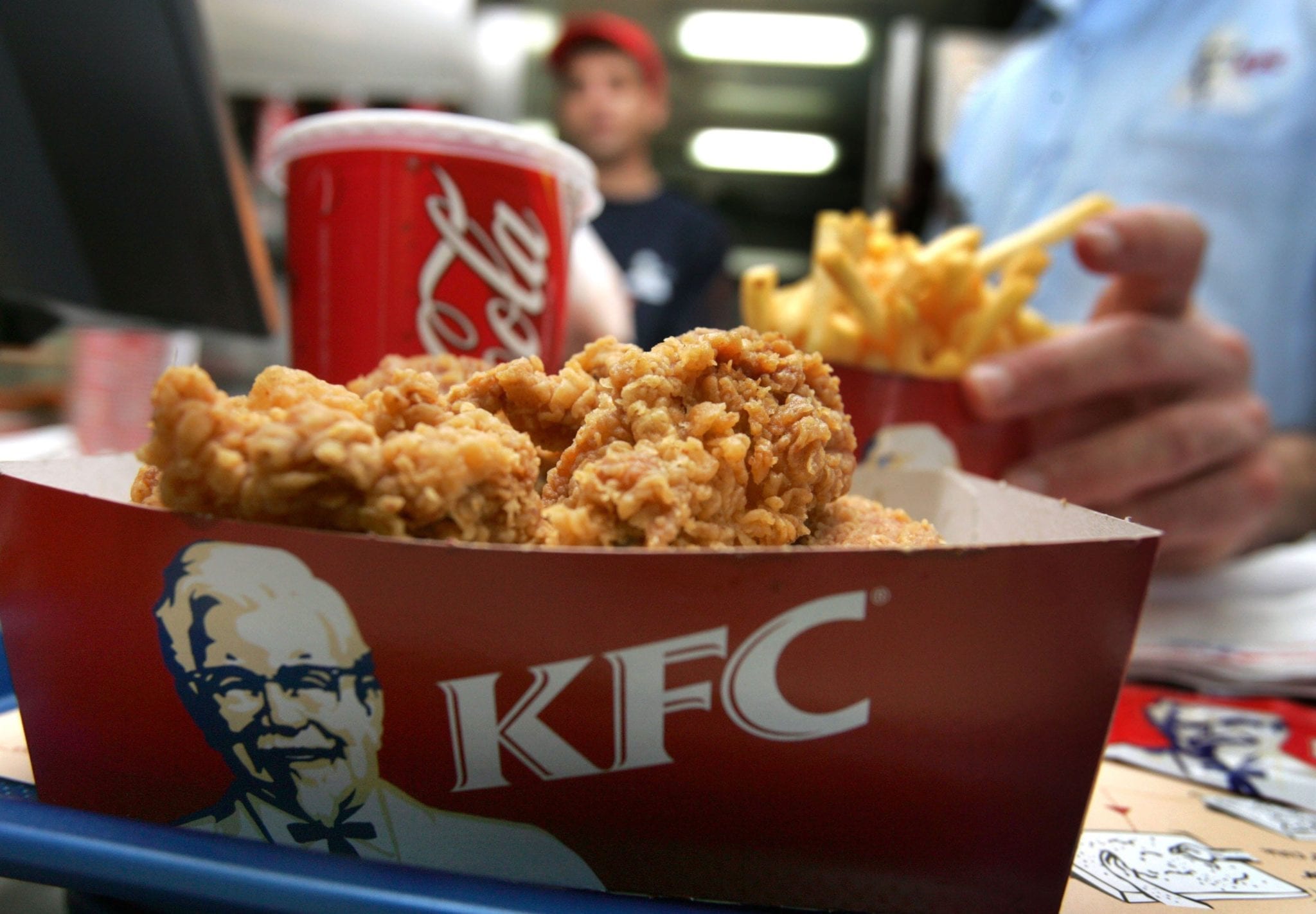
    Collins Food’s wholly-owned Dutch subsidiary (Collins Foods Netherlands Operations) has entered into a share purchase agreement to acquire eight KFC restaurants in the Netherlands from R. Sambo Holding.

    The purchase price, which will be funded from Collins Foods’ existing debt facilities, is structured with an initial payment of €8 million (A$12.33 million) and an additional €4.6 million (A$7.1 million) tied to the restaurants’ EBITDA during the next two years.

    Collins Foods MD & CEO Drew O’Malley said the acquisition is another “step forward” for the business’ European growth strategy.

    “The eight restaurants we are acquiring in the Netherlands add another quality network of restaurants to our portfolio, as well as enhance our people capability as we continue to grow and increase our operational scale in the Netherlands,” he said.

    The deal is subject to the satisfaction of various conditions, including obtaining all relevant government permits and the franchisor’s consent to the purchase. If prerequisites are fulfilled, the business will be fully acquired by May.

    Once completed, Collins Foods’ KFC Netherlands store count will reach 56 restaurants, accounting for 64 percent of the brand’s network there.

  • Pork producers struggle with losses last quarter

    Pork producers struggle with losses last quarter

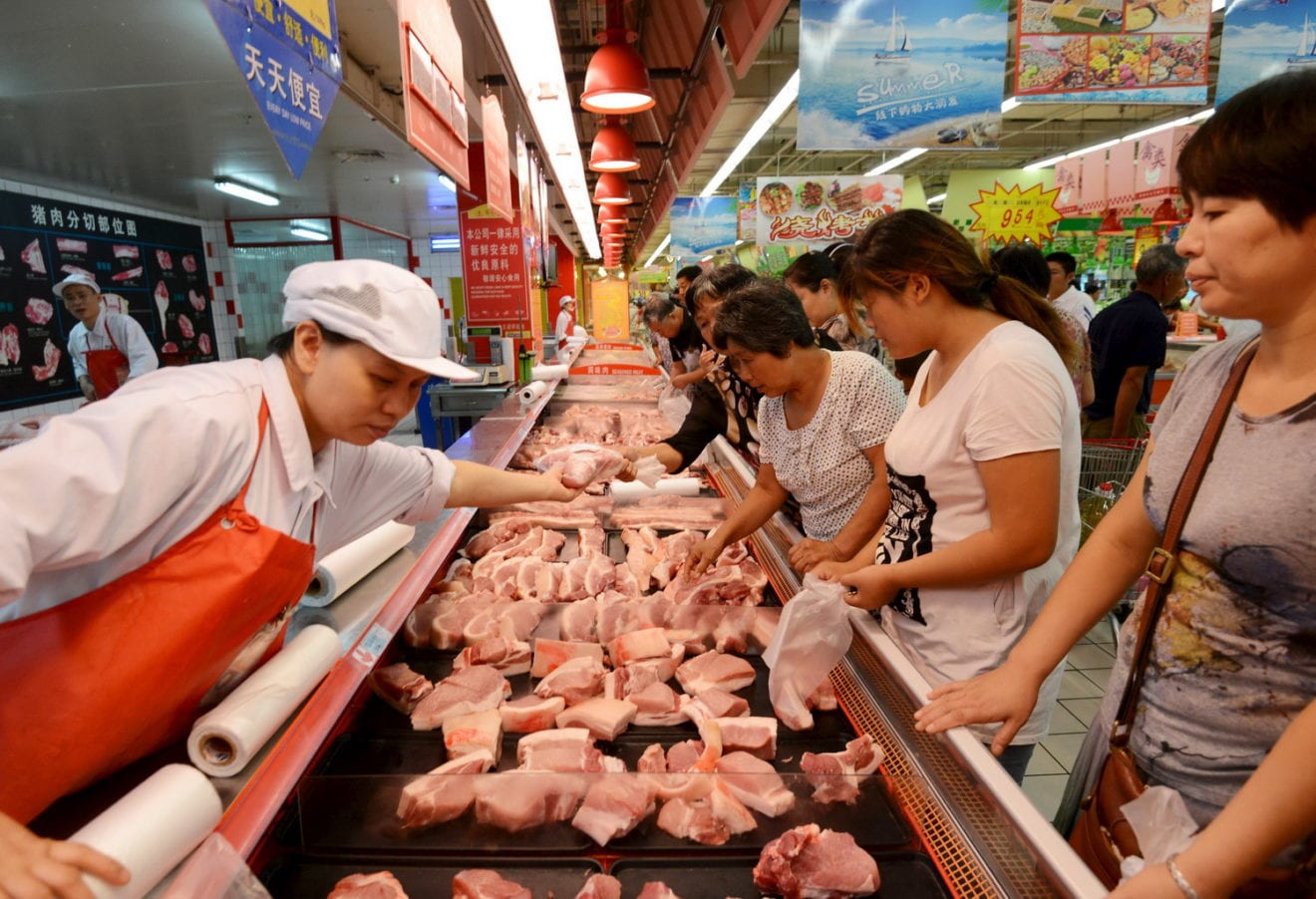
    Major pork producers posted losses in the last quarter of 2022 as animal feed costs rose and consumer demand dropped as people tightened spending.

    Dabaco Vietnam, the country’s biggest husbandry firm, recorded a VND79 billion ($3.34 million) loss in the last quarter, the first quarterly loss in five years.

    BaF Vietnam saw expenses exceed revenue by VND6 billion for the first time since 2021, but thanks to selling some assets the company posted an overall profit of nearly VND7 billion.

    Masan MeatLife posted a loss of VND170 billion during the last quarter of the year, and recorded a loss of VND230 billion for the entire year, the first loss since it started releasing financial figures in 2016.

    Since the end of 2021 the company stopped producing animal feed and focused only on meat, contributing to its losses.

    Hoang Anh Gia Lai recorded VND110 billion in profit from its pork sales in the last quarter, a 36% drop from the third quarter.

    Hoa Phat Group’s agriculture and husbandry business was in the red with more than VND34 billion in losses in the last quarter.

    For the whole year, the company saw this business posting a profit of VND22 billion, its lowest profit since 2016.

    BaF said that pig diseases, disruptions in supply and rising input costs negatively impacted the company’s earnings. Dabaco added that the decline in consumer demand also contributed to the losses.

    Pork prices in December dropped 15%-20% from October to VND50,000 per kilogram as supply exceeded demand.

    Last year, pig supply rose 11% from 2021.

    Analysts of brokerage expect pork prices to rise 5% this year as demand recovers and input costs begin to stabilize globally.

    However, SSI Research forecast that pork prices are set to rise 20% to VND60,000 per kilogram this year, with the reopening of China helping to pump up demand.

    However, the strong U.S. dollar and the African swine fever will remain possible risks to the sector, they added.

  • Popeyes re-enters China with TH International

    Popeyes re-enters China with TH International

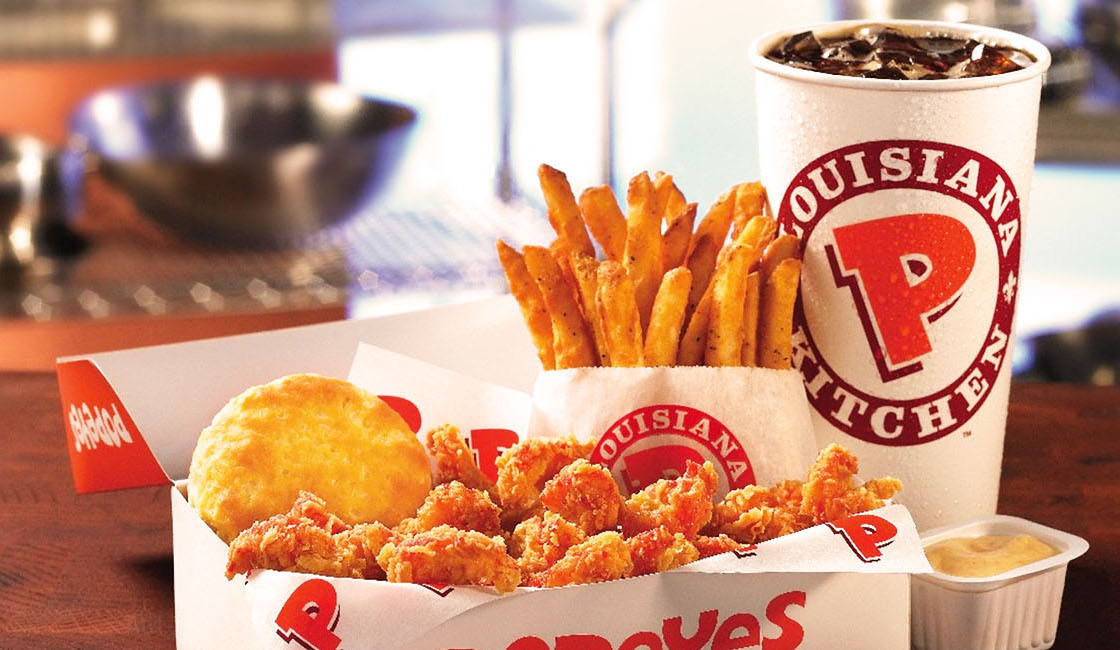
    Tim Hortons China’s exclusive operator, TH International (Tims China), is to relaunch the fried chicken chain Popeyes in China and Macau by acquiring exclusive rights to develop and sub-franchise the brand.

    The transaction, which the company expected to bring significant cash to Tims China and strengthen the company’s balance sheet, is subject to customary closing conditions.

    Popeyes entered China in 2020 under the partnership with Tab Foods Investments with an ambition to open 1500 locations across China in 10 years. However, the chain faltered after opening just nine stores, due to the prolonged impact of Covid-19 in the country.

    Peter Yu, chairman of Tims China, said the company plans to expand its store network of Tim Hortons and Popeyes stores in China to 1000 by the end of the year.

    “The two brands are a natural fit, with complementary product offerings and exceptional growth potential,” said Yongchen Lu, CEO of Tims China. “Both brands will benefit from greater scale, a stronger financial model, and synergies, including in the supply chain and new restaurant development.”

    TH International Limited was founded by Cartesian Capital Group and Tim Hortons Restaurants International, a subsidiary of Canadian-headquartered Restaurant Brands International which owns the Popeyes, Burger King and Tim Hortons brands.

    Last August, the US fried chicken retailer appointed Cartesian Capital Group as its partner to relaunch the Popeyes brand in China. The chain has also relaunched in South Korea under a partnership with local operator Silla Co, two years after closing its business there.

    Popeyes has more than 3900 stores globally.

  • % Arabica set for Vietnam debut

    % Arabica set for Vietnam debut

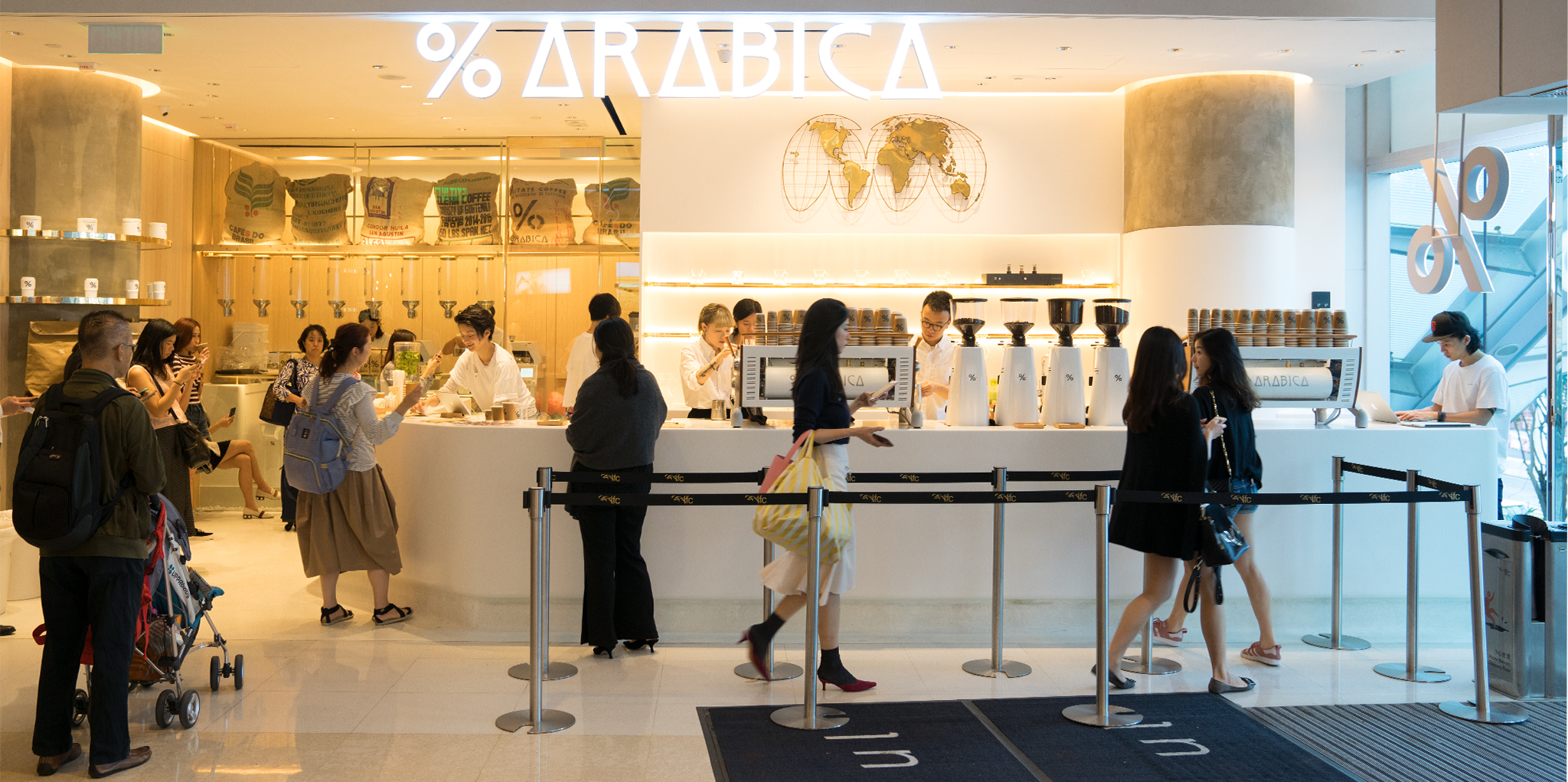
    Boutique café group % Arabica is set to open its first outlet in Vietnam in collaboration with Hong Kong-based investment company The Kho Group.

    Having mooted a Vietnamese debut in 2020, Kyoto-based % Arabica has confirmed it will open its first store in the country this month in Ho Chi Minh City’s popular Nguyen Hue ‘Café Apartments’ site.

    The nine-storey building currently houses nearly 30 coffee shops, including Partea, The Maker Concept and The Letter Café, alongside fashion boutiques and other independent stores.

    Vynce Nguyen, General Manager of The Kho Group, said % Arabica will offer consumers a new specialty coffee experience in Vietnam’s well-established out-of-home coffee market.

    % Arabica plans to launch its second Vietnamese outlet in Ho Chi Minh City, at the Diamond Plaza shopping centre, and is exploring potential expansion in Hanoi, Hoi An and Phu Quoc.

    The Nguyen Hue ‘Café Apartments’ store will be the Japanese coffee group’s 142nd globally with Vietnam its 20th market. The outlet precedes expected market entries in Spain, Mexico, Jordan and Egypt.% Arabica is also set to relaunch in the Philippines this year with two stores in Manila’s Bonifacio Global City financial business district, having exited the market in January 2022.

    The Kho Group operates a portfolio of 19 brands across real estate, technology, finance and retail industries. While % Arabica marks the company’s first foray into food and beverage retail, The Kho Group also has investments in French winery Pont Des Arts and Hong Kongese food-tech company Future Salad.

  • McDonald’s unveils delivery service in Australia

    McDonald’s unveils delivery service in Australia

    McDonald’s Australia has confirmed that it is rolling out its own home delivery service to customers across Australia.

    Starting today, Macca’s fans in participating New South Wales restaurants can have their favorite foods sent directly to their homes when they order via the MyMacca’s app.

    The McDelivery service will be made available in more McDonald’s restaurants across the country in the coming weeks.

    “McDelivery via the MyMacca’s app is now available in participating restaurants across New South Wales, with plans to roll it out across participating restaurants nationwide over the coming weeks,” a McDonald’s spokesperson said.

    “McDelivery allows customers to place delivery orders using the MyMacca’s app, while also earning and redeeming MyMacca’s Rewards points.

    “This is part of our ongoing commitment to providing greater value, convenience and rewards for our customers.

    “McDonald’s continues to be available across other delivery services in Australia, including Uber Eats, Menulog and DoorDash.

    “Customers can check their MyMacca’s app to see if McDelivery is available at a restaurant near them.”

    More information on the nationwide McDelivery rollout will be available in the coming weeks.