Category: Food

Retail News Asia is committed to providing both local and global retailers with the latest Food and Food & Beverage news throughout the Asian market. This on a daily base.

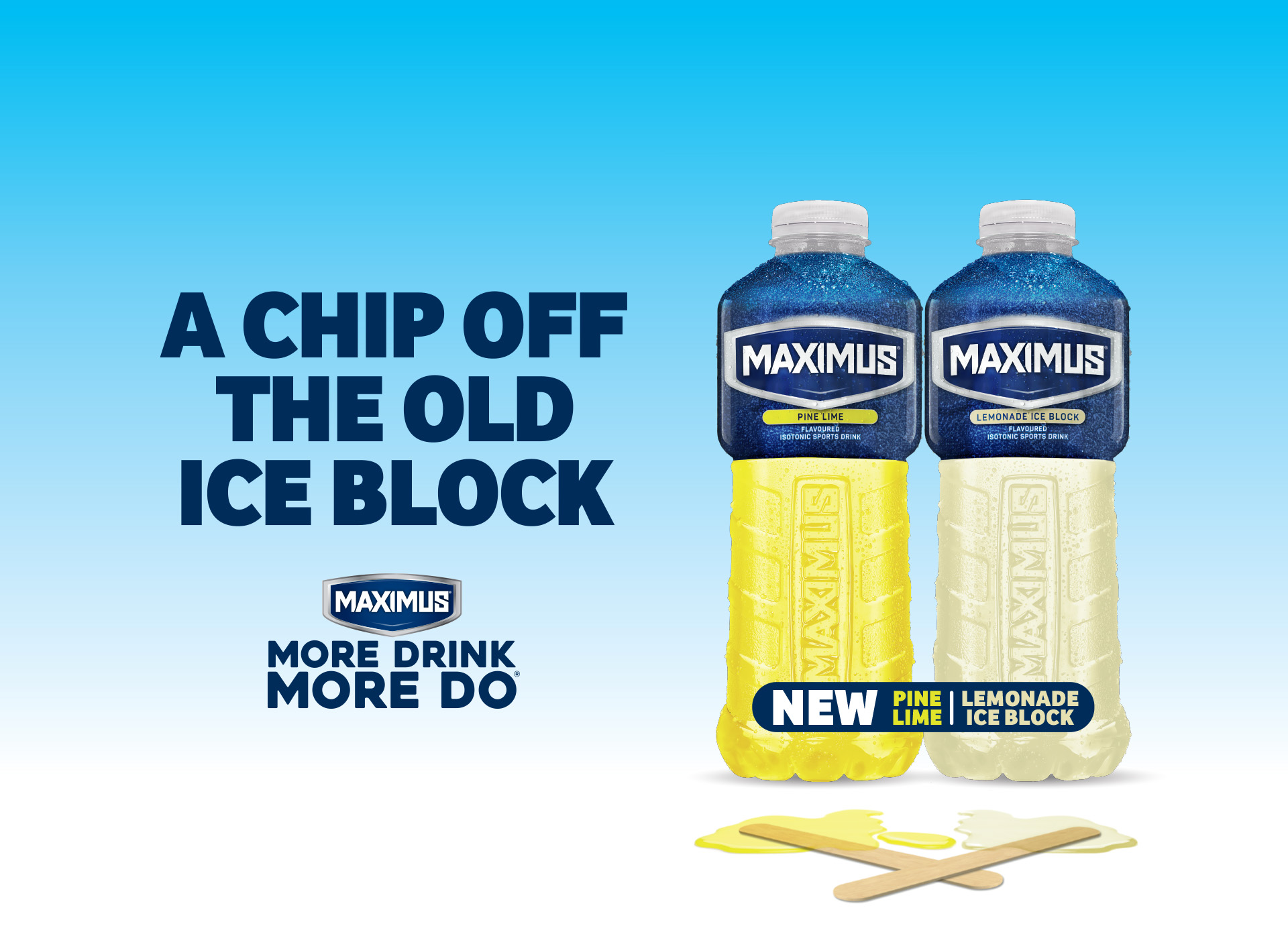
  • Maximus unveils two new summer flavours

    Maximus unveils two new summer flavours

    Frucor Suntory beverage brand, Maximus, continues to raise the stakes in the sports category with its newest product, Maximus Ultra. 

    Maximus Ultra is the first hybrid sports drink in Australia to contain BCAAs (Branched Chained Amino-Acids) to support muscle recovery and performance. It also contains 50 per cent more electrolytes than regular Maximus as well as B Vitamins, B3, B5, B6 and B12. 

    Maximus Ultra adds a lot of value to Maximus’ starting line-up with an additional two flavours Tropical and Berry, Maximus senior brand manager Kate Taylor said. 

    “Besides being a market first and a unique product in the sports category, it also remains true to Maximus’ core – to give consumers the extra hydration they need to work, play and everything in-between,” Taylor said. 

    “Like the rest of the players in the team, Maximus Ultra also helps hard working

  • Starbucks set to open 100th store in Vietnam

    Starbucks set to open 100th store in Vietnam

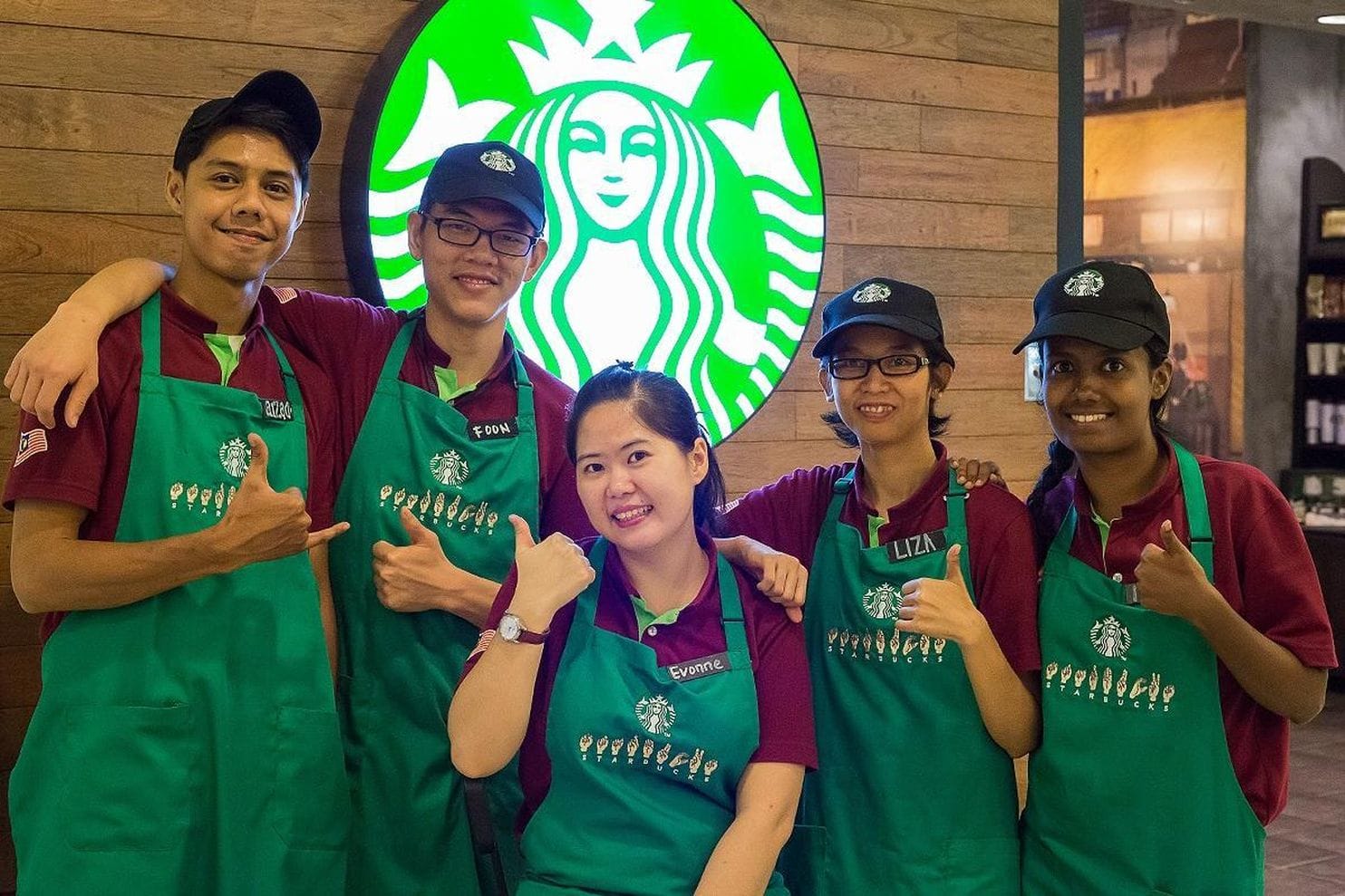
    Starbucks plans to open its 100th store in Vietnam in the second quarter of this year, a decade after first coming to the country, and keep expanding further.

    The U.S. chain now has 87 outlets in seven localities, 50 of them in Ho Chi Minh City.

    It has over 800 staff and 200 coffee “masters” it has trained.

    It is among the few foreign players to remain in the competitive Vietnamese market, but its number of stores is modest compared with some local chains such as Highlands Coffee (592 stores) and The Coffee House (154).

    Its Vietnam general manager, Patricia Marques, told reporters Tuesday the chain sees new opportunities in localities such as Binh Duong and Quy Nhon provinces.

    Vietnam is forecast to have 5,200 coffee chain stores in 2025, according to U.K.’s Allegra World Coffee Portal, which means huge competition for chains seeking to expand.

    Already some chains are scaling down. Last month PhinDeli closed some stores at prime locations while food company KIDO divested from TTV, the operator of the Chuk beverage chain.

    But on the other hand, Highlands and Phuc Long continued to open new outlets.

    The Coffee House plans to reopen its Signature stores this year, while Passio Coffee, after 15 years of selling mostly takeaway products, is now opening at more locations and offering on-site services.

    New players such as Katinat, Phe La and Cheese Coffee are also in the mix.

    Finding a suitable location is also a challenge, Marques said, pointing out that while in Thailand property developers often seek partnerships with major brands before they start building malls, in Vietnam this is not the case.

    Starbucks posted record global revenues of US$32.3 billion in financial year 2022 (ending October 3), a 11% growth.

    It eyes 10-12% growth this year.

  • Vietnam reaps new fruit export benefits

    Vietnam reaps new fruit export benefits

    Several Vietnamese fruits have found their way to major markets in China and the U.S. in 2022, opening up the door for Vietnam to send more high-quality produce overseas.

    After four years of negotiation, Vietnam finally exported its first batch of fresh durian to China for the first time in September The fruit came from the central highlands province of Dak Lak.

    In October alone, durian exports to China surged 4,000% year-on-year to $50 million, according to Vietnam Customs. It exceeded dragon fruit as the top fruit exported to China.

    China has so far approved 113 codes for durian farming and packaging areas in Vietnam, up from 76 in September. The figure is set to increase as there are still 300 codes awaiting approval.

    “If China approves all of these codes, Vietnam will have an abundant durian supply to China,” said statement by the Plant Protection Department at the Ministry of Agriculture and Rural Development.

    Durian prices in Vietnam have nearly doubled year-on-year to VND70,000-90,000 per pound in southern provinces.

    “Durian has become a new rising star replacing dragon fruit exports to China,” said Dang Phuc Nguyen, General Secretary of the Vietnam Fruit & Vegetables Association (VinaFruit).

    He added that thanks to Vietnamese trade agreements and protocols with China and the latter’s relaxing of Covid-19 policies, durian and other Vietnamese fruits are easily exported to China.

    This all stands in stark contrast to last year when hundreds of fruit containers were stuck at Vietnam’s northern border gates due to Covid-19.

    Agriculture, forestry and seafood exports surged 11.8% year-on-year to $49.04 billion in the first 11 months. Agriculture alone accounts for more than 42% of that figure, according to the Ministry of Agriculture and Rural Development.

    Vegetables and fruits are among Vietnam’s top eight biggest agriculture export items, along with coffee, rubber and rice.

    Grapefruit in November became the seventh fruit officially exported by Vietnam to the U.S., one of the most difficult markets globally.

    Industry insiders say that Americans consume about 12 million tons of fruit a year, but domestic supply accounts for only 70% of demand.

    Vietnamese exporters have been trying to take advantage of this opportunity. Exports to the U.S. surged 18% year-on-year in the to $240 million in the first 11 months. This is a quadruple from the total figure of $59 million in 2015.

    Other fruits that have also found the way to the global market include lime and pomelo shipments to New Zealand starting from November 15, 2022. This country has already been buying mango, dragon fruit and rambutan from Vietnam.

    Nguyen said that now that more Vietnamese fruits have found their way to overseas, it is even more important that buyers’ demands are met in terms of farming and delivery.

    “Whether these markets and opportunities last is up to the farmers and the exporters.”

    Ngo Tuong Vy, CEO of exporter Chanh Thu, warned that China is not yet a sustainable market for Vietnam as some regions are still struggling with Covid-19 and their safety measure policies are unpredictable.

    The agriculture ministry has set a surging $5 billion target for fruit exports by 2025, up from last year’s $3.1 billion forecast.

  • Mango export to South Korea rises

    Mango export to South Korea rises

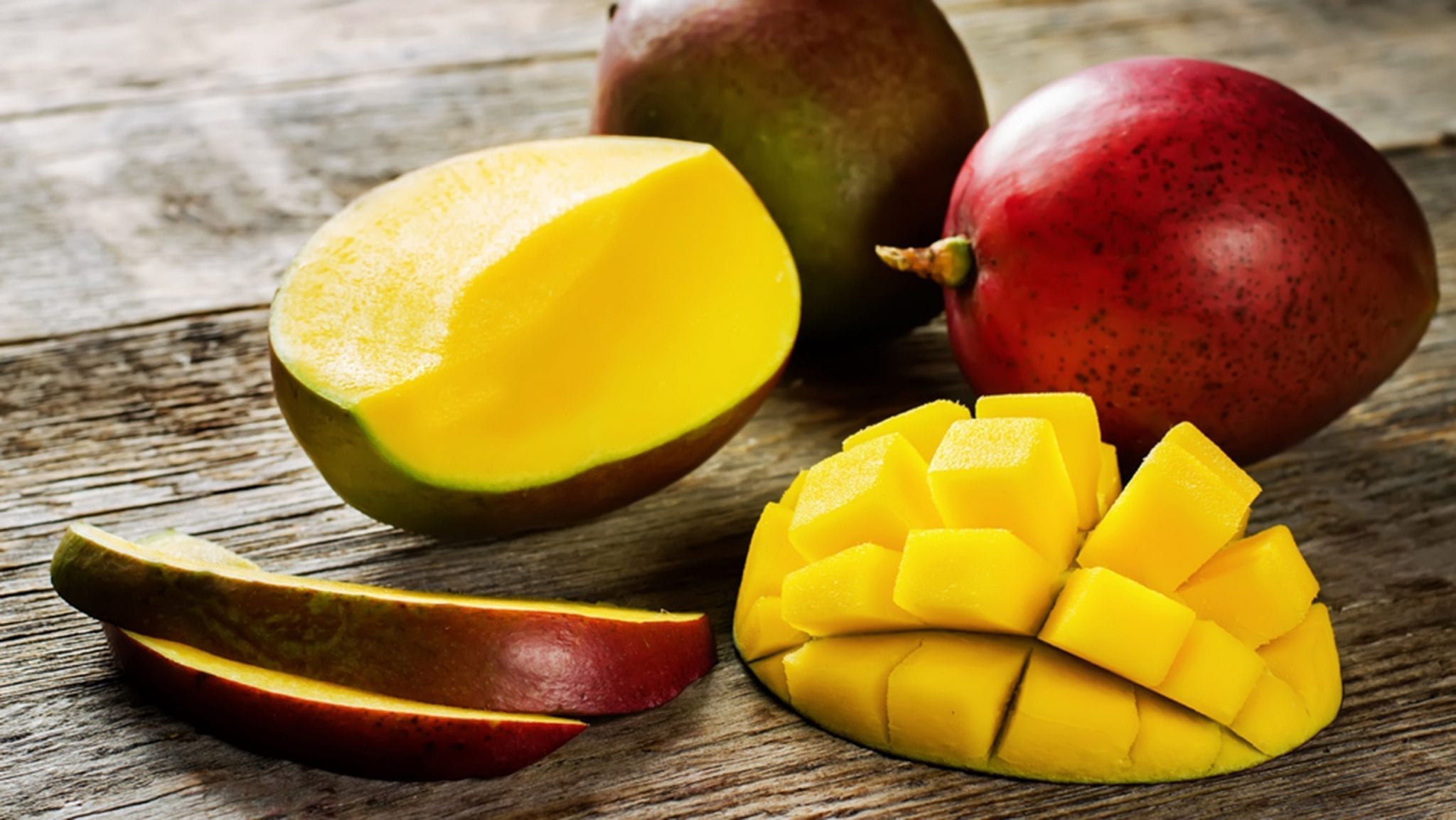
    Vietnam exported 1,700 tonnes of mango to South Korea for $7.4 million over the past 11 months of 2022, up 19% in volume and 25% in value year-on-year, according to the Agency for Foreign Trade under the Ministry of Industry and Trade.

    These figures helped Vietnam become the third largest mango supplier for the South Korea in the period, the agency said, adding that the average export price of Vietnamese mangoes hit over $4,230 per tonne, 5% higher than that of the same period in 2021.

    The agency also cited statistics from the Korea International Trade Association (KITA) as saying that this country’s mango import in the 11-month period reached 22,000 tonnes, worth $95.3 million, marking yearly rises of 4% in volume and 8% in value.

    Thailand and Peru were the two largest mango suppliers for the South Korea in the period, accounting for 81.2% of this country’s total mango imports.

    According to the department, Korea has a high demand for fresh fruit. Each year, the market imports over $1.6 billion worth of fresh fruit and this number has been growing significantly.

    However, Vietnam’s fresh fruit now makes up a very modest market share in the South Korea. Therefore, there remains room for Vietnamese firms to foster their exports of fresh fruits, typically mangoes to this market.

    In order to promote exports to this market, trade experts recommend that businesses needed to improve their competitiveness and product quality. This was the core element to meet the increasingly strict requirements of the Korean market.

    In addition, enterprises were advised to develop appropriate production and business plans, actively operate according to the market mechanism and have solutions to participate in the production chain and distribution network of Korean enterprises. That would help businesses take advantage of their strengths, their brand, as well as their development experience in the market.

  • Vietnam remains top global peppercorn exporter

    Vietnam remains top global peppercorn exporter

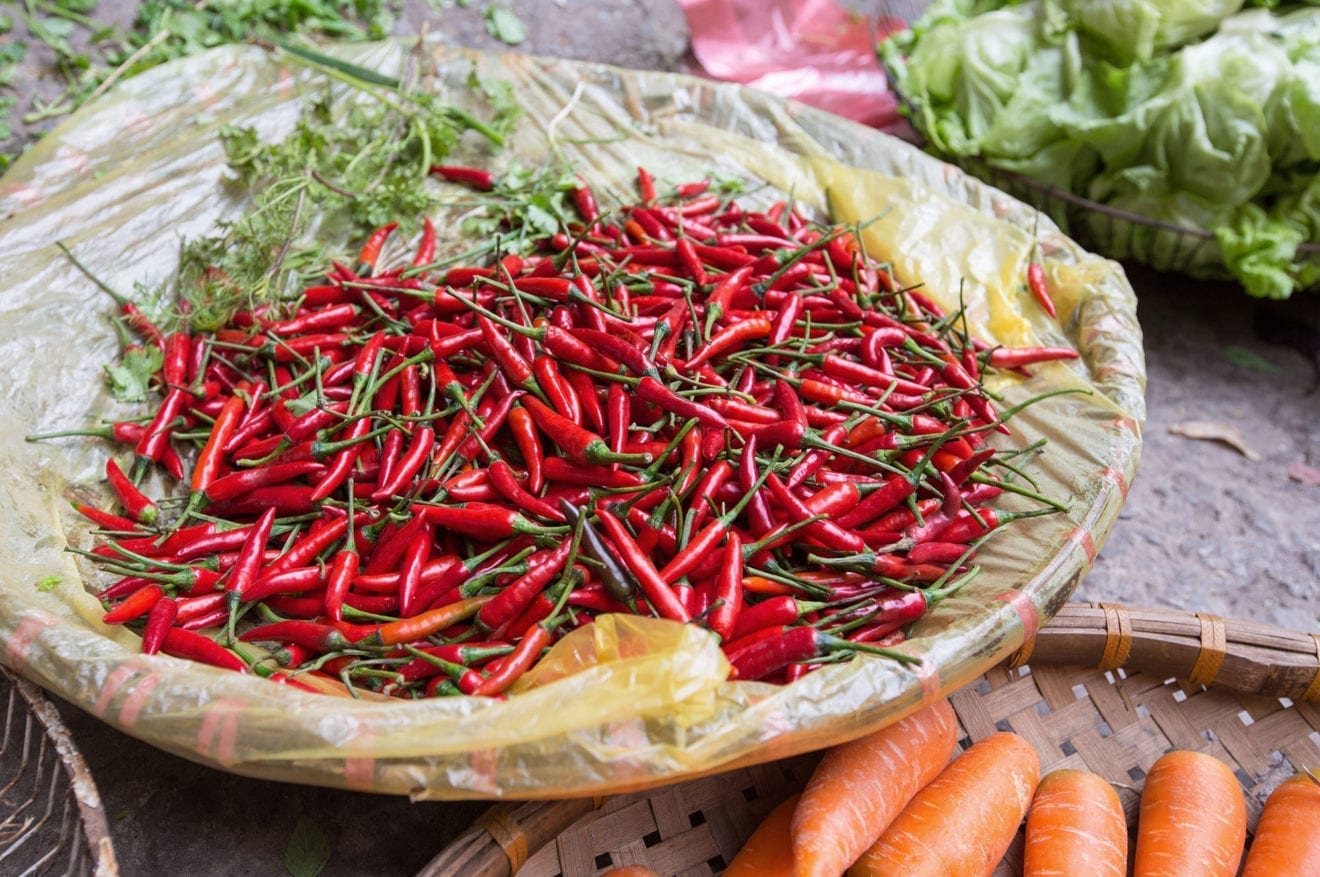
    The volume of Vietnam’s pepper exports to important markets has decreased this year, but the country has retained its top spot in the global rankings, heard a conference held in Ho Chi Minh City on December 21.

    The Vietnam Pepper Association Chairwoman Hoang Thi Lien said in 2022, the product was at a disadvantage due to inflation and economic recession in many markets, and China’s zero-Covid policy, hence a reduction in export volume.

    Vietnam has shipped about 230,000 tonnes of peppercorns overseas this year for more than $970 million, down 13% in quantity but up 2% in value annually. The export turnover of all spices is forecast to hit $1.5 billion.

    Vietnamese enterprises import pepper from other countries such as Brazil and Indonesia for processing, then re-export for higher value. From the beginning of the year to the end of November, the nation purchased 34,273 tonnes of the product, an increase of 48.9% against the same period in 2021.

    Vietnam has an advantage over other pepper production countries such as Indonesia, Malaysia, India, Sri Lanka and Cambodia thanks to the the EU-Vietnam Free Trade Agreement, Lien said. Under the trade pact, the EU’s import tax on Vietnamese ground pepper has been reduced from 4% to 0%.

    The proportion of processed goods currently accounts for about 30% of its total export turnover, she added.

    The expert suggested the sector work to capitalise on untapped potential in many markets, particularly Eastern Europe.

  • Everstone Group to bring Lavazza back to India

    Everstone Group to bring Lavazza back to India

    Italian major Lavazza has joined hands with private equity company Everstone Capital to reenter India’s retail landscape.

    A franchise pact has been signed between Everstone and Lazazza to run the latter’s coffee outlets in India, according to a media report.

    According to the report, both the companies have signed a deal several weeks ago. As part of the agreement, PE major Everstone will also sell also sell Lavazza coffee vending machines in India.

    The US-based food chains Burger King and Subway are being operated by Everstone, and the coffee chain Lavazza would supplement its portfolio.
    Burger King outlets have BK coffee shops, and Everstone intends to add Lavazza across its Subway stores.

    Lavazza shuttered India operations citing mounting operational expenses several years ago. In a bid to focus on its profit making fresh & honest coffee brewing machine business, the Italian group sold Barista Coffee chain to Carnation Hospitality for Rs 100 crore in 2014. The company changed ownerships four times to turn the brand viable.

    India’s coffee culture has brought in Canada’s Tim Hortons, which plans to open 100 outlets over the next four years, US-based Starbucks, which is a major coffee chain player in India, also runs 300 outlets across the county.

  • Delgados Tequila Soda teams up with UFC

    Delgados Tequila Soda teams up with UFC

    UFC, the world’s premier mixed martial arts organization, today announced Delgados Tequila Soda as the Official Tequila Soda of UFC in Australia and New Zealand.

    The partnership will comprise of year-round activity across Australia and New Zealand, including live event integration at two UFC events in the region and VIP Sweepstakes featuring highly in-demand tickets to UFC 284: MAKHACHEV vs. VOLKANOVSKI as well as UFC event viewing parties.

    “We are absolutely delighted to welcome Australia’s Tequila Soda pioneers Delgados into the UFC fold as the Official Tequila Soda of UFC across Australia and New Zealand,” said Nick Smith, Vice President of Global Partnerships, UFC. “This partnership has culture and lifestyle at its core, and we cannot wait to introduce our fans to this refreshing drop and the ‘Sin Problemas’ ethos.”

    Brought to you by Superdrop, Delgados Tequila Soda has pioneered the Tequila Soda category in Australia. It combines Mexico’s finest blue agave tequila, soda water, and natural ingredients.

    The young tequila brand aims to transport tequila lovers to the ultimate Mexican getaway, bringing the 60s retro vacation vibes right into the palm of your hand.

    “We are thrilled to partner with the cultural juggernaut that is UFC, and we’re beyond excited to introduce their loyal fans to our delicious and refreshing tequila ready-to-drink beverage, Delgados Tequila Soda,” said Ewen Pettit, Director, Superdrop.

    “Just like our product, UFC is as real as it gets. We have a full calendar of events, activations and promotions that will truly connect with our drinkers and UFC fans. We can’t wait to get started, as all roads lead to Perth in February for UFC 284.”

    UFC fans can get their hands on a Delgados Tequila Soda in three flavours: Grapefruit & Jalapeno; Lime & Basil; and Pineapple & Ginger… all a perfect match up for your UFC Sundays over the coming months.

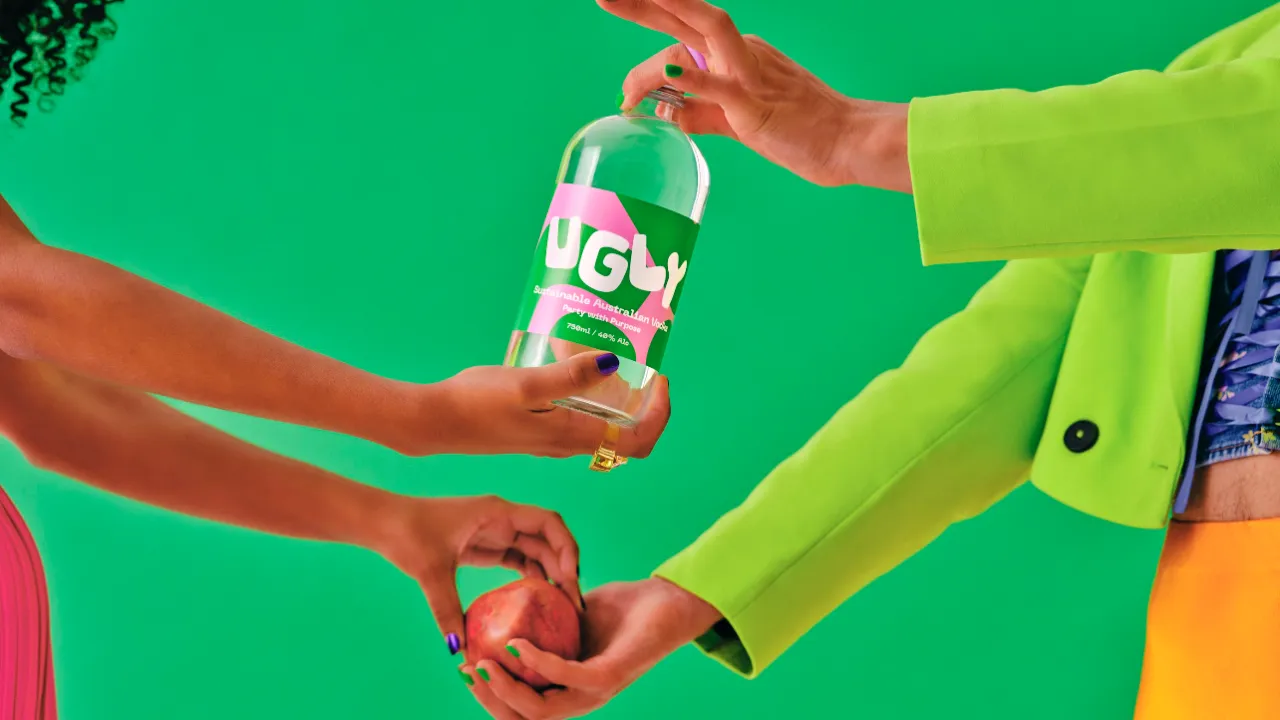
  • Ugly Vodka seeks to tackle Australia’s fruit waste one bottle at a time

    Ugly Vodka seeks to tackle Australia’s fruit waste one bottle at a time

    This latest venture was created in collaboration with independent Australian music and events company, Untitled Group, and has sustainability at its core, seeking to help address food wastage, support local farmers and reduce carbon emissions.

    Ugly Vodka is made using apples that are rejected from sale at supermarkets simply because of their ‘ugly’ look. According to Horticulture Australia, this problem impacts around a quarter of all produce – 25 per cent of crops don’t leave the farm due to aesthetic reasons. Ugly Vodka has been making an impact in this issue already, with its first batch alone saving approximately 20 tonnes of ‘ugly’ apples from going to landfill where they would produce methane emissions.

    “Thanks to campaigning from eco-groups in Australia, food waste is an issue that is top of mind – people understand what ugly produce is, and what impact it has on our environment,” says Shane Barrington, Director at 80Proof.

    “Our vodka directly supports Aussie farmers at a time when drought, hail storms and extreme weather events are hitting them hard. On top of all that, we are climate negative and are actively trying to reduce wastage in every area of our supply chain from product to bottles.”

    In an effort to minimise the brand’s carbon footprint, all parts of Ugly Vodka, except the glass bottle, are produced and sourced within 80Proof’s home state of Victoria.

    Apples are sourced from the Goulburn Valley, with the juice five-times distilled with premium grain vodka then passed through an activated coconut carbon filter to maximise smoothness. The end result is a premium spirit perfect for mixed drinks and cocktails.

    The process to creating this high quality vodka was not a short one though. One of the founding partners of 80Proof grew up in the Goulburn Valley and saw the issue surrounding ‘ugly’ produce first hand, noting that up to 40 per cent of fruit was not deemed sellable solely due to aesthetics. After years in the industry, he revisited the area to discuss the idea to turn this fruit into alcohol.

    “Technically the idea has been in fruition and development for five years. However, we’ve only been full-time on the project for 18 months. There has been plenty of trial and error as no one has tried making traditional vodka from Australian ugly apples before,” said Jess Conti, Co-founder of 80Proof.

    Ugly Vodka launched to consumers online this week, and will be available to the trade in late January. In the meantime it will see a major event launch, being poured at Untitled Group’s Beyond The Valley Festival later this month to a whopping 35,000 attendees.

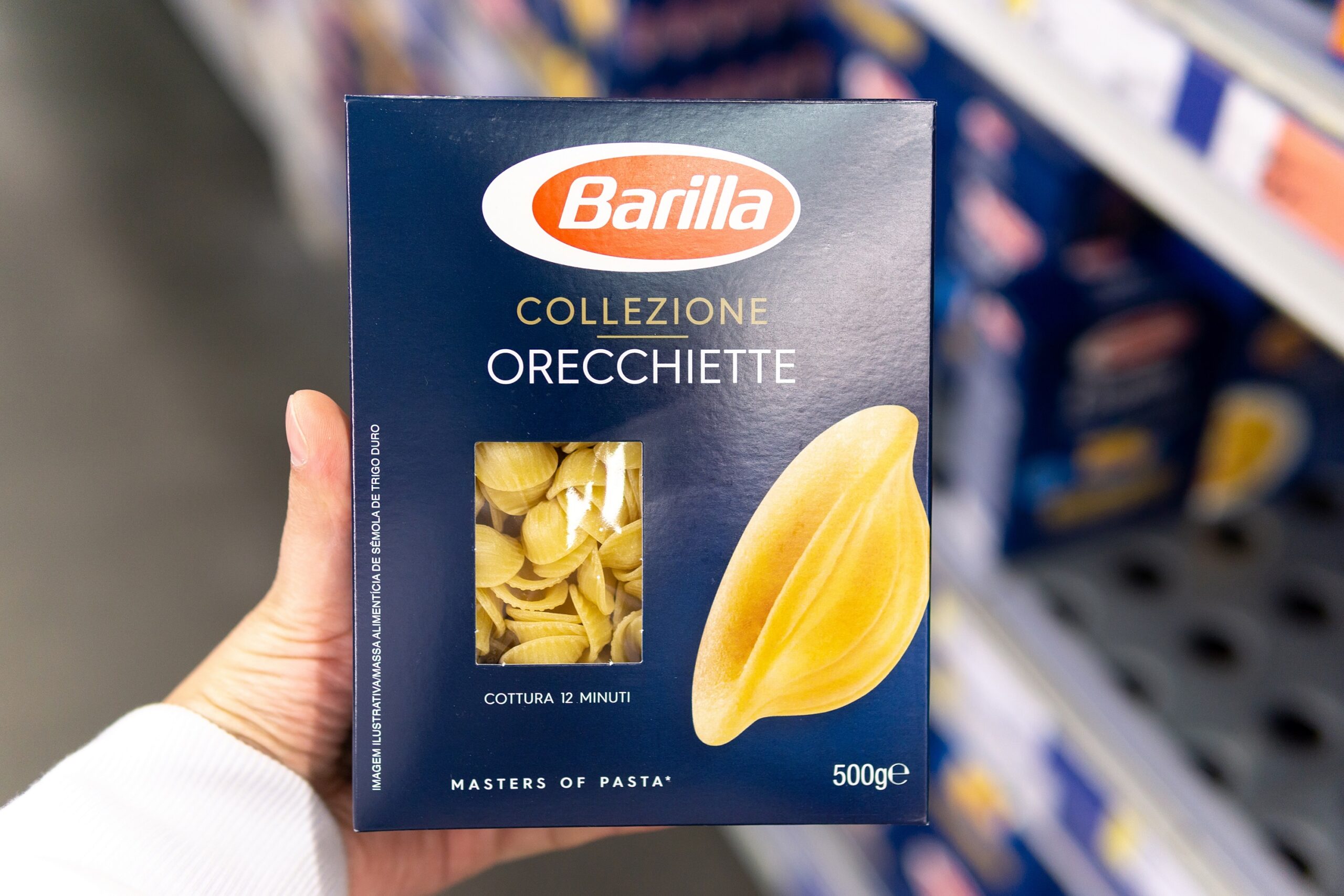
  • Barilla takes the plastic out of its blue-box range

    Barilla takes the plastic out of its blue-box range

    We decided to get rid of the plastic window we had on our boxes to move towards a more sustainable solution and reduce the number of materials used for our packaging. This allowed us to avoid placing unnecessary plastic on the market, amounting to around 126.000 kg of plastic per year*.

    Although the window on our boxes wasn’t limiting the recyclability of our packs—as modern recycling systems can differentiate—we opted for a more sustainable one: as we will always look at how we can become even more sustainable at Barilla.

  • Thai coffee chain Café Amazon struggles to expand in Vietnam

    Thai coffee chain Café Amazon struggles to expand in Vietnam

    Thai coffee chain Café Amazon, which entered Vietnam two years ago, has been slow in expanding due to intense competition and the Covid-19 pandemic stymieing its plans.

    With 15 outlets mostly in Ho Chi Minh City and some southern localities, it remains a world away from its biggest competitor, Highlands Coffee, which has 573 across the country.

    Café Amazon hopes to have 20 stores by the end of this year, none in the north.

    Other competitors The Coffee House has 153 stores, Phuc Long has 118 stores and 1,062 kiosks and small outlets and Trung Nguyen Legend has 95 stores and 572 E-Coffee outlets.

    In contrast, in Thailand, Café Amazon had over 3,400 stores as of mid-2021.

    “Everyone knows the Vietnam food and beverage market is difficult and so we are in the process of opening new stores while researching into Vietnamese consumption habits,” A-Tathak Srinon, marketing director of Café Amazon Vietnam, said.

    The Vietnam operation is 60% owned by Thai state-owned oil and gas firm PTT Public Company Ltd and 40% by retail giant Central Group.

    Its first store opened in the southern province of Ben Tre in October 2020, followed soon after in two other southern localities.

    But with Covid raging in 2021, restrictions were in place year-long, which included F&B businesses having to close for months.

    Besides, it has been unable to open coffee shops at gas stations, a strategy that has underpinned its success in Thailand, where most of its outlets are in PTT Oil fuel stations.

    Srinon said Vietnamese gas stations are smaller than in Thailand and not suitable for setting up coffee shops.

    The chain is therefore is focusing on its menu to distinguish itself from other competitors, he said.

    Last week it launched three new drinks with a distinctly Thai taste, including one called Tom Yum Ice Tea.

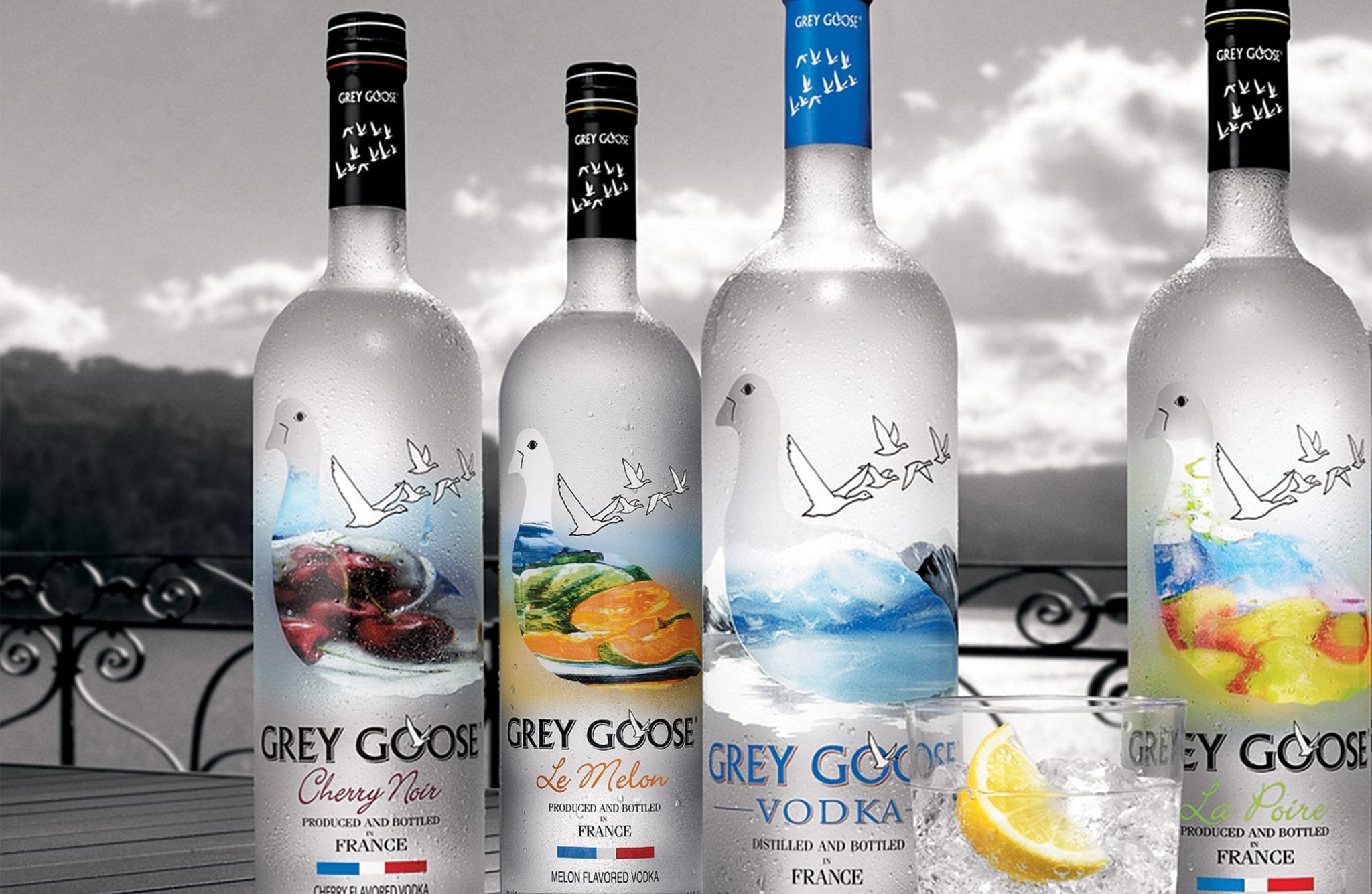
  • Grey Goose launches new botanically-infused spritz range

    Grey Goose launches new botanically-infused spritz range

    GREY GOOSE, the vodka most recommended by bartenders and the leader in the super-premium category, is proud to introduce GREY GOOSE Essences, made with GREY GOOSE Vodka infused with real fruit essences and cold-distilled botanicals. As the brand’s most expansive innovation to date, the range is crafted with natural flavours and was meticulously developed with the highest-quality craftsmanship and attention to detail that have become synonymous with GREY GOOSE. Following the successful launch in the US, the range will make its debut in the UK this April. Available in three fresh and distinct flavours, GREY GOOSE Essences are not simply tasted, but experienced. GREY GOOSE Essences Vodka spritz, ready to drink versions will also be launching in June – historically becoming the first ready to drink range released for the brand.

    With increasing demand for fresh tasting flavours and natural ingredients, GREY GOOSE Essences is born out of a heightened desire for simple cocktails that are brimming with vibrant flavour. Designed for those who sip mindfully, each Essences expression offers an ABV of 30%, 82 calories per 50ml, and contains no artificial ingredients. The Ready to Drink version is carefully crafted with GREY GOOSE Vodka, sparkling water, a touch of juice, and natural flavours. They are 4.5% ABV, and 250ml cans are 79 calories.  Like all GREY GOOSE products, Essences is gluten-free and made without compromise, fusing a light, smooth taste with an immersive fruit and botanical flavour palate. The trio of expressions include the bright and citrusy Strawberry & Lemongrass, the floral, yet savoury White Peach & Rosemary, and the fresh-tasting and peppery Watermelon & Basil.

    Crafted with delicious flavours at the heart of the drink, the new range allows consumers to create great tasting cocktails with ease and convenience.  Simply add with soda over ice for a refreshing yet flavourful taste of summer.

    “We’re beyond thrilled to debut GREY GOOSE Essences,” said GREY GOOSE vice president global marketing, Martin de Dreuille. “Spritzes and drinks featuring botanicals have been growing trends, and with consumers increasingly trying their hand at mixology, we knew there was an exciting opportunity to create a distinctive drink using real fruit essences that would take the guesswork out of mixing light tasting and delicious cocktails at home.”

    The flavours in each Essences expression are derived from some of the freshest fruits and highest quality botanicals from around the world—in locations such as France, Spain, Thailand, and Sri Lanka—all carefully selected by GREY GOOSE Cellar Master François Thibault. These fruits are picked at the peak of their ripeness and blended with the cold distilled botanicals and GREY GOOSE Vodka. Each batch is created using the same soft winter wheat from Picardie and water from a dedicated well in Gensac-La-Pallue that gives GREY GOOSE its signature smooth taste.

    “GREY GOOSE Essences has been a labour of love for both myself and the brand,” said Thibault. “The freshest ingredients were meticulously searched for and a unique distillation process is used for each fruit and each botanical to ensure we captured the purest flavour in every bottle. We’re so excited to bring this new drink to market and all three Essences flavours reveal the most perfect expression of the ingredients they contain.

    Essences will be available from April with a RRP of £39 for a 700ml bottle. The full range can be purchased nation-wide at Waitrose, Tesco, Majestic Wine, Costco and other leading retailers this Spring along with select on-trade accounts.

  • ANZ Pharma becomes Fiji Kava’s distributor in New Zealand

    ANZ Pharma becomes Fiji Kava’s distributor in New Zealand

    Fiji Kava (FIJ) has appointed healthcare wholesale company ANZ Pharma as its exclusive distributor in New Zealand.

    As part of the agreement, ANZ Pharma will launch the Fiji Kava range of capsules and drinking kava in the New Zealand market.

    The products will be stocked through retail channels such as supermarkets, tourism retail outlooks and petrol, route and convenience stops.

    The contract includes a sales performance requirement of $1.1 which, if met, could extend the deal by another three years.

    “Alongside the Australian market, the New Zealand market has seen a big increase in demand for kava products over the last year,” Fiji Kava CEO Anthony Noble said.

    “The team has worked hard to find the right partner, and working with a strong company like ANZ Pharma, who have a stable of national and multinational clients including Bondi Sands, Herbs of Gold, Unilever, Red Bull and Reckitt, gives us great confidence to re-enter this important market.”

    ANZ Pharma Director Nitin Patel said the partnership was in alignment with the company’s long-term strategic goal of bringing high-quality products at great value to New Zealand consumers.

  • Coopers to sell craft beers across India

    Coopers to sell craft beers across India

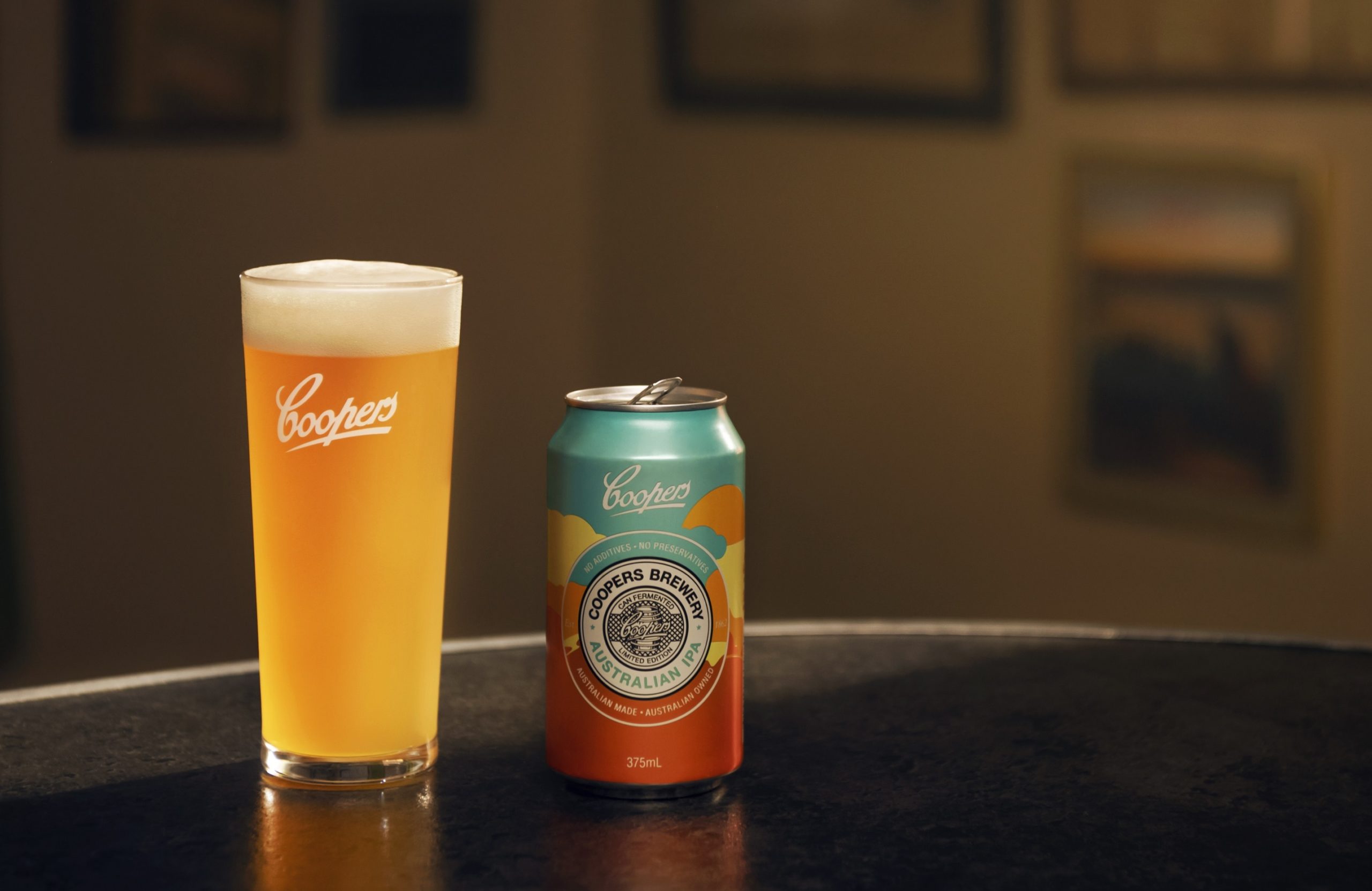
    Coopers craft beers are available across India after the Australian brewery secured a new distributor. This follows an introduction by Austrade to VBev, one of India’s largest importers and distributors of wine, spirits and beer.

    ‘Coopers is the only Australian craft beer in the Indian market,’ says John Southwell, Trade and Investment Commissioner, Austrade India. ‘VBev’s nationwide network means Coopers’ craft beers will become more widely available to Indian consumers.

    ‘There are not many imported craft beers as many international beer brands have set up their own breweries in India. We expect Coopers beers to do well in India, especially in states with less tax on beer.’

    Founded in 1862, Coopers Brewery is the largest Australian-owned brewery. It makes ales, stouts and lagers and has been brewing its signature Pale Ale for 6 generations. Coopers uses only natural ingredients including malt, hops, sugar, water and a special yeast strain that’s over 90 years old.

    Beer accounts for a third of the Indian alcoholic beverages market, in volume terms. Euromonitor projects the total volume of beer will increase at a 6% CAGR to reach 2.9 billion litres in 2025.

    India is home to around 440 million millennials. This demographic is driving an increase in craft beer sales as they seek fresh flavours including from India’s growing list of microbreweries, particularly in urban areas. This has contributed to continued growth of India’s craft beer industry.

    Health-conscious consumers are also switching from strong beer to lighter brews, and craft beer with different flavours, including customised and tropical flavours, including peach, strawberry, apple, lime and pineapple.

  • Fonterra reports strong sales, eyes higher earnings

    Fonterra reports strong sales, eyes higher earnings

    The company attributed its strong earnings growth to the performance of its protein portfolio, particularly in medical nutrition. It has forecast farmgate milk price of between $8.50 to $9.50 per kg of milk solids, with a midpoint of $9.

    Mike Hurrell, Fonterra CEO, said it was a positive start for the company given the current global situation.

    “We continue to feel the impact of geopolitical and macroeconomic events, with higher costs at every point in our supply chain,” he said. “It’s a similar story behind the farm gate with our farmer shareholders managing significantly higher input costs.”

    Hurrell explained that milk supply from key exporting regions – Europe, Australia, and the US – has been down over the past year and production in New Zealand is down 2.9 per cent against the same point of last season.

    In China, market volatility has prompted a “softening of demand” for whole milk powder.

    “We’ve seen increased participation from other regions, which has partially offset the drop in demand from Greater China,” he added. “While it’s still early in the financial year, we are happy with our sales contract rate.”

    Hurrell said the ingredients segment of the company continues to see strong margins in its protein portfolio – particularly for casein and caseinate – used in medical nutrition. Underlying earnings were up 94 per cent to $368 million versus last year, while normalised profit after tax rose 84 per cent to $214 million.

    “The sustained strong margins in our protein portfolio give us the confidence to upgrade our earnings guidance, although the wider range reflects the volatility in the market, which we expect to continue in the short to medium term.

    “If these conditions continue for extended periods, it could have an additional positive impact on forecast earnings.”

    The dairy cooperative’s performance in the food service channel was said to have improved versus the same period last year. Still, the high milk costs continue to put significant pressure on margins in both consumer and food service channels.

    Hurrel said the company had made progress on shipping the additional inventory at the end of the company’s fiscal year, and the stock has returned to normal levels.

    “There’s no doubt we’re in a period of increased global uncertainty. Inflationary pressures are being felt both on-farm and across our business, but looking further out, the fundamentals for dairy remain positive,” he concluded.
  • Kono NZ Announces Closure Of Annies

    Kono NZ Announces Closure Of Annies

    Food and beverage business Kono NZan associated business of Wakatū Incorporation, has today announced it will be closing its Blenheim-based business Annies at the end of February 2023.

    Kono NZ Chief Operating Officer Andy Wotton said the closure of Annies, a well-loved local brand, was a difficult decision for the Board to take, but was part of a wider strategic reset to return to Kono NZ’s core purpose – operating sustainable, high-performing businesses that generate a strong financial return to owners.

    He said Annies hadn’t met performance requirements over a number of years, and wasn’t sustainable long term.

    “Kono NZ purchased Annies in 2014 after it had gone into voluntary receivership. Despite our very best efforts to rebuild the business over the last seven or eight years, Annies has, with the exception of a couple of outlier results, operated at a loss. As a business we need to be able to adapt and, though hard, the decision to close Annies is right, rather than continuing to operate unsustainably into the future.”

    Annies employs 39 people within the Marlborough region. Mr Wotton said Kono NZ hoped to offer staff redeployment options within the Kono business as an alternative to redundancy and was actively exploring opportunities.

    “Manaakitanga is central to how we operate and this process will be managed as carefully and thoughtfully as possible. We will work closely with our affected people over the coming weeks to explore every opportunity available.”

    Annies last day of production is expected to be 24 February 2023, with its lease ending at the end of April 2023. It is expected that normal business operations will continue until then and all open sales orders will be fulfilled.