Category: Food

Retail News Asia is committed to providing both local and global retailers with the latest Food and Food & Beverage news throughout the Asian market. This on a daily base.

  • First Vietnamese pomelo exported to US

    First Vietnamese pomelo exported to US

    Pomelo became the seventh Vietnamese fruit to be officially exported to the U.S. Monday with the first 100 tons being transported from the southern province of Ben Tre.

    The batch is split into six containers. Four of them will be exported by air and two by sea.

    Deputy Minister of Agriculture and Rural Development Tran Thanh Nam said at the announcement ceremony Monday that the U.S. is one of the most difficult markets in the world but has large demand for fresh fruits.

    He added that Americans consume about 12 million tons of fruits annually, with 30% of them imported.

    The exported pomelo must come from the 36 growing areas in Vietnam that have been registered with U.S. authorities.

    They span 752 hectares, or 0.71% of Vietnam’s total pomelo growing area.

    Many measures must be strictly taken to ensure the fruits are clean and healthy.

    Ben Tre Province Chairman Tran Ngoc Tam said that of the seven Vietnamese fruits that are exported to the U.S., the province has three: pomelo, longan and rambutan.

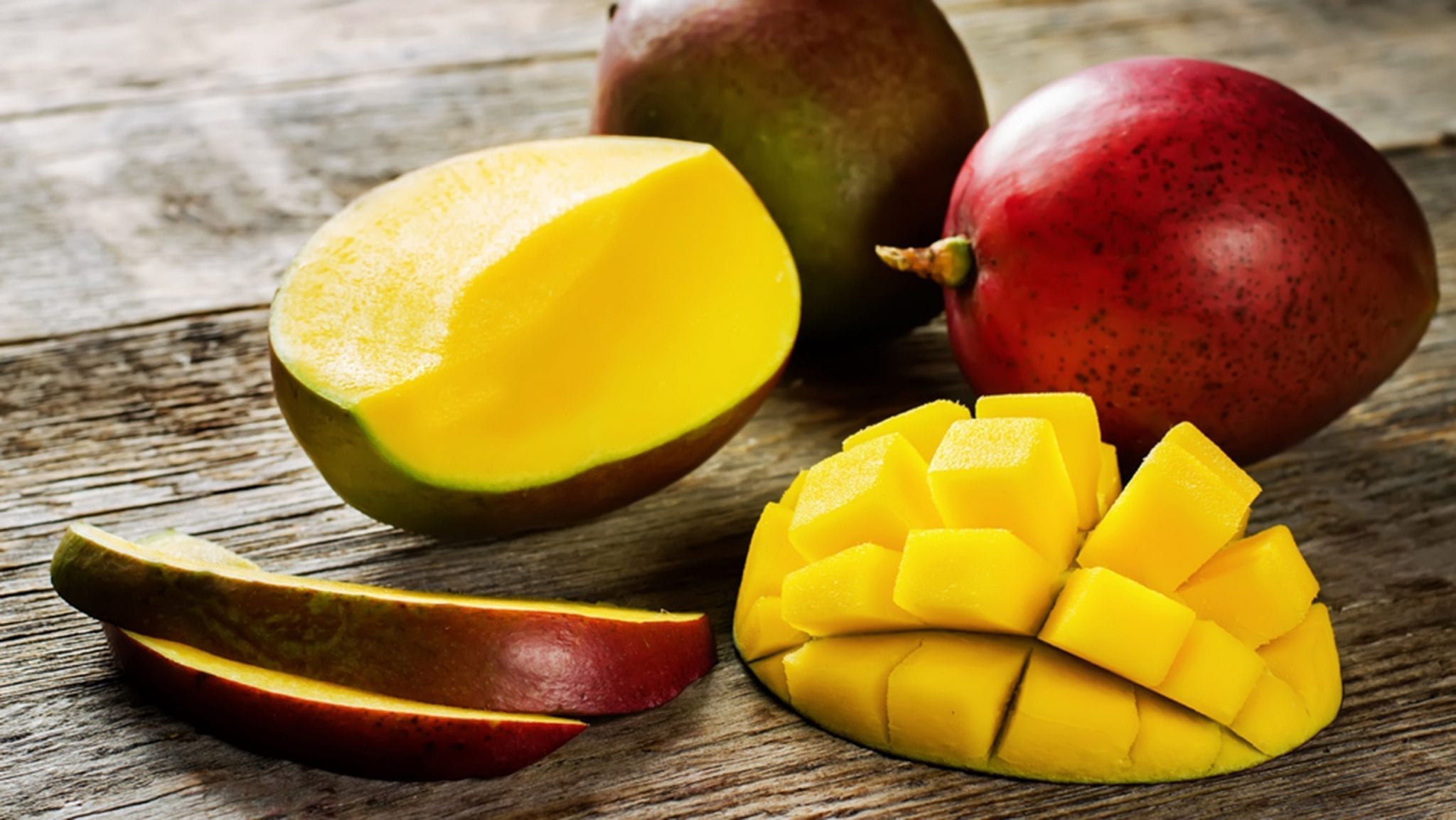
    Other fruits that have been approved for official U.S. exports are mango, dragon fruit, star apple and lychee.

  • Vietnam’s seafood exports nearing $11 bln in 2022

    Vietnam’s seafood exports nearing $11 bln in 2022

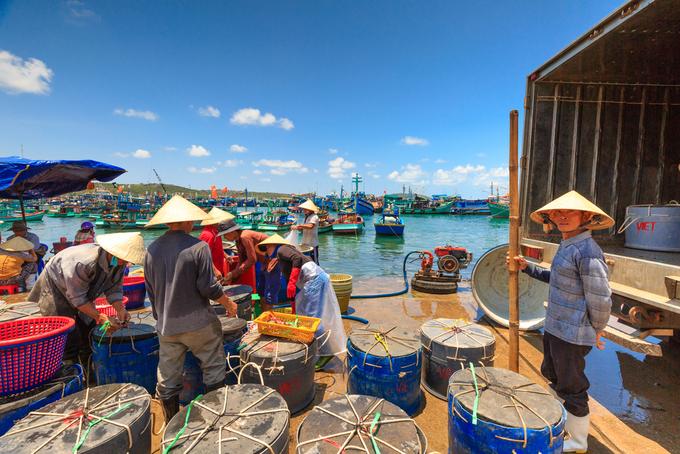
    Vietnam’s seafood exports this year could reach $11 billion for the first time, spearheaded by shrimp, pangasius and tuna, according to the Vietnam Association of Seafood Exporters and Producers (VASEP).

    Truong Dinh Hoe, VASEP general secretary, said at a conference in HCMC Saturday that by November, seafood exports had already crossed $10 billion, so by the end of the year, it could reach $11 billion for the first time.

    The largest seafood export markets for Vietnam are the U.S., Japan, China and the EU. The EU, the U.S., and China account for 60% of the global seafood trade and 50% of Vietnam’s export turnover in the first ten months of this year.

    Hoe said all sectors of the seafood industry grew 18-77%, but exports began to slow down amid lower purchasing power, higher interest and fluctuating exchange rates. He added that as the world enters a recession and inflation increases, demand is falling globally.

    As such, Vietnam’s seafood industry would face tough competition from competitors that offer lower costs and prices, like Ecuador or India.

    Economist Dinh The Hien said that the global economy would worsen in 2023, directly affecting the seafood industry.

    “However, businesses shouldn’t be too pessimistic; they should search for new opportunities to grow,” he said.

  • Thai durian farmers feel threatened as Vietnam makes China debut

    Thai durian farmers feel threatened as Vietnam makes China debut

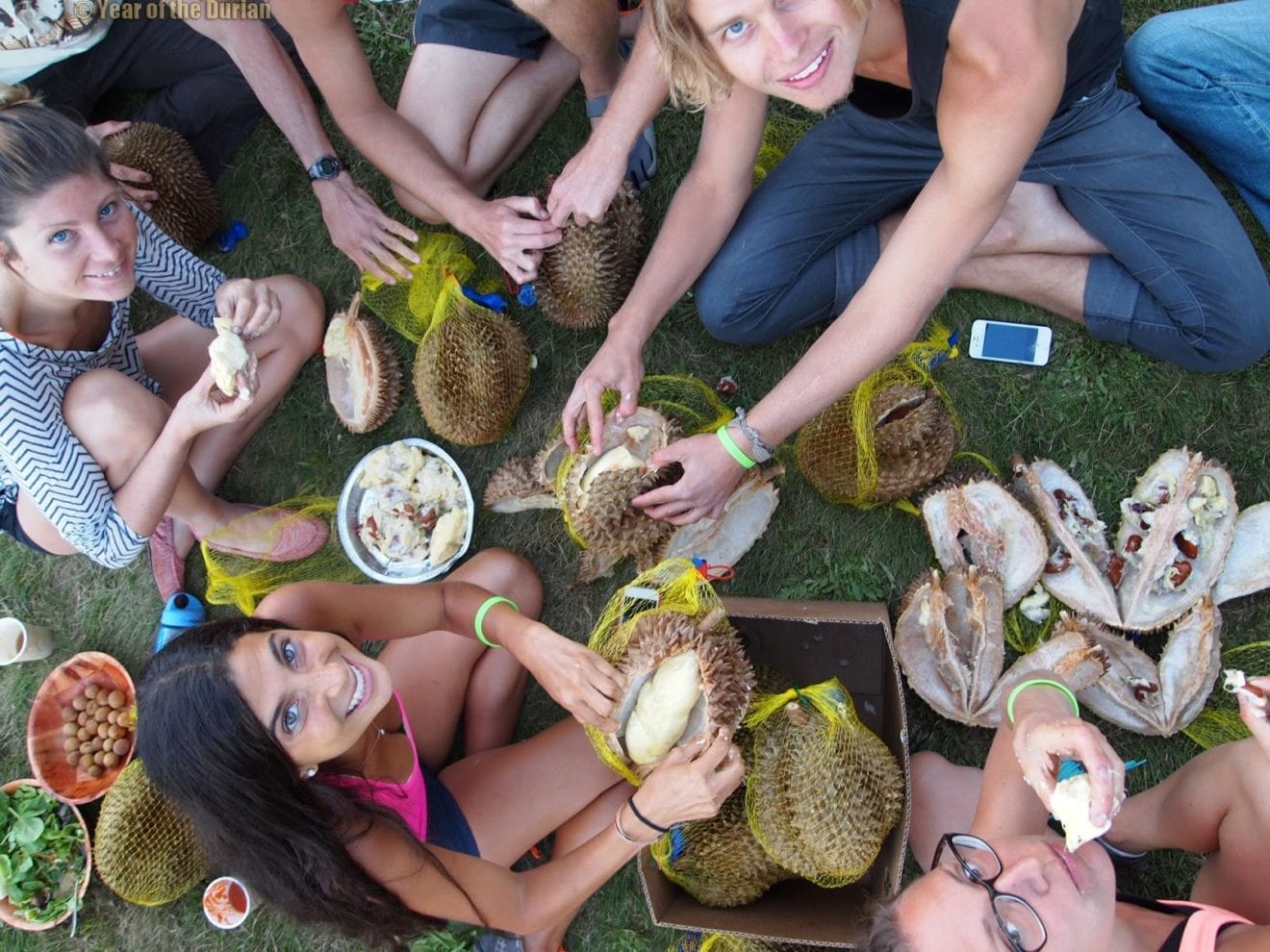
    Thai farmers who’ve enjoyed a virtual monopoly in exporting fresh durian to China are worried about Vietnam entering the fray because the latter’s proximity to the importer generates several advantages.

    When Vietnam’s first batch of fresh durian was exported to China under official quota in September, Thai farmer Busaba Nakpipat said she was concerned about heightened competition in a market that Thailand has dominated for decades.

    “Thailand used to be the only country allowed to export fresh durians to China, while Vietnam used to export processed durian,” she said. “But now Vietnam is our competitor and it worries me.”

    During a trip to Vietnam in September, Busaba saw an increasing number of durian orchards and found there was large potential in the country to further expand cultivation of the special fruit.

    Vietnam has been exporting processed durian to China for years, but now that the export of fresh durian to the world’s largest consumer market has been approved, local farmers see a great opportunity to make bigger profits.

    China has approved exports of fresh durian from nearly 3,000 hectares in Vietnam. It took Vietnam four years to negotiate the approval as China has become a difficult market with high quality standards.

    “Our exports need to meet Chinese consumers’ standards and we need to respect their desires and regulations. That is how we can ensure a sustainable export channel to this market,” said To Ngoc Son, deputy head of the Asia and Africa division under the Ministry of Industry and Trade.

    Industry insiders in Thailand view this development with some trepidation because its market dominance is threatened now.

    Thailand was the first country to export fresh durian to China. In 2021, Thai durian exports to China grew at a record 68% year-on-year to more than 875,000 tons.

    However, Vietnamese farmers have an advantage over their Thai counterparts because they can afford to pick durians for export later than in Thailand. Shipments from Vietnam take less time to reach China, said Thai academic and agriculture specialist Sakda Sinives.

    “Even without any clear difference in terms of taste … the riper fruit from Vietnam will slowly attain higher prices from buyers, while the price of durians from Thailand will fall. This quality control issue is why Thai [durian production] will fall as farmers can no longer shoulder the costs,” Sakda said.

    Sakda said that many traders operating in Thailand – more than a few acting on behalf of buyers from mainland China – have moved to Vietnam, lured by higher profit margins though very few Vietnamese farms have received export approval from China, he added.

    Long way to go

    However, Vietnamese officials say farmers in the country have a long way to go in improving their standards and practices to ensure export of high quality fruit.

    The nearly 3,000 hectares of durian orchards approved for exports to China only account for 3.5% of total area dedicated to cultivating the fruit.

    In the Central Highlands province of Dak Lak, where many durian orchards are located, only 16 out of 25 applications were approved by Chinese officials.

    “Some farmers are not aware of the benefits of being approved. Of those who have been approved, some do not keep a careful record of their farming activities,” said Vo Thanh Toan, an agriculture expert in Krong Pak District.

    Other officials have said that Chinese buyers have warned Vietnamese farmers about the failure to follow their standards by growing durian in the same area with other fruits, which increases the risks of pests and diseases. Some farmers have been warned about low hygiene and weak anti-Covid-19 measures.

    Nguyen Thi Thu Huong, deputy head of the Plant Protection Department, expressed concern at a recent forum that some Vietnamese durian farmers who have not been approved by Chinese officials are looking for ways to export to the neighboring country illegally.

    Farmers have registered to export 1.3 million tons of durian to China a year, which is double the approved amount by Chinese officials, suggesting that unapproved farmers are trying to add their fruit to the inventory of approved ones, she said.

    “If Chinese officials find out, all our negotiations and efforts of the last four years will be thrown away.”

  • 7-Eleven unveils 7Cafe concept store at Jewel Changi

    7-Eleven unveils 7Cafe concept store at Jewel Changi

    7-Eleven is usually a place where people pop in and out in a jiffy. However, this isn’t the case at the convenience stores’s first 7Café concept store at Jewel Changi Airport. The 7Café concept store at Jewel Changi Airport is located in Basement 2.

    It has an extended range of 7Café items, including Salted Caramel Coffee, Mocha, and Matcha Frappés priced at $5.50 each. There are also offerings featuring the local flavors of Singapore – Banana Caramel Smoothie inspired by Goreng Pisang and Pandan Lemonade cooler.

    Those who love cheesecakes can try several flavors, including Yuzu, Lychee, or Cookies & Cream all priced at $5.50 each.

    Warm pastries and finger food will be available at the hot food counter. Savoury hot food items include a range of fried chicken favorites including Hot and Spicy Drumlets, Chicken bites with a choice of Red Pepper or Garlic Herb seasoning, Chicken Drumsticks, Nuggets, and Wings.

    Other light options include sandwiches, burgers, and onigiri. There will also be Ready-To-Eat meals too.

    The grand opening of the Jewel 7-Eleven outlet will take place from 25 to 27 November 2022, 11 am to 9 pm daily. Over the weekend, customers can enjoy a sampling of drinks and snacks, free cotton candy floss and 7-Eleven balloons. There will also be chances to walk away with Spin and Win rewards, with a minimum spend of $10, and freebies for completing Jewel Challenge card activities.

    “At 7-Eleven, we always broaden our horizons and create innovative offerings for our customers. The 7-Eleven Jewel Changi store seeks to provide a first-of-its-kind mini café experience with food being served at the counter for the convenience of our customers. We have also expanded our well-loved product range by adding a slew of new options. From items highlighting the iconic local flavors of Singapore to delectable ready-to-eat food options, there’s something for everyone! We hope that everyone will be able to enjoy our new concept store with its unique design and exclusive menu,” said Mr. Steven Lye, Managing Director of 7-Eleven Singapore.

  • Tim Hortons teams up with Alibaba to woo Chinese coffee drinkers

    Tim Hortons teams up with Alibaba to woo Chinese coffee drinkers

    The operator of Canadian coffee chain Tim Hortons in China said on Thursday it had forged a two-year partnership with Alibaba Group’s grocery chain that will see the two launch co-branded products.

     Freshippo will begin sales next month at its stores, of which it has more than 300, as well as through its official app, it said in a statement. Products will include drinks such as Velvet Cocoa Coffee.

    Tims China, whose backers include Tencent Holdings, opened its 500th outlet in China last month and has set its sights on having a “profitable network” of 2,750 stores in the country by 2026.

    Even so it would still lag Starbucks, the dominant foreign coffee brand in China with 6,000 stores and which also has a wide-ranging partnership with Alibaba.

    Tims China was founded in 2019 by Cartesian Capital Group and Canada’s Restaurant Brands International, which also owns the Burger King and Popeyes brands in addition to Tim Hortons.

  • The Coffee House operator sees revenues surge of 50%

    The Coffee House operator sees revenues surge of 50%

    Seedcom, the operator of The Coffee House beverage chain and June fashion outlets, gained revenues of over VND1.5 trillion ($60.5 million) in the first 9 months, a 50% year-on-year surge, despite losses.

    The company posted losses in the period, Seedcom CEO Nguyen Hoanh Tien saidnot revealing the exact amount of loss.

    It is expected to profit next year. “With big investments, firms under Seedcom are expected to see much improved financial results in the last months of this year,” he said.

    Seedcom, established in 2014, also owns delivery companies AhaMove, Giao Hang Nhanh, and retail chain Kingfoodmart.

    Of Seedcom’s total revenues in the first nine months, over 37% came from The Coffee House, more than 25% from the fashion group, and some 20% from Kingfoodmart.

    Last year, Seedcom branched into finance by partnering with Thai bank Kvision to provide payment and loan services to small and medium companies, focusing on cashless finance.

    It also sold the farming unit Cau Dat Farm, which grows and processes coffee, to Nova Consumer under NovaGroup to focus more on retail.

  • Lobster exports up seven-fold in 9 months

    Lobster exports up seven-fold in 9 months

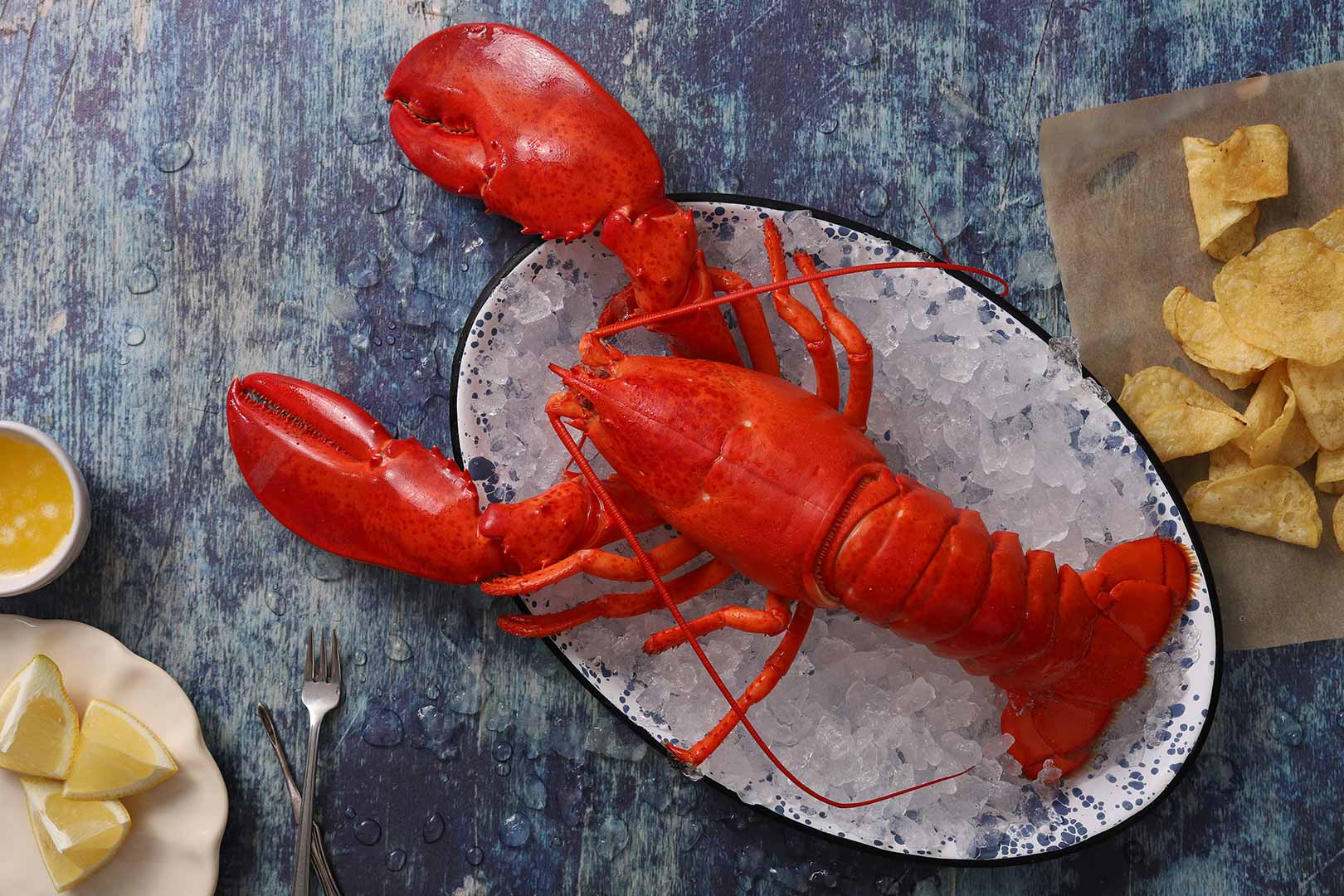
    A seven-fold year-on-year increase in lobster exports to China netted revenues of $179 million in the first nine months of the year.

    According to the Vietnam Association of Seafood Exporters and Producers (VASEP), China accounted for 90% of Vietnam’s total lobster exports in the first nine months.

    VASEP communications director Le Hang said China’s demand for seafood is set to increase with the Lunar New Year festival season coming up.

    She said lobsters account for more than 5% of Vietnam’s total seafood exports yearly.

    A fall in lobster production after aquaculture areas were affected by recent storms and floods. Retail prices of lobsters currently stand at VND1.3-2 million ($52.4-80.6) per kilogram, up 10% against over October.

    Some 90% of lobsters raised in the two central localities of Phu Yen and Nha Trang, the two biggest lobster aquaculture areas in Vietnam, are exported to China via border trade.

    Recently, a business in HCMC signed a contract to export 2,000 tons of live lobsters to the Chinese city of Kunming.

    Under the agriculture ministry’s plan, Vietnam will raise 3,000 tons of lobsters for an annual export turnover of around $200 million yearly.

    According to VASEP, the country earned nearly $3.4 billion from the export of lobsters, prawns, and shrimps in the first nine months, up 23% year-on-year.

  • Subway plans to double its Asia Pacific store count within five years

    Subway plans to double its Asia Pacific store count within five years

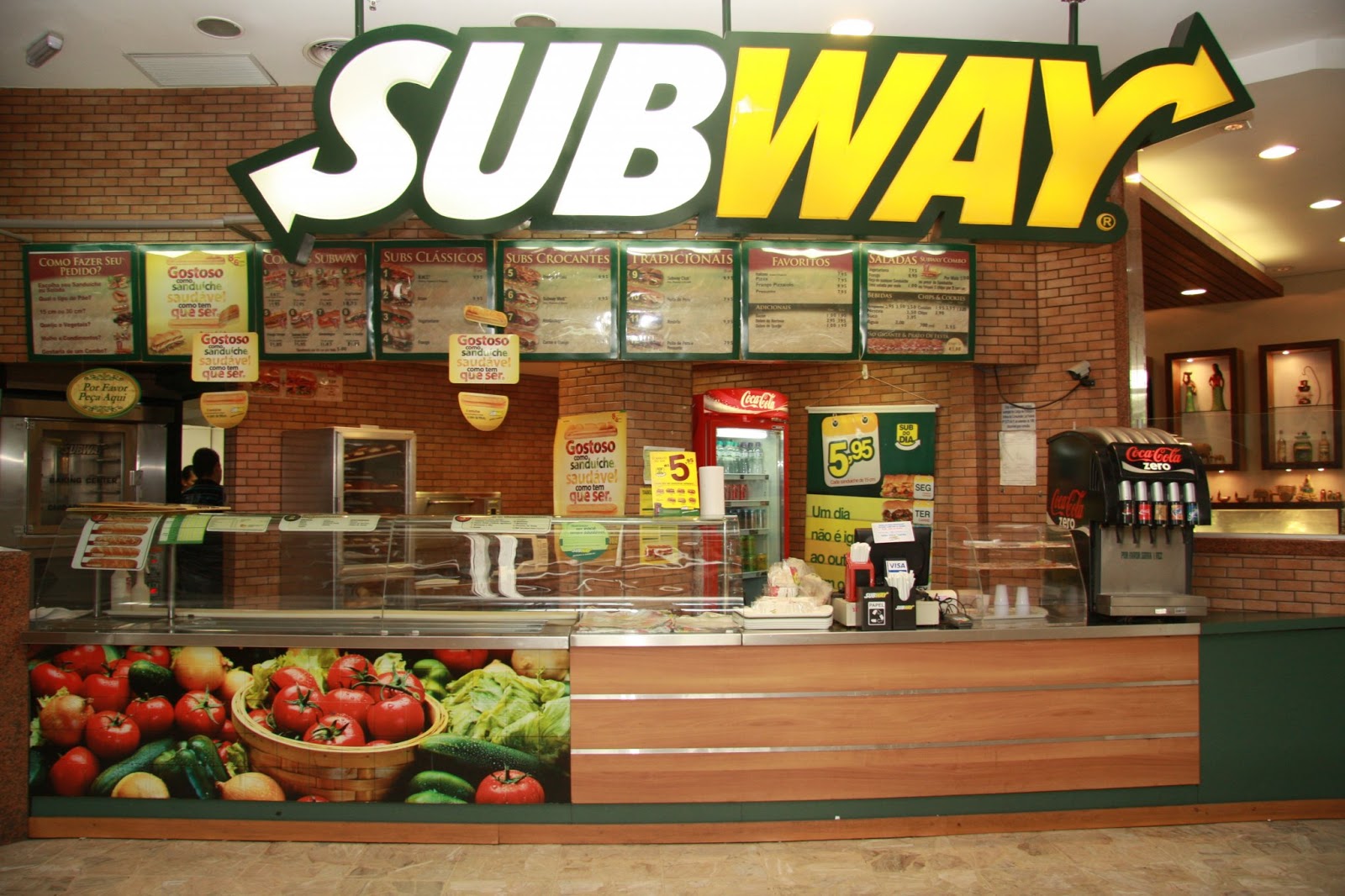
    American sandwich maker Subway has 3,300 restaurants across 15 markets – but only 9 percent of these restaurants are in the fast-growing Asia-Pacific (Apac) region.

    To double the number of its Apac restaurants in the next 5 years, Subway Asia-Pacific president Eric Foo hopes to lean on the group’s franchise model.

    The group has its sights set on Indochina, including Vietnam, which has a lot of untapped opportunities, but finding the right local partner to raise its store count is key in the expansion equation.

    “Local operators are key to helping us break into new markets and navigating cultural and regulatory differences so that we can grow quickly and efficiently,” he said.

    He added that franchisees who understand Subway’s business and the market in which it operates will also be able to achieve economies of scale quickly and turn a profit. A master franchisee operating multiple stores would also be able to enjoy cost savings from bulk-importing fresh ingredients.

    In May, Subway inked a master franchise deal with Pegacorn, a partner since 2019, to expand its presence in West Malaysia. Under this deal, Pegacorn will open 500 new Subway outlets across Peninsular Malaysia in the next decade.

  • Popeyes to return to South Korea

    Popeyes to return to South Korea

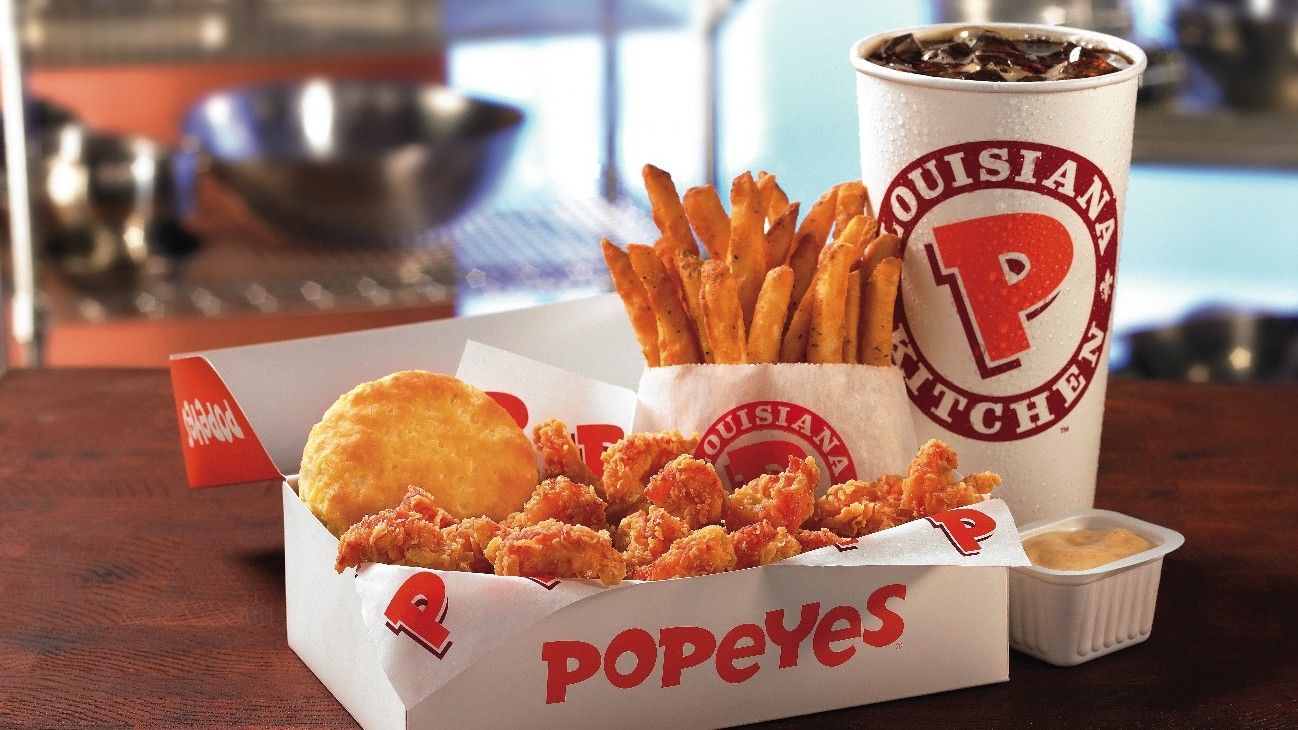
    American fried chicken restaurant chain Popeyes is returning to the Korean market after pulling the plug on its business here in December 2020.

    Its operator Restaurant Brands International (RBI) confirmed Monday it has signed an exclusive master franchise contract with its new partner NLC, a subsidiary of deep-sea fishery firm Silla. It will open its first store under NLC management by the end of this year.

    “We are thrilled to introduce Popeyes’ unique Louisiana-style chicken and various food items in Korea with NLC, a subsidiary of Silla,” Popeyes Louisiana Kitchen President David Shear said. “We are building a partnership with NLC based on strong trust and we will look forward to our future journey together.”

    RBI thought hard about bringing Popeyes back to Seoul because it has already failed once here. Silla is said to have convinced RBI with its distinguished strategy for Popeyes in an already saturated fast food restaurant market.

    NLC is confident about bringing local customers back to Popeyes with its representative Cajun chicken.

    “Chicken is one of the most loved food categories in Korea and we are proud to have brought back Popeyes, a globally well-known brand. We also believe our aggressive expansion of the fried chicken restaurant chain can greatly contribute to the country’s economy by creating new jobs,” an NLC official said.

    The Popeyes brand was first launched in New Orleans in 1972. It is one of the world’s largest chicken restaurant franchises, operating over 3,400 branches in more than 25 countries. It has been competing with global fast food chains like McDonald’s, Burger King and KFC with its New Orleans-style food including spicy chicken, chicken tenders and fried shrimp.

    In Korea, TS Food & System (TS F&S), an affiliate of TS Corporation, had been operating Popeyes with its master franchise contract signed in 1994 and opened nearly 200 restaurants here.

    However, it fell behind other chicken burger chains such as Mom’s Touch after poor business performance that had been afflicting them for a while, the contract with TS F&S was terminated as of the end of 2020.

    The brand has since been seeking a new local partner to reenter the Korean market. Daewoo Development Company – Engineering & Construction was one of the candidates that RBI was in touch with.

    Apart from Korea, Popeyes has successfully expanded its business to countries such as Spain, Switzerland, China, Brazil, Sri Lanka and the Philippines over the past few years.

    Last year, it opened restaurants in the United Kingdom, Mexico, Saudi Arabia, Romania and India.

  • Jollibee terminates Dunkin’ Donuts franchise business in China

    Jollibee terminates Dunkin’ Donuts franchise business in China

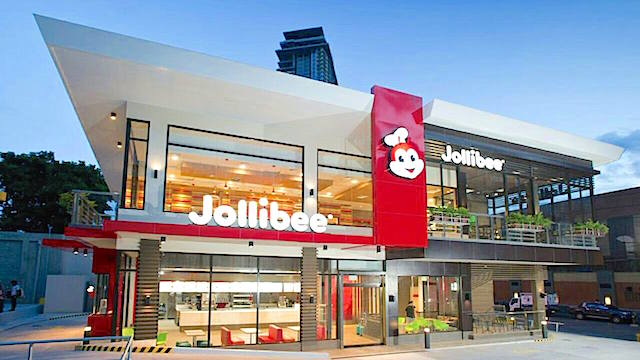
    Filipino foodservice giant Jollibee Foods Corporation will end its operation of Dunkin’ in China after struggling to expand the business.

    The joint venture agreement with the US coffee and donut chain began in January 2015 with Jollibee planning to open more than 1,400 outlets over 20 years across select Chinese regions, including Beijing. However, Jollibee has only opened seven stores in total to date.

    Jollibee’s partner Jasmine Asset Holdings and the US-based Dunkin’ Donuts Franchising organization have terminated the partnership and the seven Beijing stores will now close, which could result in the US chain exiting the market altogether.

    Richard Shin, Jollibee’s Chief Financial Officer, said it was the right decision to ‘reallocate’ the company’s resources. He added that Dunkin’ was not a core Jollibee business in China, stating that the market is more accustomed to tea than coffee.

    The Chinese branded coffee shop market presents an attractive opportunity for international brands, but a sustained period of trading restrictions since the start of the pandemic and a nationwide zero-Covid policy have impeded sales growth for businesses.

    In its third quarter reporting, US coffee chain Starbucks said its Chinese revenues fell 16%.

    However, the Seattle-based company predicts a turnaround in fortunes in its second-largest market, targeting a 50% increase in Chinese outlets to reach 9,000 locations in the country by 2025.

    Jollibee continues to scale its brands across China but will now focus on building its Taiwanese restaurant chain Yonghe King and porridge shop Hong Zhuang Yuan. The two brands currently have 418 and 55 stores respectively.

    Despite ending its association with Dunkin’, Jollibee retains two coffee businesses. The company acquired US-based The Coffee Bean & Tea Leaf for $350m in 2019 and also operates Vietnamese coffee chain Highlands Coffee.

    According to Jollibee’s second quarter results, shared in August 2022, The Coffee Bean & Tea Leaf achieved 16.5% revenue growth in the three months ended 30 June 2022 and operated 1,059 outlets.

    Highlands Coffee, which Jollibee highlighted in 2021 as ‘the fastest growing business in the Jollibee Group’, currently operates 525 stores.

    Jollibee also owns Taiwanese bubble tea brand Milksha, which has 269 outlets.

  • NSW Wine names new CEO, Matthew Jessop

    NSW Wine names new CEO, Matthew Jessop

    Matthew Jessop has been named the CEO of NSW Wine after an extensive search.

    Jessop has a background in international trade, industry development and business and is the co-owner of a small family wine business in NSW.

    He has also worked with the NSW department of trade and investment, the NSW treasury, and the NSW Department of Industry and managed other multinational trade and investment teams in Asia and the Middle East.

    “We are confident that Matthew’s passion for the wine industry and his demonstrated past achievements, commitment, and vision will continue to take the NSW wine industry forward,” the organisation said a statement.

  • Louis Vuitton opens its first restaurant, The Hall in China

    Louis Vuitton opens its first restaurant, The Hall in China

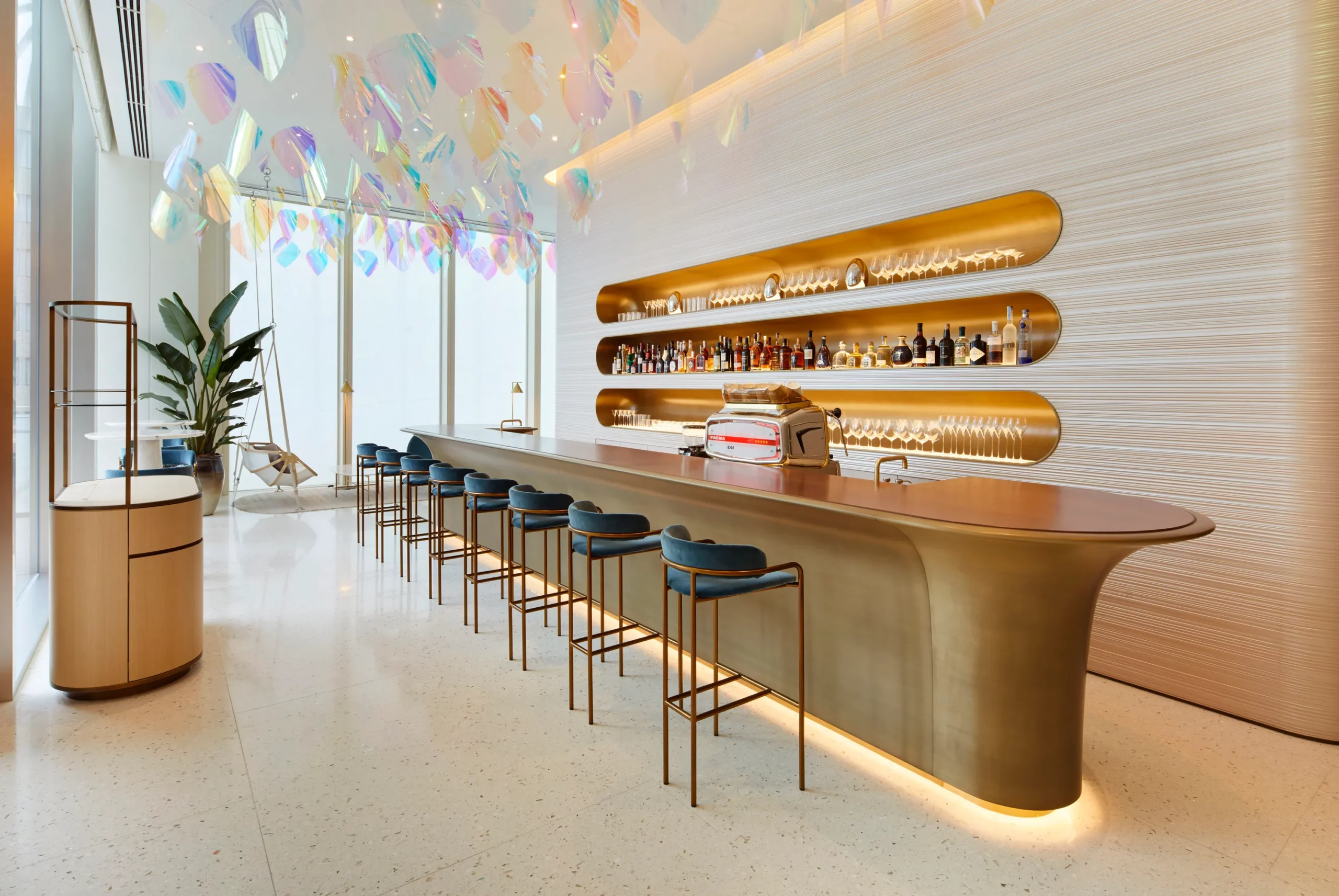
    French luxury fashion Maison Louis Vuitton has opened its first restaurant concept in China dubbed ‘The Hall’ adjacent to Louis Vuitton flagship at Chengdu’s Sino-Ocean Taikoo Li shopping complex.

    The Hall, previously home to a Louis Vuitton pop-up store, is located in the historical building Guangdong Hall. The restaurant will collaborate seasonally with Michelin-starred chefs worldwide to offer a diverse selection of menus. From now until March, its first star chef Olivier Elzer will serve customers in China a fusion menu that blends local and French cuisine. The restaurant offers lunch, afternoon tea, and dinner service.

    As part of the launch, the fashion house launched an interactive game dubbed ‘Mah Jump’ on WeChat Mini Program. The Hall follows the launch of the 2000sqm House of Louis Vuitton earlier this year, which consists of two buildings and an open courtyard.

    “This is unsurprising as the rising consumer purchasing power of Chengdu is attracting luxury brands to the ‘tier 1’ city,” said Bobby Verghese, consumer analyst at GlobalData.

    “The iconic historical location Sino-Ocean Taikoo Li will aid LMVH in localizing its brand image in China at a time when local cosmetics brands are stealing the thunder from MNCs. The brand is finding its way into the hearts of Chinese consumers through food.”

    According to the data company, Chengdu’s GDP is a fast-emerging economic powerhouse with real GDP of $129.3 billion and per-capita real GDP of $7.9 billion this year, which is not significant compared to Beijing’s real GDP of $432.7 billion and per-capita real GDP of $19.7 billion.

    The Hall marks the brand’s fourth restaurant in Asia after Le Cafe V locations at Louis Vuitton Maison Osaka Midosuji and Ginza and the pop-up restaurant at Maison Seoul location.

  • Vinamilk shares experience in exploring powdered milk market

    Vinamilk shares experience in exploring powdered milk market

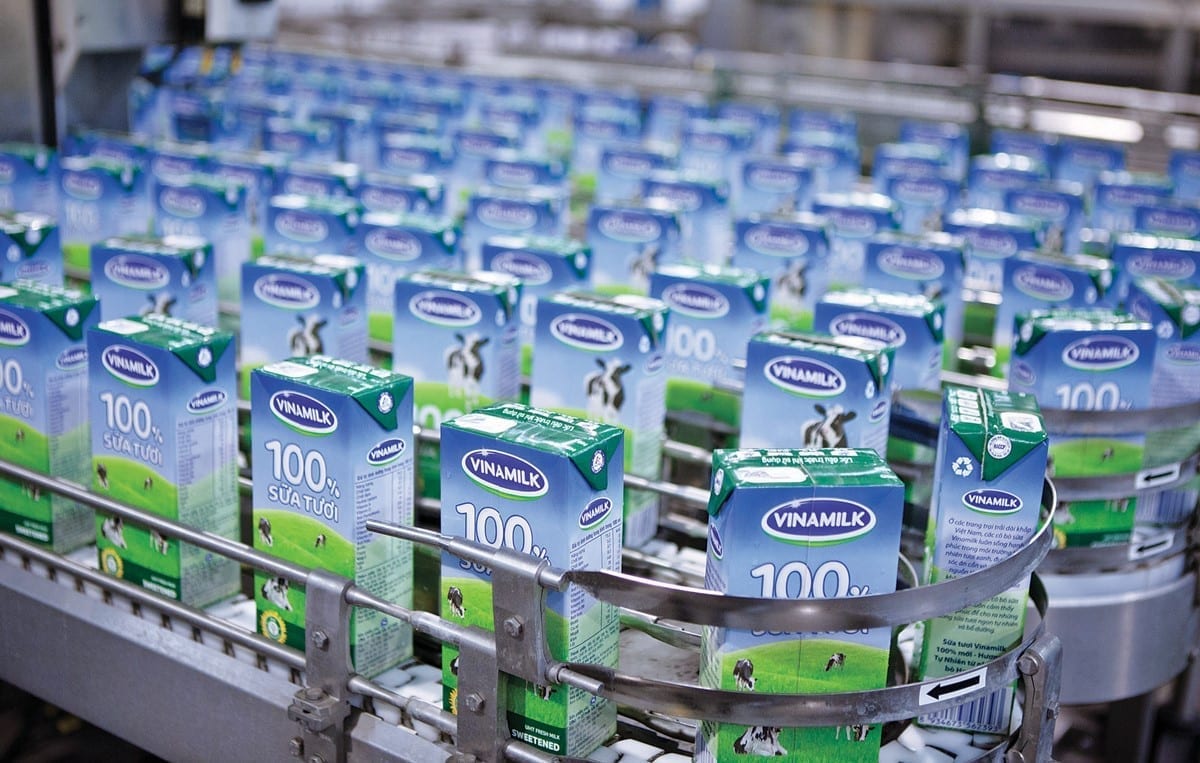
    Dielac powdered milk has changed the habit of Vietnamese consumers who used to prefer foreign goods by well addressing the nutritional needs of children.

    Nguyen Quang Tri, Vinamilk’s executive director of marketing, brought the success story of Dielac powdered milk to the 6th Global Dairy Congress Asia 2022, taking place on October 27-28 in Singapore.

    Vietnam’s dairy industry has an estimated net worth of nearly $6 billion, led by Vinamilk for decades. Dielac – a popular mass formula brand for children has contributed significantly to the development journey of the dairy giant.

    In the 33 years since the production of the first batch, Dielac has consistently led the market, despite stiff competition from many foreign and domestic brands. The company focuses on three criteria to win consumers’ hearts: quality, innovation, and love.

    The main point of Dielac’s story is its attempt to satisfy consumers’ needs.

    According to Tri, Vietnamese people are inherently not confident about domestically produced products and tend to be more appreciative toward imported brands which leads them to pay a premium price.

    Even in the low-income group, buyers always assume that higher price dairy products signal higher quality due to the mentality that cheaper products are not good.

    On the other hand, there is competition between dairy companies in adding ingredients with a variety of benefits, from physical to mental growth.

    Dielac recognized the challenging competition while positioning itself as a low-cost domestic brand in a market that was becoming more upscale. To establish its position, the company addressed consumers’ fundamental demand: nutrition for children.

    The founders have always had a goal in mind: infant formula should contain ingredients and nutrients that are as close to breast milk as possible.

    To create a product that is appropriate for the physical needs and specialized nutritional needs of Vietnamese children, Vinamilk cooperates with international organizations that specialize in micronutrients and microbiology.

    Over three decades, Vinamilk has faced many challenges.

    The most notable milestone was in 1976 when Vinamilk took over old, “good for nothing” factories with outdated equipment that required full repair and reassembling.

    At that time, Vietnam was also lack of a dairy sector that left Vinamilk no choice but to maximize internal capabilities for production

    In 2009, the company collaborated with the National Institute of Nutrition (NIN) to conduct a large-scale clinical study with 50,000 children, proving the quality of Dielac products.

    Another research conducted by Vinamilk that year revealed that 96% of Dielac consumers were satisfied with the milk quality.

    In 2022, the company continued to affirm its position in providing parents with a long-term nutritional solution to support their children’s growth and development.

    Dielac has adopted new modern technology in production, applying advanced formulas in its products to compete with imported brands fairly.

    The manufacturer is keen on innovating and upgrading product quality, developing new brands, and expanding the categories to meet consumers’ demands, as well as providing diverse solutions for children’s nutritional needs.

    Taking advantage of its farms, factories, and across-the-country supply chain system, Vinamilk is able to price its products to be affordable for consumers from different backgrounds.

    These strategies have contributed significantly to the formation of “Dielac brand love” and made the milk brand trusted by generations. Babies who were fed with Dielac milk in 1989 now continue to provide the younger generations with the same beloved products.

    According to Mai Kieu Lien, Vinamilk’s general director, “the affection towards the brand is nurtured by the enthusiasm of the development team.”

    Dielac is built upon three key factors: the love of a mother – providing the child’s basic needs; the heart of a Vietnamese – wanting to contribute to reducing children’s malnutrition rate and enhancing their physical and intellectual conditions, and the entrepreneur’s enthusiasm – building the dairy industry as advanced as in other developed countries.

    The Global Dairy Congress Asia 2022 attracted more than 250 participants, and more than 30 speakers from organizations, and dairy enterprises of more than 10 Asian countries.

    The program had five discussion sessions focused on the latest trends in the dairy industry, new business models, advanced technologies and equipment as well as applicability in the industry value chain (farm management, milk processing, product innovation, and so on).

    The event also offered an opportunity to explore the dairy market’s prospects in Asia. Vinamilk was the only Vietnamese dairy company invited to present at the Congress

    Caroline Emond, Director General of the International Dairy Federation (IDF), said she was inspired by Dielac’s 33 years of journey.

    According to the IDF representative, after recognizing its main challenge, Vinamilk has found a way to tackle it and deliver what customers want and build a strong organization from there.

    Caroline stressed the significance of the approach in enhancing consumers’ affection for a brand. Only when convinced by the product’s value, the strong reputation and trustworthiness of brand, they will make the buying decision.

    The global dairy industry is experiencing rapid growth due to the rising population, increasing nutritional needs, and higher average income.

    With a population of more than 4.5 billion, emerging Asia plays a significant role in global milk production and consumption, according to experts at the conference.

    In 2021, Asia led in production with 33% of the global number. The amount of milk produced last year, which was 749 billion kilograms, will see a marginal rise this year as a result of socioeconomic development, healthy lifestyle initiatives, consumer health concerns, and changes in daily diet.

    According to Euromonitor International, the dairy market in Vietnam would grow by 12.8% from 2023 to 2025. The high-end market will continue to expand since this group has not been much affected by the pandemic in term of income, hence their consumption habit remains the same as before.
  • Starbucks enters Laos with Maxim’s Caterers

    Starbucks enters Laos with Maxim’s Caterers

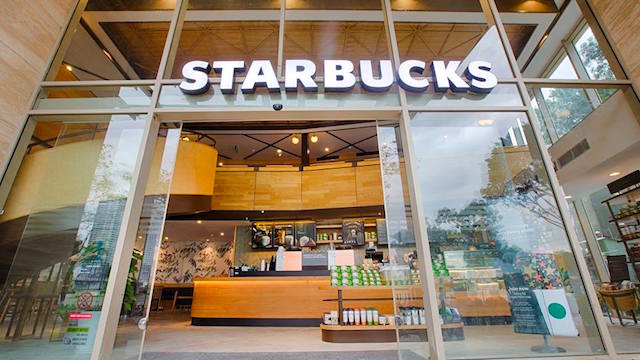
    US coffee chain Starbucks has expanded its footprint into Laos under the partnership with its licensee Coffee Concepts, a subsidiary of Hong Kong-based Maxim’s Caterers.

    The Laos launch marks Starbucks’ 84th market globally, “reaffirming the company’s long-term commitment to continued growth across Southeast Asia” the company said in a statement.

    Coffee Concepts already operates more than 900 stores across Hong Kong, Macau, Vietnam, Cambodia, Singapore and Thailand.

    The store’s interior design was inspired by the layers and symmetry of traditional Laotian architecture. The ceiling features “Siren-scale” wood tiles, mimicking the brand’s signature Siren emblem and the historical housing architecture in Laos. Ceiling tiles feature botanical wood, inspired by the country’s coffee plants and natural scenery. A hand-painted artwork of Siren created by a local artist is displayed on the store’s most prominent wall.

    “We are committed to delivering the best experience to our new partners and customers in the market,” said Michael Wu, chairman and MD of Hong Kong Maxim’s Group.

  • Tax break assists Belgian brewery to ‘Australianise’ its beers

    Tax break assists Belgian brewery to ‘Australianise’ its beers

    Queensland brewery Madocke Beer Brewing Co is set to brew its Belgian-style beer with Australian ingredients as part of a tax incentive program.

    The Research and Development (R&D) Tax Incentive program supports businesses that undertake R&D initiatives benefitting Australia, by providing a tax offset on eligible activities.

    It is administered by the Industry Innovation and Science Australia (IISA) and the Australian Taxation Office (ATO).

    The Gold Coast brewery – which predominantly produces traditional European-style beer – will now replace its European malts and hops with Australian ingredients.

    “So in our research and development claim that we did with the Australian government, we deliberately put forward that we are going to try to recreate traditional Belgian beers with Australian ingredients,” said Annelies Nijskens, Madocke’s co-founder and brewery manager said.

    “If we can change over more beers with Australian malts, it’s beneficial for Australian agriculture and the economy and the ecological footprint, which is very important these days.”

    The brewery began experimenting last year with Australian native honey to produce a Blonde beehive beer and a Belgian-style Blonde beer with Australian-grown Border Pale Malt from Barrett Burston Malting.

    The latter won the European-style ale category at this year’s Indies award.

    “Even though we are a Belgian-style brewery, we do not just bring everything in from Europe, we do try to work on Australian ingredients as well,” said Nijskens.

    Since ingredient sourcing and freight delays are ongoing problems facing businesses’ supply chains, the brewery aims to localize its source while helping the economy under this program.