Category: Food

Retail News Asia is committed to providing both local and global retailers with the latest Food and Food & Beverage news throughout the Asian market. This on a daily base.

  • Global inflation hits major seafood exporters

    Global inflation hits major seafood exporters

    Rising global inflation caused sales of two major seafood exporters Vinh Hoan and Sao Ta to plunge as consumers in their main markets tighten spending.

    Vinh Hoan, a pangasius export giant, saw September revenue plunging 28% from August to VND917 billion ($37.96 million), its biggest decline in eight months. Exports to the U.S. dropped 37% year-on-year and to China, 52%.

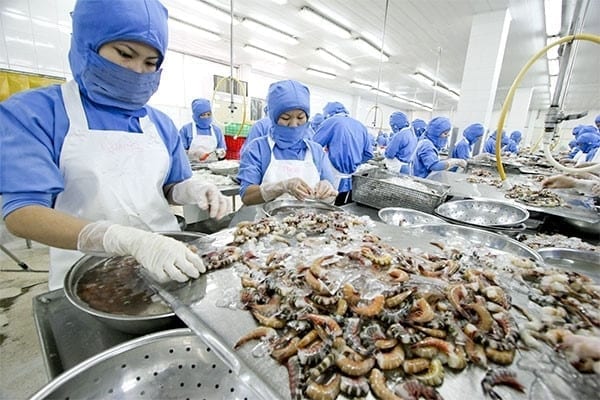
    Sao Ta, a shrimp exporter, saw sales falling 10% from August to $19.8 million, its second monthly decline in a row. The financial figures of the two companies reflect the difficulties Vietnam’s seafood industry are facing.

    billion VND (VND1 billion = $41,399)Vinh Hoan’s monthly revenues, 2022

    Seafood exports fell to a seven-month low of $850 million in September, according to the Vietnam Association of Seafood Exporters and Producers (VASEP). This is because of declining consumption in the U.S., EU, China and the U.K., which have been recorded since July.

    Shrimp exports reached $350 million, up 13% year-on-year, the slowest growth rate among major seafood products.

    Analysts of ACB Securities said shrimp is considered a high-end product and during difficult times consumers tend to switch to cheaper protein.

    Sao Ta leaders forecast that there would not be any major breakthrough in sales for the remaining months due to rising global inflation. They, however, are confident that the company’s earnings targets will be achieved.

    Thanks to strong recovery in the first half year, VASEP forecasts that Vietnam’s seafood exports would reach this year’s target of $11 billion by the end of November.
  • Heinz launches Black Garlic Mayo version for Halloween

    Heinz launches Black Garlic Mayo version for Halloween

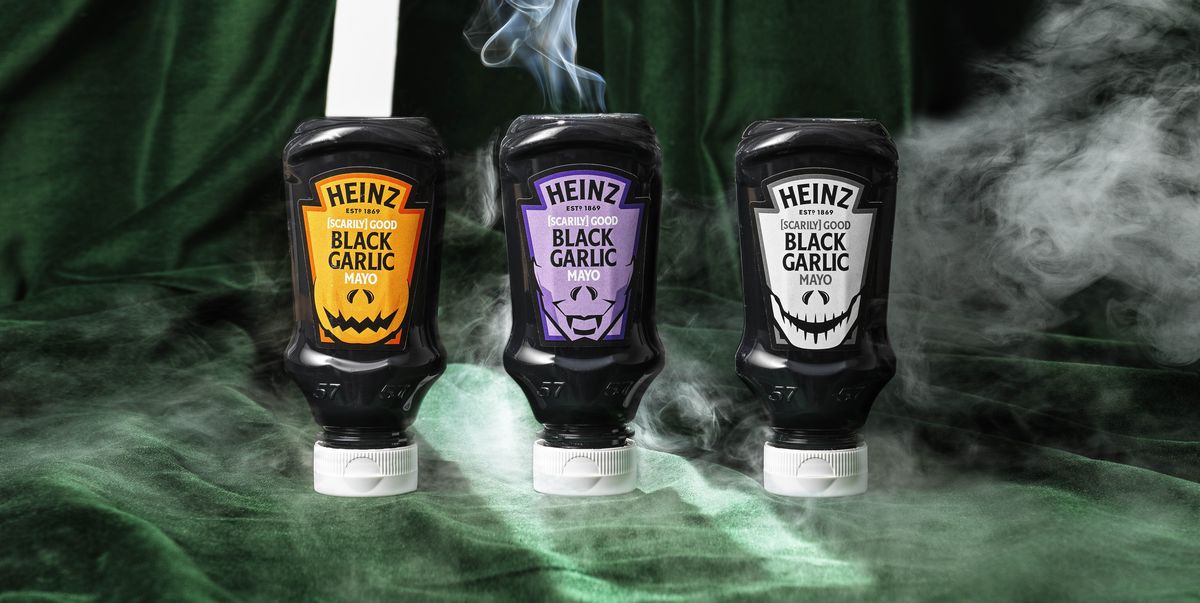
    It’s well and truly the scary season, and Heinz’s newest sauce is set to get you in the Halloween mood, one dip at a time. Launching the [Scarily] Good Black Garlic Mayo, Heinz have found a way for you to incorporate all things spooky into all your meals throughout October and maybe even into November, because it’s that good.

    Arriving in three limited-edition collectible designs, the Black Garlic Mayo is rich, tangy and slightly sweet and umami-packed, making it a fang-tastic accompaniment to your dinners. The best part about this jet-black condiment though, is that it’s vegan! It’s safe to say that it’s definitely a treat.

    A Kraft spokesperson said: “We are un-boo-lievably excited for Heinz fans to get their hands on our newest, fang-tastic [Scarily] Good Black Garlic Mayo. This new product is the perfect way to embrace the spooky season, suitable for all audiences, even vampires! Don’t miss out on this limited batch.”

  • Johnnie Walker launches new Ghost and Rare in Hong Kong

    Johnnie Walker launches new Ghost and Rare in Hong Kong

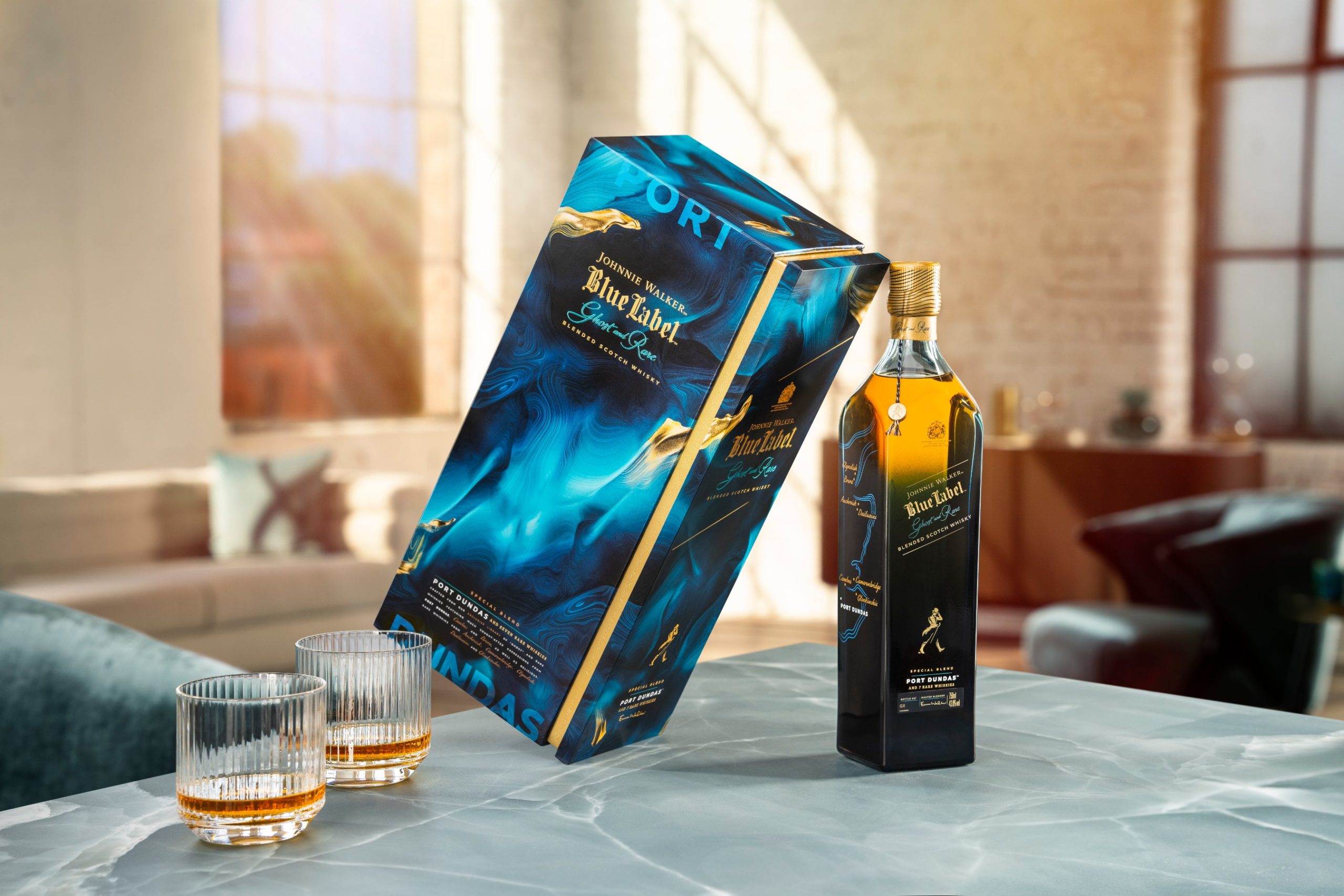
    Christmas is just around the corner. Get ahead on your shopping for all the nice people who have been good to you this year. If you’re looking for something classy, boozy, and rare, to give to a special someone, a quality bottle of liquid gold is always a good choice. And the good news is, starting today, you’ll be able to purchase the fifth edition of Johnnie Walker Blue Label Ghost and Rare in Hong Kong. Give the gift of rare whiskies from one of the world’s most famous grain whisky distilleries with more than 100 years of distilling history.

    This new release marks the first Ghost and Rare expression from Johnnie Walker master blender Emma Walker following the releases of Johnnie Walker Blue Label Ghost and Rare Pittyvaich in 2021, Johnnie Walker Blue Label Ghost and Rare Glenury Royal in 2019, Johnnie Walker Blue Label Ghost and Rare Port Ellen 2018, and Johnnie Walker Blue Label Ghost and Rare Brora 2017.

    Port Dundas closed its doors in 2010 and its precious and dwindling stocks of whisky can only be found in special bottlings like this latest release from Johnnie Walker. This new bottling explores the creamy, wood notes of Port Dundas blended with the vanilla and soft smoke from other ‘ghost’ whiskies of Cambus and original stocks of Brora.

    Johnnie Walker Blue Label Ghost and Rare Port Dundas (43.8% abv, 750ml) is available for $2,860,

  • Velocity Ventures invests in automated Pizza store

    Velocity Ventures invests in automated Pizza store

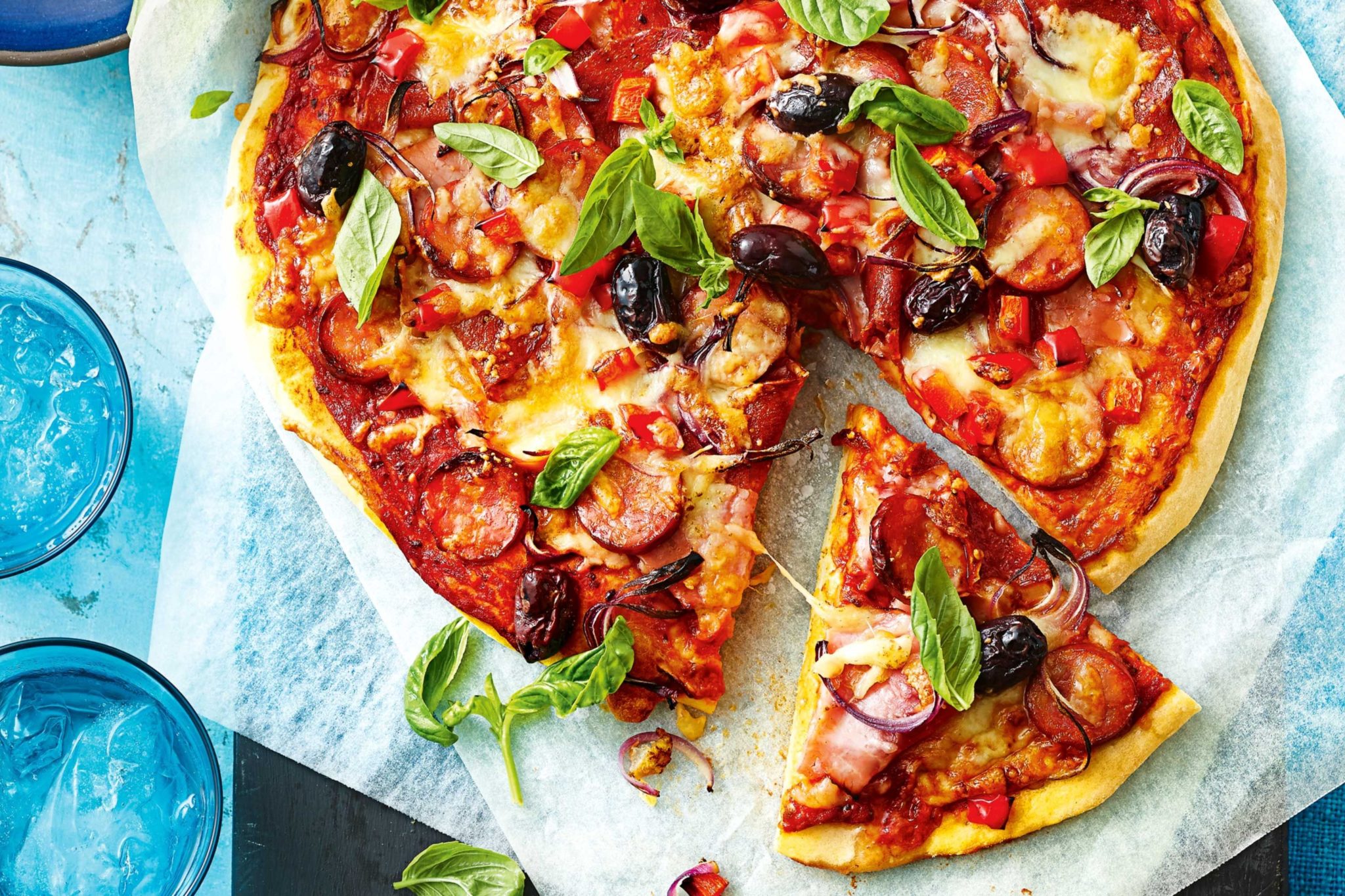
    Velocity Ventures, Southeast Asia’s leading venture capital firm focused on helping travel and hospitality solve industry challenges will be the anchor investor for Hyper Food Robotics (Hyper), an Israel-based firm that will debut its first fully autonomous  robotic  pizza kitchens in 2023.

    With Hyper’s autonomous robotic kitchens, it takes 8 mins to cook a pizza for the end-to end process and the kitchen can produce up to 120 pizzas per hour. An unmanned kitchen can operate three times more efficiently as compared to a human-staffed kitchen by reducing overheads for labour and rental costs, and also minimising food waste. The modular units are easy to transport ensuring ease of scalability. Using AI technology, the robotic kitchen is able to ensure consistency in food quality and safety standards.

    Hyper is the brainchild of Udi Shamai, Yariv Reches and Harel Shafran. CEO Udi is a well-known entrepreneur and owner of Pizza Hut Israel with over thirty years of managing fast food restaurants. Faced with rising labour costs and challenges to recruit kitchen crew, Shamai decided to explore how robotics and automation could alleviate the persistent problems of manpower shortage. He decided to bring together a team of experts in the fields of food, robotics, and mechanics to design a fully autonomous store that can increase efficiency and reduce reliance on a human workforce in the food services industry.

    The goal is to design a self-contained total solutions robotic box kitchen for fast food restaurants which will replace an entire restaurant kitchen and automate the entire process from food preparation to cooking and even packing the food for delivery without the need for any kitchen crew to be involved. With modular autonomous kitchens, clients can essentially operate off-premises food services using a “plug and play” boxed kitchen, ensuring ease of scalability while maintaining manufacturing costs are kept economical. Shamai is also committed to ensure that quality assurance and food quality is not compromised.

    Nicholas Cocks, Managing Partner of Velocity Ventures said: “We are excited to be investing in the Future Restaurant Kitchen as we know that restaurants all around the world are facing a manpower crisis. Our strategic roadmap at Velocity Venture is to identify and propel startups that will solve problems faced by businesses in the hospitality and travel industry. Hyper’s robotic kitchen will be tomorrow’s disruptive technology for the food services industry as labour shortage challenges escalate because more people now shun back-of-house operations jobs. Automation and robotics can help companies achieve lower labour costs and improve productivity by taking over repetitive tasks in the kitchen, allowing restaurants to redeploy their employees to other parts of the business that will improve the customer experience.”

    Udi Shamai , CEO and Co-founder of Hyper Food Robotics “Having Velocity Ventures come onboard as our anchor investor is a major milestone for the team at Hyper. We debuted our pilot store in October 2021 in Israel with Pizza Hut introducing a robotic kitchen that can prepare and cook pizzas and side dishes. We envision exciting times ahead as we grow and scale globally with the right partners. We aim to launch Hyper “robotic box kitchens” internationally by next year which will be a gamechanger for any food services operator wanting to deploy a cloud kitchen in which all automated technology and production zones are packed within a self-cleaning shipping-container-like unit.”

    Velocity Ventures is the most proactive investor in the travel and hospitality tech space in Southeast Asia and including Hyper, has seven portfolio companies. The firm also aims to make ten additional investments in the sector by Q4 2023.

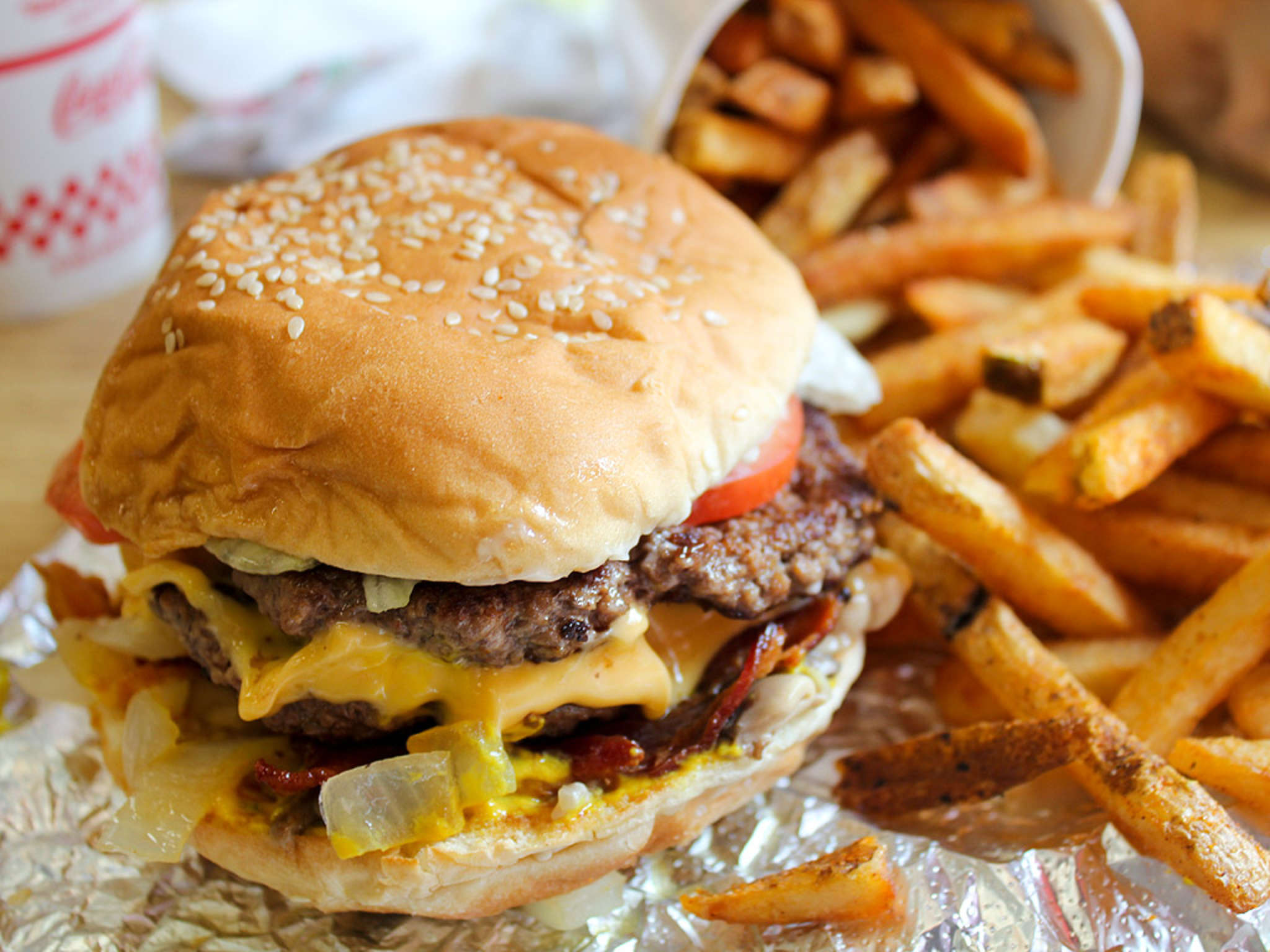
  • US burger chain Five Guys to enter South Korea

    US burger chain Five Guys to enter South Korea

    FGE Worldwide Senior Vice President William Peecher (L) shakes palms with Hanwha Galleria Director Kim Dong-seon after signing an settlement at a lodge in Seoul on Wednesday. Picture courtesy of Hanwha Galleria

    SEOUL, Oct. 7 (UPI) — The U.S. quick meals chain 5 Guys Burgers and Fries plans to open its first retailer in Seoul early subsequent yr in a partnership with Hanwha Galleria, in line with Hanwha.

    The settlement was signed Wednesday with the Virginia-based burger franchise, with the dates and site of the primary retailer but to be decided.

    Hanwha Galleria, a luxurious retailer and an affiliate of Hanwha Group, plans to open greater than 15 5 Guys areas within the subsequent 5 years.

    The unique 5 Guys restaurant debuted in Virginia in 1986. The Murrell household, with 5 brothers, has headed the enterprise, which focuses on hamburgers, sizzling canines and French fries.

    In early 2000s, the corporate began franchising, together with international enlargement. At the moment greater than 1,700 5 Guys shops function throughout the globe with one other 1,500 beneath improvement.

    South Korea would be the fifth Asian nation to host the fast-growing model, following Hong Kong, Singapore, China and Malaysia.

    This would be the first deal headed by Hanwha Galleria Director Kim Dong-seon, the third son of Hanwha Chairman Kim Seung-youn.

    The junior Kim was prosecuted in 2017 for assaulting legal professionals at a cocktail party and stepped down from his Hanwha publish. He had been implicated in comparable circumstances twice earlier than.

    In 2019, nonetheless, he returned to administration and starting in February, he started spearheading the brand new enterprise technique group for Hanwha Galleria.

    With the 5 Guys entry, the competitors within the burger trade is anticipated to get much more heated with McDonald’s, Burger King and Shake Shack working in Korea.

    Particularly Shake Shack, launched in Korea in 2016 by meals large SPC Group, has efficiently focused the high-end, area of interest burger market. At the moment, there are 23 Shake Shacks across the nation.

    In the meantime, Korea’s main hen franchise firm BHC is on the point of open American fast-food chain Tremendous Duper Burgers in Korea, starting with a location in Seoul later this yr.

  • Malaysian bubble tea chain brewing up rapid expansion, to revisit IPO plans

    Malaysian bubble tea chain brewing up rapid expansion, to revisit IPO plans

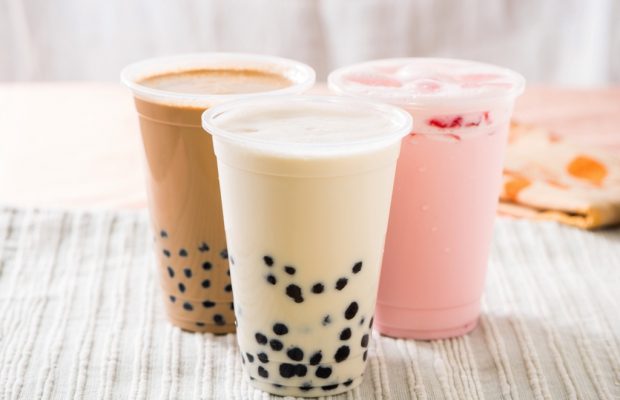
    Malaysia’s Loob Holding, which owns Southeast Asia’s biggest bubble tea brand by stores, will consider plans for a share listing once it reaches its target of operating 1,000 Tealive stores in the country by 2024, its top executive said.

    “By then, we may consider an IPO if the timing and pricing are attractive,” Bryan Loo, Loob’s chief executive officer, told Reuters in an interview.

    Loob, which opened its 800th Tealive store in Malaysia last month, had previously planned for a Malaysian IPO but put it on hold due to the coronavirus pandemic in 2020, according to a media report.

    In June last year, Loob gained funding from Malaysian private equity fund Creador, which bought a 30% stake in it but the companies did not provide financial details.

    “With Creador on board, our options for funding have indeed widened very much,” Loo said, adding that Loob was “adequately funded” for its current planned expansion.

    “So the question of whether we will go for an IPO and if so, in which market, is best re-visited a year from now,” said Loo, who founded Loob in 2010 and launched Tealive in 2017.

    Tealive makes and sells beverages ranging from pearl milk tea to coffee and has expanded to countries including Vietnam, the Philippines, Australia and the United Kingdom.

    The expansion comes a time when Malaysia’s economy grew at its fastest annual pace in a year in the second quarter, with consumer spending picking up strongly following the easing of coronavirus restriction. Other milk tea brands such as CHAGEE and KOI have also expanded rapidly in the Southeast Asian country.

    Loob is also gearing up to double Tealive’s store count in the Philippines annually, with a target of 300 stores by 2024 from 25 currently, Loo said.

    Besides Tealive, Loob also owns sparkling water maker Sodaxpress, kombucha brand Wonderbrew and coffee brand Bask Bear Coffee. Loob is expanding at a rate of 100 Tealive and 100 Bask Bear Coffee outlets a year in Malaysia, according to Loo.

  • Nestle revamps coffee sustainability plan as climate challenges mount

    Nestle revamps coffee sustainability plan as climate challenges mount

    Food giant Nestle pledged on Tuesday to spend over 1 billion Swiss francs ($1.01 billion) by 2030 on efforts to source coffee sustainably, more than double its previous pledge, as challenges linked to climate change pose particular risks for the bean.

    Study after study has shown that by 2050 roughly half the land currently used to grow coffee, especially that of the high-quality arabica variety, could be unproductive thanks to rising temperatures, drought and disease.

    Multinationals are meanwhile facing increased reputational and legal pressure from consumers and governments alike to clean up their global supply chains in the fight against climate change.

    The European Commission has proposed several laws aimed at preventing and, in the case of forced labor, banning the import and use of products linked to environmental and human rights abuses.

    Nestle, which has already pledged to source all its coffee sustainably by 2025, said it is now also aiming, by that date, for 20% of its coffee to be grown using ‘regenerative’ agricultural practices.

    These include planting cover crops to protect soil, using organic fertilizers to improve soil fertility, and increasing the use of agroforestry and intercropping to preserve biodiversity – all to halve greenhouse gas emissions by 2030.

    The company, in a statement announcing its plan to double spending on sustainable coffee sourcing, said it is “committed to supporting farmers who take on the risks and costs associated with the move to regenerative agriculture”, and will provide programs aimed at helping them improve their income.

    A major coffee report published last year said there is little evidence efforts by the world’s top coffee roasters and traders to prevent human rights and environmental abuses are having any impact, with most farmers operating at a loss and unable to produce sustainably.

    The coffee sector is valued at $200 billion-$250 billion a year at the retail level, according to the report, but producing countries receive less than 10% of that value when exporting beans, and farmers even less than that.

    Around 125 million people around the world depend on coffee for their livelihoods, while an estimated 80% of coffee-farming families live at or below the poverty line, according to non-profit organisations Fairtrade and Technoserve.

  • Seafood exports to US surge 22% in 9 months

    Seafood exports to US surge 22% in 9 months

    Vietnam’s seafood exports to the U.S. rose 22% year-on-year to $1.8 billion in the first nine months as Americans remain the biggest buyers of Vietnamese seafood.

    Exports to China surged 76% to $1.35 billion, while to the EU the value went up 41% to $1 billion, according to the Vietnam Association of Seafood Exporters and Producers (VASEP).

    In total Vietnam’s seafood exports reached $8.5 billion in the first nine months, up 38% year-on-year.

    Shrimp exports rose 23% to nearly $3.4 billion, and pangasius fish went up 82% to $2 billion.

    Exports of pangasius fish in September alone nearly doubled year-on-year as inflation pressure urged consumers to tighten their spending and buy more of the affordable protein.

    VASEP forecast that Vietnam’s $10 billion exports target for this year will be achievable.

    China is expected to be a key market for the remaining months as consumption demand is rising while its geographical proximity with Vietnam is an advantage amid rising transportation costs worldwide.

  • Vietnam’s world’s best rice gets trademark in Australia

    Vietnam’s world’s best rice gets trademark in Australia

    Vietnam’s ST24 and ST25 rice varieties, the latter the World’s Best Rice award winner not long ago, have obtained trademarks in Australia.

    The ‘Gao Ong Cua Viet Nam’ trademark has been registered by Ho Quang Tri Private Enterprise, a company owned by the son of the main developer of ST25, Ho Quang Cua.

    The trademark is valid until June 2031.

    It includes a logo of the brand with Cua’s smiling face next to a stem of grain.

    ST25 won the World’s Best Rice contest in 2019 and secured second place in 2020.

    It was the result of 25 years of research by Cua and his colleagues who cross-bred the premium fragrant rice, described as having a sweet taste and a hint of pineapple flavor, in the Mekong Delta province of Soc Trang.

    Cua has been pursuing global trademarks for the grain since last year after several companies tried to register the ST25 trademark in the U.S. and Australia.

    He has successfully registered the brand in the E.U. and the U.K.

  • Fonterra to retain Australia business, shares long-term strategies

    Fonterra to retain Australia business, shares long-term strategies

    New Zealand dairy giant Fonterra has decided to retain full ownership of its Australian business after a 12-month review, with chief executive Miles Hurrell saying the Australian consumer brands are important in the company’s strategy of moving higher up the value chain.

    Fonterra’s Australian business includes consumer brands Western Star butter, Perfect Italiano, and Mainland cheese. It also operates the Bega cheese brand under a long-standing license arrangement even though Bega Cheese is a rival dairy and food company.

    Mr Hurrell said in an investor briefing on Thursday that Fonterra did not get to the point of putting a value on its Australian business in the review after deciding that retaining full ownership was the best way of driving future growth and value creation.“We can do that on our own,” he said. “We looked at a raft of options.”

    Fonterra, a co-operative which is owned by 10,000 farmer shareholders, began the review a year ago. Among the options was a potential public float of the business or a sale of a partial stake. Analysts suggested the IPO could have been worth between $1 billion and $1.2 billion.

    It still intends to make a capital return to its shareholders by 2024, but it may not be as high as the previously foreshadowed return of about $NZ1 billion ($585 million).

    Fonterra is selling its Chilean business Soprole after an ill-timed expansion and has redirected its focus to being a big exporter from NZ.

    Mr Hurrell said the Australian operations were an important part of the group’s overall consumer brands strategy as it sought to move higher up the value chain. “The business is going well, and it will play a key role in helping us reach our 2030 strategic targets,” he said.

    Fonterra on Thursday reported its full-year results for the 12 months ended July 31, with normalized net profit up 1 percent to $NZ591 million. Total revenues were up 11 percent to $NZ23.4 billion.

    Mr Hurrell said inflationary pressures curbed profits. Fonterra paid out a record milk price to its farmers of $NZ9.30 per kilogram of milk solids. He said $NZ13.7 billion was injected into the NZ economy from milk price payments.

    The company has made a farmgate milk price forecast for 2022-23 of $NZ8.50 to $NZ10, with a mid-point of $NZ9.25. Mr Hurrell said milk prices appeared to have stabilised for now. “We’ve seen a little bit of stability,” he said

    In 2001, Fonterra Australia and Bega Cheese signed a 25-year exclusive trademark licensing agreement. Fonterra was able to use Bega’s name on natural and processed cheddar cheese, string cheese and butter products sold in Australia. In return, it paid Bega Cheese royalties based on retail sales of these products.

    The licence’s initial term ends in May 2026, but Fonterra has the right to renew as long as it sticks by the contractual rights, which include elements such as managing the Bega Cheese brand responsibly.

    Rich Lister and iron ore billionaire Andrew Forrest’s private family investment unit Tattarang in late July lifted its stake in Vegemite owner Bega Cheese to 11.5 per cent after buying an additional $15 million of shares.

  • ThaiBev rejects rumors about selling ‘crown jewel’ brewer Sabeco

    ThaiBev rejects rumors about selling ‘crown jewel’ brewer Sabeco

    Thai company ThaiBev has dismissed rumors it wants to sell Vietnam’s biggest brewer Sabeco.

    “It’s our crown jewel, a rare asset among all brewing assets in the region,” said Thapana Sirivadhanabhakdi, CEO of ThaiBev Group, as said at the company’s annual press conference Tuesday.

    He was asked about rumors that the Thai giant plans to sell Sabeco. They have been cropping up now and then since it acquired the brewer in 2017, the maker of Saigon Beer, which has a 40% market share in Vietnam.

    ThaiBev owns a 54% stake in Sabeco, the Vietnam State Capital Investment Corporation holds 36%, and the remaining 10% is with other foreign investors.

    ThaiBev is not looking to buy SCIC’s stake, Michael Chye Hin Fah, CEO of brewery arm BeerCo, said.

    Sirivadhanabhakdi said: “If you ask me personally, I definitely want to see the Vietnamese government let go to local Vietnamese investors. If there is more liquidity in the market that will definitely help improve the overall valuation for Sabeco.”

    Sabeco saw third-quarter revenues rise 25% year-on-year to VND9 trillion.

    Its profit was up at VND1.79 trillion (US$75.4 million), the highest since it was acquired by ThaiBev.

    Vietnam is the biggest beer consumer in Southeast Asia and the ninth biggest in the world.

  • Jollibee plots Tim Ho Wan expansion in China

    Jollibee plots Tim Ho Wan expansion in China

    Philippine fast food chain operator Jollibee Foods on Wednesday said it will inject over $60 million into its dim sum chain, Tim Ho Wan, to expand in mainland China, where strict COVID-19 lockdowns have battered the restaurant industry.

    Jollibee, which aims to join the likes of McDonald’s and Yum Brands as one of the world’s largest quick-service restaurant companies, has seen its business rebound as economies reopen. But recovery in China has hit a snag due to President Xi Jinping’s zero-COVID strategy, which relies on lockdowns and wide-scale testing to fight outbreaks.

    Yet Jollibee remains upbeat about its prospects in China, announcing fresh funding for Titan Dining, the fund that owns the Michelin-starred Tim Ho Wan chain.

    Jollibee owns 90% of Titan Dining and will raise its committed capital in the fund to 315 million Singapore dollars ($217 million) from SG$225 million in November, the company said.

    The fresh capital, Jollibee said, will mainly fund Tim Ho Wan’s store expansion and capital requirements.

    Jollibee Foods aims to open 100 Tim Ho Wan branches in mainland China in the next four years. It currently has 11 stores there, mostly in Shanghai.

    Jollibee Foods had over 6,300 branches worldwide under more than a dozen brands, as of August. The company regards China as one of its three key markets. The others are the U.S. — where it has taken over Los Angeles-based Coffee Bean & Tea Leaf and Denver-based Smashburger — and the Philippines, where the company started out as an ice cream shop before becoming an industry leader that outsells McDonald’s in the country.

    Before investing in Tim Ho Wan in 2018, the company had built other businesses in China, such as Yonghe King, a Taiwanese food-inspired restaurant famous for its freshly prepared soy milk, and Hong Zhuang Yuan, which serves congee and other hot dishes. Yonghe King and Hong Zhuang Yuan have 410 and 54 branches, respectively.

    But the pandemic has hit the restaurant industry hard and a recovery in China has been derailed by the government’s continued reliance on strict lockdowns.

    In its latest quarterly report ended June, Jollibee reported record systemwide (franchised and company-owned stores) sales of 73.1 billion Philippine pesos ($1.24 billion), up 44.8% on the year. But while most of its business units expanded during the quarter, China sales fell 28% “due to COVID-related restrictions” that forced the company to temporarily shut some stores.

    Even before the pandemic, China has not always been an easy market for Jollibee, which was founded by company Chairman Tony Tan Caktiong, who was born to emigrant parents from Fujian province.

    In 2017, the company closed over a dozen hot pot outlets after selling its stake in a beef noodle chain as part of a restructuring the previous year. In 2015, the company announced plans to open more than 1,400 Dunkin’ Donuts shops in China over 20 years under a franchise deal, but it had only opened seven outlets as of June.

  • Yoplait launches new Yop range

    Yoplait launches new Yop range

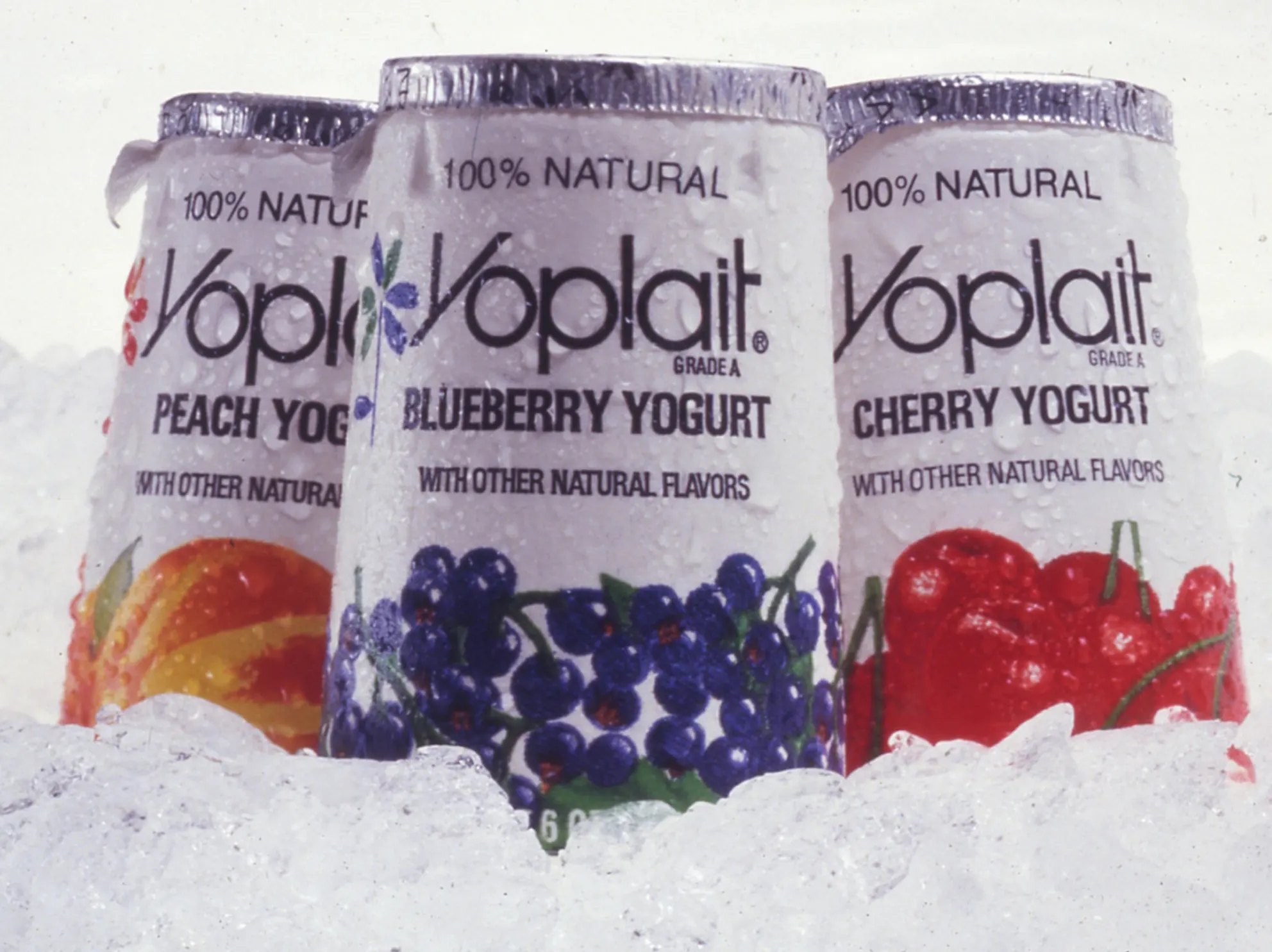
    Yoplait has expanded its Yop drinkable yoghurt brand for teens with a new chocolate variant.

    Pitched as a “permissible treat”, the NPD joins Yop’s existing strawberry and raspberry variants, and will go on sale in Asda from 23 August.

    Yoplait said the new variant contained no colouring and was “ideal for larger families and is great for portion control on the go”.

    The product’s bottles are made from high density polyethelene (PEHD), which Yoplait said was the safest and “most commonly recycled plastic”.

    “Teens love our fruit flavours as the ideal snack or lunchbox addition, so we’re confident they’ll enjoy our new, more indulgent chocolate variant,” said Joanna Goodman, head of marketing (northern Europe) at Yoplait’s current owner General Mills. The brand is in the process of being sold to French dairy co-op Sodiaal.

    “Yop sales have increased by 12.6%, boosting household penetration by 72.6%. We’re confident there is a huge opportunity in the months ahead for dairy drinks, both at-home or whilst on the move as the on-the-go market starts to recover.”

    It comes after the brand announced earlier this week it would shift the standard Yop range away from white PET plastic to clear PET from 2022.

    Yoplait had come under criticism from comedian Joe Lycett over the recyclability of white PET earlier this summer. However, the supplier said it had been working on the packaging improvement in advance of his criticism, with the switch featured this week in his new Channel 4 consumer affairs show Joe Lycett’s Got Your Back.

  • Gelatissimo debuts new gelato pint range in Coles

    Gelatissimo debuts new gelato pint range in Coles

    The frozen food aisle at one major supermarket has just gotten a brand new addition with a popular dessert making its grocery shop debut.

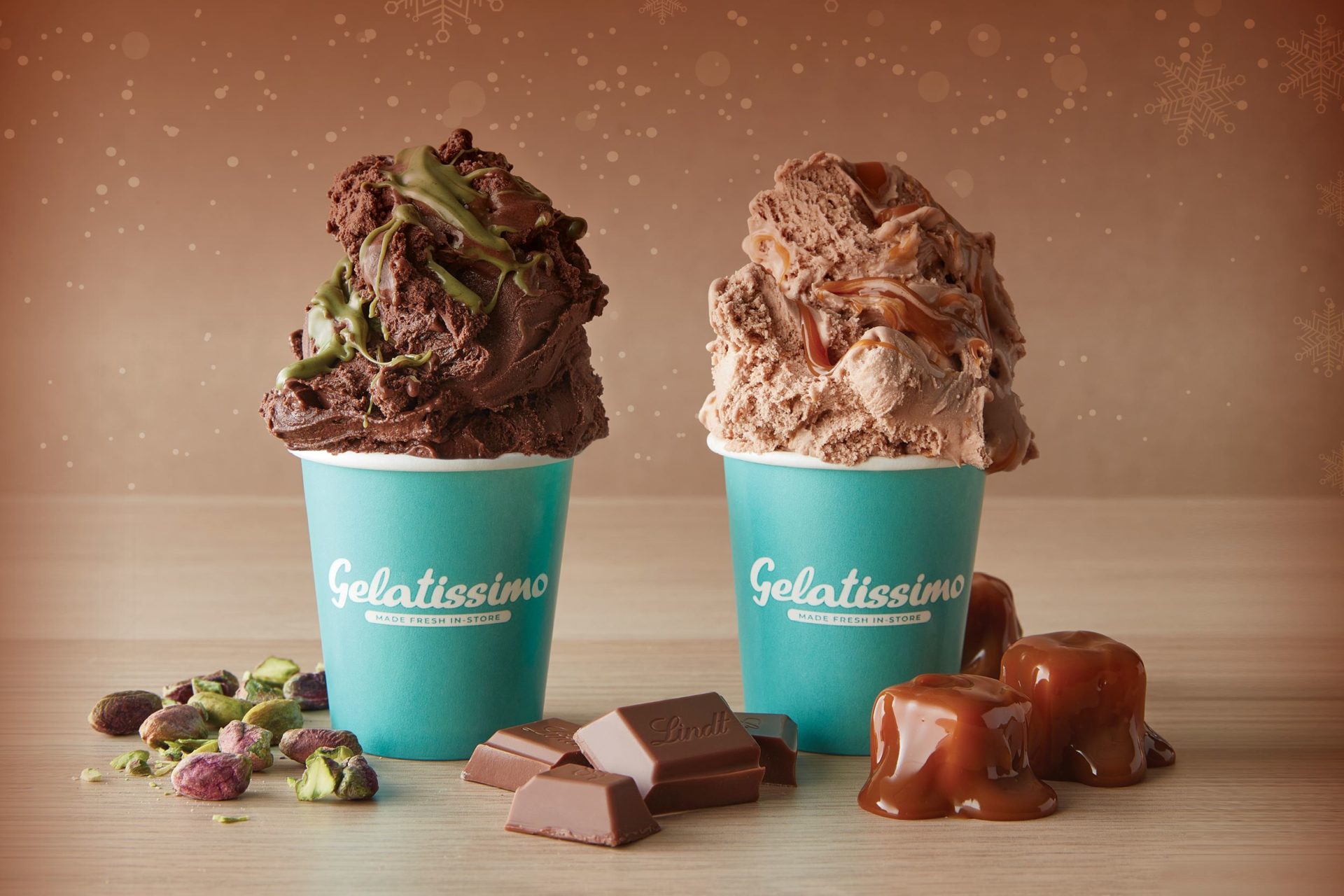
    Ice cream chain Gelatissimo has launched tubs of ice cream that can be picked up at your local Coles supermarket, making some of the brand’s favorite flavors available outside of its own stores for the first time.

    The five flavours will be available from September 28, with a price discount for the first two weeks on shelves.

    The flavours include Caramel Cookie Butter, Cheesecake Swirl, Decadent Chocolate, Peanut Butter Brownie and Italian Hazelnut.

    “We developed this range with our loyal family of customers in mind,” Gelatissimo’s head of product innovation Filiz Kaya said.

    “We looked at our most popular flavours as well as ones that have stood the test of time, then also considered current trends both here and around the world to create this range.”

    The products will be available at Coles.

    Gelatissimo has 42 stores in Australia as well as 26 others around the world.

    It comes as the gelato business celebrates it’s 20th anniversary, with plans for several new stores in Australia by the end of the year.

  • Starbucks opens its 6,000th China store

    Starbucks opens its 6,000th China store

    Starbucks Tuesday celebrated its 6,000th store in the Chinese mainland, located in downtown Shanghai. Shanghai thus became the first city in the world to have 1,000 Starbucks stores, Starbucks China said.

    In 2018, Starbucks announced it would have 6,000 stores on the Chinese mainland by the end of its fiscal year in September 2022. The company achieved that as scheduled despite challenges, including the COVID-19 pandemic.

    Starbucks opened its first store on the Chinese mainland in January 1999 in Beijing.

    The number of Starbucks stores on the Chinese mainland has grown dramatically over the past decade and is expected to grow to 9,000 by 2025, creating 35,000 new jobs, according to the company’s strategic plan released recently. Starbucks China also revealed a plan to set up its first digital technology innovation center on the Chinese mainland over the coming three years.

    A Starbucks coffee creative park in Kunshan, east China’s Jiangsu Province, is expected to be completed and start operating in the summer of 2023.

    Starbucks Tuesday celebrated its 6,000th store in the Chinese mainland, located in downtown Shanghai.

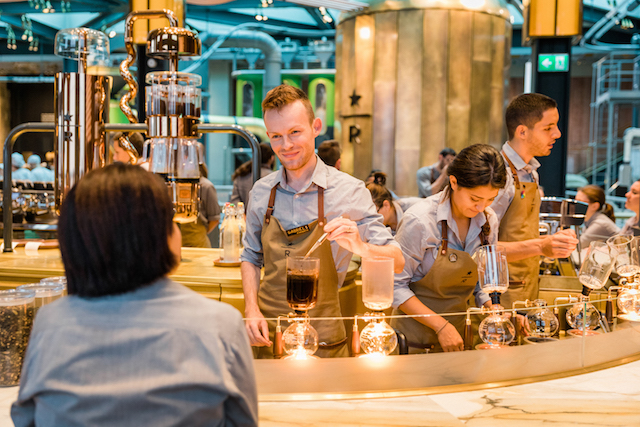
    Staff members work at a Starbucks store in downtown Shanghai, east China, Sept. 27, 2022. Starbucks Tuesday celebrated its 6,000th store in the Chinese mainland, located in downtown Shanghai.

    Shanghai thus became the first city in the world to have 1,000 Starbucks stores, Starbucks China said.