Category: Food

Retail News Asia is committed to providing both local and global retailers with the latest Food and Food & Beverage news throughout the Asian market. This on a daily base.

  • Fonterra to retain Australia business, shares long-term strategies

    Fonterra to retain Australia business, shares long-term strategies

    New Zealand dairy giant Fonterra has decided to retain full ownership of its Australian business after a 12-month review, with chief executive Miles Hurrell saying the Australian consumer brands are important in the company’s strategy of moving higher up the value chain.

    Fonterra’s Australian business includes consumer brands Western Star butter, Perfect Italiano, and Mainland cheese. It also operates the Bega cheese brand under a long-standing license arrangement even though Bega Cheese is a rival dairy and food company.

    Mr Hurrell said in an investor briefing on Thursday that Fonterra did not get to the point of putting a value on its Australian business in the review after deciding that retaining full ownership was the best way of driving future growth and value creation.

    “We can do that on our own,” he said. “We looked at a raft of options.”

    Fonterra, a co-operative which is owned by 10,000 farmer shareholders, began the review a year ago. Among the options was a potential public float of the business or a sale of a partial stake. Analysts suggested the IPO could have been worth between $1 billion and $1.2 billion.

    It still intends to make a capital return to its shareholders by 2024, but it may not be as high as the previously foreshadowed return of about $NZ1 billion ($585 million).

    Fonterra is selling its Chilean business Soprole after an ill-timed expansion and has redirected its focus to being a big exporter from NZ.

    Mr Hurrell said the Australian operations were an important part of the group’s overall consumer brands strategy as it sought to move higher up the value chain.

    “The business is going well, and it will play a key role in helping us reach our 2030 strategic targets,” he said.

    Fonterra on Thursday reported its full-year results for the 12 months ended July 31, with normalized net profit up 1 percent to $NZ591 million. Total revenues were up 11 percent to $NZ23.4 billion.

    Mr Hurrell said inflationary pressures curbed profits. Fonterra paid out a record milk price to its farmers of $NZ9.30 per kilogram of milk solids. He said $NZ13.7 billion was injected into the NZ economy from milk price payments.

    The company has made a farmgate milk price forecast for 2022-23 of $NZ8.50 to $NZ10, with a mid-point of $NZ9.25. Mr Hurrell said milk prices appeared to have stabilised for now. “We’ve seen a little bit of stability,” he said

    In 2001, Fonterra Australia and Bega Cheese signed a 25-year exclusive trademark licensing agreement. Fonterra was able to use Bega’s name on natural and processed cheddar cheese, string cheese and butter products sold in Australia. In return, it paid Bega Cheese royalties based on retail sales of these products.

    The licence’s initial term ends in May 2026, but Fonterra has the right to renew as long as it sticks by the contractual rights, which include elements such as managing the Bega Cheese brand responsibly.

    Rich Lister and iron ore billionaire Andrew Forrest’s private family investment unit Tattarang in late July lifted its stake in Vegemite owner Bega Cheese to 11.5 per cent after buying an additional $15 million of shares.

  • PepsiCo expert reveals how to leverage technology to future-proof personalization

    PepsiCo expert reveals how to leverage technology to future-proof personalization

    For years, brands have been perfecting personalization strategies that resonate with consumers and make them feel like individuals. For many B2C brands like PepsiCo, classic personalization has meant plugging simple forms of data like email, names, addresses or recent purchases into outbound channel communications to ensure touchpoints are viewed as timely, relevant and contextual.

    Tim Glomb, VP of Content and Data at Cheetah Digital and Chris Muscutt, Head of MarTech at PepsiCo, recently discussed their take on the use of zero- and first-party data and technology to power effective strategies.

    Personalization marketing tools rushed on the scene more than 15 years ago to help brands engage with consumers in digital channels like web, social and mobile. These tools help brands test out different colors, icons, images and offers on websites to optimize the consumer journey.

    However, they rarely offered any meaningful psychographic intelligence about visitors like their interests, hopes or needs. The cookie apocalypse and browser-based targeting solutions further contribute to the challenge of getting to know the customer, with Google announcing its plans to phase out third-party cookies altogether.

    “Brands have to look at all the different signals they’re receiving from consumers, even the more subtle ones, as the third-party cookie crumbles,” Chris says. “They have to prioritize the useful data in their marketing strategies and then focus on developing those data-collection opportunities. With that, brands can start to build impactful strategies, which can improve the customer journey.”

    Game-changing technologies revealed

    For maximum impact, brands need to invest in and bring together three game-changing marketing technologies, including:

    1. Real-time personalizationThis allows brands to learn more about consumers to deliver a better experience every time. It’s about understanding what the consumer intends to do in that specific moment and includes monitoring web interactions as well as mobile SMS, web, app, social, point of sale, etc. This personalization strategy ensures real-time data is captured from these touchpoints and brought back to the platform to be appended to the consumer’s profile.
    2. Journey orchestration: Journeys should be simple in nature; think triggered events or a multi-pronged approach that unfolds over time based on consumer behaviors and preferences. Personalized customer journeys lead to growth in interactions, increasing the likelihood of purchases and conversions.
    3. Intelligent offers: Leveraging the power of machine learning and analytics to score content and determine not only the right offer but the best sequence of offers, time and optimal context and channel is something that can be greatly automated at scale. This can drive efficiency and efficacy.

    To remain competitive in today’s signal-saturated world, brands need to deliver relevant, personalized content throughout the customer journey. According to a new e-Consultancy report, in partnership with Cheetah Digital, entitled ‘2022 Digital Consumer Trends Index: Consumer Attitudes and Trends in Personalization, Privacy, Messaging, Advertising and Brand Loyalty’, consumers are rewarding brands that make personalization a priority. In fact, more than half of the respondents shared that they would trade personal and preference data to feel part of a brand’s community.

    Furthermore, real-time offers and content can be ten times more effective than traditional outbound marketing campaigns.

    With all the “buzz”, Tim says the term personalization is getting thrown around a lot these days, especially with consumers being more aware of privacy than ever before. However, he isn’t convinced that brands are truly grasping the meaning of personalization. And Chris agrees.

    “There’s definitely room to improve efforts,” Chris says. “Making things relevant is one thing, but true personalization is another journey altogether. There can be pockets of both, but they’re not the same thing. That’s where the gaps come — is it personalization, contextualized marketing, or journey planning? Many brands still have a long road ahead before they achieve true personalization.”

    Solving data dilemmas through personalization

    Big organizations like PepsiCo have mountains of data, and it can be hard to find and make sense of it all. While the process improves as technology advances, Chris says, it’s still a struggle to secure insights.

    And he’s not alone. According to a CDP Institute member survey, 63% of marketers can’t assemble unified customer data. Even more, Gartner research reveals that 58% of marketers say integrating customer data is a major obstacle in their multi-channel strategy.

    That’s a problem. With consumers empowered to engage with a brand whenever and however they want – and oftentimes, unpredictably – it’s critical for brands to understand them to build a personalized connection. Why? Because personalized connections lead to better outcomes like increased engagement, customer loyalty and brand advocacy.

    The solution, however, is quite simple. Brands need to have a single, accessible view of the consumer. Customer data resides in systems like analytics, email, mobile, campaign management, point-of-sale and social – areas that weren’t designed to be integrated.

    And while there’s certainly a lot of buzz around relationship marketing and personalization, it’s important for brands to cut through the noise, leverage technology and get to the heart of what truly matters – connecting with and delighting consumers.

  • McDonald’s China launches its first zero-carbon restaurant

    McDonald’s China launches its first zero-carbon restaurant

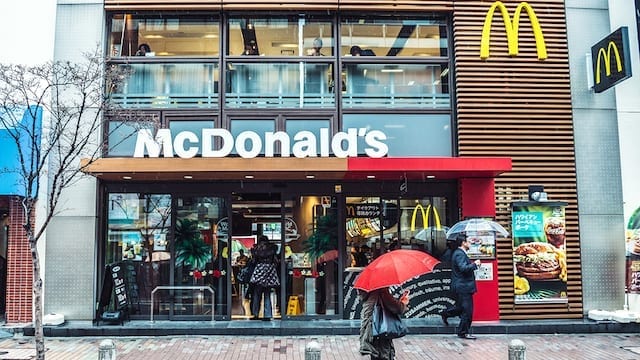
    Leading fast-food chain McDonald’s China opened the company’s first zero carbon restaurant in the Shougang Park in Beijing recently part of its upcoming move to open more new green outlets in the country.

    The McDonald’s Shougang Park restaurant is designed and constructed in line with LEED (Leadership in Energy and Environmental Design) net zero carbon and net zero energy certification standards.

    For a building to be net-zero it must remove as much carbon dioxide from the atmosphere as it emits throughout its lifespan, both in the form of embodied carbon and operational carbon associated with construction, occupation, and eventual demolition.

    Powered by on-site solar panels of over 2,000 square meters, the new restaurant is a milestone for the company’s China unit to achieve net zero carbon emission in the country by 2050. There are about 5000 McDonald restaurants in China.

    “With the scaling up of our business, we are determined to take up more social responsibilities to feed and foster our communities,” said Phyllis Cheung, CEO of McDonald’s China.

    “We will continue to drive high speed and sustainable growth by creating a future where people and the planet will thrive. We will focus on opening more green restaurants and embed green experience throughout consumer journey.”

    McDonald’s China will offer a series of green experience activities to consumers nationwide to advocate low carbon lifestyle, which includes the sealing sticker on the paper bags turning into green colors, or discounted Filet-O-Fish, which uses 100 percent Marine Stewardship Council certified codfish.

    Collaborating with Amap, McDonald’s will provide a cup of free coca cola to the customers who use Amap navigation app and arrive at McDonald’s restaurants by bike or on foot from Sep 20 to Oct 4.

    About 1,600 LEED certified McDonald’s green restaurants will change the color of their location icon on McDonald’s app, enabling over 200 million registered members to find their nearest green restaurant easily.

  • Asia Coffee-Vietnam market tepid ahead of new crop season, low supplies in Indonesia

    Asia Coffee-Vietnam market tepid ahead of new crop season, low supplies in Indonesia

    Coffee trading remained subdued in Vietnam this week due to a lack of beans, with traders awaiting the new crop season that starts next month.

  • Vietnam coffee chain Trung Nguyen Legend makes international debut

    Vietnam coffee chain Trung Nguyen Legend makes international debut

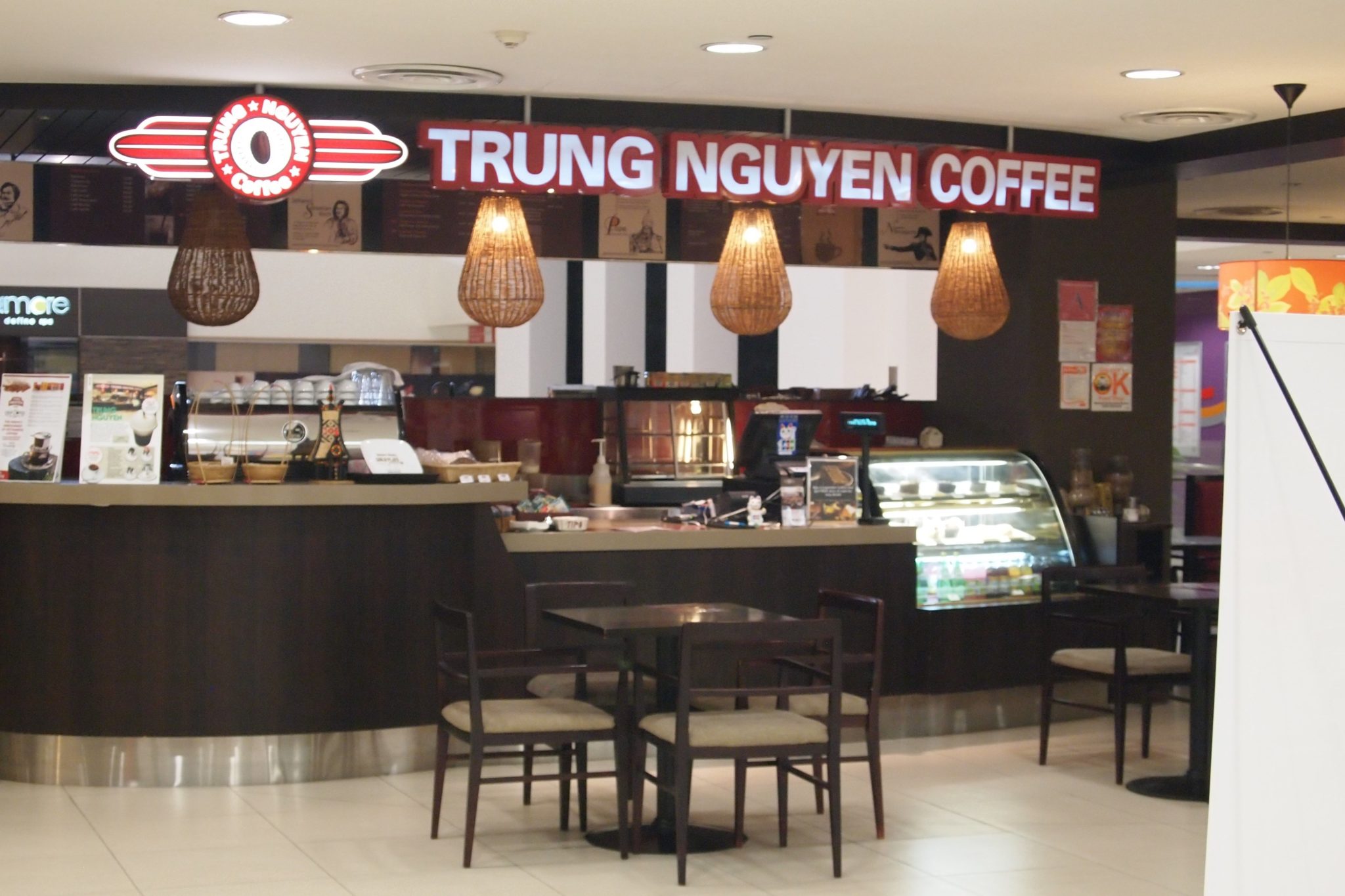
    Vietnam-based coffee chain Trung Nguyen Legend is expanding its footprint in the international market opening its first store in China.

    The coffee shop, which is situated at 699 Nanjing Street in Shanghai, has been in the works since 2018 and intends to provide Chinese clients with a variety of coffee products as well as serving fresh coffee drinks, including the Robusta obtained from one of Vietnam’s well-known highland regions, Buon Me Thuot.

    Trung Nguyen Legend sees the store as a place for artistic and cultural coffee “where the three most prevalent world coffee civilisations come together”. Customers can experience the three coffee cultures the company has identified and showcases in its flagship Vietnam stores: Ottoman, Roman and Zen.

    The Shanghai location recreates a Vietnamese-themed coffee shop, through its architectural style, display graphics, and menus that combine elements of Vietnamese and local culture.

    The store features some well-known designs and traditional materials from Vietnam, such as ceramics, bamboo and rattan kitchenware, volcanic rock, red basalt soil, and typical conical motifs of Vietnamese culture.

    A renowned household name in Vietnam since its establishment in 1996, Trung Nguyen Legend FMCG products are available in more than 60 countries. The brand claims China is its second-largest market in the online coffee business, and Legend’s G7 has become the most well-known instant coffee brand due to its distinctive flavour.

    The Trung Nguyen brand has appeared on cafes outside Vietnam before, with stores in Singapore prior to the advent of the Legend brand extension. This is the company’s first foray as a premium cafe brand.

    Research from Statista shows the number of coffee chains entering China has increased in recent years, with their market share likely to grow. Starbucks is by far the largest fresh-ground coffee seller in China, with more than 5000 locations across the country.

  • South Korea’s franchise BHC Chicken to enter Malaysia and Singapore

    South Korea’s franchise BHC Chicken to enter Malaysia and Singapore

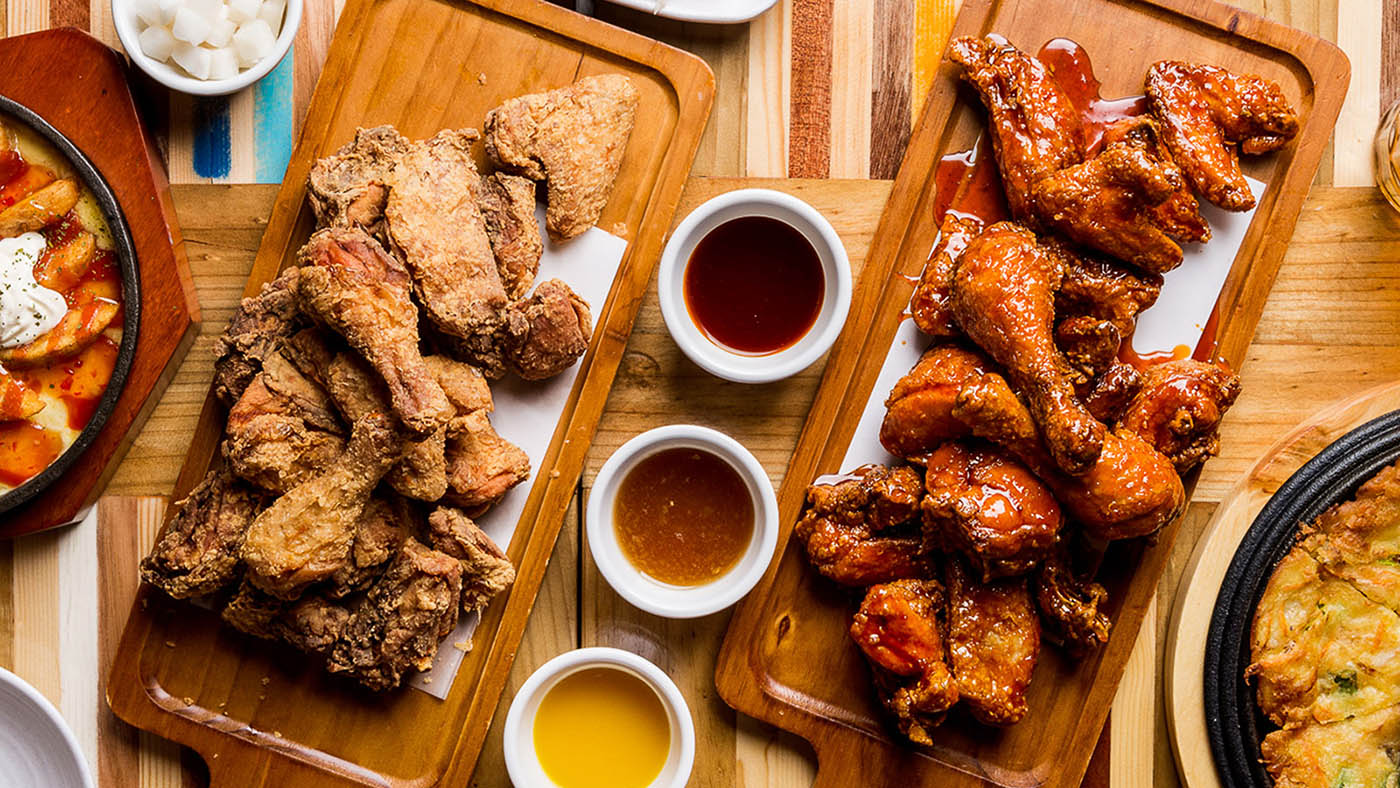
    South Korea’s second-largest chicken franchise by sales, bhc Group, said Tuesday it will open its third store in Malaysia next month as part of its strategy to expand into Southeast Asia.

    The new restaurant, which is set to open in a shopping complex located inside the capital of Kuala Lumpur, will be operated by a local logistics company under a master franchise agreement, it said.

    This is the third overseas restaurant by the South Korean chicken franchise company. The group operates two bhc chicken restaurants in Hong Kong. The chicken franchise also said it is in talks with a retail company in Singapore to open a bhc chicken restaurant in the city-state by April next year.

    “With our bhc chicken taking the lead, our ultimate goal is to promote Korean food and culture globally by bringing our various restaurant brands to other countries,” an official from the company said.

    Bhc operates a host of restaurant brands including the fried chicken franchise bhc chicken, Korean barbecue franchise Chango 43 and Outback Steakhouse.

    The company is also the South Korean operator of San Francisco-based Super Duper burgers, which is set to open the first Seoul store in October.

  • Beer Cartel wins international innovation award

    Beer Cartel wins international innovation award

    It takes something special to surprise the judging panel at the Miraclon-sponsored Global Flexo Innovation Awards (GFIA), but that’s exactly what the joint entry from Fathom Optics and Grace Label achieved. So much so, that they even won a Gold Award (with Highest Honors) for conversion to flexo, commitment to sustainable print and creative use of graphic design.

    In what the judges described as “a really impressive innovation,” the label for Des Moines, IA, craft beer producer, Confluence Brewery, used Fathom’s brand-new embellishment technology to render attention-grabbing full-motion 3D effects on labeling for the brewery’s ‘Wizard’ Gose-style sour ale. The effects appear to be on three different levels: text and graphics on the label surface, a ‘Northern Lights’-type effect seemingly moving within the can itself, and finally, at the top of the wizard’s staff, a rotating orb that appears to emerge from the surface of the label.

    And what made the job remarkable was the fact that all this was done without the need for lenticular lenses or a holographic foil, using Flexcel NX Plates on Grace Label’s standard flexo press using standard inks. Traditionally, the use of holographic foils or lenticular lenses for short label print runs has been cost-prohibitive, while holographic foils also raise sustainability concerns since they are typically 95% waste. FLEXCEL NX Technology makes special effects labels a viable option for brands pushing the boundaries of regular packaging designs for shorter runs, with big cost and sustainability benefits that they can take advantage of.

    Fathom Optics and Grace Label teamed up for the ‘Wizard’ label, which came about because of a friendship between the family of Tom Baran, CEO and Co-Founder of Fathom, and John Martin, owner/founder of Confluence, to whom Grace Label is an established label supplier. Founded in the mid-1970s by the father of current company president, Steve Grace, Grace Label is one of oldest and largest regional converters in the Midwest US, operating as a full-service supplier that handles every step of the design-to-delivery process. Besides the craft beer and spirits industries, Grace also serves customers in meat and agricultural foods. The company has both digital and flexo presses, with flexo printing representing 90% of their work.

    Flexcel NX Technology ‘like getting a brand-new press’
    Crucial to the success of the ‘Wizard’ project was the Kodak Flexcel NX System, which Grace Label installed in 2011. “With the ability to hold a dot and sharpen an image, it was like getting a brand-new press on some levels,” recalls Steve Grace. “The plates last longer, we set up faster, dial in color faster, and reduce our wastage. It’s been a home run.”

    Steve’s enthusiasm for FLEXCEL NX Technology was shared by Fathom Optics founders Tom Baran and Matt Hirsch: “When we realized Grace was a Flexcel NX Plate user we were delighted,” says Baran. “We’d already experienced good things with the technology, getting incredibly regular and consistent results. Compared to other systems we’ve worked with where variables come into play, it’s one cohesive system, so you know what you’ll get.”

    A fourth party to the project is creative design agency 818 Iowa, which created the original design and worked with Confluence to enhance the labels most characteristic features — the wizard, staff, and orb. Fathom then worked with Grace to bring everything to life.

    The effects are achieved by printing very fine microstructures on two interference screens. The first screen is printed on the white BOPP pressure-sensitive material, and the second screen is printed along with the other decorative inks on top of the clear lamination.

    Because the microstructures are done at a minimum of 480 LPI or higher, the 1:1 pixel-for-pixel accuracy of the Flexcel NX Plates was essential to hold lines that are 10 microns wide and spaced approximately 42 microns apart. Says Tom: “These demanding effects can be incorporated into the same plate with the traditional 2D graphics, which may be at 133-175 LPI, without difficulty. It sounds highly challenging, but so far, every UV flexo printer we’ve worked with has achieved some level of effects.”

    In the craft beer business, competition for shelf space and consumers’ attention is fierce, so imaginative, impactful labelling is hugely important for a small, independent brewery such as Confluence. In the case of the award-winning label, the ‘Wizard’ branding of the Gose-style sour ale opened all sorts of creative possibilities, with the favored option a multi-dimensional, moving 3D image that would capture shoppers’ attention as they walk by, and further engage them as they pick up the can and rotate to explore the image further.

    Traditionally, such an effect is achieved using either holographic foils or lenticular lenses, but the short label print runs made both too expensive. In addition, there are sustainability concerns with holographic foils since they are typically 95% waste, while the lenticular approach presented the further complication of the lens orientation being incompatible with the direction in which the labels are applied to the can.

    Confluence didn’t know it at the time, but the answer lay 1,300 miles to the east in Somerville, a suburb of Boston, where the Fathom Optics founders, Tom and Matt, was marketing their groundbreaking new approach to embellishment, Fathom Effects. The technology came out of the partners’ PhD work at the Massachusetts Institute of Technology.

    “The idea behind Fathom Effects is software-based, not materials science-based,” explains Tom. “The foundation of it is to take large-scale computational algorithms and use them to change the way materials interact with light. We compute complex interference patterns that can be printed on the front and back surfaces of film. They’re not interference patterns, like in holograms, but signal interference, as in moiré.”

    If the technology behind Fathom is relatively complex, for end users adding special effects it is remarkably straightforward. Designers simply drop files into Fathom Designer, a free online tool, where they assign motion and depth effects which can be previewed and shared with other stakeholders.

    After two years making the technology robust enough for long flexo runs, Tom and Matt settled on primary labels, shrink sleeves and product authentication as their primary markets. Says Matt: “We realized there are brands wanting totally custom packaging appeal but for whom the traditional holographic and lenticular solutions are too expensive. We differ in that we deliver 1-bit TIFF files to production sites — unlike holographic foil, where if you want a customized design, you have to order a truckload of film. On shrink sleeves, for example, with Fathom Effects there’s no additional cost — you’re just printing both sides of the film.”

    He adds, however, that Fathom Effects is also gaining traction with larger brands, simply because it’s a software-based technology. “Large multinational consumer product groups often don’t want to get into new things because the qualification process for a new material can take months, even years. But because our technology uses the same substrates, inks and flexo presses, no qualification process is required, and they can get to market faster. And, as we’re not adding a dissimilar material, like a lenticular lens or a hologram, there’s a sustainability advantage because recycling or reuse is easier. All these factors add a whole new level of acceptance.”
  • Cinnabon to launch into Sydney

    Cinnabon to launch into Sydney

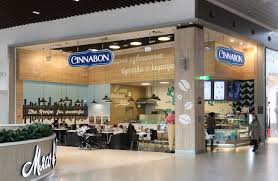
    US cinnamon scroll chain, Cinnabon, is reportedly set to open its first store in Darling Square, later in the year.

    The Seattle-based bakery chain opened its first Australian outpost back in 2020, making its debut in Brisbane thanks to a licensing deal with Queensland import business Bansal Foods.

    Cinnabon is famed for its fresh cinnamon scrolls, which are cooked in-store every half-hour for customers. It is this reputation, combined with a lack of immediate competition in Australia, that attracted Bansal to the chain.

    “You have world-famous doughnuts, you have world-famous burgers but there’s no world-famous scroll brand in Australia,” Bansal Group co-owner Gaurav Bansal said. “Their frosting and cinnamon make them different from any other brand that people can’t imitate.”

    Cinnabon Australia has already built up a strong foundation, opening five locations across Queensland, and one in Victoria, within the last two years.

    While the upcoming Darling Square location may be the first Sydney store on the cards, it certainly won’t be the last. Further expansion across NSW has been promised, with a plan to roll out 15 stores over the next five years.

  • CUB gets fruity testing new beer sub-category

    CUB gets fruity testing new beer sub-category

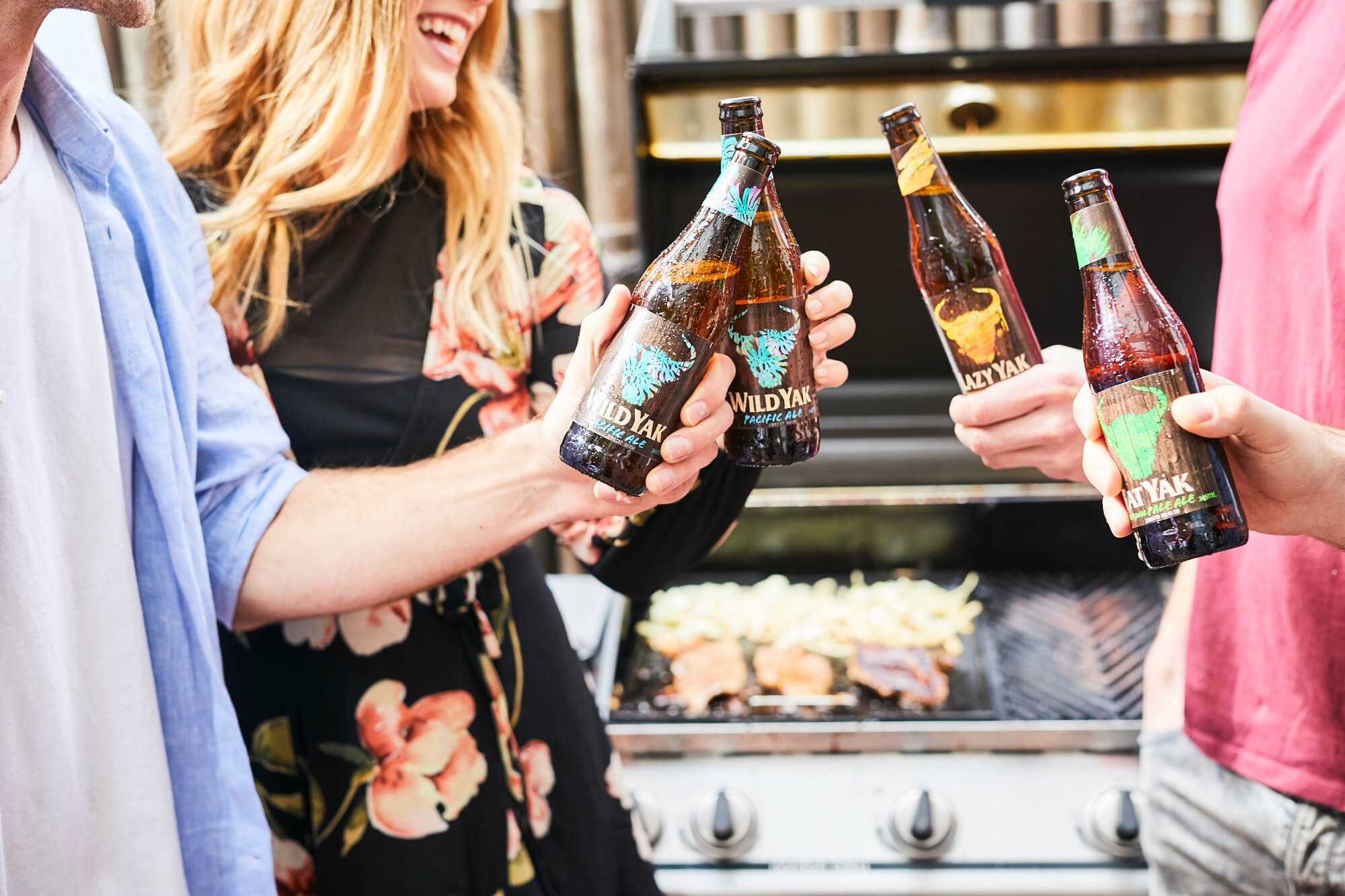
    Carlton & United Breweries (CUB), part of Asahi Beverages, has released a new beer range with fruity flavours called Sungazer and Empire.

    The new brews feature malted barley, hops, yeast and water and offers a lager-like finish on the palate. Flavours in the Sungazer range include Watermelon, Raspberry and Mango while Empire offers Strawberry & Lime and Orange & Mango.

    The company says the beers are low in bitterness with “a subtle maltiness” and strong fruit flavours. The brands built on the beverage giant’s existing innovation, particularly with products like Carlton Zero.

    CUB GM of marketing Nicole McMillan said Fruity Beer is a ground-breaking innovation that will help CUB and bottleshops keep pace with evolving consumer tastes.

    “Drinkers have told us they love the tradition of enjoying a beer with mates but increasingly want sweeter flavours and low bitterness in their beverages.”

    She added the brand is committed to growing the beer market in Australia and attracting a new demographic of beer lovers.

    Though the brew is not traditional, McMillan said the brands’ other popular offerings such as Victoria Bitter and Carlton Draught “aren’t going anywhere”.

    The new range is now on sale in major bottleshops in 300ml cans with a 4.2 per cent ABV.

  • Flash Coffee, Ageless Galaxy Streetwear to launch capsule collection

    Flash Coffee, Ageless Galaxy Streetwear to launch capsule collection

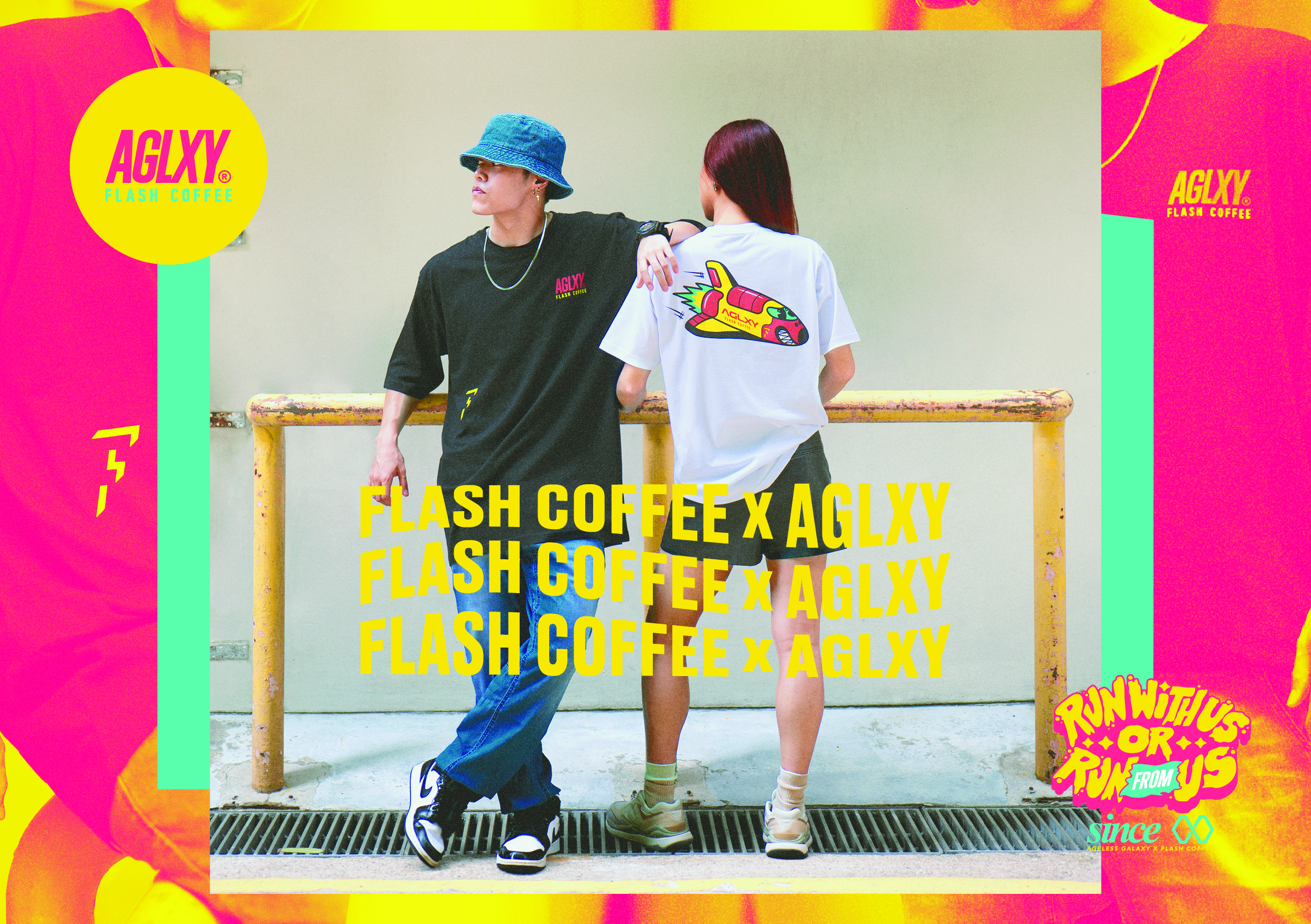
    Tech-powered coffee chain Flash Coffee has collaborated with lifestyle brand Ageless Galaxy Streetwear to unveil the ‘Push’n Boundaries’ collection.  The collection features five items including three streetwear-style tees, a metal pin and a sticker pack. These will be sold in Singapore, Indonesia, Thailand, Taiwan, Hong Kong and South Korea.  According to Flash Coffee, the partnership was the idea of Ageless Galaxy CEO Tamish Aswani and Flash Coffee’s CEO and co-founder David Brun

    The collection features five items including three streetwear-style tees, a metal pin and a sticker pack. These will be sold in Singapore, Indonesia, Thailand, Taiwan, Hong Kong and South Korea.

    According to Flash Coffee, the partnership was the idea of Ageless Galaxy CEO Tamish Aswani and Flash Coffee’s CEO and co-founder David Brunier. Both seek to empower people to push their boundaries in everything they do by developing a collection that embodies the philosophies of both brands.

    The two companies say the tees in the collection are made with 100 per cent cotton. The white, and black and white, tees go well with a variety of outfits, while the striking yellow long-sleeve tee has ink that changes colour when exposed to sunlight, turning from white to pink.

    Launched in 2020, when Asia’s coffee industry was hit by the first Covid-19 pandemic, Flash Coffee has operations in six markets across Asia – Singapore, Indonesia, Thailand, Taiwan, Hong Kong, and South Korea. The Singapore-headquartered chain has received investment from Rocket Internet, Delivery Hero, White Star Capital, Global Founders Capital and Conny & Co.

    Ageless Galaxy, which was established in 2013, is an Indonesian lifestyle brand offering streetwear clothes inspired by outer space exploration. The brand opened its first brick-and-mortar store in Jakarta in 2020.

  • Cafe Amazon plans 150 stores in Saudi Arabia

    Cafe Amazon plans 150 stores in Saudi Arabia

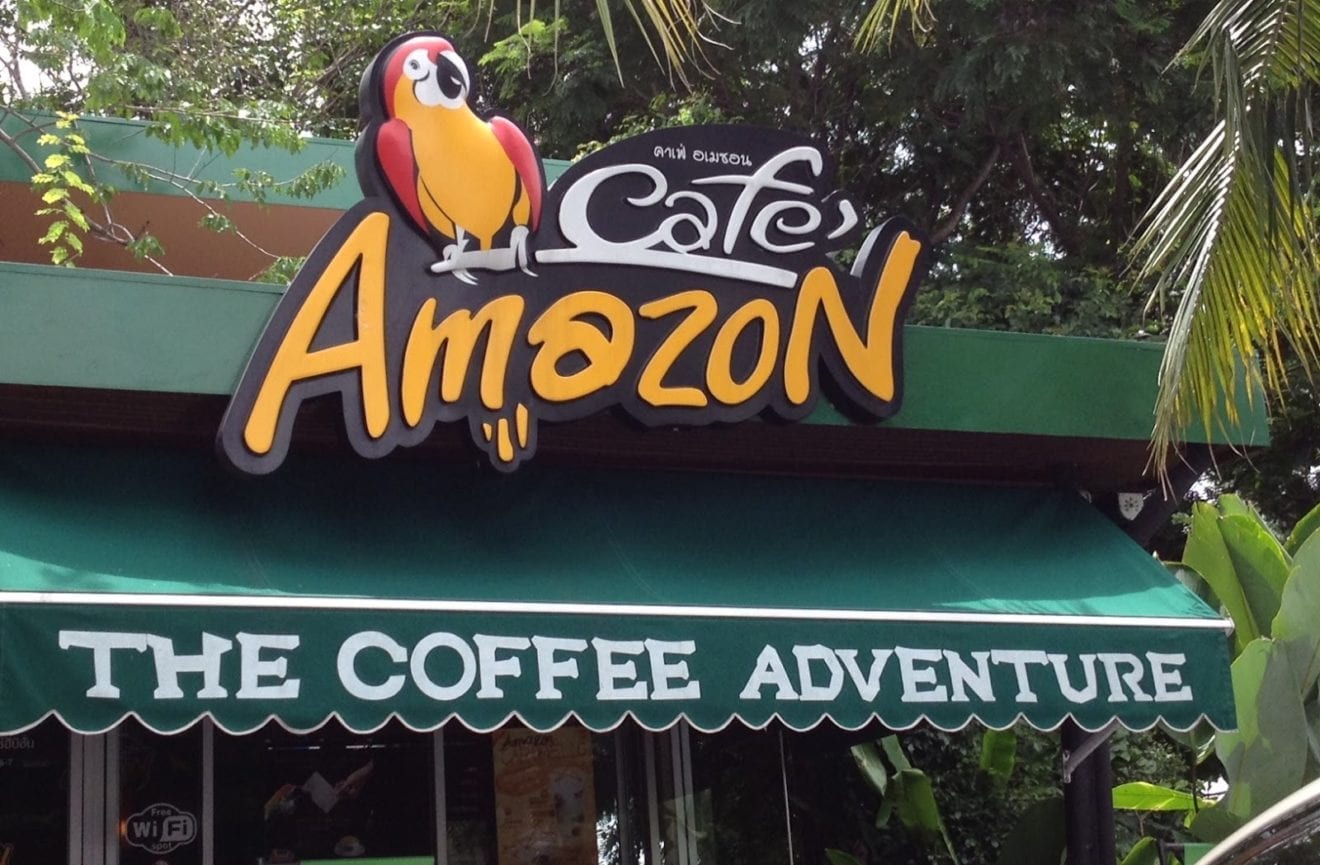
    Thailand’s Café Amazon has launched in Saudi Arabia, opening its first store in the region at Riyadh’s InterHealth Hospital.

    PTT Oil and Retail Business (PPTOR), which operates the Café Amazon coffee shop chain, said it is targeting expansion to 150 stores in Saudi Arabia by 2032.

    Marking the opening of the Riyadh store, Jiraphon Kawswat, CEO of PPTOR, highlighted the potential of the retail market in Saudi Arabia, especially the growth of premium coffee outlets which she noted as being driven by increasing consumer demands.

    Project Café Middle East 2019 forecast Saudi Arabia to be the fastest growing market in the Middle East (9.6%), exceeding 2,600 outlets by 2023.

    In October 2021, PPTOR said it plans grow its Café Amazon coffee chain to 1,000 international stores by 2025, a downgraded target from an earlier goal to reach 5,800 stores globally by 2025.

    Founded in 2002, Café Amazon is Thailand’s largest branded coffee chain. The company currently operates more than 4,000 stores across Thailand, Cambodia, China, Japan, Laos, Malaysia, Myanmar, Oman, the Philippines, Saudi Arabia and Vietnam.

    PTTOR said that the Café Amazon launch in Saudi Arabia represented the ‘first step to concretely restore diplomatic and trade relations’ between Thailand and Saudi Arabia. Political, economic and trade cooperation was agreed between the two nations in January 2022.

  • Starbucks projects profit growth from tech, stores, workers spending

    Starbucks projects profit growth from tech, stores, workers spending

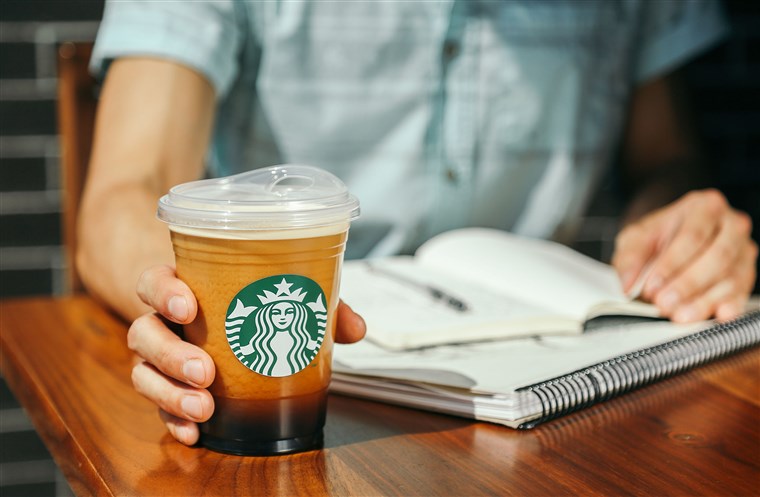
    Starbucks Corp projects profits to grow between 15% to 20% per share over the next three years, a significant increase from previous guidance based on spending plans of $2.5 to $3 billion over the same period on technology, new stores and renovations, the coffee chain said on Tuesday.

    The company is introducing technology to speed up production of its increasingly popular cold beverages and send digital orders away from busy locations as it seeks to prevent U.S. cafes from being overwhelmed by orders and improve working conditions for employees, it announced during its Investor Day event.

    The Seattle-based company expects to return $20 billion to investors via share buybacks and dividends from fiscal 2023 to 2025. Wall Street analysts had largely expected earnings updates to be in line with previous guidance of 10 to 12% growth.

    A surge in digital orders, which now make up nearly a quarter of all orders, has helped the coffee chain gain market share during the COVID-19 pandemic but has also led to barista burnout and strained the physical capacity at older stores.

    The company is exploring “load balancing” technology that can send orders to stores that have capacity to actually fulfill them – instead of to stores already being slammed by drive-thru customers, for instance, Chief Technology Officer Deb Hall Lefevre said in an interview with Reuters.

    “REINVENTION” OF STARBUCKS SINCE PANDEMIC

    The pandemic changed customer behavior, leading to a deluge of mobile, delivery and drive-thru orders, as well as an increase in cold beverages and customized coffee drinks.

    Calling it a “reinvention,” the company laid out a sweeping plan spearheaded by interim Chief Executive Officer Howard Schultz, who will be replaced by Laxman Narasimhan in April.

    The plan includes new equipment to heat food faster with less plastic waste, new store designs with larger shelves for orders and additional employee benefits.

    A new system for iced coffee drinks shaves nearly a minute off the time it takes to make a Mocha Frappuccino, down to 35 seconds. Baristas would no longer need to haul a bucket of ice to the station every hour because the ice will be automatically fed into the new equipment.

    Another machine, which brews hot coffee one cup at a time instead of in bulk batches and eliminates paper filters, is being tested in Minneapolis locations and could be rolled out next year.

    Starbucks is on pace to reach 45,000 stores by the end of fiscal 2025 – or nearly eight new stores per day – it said. That includes a net new 2,000 new U.S. stores and some delivery-only locations.

    In China, it plans to nearly double the number of stores to 9,000 – or one new store nearly every nine hours.

    UNION BACKDROP

    Employees at 236 stores voted to join a union over the past year, out of Starbucks’ nearly 9,000 corporate-owned U.S. locations. Conversely, 52 stores voted against unionizing, according to National Labor Relations Board data.

    Frank Britt, brought in by Schultz to lead the company’s transformation strategy, said workers know how to solve the company’s problems because they are on the front line.

    “A lot of the concerns the partners have, whether they’re affiliated with the union or not, are valid concerns. We agree, there’s a trust deficit,” he said in an interview.

    Union members have been holding protests this week to bring attention to their demands. Billie Adeosun, a Starbucks employee since 2015 who works at a unionized location in Olympia, said on Monday higher wages were a top priority.

    The company has lifted pay to an average of nearly $17 across non-unionized U.S. locations. Starbucks says the law prohibits it from offering increased benefits to unionized workers without bargaining over them.

    “We know that these benefits or higher wages… wouldn’t even exist without unions,” said Adeosun, who makes $15 an hour. “We’ve been able to shine a spotlight on this company and show that they’re not the liberal company they claim to be.”

  • % Arabica launches its first store in South Korea

    % Arabica launches its first store in South Korea

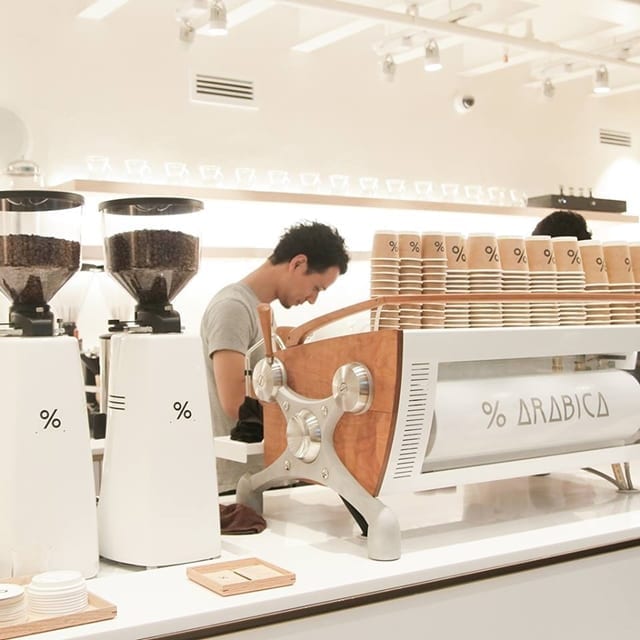
    Japanese boutique coffee group % Arabica has made its debut in South Korea with a store in Seoul.

    Located at Starfield Library, the store is % Arabica’s 125th location globally following recent first-time launches in Bali and Taiwan in August 2022.

    Opening its first store in Kyoto, Japan, in 2014, the boutique coffee group currently operates across 19 countries, with 86 stores in Asia.

    According to % Arabica’s website, the group will also soon open stores in Vietnam and the Philippines, as well as Canada, Mexico and Spain.

    World Coffee Portal forecasts the South Korean branded coffee shop to exceed 30,000 outlets by 2025. Ediya Coffee is the market leader with approximately 3,500 outlets.

  • Magnum ice cream launches new flavours

    Magnum ice cream launches new flavours

    Self-expression comes to life in many forms – from the way we indulge in our favorite treats to the way we dress, style our hair and paint our nails. Magnum ice cream, the chocolatiers of ice cream, is collaborating with female-founded, independent beauty brand, Nails.INC to launch a line of six chocolate-scented nail polishes inspired by the new Magnum ice cream Duet Bars.

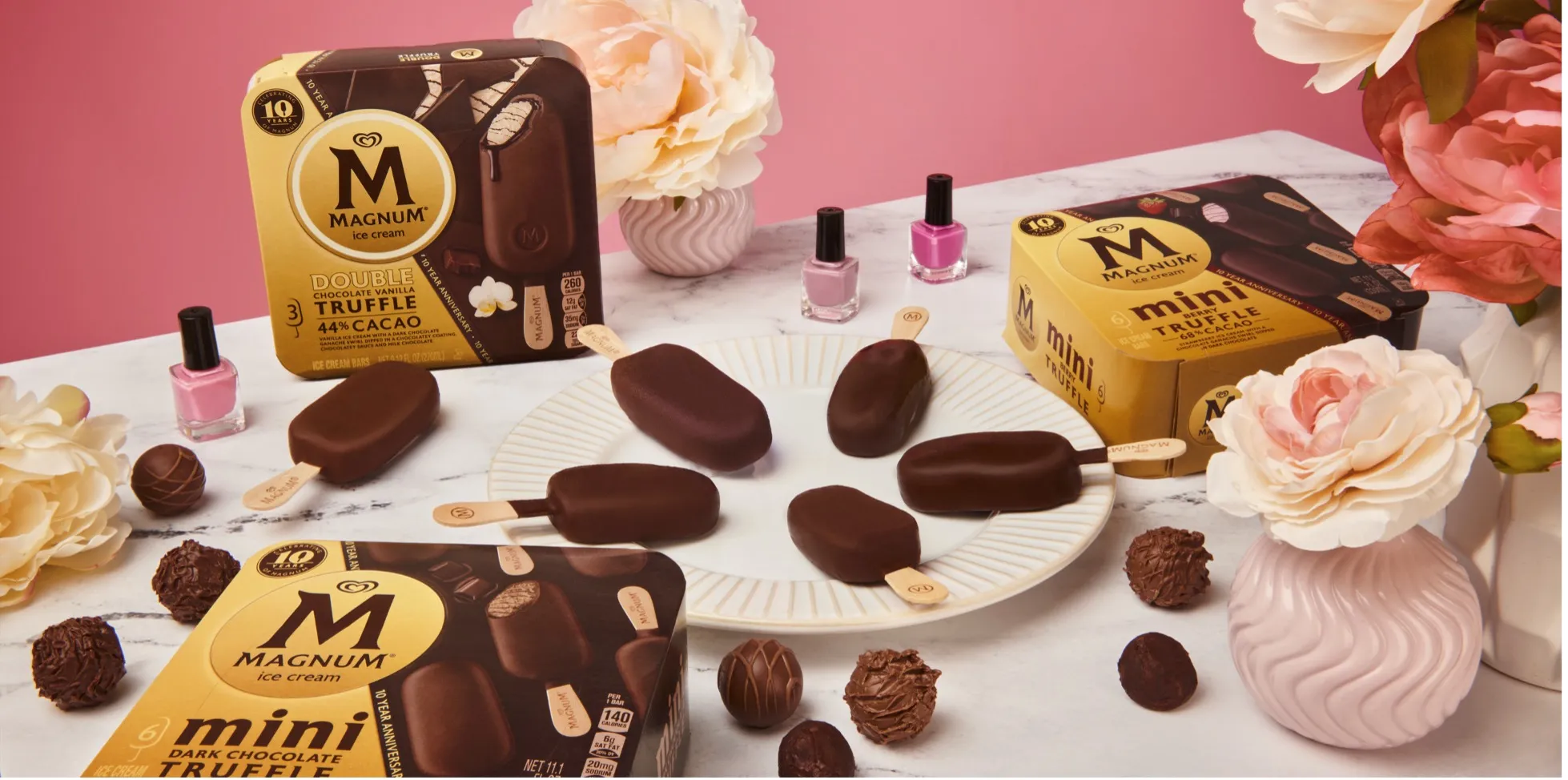
    Magnum ice cream Duet Bars are the first ice cream bar to be dipped in two different types of chocolate and are available in three indulgent flavors: Almond, Chocolate and Cookie. Inspired by the Duet Bars’ chocolate layering, Magnum ice cream x Nails.INC unveils three sets of polish duos in a variety of creamy shades that encourage fans to explore their own layers and indulge in who they are through nail art.

    Meet the polishes:

    1. Almond Duet: Recreate the sweet and crunchy coating of the Almond Duet Bar with Glazed Almond, a buttery shade of light brown and Double Chocolate, a rich dark brown.
    2. Chocolate Duet: Bring the Chocolate Duet Bar to life with Raspberry Swirl, a vibrant hot pink paired with White Chocolate, a silky light pink.
    3. Cookie Duet: Inspired by the Cookie Duet Bar, this pairing comes with Crunchy Cookie, a quintessential beige and Classic Chocolate, the perfect chocolate-y brown.

    “As a nail artist, I’m always looking for over-the-top ways to express myself,” says Mei Kawajiri. “I love to incorporate sensory experience into my designs, so I was thrilled when Magnum ice cream teamed up with Nails.INC to create richly pigmented and chocolate-scented, polishes – allowing me to showcase my favorite ice cream treats through three creative, unexpected designs.”

    Fans can recreate Mei’s looks at home by heading to Amazon and nailsinc.com to purchase the Magnum ice cream x Nails.INC nail polishes for $7.99 each and their local freezer aisles to purchase Magnum ice cream Duet Bars for the Retailer Suggested Price of $4.49$4.99.

    “As the chocolatiers of ice cream, we’re always looking to push the boundaries and release innovative products our ice cream fans crave,” said Russel Lilly, general manager of Unilever Ice Cream for total North America. “Now, we’re excited to give chocolate lovers another way to express themselves, inspired by our iconic Belgian chocolate and designed with everyone in mind.”

    This June and July, New York CityMiami and Los Angeles-area fans are invited to Magnum ice cream’s Indulgence Studio to create their own #MagnumMoments at Magnum ice cream pop-ups taking place at the stylish and award-winning Freehand hotel in New York City and Los Angeles, and the Generator hotel in Miami.

  • Tic Tac unveils tropical flavour mints

    Tic Tac unveils tropical flavour mints

    Tic Tac is expanding its Adventure line with the introduction of Tropical Adventure, featuring a mashup of four flavors: Pineapple, Passionfruit, Sweet Banana and Mango.

    “Fans love our current fruity offerings, so we’re excited to give them more of what they enjoy while introducing new flavors with our Tropical Adventure innovation,” said Dan Cutchin, VP marketing, Tic Tac North America at Ferrero USA, Inc. “Tropical Adventure is meant to act as a ‘vacation in a box,’ and we hope this mashup of vibrant flavors gives consumers a taste of paradise anytime throughout their day.”

    Tropical Adventure will also be featured in 6- and 15-second videos on digital and social as part of the brand’s recently launched “Take A Ride on a Tic Tac” campaign. “Take A Ride on a Tic Tac” brings the refreshing experience of consuming a Tic Tac to life. It combines work from various artists, illustrators and musicians to show how Tic Tac can create refreshing moments. The Tropical Adventure videos will debut on digital and social media channels this month and features catchy tunes, illustrations and graphics to showcase all the refreshing places each flavor of Tropical Adventure can transport consumers.

    Tic Tac Tropical Adventure is available for purchase nationwide in a 1-oz. single pack and a 3.4-oz. bottle pack.