Category: Food

Retail News Asia is committed to providing both local and global retailers with the latest Food and Food & Beverage news throughout the Asian market. This on a daily base.

  • 7-Eleven doubles coffee prices as it caves in to inflation

    7-Eleven doubles coffee prices as it caves in to inflation

    7-Eleven’s $1 coffees and Slurpees are set to become the latest victims of Australia’s cost of living crisis, as the service station chain buckles under the pressure of inflation.

    In another blow for Aussies, coffee prices will be bumped up at 7-Eleven stores across the country to address the retail company’s rising operational costs.

    A regular cup of coffee at the service station will double in price as of Tuesday, October 4, becoming $2, while large coffees increase to $3 and super cups to $3.50.

    Those wanting to save some extra coin, however, can bring their own reusable cup in-store to save 50c on their morning cuppa.

    The service station’s $1 coffee isn’t the only caffeine hit you’ll be forking out more for, with the price of iced coffees and ice cream coffee melts set to rise to $3 along with the store’s hot chocolates.

    The price hike is the first in over a decade, with the retail store’s regular-sized coffee remaining at $1 since 2009.

    As for Slurpees, a small will become $1.00, a large will move to $1.50, a super to $2.50 and a mega will become $4.50.

    7-Eleven CEO and managing director, Angus McKay, said it was no longer possible for the retail company to absorb costs.

    “Although this is the first price change in more than a decade, a single $2 gold coin for a regular coffee remains among the best value offers in the industry,” Mr McKay told NCA NewsWire on Monday.

    “We will continue to provide our customers with great value and great quality, while ensuring our prices are sustainable for our store owners, our suppliers and our communities,” he said.

    Along with encouraging customers to use a reusable cups, Mr McKay said people could expect further announcements in the next few weeks which will target the company’s sustainability goals.

    “Our new offer is fair value for our community, store owners and suppliers, and we’ll keep working to make it better,” he said.

    Victoria, NSW, ACT, QLD and Western Australia are home to 720 7-Elevens, with more than 450 small family-owned businesses in the service station franchise network.

    The popular drinks add to a growing list of items becoming increasingly unaffordable, with petrol, energy and food costs putting thousands of Aussies under pressure.

    The annual inflation rate jumped to 6.1 per cent in the year to June, the highest level in more than two decades.

    Treasurer Jim Chalmers has warned Australians that the “confronting” figure will get worse before it gets better.

    “It’s going to be a difficult time ahead; we expect it to get higher,” he said in July.

    “It will get tougher before it starts to ease.”
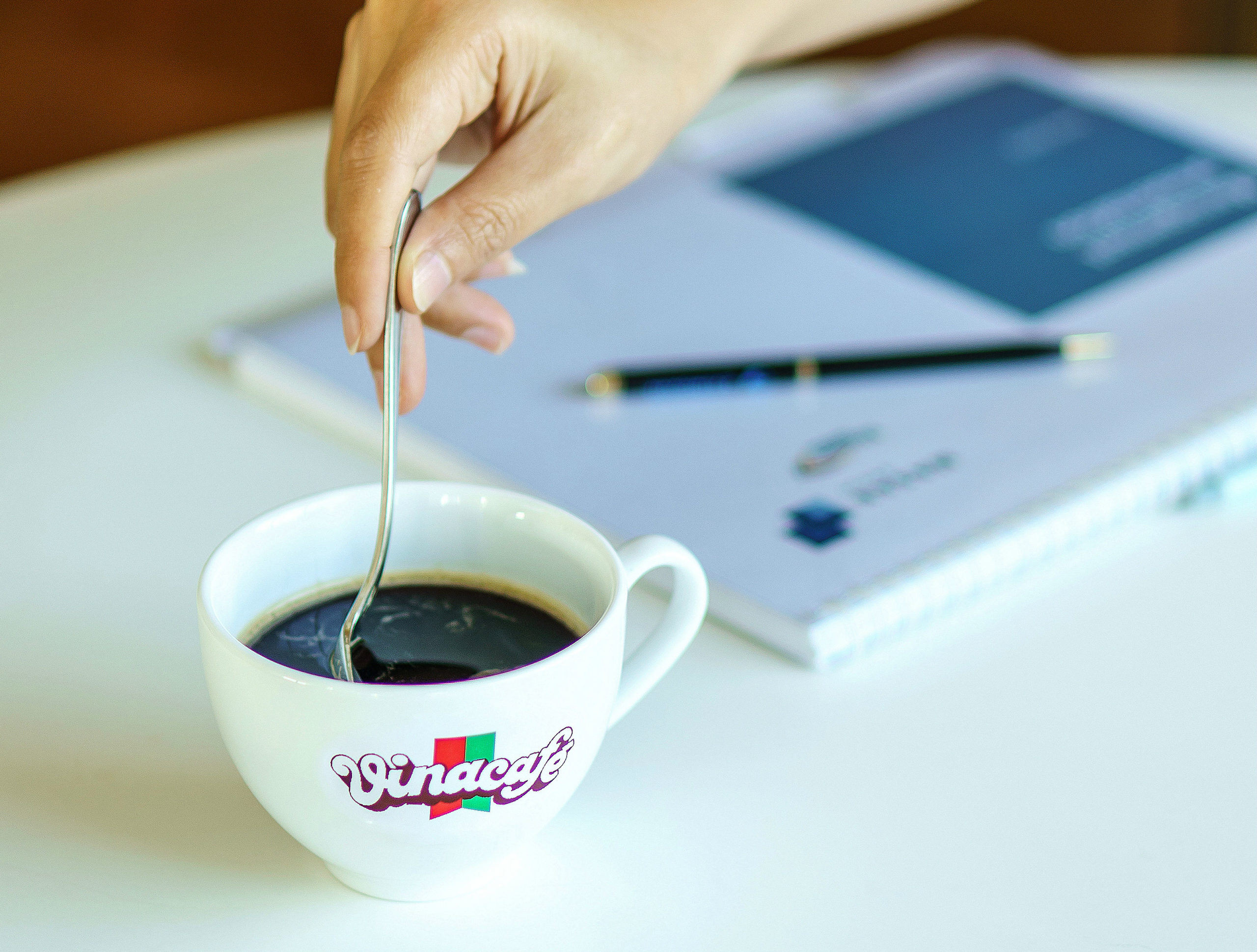
  • Vinacafe sales up 19% in H1

    Vinacafe sales up 19% in H1

    Leading instant coffee producer Vinacafe Bien Hoa reported a 19% jump in sales year-on-year in the first half ending June to VND950 billion (US$40.6 million).

    Its post-tax profits were VND190 billion, up 21%.

    Vinacafe instant coffee and Wake-up 247 coffee-flavored energy drinks remained its top products with combined sales of VND800 billion. The rest came from instant cereal.

    For the full year, it targets revenues of VND2.5-2.9 trillion and profits of VND500-600 billion.

    The management said the company would promote coffee-based beverages and roll out new products to meet “the unmet needs of Vietnamese customers.”

    Last year, sales and profits were VND2.2 trillion and VND430 billion.

    Masan Beverage, a subsidiary of conglomerate Masan Group, owns 98.79 percent of Vinacafe.

  • Grocery chain Bach Hoa Xanh to profit in Q4

    Grocery chain Bach Hoa Xanh to profit in Q4

    Bach Hoa Xanh is set to become profitable in the last quarter this year after closing 400 ineffective outlets in the first seven months, Mobile World Chairman Nguyen Duc Tai has said.

    The bulk closure is part of the company’s plan to renovate the grocery chain and remove seven low-performing product categories, he told shareholders at a recent meeting, adding that the plan is nearly complete.

    “It is true that we closed hundreds of outlets. But what happened? Total revenue continued to rise.”

    There were 1,735 Bach Hoa Xanh outlets by the end of last month, with a monthly average revenue of VND1.3 billion recorded by each.

    The chain’s revenue has been rising monthly since March and hit VND2.35 trillion in July, accounting for 18.6 percent of Mobile World’s total.

    In the 2017-2020 period, Bach Hoa Xanh pursued to offer customers a better shopping experience than traditional markets, and there were times when it opened a new outlet every day with hundreds of employees recruited each month.

    But now Mobile World wants to transform the chain’s model from “modern market” to “mini supermarkets” as it seeks to make customers feel like they are shopping at big stores.

  • San Pellegrino unveils new flavour in Essenza range

    San Pellegrino unveils new flavour in Essenza range

    S.Pellegrino Essenza has added a new Black Orange & Black Raspberry flavour to its range, joining the existing line-up of Lemon & Lemon Zest and Tangerine & Wild Strawberry.

    S.Pellegrino’s Essenza is a tasteful range of Italian sparkling mineral water with a subtle hint of fruit flavour, gentle bubbles, and no added sweeteners with zero calories.

    Essenza Blood Orange & Black Raspberry has a delicate scent and taste, beginning on a sweet note and ending with the taste of freshly squeezed orange. It pairs with rich, complex foods from red meat dishes to creamy, light pasta.

    S.Pellegrino Essenza’s range is a great on-the-go product with the can format; plus, it’s recyclable. It also works as a non-alcoholic mocktail spritzer option.

    It is available now in Woolworths and independent supermarkets at $15 per eight-pack.

  • Russian duo hail Stars Coffee as successor brand to Starbucks

    Russian duo hail Stars Coffee as successor brand to Starbucks

    A restaurateur and rapper duo unveiled Stars Coffee on Thursday, reopening the chain of coffee shops in Russia formerly owned by Starbucks Corp, the latest major company rebranding after a months-long Western corporate exodus from the country. At a packed launch in central Moscow, rapper Timati presented the new brand, whose logo features an image of a woman with a star above her head, alongside co-owner and restaurateur Anton Pinskiy, before shops start opening on Friday. Banned from using the

    Banned from using the Starbucks logo, Timati said they had sought to find some continuity, namely the circular shape and “female gender”, which he said contrasted nicely with the brown, cigar-like “masculine colour” in the new logo.

    “People’s perceptions may be different,” said Pinskiy. “But if you compare, then apart from the circle, you won’t find anything in common.”

    Starbucks declined to comment on the similarity of the logo and name, but referred to an earlier statement in which it said the company had made the decision to exit and no longer had a brand presence in the Russian market.

    Since Starbucks had its own resource and production base, Timati said the duo had to find new suppliers, but they had encountered no problems.

    Stars Coffee imports beans from Latin America and Africa, Pinskiy said, with suppliers of other items based in Russia.

    “We just found other suppliers, found the right roasters, and because the baristas mixed it all correctly, we have a product that we think will be competitive,” he said.

    Seattle-based Starbucks, which helped popularise takeaway coffee in a traditionally tea-loving society, said it would exit Russia after nearly 15 years in late May.

    Starbucks had 130 stores in Russia, operated by its licensee Alshaya Group, with nearly 2,000 employees in the country. Pinskiy said shops would gradually reopen throughout August and September.

    Wider Trend

    Global franchise operator Alshaya, established in Kuwait, had lost interest in doing business after Starbucks pulled its brand from Russia, Timati said. Alshaya did not immediately respond to a request for comment.

    “We won the tender – there were a lot of participants – acquired it and made our own brand,” he said.

    The deal mirrors a wider trend among Western brands, which has been changing the country’s retail and corporate landscapes as the conflict in Ukraine enters its sixth month.

    Renault sold its majority stake in carmaker Avtovaz to a Russian player for just one rouble, while McDonald’s Corp, whose restaurants have now become Vkusno & tochka, did not disclose a figure.

    Both of those deals included buyback options, but Pinskiy said that didn’t apply to Starbucks due to the franchise model it operated under in Russia.

    He declined to disclose figures concerning the deal with Alshaya. “We have invested as much as we paid them,” Pinskiy said. “This is (an) expensive pleasure.”

    The pair said they were interested in more acquisitions, but gave no further details.

    While the partnership may appear unlikely, Timati, one of Russia’s most famous rappers, co-founded the Black Star Burger chain in Russia, which sells a “Timati Burger”.

    He is also known for his support of the Kremlin and in 2015 released a track containing the lyrics “President Putin is my best friend”.

    Pinskiy, who earlier this month told Russian reporter and political activist Ksenia Sobchak that he had never tried coffee in his life, has a string of restaurants in his portfolio, including a joint project with Timati, REDBOX, which serves Pan-Asian cuisine.

  • Golden Circle launches a new low-sugar range

    Golden Circle launches a new low-sugar range

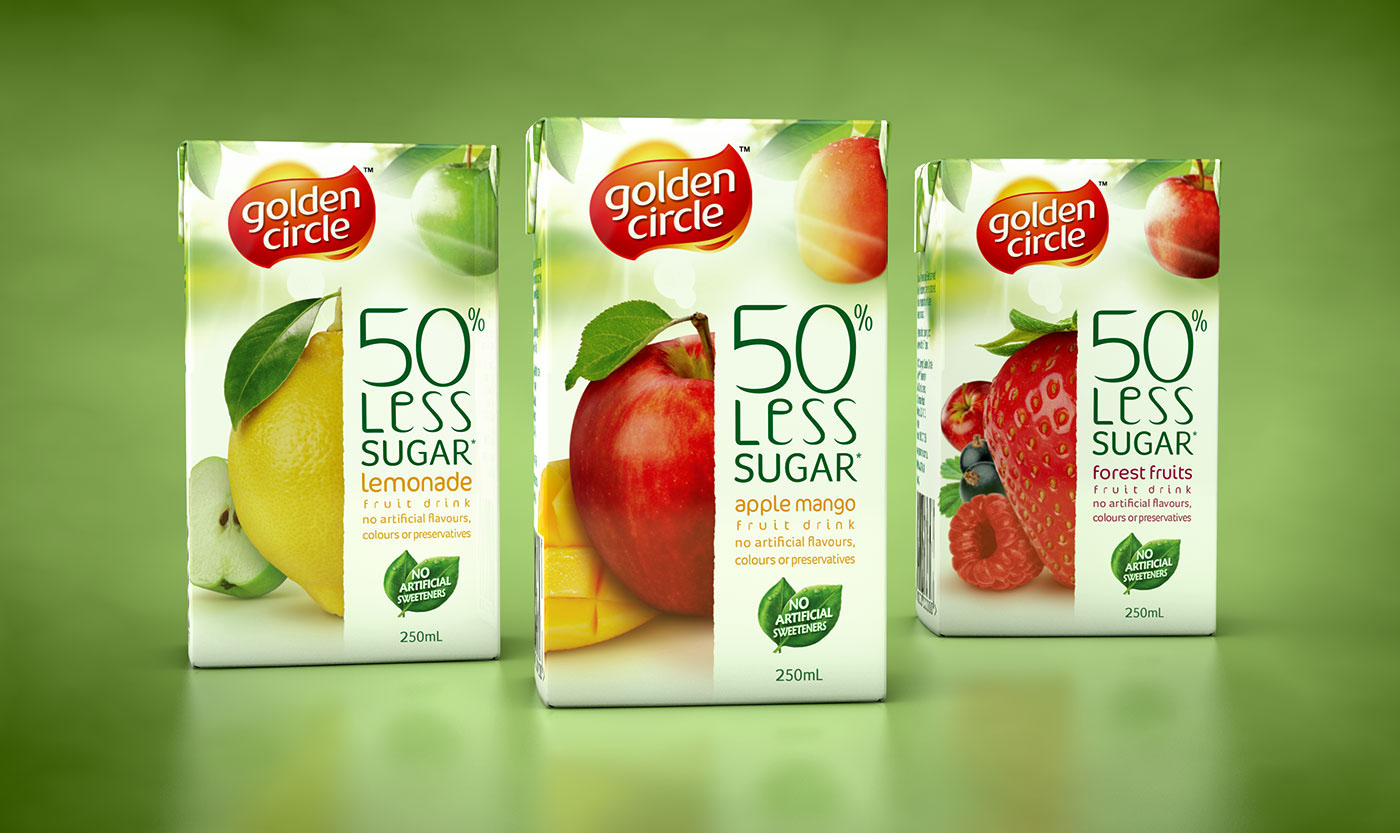
    Golden Circle has released a delicious new range of fruit drinks with 50% less sugar, on average, compared to the Golden Circle Fruit Juice range and no artificial sweeteners, making them an alternative for those Aussies who want to enjoy drinking Golden Circle fruit juice but want to reduce their sugar intake.

    “We understand that Aussie families are looking for an alternative in their drinks. With 50% Less Sugar fruit drink we are bringing sunshine and joy back so that families can enjoy the taste of sunshine in a glass, with half the sugar,” said Sachin Rajpal, Head of Marketing – Beverages at Kraft Heinz.

    The new 50% Less Sugar range from Golden Circle includes the great taste of Golden Circle that consumers know and love, just with 50% less sugar. Available in three flavours including Orange, Apple and Pear, Pine & Pash. The convenient 2-litre packs can be stored at home for the times you’d like to share a glass of sunshine with family and friends.

  • Treasury Wine Estates boosts profit despite being shut out of China

    Treasury Wine Estates boosts profit despite being shut out of China

    Treasury Wine Estates Ltd posted a 5.3% rise in annual profit on Thursday, as strong U.S. sales and price hikes more than offset a hit from hefty Chinese tariffs on Australian wine.

    The world’s biggest standalone winemaker has been re-directing supply of its prized Penfolds label wines to the United States, Europe and domestically since China imposed an anti-dumping duty on some Australian wines in late 2020.

    The company, which also owns Wolf Blass and Wynns brands among others, said net sales revenue at its Americas unit grew 2.5%, benefiting from efforts to expand its presence in the market, including collaboration with rapper Snoop Dogg.

    Demand for Penfolds label wines, the company’s most premium offering, stayed strong despite soaring inflation in the United States and Europe. While total net sales revenue for the segment fell 9.1%, sales in markets outside China more than doubled.

    The winemaker said it was raising prices across divisions to offset the impact of higher input costs and that it expected to improve its margins further in 2023.

    Treasury Wine’s global supply chain optimisation programme, which was rolled out in 2021, helped the firm save A$90 million ($62.47 million), more than an earlier estimate of A$75 million, and offset the impact from higher input costs.

    “We expect TWE will deliver strong earnings growth in FY23, reflecting a COVID recovery in its higher margin channels,” analysts at Morgans said.

    Treasury posted a profit attributable of A$263.2 million for the year ended June 30, higher than A$250.0 million reported a year ago but below an estimate of A$282 million from Morgan Stanley. Overall sales revenue fell 3.6%.

    Shares of Treasury Wine fell about 1.5% in early trading, while the broader marker was down 0.5%.

    The company said its long-term financial objective was still to deliver sustainable top-line growth, high single-digit average earnings growth, and a group operating earnings margin of more than 25%.

  • Vietnam third largest market for bubble tea in Southeast Asia

    Vietnam third largest market for bubble tea in Southeast Asia

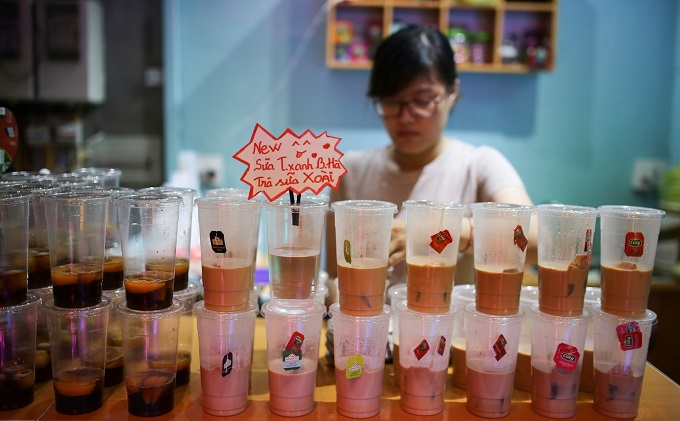
    Turnover of the Vietnamese bubble tea market hit $362 million in 2021, ranking third among six major Southeast Asian markets, according to a recent study.

    The region’s largest market was Indonesia with an estimated $1.6 billion annual turnover. Thailand came in second with $749 million, according to a study by Singapore-headquartered venture outfit Momentum Works and digital payments solution firm Qlub.

    Turnover in the Southeast Asian market last year accumulated to $3.66 billion, it added.

    As of April 2022, Vietnam had 439 bubble tea shops, with over half located in Ho Chi Minh City, a survey by German data portal Statista and Vietnamese market researcher Q&Me showed.

    Bobapop, a local brand, was the leader in terms of locations with 89 stores.

    It was followed by three foreign players, Tiger Sugar (48 stores), The Alley (47) and Gong Cha (42).

  • Crab exports skyrocket

    Crab exports skyrocket

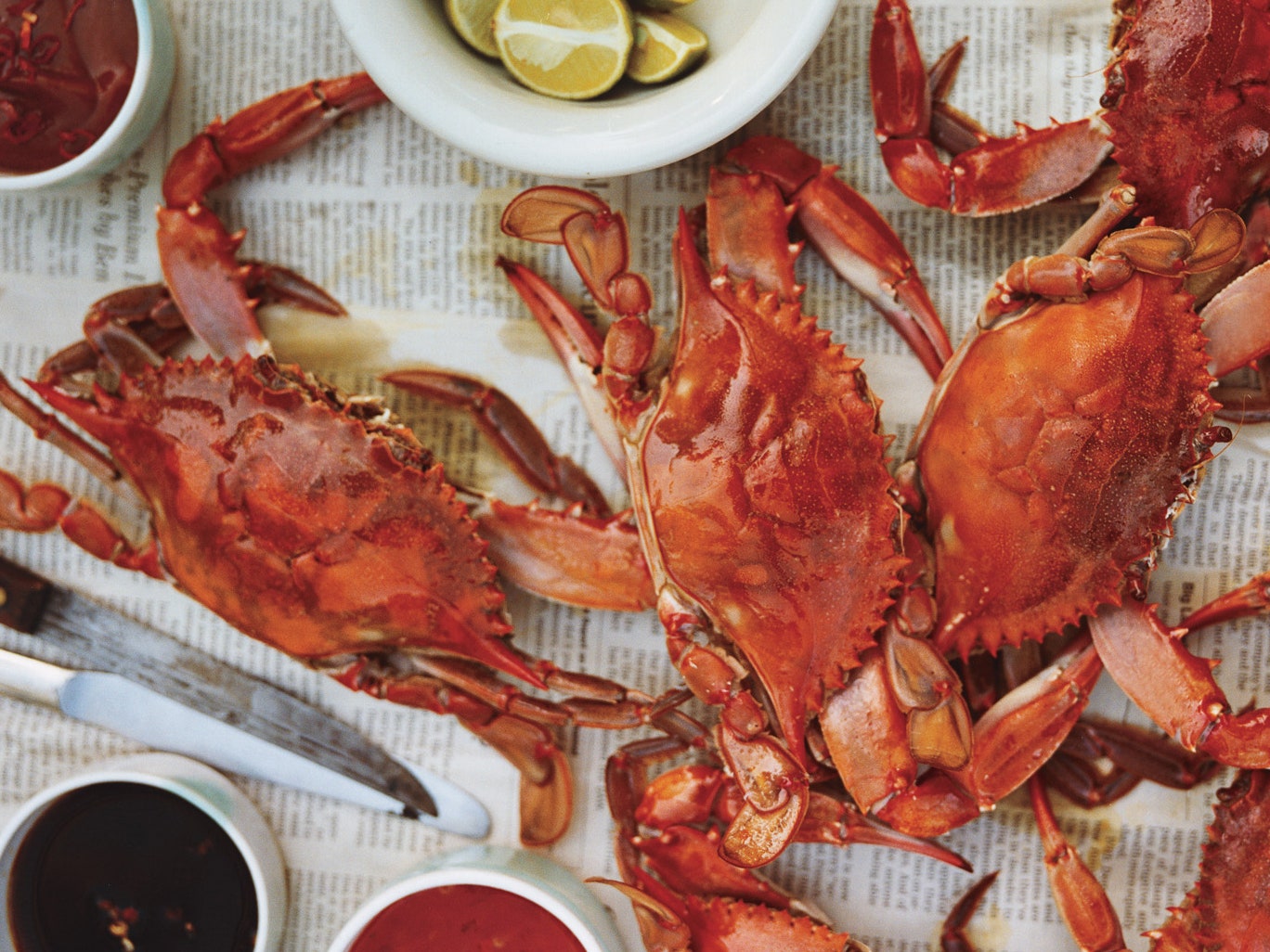
    Vietnam crab exports rose 41% to $111 million between Jan. 1 and July 15 this year, according to data from the Vietnam Association of Seafood Exporters and Producers (VASEP).

    The U.S, China, Japan and France were the four major markets accounting for 92% of the value.

    China was the fastest growing market as exports surged 74% year-on-year to $37 million, followed by France (up 60%) and Japan (51%).

    Exports to the U.S. grew 27%, though the country was Vietnam’s top market with a value of $38 million.

    Crab prices have surged amid domestic shortage and rising demand from major markets in the U.S., China and Japan.

    Hoang, a crab seller, said prices at-the-farm have risen 20% since last month to VND400,000-600,000 ($17-26) a kilogram but there was hardly enough for him to sell.

    VnExpress survey showed crab prices in HCMC have risen to the highest in the year-to-date at VND900,000 a kilogram.

    VASEP expects crab exports to thrive in the second half this year thanks to rising demand driven by holidays like Christmas and Lunar New Year.

  • % Arabica makes its Taiwan debut

    % Arabica makes its Taiwan debut

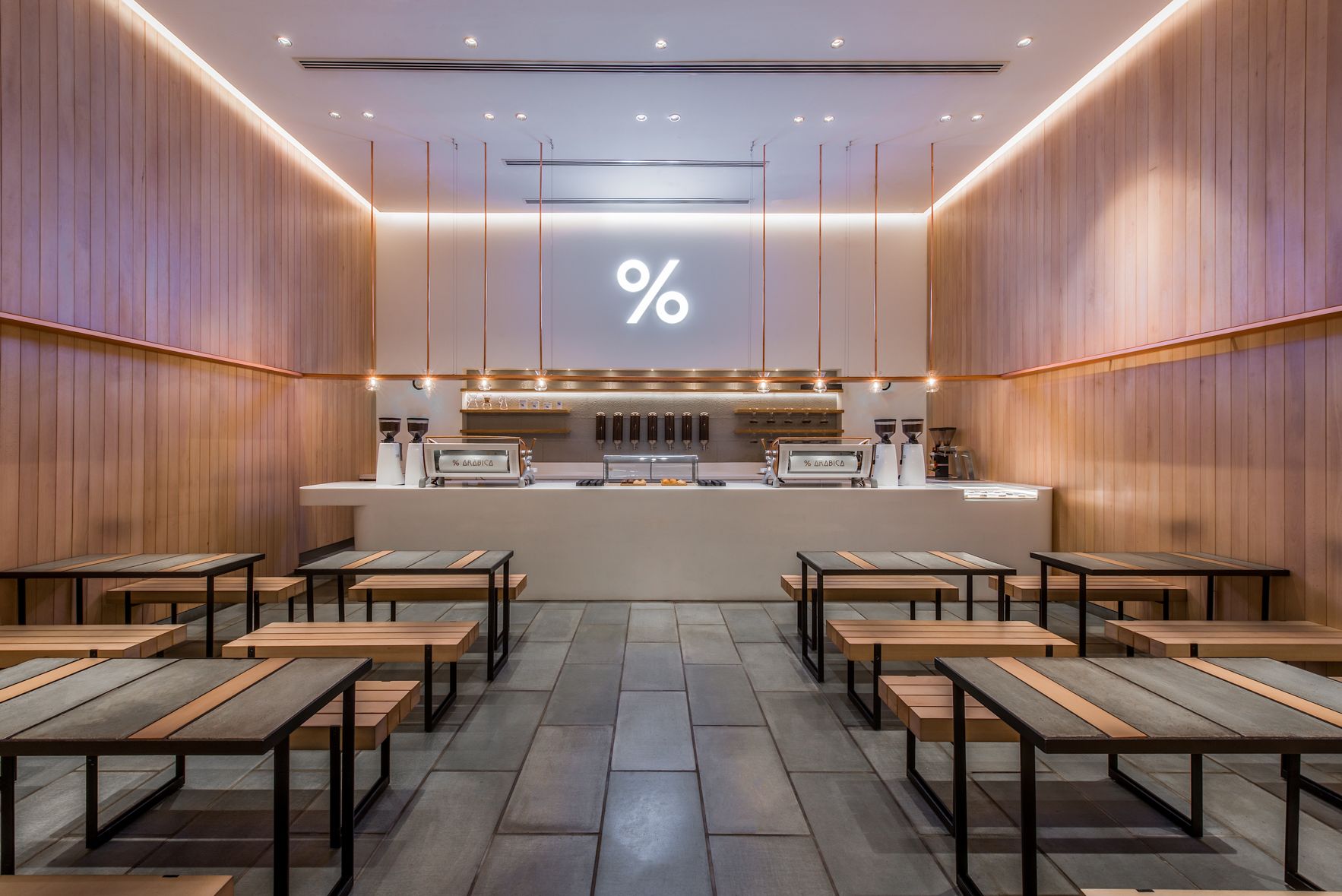
    Japanese boutique coffee group % Arabica has made its debut in Taiwan with a store in Taipei. The Elephant Mountain store is the second % Arabica outlet to open this month following the launch of store in the lobby of the new United Overseas Bank head office in Bangkok, the group’s fourth in the Thai capital.
    The boutique café group now operates 120 stores across 18 countries, including 61 in its largest market, China, and four in its native Japan.
    According to % Arabica’s website, the group will soon open stores in Vietnam, South Korea, Canada, Mexico, Spain and the Philippines.
    In July 2022 Lucky Ace International Ltd., which operates the group in China, was reported as seeking to raise $300m to support its expansion plans in the country.
    World Coffee Portal estimates the Taiwanese branded coffee shop market exceeds 2,500 outlets and forecasts it will reach 3,200 outlets by 2025. Louisa Coffee is the coffee-focused segment leader with approximately 520 outlets.
  • Yum China applies to add primary listing in Hong Kong

    Yum China applies to add primary listing in Hong Kong

    YUM China Holdings said on Monday (Aug 15) it has applied for a primary listing in Hong Kong, as the company looks to circumvent a risk of delisting from the New York Stock Exchange amid tight regulatory scrutiny on Chinese companies.

    The move comes on the heels of an audit dispute between China and the United States, which is threatening to kick out hundreds of Chinese companies listed in New York.

    E-commerce giant Alibaba Group Holdings had also said last month it would convert its Hong Kong secondary listing into a dual primary listing.

    Five US-listed Chinese state-owned firms, including oil giant Sinopec, last week said they would voluntarily delist from the NYSE, after the Securities and Exchange Commission flagged more than 270 companies, including Yum China, for failing to meet US auditing standards.

    Yum China, which runs the KFC and Taco Bell chains in China, said the conversion from its current secondary listing status to primary listing is expected to be completed in October, subject to shareholder approval.

    The company will become dual primary listed on the NYSE and the Hong Kong Stock Exchange, it added.

  • Pronto launches ‘Stranger Things’ cafe

    Pronto launches ‘Stranger Things’ cafe

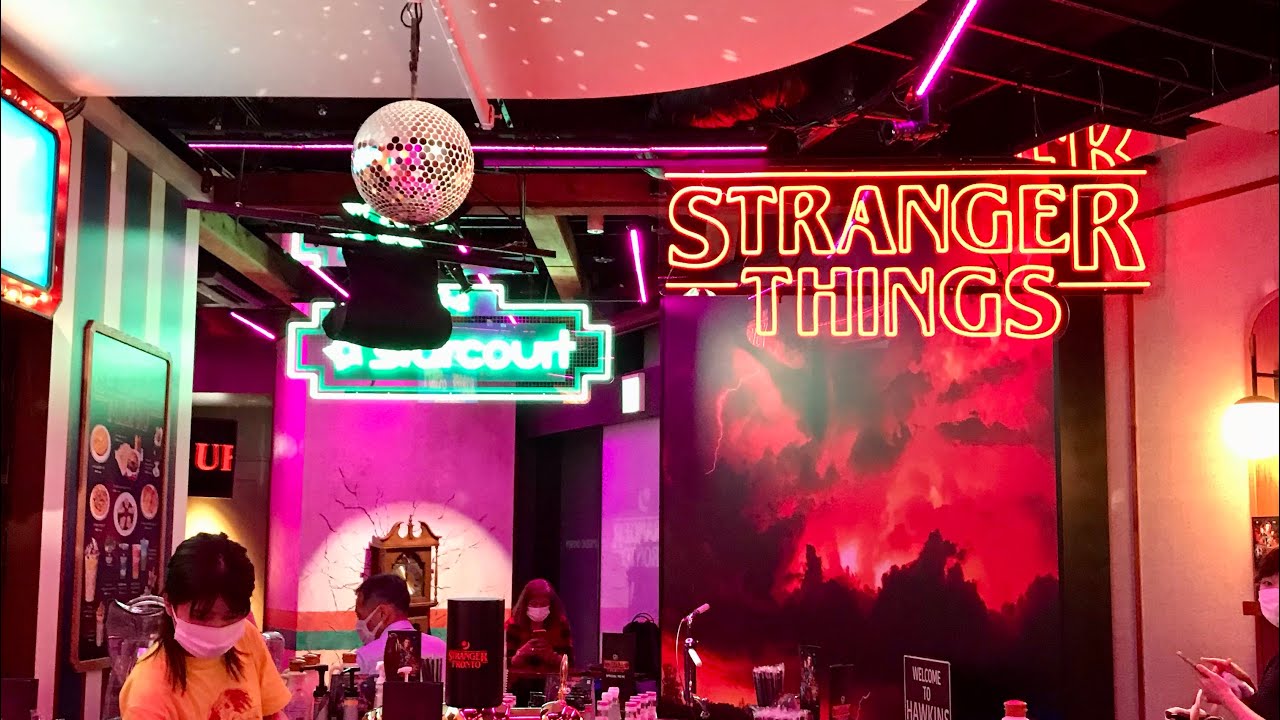
    Stranger Things may not be as popular as Spy X Family in Japan, but it has enough of a following to deserve a cafe! From July 6 to September 9, Japanese cafe Pronto’s Shibuya Fukuras branch will get a Stranger Things makeover called “Stranger Pronto”. The collaboration coincides with the recent release of the later half of Season 4 of the world-famous Netflix series. The cafe will be decorated in a Stranger Things theme and include a completely Stranger Things-themed menu, photo spots, artwork, and more.

    Menu items are based on characters from Stranger Things Seasons 1 through 4, including main character Eleven’s first burger (and of course, her favorite waffles), a roast beef pasta plated to look like the infamous Demogorgon monster, and Nancy’s Halloween Party mocktail. There’s even a cream soda made to look like the Upside Down (not pictured above but on the full menu).

    Some art they’ll have on display includes trick art of a Demogorgon coming out of a door, the famous Christmas light wall at the Byers’ house, the fiery road to Hawkins (possible spoiler), and the Surfer Boy Pizza van.

    There are markedly more references to Season 4 than the earlier seasons–likely due to its recent release–so it may be better to pay a visit after you’ve watched it all. The Shibuya Fukuras branch is open year-round, but if you want to visit the Upside Down, you’ll need to stop by between July 6 and September 9. We promise you’ll make it out alive!

  • Chobani Australia unveils oat yoghurt range

    Chobani Australia unveils oat yoghurt range

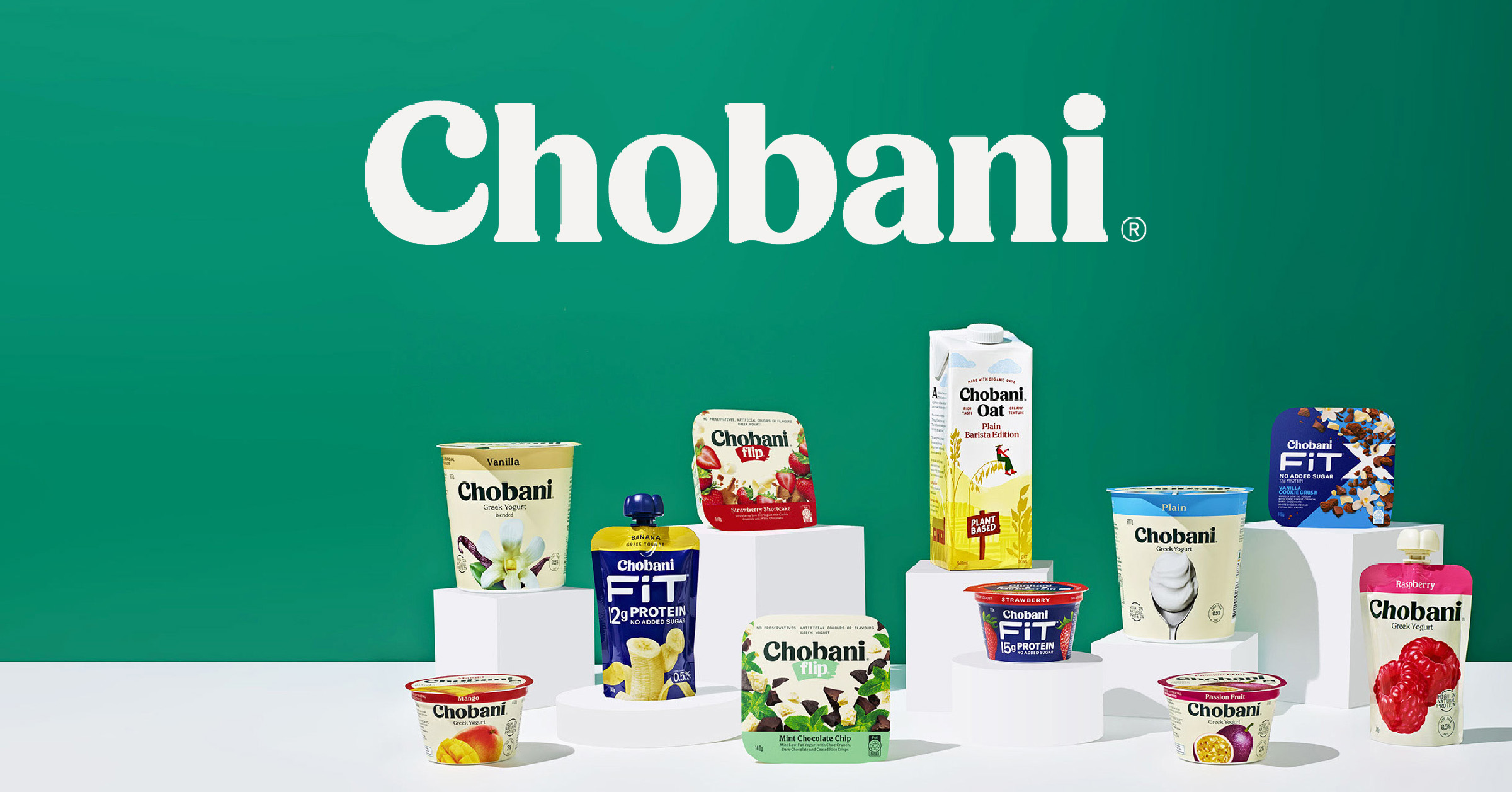
    Chobani Australia has extended its non-dairy offering, adding a range of oat yoghurts to its suite of products.

    According to a company statement, Chobani Australia recognised the growing ‘flexitarian’ market, and was motivated to provide these consumers with a greater variety of plant-based food options.

    The company also saw this as an opportunity to diversify the dairy-free yoghurt category, “currently dominated by high fat, strong tasting coconut yoghurt options,” the statement reads.

    The new oat yoghurt range follows Chobani’s entry into the dairy alternative market in 2021, when it launched its oat milk.

    There are two sizes (150g and 500g) and five flavours in the new range: Strawberry, Mango, Blueberry, Vanilla and Natural.

    The range is available in all Woolworths and Coles outlets, and soon to be in independent retailers.

  • Popeyes appoints partner for China rollout

    Popeyes appoints partner for China rollout

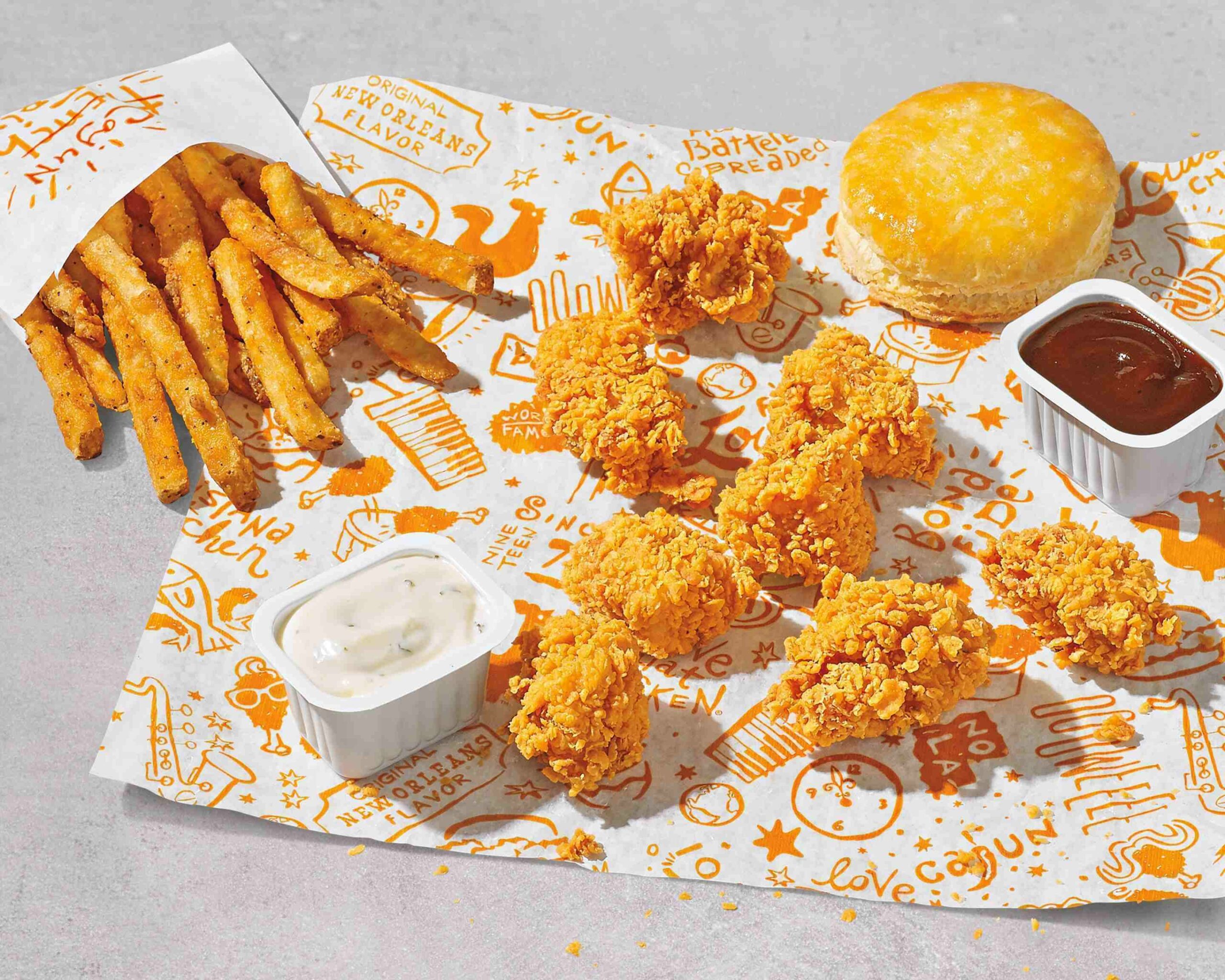
    Popeyes Louisiana Kitchen is making a move on KFC’s turf. The Miami-based chicken chain on Wednesday announced an agreement with Cartesian Capital Group to develop restaurants in China in the coming years. In the process, it will take Popeyes into a country dominated by its longtime rival, KFC.

    Popeyes could move quickly if Cartesian’s recent track record is any indication. The firm started developing Tim Hortons locations in 2019. The Canadian coffee and doughnut brand already has 450 locations in the country. Tim Hortons, like Popeyes, is owned by the Toronto-based Restaurant Brands International.

    “We are excited to build on our long-standing and successful relationship with RBI, spanning over a decade and most recently including our rapid development of more than 450 Tim Hortons cafes across China,” Cartesian Managing Partner Peter Yu said in a statement.

    China is a gold mine for U.S. brands eager for international expansion. It is the world’s second-largest economy and is growing rapidly. Numerous restaurant chains are pushing aggressive expansion. KFC, McDonald’s and Starbucks, among many others, are aggressively adding units and companies like Papa John’s and Domino’s are pushing growth there.

    But the country has had its challenges of late, driven by its “Zero COVID” strategy in which large cities are shut down for weeks or months at a time, sending sales plummeting. Same-store sales at Yum China, for instance, decreased 16% in the second quarter.

    As for Popeyes, it also goes into a market dominated by KFC. The chain, which helped open China decades ago, is as popular there as McDonald’s is in the U.S. It operates 8,500 locations in the country and is on pace to add another 800 this year alone.

    Still, it’s an important market for Popeyes as it works to build its international business. RBI’s business plan is predicated in part on aggressive international development, much as it did with Burger King starting in 2010.

    Popeyes operates only about 3,800 global locations, with about 1,000 of them outside the U.S. But that international unit count is up about 50% over the past five years. And since last year, Popeyes has announced deals to enter South Korea, France, Romania, the U.K. and India, with expansion plans for Mexico and Saudi Arabia.

  • Highlands Coffee posts first loss in 8 years

    Highlands Coffee posts first loss in 8 years

    Highlands Coffee chain lost VND19 billion ($812,069) last year, its first loss since 2014, VnExpress has learned.

    Its sales plunged by nearly 20 percent to VND1.7 trillion, which still made it the largest coffee chain in Vietnam, its earnings report, recently acquired by VnExpress, shows.

    It is not listed on the stock market, and typically such companies do not make public their financial reports.

    Highlands faced many issues with landlords who accused it of delaying rent payments of over VND1 billion for up to six months.

    It had admitted at the time, when social distancing restrictions were still in place, that it was facing financial difficulties.

    Highlands Coffee was established in 1999 to sell packaged coffee. It started opening cafes in 2002, and now has 522 of them, according to its website.

    It was acquired by the Philippines’ Jollibee Foods in 2012.