Category: Food

Retail News Asia is committed to providing both local and global retailers with the latest Food and Food & Beverage news throughout the Asian market. This on a daily base.

  • Vinamilk profits continue to fall

    Vinamilk profits continue to fall

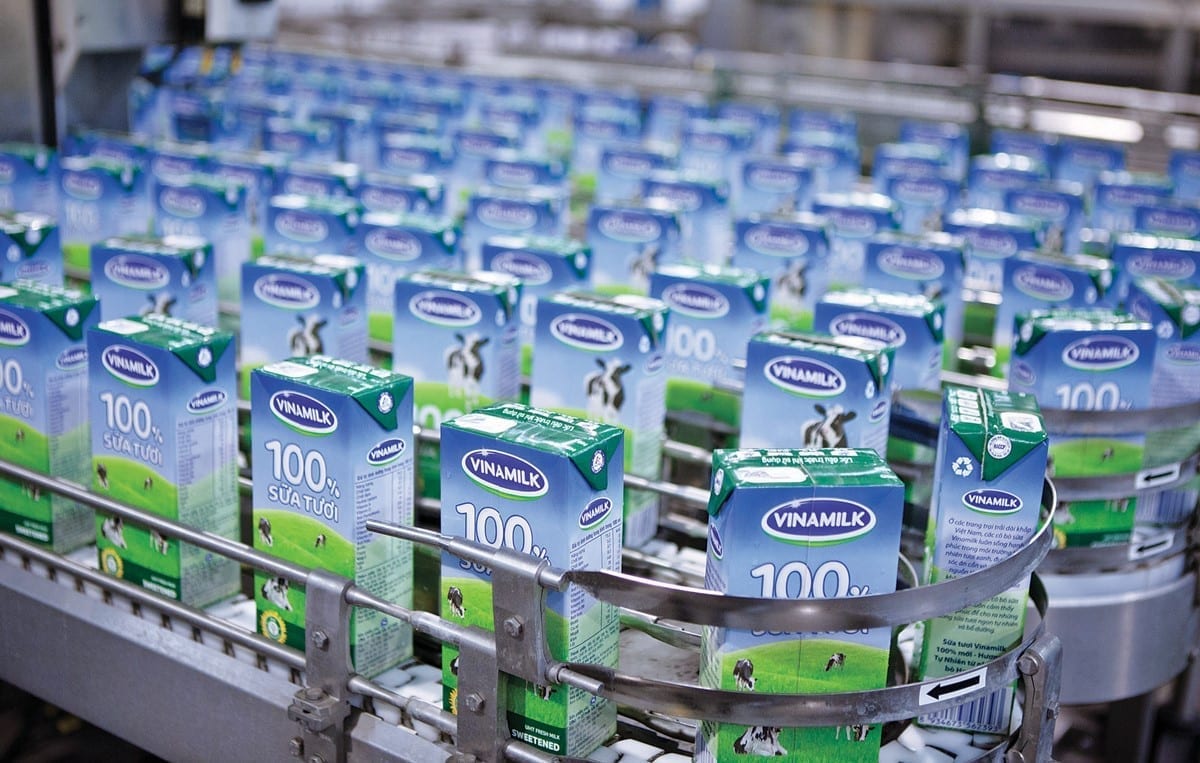
    Vinamilk reported a 26-percent year-on-year fall in second-quarter profits to VND2.1 trillion (US$89.97 million), and blamed it on inflation driving demand down and costs up.

    The dairy giant’s revenues fell by 5 percent to VND14.93 trillion.

    In the first five months sales of fast moving consumer goods fell by 2 percent, according to data from market research firm Nielsen.

    Vinamilk also struggled to maintain its dominance in the domestic market and saw exports drop by 12 percent due to lower global demand and higher transport costs.

    However, its profit margin rose by 0.2 percentage points from Q1, the first increase since 2020.

    Besides, its U.S. and Cambodian subsidiaries, Driftwood and Angkormilk, reported sales growth of 40 and 20 percent.

    This year it expects profits to decline by 7 percent, a second straight year of falling profits, due to rising costs of raw materials and transportation.

    But securities brokerages said lower milk powder prices would increase the profit margins for the dairy industry this year, including for Vinamilk.

    SSI Securities expects the company’s net profits to rise by 11 percent, while VnDirect Securities forecast a 7.5-percent increase.
  • Accolade Wines named Supplier of the Year in Australian Drinks Awards

    Accolade Wines named Supplier of the Year in Australian Drinks Awards

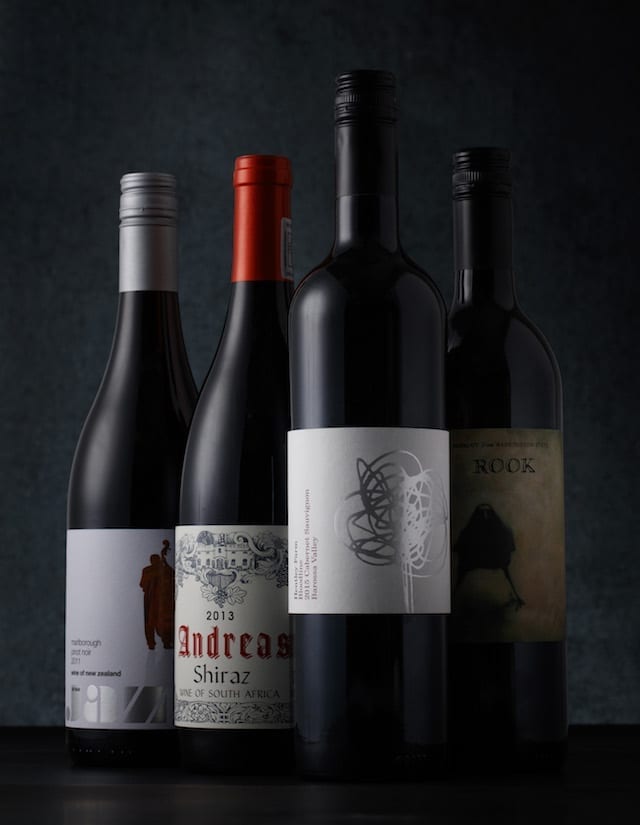
    At the Endeavour Group Supplier of the Year Awards in Melbourne, Accolade Wines was named Supplier of the Year and Supply Chain of the Year.

    This award recognises the supplier that has demonstrated the agility and ability to problem solve and innovate in partnership with us across the supply chain.

    Like no year before, 2021 produced a spotlight on supply chain management. Building resilience into the supply chain and partnering with Endeavour, Accolade showed great capacity to persist, adapt and transform in the face of change.

    Andrew Clarke, MD Accolade Wines ANZ said: “Our number one imperative at Accolade is to be customer centric. We put the customer at the core of everything we do and, in a time, when a global pandemic has impacted the supply chain more than ever before, achieving this award means so much to us.

    “It has been a huge effort across every function of our business, right through the entire supply chain. From our world class winemakers creating amazing wines, to leading in category and consumer insights, being at the forefront of innovation, bold in our brand support and shopper initiatives, and progressive with our digital activation.

    “I am hugely proud of our team, and it is our promise to our customers that we will continue to create value in the way we partner and continue to deliver world-class products for consumers to enjoy.

    “We are building something special here at Accolade and I am proud to see what else we can achieve with our outstanding teams.”

    “The calibre of winners across a broad spectrum of areas – including sustainability, product development and brand activation – reflects the innovative and creative spirit of the broader drinks industry,” Endeavour Group’s Director – Buying & Merchandising Tim Carroll said.

    “After a two year break, it was fantastic to see our supply partners in person. We are already planning next year’s event and we can’t wait to do it all again,” he added.

    Accolade was also awarded Supply Chain of the Year Awards for its “great capacity to persist, adapt and transform in the face of change”.

  • Sabeco posts biggest quarterly profit since acquisition by Thai firm

    Sabeco posts biggest quarterly profit since acquisition by Thai firm

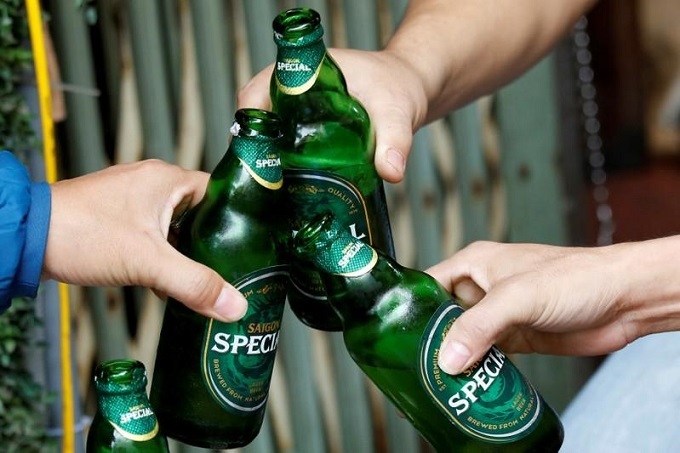
    Vietnam’s largest brewer Sabeco reported post-tax profits of VND1.79 trillion ($76.6 million) for the second quarter, the highest since ThaiBev acquired it in 2017.

    It represented a 67 percent increase year-on-year, while revenues were up 25 percent to VND9 trillion.

    The management said the lifting of social distancing restrictions, resumption of tourism and a general rise in consumption helped boost sales.

    Profits for the first six months were VND3.03 trillion, 66 percent of the full-year target.

    Thailand’s largest beverage company bought a 54 percent stake in Sabeco, the maker of Saigon Beer, five years ago.

  • % Arabica China franchisee raising funds at $1.2 billion valuation

    % Arabica China franchisee raising funds at $1.2 billion valuation

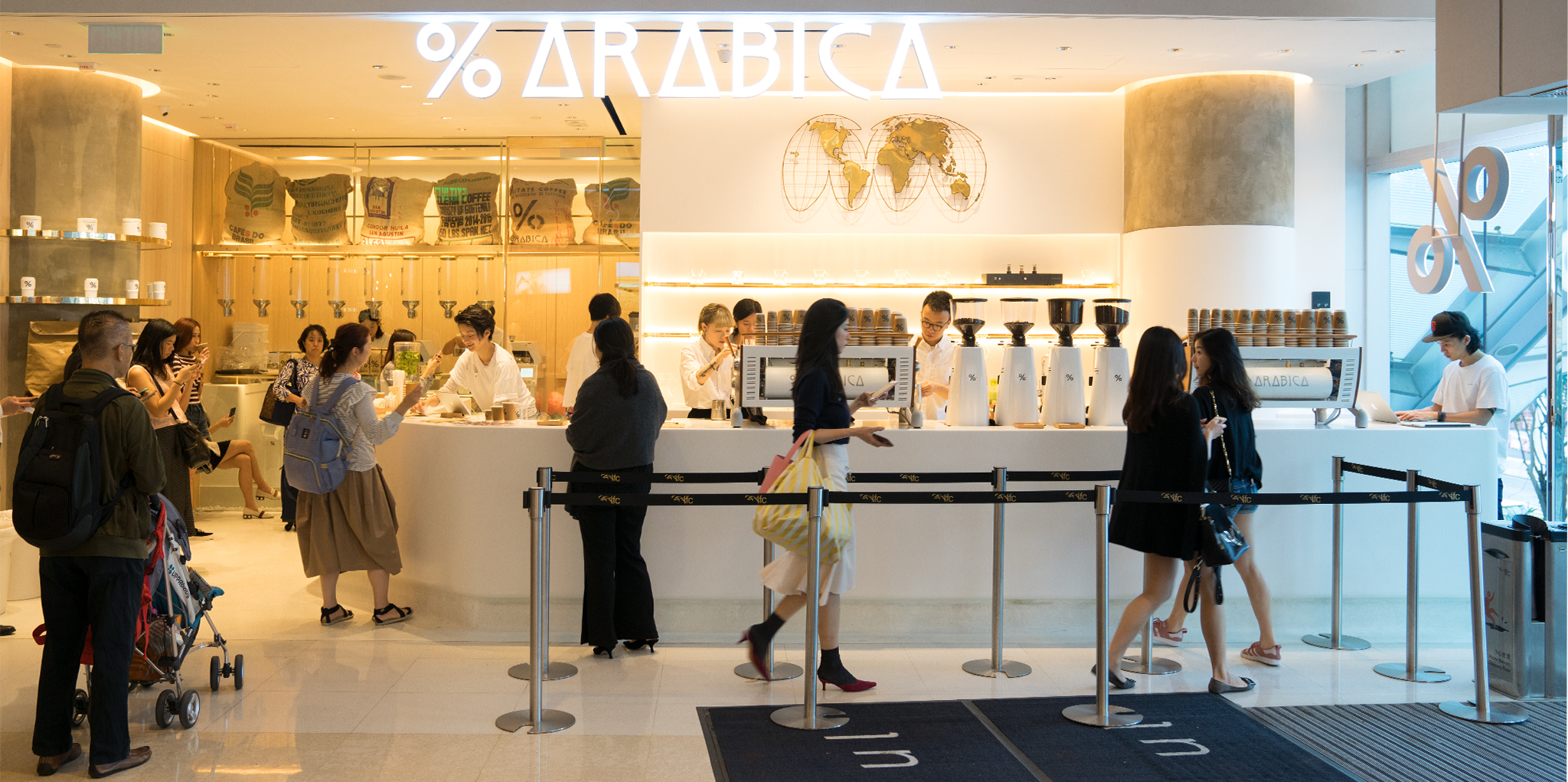
    The China operator of coffee chain % Arabica is weighing a new funding round and could seek a valuation for its business in the country of as much as $1.2 billion, according to people familiar with the matter.

    Lucky Ace International Ltd., which holds the exclusive franchise of the Japanese coffee retailer in Greater China, is looking to raise about $300 million to bankroll its expansion and has reached out to potential investors for the round, the people said. Lucky Ace was valued at about $800 million to $900 million in its last funding round, said the people, who asked not to be identified as the information is private.

    Deliberations are ongoing and the proposed funding size and valuation could still change, the people said. A representative for PAG declined to comment, while % Arabica didn’t immediately respond to requests for comment via email and its website.

    Founded in Kyoto in 2014, the gourmet coffee brand entered China in 2017 with the opening of two Hong Kong stores, and launched in Shanghai the following year, according to the operator’s website. There are 61 locations across the country, the parent’s website shows. Private equity investors PAG and General Atlantic are among the chain’s backers.

    China’s coffee market is growing, though it remains a niche beverage in a nation of tea drinkers, Bloomberg Intelligence analysts Angela Hanlee and Kai Lin Choo wrote in April. Annual consumption is just 5.3 cups per capita versus 51.1 cups elsewhere in Asia Pacific. Starbucks Corp. and Luckin Coffee. have increased coffee awareness in the country, with their more than 5,000 and 6,000 stores in China respectively.

    Shanghai-based Manner Coffee, which counts ByteDance Ltd. and a venture arm of food delivery giant Meituan as backers, is considering an initial public offering in Hong Kong that could raise at least $300 million.

  • Eat more avocados, as supplies soar

    Eat more avocados, as supplies soar

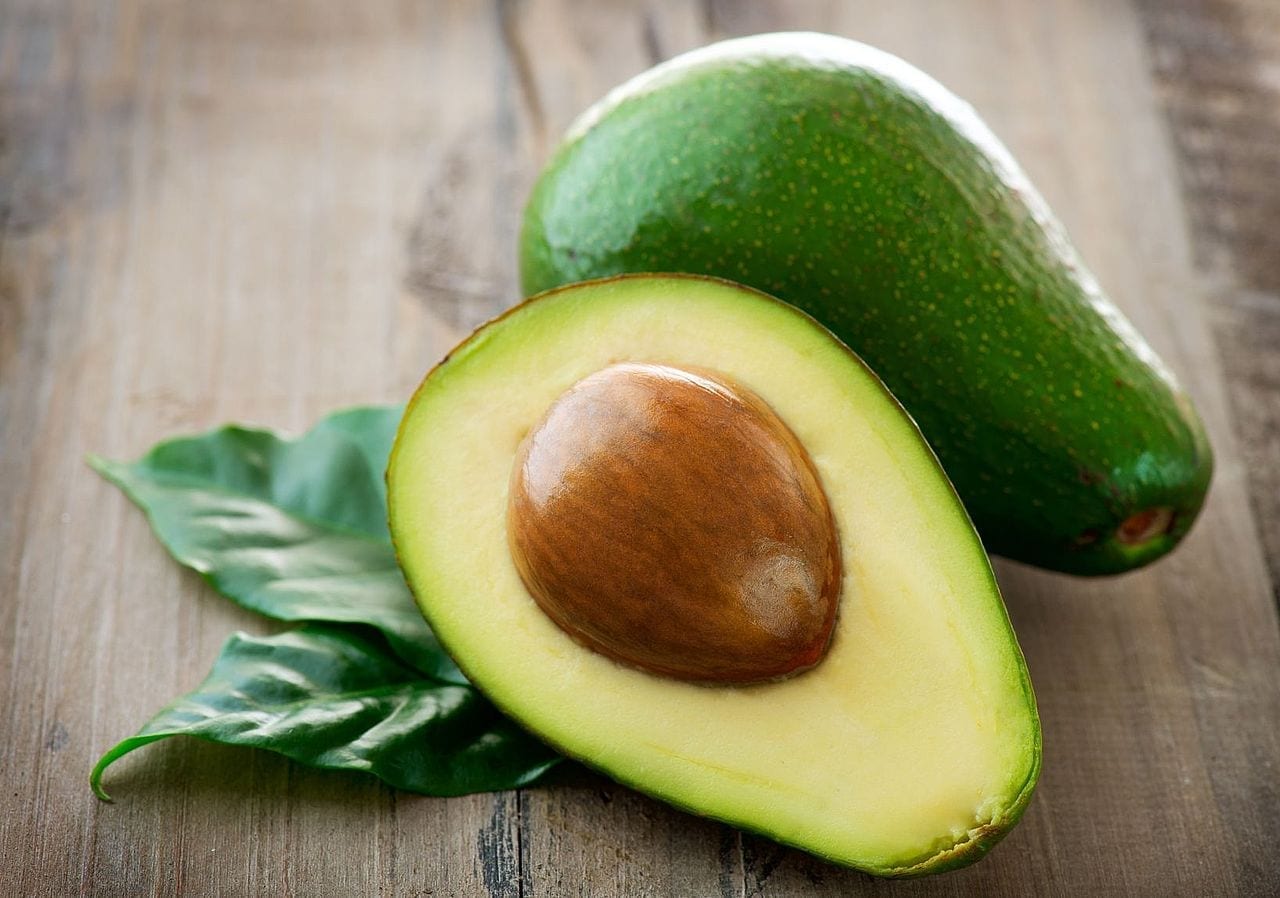
    Australia’s avocado glut is “just the beginning” with domestic production tipped to jump by 40 percent in the next five years.

    A supply boom means households have been enjoying more avocados at cheaper prices.

    But agribusiness bank Rabobank suggests Aussies will need to eat and export even more, as growers grapple with soaring production growth over the next five years.

    This year alone, the per capita supply of avocados is estimated to be up 26 percent on the previous year, equating to 22 avocados for every Australian, according to the bank’s analysis.

    A bumper crop, mainly in Western Australia and Queensland in 2021-22, caused a national oversupply which led retail prices to plunge to a record low $1 each in June last year, and again in early July.

    Retail prices this year are 47 percent below the five-year average for the fruit, putting pressure on farmers already dealing with rising production costs and labor shortages, RaboResearch associate analyst Pia Piggott said in the report.

    The volume of avocados eaten by Aussie households jumped 31 percent in 2021-22 compared to the previous year, while they spent 29 percent less on them due to the lower prices.

    At the same time, export volumes rose by more than 350 percent in the past year, the Rabobank report said.

    Domestic production will expand by 40 per cent, or 50,000 tonnes in the next five years, industry forecasts suggest, with all of Australia’s avocado regions expecting growth.

    It means Aussies and overseas markets will need to love locally grown avocados even more to use up the extra production in coming years.

    “Ramping up exports will be critical in ensuring the market finds a better balance to support sustainable prices for growers,” the report said.

    The representative body for Australia’s avocado industry has urged people to stock up on the fruit, which is rich in healthy, good fats.

    “Like all growers, avocado growers have also been experiencing high input costs from increases in the cost of fertiliser, fuel and labour shortages,” Avocados Australia CEO John Tyas said last month.

    “Despite this, avocados are being sold at prices that are offering excellent value for shoppers at the moment.

    “While households are feeling the pinch with inflation, we recommend that shoppers take advantage of the health-giving properties of avocados.”

  • Luxury bakery chain Lady M shuts stores in Mainland China

    Luxury bakery chain Lady M shuts stores in Mainland China

    Luxury confections brand Lady M will close all outlets on the Chinese mainland by September 10 but plans to return with a new business strategy later.

    The New York-based patisserie brand has 27 licensed stores in Chinese cities including Shanghai, Beijing, Shenzhen and Xiamen, as well as three food-processing plants.

    Customers who own prepaid cards and vouchers can still use them to make offline and online purchases before September 10.

    They can also claim a refund between September 1 and September 15 through its mini-program on WeChat mini program.

    The company announced earlier this month that it plans to pursue a direct company-owned strategy in China to strengthen business and drive growth.

    Lady M did not renew the license agreement with Shun Lee Shanghai Commercial Management Co for five provinces, which expired on April 9.

    “We have built up a significant business presence in the past five years and regret any inconvenience caused by the closing of the license stores,” Shanghai Muxin Catering Service Management Co, a wholly unit of Shun Lee, said in an announcement on Wednesday.

    Lady M’s stores at high-end shopping malls and popular areas always attract large crowds, with people queuing up for a taste of its handmade multi-layered crêpe cakes and gourmet desserts.

    The first Lady M boutique store in China was launched at the IFC Mall in the Lujiazui area of ​​​​Shanghai in September 2017.

    Microblog user “Lovley Butter” has been ordering birthday cakes from Lady M for the last few years as an avid lover of its signature multi-layered crêpes.

    But new bakery and dessert stores have continued to emerge in recent years, which have done better at catering to local tastes and providing seasonal offerings.

    Lady M said it is looking forward to taking a direct role in elevating the China business, a market that is pivotal to its growth strategy, said CEO of Lady M, Ken Romaniszyn, in a press release on July 14.

    It plans to focus on developing the China market with new concept boutiques and innovative product offerings, allowing the company to maintain the highest quality and consistency for its customers.

  • KFC operator in Thailand explores sale of business

    KFC operator in Thailand explores sale of business

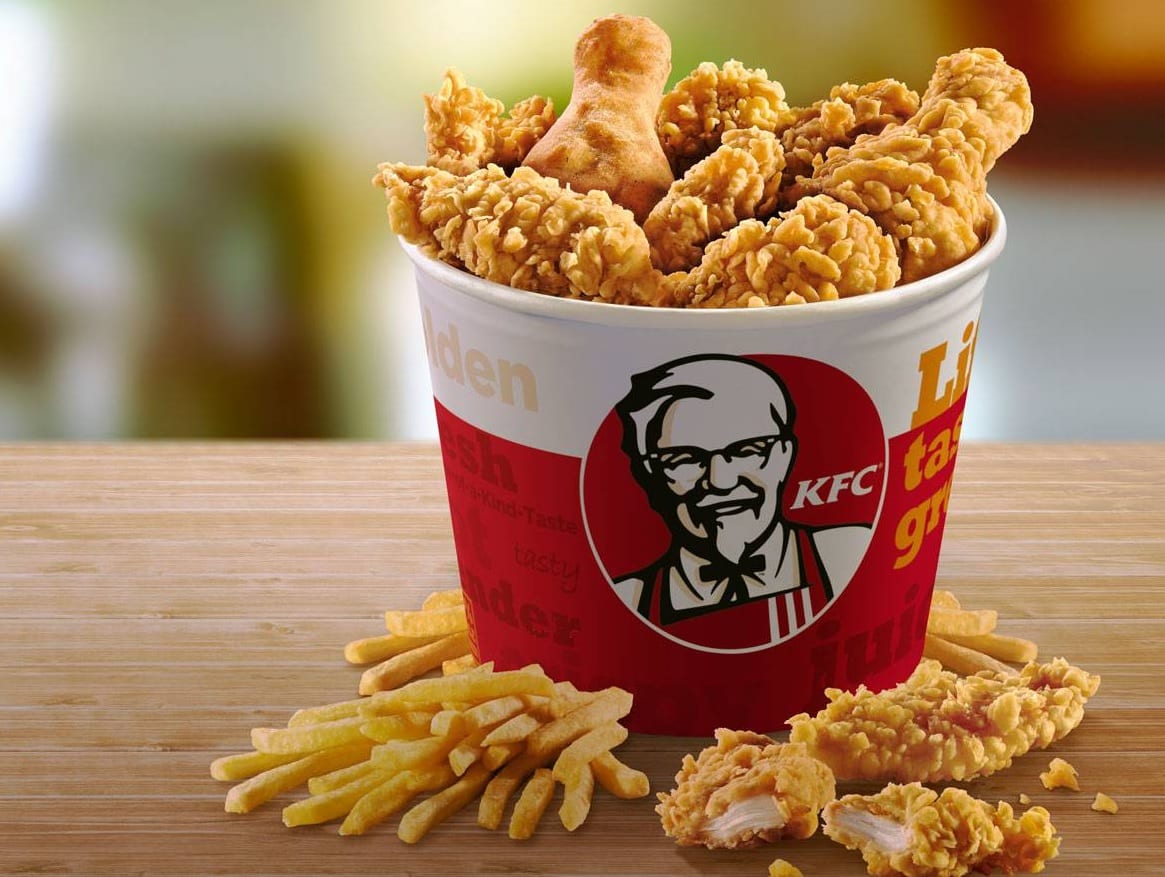
    Restaurants Development Company is exploring the sale of its KFC franchise business in Thailand, valued at roughly $300 million, as revenue rebounds with a recovery in Southeast Asia’s second-largest economy, three sources aware of the matter said.

    The Bangkok-based firm, backed by a consortium led by Southeast Asian focused private equity firm AIGF Advisors Pte Ltd, is in talks with at least one advisor on the potential sale, said the sources, who asked not to be named as they were not authorised to speak to the media.

    Restaurants Development was considering the sale of its KFC business in 2020 but the process was shelved due to the impact of the coronavirus pandemic, two of the sources said.

    Restaurants Development and AIGF did not respond to a request for comment.

    The revival of the sale comes with a pick up in Thai consumer confidence in June, for the first time in six months, boosted by improved economic activity following an easing of COVID-19 curbs.

    Restaurants Development recorded its highest ever quarterly sales in the first three months of 2022, it said on its website, and also the highest annual same-store sales growth rate.

    Its KFC business is expected to grow further over the next few quarters on the back of the economic recovery and easing of travel restrictions, one of the sources said.

    Two sources said potential suitors could include Central Restaurants Group and The QSR of Asia Co Ltd, a unit of Thai Beverage, which run the other KFC franchises in Thailand.

    Thai Beverage declined to comment and there was no response from Central Group to a request for comment.

    Founded in 2016, Restaurants Development employs more than 5,000 people and operates more than 240 restaurants across Thailand. This compared with the 4,000 people and 200 restaurants it employed and managed two years ago.

    It currently owns 236 KFC stores, according to its website.

    As in other markets, Southeast Asian mergers and acquisitions activity is going through a soft patch, hit by high inflation, rising interest rates and weak equity markets.

    Last week, Thailand’s central bank chief said the central bank will ensure the recovery is not interrupted by efforts to tackle higher inflation, amid expectations of an increase in interest rates.

  • Starbucks plans rapid expansion in Thailand

    Starbucks plans rapid expansion in Thailand

    Starbucks Thailand has announced an expansion strategy, which calls for opening 30 new coffee shops in Thailand every year until 2024 – 90 in all – according to Bangkok Post.

    The company claims to be prepared to expand again this year, after sales improved during the first half of this year. In addition, Starbucks Thailand also says it will concentrate on expanding its digital platform channels, add more drive-thru locations, and introducing novel beverages.

    Nednapa Srisamai, MD of Starbucks Thailand, told the Bangkok Post that the brand’s well-known profile in the country created an opportunity to expand the network. While a major regional tourist destination, Thais also have a coffee-drinking culture.

    Starbucks began its operation in Thailand by opening its first coffeehouse in July 1998 and was acquired under the joint venture between Dairy Farm subsidiary Maxim’s and Singapore-headquartered Fraser & Neave (F&N) in 2019 in a deal valued at US$500 million.

    Last year, the brand introduced its largest store in the region, Starbucks Reserve Chao Phraya Riverfront, located at IconSiam in Bangkok.

    Starbucks also plans to strengthen its digital presence after partnering with Grab earlier this year to launch Starbucks Rewards aiming to enhance the customer experience in Southeast Asia’s six largest markets – the Philippines, Thailand, Singapore, Malaysia, Indonesia and Vietnam.

  • EU warns Vietnamese instant noodle products contain banned substance

    EU warns Vietnamese instant noodle products contain banned substance

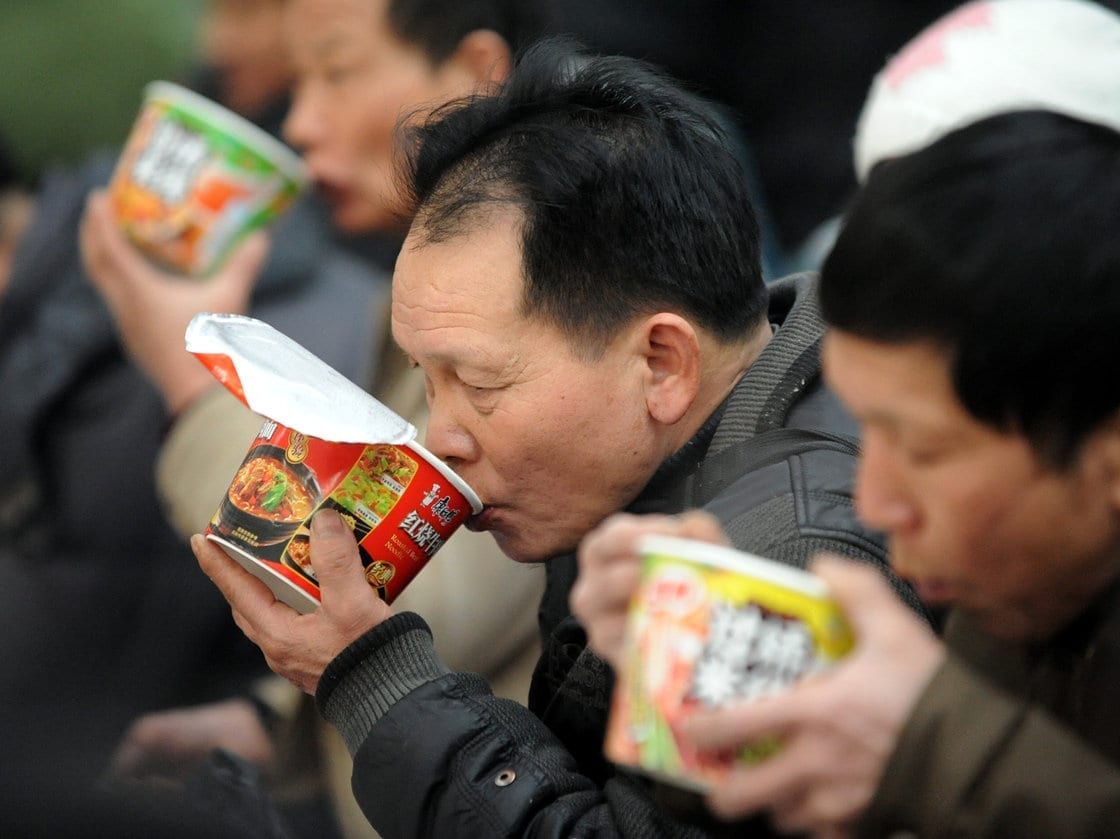
    Germany has issued warnings about certain imported Vietnamese instant noodle products that contain heightened levels of ethylene oxide, a banned substance.

    The Vietnam Sanitary and Phytosanitary Notification Authority and Enquiry Point (SPS), under the Ministry of Agriculture and Rural Development, said it had received warnings from the EU regarding certain instant noodle products exported by Vietnamese businesses.

    Germany issued warnings about a chicken-flavored instant noodle product by Asiafoods Corporation for containing ethylene oxide levels higher than EU standards. Malta meanwhile issued a warning for a pho product by Nguyen Gia because it uses genetically modified rice.

    A representative of the Department of Science and Technology under the Ministry of Industry and Trade said the department is still verifying the food batch that drew warnings in Germany. The batch might have been exported since last year, when batches had yet to be imposed an ethylene oxide limit standard upon export, the representative said.

    Since Feb. 17, the EU has demanded certificate requirements for instant noodle batches imported into the region. These batches would be checked for their ethylene oxide level after export, and so far, no batch has been returned.

    Germany said the ethylene oxide level in the instant noodle products was two to three times the maximum standard allowed, according to the representative. The current ethylene oxide limit as required by the EU is 0.01 milligrams per kilogram.

    In future, the department would take instant noodle product samples from the Vietnamese market to evaluate the presence of ethylene oxide and create a limit standard for the substance.

    Last August, several batches of instant noodle products by Vietnamese businesses were also recalled by the EU for heightened levels of ethylene oxide.

    Ethylene oxide is an organic compound with various applications, including disinfection and sterilization.

  • China scraps Covid bans on Vietnamese seafood

    China scraps Covid bans on Vietnamese seafood

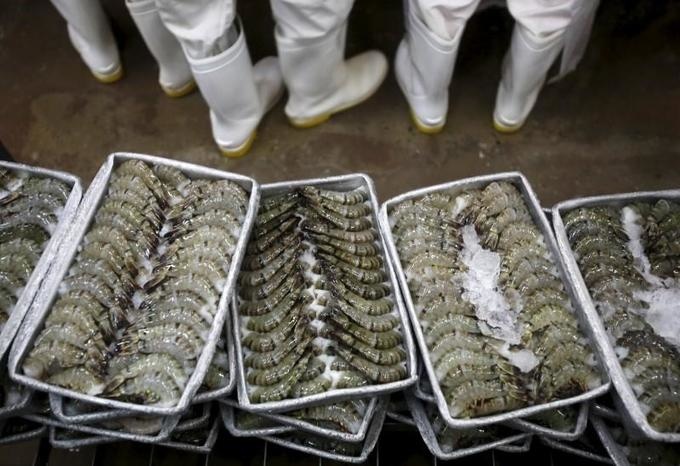
    Chinese authorities will no longer penalize Vietnamese seafood exporters with a temporary ban if their containers are found contaminated with Covid-19, that country’s embassy in Hanoi has said.

    Exporters used to face a seven-day ban for every container of theirs found contaminated with the coronavirus. A seafood exporter who was once banned for three weeks said shipments have returned to normal.

    “China is trying to reduce the damage caused by its zero Covid strategy, and so exporting to the country has now become easier.”

    Dozens of Vietnamese exporters suffered from the ban, some for weeks and even months due to the large number of containers infected.

    Vietnam exported US$427.6 million worth of seafood to China in the first six months, up 107 percent year-on-year, according to the Vietnam Association of Seafood Exporters and Producers (VASEP).

    VASEP expects exports to China to boom in the second half of this year following the easing of the draconian safety measures.

  • Swire Pacific acquires Coca-Cola bottling business in Vietnam, Cambodia

    Swire Pacific acquires Coca-Cola bottling business in Vietnam, Cambodia

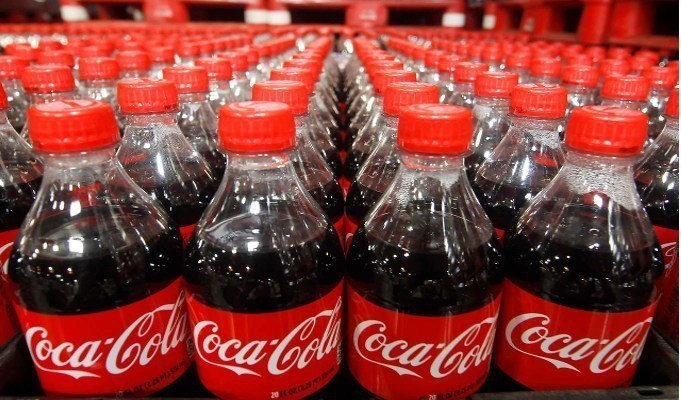
    Hong Kong-based conglomerate Swire Pacific is offering $1 billion for Coca-Cola’s bottling operations in Vietnam and Cambodia, a move to expand its presence in the Southeast Asian market.

    Swire Pacific will pay Coca-Cola Indochina, which produces and sells Coca-Cola products in both countries, $1.015 billion in cash, South China Morning Post cited its filing to the Hong Kong stock exchange Monday.

    The transactions “will expand the group’s beverages business into one of the most rapidly growing beverages markets,” the company said.

    It is expected to be completed within the next six months, subject to antitrust approval, Bloomberg cited the filing.

    Swire, a Hong Kong- and London-based British conglomerate, was founded over 200 years ago in 1816. It has been redirecting investment into key operations of beverages and property, as well as emerging sectors like healthcare.

    It is also the principal shareholder at Hong Kong flag carrier Cathay Pacific Airways, one of Asia’s best-known airlines.

    Back in 2016, the group bought a Coca-Cola’s bottling facility in southern China. Its beverage arm operates one of the largest Coca-Cola plants in the world.

    In Vietnam, Coca-Cola has three factories, currently under the control of Coke’s Bottling Investment Group.

  • Nestle launches Milo flavoured KitKat

    Nestle launches Milo flavoured KitKat

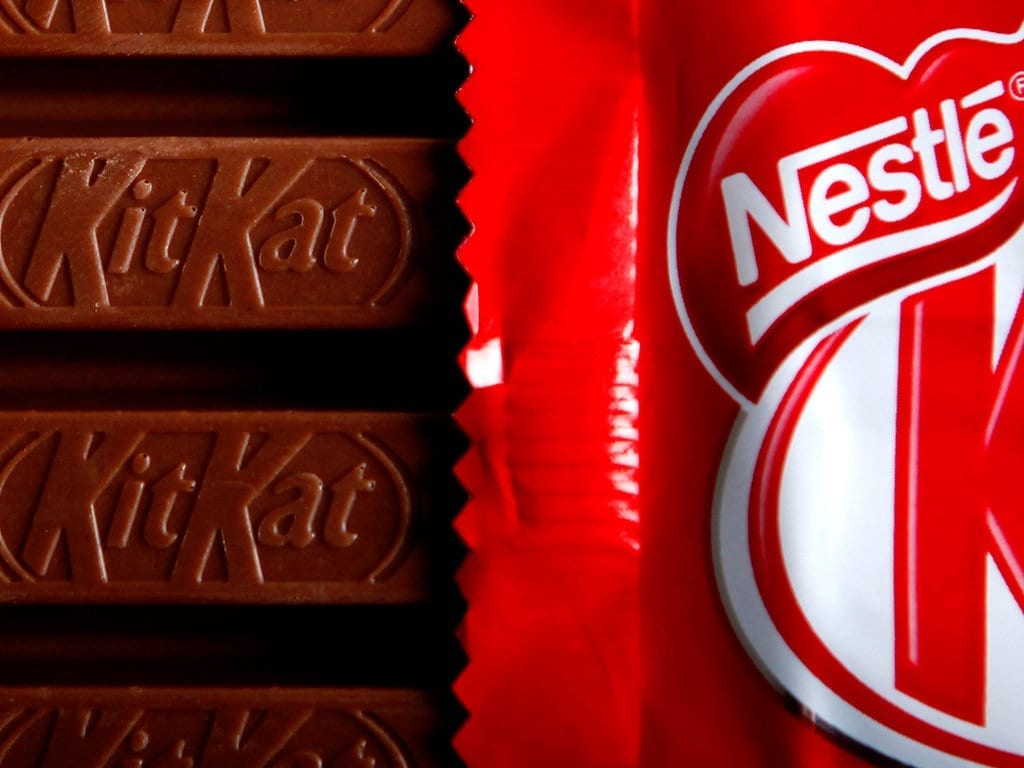
    It’s official, the KitKat team is launching its biggest collaboration ever with the NEW KitKat packed with MILO – an iconic pairing bringing KitKat and MILO together for the ultimate Aussie break.

    Set to satisfy all chocolate-lovers, KitKat packed with MILO combines the classic crisp wafer and smooth milk chocolate Australians know and love, with a delicious MILO choc-malt fudge filling. The new range will be available in three mouth-watering formats for your break – block, bar and chunky – each boasting a memorable MILO flavour.

    Nestlé Head of Marketing (Confectionery), Joyce Tan said: “We’re beyond thrilled and proud to announce KitKat’s biggest ever collaboration with KitKat packed with MILO.”

    “We know KitKat lovers are passionate about how they eat their KitKat and similarly, MILO fans have unique ways of enjoying their hot or cold MILO. So now, we can’t wait to see how Aussies enjoy their KitKat packed with MILO!”

    KitKat packed with MILO is available from late July available in three formats: KitKat packed with MILO Block (170g, RRP $5.00), KitKat packed with MILO Bar (45g, RRP $2.00) and KitKat Chunky packed with MILO (47g, RRP $2.00. You can also pre-order now at www.kitkat.com.au/milo

  • Slendier unveils Instant Soybean Noodles range

    Slendier unveils Instant Soybean Noodles range

    Health-food company Slendier has launched Instant Noodles made from soybean and “authentic” seasoning.

    Available online and in Woolworths (RRP $5.25), the low-carb, low-calorie, vegan meal alternative is promoted as the “most nutritionally rich” instant noodles on the market. The product is claimed to be free from oils, chemicals and artificial flavours.

    Slendier Managing Director Erica Hughes says the new range has a host of health benefits compared with other instant noodles and is perfect as a guilt-free snack or meal on the run.

    “There’s no denying regular instant noodle products are a quick and easy solution for many Aussies, but they’re often packed with sodium and have little nutritional value,” she says.

    “At Slendier, we identified a gap in the market to offer people the same convenience, without the nasties.

    “Not only are Slendier’s instant noodles great tasting, but the range has twice as much protein, half as much fat and a third less calories when compared to other instant noodles on the supermarket shelves.”

    Slendier’s noodles are available in the flavours of Masala, Tom Yum and (soon-to-be-released) Vegetable Ramen.

    The flavour, according to Slendier, comes from “real” vegetables that have been washed, dried and ground into a fine powder – one that’s low in salt and entirely plant-based.

    “Paired with Slendier’s innovative nonfried soybean noodles,” says the brand, “it requires no cooking and can be ready in just four minutes.”

    BACKED BY A NUTRITIONIST

    Nutritionist Jacqueline Alwill says the product hits the mark for a filling yet healthy food solution.

    “As a nutritionist, I’m always on the lookout for simple, nourishing, convenient alternatives for meals and snacks and Slendier Instant Noodles definitely tick the box,” she says.

    “They’re high in protein, yet lower in calories, carbs and fats than a traditional instant noodle.

    “Using soybean noodles, Slendier Instant Noodles deliver close to 30g protein and 12g fibre per serve, two important macronutrients to support our body’s growth and repair, gut health and of course to help keep appetite at bay.

    “They’re delicious and ready within four minutes – a perfect snack or meal option for anyone wanting to maximise time and of course great nutrition in their day.”

  • Tuna exports jump by 56 percent in H1

    Tuna exports jump by 56 percent in H1

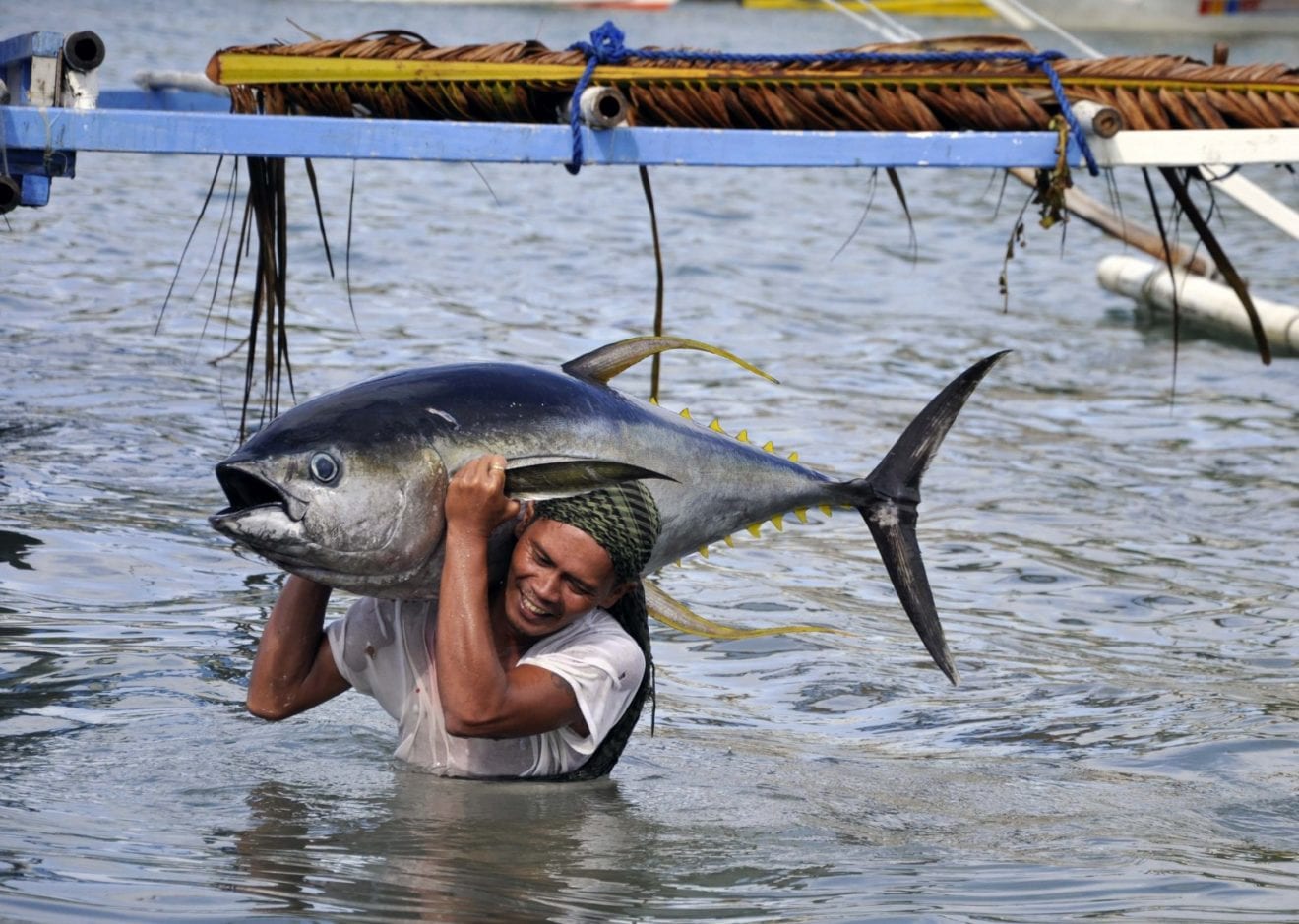
    Tuna exports in the first six months were worth US$553 million, a 56 percent rise year-on-year, according to data from the Vietnam Association of Seafood Exporters and Producers.

    Exports to the U.S. all but doubled thanks to higher demand, especially for canned tuna.

    Exports to members of the Comprehensive and Progressive Agreement for Trans-Pacific Partnership (CPTPP) also rose sharply, especially to Canada (up 68 percent), Japan (up 26 percent) and Mexico (up 30 percent).

    The EU market grew the slowest at 7 percent.

    The association expected high growth for tuna export in the second half of the year, with export rising 45 percent from 2021 to $1.1 billion.

    It warned rising fuel prices, which have kept fishing boats on shore, would affect supply.

  • Coles increases price of its own brand milk

    Coles increases price of its own brand milk

    Mr Forbes, who is a dairy farmer based at Gloucester on the Mid North Coast of New South Wales, said farmers had been facing higher input prices, including for items such as diesel and fertiliser.

    “It means our profit margins have been reduced,” he said.

    “I think we were probably in a stronger position even last year … we’re certainly chasing that inflation at the moment.”

    He said floods and wet weather had also impacted farmers.

    “I think milk on the north coast is back over 20 percent at the moment to what it was last year, and we had a flood year last year as well,” he said.

    “Production throughout the whole country is being suppressed, I think we’ll see June figures probably in excess of 10 per cent, that the Australian production will be down across all states.

    “So there’s a real shortage of milk there now and huge demand for that milk.”

    Ben Geard, from Geard Family Farms in southern Tasmania is a Coles supplier, and said the jump in the price of Coles milk “was bound to happen”.

    “Milk prices for farmers have seen quite a considerable increase this year so, it was probably only inevitable that Coles and other processors are going to try to recoup their costs,” he said.

    “It’s not great for customers although milk has been undervalued for quite a while when you compare it to some of the other staples — water, soft drink, and that sort of thing.

    “We were at a dollar a litre there for some time and that ended nearly two years ago.”

    Mr Geard said “that was a good thing”.

    “$1.60 I still think that’s still pretty reasonable for a litre of milk,” he said.

    “It’s not good these prices just increasing for 12 months.”

    Mr Geard said prices needed to remain competitive with other industries if dairy farmers were going to stay in the industry.

    He said it cost a considerable amount to produce a litre of milk, with fertiliser increasing by 30–40 per cent.

    “We’ve got to use a lot of fertiliser on the grass and this time of year we’re feeling a lot of grain in the dairy to make sure we’ve got milk through the winter,” he said.

    “As good as the prices are this year there’s definitely a lot of payments going out as well.”