Category: Food

Retail News Asia is committed to providing both local and global retailers with the latest Food and Food & Beverage news throughout the Asian market. This on a daily base.

  • Guinness drops a weather-sensitive promo

    Guinness drops a weather-sensitive promo

    Winter and Guinness go hand in hand, which is why the brand is celebrating Australia’s coldest month of the year with a unique, weather-moderated giveaway.

    To encourage drinkers into the pub to enjoy a stout at its prime, GUINNESS has launched GUINNESS WEATHER, allowing punters to redeem a free pint of Guinness Draught as soon as the temperature drops to ideal consumption conditions.

    Winter is the best season for enjoying a Guinness, however a lesser known fact is the optimum temperature to pour a pint of the black stuff is between five and seven degrees, so when the temperature drops to five and seven degrees outside, the promotion activates.

    “Everyone thinks about Guinness on St Patrick’s Day but the campaign aims to remind drinkers that winter is the best time to enjoy a Guinness, and a great time to get people together enjoying a pint in their local pubs,” said connections director Ed Stening.

    “We wanted to give people a reason to look forward to a cold snap, with a chance to enjoy a Guinness at its best,” said Paul Swann, Thinkerbell executive creative tinker.

    Guinness lovers can check out the website housing an official Guinness Digital Thermometer which gauges the temperature on the border of NSW and Victoria. A free Guinness is not far with the promotion’s Pub Finder tool, which locates the closest participating venue. The promotion is now live and will run throughout July or until keg stocks last.

    The promotion is supported by a multi-channel campaign running across outdoor, radio, PR, digital channels, and media partnerships.

  • Sydney Rum Distillery to take control of Cargo Cult

    Sydney Rum Distillery to take control of Cargo Cult

    The Sydney Rum Distillery (SRD) has acquired the independent craft producer Cargo Cult for an undisclosed fee as it sets out to build up a portfolio of brands in preparation for the construction of a new distillery capable of producing 1.2 million litres of pure alcohol a year.

    Founded in 2015 by manufacturing and retail veteran David Ward alongside spirits industry professional Chris Middleton, the startup has invested considerable research and development in creating plans for a large-scale manufacturing facility for Australian rum.

    The team behind SRD is now ready to secure a site for the distillery in Northern Sydney or Central Coast while actively looking to collaborate, partner and acquire like-minded rum producers and brands at home and in the Asia Pacific.

    After appointing Steve Magarry – previously the group distiller at Bickford’s’ Beenleigh Distillery in Queensland – as CEO earlier this year to drive its next phase of growth, the premium rum collective felt the time was right to capitalise on several months of discussions and acquire Cargo Cult.

    “The quality of the liquid attracted us – it is a low, no added sugar alternative for a spiced rum,” Magarry told Business News Australia.

    “There is authenticity there with the liquid, and it has a great botanical profile compared to other spice rums available on the market. We recognise the low- and no-sugar health trend moving forward and plan to capitalise on that from a product perspective and business opportunity.

    Established in 2014 by Jonny Croft, premium South Pacific rum brand Cargo Cult is made by The Small Batch Spirits Company and is composed of distillates from Papua New Guinea and Fiji which are blended, spiced and bottled in Australia.

    Cargo Cult, uniquely featuring no added sugar, is made with botanicals like ginger, cardamom and clove to provide a spicy kick and is available in two varieties; a dry spice rum and an innovative banana spiced rum made with Queensland bananas.

    Croft, who worked at US beverage manufacturer giant Brown Forman for almost a decade before founding Cargo Cult in 2014, claims his rums are favoured by bartenders who prefer working with a less syrupy and more-balanced mixture.

    “Cargo is a brand with a great story, and it is a great product with a unique origin, but what it really needs at this stage is scale,” Croft explains to Business News Australia about why he thinks it is the right time to sell the business.

    “We need to get to the global market and be able to support the brand in the right way. After this initial bootstrapping period, now’s the opportunity to scale the brand and start to get those economies of scale.

    “We want to build the brand with consumers all around the world while also continuing to support the local market, but this feels like perfect timing.”

    Having already raised $4 million from investors like logistics specialist Paul David and timber and hardware merchant Danny Gattone, the founders behind SRD are convinced of the potential of combining Australia’s unique botanicals with artisanal craftsmanship.

    Magarry points to the rise in the popularity of premium spirits in the last few years, pointing out that consumers will pay more for brands that provide “integrity, authenticity and transparency”.

    He thinks the leading indicators suggest rum is the next spirit likely to take off in this sector following the recent revival and regrowth of premium whiskey.

    Croft agrees and thinks rum will be the “next cab off the rank” and has been very impressed with SRD’s knowledge of the Australian market while also seeing the growth opportunities the global market offers.

    “When you look across the spirits categories, you see all these other categories that have gone through this premiumisation journey; you look at it look at whiskey, tequila, gin, even bourbon; and rum, as the third-largest global category is the last big category to go on that journey,” Croft said.

    “I see a tremendous opportunity for rum, especially as people start to appreciate origin stories and product stories and learn how it’s made and how each rum offers a distinctive taste depending on where it originates from.

    “I think we will see this category go on the same premiumisation journey shortly.”

    Having “ticked the box” and served his apprenticeship as a sole entrepreneur, Croft is not fazed, having been appointed chief marketing officer and director of Sydney Rum Distillery following the conclusion of the deal.

    “When you come out of a big organisation, like Brown-Forman, to become a solo entrepreneur, it’s a big cultural shift,” Croft says.

    “From sitting on the 22nd level of a tower in Hong Kong, worrying about the emerging middle class in China over the next 10 years, to selling bottles of rum out the back of your car to tattoo-covered bartenders for cash – it’s not for everyone!”

    “I kind of expected that’s how it was going to work because when you are a start-up, no one’s going to be interested in you, no distributor will want to touch you, so you’re going to have to build the product and brand by yourself.”

    Croft found the experience refreshing and loved the journey while finding it scary but also very exciting and fulfilling.

    However, he has admitted to himself that the business reached an inflexion point, and he needed to sell the company to shift gears, bring it to the next level, and be ready to capitalise if an opportunity comes.

  • Hungry Jack’s coffee offer to be added to 410 stores nationwide

    Hungry Jack’s coffee offer to be added to 410 stores nationwide

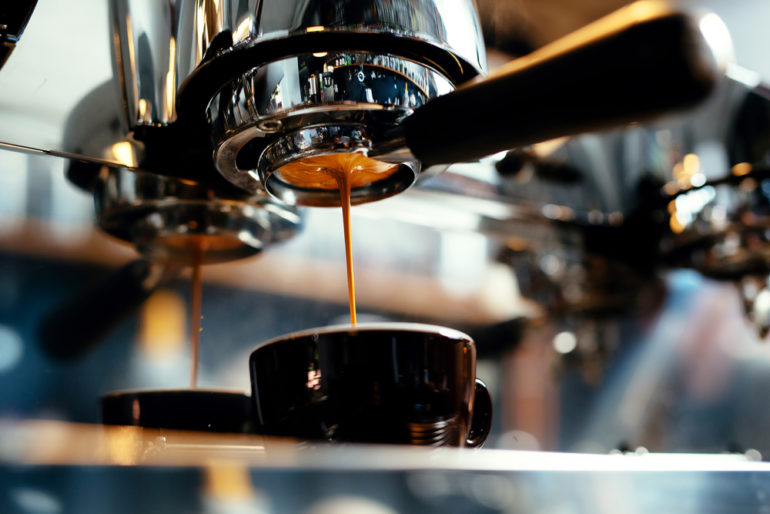
    Fast food chain Hungry Jack’s is rolling out a barista coffee offer dubbed Jack’s Cafe across 410 stores nationally after a successful pilot program.

    With coffee being the third most-ordered item on Hungry Jack’s breakfast menu, the company wants to capitalise on consumer demand for on-the-go barista-made coffee. It might also be considered a strategic response to rival McDonald’s McCafe chain in a coffee-shop market estimated to be worth $10.7 billion annually.

    Jack’s Cafe offers a signature blend combining Arabica beans from Papua New Guinea and Costa Rica with Robusta coffee, described as having “a unique apricot flavour with a heavy body”.

    Hungry Jack’s CEO, Chris Green, said: “Jack’s Cafe is the go-to for people seeking out a delicious coffee, whether it’s a morning pick-me-up or keep them going throughout the day.

    “Typically, a project of this size would take five to seven years, however, we’ve managed to achieve this roll-out in two years to bring better coffee to Australians faster, and prove the coffee is better at Hungry Jack’s.”

    All stores are fitted with coffee-making machinery from Italian manufacturer Rancilio.

    The company’s head of brand Joy Villanueva will assist in coffee development, operations, and training to bring this project to life. She will create a barista training program.

    Hungry Jack’s is hosting an app-only breakfast deal called Jack’s Cafe Month to encourage consumers to try the new coffee.

  • Yum China forays into the milk tea cafe market

    Yum China forays into the milk tea cafe market

    Looking outside her Beijing coffee shop where seven other nearby cafes including a Starbucks compete for customers, Huang Ying is simply glad to still be in business.

    In the 17 years since opening her cafe in the trendy 798 Art Zone district, making money has gotten harder – even before the coronavirus. Rent and labour costs have increased while rival after rival waded into a market that has failed to live up to expectations.

    “Our profit can’t compare with the old days,” she said. “I raised prices by 10% in 2017 but that has done little to offset the jump in costs.”

    As a coffee market, China exerts a magnetic pull for Western brands keen to emulate the success of Starbucks Corp which has over 4,400 stores in China and is still expanding. Since last year, Canada’s Tim Hortons has opened about 60 stores in China while Italy’s Lavazza and Sweden’s Wayne’s Coffee have also made forays into the market.

    Much of the optimism about China’s coffee market potential stems from just how little its consumers drink – just 5.4 cups per capita last year, compared to 341 in the United States and 591 in Western Europe, according to consultancy Euromonitor.

    Chinese coffee consumption is growing at an estimated rate of around 5% annually, but coffee shop proprietors like Huang say it is more important to take note of the huge jump in outlets and cut-throat pricing.

    Store openings of specialist coffee and tea shops surged 50% in 2018 and 2019, and China now has some 18,350 stores, more than triple the number in 2014, according to Euromonitor. Coffee is also now sold at many convenience stores and fast-food restaurants.

    And while a regular-sized latte costs around 30 yuan ($4.24) in China, it can be as cheap as 4.5 yuan ($0.60) at some places with the use of discount vouchers.

    This year’s admission by delivery-focused and coupon-reliant Luckin Coffee that it fabricated $310 million in sales underscores how the coffee opportunity in China has been exaggerated, analysts said.

    “Luckin’s fraud proved that even though coffee in China is almost free, the Chinese still don’t drink much of it,” said Beijing-based independent analyst Keso Hong.

    Tea is China’s main source of caffeine and outside of China’s biggest cities, buying a branded caffeinated drink to get through the day is not part of everyday life.

    Bubble tea, which contains tapioca pearls, is also giving coffee a run for its money. Food delivery giant Meituan Dianping received 210 million orders for bubble tea in 2018, “far more than” coffee, it has said without elaborating.

    Like Luckin, other domestic chains are struggling to fulfil big dreams.

    Coffee Box, which focuses on coffee deliveries and raised some $56 million in funding, has shut or suspended business at dozens of its stores. Grey Box, which offers speciality coffee, said in 2018 it wanted 12 stores in Beijing by end of that year, but has just four. Bruno Caffe has closed most stores and only two remain.

    Among western firms, Britain’s Costa Coffee, which is owned by Coca-Cola, has 300 China stores according to its website, despite earlier ambitions to have had 2,500 by 2018.

    Starbucks, the first big Western brand in the market and now with 20 years in China under its belt, appears to be the only resounding success, having carefully cultivated its image as a premium cafe for young professionals. Some estimates put the U.S. giant’s share of China’s coffee market at as much as 80%.

    Just this week, Starbucks expanded its Chinese ordering services to multiple Alibaba apps.

    The newcomers have, however, wisely decided not to go it alone.

    Lavazza has formed a venture with Yum China, the owner of KFC restaurants in China. Restaurant Brands International’s Tim Hortons said last year it wanted 1,500 stores in China and has gained backing from Tencent Holdings. Wayne’s Coffee signed a 15-year deal with a Chinese master franchisee.

    The chains did not respond to requests for comment on their prospects.

    But even teaming up with a partner is no guarantee of success given the extreme competition, analysts said.

    “Undoubtedly the coffee market in China will continue to grow and consumers are becoming more habitual coffee drinkers but it is still a hard market to win,” said Ben Cavender at China Market Research.

  • Coffee chains brace for impact as inflation creeps in

    Coffee chains brace for impact as inflation creeps in

    Highlands Coffee, one of the largest coffee chains in Vietnam, earlier this month hiked its prices by 10-15 percent. It said that the increase served to maintain product quality amid market fluctuations.

    Hoang Viet, CEO of Laha Cafe, said that coffee chains are seeing costs of coffee surging by 25 percent and rents by 10-20 percent.

    “Some ingredients are seeing costs rising 20-30 percent. Without a price increase, coffee shops cannot survive.”

    Beverage chains are starting to feel the burden of inflation on their business as surging commodity prices eat into their profit and threaten to bring losses.

    Gasoline prices in Vietnam rose by nearly 52 percent between the first half of this and last year.

    The Young Cafe has recorded an input increase of between 10-30 percent, mostly because of rising transportation costs.

    “Coffee chains often maintain their prices for one or two months before hiking them up,” said founder Nguyen Vo Trung Quan.

    But major chains like Starbucks, Phuc Long, The Coffee House and Chuk Coffee & Tea have not announced plans to raise prices, with the latter even affirming that there will not be a price hike in at least the next several months.

    Vietnam’s food, beverage and accommodation industry is just now recovering from Covid-19 impacts.

    It recorded the first growth in the second quarter this year (25.92 percent) after three consecutive quarters of decline.

    The rising demand for beverages amid high heat could be partly responsible for the growth.

    Delivery app GoFood saw orders in the second quarter surging 42 percent year-on-year, while ShopeeFood said it had received a rise in orders in May and June but did not reveal specific figures.

    This surge in demand makes F&B companies reluctant in hiking up prices as this could hamper growth.

    A media representative of The Coffee House said that it has recently launched new products that broke pre-pandemic revenue records.

    “Our number of outlets have returned to the pre-pandemic level of 154 and it is set to grow fast.”

    Some other chains, like The Running Bean, have removed some items from their menu as prices of ingredients have surged.

    But eventually, a price hike is unavoidable in the industry.

    Viet said that Laha Cafe is working on new products with higher profit margins and is looking for new locations further away from central business districts to reduce costs.

    “But we are also considering raising prices of some products, otherwise we cannot keep the business running.”

    Quan has moved a location of The Young Cafe from the central District 1 to District 10 to cut costs, and if input costs rise by 50 percent, he will hike menu prices.

    “If inflation persists, sooner or later all shops will hike prices.”

    Lender HSBC forecasts that Vietnam’s inflation could hit 3.5 percent this year, but in the last quarter alone it could be 5.6 percent.

  • Lobster exports skyrocket in first half

    Lobster exports skyrocket in first half

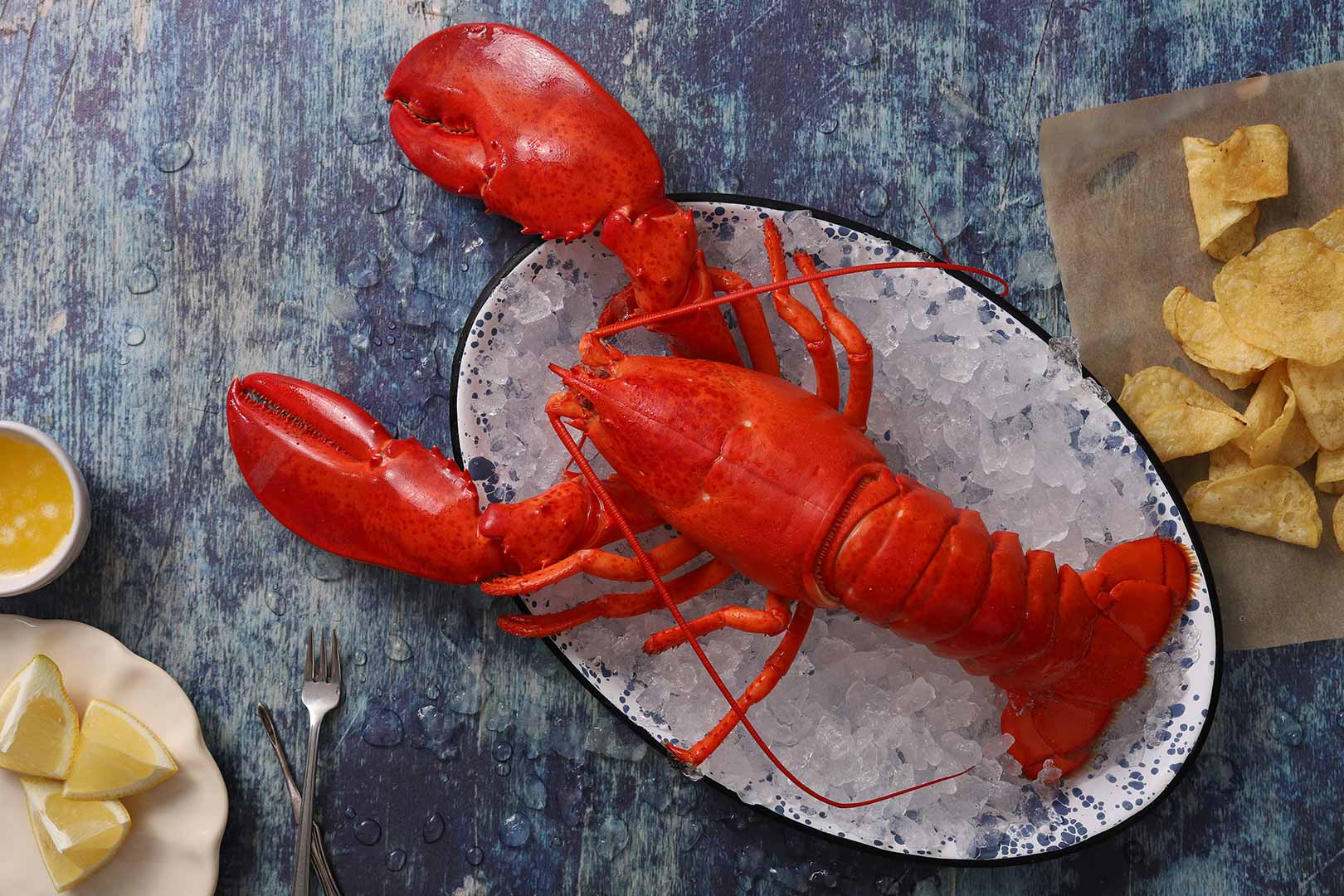
    Lobster exports rose 30 times year-on-year in the first six months of the year to US$130 million, according to the Vietnam Association of Seafood Exporters and Producers.

    Besides, surging global demand has caused the prices of some lobster species to double.

    Tropical rock lobster has risen to VND1.7 million ($73) a kilogram and scalloped spiny lobster to VND1.4 million.

    Exports of shrimp products also rose in the first half, with shipments of processed whiteleg shrimp going up by 17 percent and those of black tiger shrimp by 20 percent.

    They fetched $2.3 billion, up 33 percent from last year. Shrimps account for 40 percent of Vietnam’s seafood exports.

    Shrimp exports to China, where production is affected by Covid restrictions, doubled to $275 million in the first five months.

    VASEP said Vietnam’s shrimp exporters face challenges like supply shortage and inflation but are coping by expanding farming areas and focusing on more demanding markets.

  • Vietnamese fork out less for pork

    Vietnamese fork out less for pork

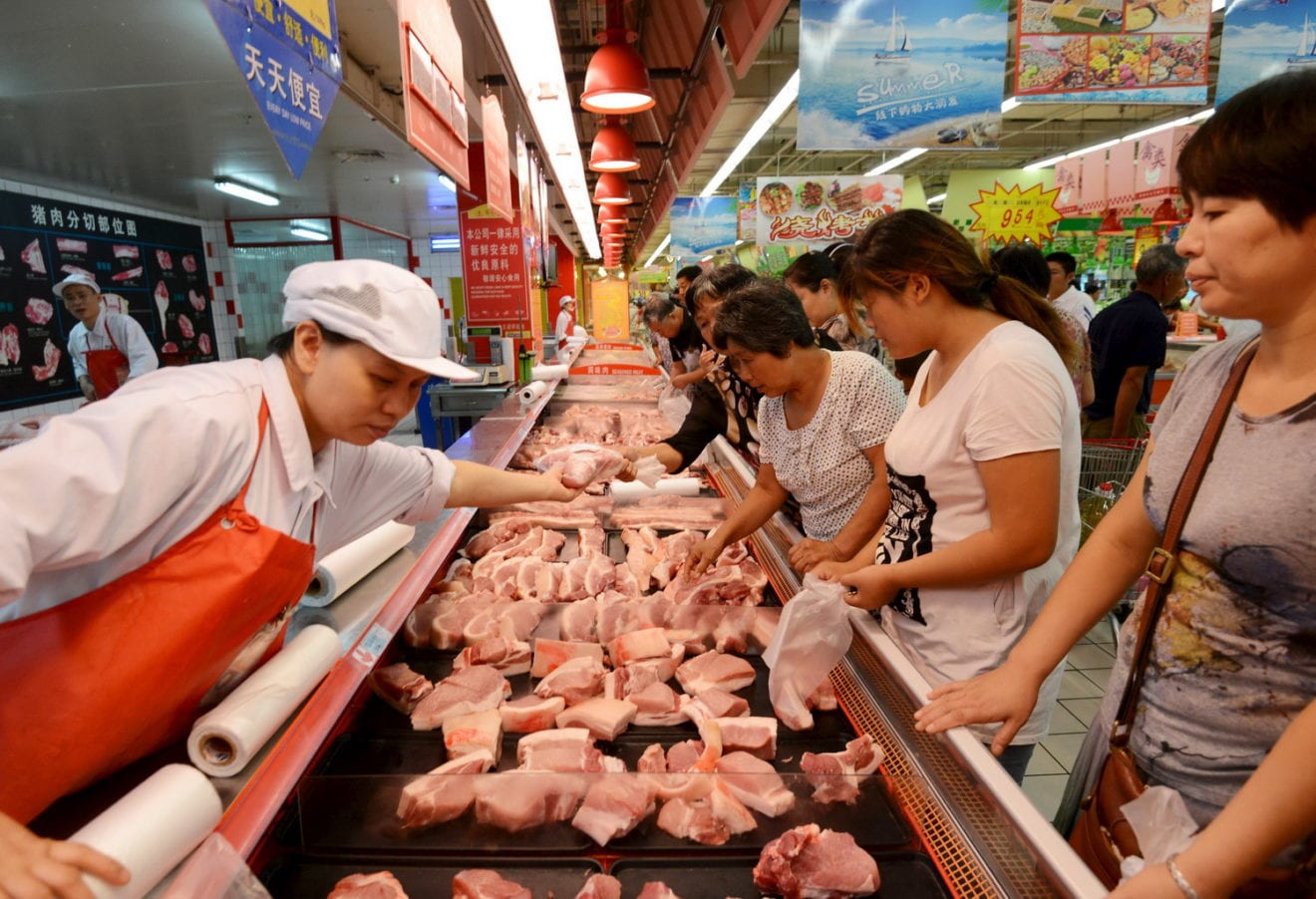
    Vietnamese families have been consuming less pork in recent months as prices increased, switching to other sources of protein like chicken and eggs.

    Ngoc Thao from HCMC, 32, said that one kilogram of bacon now costs between VND150,000-180,000 ($6.43-7.72), depending on whether it is purchased at a traditional wet market or a supermarket.

    Cheaper cuts of pork, such as cutlet and thigh, range from VND100,000-130,000 per kilogram, which is twice or thrice the price of chicken.

    “The prices of vegetables, spices and many other things have skyrocketed, but my salary remains unchanged, so I must cut back on my spending on expensive stuff,” she said, sighing.

    “Now our family has meat only for one or two meals per week.”

    A survey of livestock farms at the end of June found that the price of live pigs had crossed VND60,000 per kg, a slight increase from previous days.

    The majority of farmers said the price has increased because the cost of animal feed has increased. Prices of new born pigs have also increased by 20 percent compared to two months ago.

    According to the Organization for Economic Cooperation and Development (OECD), the majority of Vietnamese people have been eating less pork, like Thao’s family.

    From 2016-2018, Vietnam had one of the highest average pork consumption rates in the world at 30-31 kg per person per year. However, during the first two years of the pandemic, this fell to 26 kg.

    Data from Ipsos, a multinational market research firm based in France, showed similar results by compiling statistics on the entire supply of cattle and poultry farms in 10 key livestock provinces and cities, in conjunction with official import and export volume, quotas, and meat products.

    It calculated that each Vietnamese person used to consume about 30 kg of pork per year, but by 2021, this had dropped to 23.5 kg.

    According to Phong Quach, director of Ipsos Vietnam, per capita meat consumption in Vietnam has been increasing as living standards improve, and consumers have more meat sources to choose from.

    He said there were three reasons why pork was no longer the top priority.

    First, the African swine fever got people worried and also severely impacted global supply.

    Second, the price of pork kept rising sharply, albeit intermittently, as input costs like that of logistics rose significantly.

    Third, people were cutting back on spending in the post-Covid period and seeking cheaper animal protein sources than pork.

    For several years now, per capita consumption of poultry (primarily chicken) has increased rapidly – from 12 kg in 2016 to 20 kg now.

    Seafood has surpassed pork as the most important source of protein for Vietnamese people, accounting for per capita consumption of 29 kg per year.

    Per capita consumption of beef, which is more expensive than other meat, has increased slightly from 4.3 kg to 5 kg per year.

    The VNDirect Securities Company said in a meat industry analysis published at the end of May: “We believe that demand for meat is likely to increase when kids are on their summer break while restaurants and industrial kitchens continue to consume at the same rate as the first quarter of this year.”

    Quach said the fact that some local pig farms have sold their complete stock after the African swine fever outbreak will further decrease supply and increase prices in the coming months.

    The price of live pigs for slaughter is expected to remain at above VND60,000 per kg, higher than the VND51,000-54,000 range recorded between October 2021 and April 2022.

    The pressure to balance spending amidst rising prices makes short-term consumption recovery difficult, market observers say. But they add that despite the current situation, the pork market has a lot of room for future growth.

    According to the CEO of a publicly traded food company, the pork market is worth about $10 billion, but 90 percent of the products sold are unbranded.

    Meanwhile, consumers are becoming more health-conscious, and demand for branded, traceable meat products will rise once the price storm passes.

    According to the OECD, each Vietnamese person will consume approximately 27.7 kg of pork by 2023, a 7 percent increase over last year.

    By 2029, this figure could rise to 32.7 kg, higher than the pre-pandemic period, and surpass South Korea and China to take the lead in global per capita consumption.

  • Pandora Thailand distributor plans to expand food, and beverage sections

    Pandora Thailand distributor plans to expand food, and beverage sections

    Tanachira Retail Corporation Co, the importer and distributor of lifestyle fashion brands including Harnn, Marimekko and Pandora, is eyeing the acquisition of health lifestyle food & beverage operators to help reduce business risks and sustain the company’s long-term sales growth.

    Tanapong Chirapanidchakul, Tanachira’s chief executive, said the company is exploring opportunities to acquire food and beverage firms and is seeking know-how to support its expansion into the sector.

    “Our overall business suffered a lot from the Covid-19 crisis, with sales in 2021 plunging by 50% from a year before,” said Mr Tanapong. “Whenever the economy is in a bad condition, people generally opt to spend their money on food rather than luxury products, which will be the first items to be cut.”

    According to Mr Tanapong, the company moved into the food and beverage business several weeks ago when it invested 5 million baht to open the world’s first Marimekko pop-up café in Bangkok’s Central Embassy mall.

    The company plans to open two more permanent cafes in the city next year. It expects Marimekko to account for 25% of total sales, up from 16% now, once two more pop-up cafés open next year. There are currently 10 Marimekko lifestyle stores in Thailand.

    According to Mr Tanapong, the company is now looking to expand the Marimekko shop at the Lotte Department Store in Vietnam’s capital city Hanoi this year.

    Tanachira is also scheduled to open a Cath Kidston cafe in CentralWorld in December this year.

    The company aims to have a total of five cafes under the Marimekko and Cath Kidston brands in Thailand next year.

    In addition, Mr Tanapong said the company intends to ramp up its online business this year. Before the pandemic, Cath Kidston was the only brand that sold its products online, but all brands are now available on the internet, contributing 12% of the company’s sales in the first half of this year. The company’s target is for online business to account for 15% of its sales in 2022, and double to 30% over the next three years.

    Moreover, Mr Tanapong said the company plans to open three new Pandora branches this year. The company expects its sales to reach 1.15 billion baht this year and 1.4 billion baht in 2023. Of the total, 50% of sales will come from Pandora, 20% from Marimekko, and the remaining 30% from other brands.

  • Collins Foods’ sales rebound as Europe reopens

    Collins Foods’ sales rebound as Europe reopens

    Listed fast-food chain operator Collins Foods has reported positive same-store sales growth across both its European and Australian markets despite a turbulent economic climate.

    The company’s Taco Bell and KFC franchisees in Australia achieved revenue growth of 11 per cent to $1.2 billion with KFC Australia delivering $955.5 million, up 6.1 per cent.

    KFC’s same-store sales have recovered in Europe with the Netherlands business registering an 18.8 per cent increase followed by Germany at 11.7 per cent. In the Netherlands, Collins Foods will likely open 130 net new restaurants during the next 10 years.

    Taco Bell’s revenue increased 27.5 per cent to $35.8 million with the addition of four new restaurants registering positive growth in the fourth quarter.

    Drew O’Malley, MD and CEO, said significant reinvestments in the business have helped support strong operating cash flow, strengthening the balance sheet.

    “The proven track record of consumer appeal regardless of economic conditions, combined with our relentless pursuit of operational excellence, ensures we are well-positioned to manage through the current inflationary environment,” the company said in its results announcement.

    “With our restaurants performing well and a strong pipeline of new sites, we will continue to grow our store footprint across our QSR brands.”

    The business has plans to open up to 12 more KFC stores in Australia and scale its Taco Bell business alongside.

  • Pinnacle Drinks launches tequila seltzer range

    Pinnacle Drinks launches tequila seltzer range

    Rey Loco, uses 100 per cent real Tequila to make its pre-mixed cocktails and has launched two new products to meet the growing consumer demand in Australia for the real stuff.

    The range is comprised of two products, Tequila Lime & Soda and Tequila Bloody Orange & Soda. While many Tequila premix brands use an agave spirit, Rey Loco is unique in the fact that both drinks are made with 100 per cent real tequila and contain 99 calories.

    Hard seltzers are projected to grow by 24 per cent in Australia and Tequila as a category is experiencing 34 per cent annual growth.

    The Rey Loco Tequila Lime & Soda is a refreshing sparkling, and slightly sweet with an edge of citrus Tequila taste. While the Rey Loco Tequila Bloody Orange & Soda showcases another delicious citrus combination by blending Tequila with fragrant blood orange topped with effervescent soda.

    Rey Loco is born from the love of Mucho Libre Mexican wrestling and inspired by the fun of Latina style telenovela storytelling represented in the artwork on each can.

    The perfect ready to drink beverage to have at home and enjoy with a group of friends while tucking into some delicious food, Rey Loco is an all year rounder for your fridge.

    Rey Loco can be found in most leading retailers and is $25.99 for a pack of four. Distributed by Pinnacle Drinks.

  • Starbucks closes third Vietnam outlet

    Starbucks closes third Vietnam outlet

    Starbucks Vietnam will close its Hanoi outlet after eight years, following the closure of two locations in Vietnam last year. The Starbucks Lan Vien outlet in Hoan Kiem District will operate until June 30, the company said in a Facebook post. Last year, the coffee chain had closed another outlet in Hoan Kiem District and one in Ho Chi Minh City’s District 1.

    Patricia Marques, CEO of Starbucks Vietnam, said earlier this year that the company was finding it challenging to expand the number of outlets in Vietnam due to difficulties in negotiating rent prices.

    The company, however, will continue to expand in Vietnam by focusing on new urban areas where there is a lack of services, she added.

    She also said that in central districts, Starbucks has observed that customers tended to order more takeaways, so it was considering opening small takeaway outlets where customers can pick up their drink right away.

    Starbucks has 78 outlets nationwide, while its competitor Highlands Coffee’s has 500 and The Coffee House has 156.

    The Covid-19 pandemic has forced several food and beverage chains to close outlets amid plunging revenue.

    The Coffee House closed over 20 outlets last year, while Soya Garden shut down its last one in HCMC. Soya Garden still has eight outlets in Hanoi.

  • Wendy’s New Zealand business up for sale after 34 years

    Wendy’s New Zealand business up for sale after 34 years

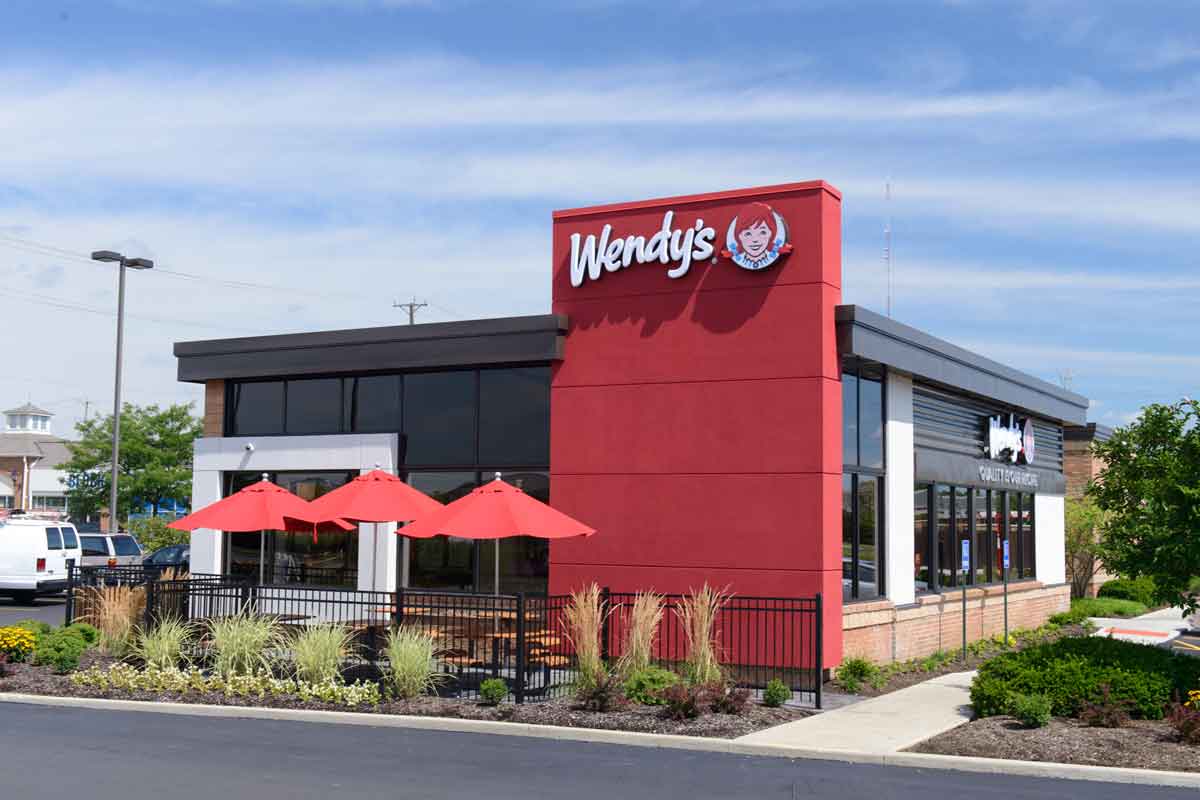
    Wendy’s NZ, the current master franchisee, owner and operator of all Wendy’s hamburger restaurants throughout New Zealand, is on the market for the first time in 34 years.

    The brand was brought here in 1988 when Danny and Dianne Lendich opened the first store in Te Atatu after a deal between the international franchisor and the original master licensee fell through. The Lendich family went on to develop 22 restaurants – 12 in Auckland, two in the South Island and eight throughout the North Island – all of which are company-owned and included in the sale. There are no sub-franchisees.

    With Danny and Dianne Lendich now in their 70s, their daughter and CEO of Wendy’s NZ Danielle Lendich, says business has never been better, but now is the right time for change.

    Internationally, the American burger brand has over 7,000 restaurants and is planning to accelerate global growth, opening over 90 new restaurants in the first quarter of 2022. The company says it is looking for a qualified franchisee who can help grow and scale the business throughout New Zealand. While sub-franchising is not specifically mentioned, it is a strategy Wendy’s uses in other countries.

    Traditionally, New Zealand has been an attractive market for international brands, with Carl’s Jr. and Wendy’s having both achieved world-record sales levels for opening weeks here. However, opportunities for franchisees have been limited, with both companies operating via national master licensees who have not sub-franchised. This has left the owner/operator burger market open to McDonald’s (which has over 170 restaurants here) and locally-developed gourmet burger franchises such as BurgerFuel and Burger Wisconsin.

    Record sales

    Danielle Lendich says that Wendy’s NZ is performing extremely well and is ready for growth.

    ‘Operations are strong across the country and we’re experiencing record sales. Even during the worst of Covid, there has been huge demand. Obviously there have been challenges, but it’s a testament to the team that we’ve been able to get though the disruption and emerge even stronger.’

    A family-owned business with deeply-rooted values and relationships, Wendy’s NZ has many staff and suppliers who have been with the company for decades, and suppliers of beef, sauces and fresh produce going back to year one,’ Danielle says.

    ‘We hope the new franchisee will operate with the same cores values and look after not just the business, but the wider Wendy’s family. The future is very bright at Wendy’s.’

    The sale of Wendy’s NZ / WendCo (NZ) Limited is being handled by Spencers Chartered Accountants & Advisers in New Zealand and internationally by partner Azure.

  • 7-Eleven Singapore launches beachfront store with Tiger Beer

    7-Eleven Singapore launches beachfront store with Tiger Beer

    Singapore’s favourite convenience store, 7-Eleven, and the country’s favourite, Tiger Beer, have joined forces to unveil the very first beachfront convenience store right on the sands of Palawan Beach Walk, Sentosa! On 25th and 26th June, the first-of-its-kind store will kick off opening celebrations with a variety of promotions and special treats for families enjoying the last weekend of the school holidays and for young adults and tourists who have made hanging out on the beaches of Sentosa their highlight of the week.

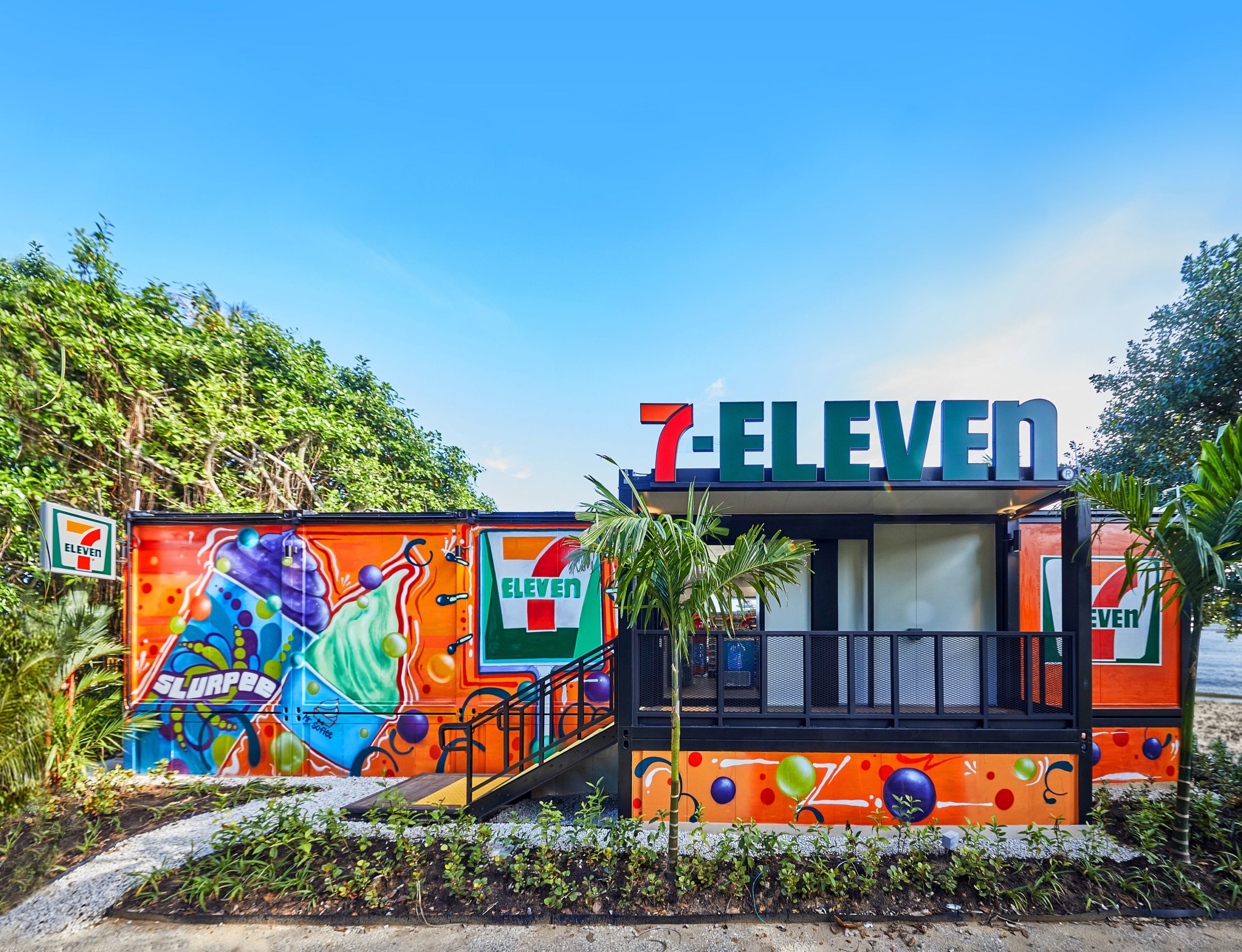
    Perched right on the sands of the popular Palawan beach, this instagrammable 7-Eleven store can be spotted from afar with its vibrant murals and unique graffiti artwork on its facade. This exciting store offers ice-cold Tiger beer on reverse tap, exclusive Nitro Tea and icy Arctic Coke to help beat the heat, of course, along with 7-Eleven’s all-time favourites – Slurpee, Mr. Softee and 7CAFÉ. Guests can enjoy their refreshing drinks, hot snacks and even ready-to-eat meals at the special 7-Eleven x Tiger Beer chillout area on the sands or at their favourite beach spot.

    Ice-cold Tiger Beer Quick and Easy

    To help people get their drinks fast, 7-Eleven and Tiger Beer will be bringing a special reverse tap bar, which will automatically dispense the right pour of beer in each cup consistently – without needing a bartender. The reverse tap dispenser is fast, convenient and easy, giving you more time to spend soaking up the sun.

    Stay cool in the heat with outlet-exclusive Nitro Tea and brain-freezing Coke slushies

    7-Eleven’s Sentosa Palawan Beach store will also be introducing the new and exclusive Nitro Tea. Choose between a refreshing black tea or a variety of caffeine-free fruit teas to give your taste buds a high-five. Either way, you will experience a rich, dairy-free creamy foam, refreshing and longer-lasting flavour, and sweetness without the added calories – thanks to the nitrogen infusion that gives beverages a sweet taste without added sweeteners.

    7-Eleven will also be bringing the unique Arctic Coke machine to Palawan Beach! Simply choose your bottle of Coca-Cola, put it into the machine and press a button – in no time, you will have an icy cold Coke slushie to give you a brain freeze that will refresh your mind for the week ahead.

    Carefree snacking with grab-and-go hot bites and Ready-to-Eat meals by the beach

    Beachgoers who feel peckish after sun and surf will also be able to get delicious warm pastries and finger food from the hot food counter. Savoury hot food items include fried chicken selections from super crispy chicken to savoury chicken drumsticks and wings, while those who long for buttery pastries can expect offerings such as Butter Croissant, Cocoa Hazelnut Croissant, Pain Au Raisin, Tomato Cheese Tart, Mini doughnuts, Pure Butter Madeleine and Citrus Madeleine. Ready-to-Eat meals will also be available for those who need more filling up, an affordable alternative to the pricier options in the area.

    Mark your calendars and celebrate the opening with us on 25 and 26 June!

    Savour the last weekend of the June school holidays with an unforgettable carnival-inspired blast on the beach with family and friends at the 7-Eleven’s Sentosa Palawan Beach store on 25 and 26 June 2022 from 10am onwards.

    Customers can enjoy free popcorn, 7-Eleven balloons, face painting activities, Häagen-Dazs or Walls ice cream (first 200 customers, with any purchase), Mr. Softee (100 cups a day), chances to walk away with exciting Spin and Win rewards (with a minimum spend of $7, list of prizes in table below*), and last but not least, live music performed by local singer-busker Jeff Ng, who recently made headlines for his popular weekly busking at The Cathay!

    Customers can also look forward to the following deals:

    Promotion Promotional period Details
    Spin and Win prizes* (with a minimum spend of $7) 25 and 26 June 2022 ● Sentosa premium merchandise such as luggage tags and tote bags

    ● $5 Dairy Farm vouchers

    ● $10 Dairy Farm vouchers

    ● Jinro Hite Tonic Water 250ml FOC

    ● Vaseline HB SPF 24 Sun + Pol E 100ml

    ● Asian Delight Sea Coconut

    ● Lays Max BBQ potato chips 73g

    ● Authentic Tea House Ceylon Tea 500ml

    ● Seaweed Wasabi Cashew Mix Macadamia 35g

    Slurpee and Nitro Tea 25 June – 3 July 2022 ● Slurpee Large 16oz at promo price $1.50 (normal RSP $1.80) 25 and 26 June

    ● Nitro Tea BOGO – applicable for both flavours

    Tiger Beer 25 June – 22 July 2022 ● Buy 5 reverse tap cups of beer at a go and get 1 free Tiger Crystal 49cl can

    ● While stocks last

    Tiger Beer gift with purchase 23 July – 19 August 2022 ● Buy 3 reverse tap cups of beer and get 1 free Elegante glass*

    ● Buy 6 reverse tap cups of beer and get 1 free Elegante glass and 1 slipper-shaped floatie* [1m (W) x 1.5m (H)]

    *Limited quantity of 200 each

    More promotions and updates can also be found on the official 7-Eleven Singapore Facebook and 7-Eleven Singapore Instagram pages.

    “7-Eleven is reimagining convenience at the beach with our first beachfront store at Sentosa, in collaboration with Singapore’s iconic brand Tiger Beer. From the Arctic Coke machine to the exclusive Nitro Tea, and Reverse Tap beer and the Tiger Beer chill out zone, our new store offers a lot of exciting things for beach loving families, young adults and tourists, and we look forward to welcoming them! We hope that customers will be able to enjoy our new concept store with its unique design and special murals,” said Mr. Steven Lye, Managing Director of 7-Eleven Singapore.

    “This is a great collaboration with 7-Eleven where we pushed the boundaries and found innovative ways to uncage the ultimate refreshment for our consumers. Tiger has a special bond with beer-lovers, and we believe that the beachfront store at Sentosa Palawan Beach would energise the experience by bringing consumers the smoothest beer and greatest vibes,” said Yogender Sharma, Marketing Manager of Asia Pacific Breweries Singapore.

    “We are delighted to be home to Singapore’s first-ever 7-Eleven store by the beach. This new store concept is an example of the novel and imaginative experience that we are curating for our guests on our beach. Apart from providing the convenience of getting beach essentials, the store is also a unique beachfront bistro where guests can pick up a quick and affordable meal. We welcome this partnership with 7-Eleven in enhancing our guests’ experience as they enjoy their day on Sentosa, ” said Mr Chew Tiong Heng, Divisional Director (Business and Experience Development), Sentosa Development Corporation.

  • Indonesian beverage chain Haus! completes funding round

    Indonesian beverage chain Haus! completes funding round

    Indonesian made-to-order beverage chain Haus! has completed its series B1 funding round to grow its 197-store footprint in Indonesia and develop an app for its customers.

    Led by Atlas Global Ventures, Hong Kong-based Strategic Holdings and Prasetia Dwidharma, the undisclosed investment follows Haus!’s $2m series A funding in 2020 from BRI Ventures.

    Founded in 2018, the chain, which markets itself to younger consumers with a range of cold beverages and coffees, reports that it has achieved 120% outlet growth over the last 12 months.

    With 197 stores currently in operation, Haus! offers dine-in, collection and delivery services on Indonesia’s Java island.

    “We are currently preparing a new breakthrough to make it easier for consumers and potential consumers to access Haus! by launching our own app that will make it easier for consumers to order online with various payment methods and of course various special attractive offers for purchases through the app,” said Gufron Syarif, CEO of Haus!

    “Haus! is an attractive investment because it has achieved profitability and is not dependent on external funding. This means Haus! can focus the investment received on business growth where other start-ups are on a survival method,” said Arya Setiadharma, CEO, Prasetia Dwidharma.

    Indonesia’s branded café market has seen a flurry of investment over the last 12 months. In January 2022, premium coffee chain Kopi Kenangan attained $96m investment and now operates more than 600 stores across 45 cities in Indonesia, making it the largest branded coffee chain in the country ahead of Starbucks’ circa 500-store footprint.

    In May 2022, South Korea’s SPC Group opened three new Paris Baguette Stores in Indonesia, bringing its store count to seven in the country, while Indonesian coffee startup Fore Coffee recently opened 42 new outlets in several metropolitan cities such as Denpasar, Palembang, Yogyakarta, Malang to Batam. Additionally, Indonesian cloud kitchen startup Hangry intends to use $13m in series A funding to become a global food and beverage company.

  • Wine Australia shuts China office as exports slump

    Wine Australia shuts China office as exports slump

    Australian government-backed industry body Wine Australia said on Tuesday that it will shut its office in Shanghai, as Australian wine imports into the Chinese market continue to slump after Beijing levied hefty tariffs on the product.

    It was Wine Australia’s only office in China.

    “This decision follows extensive consultation with the Australian grape and wine sector and is based on the current environment and market opportunity,” a Wine Australia spokesperson said.

    “Wine Australia will continue to maintain our brand presence in China via our wine trade and consumer facing social media channels, and will continue to work closely with in-market trade representatives on brand building and marketing campaign.”

    China was Australia’s largest market for wine exports until the country in 2020 begun an anti-dumping probe into imports of Australian wine and imposed tariffs.

    The actions by Beijing came after its relations with Canberra had soured over issues such as Australia’s 2018 ban on Huawei Technologies from its 5G broadband network and Canberra’s call for an independent investigation into the origins of COVID-19.

    China also imposed tariffs on Australian commodities such as coal, beef and barley. Wine Australia last month said Australian wine exports to China in the year to March declined by $844 million due to the tariffs.

    In March, the World Trade Organisation (WTO) agreed to establish a dispute settlement panel after Australia said China’s anti-dumping duties of between 116.2 and 218.4 per cent were inconsistent with its obligations under the WTO Agreements.