Category: Food

Retail News Asia is committed to providing both local and global retailers with the latest Food and Food & Beverage news throughout the Asian market. This on a daily base.

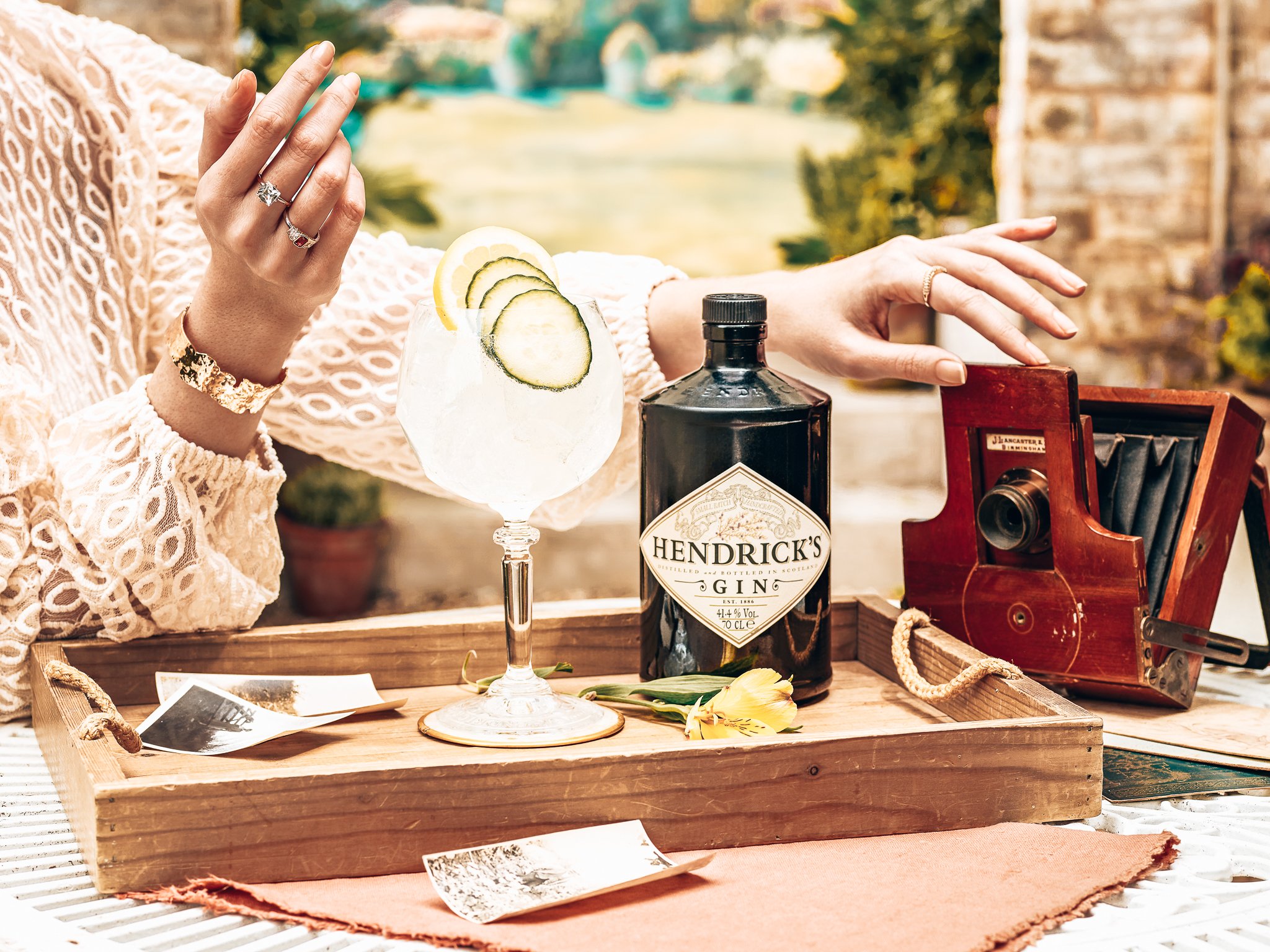
  • Hendrick’s Gin releases new limited-edition Neptunia Gin

    Hendrick’s Gin releases new limited-edition Neptunia Gin

    Internationally celebrated and enjoyed, Hendrick’s Gin’s unique blend of botanicals and exquisite distillation have won them global recognition and a place on the table at most households. Hailing all the way from Scotland, their bright flavour and floral aroma is no stranger to us here as well.

    For fans of this refreshing spirit, today marks an exciting date – fresh out of their artisanal Cabinet of Curiosities is the latest limited release Neptunia Gin.

    Inspired by the beaches of southwest Scotland and the melody they sing as waves hit the shore, the Neptunia Gin is a curious ode to the sea

    Still marked by the distinct rose and cucumber notes of Hendrick’s gin, it presents added depth and flavour with a blend of coastal botanicals that showcase the sensations of being by the open waters, before culminating in a smooth citrus finish.

    Light and refreshing, it’s a perfect thirst-quencher on hot days. Try a Neptunia Fizz – simple mix of Neptunia gin, lime juice, syrup, and soda – with freshly shucked oysters for that full marine experience.

    Owing its magic to the sea, Hendrick’s Neptunia is also working with charity partner Project Seagrass, to raise awareness and funds that go towards saving seagrass meadows and educating the public about the vital role they play in the marine ecosystem.

  • Starbucks sells its Evolution Fresh juice business

    Starbucks sells its Evolution Fresh juice business

    Starbucks is selling its cold-pressed juice brand, as the company focuses on its coffee-drink business and improving its stores and relations with its cafe workers under interim Chief Executive Howard Schultz.

    Fresh-food maker Bolthouse Farms Inc. said it agreed to acquire Starbucks’s Evolution Fresh line of juices, which currently are sold in Starbucks cafes and supermarkets. Terms of the deal, which Bolthouse said is expected to close later this year, weren’t disclosed. Starbucks said the financial impacts of the deal weren’t expected to be material.

    For Starbucks, the deal comes as Mr. Schultz directs more investment toward the coffee giant’s cafes and baristas. Mr. Schultz, the longtime Starbucks leader who returned in April for his third stint leading the chain, said the company needs to better handle increased demand, improve the cafe experience for customers and baristas, and increase communication between workers and executives.

    Starbucks said it believes Bolthouse Farms has the beverage-industry experience to help Evolution Fresh grow, and shares Starbucks’s priorities for developing the brand and its employees.

    The coffee chain in 2011 paid $30 million to acquire Evolution Fresh, when Mr. Schultz was at Starbucks’s helm for the second time. Mr. Schultz said at the time that the deal would give Starbucks a position in the $1.6 billion premium juice category, and products targeting the health and wellness sector.

    Starbucks opened a handful of Evolution Fresh-branded juice bars, but later wound down that effort after Kevin Johnson was named Starbucks’s CEO in 2017. The company continued selling bottles of Evolution Fresh organic, cold-pressed juices in all of Starbucks’s U.S. stores.

    Mr. Schultz told Starbucks investors earlier this month that since returning, he has pushed the company to focus squarely on improving its core U.S. business. In April he canceled billions of dollars in previously planned stock buybacks, saying Starbucks needed to invest more in its stores, including $200 million in additional compensation and training for workers.

    Starbucks on Monday said it would permanently leave the Russia market, closing 130 stores after the country’s invasion of Ukraine.

    The Evolution Fresh deal will add the brand to California-based Bolthouse’s portfolio of juices, which include vegetable, fruit and protein products. Bolthouse’s current brands represented about one-quarter of the U.S. sales of refrigerated beverages as of last month, according to data from market-research firm IRI.

    “This is what we do. We grow stuff and turn it into juice,” said Bolthouse CEO Jeff Dunn. “They got a great supplier and we got a great brand.”

    Bolthouse said it would keep the juice brand’s nearly 300 employees, who currently are employed directly by Starbucks in California. Over the roughly six-month sales process, Starbucks was focused on how Bolthouse would treat its employees and keep up juice supply to its stores, Mr. Dunn said.

    Evolution Fresh, which is sold at Whole Foods Market and some other retailers in addition to Starbucks, had roughly 2% of the U.S. refrigerated-beverage market as of last month, according to IRI figures. Bolthouse intends to increase marketing of Evolution Fresh and get the products onto the shelves of other retailers, said Mr. Dunn, a former executive at Campbell Soup and Coca-Cola.

    “People have awareness of it, but they don’t see it in a lot of other places other than Starbucks, or maybe Whole Foods,” he said. “We’ll expand the brand and really bring it to a lot more people.”

    Bolthouse Farms, backed by private-equity firm Butterfly Equity, bought back its namesake brands from Campbell in 2019. It has looked to acquire other fresh-food brands since, Mr. Dunn said.

  • The enormous cost of McDonald’s Russian exit

    The enormous cost of McDonald’s Russian exit

    McDonald’s became the symbol of glasnost in action 30 years ago when it opened its first restaurant in Moscow. But after temporarily shutting down more than 800 restaurants following the invasion of Ukraine, McDonald’s has decided to leave Russia altogether.

    The burger chain will sell its Russia business, saying the “humanitarian crisis caused by the war in Ukraine, and the precipitating unpredictable operating environment, have led McDonald’s to conclude that continued ownership of the business in Russia is no longer tenable, nor is it consistent with McDonald’s values.”
    In March, shortly after the war began, McDonald’s followed other Western companies and temporarily shut down its restaurants in Russia.
    Once the sale is finalized, the Russian restaurants will be “de-Arched,” meaning the locations will no longer be allowed to use the McDonald’s name, logo or menu. McDonald’s said its employees will still be paid until the transaction closes and that “employees have future employment with any potential buyer.”
    CEO Chris Kempczinski said he’s proud of the more than 60,000 workers employed in Russia and said the decision was “extremely difficult.”
    “However, we have a commitment to our global community and must remain steadfast in our values. And our commitment to our values means that we can no longer keep the Arches shining there,” he said.
    The decision brings to a remarkable end McDonald’s three-decade relationship with Russia. McDonald’s opened the doors of its first restaurant in Moscow on January 31, 1990. More than 30,000 were served and the Pushkin Square location had to stay open hours later than planned because of the crowds.
    Its arrival in Moscow was about more than just Big Macs and fries, noted Darra Goldstein, a Russia expert at Williams College. It was the most prominent example of Soviet Union President Mikhail Gorbechev’s attempt to open up his crumbling country to the outside world.
    “There was a really visible crack in the Iron Curtain,” she previously said. “It was very symbolic about the changes that were taking place.” About two years later, the Soviet Union would collapse.
    McDonald’s exit “represents a new isolationism in Russia, which must now look inward for investment and consumer brand development,” said Neil Saunders, managing director of GlobalData said in a note Monday. He added that other Western brands take “principled stance on the concepts of freedom and democracy” and revisit their businesses in Russia.
    McDonald’s will take a significant write-off from exiting Russia — between $1.2 billion to $1.4 billion. Shares were barely changed in early trading.
    “The fact that McDonald’s owns most of its restaurants in Russia means there is an asset rich business to sell,” said Saunders. “However, given the circumstances of the sale, the financial challenges faced by potential Russian buyers, and the fact that McDonald’s will not license its brand name or identity, it is unlikely the sale price will be anywhere near the pre-invasion book value of the business.”
    In its most recent earnings report, McDonald’s said closing its restaurants in Russia had cost it $127 million last quarter. Nearly $27 million came from staff costs, payments for leases and supplies. The other $100 million was from food and other items it will have to dump.
    McDonald’s had 847 restaurants in Russia at the close of last year, according to an investor document. Together with another 108 in Ukraine, they accounted for 9% of the company’s revenue in 2021.
  • Campos Coffee launches recyclable coffee capsules

    Campos Coffee launches recyclable coffee capsules

    Australian roaster Campos Coffee has announced the launch of its first range of recyclable aluminum coffee capsules. With more people working from home, loyal Campos Coffee drinkers have consistently asked to enjoy the distinctive Campos taste in a capsule format, and now it’s available.

    The new Campos Coffee Capsules range includes the brand’s signature Superior blend, a new blend called King St after the main drag in Sydney’s Newtown, and a Single Origin from Indonesia.

    “Campos is recognized as a symbol of quality and excellence in Australia because we have been sourcing and roasting specialty coffee for 20 years,” says Adam Matheson, Head of Coffee at Campos Coffee.

    “You’d be surprised to learn that there’s a lot more to developing a good coffee capsule than just roasting and grinding high-quality, fresh beans. Capsule design and technology are key to delivering a great coffee experience.

    “Our aluminum capsules are world-class and deliver the aroma and flavor our stunning coffees offer. We wouldn’t have it any other way.”

    Campos Coffee has also partnered with TerraCycle to make it easy and free for everyone to recycle their used Campos Coffee aluminum capsules.

    All three types of Campos Coffee Capsules

  • Heinz to test paper-based ketchup bottle for worldwide launch

    Heinz to test paper-based ketchup bottle for worldwide launch

    Pulpex, a packaging technology company co-founded by Diageo, has quickly grown in prominence with several CPGs working with the upstart. PepsiCo, which debuted a prototype of the world’s first fully recyclable paper bottle last year, and Unilever have committed to using Pulpex’s technology in their packaging as founding partners of a consortium of companies.

    For Kraft Heinz, the new bottle type will help in its broader sustainable packaging ambitions. The manufacturer of Velveeta cheese and Oscar Mayer cold cuts has pledged to make all of its packaging globally recyclable, reusable or compostable by 2025. It also is aiming to achieve net-zero greenhouse gas emissions by 2050.

    A big reason why companies are investing money to improve their packaging is not only to be altruistic but also because consumers are responding through their purchases.

    More than two-thirds of consumers consider it important that the products they buy are in recyclable packaging, according to Trivium Packaging’s 2021 Global Buying Green Report. The report also found 54% take sustainable packaging into consideration when selecting a product.

    It’s a big reason why General Mills’ Nature Valley Crunchy granola bars, for example, moved to fully recyclable plastic wrappers starting last year and PepsiCo’s Frito-Lay division introduced a compostable bag for its Off The Eaten Path brand.

    Coca-Cola has introduced bottles made from 100% recycled plastic material, Mars Wrigley has partnered with Danimer Scientific to create biodegradable wrappers for Skittles and Danone’s Evian bottled water brand has unveiled a new recycled plastic (rPET) prototype bottle using technology from Loop Industries. The Evian bottles will first appear at a commercial scale in South Korea in 2022 before debuting elsewhere in the future.

    In many cases, companies are testing out new sustainable technologies before determining whether to roll them out more broadly — a key step to ironing out any glitches and making production cost-effective. Kraft Heinz said it will test the prototype to assess performance before trying it with consumers and then eventually bringing the bottle to market.

    The fact that easily recognizable brands such as Heinz are embracing paper-based packaging adds significant momentum behind the shift.

    “The scope for paper-based packaging is huge, and when global household names like Heinz embrace this type of innovative technology, it’s good news for everyone — consumers and the planet,” said Pulpex CEO Scott Winston.

  • Subway plans to open 500 stores in Malaysia with new franchisee

    Subway plans to open 500 stores in Malaysia with new franchisee

    Subway has inked a new master franchise agreement with Pegacorn to open 500 new locations across Peninsular Malaysia over the next 10 years. This triples the number of Subway restaurants in the market and steadily increases the annual restaurant count.

    According to Subway, this partnership is the third of its kind for the brand in Southeast Asia, following recent master franchise agreements in Indonesia and Thailand, and will significantly increase the total future restaurant commitment in the region. Pegacorn has been a partner to Subway in Malaysia since 2019.

    There will be an increase of Subway non-traditional locations across Malaysia, such as airports, hospitals, petrol stations, and convenience stores. New and updated existing restaurants will feature Subway’s modern “Fresh Forward” design and enhance convenience for the consumer with drive-throughts and “Grab & Go” options.

    The agreement with Pegacorn is part of Subway’s multi-year transformation journey to build a better Subway and improve across all aspects of the brand as the business expands its presence globally. Subway plans to double its current network of restaurants in APAC from about 3,300 today to over 6,000 in the next five years.

    Subway CEO John Chidsey said the APAC and SEA markets continue to be a huge opportunity of growth for Subway and an essential part of its international growth strategy. “Pegacorn has proven to be a well-resourced, strategic and successful local operator that has the local insight and experience needed to expand Subway’s presence in Malaysia,” he added.

    Meanwhile, Pegacorn CEO, Kin Siong Kon, said: “We have seen increased demand from guests in Malaysia for Subway’s craveable sandwiches, wraps and salads and are committed to growing the business to make Subway even more accessible to communities across the country.”

    The team in Malaysia introduced a new mascot named Sabweh alongside its Ramadan campaign in March. Sabweh debuted on limited-edition Raya packets and was the brainchild of social media artist Ernest Ng, known for his “Don’t like that la bro” comic series.

    Hang Ee Laine, head of marketing, Subway, Southeast Asia, said previously that the partnership with Ng is a key milestone for the brand in its efforts to bring Subway closer to Malaysians. Meanwhile, its spokesperson also told A+M then that Ng had previously designed the Sabweh character for one of his comics and the character was very popular with Malaysians. Subway felt that the art piece deserved a bigger stage and engaged Ng to create a series of limited-edition Raya-themed versions of Sabweh.

    Across the border, Costa Coffee reentered Singapore through a partnership with Subway after a three-year hiatus. This adds on to Subway’s breakfast options and alignts with its campaign #Talkofthemorning, which aims to encourage Singaporeans to lean into their love of coffee and breakfast as a driver of meaningful connections with one another.

  • Rice export prices drop in Q1

    Rice export prices drop in Q1

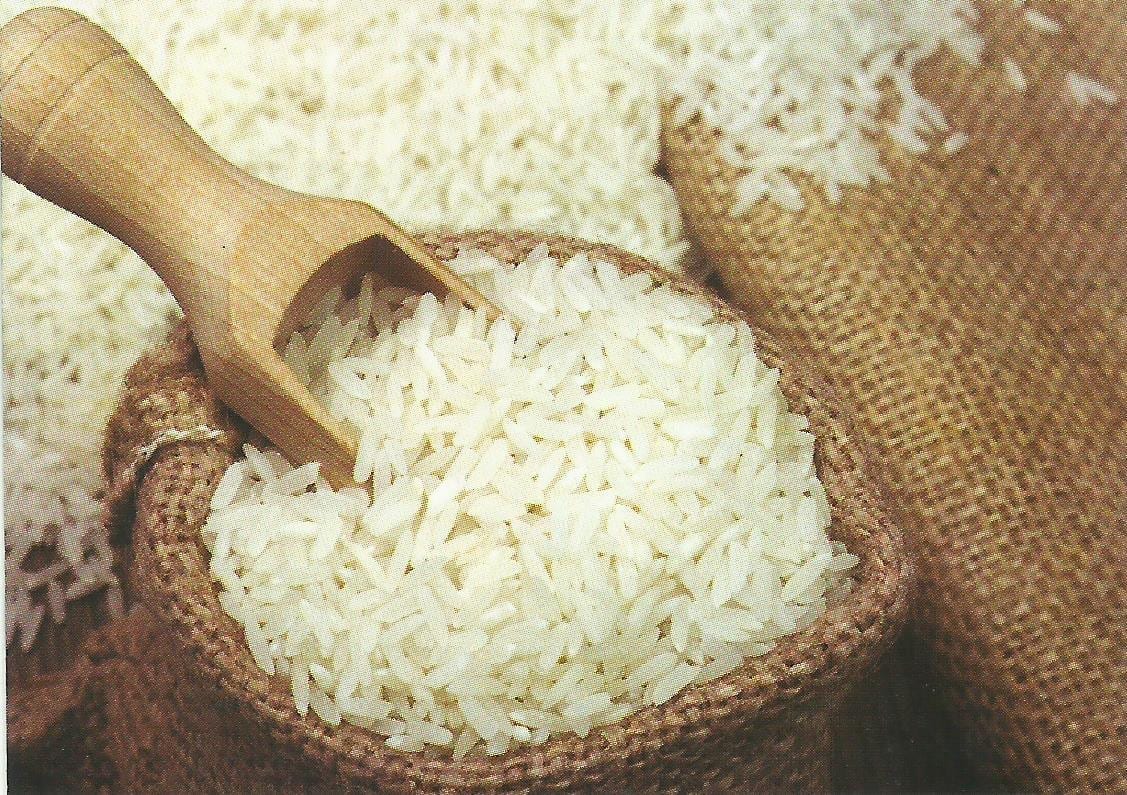
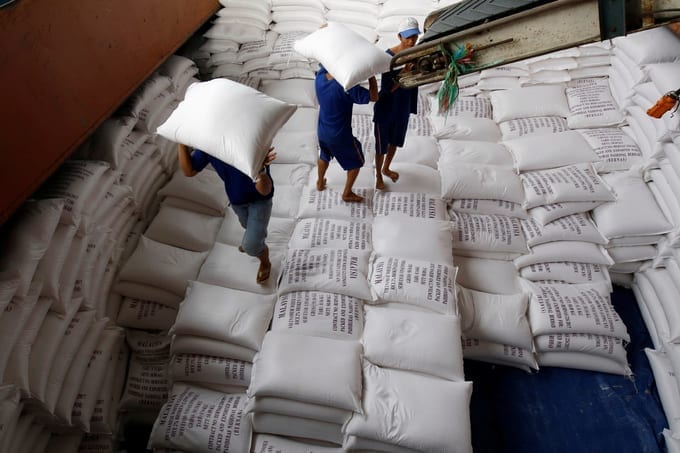
    Average rice export prices dipped by 10.6 percent in the first quarter, resulting in a 6-percent decline in revenues.

    Vietnam exported 2.05 million tons of rice for US$1 billion, up 4.4 percent in volume but prices fell to $386.2 a ton due to abundant supply, according to the Ministry of Agriculture and Rural Development.

    On the global market, rice prices also dropped marginally in May, with Thai 5 percent broken rice being $5 per ton cheaper at $410-412 and Indian exports falling by $10 to $361-365.

    Vietnam’s top market in the first quarter was the Philippines, whose imports increased by 63.8 percent year-on-year to 672,142 tons.

    Domestic prices remained unchanged in May, however. In the southern An Giang Province, normal rice was sold at VND11,000 ($0.48) a kilogram and jasmine rice at VND15,000.

  • French meat producers eye expansion in Vietnam

    French meat producers eye expansion in Vietnam

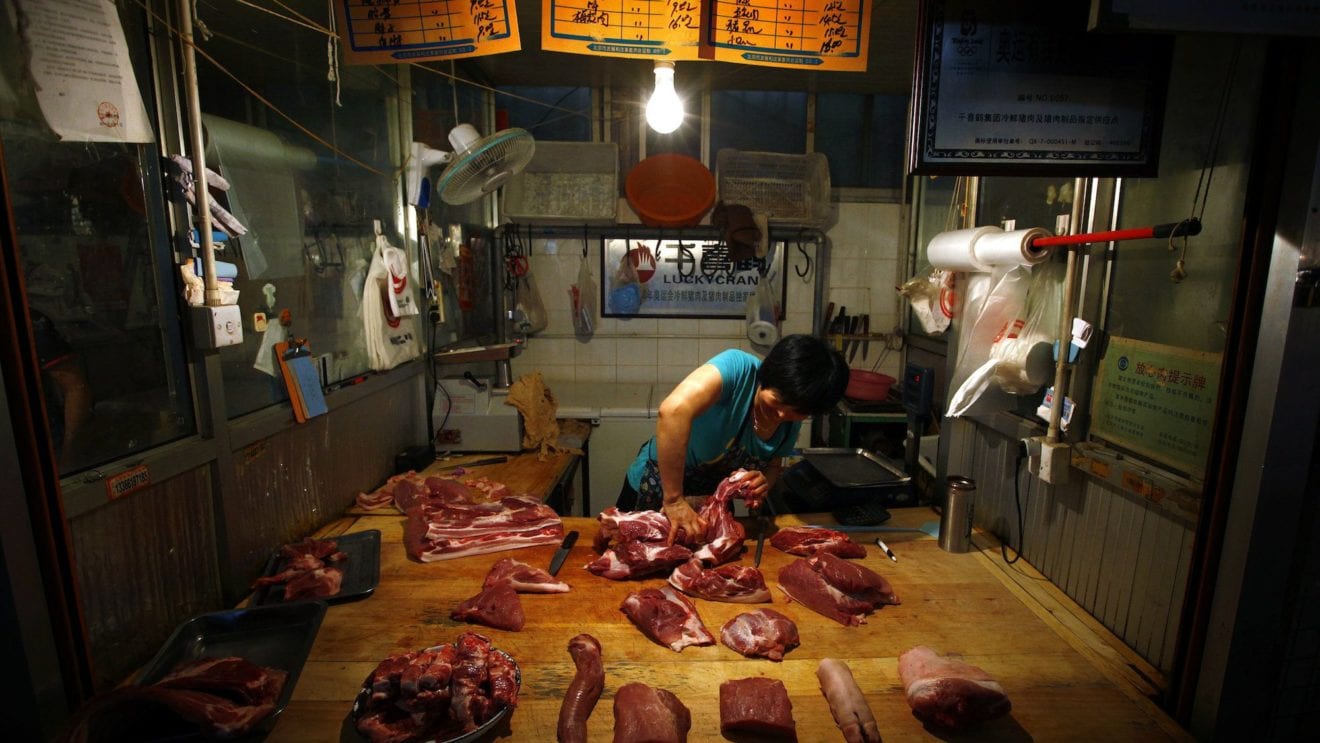
    Meat producers from France are seeking to expand their market share in Vietnam to take advantage of the EU-Vietnam Free Trade Agreement.

    “Meat product exports to Vietnam are expected to grow faster, as, for the next 10 years, tariffs on those products will gradually decrease to zero percent,” Emmanuelle Pavillon-Grosser, the French consul general in HCMC, said.

    France is already the ninth-largest meat exporter to Vietnam, but wants to further increase its market share.

    The trade deal took effect in August 2020. The French Association of Butchers and Caterers and Business French in Vietnam are running a campaign to increase sales of meat products with EU sponsorship.

    It is expected to go on until 2024, with activities such as store promotion and inviting Vietnamese buyers to see the production process in France. Emilien Besnard of FICT said the French meat industry has more than 450 products, some of them already popular in Vietnam.

    Besides the EU, Vietnam also imports meat from the US, Russia, South Korea, and others, mostly being pork.

    Pork imports rose from 33,000 tons in 2018 to 225,000 tons in 2020 before slipping last year to 143,463 tons due to the pandemic.

  • Liquor industry wants tax increase delayed

    Liquor industry wants tax increase delayed

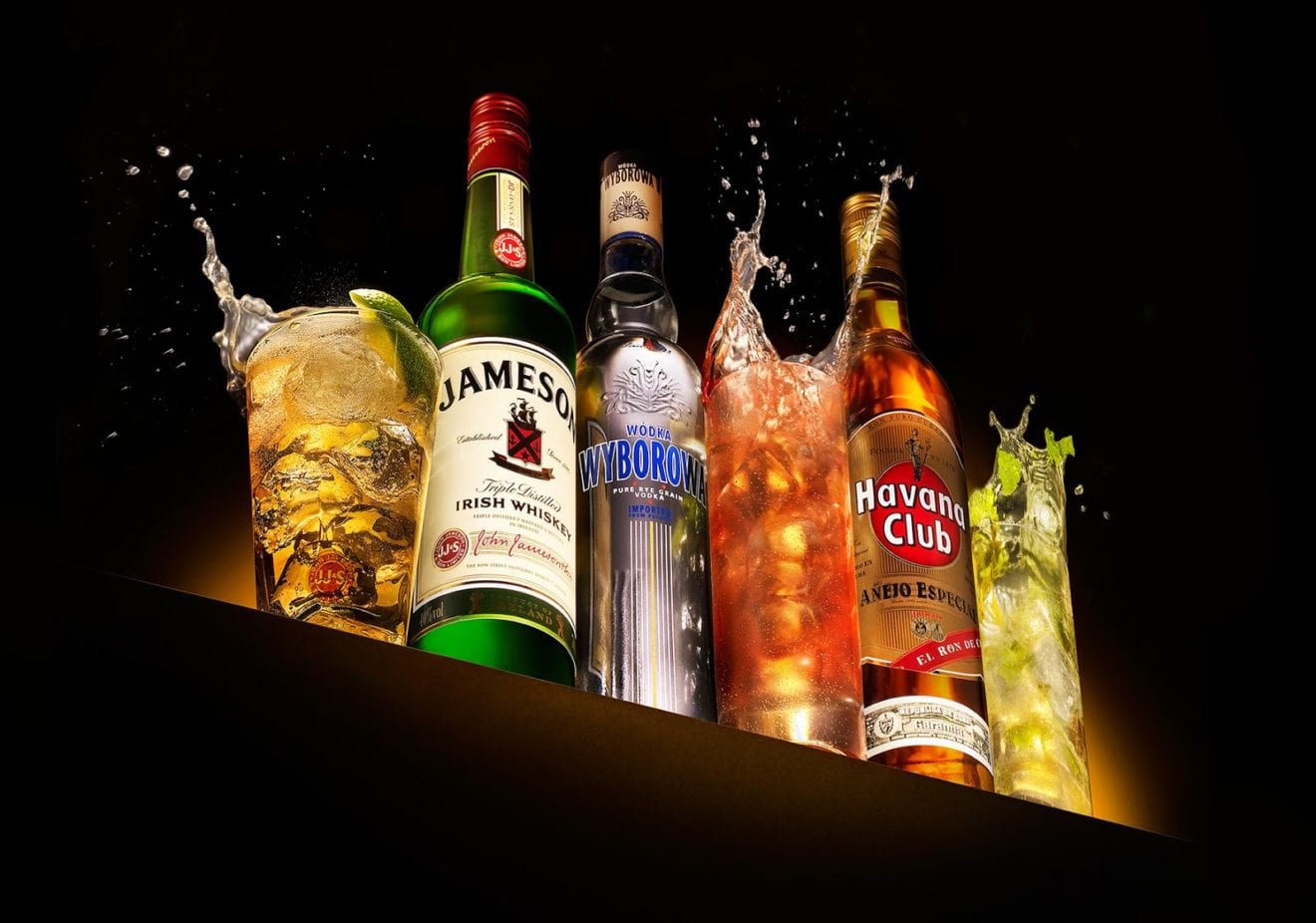
    Liquor companies want the proposed increase in special consumption tax put off until they recover from the effects of the Covid-19 pandemic. The government plans to hike the taxes on beer, liquor, and cigarettes from now until 2030 and is still considering by how much.

    The current rates are 65 percent on beer and 35-65 percent on liquor. Nguyen Van Viet, chairman of the Vietnam Association of Beer, Wine and Beverages (VBA), said the two years of Covid caused beer sales to drop by 20 percent or one billion liters.

    Around half of all breweries and distilleries saw revenues and profits fall in 2020 and 2021, according to a survey by the Central Institute for Economic Management (CIEM). Over 79 percent of them tried to cut costs, and 58 percent postponed expansion plans and laid-off employees.

    It is estimated that 4-7 percent of workers were laid off, and the rest saw their incomes reduce by 7-10 percent. Though the situation has improved thanks to the reopening of the economy this year, the industry is unlikely to see profits rise as input costs have risen to historic highs.

    Gasoline and malt prices have increased by 50 percent, and that of beer cans by 30-40 percent. Holly Bostock, corporate affairs director of Heineken Vietnam, said any increase in special consumption tax would add to the burden on the beverage and tourism industries, while what they need now are stability and support.

    Phan Tuan Khai, a lawyer for the VBA, said the government needs to come up with a new tax mechanism that would help businesses but also generate more tax instead of just increasing the rates. Economist Ngo Tri Long said a tax hike would exhaust businesses.

    Long said a new mechanism that taxes products with higher alcohol content more would be fairer and more transparent than the current tax mechanism and encourage people to drink responsibly. Taxation by alcohol content is done in Singapore and European Union countries.

    A study by the CIEM from 2010 to 2018 found that despite increases in alcohol tax, consumption actually rose from 6.6 liters per capita per year to 8.3 liters.

    A 2019 study by Lancet, a British medical journal, found Vietnam among the world’s top beer-consuming countries and a 90.2 percent rise in drinking per capita between 2010 and 2017.

  • Seafood companies post profit surge as global demand recovers

    Seafood companies post profit surge as global demand recovers

    Many seafood firms have seen a year-on-year surge in profits in the first quarter this year thanks to surging prices and recovering demand.

    Vinh Hoan Corporation, the largest listed seafood company, posted after-tax profits of over VND550 billion ($23.9 million) in the first quarter, up 4.2 times year-on-year.

    Cuu Long Fish Joint Stock Company·also saw its profits surge over 5.7 times against the same period last year to VND63 billion, the highest quarterly profit since late 2018.

    IDI International Development & Investment also recorded after-tax profits of over VND200 billion, the highest quarterly profit since 2010 when it began releasing financial reports.

    Nam Viet Corporation reported a three-time year-on-year surge in profits to VND206 billion while Camimex Group saw its profits double to VND25.1 billion.

    Sao Ta Foods Joint Stock Company, another seafood firm, reported its profit surging nearly 1.5 times year-on-year to VND42.2 billion.

    The surge in profits among seafood companies in the first quarter was credited to surging prices and recovering global demand.

    Vietnam’s seafood exports grew by 40 percent year-on-year to $2.4 billion in Q1 despite direct impacts of the ongoing Russia-Ukraine crisis.

    Growth was led by pangasius catfish, whose exports increased by 88 percent to $646 million and accounted for 27 percent of overall exports, according to the Vietnam Association of Seafood Exporters and Producers.

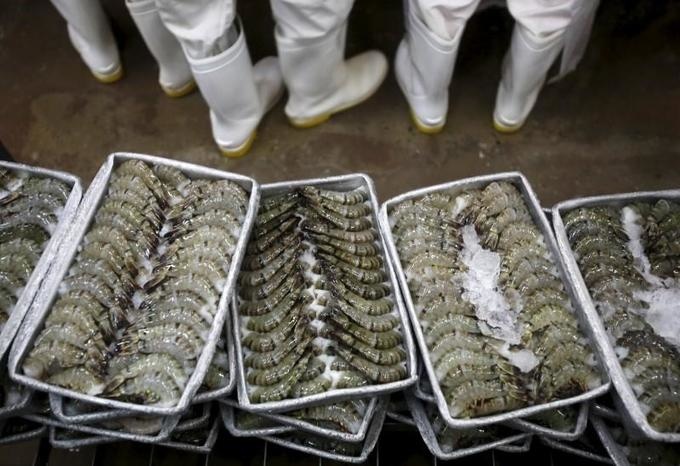
    Shrimp remained the top seafood export item, accounting for 37.5 percent of the total at over $900 million, up 37 percent.

    A recent report by Rong Viet Securities Corporation said that pangasius exports would record a strong recovery this year due to increased global demand and supply shortage from Russia. The high selling price will last until the end of the second quarter due to increase in raw material prices.

    An Binh Securities warned of downside risks like surging feed and logistics costs and fierce competition from other exporting countries like India, Ecuador and Indonesia.

    On the stock market, the seafood sector has posted gains over the past months, with some hitting the ceiling regardless of the overall gloomy market trend.

    On Friday, Vinh Hoan closed at around VND104,000, up 55 percent since January.

  • Yum China sales fall as pandemic impact worsens

    Yum China sales fall as pandemic impact worsens

    The owner of KFC and Pizza Hut said sales plunged by 20% in the first two weeks of March as a surge of new Covid cases spread across China.

    Yum China said “the situation has rapidly deteriorated” as regional lockdowns have been put in place to stem the outbreak.

    More than 1,100 of its stores are temporarily closed or offering takeaway and sales are “still trending down”.

    China’s lockdowns are among its biggest since the beginning of the pandemic.

    They include the Jilin province – home to companies such as carmakers Toyota and Volkswagen – as well as technology hub Shenzhen as the number of new infections of the Omicron variant of Covid rise.

    Yum China said: “Entering March, the situation has rapidly deteriorated with the highly transmissible Omicron variant causing outbreaks across China, including economically important regions of Guangdong, Shanghai, Shandong and Jilin.”

    It added: “Our operations are significantly impacted by the latest outbreaks and the tighter public health measures which resulted in a further reduction of social activities, travelling and consumption.”

    Toyota, Volkswagen and iPhone-maker Foxconn have been forced to close operations in affected regions due to lockdowns.

    Although Foxconn said on Wednesday it was able to restart some production in Shenzhen after putting in place a closed loop system on its campus. It means that Foxconn employees working in the space cannot move outside the group.

    Foxconn said: “This process, which can only be done on campuses that include both employee housing and production facilities, adheres to strict industry guidelines and closed-loop management policies issued by the Shenzhen government.”

    There are concerns the restrictions could have an impact on global supply chains.

    But Yum China’s chief executive Joey Wat, said: “Our robust supply chain management has shielded us from material business disruptions.”

    Yum China said it had more than doubled the number of stores it had closed or restricted to take-out services from 500 in January to 1,100 in March.

    Ms Wat pledged: “We will keep our restaurants open and provide food services to customers wherever it is possible and safe to do so.”


  • Maxim’s to launch Shake Shack in Thailand

    Maxim’s to launch Shake Shack in Thailand

    US burger chain Shake Shack is ramping up its Southeast Asia expansion with its upcoming Thai debut in partnership with Hong Kong-based licensee, Maxim’s Caterers.

    Thailand’s first Shake Shack location, which will also be a flagship store, is expected to open in Bangkok next year, followed by 15 more stores across the country by 2032. Maxim’s, also the licencing partner of Shake Shack in Greater China, currently operates 24 Shacks across the region.

    “Shake Shack was born in New York, and Bangkok is another fantastic city with vibrant energy, friendly people and rich culinary traditions,” said Michael Kark, chief global licensing officer at Shake Shack.

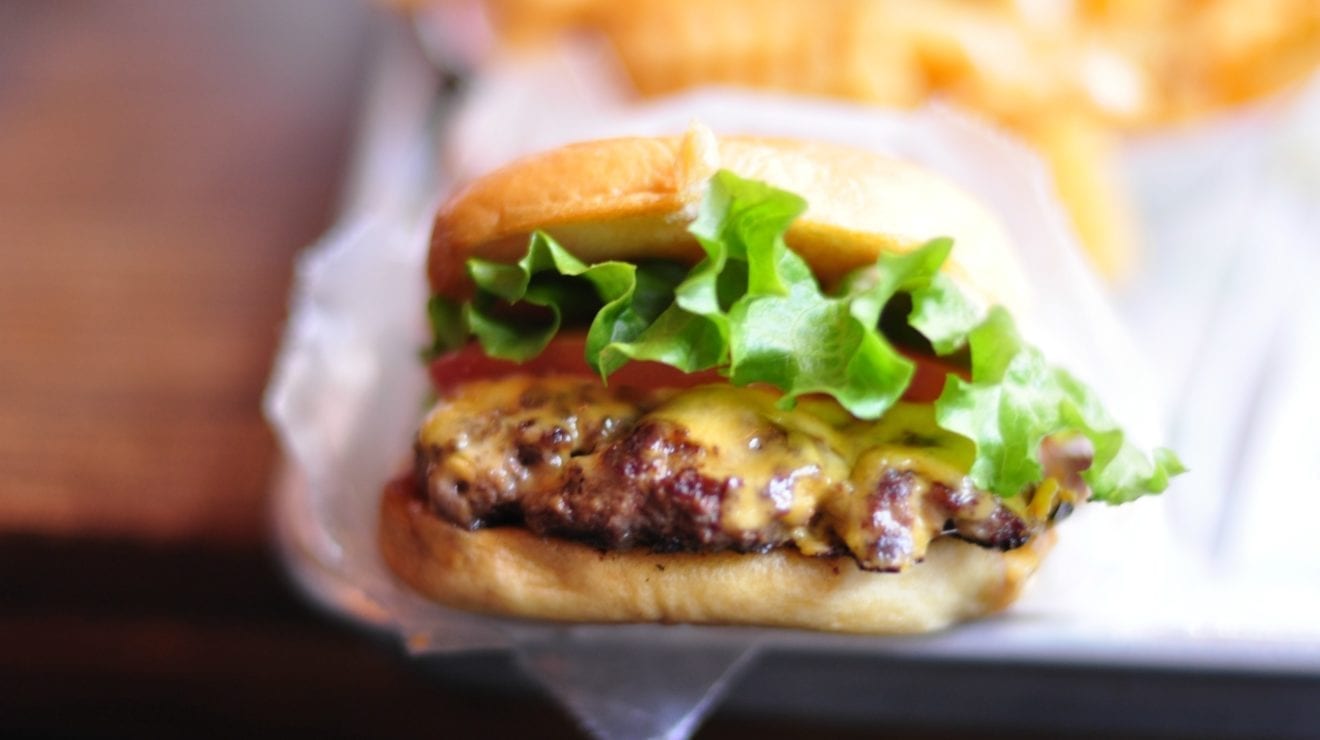
    The Shake Shack Thailand menu will feature the chain’s signature items, such as ShackBurger, Chicken Shack and Chicken Bites. The burger chain said it will also work alongside local producers, purveyors and artists to support the Thai community.

    Meanwhile, Maxim’s will open its seventh Shake Shack outlet in Hong Kong on May 9, at the Citygate Outlets in Tung Chung.

    Maxim’s operated F&B businesses for more than 60 years, including licences for brands including Starbucks, Genki Sushi and Ippudo Ramen, The Cheesecake Factory and Shake Shack. The company operates more than 1800 outlets in Hong Kong, Macau, Mainland China, Vietnam, Cambodia, Thailand, Singapore and Malaysia.

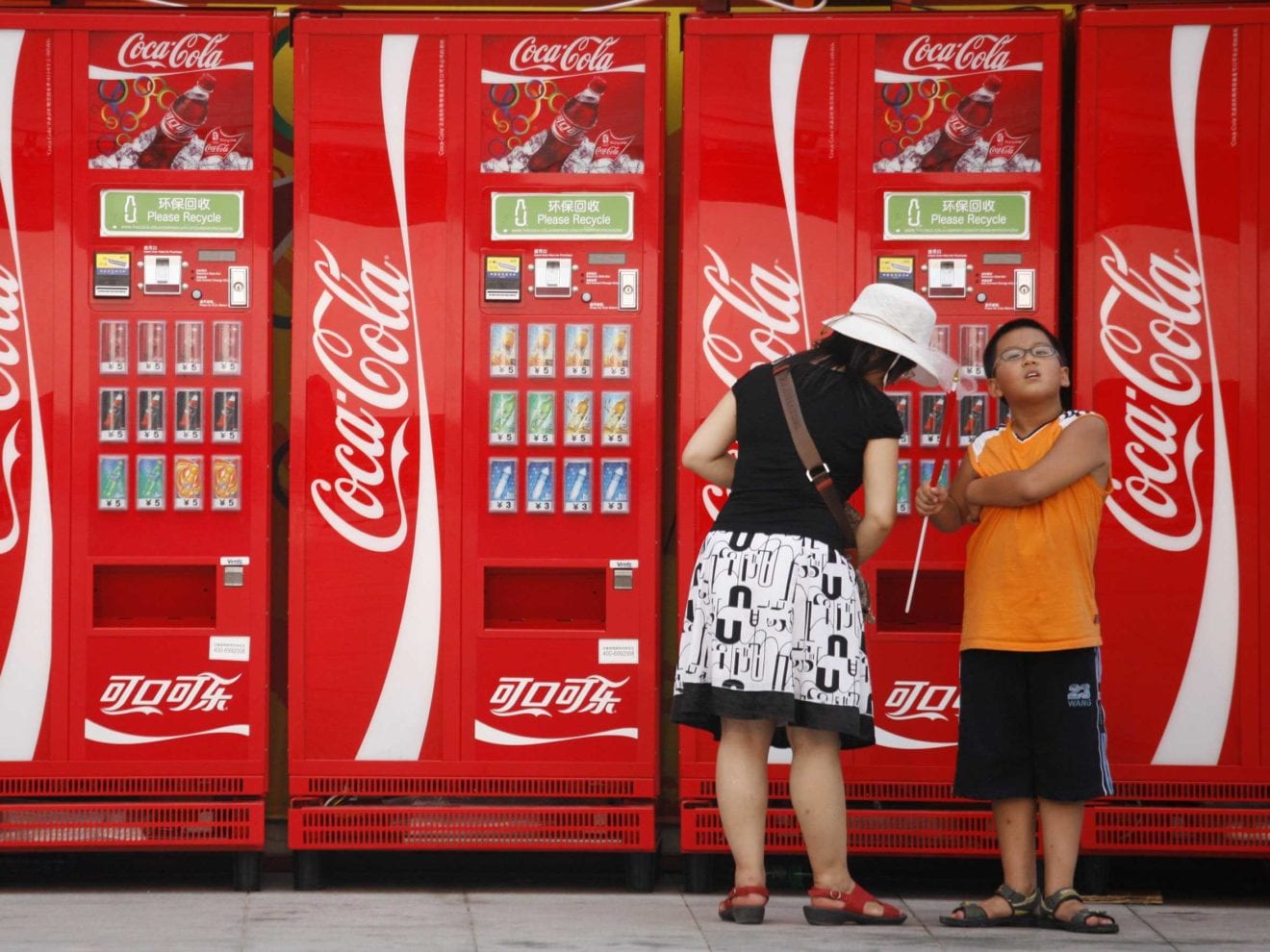
  • Coca-Cola opens London flagship store

    Coca-Cola opens London flagship store

    Coca-Cola has opened the doors to its first flagship store in Europe today, in a vote of confidence for the West End. After a number of stores in the US, including the beverage titan’s home territory in Atlanta, Coca Cola is testing the waters with a UK experiential destination.

    The store is set to be open until September at the moment, as bosses trial a direct-to-consumer store format in Europe for the first time.

    Shoppers will be able to purchase limited-edition merchandise, including fashion collaborations with Staple and Lees.  Other collaborations include designers such as Soho Grit, Alma de Ace, BAPE, Herschel, and BE@RBRICK.

    Visitors can buy mocktails made with Coca-Cola products at a dedicated beverage bar – drinks on the menu at the moment include Winners Circle, Mango Sunset, and an Orange Lolly Float. There is also an opportunity for shoppers to design customized drink cans, with personalized messages on.

    Michelle Moorehead, vice president of licensing and retail, said the store would give shoppers “fresh ways to experience our drinks.”

    “Through a collection of products made from recycled materials, it also gives us a great opportunity to share our sustainability commitments with people and bring them with us on our journey to a World Without Waste,” she added.

    It comes as retail goliaths have continued to be keen to stake a physical presence in the West End, despite the departure of big names such as Topshop.

    Furniture giant Ikea is set to open up shop, after buying Topshop’s former flagship store on Oxford St for £378m.

    “I don’t think [high street shopping] necessarily is dying, it’s changing,” Alex Loizou, the co-founder of online boutique marketplace Trouva saidearlier this year. “Offline becomes more about the experience and something different. Online is driven by transactional behavior.”

    In recent years, the Apple and Nike stores have become weekend destinations for many, Loizou explained. “People will go into those destination spaces to just experience it and look at physical objects up close, even if people don’t buy them there,” he said.

    Earlier this week, Coca-Cola Co surpassed quarterly revenue expectations after raising prices and the reopening of theatres and restaurants.

    In results published on Monday, the firm said demand for soft drinks had come back with zest after entertainment and hospitality venues had reopened with the easing of Covid restrictions.

    Net revenue lifted 16 per cent to $10.5bn in the first quarter of the year, beating analyst expectations of $9.83bn, according to Refinitiv data.

    However, the soft drinks titan warned its suspension of operations in Russia would result in a hit to annual profit worth four cents per share.
  • Rice exports to Russia jump in Q1

    Rice exports to Russia jump in Q1

    Vietnam’s rice exports surged 2.6 times year-on-year to over US$553,000 in Q1, according to Vietnam Customs.

    The grain was one of Vietnam’s few exports to Russia that increased in the first quarter as the Russia-Ukraine crisis impacted other suppliers. It was one of only eight export items that saw increases out of 23.

    Overall exports to Russia fell by 29.1 percent to $543.8 million.

    The others to achieve positive growth included rubber, up 60.2 percent to $7.2 million, machinery, equipment, coffee, and iron and steel, which were 4-40 percent higher.

    But many Vietnamese exporters see the writing on the wall which is the crisis and Western sanctions starting to disrupt trade.

    They need to closely monitor and follow news from Russian banks on new regulations and payment channels as the country has been removed from the SWIFT international financial system.

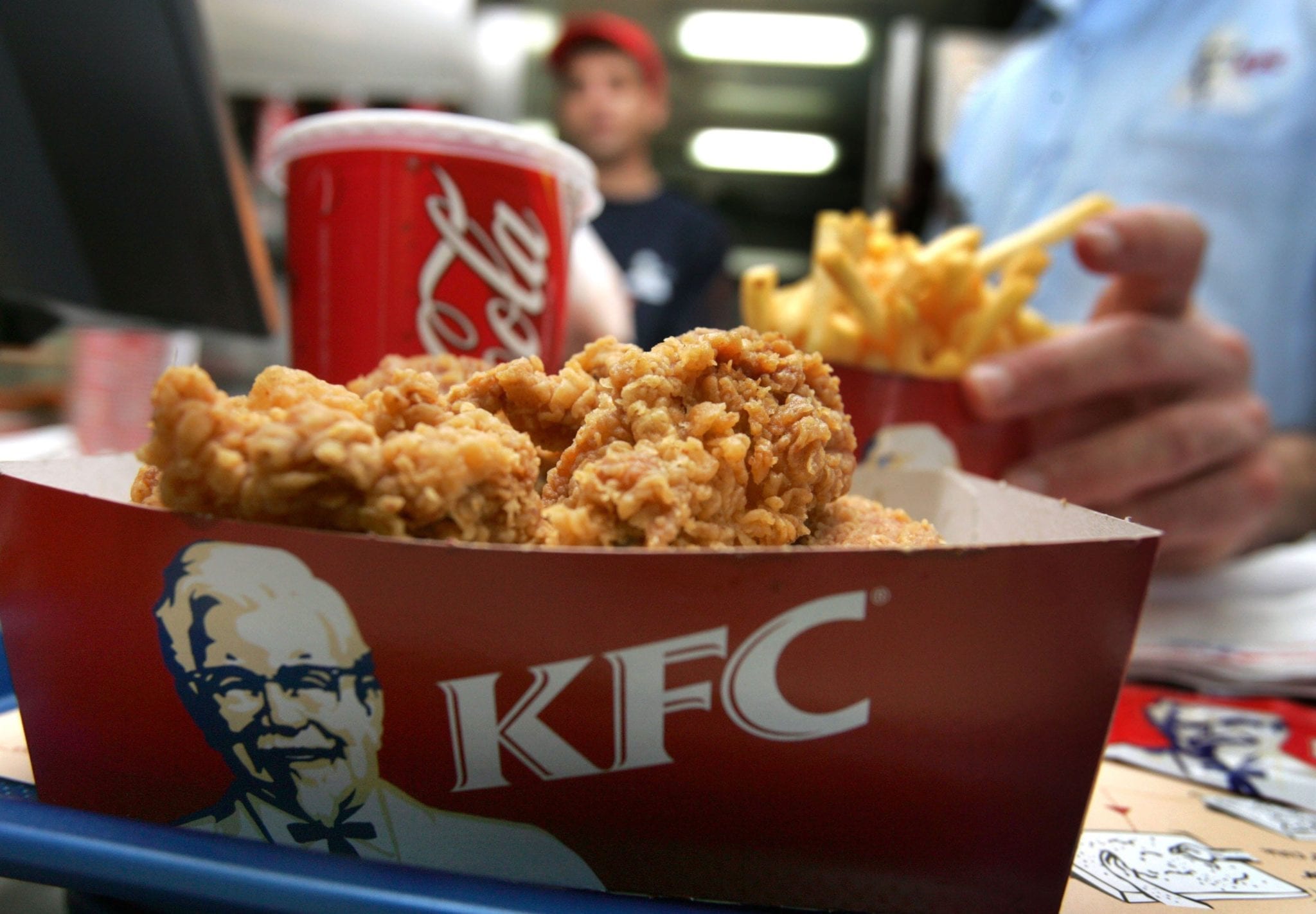
  • First KFC ‘Green Pioneer Stores’ open in China

    First KFC ‘Green Pioneer Stores’ open in China

    Yum China has just launched KFC’s first Green Pioneer Stores in Beijing and Hangzhou, as it works toward building a network of net-zero restaurants in the future.

    The move is part of the company’s climate strategy and a roadmap to achieving net-zero by 2050, following its pledge to Business Ambition for 1.5°C Commitment Letter to the Science-Based Target initiative (SBTi) last year.

    “We are committed to driving meaningful change and pioneering in the restaurant industry towards net-zero emissions. Building Green Pioneer Stores is an important part of our journey,” said Joey Wat, CEO of Yum China.

    Following the company’s 4R principles (reduce, reuse, recycle, replace), KFC has already incorporated several environmentally friendly practices in its stores across the country, such as:

    • Solar panels in its Hangzhou store generate an estimated 10,000 kWh of energy each year, which helps reduce carbon emissions from electricity consumption.
    • An Internet of Things-based (IoT) intelligent restaurant energy management system which helps improve the energy efficiency of Green Pioneer stores by around 10 per cent annually.
    • Each Green Pioneer Store is equipped with a Tubular Daylighting System that uses natural lighting, reducing electricity consumption.
    • Using eco-friendly materials such as ceramic floor tiles made from recycled energy, low-carbon bamboo and alt-leather made from recycled KFC coffee grounds.

    The company said the Green Pioneer Stores will also allow customers to experience and learn about eco-friendly restaurants by integrating “green interior design”.

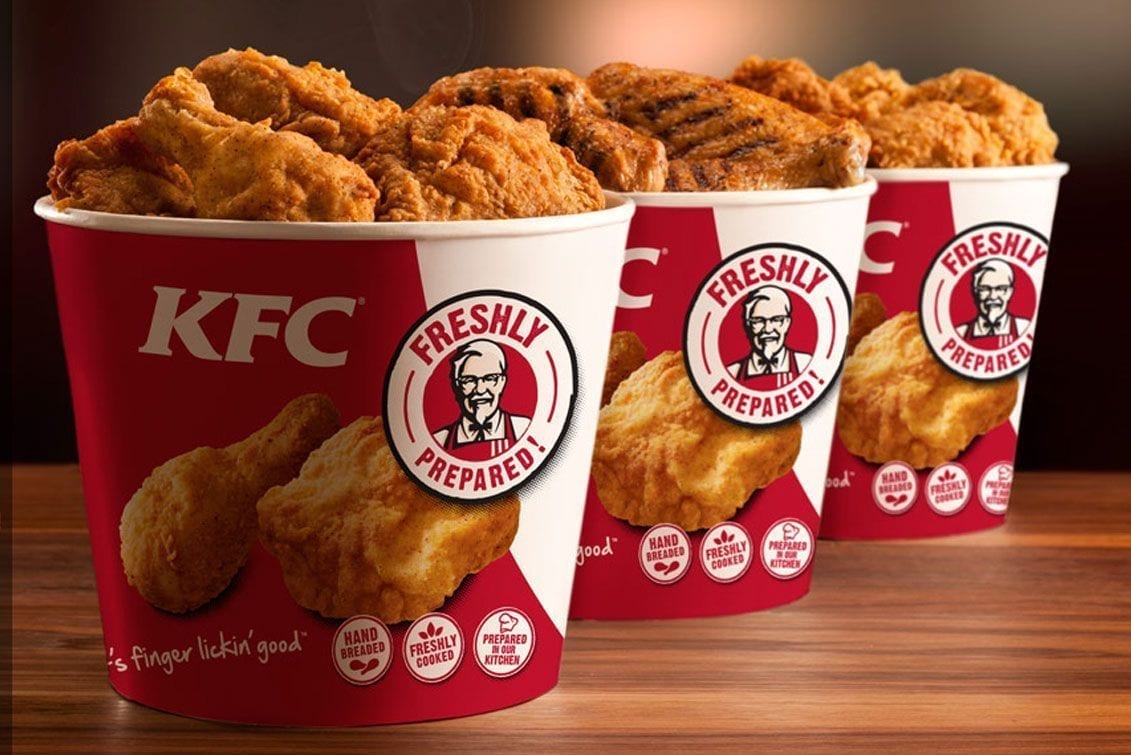
    At its Beijing store, a Family Bucket is made entirely of recycled packaging. While in Hangzhou, a wall section was intentionally left unfinished with an opening to show customers the restaurant’s eco-friendly construction process.

    While the restaurant chain has already integrated environmentally friendly initiatives, the company aims to further improve its emissions reduction by 15 per cent each year.

    “We will continue to explore the utilization of innovative technologies in restaurant construction and operations to promote sustainable development and contribute to the low carbon economy,” Wat added.