Category: Food

Retail News Asia is committed to providing both local and global retailers with the latest Food and Food & Beverage news throughout the Asian market. This on a daily base.

  • Yum China names new executives

    Yum China names new executives

    Yum China has appointed Johnson Huang as its first chief customer officer and Warton Wang, who is currently the chief development officer, as GM of KFC. Both roles are effective on May 1.

    Yum China says creating the chief customer officer position is one of the company’s strategies to “integrate customer-centricity into its brand-driven culture”.

    Johnson Huang has served as GM of KFC and joined the company in 2006. Prior to that, he was the company’s chief information and marketing support officer and helped build IT functions and digital infrastructure.

    In his new role, Huang will focus on enhancing customer experiences as well as understanding the market demand and creating cross-functional initiatives. He will also supervise some brands like Lavazza, Coffii & Joy and Taco Bell, and continue to report to Joey Wat, the company’s CEO.

    Meanwhile, Warton Wang will succeed Huang as the GM of KFC. Wang joined the brand in 1998 as an operations management trainee and has held various operations roles within KFC, including as market manager of Hangzhou KFC.

    Wang became the regional VP of KFC Field Operations in 2015 and the company’s chief development officer in 2020.

    “Digital is a core growth enabler of Yum China to unlock tremendous opportunities. Johnson’s new leadership role will enable us to continuously strengthen our digital capabilities and elevate the customer experience,” Joey Wat.

    “With his strong technology background and deep understanding of the organisation, Johnson is most suited for this new role. [His] proven track record of leading KFC in the past five years gives us confidence that he can transform our emerging brands into future growth engines for Yum China.”

  • Swensen’s Thailand opens next-gen regional flagship

    Swensen’s Thailand opens next-gen regional flagship

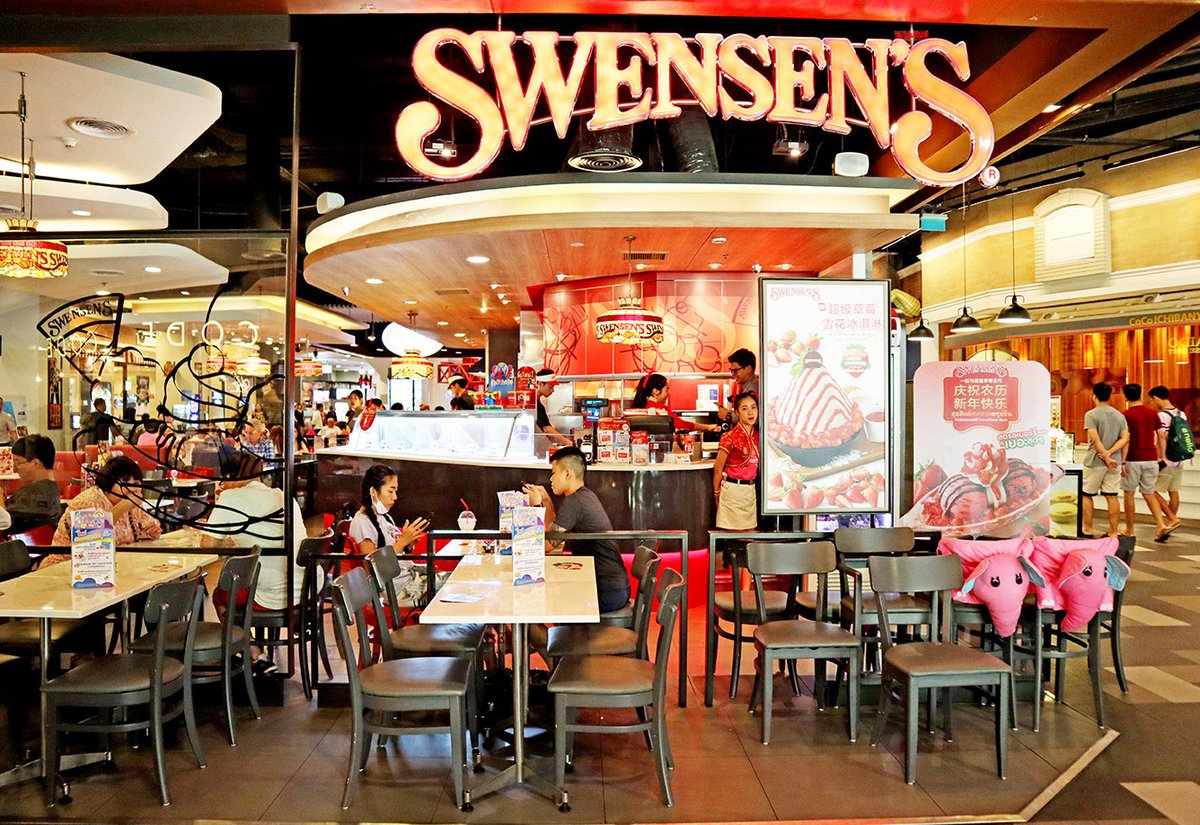
    Once again, Swensen’s reinforces to be the leading ice-cream brand that delivers a unique customer experience with the opening of Swensen’s Nan Regional Flagship Store. This store is the second store in Thailand after Phuket Town that is designed in accordance to the Regional Flagship Store concept. This concept is not just about expanding stores, but also to select a province with a character and local people including a distinctive local culture.

    Like Nan province, there is a strong community. So Swensen’s joins with local franchisee who truly understands  the Nan culture, to develop the area to become a new tourist attraction of Nan province.

    About store design, we bring the wisdom of Nan culture to create economic innovation through the store design. Customers can enjoy delicious ice-cream with a special ambience. We consulted with Nan historians, cultural experts and local designers  for store design,  to ensure that store ambience truly resonates with the local culture.

    Additionally, Swensen’s also adds a special menu ‘Bualoy Coconut Ice-cream’, which is available only in this store. If you travel to Nan, then do not forget to visit Swensen’s – Nan Regional Flagship Store and you will be truly impressed.

  • Aussie beverage company Made removes natural sugars from milk

    Aussie beverage company Made removes natural sugars from milk

    The TPG-backed Made Group is tapping into the growing health trend of low sugar drinks and increasing its focus on sustainability by using innovative technology to create a milk product, ReMilk.

    Made Group was the first Australian company to launch vitamin-infused bottled water (NutrientWater), coconut water, high-protein breakfast drinks, and cold-pressed juices with an extended shelf life – beating giants such as Coca-Cola Amatil and Asahi’s Schweppes to the market by several years.

    Now, co-founders Luke Marget and Matt Dennis are expanding the business after signing a deal last year with TPG Capital, which has a 60 percent stake. Following the equity injection, Made’s enterprise value is between $300 million and $350 million.

    They are not only widening their portfolio of non-dairy products such as Loco, a plant-based cream alternative, and Cocobella coconut yoghurt, but also turning to specialty fresh dairy using cow’s milk from Victoria’s Gippsland region.

    Mr Marget said more “flexitarians” were emerging – those who were semi-vegetarian and ate mostly plant foods with the occasional inclusion of meat.

    “We recognize that there are vegan consumers who are dedicated to a full plant-based diet, but the percentage of those globally is pretty small,” he said.

    “But what we’re seeing is a trend towards an increasing number of flexitarian consumers that are still interested in products like dairy that had a nutritional powerhouse, but also looking at complementing their diet with plant-based products from time to time, so that’s why we can offer consumers different choices.”

    Cow’s milk is mostly made up of water; the other components are fat, lactose and minerals such as calcium. Plant-based milk is low in protein and can also have less calcium, which is needed for strong bones.

    Mr Dennis said innovation had been lacking in recent years in the milk category. Through a cold filtration technology process, half the natural sugar of ReMilk was removed, he said, but it had more proteins than regular milk.

    After the cold filtration process, ReMilk also becomes lactose-free as any remaining lactose is converted into other sugars such as glucose and galactose by using natural lactase enzymes that are added to the milk.

    “The thing that struck me about the ReMilk proposition is it’s obviously addressing some of those sort of nutritional requirements that many consumers are seeking, but also addresses a more sustainable solution,” Mr Dennis said.

    “This is a product which appeals to a broad audience.”

    More than 50 per cent of Australians are estimated to have some form of lactose intolerance, a figure that rises to 70 per cent in Asian countries.

    Mr Marget said the removed lactose offshoot could be used in other products such as baby formula, and this would help reduce the group’s carbon footprint and cut wastage.

    Consumers are becoming increasingly conscious of their purchasing patterns and seeking out more sustainable solutions.

    A recent LEK Consulting sustainability survey across the UK, the US and Australia showed that more than half the 2700-odd people surveyed were turning their backs on unsustainable choices and willing to pay a premium for sustainable brands, especially for products in pet care, beauty and household basics.

    ReMilk has invested in a renewable packaging format called Tetra Rex by Tetra Pak, made from a combination of plastics derived from sugar cane and paperboard.

    The pair say that by swapping regular milk with ReMilk, consumers would remove 1.7 kilograms of sugar from their diet every year.

    They say their ReMilk product, made under the Rokeby Farms label, is not to be confused with an Israel-based start-up dubbed Remilk, which makes dairy-like products but not with cow’s milk.

    “This is our brand that we created using our innovation,” Mr Marget said.

    He said there had been a focus on accelerating sales into Asia for the larger Made Group suite of productions, but ReMilk was focused on winning a share in Australia’s $3.2 billion milk category.

  • Campbell’s launches wellness soups

    Campbell’s launches wellness soups

    Campbell Soup Co. has updated its nutrition metrics to set higher health and wellness standards for new and existing products, according to the company’s 2022 Corporate Responsibility Report. These new metrics are built upon three main tenets: focusing on nutritious foods, reducing negative nutrients and quantifying product affordability and accessibility. This system represents an effort by Campbell Soup to concretely track health and wellness progress to share with stakeholders, according to the company.

    The updated reporting system, which sets standards for nutrition-focused foods, logs nutritional content based on the categories “Cannot Exceed” as well as “AND Must Meet at Least 1,” both according to product serving size. The “Cannot Exceed” category sets limits for “negative nutrients,” such as calories, saturated fat, trans fat, sodium, and added sugar. The “AND Must Meet at Least 1” category lists “positive nutrients,” including protein, fiber, vitamins A, C and D, potassium, calcium, iron, vegetables, fruit, and whole grains. Similar to the negative nutrient list, Campbell Soup provides daily value serving suggestions for each positive nutrient. In Campbell Soup’s current portfolio, 56% of products meet the criteria for nutrition-focused foods, according to the company.

    Through product innovation and renovation, Campbell Soup hopes to implement nutrition guidelines across the company’s entire portfolio to reduce the presence of negative nutrients. The guidelines include category-specific limits for the previously listed negative nutrients but are less stringent than the corporate reporting nutrition metrics, according to the company. Categories for negative nutrient measurement include beverage, soup/stock/broth, simple meals, salsa and dips, sauce, bread and rolls, sweet snacks and savory snacks. With the guidelines, Campbell Soup is implementing nutrition expectations across the company’s culinary and nutrition teams, to re-establish product development standards. Currently, 69% of Campbell Soup’s current portfolio meets the updated product development guidelines, according to the company.

    The final mission of the company’s updated nutritional standards is to track accessibility and affordability. Doing so, Campbell Soup hopes to home in on the needs of economically insecure consumers and expand access to high nutrition/low cost meal options. One area this can already be seen is in the nutrition-focused food category, which averages just 62¢ per serving while the company’s entire portfolio averages 65¢ per serving. Additionally, 71% of Campbell Soup’s meals and beverages meet the requirements for at least one federal nutrition program, including WIC Eligible Foods, SNAP Staple Foods for Retailer Eligibility, and USDA Smart Snacks, and about 53% of the company’s family meal recipes cost less than $3 per serving. To expand access to meal planning, which may lead to less food waste and easier budgeting, the company created an online three-day meal planning resource, which may be found here. Highlights of the meal plan include incorporating meatless and plant-based dishes into the cooking rotation and eating fresh fruits and vegetables.

    Campbell Soup already has begun implementing these health and wellness metrics with some of its newer brands, including Well Yes! soups. Well Yes! soups debuted five years ago as a better-for-you option and continue to expand according to consumer needs. In 2021 new varieties were released that included trending ingredients such as cauliflower, bone broth and chickpeas. Similarly, the Campbell V8 brand launched two new on-trend vegetable juice flavors last year — carrot ginger and beet ginger. Other health initiatives have been undertaken across Campbell Soup brands, including Prego and Pacific Foods, which have launched their own plant-based and alternative dairy products in the past year.

  • Pizza 4Ps loss doubles to $1.66 million

    Pizza 4Ps loss doubles to $1.66 million

    Pizza 4Ps racked up a net loss of VND38 billion ($1.66 million) last year, as it struggled to recover from Covid-19 hits.

    The chain, produces pizzas, cheese and other dairy products, had posted its first ever loss of VND20.8 billion in 2020.

    Before the pandemic hit, the chain earned profits of over VND50 billion in 2018 and 2019.

    Pizza 4Ps charter capital has also fallen to 28 percent to VND98 billion, driving its debt-to-capital ratio up from 0.66 to 1.99.

    It issued bonds worth VND21 billion last year to build new outlets and a cheese factory.

    Founded in 2011 by a Japanese couple, Pizza 4Ps has 25 outlets in HCMC, Hanoi, Da Nang, Hai Phong and Nha Trang.

  • Rice export prices rise to 3.5-month high

    Rice export prices rise to 3.5-month high

    The prices for Vietnamese 5 percent broken rice rose to $420 per ton late March, the highest in the past 3.5 months.

    Vietnam exported 1.48 million tons of rice worth $715 million in the first three months this year, up 24 percent in volume and 10.5 percent in value against the same period last year, according to the Ministry of Agriculture and Rural Development.

    The ministry said stable global demand and high transportation costs resulted in March’s price hike.

    Vietnam’s 5 percent broken rice was sold at $415-420 per ton in late March, up $20 per ton from the beginning of the month. On average, the rice has cost $414 per ton in the world market in March, up $16 per ton against February.

    Meanwhile, Thailand’s 5 percent broken standard rice was sold at $408-412 a ton, down $16 from the beginning of the month as the baht continued to drop against the dollar.

    Vietnam exported over 6.2 million tons of rice for nearly $3.3 billion last year, according to the General Department of Vietnam Customs.

    The average export price of Vietnamese rice rose 5.5 percent in 2020 to $526.8 per ton in 2021, according to the agriculture ministry.

  • Nestle opens $90 million pet food plant expansion at Blayney

    Nestle opens $90 million pet food plant expansion at Blayney

    With the last two years seeing more people adopting pets, the Purina factory is now set to meet the growing demand for wet cat food in Australia and beyond thanks to the newly installed state-of-the-art high-speed manufacturing technology.

    As well, the Purina team has expanded to meet the increased demand, with 20 new jobs now created on site, creating cat favorites such as Felix, Fancy Feast, Pro Plan and Purina One.

    Nestlé Blayney Factory Manager Charlene De Wit said the new facility is a testament to Nestlé’s commitment to local manufacturing and support for the Central West community.

    “We are proud to produce quality Purina pet food for our much-loved furry friends across Australia and around the region, right here in Blayney.

    “Our expanded facilities will allow us to scale up production of single-serve wet cat food by over 120% – as well as the dry cat and dog food we already produce,” Ms De Wit said.

    The opening brings Nestlé’s total investment in the factory to more than $200 million over the past 10 years, as the business has increased production and developed new capabilities. The wet cat food facility, opened in late 2014, was developed to create premium products with the taste profile cats prefer, and the simplicity their owners prefer.

    The expansion will position Nestlé Purina as a key regional supplier, with both wet and dry pet food exported from Blayney to New Zealand, Thailand and Japan.

    The new facilities will also see a significant quantity of local ingredients used in production. More than 85% of raw materials used at the Nestlé Blayney factory will be sourced locally, including meats and grains.

    Ms De Wit continued, “We have an incredibly dedicated and highly skilled team here at Blayney. By bringing leading technology to our factory and continuing to use high quality ingredients in our product, we are even more confident that we will continue to enrich the lives of pets and the people who love them for years to come.”

    The Nestlé factory in Blayney began operations in 1989, and now features world-class facilities to manufacture brands such as Felix, Fancy Feast, Pro Plan, Supercoat and Purina One.

  • McDonald’s Australia appoints new CEO

    McDonald’s Australia appoints new CEO

    McDonald’s Australia has named Antoni Martinez as its new chief executive to replace outgoing boss Andrew Gregory, who is moving to a global role as head of franchising at the fast food giant.

    Mr Martinez will move back to his native Australia at the end of the month to take up the new job on May 1 from Seoul, where he is currently managing director of McDonald’s Korea.

    Mr Gregory has worked at McDonald’s Australia since 1996, starting as a crew member and working his way up to chief financial officer before taking on the top job in 2014.

    Under his leadership, McDonald’s Australia has delivered consistent, record growth in sales, profitability, and market share. Coffee, delivery and digital sales have been among the most significant drivers of growth.

    “McDonald’s Australia is one of McDonald’s largest and most successful markets in terms of growth, employment, and economic impact,” Mr Gregory said.

    “I am proud to be handing the reins of this great company to Antoni at a time of strong, sustained performance.“

    “As I step up and into a global position, I have every confidence that he is the best leader to return home and drive the plans for our continued growth, innovation, and success.”

    Mr Martinez takes over at a difficult time as the chain makes a big push into regional areas. It is facing an uphill battle in attracting the right franchisees who are willing to move and invest upwards of $1.5 million cash in the business.

    “Macca’s” has about 100 new restaurants in the pipeline over the next three years, about one-third of which will be in regional areas.

    The group has 1020 McDonald’s restaurants across Australia and nearly 85 percent of those are franchise operations. It is a major employer with more than 110,000 people in restaurants and corporate offices, and is the largest employer of youth in the country.

    Mr Martinez will also be grappling with possible wage increases being determined by the Fair Work Commission’s wage panel, which would come into effect on July 1. Unions are pushing for a 5 percent increase in the minimum wage this year to more than $21 an hour to cope with the surging cost of living.

    Mr Martinez started at McDonald’s in Melbourne in 2000, before moving into senior leadership roles including development director and market director for the southern region, where he was responsible for operations, franchising and marketing for more than 300 restaurants.

    In February 2020, Mr Martinez relocated to Seoul to lead South Korea’s McDonald’s team.

    Mr Martinez said he was excited to return to Australia, where he planned to focus on providing opportunities for its people to develop their skills.

    “I stepped outside of the Australian market to gain valuable international experience and have watched with a great sense of homegrown pride the continued growth and innovation of the Australian business,” he said.

  • Ferrero recalls some Kinder products in Australia, NZ ‘as a precaution’

    Ferrero recalls some Kinder products in Australia, NZ ‘as a precaution’

    Italian confectionery group Ferrero has recalled several children’s chocolate products in Australia, having already recalled products in multiple European countries earlier in the week. The recalled products could potentially be contaminated with salmonella, Food Standards Australia New Zealand (FSANZ) announced on Thursday. The chocolates, including some Kinder products, were sold in large supermarket chains such as Coles and Woolworths.

    “Consumers should not eat this product and should return the products to the place of purchase for a full refund,” the FSANZ said in a statement. Ferrero’s Australian arm is recalling Easter baskets and some Kinder chocolate eggs.

    The Kinder Surprise 20g single and three-pack eggs are not affected. The European Food Safety Authority (EFSA) and the European Centre for Disease Prevention and Control (ECDC) have launched investigations into the salmonella outbreak and plan to publish an assessment next week. So far, 105 confirmed cases and 29 suspected cases of salmonella, most of them in children under the age of 10, have been recorded in Europe, according to the authorities. Almost half of the salmonella infections were recorded in Britain, with the first case being detected as early as January 7.

    Other countries affected by the recall include Germany, Belgium, France, Ireland, Israel, Luxembourg, the Netherlands, Norway and Sweden.

  • Subway appoints new Australia and New Zealand chief

    Subway appoints new Australia and New Zealand chief

    He brings extensive experience from international companies to the new role.

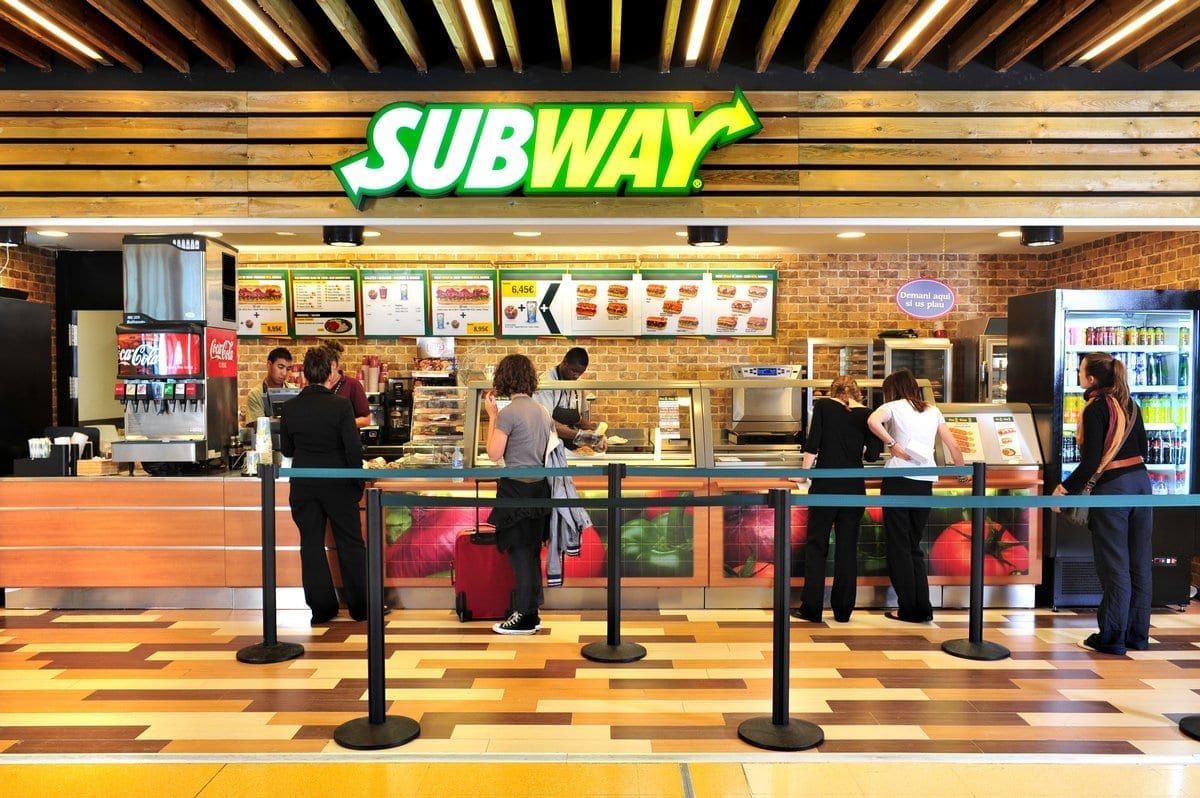
    Subway has announced that Geoff Cockerill will be their Country Director for Australia and New Zealand starting on June 4.

    Cockerill brings extensive experience to his new role from a number of international companies such as Diageo and Kirin, and some global brands including Johnnie Walker, Smirnoff, and Corona.

    His background also includes a range of CEO, Executive General Manager and Managing Director roles for high-profile sporting, not-for-profit, and listed retail and consumer brand organizations, including franchising.

    “I’ve admired the success of the Subway® brand for many years, and couldn’t be more excited to join the team. I’m looking forward to helping continue achieve the speed to market needed to drive the business forward,” Cockerill said.

    Subway Vice President of International Ian Martin notes Cockerill’s track record in organizational change and culture, strong leadership, stakeholder engagement, and delivery of agreed results.

    “I’m delighted that an experienced leader like Geoff is going to be leading one of our most important global markets,” Martin said.

  • Seafood exports rise by 40 pct in Q1

    Seafood exports rise by 40 pct in Q1

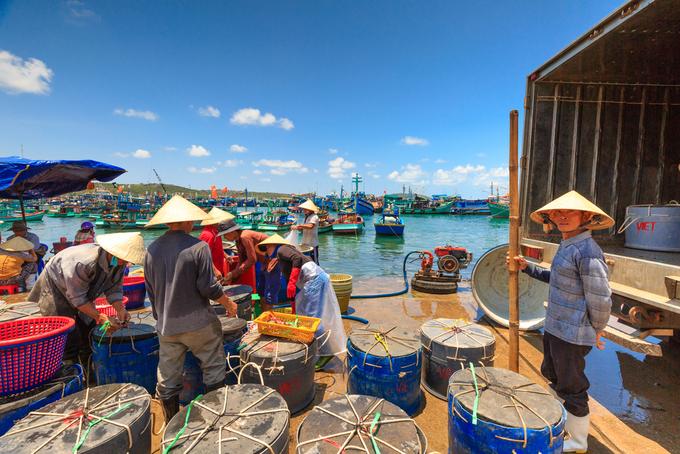
    Vietnam’s seafood exports grew by 40 percent year-on-year in Q1 to US$2.4 billion despite direct impacts of the ongoing Russia-Ukraine crisis.

    The growth was led by shark catfish, whose exports increased by 88 percent to $646 million and accounted for 27 percent of overall exports, according to the Vietnam Association of Seafood Exporters and Producers (VASEP).

    Shrimp remained the top export item, accounting for 37.5 percent of the total at over $900 million, up 37 percent.

    VASEP said the conflict is having an impact on the industry, with the skyrocketing gasoline prices forcing fishermen not to go out to sea or even sell their boats.

    In March export growth slowed down to 25 percent from 44 percent in January and 62 percent in February.

    Tuna and octopus exports grew by 20 percent last month, but exports of other saltwater fishes slipped by 14 percent.

    Exports to Russia fell by 86 percent to $2.7 million, and exports to Ukraine came to a complete halt. Russia and Ukraine used to account for around 2 percent of Vietnam’s seafood exports.

    VASEP expects gasoline prices to continue to cast a shadow on the industry in the coming months, but growth to be driven by recovering demand in other markets like the U.S and the E.U.

    It forecast 25 percent growth in exports in April.

  • Vietnamese honey gets a sweet deal in Taiwan

    Vietnamese honey gets a sweet deal in Taiwan

    Vietnam’s honey exports to Taiwan rose by 57 percent last year to US$1.64 million, thanks to competitive prices and growing quality.

    Oanh, a woman from the northern province of Hai Duong who is working in Taiwan, said Taiwanese increasingly prefer Vietnamese honey due to its better prices than Thai products.

    Last year Vietnam was the second largest natural honey exporter to Taiwan, accounting for nearly 10 percent of the latter’s total imports. Its export volumes rose by 44 percent to 382 tons, according to statistics from Taiwan’s Bureau of Foreign Trade.

    In the first two months of 2022 exports quadrupled year-on-year to 46 tons. Vietnam exports 54,000 tons of honey annually, 95 percent of it to the U.S.Exporters said Taiwan is a promising market for honey due to growing demand.

    But the U.S. has imposed a preliminary anti-dumping tax of over 410 percent on Vietnamese honey.

    Its import tax on honey from other countries is around 30 percent.

  • Dragon fruit sold for $1 per 6 kilograms as China remains inaccessible to exporters

    Dragon fruit sold for $1 per 6 kilograms as China remains inaccessible to exporters

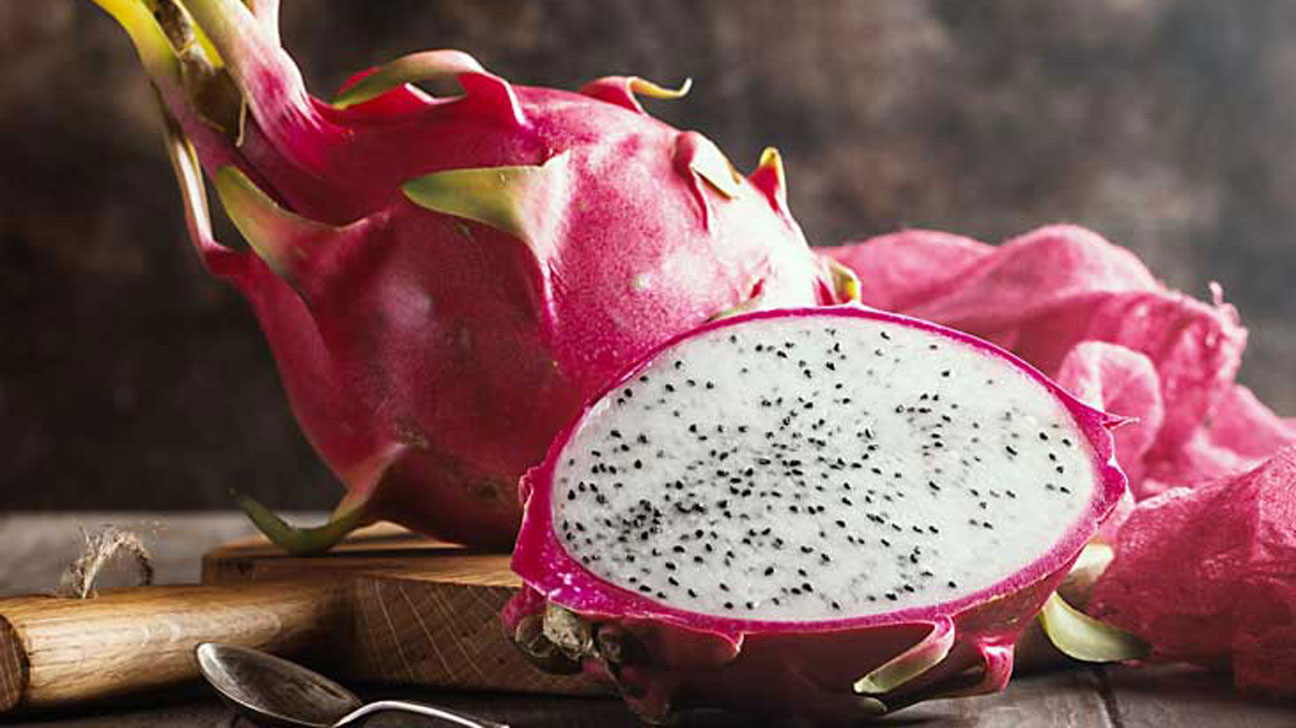
    Watermelon, dragon fruit, and other agricultural produce are being sold for VND 3,000-8000 ($0.13-0.35) per kilogram in HCMC and Hanoi since the China export situation remains grim. In HCMC’s Districts 12, Binh Thanh, Go Vap, and others, vendors can be seen on sidewalks selling large piles of fruits at extremely low prices.

    “This type of watermelon was typically sold at VND25,000 ($1.09) per kilogram in recent years, but this year we are selling it at half price because farmers cannot export it,” Cuong, a vendor in Tan Binh District, said.

    Cuong and his wife buy the fruit from farmers in Long An Province at VND8,000 and sell them at VND12,000.

    A vendor in Go Vap District, Hoang, said he was selling at almost no profit because of the high transportation costs.

    The container pileup at the Chinese border has persisted for three months now, forcing drivers to return to cities and sell them at half or a third of the export price.

    In the northern province of Lang Son, which has some key border gates, 1,378 trucks were stuck as of Monday, with more than three-fourths of them carrying fruits, according to the customs agency.

    Local customs officers said the number of trucks turning around has increased in the last few days and could continue to rise.

    They typically go to Hanoi and try to sell them there.

    Thanh, a vendor in Long Bien District, said he recently sold 200 cases of banana at “super low” prices, and would sell jackfruit and watermelon in the coming days.

    “Export prices of fruit have been dropping in the last three months, and so we sell them at low profits mostly to support the drivers and export companies”.

    The fruits are also sold online at around VND5,000 per kilogram of watermelon, VND6,000 per kilogram of banana and VND4,000 per kilogram of dragon fruit.

    Some exporters are considering abandoning China altogether and focusing on other markets.

    “After this batch, we will stop buying from farmers for a while to find new markets. Exports will continue to be difficult if China keeps its Covid-19 regulations tight for the rest of the year,” the head of a banana export company, who asked not be named, said.

    China is one of the biggest importers of Vietnamese fruits. Exports of agriculture, forestry and fishery to this country in the first two months surged 20.9 percent year-on-year to $8 billion, according to the Ministry of Agriculture and Rural Development.

  • Vietnam food company acquires French poultry firm

    Vietnam food company acquires French poultry firm

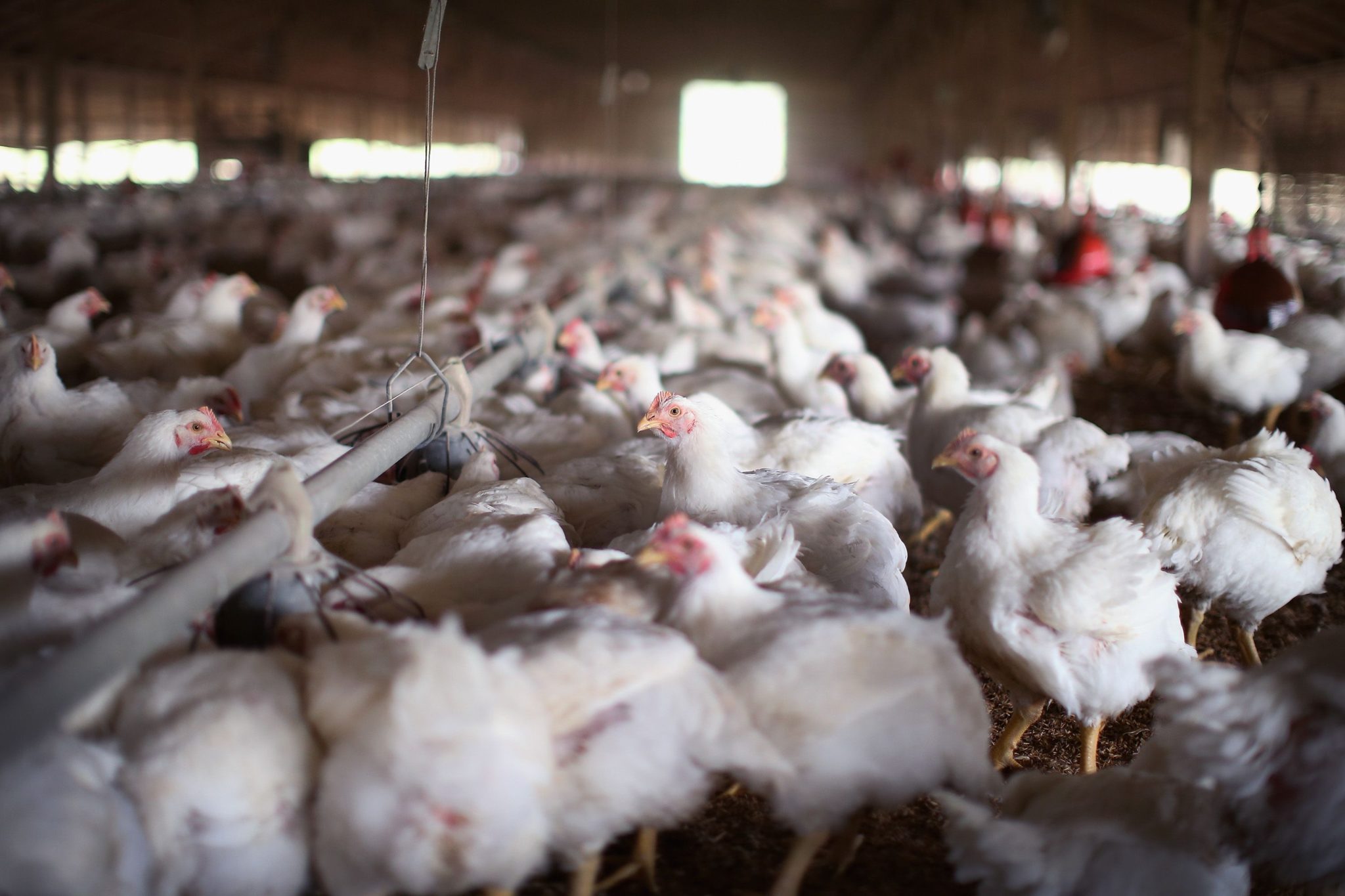
    GreenFeed Vietnam, a Vietnamese food chain company, has acquired the Mekong Delta-based French chicken supplier LeBoucher. The value of the deal has not been disclosed.

    GreenFeed owns G Kitchen, a meat and processed products retailer. Quang Thanh Cuong, head of its food segment, said the acquisition would complement the company’s ecosystem with a new source of protein.

    LeBoucher, a poultry supplier with a factory in the southern province of Long An, is the fifth food brand added to GreenFeed’s portfolio, the other three being MaMaChoice (fresh meat), Wyn (processed food) and G.Lala (broken rice).

    LeBoucher was owned by Alain Glon Holding Asia, a French food company with $110 million in annual revenue that has been operating in Vietnam for over 25 years. It supplies chicken to McDonald’s Vietnam operations.

    According to German data portal Statista, Vietnam poultry consumption was nearly 17 kilograms per capita in 2021; and is expected to rise to more than 20 kilograms by 2029.

  • Domino’s Pizza China operator applies for Hong Kong listing

    Domino’s Pizza China operator applies for Hong Kong listing

    The operator of Domino’s Pizza in China, DPC Dash, has filed for Hong Kong stock exchange listing to expand its footprint in China.

    However, it was not clear how much the company was aiming to raise in its Hong Kong listing. The company is currently Domino’s Pizza master franchisee in Mainland China, operating 485 stores across 10 cities. More than half of the stores are located in Beijing and Shanghai.

    DPC Dash said it plans to increase its footprint in the country with 120 new stores slated to open this year followed by 180 stores next year.

    “Given the vast number of potential store locations in China, we expect we will continue to open new stores at a rapid pace in 2024 and 2025,” the company said in its online filing.

    DPC Dash recorded 45.9-per-cent year-on-year growth in revenue last year, reaching US$251.5 million. Despite an 18.7 per cent increase in same-store sales, the company has experienced a net loss for each of the past three years, which according to the filing, resulted from extensive store openings, marketing, staff training and technology.

    The company also said operations at some of its stores in Shanghai and Shenzhen have been adversely impacted since mid-March of this year as a result of local governments implementing temporary lockdowns and travel restrictions.

    According to The Frost & Sullivan Report, China pizza market was worth $1.6 billion in 2020 and is expected to reach $9.79 billion by 2025.