Category: Food

Retail News Asia is committed to providing both local and global retailers with the latest Food and Food & Beverage news throughout the Asian market. This on a daily base.

  • Fruits, meats buck trend of surging prices

    Fruits, meats buck trend of surging prices

    While the prices of many consumer goods are rising sharply, some have bucked the trend as their supply remains strong while demand, especially for exports, is weak. Looking for a place to eat dinner at a traditional market, Huong, a garment worker in Tan Binh District, said it is fortunate that the price of pork, popular among most Vietnamese families, has fallen slightly.

    This has relieved some of the financial pressure on low-income workers like her as the prices of many goods have been rising.

    Imported beef prices are down 10-20 percent, and farmed fish prices have fallen even more sharply.

    A recent survey found that the prices of many agricultural, fishery and livestock products have dropped, with most of them seeing double-digit declines.

    “I suffered heavy losses as production costs doubled from last year but prices are lower”.An, who has a jackfruit orchard in the southern province of Long An, said merchants have halved their buying price and even stopped buying due to high transport costs and export challenges.

    Hung, a farmer in the central coastal province of Binh Thuan, said several tonnes of dragon fruits have ripened on his farm but there are no buyers.

    Citing export issues, merchants buy the fruit in small quantities at around VND2,000 per kilogram (8.7 US cents).

    Pham Thanh Mai, an agricultural products trader in the Central Highlands, said difficulties with exports are the main reason for the price drops.

    “Usually off-season fruits always fetch higher prices because of limited supply. Prices have now fallen sharply since demand is lower as fruits cannot be exported”.

    As of March 21, around 1,000 trucks remained stranded at at border gates with China in the northern province of Lang Son, 660 of them laden with fresh fruits. According to Vietnam Customs, 80 percent of the country’s dragon fruit is exported to China. But after that country imposed stringent Covid-19 safety measures, Vietnam’s exports have stalled, causing demand for many fruits to dry up.

    Le Xuan Huy, deputy director of leading pork producer CP Vietnam, said meat prices have dropped generally due to higher supply and fall in demand to 80 percent of pre-pandemic levels.

  • Paris Baguette Indonesia grows as sales exceed expectation

    Paris Baguette Indonesia grows as sales exceed expectation

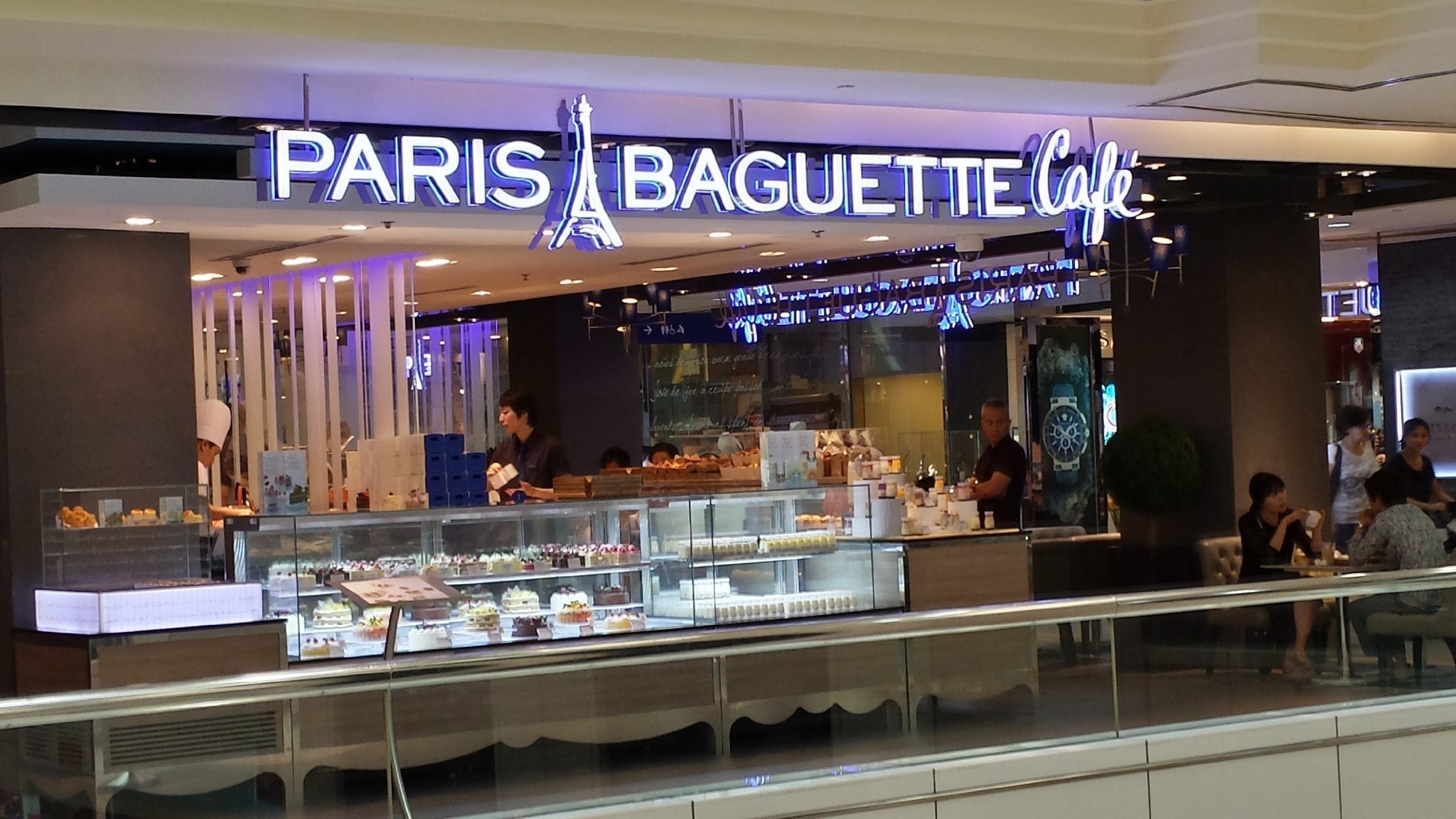
    SPC Group announced on March 24 that it is opening two Paris Baguette stores in Indonesia, one in Jakarta and the other in Bekasi. They are the third and fourth Paris Baguette stores in Indonesia, respectively.

    Paris Baguette, together with its local partner Erajaya Group, opened its first store in Indonesia, at Ashta Mall in November 2021. The Korean bakery giant is quickly establishing itself in the Indonesian market. Thanks to a great response from local customers, it expanded its presence beyond the capital city of Jakarta to the neighboring city of Bekasi.

    The third Paris Baguette store in Indonesia is located on the first floor of Pondok Indah Mall, one of the top five premium shopping malls in Jakarta, which is visited by an average of 100,000 people a day. The 162-squre-meter store opened with 66 seats on March 23.

    SPC Group is planning to operate Pondok Inda Mall Store as a flagship store in Indonesia that provides differentiated products and services. For customers who enjoy simple meals, it launched mushroom risotto and spicy seafood tomato pasta and drinks, including green grape ice tea of SPC Group’s tea brand Teatra. Its interior gives the impression of a French greenhouse. It is decorated as an island-style store with a cozy and antique atmosphere.

    The fourth store, Sumarecon Bekasi Store, occupies a 132-square-meter space on the first floor of Sumarecon Mall in Bekasi, a large residential area in eastern Jakarta. It will open with 40 seats at the end of March.

  • Barry Callebaut expands NSW chocolate plant

    Barry Callebaut expands NSW chocolate plant

    Barry Callebaut has completed the expansion of its Campbellfield factory in Melbourne, after the 11,000 m2 site was acquired in 2020.

    The expansion will cater for local industrial food manufacturers with new production lines to increase the total operating capacity and its range of chocolate offerings. The range will now include liquid chocolate, compound, buttons and chips, in addition to the products already produced at the site such as coatings and fillings.

    “This factory expansion underlines Barry Callebaut’s ongoing commitment to Australia. The facility further strengthens our regional footprint in Asia–Pacific, producing safe and high-quality products. The move is in line with our ambition to locate production close to our customers,” said Jo Thys, President of the Asia Pacific region for Barry Callebaut.

    The factory will be equipped with chocolate refining and conching lines, which will enable the company to serve the Australian food industry from artisans to global manufacturers.

    “I am proud that our Gourmet chocolates have been brought into the country for many years now. Today, I am even prouder that our high quality ‘Made in Australia’ products are available in higher volumes, creating more chocolate happiness for our local consumers,” said Denis Convert, Managing Director Australia at Barry Callebaut.

    “With the expansion of our Campbellfield factory, we are well-positioned to become the leading chocolate manufacturer in Australia.”

  • Instant noodle store an unlikely hit with Thai youth

    Instant noodle store an unlikely hit with Thai youth

    In Thailand, a country famous for its flavourful, spicy cuisine and street food, instant noodles may seem an unlikely culinary hit.

    But for teenagers like Ratchadaporn Krongngam, a store that stocks more than 70 types of instant noodles from across Asia and allows you to cook and eat them immediately is an experience worth savouring.

    Since Good Noodle opened in Union Mall in Chatuchak district of Bangkok last October, it has seen thousands of young customers browse its bright orange shelves for noodles from Indonesia, South Korea, China, Taiwan and Hong Kong.

    “This is my third visit. I love it here because I wanted to try out new and different kinds of instant noodles as I want to know how all of them taste,” said Ratchadaporn, 18.

    Customers often dine in the store, where they can cook their own three-minute meal, which costs between 6 and 250 baht.

    Customer Sirayakorn Charoenthat, 18, said the prices were reasonable for students compared to eating at restaurants.

    Instant noodles are hugely popular in several Asian countries because of their taste, versatility, convenience, and low price. But health experts warn against consuming too much highly processed food because it lacks key nutrients.

    Instant noodles are cooked from a self-automated machine at Good Noodle. (Photo: Reuters)

    Store’s managing director Ungkool Wongkolthoot said he scoured Bangkok’s convenience stores and supermarkets during the pandemic for all the different types of instant noodles he could find, which turned out to be more than 350.

    With this, he saw a business opportunity.

    “I wanted to give the customers an instant experience with the noodles. Not just buying the noodles from other convenience stores or supermarkets, then forgetting about them at home,” he said.

  • Vinamilk profits to decline for 2nd year in a row

    Vinamilk profits to decline for 2nd year in a row

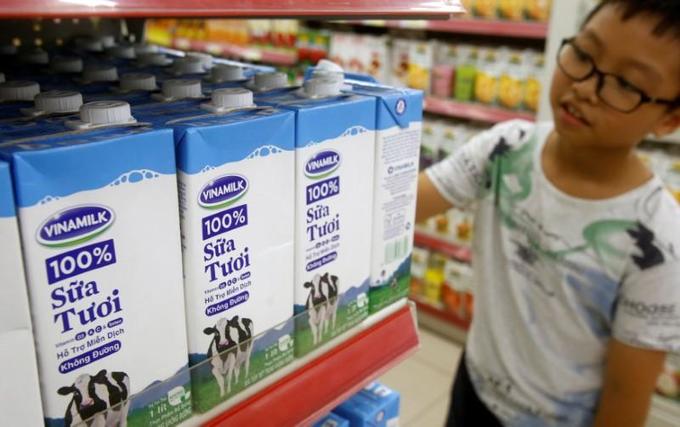
    Vinamilk is set to see profits decline for a second straight year in 2022 due to rising costs of raw materials and transportation.

    Vietnam’s leading dairy company targets pre-tax profits of VND12 trillion ($524.70 million), down 7 percent from last year, though revenue is likely to grow by 5 percent to VND64 trillion. Last year, profits were down 4.4 percent from a record VND13.52 trillion in 2020.

    The company said that last year it faced many challenges including a shortage of raw materials and rising prices of animal feed and transportation.

    Animal feed prices jumped 30-40 percent last year and are set to continue to rise this year, it said. Transport costs rose by 20 percent domestically and 500 percent globally, it said. The Covid-19 pandemic also made milking difficult due to prolonged social distancing, while the rising costs of animal feed forced farmers to switch to other vocations, it added.

    But the dairy giant aims reach a profit of VND16 trillion in 2026, up 33 percent from 2022. It targets revenues of VND86.2 trillion in 2026. Vinamilk plans to achieve these targets by stepping up research into new products and using new technologies for sustainable livestock farming.

    It also eyes new growth opportunities through mergers and acquisitions and new investments. Last year its exports rose 18 percent to VND1.8 trillion and went to 57 countries and territories. Vietcombank Securities said in a recent note that Vinamilk does not have much potential for growth in the next two or three years. The segment with the most growth potential in the next two years is beef, and it plans to start importing the meat from Japan this year.

  • Carl’s Jr to exit Thailand

    Carl’s Jr to exit Thailand

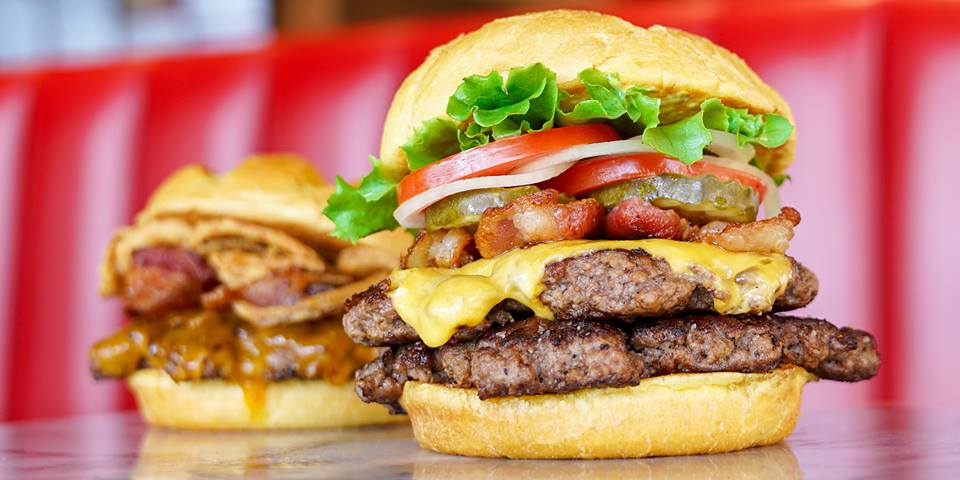
    Carl’s Jr. plans to close all six locations in Thailand by the end of the month.

    R&R Restaurant Group, which holds the rights to operate the burger chain, announced it could no longer bear the costs of operating the fast-food chain.

    “We tried to get through it during the second half of 2021. But we were forced to import our ingredients solely from the U.S. due to the restrictions imposed by CKE Restaurants Holdings,” it said of its parent company.

    The burger chain opened its first branch in Thailand in 2012 at Central Festival Pattaya Beach.

    Update: After this story was published, the group announced its last day of operation will be March. 24.

  • Global milk tea chain Gong Cha will add 17 stores in Australia

    Global milk tea chain Gong Cha will add 17 stores in Australia

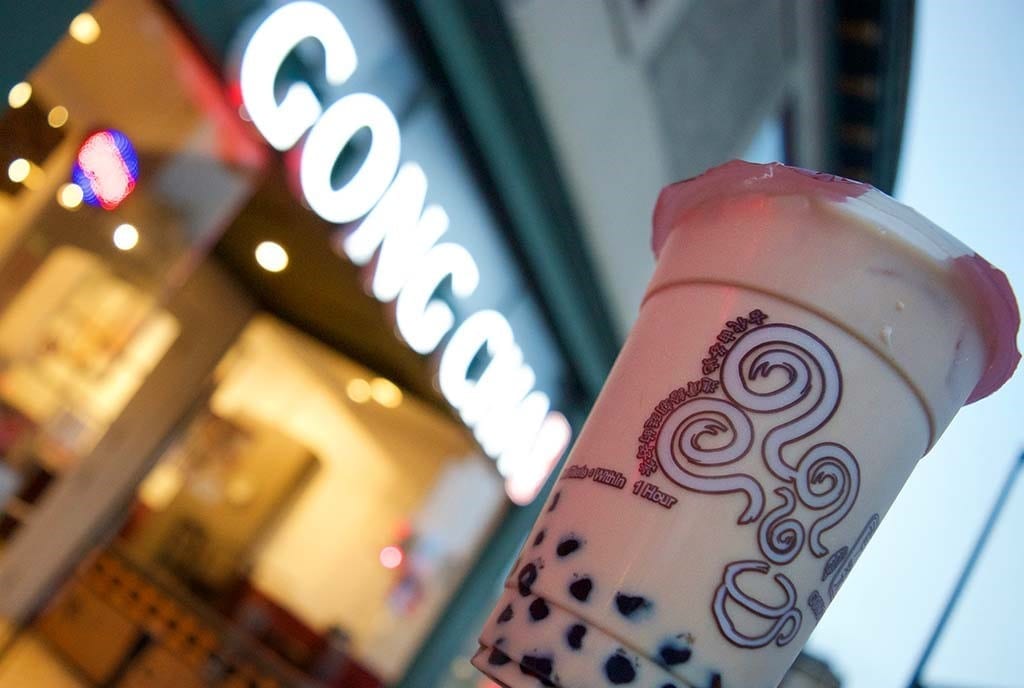
    Global milk tea chain Gong cha is planning to expand in Australia with a further 17 stores this year.

    That’s adding to the 118 stores already operating.

    The plan for growth is part of a bigger international expansion goal, which sees the business focus on development in countries such as Japan, Mexico, New York, and the Philippines.

    Around the world Gong Cha had 1661 stores at the end of 2021, including 90 new outlets opened in Japan. The growth represents a 17 percent rise from the previous year.

    Also this year, another 25 stores planned to open under the guidance of the New York master franchise. South of the border in Mexico the plan is to almost double the number of stores to 51; while the Philippines store count is expected to grow by another 34 new milk tea venues.

    The Gong cha brand was founded in Taiwan in 1996 and is now owned by the Gong Cha Group, headquartered in London.

  • Starbucks CEO Kevin Johnson is retiring, and Howard Schultz is returning as interim chief

    Starbucks CEO Kevin Johnson is retiring, and Howard Schultz is returning as interim chief

    Starbucks CEO Kevin Johnson is retiring after five years on the job. Howard Schultz will return as interim CEO, once again taking the helm of the coffee chain he elevated to a global brand while the company searches for a long-term successor. This will be his third tenure as Starbucks’ chief executive.

    Shares of the company rose 7% in morning trading on the news. Starbucks announced the leadership transition ahead of its annual shareholder meeting later Wednesday.

    “A year ago, I signaled to the Board that as the global pandemic neared an end, I would be considering retirement from Starbucks. I feel this is a natural bookend to my 13 years with the company,” Johnson said in a statement.

    Johnson, 61, joined the board in 2009 while working as CEO of Juniper Networks, and became a member of the leadership team in 2015 as president and COO. In 2017, he was named president and CEO, succeeding Schultz. Wednesday’s annual shareholder meeting marks his 14th with the company, he wrote in his final letter to employees.

    In addition to steering the company through the Covid pandemic, Johnson used his expertise as a former tech executive throughout his tenure to push Starbucks into the digital age, revamping its loyalty program and updating its store footprint to reflect the different ways consumers want to buy their coffee. He also accelerated the chain’s expansion in China, now its second-largest market.

    In his time as head of the company, shares of Starbucks rose more than 50%, including Wednesday’s gains. The stock underperformed compared with the S&P 500, which rose 83% in the same time.

    The chair of Starbucks’ board, Mellody Hobson, said on Wednesday that the company intends to select a permanent successor by the fall.

    “We’re not going to hire over Zoom, I can tell you that,” Hobson, co-CEO of Ariel Investments, said.

    She added the company already has a number of strong candidates in contention for the top job.

    Schultz, 68, said in a statement he previously had no plans to return to the company. He served as CEO from 1986 to 2000, and again from 2008 to 2017. He also weighed a potential run for president ahead of the 2020 elections.

    “When you love something, you have a deep sense of responsibility to help when called. Although I did not plan to return to Starbucks, I know the company must transform once again to meet a new and exciting future where all of our stakeholders mutually flourish,” Schultz said in a statement. “With the backdrop of COVID recovery and global unrest, its critical we set the table for a courageous reimagining and reinvention of the future Starbucks experience for our partners and customers.”

    Schultz’s salary as interim chief executive will be $1, the company said. Hobson said Starbucks wants to lean on “all of Howard’s expertise and all of his brilliance” throughout the transition, but denied he would stay on longer as the company’s next full-time chief executive.

    “We have a great slate of candidates. People want this job, and we’re fully confident we’ll have a new leader in the fall,” she said. “He’s not going to stay for three years…We get him until the fall, full stop. Trust me.”

    Some were caught by surprise that the board knew Johnson planned to retire a year before publicly discussing a transition or a successor.

    “Howard Schultz knows Starbucks. He knows the company’s strategy and goals. And Schultz is in a position to help in ways other interim CEOs could not. But, for a company the size and stature of Starbucks not to have a solid succession plan is surprising,” said Timothy Hubbard, an assistant management professor at University of Notre Dame’s Mendoza College of Business.

    Former Chief Operating Officer Roz Brewer, once thought to be the heir apparent, departed the company in early 2021 to become chief executive of Walgreens Boots Alliance. Starbucks’ CEO shift comes against a backdrop of growing efforts among the company’s baristas to unionize. To date, roughly 140 Starbucks stores in 26 states have petitioned the National Labor Relations Board to unionize, according to organizers Starbucks Workers United. Six locations so far have voted in favor of a union.

    In a move that may have signaled his return to the company, Schultz appeared at Buffalo, New York-area cafes ahead of union elections, along with other top Starbucks executives, to attempt to dissuade baristas from voting in favor of unionizing.

    This week, the National Labor Relations Board filed a complaint over accusations Starbucks retaliated against two employees in Phoenix who were seeking to unionize their store location. On Tuesday, a group of 75 investors in Starbucks sent a letter to Hobson and Johnson urging the company to adopt a policy of neutrality for all current and future attempts by its workers to organize.

    Hobson said Wednesday that Starbucks “made some mistakes” when asked about the union push.

    “When you think about, again, why we’re leaning on Howard in this moment, it’s that connection with our people where we think he’s singularly capable of engaging with our people in a way that will make a difference,” she said.

    Johnson’s retirement announcement marks the fourth notable CEO transition from a publicly traded restaurant company in recent months.

    Domino’s Pizza CEO Ritch Allison will retire at the end of April, and Darden Restaurants’ Gene Lee will do the same the following month. Wingstop announced Monday that CEO Charlie Morrison stepped down to become chief executive of Salad and Go, a much smaller drive-thru salad chain.
  • Tim Hortons to enter India, plans 250 stores

    Tim Hortons to enter India, plans 250 stores

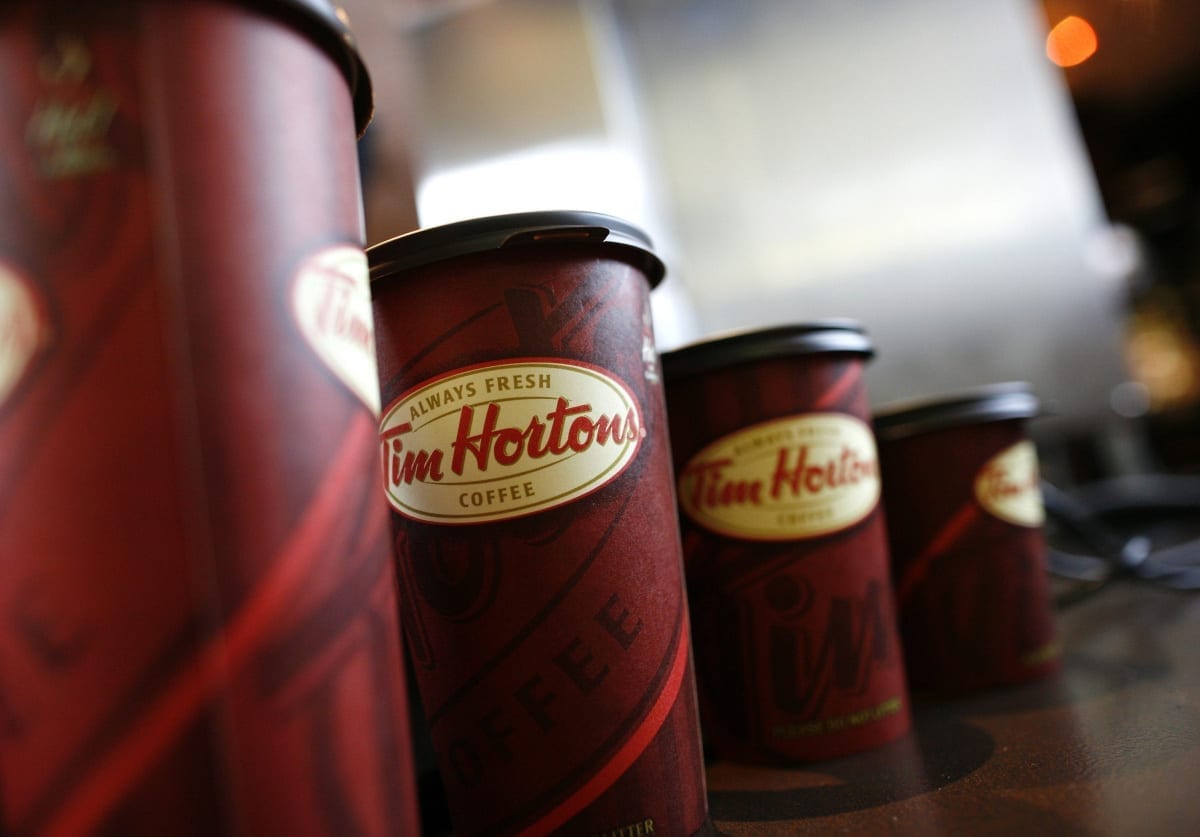
    Canadian coffee chain Tim Hortons is set to make its Indian debut, eyeing rolling out more than 250 stores during the next five years.

    The first Tim Hortons store is scheduled to open in New Delhi later this year, followed by Punjab and other parts of the country. The India launch marks the brand’s fourth country in the Asia-Pacific after Thailand, the Philippines and China. The brand was brought into the country under an exclusive partnership with AG Cafe, which is a joint venture owned by Apparel Group and Gateway Partners.

    “The launch will lead to major investments in market-leading talent and innovation, creating new jobs and providing a direct boost to the hospitality sector,” said Navin Gurnaney, CEO of Tim Hortons India, who was previously CEO at Starbucks India.

    As it enters India, the Canadian F&B chain will directly compete with Starbucks, which operates 224 stores in the country as of last August. Currently, Tim Hortons has more than 5100 restaurants across 13 countries, including the Middle East, China, the UK, Mexico, Spain, Thailand and the Philippines.

    “The F&B sector is seeing a revival after a long period of covid-induced lull,” said Nilesh Ved, chairman and CEO of Apparel Group. “We see this as the most opportune time to introduce a new brand and have an aggressive plan to cater to the demand.”

    The move comes after the company’s Chinese subsidiary Tims China announced its $100 million committed equity facility from CF Principal Investments, an affiliate of Cantor Fitzgerald earlier this week.

  • Yum China sales suffer as Omicron cases surge

    Yum China sales suffer as Omicron cases surge

    Yum China Holdings Inc said on Monday a COVID-19 resurgence in the country in recent weeks had dented sales in the first quarter, setting back the revival its KFC, Pizza Hut and Taco Bell joints had last year.

    Same-store sales decreased around 20% from a year earlier for the first two weeks of March and was still trending down in recent days, after falling nearly 4% for the two months combined in January and February, Yum China said.

    “Entering March, the situation has rapidly deteriorated with the highly transmissible Omicron variant causing outbreaks across China, including economically important regions of Guangdong, Shanghai, Shandong and Jilin,” the company said.

    The restaurant chain recorded a 1% fall in same-store sales last year, an improvement from the 9% decline in 2020. However, tight curbs on travel and dining out due to the rapid spread of the Omicron coronavirus variant have hurt sales this year.

    The company projected an operating profit for the first quarter to be in a range of $165 million to $200 million, compared with $342 million a year earlier.

    China has reported more local symptomatic COVID-19 cases so far this year than it recorded in all of 2021, as the highly transmissible Omicron variant triggers outbreaks from Shanghai to Shenzhen.

    Over 1,100 Yum China restaurants were temporarily closed or offering only takeaway and delivery services, as of Sunday. It had more than 12,000 restaurants, as of February end.

    Yum China’s shares, which have taken a beating in recent days due to an auditing dispute between Beijing and Washington, fell as much as 10.5% to $33.55, a three-year low.

  • HiLands Foods launches Fijian Lami Kava in Australia

    HiLands Foods launches Fijian Lami Kava in Australia

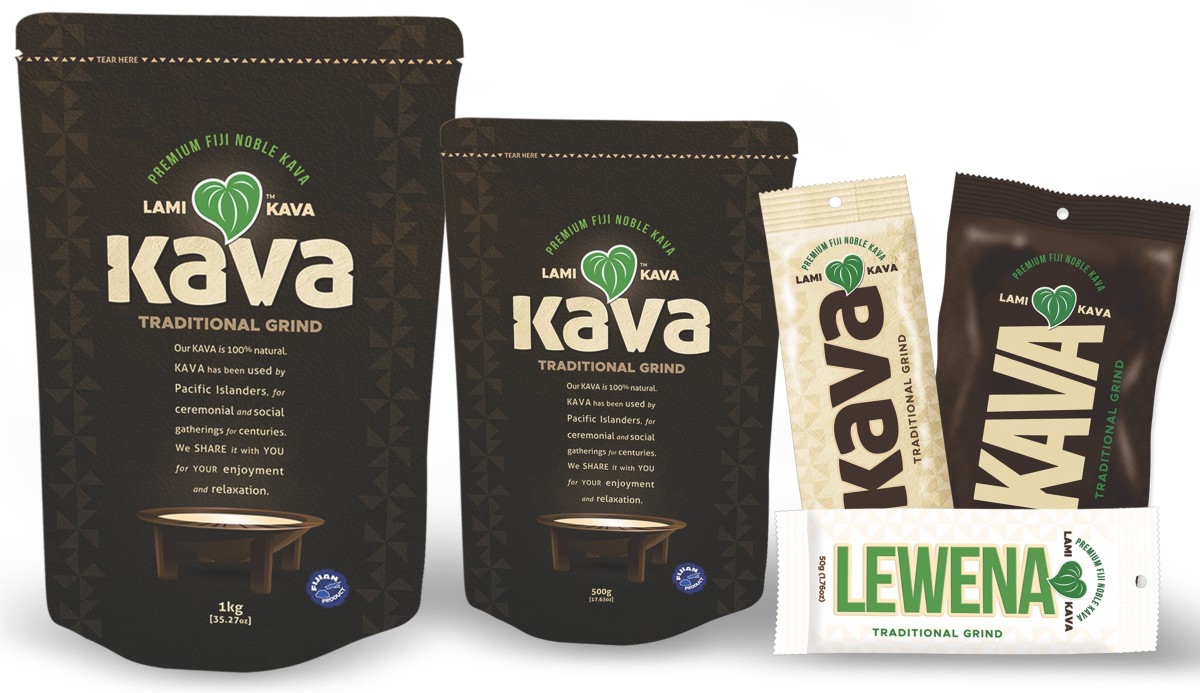
    LAMI KAVA AUSTRALIA is a collaboration between Lami Kava and HiLands Foods. It is a meaningful amalgamation of Lami Kava’s intricate knowledge about noble kava and HiLands Foods’ distribution expertise in the Australian market.

    Today, Lami Kava shares 40 years of experience in the kava industry. Lami Kava was established in 1982 in a little corner shop. It was initially set up as Lami Kava Pounding Shop with a view to facilitating kava pounding for their clients. Over progressive years, by the late 1980s, the company was renamed, Lami Kava. Thus far, over these years, Lami Kava has become a major Fijian brand.

    Lami Kava’s continuous commitment to quality assures consistent and clean products. Lami Kava uses state-of-art machinery and modern commercial food processing technology. They have precise and methodological quality control. Lami Kava engages with proper food safety measures with its certification by HACCP. Thus far, Lami Kava is FDA-registered too.

    HiLands Foods take a lead role to manage LAMI KAVA AUSTRALIA. So, HiLands Foods take full responsibility to promote, market, and protect the Lami Kava brand. Lami Kava will distribute Australia-wide through a network of distributors, wholesalers, and resellers.

    Thus far, HiLands Foods is a reputable, contemporary, and progressive Australian company. It is owned and operated by an Australian family. LAMI KAVA AUSTRALIA leadership team has a wealth of experience in the food, franchise, and distribution business. The leadership team focuses on branding, relationship marketing, and customer excellence. The team’s belief in honesty, credence, and ethics, sets them apart. These traits earn an excellent rapport with the stakeholders. Thus far, combining lateral thinking, the old-fashioned service, and credibility earns an encouraging reputation in the marketplace.

    Kava is a traditional drink throughout the Pacific. Pacific islanders have been enjoying it for centuries. Kava drinking has always been the cornerstone of Pacific tradition and culture. Thus far, it is still central to cultural rituals, especially to honour important guests. Kava is well known in the Pacific region for its calming effects. So far, the western world use kava as s stress reliever. It is now widely known as a kava herbal remedy for anxiety; however, it needs to be scientifically proven.

    Fiji is renowned for the best quality kava product. Lami Kava’s continuous commitment to quality, the company produces the best kava root powders for sale. Thus far, Lami Kava is known for its consistency and quality. It brings great value to your dollar. So, now you can enjoy premium quality Fiji kava for sale in Australia.

  • Danone becomes Australasia’s largest B Corp-certified company

    Danone becomes Australasia’s largest B Corp-certified company

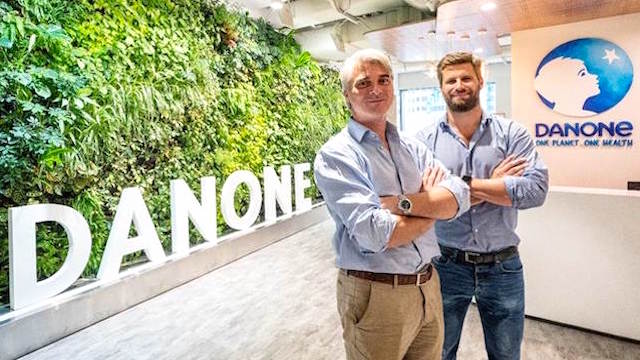
    Danone has become the largest B Corporation (B Corp) certified food and drink company in Australia and New Zealand, joining a growing list of over 400 businesses to achieve the certification in the region and over 4,700 globally. 

    B Corp is a growing global business movement committed to the highest levels of social and environmental performance, accountability, and transparency.

    The rigorous certification is independently administered by B Lab and awarded to companies that can demonstrate verifiable positive impact through policies and practices for employees, communities, customers, and the environment.

    The certification is part of Danone’s broader global commitment for all its business entities to become B Corp certified by 2025. Currently, more than 60 percent of the company’s global sales are covered.

    “We’re thrilled to have achieved B Corp certification across our wholly-owned businesses in Australia and New Zealand,” Danone head of Corporate Affairs Scott Pettet said. “The journey to certification isn’t an easy one and nor should it be. B Lab has rightly set the bar very high, which makes the achievement all the more rewarding for every Danone employee in Australia and New Zealand. We also know that increasingly, employees, customers, consumers, and broader society expect a much stronger stance from businesses and brands on important social and environmental issues.”

    B Lab, a not-for-profit organization, was founded in the US in 2006 with the idea that a different kind of economy was not only possible but necessary — and that business could lead the way towards a new, stakeholder-driven model. Some of the world’s best-known brands such as Patagonia, Inc., The Body Shop, and Ben & Jerry’s count themselves as part of the global B Corp movement.

    “I am so excited to see Danone Oceania joining over 4,700 Certified B Corporations worldwide — a truly diverse group of businesses unified by the idea of using business as a force for good,” B Lab Global co-founder and co-CEO Bart Houlahan said.

    “Globally, the Danone group has been a partner with us for many years, using its profile to add credibility and accelerate the growth of this movement. The success at Danone Oceania is part of this story and I look forward to continuing to work with Danone globally as we work to create an inclusive, equitable, and regenerative economy.”

    In Australia and New Zealand, Danone sells a broad range of specialized nutrition products to support healthy growth and development during the first 1,000 days, as well as products that address some of the world’s biggest health challenges. This includes faltering growth, food allergy and rare metabolic diseases, age-related conditions and chronic disease, frailty, cancer, stroke, and early Alzheimer’s disease.

    “To have a business the size and complexity of Danone achieve B Corp Certification is a huge step for us in Australia and Aotearoa New Zealand. It builds on the work of 400 local B Corps, large and small, who have led the way,” B Lab Australia & Aotearoa New Zealand CEO Andrew Davies said.

    “Danone’s certification also shows it is possible for big business to have a positive impact, to hold themselves accountable, and to grow whilst focusing on the stakeholders it impacts in all aspects of its value chain.”

  • Yum China calls time on Chinese brand

    Yum China calls time on Chinese brand

    Yum China Holdings, the owner of the KFC and Pizza Hut restaurant chains in China, has decided to shut down its struggling fast-food brand, East Dawning, after it failed to survive the Covid-19 pandemic.

    The company said in its annual report that the remaining five outlets of the Chinese-style quick-service restaurant (QSR) brand would cease to operate within 2022.

    “The brand was severely impacted by the Covid-19 pandemic,” the report said. “As a result, we have decided to wind down operations of the brand.”

    The annual report, filed to the Hong Kong stock exchange, did not provide financial data for East Dawning, which was established by Yum on the mainland in 2005. The chain kicked off with about 100 restaurants nationwide located mainly at airports and train stations. But the number has fallen drastically over the years amid stiff competition. By 2012, the chain had dwindled to 30 restaurants, and by 2020 only eight outlets of the brand remained.

    Disease outbreak dealt a fatal blow to the brand, but it has not been successful over the past decade due to stern challenges from a raft of local restaurant chains,” said Chen Xiao, CEO of Shanghai Yacheng Culture, a consultancy dealing with marketing and branding for foreign and local companies. “After all, the five outlets and the brand are of little value to Yum’s businesses in China.”

    East Dawning, in Chinese, literally means that the east is lit up by the light of dawn.

    Su Shi, a poet during the Northern Song dynasty (960-1127) wrote in his poem the Red Cliffs that a group of friends were so obsessed with a dinner party on a boat that they did not notice the east was lit up by the light of dawn.

    East Dawning was the first Chinese-style fast-food brand created by Yum to tap the market potential on the mainland. It combines KFC’s business model with Chinese cuisine. The menu includes steamed pastries such as buns, and Chinese tea.

    The fast-food brand has been eclipsed by the rise of Chinese restaurant chains such as Da Niang Dumpling and Yang’s Dumplings which are adept at cooking Chinese food to appeal to local tastes.

    China’s catering sector has taken a beating from the coronavirus outbreak over the past two years as lockdown measures and social distancing rules have kept customers at bay.

    In 2020, restaurants across the mainland reported total revenue of 3.95 trillion yuan (US$625 billion), down 15.4 percent on the year, according to the National Bureau of Statistics.

    In the first half of 2021, the catering industry raked in sales of 2.17 trillion yuan, up 48.6 per cent from a year ago, but virtually unchanged from the same period of 2019.

    Yum China, whose other brands include Little Sheep, Huang Ji Huang and Coffii & Joy, operates more than 11,700 outlets on the mainland.

    It reported net profit of US$525 million in 2021, down 15 per cent from the previous year. Revenue grew 19 per cent to US$9.85 billion.

    Its shares trading in Hong Kong were changing hands at HK$378 (US$48.37) on Monday afternoon, having slumped 8 per cent from their initial public offering price of HK$412 in September, 2020.

  • TWG holding V3 Group to launch Hong Kong IPO

    TWG holding V3 Group to launch Hong Kong IPO

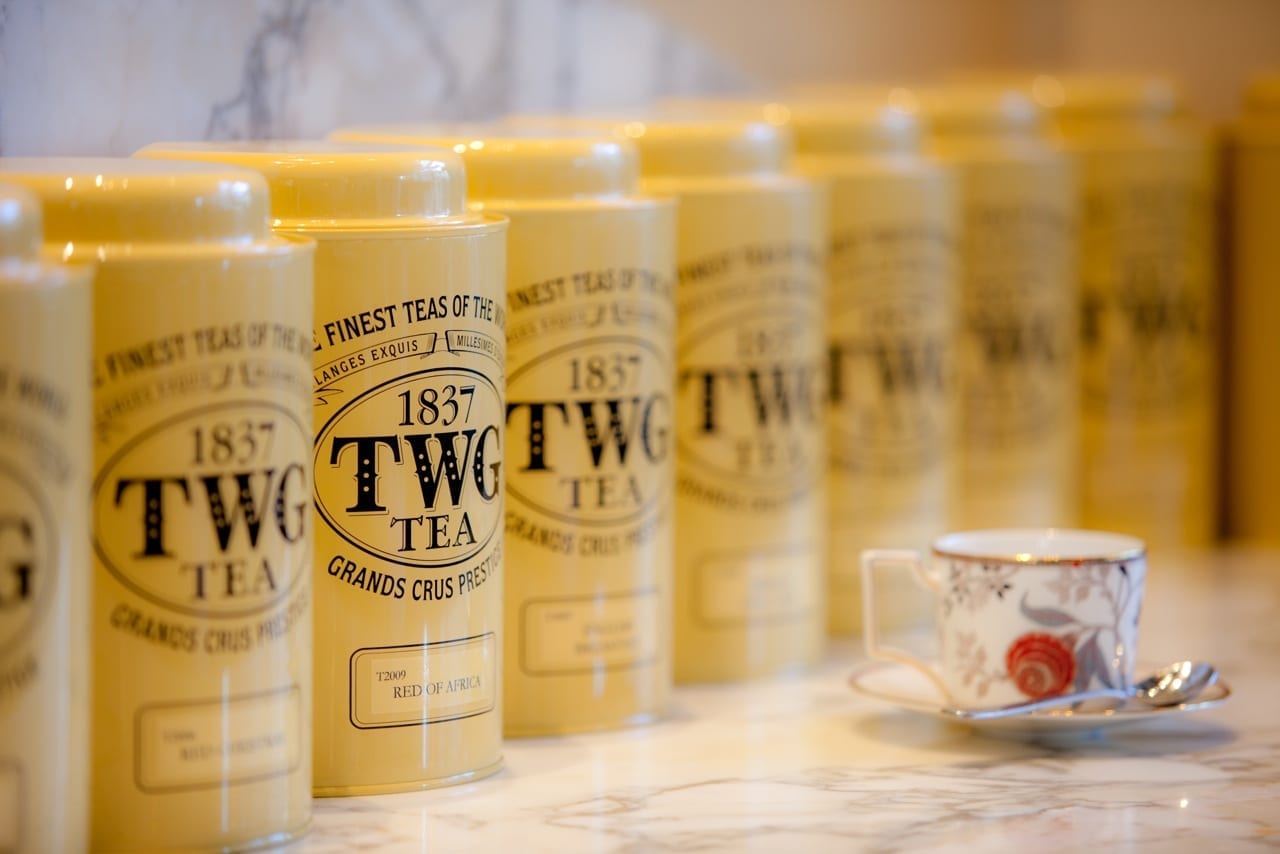
    V3 Group, which owns brands such as Osim and TWG Tea, has filed for an initial public offering (IPO) on the main board of Hong Kong’s stock exchange.

    V3 Brands Asia, an investment holding company wholly owned by V3 Group – made an application to the Hong Kong Exchange for a global offering on Monday (Feb 28).

    The application proof redacted pricing details, the size of the offering, and the number of shares up for grabs.

    Osim listed on the Singapore Exchange in 2000, but delisted in 2016 when its founder, Mr Ron Sim, took the company private.

    Mr Sim lamented then that the stock had not been fairly valued due to a lack of financial depth and liquidity in the Singapore market.

    In 2018, he shelved plans for V3’s Hong Kong listing, letting its application lapse, amid intense volatility and weakness in the global stock market.

    Monday’s application to the Hong Kong bourse comes after the lifestyle products group posted a surge in profit for the nine months ended Sept 30 last year. Profit after tax for the period stood at $72.7 million, 2.5 times the $28.7 million recorded in the year-ago period. Revenue rose 32.8 percent to $332.8 million, from $250.6 million previously.

    For the full year ended Dec 31, 2020, revenue was 15.6 percent higher year on year at $377.8 million, from $326.9 million in the financial year 2019. Profit after tax stood at $43.4 million, 58.9 percent higher than $27.3 million in the year-ago period.

    V3’s higher revenue during the two years ended Dec 31, 2020, and nine months ended Sept 30, 2021, was attributed to higher sales due to increased consumer demand for lifestyle and wellness products, targeted marketing and sales activities, and the success of blockbuster products.

    V3 owns the Osim brand, known for its massage chairs and relaxation products, luxury tea brand TWG Tea, nutritional supplement retailer ONI Global and Futuristic – a Singapore-headquartered manufacturer of store fixtures.

    Mr Sim opened his first store in Singapore in 1983 and later in Hong Kong in 1986. The company also expanded to Taiwan and Malaysia before officially launching the Osim brand name in 1993 and entering China.

  • Blue Bottle makes Mainland China debut

    Blue Bottle makes Mainland China debut

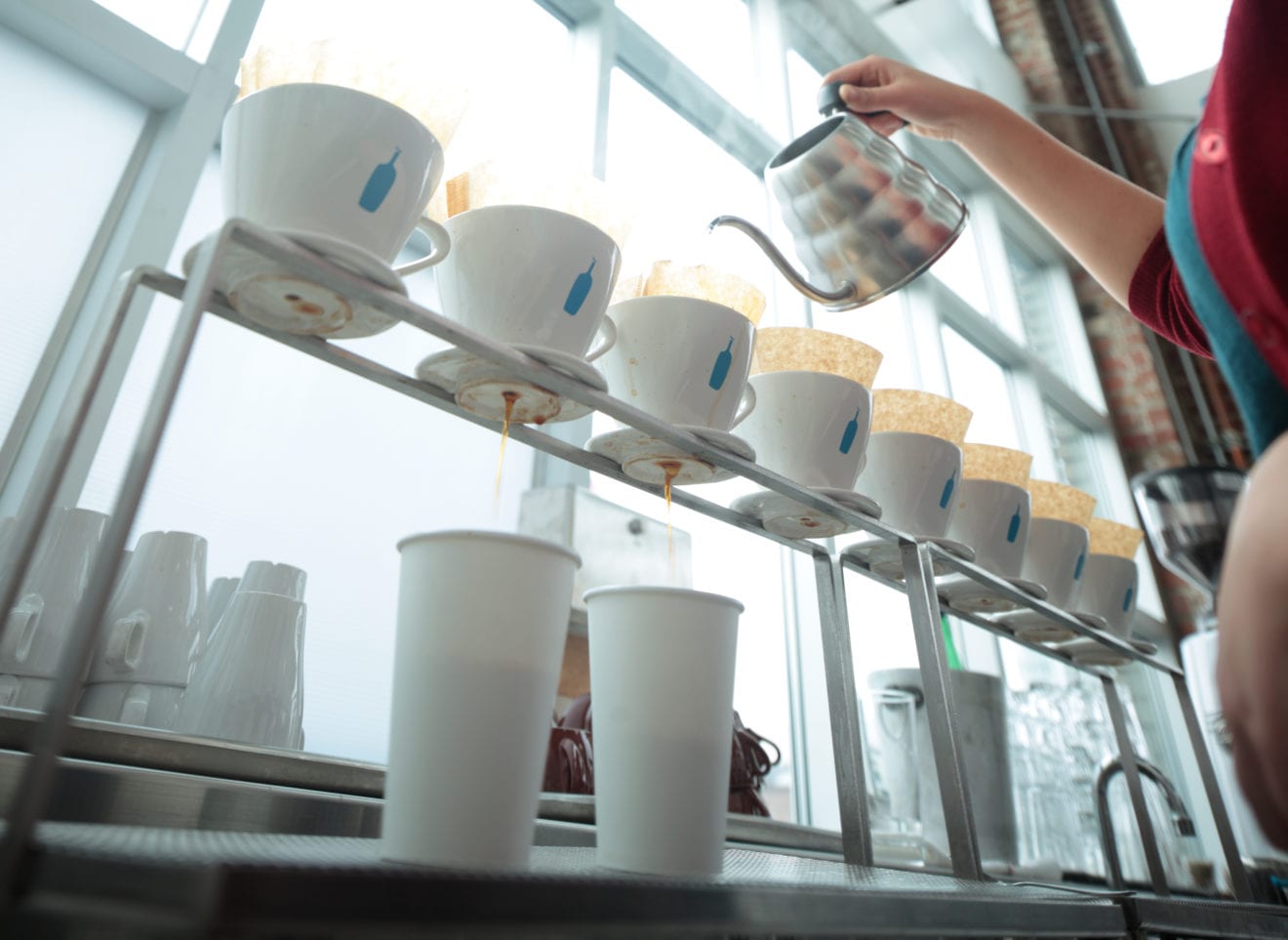
    Blue Bottle Coffee opened its first store in the Chinese mainland on Friday in Shanghai, a city boasting the highest number of coffee shops worldwide.

    Naming its Shanghai debut “Yutong Cafe”, the American coffee chain selected a historic venue by Suzhou Creek, a river that passes through the Shanghai city center, symbolizing its resonance with the local market.

    The two-storey, vintage-looking building houses a selection of classic drip coffee and its signature espresso-based drinks. It also provides snacks inspired by an iconic portfolio from its worldwide operations.

    Unique to the Shanghai store are offerings from merchandise co-created with a local illustrator to a pastry palette featuring local specialties.

    The California-headquartered coffee brand was founded in 2002. Apart from the US, it currently has over 100 branches in markets like Japan, South Korea and Hong Kong.

    A study by Shanghai Jiao Tong University said Shanghai has the most coffee shops of any city globally by January 2021, with more than 6,900 coffee shops in the metropolis.

    Shanghai has vowed to build itself into an international consumption city, promoting the concept of a ‘debut economy’, meaning that businesses from home and abroad are attracted to open their first stores and launch new products in Shanghai.

    Local authorities expect 1,000 such “first stores” in the city to open last year.