Category: Food

Retail News Asia is committed to providing both local and global retailers with the latest Food and Food & Beverage news throughout the Asian market. This on a daily base.

  • Japan brewer Kirin to exit Myanmar

    Japan brewer Kirin to exit Myanmar

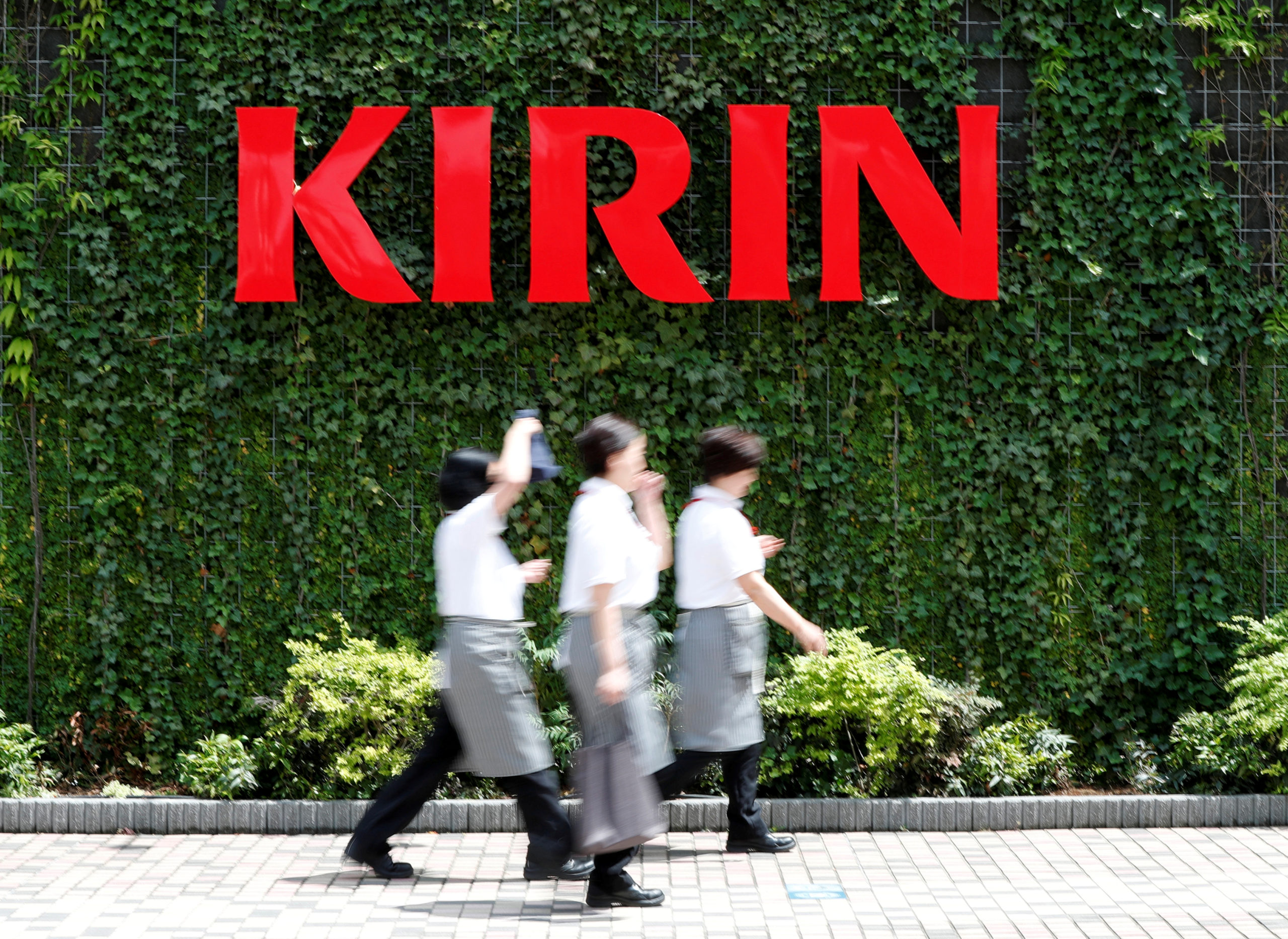
    Japanese drinks giant Kirin said Monday (Feb 14) it will withdraw from Myanmar, after a failed bid to disentangle its operations from a joint venture with a junta-owned company after last year’s coup.

    The brewery is the latest foreign company to pull out of Myanmar with international pressure building against the junta since it ousted civilian leader Aung San Suu Kyi and waged a widespread crackdown on dissent.

    Kirin said its decision comes after months of wrangling following the coup last February, which prompted the company to express concerns about human rights and eventually seek to end its joint venture Myanmar Brewery Limited.

    Kirin has decided “to withdraw from the business in Myanmar in order to urgently terminate its joint venture partnership” with military-linked MEHPCL, the company said in a statement.

    Myanmar Brewery, whose beverages include its flagship and ubiquitous Myanmar Beer brand, boasted a market share of nearly 80 per cent, according to figures published by Kirin in 2018.

    Kirin’s attempts to terminate the partnership with MEHPCL were unsuccessful, and the Japanese drinks maker said in November that it would contest a bid to dissolve their joint brewery over fears liquidation proceedings would not be fair.

    On Monday, Kirin said it had taken “every measure to find a way forward that would allow it to continue to contribute to Myanmar’s economy and society”.

    That included filing for arbitration in Singapore in a bid to end the joint venture and proceed without the military-linked partner.

    “In the end, Kirin Holdings determined that it would be difficult to quickly terminate the joint venture in the manner it desires,” the company added in a statement.

    “Therefore, Kirin Holdings has now commenced and is proceeding with discussions with MEHPCL in order to withdraw from the business in Myanmar, giving top priority to the termination of the joint venture as soon as possible.” A junta spokesperson did not immediately respond to a request for comment.

    With the economy tanking and pressure mounting from rights groups, companies from France’s TotalEnergies to British American Tobacco and Norway’s Telenor have upped sticks or announced they will leave.

    After the coup and arrest of Myanmar’s democratic leaders, Kirin said it was “deeply concerned” by the military’s actions.

    The brewery had been under pressure even before the coup over its ties to Myanmar’s military, and launched an investigation after pressure from rights groups into whether money from its joint venture had funded rights abuses.

    In a statement, Justice For Myanmar spokesperson Yadanar Maung welcomed Kirin’s decision to withdraw from the country, praising the firm for “listening to the voice of Myanmar people and Myanmar, Japanese and global civil society”.

    “Kirin should never have entered into business with a brutal and corrupt military conglomerate,” she added, accusing the brewery of having “financed atrocity crimes and enriched top generals.”

    The activist group urged other Japanese firms doing business with the military to cut ties, and called on Kirin to avoid payments to MEHPCL or the military during the withdrawal process.

    Investors piled into Myanmar after the military relaxed its iron grip in 2011, paving the way for democratic reforms and economic liberalisation in the country of more than 50 million people.

    They poured money into telecommunications, infrastructure, manufacturing and construction projects, but the coup upended the democratic interlude and damaged the economy.

    The pandemic and supply chain disruptions have also hit the country, with Kirin saying in its earnings report released Monday that Myanmar’s beer market has shrunk by about 20 per cent.

    It said Myanmar Brewery’s sales volumes had decreased by around 30 per cent compared to the same period last year.

  • Northern province blocks fruit trucks headed for China border

    Northern province blocks fruit trucks headed for China border

    Lang Son has decided to stop receiving fruit trucks headed for the China border for ten days starting February 16 as over 1,000 trucks are still stuck in the province.

    The provincial Department of Industry and Trade said that as of Friday morning, the total number of trucks waiting at the three border gates of Huu Nghi, Tan Thanh and Chi Ma was 1,640, of which 1,390 were carrying fresh fruit, accounting for nearly 85 percent.

    Due to China’s strict Covid-19 measures, customs clearance efficiency has been very low, with just 70-90 trucks able to cross the borders a day.

    Meanwhile, around 160 to 180 trucks reach the border gate every day, most of them carrying fresh fruits like dragonfruit, watermelon, jackfruit and mango. This will further worsen congestion at the border and damage businesses as well as farmers, officials said.

    The congestion at the northern border gates started in December 2021 after China strengthened its anti-Covid prevention measures. By mid-January 2022, afraid that their fruits would rot, many business owners had returned to the domestic market and sold them at very cheap prices.

    The government, ministries, branches and localities have had held many meetings on the issue but an effective solution to the problem has remained elusive.

    According to the General Department of Vietnam Customs, Vietnam earned $1.75 billion from exporting fruits and vegetables to China in the first 11 months of 2021, up 3.6 percent year-on-year despite Covid-19 impacts.

    China remained Vietnam’s top fruits and vegetables export market with a market share of 54 percent in the 11-month period

  • Coca-Cola, the world’s worst plastic polluter, makes reusable pledge

    Coca-Cola, the world’s worst plastic polluter, makes reusable pledge

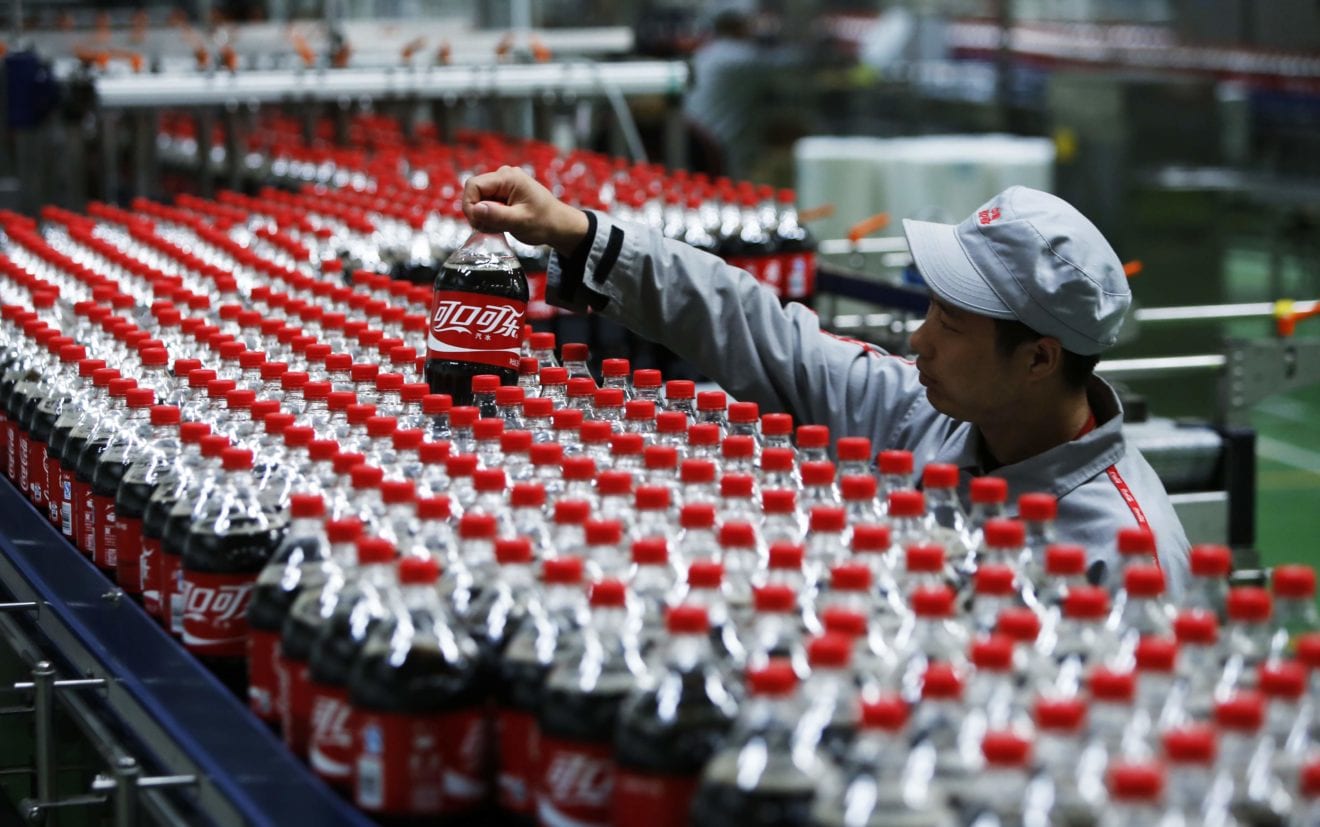
    The Coca-Cola Company on Thursday said it will aim for 25% of its packaging globally to be reusable by 2030, a move hailed by environmental groups who have called out the soft-drink maker for worldwide plastic pollution.

    Coca-Cola is a top target for consumer, investor, and environmental groups concerned about petroleum-based plastic single-use bottles clogging oceans, among other problems.

    The company was the world’s worst plastic polluter for the fourth year in a row in 2021, according to the global coalition Break Free From Plastic’s annual report released in October.

    “We hope that other companies will follow Coke’s leadership and set reusable packaging targets,” said the group’s global corporate campaign coordinator Emma Priestland.

    Reusable packaging includes containers that can be refilled with original products by companies or consumers, such as refillable fountain drink containers and glass and plastic bottles that are refillable or returnable, the cola maker said, referring to reuse guidelines by nonprofit Ellen MacArthur Foundation.

    In 2020, 16% of the company’s packaging was reusable. That year, 90% of its refillable glass and plastic containers were collected, it said.

    Coca-Cola’s announcement on Thursday is “the first known goal of its kind” and “a welcome change in strategy,” fund manager Green Century Capital Management said in a statement.

    Green Century and activist investor As You Sow filed a shareholder proposal urging Coca-Cola to reduce single-use plastic. They are now considering whether to withdraw their proposal.

    If Coca-Cola hits its new goal, it will be “easier to achieve our objectives of a World Without Waste, where we intend to collect back a bottle or can for every one we sell by 2030,” Chief Executive Officer James Quincey said during the company’s fourth-quarter earnings call Thursday.

    Eight in 10 American adults support government policies to reduce single-use plastic, according to a poll released on Wednesday by advocacy group Oceana.

    Coca-Cola, PepsiCo and other international brands in January called for a global pact that included calls to cut plastic production, a key growth area for the oil industry.

    Break Free From Plastic cleaned beaches in 45 countries and found nearly 20,000 Coca-Cola branded products, more than the next two largest plastic polluters – PepsiCo Inc and Unilever PLC – combined.

  • Masan acquires majority stake in Phuc Long tea chain

    Masan acquires majority stake in Phuc Long tea chain

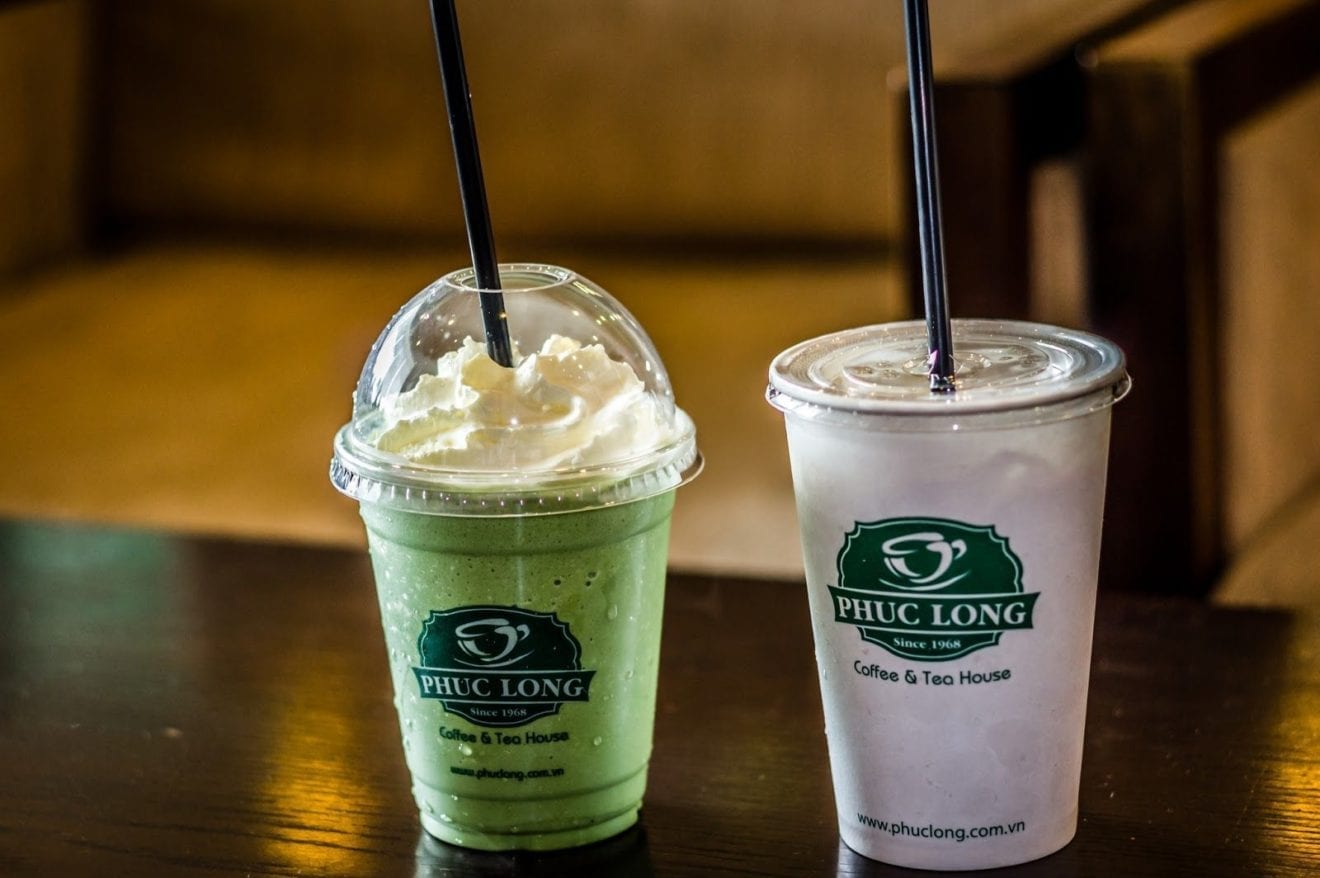
    Conglomerate Masan announced Wednesday that it has spent an additional $110 million to increase its ownership in the Phuc Long beverage chain from 20 percent to 51 percent.

    “Since Masan’s initial investment, Phuc Long has demonstrated strong synergies with MSN’s Point-of-Life strategy, which can now be accelerated with Phuc Long as a consolidated subsidiary of Masan,” it said in a press release.

    Masan first bought a 20 percent stake in Phuc Long in May last year for $15 million. The latest purchase puts the valuation of the tea and coffee chain at $355 million.

    Incorporating Phuc Long’s tea kiosks into Masan’s WinMart+ stores nationwide has been part of the conglomerate’s plan since last year as it sought to advance its “point of life” strategy by developing a mini-mall concept that serves a wide array of essential products and services such as groceries, beverage, pharmaceuticals and financial products.

    Masan plans to launch 2,000 such mini-malls this year, and Phuc Long is set to contribute up to VND3 trillion ($132 million) to the conglomerate revenues, which hit VND88.6 trillion last year.

    Phuc Long was established in 1968 in the Central Highlands province of Lam Dong. The company launched its tea and coffee chain in 2012 with is first store in HCMC.

  • Record store openings drive Yum China sales growth

    Record store openings drive Yum China sales growth

    “We are pleased to report the third consecutive quarter of delivering positive same-store sales growth. With revenues exceeding $2 billion in the quarter, restaurant margin, operating profit and net income have all improved. We opened 129 new restaurants in the third quarter and we are on track to achieve our development target of 550-600 new stores in the year,” said Micky Pant, CEO of Yum China.

    “In this quarter, our strategic initiatives on digital and delivery continued to show encouraging development, which we believe will enable our long-term growth. The connection with our over 120 million loyalty members is getting stronger. The growth in mobile payments and cashless settlement methods for sales continued to outperform previous quarters. With over 5,100 restaurants across China offering delivery service, delivery contributed over 14% of company sales in the third quarter.

    Given the strength of our business and our confidence in generating strong cash flows long term, our Board of Directors has approved a regular quarterly cash dividend program and authorized additional share repurchases.  These demonstrate our strong commitment to increasing shareholder returns through disciplined capital allocation while simultaneously driving strong operating performance.

    With our strong operating results in this third quarter and our commitment to return capital to shareholders, we believe we are well-positioned to continue to increase shareholder value over the long run.”

  • KFC Australia pilots drone-delivery service in Queensland

    KFC Australia pilots drone-delivery service in Queensland

    In an Australian-first, KFC has enlisted a drone delivery company to bring Zingers and other fried faves to homes and workplaces in the Logan area between Brisbane and the Gold Coast.

    Wing, owned by Google parent Alphabet, launched in Canberra in 2019 in a world-first, and in Logan the following year.

    Since then, suburbs within a 10km radius have been having burgers, groceries, pharmacy items, hardware products, coffee and other products zoomed in via 5kg styrofoam drones that can carry up to 1.5kg.

    Under a pilot program kicking off on Friday, the world’s most famous fried chicken brand will initially be available to a small number of households in the South East Queensland suburbs of Kingston, Logan Central, Slacks Creek, Underwood, and Woodridge.

    The service will gradually expand to include other nearby locations, Wing says, dubbing Logan “the drone delivery capital of the world”.

    “You know the future truly is here when you can get hot, fresh Kentucky Fried Chicken delivered by a drone from the click of a few buttons,” KFC Australia chief marketing officer Kristi Woolrych said.

    Wing says the number of deliveries rocketed last year as the pandemic raged on and strong demand has continued in 2022.

    Earlier this week, spokesman Jesse Suskin said the company was planning expansion in Australia.

    “We’ll be in more places in southeast Queensland. We’ve submitted for those permissions from our regulators,” Mr. Suskin said.

    “For other states, we’re actively starting to have those conversations right now.”

  • Sacrebleu! French brewers use algae to make blue beer

    Sacrebleu! French brewers use algae to make blue beer

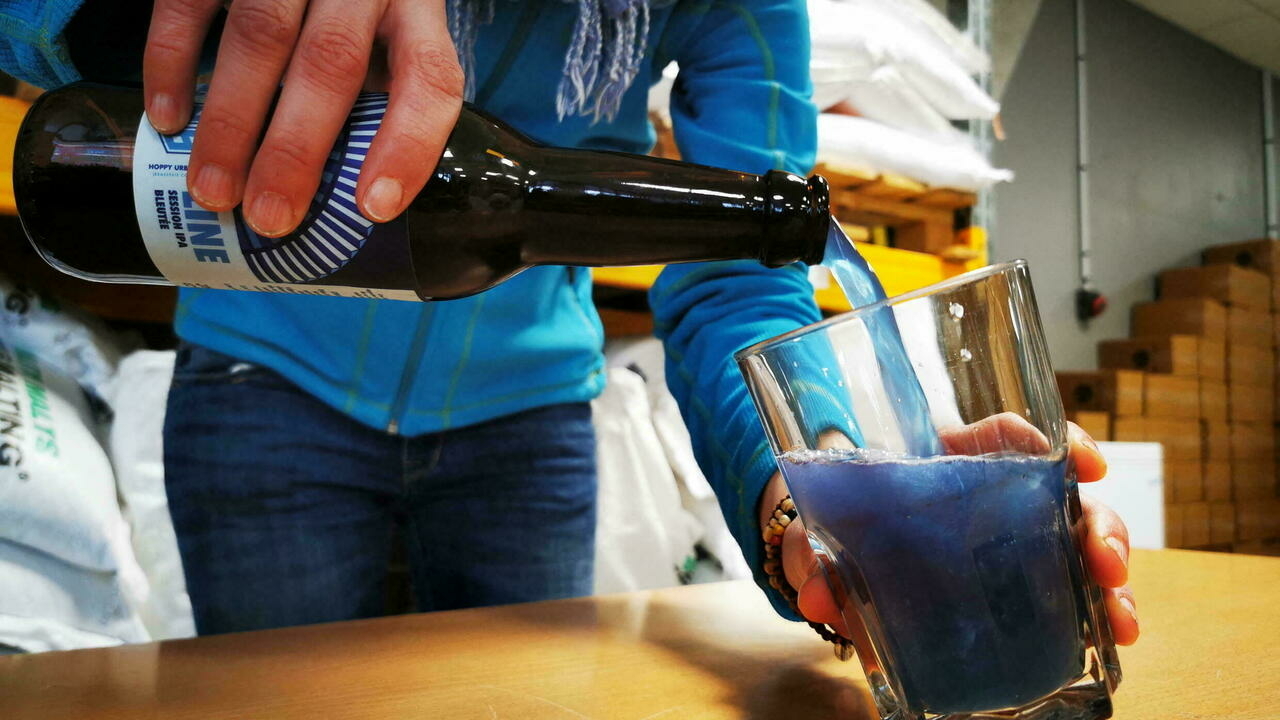
    A French brewer has started using algae with a naturally-occurring pigment to turn their beer blue.

    The beer, with the brand name “Line”, is the result of a tie-up between a firm that wants to popularise the algae as a dietary supplement, and a nearby craft brewery that was looking for a way to make its beverages more distinctive.

    The beer is selling well, said Sebastien Verbeke, an employee of Hoppy Urban Brew, which makes the drink. “It’s getting an enormous amount of interest and curiosity on the part of the public,” he said.

    The blue tint comes from spirulina, an algae that is grown in basins by a company called Etika Spirulina in northern France. The component of the spirulina that gives the blue colour, called phycocyanin, is then added to the beer during the brewing process.

    Tasting a freshly produced bottle of the beer, brewery employee Mathilde Vanmansart described it as hoppy, light, and with fruity notes, while the only evidence of the added algae was the distinctive color.

    Xavier Delannoy, whose farm provides the spirulina, said after several test batches, the brewery had found a blend that appealed to customers.

    He said 1,500 bottles of the blue beer were sold between October and December last year, and the brewery is now preparing to ramp up production to meet demand.

  • Food, beverage businesses remain open through Tet

    Food, beverage businesses remain open through Tet

    Food and beverage establishments are working through Tet or abbreviating their holidays to make up for a year of poor business due to the Covid-19 pandemic.

    Crab restaurant chain Vua Cua is delivering through the holidays, and some of its outlets closed for two days out of the nine.

    “I believe that many people will stay in HCMC during the holiday as they refrain from traveling,” CEO Doan Thi Anh said, adding that last year sales during the holidays were up 300 percent from normal days.

    Tet, the Lunar New Year, is by far Vietnam’s most important festival, and most restaurants and other business establishments close for at least a week.

    But this year many are either not closing or are opening early to cash in on an opportunity to earn some money after a desperate year.

    Japanese chain Mirico reopened three of its six outlets in HCMC on Wednesday.

    “We hope the number of customers during Tet this year (starting January 29) will reach the same as last year so that we can make up for months of closure,” manager Luu Hoang Huy said.

    Two restaurants in the Quan Bui chain in Thu Duc City are also open for seven days of the nine-day holidays.

    “I think many foreigners won’t return to their country this year and we anticipate a lot of customers during the holidays,” a media representative of the chain said.

    For the first time since its establishment in 2018 Lagom Café in District 3 will remain open during most of the Tet holidays.

    The decision was based her workers’ request, owner Do Thi Ly Na explained. They preferred to work saying the months off due to social distancing in the city were enough for them, she added.

    In December revenues from food and accommodation rose by nearly 58 percent from November.

    “Most well-known downtown restaurants have been operating at full capacity and even had to turn away some customers,” Le Nguyen Minh Man, owner of Hong Kong Town restaurant in District 1, said.

    Business seems set to be “vibrant” in the first quarter, he said.

    However, his restaurant would close through the holiday since his workers had been stuck in HCMC for a year and wanted to return home, he said.

    Buying materials is challenging since suppliers are closed, and restaurants need to prepare ahead, he said.

    Paying workers triple or even five times their normal salary is key to ensuring good service during Tet, he added.

  • Vegan food platform VEats launches in Sydney

    Vegan food platform VEats launches in Sydney

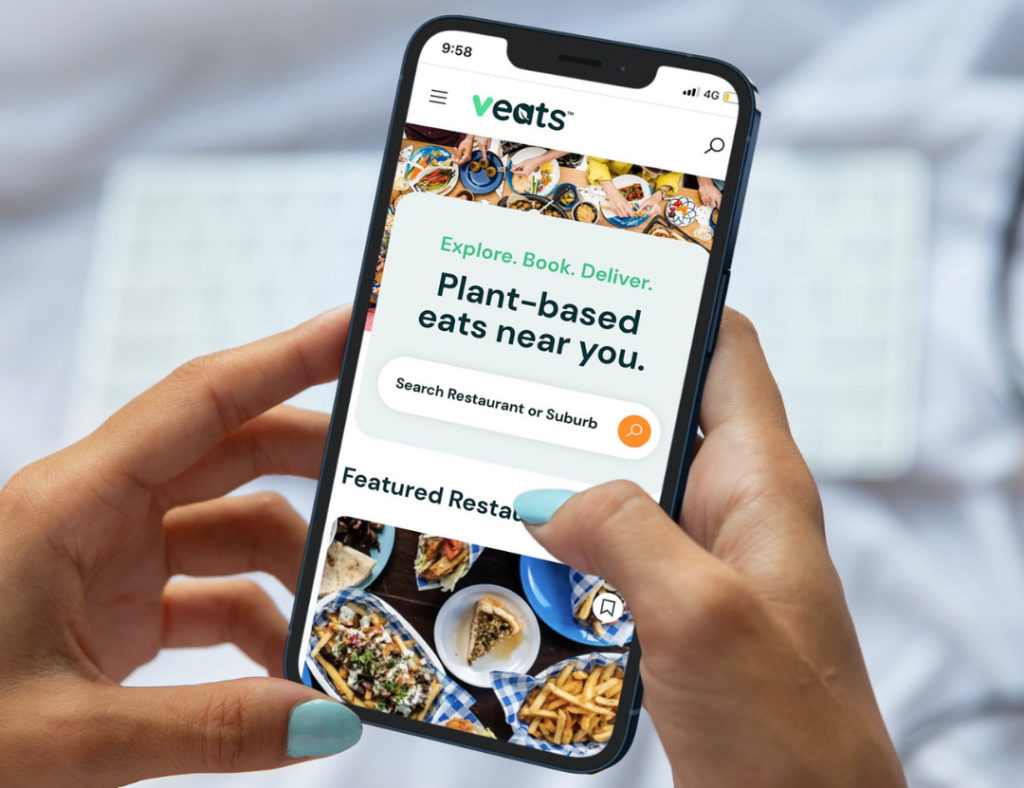
    Founded by Australian duo Lara Young and Susan McCarthy, VEats is a new plant-based platform focussed on helping consumers looking for convenient plant-based options in the country. They describe the digital solution as a “first-of-its-kind” for the market, enabling users to explore all businesses with animal-free food options within a designated city. Whilst a user finds a restaurant they want to go to on the site, tables can be booked at restaurants, food can be ordered for delivery and takeaways can be queued.

    The Australian-based VEats platform is currently being piloted, with a Sydney-first rollout. Coordinating the launch to happen as part of Veganuary, the founding team is thinking on an international scale. U.K. expansion is in the planning stage, with Brighton and London as first targets. Bamford Capital is on board as an equity partner and business advisor for domestic and global ambitions.

    Young and McCarthy have more than three decades of combined business and marketing expertise. The two have worked together before, they created a joint digital marketing agency. VEats is being launched alongside as something of a passion project, particularly for Young.

    “Having grown up as a meat-eater all my life, it never crossed my mind that there was another way of living,” she explained in a press statement. “At the age of 36 I was overweight, overworked, managing being a wife, a mother of three, running two businesses, and everything else life had to throw at me. Food was always there to comfort me.

    “Being a massive foodie, I had to learn about a whole new way of eating. The journey wasn’t easy and I spent hours and days researching restaurants, checking menus, calling ahead to get them to accommodate me, and trying to veganise food through other delivery platforms. I knew that if it was hard for me, it would be hard for anyone trying to make the transition to plant-based eating. That’s when I had the idea for VEats.”

    Young and McCarthy say they have 600 businesses listed on the VEats platform already, spanning the breadth of Sydney. Included are fully plant-based companies, as well as any offering three or more animal-free food options. The two are confident that as Veganuary comes to a close, more than 50 directory inclusions will offer table booking and delivery options. Sydney was selected for the pilot launch due to its plethora of vegan hubs. Newtown has become synonymous with plant-based eating, with its ‘vegan mile’ reportedly growing by the week.

    Confirmed restaurant partners include KoshariKorner, Gigi Pizzeria and recently-opened Flave. Meal delivery service Just Add Vegan has linked up as well. In a coup for the founders, Australia’s leading online ordering platform Order Up! has come on board. It will give directory-listed businesses cost-effective access to ordering and pick-up functionalities. “We are proud to be partnering with the team at VEats to help make plant-based eating easy and accessible in your everyday life,” Clive Thorpe, CCO of Order Up! said in a statement.

    Australia is making strides to become a leading producer of animal-free products. Wide Open Agriculture is a perfect example of a domestic company seeking to disrupt the status quo. In this case, the dairy industry, which is the country’s fourth largest sector. Having bagged $20 million at the end of last year to ramp up production of plant milk, it represents a significant consumer mindset shift.

    Fellow Australian brand ProForm Foods received in the region of $5 million last year, from Harvest Road. With new facilities completed, expansion of a Sydney location is planned, alongside global distribution.

    It’s not all positive news, however. Australia’s meat industry has taken umbrage at the rise in popularity of animal-free foods. It claims that consumers are confused by packaging and are accidentally buying and eating plant-based meats. Supported by a survey paid for by various meat, seafood and poultry companies.

  • Vietnamese coffee industry game changer

    Vietnamese coffee industry game changer

    King Coffee has a presence in 120 countries and is still on its way to expand further on the world map. Expo is a 170-year old event that takes place every five years, gathering businesspeople from more than 190 countries. This expo showcases all the remarkable events of a country’s past, present, and future. This is an extremely great opportunity for King Coffee to reach more than 190 countries at once.

    Appearing at Expo 2020 Dubai, King Coffee has represented the coffee industry and Vietnam’s agriculture. We have cooperated with the Ministry of Culture, Sports and Tourism to organize activities to promote Vietnamese coffee to the world for six months (October 2021 – March 2022), especially the event of Vietnam National Day (Dec. 30, 2021) and Vietnam Coffee Week (Jan. 1, 2022).

    As a major coffee brand, we participated in coffee-related activities during this event. All visitors really enjoyed our coffee, which impressed them by quality.

    When we introduced Vietnamese coffee during Vietnam Coffee Week, visitors were surprised by egg coffee, Ede coffee, iced-milk coffee… They enjoyed learning how to use coffee filters, and discovering the philosophy of softness, lightness, sophistication to create a perfect cup of coffee compared to using compact espresso machines.

    The exhibition is already halfway through and we have left our mark and accomplished our targets.

    -How has King Coffee connected Vietnamese businesses to Dubai Gateway?

    At Expo Dubai, King Coffee aims to promote coffee culture and development strategies for the coffee industry, and at the same time, widely inform businesses in other industries in Vietnam, who also consider this a great opportunity to go global.

    We worked with Viettravel to engage most associations in all industries, supporting them to participate in this expo. Up to now, hundreds of Vietnamese businesses have gathered here. Expo Dubai makes it easy to set up an online exhibition channel, allowing businesses that are unable to attend offline events due to Covid-19 to participate, and promote their images. Meanwhile, we can follow all the events on social media channels and grab opportunities from Expo.

    Since October 2021, we have done a wonderful job of connecting businesses in Dubai, and at the same time, promote our country. Dubai is an iconic city with a significant impact in 22 Arab countries. By having a presence in Dubai, businesses would enjoy many opportunities to access this market.Expo also organizes a National Day for participating countries. If a country has a potential industry, enterprises in that country might be invited to gather on National Day to find collaboration opportunities.

    First autobiography

    What excites you the most at Expo 2020 Dubai?

    I have a clear goal in everything I do. When I decided to attend Expo 2020 Dubai, I thought about what would make King Coffee stand out and shine there. I started writing the book “The Queen of King Coffee” from the beginning of 2021, in order to release it at Expo Dubai. Without travel or business trips during the pandemic, I had more time for the book.

    While publications regarding the Vietnam War are widely available, English-language books about Vietnamese culture, people, and business opportunities in Vietnam are scarce. Therefore, I decided to launch a book to introduce Vietnamese coffee and the country’s coffee culture to the world. This event drew the attention of the international media. Expo Dubai organizers also promoted this book on their media channels, reaching 192 countries.

    The book was released on Dec. 29, 2021. More than 100 newspapers around the world have reported on King Coffee and the book. I am very happy to tell the story of Vietnamese coffee. I also published the book on Amazon, and it has received positive feedback from readers. When someone places an order, Amazon prints the book and delivers it to the customer.

    As planned, the book will be translated into several languages, first in Arabic to reach 22 Arab countries. When I released the book in Dubai, local businesspeople wanted me to take part in many activities to talk to women, young people about starting a business, not just the book. They want to translate the book into Arabic to make it reach more people.

    They are impressed with the image of women running startups, not only in the coffee sector but also other industries. The book offers them a lot of information. In fact, women are being encouraged to step out of their comfort zone and obtain freedom in doing business. I expect my book to motivate them to be more confident.

    Will the book be available in Vietnamese?

    The book is expected to be released in March in Vietnam, followed by Vietnamese and English versions in June 7 in the U.S. Many readers in the U.S. told me they were looking forward to the premiere.

    The Vietnamese book is not a translated version from English but a different one. The book is a guide for startups and women to balance life and business, as well as female leaders’ responsibilities and aspirations for their country.

    If the English book represents the world’s view of Vietnam, the Vietnamese version describes the viewpoint of a coffee business leader.

    I was a business leader for more than 20 years, but I didn’t let people get to know me. This was good for my family before, but not so good for me when something went wrong.What do you expect from this book?

    I think a female leader should balance her reputation and personal life to proactively play the right role, which will strengthen the business.

    Everyone may know my important decisions to establish the Trung Nguyen and G7 brands, the journey to make them successful not only in the country but also around the world.

    For me, every challenge can be dealt with. When you know how to overcome it, you can strengthen your position.

    Do you have any ideas for your next book?

    Because I am a coffee aficionado, the next book might be “The Master of Coffee” by a coffee specialist. In order to promote Vietnamese coffee, I also have to do many other things. King Coffee will have a chain of coffee shops around the world, and its products will be available in supermarkets all over the world. I want to introduce the very unique and different ideas and culture of Vietnamese coffee to the world. Surely it will be worthy of world recognition.

    World record for Vietnamese Robusta

    Why are you so devoted to coffee?

    I was born and raised in a coffee region. Since I was a child, I witnessed the coffee price drop after bountiful crops, and vice versa. Coffee prices were very low and precarious. The farmers had no idea what the outside world was like. In the coffee ecosystem or global value chain, the farmer segment generated very small value.

    At that time, in my knowledge, there were many well-known coffee companies in countries that did not grow coffee like Sweden, the U.S… I always wondered why they could do it but we couldn’t?

    During 1975–1986, coffee was considered a luxury commodity. I clearly saw that coffee was in great demand, so why not make coffee popular? While coffee had so many benefits, like boosting creativity and concentration, efficiency at work, why didn’t we give coffee a chance to live?

    More than 20 years ago, we hardly saw coffee in supermarkets, but today coffee occupies six shelves at Coopmart. Visitors to Vietnam give priority to buying Vietnamese coffee to bring home because of its good quality. That is a good foundation to promote Vietnamese coffee, as well as King Coffee, in the world market.

    In October 2021, The World Records Union recognized Vietnam as the largest producer and exporter of Robusta coffee. How did this affect Vietnamese coffee?

    It is a historic milestone because Vietnam’s coffee industry had endured several hundred years to achieve a world record.

    I believe Vietnamese coffee has all the conditions to achieve a world record. Although facing many difficulties in persuading associations or state agencies to consider coffee a national asset, I am still determined to push for the World Records Union to recognize Vietnam as a the largest Robusta coffee producer and exporter in terms of output and productivity, along with heritages of the unique and distinctive art of brewing (Ede coffee, racquet coffee, filter coffee), the art of blending and enjoying diverse, creative and unique coffee through drinks and dishes (egg coffee, iced milk coffee…). When I announced this record at Expo Dubai, all the visitors burst into applause and paid special attention to King Coffee.

    It is worth mentioning the World Records Union has recognized specially prepared Vietnamese coffees like iced milk, egg coffee, and Ede coffee. Here, we are mixing different types of coffee together to create a more tasty, unique cup of coffee, all without the use of flavorings and chemicals. The recognition of the art of blending is useful for coffee makers to improve their products.

    In addition, I see many other opportunities to spread awareness and responsibility among the coffee business community, including using reputable branded products. That paves a way to create sustainable development for the coffee industry.

    What are your expectations for the development of Vietnamese coffee in 2022?

    Despite Covid-19, the coffee industry still grew in 2021. Although coffee shops had to close, the products were still delivered to the door. People usually consumed 1-2 cups of coffee per day, but 3-4 glasses during the pandemic. The global coffee industry grew by 4 percent last year, also in Vietnam.

    I think Vietnam needs to quickly develop strategies for the coffee industry, to take advantage pf huge opportunities in the next five years with the law of supply and demand. If we don’t, other countries will do better, and surpass us. This is a very good time for Vietnam to reflect, prepare a solid strategy to create a game changer for the whole coffee industry.

    What do you usually think during the Tet holiday?

    Leaders need to pay more attention to their employees at any time, especially in this pandemic period. They should be concerned about how to keep employees safe, fully vaccinated, and unaffacted by the pandemic. Motivation from the leader also helps employees have a more positive mindset, thereby maintaining operations.

    Tet is a time that brings family together. I miss my father very much, who passed away more than 20 years ago. My Tet grew warmer with him. The street around my house would be lit by fireworks. Everyone drank champagne, congratulated each other. He taught me to understand myself, the value of living life. Dad also taught me little things. I miss my father very much and miss Tet holidays with him. Now my family often tells stories about him at gatherings. When all members are united, the family always feels warm and happy.
  • McDonald’s faces massive court claim over ‘shameful’ worker treatment

    McDonald’s faces massive court claim over ‘shameful’ worker treatment

    Trade union SDA has lodged a multimillion claim in the Federal Court against McDonald’s Australia seeking compensation for about 900 current and former employees the union alleges have been denied paid rest breaks and misled about their rights.

    The action covers more than 110 restaurants across Australia directly owned and operated by the fast-food company and follows eight previous Federal Court claims lodged by the SDA against McDonald’s franchise operators.

    The claim, lodged in South Australia, is currently on behalf of 338 current and former McDonald’s staff employed across 92 restaurants, but the union is actively talking to others and has opened a website to recruit people who have worked for the company during the past six years, to join the action.

    SDA national secretary, Gerard Dwyer describes the case as the biggest of its kind in Australian history, and “a groundbreaking moment for some of the most vulnerable workers across the country”.

    “The fact that one of the largest employers of young Australians (on junior rates of pay) has been deliberately and systematically denying teenagers their breaks is astonishing. It takes a lot of courage to openly stand up and speak out against their employer and the SDA is proud to stand with them in ensuring these workers get what they’re owed.”

    He said the action has the potential to impact thousands of workers Australia-wide and lead to millions of dollars of compensation payments if successful.

    The union wants affected workers to be paid compensation for working through their breaks and for the company to be penalised by the court for breaching the Fair Work Act.

    It alleges that along with concealing employees’ meal break entitlements, many store managers told workers they could have a free soft drink in lieu of a paid rest break and that they didn’t receive the breaks as they could go to the toilet or have a drink whenever they needed to. The SDA says the law provides for a 10-minute break for any staff member who works a shift of four hours or more.

    “McDonald’s have been feeding crew members a cock and bull story about their break entitlements for too long,” said SDA South Australian branch secretary, Josh Peak.

    “Fast food restaurants are busy, hot and the work is exhausting – it’s shameful to think young workers have been denied their rightful breaks and told they don’t exist. Paid rest and drink breaks aren’t optional, they’re a right for all fast-food workers,” he said.

    “It shouldn’t have to take nine Federal Court claims for McDonald’s to clean up their act.”

  • Snickers unveils Creamy Peanut Butter bar in Australia

    Snickers unveils Creamy Peanut Butter bar in Australia

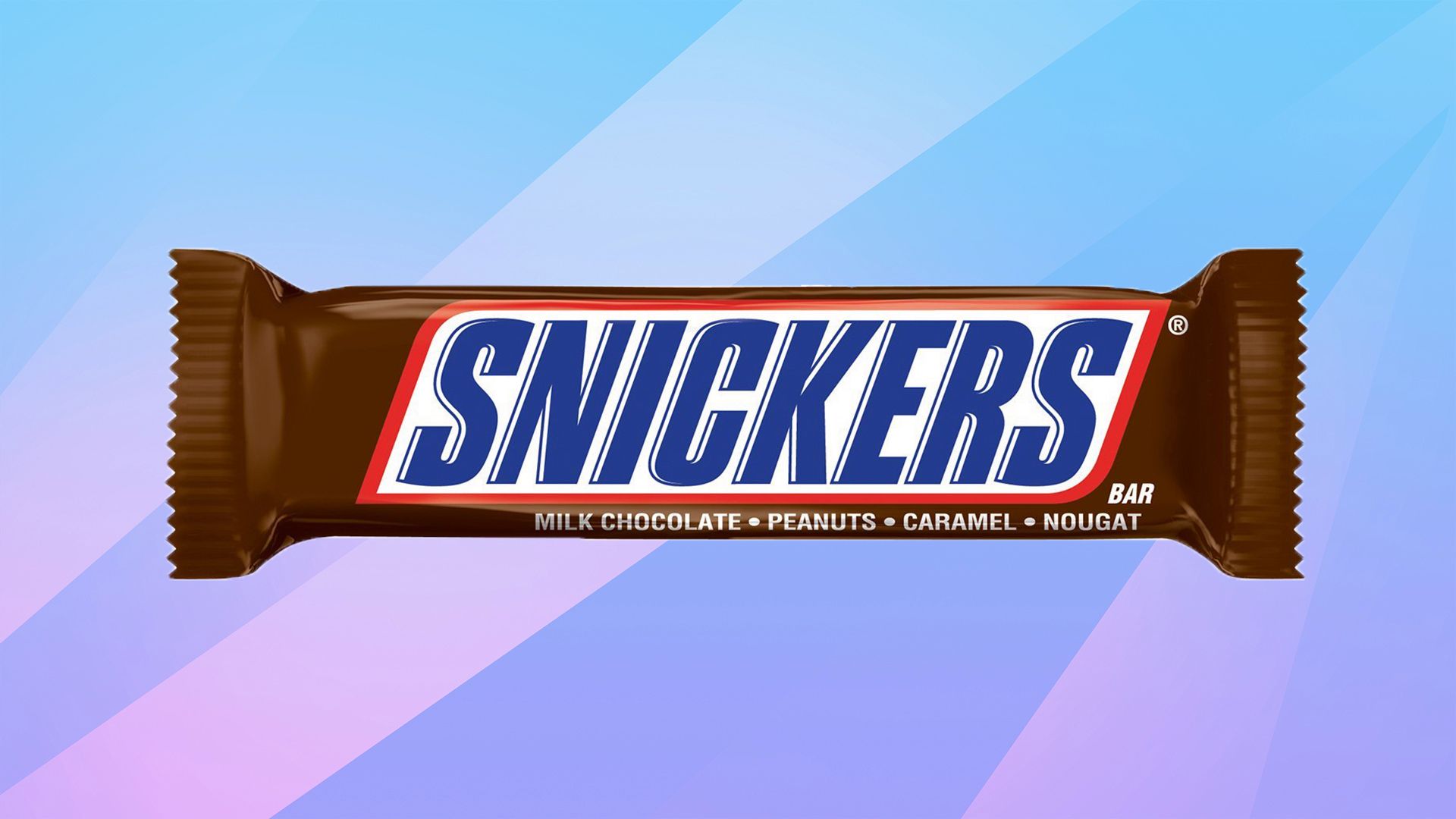
    Snickers has released its limited-edition Snickers Creamy Peanut Butter bar in Australia for the first time.

    The Snickers Creamy Peanut Butter bar is made with real peanut butter, silky smooth caramel and fresh ground peanuts, enrobed in the rich Snickers chocolate.

    Mars Wrigley Australia Marketing Director Ben Hill says the variation has been a smash hit overseas, and he’s excited for Australians to finally get their hands on the product.

    “We know how much our customers love the classic Snickers bar, with its satisfying layers of nougat, caramel, and the signature peanut crunch,” he says.

    “Now, thanks to this innovation in texture, our fans can get Snickers satisfaction in both crunchy and smooth – something that is sure to delight peanut butter fans of all kinds.”

    Snickers Creamy Peanut Butter is available in a 36g twin pack for RRP $2 from leading retailers including Woolworths, Coles, Metcash, 7 Eleven, Coles Express, BP, Ampol, ALDI and Big W.

  • Restaurant Brands sales exceed $1 billion, despite Covid-19 impact

    Restaurant Brands sales exceed $1 billion, despite Covid-19 impact

    Restaurant Brands NZ Limited reported a 19.7% increase in sales for the year ended 31 December 2021, making total sales of NZ$1.06 billion in 2021. While same-store deals stayed strong in the period, nearly NZ$100 million of the rise in annual sales came from the extra 8 months of trading from the California acquisition.

    The Group released sales numbers for Q4 FY21 on Thursday, reporting total sales of NZ$284 million for the period (+5.5% on pcp). All regions posted positive same-store growth despite the present COVID-19 impact.

    The Group faced COVID-19 impact strongly despite several government curbs, challenging trading atmosphere and altering consumer habits. Subsequently, RBD’s annual sales numbers surpassed NZ$1 billion, setting a robust footing for further growth in sales in all its 4 regions.

    RBD-owned store numbers increased by 11 in Q4 compared to the same period in the previous year to 359. This was majorly due to the purchase of 5 KFC stores in Sydney in early 2021as well as the present construction of new Taco Bell shops in Australia and NZ.

    Restaurant Brands is due to announce its year-end trading results on 28 February 2022.

  • Nestlé pledges to improve sustainable farming practices, end child labour

    Nestlé pledges to improve sustainable farming practices, end child labour

    Nestlé today announced a new plan to tackle child labor risks in cocoa production. At the center is an innovative income accelerator program, which aims to improve the livelihoods of cocoa-farming families, while also advancing regenerative agriculture practices and gender equality. A cash incentive will be paid directly to cocoa-farming households for certain activities such as enrollment of children in school and pruning among several others. Nestlé’s new plan also supports the company’s work to transform its global sourcing of cocoa to achieve full traceability and segregation for its cocoa products. As Nestlé continues to expand its cocoa sustainability efforts, the company plans to invest a total of CHF 1.3 billion by 2030, more than tripling its current annual investment.

    The income accelerator program (pdf, 11Mb) offers a novel approach to help support farmers and their families in their transition to more sustainable cocoa farming. The incentives will encourage behaviors and agricultural practices that are designed to steadily build social and economic resilience over time. With Nestlé’s new approach, cocoa-farming families will now be rewarded not only for the quantity and quality of cocoa beans they produce but also for the benefits they provide to the environment and local communities. These incentives are on top of the premium introduced by the governments of Côte d’Ivoire and Ghana that Nestlé pays and the premiums Nestlé offers for certified cocoa. This cocoa is independently audited against the Rainforest Alliance Sustainable Agriculture Standard, promoting the social, economic and environmental well-being of farmers and local communities.

    Cocoa-farming communities face immense challenges, including widespread rural poverty, increasing climate risks and a lack of access to financial services and basic infrastructure like water, health care and education. These complex factors contribute to the risk of child labor on family farms. Together with partners, including governments, and building on a promising pilot program, Nestlé’s new initiative sharpens focus on these root causes of child labor.

    “Our goal is to have an additional tangible, positive impact on a growing number of cocoa-farming families, especially in areas where poverty is widespread and resources are scarce, and to help close the living income gap they face over time,” said Mark Schneider, Nestlé CEO. “Building on our longstanding efforts to source cocoa sustainably, we will continue to help children go to school, empower women, improve farming methods and facilitate financial resources. We believe that, together with governments, NGOs and others in the cocoa industry, we can help improve the lives of cocoa-farming families and give children the chance to learn and grow in the safe and healthy environment they deserve.”

    Creating cash incentives to grow income substantially

    The program rewards practices that increase crop productivity and help secure additional sources of income, which aim to close the gap to living income and help protect children. By engaging in these practices, families can additionally earn up to CHF 500 annually for the first two years of the program. The higher incentive at the start will help accelerate the implementation of good agricultural practices to build future impact. This incentive will then be leveled at CHF 250 thereafter as the program starts delivering tangible results. It is not paid based on the volume of cocoa sold and is inclusive to provide smaller farmers meaningful support, leaving no one behind. In a departure from normal practice, the program also offers financial incentives for the farmer’s spouse, who is typically responsible for household expenses and childcare. By dividing the payments between the farmer and the spouse, the program helps empower women and improve gender equality. Examples of practices that Nestlé is incentivizing include:

    • School enrollment for all children in the household ages 6-16;
    • Implementing good agricultural practices, such as pruning, which increase crop productivity;
    • Performing agroforestry activities to increase climate resilience, like planting shade trees;
    • Generating diversified incomes, for example through growing other crops, raising livestock such as chickens, beekeeping or processing other products like cassava.

    Payments will be delivered via a secure mobile service transfer that will ensure traceability directly from Nestlé suppliers to the intended recipient. Because cash flow throughout the year is often a challenge, cash incentives will be distributed when they are needed most. Based on feedback from farmers, this includes the back-to-school period and before the rainy season. Third parties, including International Cocoa Initiative and Rainforest Alliance, will work with Nestlé to monitor participation.

    Helping farmers implement sustainable, scalable practices

    Building on the positive results of an initial pilot in 2020 with 1,000 farmers in Côte d’Ivoire, in 2022 Nestlé will expand the program to include 10,000 families in the country, before extending it to Ghana in 2024. It will then assess the results of that test phase and adapt where necessary, before moving to reach all cocoa-farming families in its global cocoa supply chain by 2030.

    Nestlé will help ensure farmers have the resources, training and social and financial structures to make lasting changes by:

    • Enhancing the existing monitoring and remediation system to help identify, prevent and address child labor risk and increase school enrollment;
    • Offering families training through the Gender Action Learning System and on household financial planning and entrepreneurship;
    • Organizing and training local groups to perform pruning and other beneficial agricultural tasks within a given cooperative each year;
    • Providing income diversification opportunities for farmers and their spouses;
    • Helping set up Village Savings and Loans Associations (VSLA), focused on women, to encourage savings and provide loans for small business opportunities.

    Feedback and input from farmers and farmer cooperatives, as well as ongoing data collection and evaluation by third parties, will be used to inform, modify and improve the program as it scales up to more communities. In addition, independent oversight will be provided by a multistakeholder strategic advisory committee managed by IDH-The Sustainable Trade Initiative, a leading foundation that works to improve the sustainability of international supply chains.

    Tracing all cocoa from origin to factory

    As part of the program, Nestlé will transform the global sourcing of cocoa to achieve full traceability and segregation of its cocoa products from origin to factory. This new effort will help transform the supply chain of Nestlé and the broader industry. Nestlé will introduce a range of products with cocoa sourced from this innovative program, offering consumers the opportunity to support the improvement of the families’ livelihoods and the protection of children. This will start with a selection of KitKat products in 2023.

    “Our actions can help catalyze change on an important topic that is so close to our hearts. They will drive accountability and transparency across the industry, at a time when customers, employees and communities increasingly expect companies to deliver on their shared values,” said Magdi Batato, Executive Vice President and Head of Operations. “By increasing traceability at scale, we will help build consumer trust in our products and respond to the growing demand for responsibly and sustainably sourced cocoa.”

    Today’s announcement builds on Nestle’s longstanding efforts to tackle child labor risks in cocoa production. The company has invested in sustainability through the Nestlé Cocoa Plan since 2009. Through a robust monitoring and remediation system (pdf, 3Mb) instituted since 2012, 149,443 children have been assisted to protect them against the risk of child labor, and 53

  • Brewer Sabeco profits fall to lowest level since Thai acquisition

    Brewer Sabeco profits fall to lowest level since Thai acquisition

    Vietnam’s largest brewer Sabeco said after-tax profit fell by over VND1 trillion (US$443 million) last year to VND3.93 trillion, the lowest since it was acquired by a Thai billionaire.
    Its revenues were VND26.37 trillion, a decline of 6 percent. Thaibev owned by Charoen Sirivadhanabhakdi acquired the company in late 2017.

    The firm blamed the Covid-19 outbreaks and subsequent restrictions in many provinces and cities across the country for the decline in performance.

    The firm has undistributed profits of over VND13.66 trillion.

    Vietnamese consumed 1.3 liters of beer per capita in 2020, according to the General Statistics Office. The country has a population of over 98.5 million.