Category: Food

Retail News Asia is committed to providing both local and global retailers with the latest Food and Food & Beverage news throughout the Asian market. This on a daily base.

  • 300,000 tonnes of dragon fruit have no buyers

    300,000 tonnes of dragon fruit have no buyers

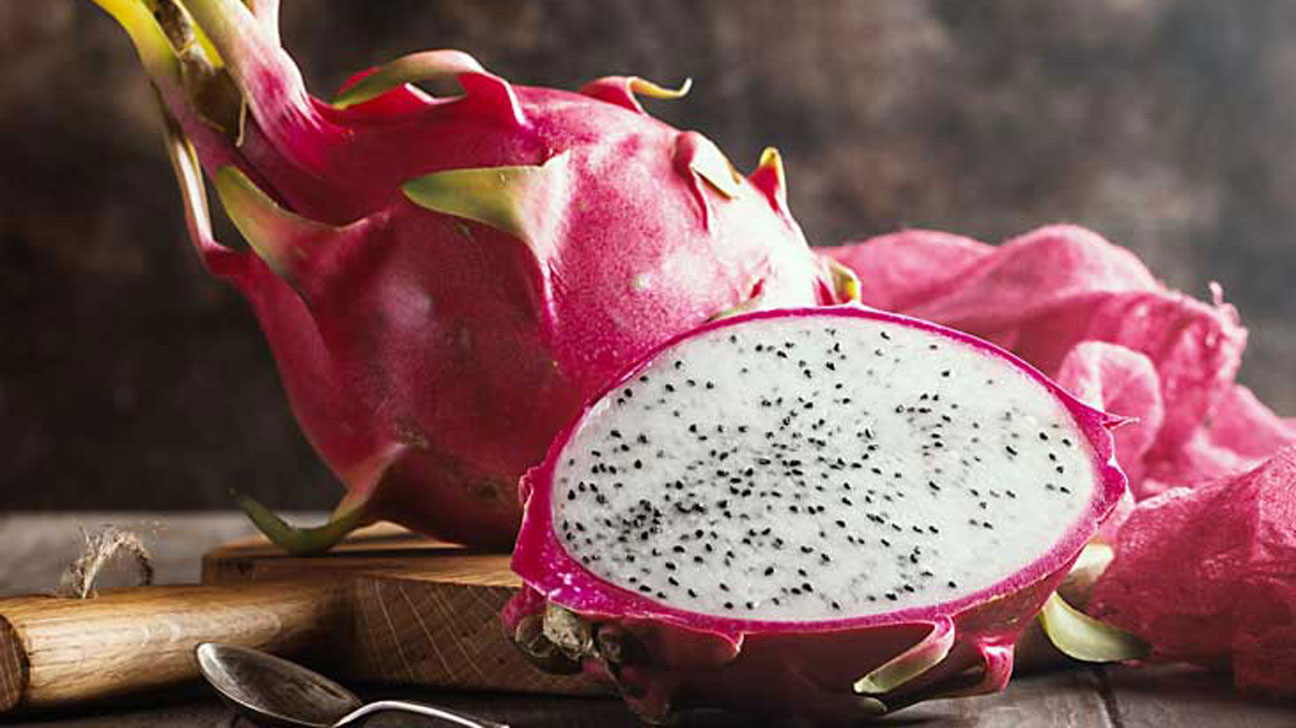
    Around 300,000 tonnes of dragon fruit will soon be ripe for harvest but without buyers, as China clamps down on border trade, industry insiders said. With the northern provinces of Quang Ninh and Lang Son having both restricted trade at the border with China due to containers pilling up, many Chinese buyers have stopped purchasing Vietnamese dragon fruit, Phan Van Tan, deputy director of Binh Thuan’s Department of Agriculture and Rural Development, told a forum Thursday.

    Dragon fruit prices have dropped in the last few weeks as China tightened its Covid-19 measures that caused thousands of container trucks to get stuck at the border.

    Some exporters said they have tried to transport goods via sea but this is not a sustainable solution as shipping fees have surged three times from before.

    China has been the biggest buyer of Vietnamese agricultural produce and dragon fruit for years. Dragon fruit exports to China exceed that of 50 other markets, said Nguyen Khac Huy, CEO of Hoang Phat Fruit in Long An Province.

    China’s proximity to Vietnam explains why exporters prefer to send their fruit there over other destinations like Europe, which could take up to 42 days. Vietnam produces around 1.4 million tonnes of dragon fruit every year. Eighty percent comes from the three provinces of Binh Thuan, Long An, and Tien Giang.

    Deputy Minister of Industry and Trade Tran Thanh Nam suggested supermarkets nationwide buy the fruit to support farmers.

    The ministry will also hold a forum with trade offices in Europe to diversify output, he added.
  • $4 Starbucks coffee has become a daily staple

    $4 Starbucks coffee has become a daily staple

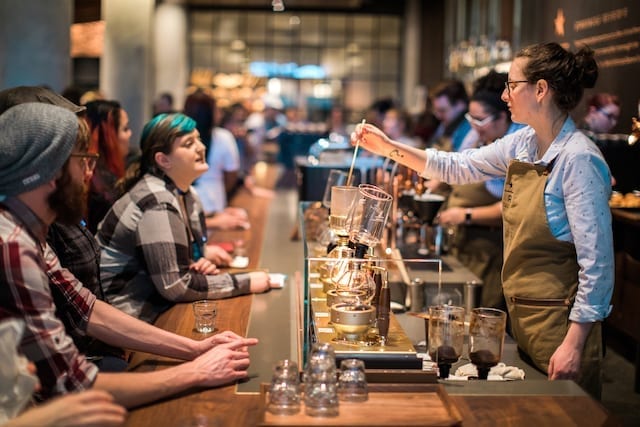
    While the franchise’s 2021 financial results took a hit because of the Covid-19 pandemic, a tangible gain has been the Starbucks VND90,000 ($4)coffee becoming a daily staple in Vietnam.

    Starbucks Vietnam general manager Patricia Marques said that despite the impacts of the nine-week social distancing orders in 2021, the global coffee brand has built up a regular customer base for its coffee worth VND90,000-100,000.

    She said it has also established more outlets away from the downtown in new urban areas, buildings, and local communities. While people used to prefer living close to the center of a locality, they are willing to live a little further away these days, she said.

    Starbucks Vietnam closed three outlets but opened nine new ones in 2021. Between December 2021 and January 2022, it opened another six: three in Hanoi; two in HCMC; and one in the southern province of Binh Duong.

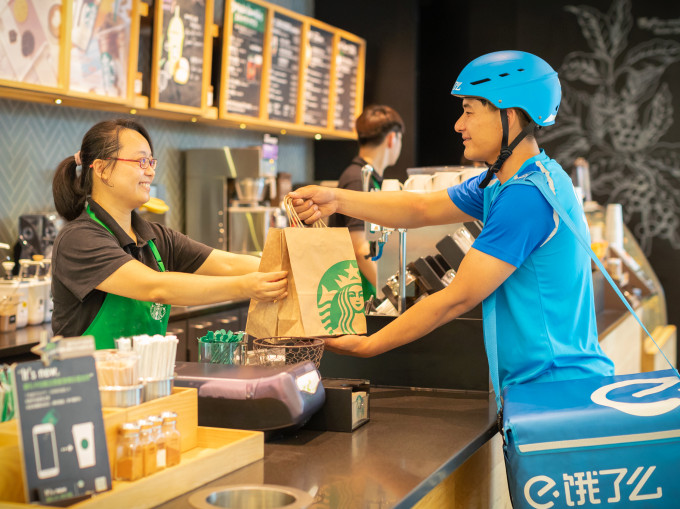
    In Vietnam, Starbucks currently has 77 outlets whose takeaway sales have grown amid Covid-19 outbreaks.

    Marques said she expected instability to continue in Vietnam’s food and beverage market this year, but takeaway revenue, non-cash payment, and e-commerce would continue to grow.

    While there is still a lot of vacant space, it will not be easy for food and beverage businesses to find satisfactory locations at a reasonable price, she said. Citing data from a partner, she said the rent of commercial premises in Vietnam increased by 3 percent, while it decreased 10 percent in Singapore, Hong Kong, Thailand, Cambodia, and Laos.

    According to the brands’ official websites, chains with the highest number of outlets in Vietnam are the domestic brands Highlands (462 stores), The Coffee House (146), and Trung Nguyen (89).

    U.S.-based Starbucks made consolidated revenues of $29.1 billion in the fiscal year 2021 (ending in the third quarter of 2021), up 24 percent against over 2020.

    In the fiscal year 2022, the brand expects global earnings of $32.5-33 billion, beating Wall Street’s estimate of $32.07 billion, and plans to open about 2,000 new outlets globally, three-quarters of them outside the U.S. According to data recorded by Statista, as of November 2021, Starbucks had 33,833 outlets worldwide.

  • Arnott’s reveals this year’s new Tim Tam Deluxe flavours

    Arnott’s reveals this year’s new Tim Tam Deluxe flavours

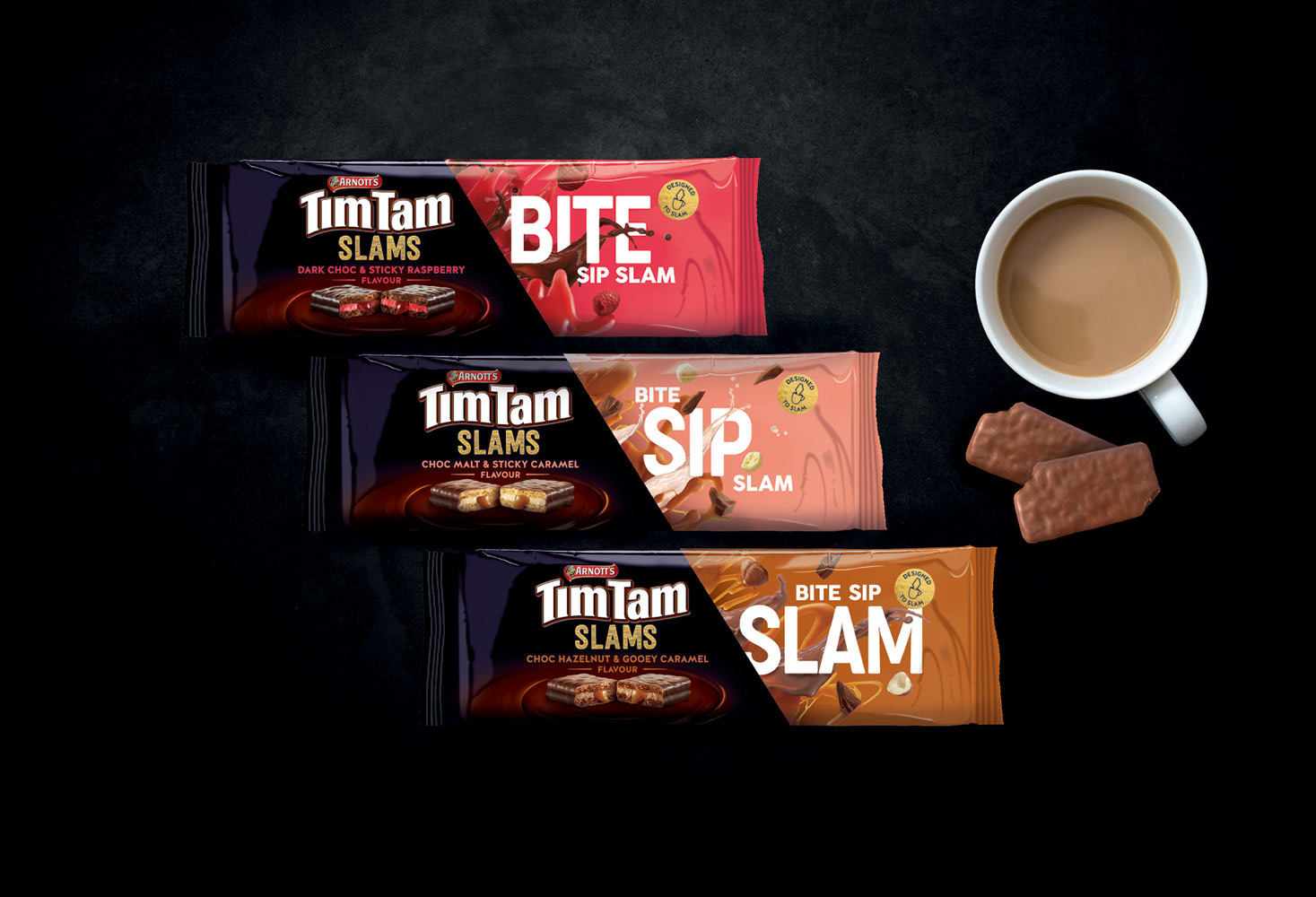
    If your new year’s resolution for 2022 is to eat cleaner, we suggest you hit pause for a couple of weeks because Tim Tam’s new range will be too good to miss. Arnott’s has just revealed that a brand new Tim Tam Deluxe range will be hitting supermarket shelves early next year, and is anticipated to be the most indulgent EVER. Even better, it has given us a teaser by introducing one of its six new flavors… Decadent Triple Choc!

    Tim Tam’s Decadent Triple Choc biscuit is the first of the Tim Tam Deluxe range to be released and, boyyyy is it a goodie. The new bikkie features an irresistible milk chocolate coating, with extra choc covering two crunchy biscuits, sandwiching a velvety choc cream and, wait for it… an EXTRA gooey centre. Did you get through that without salivating? Because we sure didn’t.

    The entire range won’t be revealed in full or on shelves until early 2022, so keep your eyes peeled and your appetites whet.

  • Food establishments learn to be agile amid pandemic

    Food establishments learn to be agile amid pandemic

    Hit hard by the Covid-19 pandemic, the food and beverage industry has nevertheless learned valuable lessons in flexibility and labor retention.

    Accommodation and food establishments saw revenues decline by 19 percent in 2021 to VND398 trillion ($17.3 billion), according to data from the General Statistics Office.

    The southern province of Ba Ria – Vung Tau reported the steepest decline of over 50 percent, followed by HCMC at more than 46 percent. In Binh Duong and Dong Nai provinces and Hai Phong, Hanoi, and Da Nang cities, the decline was 14-23 percent.

    According to the ranking company Vietnam Report, over 90 percent of businesses in the F&B industry was seriously affected by the pandemic in 2021, especially in terms of logistics, distribution, and labor safety.

    Some 35 percent also faced challenges related to rentals and labor availability.

    A spokesperson for the Dau Homemade restaurant chain said a widespread difficulty the industry faced amid the pandemic was a labor shortage. To retain workers, his chain arranged working shifts more appropriately and did not cut salaries, he said.

    During nearly half a year of stay-at-work, Dau Homemade and Gong Cha milk tea chains covered their workers’ basic daily expenses and regular Covid testing fees.

    A spokesperson for Dai Moc Food, which supplies food to factories and hospitals, said besides taking care of employees, it is also necessary to take care of their loved ones so that they are at ease while working.

    Dai Moc provided fresh food to employees’ families, visited them, and paid salaries in advance if workers asked for them, he said.

    Dau Homemade switched from the restaurant business to foodstuff production and vegetable sales.

    Besides ensuring product quality, Gong Cha has focused on training employees how to deal with Covid-related situations such

  • Product fraud could be costing Australia $3bn a year

    Product fraud could be costing Australia $3bn a year

    Fibre fraudulence involving the ‘high risk’ commodities of veal, wine, fish and mollusks fell between $700 million to $1.3 billion.

    According to the report, the cost of fraud in the sheep meat, wool, wheat, horticulture and dairy products sectors is believed to cost the industry up to another $700 million annually.

    Georgia Townsend, Agrifutures’ National Rural Issues Manager said producers’ pockets are at risk of being raided if the fraudulent activity isn’t addressed:

    “Farmers can’t combat this issue alone; a coordinated supply chain approach is needed if we are to overcome the billion-dollar problem and stamp out fraudulent practices.”

    “This work is important in quantifying the situation and gives producers, exporters and retailers market mechanisms and technologies to detect and mitigate fraudulent activity.”

    The report was conducted by Deakin University and Professor Rebecca Lester, Director of Deakin University’s Centre for Regional and Rural Futures said it is vital that the industry mitigates risks attached to high-level fraud:

    “Guaranteeing a product’s origins can be costly, but authenticity testing places emphasis on early detection and prevention, rather than responding to problems once they occur.”

    “Fortunately technology has come a long way and avenues now exist to guarantee product authenticity through analytical testing of the product itself. Technologies such as next-generation DNA sequencing, DNA chips, and lab-on-a-chip technology offer great potential for effective, low-cost and rapid onsite solutions for a broad range of authenticity testing of products.”

    aware of the risk of food fraud once their product leaves the farm or boat, but it may be costing them dearly. Industry must arm itself with better information about what to look for and strategies to respond if confronted by fraudulent activity. Getting on top of the problem could save the sector up to $3 billion annually.”

  • Low-cost café franchising booms despite Covid

    Low-cost café franchising booms despite Covid

    Despite the Covid-19 pandemic, more and more low-price cafés are franchising and doing well. At 9.00 every day a Napoli café franchisee on Dong Nai Road, District 10, HCMC is crowded. Its owner, Hoang, says: “We directly serve hundreds of customers a day. The number of customers making orders via apps is double that.”

    A café franchised by Milano on Pham Van Chieu Road, Go Vap District, also gets hundreds of customers daily, one of its employees says.

    Many other similar outlets are also making good profits despite the pandemic, mainly selling through apps and e-commerce websites.

    Nguyen Duc Hung, the founder of Napoli Coffee, said that after starting in 2010 his company has so far franchised 3,000 outlets which fetch hundreds of billions of dong annually.

    “We franchise an average of two to three coffee shops a month. Some of our partners want to open more shops though they already own five”.

    Now there are thousands of Milano franchisees across the country. Trung Nguyen E-Coffee franchised coffee shops are present in 54 cities and provinces.

    The franchisors do not seek royalties for their trademarks or other such fees, and most of their profits come instead from the construction and decoration of coffee shops or sales of packaged coffee and beverages they produce

    Napoli offers three franchising packages costing VND70-350 million for cafes of 50-100 square meters in size. The packages include a five-year warranty, decoration, furniture, lighting, uniforms, and the coffee-making process, and exclude the costs of sanitary equipment and salaries.

    Trung Nguyen E-Coffee offers franchising packages worth VND65-175 million.

    Le Anh Tu, a lecturer at Van Lang University in HCMC, said the low-price café franchising model thrives despite Covid because franchisors support franchisees a lot, and products are sold at reasonable prices like VND12,000-30,000 for a cup of coffee.

  • Delivery Hero to sell Foodpanda Foodpanda Japan

    Delivery Hero to sell Foodpanda Foodpanda Japan

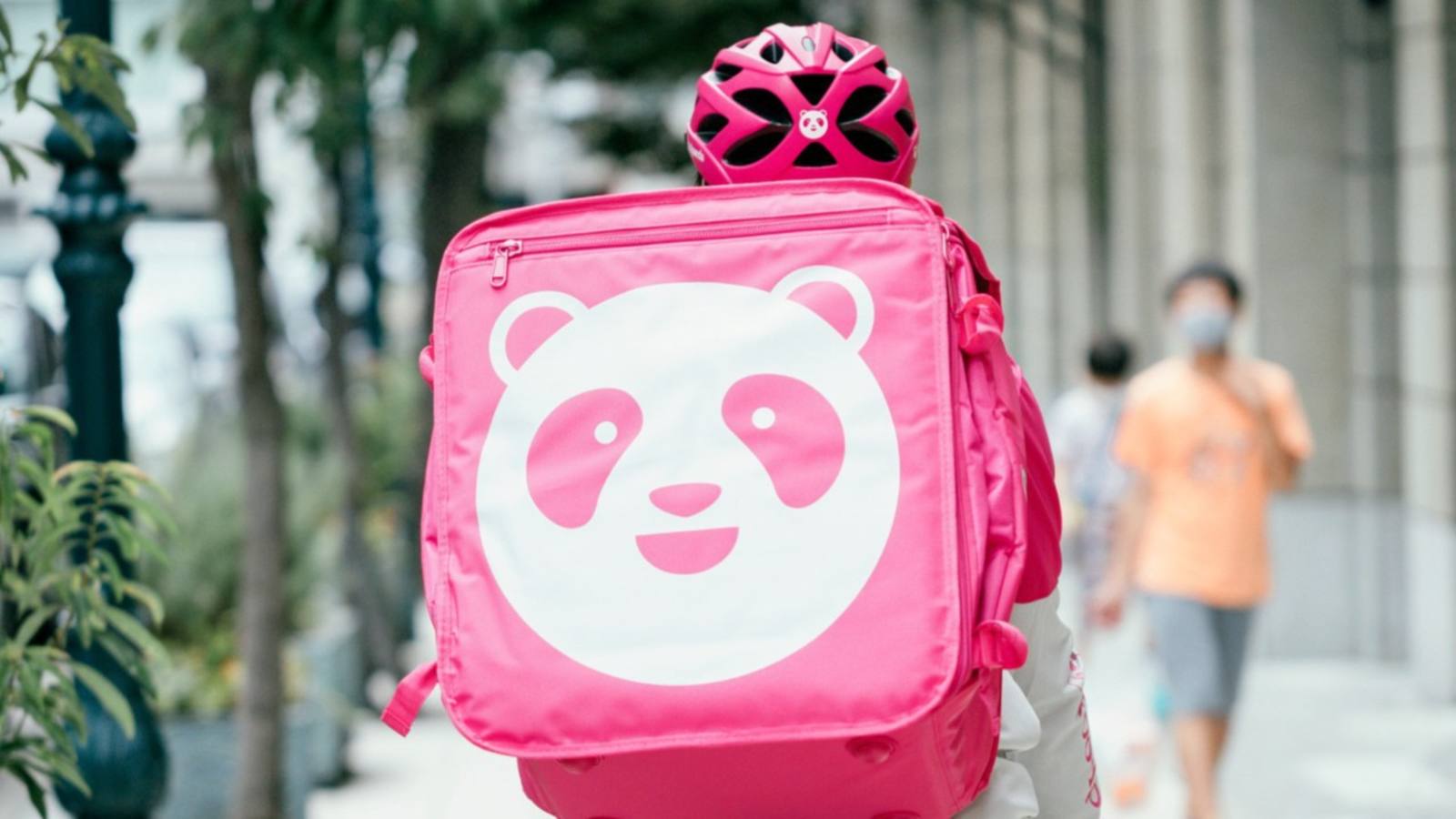
    German food delivery group Delivery Hero said on Wednesday it would scale down its Foodpanda operations in Germany and sell the subsidiary’s Japan unit, citing increased competition and labor shortages.

    Delivery Hero said Foodpanda would exit Cologne, Duesseldorf, Frankfurt, Hamburg, Munich, and Stuttgart, though it had only introduced the brand in Cologne, Duesseldorf, and Stuttgart a month earlier as part of a broader expansion program in Germany.

    “Facing a very different reality now than we did entering these markets, it is with a heavy heart that we need to pursue other growth opportunities with larger potential,” Chief Executive Niklas Oestberg said in a statement.

    The meal delivery market, with players including Uber Eats, Just Eat Takeaway, and Deliveroo, is expected to consolidate as the pandemic-related boom starts to wear off and companies look to adjust operations.

    At the same time, the European Commission announced draft rules in early December to give employee benefits to riders and drivers for online delivery firms, a move some companies argue will lead to job losses.

    Delivery Hero, whose operations span more than 50 countries, only started in June with the soft launch of its Foodpanda brand in Berlin and then rolled it out to other cities in August.

    That return home brought an abrupt end to a truce struck in late 2018, when Oestberg sold Delivery Hero’s German operations to Takeaway.com – its Dutch competitor is now known as Just Eat Takeaway (JET) – for $1.1 billion.

    The group also said on Wednesday it would exit the market in Japan, which it entered in September 2020, in the first quarter of 2022 to focus on growth in other markets and niches, especially in the area of quick commerce.

  • Australia’s love affair with boxed wine endures

    Australia’s love affair with boxed wine endures

    Boxed wine is one of Australia’s most extraordinary contributions to the wine industry, also known as cardboardeaux, bag-in-box (BiB), or more commonly.

    Australian winemaker Thomas Angove patented the design for a one-gallon polyethylene bladder in a cardboard box in 1965, inspired by the ancient method of storing wine in goat skins. The first model required drinkers to cut a corner of the plastic bag and reseal it with a special category peg (used to transport battery acid).

    Once a tap was designed in the 1970s goon climbed quickly to make up about 50% of wine sales in Australia. In the days when restaurants sold “house wine”, goon was known for being economical above anything else, and convenient, associated more with families on a budget and people on low incomes.

    Wine in the ‘70s was still perceived as for special occasions and casks may have helped change that. Thirty years later, between 2004-2014, there was a 30% drop in cask sales but a 40% increase in bottled wine during the same decade. As domestic sales had been dropping, the cask concept (and its contents) was also being exported.

    Goon has come a long way from its origins and reputation. The visual appeal of the box and the bag has evolved, along with the narrative the wine label communicates about history, geography, identity.

    As the environmental benefits of wine in a box have become more important to new consumers, the quality of its contents has also improved. Jilly Wine Company’s Chateau Cardboard Red at $71 for 3 liters, is a long way from the one-gallon packs of table white, table red, port, sweet sherry, and muscat launched in 1965.

    There are good reasons why Australians love goon, and there are strong reasons for the love to grow.

  • McDonald’s Yagoona store reopens, 50 years since first restaurant unveiled

    McDonald’s Yagoona store reopens, 50 years since first restaurant unveiled

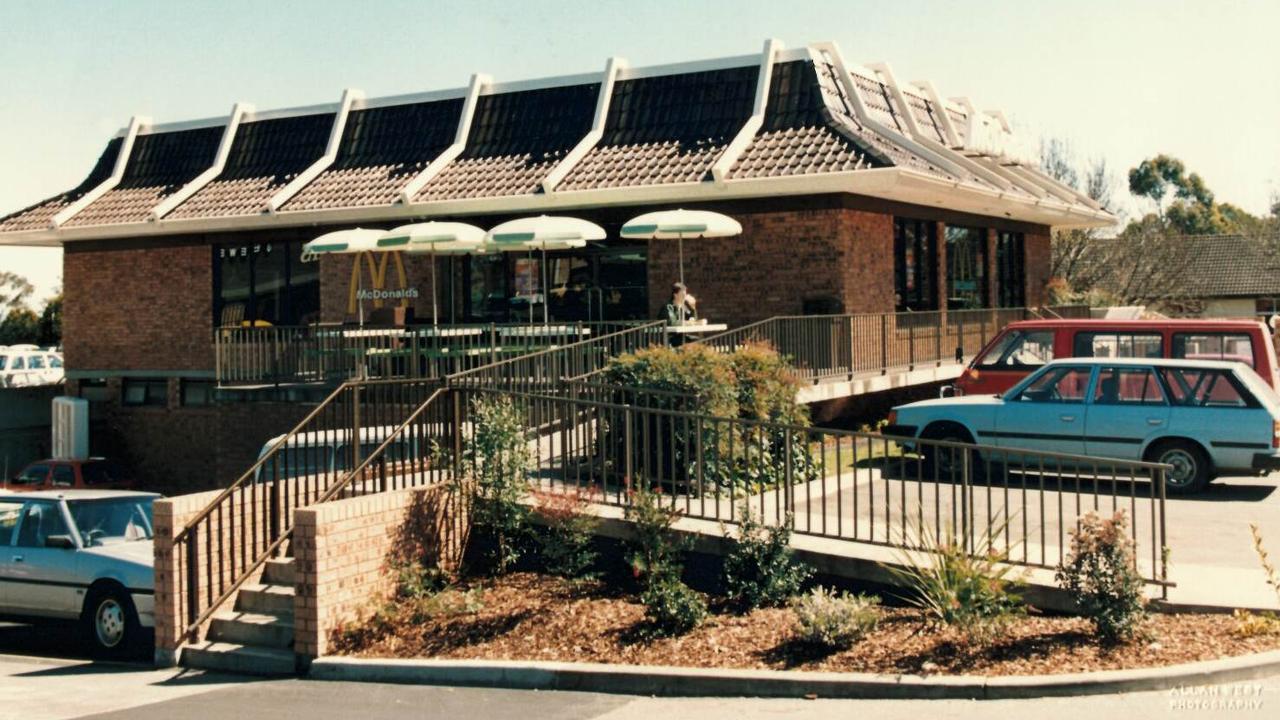
    McDonald’s is stepping back in time and reopening Australia’s first restaurant in Yagoona. Celebrating 50 years since the very first Macca’s opened its doors in December 1971, the new McDonald’s Yagoona will open on Friday and adopt its original 1970s prices. From 11 am to 1 pm on opening day the humble hamburger will be just 20 cents each, with a limit of four per customer, so you’ll need to get in quick to take advantage of the deal.

    Celebrating 50 years since the very first Macca’s opened its doors in December 1971, the new McDonald’s Yagoona will open on Friday and adopt its original 1970s prices

    The interior of the restaurant will reflect the original décor from half a century ago with a historic timeline on the wall, images of the 1971 restaurant, and a Happy Meal display with iconic toys from across the years.

    ‘We are incredibly proud to reopen McDonald’s Yagoona and recognize its important part of our history,’ Chief Executive Officer for McDonald’s Australia Andrew Gregory said.

    ‘Everything our customers know and love about McDonald’s Australia started at Yagoona from Happy Meals and birthday parties to first jobs and community contribution.

    The interior of the restaurant will reflect the original décor from half a century ago with a historic timeline on the wall, images of the 1971 restaurant, and a Happy Meal display with iconic toys from across the years

    ‘The reopening celebrates 50 years of supporting our customers, people, and communities in Australia. We look forward to once again serving the local community and welcoming back customers from the 70s, 80s, and 90s.’

    The new restaurant will operate 24 hours a day and feature a McCafé, dual-lane drive-thru, dedicated delivery partner room, and PlayPlace.

    In addition to the 20 cent hamburger, McDonald’s Yagoona will also sell $1 cheeseburgers and $2 coffee from December 17 to January 7 as part of a special promotion for customers.

  • Starbucks store in Korea is dedicated to disability inclusion

    Starbucks store in Korea is dedicated to disability inclusion

    Starbucks Korea has added a new location to its chain of Community Stores in the country, reaffirming its commitment to diversity, equity and inclusion.

    The store is Starbucks Korea’s first to focus on a design that creates an inclusive space and what the retailer describes as impactful programming to support members of the disability community in Seoul.

    A portion of proceeds from sales through the store will go to support the local nonprofit Heart Heart Foundation, which advocates for inclusion and awareness of people with disabilities, and support for local artists from the disabled community.

    “It is very meaningful that our store, which is an inclusive space for all, has been dedicated as a new Community Store for inclusion, furthering disability-inclusion awareness in Korea,” said Elena, assistant store manager, who is hard of hearing.

    “I feel very proud as a partner. I hope to create meaningful opportunities to build connections through the many activities we will be launching at our store.”

    Since the opening of the store, Starbucks has employed new partners with disabilities under the partnership with the Korea Employment Promotion Agency for the Disabled.

  • Champagne to pop sales record as demand flows again

    Champagne to pop sales record as demand flows again

    France’s Champagne producers are preparing to toast record annual sales, an unexpectedly brisk turnaround from last year’s pandemic-related troubles that is making them confident they can withstand the onset of the Omicron variant.

    Sales in 2021 are expected to top 5.5 billion euros ($6.2 billion), above a previous peak of 5 billion euros two years ago before the coronavirus pandemic, Jean-Marie Barillere, president of Champagne industry group UMC, said.

    “It’s been huge and so unexpected that we’ve seen some breakdowns in the supply chain, like in all sorts of other products at the moment,” he said.

    The rush to enjoy the famed sparkling wine again could leave some Champagne lovers short during the year-end festive period.

    Champagne was already showing the biggest out-of-stock level among major grocery categories in French supermarkets in early November, according to retail data specialist Nielsen.

    In his specialist champagne cellar in central Paris, Benoit Melendez is also seeing deliveries from some suppliers dry up.

    “My fear is not to be able to satisfy customers who are looking for specific things and not by December 31.”

    The pinch on supplies does not represent an underlying shortage, with champagne producers holding large reserves that can be tapped to blend gradually for new bottles.

    The pressure on availability has contributed to the spectacular 2021 sales, with prices being revised upwards by some producers during the year, according to Melendez.

    The revival in Champagne demand is part of a broader economic upturn as consumers emerged from lockdowns imposed during previous waves of the pandemic.

    Economists and investors are, however, wary that the Omicron variant will cause activity to stall again, particularly in Europe where some governments have introduced new lockdown measures.

    However, Barillere sees a readiness to celebrate at home, nurtured during the pandemic, sustaining Champagne demand even if venues are shuttered again, a view shared by Melendez.

    “Since the vaccines and the end of summer, people have been saying we’ll have to live with this and that means simply living,” Melendez said.

  • Yarra Valley Smaller Wineries Association launches online marketplace

    Yarra Valley Smaller Wineries Association launches online marketplace

    The Yarra Valley Smaller Wineries Association has introduced an online marketplace where Aussie consumers can access more than 100 handcrafted drops from its portfolio of 21 members.

    A first for a wine association in the country, the new marketplace helps boutique wineries, which have been struggling during extended lockdowns, to promote themselves through e-commerce and reach lesser-known areas in the region.

    “When people think of the Yarra Valley, they may instinctively want to visit or purchase wines from the Coldstream, or ‘Golden Mile’,” said Daniel Tokar, president of Yarra Valley Small Wineries Association.

    “However, what some people don’t realize is that there are several sub-regions in the Valley that contain smaller producers who make some of the best wines in Australia.”

    The new marketplace offers a selection of sparkling, white, rose, and red wines from Yarra Valley Smaller Winery members, together with international varietals including Colombard, Graciano, Barbera, Sangiovese, and Fiano.

    “Our Association banded together originally to promote why our premium products stand up to larger, commercial operations, highlighting the unique creations being produced by boutique wineries in the Valley,” Tokar added.

    “With this new platform, we hope to further encourage wine-drinkers across the country to expand their horizons and try something new outside of their comfort zone.”

  • Seaweed bites launched by Pacific Harvest

    Seaweed bites launched by Pacific Harvest

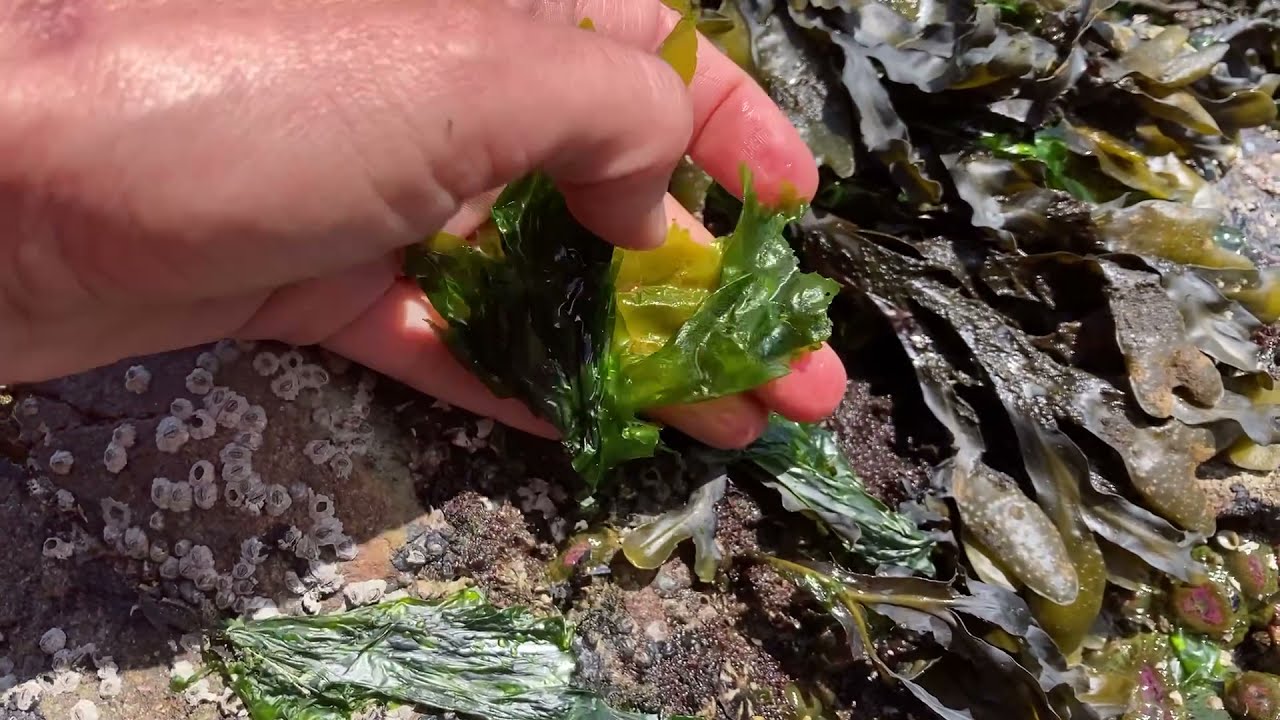
    Pacific Harvest is adding a new product – Raw Nori Seaweed Snack Packs – to its seaweed products range.

    The company says the seaweed is sourced naturally, contains nutrients that are good for health, and has no additives or preservatives. Pacific Harvest said its team works only with ethical and sustainable seaweed harvesters to ensure quality as well as not harm the environment. Its packaging is all recyclable.

    Hayley Fraser-Mackenzie, MD at Pacific Harvest, said seaweed is known for its extensive nutritional and mineral value, but many consumers are not sure how to include it in their daily routines.

    “This easy, on-the-go format is a raw, healthy snack that both parents and kids will be happy to see in a lunchbox. We don’t need to eat seaweeds laden with fats, that have been processed in ways that destroy their nutrient value.”

    The Raw Nori Seaweed Snack Packs and other Pacific Harvest products are sold via the company’s website and in health food stores nationwide with an RRP of $4.30 for a box of eight 2gram packs.

  • PepsiCo Australia achieves its renewable energy target

    PepsiCo Australia achieves its renewable energy target

    PepsiCo Australia has effectively converted to 100 percent renewable electricity across all of its operations. Focusing on reducing global emissions, this initiative helps PepsiCo limit the amount of CO2 added into the environment – around 26,000 tones per year – and goes some way in helping the business hit its target to achieve net-zero emissions globally by 2040.

    PepsiCo manufactures Smiths chips, Doritos, Red Rock Deli, Twisties, and Grain Waves in Australia, including at Regency Park in SA, Tingalpa in Queensland, and Forrestfield in WA which are now powered by a mixture of solar and wind energy sources. The achievement does not include the manufacturing of beverages that are undertaken by the brand’s local partner Asahi Beverages.

    As one of the global business’ first 15 markets globally to switch to 100 percent renewable electricity, PepsiCo Australia is now seeking sustainable solutions such as converting organic waste into bio-methane, converting its fleet to EV or hydrogen, and decarbonizing its snack manufacturing processes.

    The company has teamed up with Engie and the Northam Solar Farm – developed by Indigenous Business Australia (IBA) and Bookitja – to get Power Purchase Agreements (PPAs) that support a range of wind and solar farms across Australia.

    “Climate change is one of the most pressing concerns facing our global food system and we’re committed to working across our value chain to reduce emissions,” said Danny Celoni, CEO of PepsiCo Australia and New Zealand.

    “The move to renewable electricity is positive for our business and for the local economy. We are pleased to support sustainable initiatives that create local jobs and proud to partner with IBA and Bookitja through the Northam Solar Farm, which aims to provide a sustainable economic base for future generations of Whadjuk people”.

    PepsiCo is also a member of Re100, a global renewable energy initiative led by The Climate Group and CDP to make a commitment to renewable energy as a large business.

    “Companies that join Re100 pledge to go 100 percent renewable with their electricity use by a set date,” added Jon Dee, Re100 Australia coordinator

    “Here in Australia, PepsiCo is one of 110 major companies that have joined Re100. By successfully completing their transition to 100 percent renewable electricity, PepsiCo has demonstrated a high level of commitment to sustainability and it’s set a positive example for other companies to follow.”

  • Enterprises not exporting rice regularly to lose licenses

    Enterprises not exporting rice regularly to lose licenses

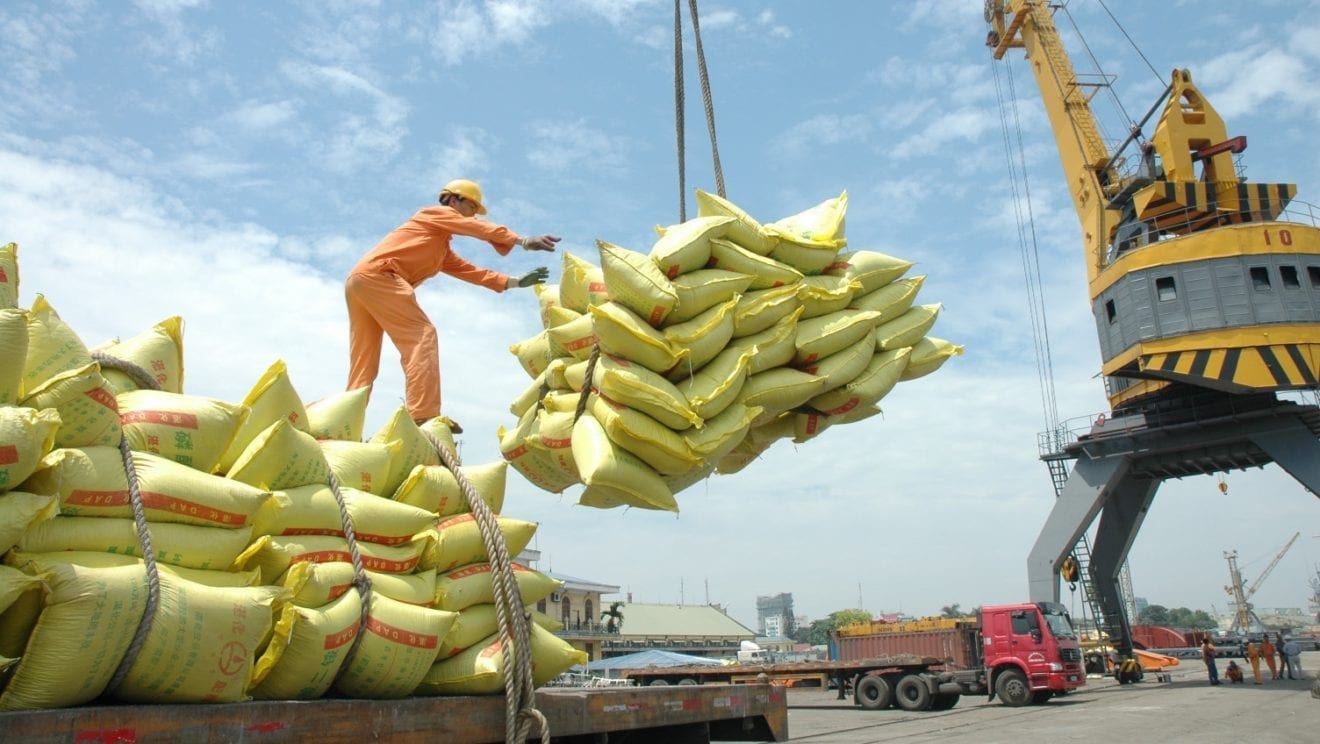
    Rice exporters will have their licenses canceled if they fail to ship for a long time.

    Out of 205 businesses with export licenses, 39 have not exported the grain since December 2019.

    The Ministry of Industry and Trade said: “Many traders have no rice market or capacity to export. This along with the impact of the Covid-19 pandemic means they have not been able to export rice for nearly two years.”

    Under further changes to a decree, the ministry wants local authorities which issue rice export licenses to strengthen inspection of business conditions.

    Vietnam exported 5.7 million tons of rice worth $3 billion in the first 11 months of this year, year-on-year increases of 0.8 percent and 7.3 percent.

    The country is unlikely to achieve the export target of 6.5 million tons this year, the Vietnam Food Association said, predicting that even next year exports would only be around 6.3 million tons.