Category: Food

Retail News Asia is committed to providing both local and global retailers with the latest Food and Food & Beverage news throughout the Asian market. This on a daily base.

  • Vinomofo bets on in-person events with latest acquisition

    Vinomofo bets on in-person events with latest acquisition

    Vinomofo has purchased Melbourne-based events company Revel in an effort to better ingrain itself in the events industry – betting that as life in Australia continues to move toward normality, more Australians will want to get out and attend in-person events.

    Vinomofo chief executive Paul Edginton said the deal will give the online wine firm’s customers ‘special access’ to events and offers.

    “As our customer base grows year-on-year, we are seeing demand for a more extensive offering, with tactile, engaging, fun experiences at the top of the must-have list,” Edginton said.

    “Today’s news to acquire Revel further builds our capabilities to continue meeting the growing needs of our customers who love wine, food and the adventure of experiencing it all.”

    And, Edginton hinted that more projects outside of Vinomofo’s core wine business are well underway and will be launched in 2022.

    “The time was right for us to look at new opportunities to add more diverse offers for our tribe. The Revel acquisition allows us to do this,” Edginton said.

    Revel handles a number of events in the food industry already, namely: Pinot Palooza, Game of Rhones, Mould: A Cheese Festival, and Gauchito Gil’s Malbec Day.

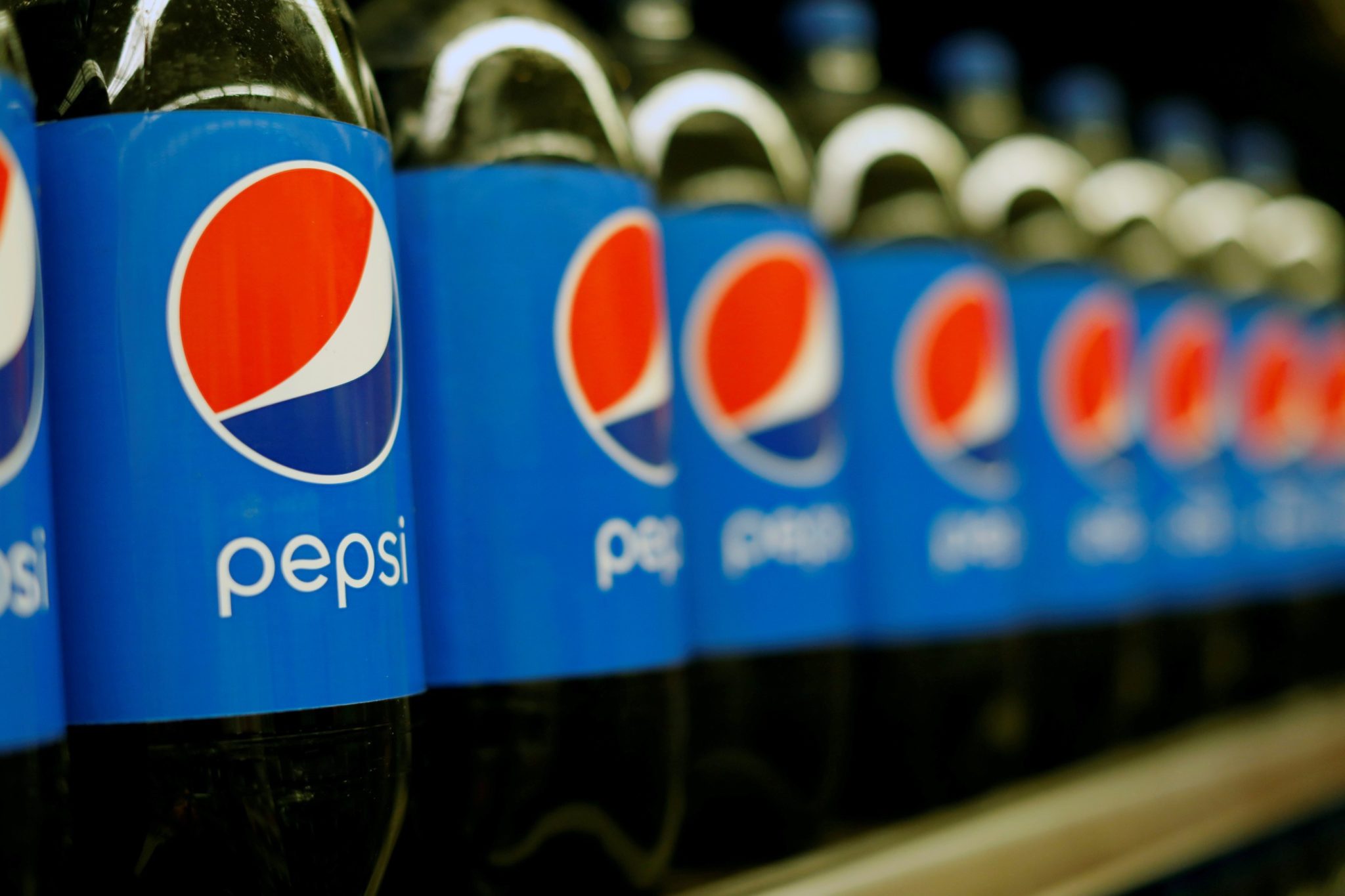
  • PepsiCo names new CEO for Australia/New Zealand

    PepsiCo names new CEO for Australia/New Zealand

    PepsiCo has announced the appointment of Kyle Faulconer as the new CEO of Australia and New Zealand, effective January 2022.

    Faulconer will replace outgoing CEO, Danny Celoni, who was recently appointed to the Asahi Beverages Oceania Executive Leadership Team as the new CEO of Carlton & United Breweries, effective February 2022.

    To take up the new position, Faulconer will relocate to Sydney from the US, where he is currently Vice President and General Manager at PepsiCo’s Frito-Lay snacks business.

    He has had a 14-year tenure at PepsiCo and is a passionate advocate for consumer-centric innovation. Most recently he was responsible for leading the strategic agenda for Walmart, one of PepsiCo’s largest global customers.

    Wern-Yuen Tan, CEO, PepsiCo APAC, says that Faulconer’s strong market experience and people-first approach will be a great asset to the Australia and New Zealand team.

    “We are delighted to welcome Kyle to ANZ and know he will lead the team to new heights,” said Tan.

    In his new role, Faulconer will work to strengthen operations and drive innovation and growth across PepsiCo’s portfolio of drinks and snacks.

    He said: “I’m thrilled to join the world-class team and help the PepsiCo business continue to grow across Australia and New Zealand. I look forward to creating new opportunities to accelerate our positive, purpose-led impact for our partners, customers ad consumers.”

  • Mandolé Orchard expands range with almond products

    Mandolé Orchard expands range with almond products

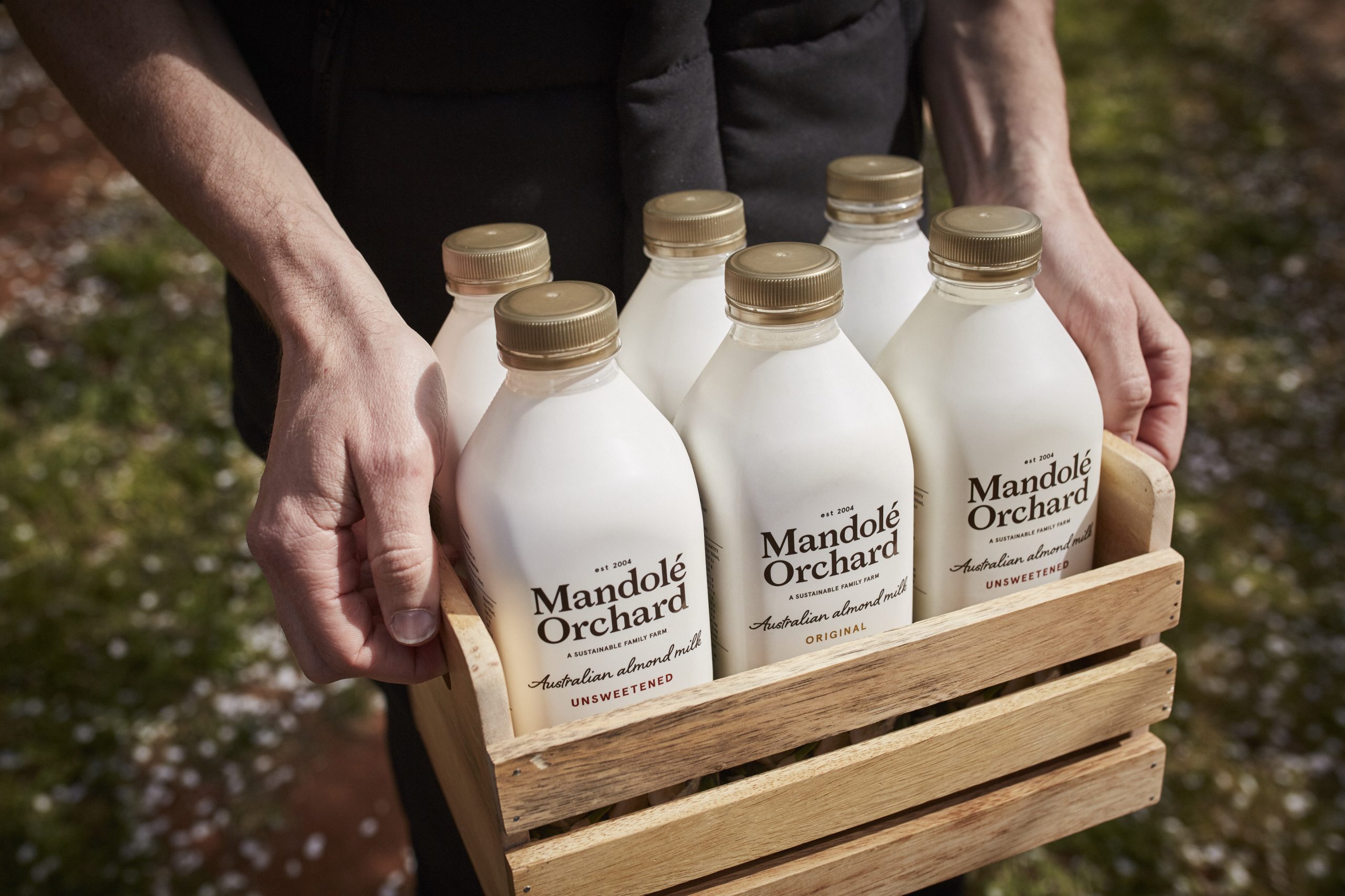
    Mandolé Orchard has expanded its range with the launch of Chocolate Almond Milk, Coconut Almond Milk, and Smooth Almond Butter.

    According to the brand, the three new products not only celebrate its “signature goodness and commitment to wholesome products but deliver something for everyone – even the fussiest of tastebuds”.

    Low in sugar and “completely clean” with “high” almond density, this product is promoted as the “perfect” afternoon refreshment, the “ultimate” smoothie companion, a “delicious” cocktail enhancer, or something for even the fussiest of young eaters.

    The new Coconut Almond Milk is said to be low in sugar, high in protein, and vitamin E.

    “There are fewer pairings made for each other more than coconut and almond,” says the brand. “The new product is like a vacation in a bottle.”

    The almond butter is made fresh on the family farm from a “delicious blend” of lightly roasted premium Mandolé Orchard almonds.

    The product is available in salted and unsalted.

  • Coles partners with brewery to make beer from excess watermelons and bread

    Coles partners with brewery to make beer from excess watermelons and bread

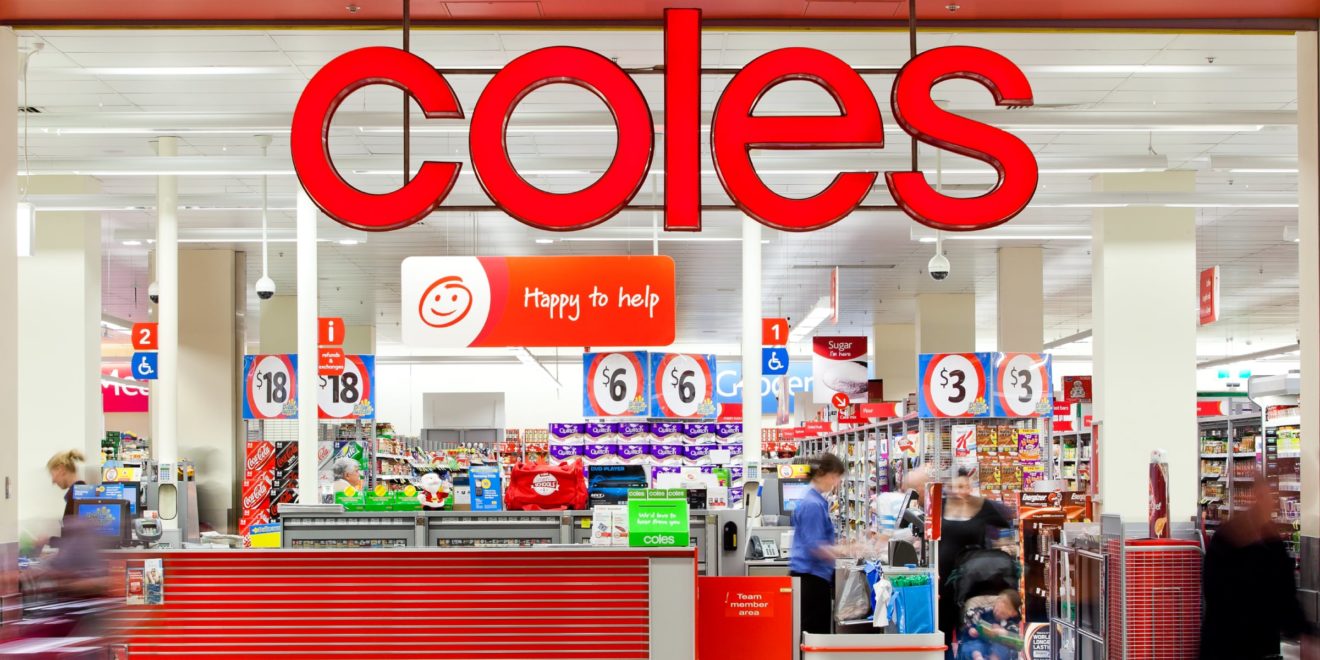
    One of the world’s oldest beer styles is roaring back to life thanks to a truckload of watermelons, 500 loaves of unsold bread, and a creative partnership between Coles Liquor and Melbourne-based craft beer producer Local Brewing Co.

    Local Brewing Co’s limited edition Surplus Sour Watermelon Beer, launched exclusively this week at Liquorland and First Choice Liquor Market, is the first of a series of fruit sour beers made with unsold or excess fruit from Coles’ supermarket suppliers and slated to hit the shelves in the next 12 months.

    Brewed exclusively for Coles Liquor, Surplus Sour Watermelon Beer is made with three tonnes of excess melons donated by long-time Coles produce supplier Rombola Family Farms. In place of brewer’s malt, Local Brewing rescued 300 kilograms of unsold Coles bread to add to the ferment.

    The result is a light, gently fruity, and refreshing beer with a delicate tang that typifies sour beers, one of the fastest-growing craft beer styles in Australia and part of a renaissance of this easy-drinking alternative to traditional ‘bitter’ pale ales.

    Sour beers are synonymous with Belgium, where traditional sour styles such as Lambic have been brewed since early in the 18th century. However, their history can be traced back as far as 4000BC, when brewing involved little more than mixing grain and water together and allowing naturally-occurring microbes to do the rest.

    In addition to yeast, which converts carbohydrates from the grain into alcohol, the microbial population also included lactobacillus, which instead uses carbohydrates to create lactic acid – the same compound that gives sourdough bread its distinct flavor.

    While modern brewing techniques usually avoid so-called ‘wild’ bacteria by using carefully-cultivated strains of yeast to reduce the influence of sour or acidic flavors, the craft beer revolution has reignited interest in traditional styles.

    Local Brewing Co has been creating sour beers on a boutique scale for the last three years however its collaboration with Coles has significantly upscaled production. Importantly for the brewery’s founders, it has also super-charged the positive social impact of a business that was conceived as a social enterprise to help feed those in need.

    Ordinarily, Local Brewing Co contributes the equivalent of one meal from the sale of every four-pack of its beer to food rescue organization SecondBite, which works with charities across the country to help Australians in need.

    However, through this partnership with Coles, co-founder Nick Campbell said Local Brewing would contribute the equivalent of one meal for the sale of every can of its Watermelon Sour beer – four times the usual donation.

    “Our collaboration with Coles Liquor has been incredible – it’s allowed us to brew a genuinely sustainable beer and increase our social impact,” Mr Campbell said.

    “We know from the release of previous sour beers that customers embrace this genuinely unique product and it’s a great way to use food that might otherwise be wasted.

    “Every time we’ve released one of these sours in the past it has been a sell-out in just a few days, so we know customers love the story of transforming rescued food into an entirely new product.”

    Coles Liquor Merchandise General Manager Brad Gorman said the partnership would produce at least three other exclusive fruit sour beers in the next 12 months to meet the growing demand for this style of beer as well as consumer appetite for genuinely sustainable products.

    “We’re already planning new exclusive sours through partnerships with seasonal fruit suppliers in the supermarket business, which will underpin the creation of an exclusive, sustainable sour beer brand that will be unique to Coles Liquor,” Mr Gorman said.

    “Sour beers are a very strong and rapidly growing segment in craft beer and we know our customers love locally made products; it’s a key element of delivering on our ambition to be the local drinks specialist.”

    Fernando Rombola has been supplying watermelons to Coles for the past seven years, during which time he’s seen a significant increase in consumer interest in sustainable agriculture and reducing food waste.

    His company Rombola Family Farms generously donated three tonnes of excess watermelons to the Local Brewing Co, embracing the opportunity to explore an alternative, sustainable route for the fruit, which is otherwise used as compost on the farm.

    “This is super important for us – sustainability is not just about the environment, it’s financial sustainability, it’s sustainability for our people and sustainability for the land, if we are not looking after our land, how are we going to be able to reap the rewards from it?

    “For the first time in my life I had to do an ESG (Environmental, Social, and Governance) statement for the bank on one of our last loans, so there is a lot of interest in sustainability and it’s the right thing to do.

    “If this product is successful, we’d definitely like to see this as a different stream; the more sustainable we are, the more we can grow more with less hectares, which is what we are always trying to do.”

    Local Brewing Co has a long history with SecondBite, partnering with the food rescue group when it was first established to embed philanthropy into the foundations of its craft brewing business.

    “We are so excited that our long running partnership with Local Brewing Co is benefitting from a collaboration with Coles, who we’ve worked with for more than a decade now to end waste and end hunger in Australia,” said SecondBite Chief Executive Officer Steve Clifford.

    “The fact Local Brewing Co is able to increase its support for SecondBite through the launch of this unique sour beer is very exciting for us.

    “We couldn’t be prouder that two of our partners have collaborated to create a product that closes the loop on food waste and provides an opportunity for customers to give back with every purchase.”
  • McDonald’s Malaysia plans to open 200 more outlets

    McDonald’s Malaysia plans to open 200 more outlets

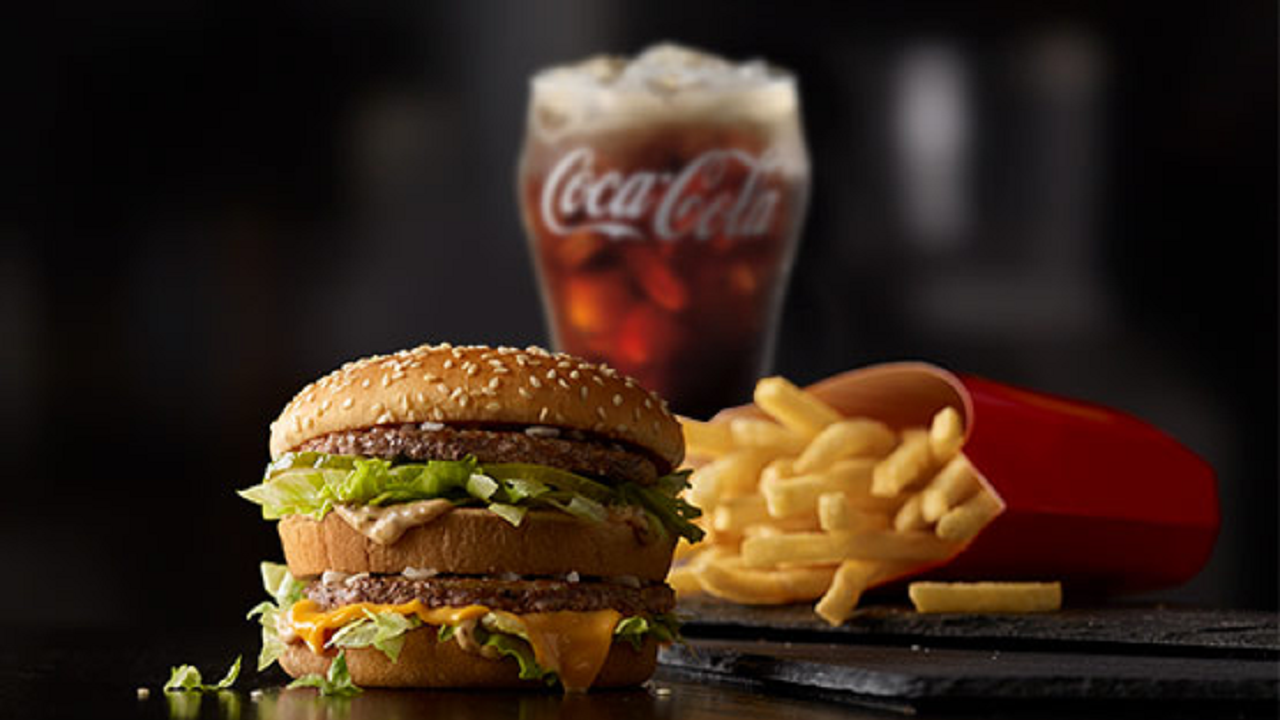
    McDonald’s Malaysia is set to roll out 200 stores across the country, increasing its nationwide network to 500 by the end of 2026.

    MD and local operating partner, Azmir Jaafar, told local reporters that the fast-food chain is hiring 10,000 workers as part of its expansion plan. New locations will be opened away from the 310 existing ones.

    McDonald Malaysia has also committed to serving halal food across all its restaurants. The chain established an internal halal committee in 2013 to monitor full compliance with the standards and guidelines imposed by the Department of Islamic Development Malaysia (JAKIM).

    “This committee works closely with relevant officials at JAKIM to obtain advice and guidelines for the preparation of halal, quality and clean food,” Jaafar said. “The committee is also responsible for employee training to provide a clear understanding of the concept of halal.”

    Since its launch in Malaysia in 1983, McDonald has employed 15,000 employees and served more than 13.5 million customers monthly.

  • JustKitchen expands into the Philippines

    JustKitchen expands into the Philippines

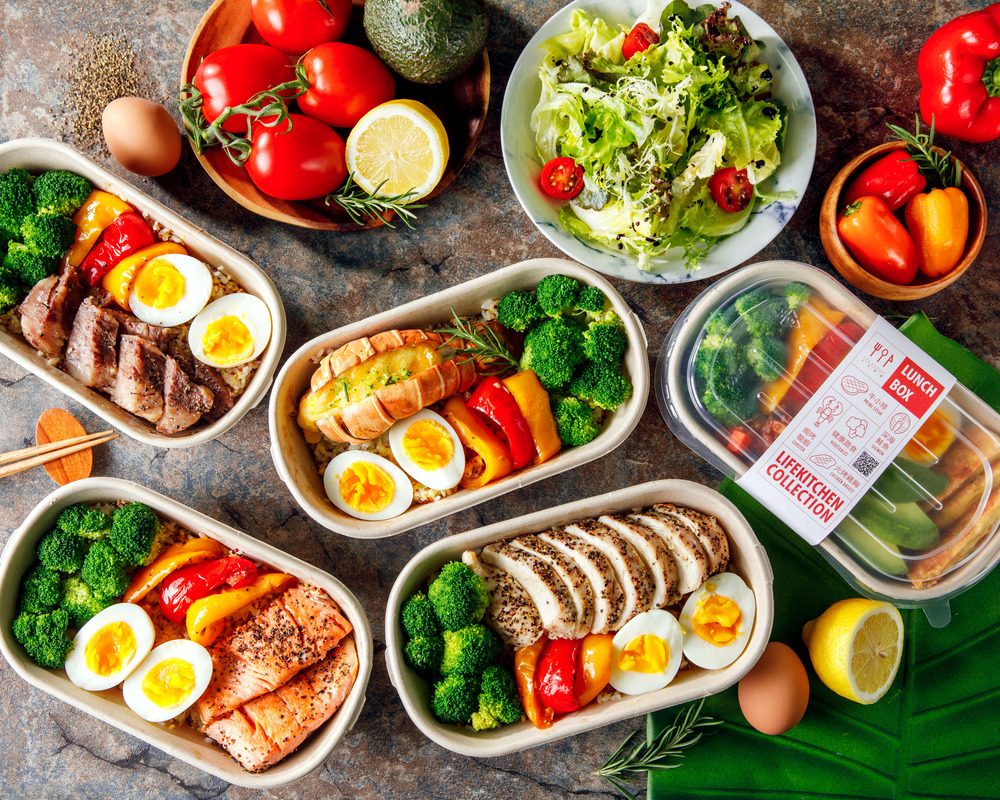
    Ghost kitchens operator, JustKitchen, has expanded its presence into the Philippines through a joint venture with TDG Ventures (TVI).

    Named ‘JV Co’, the joint venture will be the exclusive operator of the JustKitchen brand and distributor of its products in the country. The launch is part of JustKitchen’s global expansion plan, which will see kitchens opening in markets including Japan, Singapore, Malaysia and Vietnam next year.

    “Forming this joint venture with TVI to enter the Philippines market is a significant milestone for JustKitchen as it marks the third country in which our company will be operating in just a short period,” said Jason Chen, co-founder and CEO.

    “With our home base in Taiwan, established operations in Hong Kong, and the addition of this large population to our customer base, we continue to execute on our international growth plan to bring JustKitchen’s unique operating model, portfolio of food brands, and technology stack to new markets,” he said.

    Under the partnership, JustKitchen will maintain a 51 percent ownership interest in JV Co with the remainder owned by TVI. The joint venture will develop the infrastructure necessary to replicate the operating model from Taiwan and shall lease out kitchens to sub-franchisees. Ghost kitchen operation is expected to begin in the first quarter of next year.

  • V2Food launches Taste-a-tarian campaign with 1000 free burgers

    V2Food launches Taste-a-tarian campaign with 1000 free burgers

    Hero has released its first major work for plant-based meat company V2Food since winning the creative and strategy back in April this year, which is also the brand’s first campaign.

    The ‘Taste-a-tarian’ campaign presents V2Food as the option that satisfies every dietary requirement, as well as launches V2Food’s new brand platform ‘We agree to V2’.

    The just over a minute spot shows a family sitting down for dinner, with each member having a specific diet that needs to be catered for. At the end of the spot, it is revealed that V2Food will satisfy everyone as everyone is a “Taste-a-tarian”.

    There is also a 30-second cut of the video.

    V2Food’s chief growth officer Andrew May said: “As Australians, we cherish meal-times and social occasions and it’s our goal at v2 to deliver great tasting food that satisfies every palate. Our ‘Taste-a-tarian’ campaign shows that v2’s range of plant-based protein products deliver that same meaty taste and makes meals easy, no matter your dietary preference. We can’t think of a better campaign launch to kick off our partnership with HERO, who delivered a fully integrated campaign across strategy, creative, media planning and media implementation.”

    Hero’s managing director, digital Adam Beaupeurt added: “We’re thrilled to launch our first major campaign with V2food. By recognizing that there is a need for a version 2 of the food system, v2food plays a pivotal role in changing the way we all think about meat consumption and food sustainably. This is another brilliant example of media and creative integration delivered by Hero’s Borderless Creativity process – paramount to ensuring the brand entertains and connects with the 50% of Aussies who are looking at reducing their meat intake.”

    The campaign premiered during Ten’s Celebrity Masterchef finale last night.

    The campaign, as well as TV, is on out-of-home, retail proximity, BVOD, social, digital, and electric car charging station Jost.

  • Japanese beer brand Yebisu launches in Australia

    Japanese beer brand Yebisu launches in Australia

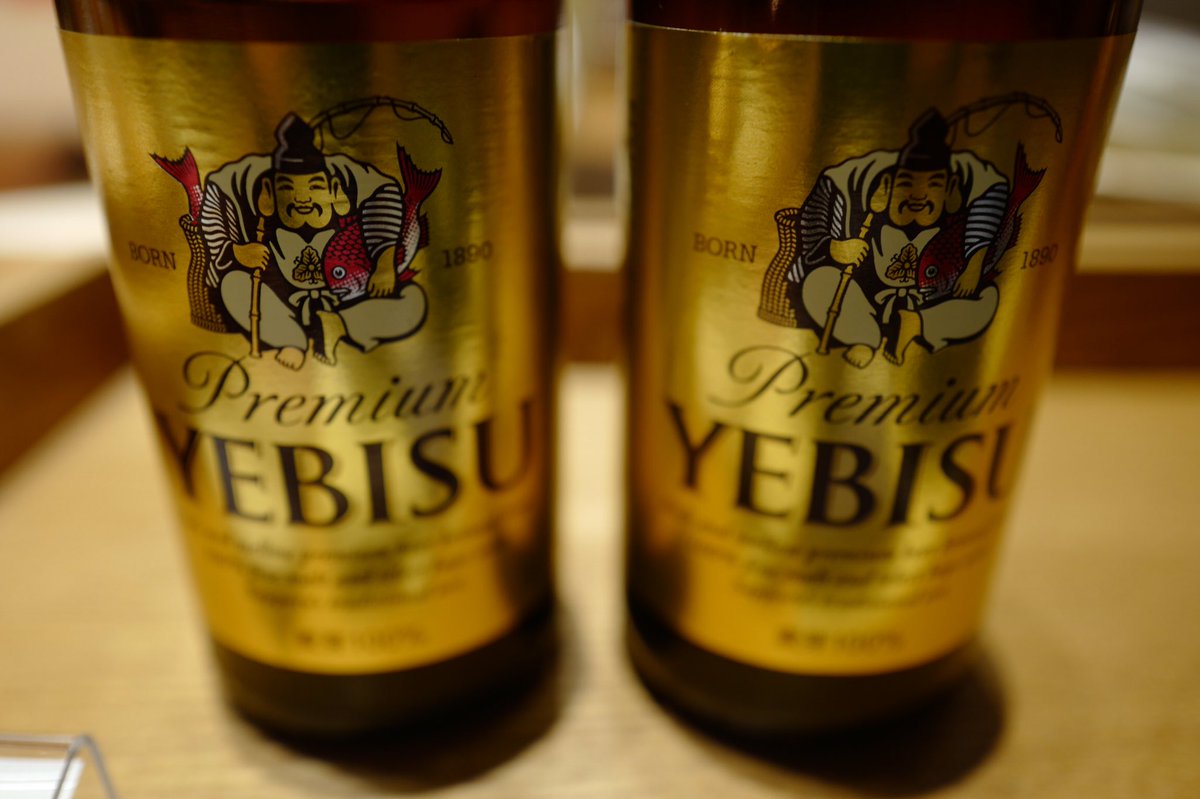
    Premium Japanese beer label Yebisu Premium Beer has been launched in Australia, through Coopers Brewery.

    Coopers will be the exclusive distributor of Yebisu under its partnership with Sapporo. The beer is now available in packs of four 350ml cans from First Choice Liquor stores and selected Liquorland and Vintage Cellars outlets nationally. It will join the shelves of independent retailers and on-premise locations from early next month.

    Founded in Tokyo in 1890, Yebisu (which is pronounced ‘Ebis’ in English), has drawn the praise of beer drinkers both domestically and internationally, with awards including the gold prize at the Paris Expo in 1900. It is brewed exclusively in Japan.

    Yebisu brand manager with Coopers Brewery, Chris Levey, said Japanese beer is proving popular with Australian consumers.

    Sapporo Premium Beer achieved double-digit volume growth in the year to August.

    “Yebisu is a symbol of Japan’s unwavering commitment to quality and craft, meeting the intersection of Australian drinkers’ desire for exploration and discovery and their attraction to true originals and authenticity,” he said.

    “We expect the introduction of Yebisu will drive further interest in the Japanese beer segment, appealing to a broad range of discerning beer drinkers seeking discovery, quality and authenticity, and a richer, more rewarding flavor experience.”

  • French wine lovers wash away climate and Covid-19 worries with new Beaujolais

    French wine lovers wash away climate and Covid-19 worries with new Beaujolais

    French wine lovers washed away the misery of months of coronavirus social distancing and a wet summer that weighed on wine output, welcoming the new Beaujolais in bars across the country.

    Every autumn on the third Thursday of November, winegrowers from the Beaujolais region market the first bottles of the year’s harvest in the annual “Le Beaujolais Nouveau est arrivé” campaign that started in the 1960s.

    “If there is one day we can call a day of renaissance, after all the crises we have lived through, it is today,” said Le Mesturet owner Alain Fontaine as he served free glasses of Beaujolais on the sidewalk in front of his Paris restaurant.

    Parisians loved the free wine, even if Beaujolais – a light red wine that is just a few weeks or months old – struggles to overcome an image of being cheap plonk.

    “It’s a nice little wine. It’s not the biggest grand cru, obviously, but it is pleasant and not very expensive,” said Felix, an employee at the French national library.

    Wine growers were less upbeat as France is set to produce its lowest wine output since records began, after vineyards were hit by spring frost, hail and disease.

    The farm ministry has forecast total production a quarter below the average of the past five years with the Burgundy-Beaujolais region’s output among the worst hit, seen down by nearly half.

    “The year has been quite hard weather-wise and the grapes have required more manual work than usual, only for us to end up losing around 30% of the harvest. That’s too much work for such meagre results,” said Beaujolais Nouveau winemaker Julien Revillon in Villie-Morgon, north of Lyon.

    Revillon said that even though output has been disappointing, people are more than ever attached to the Beaujolais tradition, seeing it as an opportunity to get together with friends and colleagues after months of isolation.

    “In difficult periods, people hang onto traditions. Even during a war, we want to celebrate Christmas, even during a pandemic, we want to celebrate the Beaujolais Nouveau,” he said.

    Ninety-year-old Parisian Marie-Francoise, who initially found the new Beaujolais too tart, changed her mind after a second tasting.

    “It’s a good wine, a very good wine. There is no better Beaujolais!” she said.

  • Unilever sells 34 tea brands

    Unilever sells 34 tea brands

    Unilever has sold its global tea business – including T2 – to private equity company CVC Capital Partners, for €4.5 billion ($A7 billion)

    The business, called Ekaterra, owns 34 brands including Lipton, PG tips, Pukka, T2 and Tazo and turned over €2 billion ($A3.1 billion) last year. The company has 11 production factories on four continents and tea estates in three countries.

    “The evolution of our portfolio into higher-growth spaces is an important part of our growth strategy for Unilever,” said CEO Alan Jope of the reason for the divestment. “Our decision to sell Ekaterra demonstrates further progress in delivering against our plans.

    “We are proud of the place that our tea business has in our company’s history. We look forward to seeing Ekaterra, with its strong brands and global footprint, prosper under CVC’s ownership.”

    The sale is scheduled to be settled during the second half of next year and is subject to receipt of regulatory approvals. The deal excludes Unilever’s tea business in India, Nepal, and Indonesia, as well as its joint venture with Pepsi Lipton covering ready-to-drink teas, and any associated distribution business.

    Pev Hooper, a managing partner at CVC Capital Partners described Ekaterra as “a great business, built on strong foundations of leading brands and a purpose-driven approach to its products, people and communities”.

    “Ekaterra is well-positioned in an attractive market to accelerate its future growth, and to lead the category’s sustainable development. We look forward to working with the team to realise Ekaterra’s full potential,” said Hooper.

    Inside FMCG understands rival private-equity firms Advent and Carlyle unsuccessfully bid for the business.

  • Treasury Wines shuffles US wines with acquisition of Frank Family Vineyards

    Treasury Wines shuffles US wines with acquisition of Frank Family Vineyards

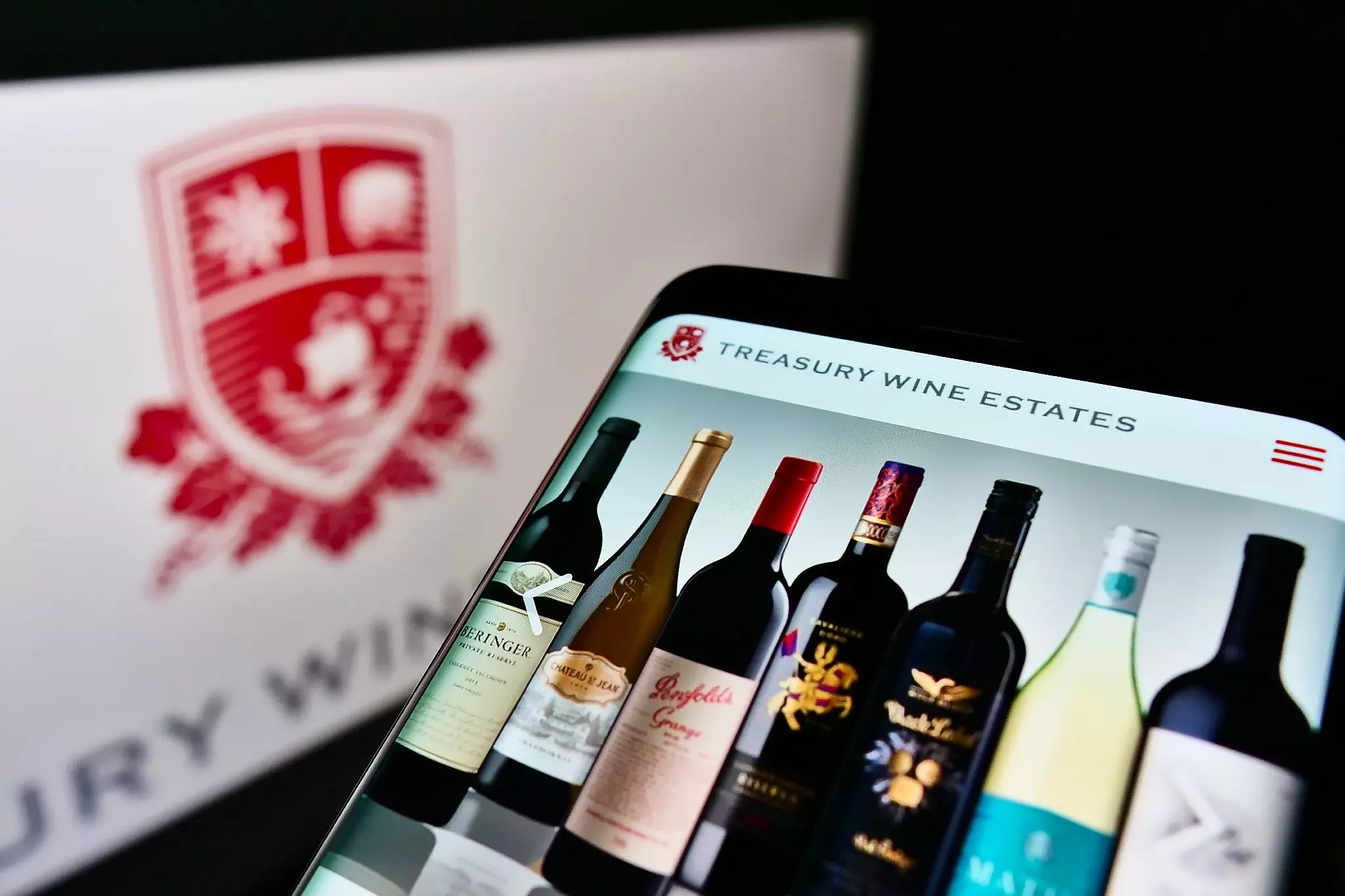
    Australian vintner, Treasury Wine Estates Ltd. said it will buy U.S. luxury winemaker Frank Family Vineyards for $315 million, saying the deal offered a rare opportunity to bolster its high-end wine portfolio.

    Treasury said Napa Valley, California-based Frank Family Vineyards is highly complementary to its Americas business and fills a key portfolio gap for luxury chardonnay. Treasury said it is well placed to grow the business given its leading luxury sales credentials, national distribution network and California asset base.

    “This is a compelling strategic and financial investment, comfortably meeting our investment criteria and one we expect will deliver attractive growth and financial returns for TWE’s shareholders over the long-term,” Treasury Chief Executive Tim Ford said.

    Analysts have expected Treasury to make acquisitions as winemakers focus more on the lucrative higher-end parts of the market. Treasury has been selling off some of its downmarket U.S. brands and assets and it said Thursday that process was largely complete, with total net cash proceeds of about 300 million Australian dollars (US$218 million).

    It said it is using those proceeds to help pay for Frank Family Vineyards. Treasury added that Frank Family Vineyards has a long-term track record of delivering strong revenue and earnings growth, as well as earnings margins in the range of 35%-40%.

    The acquisition is expected to be completed in December.

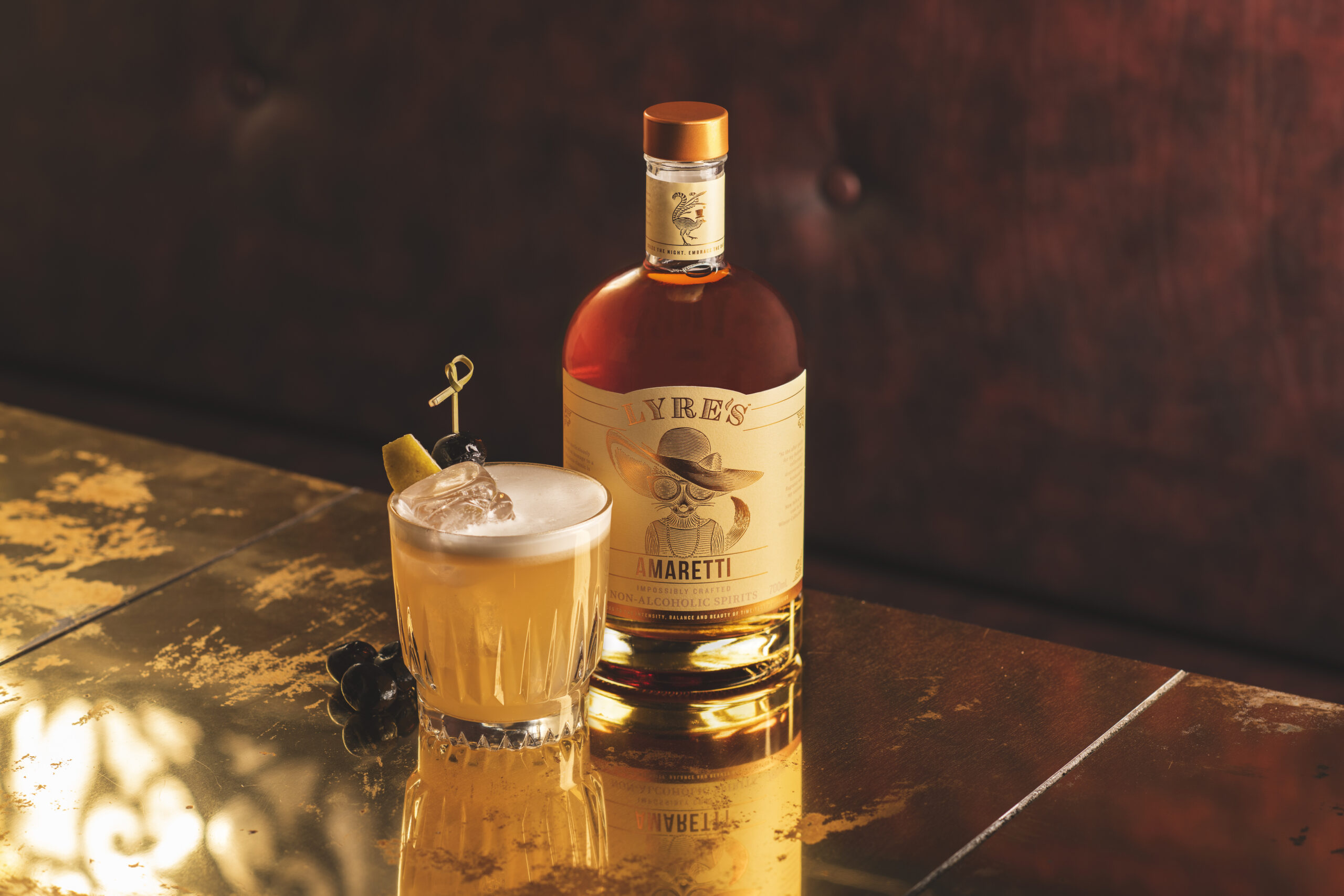
  • Lyre’s latest fundraising round values company at $500 million

    Lyre’s latest fundraising round values company at $500 million

    Fast-growing non-alcoholic spirits brand Lyre’s, has raised $37 million in a round that values the business at A$500 million less than three years after it launched. The funding round was led by a new investor, D Squared Capital, alongside existing investor, Morgan Creek Capital Management, which has also backed Alibaba, SpaceX, Lyft, and Allbirds). Other previous investors joining the fresh round include DLF Venture, VRD Ventures, and Maropost Ventures.

    The Sydney-based business previously raised $16 million in a seed round in September 2020.

    Co-founders Mark Livings and Carl Hartmann launched Lyre’s in April 2019 with the goal of creating non-alcoholic versions of the world’s most popular spirits. It now produces 14 non-alcoholic spirits with the distinct flavors of gin, whisky, vermouth, amaretto, absinthe, rum, and others, as well as a range of ready-to-drink pre-mixed non-alcoholic cocktails, from an Amalfi spritz to and rum and cola and G&T.

    With around 20% of the population not drinking alcohol, consumption trends heading down among existing drinkers, and an emerging, liberated middle class in Muslim countries looking to have fun and socialize while eschewing alcohol.

    CEO Mark Livings said the latest capital injection will be used predominantly for marketing, and create more than 50 new jobs in sales and marketing, production, logistics, finance, and e-commerce.

    Lyre’s products are now available in more than 60 countries, up 50% in 2021, including in the Middle East and China. This year also saw the business manufacture its one-millionth bottle, and develop six new product variations including Classico, their first no-alcohol Prosecco-style sparkling which launched to market in early November. The company now has production facilities in the UK, Germany, Australia, and the US.

    The drinks startup has also established an R&D division in partnership with beverage technology giant Döhler.

    Livings said range now covers more than 90% of the world’s best-selling cocktails.

    “Millennials and older Gen Zs are drinking less alcohol than any generation before them, but the mindful drinking movement transcends generations and cultural borders. We’re not only growing our business – we’re expanding the whole category, entering territories like the Middle East and Far East virtually uncontested,” he said.

    “The pace of growth we’re seeing is exceptional. We sold our first bottle in 2019 and today we’re selling one at least every 30 seconds. On our current trajectory, Lyre’s is set to become the fastest independent beverage brand to reach Unicorn status.”

    Off-premise sales of low-alcoholic and non-alcoholic drinks have jumped in 12 months from $291 million to $3.1 billion. In Australia, the category is expected to grow by 16% over four years to 2024.

    D Squared Capital Managing Director Daniel Grossman said the company is forging a new path in a critical category.

    “The no/low alcohol beverage market is one of the fastest-growing markets in F&B and is showing similar characteristics to plant-based milks, meats, and other mindful consumer categories,” he said.

    “Lyre’s leading product, brand, and range of award-winning SKUs have proven that they are the industry leader and we are excited to be backing the best in class company.”

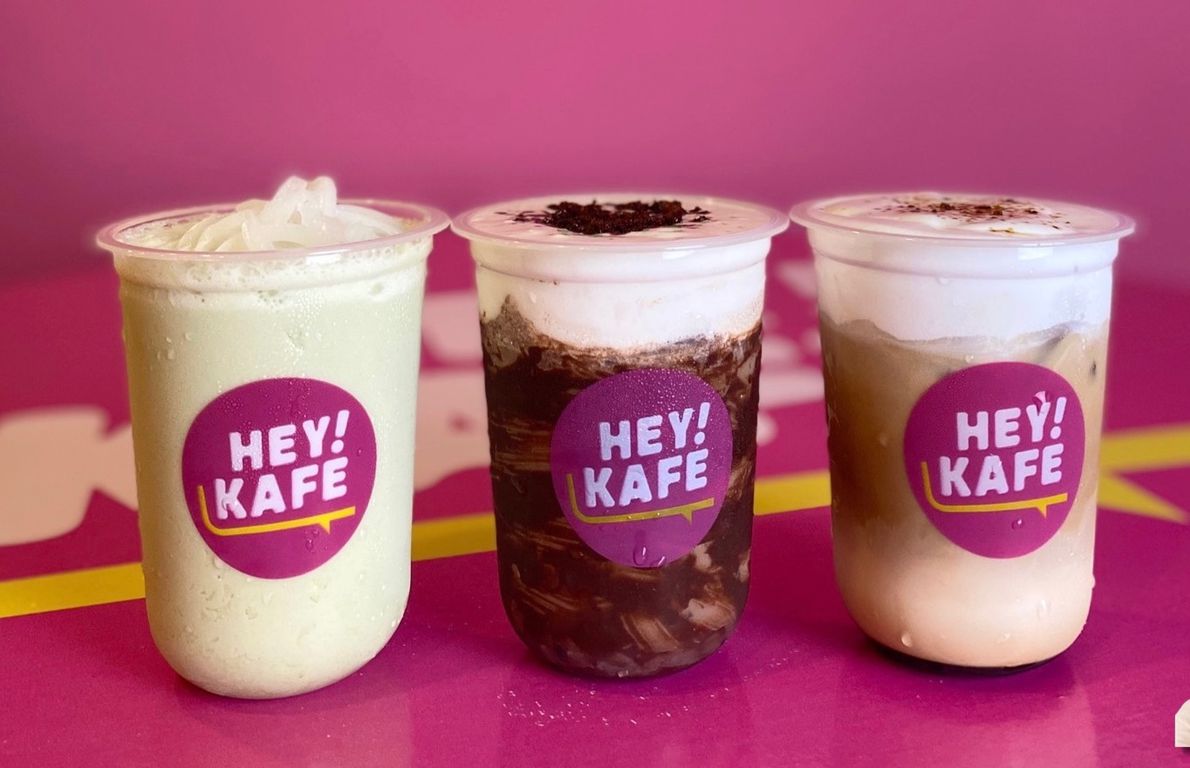
  • Hey! Kafe ramps up local expansion plan

    Hey! Kafe ramps up local expansion plan

    Indonesia-based digitally-native beverage startup, Hey! Kafe, is expanding its local footprint with 300 stores by the end of next year.

    According to the company, the brand’s expansion plan will be supported by an asset-light model backed by technology. That means a majority of its outlets will be compact booths that minimize capital expenditure and facilitate Grab & Go delivery service.

    Online delivery orders are projected to account for 70 percent of the brand’s sales.

    Founded by Edward Djaja, who is also the founder of Seven Retail, Hey! Kafe has opened 60 stores across the country since its launch in June last year.

    Focusing on the product development process, Hey! Kafe tests more than 20 product concepts each month, targeting the young customer segment with more than 12,000 cups of beverages sold daily.

    “Here in Hey! Kafe, our north star metric is same-store sales growth, which enables the brand to achieve stellar unit economics,” said Djaja. “We are proud to say that our strategy has resulted in a payback period of under 12 months, which is a key milestone for us to scale rapidly in a sustainable manner in the coming years.”

    The beverage retailer is supported by several investors, including Trihill Capital, which backed the company in the seed round. Besides its expansion plan, Hey! Kafe also plans to launch an in-house mobile application next year.

  • Vietnam gold prices reach another year’s peak

    Vietnam gold prices reach another year’s peak

    Vietnam’s gold prices hit another high this year of over VND61 million ($2,677.51) per tael as global prices soared to a five-month high.

    Saigon Jewelry Company (SJC) sold its gold for VND61.1 million per tael Tuesday morning, up 0.49 percent from Monday. A tael equals 37.5 grams or 1.2 ounces.

    DOJI sold its gold at VND60.9 million, up 0.33 percent.

    This means there is now a VND9.8 million gap between Vietnamese, and the global gold rate.

    Gold prices are now at $1,862.81 per ounce after rallying to a five-month peak in the previous session, as concerns over broadening inflationary risks kept bullion’s safe-haven appeal intact in the face of a stronger U.S. dollar and elevated bond yields.

    Some analysts anticipate further increases, while others remain conservative about the $1,870 resistance.

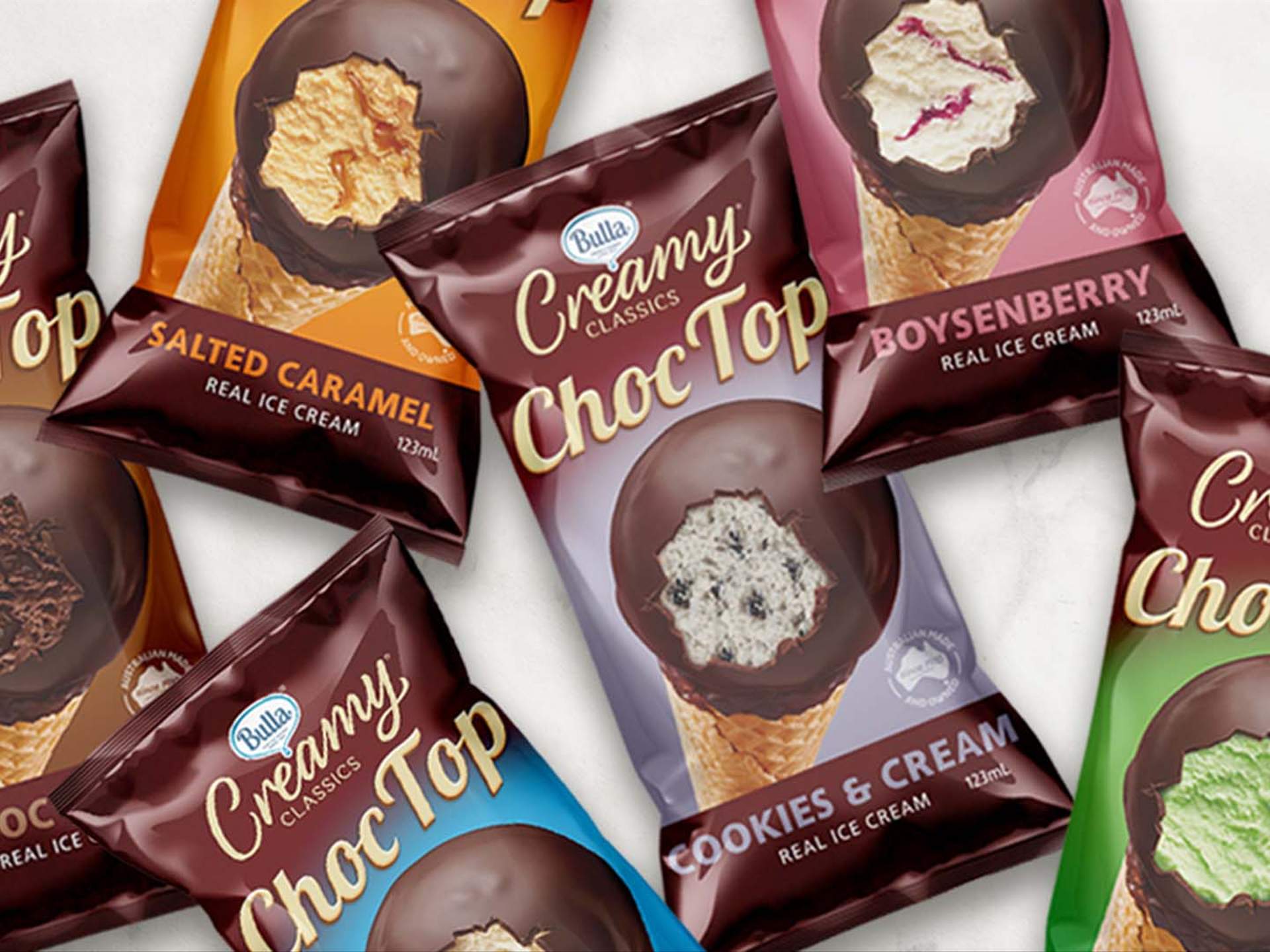
  • Bulla range hits 7-Eleven freezers

    Bulla range hits 7-Eleven freezers

    The Bulla Choc Top is launching into the freezer section of 7-Eleven outlets from this month and in time for summer.

    The new 86ml snack-sized Bulla Choc Tops can be enjoyed as an after-school treat, midnight snack, or Choc Top fix this summer.

    Flavors include Vanilla Choc Top, Mint Choc Top, and Boysenberry Choc Top.

    Family-owned and operated dairy company Bulla has been in the Australian market for 111 years. Bulla Choc Tops are made in Victoria with the fresh milk and cream used in the ice cream sourced from “the rich, fertile soil of Colac,” 150km from Melbourne.

    “We know that Australians love our Bulla Choc Tops, and now it is even more convenient for them to enjoy them. We can’t wait for our three most popular flavors to hit the freezer section of a 7-Eleven near you,” says Bulla General Manager of Marketing & Innovation Jane Wyatt.

    The snack-sized Bulla Choc Top 86g (RRP $5) is available at 7-Eleven nationally.