Category: Food

Retail News Asia is committed to providing both local and global retailers with the latest Food and Food & Beverage news throughout the Asian market. This on a daily base.

  • Treasury Wines warns performance is still lagging in key markets

    Treasury Wines warns performance is still lagging in key markets

    Major winemaker Treasury Wine Estates has warned investors its performance in markets heavily impacted by the pandemic is running behind expectations as lockdowns and soaring case numbers continue to hinder sales.

    Treasury, which makes wine brands such as Penfolds and 19 Crimes, held its annual general meeting on Friday. In a speech, chief executive Tim Ford told shareholders while overall performance through the first quarter of fiscal 2022 was solid, parts of the business were not performing as well as hoped.

    Mr. Ford pointed to the company’s key luxury channels in America, Australia, and Asia where the COVID-19 pandemic is still causing delays in the recovery of wine consumption in bars, pubs, and restaurants.

    He said this issue was particularly prevalent in the US, where re-openings were continuing at a “gradual pace”, slower than the company had anticipated.

    “In Australia extended lockdowns in Sydney and Melbourne have resulted in the closure of the on-premise channel, delaying our execution plans outside of the large retailers, particularly for Penfolds,” he said.

    “While the momentum in these channels is slightly behind, we remain confident that as vaccination programs gain momentum and restrictions ease across these key premium and luxury wine sales channels that we are well-placed to execute our plans to deliver growth.”

    In lieu of these channels being open, online and e-commerce sales have somewhat filled the gap, he said, but noted that growth rates were down last year.

    Shares fell 5.4 percent to $11.63 on the back of the warning. Shareholders had previously been impressed by Treasury’s resilience through both the pandemic and shock Chinese tariffs on its wine. Analysts at UBS recently put a ‘buy’ rating on the stock, saying it was well-placed to benefit from COVID reopenings.

    Treasury has also seen, like many other retailers, significant disruption to its supply chain and logistics systems due to the pandemic. Mr. Ford said shipping delays and container availability issues were becoming “more pronounced” and that he expected the challenges would be ongoing.

    However, the company’s underlying performance in its key regions was solid for the first quarter, with sales in Asia, excluding China, growing 18 percent for the three months to the end of August. Sales at the company’s US divisions grew 3 percent for the three months to September 19 against a broader industry decline of 5 percent.

    “Globally, our underlying business is performing in line with expectations, however, the pandemic-related factors will continue to have a bearing on our performance in the short term,” Mr. Ford said.

    Sales of its premium Penfolds range have also remained consistent, with Mr. Ford saying the company had successfully reallocated all the sales it lost after China, Treasury’s largest market, unexpectedly slapped tariffs of up to 200 percent on Australian wine.

    In his address to shareholders, chairman Paul Rayner said the company remained committed to the Chinese market in the long term despite its “effective closure” in 2019, and appeared to call on the Australian government to do more to repair its frayed relationship with the country.

    “Trust is critical to building relationships and brands and is therefore essential to our long-term success,” he said. “I think this will be particularly important in the post-COVID world, as governments consider how they stimulate domestic economic recovery and the role of international trade relationships in driving economic growth.
  • Fruit exports to South Korea surge

    Fruit exports to South Korea surge

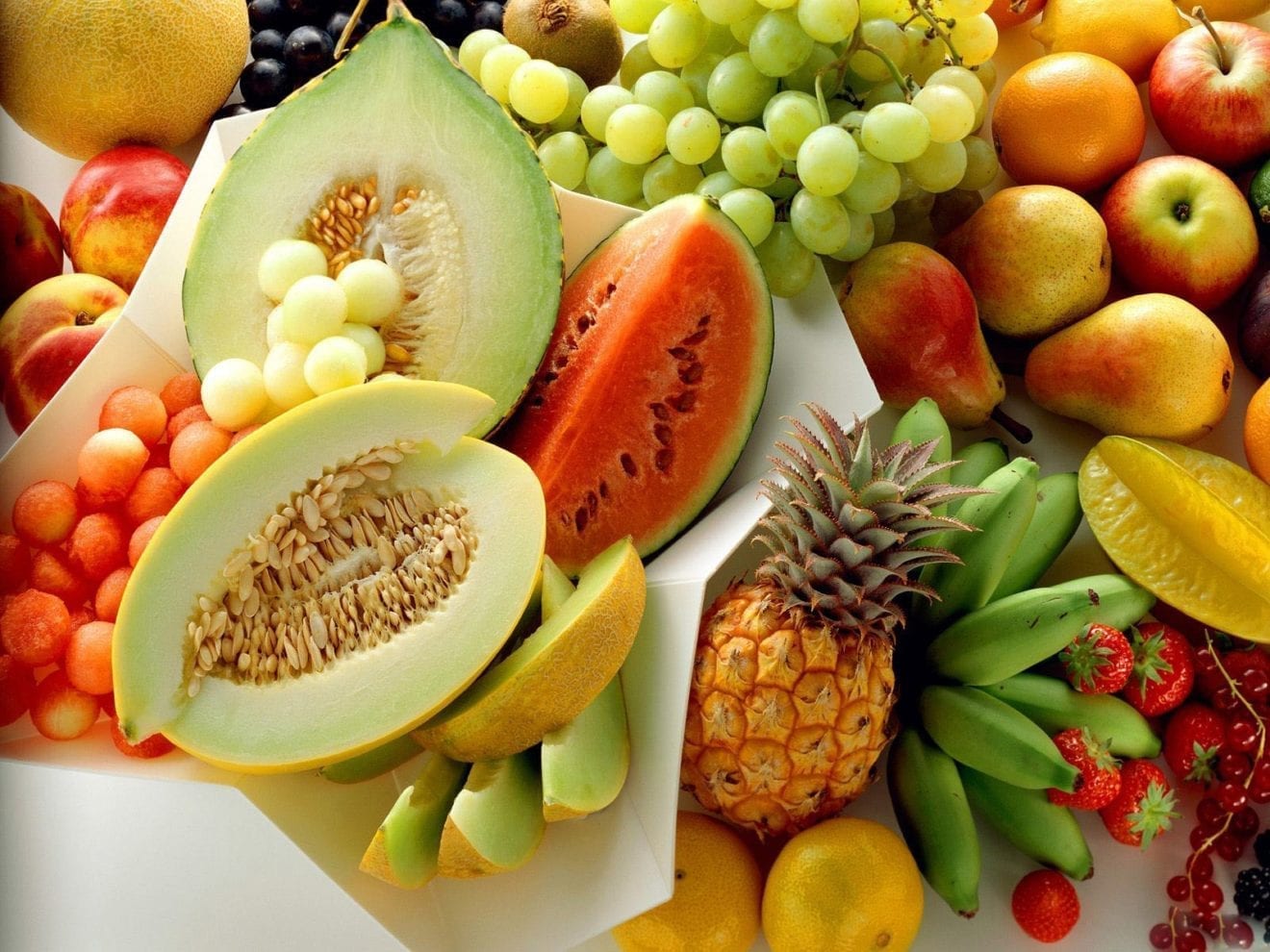
    Vietnam exported $107.25 million worth of fruit and vegetables to South Korea in the first eight months of this year, up 3.47 percent year-on-year.

    The export value of vegetables and fruit to this market reached $11.1 million in August, up 13.66 percent over the same period last year, according to the General Department of Vietnam Customs.

    Six kinds of Vietnamese fruit have been exported to the Asian market including: coconuts, pineapples, white and red dragon fruit, mangoes and bananas.

  • McDonald’s showcases its China headquarters flagship

    McDonald’s showcases its China headquarters flagship

    31 years ago, McDonald’s opened its first store in China on the 8th of October. 31 years later, the fast-food industry giant announced the opening of a new China headquarters building in Shanghai’s West Bund. It will be home to the company’s over 600 HQ-based employees.

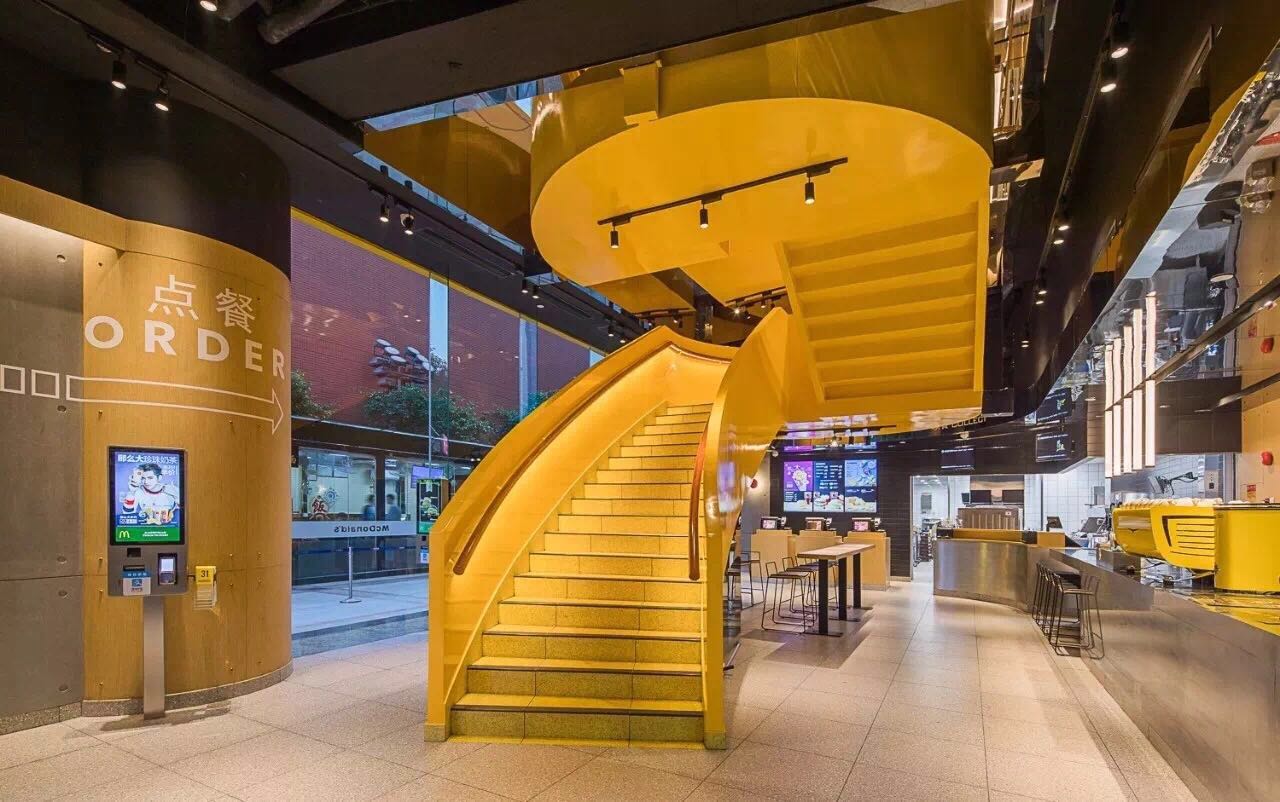
    Zhang Jiayin, McDonald’s China CEO, compares the move of the headquarters to a new journey. The cube-shaped building contains more futuristic elements of McDonald’s: an intensive-style innovation lab, the seventh Hamburger University, and the largest McDonald’s flagship store, which represent the company’s commitment to the Chinese market.

    “The Chinese market will be one of the most important markets in the world, and we will witness more here,” said Zhang Jiayin.

    The flagship store, which opened the same day as the new building was officially launched, is also the company’s first cube-style flagship restaurant in East China and McDonald’s China’s first LEED platinum-certified flagship restaurant. Another highlight is its various cross-over attempts with the CITIC Press Group, including the children’s bookstore and mini-theater.

    The third floor of the building contains McDonald’s in-house training institution, the Hamburger University, which will launch its first class next Monday.

    “The reason why we chose Shanghai is that it is a highland of talents, where you can find the best talents in the country and even the world,” noted Zhang. This year, McDonald’s China has planned over 130 university recruiting events across the country, to support the rapid development of its business. At present in McDonald’s China, employees born from 1995 account for more than 60%, and employees born from 2000 are close to 43%.

    Apart from talented people, the company chose Shanghai for its headquarters as it is a giant test field for cutting-edge concepts, be it light meals or plant-based meat. “It is a base camp radiating the entire market in China. We will continue to develop, continue to expand in scale with brand differentiation, and serve more consumers,” added Zhang.

  • Pam Pam Buns brings authentic Thai food to Australian supermarkets

    Pam Pam Buns brings authentic Thai food to Australian supermarkets

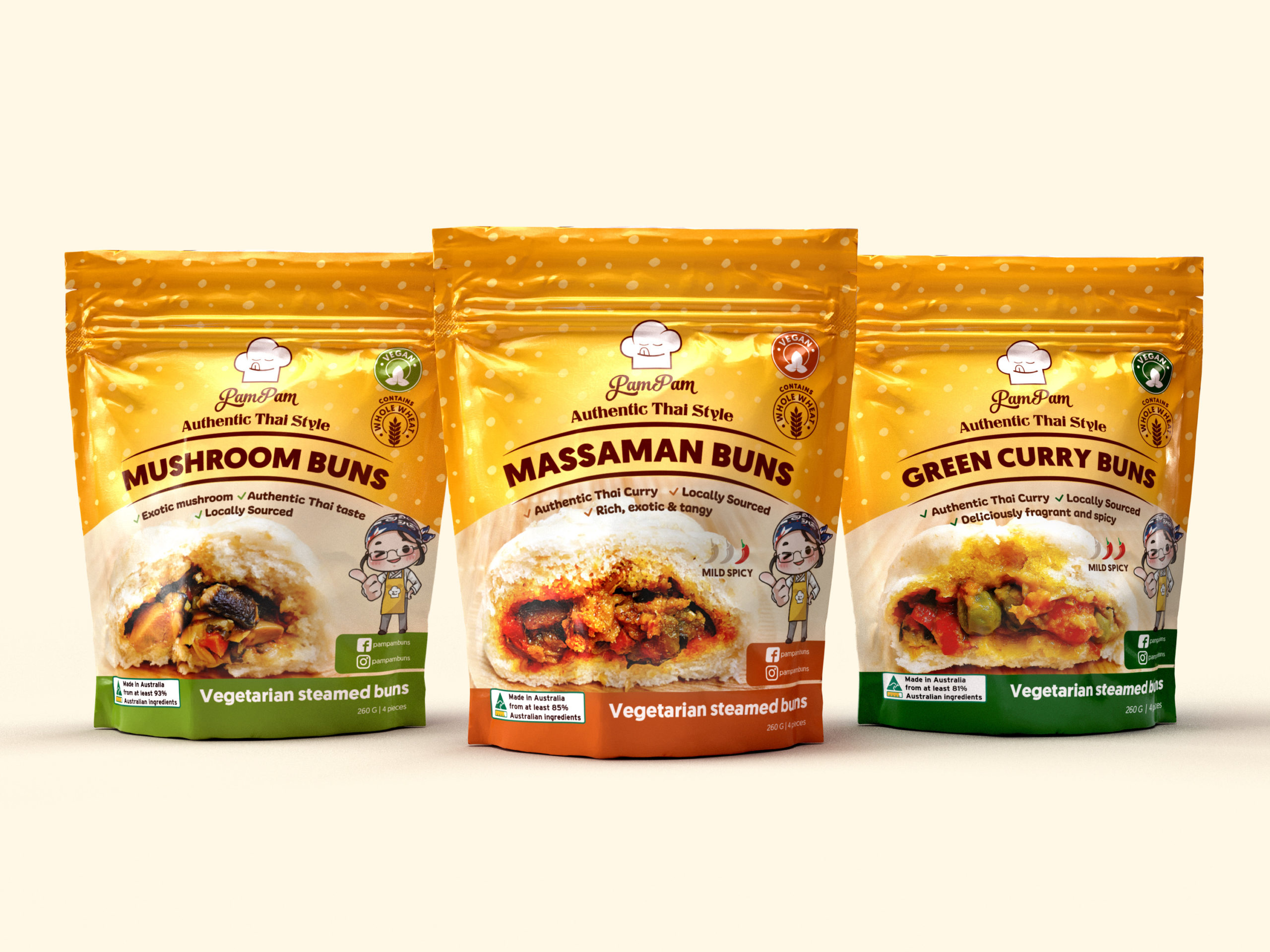
    An Australian manufacturer of authentic Thai plant-based products, Pam Pam Buns, is releasing a new range of frozen ready meals in October. The meals (RRP $8) are Thai Pork Basil with Rice, Thai Mushroom Noodle, Pork Spring Roll, Pork and Mushroom Dumpling.

    “The new range is our first step to becoming a Thai food company that produces a variety of plant-based meals that are just as delicious as meat-based dishes,” founder Pimarada (Pamela) Watcharadechmontri says.

    Ms Watcharadechmontri, a Thailand-born entrepreneur, founded Pam Pam Buns in 2015.

    She harnessed her love of vegetarian food and Thai heritage by selling her steamed buns to family, friends and local market stalls. Following a wave of positive ‘nice buns’ feedback, she made the bold decision to set up her own factory in Riverstone in North West Sydney.

    Since its launch, Pam Pam Buns has seen exponential growth for its range of delicious Thai buns. After landing its first in-store placement in 2019, Pam Pam Buns has steadily hit the shelves across a selection of major retailers and recently expanded interstate to Victoria, Queensland, Western Australia, South Australia, and Tasmania.

    The brand is currently available online and in more than 170 stores, including select Woolworths Metro, Coles Local, Harris Farm Markets, QE Food Stores, IGA, and FoodWorks across Australia.

    “We partly owe our success to our loyal community of fans, who we treat like our friends and family,” Ms Watcharadechmontri says.

    “They buy, taste and feedback on every single one of our products and we listen. Their excitement for our new product range is what feeds our ambition to continue our business growth.”

    The new product expansion will join the recently released plant-based Thai Massaman, Panang and Green curry pouches and Pam Pam’s bun range in the freezer section.

  • Kraft Heinz launches frozen vegetarian snacks

    Kraft Heinz launches frozen vegetarian snacks

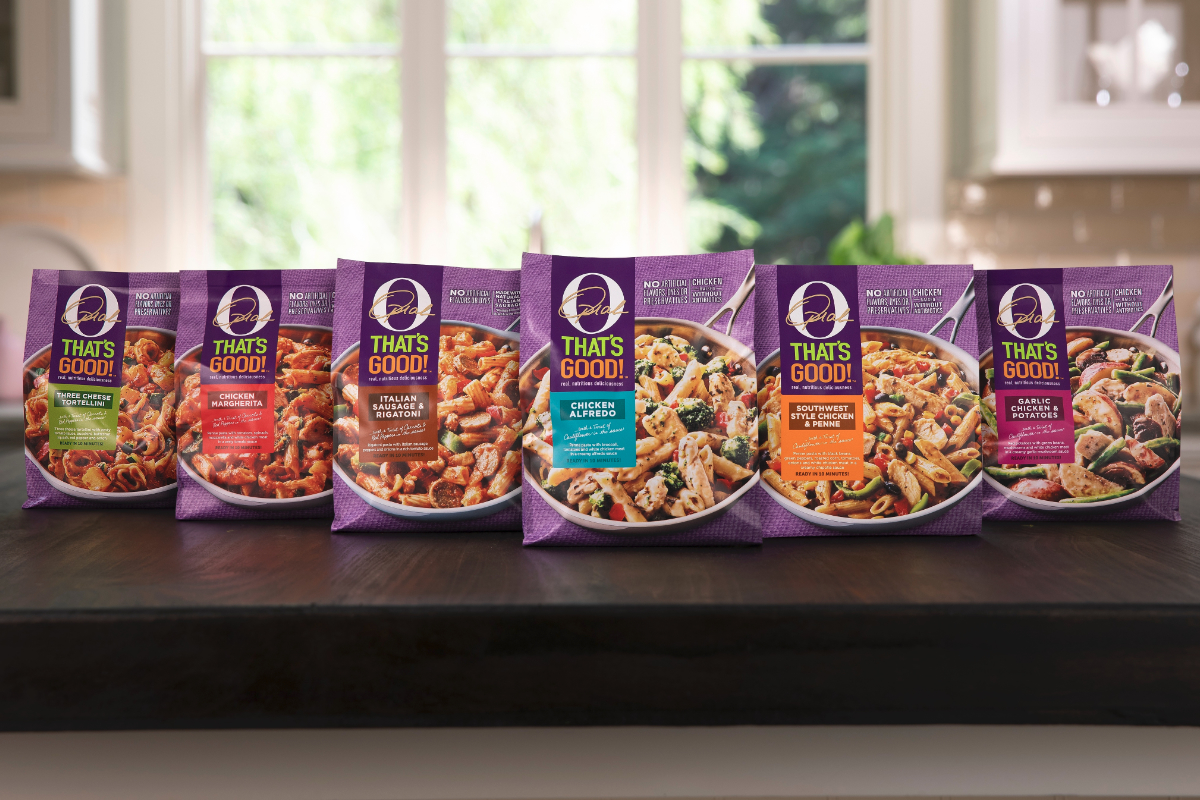
    Kraft Heinz in collaboration with Oprah Winfrey unveiled a series of new O, That’s Good! Frozen Skillet meals.  This launch is the fourth category from Mealtime Stories, LLC, the joint venture between Kraft Heinz and Oprah Winfrey, which includes refrigerated soups, sides, and frozen pizza.

    The O, That’s Good! brand was inspired by Oprah’s love for nutritious food. The newcomers are said to be comfort foods with a twist of veggies, ready in just 10 minutes. For example, the Chicken Alfredo meal swaps cream in the sauce with pureed cauliflower to bring the fat content down with 35%.

    “Comfort food gets a bad rap, but not anymore. With the new skillets, there’s a twist of veggies in the sauce, but you’d never know the difference,” said Winfrey.

    O, That’s Good! Frozen Skillet Meals (suggested retail price: USD6.99) are available nationwide in six varieties: Chicken Alfredo, Chicken Margherita, Southwest Style Chicken & Penne, Italian Sausage & Rigatoni, Garlic Chicken and Potatoes, and vegetarian-friendly Three Cheese Tortellini. All are made with high-quality ingredients, including antibiotic-free chicken and natural sausage, and have no artificial flavors, preservatives or dyes.

    Kraft Heinz will support O, That’s Good! Frozen Skillet Meals with a robust 360-degree marketing campaign, including a new national TV ad featuring Winfrey.

    Along with skillets, O, That’s Good! is extending its pizza line to include three new frozen thin-crust pizza options (USD6.99) with a twist of cauliflower in the crust: BBQ

  • Coffee buyers face losses as Colombia farmers fail to deliver

    Coffee buyers face losses as Colombia farmers fail to deliver

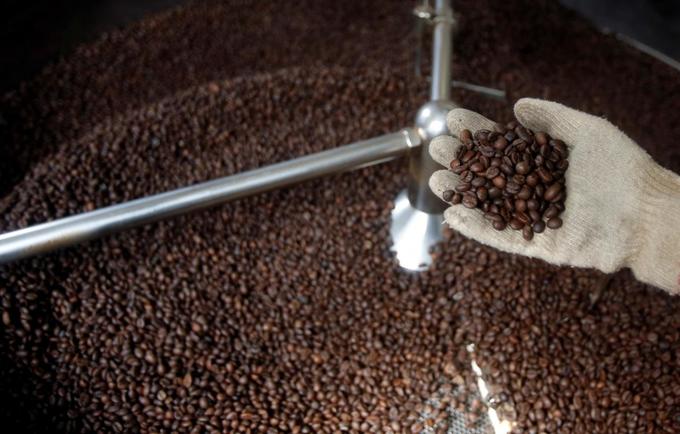
    Coffee farmers in Colombia, the world’s No. 2 arabica producer, have failed to deliver up to 1 million bags of beans this year or nearly 10% of the country’s crop, leaving exporters, traders, and roasters facing steep losses, industry sources said.

    World coffee prices have soared 55% this year, mainly due to adverse weather in top producer Brazil, prompting Colombian farmers to default on sales clinched when prices were much lower in order to re-sell the coffee at higher rates.

    “Traders are getting defaulted on, it’s a mess. If the drought continues (in Brazil), 300 cents (per lb of coffee) is possible. It’s going to be mayhem,” said a dealer at a global agricultural commodities trade house.

    He said leading global roasters are planning to change the branding on their ‘single-origin Colombia’ coffees due to sourcing problems.

    Delivery defaults in a major producer like Colombia can exacerbate price spikes on world markets, although these would be temporary because the coffee ultimately exists and will weigh on markets once it is re-sold.

    Colombian farmers say they will deliver the coffee later this year or next but buyers are unconvinced.

    Many are opting to see losses now and write the purchases off as defaults rather than wait and risk even bigger losses if farmers still don’t deliver next year and prices rise further, according to a senior trader at another global trade house.

    He said several global trade houses are looking at losses of $8-10 million each on undelivered coffee, while Colombia’s coffee growers federation FNC, which represents farmers but also accounts for 20% of the country’s 12.5 million bags of annual coffee exports, faces higher losses.

    “There was easily 1 million bags of forwarding (Colombian coffee sales) done before the market started rallying mid-May,” said the senior trader. “If you work for a multinational (trade house) your boss will say come on, we have to take the hit.”

    Delivery defaults in a rallying coffee market are a huge issue for commodity exporters and traders who often hedge physical purchases by taking short positions in the futures market, causing them to sustain steep losses as prices rise.

    Usually, traders would be able to sell the physical coffee they are owed at current lofty rates in order to offset their futures market loss, but in the case of a default, they can’t.

    Defaults can also force traders to purchase supplies pre-sold to roasters at a loss in the pricey spot market.

    FNC head Roberto Velez confirmed that Colombia is facing widespread defaults.

    “I can tell you there are few Colombian exporters not suffering (from defaults). All the major trade houses and also the federation as a major exporter, we’re all suffering (losses),” he said.

    “When a grower doesn’t deliver, the whole chain gets stuck losing money,” he added.

    Traders said the federation has given Colombian farmers at least another year to deliver the coffee – a move that could force the industry body to approach the government for bail-out funds if the farmers still don’t deliver in time.

    A senior Columbia-based coffee trader with Louis Dreyfus Company (LDC) left the company in the wake of losses, two sources with knowledge of the matter said.

    LDC said it does not comment on organizational changes except in relation to executives.

    “Companies will be in trouble with (the scale of the losses), big guys will change their team, but smaller guys will go bankrupt,” said a senior trader.

    He added major local Colombian exporter La Meseta has been hard hit by farmer defaults and is struggling to make good on its supply deals with international roasters, leaving them exposed to losses.

    Selling coffee forward in Colombia has become popular in the last few years, but up until this year, the move had mostly worked out in favour of farmers as world prices drifted lower so farmers received better prices for their coffee on delivery, not worse.

    About 550,000 Colombian families make their living growing coffee and the Andean country is the largest producer of the washed arabica grade on which benchmark futures contracts on the ICE exchange are based.

  • Flash Coffee opens Singapore flagship

    Flash Coffee opens Singapore flagship

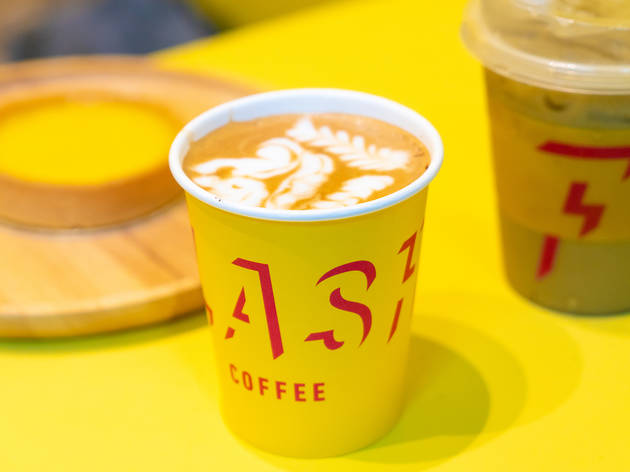
    Singapore-based Flash Coffee has announced plans to rapidly expand across Asia after securing $15m investment from investors including DX Ventures, Global Founders Capital, and Conny & Co. In a press release, the coffee chain said it intended to debut in Hong Kong, Taiwan, South Korea, Japan, Malaysia, the Philippines, and Vietnam in 2021.

    First launching in January 2020, Flash Coffee currently operates 50 locations across Singapore, Thailand, and Indonesia. Despite opening amid the Covid-19 pandemic, the company reports the majority of its stores are profitable.

    Flash Coffee says it is currently opening three new outlets per week and plans to increase the rate to 10 stores per week in order to achieve its target of 300 additional stores across the Asia by end of 2021.

    “Our dream is to have a Flash Coffee every 500 metres in all major Asian cities,” said Flash Coffee CEO David Brunier. “We will also build a regional HQ in Singapore and expand our regional tech hub in Jakarta to 50 people to support our vision of fully leveraging technology to improve customer experience, proactively drive growth and significantly increase operational efficiency.”

    The value-focused coffee chain deploys a similar ‘new retail’ model popularised by China’s Luckin Coffee. Customers can order drinks for pick-up via an app and online, with the brand stating its intention to ‘digitise today’s offline-dominated coffee industry’. Like Luckin Coffee, Flash Coffee is also seeking to catalyse growing demand for premium coffee and aspirational hospitality concepts among Asia’s growing young middle-income demographic.

    There is undoubtedly vast untapped potential for domestic and international coffee chains alike across East Asia. World Coffee Portal data shows the region’s branded coffee chain market grew 5.1% in 2020 to exceed 74,500 outlets, with 13 out of 17 markets achieving outlet growth during the period.

    China is, however, curiously absent from Flash Coffee’s intended growth markets. East Asia’s second-largest branded coffee shop market after South Korea grew 2.1% to exceed 21,400 outlets in 2020, with consumers already highly familiar with app-based transactions, pick-up and beverage delivery. 86% of Chinese consumers surveyed by World Coffee Portal in 2020 indicated they have previously ordered coffee for delivery, with more than half doing so 2-3 times per week.

  • HCMC restaurants, coffee chains struggle to reopen

    HCMC restaurants, coffee chains struggle to reopen

    Immediately after HCMC lifted its lockdown this month, beverage chain The Coffee House introduced Fresh Bottle, a new glass bottle designed for easy delivery of its best-selling drinks.

    This and other delivery-friendly products such as instant coffee and canned drinks are the solutions the company came up with to “survive and overcome difficulties,” CEO Le Ba Nam Anh said.

    “We have reopened 40 percent of stores in big cities such as Ho Chi Minh City, Hanoi, Da Nang, Hai Phong, Bac Ninh, Hai Phong, but we have yet to reach pre-pandemic capacity due to social distancing in each city.”

    He still has to pay rents, salaries and for ingredients, because everything was ordered two quarters in advance, and the cash flow imbalance is a big challenge, he added.

    HCMC began allowing businesses to reopen on Oct. 1 after four months of lockdowns, but coffee chains and restaurants are still struggling to return to pre-pandemic levels of business due to difficulty in hiring people and people’s reluctance to spend.

    The city has allowed eateries to resume delivery services from Sept. 8 after suspending them for nearly two months.

    Pho 79, a high-end Vietnamese-style restaurant chain, plans to function at 15 percent capacity starting on Oct. 15 as it expects demand to be low.

    “Over 70 percent of our employees have left for their hometowns,” Huynh Huu Thanh Phuong, chairman of the chain, said.

    “We do not have enough ingredients [for cooking], and demand has been falling”.

    Phuong plans to increase to 30-50 percent capacity before year-end, but expects revenues for the whole year to be 70 percent down from last year.

    “We are waiting for authorities to lift more restrictions. We are also concerned about the possibility of another resurgence in Covid-19.”

    Other restaurants are unsure whether it is even the right time to reopen.

    “It’s bad to remain closed, but it’s hard to reopen as the more we sell the more we lose,” Ly Nhat Hieu, owner of three high-end restaurants, said.

    He has been waiting for the city to reopen since closing for five months has cost him nearly VND2 billion ($86,206).

    But a shortage of employees makes it difficult for him to restart now: many have left for their hometowns, some have started their own eateries or work as delivery persons to make a living.

    “It is hard to find people for difficult positions such as head chef and station chefs. It is not easy for people to return to the city.”

    The food and beverage industry has been among the biggest victims of the fourth wave of Covid, which began at the end of April.

    With over 2,000 new cases found every day, the city continues to impose restrictions to prevent another outbreak.

    But with over 70 percent of the adult population vaccinated, the highest rate in the country, industry insiders have reason to expect that the difficulties will soon be over.

    The Coffee House plans to build a new store model specializing in takeout and delivery in Ho Chi Minh City, and plans to replicate this in other localities across the country next year.

  • A2 Milk faces lawsuit over allegations of providing misleading forecasts

    A2 Milk faces lawsuit over allegations of providing misleading forecasts

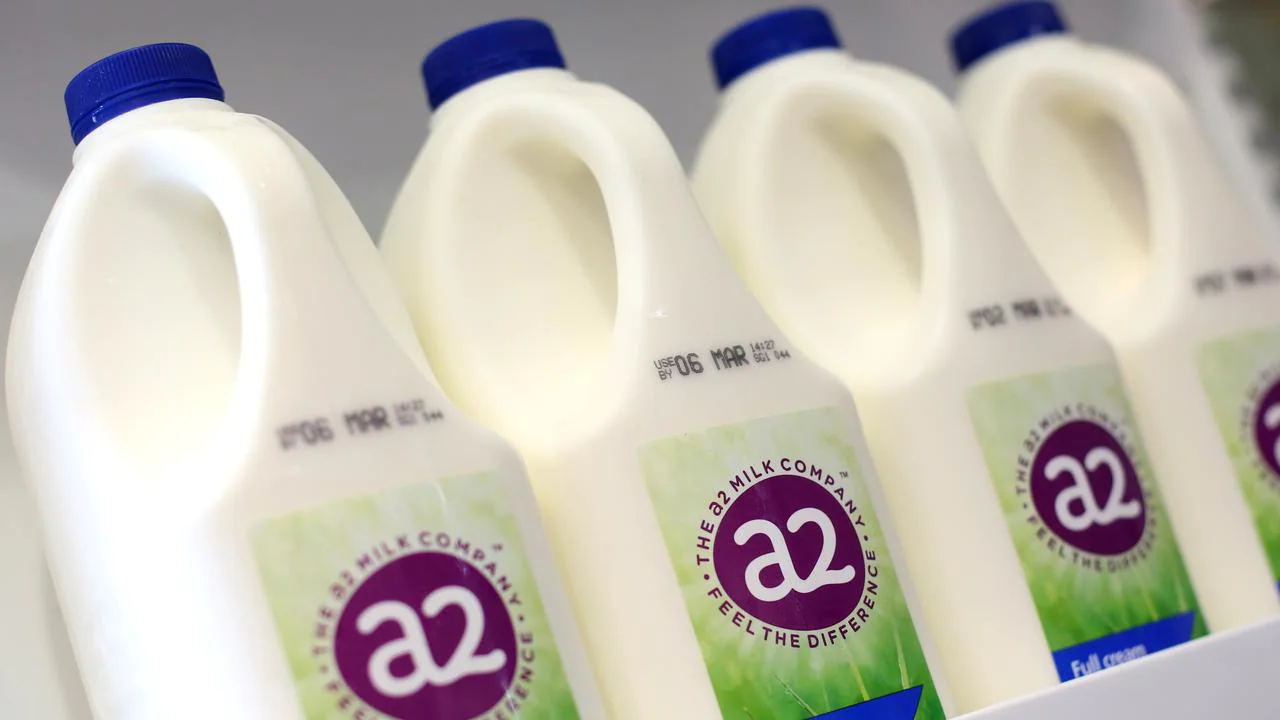
    A2 Milk Co Ltd said on Wednesday Australian law firm Slater and Gordon has filed a class action lawsuit against the dairy firm on behalf of investors who bought its shares over a nine-month period when it issued multiple earnings downgrades.

    Shares of a2 Milk, which had plunged 62% during the nine-month period from August 2020 to May 2021, fell as much as 5.3% to NZ$6.450 following the news and were on track for their worst session in more than a month.

    The class action alleges that a2 Milk engaged in misleading or deceptive conduct in breach of the Corporations Act, and also breached continuous disclosure rules in posting four downgrades between September 2020 and May 2021, Slater and Gordon said in a statement.

    The downgrades came amid Australia’s souring ties with top trade partner China since 2018 and subsequent disruptions in the “daigou” channel, where Chinese shoppers buy products from outside China and resell it in the country. The channel accounts for a major portion of a2 Milk’s revenue.

    “There was a strong basis to allege that the company provided misleading guidance and was obliged to correct the market’s understanding of its financial position at a much earlier time,” Slater and Gordon Class Actions Practice Group Leader Kaitlin Ferris said.

    A2 Milk, which has lost nearly half its value since December, denied any liabilities and said it would “vigorously” defend the proceedings.

    The lawsuit, which was filed in the Supreme Court of Victoria, comes months after media reports concerning a potential class action by the law firm.

  • McDonald’s targets net zero emissions by 2050

    McDonald’s targets net zero emissions by 2050

    McDonald’s said it aims to bring its greenhouse gas emissions to net-zero by 2050.

    It’s a higher bar than the Chicago-based fast-food chain set three years ago, when it pledged to cut emissions linked to restaurants and offices 36% by 2030. Since then, emissions have dropped 8.5% below 2015 levels, the company said Monday.

    McDonald’s said it will work with the United Nations Race to Zero campaign, which includes cities, regions, investors and more than 3,000 businesses targeting net zero emissions by 2050 at the latest, as well as the Science Based Targets Initiative.

    The company said it will increase emissions reductions already underway and give teams in different regions some control over the strategies used to hit the net-zero target, like renewable energy, regenerative farming and sustainable packaging.

  • Youfoodz launches high-protein spinoff brand: Fuel’d

    Youfoodz launches high-protein spinoff brand: Fuel’d

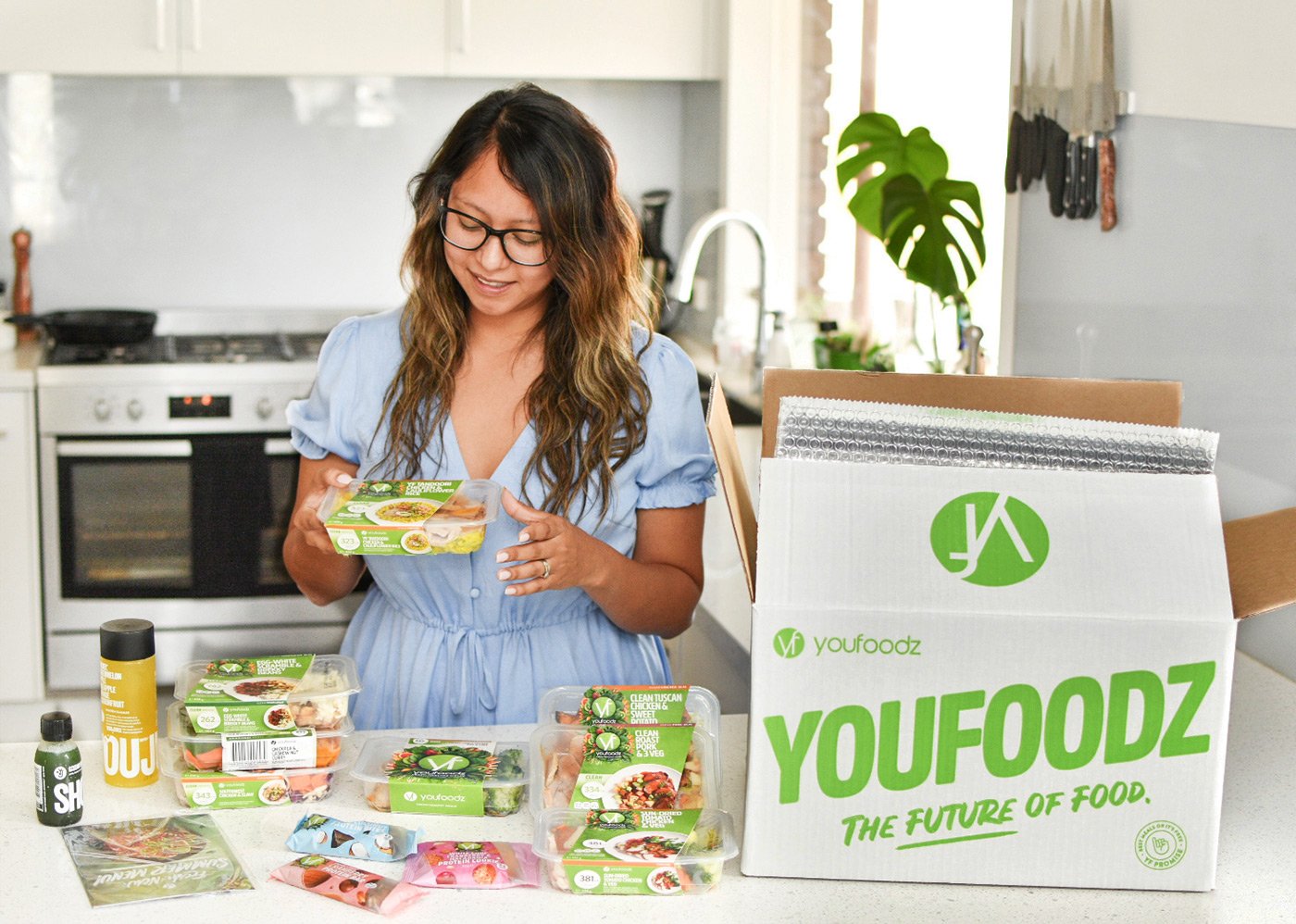
    Ready-made food provider Youfoodz has today launched a new high-protein meal range under the sub-brand FUEL’D.

    The range, aimed at male buyers looking for larger portion sizes and higher protein levels, is available now across the P&C channel as well as supermarkets and will see a shift in packaging featuring a darker design skewed towards the male market.

    To appeal to this demographic, Youfoodz partnered with F1 driver Daniel Ricciardo.

    Lance Giles, Youfoodz founder and CEO said: “Getting to have Daniel Ricciardo join the Youfoodz family is a genuine privilege. It’s not every day you get to work with a world class athlete like Dan. We’re all big fans and can’t wait to see what the future holds for him and us.”

    The Australia and New Zealand market for ready-made meals is forecast to be worth $3.5 billion by 2022.

    The new FUEL’D range contains 14 different ready-made meals and retail for $10.95.

  • Indian coffee platform to launch brick and mortal network

    Indian coffee platform to launch brick and mortal network

    E-commerce coffee platform, Something’s Brewing, is planning to roll out brick-and-mortar stores across India with its first offline store set to open next month.

    Something’s Brewing’s first physical store will open its doors to the public in Bengaluru on October 1. The launch is part of a plan to move offline, expanding its physical presence in the country. The company has initially raised about US$677,000 for the expansion plan.

    According to CEO of Something’s Brewing, Abhinav Mathur, next year will see the opening of 30 brick-and-mortar stores across the country through franchising and self-operated models. Estimated to cost around US$33,800 to set up, Something’s Brewing store will be designed as a space where coffee lovers can brew different kinds of roasted and blended coffee before purchasing.

    Euromonitor International estimated the value of India’s coffee and retail chains market at Rs 2,579 crore, or approximately US$350 million, in 2018. The market is led by Cafe Coffee Day and Tata Starbucks.

    Founded in 2019, online platform Something’s Brewing offers coffee equipment and products from more than 40 brands, including Baratza, CoffeeSock, Ratio and Bellman.

  • Starbucks launches Asia’s first Greener Store

    Starbucks launches Asia’s first Greener Store

    Starbucks has expanded its Green Store initiative into Asia with the first store opening in Shanghai, focusing on reducing waste and repurposing foods.

    Greener Store Shanghai is the Chinese mainland’s first Starbucks store to use recycled and lower-impact building materials such as wood reclaimed from the renovation of other Starbucks stores.

    The store features a bar made of modules which allows the store to adjust the layout by adding, removing or replacing them for different functions, such as ordering, beverage production and food display. At the ‘end of life’, modules that meet reuse standards can be refurbished and used again, hence reducing waste.

    Meanwhile, its signature green aprons are made from recycled Starbuck PET cups using advanced plastic-to-textile technologies. According to the company, each apron achieves approximately 1kg of carbon reduction in its lifecycle.

    Greener Store Shanghai will also host ‘Sustainable Coffee Classrooms’ with coffee masters selected from across the market, covering different sustainability practices adopted by Starbucks throughout the entire coffee supply chain.

    The store is the first in the country to recycle its coffee grounds for use as fertiliser. After composting, they can be used in suburban farms and shopping mall gardens. Customers can also take coffee grounds back home for free.

    In addition, Greener Store Shanghai marks the world’s first Starbucks store to host sustainability-themed exhibitions, where artists will be invited to give coffee grounds and other materials a new lease of life. Called the “Circular Lifestyle Lab,” the exhibition features sustainability-themed art installations made from recycled materials.

    The store provides coffee grounds straws and cutlery made of biodegradable materials while encouraging customers to bring their own reusable cups or tumblers. Half of the menu is plant-based food, including 15 new food items and two limited-time offer beverages. Oatmilk will be used as the default option for most beverages.

    First introduced in 2018 in collaboration with the World Wildlife Fund, Greener Store Framework has more than 2300 stores across the US and Canada. Starbucks aims to build and retrofit 10,000 Greener Stores globally by 2025.

  • Starbucks giving 2 million reusable cups away across Asia Pacific

    Starbucks giving 2 million reusable cups away across Asia Pacific

    Starbucks is giving away 2 million reusable cups across the Asia Pacific on Tuesday as part of its global commitment to reduce the waste footprint by 50 percent by 2030.

    The initiative, starting Tuesday, coincides with the coffee chain’s 50th anniversary. Starbucks’ new campaign aims to encourage its customers to use reusable cups when buying beverages and shift away from single-use plastics.

    The Starbucks limited-edition 50th anniversary cups will be first rolled out across selected Asia Pacific markets before expanding across the region in the coming months. The coffee chain said on September 28 alone, it expects to reach more than 2 million customers across the Asia Pacific region.

    “As we mark our anniversary milestone, this reusable cup is our gift to customers and our invitation to join Starbucks on our journey to becoming a resource-positive-company,” said Sara Trilling, president at Starbucks Asia Pacific.

    “This step is only one part of many more to come. Together with our customers, we’re constantly innovating new ways to scale more sustainable solutions across the region.”

    The offer will be available at participating stores, as well as select Mobile Order & Pay and delivery channels, across Cambodia, Hong Kong, Indonesia, Korea, Malaysia, Singapore and Taiwan, with an India offer on October 2.

    Customers are encouraged to bring back their cups when they next visit Starbucks to enjoy benefits and redeem additional offers.

  • Messina moves into Hong Kong selling Gelato

    Messina moves into Hong Kong selling Gelato

    Hong Kong restaurant group Black Sheep is taking Australian gelato brand Messina to the ‘dessert-obsessed’ Hong Kong community.

    Messina’s first Hong Kong store will be located on historic Pottinger Street. The launch also marks Black Sheep Restaurant’s first collaboration in more than five years.

    “We are passionate about gelato and consider ourselves connoisseurs, but knowing good gelato and being able to make it on a large scale are two different things,” said Syed Asim Hussain, co-founder of Black Sheep Restaurant.

    “When we think someone else can do it better than we can, that is when we look for a partner.

    “We were blown away by not only Messina’s gelato but also by their work ethos, which is very much in line with our own. The amount of pride and detail that they achieve at every level is really inspirational.”

    Founded in 2002, Messina is known for its assortment of freshly-churned gelatos available in an array of signature flavours and rotating specials. Currently, Messina operates 22 stores across NSW, VIC and ACT.