Category: Food

Retail News Asia is committed to providing both local and global retailers with the latest Food and Food & Beverage news throughout the Asian market. This on a daily base.

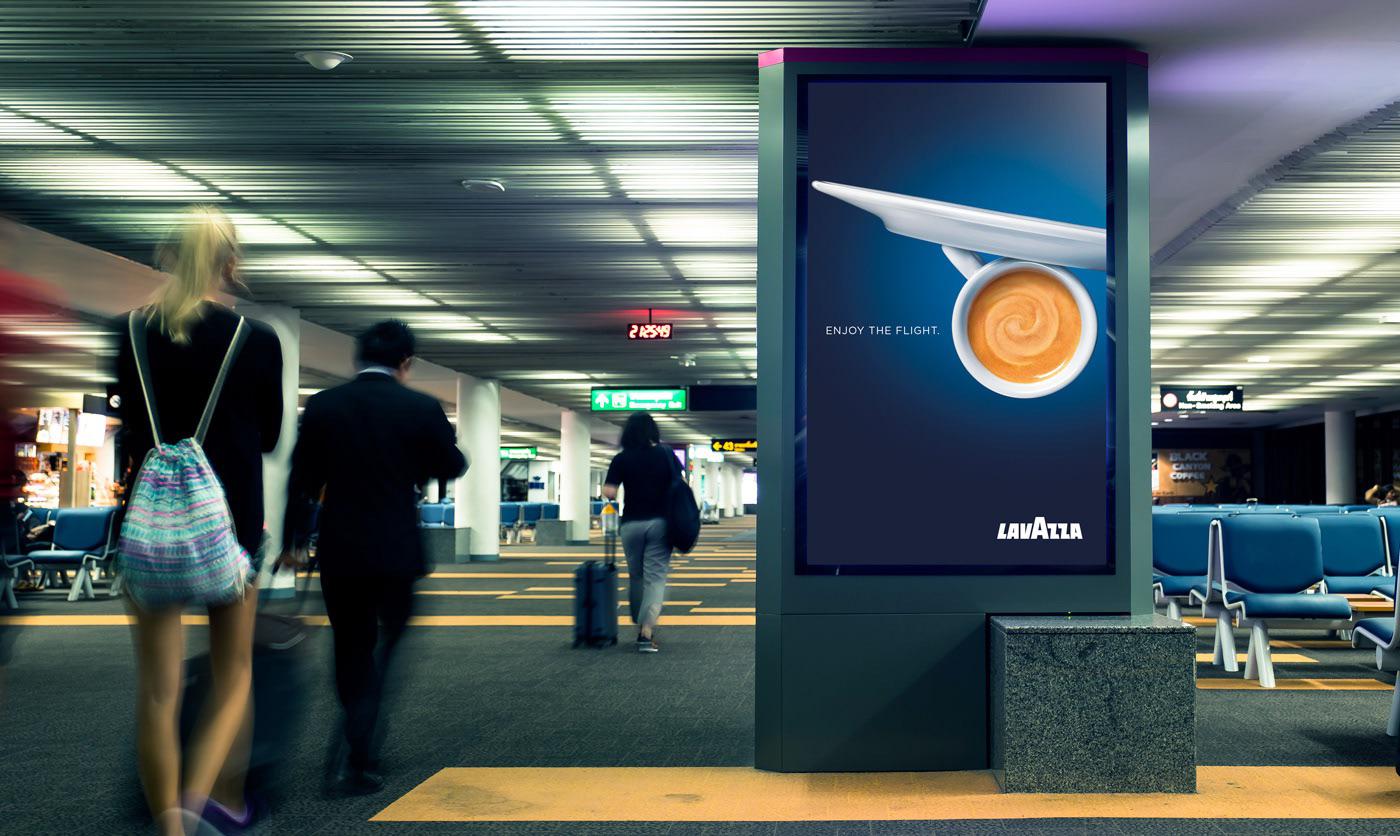
  • Yum China and Lavazza plan 1000 cafes across China

    Yum China and Lavazza plan 1000 cafes across China

    Italian coffee chain Lavazza is set to increase its store network in China to 1000 by 2025 through scaling up its existing joint venture with fast-food operator Yum China.

    The joint venture –in which Yum will be Lavazza’s exclusive distributor in Mainland China, will also receive an initial US$200 million funding from both companies for its future growth.

    The expansion plan will see more Lavazza store openings in higher-tier cities with different store formats. As of last month, Lavazza China operated 22 stores across Shanghai, Hangzhou, Beijing, and Guangzhou. It aims to double the store number by the end of this year.

    “The potential for coffee in China is vast; there is a lot of unexplored white space,” said  Antonio Baravalle, CEO of Lavazza Group. “As the largest restaurant operator in China, Yum China is the best partner to further grow the Lavazza brand in this market given its deep understanding of local consumers and market dynamics.”

    The joint venture will also ​​market, sell, and distribute Lavazza’s retail products in Mainland China, including coffee beans, ground coffee, and coffee capsules.

    Lavazza entered China last year with Yum China, with stakes of 35 percent and 65 percent respectively. Lavazza’s first China store, its first international presence, was launched in Shanghai in April last year. The company said sales to its members accounted for about 50 percent of the sales for the first half of this year.

    “The recent progress of Lavazza cafes in China has been encouraging and reaffirms our belief that our partnership is well-positioned to capture the significant coffee opportunity in China with accelerated store network development,” said Joey Wat, CEO of Yum China.

  • Rocket Internet-backed Flash Coffee plans Asia-wide rollout

    Rocket Internet-backed Flash Coffee plans Asia-wide rollout

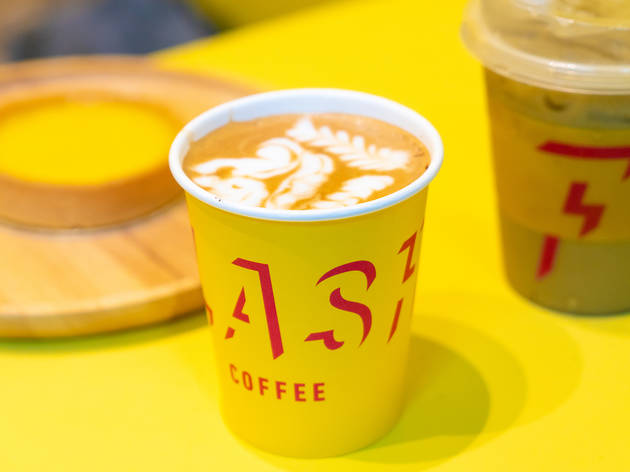
    The tech-enabled coffee chain, Flash Coffee, is accelerating its Asian expansion plan, making its Hong Kong debut this month and committing to opening its first stores in Japan and South Korea later this year.

    Launched last year, Flash Coffee already operates more than 100 locations across Indonesia, Thailand, Singapore, Taiwan and Hong Kong. The chain aims to increase its network to more than 300 stores, expanding its footprint into Malaysia, Vietnam and the Philippines next year.

    The Hong Kong launch follows Flash Coffee’s Series A funding round led by tech investment firm White Star Capital last April where it successfully secured US$20 million from a range of investors, including Rocket Internet, whose subsidiaries include Global Fashion Group and HelloFresh.

    Located at Golden Centre in Sheung Wan, the chain’s first Hong Kong store is – like its others – designed to “fit the needs of the ‘new normal’ and cater to a bustling lifestyle”. Customers can order through a mobile app and pay before picking the order at the store or have it delivered. Meanwhile, Flash Coffee connects its customers and baristas through individualized consumer and barista mobile apps, matching the order with a nearby pick-up outlet.

    The chain also offers a digital coffee loyalty program on the app, offering gamified challenges and personalized rewards.

    “Hong Kong is already recognized as a city that is willing to embrace technology,” said Jonathan Tsao, MD at Flash Coffee. “Over the past few decades the city has also built up a reputation for its love of premium coffee – but so far, this has only been available at premium prices.

    “Flash Coffee intends to shake things up, by offering a new coffee culture built around technology, affordability, and digitally-driven customer-focused solutions.”

    The launch of Hong Kong’s first Flash Coffee store will be followed by a series of new store openings in Causeway Bay, Mong Kok and Wan Chai by the end of next month. The coffee chain aims to reach 50 stores in the territory by mid-next year.

  • Uncle Ben’s reinvented under new Ben’s Original branding

    Uncle Ben’s reinvented under new Ben’s Original branding

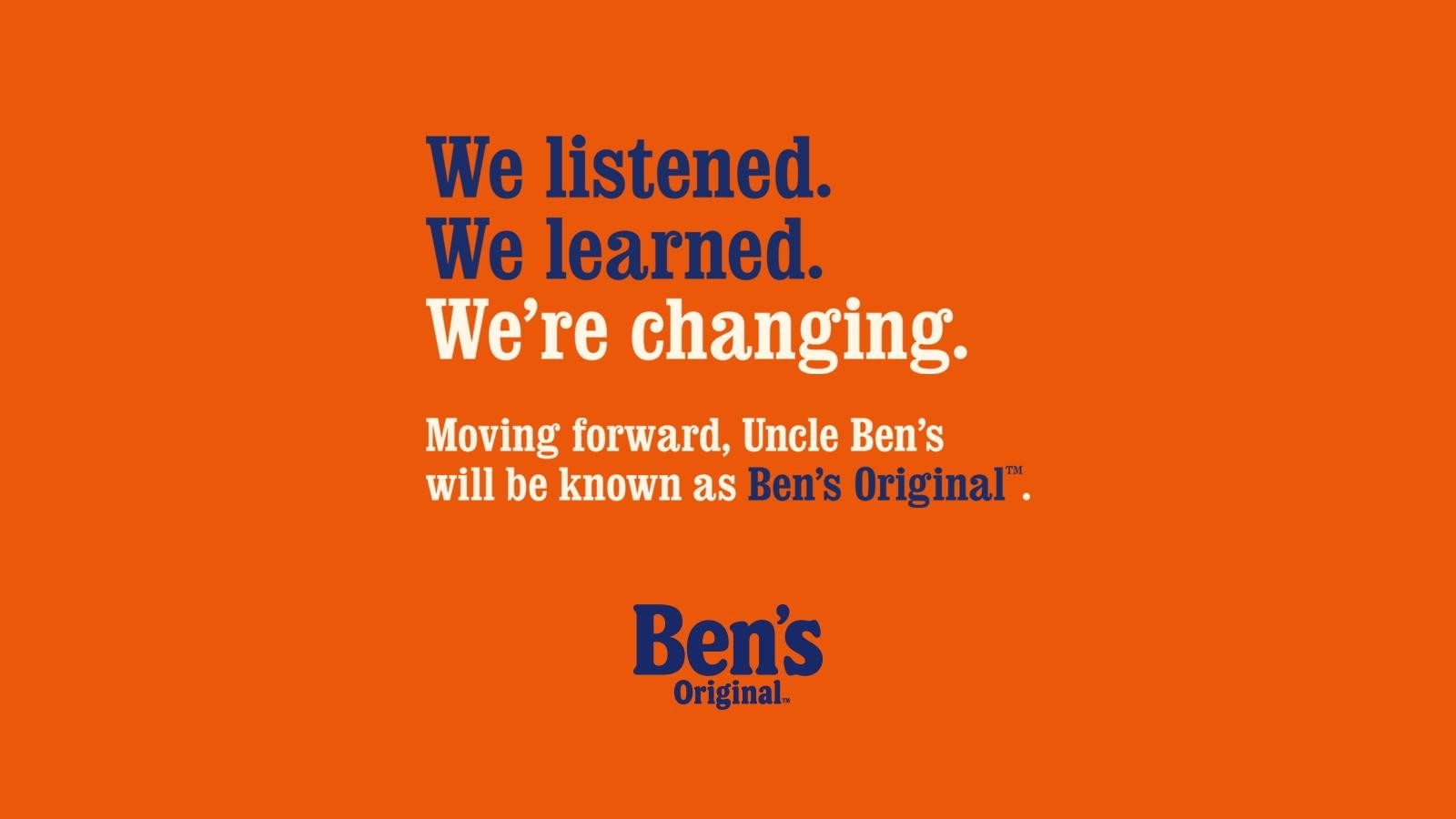
    Mars Food Australia has revealed the new brand identity for Ben’s Original ready-to-heat rice products, following the retirement of the Uncle Ben’s brand.

    The new packaging features the same orange background and navy-blue font. The rice products are available in 28 flavors, are ready in 90 seconds, and taste the same as the old product range.

    Bill Heague, GM at Mars Food Australia, said the change marks not only a new packaging but also a memorable moment for Ben’s Original: the company has shared its new purpose, committing to investing a portion of its profits over the next five years to contribute to Australia’s disadvantaged communities.

    “This is not just a name and packaging change. We believe everyone deserves to feel welcome, heard, and have access to nutritious food,” said Heague. “That’s why we have committed to funding initiatives that help improve social inclusion and create meals, experiences, and opportunities that offer everyone a seat at the table. We are currently in discussions with a number of community groups in Australia and we look forward to announcing a new partnership early next year.”

  • Five Guys opens first Australian outlet

    Five Guys opens first Australian outlet

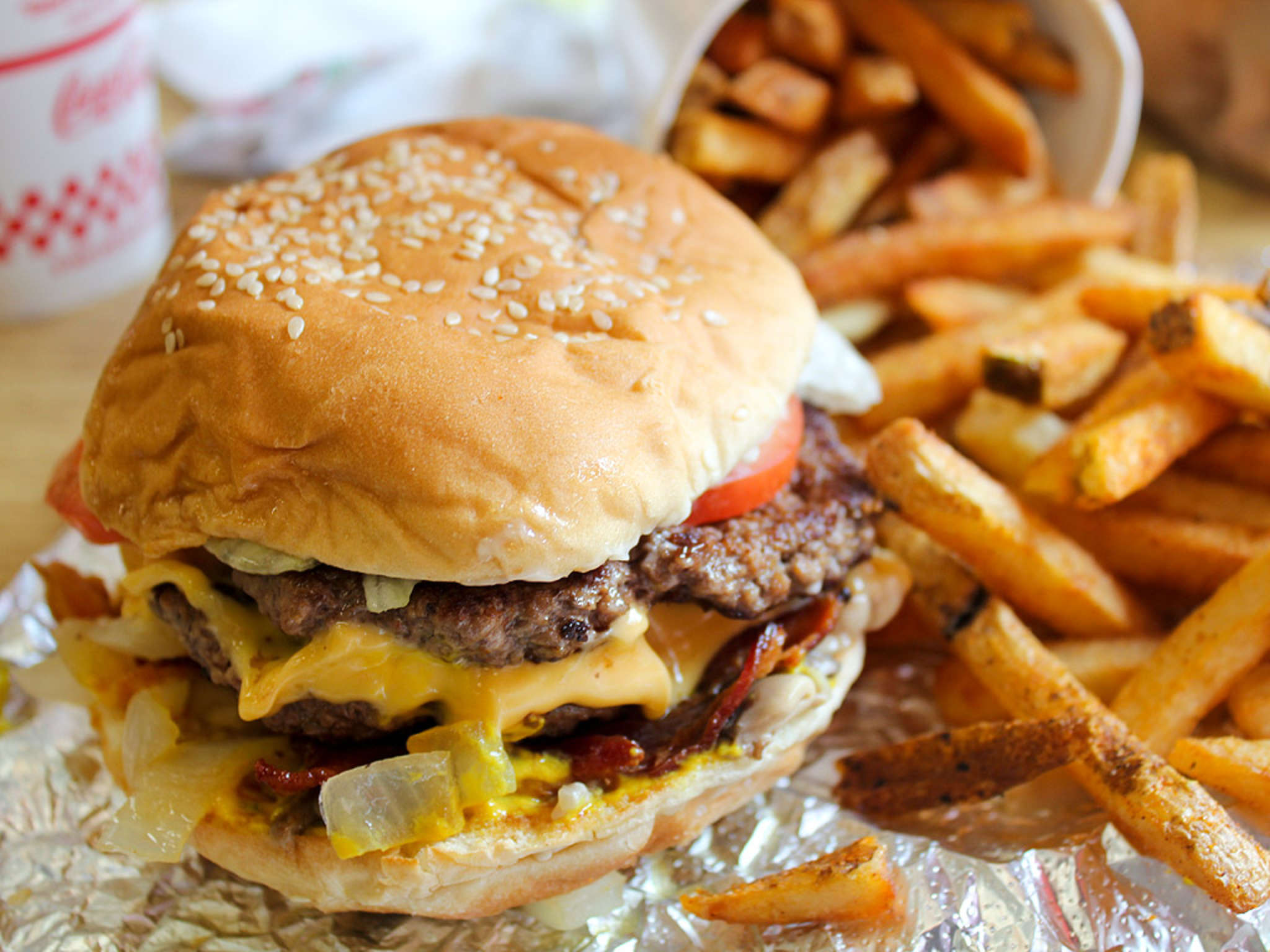
    US burger sensation Five Guys opens its first Australian restaurant, for takeaway only, on 20 September in Sydney’s Penrith.

    Master franchisee Seagrass Hospitality is opening the long-awaited fast-food brand at the Penrith Panthers Leagues Club on the busy Mulgoa Road.

    Robby Andronikos, brand manager of Five Guys Australia, said “It’s been an incredibly fun journey to bring the Five Guys opening to this point. A massive team effort from Five Guys, Seagrass BHG, and the multiple Australian producers and businesses working in partnership to launch this brand with the exacting standards required.

    “I’m excited to finally be able to open the doors to our first store in Penrith with many more Australian restaurants on the horizon already planned.”

    Seagrass BHG has five brands in its portfolio, including Ribs&Burgers, Italian Street Kitchen and The Meat & Wine Co.

    What started as a family-run burgers and fries restaurant in 1986 is now a global franchise with sites across North America, Europe, the Middle East and Asia.

    The next planned expansion beyond the Australian market will be into New Zealand.

    The Murrell brothers who founded the business has a no freezer, no microwave policy – all burgers and fries are made fresh every day.

    Lean mean patties are made every day on site, while the bread is baked fresh five days a week in a locally contracted bakery.

    Chad Murrell said “From the beginning, we wanted our customers to know that we put all our money into the food. That’s why the décor is so simple; only red and white tiles. We don’t spend money on décor, or guys in chicken suits. We’ll go overboard on food.

    “By maintaining a simple ethos, coupled with highest quality ingredients, we continue to follow through on the vision since 1986.”

  • Cult British water brand Dash heads Down Under

    Cult British water brand Dash heads Down Under

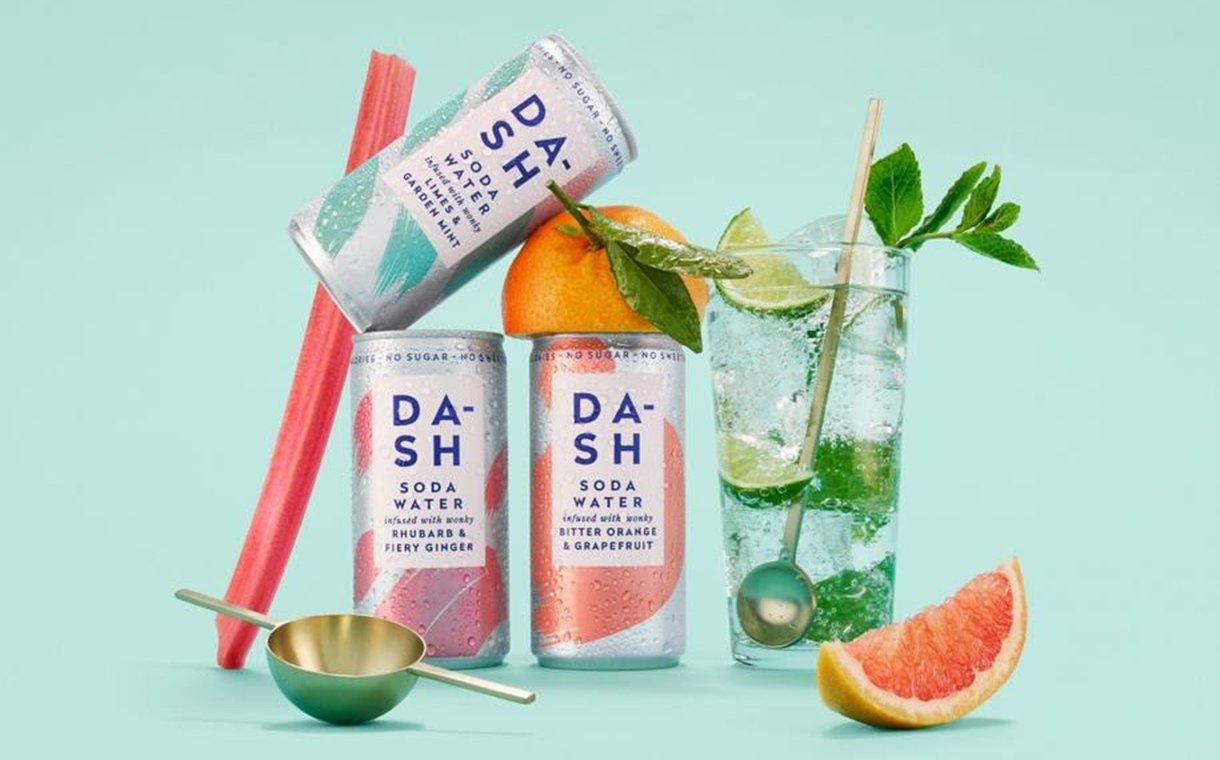
    Dash, the UK drink brand, is making a foray into the Australian soft-drink market with the launch of its renowned ‘wonky fruit’ infused sparkling water.

    Featuring just three ingredients – water, bubbles and wonky fruit – the drinks are sugar-free, zero-calorie and no sweetening is added. As part of the plan to reduce food waste, Dash uses fruits and vegetables that are wonky, bent, curved, knobbly, misshapen, and imperfect – but still delicious.

    Created by Jack Scott and Alex Wright in 2017, the idea came from when the two founders – who have farming backgrounds – saw produce that didn’t meet “beauty standards” going to waste. Dash also says it is on a mission to create a ready-to-use and sustainable drink to encourage people to have a greener lifestyle.

    This expansion of Dash marks the first time the company has produced locally outside the UK. The sparkling water is available at 700 Woolworths stores, and at 800 independent retailers across the country.

    “We noticed that the Australian market is backing the seltzer category in a similar way to the US and UK,” said Jack Scott, co-founder of Dash Water. “Many independent retailers, and Australian supermarkets, are focused on sustainable practices that align with our values as a B-Corporation. We wanted to bring a fresh perspective to the market by continuing to infuse local spring water with delicious wonky fruit, just as we do in the UK. Expanding Dash in Australia gives us the opportunity to expand the business and enter into new and exciting markets.”

    With the slogan “Dash judges on taste, not looks”, the water range can be found in different flavors – raspberry, lemon and cucumber – with an RRP of $8 for a box of four 300ml cans.

  • Seafood companies fear lack of raw materials as Covid hits farm output

    Seafood companies fear lack of raw materials as Covid hits farm output

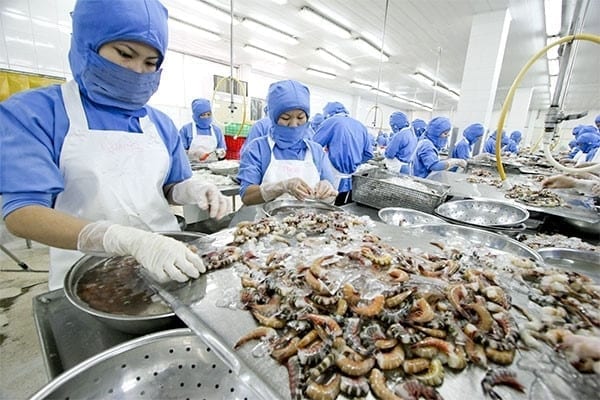
    The decline this year in shrimp and fish farming in the Mekong Delta threatens to cause a serious shortage of raw materials for processors in the coming months.

    “We have increased shrimp prices, but many farmers are still worried that Covid outbreaks will affect prices later, and so have reduced their production,” Le Van Quang, general director of Minh Phu Aquaculture Group Joint Stock Company, said.

    Speaking at a conference held online on Friday to discuss how to restore processing and exports of agricultural and aquatic produce, he forecast a big shortage in the next three months, and said businesses would be unable to meet foreign orders.

    In Tien Giang and An Giang provinces, farmers have been unable to sell their fish, shrimp and crab harvests for months due to Covid-19 restrictions.

    Many processing plants have been running at 30-40 percent of capacity as stay-at-work requirements cause a labor shortage.

    Nguyen Hoai Nam, deputy general secretary of the Vietnam Association of Seafood Exporters and Producers (VASEP), said the government should come up with policies to encourage shrimp farmers right now so that they could harvest in November to enable exports.

    He also wanted it to prioritize Covid-19 vaccination for seafood companies’ workers so that normal production could resume.

    The southern provinces and Ho Chi Minh City could be divided into three in terms of likely resilience if certain epidemic prevention measures are adopted after September 15, he said.

    The first, where the infection rate is lowest, includes Ca Mau, Bac Lieu, Hau Giang, Soc Trang, Ben Tre, and Vinh Long provinces. Businesses in this shrimp processing hub are expected to return to 60 percent of capacity by October and 80 percent by year-end.

    The second, where the epidemic is gradually being controlled, includes An Giang, Kien Giang, Tra Vinh, and Dong Thap provinces and Can Tho city, and here the rates would be 50 percent and 70 percent.

    The area with the highest risk of infection, including Long An, Binh Duong and Tien Giang and Ho Chi Minh City, would recover to 40 percent and 60 percent.

    Vietnam’s seafood exports were worth $5.5 billion in the eight months of 2021, a year-on-year increase of 6 percent, according to the Vietnam Association of Seafood Exporters & Processors (VASEP).

  • Bacardi launches ready-to-drink Mojito cocktail

    Bacardi launches ready-to-drink Mojito cocktail

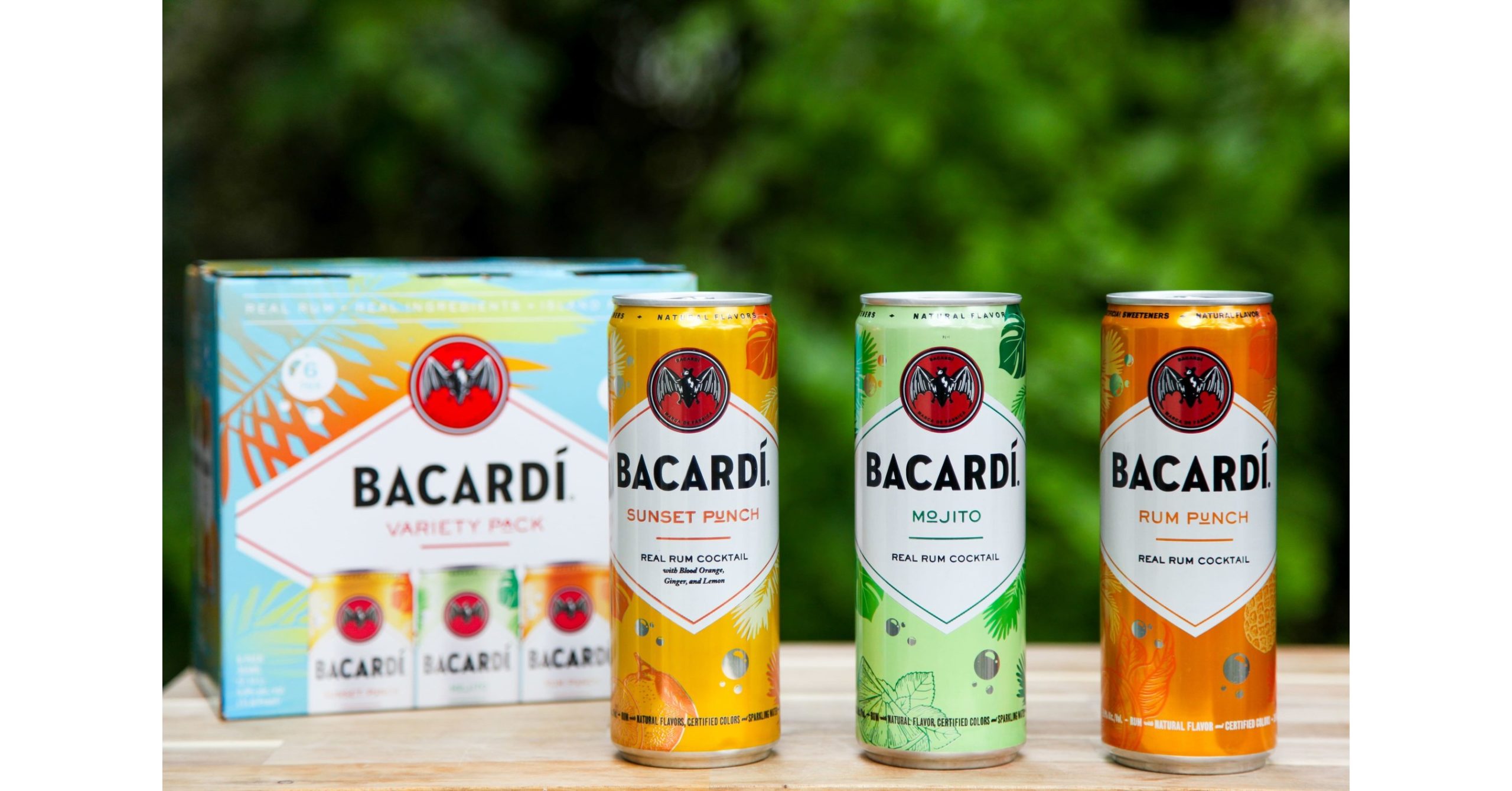
    Bacardi has launched a new RTD, Bacardi Mojito, which comes in a 250ml can with an ABV of 4.8 percent and 114 calories per serve.

    The RTD is made using Bacardi Carta Blanca Superior White Rum along with all-natural flavors and real ingredients and the calories are kept down thanks to the use of natural cane sugar.

    Bacardi-Martini Australia Brand Ambassador, Loy Catada, said he was excited to see Bacardi Mojito launch into the Australian market. “With the original Bacardu Mojito having a rich history and rise in popularity since the 1930s, we’re proud to continue to meet our customers’ desires and launch the ready-to-drink Bacardi Mojito in time for Summer here in Australia.”

    “Bacardi has been synonymous with classic Caribbean cocktails since 1862, and our latest launch gives consumers the ease of a high-quality cocktail made with the natural flavors and real ingredients of mint, lime, and the world’s most awarded rum in a convenient format.”

    With the spirit-based RTD market surging 132 percent in the last year and Mojito continuously ranking highly as one of Australia’s favorite cocktails in Google search queries, the stage is set for a big Bacardi Mojito summer.

    Bacardi is available now for independent retailers and the major chains at $24.99 RRP per pack of four.

  • PepsiCo to reduce plastic use, launch plant-based snacks in green push

    PepsiCo to reduce plastic use, launch plant-based snacks in green push

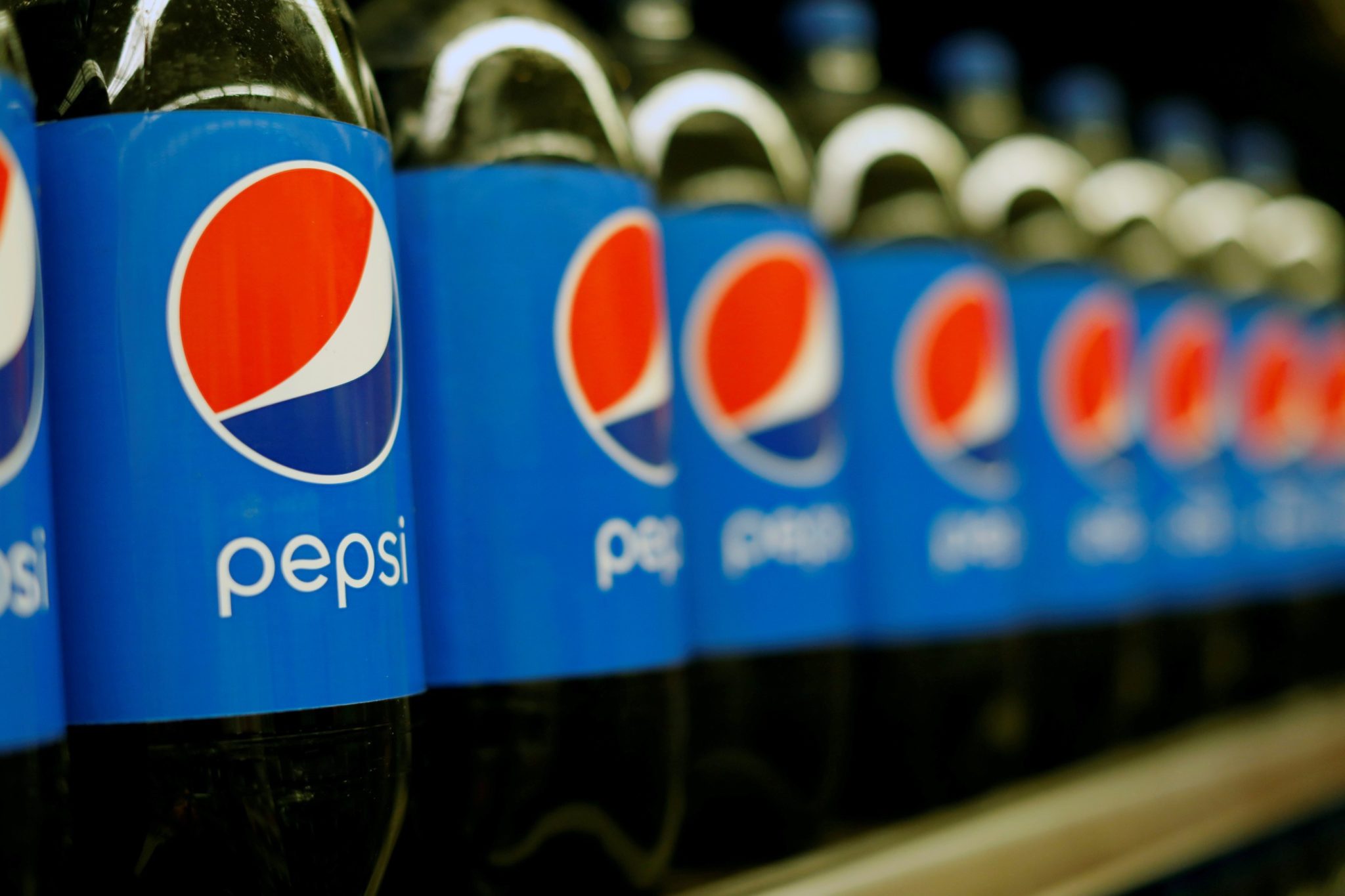
    PepsiCo, a leading food and beverage giant, has announced plans to cut back on the use of virgin plastic and expand its SodaStream carbonated-water business to more markets in response to increasing calls to combat climate change.

    According to the company, as part of a new initiative called “pep+”, the food and beverage giant aims to reduce virgin plastic use per serving by half across all brands by 2030 and use 50% recycled content in all its plastic packaging.

    PepsiCo’s ambitious plastics plan also includes scaling its SodaStream business globally, Laguarta told Reuters in an interview. SodaStream, acquired by PepsiCo in 2018, makes machines and refillable cylinders that let users make their own soda or carbonated water drinks at home.

    The brand, currently in 40 countries, will bring new flavours into 23 more markets and introduce its new SodaStream Professional platform aimed at businesses in 10 additional markets by 2022.

  • Coca-Cola says new ‘No Sugar’ has the same flavour as Classic Coke

    Coca-Cola says new ‘No Sugar’ has the same flavour as Classic Coke

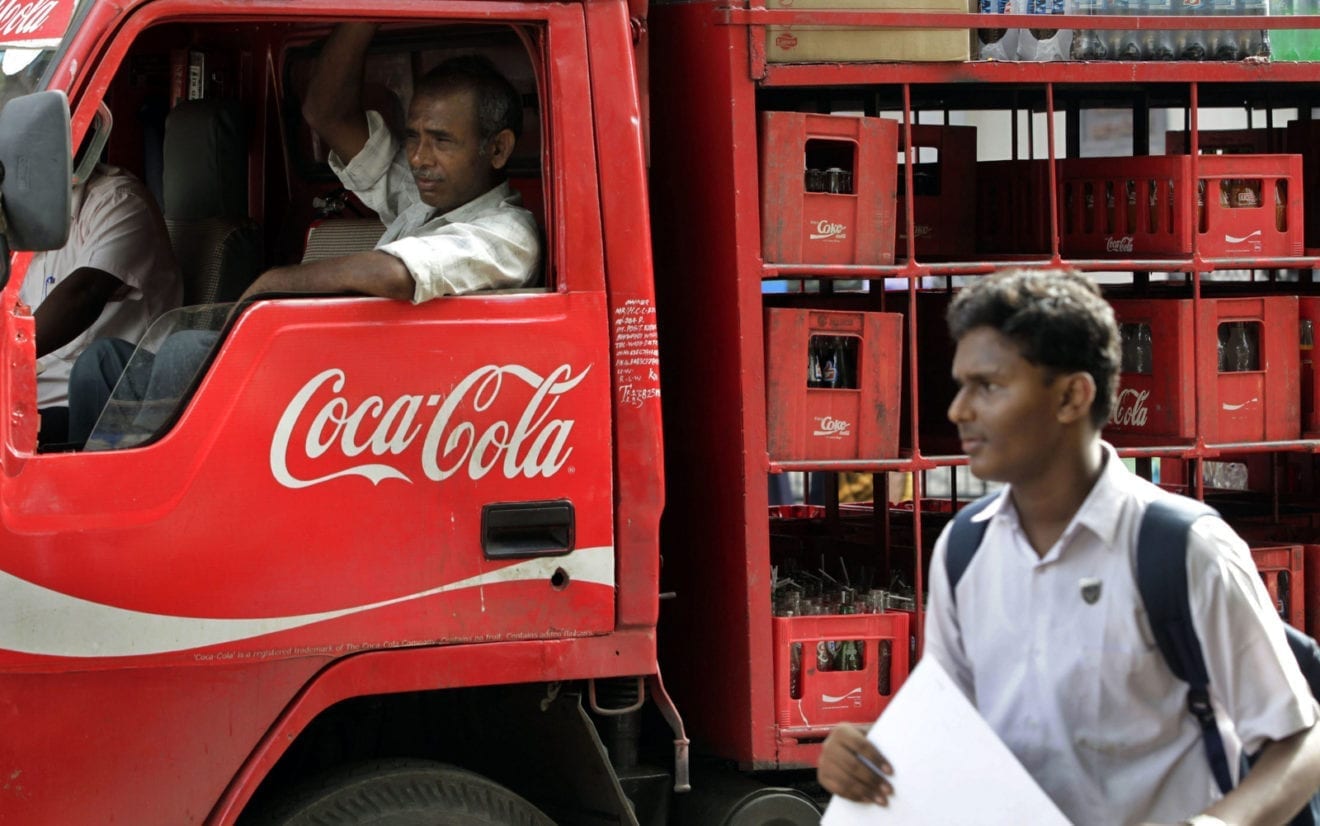
    In much the same way plant-based meat companies are tweaking their offerings to make them taste more like the real thing, beverage giant Coca-Cola is doing the same thing with its no-sugar cola.

    Coca-Cola has a vested interest in creating a no-sugar variety that mirrors its sugar-laden offering as a way to keep people associated with the brand. Consumers are drinking less soda as part of a broader effort to cut their sugar intake, and increasingly no sugar offerings are a more popular option.

    If consumers decide they want to drink less soda with sugar, and a no-sugar offering has the same flavor as the original, they are more likely to turn to their preferred brand. Sales of Coca-Cola Zero Sugar have been a bright spot for Coke, and the company no doubt is hoping the new flavor profile will attract more customers to the product. The new version is already on shelves across Europe and Latin America, and will roll out globally during 2021.

    “In order to continue to drive growth of our diets and lights category, we must keep challenging ourselves to innovate and differentiate just as other iconic brands have done,” Natalia Suarez, senior brand manager for Coca-Cola’s North America operating unit, said in a statement. “The consumer landscape is always changing, which means we must evolve to stay ahead.”

    No-calorie Coca-Cola Zero Sugar is sweetened with aspartame and acesulfame K. Finding a sweetener that can replace sugar’s texture and taste has been difficult for companies. Some companies have used aspartame, but many consumers stopped drinking diet soda because of concerns over the health impact of the artificial ingredient.

    Coca-Cola seems to have found the right ingredient mix for its no-sugar products. According to Euromonitor International data cited by The Wall Street Journal, Diet Coke had 35% of sales in the $22 billion global diet category in 2019 and Coke Zero Sugar had 22%.

    Coca-Cola also is making a big change in the packaging it uses for Coca-Cola Zero Sugar. The new can has the same design as its its popular Coke soda, but uses different colors and the words “zero sugar” to indicate the absence of the sweetener. The new, simpler packaging is smart in that it keeps the brand, which is trying to emulate regular Coke, with the same design scheme as the original — but gives it just a bit of its own identify to stand out on store shelves.

  • Ferrero introduces recyclable box for Ferrero Rocher range

    Ferrero introduces recyclable box for Ferrero Rocher range

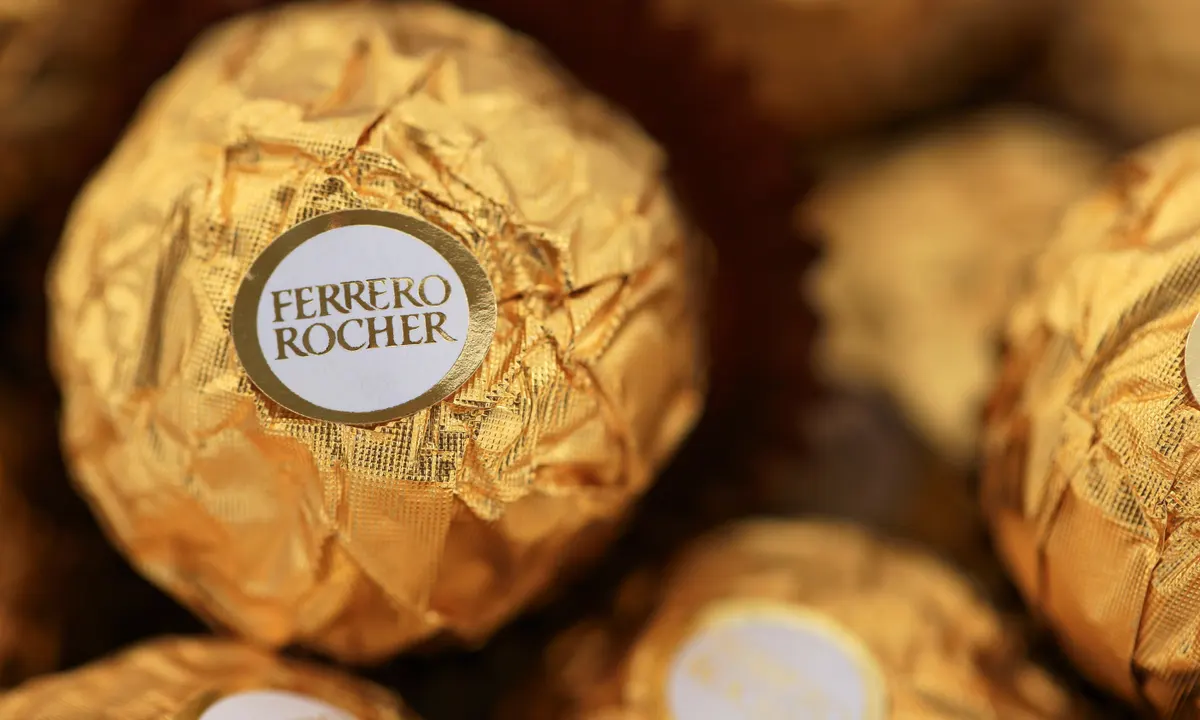
    Italian brand Ferrero has moved another step towards sustainability with the launch of its new eco-designed box for the Ferrero Rocher range.

    After trialing 29 different plastics and working with leading materials expert Milliken, the new packaging is sourced from polypropylene (PP), which is easy to recycle and can help reduce the use of plastic as well as its impact on the climate.

    Packaging for a box of 16 pieces will have 40-per-cent less plastic content, while the 30-piece box contains 38 percent less. Both are said to have at least 30 percent lower carbon footprint, reaching 70 percent less when recycled, compared to the previous box.

    “The Ferrero Rocher eco-designed box is a clear example of our dedication to enhancing packaging circularity,” said Fabio Mora, global packaging director of The Ferrero Group. “We worked in close partnership with Milliken which brought its innovative and critical thinking to help reduce the environmental impact through the use of a new polypropylene material for the Ferrero Rocher box.”

    According to the company, Ferrero Rocher can save approximately 2000 tonnes of plastics in the first year from the introduction this month. Once the innovation extends across the whole range of Ferrero Rocher, the full impact of the extension can reduce up to approximately 10,000 tons less plastic used.

    The new eco-designed box is part of Ferrero’s commitment to making 100 percent of its packaging reusable, recyclable or compostable by 2025.

  • Vietnam goes past Thailand, becomes Israel’s biggest tuna supplier

    Vietnam goes past Thailand, becomes Israel’s biggest tuna supplier

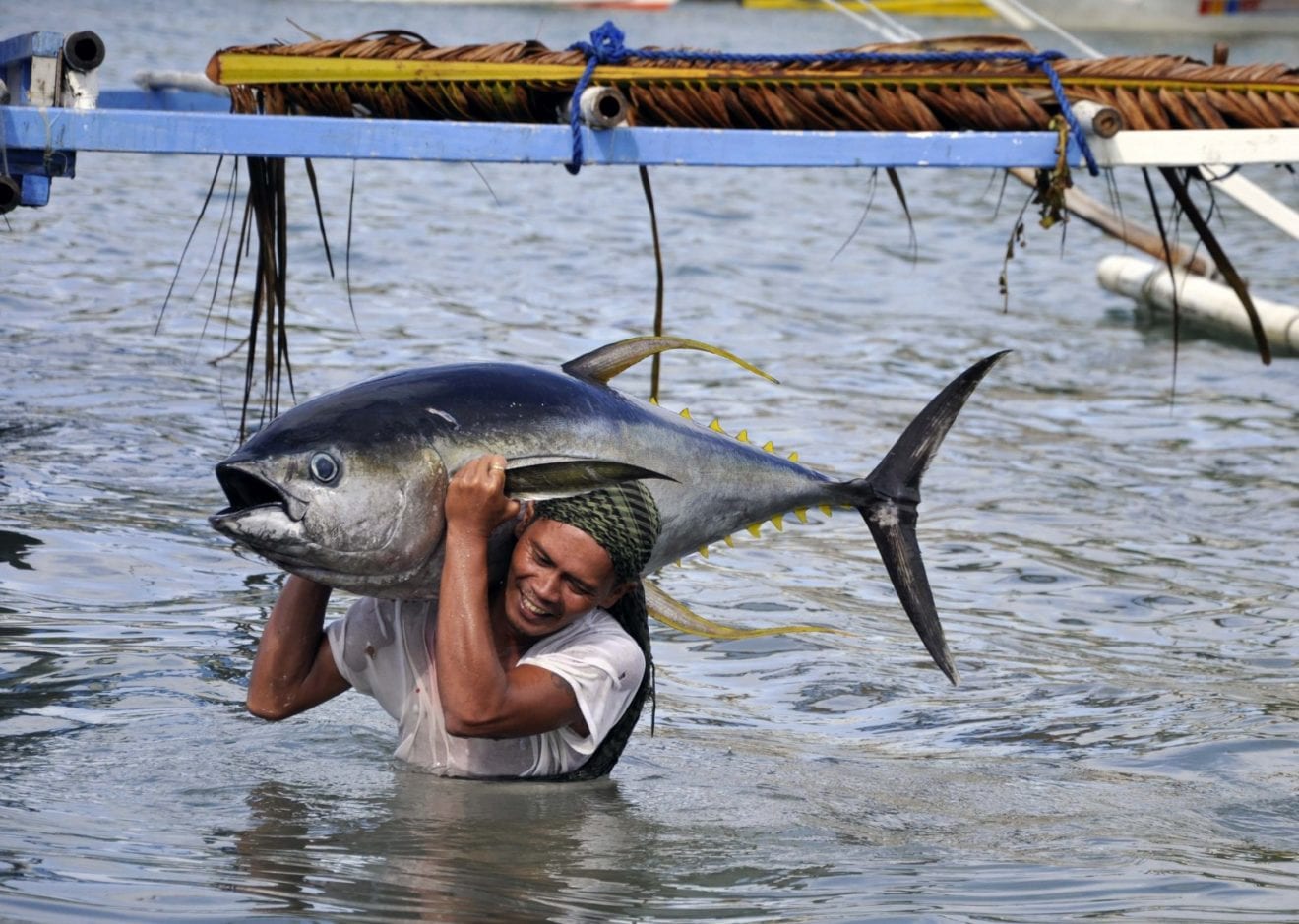
    Vietnam surpassed Thailand in the first half of this year to become the biggest exporter of tuna to Israel.

    It accounted for 31 percent of Israel’s imports while that country became Vietnam’s third largest market behind the U.S. and Italy.

    Israel bought less tuna from most countries amid the Covid-19 pandemic, but increased its imports from Vietnam, the Vietnam Association of Seafood Exporters and Producers (VASEP) said.

    Latest data from VASEP shows that Vietnam’s exports to Israel jumped by 34 percent during the year until Aug. 15 to nearly $25 million.

    Eight companies ship tuna fish to Israel, but have all complained about Covid-related restrictions hurting their production in recent months.

    VASEP has repeatedly been petitioning the government to quickly vaccinate workers in the fisheries sector to ensure the supply chain is not disrupted.

  • Fresh soup brand DariKay rebrands as Dari’s

    Fresh soup brand DariKay rebrands as Dari’s

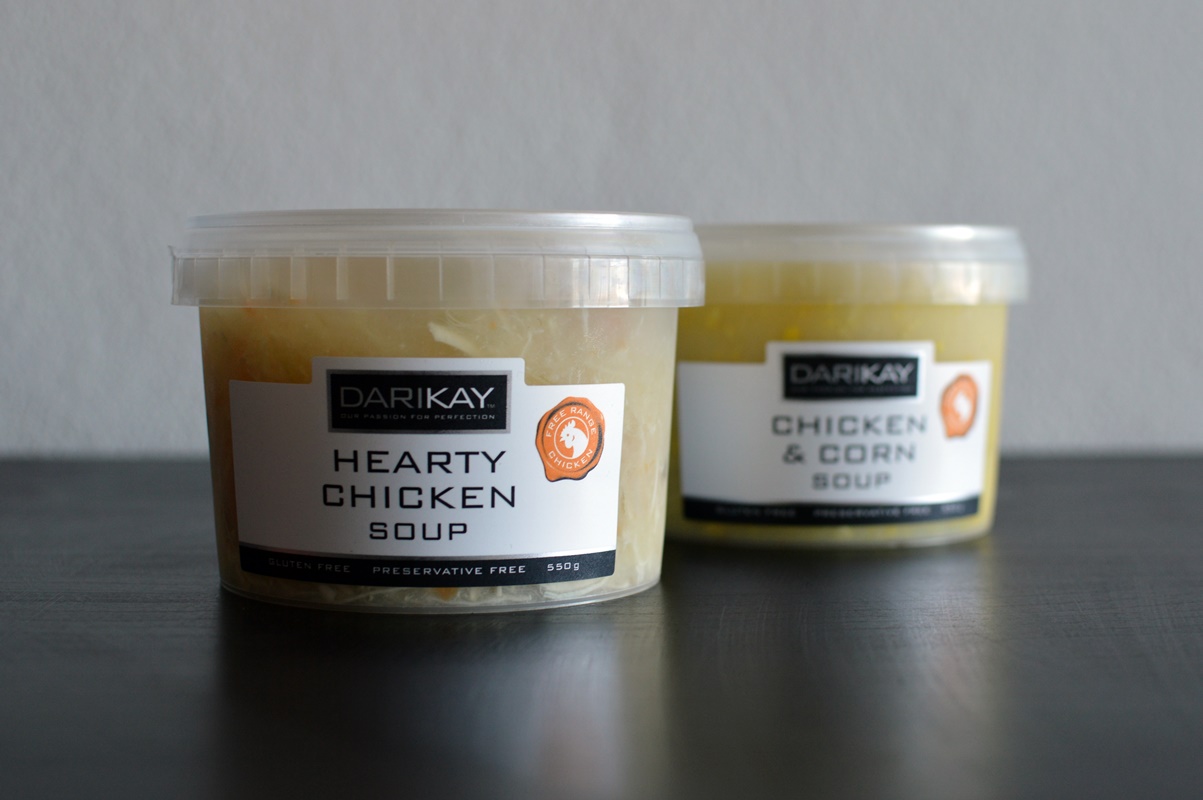
    Australia’s leading freshly made soup brand DariKay is changing its name to DARI’S, with a brand-new look including a new logo, colours, and new ‘Feel at Home’ tagline. 

    The rebranded DARI’S Soups will start to appear in Woolworth’s chillers in September, followed by Coles and independent retailers from November, phasing out the old DariKay packaging through a gradual roll-out. 

    The rebrand from DariKay to DARI’S celebrates the real people behind the soups – Dari and Yehiel Kaplan and family. The couple started their Dari’s Kitchen food business in their home kitchen in 2004, beginning with Pilpel dips, followed by DariKay fresh, small-batch soups in 2007, which has grown to become Australia’s top chilled soup brand.

    All soup recipes are developed, tried, and tested by Yehiel, using his skills as a chef to create a range of flavors to suit different taste preferences and dietary needs. The soups are stocked by major supermarkets and independent retailers across Australia.

    Dari Kaplan, co-founder, says: “Our soup rebrand to DARI’S is a big change but a very exciting one. We felt that DARI’S better connects us to our consumers, it lets people know that a real family is making these soups, to our recipes, just like we do at home.

    “It’s the same DariKay soup that people know and love – the flavors, size, and ingredients are exactly the same – but with a new look and a new name, that reflects who we are.”

    A major part of the rebrand is the launch of a new website, www.darissoups.com.au, which has photographs from the Kaplan family albums and tells the story of how Dari and Yehiel’s business began

    Dari adds: “People can now get a glimpse into our family and how we started all those years ago, with our children as our taste testers, and our little kitchen blender. We’re very proud of how we started because that is how we got here. We hope that when people share a DARI’S soup, they feel the love and care of our family, because that’s what we’re all about, and that will never change.”

    The flavors of the new rebranded DARI’S Soups will remain the same as the current DariKay soup line-up. There are 13 fresh soups in the range including vegetarian, poultry, meat, and seafood varieties, with gluten-free, dairy-free, and preservative-free options.

    The soups are made in small batches at the family’s kitchen HQ in Marrickville, New South Wales, using carefully selected quality ingredients such as free-range chicken and aged beef brisket. Flavors in the range include Chicken Noodle, Chicken & Corn, Beef & Barley, Mushroom, Lentil, and Spicy Prawn.

  • Vinamilk ramps up R&D to win big globally

    Vinamilk ramps up R&D to win big globally

    The Vietnam Dairy Products JSC is stepping up R&D to create innovative products enriched with local flavors to satisfy the diverse range of global tastes.

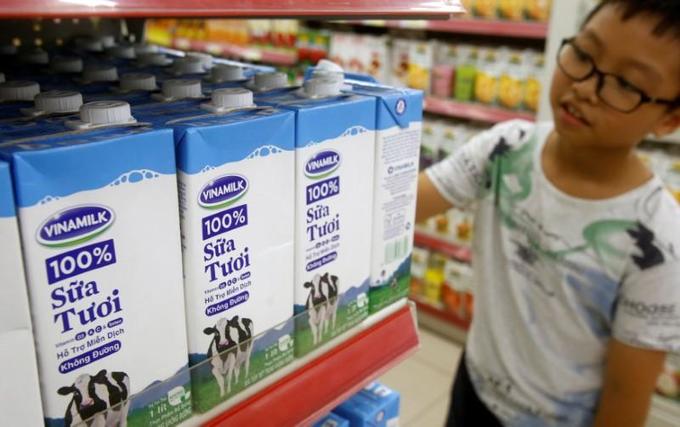
    With its strategic investment in product development, international expansion, and commitment to sustainability, Vinamilk has become the only Vietnamese dairy company in the top 50 global dairy producers. This year it is ranked 36th.

    Vinamilk’s R&D efforts have developed customized products tailored to the Asian, African, and Middle Eastern markets despite the challenges of limited research data in some of these regions.

    Starting with only one infant cereal SKU, the company has since successfully developed and established 66 SKUs in multiple markets. One of Vinamilk’s successful innovative products is the Ridielac infant cereal with banana and date flavors.

    Launched in the Middle East five years ago, this infant cereal with a distinctive local flavor has been well received, and it underpinned the subsequent penetration into North Africa.

    The dairy giant has also fortified its African products with vitamin A and minerals to help tackle the challenge of vitamin A deficiency. This problem threatens 42.4 percent of sub-Saharan African children with an increased risk of mortality.

    In the Middle East, which accounts for 80 percent of Vinamilk’s export revenues, the company’s localized Ridielac is a favorite among locals, especially for the variety in flavors that enables people to switch their babies’ daily diet regularly.

    In Asia, Vinamilk has introduced sweetened condensed coconut milk in Japan to address the demand for plant-based milk amid local consumers’ dairy allergies.

    “Our long-term relationship with Vinamilk was built upon accurate and flexible export services and high-quality products meeting all Japanese standards,” Jun Hamada, Vinamilk’s Japanese partner, said.

  • Kellogg’s introduces mixed grain bar

    Kellogg’s introduces mixed grain bar

    Kellogg’s retailers are set for a boost this summer as Kellogg’s announces the launch of three new products. This July, Kellogg’s is introducing Kellogg’s Multi-grain Corn Flakes to the cereal category, a new product from its oldest brand.

    Kellogg’s retailers are set for a boost this summer as Kellogg’s announces the launch of three new products. This July, Kellogg’s is introducing Kellogg’s Multi-grain Corn Flakes to the cereal category, a new product from its oldest brand. Kellogg’s Multi-grain Corn Flakes contains the goodness of three grains; each golden flake is a combination of corn, wholegrain rice and wheat. Kellogg’s consumer research shows that Kellogg’s Corn Flakes are still a firm favorite.

    This new innovation offers fans of the Original the great taste of Kellogg’s Corn Flakes but with the added extra of the goodness of multi-grain.Kellogg’s Corn Flakes fits into the ‘everyday favourites’ sector of the cereal market which is currently worth £269m. Kellogg’s hopes that innovation from its best-loved cereal will enable retailers to maximise on this growing sector.

    Support will begin with TV advertising and promotional pricing beginning in August.

    UK Sales Director, Kevin Brownsey, comments, ”Kellogg’s Multi-grain Corn Flakes are the perfect product for retailers to make the most of the growing consumer interest in health. Consumers trust the Original and know it’s a good breakfast choice – the addition of multi-grain helps to strengthen its health credentials”.

    The snacks category will also be expanded with Nutri-Grain Chocolate Oat-Baked Bar and Special K Mini-Breaks.

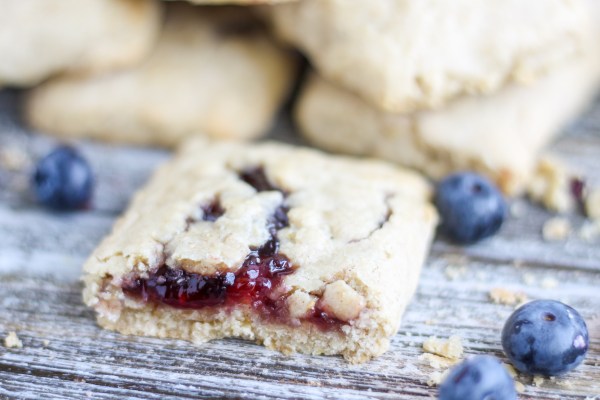
    Kellogg’s is building upon the incredible success of Kellogg’s Nutri-Grain Oat Baked Bars with a new variant – Nutri-Grain Chocolate Oat Baked Bars. Launched last year, Nutri-Grain Oat Baked Bars proved a welcome addition to the portfolio and was the number one Kellogg’s snack innovation for 2006.

    The new variant has the same substantial flapjack texture of the original but the added chocolate also satisfies consumers’ sweet cravings.

    Research shows that new product development (NPD) is increasingly important to the total cereal bars category and is now worth over 10% of the total value. Nutri-Grain NPD has also consistently driven the brand growth.

    The entire Nutri-Grain Oat Baked Bars range will be supported with TV advertising in September and the new chocolate variant will be advertised on back of packs. In July, money-off vouchers will hit 2,000,000 households.

    Kellogg’s is also widening its snack offerings with a new bagged snack – new Special K Mini Breaks. At just 99 calories a bag, these new biscuity bites of baked golden oats, wheat, and rice are a controlled calorie solution for consumers with an attack of ‘the nibbles’. The bagged format is designed to fit a number of snacking needs such as snacking at the desk, sharing, and ‘boredom snacking’.

    Available in two variants – Original (multi-packs and singles) and Chocolate (multi-packs) – Special K Mini Breaks will help retailers to achieve incremental growth on the Special K snacking brand. Previous snack innovations for this brand have proved very successful, for example, Special K Chocolate Chip Bar was launched in 2005 and is now worth over £5m.

    Special K Mini Breaks will begin with a four-week burst of TV advertising in September and the product will appear on the back of packs of existing Special K snacks and cereal.

    UK Sales Director, Kevin Brownsey, comments,” With such a diverse number of snacking occasions, the snacks sector is an area of significant opportunities for retailers. The new Nutri-Grain Bar and Special K Mini Breaks help retailers to provide a product to fit these emerging occasions and fill as many consumer snacking needs as possible. The popularity of bagged snacks is growing and Special K Mini Breaks are just the first in a number of bagged snacks innovations planned by Kellogg’s over the next two years.”
  • Vietnam coffee exports to UK drops

    Vietnam coffee exports to UK drops

    Vietnam’s coffee exports to the U.K. have declined in H1 after its products failed to meet quality requirements and consumer preferences. The fourth wave of Covid-19 that hit the country also affected export activities.

    Coffee exports to Britain fell by 48.4 percent in volume terms and 49.3 percent in value to 16,400 tons and $29 million. Vietnam’s share of that coffee market decreased from 27.32 percent to 16.35 percent.

    The U.K.’s coffee imports from most of its suppliers increased during the period, except from Vietnam and Honduras. Vietnam’s exports to the country are in the form of raw or semi-processed coffee, while the British mainly consume instant coffee.

    Experts said the Vietnamese coffee industry should strive to meet its increasingly stringent requirements and British consumers’ tastes to boost exports.

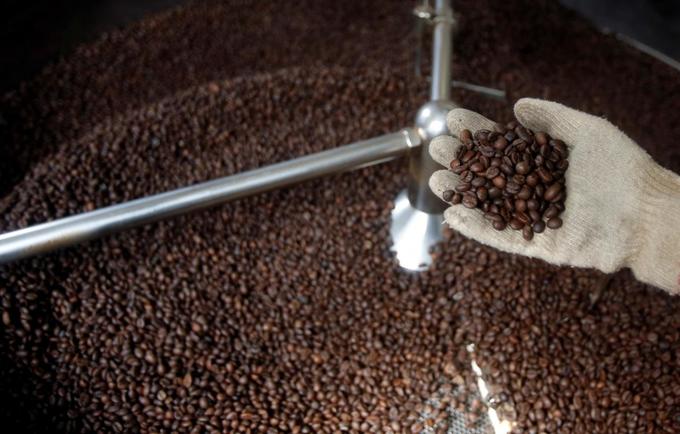
    Vietnam is the second-biggest coffee producer globally behind Brazil. Last year, its exports fell marginally and were worth $2.74 billion.