Category: Food

Retail News Asia is committed to providing both local and global retailers with the latest Food and Food & Beverage news throughout the Asian market. This on a daily base.

  • Upsurge in Vietnam imports of Cambodian farm produce

    Upsurge in Vietnam imports of Cambodian farm produce

    The quantity of Cambodian rice, cashew nuts, maize, green beans, and soya beans imported by Vietnam in the first 11 months of this year rose 3-4 times year on year.

    Cambodia exported 912,000 tons of cashew nuts, over 134,000 tons of maize, some 26,000 tons of green beans, 66,200 tons of soya beans, and more than 26 million tons of pepper to Vietnam, according to the Vietnam Trade Office in Cambodia.

    It specified that the neighboring country exported 3.1 million tons of paddy rice to Vietnam in the 11-month period, an increase of more than over 75 percent year-on-year.

    Cambodia sold more than 622,000 tons of fresh manioc, or 70 percent of its total exported volume, to Vietnam between January and November.

    The trade office said that Cambodia exported a total of over 7.1 million tons of agricultural products to 68 markets, including Vietnam, in the first 11 months of this year, up 93.4 percent on-year.

    More Cambodian farm produce was being bought by Vietnam because of their price and quality advantages, Vietnamese agricultural scientist Vo Toan Xuan said, noting that Cambodia has a lot of fertile land and farmers do not use many chemical pesticides.

    Recently, several Vietnamese companies and residents have rented agriculture.

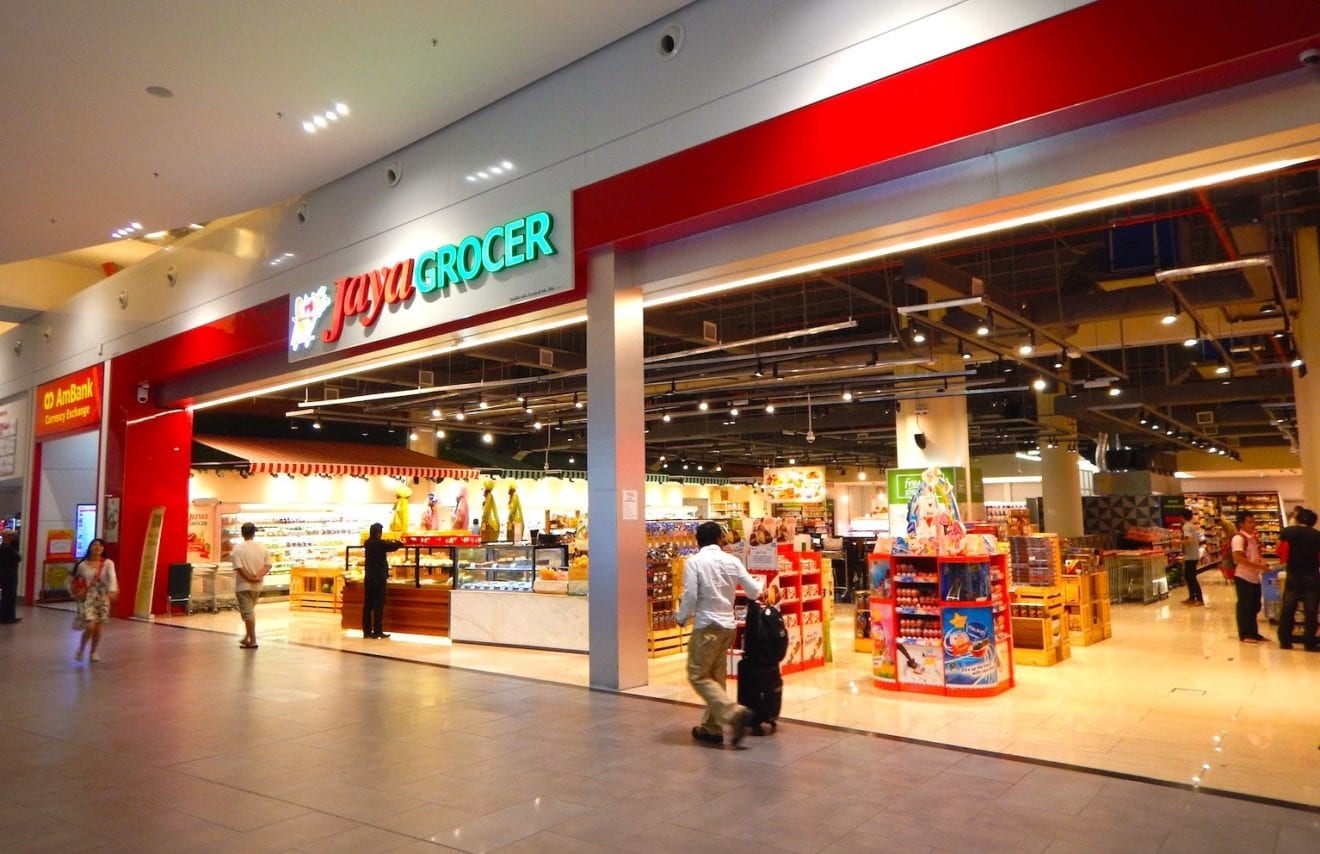
  • Grab to buy Malaysia’s Jaya Grocer grocery chain

    Grab to buy Malaysia’s Jaya Grocer grocery chain

    Southeast Asian ride-hailing and food-delivery giant Grab is to acquire Malaysian grocery chain Jaya Grocer, according to a filing with the US Securities and Exchange Commission.

    Under the agreement, Grab will acquire Jaya Grocer’s ordinary shares and 75 per cent of preference shares. The company also has the option to buy the remaining 25 per cent of the preferred shares of Jaya Grocer after the closing of the transaction.

    In addition, Grab plans to partner with a local investor which will own 50 per cent of the voting shares in Jaya Grocer. The deal, the value of which has not been disclosed, is expected to close in the first quarter of next year.

    “Following closing, Jaya Grocer is expected to become a subsidiary of GHL (Grab Holdings Limited) and its financial results will be consolidated by GHL,” the company said in the filing.

    The acquisition follows Grab’s IPO debut on the Nasdaq earlier this month.

    Jaya Grocer was founded in 2007 by the Teng family with its first outlet opened in Petaling Jaya. It was acquired by the Asean Industrial Growth Fund in 2016. Last month, the private-equity firm sold its stake back to the Teng family.

    Jaya Grocer currently operates 40 stores across Peninsular Malaysia, with the majority being located in the Klang Valley near Kuala Lumpur.

  • Lyre’s adding three more alcohol-free spirits

    Lyre’s adding three more alcohol-free spirits

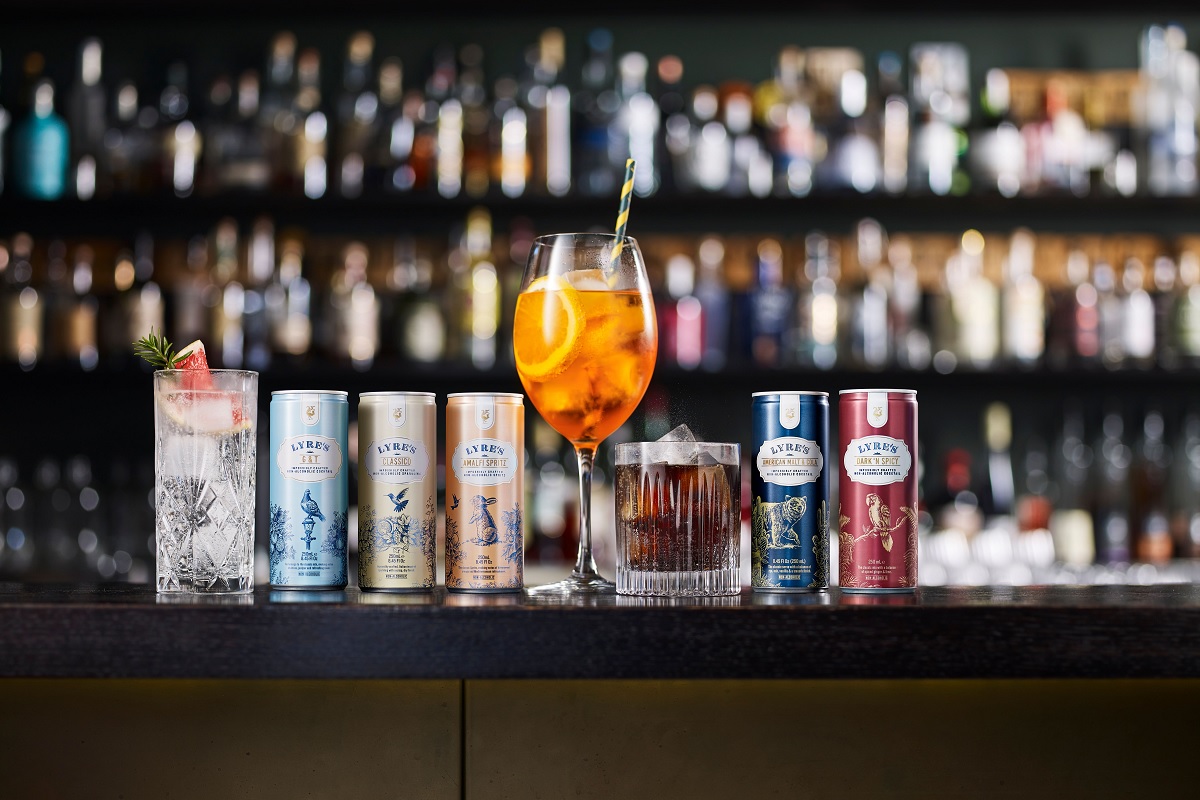
    The world’s most awarded non-alcoholic spirits company continues to lead strong growth and awareness of the non-alcoholic category with the introduction of six new products.  Introducing Pink London Spirit, an alcohol-free homage to pink gin and five ready-to-drink premix drinks: G&T, Amalfi Spritz, Classico, American Malt & Cola, and Dark ‘n Spicy.  Distribution is available to the UK via Proof Drinks and via Lyres.co.uk and showcasing at Imbibe Live (13-14 September 2021).

    Lyre’s Pink London Spirit has been developed exclusively for the UK and will appeal to mindful drinkers and the 1.6 million British drinkers who already love pink gin but may want to enjoy their favorite tipple in a non-alcoholic version without compromising on taste or serve. Easily enjoyed in your favorite craft cocktail, Pink London Spirit also delights over ice with a splash of premium tonic water and the addition of sliced fresh strawberries and a sprig of mint.

    “Following the huge demand for pink gin in the UK, we created Pink London Spirit to bolster the Lyre’s collection and provide even more options for the sophisticated drinker to enjoy their favorite drink or cocktail of choice without the alcohol,” says Mark Livings, Lyre’s CEO and Co-Founder. “The impossibly-crafted Pink London Spirit will be a great alternative for moderate drinkers within the pink gin category, which is currently the 2nd biggest seller within the UK spirit market.”

    Lyre’s five RTD premix drinks including G&T, Amalfi Spritz (Lyre’s interpretation of the popular Aperol Spritz), Classico (a sparkling prosecco style), Dark ’n Spicy and American Malt & Cola are signature drinks that can be enjoyed at any time and contain the perfect ratio of ingredients to deliver a great tasting non-alcoholic cocktail.

    Mark continues: “The popularity of the Lyre’s core non-alcoholic spirits range and consumer demand for low calorie, premium non-alcoholic beverages for multiple occasions have driven the development of this RTD range.  In 2020, ISWR* reported RTDs as the only drinks category that saw significant growth in the UK, up 8.6%, and the only category expected to be larger in 2024 than it was in 2019.  With reports highlighting almost one in three adults in the UK having trialed a no/low-alcohol beer, wine, or spirit within a recent six-month period, it’s important for us to have a portfolio of products available for consumers to enjoy whether that’s in the home, a bar or on the go.”

    Lyre’s portfolio which already includes 13 impossibly-crafted non-alcoholic spirits and liqueurs is fast becoming a back-bar staple of celebrated drinking dens around the world. Available in more than 50 countries, Lyre’s can be found in venues of the highest distinction, including The Ivy London, Eleven Madison Park in New York, Quay Restaurant in Sydney, and The Tippling Club in Singapore.

  • Starbucks shuts China outlets after reports they used expired ingredients

    Starbucks shuts China outlets after reports they used expired ingredients

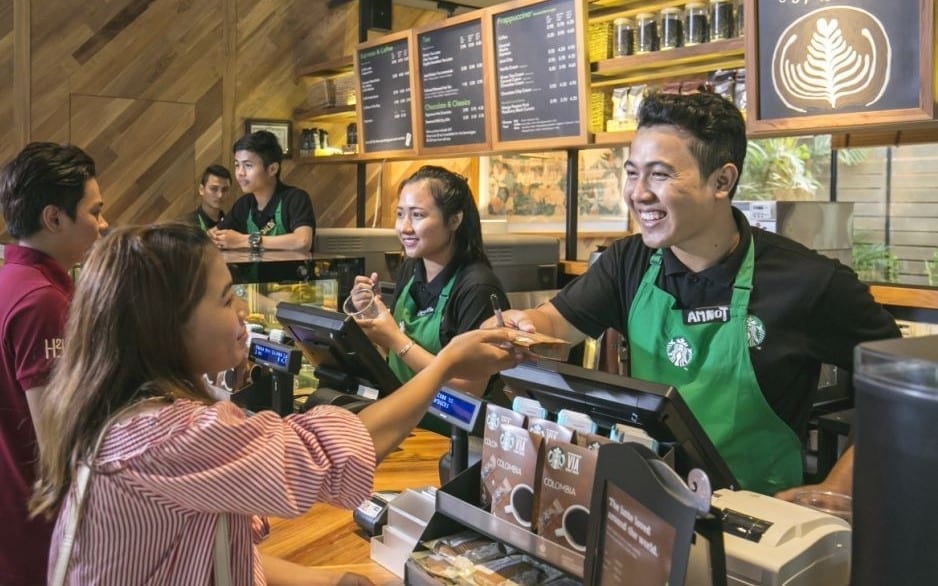
    US coffee chain Starbucks said on Monday it had shut two outlets in China and was conducting an investigation after a state-backed newspaper reported that they used expired ingredients to make drinks, violating food safety rules. The incidents occurred at two stores in the eastern Chinese city of Wuxi.

    “We take what was reported by local media very seriously, and have immediately closed the two stores in question to conduct a thorough investigation,” a Starbucks spokesperson said.

    “Since entering the Chinese mainland market 22 years ago, we have been committed to implementing strict food safety standards and adopting a ‘zero-tolerance policy towards food safety issues. We welcome the continued supervision of members of the media and the public.”

    The incident became a trending topic on China’s Twitter-like Weibo social media site after the report was published.

    Chinese consumers and media have become more aggressive about protecting customer rights and monitoring the behavior of big brands, especially from overseas.

    Some targets, such as Canadian winterwear brand Canada Goose which drew complaints about its refund policies, have been subjected to government reprimands, while Chinese brands such as milk tea chain Nayuki have also drawn public attention.

    China is the largest market for Starbucks outside the United States with 5,360 stores as of Oct 3, the firm’s latest earnings report showed.

    One of the Starbucks stores used expired matcha liquid to make lattes, while another had put pastries up for sale that was meant to be thrown away.

    As of Monday afternoon, the topic of Starbucks’ response report had received more than 50 million views on Weibo. Commenters expressed both disappointment and worries over more widespread problems.

    “If Starbucks is like this, the other shops really worry me,” said one Weibo user named Revario. “They suffer the scrutiny because it is a foreign brand.”

  • McDonald’s class action claims systemic failure to provide rest breaks

    McDonald’s class action claims systemic failure to provide rest breaks

    Hundreds of thousands of McDonald’s staff have brought a class action against the fast-food giant for failing to provide adequate paid rest breaks, in what is being described as a “systematic failure”.

    McDonald’s has been accused of not providing staff with enough paid rest breaks for the duration of their shifts – some of which are over nine hours long. The joint investigation has revealed that workers Australia-wide have not been receiving their 10-minute rest break entitlements under both the McDonald’s Australian Enterprise Agreement 2013 and the Fast Food Industry Award 2010.

    Under these, staff are entitled to a paid 10-minute break for shifts lasting between four and nine hours, as well as two paid 10-minute breaks for shifts nine hours or longer.

    The investigation, launched by Shine Lawyers and the Retail and Fast Food Workers Union (RAFFWU), follows a decision by the Federal Court in August 2020 that found that former McDonald’s employee Chiara Staines was not provided with paid 10-minute rest breaks when working shifts four hours or longer. Ms Staines was awarded the value of her lost rest breaks in addition to compensation for loss of amenity.

    In September, the RAFFWU estimated that at least 250,000 McDonald’s staff were denied the breaks they were legally entitled to since 2015.

    Shine Lawyers class actions practice leader Vicky Antzoulatos said that since the launch of the class action investigation, the firm had been inundated with inquiries from short-changed staff.

    “What we are alleging is a systemic failure across the McDonald’s network. This class action has hit a nerve for thousands of staff, both past and present, who have been victims of the workplace breaches we allege,” she said.

    “We are dealing with a class of vulnerable workers, mostly minors, who it appears were systematically not provided with their entitled rest breaks.

    “Remarkably, many worked in extreme heat and other onerous conditions for hours on end and couldn’t access the toilet or a drink. This conduct has in many instances affected the physical and mental well-being of the workers, and the class action seeks to hold McDonald’s to account.”

    Filed in the Federal Court, the class action is open to any current and former McDonald’s workers who worked at any corporate-owned McDonald’s from December 2015, and any franchised McDonald’s from September 2017.

    RAFFWU secretary, Josh Cullinan, added that these vulnerable, often school-aged workers are entitled to fair compensation.

    “The blatant disregard shown to workers by Maccas is breathtaking. We encourage every eligible worker to get involved. They deserve full and fair compensation for what Maccas did to them,” he said.

  • The Reason why Mad Mex is exiting Singapore and Malaysia

    The Reason why Mad Mex is exiting Singapore and Malaysia

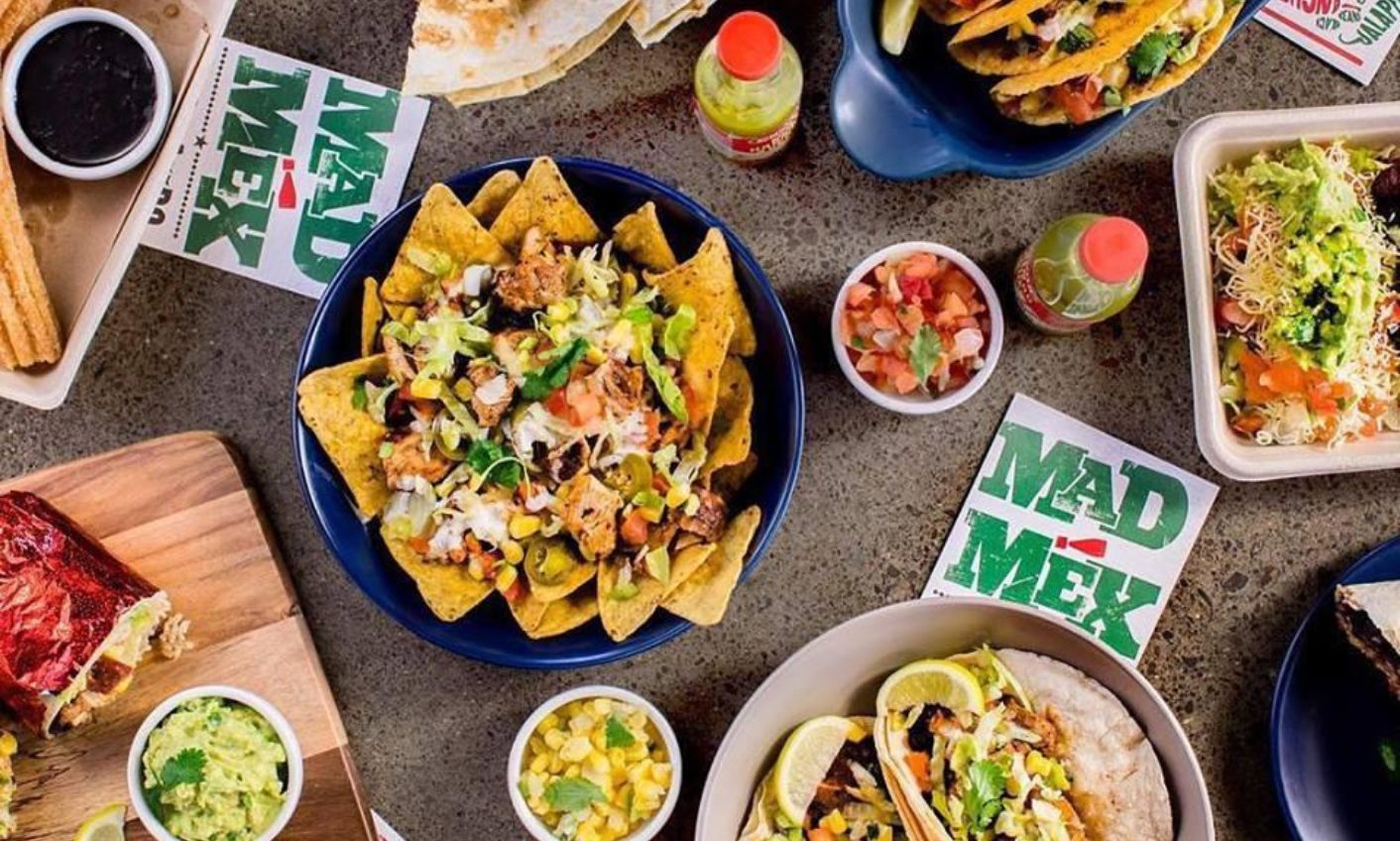
    Australian food chain Mad Mex is taking a taste of Mexico to Singapore and Malaysia with the announcement of its global expansion.

    The group’s plans to go international kick-off in Singapore this week with a brand-new store and will continue when its Malaysian store opens in December this year.

    The Marina Bay financial district in Singapore will be Mad Mex’s first location outside of Australia and New Zealand.

    The launch of the restaurant also heralds in a new partnership for Mad Mex with restaurant group 4Fingers. The partnership will see Mad Mex and 4Fingers leverage each other’s’ local market knowledge in Singapore, Australia, Indonesia, Thailand and Malaysia.

    The push into Singapore and Malaysia follows Mad Mex’s successful expansion into New Zealand in 2013. The company now has 15 restaurants in New Zealand and has plans for three more openings in 2019.

    The expansion comes off the back of considerable growth for the business. Over the last 12 months the company has served over four million burritos across the company’s 70 Australian and New Zealand restaurants.

    The company also revealed that during FY19 the company had strong like for like sales growth of 6.5 percent and 70 consecutive weeks of sales growth in Australia making the year the business’ strongest financial year to date.

    Founder and CEO Clovis Young says the success of Mad Mex in the face of tough retail conditions is to be commended.

    “The results of our team have delivered is truly remarkable and a demonstration of the passion and enthusiasm our restaurant team have for the food and the brand,” says Young.

    “The last 12 months have been very tough for retailers, so this performance really is exceptional.”

    “The expansion into APAC comes at an exciting time for Mad Mex. southeast Asia is in the midst of a food revolution towards healthy eating, and we believe Mad Mex’s healthy and quality positioning will resonate with local customers. We are very excited by the opportunity and we have big plans for the next five years. Watch this space.”

  • Coles launches low-carb bread

    Coles launches low-carb bread

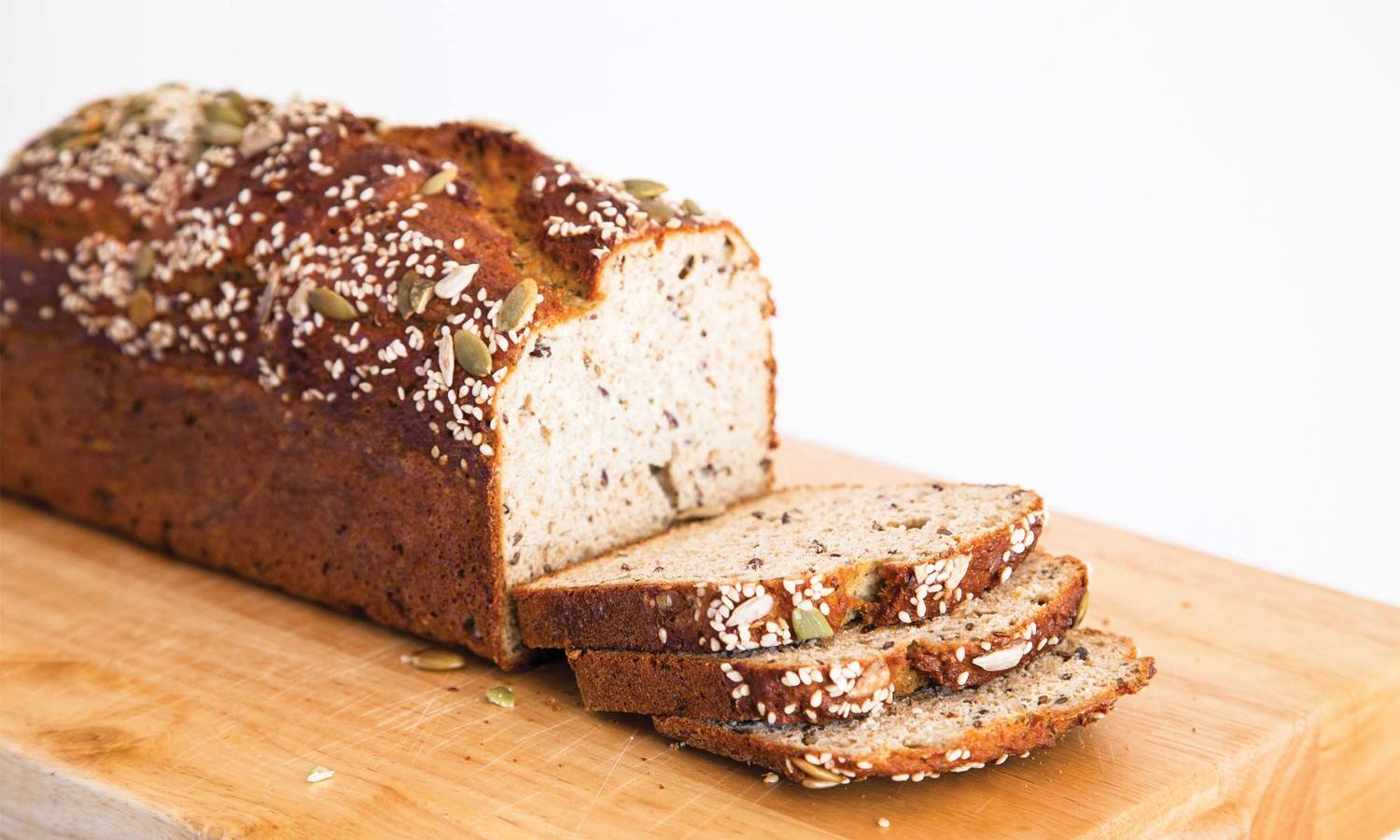
    Coles has launched a new range of low-carb bread after the demand for calorie-conscious bread surged this year. Priced at $4.80 a loaf, Coles 85 percent Lower Carb Loaf contains 21 grams of protein and 8.5 grams of fiber per serve, as well as being vegan-friendly and low in sugar.

    While it only launched in Coles supermarkets a fortnight ago it’s already gone on to become its third best-selling line in the “health bread” category.

    The multigrain loaf has got 85 percent fewer carbs than a traditional multigrain sandwich loaf and was given the tick of approval by Brisbane dietitian Leanne Ward. The bread has proved very popular with customers. Picture: Supplied.

    In a TikTok, which was sponsored by Coles, Leanne said it was “my favorite new high protein bread” and a “great option for those needing/wanting low carb and more protein and fibre”.

    As well as the Coles 85 percent Lower Carb Loaf, the supermarket has also launched a Coles Gluten Free Premiun White Loaf and Herman Brot Complete Protein Loaf exclusive to the supermarket chain.

    Demand for these “health bread” varieties has already grown by 40 percent since they were introduced.

    Coles general manager for bakery Andy Mossop said the new bread was part of the supermarket’s mission to provide new healthy options to customers.

    “At Coles, we want to sustainably feed all Australians to help them lead healthier, happier lives, and our Bakery team is constantly looking at ways we can expand our offering to cater to increasingly health-conscious Australians who are seeking healthier alternatives across the supermarket aisles,” he said.

    Brisbane dietitian Leanne Ward raved about the new bread on TikTok. Picture: TikTok/Leanne Ward.

    “Bread is a household staple and we sell more than 400 million Coles Bakery loaves and rolls from the in-store bakery each year.

    “We’ve worked hard to satisfy the increasing demand for healthier bakery products, offering a great tasting, nutritious and wholesome bread range.

    “Shoppers can feel confident they are not compromising on taste, value or convenience with these new options.”

    Earlier this year Coles announced it had reduced the salt content of its in-store bakery loaves and rolls by up to 25 percent.

    The supermarket also went viral back in July when one shopper spotted Coles was now selling white bread with 50 percent fewer carbs in its bakery section.

    TikTok user Jasmine Templin posted a video revealing how the bread had half the normal carbs and higher protein than a standard loaf of white bread, labeling it an “insane” find for those watching their caloric intake.

  • Zarraffa’s launches biodegradable coffee capsules

    Zarraffa’s launches biodegradable coffee capsules

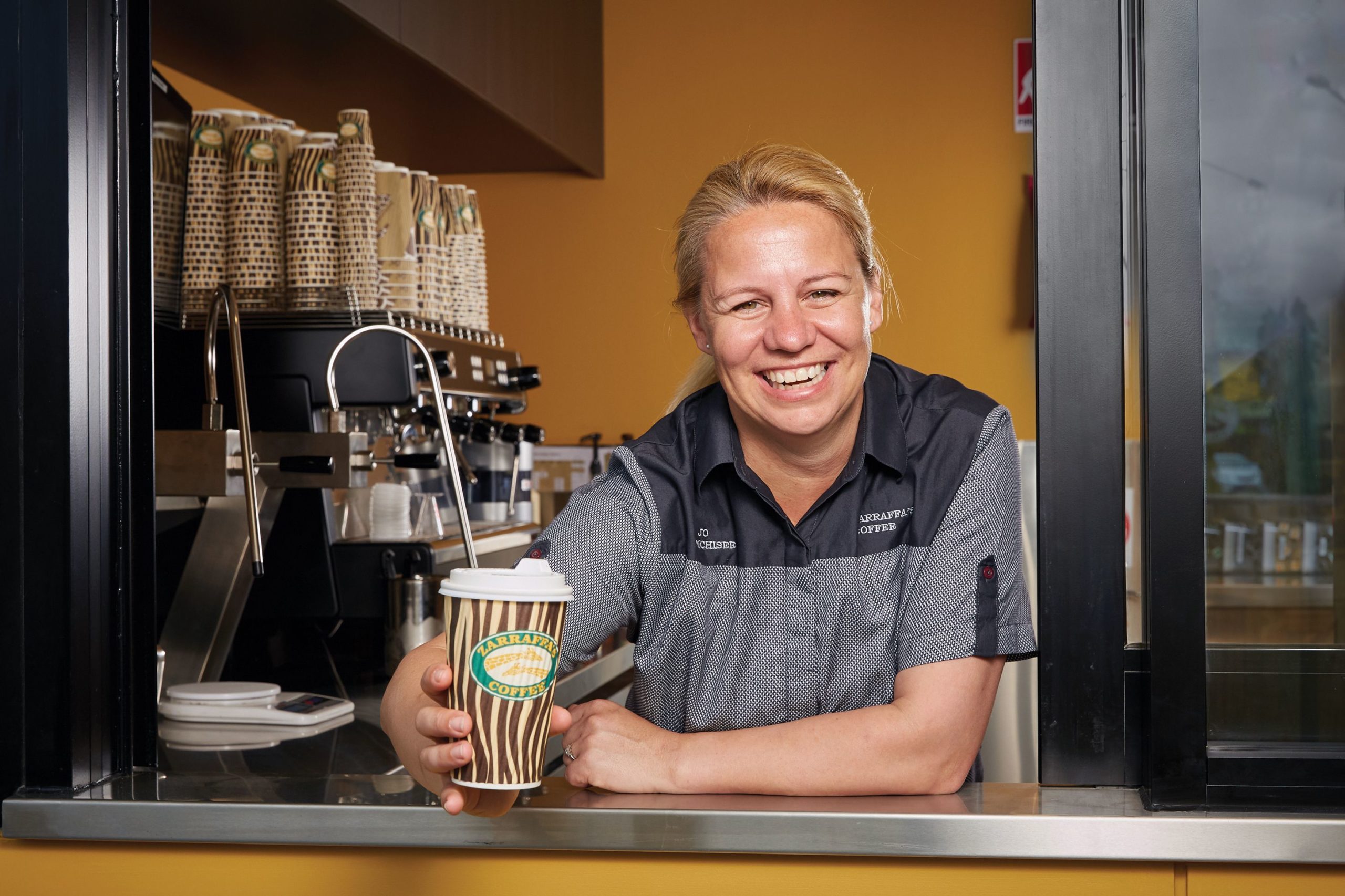
    It’s the moment coffee connoisseurs have been waiting for – Zarraffa’s Coffee is now offering a premium coffee experience at home, with the launch of their all-new look 100% biodegradable and compostable Okapi coffee capsules.

    Now made locally on the Gold Coast, the capsule range will now include Zarraffa’s signature house blend, African Masai, Decaf and the new Black Label Single Origin flavor, Ethiopian Djimmah.

    Standard coffee capsules take between 150 to 500 years to break down in landfills and billions are dumped every year, making this sustainable option more appealing to consumers without having to sacrifice their morning brew.

    Pronounced oh-cop-ee, Zarraffa’s Okapi capsules are named after a rare relative of the Giraffe family and are created entirely from sugarcane and sugar beet. This means the whole capsule is made from plant materials and can be thrown in the bin guilt-free, breaking down and composting after 10 weeks.

    Capsules come in packs of 10, retailing at $9.95, and are compatible with original Nespresso coffee machines.

    Kenton Campbell, Zarraffa’s Coffee Founder, and Managing Director shares his excitement for the new launch.

    “This has been a long time in the making, and as an Aussie-owned coffee company, we’re excited to be able to offer a more environmentally friendly option that’s made locally on the Gold Coast for all of our coffee lovers at home,” he said.

    “It’s time that we get to share our new look Okapi capsules, now available at all Zarraffa’s stores and launching in line with our next Black Label Single Origin coffee flavor off the ranks – Ethiopian Djimmah.”

    Zarraffa’s Single Origin coffee is grown within a distinct geographic location, meaning either a single farm or one country.

    Influenced by specific natural attributes such as climate, landscape, and altitude, each bean delivers a bespoke flavor, creating a single distinguished coffee experience that doesn’t get lost in a blend.

    ‘Trade, not aid’ has long been Zarraffa’s ethos, with the specialty coffee retailer nurturing relationships with coffee-growing co-ops across the world.

    Ethiopian Djimmah beans originate from the Oromia region in southwestern Ethiopia by the Oromia Coffee Farmers’ Cooperative and are grown in altitudes of 1,400-1,600 meters above sea level.

    The coffee cherries are picked at peak ripeness and then laid in the sun, often directly on the earth to dry.

    As the region boasts nutrient-rich volcanic soils, this coffee has a great body and depth of flavor, with winey, earthy, chocolate notes that make up its flavor profile.

    “We’re an Aussie-owned coffee company who wants to craft a really good coffee, but also show you the origins of that coffee, not just where it came from but also who actually grew it.”

    “We don’t buy free trade, we are free trade and there’s so much meaning in that,” said Mr Campbell.

    This is Zarraffa’s second Single Origin flavor to launch this year, with Ethiopian Djimmah now available as an option to add to your favorite Zarraffa’s coffee from 60 cents per shot, or purchase as a 250g take-home coffee bean bag for $22.00, which can be ground in-store to match any style of the coffee machine.

    This bean exhibits flavors of earthy dark chocolate, rich cacao with subtle wine fruit notes. It is the perfect addition to beverages such as espresso, piccolo, cappuccino, flat white, latte or macchiato, but pairs perfectly with any favorite drink which its enhanced chocolate flavor.

    Handcrafted with over 25 years of coffee knowledge, experience the flavor of somewhere new with the Ethiopian Djimmah Black Label Single Origin beans and Zarraffa’s Coffee’s all-new Okapi capsules, now available at your closest Zarraffa’s Coffee.

  • Pork imports nearly triple

    Pork imports nearly triple

    Frozen pork imports nearly tripled in the first 10 months of this year to 332,000 tons, according to the General Department of Vietnam Customs.

    Also imported were 350,000 pigs on the hoof from Thailand, a 50 percent increase year on year.

    Together they cost US$617 million. Its five biggest pork suppliers were Russia, Germany, Brazil, the Netherlands, and Canada.

    Vietnam also imported 50,000 tons of beef worth $220 million, half of it from Australia, the department added.

    Over 800 enterprises from 19 markets have been allowed to export pork to Vietnam, according to the Ministry of Agriculture and Rural Development.

  • Singapore’s Sustenance meal-replacement shakes entering Australia

    Singapore’s Sustenance meal-replacement shakes entering Australia

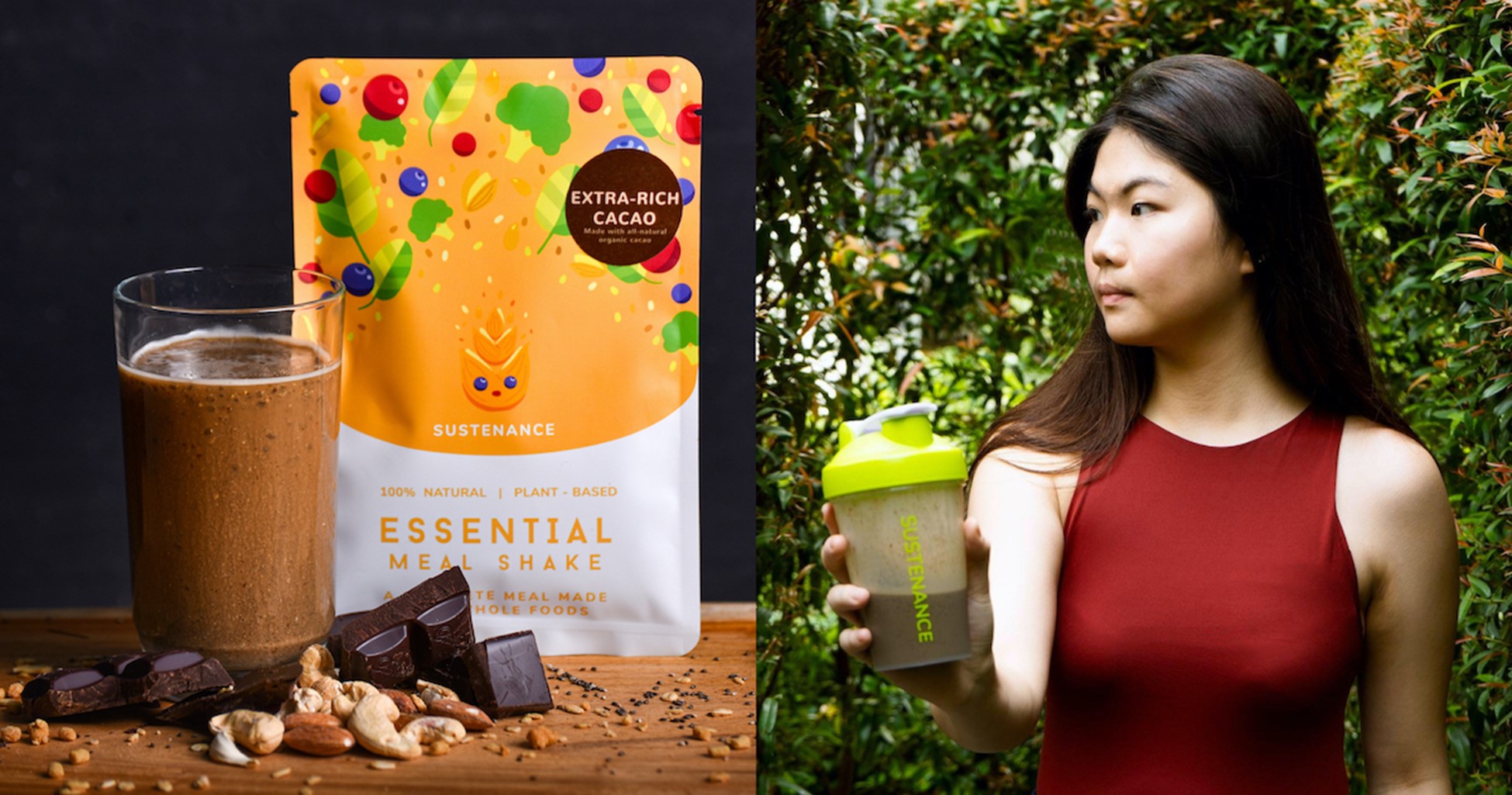
    Gautam Param and Leon Chen started meal replacement company Sustenance to solve this key issue that most of us are facing – “I wanted a simple way to eat healthy without putting my diet at the center of my life. I didn’t like other options in the market, they had lots of artificial junk and were too far away from nature to be considered an actual meal.”

    Noting this gap in the market, the duo wanted to offer people minimally processed products that use real food ingredients from premium suppliers. Their products contain plenty of protein and fiber and minimal bad stuff like saturated fat and artificial junk.

    “The idea behind Sustenance is simple — we want to make it simple and painless for people to eat healthily. We want to empower people to lead healthy, disease-free lives without having to put diets at the center of their lives,” said Gautam.

    Gautam added that Sustenance is suitable for time-starved people like busy workers who prefer quick, yet healthy meals. There are also some who turn to Sustenance to incorporate it as part of their diet to lose weight.

    The winning factor of Sustenance over a conventional meal is its convenience. If you are short on time, can’t find affordable options or healthy food around you, then Sustenance’s meal shakes make a good alternative to unhealthy food.

    “Science has established that consistently eating healthy is a behavioral problem, not a knowledge problem. People know what eating healthy means, but they struggle with doing it consistently in the long run because of the hassle.”

    “Nobody wants to spend their lunch break queuing (up for food), spend a bomb eating grain bowls every day, or spend an hour cooking and cleaning up during weekdays. If we can reduce the friction to eating healthier, many people would eat healthier more consistently.”

    This is the unique proposition of meal replacements – they serve as a “backup option” that is readily available anytime, anywhere.

    Most of their customers started out as non-believers who never tried any meal replacements before. However, after buying and trying their products, they instantly became converts.

    “These people who were initially on the fence end up being regular customers and making many repeat purchases. They would then recommend it to their family and friends — this is our main source of growth.”

    Its pool of customers has grown to several thousand over the past 12 months, and its products are rated 4.9 out of 5.0 stars across hundreds of reviews on Google and Facebook. Many of these reviews talk about the unexpected deliciousness of the shakes despite their green appearance, and how filling they are.

    The company has grown by more than six times in 2020 and started selling in Hong Kong and Australia in March 2021. They plan on entering two more markets by the end of 2021.

  • Darrell Lea cooks up 70 tonnes of Christmas Puddings

    Darrell Lea cooks up 70 tonnes of Christmas Puddings

    Calm down, Australia. It might have been a tough, tough year… but at least Darrell Lea Christmas puddings have returned to supermarket shelves to make things feel joyful again.

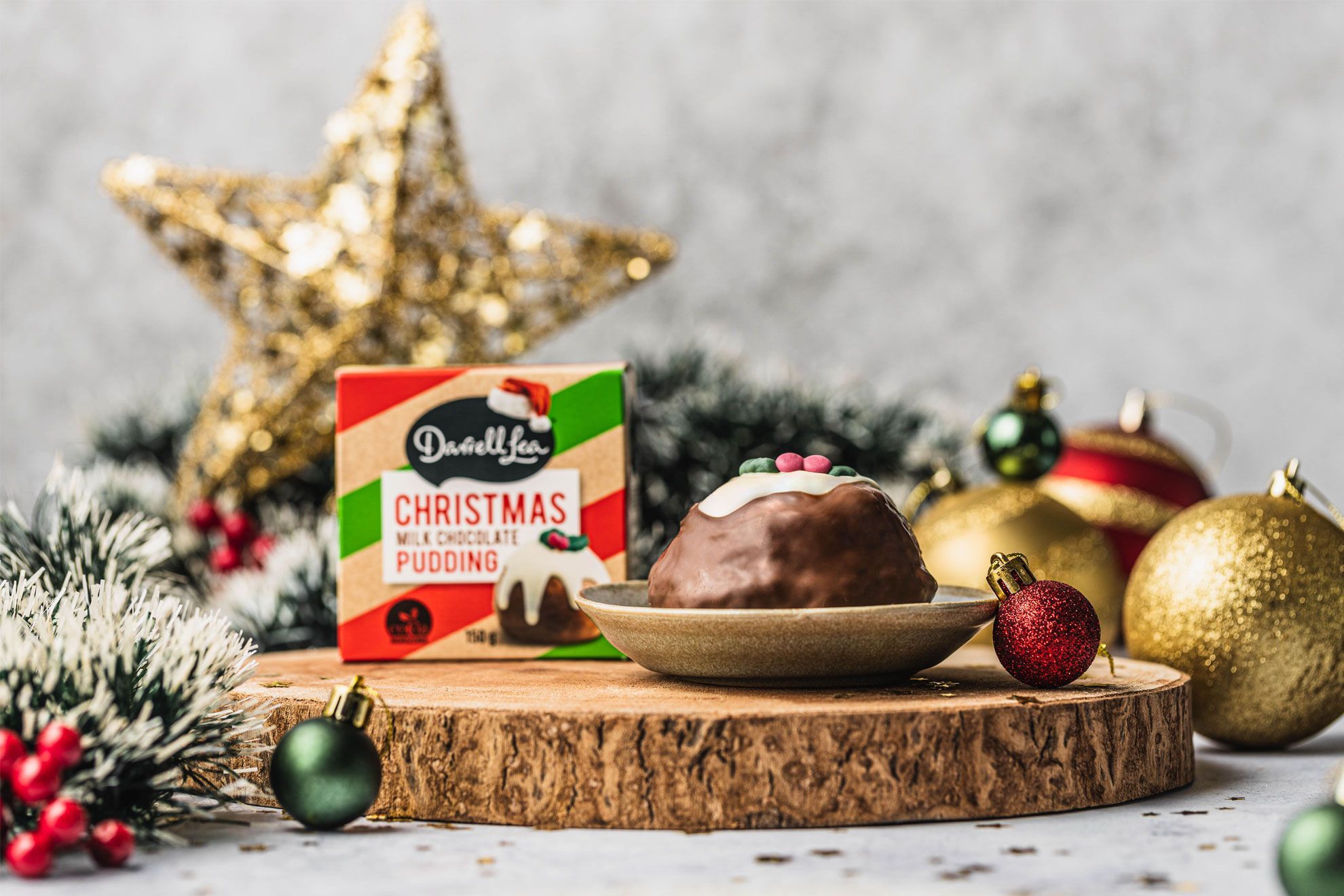
    Handcrafted in Australia, these puddings have a light and fluffy nougat center, are smothered in creamy milk chocolate, and topped with edible Christmas holly.

    Darrell Lea made over 70 tonnes of puddings this year, using 25 tonnes of milk chocolate and 10 tonnes of desiccated coconut!

    These legendary nougat treats were first launched by the Aussie confectionery company in the 1940s and have been selling out yearly ever since.

    It goes without saying that the $10 puddings are still Darrell Lea’s best-selling Christmas product.

    The nougat pudding isn’t the only item on our Christmas list this year. Also returning are their (completely addictive) Crunchy Christmas Balls, their famous Rocklea Road, ginger pieces smothered in dark chocolate, and Caramel Snows (featuring caramel fudge drizzled with white fondant and dark chocolate).

    It’s beginning to taste a lot like Christmas.

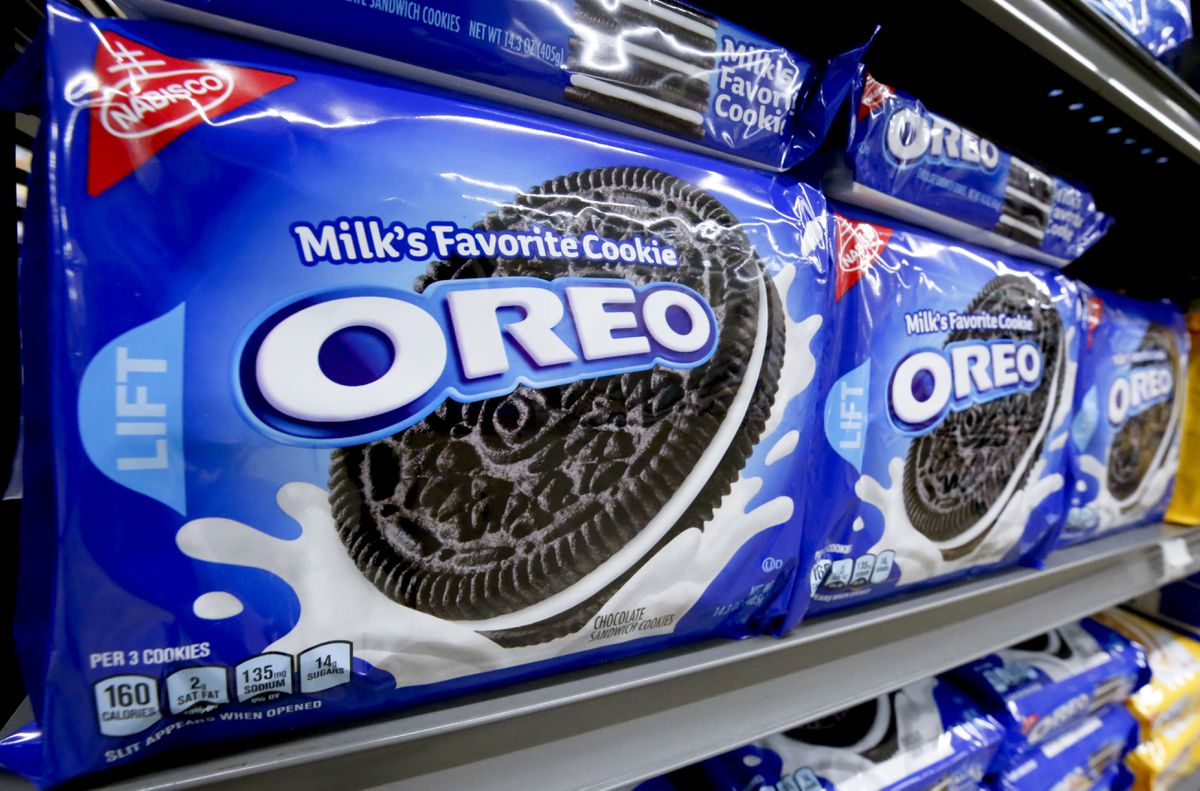
  • Mondelez falls short in China with Zero-sugar Oreos pitch

    Mondelez falls short in China with Zero-sugar Oreos pitch

    Initial reaction from the launch of Oreo Zero sugar-free cookies in China has been disappointing, Mondelez International Inc’s CEO said, underscoring some of the challenges facing the global snack giant as it makes a big push in the market.

    Mondelez launched Oreo Zero in China in August, taking a cue from social media trends showing reduced-sugar and sugar-free diets as a key trend, and the limited availability of zero-sugar biscuits in the country.

    “The reaction of the consumer has been a little bit disappointing … for one reason or the other, the consumers feel it is not the real thing,” Chairman and Chief Executive Officer Dirk Van de Put told Reuters.

    “This indicates the dilemma,” he said. “We can offer the products to the consumer, but it’s not given that the consumer will buy and eat them.”

    Mondelez, which also makes Ritz crackers, belVita biscuits, Cadbury chocolates and Trident gum, has set a target to grow Oreo sales by $1 billion by the end of 2023. The brand surpassed $3 billion in global sales in 2019.

    Oreo Zero cookies contain maltitol instead of traditional sugars like sucrose and glucose, and the tweak gives a very slight difference in taste that only heavy consumers of regular Oreos would be able to identify, according to the company.

    The lukewarm consumer response underscores a challenge for global snack firms with a well-known brand and product. Mondelez varies the amount of sugar it includes in Oreos in different markets around the world. In China, Oreos have less sugar than do Oreos in the United States, which could make for an easier transition to no-sugar cookies.

    Chinese consumers, however, remain cautious about packaged foods’ no-sugar claims, said Michael Norris, research and strategy manager at Shanghai-based consultancy AgencyChina.

    For example, sugar-free drinks commanded only 1.25% of China’s soft drinks market in 2019, according to a June Dongxing Securities report, though Genki Forest’s sugar-free fizzy drinks and Suntory’s Oolong tea are gaining popularity.

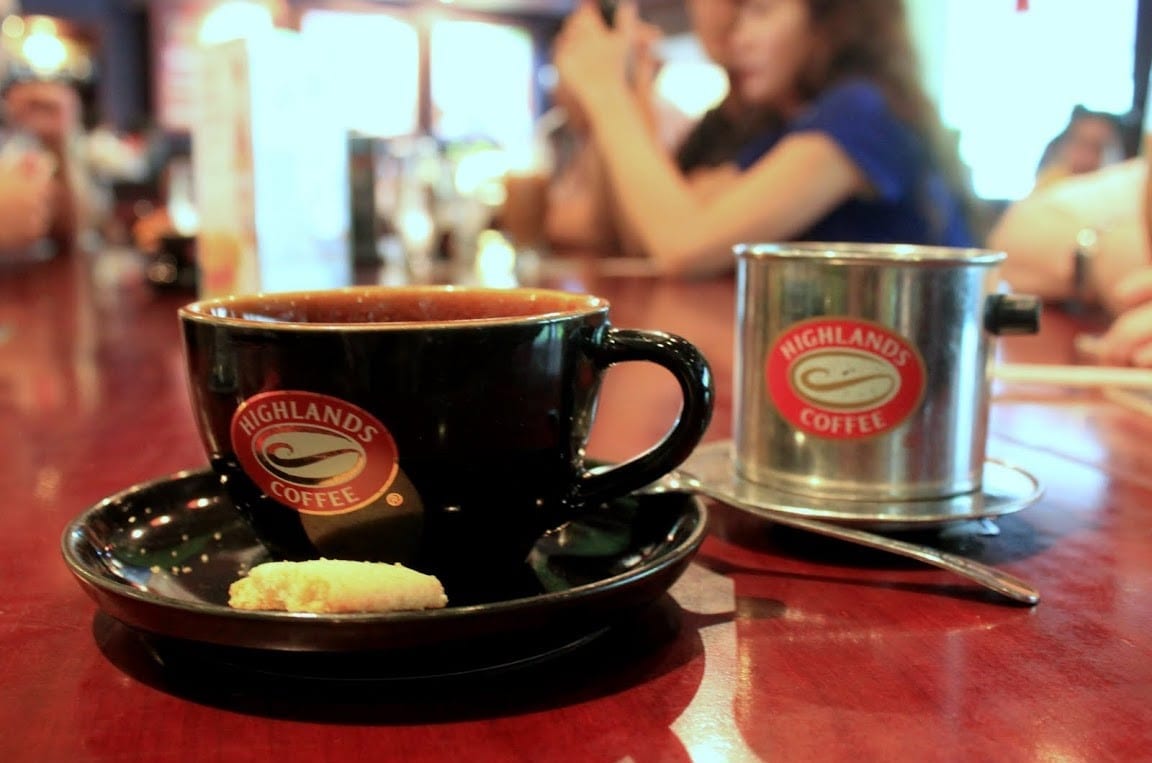
  • Highlands Coffee locked in rental disputes at major locations

    Highlands Coffee locked in rental disputes at major locations

    Several landlords have cut off utilities to major Highlands Coffee outlets for not paying rent; the coffee chain says it needs rental discounts for unexpected enforced closures.

    Real estate developer Hoa Binh House has lodged a complaint with authorities of Ward 25 in HCMC’s Binh Thanh District, saying the coffee chain owes it five months’ rents at nearly VND500 million ($22,036).

    A Hoa Binh House representative said that the company had blocked the entrance to Highlands Coffee’s location at the Pax Sky building Monday morning.

    “So far Highlands Coffee has not made any moves to pay its debt. They have not contacted us to deal with the complaints we have filed.”

    A Highlands Coffee rep said that the company was trying to resolve conflicts with Hoa Binh House, and that both sides had exchanged many letters on the issue.

    The coffee chain, part of the Philippines’s Jollibee Foods Corporation, said that prolonged social distancing in HCMC in the third quarter had caused major losses to the company with revenues falling to zero.

    Highlands Coffee does not have the ability to pay rent in full for that period. Therefore, the coffee chain requested Hoa Binh House for a 50 percent discount in the first week of July, from Jul. 1 to Jul. 8, and a 100 percent discount on rent from July 9-15. The chain also asked for 50-100 percent discount the entire time that the city imposed social distancing.

    The discount will be deducted in Highlands Coffee’s payments starting August 15 onward, the chain suggested.

    Hoa Binh House, however, did not agree. Its rep said that the building it is operating, Pax Sky, was also affected by HCMC’s social distancing, which exerted major financial pressure.

    Highlands Coffee cannot unilaterally invoke the force majeure clause without a decision from the court to that effect.

    Hoa Binh House agreed to give a 20 percent discount in August, and had Highlands Coffee agreed to it, the real estate developer would have given another 20 percent discount for the next three months.

    Since Highlands Coffee still kept asking for the full discount, Hoa Binh House terminated their contract on November 12 and cut electricity and water to the location.

    Highlands Coffee later set up its own electric generator and water tank and continued to do business. It also told Hoa Binh House it would seek compensation for the damage caused by cutting off electricity and water supply.

    It was reported earlier that the coffee chain also owed six months’ rents for its outlet in Artemis building in Hanoi’s Thanh Xuan District. The amount involved was more than VND1 billion.

    Residents in the neighborhood said that as the conflict played out, many people wearing Highlands Coffee uniformed showed up and had physical contact with securities guards of the Artemis building.

    Highlands Coffee told reporters that the company was in financial difficulties due to social distancing in the capital and was negotiating with Artemis building mangers.

    It said that the building managers unilaterally cut electricity and water and even confiscated Highlands Coffee’s assets.

    It did not comment on the report of people in its uniform showing up and causing disruptions in the neighborhood.

    The rep confirmed that Highlands Coffee, which has 450 outlets nationwide, wants to resolve its conflicts with landlords under existing laws.

  • Alerts on Vietnam rice exports

    Alerts on Vietnam rice exports

    Vietnam’s coffee exports in the first 11 months of this year are expected to show a 4.4 percent drop from a year earlier to 1.36 million tonnes, while rice exports will likely post a 0.8 percent increase, government data released on Monday showed.

    Coffee exports are estimated to have fallen 4.4 percent in the first 11 months of this year from a year earlier to 1.36 million tonnes, equal to 22.67 million 60-kg bags, the General Statistics Office said in a report on Monday.

    Coffee export revenue for Vietnam, the world’s biggest producer of the robusta bean, will likely show a 12.6 percent increase to $2.6 billion in the 11-month period, the report said.

    The country’s coffee shipments in November are estimated at 78,000 tonnes valued at $181 million, it said.

    Rice exports in the first 11 months of this year from Vietnam were forecast to have risen 0.8 percent from a year earlier to 5.7 million tonnes.

    Revenue from rice exports in the period was expected to rise 7.3 percent to $3.04 billion.

    November rice exports from Vietnam, one of the world’s largest shippers of the grain, totaled 563,000 tonnes, worth $297 million.

    Vietnam’s Jan-Nov crude oil exports were seen falling 31.4 percent from the same period last year to an estimated 3.01 million tonnes.

    Crude oil export revenue in January to November is expected to rise 14.9 percent to $1.69 billion.

    Oil product imports in the first 11 months of the year were estimated at around nine million tonnes, down 16.6 percent from the same period last year, and the value of product imports were expected to rise 31.2 percent to $4.6 billion.

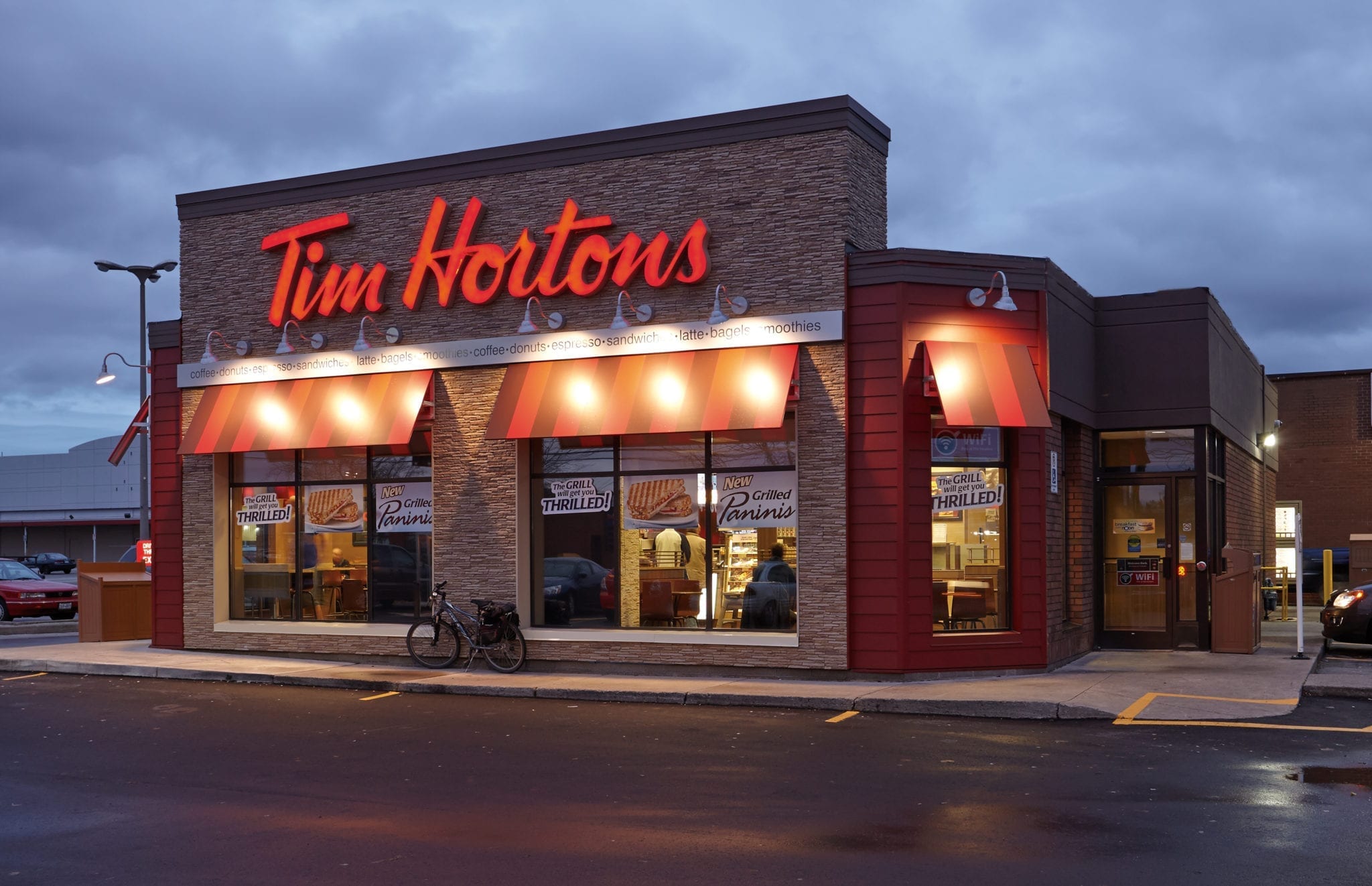
  • Tim Hortons China to open coffee shops in Metro’s China stores

    Tim Hortons China to open coffee shops in Metro’s China stores

    Tim Hortons China (Tims China) is ready to further expand its presence in the Chinese market by entering a strategic partnership with Metro China, a joint venture of Wumart and Metro.

    Under the terms of the partnership, Tims China will become the exclusive coffee shop brand in Metro stores across the country.

    Tims China CEO Yongchen Lu said: “Through this agreement, we can reach millions of new customers to share our welcoming guest experience and extensive high-quality product offerings.

    “Over the next few years, we plan to strategically open Tims Go coffee shops in Metro China stores across 60 cities, growing our brand, revenue, and margins.”

    To mark the beginning of this partnership, Tims China opened seven Tims Go coffee shops across four cities using Tims China’s compact-store model.

    By next January, the partners intend to open at least nine Tims Go shops across six Chinese cities, namely Shanghai, Chengdu, Qingdao, Nanjing, Langfang, and Dalian.

    Additionally, the partnership will benefit Tims China with preferred site selection, delivery services, and complimentary marketing initiatives.

    With the new openings, Tims China will operate more than 335 stores across the country.

    Metro China deputy CEO Chen Zhiyu said: “We are delighted for Tims China to become one of our anchor tenants as we believe the brand will bring convenience and quality coffee products at great value to our members.

    “Our partnership will also create a strong link between daily shopping and coffee consumption in our stores that will greatly improve the overall shopping experience for our middle-class customers.”

    In March, Tims China secured funds in a financing round that was led by Sequoia Capital China and Tencent Holdings.