Category: Food

Retail News Asia is committed to providing both local and global retailers with the latest Food and Food & Beverage news throughout the Asian market. This on a daily base.

  • Starbucks launches Coffee Experience Center in Bali, Indonesia

    Starbucks launches Coffee Experience Center in Bali, Indonesia

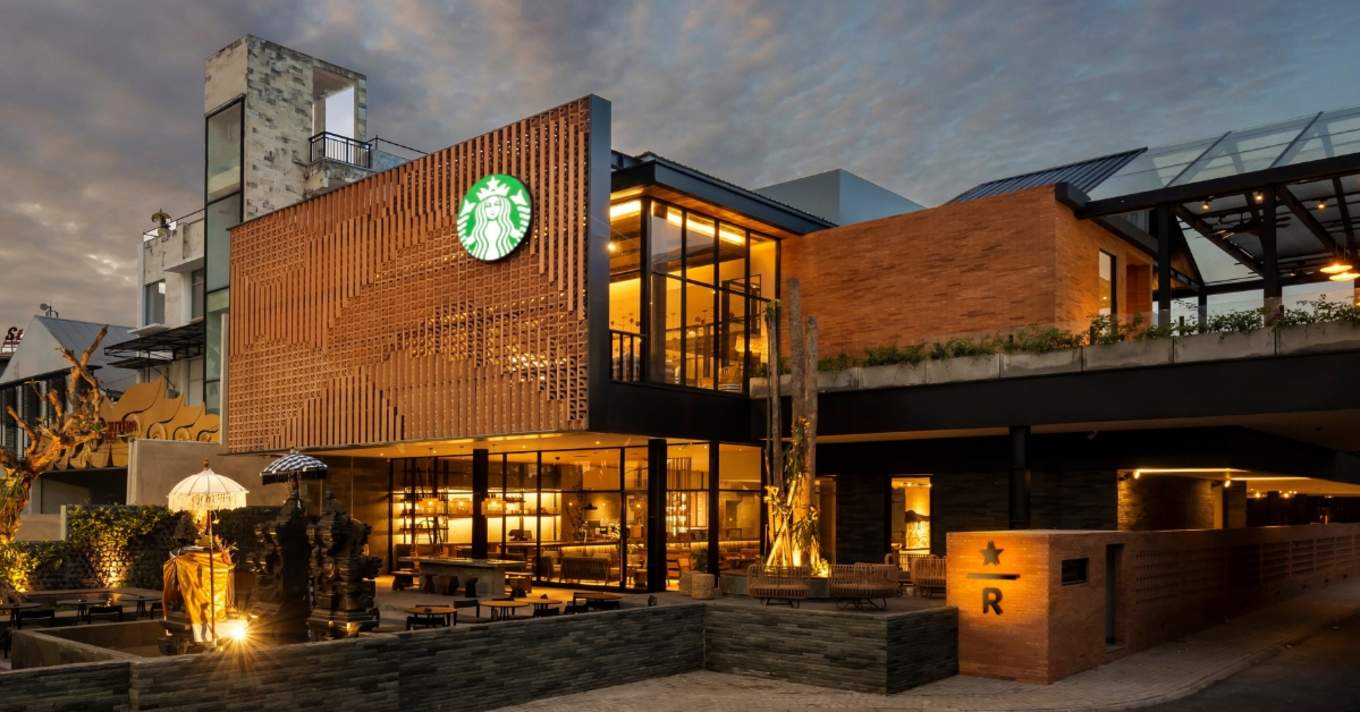
    Today, Starbucks celebrates the journey of coffee from seed-to-cup by opening its largest destination in Southeast Asia – the Starbucks Dewata Coffee Sanctuary. The one-of-a-kind Coffee Sanctuary demonstrates Starbucks Indonesia’s coffee leadership in partnership with licensee PT Sari Coffee Indonesia Limited, building upon 16 years of innovation in design, customer experience, and community impact. The store pays tribute to the important role that Indonesia, the fourth largest Arabica coffee growing region in the world, plays in bringing Starbucks customers the highest quality coffees, including the popular single-origin coffee from Sumatra. Sumatra coffee has been a staple offering at Starbucks since 1971.

    “We began sourcing Indonesian coffees more than four decades ago and have always been struck by the sense of community and care for the coffee journey at every step,” said Kevin Johnson, ceo, Starbucks Coffee Company. “The Starbucks Dewata Coffee Sanctuary amplifies our passion for the coffee journey, our ongoing commitment to Indonesia’s rich coffee culture, and our tireless pursuit of fostering moments of connection between our partners and customers. This is Starbucks at its best, and we are proud to open the doors of this unique experience in one of Southeast Asia’s most dynamic markets.”

    Designed as a coffee sanctuary, the expansive 20,000 square foot store beautifully highlights local craftsmanship and culture alongside premium coffee in this one-of-a-kind coffee experience, a sort of “origin-centered version” of the Roasteries, igniting all five senses. Visitors enter through an Arabica coffee farm, try their hand at coffee bean de-pulping and washing during harvest season, dry and rake green coffee beans, visit budding seedlings in the nursery, take in the store’s locally-inspired design featuring traditional Balinese craft and Indonesian art, and enjoy the more than 100 Dewata-exclusive handcrafted beverages, food and merchandise, including the Lavender Latte.

    “Bali has an envied reputation as one of Asia’s top travel destinations and Indonesia is one of coffee’s most extraordinary coffee origin regions, so we’re excited to invite customers here to ignite their senses and explore the seed-to-cup coffee journey at this unique Coffee Sanctuary,” said Anthony Cottan, managing director, Starbucks Indonesia, at PT Sari Coffee Indonesia Limited.  “We’re very pleased to further strengthen the longstanding partnership between Starbucks and PT Sari Coffee Indonesia with this truly one-of-a-kind Starbucks store, inspired by and filled with the finest examples of Indonesian art, design, and craftsmanship.”

    Located in Bali’s up-and-coming premium retail district on Sunset Road, the Coffee Sanctuary provides a carefully curated series of interactive experiences.

    As customers enter, they’ll be greeted at the concierge reception and then guided through a working, 1,000 square foot coffee tree farm, the size of a typical Indonesian farm. Customers will continue their journey through contemporary Balinese landscaping, passing coffee plants and a de-pulping station before trying their hand at washing, drying and raking green coffee beans. Inside, the expansive Reserve bar offers customers an intimate experience to taste Starbucks Reserve small-lot coffees, while the core bar offers Starbucks signature core beverages.

    Located on the second floor is the seedling nursery, a greenhouse canopied by panes of glass to create an open-air experience. Here, customers can touch the first stages of the seed-to-cup journey, as well as deepen their understanding of the art of tending to coffee plants alongside a local Balinese farmer. In the adjoining tasting room, customers’ tastebuds will come alive as they enjoy coffee as coffee quality professionals do, without a filter – simply coffee and water – to draw out the flavors that set each cup apart.

    For those looking for more, visitors can engage with an interactive video wall and hear how coffee is planted, processed, roasted, shipped, and brewed into a delicious cup of espresso. On the second floor, a dedicated media room features two synchronized video walls, showcasing the work of the Starbucks Farmer Support Center (FSC) in Sumatra and agronomist, Dr. Surip Mawardi’s, work with Indonesian coffee farmers.

    The Sanctuary was designed as an homage to Indonesia’s rich culture and coffee heritage. The store’s expansive interior was inspired by traditional Balinese houses with free-flowing, connected rooms that promote discovery from one space to the next.

    The store’s interior was designed in partnership with local craftspeople and artists with one goal: tell the story of coffee in Indonesia. This is brought to life by a wood carving depicting the country’s six coffee-growing regions’ local culture and architecture. A two-story mural in the courtyard pays tribute to local farmers who carefully nurture and protect the beans each step of their journey to Starbucks.

    On the main floor, Starbucks partners (employees) welcome customers to the 13-meter teak Reserve bar, drawing inspiration from Bali’s terraced rural landscapes, where customers can taste some of Starbucks rarest coffee offerings. Across the store, eyes are drawn to the living wall filled with flora from the region, situated behind the core bar designed to remind customers of Bali’s ocean waves which are replicated on the layered red-brick exterior façade.

    Starbucks is dedicated to working with farmers in Indonesia to ethically and sustainably bring high-quality Indonesian coffee to the world, and today, the company is the largest buyer of Indonesian arabica coffee.

    In 2015, Starbucks opened the Farmer Support Center in Berastagi, North Sumatra where Starbucks agronomists led by Dr. Mawardi, conduct research to develop disease-resistant coffee varietals in an effort to make coffee the world’s first sustainable agricultural product through the Sustainable Coffee Challenge. The Sumatra FSC is one of nine globally, including China, which offers open-source agronomy assistance and support for regional coffee farmers to improve the productivity and sustainability of their coffee trees.

    In a combined effort, Starbucks Indonesia has donated more than 330,000 coffee seedlings, along with technical assistance, to smallholder farmers to-date. Through locally driven initiatives to support coffee tree replanting, Starbucks commits to donating 100,000 seedlings annually in partnership with the FSC.

    Since 2006, The Starbucks Foundation has provided more than $4 million dollars to support farming communities and promote education, water, sanitation and health (WASH) programs across Indonesia. In 2018, The Foundation provided grants to Lutheran World Relief to support women-led community health and hygiene programs for 2,100 households in Sumatran coffee-producing villages over the next three years and to CARE to support economic empowerment for women tea workers and community WASH programs in West Java over the next two years.

    Today, Starbucks Indonesia delivers the Starbucks Experience across 370 stores where nearly 4,500 partners proudly wear the green apron. The Dewata Coffee Sanctuary marks the first Starbucks Reserve Bar in Bali and its tenth in Indonesia as Starbucks continues to elevate the coffee journey for customers across the market.
  • Vietnam steps up dragon fruit exports to Australia

    Vietnam steps up dragon fruit exports to Australia

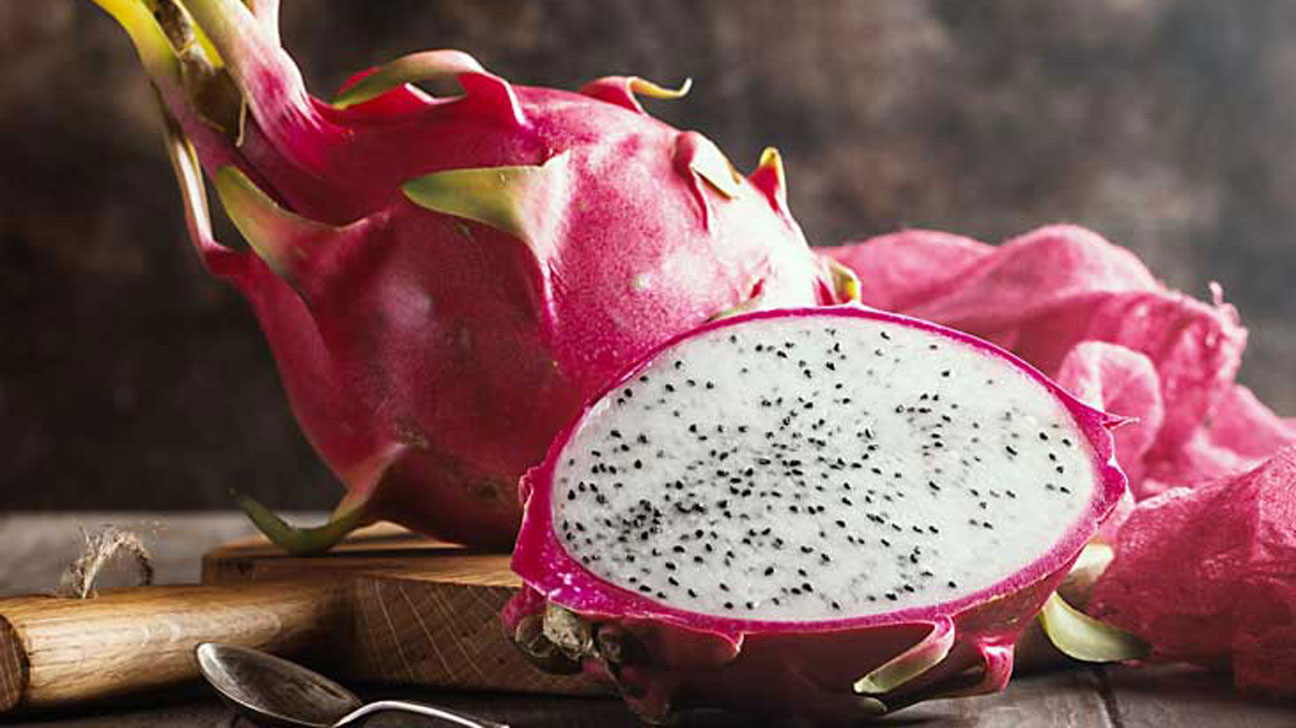
    Large volumes of dragon fruit are being exported to Australia though it is currently the harvest season there for the fruit.

    Twenty-eight tons were shipped to Western Australia and South Australia last week by 4 Ways Fresh and Australia Flower, according to the Vietnam Trade Office in Australia.

    Australia Flower is set to export another 14 tons this week.

    Several retailers like Dai Phat and MCQ are selling the fruit at the equivalent of VND200,000 ($8.84) per kilogram.

    The exporters said they are targeting young consumers in Australia. The Vietnam Trade Office is offering promotions to retail buyers that include air tickets, toys and other gifts.

    Last year Vietnamese dragon fruit exports to Australia grew by 14 percent despite the Covid-19 pandemic.

    Vietnamese farmers grow nearly 1.4 million tons of the fruit every year, and most of it ends up exported to China.

    However, industry insiders said China has been increasing its area under the fruit in the last three years and would become self-sufficient in another five years, meaning Vietnamese exporters need to look for other markets.

  • MissFresh acquires unmanned retail company Zailouxia

    MissFresh acquires unmanned retail company Zailouxia

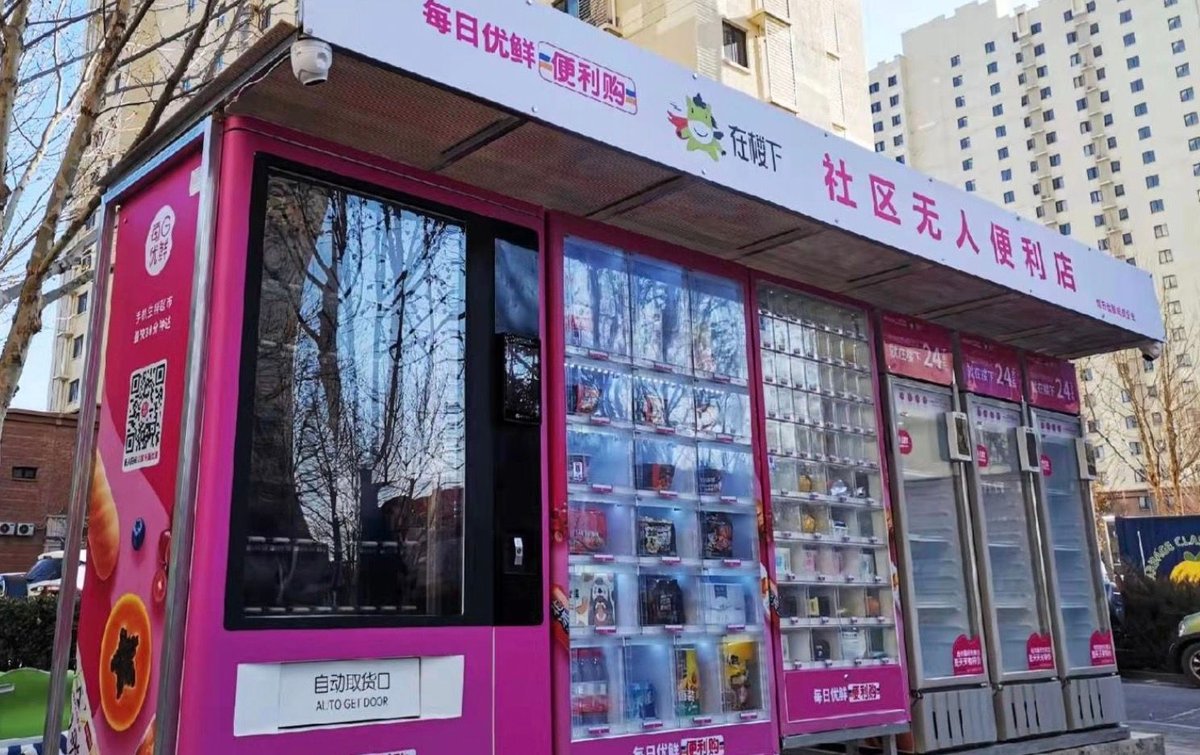
    Missfresh took control of Zailouxia, a chain of unmanned convenience stores on January 7 and now has over 10,000 vending machines in nine cities in China.

    Zailouxia, which means “on your doorstep,” was founded in 2017 by ZHANG Ying, who also founded a grocery app Bee Quick in 2014. Zailouxia had four rounds of financing in its first year, but its business soon deteriorated due to high maintenance costs.

    Vending machines have become popular again because of the pandemic as people opt for contactless retail. In 2020, Zailouxia added 200 new locations and the revenue of each location doubled. The company now has 600 unmanned stores and 1,800 vending machines.

    Missfresh is also no stranger to vending machines, first installed in office buildings in 2017. In its Q2 fiscal report last year, Missfresh said the revenue from vending machines grew 23 percent year-on-year to 40 million yuan (US$6.3 million).

    Unmanned retail can be quite risky. Meat, vegetables, and fruit can go off within a day or two. As the pandemic abates, many prefer to shop in markets where they have more choice and have human contact.

    Missfresh lost 7.6 billion yuan over the past two years. Whether acquiring Zailouxia is a blessing or a burden, only time will tell.

  • Popeyes launches in India as Asian footprint grows

    Popeyes launches in India as Asian footprint grows

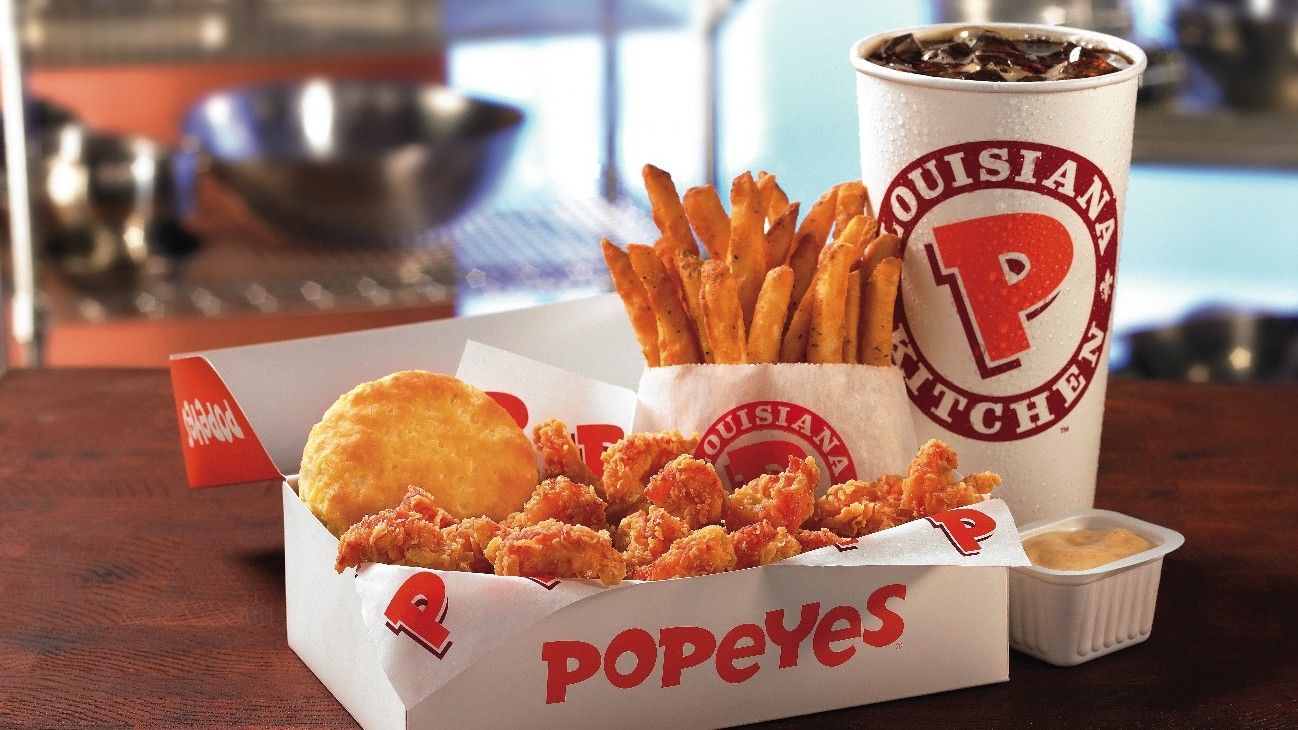
    American fast-food chain Popeyes has partnered with Indian foodservice company Jubilant Foodworks to expand its business in Southeast Asia. Jubilant Foodworks will develop and open hundreds of Popeyes restaurants across India, Bangladesh, Nepal and Bhutan in the coming years.

    Under this multi-country agreement, Jubilant has exclusive rights to operate and sub-license the Popeyes brand in these countries. Founded in 1972, Popeyes offers a New Orleans-style menu featuring chicken sandwiches, spicy chicken, chicken tenders and fried shrimp among other regional items.

    Owned by RBI International, the chain currently has more than 3,400 restaurants in over 25 countries.

    RBI International president David Shear said: “We’re excited to introduce our iconic Louisiana-style chicken to a new population in the world that already celebrates and loves bold and delicious flavours.

    “At Popeyes, we believe that the best food takes time, we marinate our chicken for 12 hours in bold Louisiana seasonings, then hand batter and slowly cook it to make it the juiciest and crispiest chicken that I think our guests will ever have.”

    Jubilant Foodworks chairman Shyam Bhartia and co-chairman Hari Bhartia added: “Chicken is one of the largest and fastest-growing categories in India and is expected to grow rapidly in years to come. Popeyes will be an exciting addition to the JFL portfolio and is expected to become one of the key drivers of growth for us in the coming years.”

    The latest development is part of Popeyes’ aggressive global brand expansion plan. The chain is gearing up to expand its presence in Mexico this year and make its entry to the UK next year. It is planning to develop hundreds of restaurants across both countries.

    Over the last few years, Popeyes has established its footprint in Spain, Switzerland, China, Brazil, Sri Lanka and the Philippines.

    In a separate development, Indian food delivery platform Swiggy has announced plans to offer vaccine cover to its more than 200,000 delivery partners.

    The announcement follows the Indian government’s decision to commence the next phase of nationwide vaccination in April for people aged 45 and above.

    Swiggy said 5,500 of its delivery partners aged 45 and above will be eligible to opt-in for the vaccination in the first tranche.

    The company is also in discussions with authorities for the prioritisation of delivery partners in the vaccine drive.

    In October last year, Swiggy recorded an 80%-85% rise in pre-Covid-19 order value across the country.

  • Danone releases high-protein YoPro frozen dessert tubs

    Danone releases high-protein YoPro frozen dessert tubs

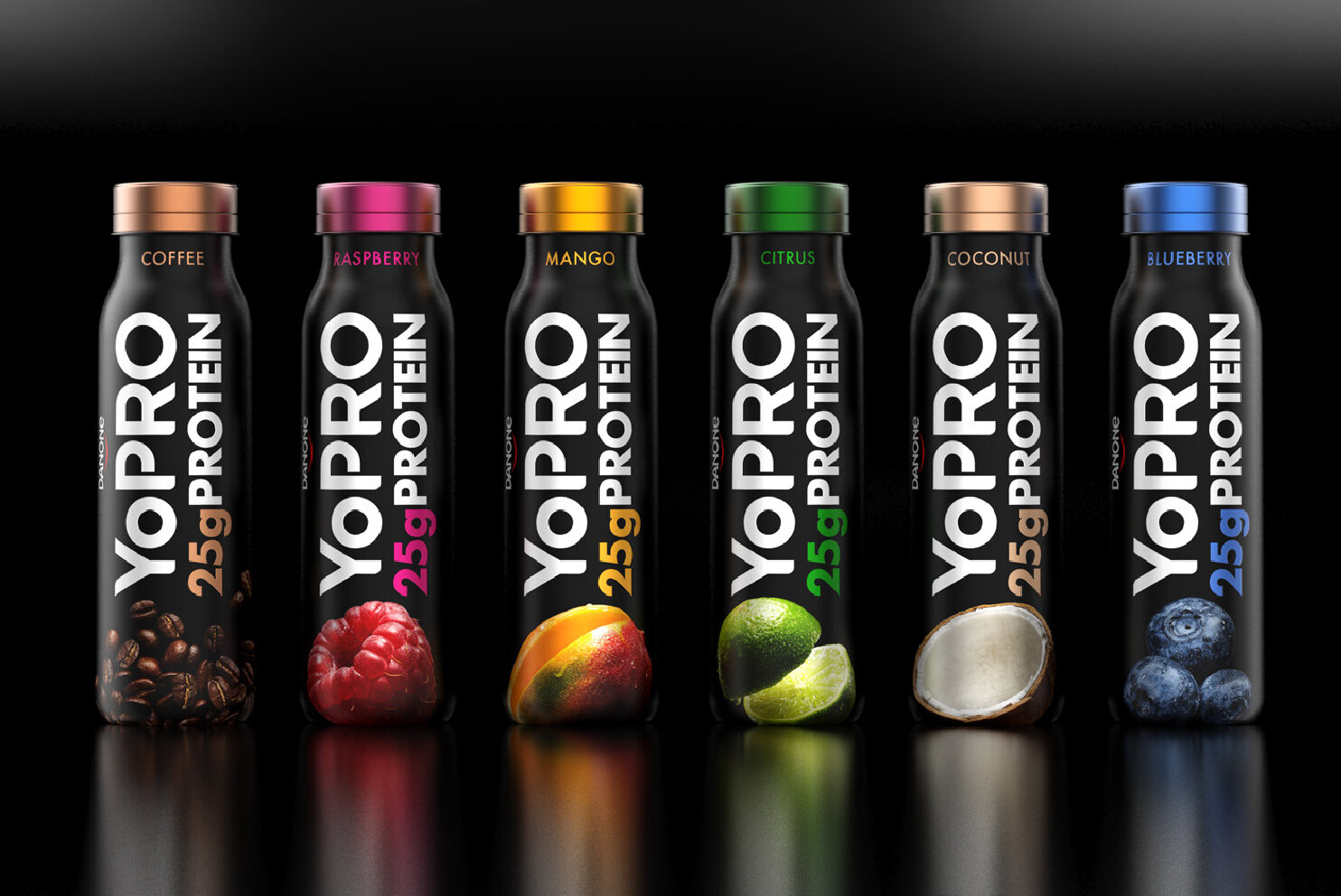
    Danone’s YoPRO has today released an ice cream-style dessert option into it’s high-protein snack range. The introduction of Ice Cream-style Dessert Sticks follows YoPRO’s recent release of the Nut Protein Bars, as the brand continues to expand into growing product formats outside of its traditional yogurt range where protein and natural options are important.

    Available in Mint Chocolate and Salted Caramel, YoPRO Ice Cream-style Sticks serve as a deliciously creamy frozen dessert that’s packed with protein, perfect for health-conscious consumers.

    Available in Mint Chocolate and Salted Caramel, YoPRO Ice Cream-style Sticks serve as a deliciously creamy frozen dessert that’s packed with protein, perfect for health-conscious consumers.

    On the new products, YoPRO Brand Manager, Xavier Gonzalez said “Consumers no longer have to make a compromise on their health and fitness while giving in to their sweet tooth cravings. We are excited to be offering a deliciously creamy ice cream-style dessert option that delivers to your daily nutritional needs with 10g protein, no added sugar, no artificial sweeteners and less than 110 calories in each stick. We’re hoping the new indulgent flavors will encourage health-conscious consumers to treat themselves more often and tempt existing ice cream lovers to switch to a healthier protein-packed option.”

  • How Subway keeps it fresh

    How Subway keeps it fresh

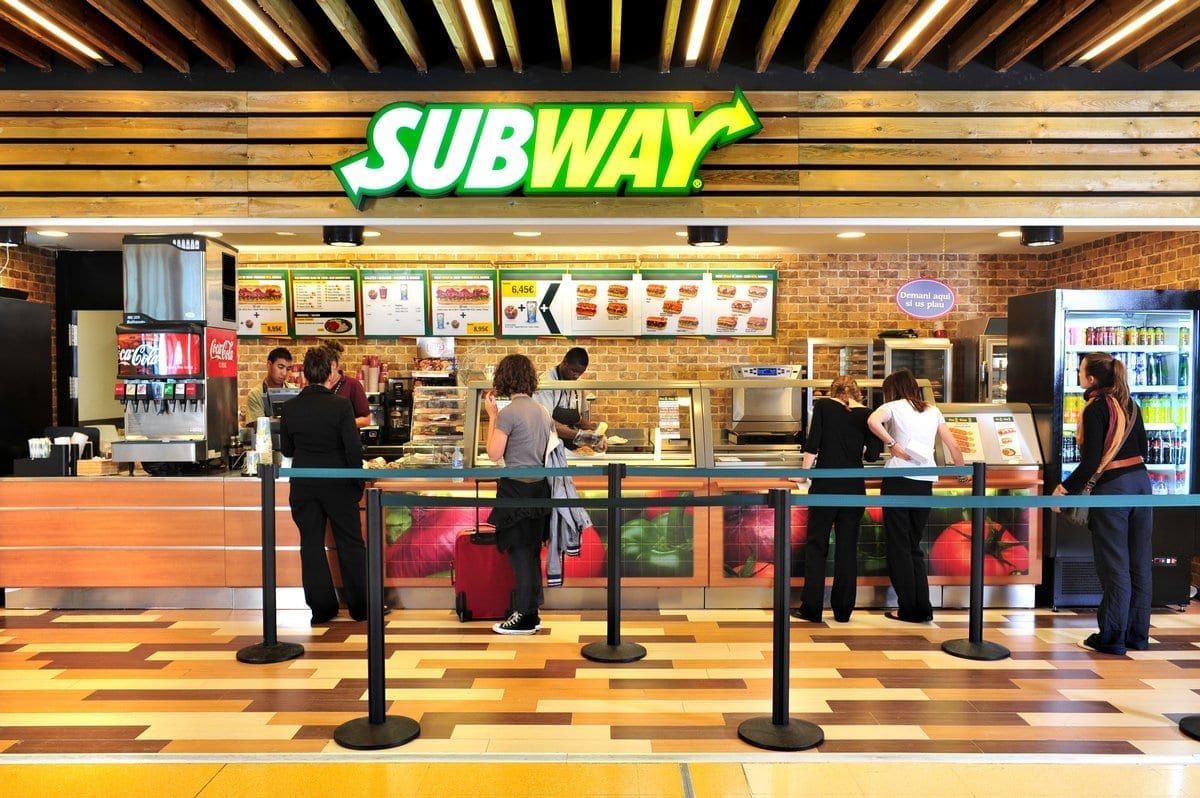
    For the longest time, we’ve been hearing the same tagline from Subway: Eat Fresh! Since its inception in 1965, it’s what the brand wants us to associate with when consuming their footlong subs: only the freshest and the healthiest ingredients are used to make them. And it works! After all, we can’t help but cave into the enticing idea that we can eat fast food that’s at the same time, good for our bodies too. The customization factor is the cherry on top.

    It’s the reason why over the decades, the total number of Subway outlets very quickly exceeded that of McDonald’s: a sure sign that this “healthy fast food” concept is a hit with everyone around the globe.

    Of course, the infamous entrance of Jared Fogle and his heavily marketed 200-pound weight-loss story by solely eating at Subway only served to cement the brand as a prominent leader in this growing trend. And when I say trend, it literally paved the way for household favorites such as the iconic Chipotle burrito bowl and Chick-Fil-A’s grilled chicken wrap.

    So yeah, Subway’s marketing has been a phenomenal success, to say the least.

    Now, why am I rambling on about the sub-making food chain’s marketing tactics/brand angle? Well, that’s because the brand recently had a massive overhaul, bringing in dozens of changes and even a new slogan to boot.

    However, this has not come without intense public dissent, which you’ll read about in just a bit. But for now, let’s dive a little more into Subway’s new “Eat Fresh Refresh” campaign.

    Just last month, Subway announced that it was going to be making pivotal changes to its brand with its campaign launch, simply titled “Eat Fresh Refresh”.

    Extending its all-familiar tagline this time, the “Refresh” part stems from having a complete relaunch of its menu items and ingredients (yes, even their secret seasoning), coupled with a revamped mobile app alongside physical dining experience.

    Some of these new ingredients include sliced ham and turkey, hickory-smoked bacon, and will you believe it, parmesan vinaigrette.

    They’re even debuting never-seen-before sandwiches, such as the Turkey Cali Fresh, Steak Cali Fresh, and All-American Club. Talk about big changes!

    According to Subway CMO Carrie Walsh, this entire revamp has been been in progress for the past two years, but the main objective is that they want to give the customers something robust and exciting for a change.

    It’s one of their largest campaigns to date. Roping in renowned agencies such as Dentsumcgarrybowen and Proof Advertising, the large investment will mostly be channeled to creating and boosting a wide range of unique creatives across all social media platforms.

    So what are some of the things that come with this campaign?

    First up, Subway has recruited big names such as Serena Williams, Megan Rapinoe, Tom Brady, and Stephen Curry to help promote their new brand direction.

    Mainly focused on sports-related celebrities, their goal is to spread the word that these celebrities too, can enjoy the new Subway food menu items while staying fit at all times.

    The promotional video above features the celebrity athletes sharing animatedly about the new sandwiches launch, alongside going in-depth about the quality of ingredients that they’ve upped since the campaign.

    This one is still in the works, but essentially, the app will feature a new dashboard, improved ordering flow, and even show real-time out-of-stock items.

    In addition, Subway will be even extending nationwide delivery to select areas, with orders that can be made straight from the app.

    Probably the part everyone is most excited for: as a celebratory gesture for the launch of “Eat Fresh Refresh”, Subway is giving out 50 free Turkey Calis in every participating outlet, which basically adds up to a total of a million free subs.

    Sadly, the campaign has been met with mixed to negative reviews since its launch, with many claiming that they’re just not seeing the actual changes.

    An in-depth review by the Washington Post claims that in their trips to the physical stores since the campaign launched, they’ve been sorely disappointed by the lack of difference in everything, from the menu to service.

    For example, even though Angus beef is one of the advertised new ingredients, it will not actually appear on the menu until the latter half of the year.

    That’s quite a let-down, considering that the menu items are part of the core changes in this campaign.

    Moreover, food preparation was a hot mess, with many of the workers simply not knowing how to create the new subs and creating a lot of unnecessary waiting time.

    And this isn’t just exclusive to the Washington Post. A quick YouTube search reveals a number of reviews that signal their obvious discontent/confusion at this new change.

    I have to confess that prior to reading about this campaign, I’ve not noticed any prominent differences in the food nor the eating experience in my visits to my local Subway. So the question has to be asked: Is this campaign a hit or miss? New delicious-sounding food items. Upgraded mobile app experience. A-list celebrity endorsements. And one million free subs? Come on, that’s impressive.

    Even the campaign objective sounds wholesome and genuine: giving better and tastier ingredients to the customers to keep things exciting. But that’s the thing: campaigns don’t just have to sound good, they have to actually be good.

    If we take a step back and access the campaign, there’s one thing that stands out like a sore thumb: most of the changes haven’t actually been implemented. And it’s not because they’re doing something strategic on purpose — the timing is just simply bad.

    If you announce that you will have new food on the items, they should be available when people order them.

    If you say that service will be completely revamped, at the very least get your staff familiar with the changes before the launch.

    If you say that you have a better app for people to use, it should be ready by the time they download it.

    Otherwise, people are just going to be extremely disappointed/kept waiting for your brand’s campaign.

    And I’m not saying that “Eat Fresh Refresh” is bad — if anything, it has what it takes to be an excellent campaign. But the learning point here is: good timing is extremely essential for any effective campaign.

    A few days of difference can make the difference between success or failure in any campaign.

    Hopefully, Subway will be able to recover from this initial setback and give its customers the changes they’ve all been waiting for.

    Do let me know if you have come across similar campaigns such as this one — I’d love to read more about them!

  • Hong Kong fund to sell Japan, South Korea Burger King business

    Hong Kong fund to sell Japan, South Korea Burger King business

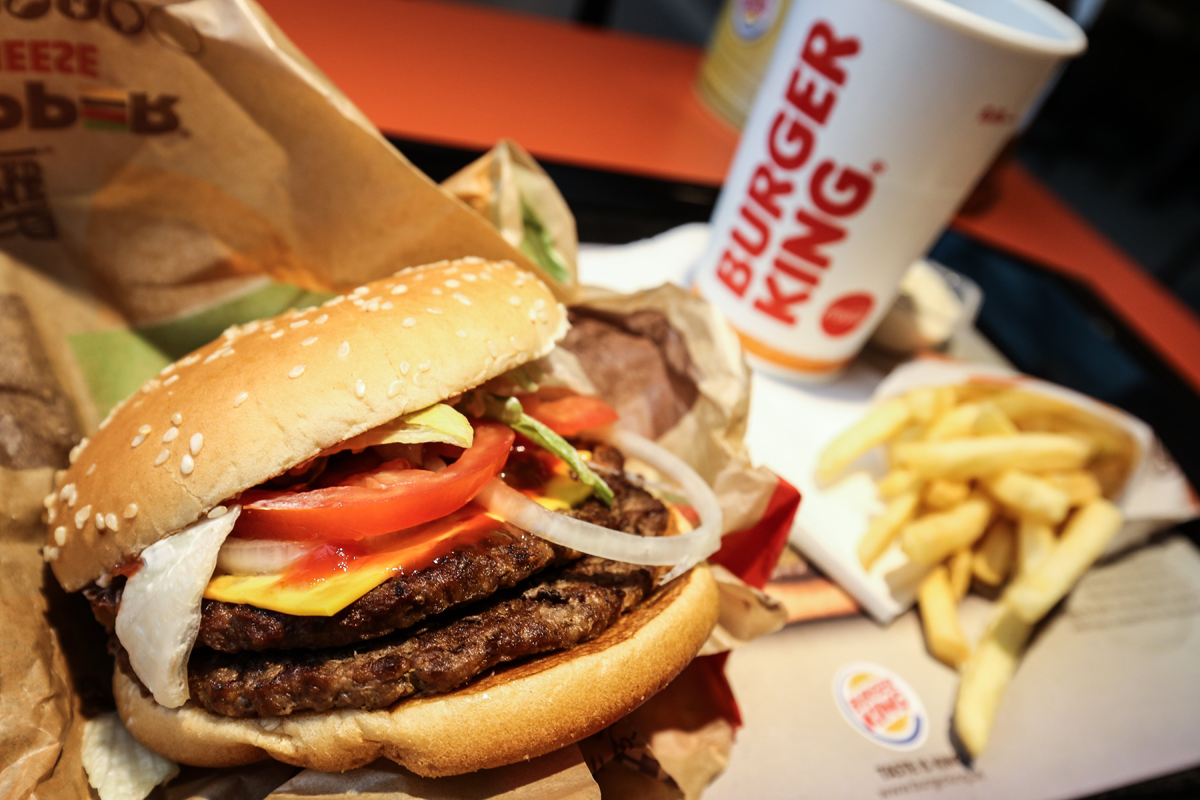
    Private equity firm Affinity Equity Partners is this week launching the sale of its Burger King fast-food businesses in South Korea and Japan, in a deal that could fetch more than US$1 billion, a person with knowledge of the matter told Reuters.

    Hong Kong-based Affinity has appointed Goldman Sachs to run the sale, which is targeting both private equity investors and strategic buyers, said the person, who declined to be identified as the information is confidential.

    The bank declined to comment.

    Affinity bought full control of Burger King South Korea in 2016 for about US$170 million and a year later acquired the American fast-food brand’s Japan franchise.

    The South Korean business reported 680 billion won (US$572 million) in revenue in 2021, with adjusted earnings before interest, taxes, depreciation, and amortisation (EBITDA) at 80 billion won, said the person, adding its adjusted EBITDA in 2022 is expected to reach 100 billion won.

    Burger King Japan’s adjusted EBITDA in 2021 was 700 million yen (US$6 million), the person said.

    Global fast-food chains such as McDonald’s and Yum! Brands are trading at 20 to 30 times their EBITDA, Refinitiv Eikon data showed. Burger King India is trading at about 25 times of its EBITDA.

    Affinity and Burger King Japan did not immediately respond to a request for comment.

    An official at BKR Corporation, the operator of Burger King in South Korea, declined to comment.

    The Nikkei business daily first reported the sale on Monday (Jan 17).

    It comes as the consumer and retail sector faces tremendous challenges and disruption caused by the coronavirus pandemic.

    In South Korea, businesses have adapted by relying more on deliveries, which has prompted exponential growth for its food delivery apps.

    Burger King Korea said on Monday the number of monthly active users on its mobile app in December exceeded 1.4 million, the highest since the app was launched in May 2016.

    Since Affinity’s acquisition, Burger King has been in an expansion mode in South Korea and Japan.

    Burger King runs 440 outlets in South Korea, more than its rival McDonald’s.

    The Japan franchise said on Monday it would open three new outlets in January, bringing the total there to 149, with plans to open more “aggressively” in 2022.

  • Starbucks expands delivery services in China with Meituan tie-up

    Starbucks expands delivery services in China with Meituan tie-up

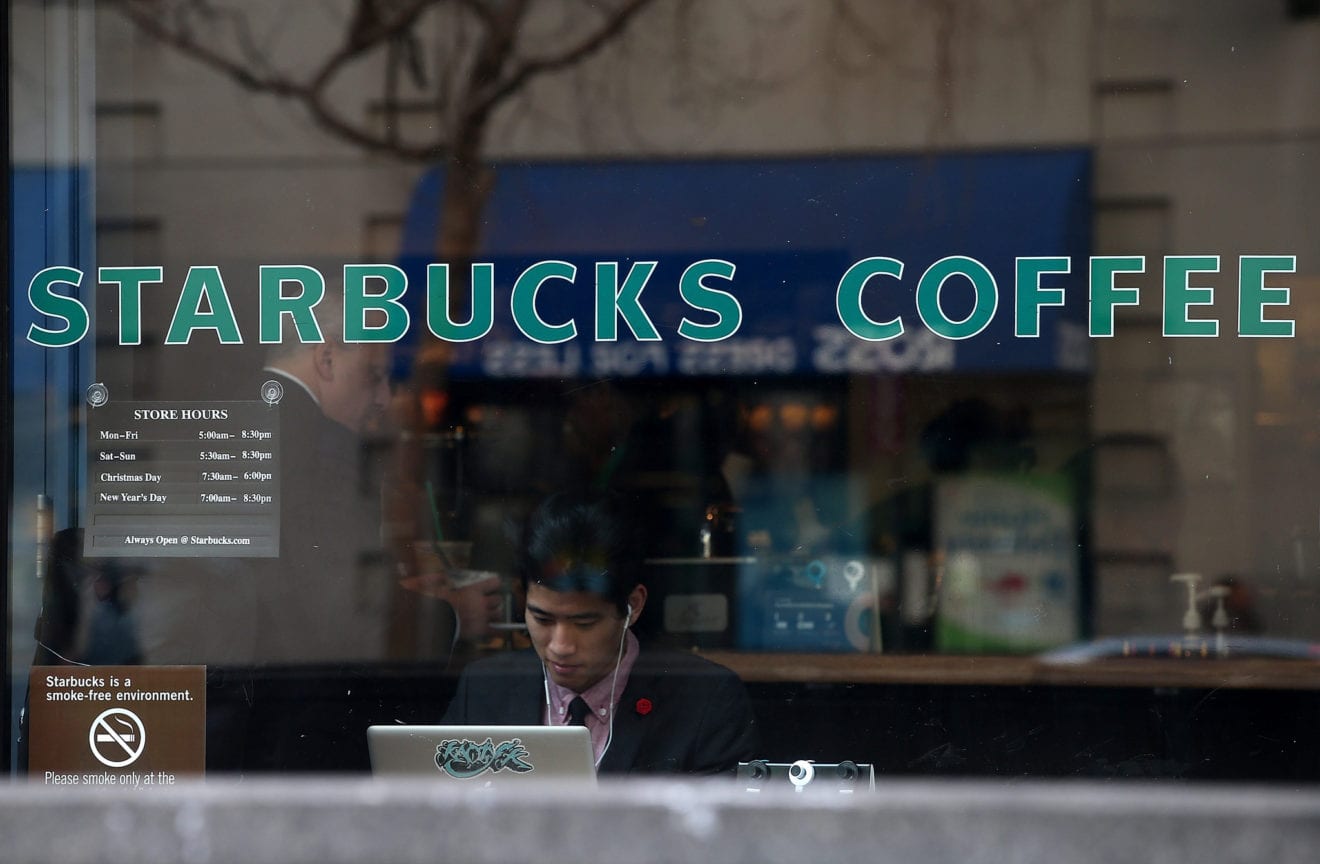
    Starbucks said on Tuesday it has entered into a partnership with China’s Meituan that will allow its Chinese customers to order coffee delivery via the super app’s platform.

    The move will expand the U.S. coffee chain’s delivery footprint in China, which has since 2018 used Alibaba Group’s Ele.me as its exclusive delivery partner.

    The two companies will also launch a service that will allow Meituan users to make private bookings for a tasting of coffees and learn to make them at Starbucks stores, it said.

    Starbucks has 5,360 stores in more than 200 Chinese cities, making it the second-largest market only after the United States, according to the company’s most recent earnings report.

    The company also said it would utilize Meituan’s “superstore” feature under the partnership which will see each of its stores have its own unique page on Meituan’s platforms by the end of this year, from which customers can book food delivery services or check local events.

  • Cognac sales jump 31 per cent as drinkers go upmarket

    Cognac sales jump 31 per cent as drinkers go upmarket

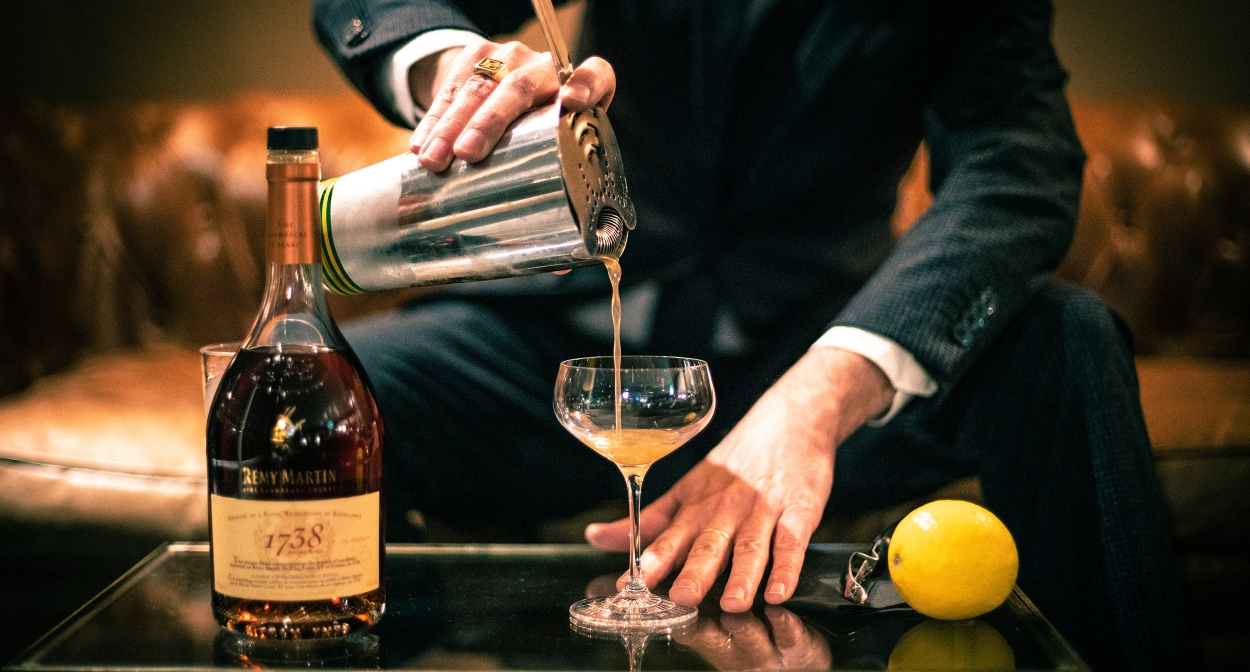
    Cognac sales surged by nearly a third last year as American and Chinese drinkers guzzled old vintages, in the latest sign premium drinks makers are putting the pandemic behind them.

    Sales of the brandy, produced in the Cognac region of France, rose by almost 31 percent in value to €3.6 billion (US$4.1 billion), industry group BNIC said on Monday.

    Volumes were up 16 percent to 223.2 million bottles.

    “This growth reflects a real recovery of cognac, as well as new consumption habits,” BNIC said in a statement, noting sales had also risen compared with 2019, before the pandemic struck.

    The outlook should remain positive in the coming months for all destinations, BNIC added.

    The news comes after France’s champagne industry said last month it expected record sales in 2021, and follows strong results from several spirits companies.

    Cognac sales to its largest market, the United States, climbed 11 percent, with 115 million bottles shipped in 2021.

    Sales to China, its second-biggest, leapt 56 percent with 34 million bottles shipped, while European sales were up 8 percent to reach 37.1 million bottles.

    In late November, spirits group Remy Cointreau raised its full-year profit forecast after a better-than-expected first half, driven by strong demand for its premium cognac in China, the United States, and Europe.

    Pernod Ricard, which owns Martell cognac, also pointed to a jump in sales in China.

    The 2021 harvest, at 867,312 hectolitres, was within the 10-year average and should support further growth for the sector, BNIC said.

  • KFC China draws wrath over Pop Mart frenzy that ‘wastes food’

    KFC China draws wrath over Pop Mart frenzy that ‘wastes food’

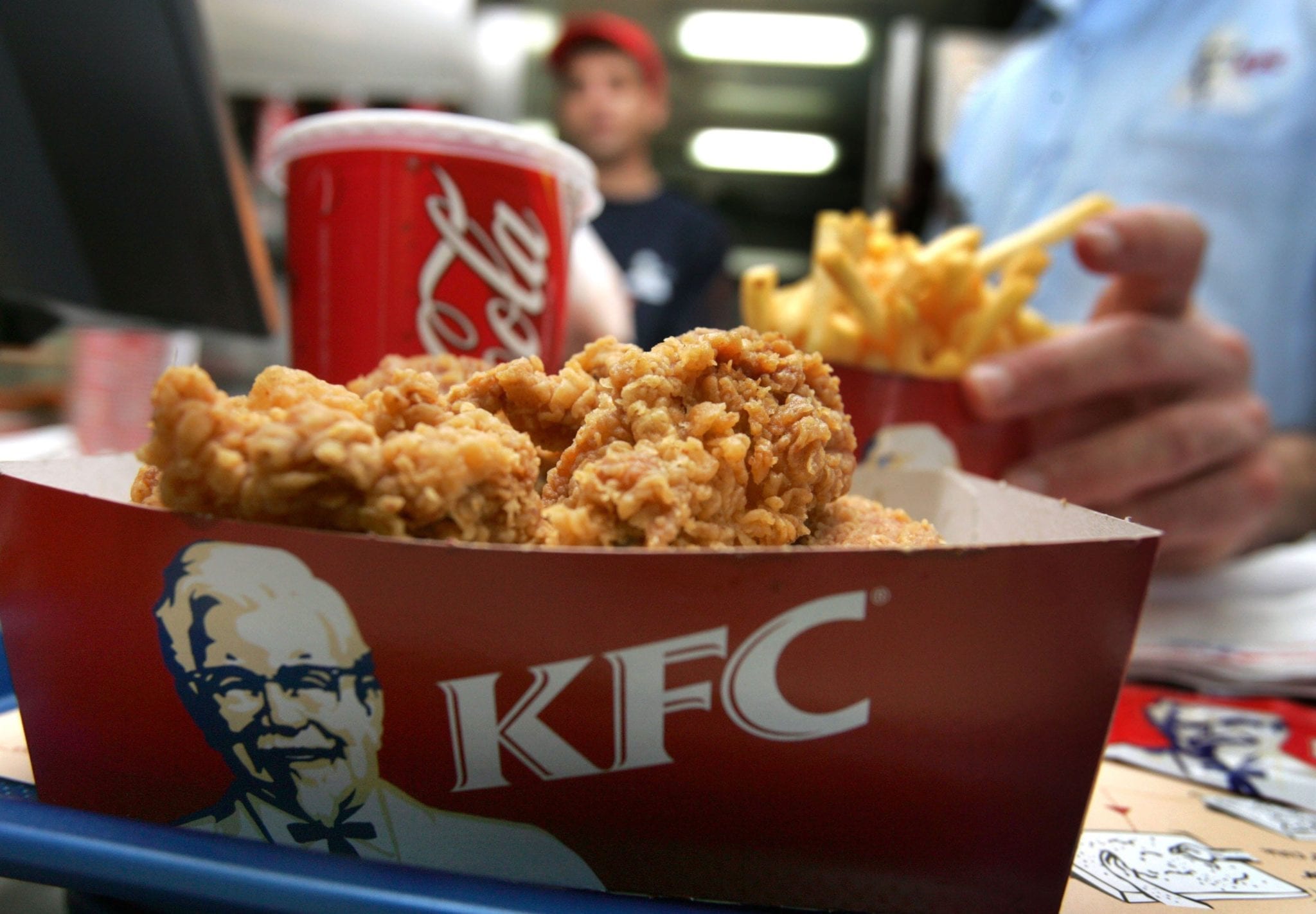
    KFC is under scrutiny in China over the popularity of an anniversary promotion that allowed customers to collect limited-edition toys with their meals.

    The fried chicken chain partnered with Chinese toymaker Pop Mart to give away Dimoo toy dolls with select KFC orders in celebration of the brand’s 35th anniversary of its first restaurant in China. The giveaway prompted a frenzy to collect the dolls, with at least one customer spending $1,649 to buy 106 meals, according to a statement from The China Consumers Association.

    Some would-be collectors hired helpers to buy meals and find toys for them, in some cases throwing away the food they were required to buy, the group said.

    “KFC, as a food operator, uses the limited-edition blind box sales method to induce and condone consumers’ irrational and excessive purchase of food packages,” the organization wrote, which is “contrary to public order, good customs and the spirit of the law.”

    KFC’s parent company Yum! Brands did not immediately respond to Insider’s request for comment.

    China has taken legal steps in recent years to curb food waste from promotions, including a major campaign in 2020 banning influencers from posting “wasteful binge eating” videos on social media.

    Spending sprees around limited-edition fast-food items aren’t exclusive to China. In 2021, McDonald’s included limited-edition Pokemon cards in some Happy Meals in the US, and fans quickly began buying up 50 to 100 cards at once to keep or resell, prompting some locations to begin limiting order sizes.

    Fan excitement over McDonald’s “Rick and Morty”inspired Szechuan sauce was even more extreme, with some dedicated customers buying sauce packets online for hundreds of dollars, or even purchasing photos of the packets.

  • Corona introduces its first non-alcoholic beer, infused with Vitamin D

    Corona introduces its first non-alcoholic beer, infused with Vitamin D

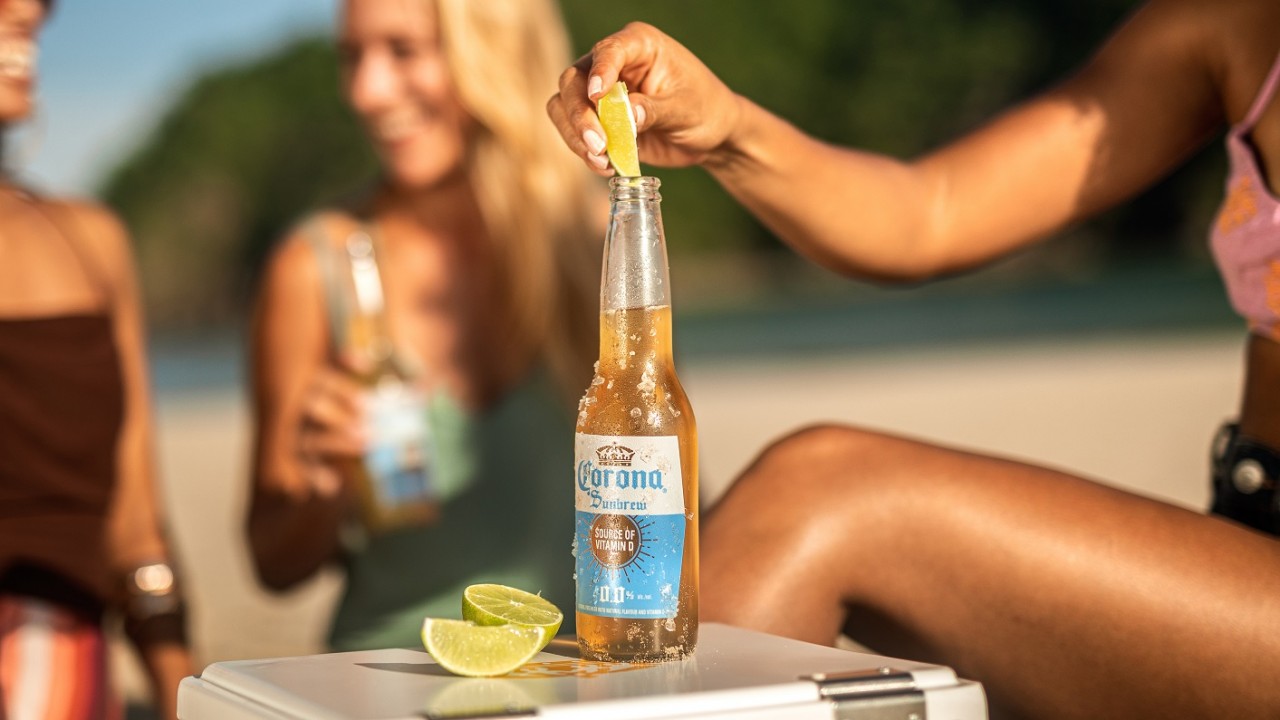
    Today, global beer brand Corona is proud to announce the worldwide launch of Corona Sunbrew 0.0%. This innovative, first-of-its-kind, non-alcoholic beer contains 30 percent of the daily value of vitamin D per 330 mL serving in Canada. As the newest member of the Corona family, a brand that celebrates getting outside and enjoying life in the sun, Corona Sunbrew 0.0% allows consumers to have “Sunshine, Anytime” every season.

    “As a brand that was born on the beach, Corona embraces the outdoors in everything we do, because we believe that outside is where people best disconnect and relax. The feeling of the sun is one of the things that people love most about the outdoors and the Corona brand is always innovating to remind them of that feeling,” said Felipe Ambra, Global Vice President for Corona. “Now, we’re excited to offer consumers Corona Sunbrew 0.0%, the first non-alcoholic beer with vitamin D, reinforcing our desire to help people reconnect to nature, anytime.”

    According to IWSR, the global no/low alcohol category total volume is forecasted to grow by 31% by 2024. Corona Sunbrew 0.0% provides consumers looking for a non-alcoholic beer with a unique new option. Corona Sunbrew 0.0% contains 30 percent of the daily value of vitamin D in Canada and 60 calories per 330 ML serving.

    Corona Sunbrew 0.0% maintains Corona’s essence; it was developed from Corona Extra by extracting the alcohol and then blending the non-alcoholic beer with vitamin D and natural flavours to reach the final recipe. This launch also demonstrates AB InBev’s continued commitment to smart drinking to help reduce and prevent the harmful use of alcohol across the world.

    “After numerous and rigorous trials, Corona Sunbrew 0.0% proudly showcases our ability to find solutions, gaps, and opportunities for growth as a brand,” said Brad Weaver, Global Vice President of Innovation Research & Development for ABInBev. “The journey was not easy as vitamin D is sensitive to oxygen and light, and not easily soluble in water. But thanks to our ongoing investment in innovation and research and development, our team was able to create the only non-alcoholic beer with vitamin D, providing a unique opportunity in the market.”

    Corona Sunbrew 0.0% will be available to consumers in a few distinct phases. The global brand will first launch Corona Sunbrew 0.0% in Canada, precisely at the time of year where most Canadians experience limited sunlight, making it an ideal market to launch an innovation from a brand synonymous with the beach and celebrations outdoors. Later this year, Corona will extend the non-alcoholic product offering in the UK followed by key markets across the rest of Europe, South America, and Asia.

    Creative Agency DAVID Miami collaborated closely with Corona on the development of Corona Sunbrew 0.0% from its very inception, more than two years ago. As an ongoing brand partner, DAVID proactively presented the idea for Corona to develop a beverage containing vitamin D.

    “Each detail of the project is special. From the product ideation to the final campaign. It’s not every day that we have the chance to present a product idea and have an innovative client like Corona buy, develop and take it to the next level. A true collaborative effort,” says Pancho Cassis, Global Chief Creative Officer at DAVID.

    To help support the launch of Corona Sunbrew 0.0%, Corona will unveil a new creative campaign capturing the enjoyment of “Sunshine, Anytime.” A compilation of scenes filmed on a pristine beach in Costa Rica presents the pleasure of outdoor living and the boundless positive energy of the sun. The new Corona Sunbrew 0.0% campaign taps into the feeling of being carefree and relaxed. The 360-degree integrated marketing campaign, created by DAVID Miami and Director Juan Cabral, inspires consumers to enjoy the Corona lifestyle, which is best experienced with sunshine.

  • KitKat collaborates with Byron Bay Cookies

    KitKat collaborates with Byron Bay Cookies

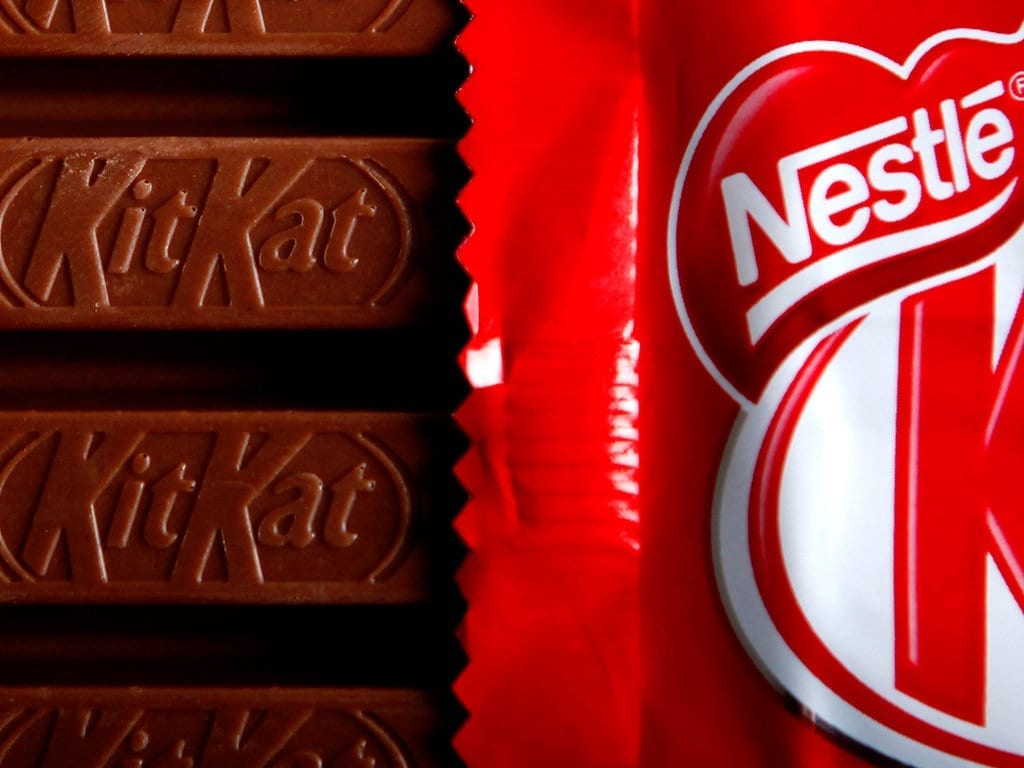
    KitKat has teamed up with Byron Bay cookies to create every dessert lover’s dream. Chocolate and cookies are two of the best sweet snacks in existence. We don’t make the rules.

    And clearly, KitKat is onto the same thing as us because they’ve launched two new flavors inspired by everyone’s favorite café treat, the Byron Bay cookie. It’s every cookie and chocolate lover’s dream.

    Dubbed the “sweet treat collab of the summer”, there are two flavors to choose from – KitKat inspired by Byron Bay Cookies – Milk Choc Chunk and KitKat inspired by Byron Bay Cookies – Triple Choc.

    For cookie lovers, the Milk Choc Chunk will be right up your street. With crisp wafer fingers covered in white chocolate, topped with cookie pieces on a milk chocolate base. For those wanting an extra hit of chocolate, the Triple Choc option has you sorted with milk chocolate-covered chocolate wafer fingers topped with crunchy cookie pieces.

    Upon announcing the launch, Nestlé’s head of marketing – confectionery, Joyce Tan said: “We’re so excited to introduce KitKat brand’s first Australian collaboration to the market, and thrilled that it’s with the iconic and beloved local cookie maker Byron Bay Cookies.

    “We know Aussies will love these tasty additions to the KitKat range, and each bite is sure to transport them to their own beachside Byron Bay break!”

    Meanwhile, Byron Bay Cookie company director, Bill Quayle said: “We are thrilled to be partnering with a global brand like KitKat to create such a delicious collaboration.”

    Both creations are available in a 170g block, selling for $5.00. The Milk Choc Chunk option is also available in a 45g bar ($2.00), and the Triple Choc in a 65g bar ($2.50).

    You can find the new creations in supermarkets and convenience retailers nationally, as well as online, in-store, and within a hamper from KitKat Chocolatory.

  • Kellogg partners with Bega in peanut-butter flavoured cereal

    Kellogg partners with Bega in peanut-butter flavoured cereal

    Australia’s iconic breakfast brand Nutri-Grain has delighted fans with the launch of a new flavor mash-up that’s set to take your cereal game to the next level. Nutri-Grain has joined forces with Bega Peanut Butter to create an epic flavor combination with a nutty twist. The limited-edition Nutri-Grain Bega Peanut Butter Flavor Cereal consists of the iconic malty crunch that we know and love, followed by a flavor hit of peanut buttery goodness.

    Serving up an “epic taste explosion”, shoppers can grab a box for just $6.95 at Woolworths.

    The new creation comes off the back of the Nutri-Grain x OAK Plus and Coco Pops x Golden Gaytime collabs.

    “Australia went mad for our collabs last year, so we’ve upped the ante with another unstoppable collab,” Dan Bitti, Kellogg’s breakfast lead, said.

    “We’ve brought together the malty-crunch and peanut pieces to bring Aussies something new, that up until now they could have only ever dreamed about.

    Jacqui Roth, marketing manager, Spreads at Bega said: “We’re thrilled to be teaming up with Nutri-Grain. We can’t think of a butter brand to partner with as Bega Peanut Butter makes its debut in the cereal aisle.”

    Meanwhile, KitKat has launched two new flavors inspired by the original café cookie; Byron Bay Cookies.

    With the sweet treat collaboration of the summer, Aussies can now enjoy KitKat Inspired by Byron Bay Cookies – Milk Choc Chunk and Triple Choc.

    Now on supermarket shelves across Australia, the new creation marks the confectionary brand’s exciting first collaboration with an Australian brand, paving the way in cookie creations with an iconic local player.

    The new flavors are set to be a hit, with two options available to satisfy any and all chocolatey cookie cravings.

    The Milk Choc Chunk will delight the biggest cookie lovers, with crisp wafer fingers covered in white choc, topped with cookie pieces on a milk chocolate base.

    For those looking for an extra chocolatey hit, the Triple Choc has you sorted with milk chocolate-covered chocolate wafer fingers topped with crunchy cookie pieces.

    “We’re so excited to introduce KitKat brand’s first Australian collaboration to the market, and thrilled that it’s with iconic and beloved local cookie maker Byron Bay Cookies,” Nestlé head of marketing – confectionery Joyce Tan said.

    “We know Aussies will love these tasty additions to the range, and each bite is sure to transport them to their own beachside Byron Bay break.”

  • Disgraced McDonald’s ex-CEO pays back US$105m in settlement

    Disgraced McDonald’s ex-CEO pays back US$105m in settlement

    McDonald’s has settled a lawsuit with former CEO Steve Easterbrook, forcing the disgraced executive to repay his severance package of more than $100 million.

    Easterbrook was fired in 2019 after the fast-food giant’s board determined that he violated company policy by demonstrating poor judgment involving a recent consensual relationship with an employee. In August 2020, McDonald’s filed a lawsuit against Easterbrook for lying to the board about the extent of his relationships with employees.

    In a filing to the US Security and Exchange Commission Thursday, McDonald’s criticized Easterbrook for his misconduct, lies, and efforts to impede investigations into his actions and that the settlement is the best path forward.

    This settlement holds Steve Easterbrook accountable for his clear misconduct, including the way in which he exploited his position as CEO, Enrique Hernandez, Jr., the chairman of McDonald’s board of directors, said in the filing. The resolution avoids a protracted court process and allows us to move forward.

  • Papa John’s opening 1,350 stores in China

    Papa John’s opening 1,350 stores in China

    The pizza chain plans to open over 1,350 stores in South China by 2040 in partnership with the Asian private equity firm FountainVest Partners, it said on Friday. The deal will increase Papa Johns’s current global count by 25%, and marks the largest franchisee development agreement in the pizza company’s history.

    Pizza companies have lately been expanding their footsteps in the region, where they see an opportunity to boost sales.

    Pizza Hut, for example, opened 103 new stores in China in the third quarter. And Domino’s (DPZ) CEO Ritch Allison said in October that “with each passing quarter, we become even more confident about the long-term growth potential for the Domino’s brand in China.” He noted that in the third quarter of 2021, Chinese locations open at least a year grew sales by a percentage in the double-digits — way better than in the United States, where sales fell in the third quarter.

    Late last year, Papa Johns CEO Rob Lynch pointed to China as fertile ground for growth for his company, as well.

    Papa Johns has a “huge development opportunity in markets where we already compete but are much less penetrated,” compared to the competitors, Lynch said at the time. “I would offer China as an example,”

    Papa Johns has also been expanding into other regions. In November, the company announced plans to open 60 restaurants in Kenya in Uganda in the coming years along with franchise partner Kitchen Express. Over the summer, it expanded its partnership with its largest franchise, Drake Food Service International, with plans to open 220 restaurants globally, including in the UK and Latin America, by 2025.

    The “partnership with FountainVest marks another major milestone in achieving Papa Johns’s global growth potential,” Lynch said in a statement on Friday.

    The move follows a rebrand undertaken by Papa Johns last year when the company dropped the apostrophe in “Johns” and updated its log and store designs.