Category: Food

Retail News Asia is committed to providing both local and global retailers with the latest Food and Food & Beverage news throughout the Asian market. This on a daily base.

  • Russian liquor pulled from shelves in response to invasion

    Russian liquor pulled from shelves in response to invasion

    British Columbia is removing Russian spirits from liquor store shelves, and putting a halt to importing more, in solidarity with Ukraine as Russia continues to wage war on the country.

    “Our province stands with those who understand Europe’s peace following two world wars depends on respecting international law,” Deputy Premier Mike Farnworth said in a media release Friday afternoon.

    Premier John Horgan says efforts are underway to help the people of Ukraine after the Russian invasion began this week.

    “My intergovernmental officials are working with Ottawa to see what we can do with respect to sanctions and what we can do with respect to providing safe harbour for those that are fleeing with the violence that’s been beset upon them by a government that has clearly lost its way.”

    Farnworth said the province is donating $1 million to the Red Cross campaign in support of Ukrainian people.

    Several provinces pulled Russian products from liquor store shelves Friday as a sign of solidarity with Ukraine.

    Opposition Leader Kevin Falcon called for the removal of Russian liquor from B.C. store shelves Friday morning.

    “What is going on in Ukraine is so totally unacceptable to all our democratic values and the things we hold dear,” he said.

    “I just think the province of British Columbia needs to do everything we can do to lend our support against those that are supporting Putin.”

  • Thailand restaurateur Zen to resume expansion plan

    Thailand restaurateur Zen to resume expansion plan

    After seeing a rapid recovery in the food industry at the end of last year, Zen Corporation Plc, the operator of restaurant chains Zen, On the Table and Aka, has decided to resume expansion of its business this year.

    Boonyong Tansakul, chief executive of Zen, said the company believes the worst is behind it.

    “Chains endured a rough patch during the pandemic, but the industry has recovered faster than other sectors such as tourism,” said Mr Boonyong.

    “With better sentiment, we are ready to reinvest this year.”

    He said the company wants to resume opening new branches of the Aka Japanese restaurant this year after delaying expansion for two years during the pandemic.

    The new branches of Aka are mostly going to be located in hypermarkets over the next three years to reduce risk, instead of opting for Central malls as in the past, said Mr Boonyong.

    The company plans to open an Aka restaurant at a Big C hypermarket for the first time in Nakhon Pathom in April this year.

    Roughly 10-15 new Aka restaurants are planned for hypermarkets and Robinson Lifestyle Malls this year, with more scheduled for the next few years, boosting the total number of Aka eateries to 100 branches by 2025, up from 28 now.

    On the Table, a Tokyo café brand, was less affected by the pandemic, he said. The company plans to rebrand it this year to make it more modern, becoming a destination restaurant for younger customers.

    Restaurants are going to be redesigned to fit various customer lifestyles, said Mr Boonyong. Two branches in Lat Phrao and Bang Na have already been reworked, with a Rama IX Road branch next on the list.

    He said the company wants to open three new On the Table restaurants this year. One branch was opened at Silom Complex earlier this year, with new branches planned for The Mall Thapra and Samyan Mitrtown in the third and fourth quarters of this year, said Mr Boonyong.

    He said to overcome the pandemic, the company adjusted its business model to a hybrid restaurant, providing both a la carte and premium Japanese buffet under the same roof.

    There are a total of 44 Zen restaurants in Thailand, 29 branches of which have changed to the hybrid concept, with the remaining 15 still a la carte.

    After reworking its restaurant concept, the company wants to open more Zen hybrid restaurants at retail outlets of Central, The Mall and Robinson. It plans to open a Zen flagship restaurant at Queen Sirikit National Convention Center and a Zen Grab & Go at Muang Thong Thani in the third quarter of this year, said Mr Boonyong.

    A new Zen restaurant model will be launched this year to reach customers in office buildings, he said.

    “As consumer behaviour and spending power changes because of the pandemic, the landscape for restaurant chains has to drastically adapt in terms restaurant model, design and new facilities for pet lovers. These venues have to be reimagined to become lifestyle venues to encourage longer visits,” said Mr Boonyong.

    “More robots may be needed to serve customers who need an experience beyond just food.”

  • Moon Dog Brewing launches Cocktail Spritz

    Moon Dog Brewing launches Cocktail Spritz

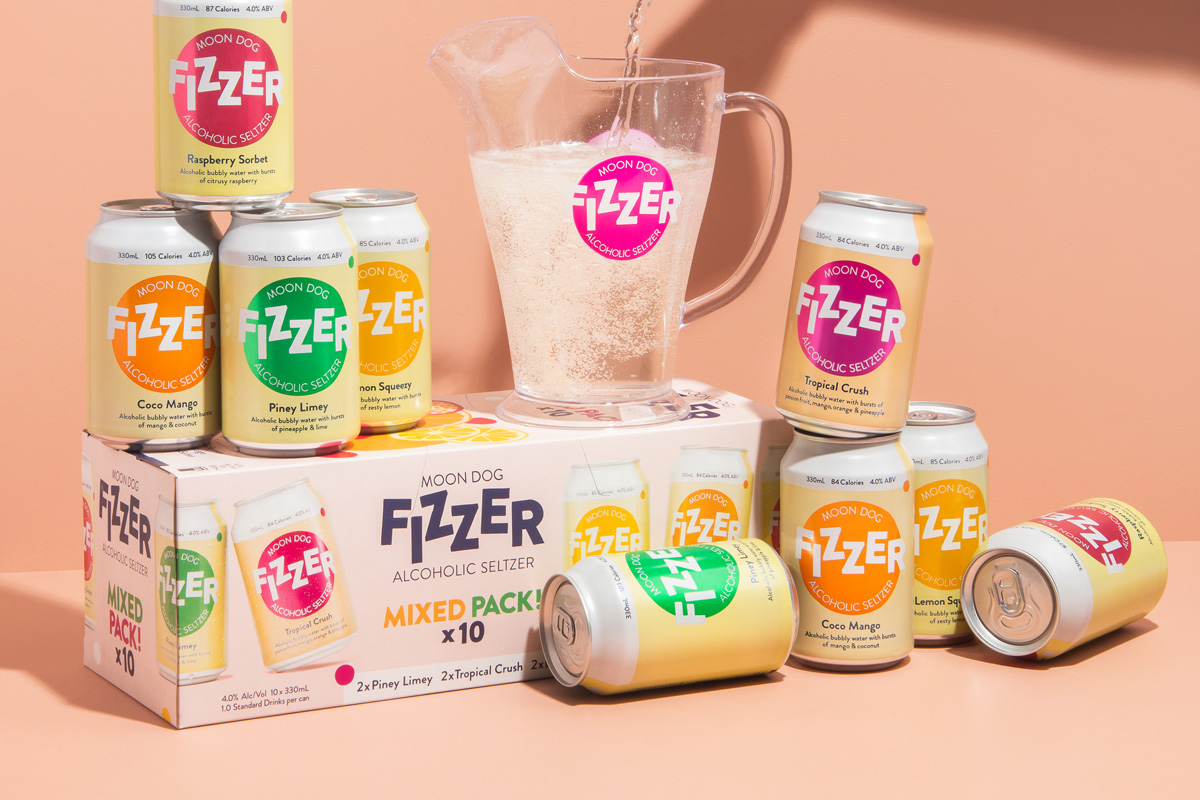
    From the team that continues to surprise and delight Australians with their famously flavourful beers, Moon Dog Brewing is entering the ready-to-drink cocktail market and launching Moon Dog Cooler in early 2022. Since launching Moon Dog back in 2010, the company has been known for pushing the boundaries when it comes to flavor and in releasing Moon Dog Cooler, they’re taking this to a whole new level.

    Moon Dog Cooler is a new range of juicy cocktail spritzes that will be hitting shelves in January 2022 with all the health benefits of lighter beverages, like seltzer, whilst still offering a complex finish.

    Inspired by retro cocktails and mixed by 3x Australian bartender of the year, Chris Hysted-Adams (former Black Pearl) these cocktails are destined to be a hit at the next get together, at the park or at home after a long day.

    “It was really fun jumping back into the world of cocktail making and experimenting with different natural flavors and emulsions to create something that stands out against hand-rruxed spritzes. It’s been something that I’ve been drinking a lot of in recent months and I’m chuffed to now share it with consumers on a national scale”, says Hysted-Adams.

    It’ll be $25 for a 4-pack of Moon Dog Cooler, they’ll be wrapped up into a 16-can carton, meaning that a slab will be $100 bucks.

    Moon Dog Cooler will also be widely available in pubs, clubs, and bars through the world’s first Moon Dog Fizzer Alcoholic Seltzer Post Mix Machine and will be available to take home from the Moon Dog online store and all good bottle shops.

    The range will kick off with two delicious cocktail spritzes that are bound to be fan favorites; Blood Orange, Finger Lime & Agave and Passion Fruit, Yellow Peach & Yuzu.

    Blood Orange, Finger Lime & Agave is a spritzy twist on a margarita that’s bursting with zesty blood orange, fresh finger lime and a hint of agave. Passion Fruit, Yellow Peach & Yuzu is a spritzy twist on a tropical punch that is bursting with juicy passion fruit, fresh peach and zesty yuzu.

    “The Blood Orange, Finger Lime & Agave Cocktail Spritz is the perfect spritz Margarita for summer; it’s super light and refreshing but with bold, punchy flavors. The Passion Fruit, Yellow Peach & Yuzu Cocktail Spritz is a perfectly balanced uber tropical punch that offers a natural juicy finish without being too sweet”, says Hysted-Adams.

    Moon Dog Cooler offers a delicious flavourful cocktail spritz that’s low carbs, low calories, low sugar, all natural, preservative free and vegan friendly. Like all Moon Dog products, Moon Dog Cooler is Australian made and owned.

    “What we’ve been able to achieve with Moon Dog Cooler is great; they’re super flavourful, complex and delicious cocktail spritzes and with low carbs, natural flavours and no added sugar. We’re offering consumers something that’s never really been done before – Wallah!” says Hysted-Adams.

    Moon Dog Cooler can be enjoyed straight out of the can or over some ice. If you’re feeling a little bit fancy we’d recommend dipping your wine glass in some salt for the Blood Orange, Finger Lime & Agave Cocktail Spritz, or garnish the Passion Fruit, Yellow Peach & Yuzu cocktail spritz with a passion fruit half.

  • PepsiCo launches the world’s first-ever nitrogen-infused cola

    PepsiCo launches the world’s first-ever nitrogen-infused cola

    The cola category has been around for over a century. While it’s had its share of flavor and packaging innovation, one thing has remained the same since the category’s inception – the bubbles. Pepsi is taking on its most ambitious feat yet, reimagining the cola experience with a massive innovation – Nitro Pepsi. Nitro Pepsi is the first-ever nitrogen-infused cola that’s actually softer than a soft drink – it’s creamy, smooth and has a mesmerizing cascade of tiny bubbles topped off by a frothy foam head.

    Nitro Pepsi will have you reconsider what you know about cola. Smaller bubbles, also infused with nitrogen, create an unbelievably smooth, creamy texture made possible by a unique widget placed at the bottom of every can. This is the first time this type of widget technology, often seen in beer and coffee products, is being applied to the cola category and creates the frothy, foamy, smooth texture unique to Nitro Pepsi. It does not look and taste like a traditional cola or soda, and in fact, it’s best consumed differently as well.

    While Nitro Pepsi is enjoyed from the can, there are a few steps you can take for optimal consumption. Nitro Pepsi is:

    • Best served cold, ideally without ice
    • Best “hard poured” or fully inverted into a tall glass
    • Best enjoyed sipped directly from the glass (rather than through a straw), allowing the unique foam head to leave a frothy, foamy mustache

    Nitro Pepsi will be available in two delicious flavors, Draft Cola and Vanilla Draft Cola, in newly designed cans in both single-serve and 4-pack varieties.

    “While soda has been a beverage of choice for so many consumers over the past century, some people still cite heavy carbonation as a barrier to enjoying an ice-cold cola.  With this in mind, we wanted to come up with a new way for people to enjoy delicious Pepsi cola, but with a new experience around the bubbles,” said Todd Kaplan, VP of Marketing – Pepsi. “Nitro Pepsi is a first-of-its-kind innovation that creates a smooth, creamy, delicious taste experience for fans everywhere. Much like how nitrogen has transformed the beer and coffee categories, we believe Nitro Pepsi is a huge leap forward for the cola category and will redefine cola for years to come.”

    Pepsi announced its intent to use this nitro technology in 2019 and has been working tirelessly to build out this innovation ever since. Finally, Nitro Pepsi will be available nationwide on March 28. Accompanying the roll-out will be a fully integrated marketing campaign including a new national television commercial that reinforces the uniquely smooth and creamy experience of Nitro Pepsi. In addition, fans will be able to try Nitro Pepsi ‘on tap’ for the first time beginning March 25 in the Sky Lounge at The High Roller Observation Wheel at THE LINQ Promenade on the Las Vegas Strip.

  • Menulog expands services as demand grows

    Menulog expands services as demand grows

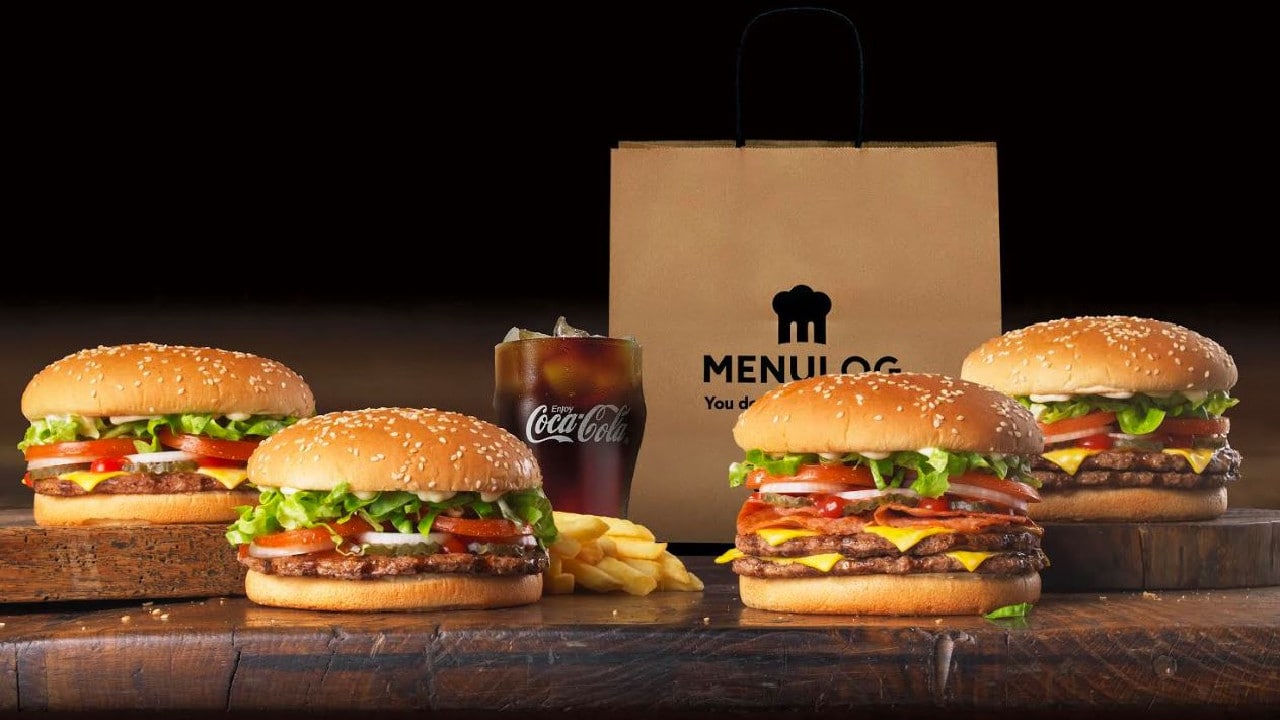
    Australian food-delivery service Menulog has added more than 2200 convenience and grocery partners as demand surges. The company says it has experienced 23-per-cent growth since January last year with demand booming in suburban and regional markets as well as metro cities. Independent businesses represent 37 per cent of Menulog’s grocery and convenience partners.

    Menulog has signed on IGA supermarkets, BP and Quickstop United Petroleum as new trading partners, with plans to add more in the near future as it continues to expand.

    Menulog MD, ANZ, Morten Belling, said Menulog’s point of difference had always been its breadth of coverage across Australia, fully serving metro areas, and with a strong courier and partner network spanning suburban, regional and rural areas.

    “We’re seeing exponential demand for convenience and grocery deliveries across all parts of Australia, in part driven by changes in consumer buying habits that started as a result of Covid restrictions,” said Belling.

    Customer demand is expected to rise this year and Menulog wants to prioritise its grocery and convenience delivery services even though retail trading restrictions have eased.

  • Jollibee to enter Scotland

    Jollibee to enter Scotland

    International fast-food chain Jollibee has announced that it will open its first Scottish restaurant in Edinburgh and its second store in Glasgow.

    The company will open its Edinburgh store next Thursday in Princes Street with the second store opening a month later in Glasgow.

    The restaurant will serve halal meat to cater to all communities in both cities. In the last 18 months, overall UK sales rose by 417%.

    Jollibee was originally founded in 1978 and has more than 1,500 stores across 17 countries, including the USA, Canada, Spain, Italy, Philippines, Singapore, Vietnam, UAE, and the UK in England and Wales.

    The first Jollibee in the UK opened in London in 2018 and has since added another eight locations to the map including Cardiff, Newcastle, Liverpool, Leeds, and Leicester Square in London’s West End.

    Ernesto Tanmantiong, chief executive at Jollibee Group, said: “This is an important moment for us as we introduce Jollibee to Scotland with not one, but two restaurants launching within a month, showing our commitment to expand in Europe.

    “We are looking forward to serving our Scottish customer’s delicious food in a joyful restaurant experience. We know there are many in Scotland who have waited a long time for Jollibee to arrive and we’re excited to see the local communities experience Jollibee for the first time.”

  • Filipino retailer plans IPO debut next month to expand footprint

    Filipino retailer plans IPO debut next month to expand footprint

    Balai Ni Fruitas, which operates a chain of bakeries and juice shops, is planning a P309.38-million initial public offering (IPO) next month to fund its expansion plans and for potential acquisitions.

    According to the Securities and Exchange Commission (SEC), the subsidiary of Fruitas Holdings, Inc. filed its registration statement on Feb. 17.

    Balai will be offering as much as 325 million primary common shares. Meanwhile, its parent firm, Fruitas Holdings, will be selling 50 million secondary common shares, along with an overallotment option of up to 37.5 million common shares.

    IPO shares will be priced up to 75 centavos apiece. According to its prospectus dated Dec. 27, 2021, the final price will be set on March 7.

    “The Company will not receive any proceeds from the offer of the secondary shares and option shares,” Balai said.

    Balai may raise up to P243.8 million in gross proceeds from the sale of 325 million primary common shares. The company may net up to P220.4 million from its IPO.

    “The Company intends to use the net proceeds from the Offer for the store network expansion, commissary set-up and potential acquisition opportunities of the Company,” Balai said.

    Majority or 81.8% of its proceeds worth P180.4 million will be used for its store network expansion. The company aims to open 120 new owned stores in Metro Manila and “selected urban areas” across the country until the end of next year.

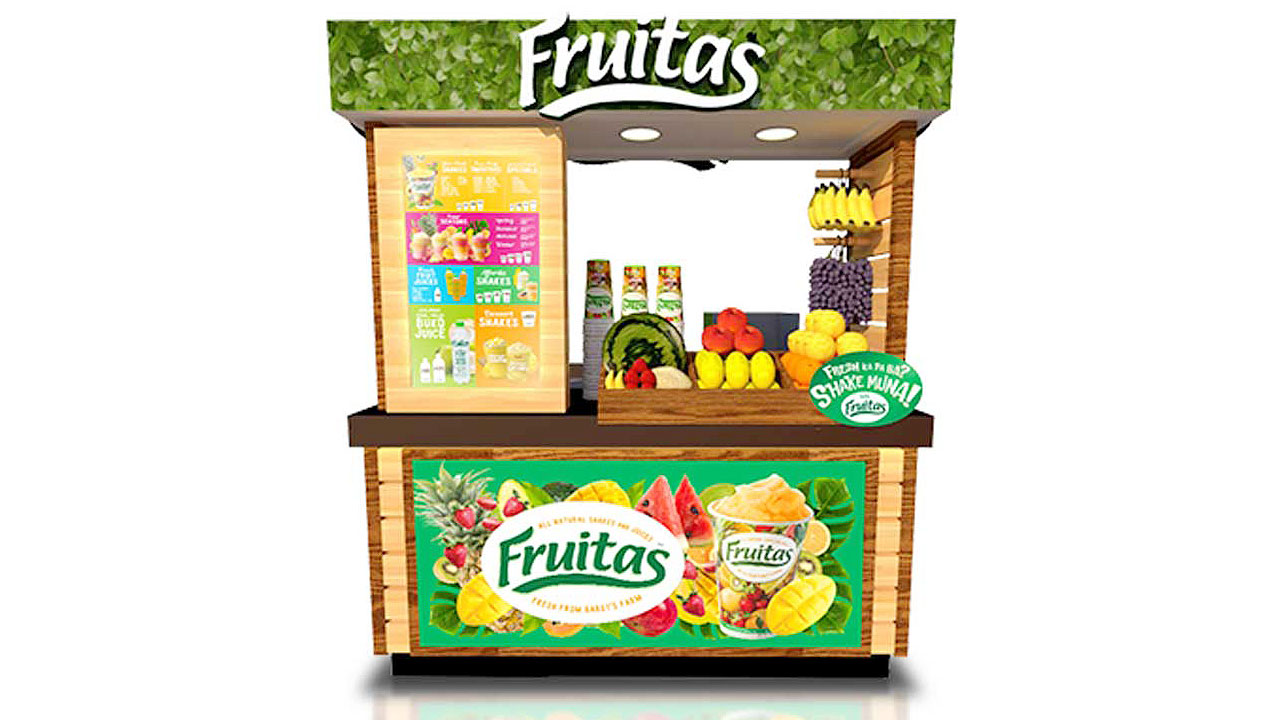
    The company owns bakery chain Balai Pandesal, Buko ni Fruitas, and Fruitas House of Desserts. Buko ni Fruitas offers fresh coconut drinks, while Fruitas House of Dessert serves fruit shakes and desserts.

    “Vast majority of the stores to be opened from 2022-2023 are anticipated to carry the Balai Pandesal brand. Moreover, the Company also expects to expand the footprint of its other existing brands and future acquisitions which will depend on, among others, market opportunities and commercial considerations,” Balai said.

    Balai plans to allocate P20 million for its plans to set up commissaries in 2022, while another P20 million will be used to acquire other baked goods brands.

    “The Company’s potential target acquisitions will be geared towards broadening its baked goods product offering and/or adding sales channels. The Company is still in the early stages of evaluating these options and there are no definitive agreements signed,” Balai said.

    In a statement in December, Fruitas Holdings President and Chief Executive Officer Lester C. Yu said it decided to take Balai public due to the “significant growth prospects of the bakery sector.”

    Balai plans to conduct its offer period from March 16 to 22, while its tentative listing date at the small, medium, and emerging board of the Philippine Stock Exchange is set on March 30. The company has yet to decide on its stock symbol.

    The company tapped First Metro Investment Corp. as the transaction’s issue manager, bookrunner, and underwriter.

  • Rice profits up around 15 pct

    Rice profits up around 15 pct

    Major rice producers and exporters saw their after-tax profits last year increase around 15 percent against the previous year thanks to stronger domestic and overseas sales with higher export prices.

    Loc Troi Group JSC reaped the biggest-ever revenues of over VND10.2 trillion ($443.4 million) and after-tax profits of more than VND420 billion, up 36 percent and 14 percent, respectively.

    Vietnam National Seed Group JSC (Vinaseed) made revenues of over VND1.93 trillion and after-tax profits of more than VND225 billion, posting respective year-on-year rises of 18 percent and 16 percent.

    Both net revenues and after-tax profits of Trung An Hi-tech Farming JSC increased 15 percent to VND3.12 trillion and over VND100 billion.

    Vietnam exported over 6.2 million tons of rice totaling nearly $3.3 billion last year, according to the General Department of Vietnam Customs.

    The average export price of Vietnamese rice rose 5.5 percent against 2020 to $526.8 per ton in 2021, according to the Ministry of Agriculture and Rural Development.

    Loc Troi exported over 80,000 tons of rice worth over VND1 trillion, quadrupling in both volume and value against 2020. Vinaseed exported 60 tons of premium fragrant rice to the U.K. for the first time.

    Domestic sales also increased last year, partly due to social distancing measures imposed to curb Covid-19. Hoa Sen Rice told VnExpress its sales surged 45 percent in 2021.

    The Vietnam Food Association predicted Vietnam, which exported 505,700 tons of rice worth $246 million in January, would export over 6 million tons of rice this year. However, a sharp increase in prices of agricultural materials, especially fertilizers, will increase input costs and lowers farmer incomes.

  • Spicy sauce marketed as Australia’s first locally made sriracha

    Spicy sauce marketed as Australia’s first locally made sriracha

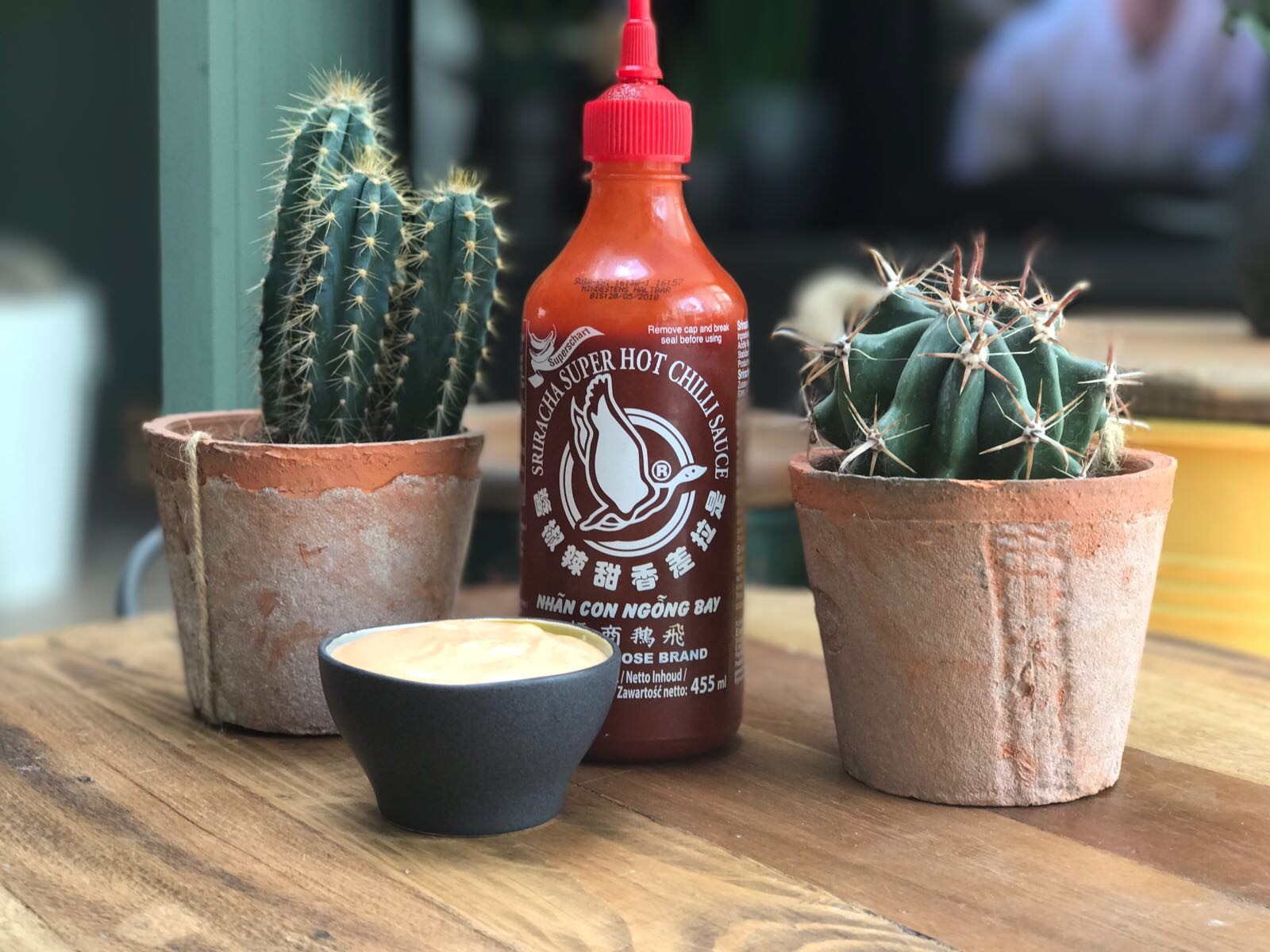
    Sir Racha hot sauce has added a new twist to its range, introducing a mildly punchy sauce that the company says is the first of its kind to be made in Australia.

    The original hot sauce is made from sun-ripened Australian jalapenos fermented with onion and garlic to distinguish natural sugars. It is then blended with vinegar to give it a “sour-y tang”. The sauce offers 2.6 calories, zero grams of fat and only 23mg of sodium per serve.

    Eric Robinson, hot sauce development officer at Sir Racha, said that there is nothing better than a sauce you can use liberally on everything. “It’s sweet, salty, sour and has that little bit of punch. With no added sugar, it really is a pantry staple.”

    Sir Racha is a healthy, all-natural product that supports Australian farmers & families.

  • A2 Milk profit halves on China slowdown but sees sales pick-up

    A2 Milk profit halves on China slowdown but sees sales pick-up

    New Zealand’s A2 Milk said on Monday its first-half profit halved as sales of its infant milk formula product continued to fall in China, but forecast second-half revenue to be significantly higher than a year ago.

    The firm reported a first-half net profit after tax of NZ$56.1 million ($37.54 million), down from NZ$120 million a year ago.

    The hit to its Chinese market stems from coronavirus-induced supply disruptions to its “daigou” channel, a reseller network where people outside China buy A2’s products and ship them to Chinese consumers informally.

    That, along with contracting market share in China owing to declining birth rates, has caused A2 Milk shares to plunge more than 60 percent from pre-Covid-19 levels, reportedly making it a target for Canadian dairy firm Saputo Inc.

    A2 said it expects sales of its Chinese label and English label infant milk formula products to pick up in the second half of the year, with inventory levels expected to improve, driving revenue growth.

    However, it said it does not expect this sales growth to translate into higher profit, as it plans to spend more on its expansion strategy and it is also battling rising costs.

  • Crab prices plunge over border trade jam

    Crab prices plunge over border trade jam

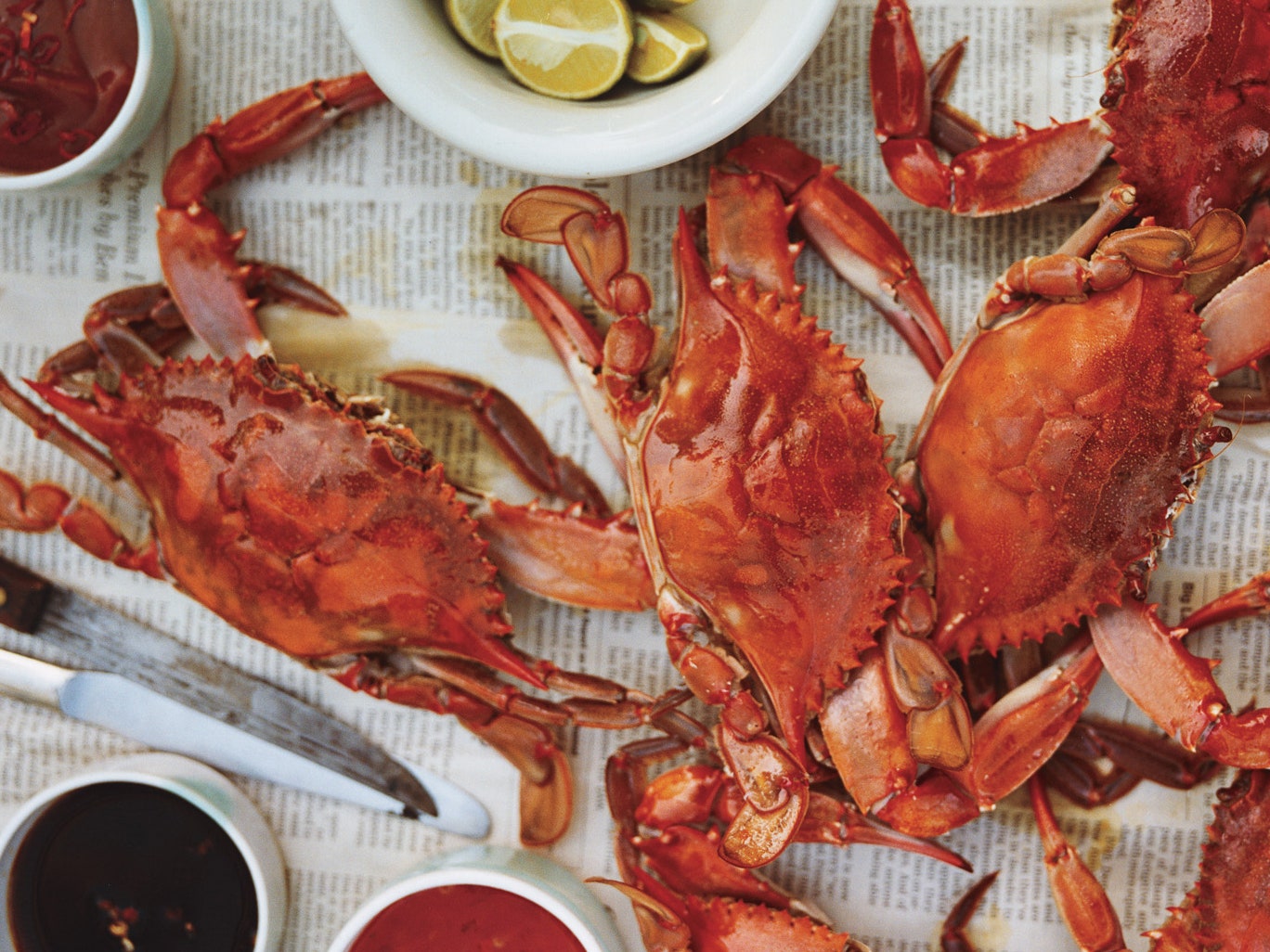
    Crab meat prices have dropped by nearly half as traders at the northern border gates with China limit purchases over export difficulties.

    The export of goods through border gates in the northern province of Lang Son has remained sluggish with many trucks having to turn around because of long customs clearance time after China tightened regulations over what it says are Covid-19 concerns.

    With China being a major buyer, the current situation has caused seafood prices in Vietnam to fall sharply.

    Bui Chi Lam, a crab-raising household in the southern province of Ca Mau, said that the selling price of top-tier crabs at the farm was just VND600,000 ($26.28) per kg , down 50 percent compared to the Lunar New Year season early this month. He has noticed a drastic fall in the number of traders looking to buy seafood.

    “Normally, when supply decreases, prices will increase. But the impact of border gate closures has caused crab prices to plummet,” Lam said, adding that crab farmers are forced to rely exclusively on domestic consumption.

    The price of regular crab meat at the farm is just VND300,000 per kg.

    Thanh, another crab farmer in Ca Mau, said prices of the crustacean will drop further if domestic consumption was low.

    Apart from crab meat, shrimp prices have also fallen to around VND150,000-200,000 per kg, depending on the variety.

    Hoa, a seafood trader in the southern region, said that prices have decreased by 10-45 percent compared to the Lunar New Year period, but purchasing power remains low.

    “I have temporarily stopped exporting and am only selling to domestic traders,” Hoa said.

    A survey of several seafood stores and markets in HCMC found that the price of grade 1 crab at stores was VND800,000 per kg and that of regular crab around half that.

    As for shrimp, though supply was lower compared to the same period last year, prices have also dropped by VND50,000 per kilo in the past two days to VND200,000 per kg (about 30 shrimps per kg).

    Hoa said both difficulties at the China border and lower purchasing power back home were major factors in the sharp drop in prices.

    Over the past week, more than 2,000 trucks of goods have been stuck at Lang Son border gates because of slow customs clearance.

    The delay in clearing container trucks at the border has been happening since the end of last year. During the Lunar New Year holiday from Jan. 19-Feb. 6, the issue was partly resolved thanks to intervention from senior officials, but it has resurfaced since.

    China was Vietnam’s second-largest export market for agricultural, forestry and fishery produce behind the U.S., with a turnover of $8.4 billion in the first 11 months of last year, accounting for 19.2 percent of Vietnam’s total agricultural exports.

    On February 17, China suspended trade through the Kim Thanh Border Gate in Vietnam’s Lao Cai Province after discovering Covid-19 cases on its side, leaving 350 container trucks stranded.

    With Chinese authorities placing the Hekou Yao Autonomous County under a lockdown, it is unclear when the trucks can cross the border.

    Four other border gates in the province: Huu Nghi International, Dong Dang, Tan Thanh and Chi Ma International Railway Stations have begun clearing goods again.

    However, China is continuing to strengthen pandemic prevention and quality control measures, so it takes 40-50 minutes to clear a truck. With a clearance capacity of 5-69 vehicles per day, the border trade congestion look set to continue.
  • Coffee chains Starbucks, Luckin raise prices in China

    Coffee chains Starbucks, Luckin raise prices in China

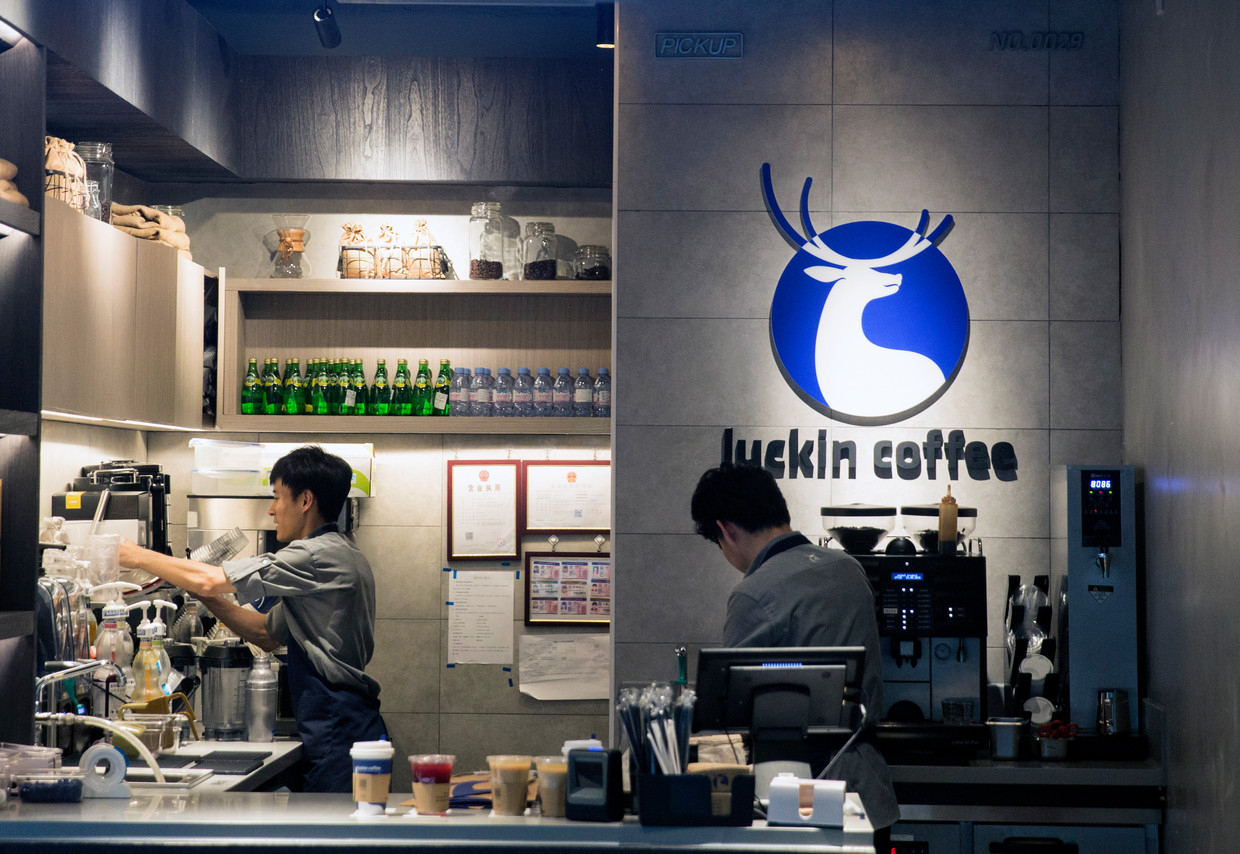
    Coffee chains such as Luckin Coffee and Tim Hortons have increased the prices of their beverages in China, with U.S. giant Starbucks blaming “multiple factors” such as higher operating costs.

    The chains, among China’s largest coffee players, raised prices by between 1 yuan and 3 yuan ($0.16 and $0.47), according to menus on mobile apps and media reports, with the topic going viral on Chinese social media on Thursday.

    Although a nation of tea drinkers, China is one of the world’s fastest-growing coffee markets, with nearly 110,000 shops in larger cities by April, consultants Deloitte have said, as young people drive consumption, which lags the United States and Europe, however.

    Starbucks said it had adjusted on Wednesday the prices of some of the items after “comprehensive evaluation and consideration of multiple factors” such as operating costs, in the first increase since 2018.

    A Starbucks Americano costs 30 yuan after the price increase, up from 28 yuan.

    Packaged coffee beans and merchandise such as mugs were not affected, however, the company said in a statement.

    China’s Luckin Coffee raised the price of some beverages by about 3 yuan, taking into account operational costs such as rent, manpower, and raw material, the state-backed Shanghai Securities Journal said.

    Starbucks hiked menu prices in October and January and plans further raises this year, Chief Executive Kevin Johnson has said, in part to offset soaring labor and goods costs, but he did not specify individual products.

    Official data showed China’s coffee market grew at an annual rate of 15% in 2018, versus a global average of 2%.

  • Subway Thailand plans 700 new stores

    Subway Thailand plans 700 new stores

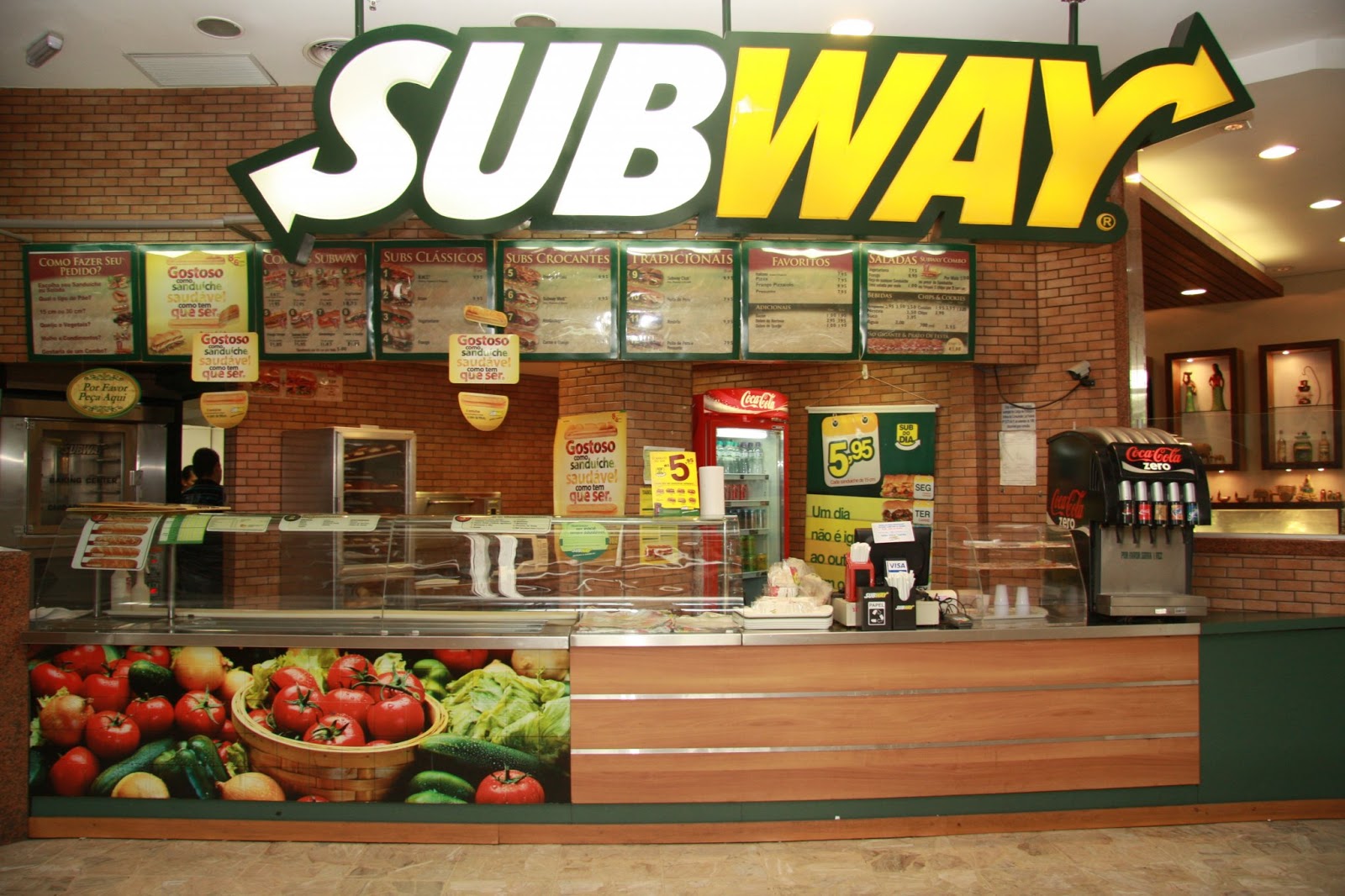
    The sandwich chain is aggressively doubling its current network of restaurants in the region to over 6,000 in the next five years.

    Subway has signed a new master franchise agreement with the existing multi-unit franchisee About Passion Co. Ltd. to significantly expand its presence in Thailand.

    The new deal sees About Passion Co. Ltd. opening more than 700 new Subway locations across Thailand over the next decade, expanding on the brand’s current footprint of over 130 restaurants.

    Existing and future restaurants will adapt the sandwich chain’s “Fresh Forward” design, whilst also allowing franchisees the flexibility to incorporate elements of Thai culture into their restaurants.

    About Passion Co. Ltd.’s focus will be to ensure restaurants are in locations with “high accessibility and visibility, including drive-throughs and non-traditional restaurant models, such as kiosks and Grab & Go,” the announcement said.

    “We have seen a strong demand for Subway across Thailand and, with About Passion Co. Ltd.’s existing knowledge of our business model and success in implementing operational excellence across their current restaurant locations, we are confident they will be successful in strategically expanding our presence in the country,” Subway chief executive officer John Chidsey said.

    “We have seen enormous success in our Subway restaurants throughout Bangkok and are committed to continuing to build profitable and sustainable growth and inspiring brand love amongst Thai consumers,” added Thanakorn Thanawarith, founder and director of About Passion Co. Ltd. “As guests across Thailand increasingly seek better-for-you, convenient and affordable food options, we’re confident Subway will be a welcome and distinct alternative to the QSR brands traditionally offered in the region.”

    Last year, Subway signed similar deals to expand in Indonesia,India, Sri Lanka, and Bangladesh.

    In an interview with QSR Media, APAC president Eric Foo said he currently expects the sandwich giant to have about 6,600 restaurants in the next five years, effectively doubling their current network and has named China and Japan as markets with “significant, untapped opportunity.”

  • Treasury Wine shares surge as post-China focus begins to pay off

    Treasury Wine shares surge as post-China focus begins to pay off

    Treasury Wine Estates said on Wednesday its operating earnings outside mainland China jumped 28per cent, underpinned by growth in its luxury and premium brands, sending shares of the world’s largest standalone winemaker nearly 12per cent higher.

    Treasury has had to re-direct supply to the United States, Europe and domestically after a diplomatic row between Canberra and Beijing effectively closed the lucrative Chinese market to Australian wine.

    The company said it recorded strong growth in its Americas and premium brands businesses, both of which reported a 19per cent rise in their earnings before interest, tax, SGARA and material items (EBITS).

    “Penfolds growth was particularly strong in Asian markets outside of Mainland China … increasing distribution in Asia, domestic markets, Europe and the United States was a key execution highlight,” the company said in a statement.

    Reported EBITS, excluding Australian COO wine sold in mainland China, rose to A$262.4 million ($187.7 million), narrowly missing market expectations of A$265 million while its total net profit slid 7.5per cent to A$109.1 million.

    The company said trading conditions for the remainder of fiscal 2022 were expected to remain broadly in line with the first half across its key markets and channels.

    “Despite FY22 potentially shaping up to be slightly softer than expectations, we see Treasury doing a commendable job building demand for its products in new markets,” Citi analysts said in a note.

    Treasury shares jumped as much as 11.8per cent to A$11.78 in early trading, while the broader market rose 0.4per cent.

    The company said it plans to increase prices across select portfolio brands to partly mitigate the impact of elevated supply chain costs and logistics.

    The Melbourne-based firm retained its interim dividend of 15 Australian cents per share.

  • Starbucks faces backlash in China over police incident at store

    Starbucks faces backlash in China over police incident at store

    Starbucks is battling its second bout of public fury in China in less than three months, after an incident described by the US coffee giant as a “misunderstanding” at one of its stores sparked criticism from online users and state media.

    The company came under scrutiny on Monday after a user on Weibo said that a number of police officers had been eating outside a Starbucks store in the southwestern city of Chongqing before they were told by staff to move away.

    The user’s description of the incident quickly went viral on the Twitter-like platform, prompting the ruling Communist party’s mouthpiece People’s Daily newspaper to issue a commentary, in which it called Starbucks “arrogant”.

    Chinese consumers and media have become more aggressive about protecting customer rights and monitoring the behavior of big brands, especially from overseas.

    In December, Starbucks apologised and carried out inspections and staff training across all its roughly 5,400 stores in China after a state-backed newspaper said two of its outlets used expired ingredients.

    Starbucks apologized on its Weibo account late on Monday for “inappropriate communications,” saying the whole thing was a misunderstanding.

    But it said staff had never chased away policemen or tried to file complaints against them.

    It continued to face criticism online on Tuesday, with a few small companies announcing on Douyin, the Chinese equivalent of TikTok, that they would “boycott” Starbucks by forbidding employees from arranging meetings in or buying drinks from the shops of the coffee chain.

    However, Hu Xijin, a prolific commentator in China who is the former editor-in-chief of the Global Times newspaper, urged his Weibo users to see the Starbucks Chongqing incident as an accident and not more, adding that Starbucks’s status as a foreign brand should not subject it to more criticism.

    “China is a country that is open to the world,” he said. “To label a mistake as arrogance is not conducive to the bigger environment of opening-up.”