Category: Food

Retail News Asia is committed to providing both local and global retailers with the latest Food and Food & Beverage news throughout the Asian market. This on a daily base.

  • Paris Baguette enters Malaysia, building its first halal-certified centre

    Paris Baguette enters Malaysia, building its first halal-certified centre

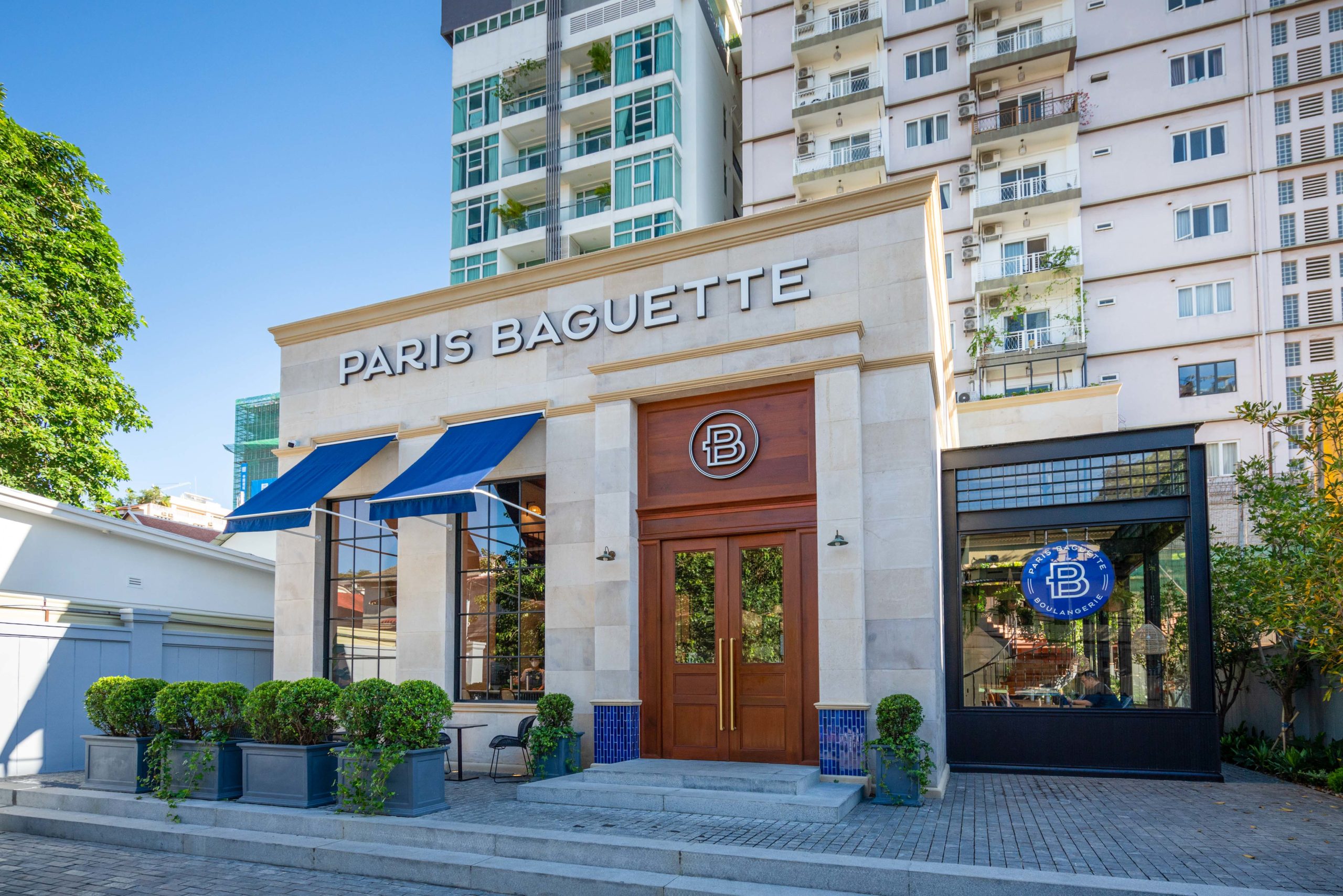
    SPC Group-owned Paris Baguette Singapore has partnered with Berjaya Food Bhd, the operator of Starbucks in Malaysia, to roll out Paris Baguette stores across the country this year.

    The joint venture, which Berjaya Food will own 50 per cent, is part of SPC Group’s strategy to further strengthen its presence in Southeast Asia. Malaysia will mark Paris Baguette’s eighth international destination, after Vietnam, the US, China, France, Cambodia, Singapore and Indonesia. The country’s first Paris Baguette store will launch in Klang Valley by the end of this year.

    Under the partnership, the South Korean retailer aims to open more than 600 stores in Southeast Asia by 2030. The chain is also eyeing expanding to the UK and China. Paris Baguette currently owns more than 4000 units globally.

    SPC Group is also set to open Paris Baguette’s first halal-certified bakery manufacturing and distribution centre in Johor, Malaysia next year as the South Korean retailer aims to tap into the US$2 trillion halal food market.

    About RM130 million (US$29.5 million) will be invested in the construction of the Johor-based facility, which will commence this year’s third quarter. Spanning 16,500sqm, the centre will be located at Nusajaya Tech Park, which connects to international airports and seaports in both Singapore and Malaysia.

    “The SPC Centre, Johor, will act as a cornerstone of our Southeast Asia business expansion and aid in the venture into the Middle East,” said Huh Young-in, chairman of SPC Group.

    The Johor-based SPC centre will manufacture about 100 items such as bread, cake and dessert to supply to Paris Baguette outlets in Southeast Asia countries, including Singapore, Vietnam, Cambodia and Indonesia.
  • Rice firms to see profits fall as input costs grow

    Rice firms to see profits fall as input costs grow

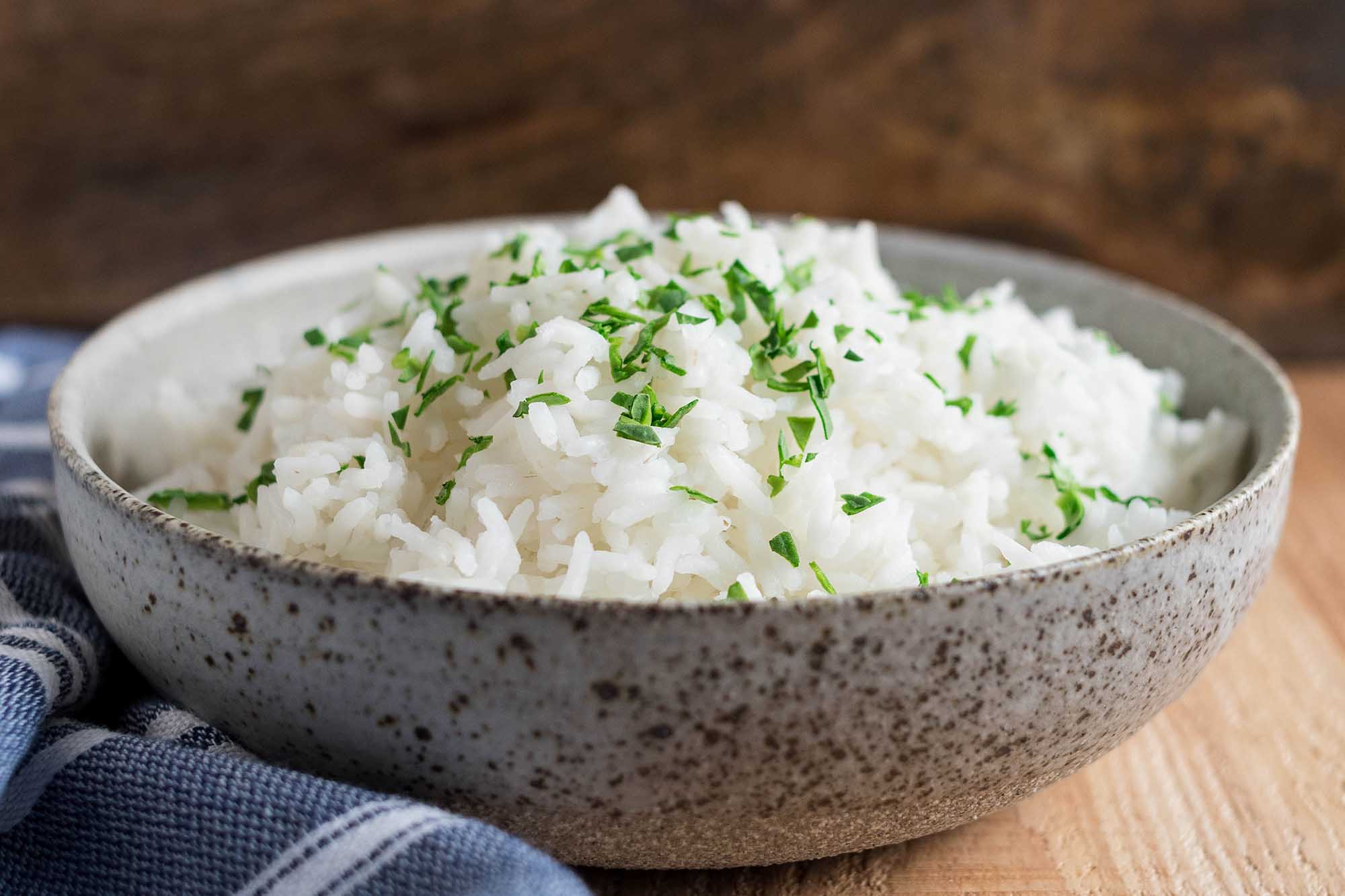
    Vietnam’s rice firms are having to lower their profit plans and targets this year as input costs rice and demand falls.

    Prior to the annual meeting of its shareholders, the Trung An Hi-tech Farming JSC adjusted profits down to VND100 billion ($4.3 million), six times lower than its earlier plan.

    An Giang Import Export Company expects pre-tax profit to fall to VND25 billion, or less than half of last year’s VND57.6 billion, and revenues halved to around VND2 trillion.

    The Loc Troi Group has lowered its profit estimates by 4 percent to VND400 billion for this year and the next.

    The fall in profit is happening because fertilizers, which accounts for over 50 percent of agricultural inputs, have seen prices increase by double-digit or even triple digits over last year.

    Fertilizer and animal feed price hikes are placing huge financial burdens on farmers and firms, the Ministry of Agriculture and Rural Development has acknowledged.

    Vietnam National Seed Group said adverse weather would be another concern this year, with earlier monsoon in the Mekong Delta and heavy flooding in the central provinces.

    Restructuring of land use and shortage of human resources due to urbanization and industrialization further inhibit cultivation and other post-harvest processing, it said.

    Rice firms also expect transportation costs to eat into their profit. Trung An said transport fees to Asian locations have doubled, and to Europe have tripled from last year.

    Local demand has fallen by 15-20 percent year on year as consumers stop stockpiling commodities in the aftermath of the Covid-19 pandemic peak, Du Phuc Thinh, modern trade sales manager of Lotus Rice Company said.

    “Gasoline, transport and input costs have all surged to unprecedented levels and showed no signs of decrease […] which have forced firms to raise prices, while demand has been low,” Thinh said.

    But demand may start to recover in the second half of this year as the year-end shopping spree gets underway, he added.

    In the first five months of this year, Vietnam exported 2.86 million tons of rice, fetching $1.39 billion, according to preliminary data from the Ministry of Industry and Trade.

    Vietnam will export 6-6.2 million tons of rice this year, the Vietnam Food Association has estimated.

  • TWE plans Australia’s largest winery solar installation

    TWE plans Australia’s largest winery solar installation

    Iconic Australian wines including Penfolds, Wolf Blass, Wynns, Squealing Pig and Pepperjack will be produced using 100% renewable electricity by 2024, with Treasury Wine Estates (TWE) announcing Australia’s largest winery solar installation across its Barossa and Karadoc wineries.

    Around 9,500 solar panels will be installed by the end of 2022 at Barossa Winery and Production Centre in South Australia, and Karadoc Winery in Victoria. The installations, which include solar powered employee carparks, are expected to generate more than 5,500 megawatt-hours of electricity per year, the equivalent of powering 900 homes.

    TWE Chief Sustainability and External Affairs Officer Kirsten Gray said moving to 100% renewable electricity was the most significant contribution the company could make on its journey to net zero direct emissions. The initiative was developed in partnership with Shell Energy and is part of TWE’s broader plan to make wine sustainably.

    “Electricity makes up about 70% of our Scope 1 and 2 emissions, so switching to renewables is the single biggest and quickest action we can take to reduce emissions. It paves the way to meet our target of net zero direct emissions by 2030 and forms the foundation for future innovation and resilience,” Ms. Gray said.

    “Sustainability is front of mind for our consumers, customers, and our employees globally, and we’re proud to be making progress towards our bold targets. Cultivating a brighter future for everyone means taking action and leading the industry to produce cleaner, greener wine that’s enjoyed by consumers all over the world.”

    Shell Energy Australia CEO Greg Joiner said TWE’s commitments in renewable electricity were an important step in becoming a sustainability leader in the global wine and beverages sector.

    “With nearly 13,000 hectares of vineyards all over the world, TWE has an opportunity to shape how the wine industry navigates the energy transition,” Mr. Joiner said.

    “TWE’s investment in renewable energy and emissions reduction roadmap ensures it has a clear and considered pathway to achieving its global sustainability goals. Shell Energy’s expertise in end-to-end low carbon solutions means the plan incorporates emissions reduction across the wine company’s operations: from the cellar door to offices, packaging centres and vineyards.”

    The Barossa and Karadoc installations are part of TWE’s wider plans to install more than 29,000 solar panels at its wineries and vineyards across the globe and purchase offsite renewable electricity. At the start of 2022, the company’s Melbourne, Victoria and Napa Valley, California headquarters became the latest of its corporate head office sites to become powered by 100% renewable electricity. Last year, the company also joined RE100 – a global renewable power initiative that aims to accelerate the transition to a clean economy.

  • Huawei plans to launch coffee chain

    Huawei plans to launch coffee chain

    Telecommunication giant Huawei Technologies Co’s recent plan to enter the on-premise coffee market in China has triggered heated discussions on the beverage’s role in rejuvenating established non-food brands among younger consumers.

    Huawei has applied for two trademarks related to coffee. The registered name of one trademark is “One Cup of Coffee Absorbs Cosmic Energy”. The name is classified into the category of convenience food and the application is waiting for acceptance, according to Qichacha, a data bank that tracks business registrations.

    The other trademark is classified into the category of catering and accommodation, covering services including cafes, restaurants and mobile food supply. The application is waiting for review.

    The move is a follow-up to the company’s management interests in the coffee sector.

    In August, Ren Zhengfei, founder of Huawei, said that the company plans to open more than 100 coffee stores in the company’s Qingpu base in Shanghai to attract young people to work for the company.

    Before Huawei, domestic leading sportswear brand Li-Ning recently started its own freshly brewed coffee as it has applied to register its brand as “Ning Coffee”.The sportswear company already operates coffee services in Beijing, Xiamen in Fujian province, and Zhanjiang in Guangdong province. The company runs coffee as an innovation and added value to its in-store shopping experiences, according to Li-Ning, which owns more than 7,000 stores in the country.

    Li-Ning is one of the large-scale retail networks that have banked on the beverage to get closer to younger consumers. Beijing TRT Group, a traditional Chinese medicine pharmacy, China Post, Petro-China, Sinopec Group and even Goubuli-an iconic Tianjin-based bun specialist-have opened their own coffee units. The list of brands entering the coffee sector goes on.

    Zhu Danpeng, a food and beverage analyst, said the recent cross-sector marketing events, which have involved business extension into the coffee sector, have shared one identical aspiration-to get engaged with the younger generation, which has become a dominant consumer group, playing a crucial role in a brand’s future. “To make a brand younger is more or less about how to grow loyalty and frequency with the Gen Z consumers,” said Zhu.

    The capital market and investors have also been drawn to the fast-rising coffee industry, pushing the growth of on-premise coffee niche brands including Manner Coffee, M Stand and Seesaw as well as those internet-based packaged instant coffee brands such as Saturnbird Coffee.

    According to a report by Jiemian, the domestic coffee sector received financing of more than 4 billion yuan ($594 million) in 2021. In March, Canadian coffee group Tim Hortons in China announced it had received an investment of 1.2 billion yuan, propelling the chain to grow from the current 410 stores in the country to 2,750 stores by 2026.

    According to research institute iiMedia Research, in 2021, the coffee market has been valued at 381.7 billion yuan and is estimated to grow to 1 trillion yuan in 2025, with an average annualized growth rate of 27.2 percent.

    By comparison, milk tea, a darling among Chinese youth, has been gradually losing its appeal. According to Nayuki Tea’s annual financial report for 2021, the milk tea maker has seen a loss of 145 million yuan in net profit, which was 16.6 million yuan a year earlier.

  • EU lifts safety restrictions on Vietnamese noodles

    EU lifts safety restrictions on Vietnamese noodles

    Starting July 3, the EU will remove Vietnam’s rice noodles, glass noodles and vermicelli from the list of goods subjected to safety controls.

    Announcing this, the Ministry of Industry and Trade said Vietnamese exporters will no longer have to provide safety certificates for these products.

    However, some local herbs including coriander, mint and parsley will be subjected to a temporary increase in safety controls at border posts.

    Vietnamese dragon fruit and instant noodles containing spices/seasonings or sauces will also be subjected to special entry conditions in the EU market to check for contamination risks.

    Vietnamese instant noodles have been under the EU scanner since January after some were found containing ethylene oxide, a substance banned in the union.

  • MasterFoods releases two new blends for brunches

    MasterFoods releases two new blends for brunches

    With cost of living on the rise, more Aussies are looking to recreate their favorite meals at home. MasterFoods is helping to recreate brunch favorites from home, with two new herb and spice blends.

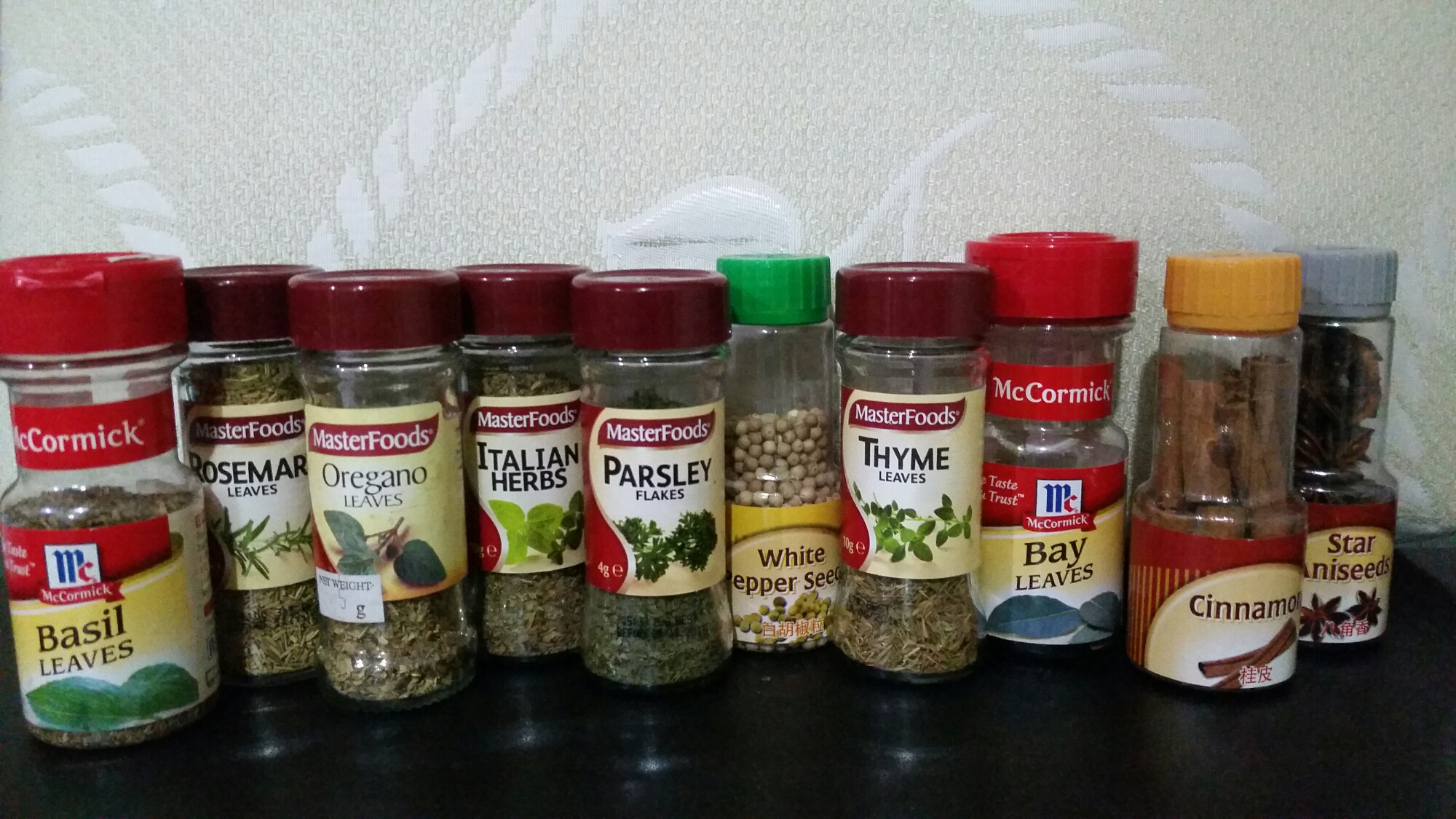
    The Cafe Style range features two products: Everything Eggs Spice Blend and Avocado Smash Spice Blend, to help home cooks create their own cafe quality brunches.

    The new range is aimed at Millennials and those who love brunch culture. Cafe Style Everything Eggs Spice Blend is made with paprika and chives, made to pair with eggs – scrambled, fried or poached.

    Cafe Style Avocado Smash Spice Blend is zesty with parsley and dill, for sprinkling over avocado, or adding to your favorite avo dip, smash or spread.

    Research by Mars Food Australia, the manufacturer of MasterFoods, has found more and more people are recreating their favorite brunch occasions from home.

    MasterFoods senior brand manager Dominique Caruana said brunch accounted for 20 percent of out of home meal occasions, with eggs and avocado smash as the signature dishes of the great Aussie brunch.

    “Over the past few years, scratch cooking occasions have nearly doubled, and with more people working from home these days, a delicious brunch does not have to be only for weekends,” said Caruana.

    Mars Food Australia portfolio marketing manager Rachel Humphrey said this was a significant milestone for the company, marking the first foray for herbs and spices outside of dinner.

    MasterFoods has been blending herbs and spices for over 75 years, with our spice blends helping Aussies transform everyday meals into flavoursome dishes. But this is the first time we have targeted the millennial weekend staple of brunch, ”Humphrey said.

    The new Cafe Style range is vegan friendly, with no artificial colors, flavors or preservatives and is available nationally in Coles, and in Woolworths from August.

  • McDonald’s eyes selling its South Korea unit

    McDonald’s eyes selling its South Korea unit

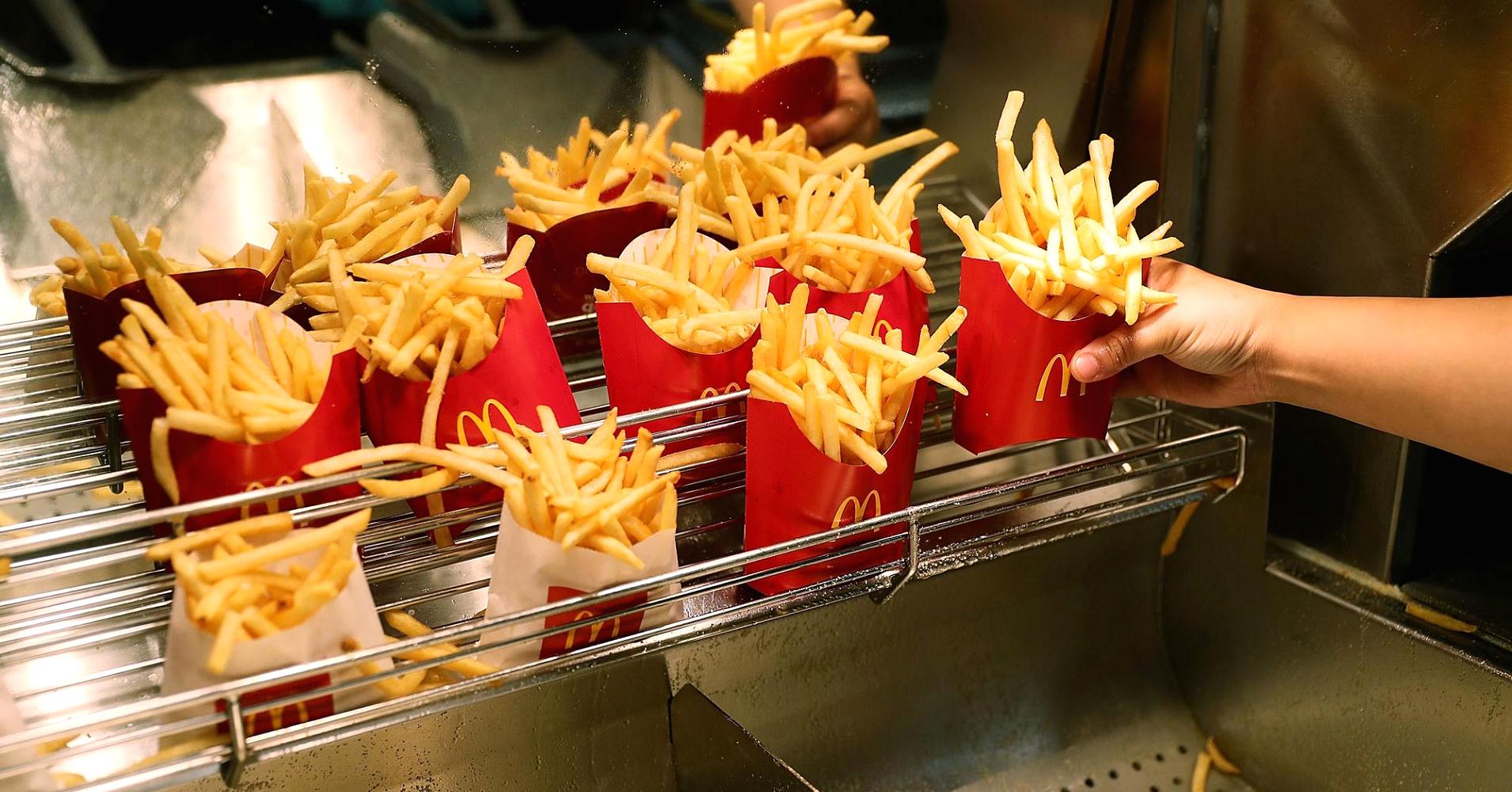
    McDonald’s Korea, the local unit wholly owned by the US fast-food giant, is seeking a new owner — joining the latest burger chain sales rush here.

    The company confirmed Friday that its US headquarters is selling its entire stake in the Korean unit as well as its business license after its first failed attempt six years ago.

    According to news reports, Mirae Asset Securities, the deal’s lead manager, plans to send letters as early as next month to invite potential bidders.

    With the addition of McDonald’s Korea, the largest fast-food chain by revenue here, four out of six major burger franchises — including Burger King, KFC and Mom’s Touch — are looking for new owners.

    Hong Kong-based Affinity Equity Partners is selling Burger King Korea, along with the burger chain’s Japanese unit. Meanwhile, Korean chemicals conglomerate KG Group is seeking an exit after its five-year ownership of KFC Korea. Mom’s Touch, a home-grown chicken burger chain owned by private equity firm Korea F&B Holding, recently delisted from the nation’s second bourse Kosdaq in a move to search for a new owner.

    Unlike the four, the remaining Lotteria and No Brand Burger are subsidiaries under retail giants Lotte and Shinsegae, respectively.

    The valuation of McDonald’s Korea is yet to be estimated, but market forecasts put it much higher than 2016’s 300 billion-500 billion won ($234 million-$469 million). Crosstown rival Burger King is currently valued at around 1 trillion won.

    US private equity giant Carlyle Group is cited as one of the potential buyers of McDonald’s Korea. In 2016, when the company was put up for sale, Carlyle created a consortium with Maeil Dairies — the nation’s leading dairy company — but later backed out from the deal. After its failed attempt to take over the Korean unit, it acquired the Chinese and Hong Kong branches in 2017.

    Along with the deal price, the US headquarters’ push to maintain its control over the Korean unit even after an exit could become a key factor in the acquisition talks. In 2016, the US head office insisted that it resume quality control of burger products and receive royalty payments from McDonald’s Korea, which evidently became another deal breaker.

    According to data from the Financial Supervisory Service, the Korean unit has paid 54.3 billion won in 2021 and 50.1 billion won in 2020 in commission payments for the US headquarters.

    Industry watchers say growing demand for premium burgers has led to heated competition in the market and an influx of newcomers. The food unit of Daewoo Development recently launched Good Stuff Eatery, a handcrafted burger chain frequented by former US President Barack Obama. BHC Group and Hanwha Solutions are poised to open Korean branches of Super Duper Burgers and Five Guys this year.

    As of 2021, McDonald’s Korea operates 404 stores nationwide. It posted 867 billion won in sales, up 9.7 percent from a year earlier, while logging 34.9 billion won in net losses.

  • Banana exports to China boom despite Covid restrictions

    Banana exports to China boom despite Covid restrictions

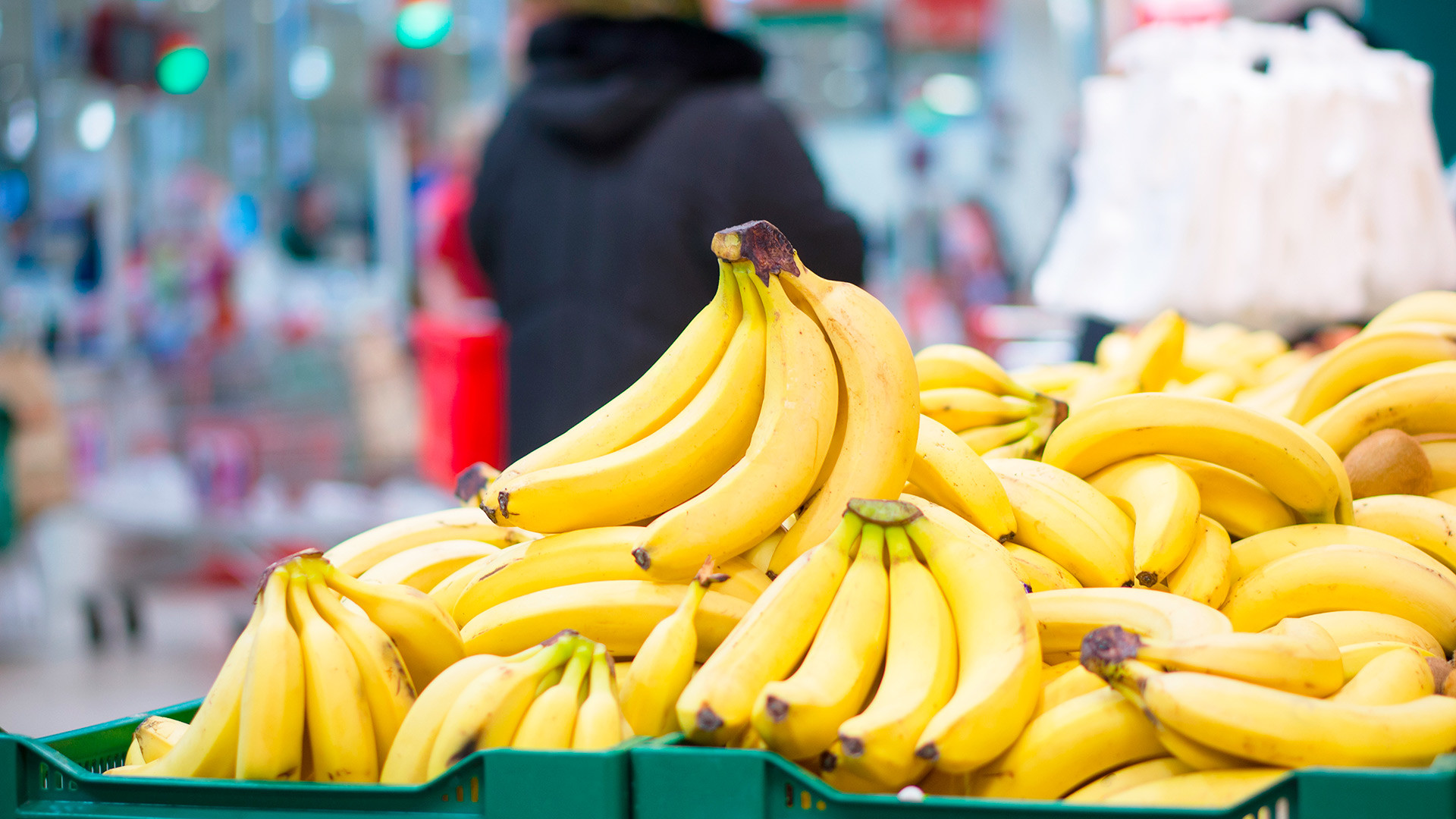
    Banana exports to China increased by 10 percent in the first five months though total vegetable and fruit exports to that country were down 28 percent.

    Vietnam was China’s largest supplier of bananas at 742,000 tons or 43 percent of its total imports, according to the Vietnam Fruit & Vegetables Association (Vinafruit).

    Vo Quang Huy, director of agriculture firm Huy Long An Co. Ltd, said his company’s banana exports to China were up almost 30 percent year-on-year despite the Covid-19 restrictions and safety measures in place there.

    Nguyen Van Cu, director of a northern exporter, agreed, saying his company’s exports doubled to around 500 tons.

    “Prices have surged from VND3,000 (13 U.S. cents) a kilogram last year to VND5,000-8,000.”

    Vinafruit chairman Dang Phuc Nguyen attributed the rise to falling output in China, where banana farms have been plagued by Fusarium wilt, a lethal fungal disease that has no cure, and rising input costs.

    But packaging and logistic costs of up to VND13,000 a kilogram eat up profits, exporters said.

    They expect exports and prices to rise sharply in the second half of this year.

    Vietnamese exports need to improve their quality and origin traceability to increase their chances of entering the Chinese market, Nguyen added.

  • Fruit exports to China slump on tightened Covid-19 restrictions

    Fruit exports to China slump on tightened Covid-19 restrictions

    Vietnam’s vegetable and fruit exports to China fell 28 percent year-on-year to $625 million in the first four months as the major importer extended its zero Covid strategy.

    The plunge resulted in a 14 percent drop in total fruit and vegetable export value, as China accounts for over 50 percent of Vietnam’s $1.17 billion worth of fruits and vegetables export.

    China has been tightening control over imported agro products through stricter monitoring of farm and packing facilities, said Le Thanh Tung, deputy head of the Department of Crop Production under the agriculture ministry.

    Its stringent lockdowns have also lengthened the export negotiation process, with Chinese experts unable to inspect farming areas in person.

    Chinese authorities have also strengthened quarantine regulations and clearance procedures, causing congestion of fruit trucks at border gates.

    On May 23, some 815 and 287 trucks were stuck in the northern provinces of Lang Son and Quang Ninh, respectively, with 35 percent of them carrying fresh fruits.

    Tung also pointed out that Vietnamese farmers were suffering skyrocketing input costs, driven by higher fertilizer and pesticide prices.

    Vietnam mainly exports fresh fruits and other agricultural produce due to limited domestic capacity in processing, so the sector has been severely impacted by adverse conditions.

    Tung called on the agriculture ministry to restructure the production chain of agro produce, including issuing guidelines on building chain-based logistical supply systems.

    It is also necessary to boost cooperation with global partners to open up new markets, he said.

  • Snack chain Aji Ichiban closes all Hong Kong stores

    Snack chain Aji Ichiban closes all Hong Kong stores

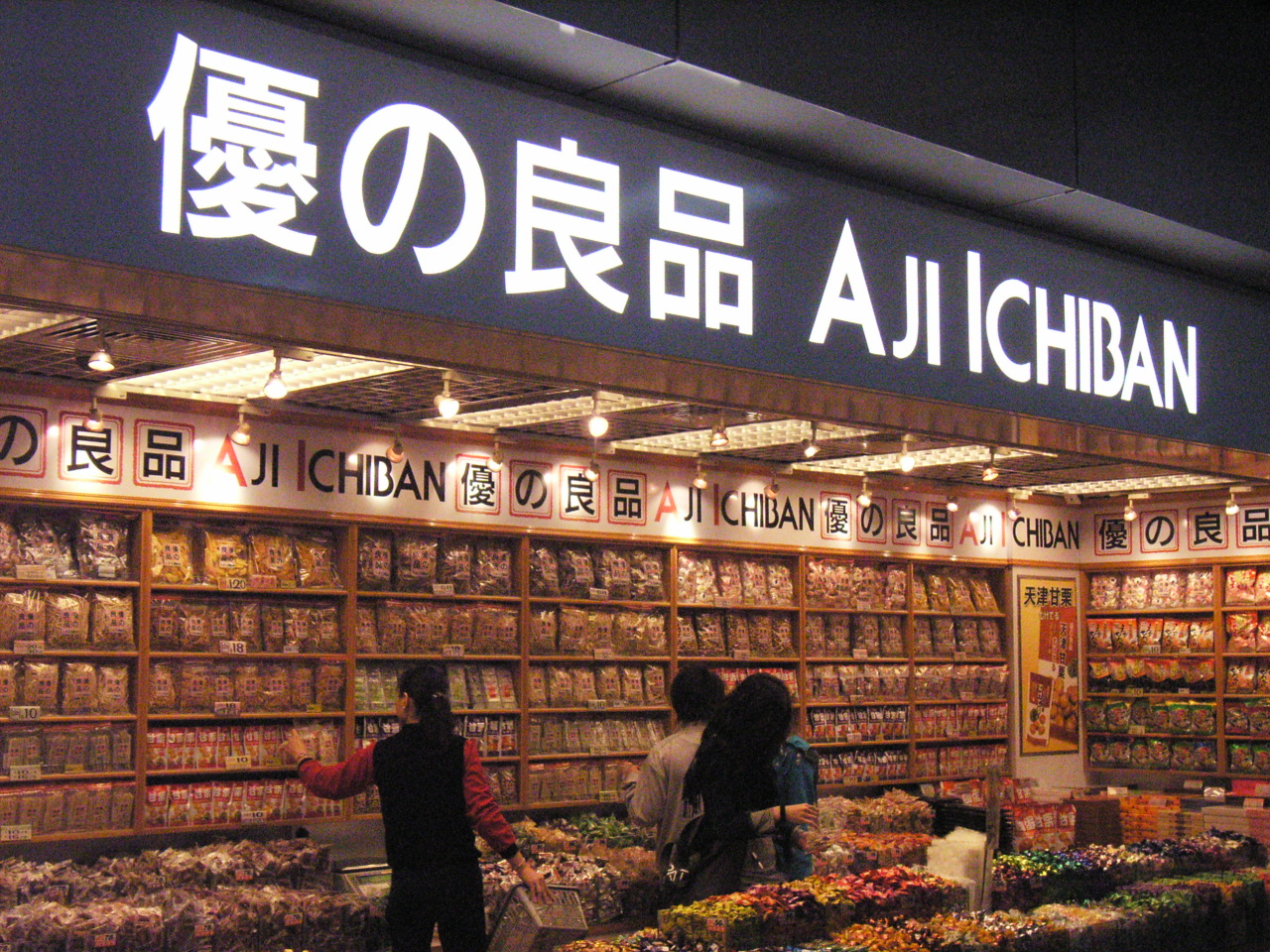
    Hong Kong snack food franchise Aji Ichiban has closed all of its stores in the territory after suffering significant losses as Covid-19 caused a slump in overseas visitors, The Standard reports.

    The company’s website and phone numbers were reported not to be working since Monday, which is presumed to have been the chain’s last trading day. A spokesperson told The Standard the company might resume its operations in future if circumstances change.

    Despite its Japanese name, the snack food chain was established in Hong Kong by Lai Chan Yuk Hing and Lai Hin Tai. The brand opened more than 90 stores in Hong Kong and expanded its business internationally with more than 150 franchised shops, including in the US, the Philippines and Canada. However, most of its international stores have been closed since 2013.

    Aji Ichiban is known among tourists for its wide selection of dried snacks, such as beef jerky, dried apricots, Skittles, chocolates, nonpareils, spicy dried fish, plum tablets, nuts, chilli olives, fried and shredded squid.

  • Rice export prices continue to drop

    Rice export prices continue to drop

    Average rice export prices fell for a second straight month to US$415-420 a ton, resulting in a marginal year-on-year decline in revenues for Vietnam despite higher volumes.

    The country exported 2.86 million tons for $1.39 billion in the year to date, up 10.3 percent in volume but down 1 percent in value, according to data from the Ministry of Agriculture and Rural Development.

    Global prices have been falling due to abundant supply, with Thai 5 percent broken rice becoming $5 per ton cheaper at $445.

    The Philippines remained Vietnam’s top market, importing 915,000 tons for $422.2 million, up 28.3 percent and 11 percent.

    But domestic prices rose slightly in early June as there was a drop in supply between the winter-spring and summer-autumn crops.

  • Korean chicken chain Mom’s Touch seeks investors

    Korean chicken chain Mom’s Touch seeks investors

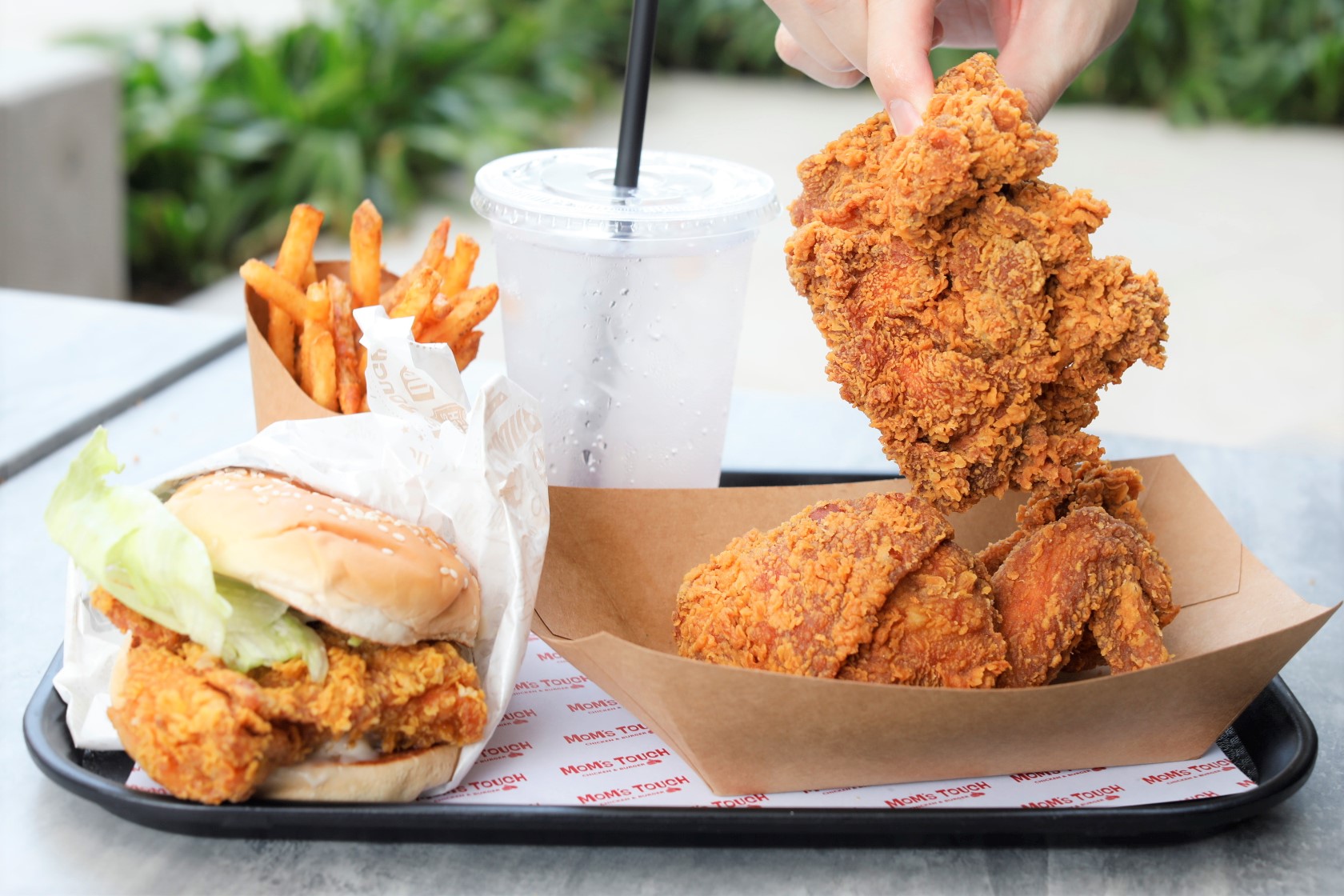
    South Korean chicken chain, Mom’s Touch, is seeking a new owner after voluntarily delisting from the Kosdaq stock market, according to The Korea Herald.

    KL & Partners’ investment arm, Korea F&B Holdings, which is the chain’s largest shareholder, proposed to purchase shares for the next six months in order to protect minority investors.

    As of the first quarter of this year, Mom’s Touch has 1352 stores across its home country. The company’s value is estimated at about US$804 million – nearly three times the amount Korea F&B Holdings invested to acquire the chain in 2019.

    The chain expanded to the US late last year with the ambition to open 100 stores in the country by 2025. On the other hand, Mom’s Touch Singapore, operated by No Signboard Holdings’ wholly-owned subsidiary Hawker QSR, ceased its operations at all outlets last February.

    Meanwhile, its rival, Popeyes, is making a return to South Korea through an exclusive master franchise agreement with Silla Group, after exiting the country in 2020. The chain will open its first store by the end of this year.

  • KitKat unveils world-first packaging in Australia

    KitKat unveils world-first packaging in Australia

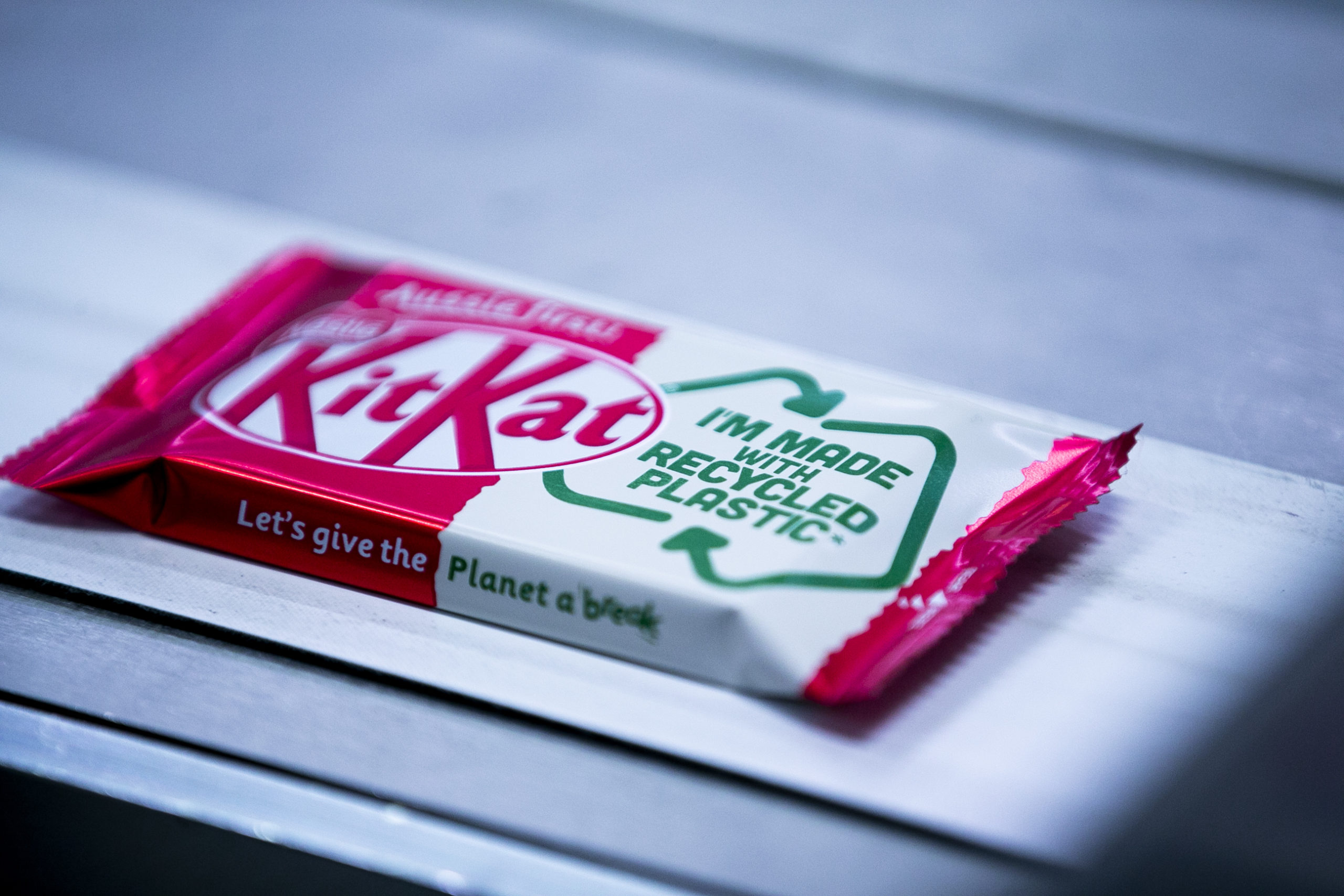
    Nestlé Australia has announced that KitKat will be Australia’s “first” chocolate bar with a wrapper using recycled plastic.

    More than 40 million 45g KitKat bars will be packed in the 30% recycled content wrapper in the next year, cutting virgin plastic use by around 250,000sqm.

    Nestlé Oceania General Manager Chris O’Donnell says the company is on a mission to cut its virgin plastics use by a third by 2025.

    “Introducing recycled content in our packaging will make a significant impact against our 2025 ambition. We’ve implemented a number of changes to reduce our use of virgin plastic but this switch, the first of its kind, will be a huge step change.

    “We know consumers want our packaging to use more recycled content, so we’re delighted to deliver the KitKat 45g bar as Australia’s first food product to be wrapped in soft plastic made with recycled content.

    “For KitKat fans, the news is all good. The 30% recycled plastic wrapper will keep KitKat bars crisp, fresh and delicious, while we focus on giving the planet a break. When they’re finished, they can continue to recycle their wrappers through the REDcycle scheme.”

    The wrapper is also Nestlé’s first soft plastic food wrapper globally to use recycled content.

    “Soft plastic with recycled content that’s suitable for food packaging isn’t widely available anywhere in the world – we’ve been searching high and low to find as much of this material as we can from our suppliers. As more becomes available we’re hoping to increase the amount we can source for our packaging,” Mr O’Donnell said.

    “We’re focussed on less packaging, better packaging and better systems. This is a big step in the right direction but we’re not at our end destination yet. This is a journey of ongoing innovation.

    “In the meantime, we’ve committed to invest CHF 2 billion globally to stimulate the market and lead the shift from virgin plastics to food grade recycled plastics.”

    The 30% food grade recycled plastic wrapper is supplied by Huhtamaki. The recycled content has been allocated using the mass balance approach and certified by ISCC.

  • Starbucks Japan opens new store focused on coffee grounds circularity

    Starbucks Japan opens new store focused on coffee grounds circularity

    Starbucks has announced a first look into a new drive-thru store, opening on 1 June within a bustling rest stop in Togane City, Japan. The store is the second in Japan to be certified under the Greener Stores Framework, aimed at accelerating the transformation of retail towards lower-impact stores that achieve reductions in carbon emissions, water usage and landfill waste.

    The store plays a key role in a community collaboration between Starbucks Japan, Togane City and Sanyu Plant Service Corporation, a local manufacturer, which aims to promote circularity and reduce waste, while making a positive impact for the local community. As part of the collaboration, used coffee grounds from the new store will be recycled into cattle feed, and through Starbucks coffee grounds circularity loop, milk from participating dairies is then used to create handcrafted beverages at around 200 Starbucks stores across the Kanto and Kansai areas, including the new drive-thru. In addition, other food waste from the store will be turned into compost to grow produce directly at the rest stop in Togane City, in cooperation with Chiba Prefectural University of Agriculture.

    Designed inside and out to reflect the area’s proud local industry, the store features local Sambu cedar and Japanese yew trees, the official trees of Togane City. As part of Starbucks’ global efforts to reduce carbon by 50% by 2030, the store is powered by solar panels on the roof and locally-generated renewable energy. The solar system will include batteries that can provide backup power in the event of an outage.

    Connection with the community is also central to the new store’s operation and design. “I believe that even if the actions of each of us are small, each step we take will become a path leading to the future,” says Ayumi, store manager. “Starting with what we can do, we would like to build the future together with the community.”

  • Chinese hot pot chain Haidilao to launch in the Philippines

    Chinese hot pot chain Haidilao to launch in the Philippines

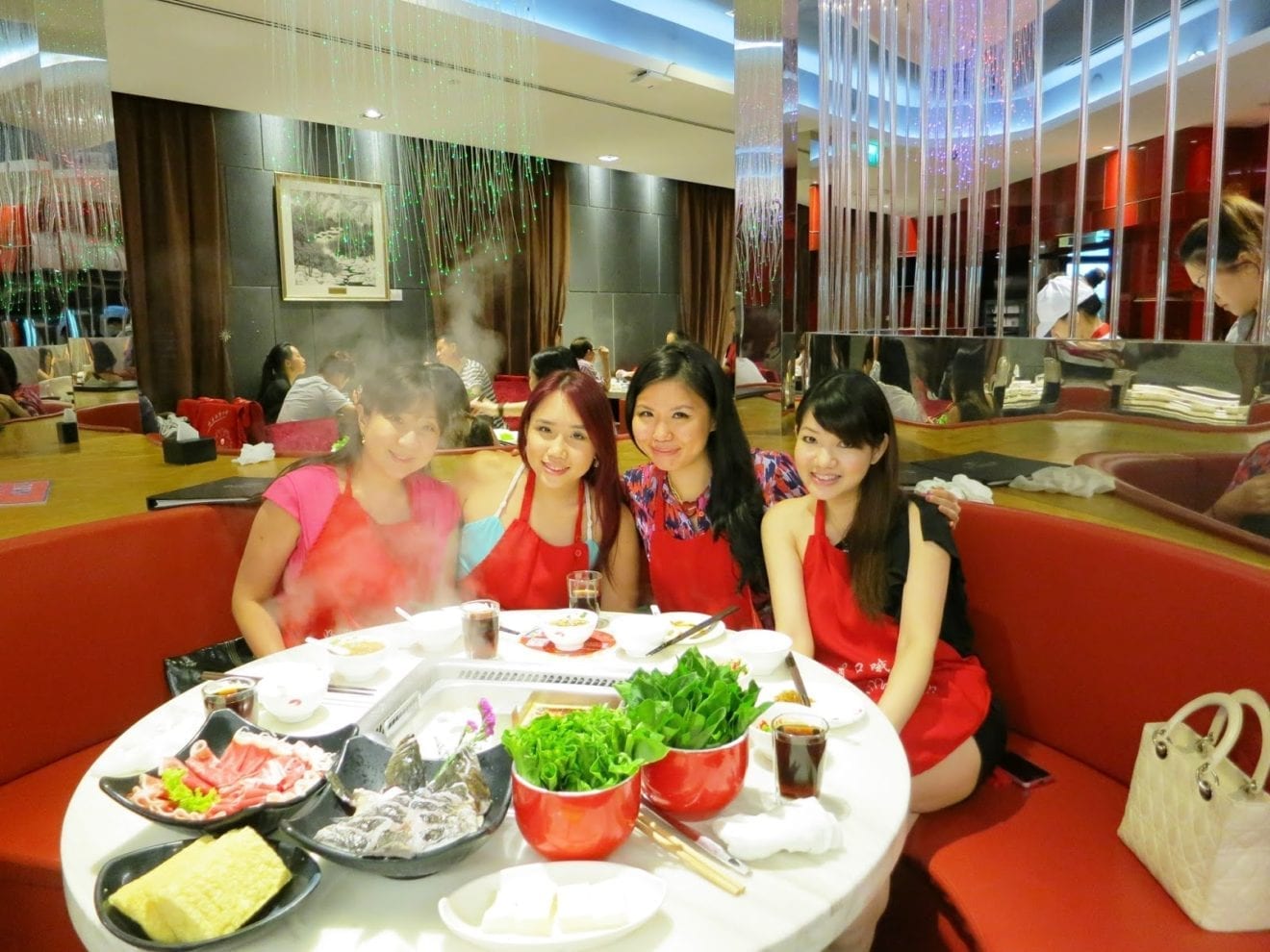
    Haidilao, the largest hot pot restaurant chain in China, will open its first store in the Philippines next month, the Department of Trade and Industry (DTI) said Friday.

    The DTI said Haidilao International Holding Ltd. would continue to open more restaurants within the year, creating at least 400 jobs. The DTI has yet to divulge further details, such as the number of stores and locations of Haidilao.

    According to the agency, the expansion plans of Haidilao in the Philippines took two years.

    The Philippine Trade and Investment Center in Hong Kong (PTIC-HK) and the restaurant chain owner started discussions on the latter’s plan in the first half of 2020.

    PTIC in Hong Kong and Guangzhou both assisted Haidilao to open its first branch in the country.

    In a virtual meeting with the Board of Investments (BOI) last month, Haidilao executives discussed the details of their operations here.

    “The intention of Haidilao is to present a superior dining experience and offer quality food for Filipinos at a reasonable price. In addition, Haidilao intends to fuse the Filipino taste into its menu and integrate Filipino core values in its service,” the DTI said in a statement.

    Haidilao was founded in 1994 in Sichuan, which is known for its extremely spicy food, particularly hot pot.

    The company now has over 1,000 restaurants in China, Hong Kong, Macau, Singapore, Malaysia, Taiwan, Australia, United States, United Kingdom, Canada, Thailand, Indonesia, South Korea, and Japan among others.