Retail News Asia is committed to providing both local and global retailers with the latest Food and Food & Beverage news throughout the Asian market. This on a daily base.
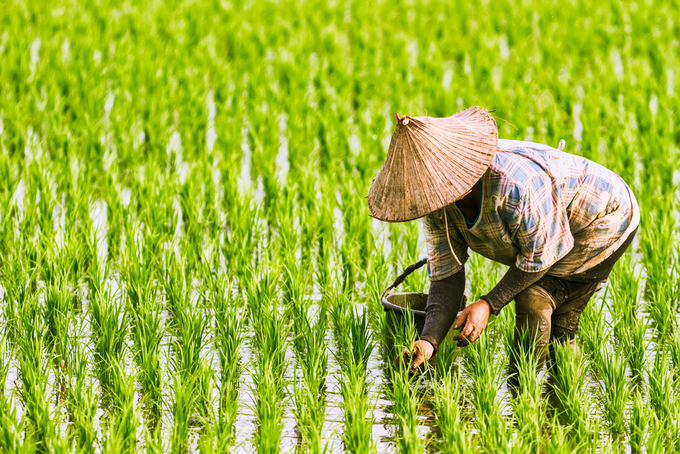
Vietnamese 5% broken rice, which usually costs less than its Thai peers in export markets, raced past them in October to reach record levels. It fetched $425-430 per ton, $48-51, and $18-25 higher than similar varieties from India and Thailand, according to the Ministry of Agriculture and Rural Development.
Vietnam exported over six million tons of various kinds of rice for nearly $3 billion in the first ten months, up 17% and 7% year-on-year.
According to local businesses, this is not the first time Vietnamese rice has fetched higher prices than Thailand’s, but its brand recognition is growing in the world market.
“Vietnamese fragrant rice is still behind Thailand, but it is becoming increasingly popular with foreign consumers,” Pham Thai Binh, general director of Trung An Hi-tech Farming Joint Stock Company based in the southern city of Can Tho, said.
His company exports some 30 containers of rice to Europe every month at $700-1,250 per ton, he said.
Australia recently registered the ‘Gao Ong Cua Vietnam’ trademark for ST24 and ST25 rice varieties developed by agricultural engineer Ho Quang Cua.
ST25 won the World’s Best Rice Contest in 2019 and ST24 came second in 2017.
Loc Troi Group’s rice with the trademark ‘Com Vietnam Rice’ is sold at 4,000 supermarkets in France.
Local firms expect rice exports to remain big and fetch high prices for the next three years since the world is facing climate change and the food supply is falling.
Thailand’s rice production is declining.
Vietnam is the world’s third-biggest rice exporter after India and Thailand and accounts for 7.8% of the global rice trade.
Its rice is sold in 28 countries and territories worldwide, mainly in Asia and Europe.
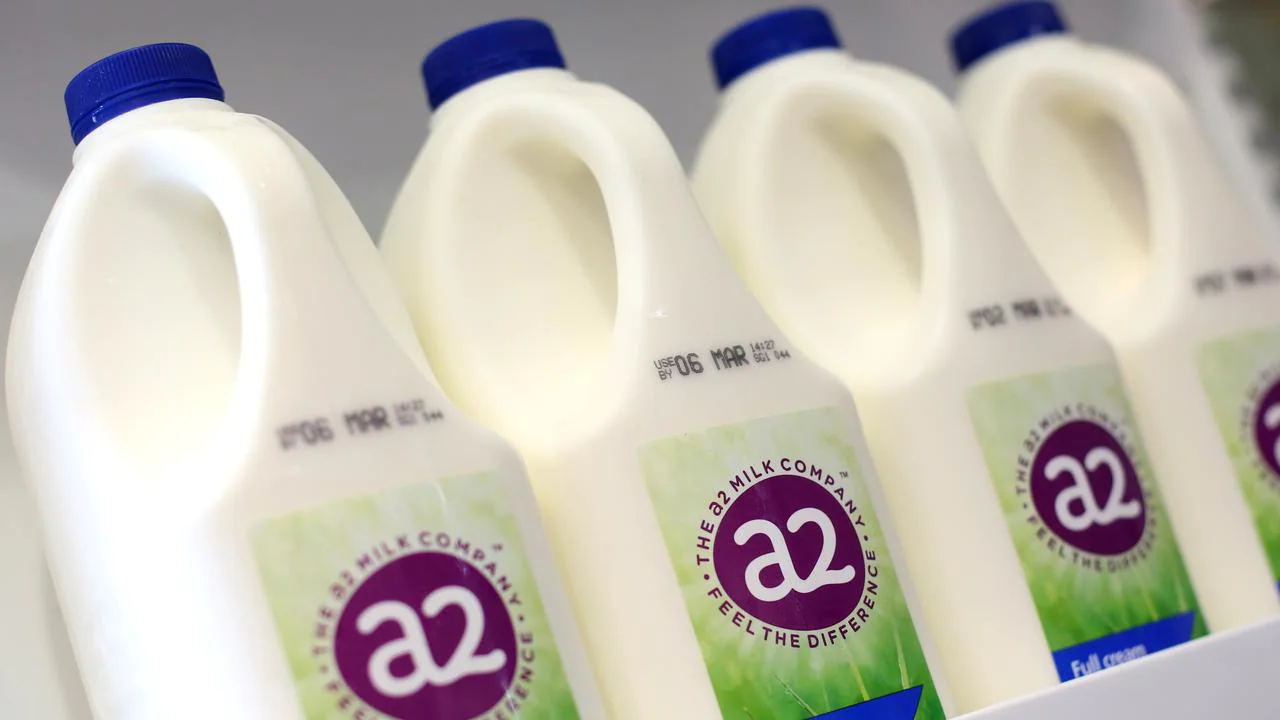
A2 Milk Company has taken legal action in the Federal Court against an Australian competitor, Care A2 Plus, and its associated companies for infringing its trademarks.
In a filing, A2 Milk sought a permanent injunction restraining Care A2 Plus from selling or advertising its products with A2 Milk’s registered trademarks in Australia.
“The A2 Milk Company protects its intellectual property rights, including trademarks. We will not be commenting further at this stage given the matter is before the court,” an A2 Milk spokesman told The Australian.
The company lodged the case one week after A2 Milk’s lawyers sent a cease and desist letter to Care A2 Plus – which had already launched its own Federal Court action to “strike out” the trademarks concerned.
A2 Milk has taken action against several other companies in Australia and abroad in the past to prevent them from using the term A2 in their brand names or marketing.
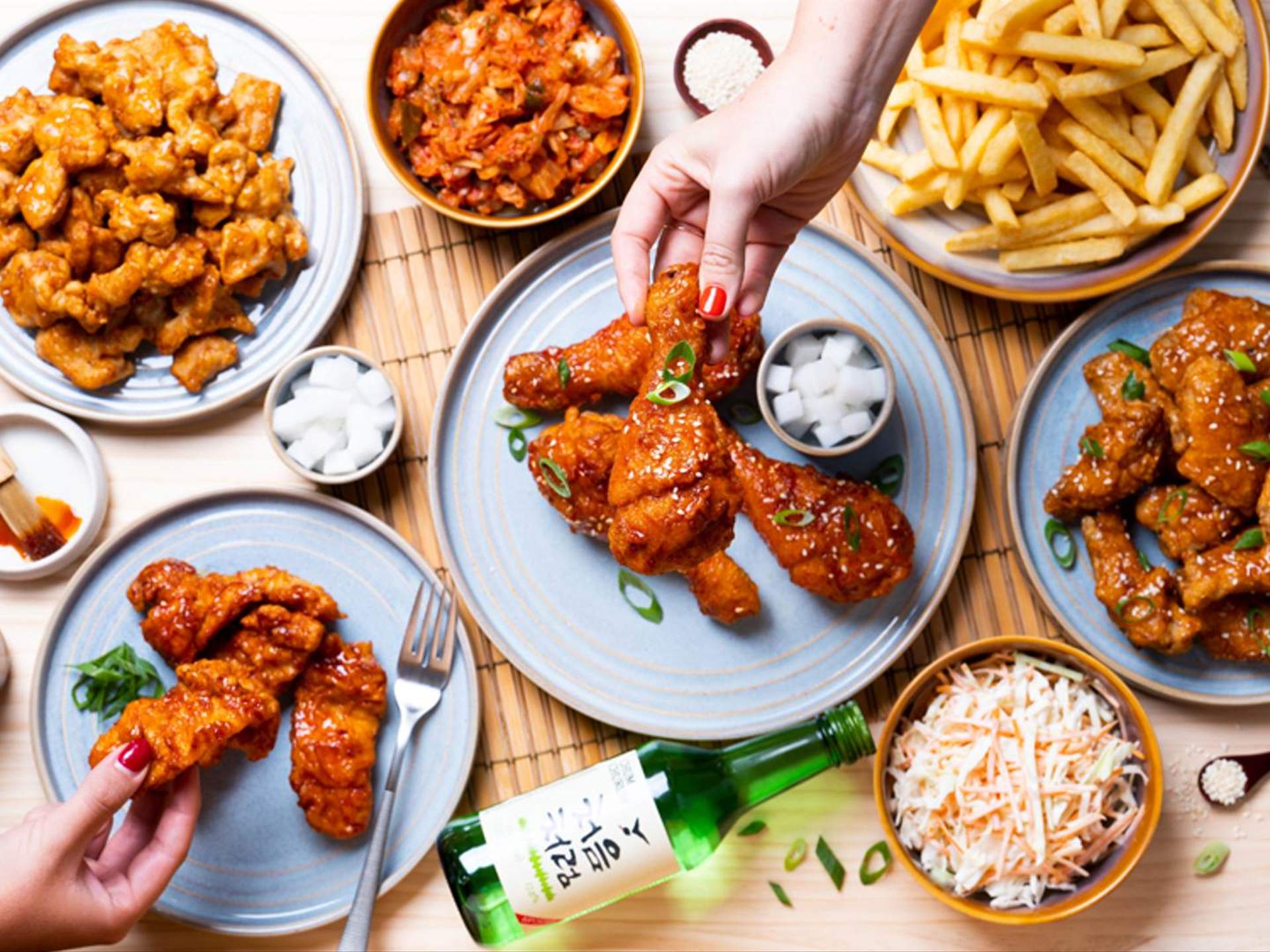
Bonchon, the global restaurant concept known for its Korean fried chicken, celebrates a year with market expansion, sales growth, and a new fast-casual model.
Despite continued industry challenges due to the pandemic, Bonchon retained its strong year-to-date sales performance. In October, the company registered a 76% same-store sales increase compared to 2021. Bonchon has 15% same-store sales as of Dec. 25, 2021.
“Sales growth has steadily increased due to strategic enhancements in operations, supply chain, and technological innovation. These strategic shifts have not only allowed Bonchon to build our revenue even further, but also to continue expanding our footprint with new openings across Vietnam,” said Bonchon Vietnam CEO, Mark Kim.
Innovation of the store design and fine-tuning of the operating system also greatly contributed to Bonchon Vietnam’s performance.
The store’s innovation in terms of design boasts advantages in brand identity and introduces the image of our Bonchon stores to a younger, trendier customer base. In addition, simplified adjustment and focus on important factors in the operating system have enhanced service quality and customer experience across Bonchon stores nationwide.
Moreover, with the ability to enter the zeitgeist and respond quickly to market sensitivities, Bonchon Vietnam stayed in the game of the door-to-door delivery era by working closely with home delivery units. This particular delivery service adjustment brought about a significant source of revenue, accounting for 40% of Bonchon Vietnam’s monthly revenue in 2022.
Additional franchise support has been driven by the integration of newly acquired experienced team members and field business consultants who guide best practices, customer service, food quality, and menu strategy.
“In the next five years, we will be implementing ongoing strategic shifts in operations, the supply chain, and technological innovation to remain on the current growth trajectory,” Kim added.
Bonchon is known for its signature made-to-order Korean fried chicken that is hand battered and double-fried to achieve its signature, crave-worthy crunch, and proprietary sauces crafted in the Bonchon global kitchen in Busan. Every piece of chicken is hand brushed to make each bite perfectly flavorful. Bonchon also offers an authentic Korean fusion menu with Bibimbap, Japchae, Bulgogi, and more.
Born in Busan, South Korea in 2002, Bonchon’s founder, Jinduk Seo, dreamed of sharing his favorite flavors with the world. Just four short years later, in 2006, Bonchon went on to establish itself in the U.S. The global franchise has been spreading its reach around the world ever since with a notable presence spanning nine countries with more than 400 locations. With no indication of slowing down, Bonchon has recently confirmed new development agreements in France and Australia.
In 2019, the brand continued to expand to Vietnam. In April 2022, Bonchon celebrated the opening of its ninth store and is preparing to welcome its 10th and 11th this November.
Vietnam’s rice exports in the January-October period are estimated to have risen about 17.2% from a year earlier to 6.07 million tonnes, government data showed on Saturday.
Revenue from rice exports in the period is seen up 7.4% to $2.7 billion.
October rice exports from Vietnam, one of the world’s leading shippers of the grain, likely totalled 700,000 tonnes, worth $334 million.
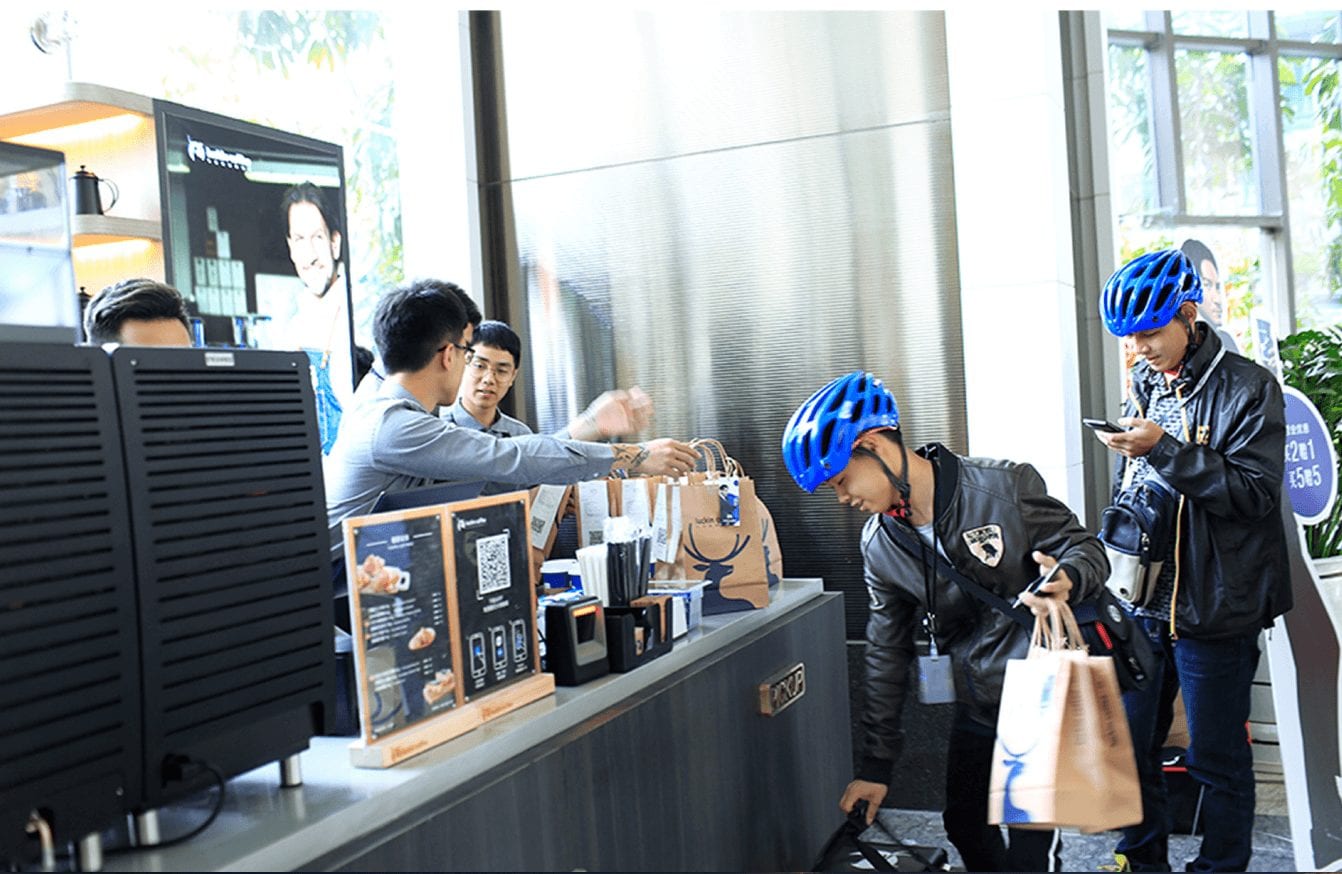
Former executives of Luckin Coffee, Jenny Qian and Charles Lu, have introduced the first location of their new coffee venture Cotti.
Earlier this year, the coffee chain was reported to be registered with a capital of $100 million with Qian as the legal representative. Cotti’s management team include employees of Lu from Luckin Coffee and Chinese car rental companies UCar and Car Inc, reports Pandaily.
Cotti Coffee’s first store is located in Fuzhou, serving coffee and Italian desserts in the morning and meals and wine in the evening. The brand has also launched the ordering and food delivery feature on WeChat, offering more than 40 products with prices ranging from $2.48 to $4.41.
The coffee chain will introduce two store formats – a 50sqm mini store for takeaway and a larger standard footprint offering more of an in-store experience. Following the physical launch, Cotti Coffee will become the sponsor of Argentina’s national football team, serving co-branded drinks in China during next month’s World Cup.
Lu left Luckin Coffee after the $340 million fabricated sales scandal in 2020. The controversial coffee chain was delisted from Nasdaq soon after that. IiMedia Research estimated the Chinese coffee industry will maintain a growth rate of 27.2 per cent and reach $137 million in 2025.
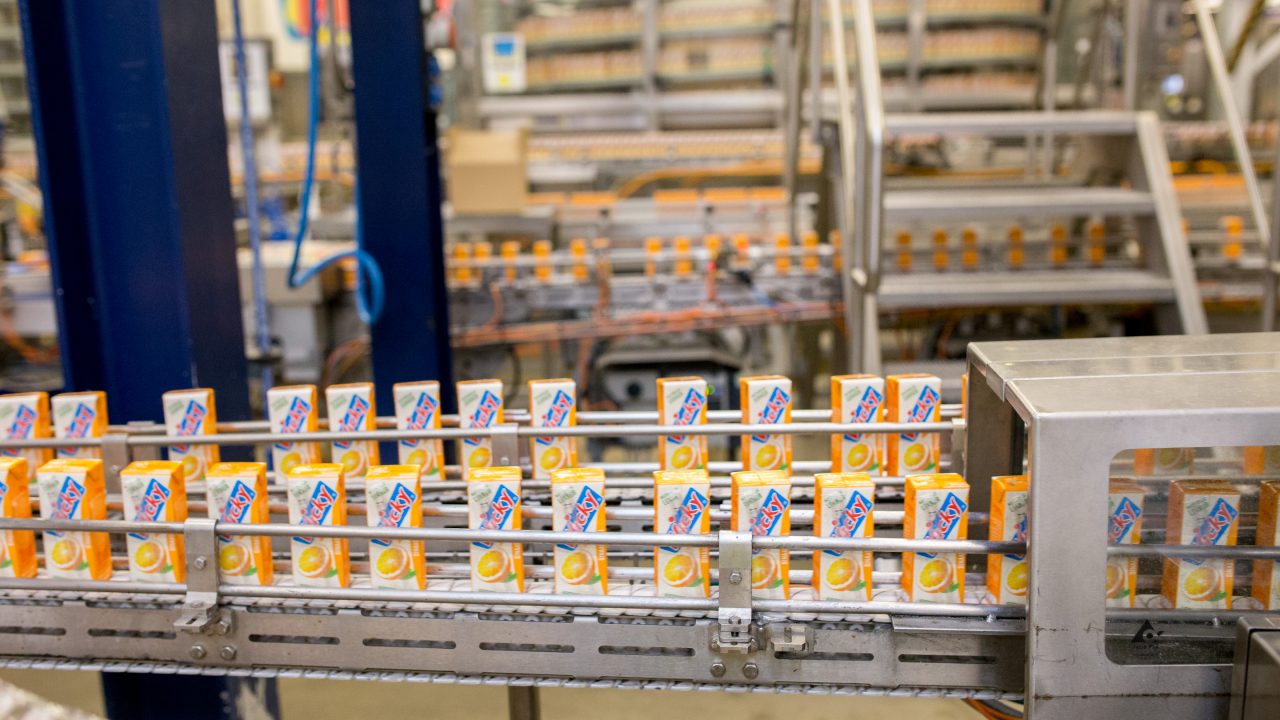
Refresco Group, the global independent beverage solutions provider for Global, National and Emerging (GNE) brands and retailers in Europe and North America, today announces it has entered into an agreement to acquire Tru Blu Beverages Pty Ltd. (“Tru Blu Beverages”), one of Australia’s leading manufacturers of non-alcoholic beverages. This transaction is subject to regulatory approval.
“Today’s announcement is a testament to our proven Buy & Build strategy. We started with one factory in Europe just over two decades ago and steadily built a diversified, pan-European platform. Only six years ago, we took our first step into North America. We now operate over 70 manufacturing sites globally, with just about half of those located across North America and the rest throughout Europe, offering a full range of beverage solutions to a broad customer base.
The acquisition of Tru Blu Beverages in Australia creates a new platform for Refresco, in line with our strategic promise to expand into a third continent. The three strategically located manufacturing sites are the starting point for our future footprint in the region. Acquiring Tru Blu Beverages further strengthens our position as beverage solutions provider to branded customers and leading retailers globally, and provides new opportunities for further growth.”
“By joining Refresco, our customers, suppliers and employees will be able to benefit from the Company’s broad capabilities, experience and expertise. We are proud to become part of the Refresco family, with its strong entrepreneurial spirit and passion to deliver quality service to its customers. Tru Blu Beverages’ leading capabilities and blue-chip customer base gives Refresco a solid entrance into the Australian market. We look forward to building an even stronger platform together.”
The acquisition of Tru Blu Beverages expands Refresco’s addressable market and provides opportunities to leverage Refresco’s size and scale, as well as its track record of successfully integrating companies. Tru Blu Beverages fits right into Refresco’s business model, with its wide range of beverage solutions for retailer brands and global, national and emerging brands. In addition, Refresco’s strategic ESG agenda will enable Tru Blu Beverages to accelerate its efforts of minimizing the environmental impact of manufacturing processes, packaging and transport.
Refresco obtains a national Australian market position by acquiring Tru Blu Beverages, with opportunities to drive continued growth in the region, both organically and through acquisitions.
Refresco intends to continue expanding its global and strategically located footprint to better serve existing and new customers through a range of formats and channels. We will continue to make selective investments and acquisitions, targeting value-accretive opportunities.
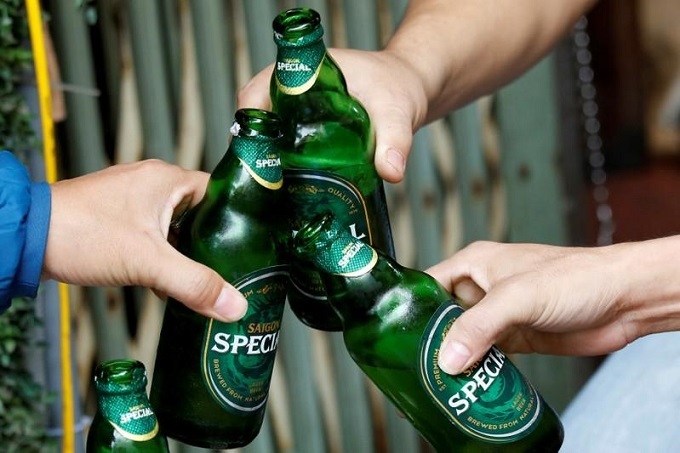
Vietnam’s biggest brewer Sabeco gained after-tax profits exceeding VND4.42 trillion ($1=VND24,800) in the first nine months of 2022, a year-on-year surge of 75%.
Sabeco’s revenues surpassed VND25.1 trillion, up 44% on-year, according to its latest financial statements. Meanwhile, the firm spent over VND1.8 trillion on advertisements and promotions.
In the third quarter, Sabeco made revenues of over VND8.635 trillion, doubling last year’s figures, and after-tax profits of more than VND1.3 trillion, nearly treble the previous amount.
Bao Viet Securities said the brewer’ beer selling prices would increase 10% this year against 2021, amid room for Vietnam’s beer industry to grow.
The country produced over 4.3 billion liters of beer in the first nine months, up nearly 36% against the same period last year, and up 15.5% against the same period of 2019, the pre-Covid period, according to the General Statistics Office.
Vietnam is the biggest beer consumer in Southeast Asia and the ninth biggest in the world, according to Japanese drinks company Kirin Holdings, with demand likely to grow further as a large young population reaches adulthood, Nikkei reported.
Indonesian coffee chain Kopi Kenangan has launched its first store in Malaysia under the name Kenangan Coffee.
The store, which sells the brand’s exclusive coffee drinks, is situated in the Kuala Lumpur shopping centre Suria KLCC. This is a part of the company’s strategy for international growth, and co-founder and CEO Edward Tirtanata said Malaysia would have 100 new stores by the end of the first quarter of next year.
There are four locations under the construction including Sunway Pyramid, Pavilion KL, MyTown Cheras and NU Sentral KL. All will be launched at the end of this year.
According to Statista, Malaysia’s Coffee segment is expected to generate US$1.296 billion in revenue this year and the market is anticipated to increase by 7.28 per cent annually (CAGR 2022-2025).
Warm beverages such as tea and coffee have long been a part of the majority of Malaysians’ daily lives. The growth of global retail coffee companies like Starbucks and The Coffee Bean, The Tea Leaf, as well as regional coffee shop brands like OldTown White Coffee, can also be attributed to the rise in popularity of coffee among young people.
Tirtanata told local sources that Malaysia is the brand’s first international market due to its steady expansion in coffee culture, particularly the grab-and-go trends, and the similarities between Malaysians and Indonesians in terms of taste preferences and openness to trying new things
Kopi Kenangan is also eyeing to make a debut in three or four Asian markets in the future. Last year, the brand raised $96.1 million in a Series C funding round, helping its chain be valued at more than $1 billion.
Founded in 2017 by Edward Tirtanata, James Prananto and Cynthia Chaerunnisa, the F&B chain Kopi Kenangan operates 850 stores in 64 cities across Indonesia. It has increased the variety of its products by launching Kenangan Manis, Chigo, and Cerita Roti.
Starbucks India has opened its first flagship Reserve store in Mumbai, Maharashtra. The 5200sqm Starbucks Reserve Fort Mumbai sells beverages, food and Reserve merchandise, such as black and gold mugs and tumblers with the Starbucks Reserve trademark. The flagship is decorated with a contemporary colour scheme and a Starbucks Siren made by two local artists from Mumbai, Sonal Vasave and Makarand Narkar. Customers can scan the nearest QR code with their Instagram camera to view the painting.
The flagship is decorated with a contemporary colour scheme and a Starbucks Siren made by two local artists from Mumbai, Sonal Vasave and Makarand Narkar. Customers can scan the nearest QR code with their Instagram camera to view the painting in augmented reality (AR).
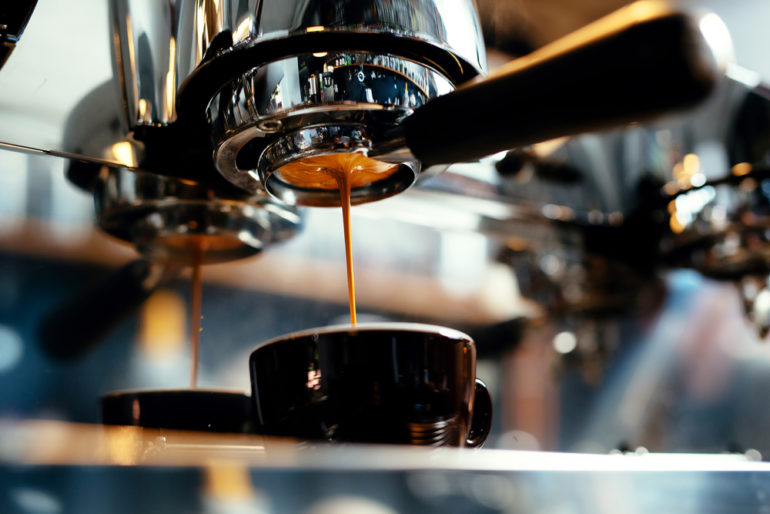
In addition, there is a Black Eagle espresso machine in the store and Starbucks says customers can experience the “most exquisite and rarest coffees” in the world, such as Bolivia Sol de la Mañana, Rwanda Sholi and Sumatra Kerinci.
In 2012, Starbucks made its debut in India as part of a collaboration with Tata Consumer Products. Tata Starbucks, a joint venture between two companies, now runs more than 300 locations nationwide and expanded into 14 new cities this year.
“For 10 years, Starbucks has been elevating coffee craftsmanship and bringing unique experiences to our customers in India,” said Tata Starbucks CEO Sushant Dash.
“We value the strong connections we have with our customers and will continue to innovate and develop to enhance India’s coffee culture. Starbucks Reserve is a selection of the rarest, most extraordinary coffees Starbucks has to offer, and transports customers and coffee aficionados to an immersive and personalised coffee journey.”
Tata Starbucks opened its first stores run entirely by women in 2020, with the goal of expanding opportunities for female partners. That program has grown to 15 locations throughout the country
South Korea-based pizza chain GoPizza has bagged US$25 million in a series C funding round to fuel its expansion plan in India.
The round was co-led by GS Ventures, CJ Investment, Mirae Asset Securities, NCore Ventures, Woori Bank, Capstone Partners, Big Basin Capital, DS Asset Management, and Pureun Investment.
“The funding raised will allow us to massively scale our operations across the country and further cement our position in the Indian market…,” said Mahesh Reddy, CEO at GoPizza India. “Our plan is to launch 100 stores by next year.”
The brand currently has 15 stores in the country and plans to increase its store number to 25 by the end of the year. Reddy added the fund will also be used to implement technologies in all outlets in India.
“India is a key market for us and a majority of the investment will be directed to the Indian market,” said Jae Won Lim, founder and CEO of GoPizza.
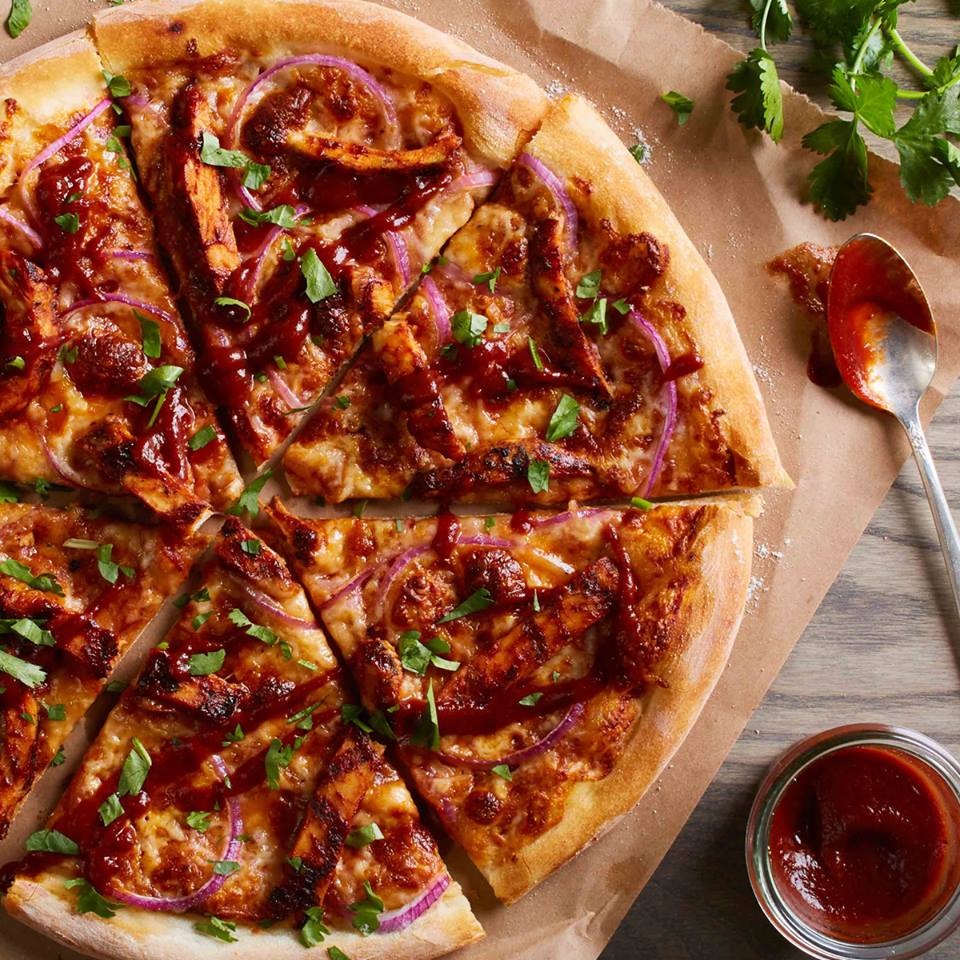
Known for its one-person, oval-shaped, fire-baked pizza with quick serving speed and affordable price, GoPizza operates 160 outlets across South Korea, Singapore, Indonesia, India, and Hong Kong.
The pizza chain also aims to expand into new markets, including Thailand, Vietnam, Malaysia and the US.
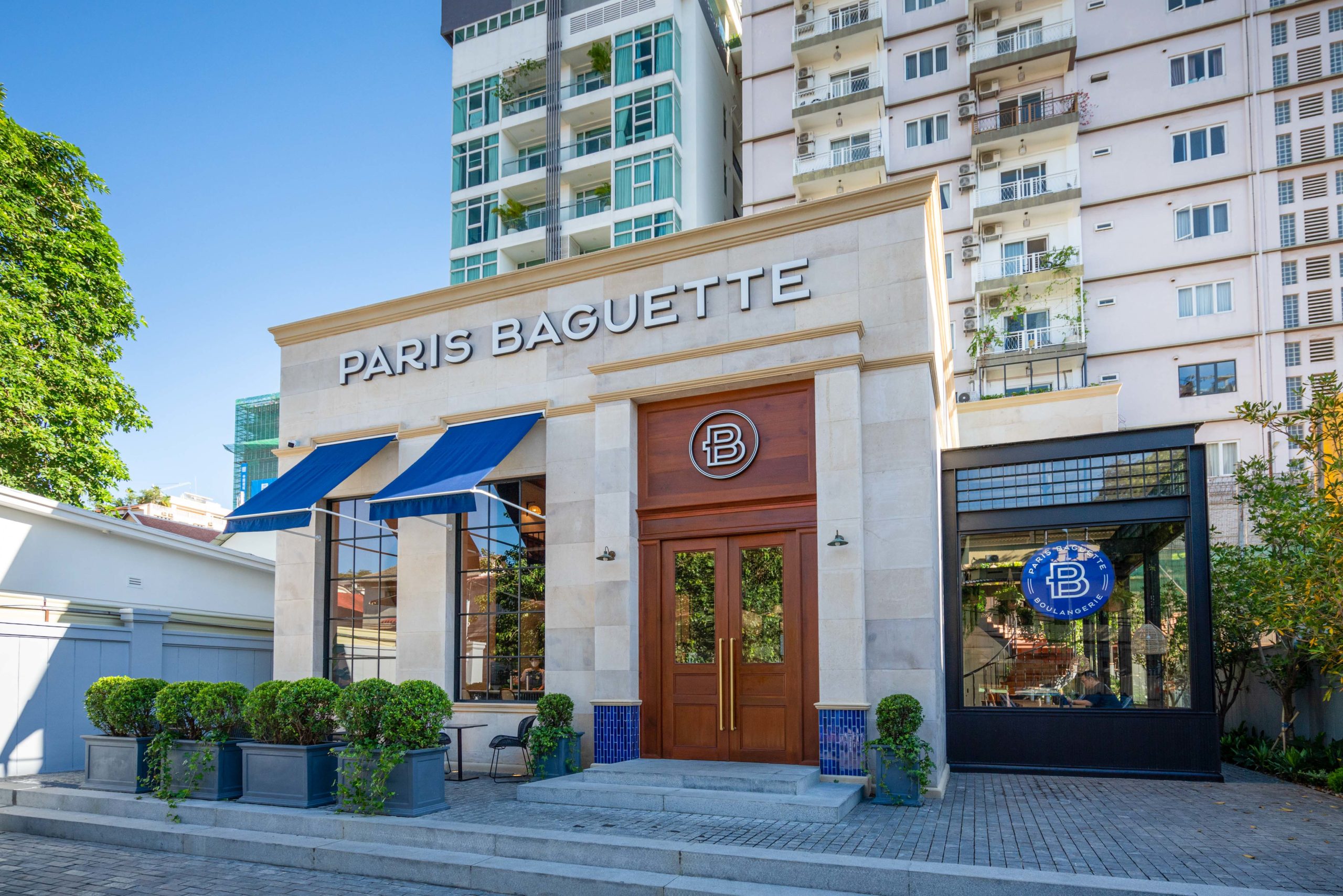
SPC Group has launched its first Paris Baguette store in the UK, as part of its expansion strategy in the European market.
The first Paris Baguette UK store is located on the first floor of the River Thames’s Battersea Power Station in London and has a retail space of 276sqm. SPC plans to open 20 bakery franchises there by 2025, with Europe as one of its key markets.
The company intends to open its second UK store in Kensington High Street, London, next month.
Paris Baguette UK offers the brand’s products such as tarts, eclairs, chiffon cream cakes, sandwiches and salads. SPC reports it will introduce some other types of bakery products to meet the local tastes.
SPC added three new Paris Baguette stores in Paris earlier this month, taking its store count in the city to five since the first opened in 2014.
Paris Baguette currently has more than 4000 locations worldwide, with locations in China, Vietnam, Korea, Singapore, and the US. The bakery brand was founded in 1988 and has gained popularity in Asia as a result of the K-movie wave.
According to Statista, bread is a staple food consumed significantly by a large proportion of the UK population. The bread market in the UK generated a revue of approximately US$6.9 billion in 2020, with the figure expected to rise to approximately $7.4 billion dollars by 2026.
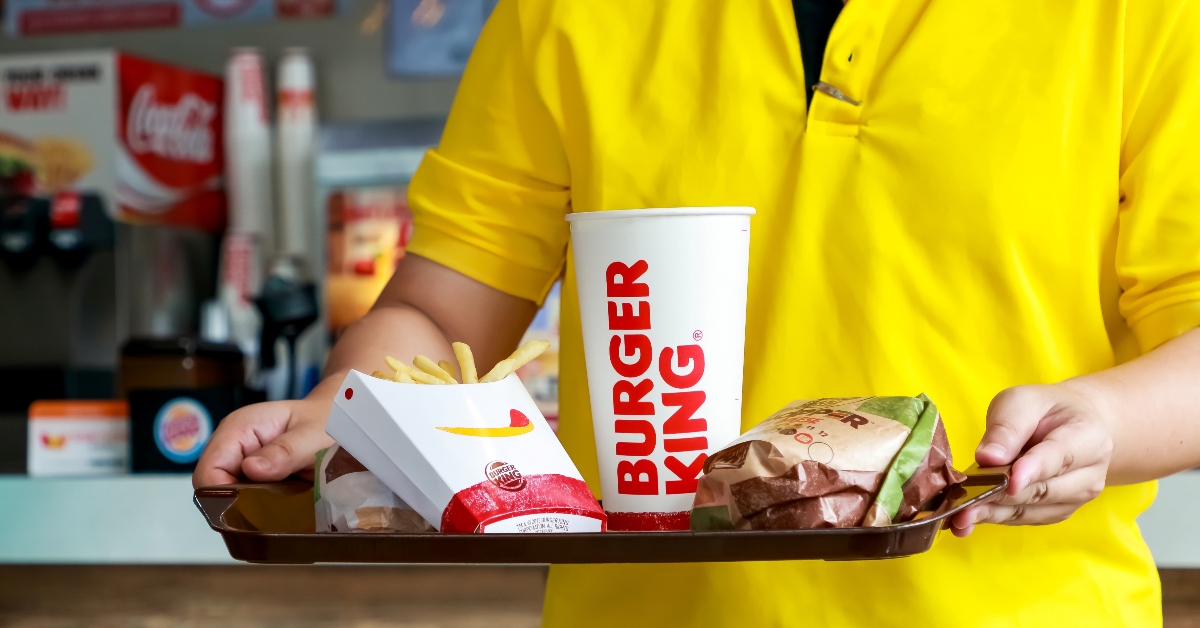
Private equity firm Everstone Capital is considering selling its stake worth $314 million in Restaurant Brands Asia Ltd, the master franchisee of Burger King in India and Indonesia, two sources with knowledge of the matter told Reuters.
The Singapore-headquartered buyout firm is in talks with one adviser to explore the sale, the sources said, declining to be identified as the matter is private.
Everstone Capital, through its investment vehicle QSR Asia Pte Ltd holds a 40.9 per cent stake in Restaurant Brands, according to Refinitiv data.
Everstone Capital declined to comment and Restaurant Brands Asia did not respond to Reuters queries seeking comment.
Restaurant Brands Asia had a market value of $768 million based on Friday’s price of 129 Indian rupees. Its shares have jumped 49 per cent from a record low struck in mid-May.
The potential sale comes at a time when consumer spending is rebounding following the easing of coronavirus restrictions in India and Indonesia, which have helped boost their second-quarter economic growth to their fastest pace in a year.
India’s economy grew 13.5 per cent on-year in April-June, while Indonesia’s expanded 5.44 per cent.
Restaurant Brands Asia, formerly known as Burger King India Ltd, was incorporated in 2013 following a partnership formed between Everstone and Burger King Worldwide Inc to develop the fast-food chain’s presence in India.
Everstone Capital is the private equity arm of Everstone Group, which manages over $7 billion in assets.
The private equity firm focuses on the mid-market and invests in businesses focused on India and Southeast Asia.
Mumbai-based Restaurant Brands Asia has since grown to operating 315 restaurants in the country as of end-March this year, according to its latest annual report.
Restaurant Brands Asia holds Burger King’s exclusive national master franchisee in India and Indonesia, where it also owns and operates 177 restaurants as of end-March, the annual report shows.
Under the master franchisee agreement, Restaurant Brands Asia has agreed to develop and open at least 700 restaurants by the end of 2026 in India, according to the annual report.
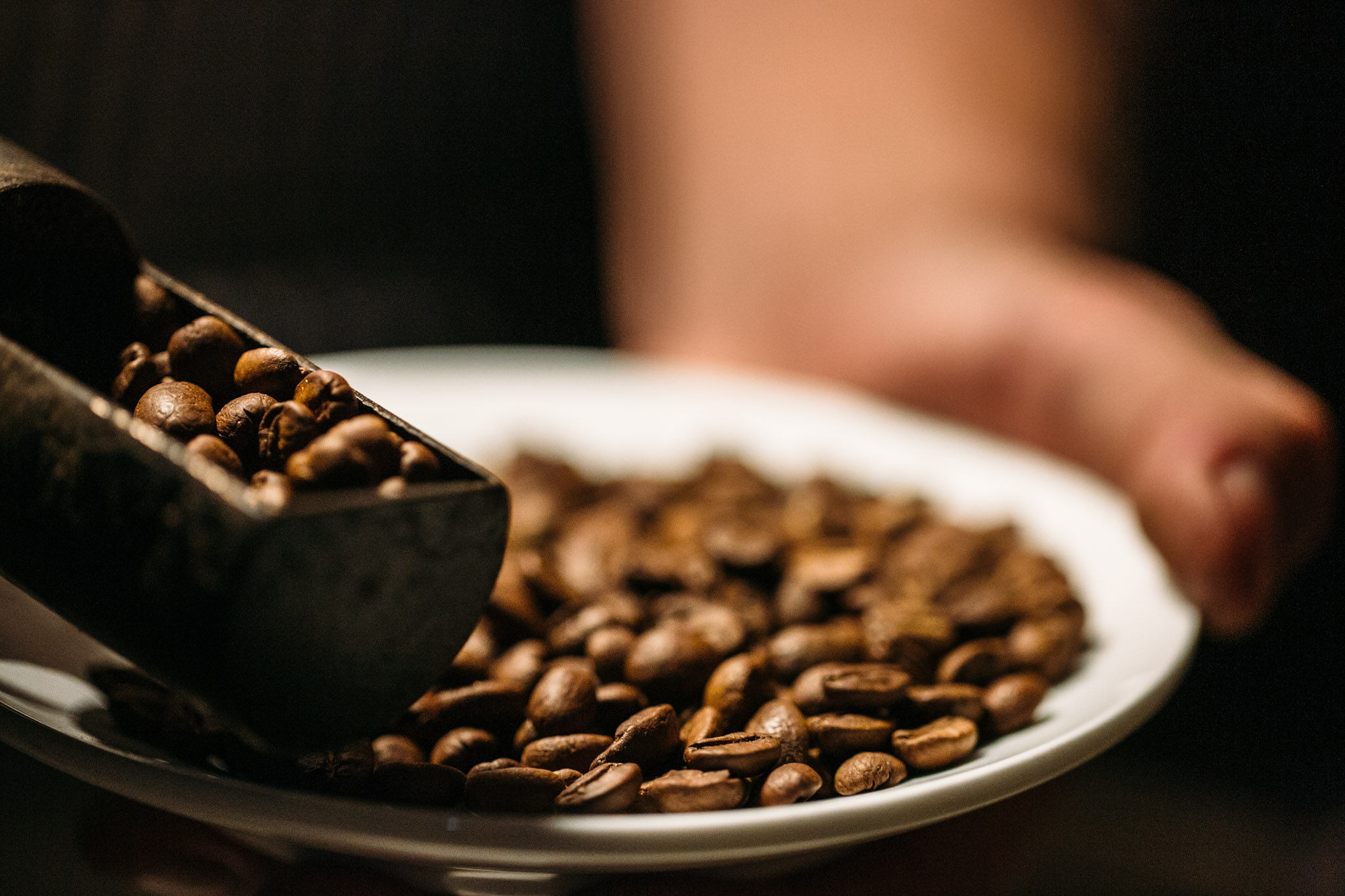
Coffee may be a major casualty of a hotter planet. Even if currently declared commitments to reduce emissions are met, our new research suggests coffee production will still rapidly decline in countries accounting for 75% of the world’s Arabica coffee supply.
Arabica coffee is one of two main plant species we harvest coffee beans from. The plant evolved in the high-altitude tropics of Ethiopia, and is hypersensitive to changes in the climate.
Our research shows there are global warming thresholds beyond which Arabica coffee production plummets. This isn’t just bad news for coffee lovers – coffee is a multi-billion dollar industry supporting millions of farmers, most in developing countries.
If we manage to keep global warming below 2℃ this century, then producers responsible for most global Arabica supply will have more time to adapt. If we don’t, we could see crashes in Arabica productivity, interruptions to supply, and price hikes on our daily cup.
Most of our Arabica is grown in the tropics, throughout Latin America, Central and East Africa and parts of Asia. Brazil, Colombia and Ethiopia are the world’s top three producers of Arabica, and the crop has crucial social and economic importance elsewhere, too.
Millions of farmers, mostly in the developing world, depend on productive Arabica for their livelihood. If coffee productivity declines, the economic consequences for farmers, some of which do not earn a living income as it is, are dire.
Arabica coffee is typically most productive in cool high elevation tropical areas with a local annual temperature of 18-23℃. Higher temperatures and drier conditions invariably lead to declines in yield.
Last year, for example, one of the worst droughts in Brazil’s history saw coffee production there drop by around one-third, with global coffee prices spiking as a result.
Previous research has focused on how changes in temperature and rainfall affect coffee yields. While important, temperature and rainfall aren’t the best indicators of global Arabica coffee productivity. Instead, we found that it’s more effective to measure how dry and hot the air is, which we can do using “Vapour Pressure Deficit”.
Vapour pressure deficit tells us how much water gets sucked out of a plant. Think of when you walk outside on a hot, dry day and your lips dry and crack – the moisture is being sucked out of you because outside, the vapour pressure deficit is high. It’s the same for plants.
We built scientific models based on climate data that was linked to decades of coffee productivity data across the most important Arabica producing countries. We found once vapour pressure deficit gets to a critical point, then Arabica coffee yields fall sharply.
This critical point, we found, is 0.82 kilopascals (a unit of pressure, calculated from temperature and humidity). After this point, Arabica yields start falling fast – a loss of around 400 kilograms per hectare, which is 50% lower than the long-term global average.
Vapour pressure deficit thresholds have already been exceeded in Kenya, Mexico and Tanzania.
Unabated global warming will see the world’s coffee producing powerhouses at risk. If global warming temperatures increase from 2℃ to 3℃, then Peru, Honduras, Venezuela, Ethiopia, Nicaragua, Colombia and Brazil – together accounting for 81% of global supply – are much more likely to pass the vapour pressure deficit threshold.
While there are ways farmers and the coffee industry can adapt, the viability of applying these on a global scale is highly uncertain.
For example, irrigating coffee crops could be an option, but this costs money – money many coffee farmers in developing countries don’t have. What’s more, it may not always be effective as high vapour pressure deficits can still inflict damage, even in well-watered conditions.
Another option could be switching to other coffee species. But again, this is fraught. For example, robusta coffee (Coffea canephora) – the other main species of production coffee – is also sensitive to temperature rises. Others, such as Coffea stenophylla and Coffea liberica could be tested, but their production viability at large scales under climate change is unknown.
There is only so much adapting we can do. Our research provides further impetus, if we needed any, to cut net global greenhouse gas emissions.
Limiting global warming in accordance with the Paris Agreement is our best option to ensure we can all keep enjoying coffee. More importantly, keeping global warming below 2℃ is the best way to ensure the millions of vulnerable farmers who grow coffee globally have a livelihood that supports them and their families well into the future.
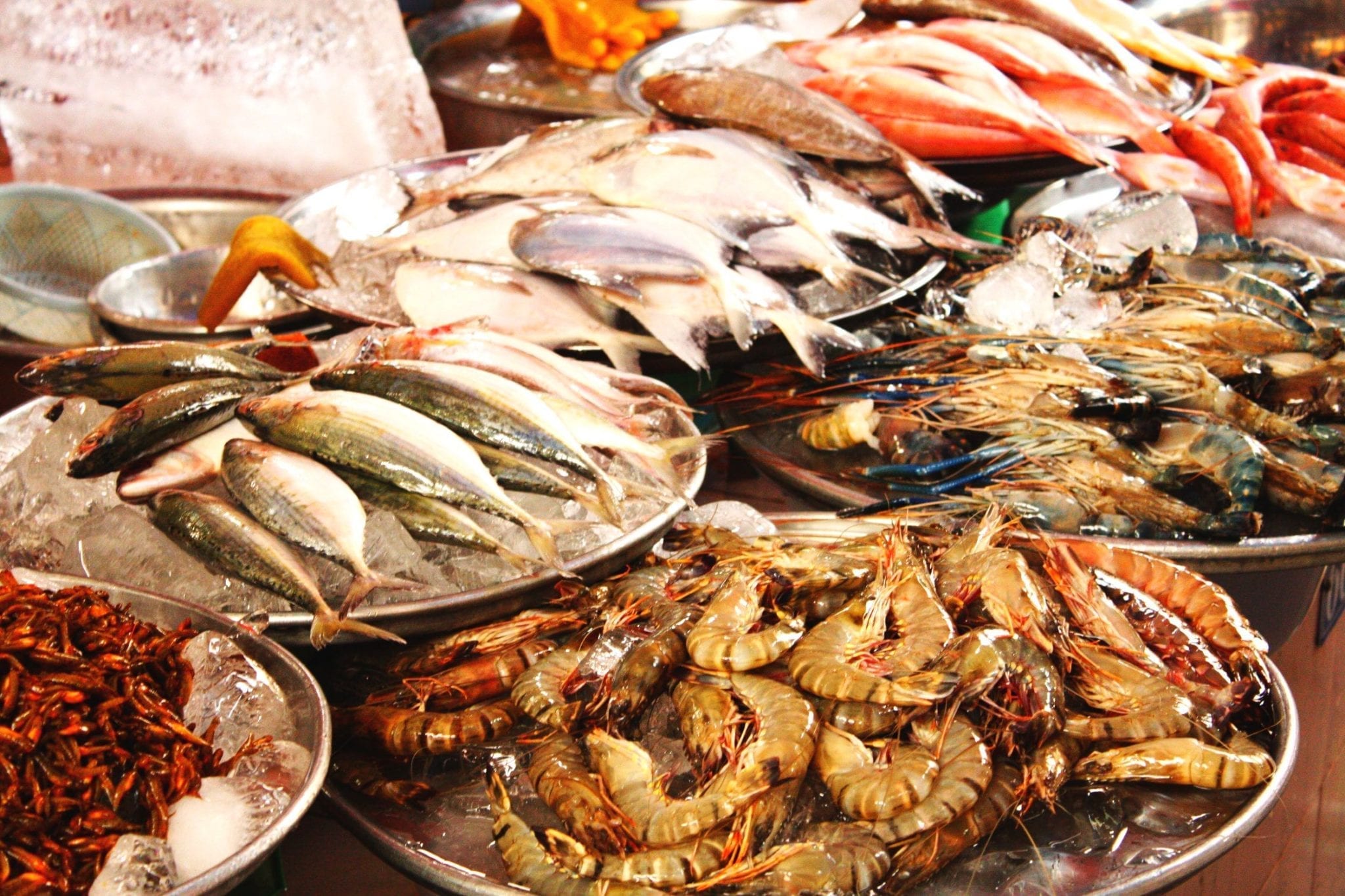
Vietnam’s tra fish exports to Southeast Asia exceeded US$152 million in the first nine months of this year, a year-on-year increase of over 83%.
Higher transport costs due to rising fuel prices caused exporters to opt for closer destinations, the Vietnam Association of Seafood Exporters and Producers (VASEP) said, adding that Thailand, Singapore, Malaysia, and the Philippines are the biggest markets for Vietnamese tra fish among the ASEAN nations.
Shipments to Thailand, Singapore, Malaysia, and the Philippines increased by 81%, 56%, 114%, and 92%.
Exports to Laos, Cambodia, Myanmar, and Indonesia rose by two to four times.
ASEAN countries would import more tra fish and become fish and become than the EU soon, VASEP predicted.
Overall tra fish exports were worth nearly US$1.97 billion in the first nine months, up 83.3%, according to the General Department of Vietnam Customs.
Its biggest markets were the U.S., China and the EU.