Category: Food

Retail News Asia is committed to providing both local and global retailers with the latest Food and Food & Beverage news throughout the Asian market. This on a daily base.

  • Fonterra reports strong sales, eyes higher earnings

    Fonterra reports strong sales, eyes higher earnings

    Fonterra’s first-quarter profit jumped 84% as it benefits from strong margins in its protein and cheese products.

    The country’s largest dairy processor said normalized after-tax profit increased to $214 million in the three months to October 31, from $116m last year. Sales rose 32% to $5.79 billion.

    Under chief executive Miles Hurrell’s leadership, Fonterra has been selling overseas assets, pulling the co-operative’s focus back to New Zealand where he is looking to eke out more value from the milk produced by its 9,000 farmer shareholders.

    Hurrell said Fonterra was making good progress, and the long-term outlook for dairy remained strong. Fonterra raised its forecast for full-year earnings to 50-70 cents per share from 45-60cps.

    “It’s a very strong upgrade to guidance,” said Jeremy Sullivan, an investment adviser at Hamilton Hindin Greene. “They’re making progress, and it’s flowing through into a very strong operational performance for the first quarter.”

    In the latest quarter, Fonterra’s ingredients business benefited from favorable margins in its protein portfolio, particularly for casein and caseinate products used in medical nutrition, and whey protein concentrate used in products such as high-protein beverages.

    “The sustained strong margins in our protein portfolio give us the confidence to upgrade our earnings guidance, although the wider range reflects the volatility in the market, which we expect to continue in short to medium term,” Hurrell said.

    “If these conditions continue for extended periods, it could have an additional positive impact on forecast earnings.”

    Units in the Fonterra Shareholders’ Fund, which gives investors outside the co-operative access to its dividends, jumped 4.3% to $3.13 in midday trading on the NZX on Thursday.

    The co-operative’s food service business improved relative to the same period last year, but the high milk price put significant pressure on margins in both its food service and consumer divisions, Hurrell said.

    While higher milk prices benefit farmers, they can squeeze profit margins for milk processors like Fonterra unless they can also sell their products at higher prices.

    The group’s profit margin lifted to 16.3% from 15.1% due to strong product prices, partially offset by higher milk prices to farmers.

    The co-operative lowered and narrowed its farmgate milk price forecast for the 2022/23 season to $8.50 to $9.50 per kilogram of milk solids, from its previous forecast of $8.50 to $10 per kgMS. That suggests a payment of $9 per kgMS for the season, down from last season’s record $9.30 per kgMS payment.

    “Global market volatility has prompted some softening of demand for whole milk powder, particularly in Greater China and this is reflected in our forecast farmgate milk price range,” Hurrell said.

    “We continue to feel the impact of geopolitical and macroeconomic events, with higher costs at every point in our supply chain,” he said. “It’s a similar story behind the farm gate with our farmer shareholders managing significantly higher input costs.”

    In the first quarter, Fonterra’s operating expenses increased 13% to $581m.

    Hurrell noted global milk supply from key exporting regions had fallen over the past year, to 268 billion litres in the year to September, from 271 billion litres the previous year.

    In New Zealand, milk supply so far this season was down 2.9% compared with the same point last season.
  • Capi expands sparkling water range with 7-Eleven exclusive

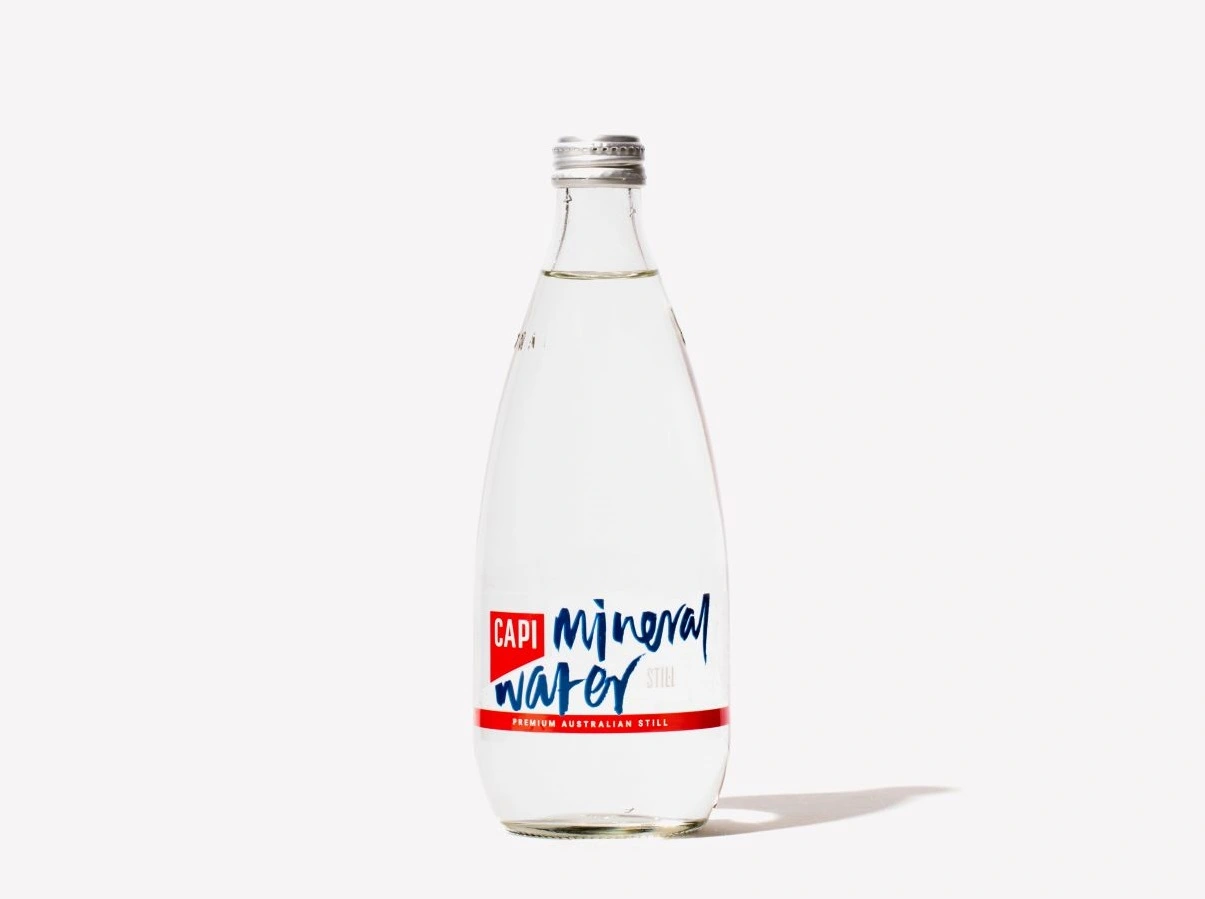
    Capi expands sparkling water range with 7-Eleven exclusive

    Australian-owned premium water and mixer brand CAPI is rolling out through 7-Eleven stores nationwide with its 500ml still and sparkling waters.

    To support the launch, CAPI has partnered with media agency Hatched and designer Thomas Williams to create an outdoor and digital advertising campaign that champions its Australian roots.

    The campaign brings CAPI’s heritage to the fore of being wholly Australian owned and locally produced.

    CAPI CEO Emma Evans says the brand is excited to be launching through 7-Eleven as it will enable them to bring their locally produced premium water brand to more Australians.

    “We are beyond thrilled about our roll out with 7-Eleven Australia and grateful for the 7-Eleven team’s support with CAPI.

    “With increased visibility of the brand in fridges across Australia we are excited about increasing awareness of supporting local beverage brands and driving further innovation.”

  • Australia’s The Coffee Club to make India debut in 2023

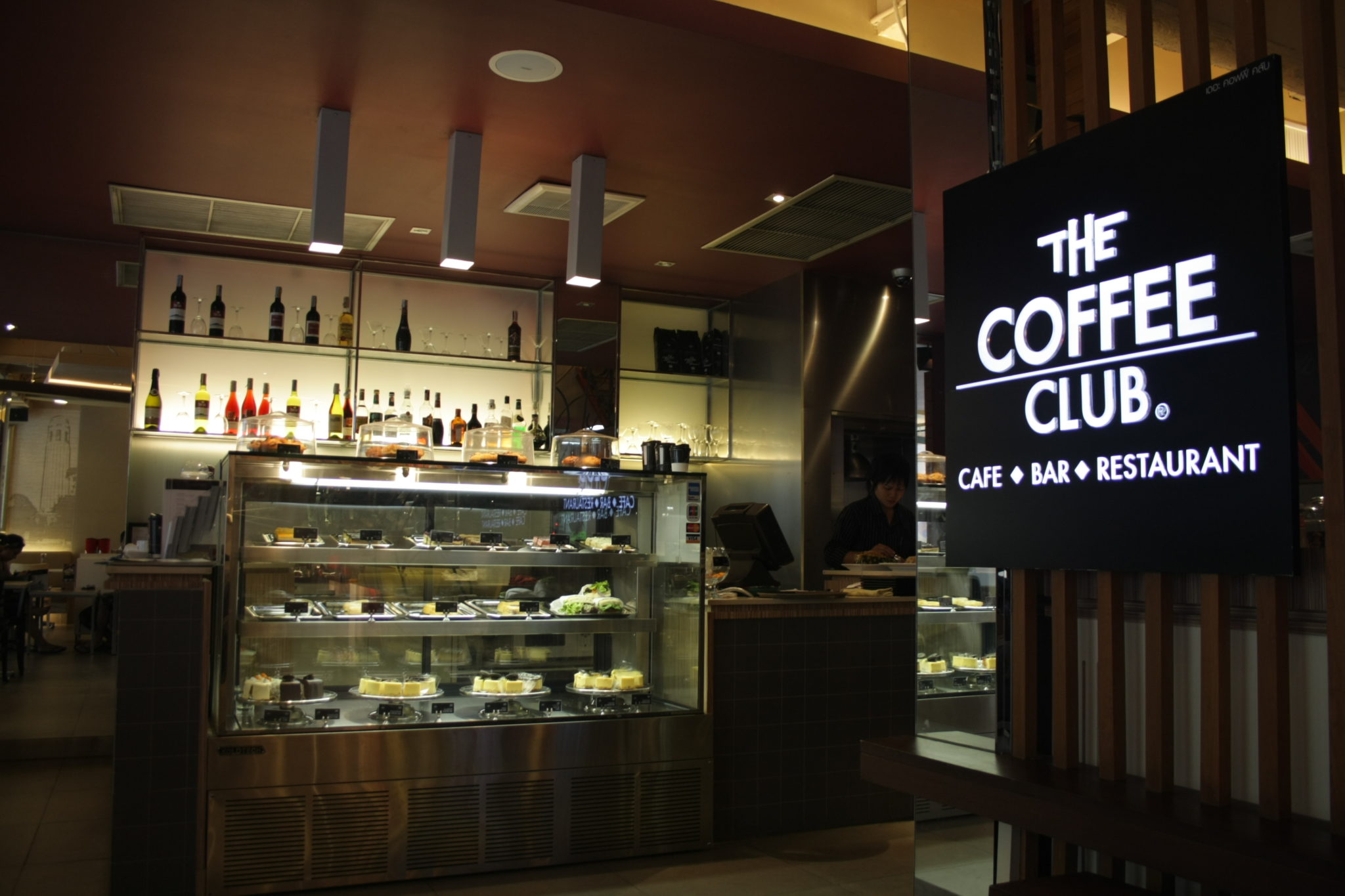
    Australia’s The Coffee Club to make India debut in 2023

    Australian coffee chain The Coffee Club will debut in India next year with new franchise partner CK Israni Group.

    New Delhi-based conglomerate CK Israni said it will start opening stores next year and is targeting 100 The Coffee Club outlets in India by 2028.

    “We are still figuring out whether it is going to start from Delhi or Mumbai. The Coffee Club is a mass market brand, and we will start rolling out stores from next year,” said Chandni Nath Israni, Co-Founder, CK Israni.

    India has become a key growth market for many international coffee chains seeking to capture a share of increasing consumer demand for premium coffee and café experiences.

    Starbucks and Costa Coffee have both achieved further outlet growth in India this year while Dunkin’ has commenced revamping its coffee menu and store design to attract younger consumers.

    Additionally, Canadian coffee chain Tim Hortons will invest $37m to open 120 stores in the next three years with Indian licensee AG Café.

    The Coffee Club opened its first store in Brisbane in 1989 and now operates over 400 stores across nine markets, including New Zealand, Saudi Arabia and the United Arab Emirates.

    The Coffee Club is owned by Australian retail food brand franchisor Minor DKL Food Group, which also operates the Australian roaster and café brand Coffee Hit and specialty coffee roaster Veneziano.

    CK Israni Group has predominantly operated in the real estate and infrastructure industries. However, the company also signed a franchise agreement with French bakery and confectionery brand Laduree in November 2020. It currently operates two Laduree outlets, with plans to reach 20 by 2025.

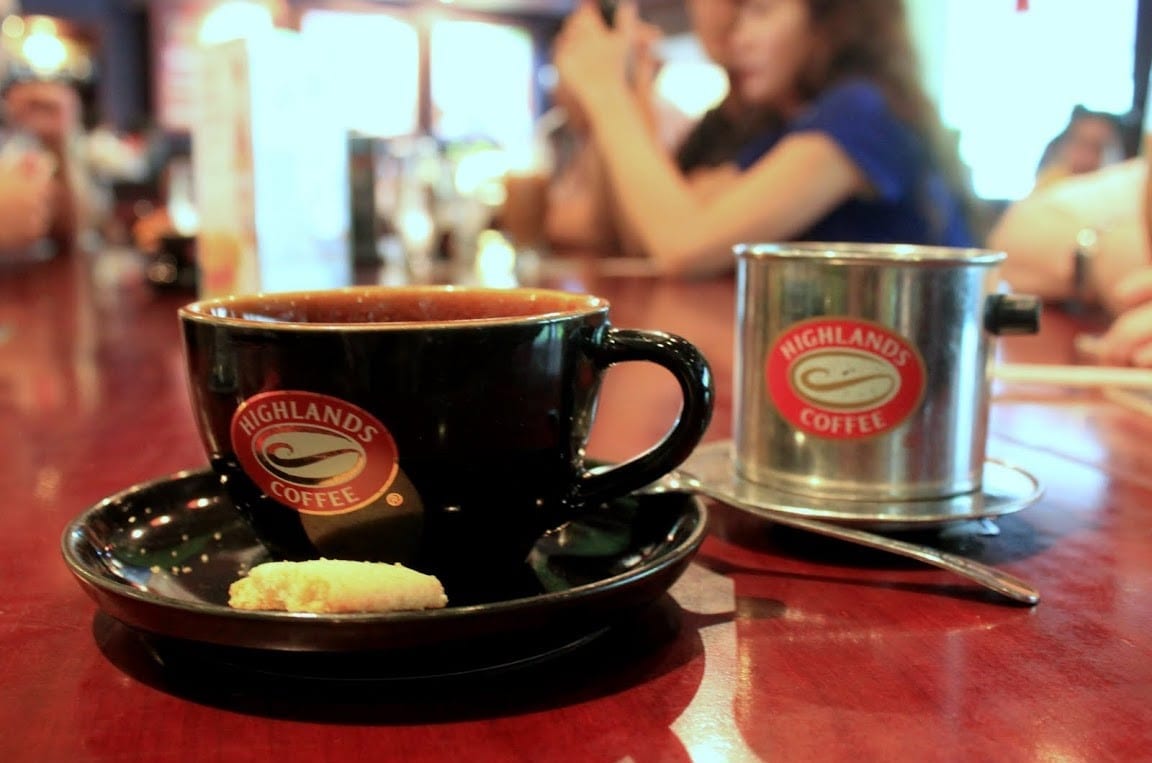
  • Philippines’ Jollibee in talks to sell a stake in Vietnam’s Highlands Coffee

    Philippines’ Jollibee in talks to sell a stake in Vietnam’s Highlands Coffee

    Jollibee Foods Corp, the biggest fast-food operator in the Philippines, is in advanced discussions to sell a minority stake in its Vietnamese coffee chain Highlands Coffee, two sources with knowledge of the matter told Reuters.

    Jollibee, controlled by Philippine billionaire Tony Tan Caktiong, is considering a sale that could value the fast growing coffee chain at roughly $800 million, one of the sources said, declining to be named as the information is confidential.

    The group is looking to sell 10% to 15% of its stake in Highlands Coffee to an investor, the source added, declining to name the party.

    Jollibee declined to comment. Highlands Coffee did not respond to requests seeking comment on Tuesday.

    Jollibee initially bought a small stake in Highlands Coffee a decade ago and then took a controlling interest. Highlands Coffee, which was established in 1999, began as a coffee products packager in Hanoi and has since grown to become a chain with more than 500 stores in Vietnam and the Philippines.

    The sources said the stake sale, if successful, could eventually pave the way for an IPO of Highlands Coffee, a move that Jollibee has been considering since many years.

    Vietnam, with a population of 99 million, is Asia’s fastest growing economy with gross domestic product seen expanding 8% this year and 6.5% next year, the government said last month.

    A boom in coffee drinking has spawned big domestic brands in Southeast Asia. Last year, Indonesian coffee chain Kopi Kenangan was valued at more than $1 billion in a funding exercise.

    Jollibee has been rapidly expanding overseas and especially across Southeast Asia, aiming to capture growing consumer spending in the region of some 680 million people.

    Jollibee operates the largest food service network in the Philippines with more than 1,500 stores in 17 countries, including U.S. brand Coffee Bean & Tea Leaf and its own fast-food chain with the ubiquitous smiling bee logo.

  • Chinese tea chain Mixue expands into South Korea and Japan

    Chinese tea chain Mixue expands into South Korea and Japan

    Mixue, a Chinese tea-based beverages brand that is set to list on the main board of the Shenzhen Stock Exchange, has recently entered the South Korean and Japanese markets.

    In the beginning of November, an account named “MIXUE.Japa” became active on Xiaohongshu, a lifestyle-sharing Chinese social media platform, where it released a brief opening notice and site selection of its first store in Japan. The location is Omotesandō, Tokyo, a business district as popular as Harajuku and Shibuya, focusing on high-end fashion and creative clothing.

    According to Chinese web users living in Omotesandō, this high-end location isn’t concentrated with Chinese people, and it seems to be inconsistent with the low-cost style of Mixue. However, MIXUE.Japan quickly said in the comment area that besides Tokyo, it will expand to Kyoto and other places in the future.

    The first store in South Korea of Mixue officially opened at the end of October. It is located near Chung-Ang University, where local students and Chinese students often gather. In the first three days of opening, attracted by free ice cream, the store was crowded with customers.

    Many Chinese students posted pictures of products from the store on social media. The types of drinks are basically the same as those in China, but the prices are slightly higher. Lemonade is around 8 yuan ($1.14), which is similar to the price of a bottle of water in Korea, and the most expensive drink costs less than 16 yuan. The store was opened by Chinese people, and most of the employees in the store are also Chinese, so ordering in Mandarin is possible.

    Another Chinese milk tea brand called Gongcha has opened over 700 stores in South Korea, with a price range between 23 yuan and 42 yuan. Other milk tea brands, such as COCO, Tiger Sugar and Guming, have also expanded their stores to South Korea, and their product prices are much higher than those in China.

    Entering the Japanese and South Korean markets for the first time, Mixue has experienced imperfections in its operations. Due to the long journey to purchase raw materials from China and inconvenient logistics, Mixue was often out of stock after opening, and a large number of packages in the stores are still in Chinese. MIXUE.Japan’s short promotional video was also criticized by social media users because the translation was not in place.

    Established in 1997, Mixue opened its first overseas store in Hanoi, Vietnam in 2018. By the end of March, 2022, Mixue had opened 249 stores in the country, with a total revenue of 9,290,400 yuan and a net profit of -322,000 yuan. The brand runs 317 stores in Indonesia, with an operating income of 25.4108 million yuan and a net profit of 2,235,500 yuan.

  • Starbucks introduces first signing store in Indonesia

    Starbucks introduces first signing store in Indonesia

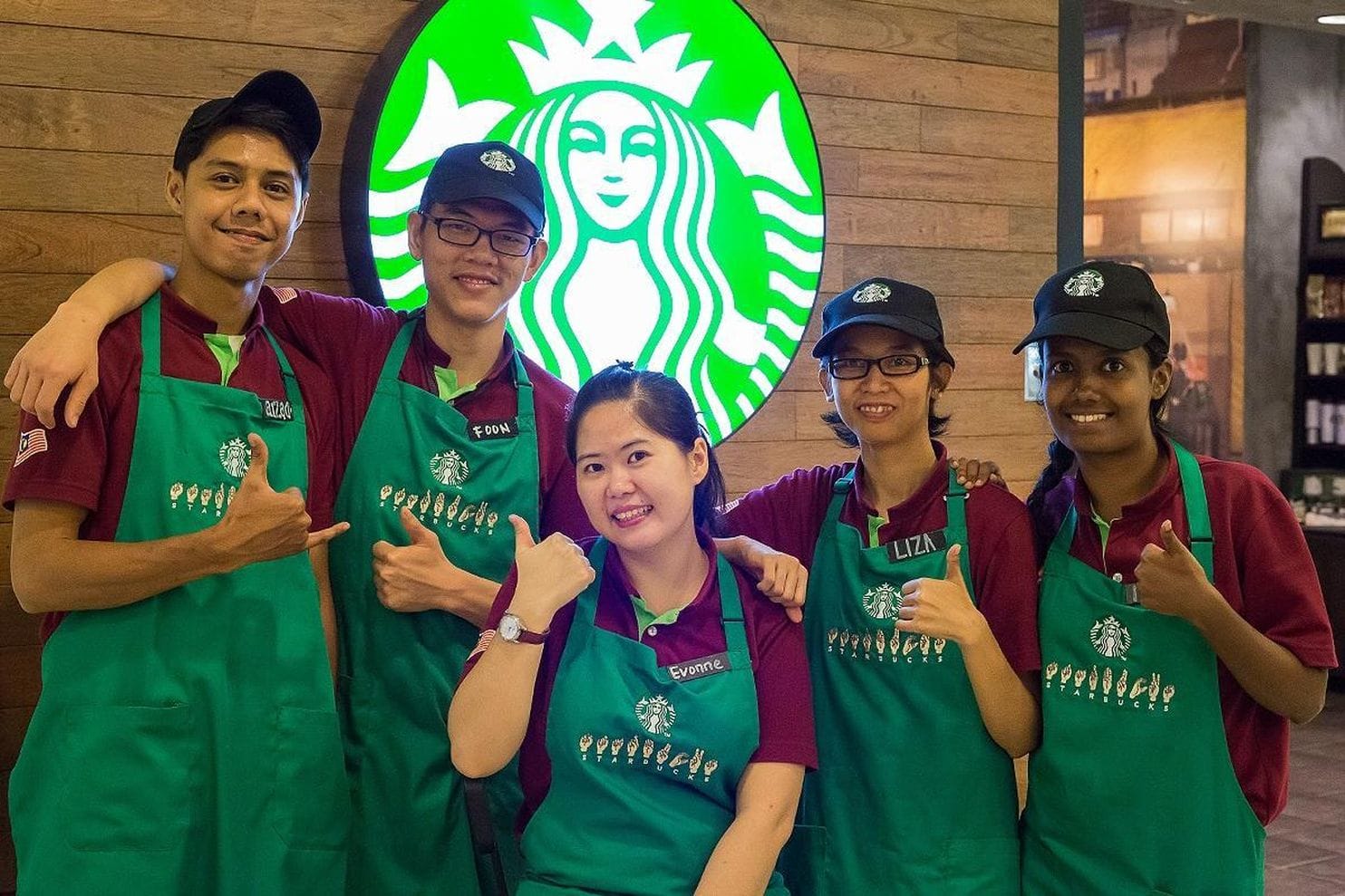
    Tomorrow, Starbucks Indonesia will open its first Signing Store dedicated to the Deaf, hard of hearing, and sign language communities in Jakarta, Indonesia. Designed with inclusivity and accessibility at its core, customers at the Starbucks Tata Puri Community Store will be served by Deaf and hard-of-hearing baristas who proudly wear the green apron. The store is located on Jl. Tanjung Karang No.3 Kebon Melati in Central Jakarta.

    The Starbucks Tata Puri Community Store provides a third place where all customers, including the Deaf and hard-of-hearing community can gather, socialize, and nurture human connections. Deaf baristas will wear green aprons embroidered in sign language with the company’s name, Starbucks. Partners (employees) who can use Bisindo sign language will wear an “I Sign” pin. Customers also will be able to order beverages and food using a writing tablet.

    The store also offers a community area for members of the Deaf community to support and conduct programs from Gerkatin (Gerakan untuk Kesejahteraan Tunarungu Indonesia) and Pusbisindo (Pusat Bahasa Isyarat Indonesia) – two organizations Starbucks has partnered with in Indonesia to support sign language education for the broader community. To encourage a culture of human connections through the celebration of Deaf culture and sign language, the store will also host sign language lessons and coffee workshops in sign language.

    “The inauguration of the Signing Store is a major achievement for Starbucks Indonesia as it celebrates its 20th anniversary in the market,” said Anthony McEvoy, leader of PT Sari Coffee Indonesia, Starbucks licensee partner in Indonesia. “The Signing Store demonstrates our commitment to creating a more inclusive and diverse work environment and to widening access to all communities.”

    “We were delighted to see the enthusiasm from the Deaf and hard-of-hearing community when we opened applications. More than 150 people applied from across the country. The baristas selected are a diverse group, including a former swimming para-athlete and fashion models,” said Anastasia Dwiyani, senior general manager of Human Capital at PT Sari Coffee Indonesia. “As with all our partners, we are excited to help nurture their talent and advance career opportunities.”

    United by the culture of sign language, this store is filled with design elements that bring communities together. The signature siren logo with Bisindo is immediately visible as customers pass the busy main road, Sudirman Street. With the Starbucks® logo with Bisindo above the main door, customers are greeted by a mural wall as soon as they enter the store and a collection of exclusive merchandise – clear cup tumblers, stainless-steel tumblers and mugs. The elongated oval shape community table, and circle details on the floor, also symbolize the store that unites the community. The most notable feature is a 4m high mural painting by Deaf artist, Indira Natalia, which extends more than 11m outside the store, depicting the warm and welcoming Starbucks experience. The signature artwork can be seen by passersby in the street.

    “As a Deaf artist, I am so proud to share my art with customers and partners at Indonesia’s first Signing Store. While brainstorming, I realized that Starbucks has always strived to create an environment where everyone feels welcome and belongs – and the inspiration for my work came from that, by presenting many different figures (communities) united by sign language and Starbucks,” says Indira. “Art can break boundaries and unite people, just like the connection people share when they drink coffee. There are many ways to communicate and connect people from diverse backgrounds, and at Starbucks, coffee makes this happen.”

    Since opening its first store in Plaza Indonesia 20 years ago, Starbucks has expanded to 44 cities in Indonesia, with more than 4,300 partners now proudly wearing the green apron. In its mission to make a difference in the lives of those connected with Starbucks, the company strives to create a positive impact in the communities it serves. In 2020, Starbucks opened the first Community Store in the Tanah Abang neighborhood.

  • Domino’s Pizza buys German, Asian businesses for $150m

    Domino’s Pizza buys German, Asian businesses for $150m

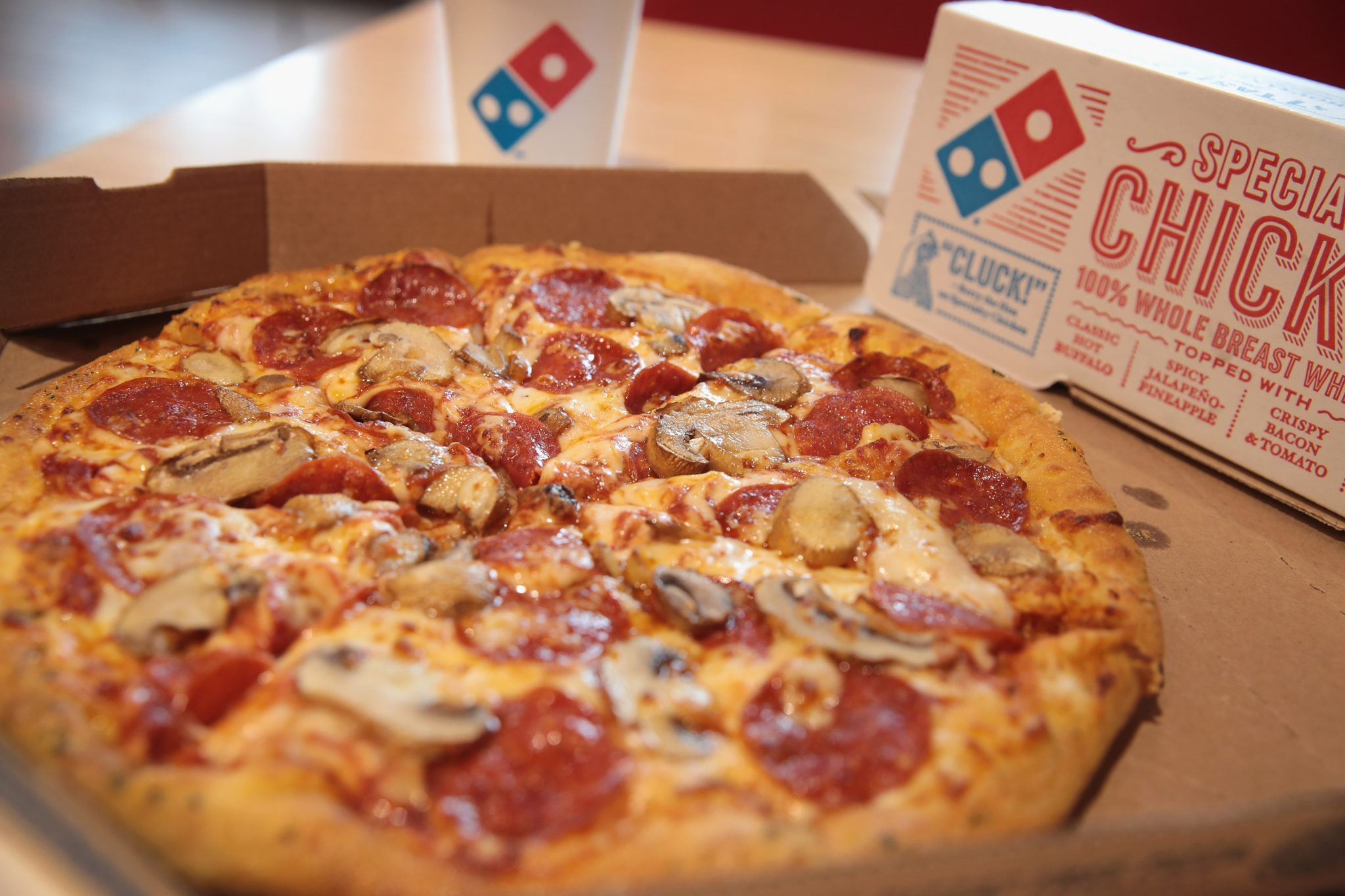
    Domino’s Pizza Enterprises is raising to $165 million in fresh capital as it moves to full ownership of its pizza business in Germany, seven years after it made a foray into that market in a joint venture with its British stablemate.

    The Australian-listed pizza group made an original buyout of Joey’s Pizza chain in Germany in 2015 in conjunction with a British Domino’s Pizza entity. That joint venture followed up in 2017 with the acquisition of Hallo Pizza in Germany.

    The Australian-listed business is now buying out the remaining one-third of the joint venture entity, with funds raised via a $150 million placement and a $15 million share purchase plan.

    There are 412 Domino’s outlets in Germany, where soaring energy costs significantly drag the economy because of its dependence on gas from Russia. That has been upended after the Russian invasion of Ukraine.

    Chief executive Don Meij said on Thursday that Germany offered long-term solid growth prospects. In the short term, the company was trying to emphasize the value of its pizza meal offers, positioning them as cheaper for a family of four than burger and chicken chains.

    At its annual meeting, the broader group warned a month ago that overall profits in the first half would be “materially lower” than a year ago.

    Mr. Meij said on Thursday there had been little change in trading conditions since the trading update on November 2. “The business continues to track to plan,” he said.

    The final price in the placement will be determined via a book build, but there is an underwritten floor price of $65.05. This compares with a closing price of $66.38 on November 30. Domino’s shares went to a trading halt on Thursday.

    The company’s shares were trading at $164 in mid-September last year before inflation started to rise and input costs jumped.

    In August, the company expanded in Asia with the acquisition of 287 stores in Malaysia, Singapore and Cambodia in a deal with an upfront price of $214 million, in what was the biggest acquisition in the company’s history. The Malaysia, Singapore and Cambodia businesses had also been trading in line with expectations, the company said.

    The capital raising comes after Domino’s outlined three weeks ago that it had received an option exercise notice from Domino’s Pizza Group Plc requiring the purchase of all of its shares in the German joint venture.

  • Vietnamese consume over 1,000 tons of instant noodle daily

    Vietnamese consume over 1,000 tons of instant noodle daily

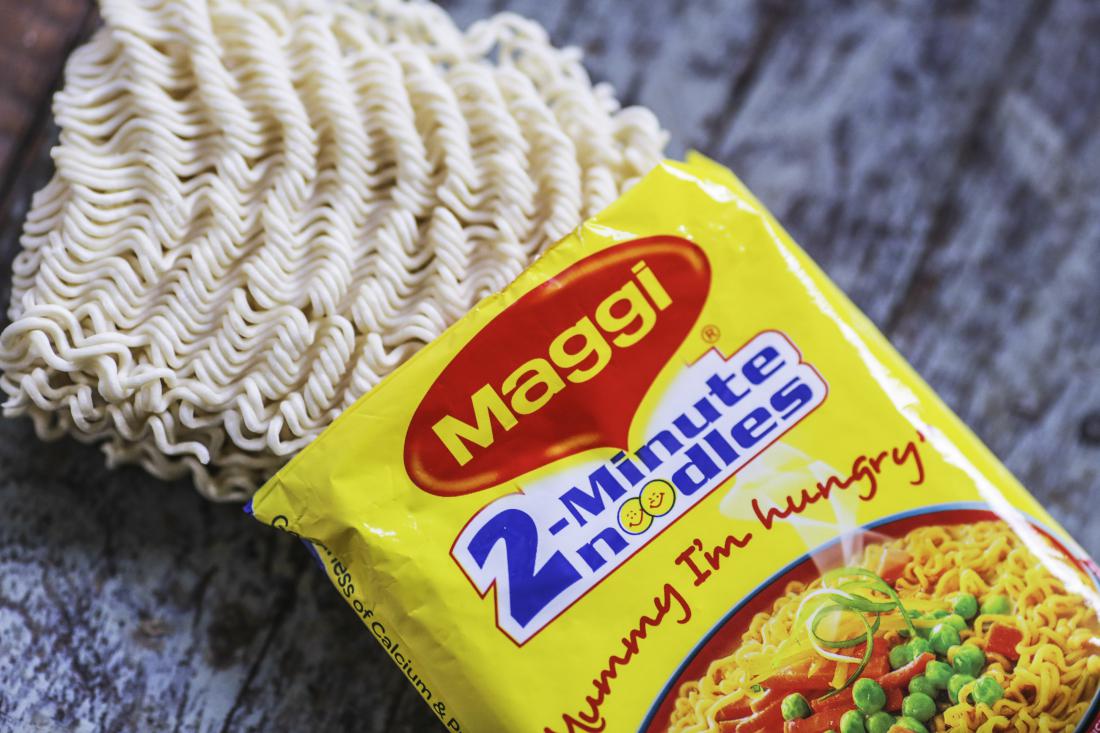
    Over 1,127 tons of instant noodles were consumed a day in Vietnam last year, surging than 20% compared to 2016, according to the UK-based market research firm Euromonitor.

    In 2021, Vietnam consumed about 411,500 tons of instant noodles, up 9% against 2020.

    Total instant noodle sales in the country surpassed VND3.8 trillion (over $153.2 million) in 2021, increasing more than 11% against 2020 and nearly 18% against 2016.

    The research for Euromonitor’s annually-published global instant noodle consumption report is carried out in 80 countries.

    Previously, data from the World Instant Noodles Association (WINA) also showed that Vietnam surpassed South Korea as the world’s highest per capita consumer of instant noodles. On average, every Vietnamese uses 87 packets a year.

    Euromonitor pointed out that Acecook from Japan and Masan from Vietnam are the Vietnamese instant noodle market’s two leading firms, holding a combined market share of 33%.

    Japanese instant noodle market share in Vietnam decreased from nearly 24% in 2017 to over 19% in 2021, while that of Viet

  • Food, beverage prices soar ahead of Tet

    Food, beverage prices soar ahead of Tet

    Consumer goods, including vegetables and seafood, have seen prices surge by double digits in the last month.

    Oanh in Ho Chi Minh City’s District 1 said prices have risen in recent weeks at a traditional market she often shops at.

    “The price of snakehead fish this morning was VND20,000 up from last week to VND90,000.”

    The Tra Vinh Province Department of Agriculture and Rural Development said fish prices have been rising because of increasing demand as input for making products for Tet, Vietnam’s biggest holiday, which falls in January.

    Besides, the supply of some fish, such as snakehead has dropped by 50-60% compared to a year ago, it said.

    Soft drink and beer prices have risen by VND2,000-15,000 per carton this month, according to shops, who said transportation and storage prices have been rising.

    Vegetable prices have also been increasing. Cauliflower now costs VND70,000 per kilogram, up 7.7%. Scallion prices have risen by 15.4% to VND75,000 per kilogram.

    Hue, a vegetable vendor at Ba Chieu Market in Binh Thanh District, said prices are at their highest levels this year.

    Hoang Thanh Hai, director of the Hai Nong Vegetable Cooperative in Cu Chi District, HCMC, said prolonged rainfall in November has hit output by up to 70%.

    His cooperative used to deliver 2.5-3 tons of vegetables to the city daily, but now only sends 0.7-1 ton, he said.

    Vegetable farming costs have risen by 40-50% year-on-year to record levels, and declining consumption has caused farmers to reduce production.

    Vietnam’s consumer prices in November rose 4.56% from a year earlier, fueled by rising costs of educational services and construction materials, according to the General Statistics Office.

    For the first 11 months of 2022, average consumer prices rose 3.02% from a year before, it said.

  • Vinamilk, Kido pull plug on bottled water joint venture

    Vinamilk, Kido pull plug on bottled water joint venture

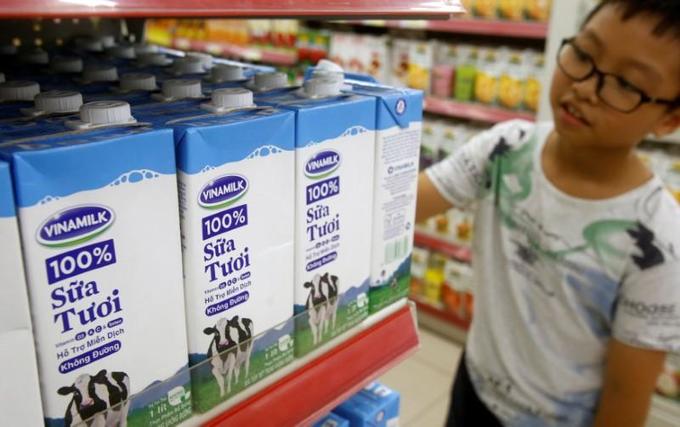
    The Vinamilk – Kido Beverage Joint Venture Company has announced its dissolution after just a year of doing business.

    Vinamilk, the country’s largest dairy company, decided to end its joint venture with ice-cream producer Kido with effect from December 1 due to “certain changes in the development perspective of both parties.”

    Kido gave a similar statement, elaborating that the unpredictable changes in the domestic market and global economy were also a factor.

    Vibev was registered in March 2021, and started out with an investment of VND400 billion (US$16.3 million).

    Vinamilk held a 51% share and Kido the rest.

    Mai Kieu Lien, CEO of Vinamilk, had said then that the collaboration stemmed from the two companies seizing mutually beneficial opportunities.

    Several months by the Covid pandemic had delayed its product launch, but the company had ambitious goals like maintaining its dominant share in the bottled water market and producing 150 million bottles annually (equating to sales of VND2 trillion) within five years.

  • Johnnie Walker releases Blue Label Ghost and Rare Port Dundas

    Johnnie Walker releases Blue Label Ghost and Rare Port Dundas

    Johnnie Walker Blue Label needs no introduction. For 30 years it has existed as the standard in ultra-premium blended scotch. The juice is drawn from some of the finest casks in Diageo’s massive stockpile of malt and grain. Its elegant bottle, with gently sloping shoulders, is immediately recognized along the top shelf of any stylish bar or cocktail lounge. And now that bottle is about to get a special redesign in honor of the upcoming Lunar New Year. Here’s everything you need to know about the seasonal release.

    The first thing to note is that the liquid inside the bottle is, in fact, the same liquid that master blender Emma Walker and her team consistently bring to the standard Blue Label offering. In other words, you can expect a plum-like sweetness to the nose and a rich and nutty mouthfeel that promotes vanilla and pepper spice from mid-palate through the finish line. It’s a balanced expression carrying characteristics from all four major regions of scotch production: Highland, Lowland, Speyside and Islay (sorry, Campbeltown, but you’re going to have to sit this one out)

    Separating this limited edition from the standard release is its presentation. Both the bottle and its case feature colorful, vivid artistry courtesy of Shanghai-based designer Angel Chen. Across all this art a certain animal assumes center stage. And as 2023 is the Year of the Rabbit, you already know who’s the star of the show.

    But there’s a touch more brand symbolism layered on top. The rabbits are depicted prancing about mountainous peaks, which Chen incorporated to echo the motto of Johnnie Walker: Keep Walking. And as a happy coincidence, the rabbit also signifies longevity in traditional Asian culture. An apt icon for the blended label which celebrated its 200th anniversary back in 2020.

    “There’s a defiant energy to my illustrations which bring to life the vibrant spirit of the rabbit as it leaps across the design,” adds Chen, who studied fashion in the prestigious Central Saint Martin College of Art of London. “It symbolizes how we need to keep moving forward, spreading goodness throughout the year to come.”

    Chen goes on to specify that she consulted with Walker when looking for inspiration. Those results are now sitting proudly on shelves nationwide, retailing for $275 a bottle. That gives you plenty of time to be ready for the gift giving traditions of the Chinese New Year, which begins on January 22nd, 2023.

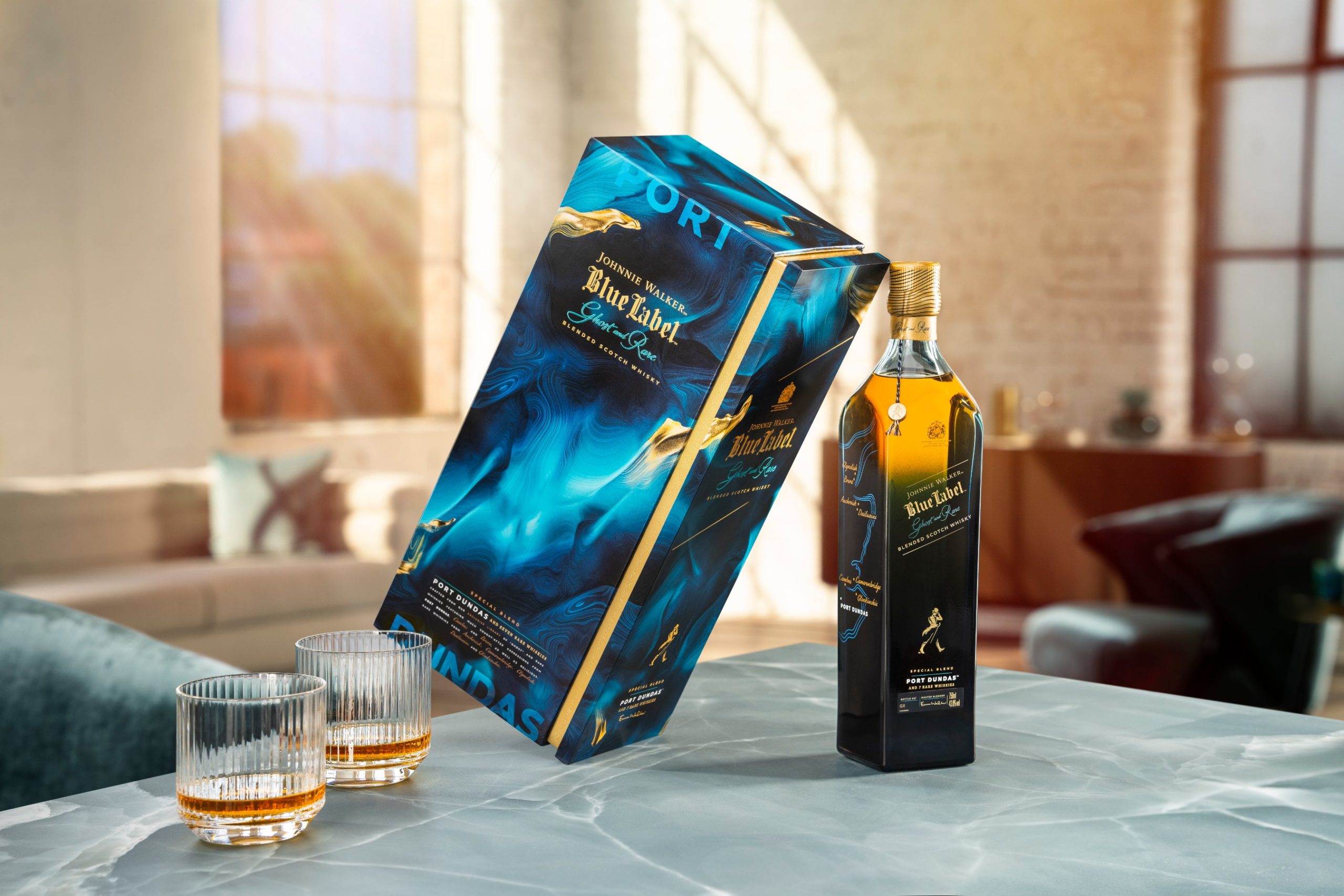
    And for those seeking something different inside the bottle, Johnnie Walker Blue Label Ghost and Rare Port Dundas is a sensible place to start. It’s the fifth installment in the brand’s ongoing series dedicated to shuttered distilleries. This one contains a blend of juices from the eponymous facility—which formerly sat on the banks of the Forth and Clyde Canal—along with treasured liquid from Brora and Cambus. Creamy on the tongue, with a whisper of smoke in the fade, it’s currently selling for $370.

  • Retail Food Group reports robust sales, plans expansion in 16 countries

    Retail Food Group reports robust sales, plans expansion in 16 countries

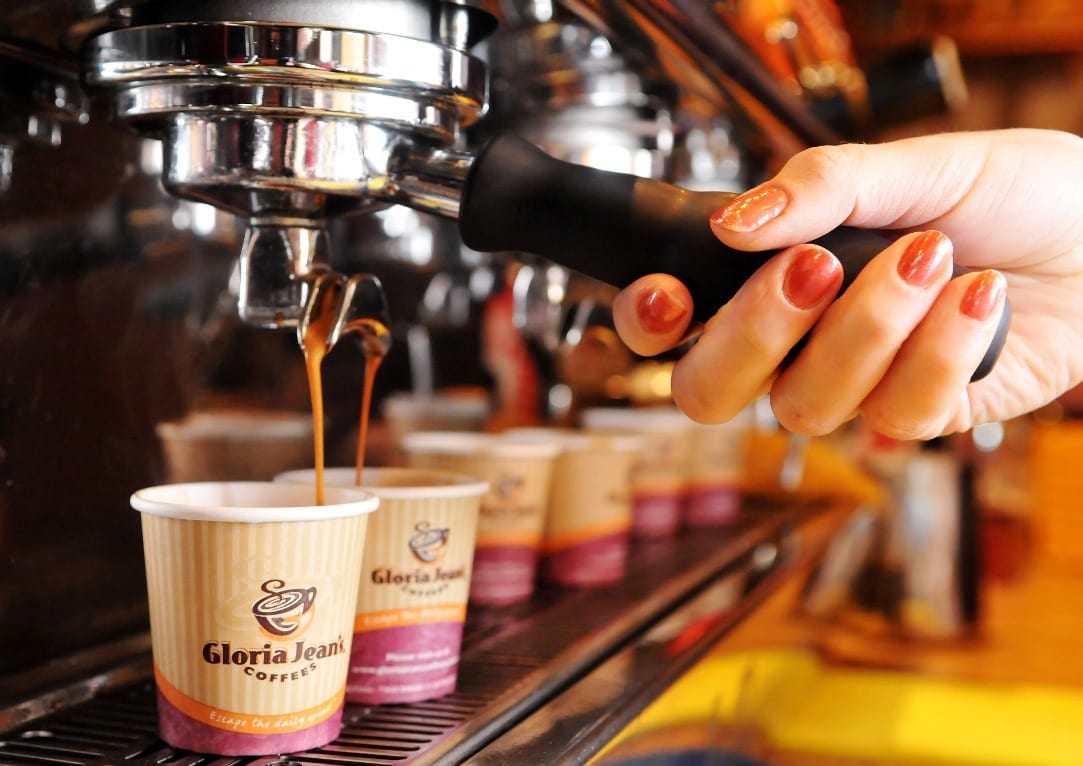
    Multibrand food chain franchisor Retail Food Group says sales across its domestic network have grown 16.5 percent in the first 21 weeks of this year.

    The company owns and operates Gloria Jean’s, Crust Gourmet Pizza, Donut King, Brumby’s Bakery, Cafe2U Michel’s Patisserie, Pizza Capers, and The Coffee Guy.

    In August, the business reported that its tax-paid profits increased threefold to $5.3 million in its full-year results.

    Continuing into the new financial year, same-store sales are up by 20percentt with Donut King performing exceptionally well, up by 47.6 percent.

    Customer visits to stores have grown by 20.6percentt during the quarter to date, although staffing shortages are an ongoing issue for many outlets.

    To alleviate operational pressures, the company says it has launched a baker recruitment program in partnership with the state-based TAFEs to create career opportunities.

    For the first half of this year, 32 new outlets were opened while an additional 50 stores are planned across 16 countries in the remainder of FY23 (which includes four new US-based Gloria Jean’s drive-thru outlets).

    In its international division, the company has reported that restructuring activity and improved trading conditions boosted underlying EBITDA by 35.5 per cent last financial year.

  • Low-quality rice imports to be restricted

    Low-quality rice imports to be restricted

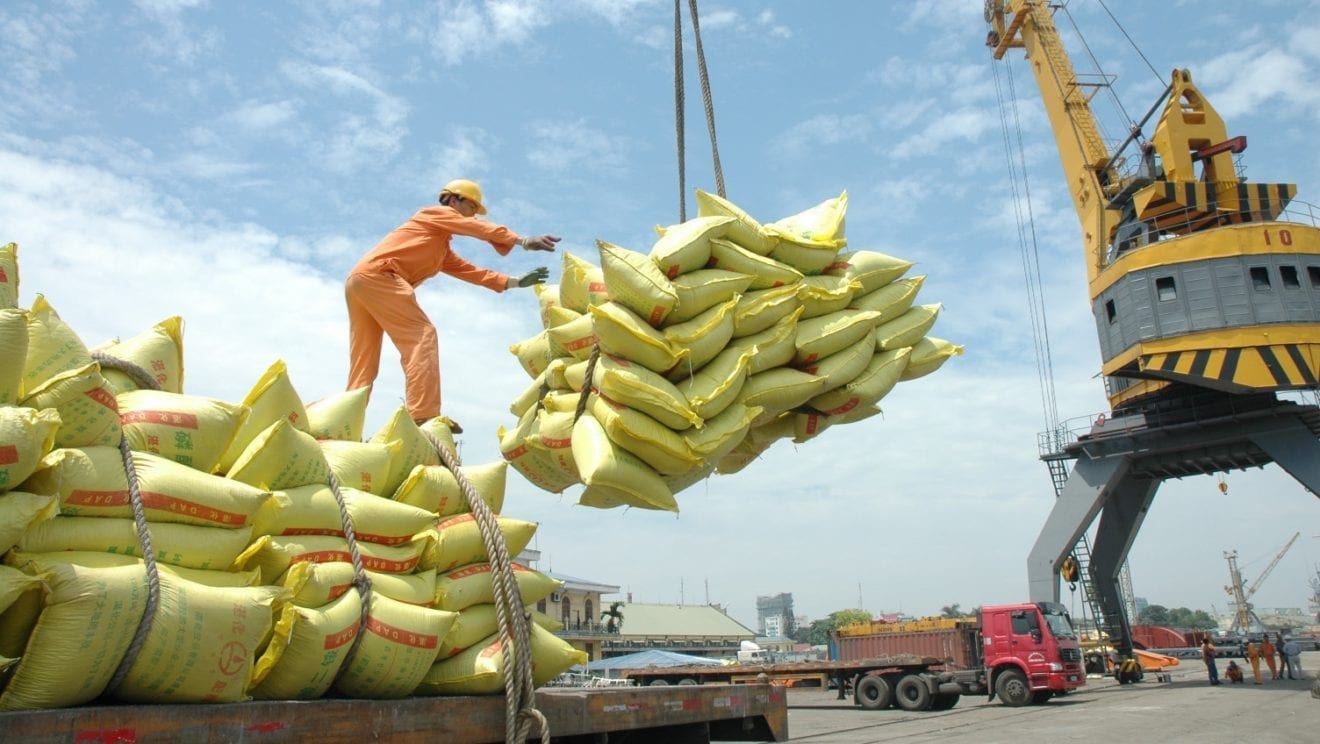
    The Ministry of Industry and Trade is drafting a decree on rice trade to limit the import of low-quality grain.

    The volume of low-grade rice imported from India has surged due to low vietnaprices and zero import tax under the ASEAN-India Free Trade Area, potentially affecting Vietnam’s own rice production and food security.

    Last year Vietnam imported a million tons of rice from various countries, including over 72% from India, according to ministry statistics.

    The low-quality grain, including broken, imported from India is mainly used to make noodles, cakes, animal feed, beer, and liquor.

    Vietnam, which exports 6-6.5 million tons of mainly high-grade rice annually to 156 countries and territories, had imported only around 5,000 tons of Indian rice in 2019, according to the ministry.

    Pham Thai Binh, general director of Trung An Hi-tech Farming Joint Stock Company, said “Vietnamese farmers’ income is still very precarious. Instead of importing low-quality rice, enterprises can buy rice in the domestic market, helping increase selling prices and farmers’ income.”

    According to the draft decree, if rice import volumes increase sharply, potentially affecting domestic production, they will be restricted. Besides, rice traders face stiffer penalties for failure to make quarterly and annual reports on exports and inventories as required.

  • Masan receives $600-mln foreign syndicated loan

    Masan receives $600-mln foreign syndicated loan

    Conglomerate Masan Group has received a syndicated loan of US$600 million at 6.7% interest from international financial institutions.

    The five-year loan was arranged by BNP Paribas, Credit Suisse, HSBC, and Standard Chartered Bank from a consortium of 37 financial institutions.

    Masan said improved business results in the consumer and retail segments have made it easier to access foreign loans though borrowing in U.S. dollars would admittedly entail greater foreign exchange risks.

    Last weekend, before obtaining the loan, it issued bonds worth VND1.7 trillion ($68.5 million) also with a five-year maturity.

    The company said it has paid debts and interest due this year of over VND6.9 trillion and prepaid debts of VND6.66 trillion due next year.

    Masan operates Win Mart, the largest consumer retail chain in Vietnam, and has a majority stake in Phuc Long beverage chain and interests in tungsten mining.

    According to a recent report by HSBC Global Research, Vietnam is set to become the tenth-largest global consumer market in 2030, overtaking Turkey, Thailand and Britain.

  • Casella Family Brands sells 35 vineyards

    Casella Family Brands sells 35 vineyards

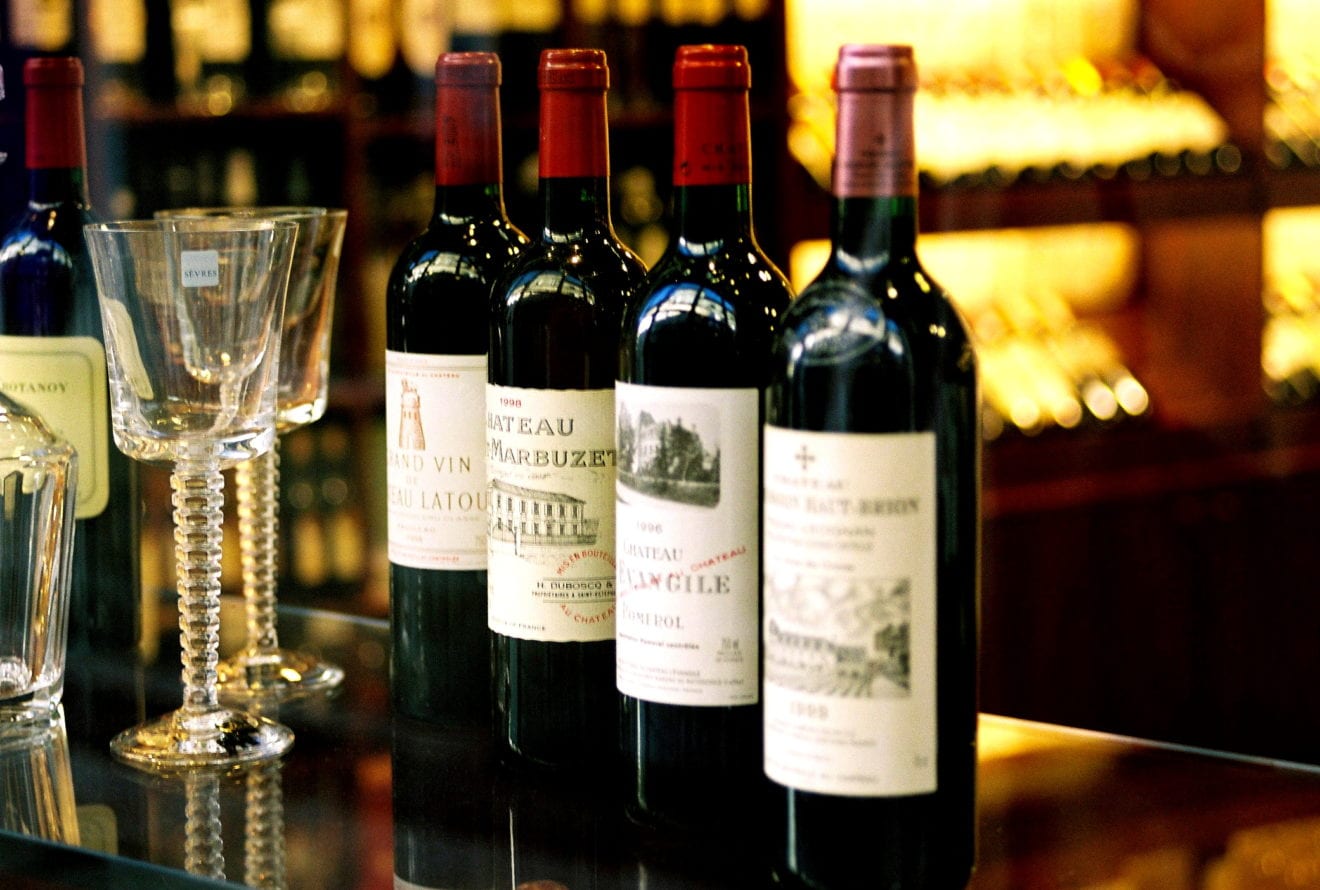
    Southern Premium Vineyards has acquired 35 vineyards from wine group Casella Family Brands. The sale comprises 7215 hectares across South Australia and NSW, including water entitlements and plant and equipment attached to the vineyards. The vineyards are located across the Clare Valley, Langhorne Creek and Limestone Coast regions of South Australia, and the Riverina precinct in NSW.

    Southern Premium Vineyards (SVP) already owns about 460 hectares of vineyards in the Coonawarra in South Australia’s south-east and the Barossa Valley. Public Sector Pension Investment Board owns it is one of Canada’s largest pension investment managers. SPV director Nick Gill said, “SPV’s strategy is to offer wine companies a multi-regional grape supply solution for their winegrape sourcing as an alternative to owning or leasing vineyards – and a partnership with Casella is a perfect fit with this strategy.”

    John Casella said: “We are pleased to be entering this partnership with SPV, a platform of PSP Investments, which is an investor with a proven track record of successful long-term investment in agribusiness in Australia and around the world.

    “We are confident that SPV will continue to deliver the quality and consistency of the grapes we require, safeguard and preserve the vineyards and ensure the wellbeing of employees.”

    Marc Drouin, senior managing director, Real Assets and Global Head of Natural Resources Investments, PSP Investments, said, “Our commitment to sustainable farming combined with our long-term investment horizon allows PSP Investments to lever Australia’s unique global competitive position for its quality winegrapes.

    “Casella is a best-in-class group with an impressive portfolio of vineyards in some of the country’s most highly regarded wine regions.

    “This acquisition is a cornerstone investment for both SPV and PSP Investments’ global wine portfolio.”

    Casella put most of its vineyards in NSW and South Australia on the market in May, following a strategic review of the business.

    The review by Australia’s largest privately owned winemaker led to a decision to divert the company’s funds into brand-building rather than running vineyards. The Australian described the move as “the biggest single sale of vineyards as one lot in living memory in Australia”, which is anticipated to raise tens of millions of dollars for Casella. Casella has entered into long-term grape supply agreements for all 35 vineyards to ensure ongoing supply for its established brands.

    John Casella said: “The company is in a sound financial position, having recently experienced global record sales for Yellow Tail during the COVID-19 pandemic.

    “While demand has stabilised, we are forecasting future growth due to ongoing investment in our brands supported by a strategic innovation pipeline.

    “The intended strategic partnership will allow us to focus on strengthening our brands globally, and therefore deliver positive outcomes for the Australian wine ­industry.”

    Some Casella-owned vineyards located in the Riverina and Barossa were not included in the sale, as well as its Victorian vineyards, which include Baileys of Glenrowan and Morris of Rutherglen. The company plans to use the funds to build its growing wine brand portfolio, create new alcoholic beverage brands – in categories such as spirits, beer and seltzer – and expand its whisky distilling business.

    Coca-Cola Europacific Partners sold its stake in Australian Beer Co (ABCo), which is located next door to the Casella winery in Yenda, NSW, to Casella Family Brands in January.

    Coca-Cola Europacific Partners vice-president and general manager for Australia, Pacific & Indonesia, Peter West said: “Casella Family Brands is a highly respected partner, and when we approached them as part of our strategic review of our beer and cider strategy, John and his team were keen to explore the opportunity to take full ownership of ABCo. We have had a terrific partnership with Casella Family Brands for almost a decade now and exit on good terms. We genuinely wish them
    the very best for the future.”

    John Casella said: “ABCo is an exciting business led by a state-of-the-art brewery, and we welcomed the opportunity to acquire full ownership. We will endeavor to maintain the excellent relationships the CCEP team has established with customers in the beer and cider category in Australia. We have enjoyed partnering with CCEP to grow ABCo’s business, and we both leave the joint venture arrangement on excellent terms.”.

    Casella Family Brands took over full ownership of the Australian Beer Co on July 1.