Category: Food

Retail News Asia is committed to providing both local and global retailers with the latest Food and Food & Beverage news throughout the Asian market. This on a daily base.

  • Heineken Vietnam, National Traffic Safety Committee renew strategic partnership

    Heineken Vietnam, National Traffic Safety Committee renew strategic partnership

    Heineken Vietnam is continuing its 14-year partnership with the National Traffic Safety Committee for developing a “road safety” culture and inculcating the habit of “When you drink, never drive.”

    The two-year program has trialed activities to reinforce a “road safety” culture and promote healthy drinking and driving habits among government and other employees based on Heineken Vietnam’s Traffic Safety framework.

    The program will offer comprehensive and practical solutions with the sole purpose of safeguarding people against dangerous consumption and behaviors after getting a grasp of the social context and employees’ habits.

    Tran Huu Minh, head of the NTSC office, said: “The company has proactively organized awareness campaigns for state agencies and enterprises to encourage their staff to adopt healthy habits towards responsible consumption for the benefit of personal health and the community.

    “I hope this program becomes an impactful model program to be implemented on a bigger scale in future.”

    The set of traffic safety regulations and the “When you drink, never drive” framework will be trialed at two units: the Ho Chi Minh Public Transport Management Center, and the Vitranimex Transportation and Trading Joint Stock Company.

    After conducting an examination at these two units and evaluating the results, NTSC will establish a set of standards for the application of “When you drink, never drive” at enterprises and government agencies and seek to make these rules widely available in the coming years.

    “Path to moderation and no harmful use” is one of the core features of Heineken Vietnam’s sustainability program “Brewing a better Vietnam,” Tran Minh Triet, the company’s deputy managing director said

    The 2022-2023 project is an opportunity for Heineken to support and disseminate the “Traffic safety – When you drink, never drive” program to state agencies, enterprises and consumers, he added.

    For years Heineken Vietnam has been building a program for traffic safety and a set of traffic safety laws within the company, including a number of activities to enhance employees’ knowledge and driving skills.

    As part of its commitment to the scheme, Heineken Vietnam has deployed a “Safe Pick-Up” program to ensure they get home safely every day.

    Since 2008 Heineken Vietnam has collaborated with NTSC to simultaneously spread the “When you drink, never drive” message throughout Vietnam.
  • Vietnam rice exports plummet on lower global demand

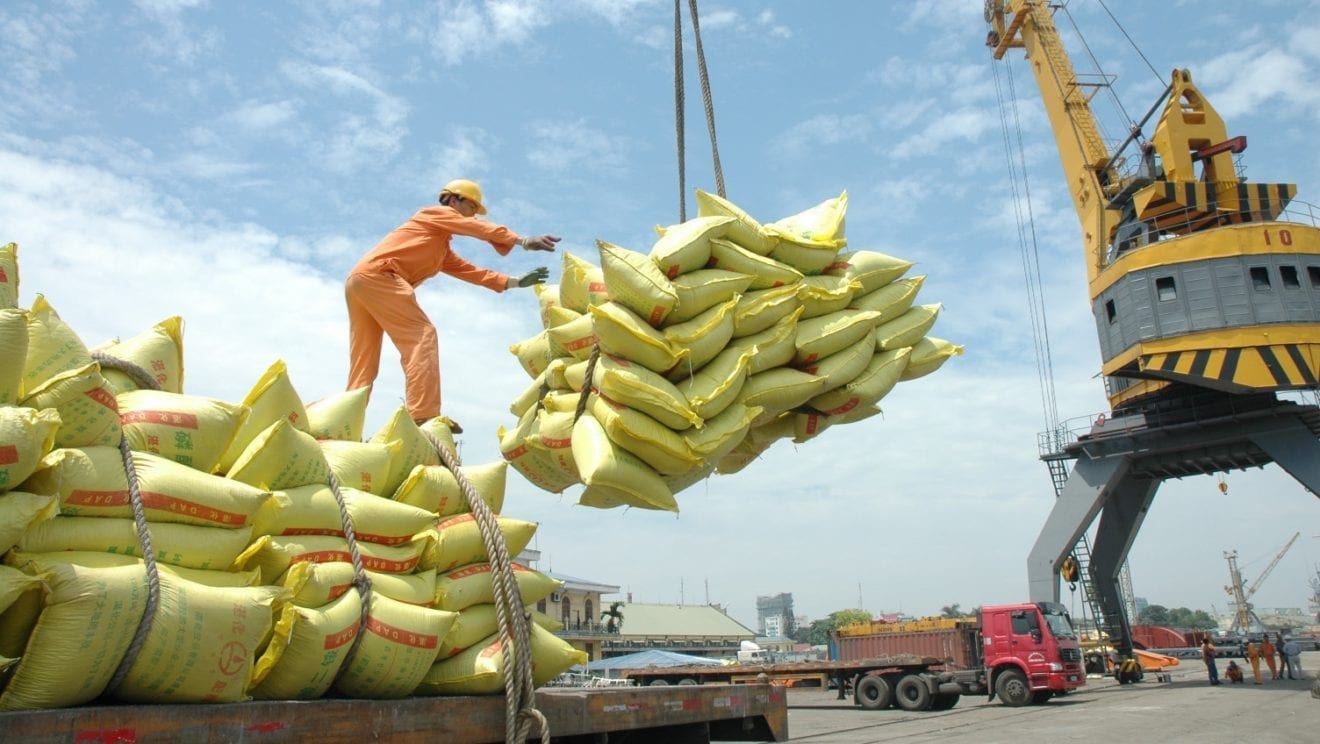
    Vietnam rice exports plummet on lower global demand

    Rice exports fell 17.4% year-on-year in January to US$203 million as global demand shrank.

    In volume terms, they declined by 20.9% to 400,000 tons, according to the Ministry of Agriculture and Rural Development.

    Global demand was lower since inventories remained high in many countries, it said.

    The U.S. Department of Agriculture said in its January report that the global rice trade is set to fall by 4% this year to 54.4 million tons, the first drop since 2019.

    The Thai Rice Exporters Association has lowered the export target for this year from 8 million tons to 7.5 million tons, fearing global crises would affect trade.

    Vietnam expects exports to recover by the end of March as the Thai baht continues to gain against the U.S. dollar, making that country’s rice less competitive.

  • Dragon fruit prices triple

    Dragon fruit prices triple

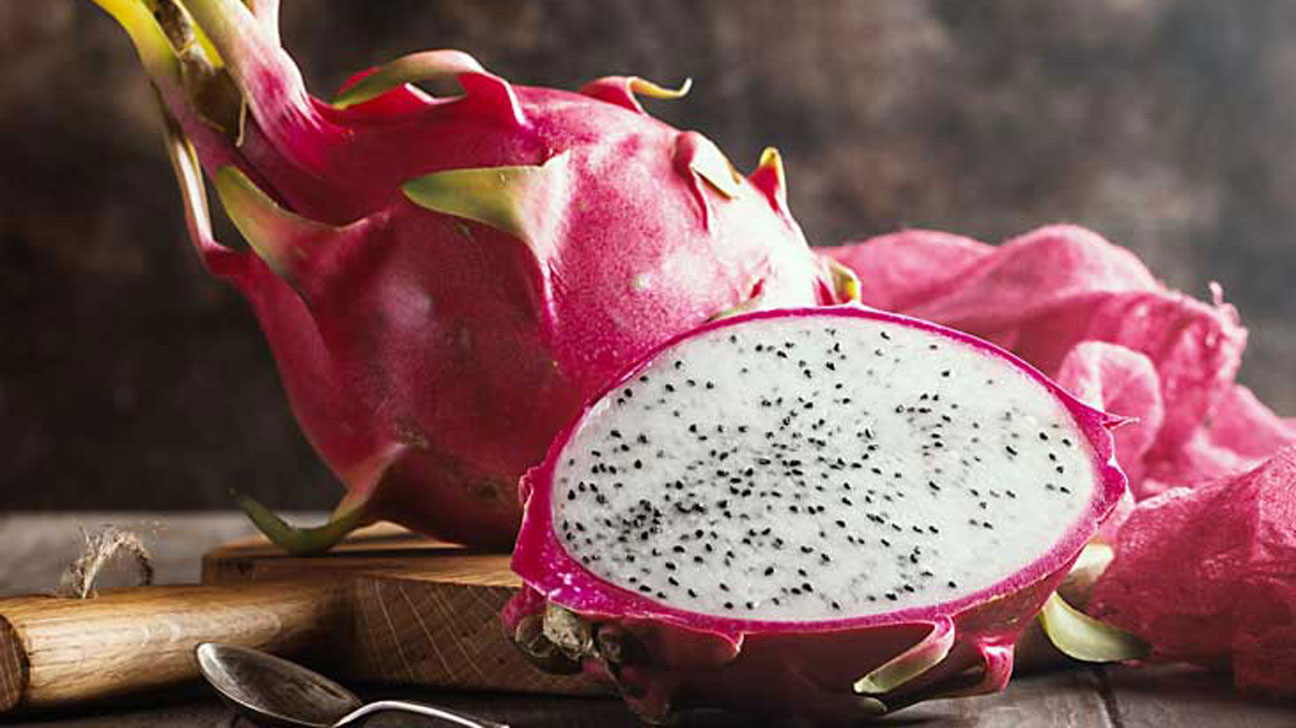
    Dragon fruit prices have tripled year-on-year in southern farms after China resumed border trading.

    Farmers in Tien Giang Province are selling red-fleshed dragon fruit at VND38,000 ($1.62) per kilogram and white-fleshed for VND32,000, up 10% from before the Lunar New Year holiday and triple from the same time last year.

    Nguyen Thi Hanh, a farmer said that she sold five tons at VND32,000 per kilogram and earned a profit of VND110 million.

    In Binh Thuan Province, prices of white-fleshed dragon fruit have also tripled to VND25,000.

    Industry insiders say that the resumption of border trade with China after three years of restrictions has helped boost prices. China accounts for around 90% of Vietnam’s dragon fruit exports.

    Binh Thuan’s Department of Agriculture and Rural Development said that as trucks can pass the border easily without having to wait for days as they did during the pandemic, dragon fruit is being sent to China quickly, and farmers are set to report large profits as the main harvest season approaches.

    “We are working to connect farmers with possible export locations in China to help them sell their fruit with ease,” said Mai Kieu, director of the department.

    Since January Chinese customs no longer requires goods to be tested for Covid-19 at border gates with Vietnam and it has also lifted all other pandemic safety measures.

    Vietnam’s exports to China rose 8% to $119.3 billion in 2022 compared to a year earlier, while imports climbed 4.5% to $58.4 billion.

  • Japan’s sushi-train restaurant chains eye overseas expansion

    Japan’s sushi-train restaurant chains eye overseas expansion

    The companies said Friday that sushi restaurant chains Akindo Sushiro Co. and Genki Sushi Co. are in merger talks to speed up the expansion of their overseas business.

    Akindo Sushiro operates Japan’s largest conveyor belt sushi chain with around 470 restaurants, most of them domestic. Genki Sushi, the No. 5 chain, runs more than half of its 300 or so restaurants abroad, including in the United States and China.

    By teaming up, they hope to cut down on costs and pool their resources to open more restaurants across the growing Asian market, especially as Japan’s graying population puts a damper on domestic sales.

    In preparation for the merger, Shinmei Co., the parent company of Genki Sushi and Japan’s largest rice wholesaler, plans to acquire a 32.72 percent stake in Sushiro Global Holdings Ltd., parent of Akindo Sushiro.

    While the merger details are still being worked out, combining the two businesses would give the new company a significant lead in revenue over its closest rival, Kura Corp.

  • Saigon Beer brewer sees revenue surge by a third

    Saigon Beer brewer sees revenue surge by a third

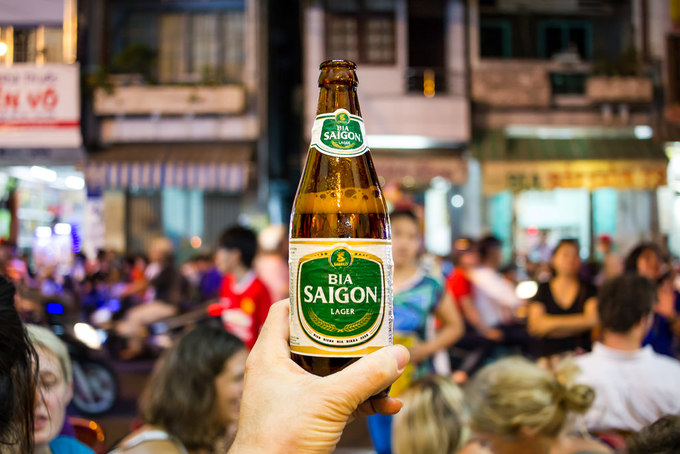
    Saigon Beer brewer Sabeco saw revenue jump 33% from 2021 to VND35.24 trillion ($1.5 billion) last year as consumption bounced back after two years of Covid-19.

    The brewer’s post-tax profit surged nearly 40% to VND5.5 trillion, the highest level since it was sold to ThaiBev in 2017.

    “The company has improved its production efficiency and implemented cost-saving measures to minimize the impact of higher input costs,” Sabeco said in a statement. “Many promotion and marketing campaigns also helped boost sales.”

    Before the pandemic, the company spent VND3 trillion on promotion and marketing last year, double that of 2019.

    Sabeco’s revenue last year was 8% shy of the 2019 level. However, its revenue quadrupled that of its major competitior in Vietnam, Habeco, which recorded a revenue of VND8.5 trillion.

    Thapana Sirivadhanabhakdi, CEO of ThaiBev, said last year that Sabeco was its “crown jewel” and rejected rumors that the Thai company would sell the brewer.

    Valued at $26 billion, Vietnam is the biggest beer market in Southeast Asia, and No. 3 in Asia behind China and Japan, according to 2021 figures.

  • Boag’s Brewery tours to continue in Launceston thanks to state government funding

    Boag’s Brewery tours to continue in Launceston thanks to state government funding

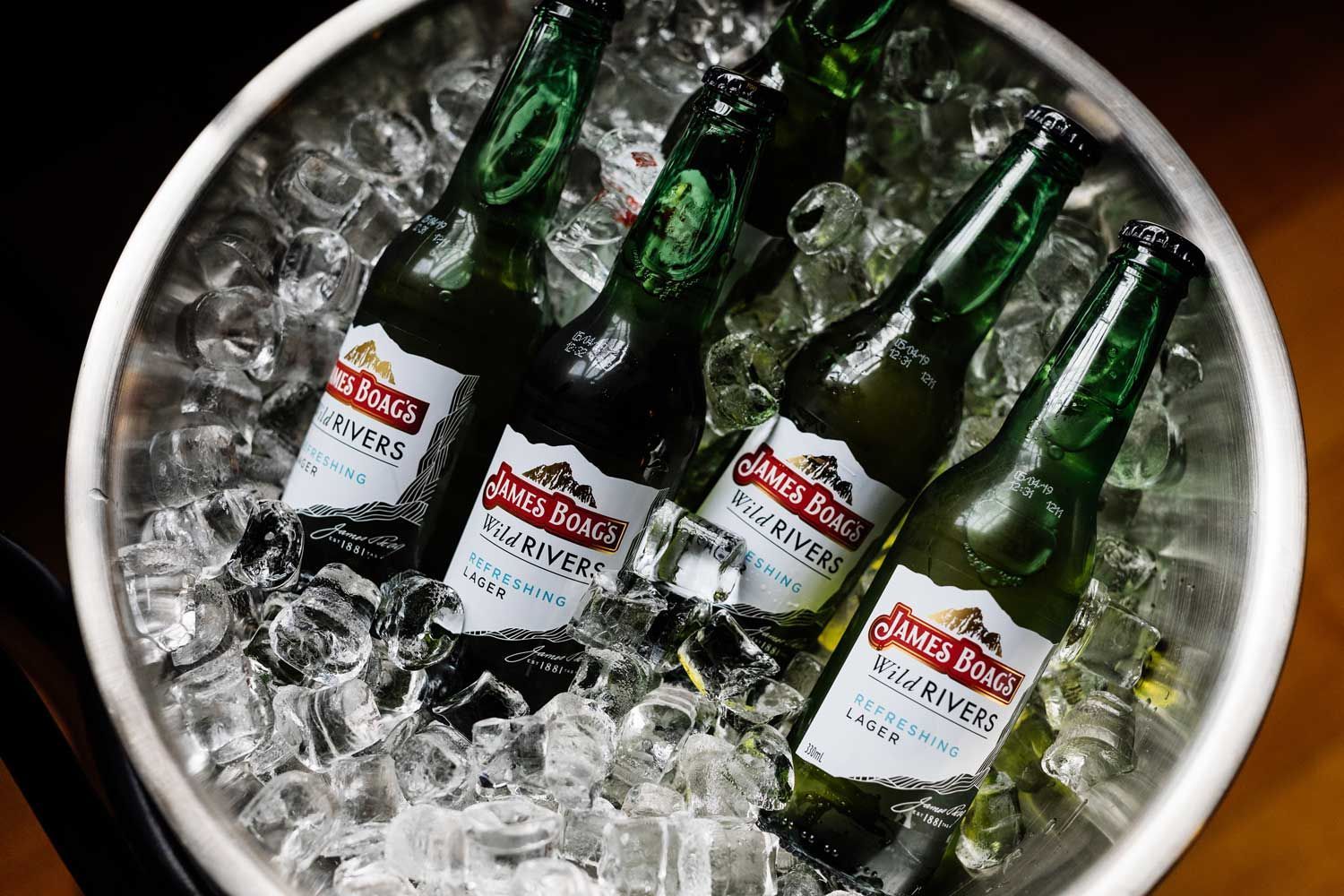
    Tours of one of Australia’s oldest breweries — which were set to end in a few days — have been saved at the 11th hour after James Boag’s Brewery received funding from the Tasmanian government to keep them running.

    The Tasmanian government will provide $1 million to keep the Launceston brewery’s visitor centre open.

    As part of the deal, any Tasmanian with a current driver’s licence can get free tours for the next 12 months.

    Lion Australia, which owns Boag’s, announced last week that it would close the visitor centre, citing declining beer consumption, rising costs and the impact of COVID-19 as the reasons why.

    Boag’s Brewery director Nathan Calman said the government funding announcement was a win-win for the Launceston community.

    “The proposal to close the visitor centre and tours was not put forward lightly, but as a response to the significant cost pressures we are facing across our business,” Mr Calman said.

    “The response — an outpouring of immense passion for the continuation of our brewery tours and visitor centre experience — reminded us of just how integral Boag’s is to Launceston.

    Mr Calman said there had been no expectation that the government would provide support to keep the tours operating.

    “This package will help us continue to provide a great tour experience at the Boag’s visitor centre, while we work with the government and other stakeholders to address some of the long-term cost pressures our manufacturing business continues to face,” he said.

    The continued operation of the centre will also save 12 jobs.

    Premier Jeremy Rockliff, who called on Lion to reconsider its initial decision, said the funding would be used to “expand and enhance the tourist attraction”.

    “It’s not only a local cultural icon but a vital part of the local northern economy attracting thousands of visitors a year,” Mr Rockliff said.

    “The unique experience it offers has been a significant drawcard for Launceston for decades, with the benefits flowing to other businesses in the region and across the state.”

    The funding will also be used for a marketing strategy, to promote the tour to interstate travellers.

    Launceston Mayor Danny Gibson said that he was delighted the decision to close the visitor centre had been reversed.

    “We’re thrilled that such a vital component of our visitor economy has been reinstated, not only to the same level but [also with] commitment to expand it.

    “We know that the visitor centre and the tours are consistently ranked highly by visitors to Launceston.”

  • Coffee shops, eateries packed with customers on first days of Lunar New Year

    Coffee shops, eateries packed with customers on first days of Lunar New Year

    Businesses serving food and drink in Hanoi and Hai Phong have seen a surge in consumers during the first few days of the Lunar New Year.

    Many coffee shops in Hanoi closed on January 22, the first day of Tet, and started welcoming patrons again the following day.

    Highlands Coffee, The Coffee House, Phuc Long, Starbucks and other coffee chains didn’t raise prices on Tet to entice people

    Several smaller shops charge an extra VND5,000-VND10,000 (21 cents-43 cents) for each drink.

    There has been a noticeable increase in the number of young people seen at downtown establishments since the Lunar New Year’s Eve.

    Huong Mai, a resident of Hanoi’s Nam Tu Liem District, had to walk to a number of cafés on Ly Thuong Kiet Street at around 7 p.m. to find one with a table big enough for eight people.

    “Most stores have a high volume of customers coming in and out at any given time,” said Mai. “The wait time for refreshments is also longer than usual.”

    Not only do large coffee chains attract a huge number of customers, but so do a plethora of smaller, more affordable sidewalk cafés.

    On the second day of Tet, Dang Hoang Viet of Hanoi’s Ha Dong District said he and his family ate grilled steak at an eatery on Cua Dong Street for VND750,000.

    His family spends around VND650,000-VND700,000 on a normal day for a similar meal.

    In northeastern Hai Phong City, the food court at Aeon Mall was also filled with patrons.

    It took Quang Thanh, a local resident, over half an hour to find an available table on the first level of the shopping complex when he came at 6:30 p.m. on the second day of Tet.

    When asked about Lunar New Year’s Eve dining, Thanh said: “It took me a long time to find a table, and it took the restaurant another half an hour to make and serve my food.”

    On the first day of Lunar New Year, many eateries in Hai Phong stayed open late.

    Nguyen Ngoc Anh, owner of a row of vermicelli and banyan cake shops on Le Lai Street in Hai Phong, says he has kept his shops open till the end of Tet in recent years to accommodate the growing number of customers who venture out to the city to see fireworks or visit temples. She says that this period has the potential to bring in more business than any other time of the year.

  • Consumer Reports urges dark chocolate makers to reduce lead, cadmium levels

    Consumer Reports urges dark chocolate makers to reduce lead, cadmium levels

    Last month, Consumer Reports said 23 of the 28 dark chocolate bars it tested included potentially harmful levels of lead, cadmium or both for people who eat more than one ounce of chocolate a day.

    Five had elevated levels of both metals: two from Theo, and one each from Hershey-owned Lily’s, Mondelez-owned Green & Black’s, and Trader Joe’s.

    Consumer Reports said many consumers eat dark chocolate for its potential health benefits and relatively low sugar levels, but “there’s nothing healthy about ingesting heavy metals.”

    The chocolate makers did not immediately respond to requests for comment.

    The National Confectioners Association, a trade group, said the California health guidelines that Consumer Reports used and considered “the most protective available,” are “not food safety standards” and that chocolate remains safe to eat.

    Consumers have been sued at least nine times by Trader Joe’s over its dark chocolate since Consumer Reports released its study.

    Hershey’s and Mondelez have also been sued over the magazine’s findings, as have other chocolate makers, including Godiva and Lindt (LISN.S).

  • Food delivery platforms see gross merchandise value rise 37.5%

    Food delivery platforms see gross merchandise value rise 37.5%

    The total gross merchandise value (GMV) of food delivery platforms in Vietnam hit $1.1 billion in 2022, up from $800 million in 2021, said Singapore-based venture outfit Momentum Works.

    Of the total GMV, Grab accounted for the biggest share with 45%, followed by ShopeeFood 41%, Baemin 12% and Gojek 2%, the firm said in its latest report “Food delivery platforms in Southeast Asia,” which was issued in January.

    Last year total GMV in Southeast Asia grew at a modest 5% to $16.3 billion, mainly driven by the relatively smaller markets of Malaysia, the Philippines and Vietnam, while larger markets – Indonesia, Thailand and Singapore – recorded declines, Momentum Works stated.

    The three largest markets all recorded a GMV decline in 2022, due to various factors. For example, thepost Covid reopening of the ecoomy reopening in Singapore shifted food services demand offline, while in Thailand the withdrawal of government subsidies after October 2022 as well the floods in the second half of the year played significant roles.

    Malaysia, the Philippines and Vietnam, the three smaller markets, have recorded significant growth, as players including Grab and ShopeeFood expanded their market penetration, according to the firm.

    Grab has taken market share leadership in Malaysia and Vietnam from Foodpanda and ShopeeFood respectively, and now contributes 54% of the region’s total platform GMV.

    ShopeeFood has reduced market-share-grabbing incentives, while Foodpanda/DeliveryHero is rumored to be in the process of exiting a few markets in the region, according to Momentum Works.

  • Tuna becomes billion-dollar export for first time

    Tuna becomes billion-dollar export for first time

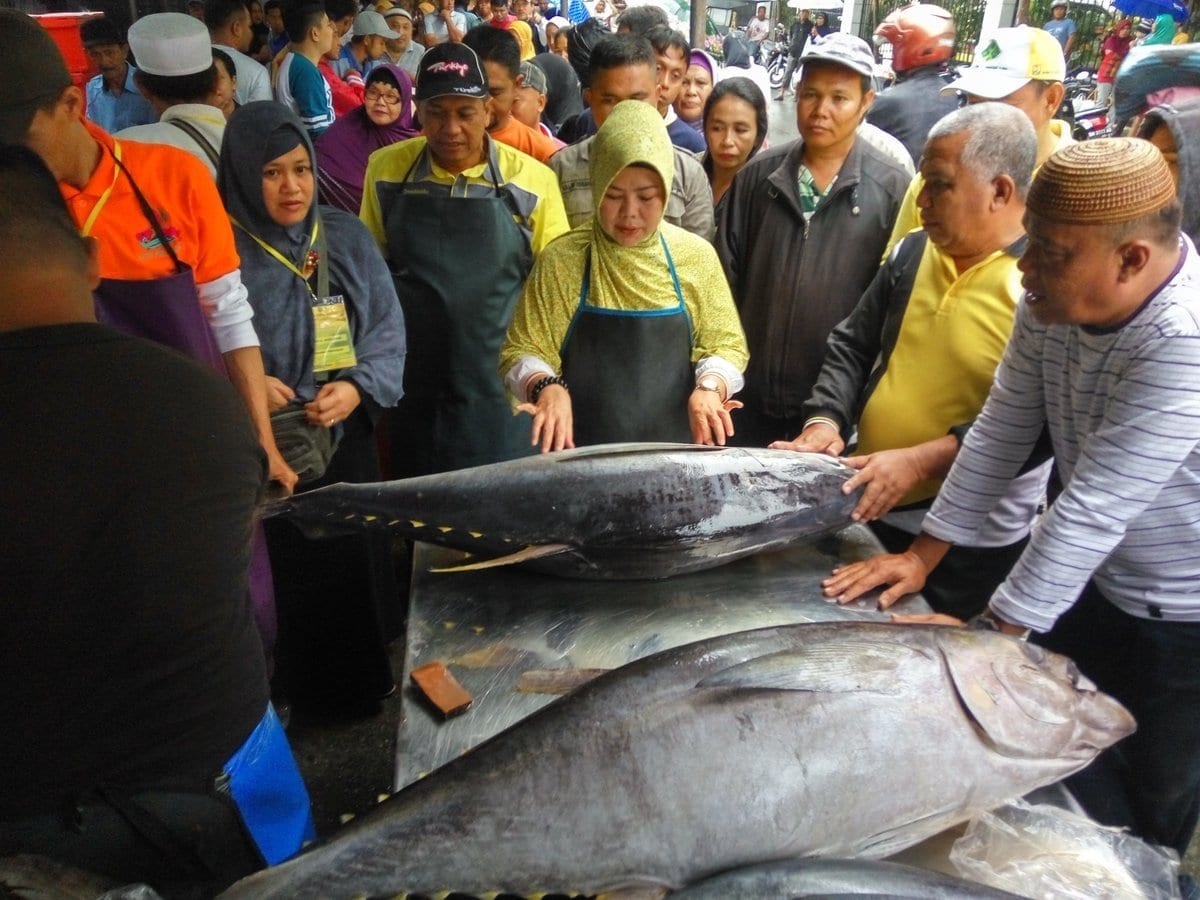
    Despite a sharp fall in exports before the end of 2022 due to global inflation, tuna still brought home US$1 billion in revenue last year, up 34% from 2021, becoming a billion-dollar commodity for the first time, data showed.

    Tuna products of Vietnam were shipped to 99 markets, of which the U.S., the EU, members of the Comprehensive and Progressive Agreement for Trans-Pacific Partnership (CPTPP), Israel, Thailand, Saudi Arabia, Russia, the Philippines, and Egypt were the largest importers, accounting for 92% of total exports, according to the Vietnam Association of Seafood Exporters and Producers (VASEP).

    Germany, Spain, and Belgium were the biggest EU buyers of Vietnamese tuna. Notably, shipments to Germany and Spain shot up 161% and 117% last December, respectively.

    Tuna exports to Japan, a CPTPP member, grew fast in the last quarter of 2022. The value surged 131% year on year in December alone, helping raise the export turnover to CPTPP markets to nearly $136 million, up 48%.

    Meanwhile, strong declines were recorded in shipments to many other markets, VASEP said, noting that after dropping in November, tuna exports to the U.S. fell by another 38% in December. However, last year’s exports to this market still rose 44% to approximate $487 million.

    VASEP forecast the export in the first quarter of 2023 will be unable to sustain its 2022 performance, but markets may recover in the latter half of this year. Free trade agreements are the driver for tuna exports in the year’s beginning.

  • Diageo to buy Philippine rum brand Don Papa

    Diageo to buy Philippine rum brand Don Papa

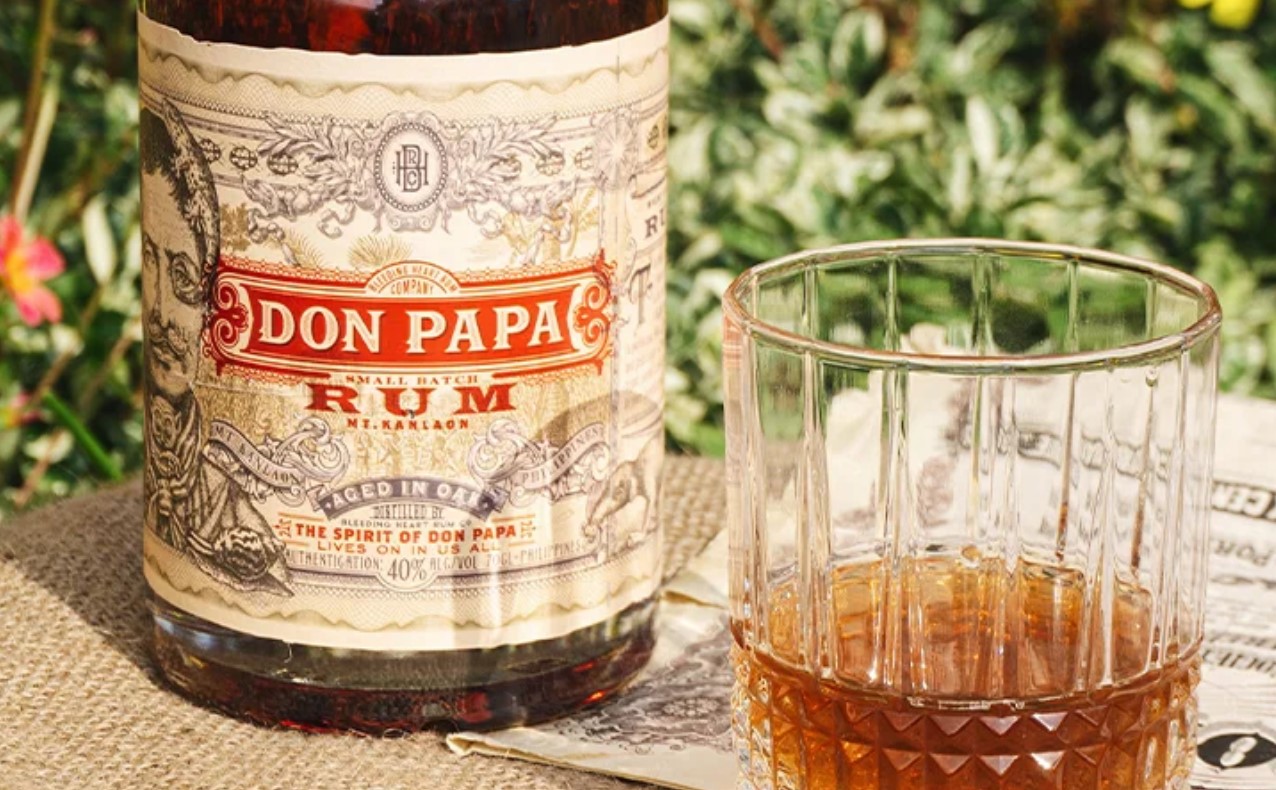
    The news Diageo is to buy Philippines-based dark rum brand Don Papa was met with positive noises by industry insiders this week.

    Diageo’s acquisition of Don Papa will complement the spirits giant’s existing rum portfolio and should allow the group to better take advantage of favourable headwinds in what the company and some industry watchers call the “super-premium-plus” segment. Mainstream rum, especially in the US, has been sluggish for some time and, despite Diageo’s best marketing efforts, its flagship Captain Morgan brand has not been immune from this. In the year to 30 June, the brand’s sales fell by 3% globally and by 6% in North America.

    In a client note discussing the Don Papa deal, analysts at investment bank Jefferies highlighted the poor performance of mainstream rum over the last decade. The analysts contrasted its fortunes with the super-premium plus segment of the category, which they said has grown by a CAGR of 18% in Europe and 27% in the US over the last five years (2016-2021).

    “We believe there are reasons for optimism for the rum category, in particular in the high-end, dark variants,” Jefferies’ Ed Mundy said, pointing to a renewed interest in sipping rums, the drink’s relatively affordable price point and its sweeter taste profile as three reasons the category is set to prosper.

    “Many bartenders are taking rum to a party, which is a leading indicator of category health.”

    Although Diageo does have some exposure to premium rum (Ron Zacapa, Ron Santiago de Cuba, Pampero), the group’s portfolio is skewed towards mainstream and economy – according to Jefferies, the company sold 11m cases of Captain Morgan and 10m cases of local Indian rum McDowell’s last year – with a lower exposure to super premium (the group only owns 50% of Ron Zacapa, accounting for less than 100,000 cases).

    Therefore, striking a deal to acquire a bigger brand such as Don Papa (180,000 cases) – and one that plays in both premium and super-premium; in the UK, the brand’s seven-year-old variant has an SRP of GBP34 (US$42) and the more premium Baroko variant costs GBP85 – helps bolster Diageo in a segment that is outperforming the rum category as a whole.

    “The opportunity for Diageo here is two-fold,” Morningstar analyst Philip Gorham tells Just Drinks. “One, roll the brand out geographically across the Diageo platform and get it into new markets. This will require marketing investment but [is] still a fairly low-cost, incremental revenue for the brand.

    “Two, see if there are opportunities to stretch the price points higher. This is a well-positioned brand at $35-$40 a bottle. It is unencumbered by mass-market pricing (they will never get to four-figure prices on Captain Morgan) but it is nowhere near the price heights of Johnnie Walker.

    “In other words, there is a lot of headroom for premiumising the brand further, as Diageo are already doing in Tequila.”

    The value of the deal – EUR260m ($281m), with the potential to reach EUR437.5m ($474m) by 2028 – makes for an interesting comparison with the $725m reportedly paid by Brown-Forman for Diplomático late last year. On an annual, per-case-sold basis, Diageo’s deal stacks up favourably to that of its competitor ($1.5m per case at the initial price paid, versus $1.85m per case for Diplomatico), although Brown-Forman’s brand retails at a higher SRP of around GBP44 per bottle.

    The Jefferies analysts described the risk-reward profile of the deal as “asymmetric, in our view, given the low initial capital outlay and opportunity to leverage Diageo’s strong distribution network”.

    Don Papa – with its distinctive packaging, unique liquid and authentic story – also fits the bill as far as Diageo’s wider M&A strategy is concerned. In recent years, the company has moved away from transformational deals in favour of bolt-on acquisitions in high-growth segments. The group’s 2021 purchase of Chase Distillery and last year’s move for American single malt maker Balcones Distilling are good examples of this strategy in action.

    Gorham sees sense in this approach, stating his belief that “high price points are where the long-term growth is” in spirits.

    “Whether premiumisation takes a breather as major economies enter recession, we’ll have to wait and see but there is huge long-term opportunity at the crossroads of beverages and luxury,” he adds.

    In this context, the move for Don Papa, a fast-growing, high-margin brand in a category that is predicted to continue to continue to premiumise in the coming years, looks like business as usual for Diageo.

  • Orchestra Private Equity to acquire KFC Korea for 60 billion won

    Orchestra Private Equity to acquire KFC Korea for 60 billion won

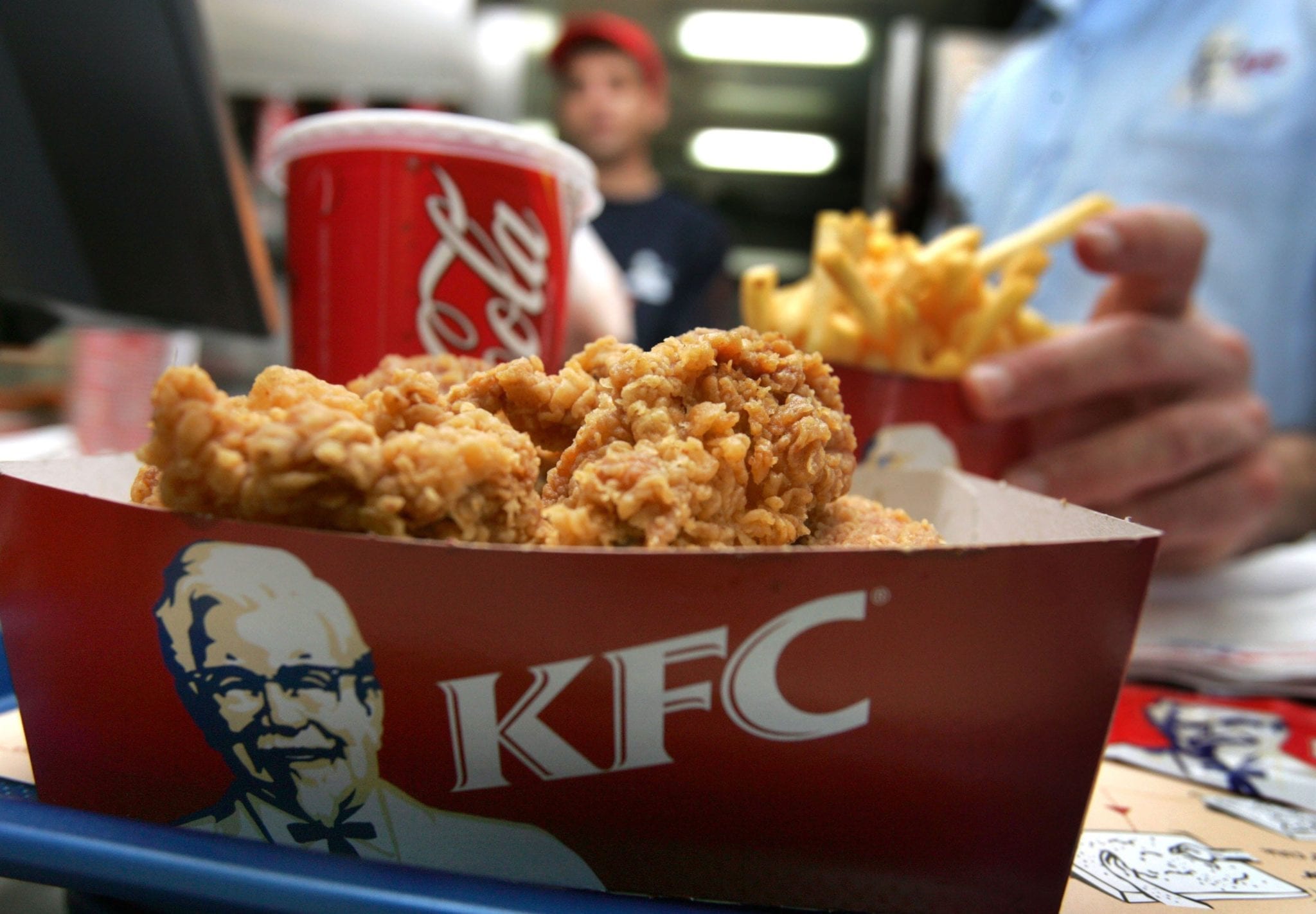
    Orchestra Private Equity, a private equity firm based in Singapore, has signed a stock purchase agreement to acquire chicken franchise KFC Korea, according to industry sources on Friday.

    Under the deal signed on Thursday, Orchestra PE will purchase a 100 percent stake in KFC Korea from KG Group, a chemical-to-steel company based in Seoul.

    The transaction has an estimated worth of 60 billion won ($48.3 million) to 70 billion won.

    KFC Korea has been on sale for a year by KG Group which took over the fast food chain in 2017 from another private equity firm CVC Capital Partners.

    To get better control over the fried chicken chain after the acquisition, Orchestra PE signed a separate contract with Yum! Brands, the American operator of KFC to alter its operating system from direct management to a franchise system.

    According to market observers, KFC has struggled to expand its presence in the country due to failure in localization as all decisions had to be made only after consulting with the American headquarters.

  • Subway mulls sale valuing global business at more than US$10 billion

    Subway mulls sale valuing global business at more than US$10 billion

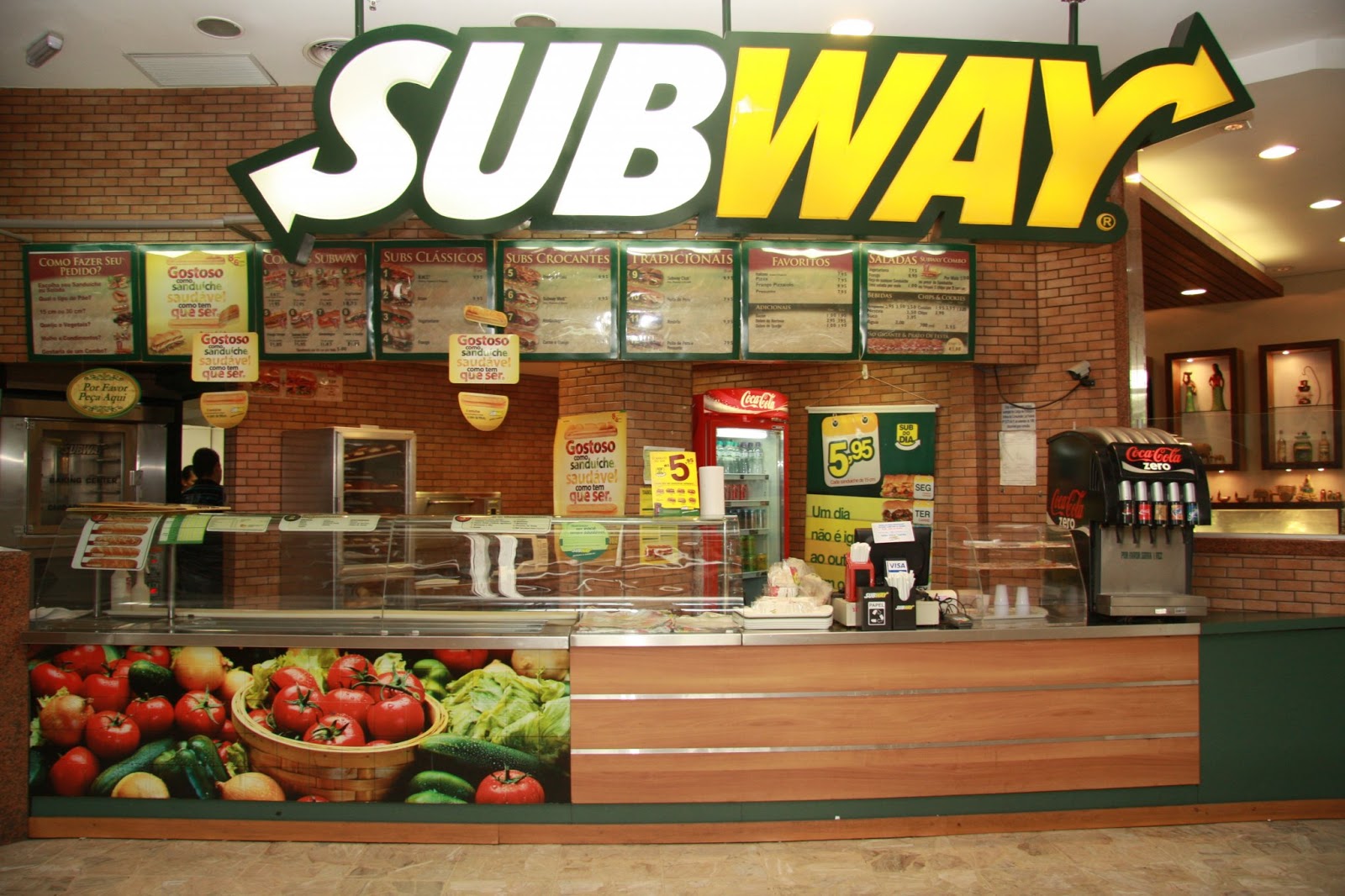
    American multinational fast-food restaurant franchise, Subway, is exploring a potential sale that could value the sandwich chain at more than US$10 billion, a source said.

    The company, based in Milford, Connecticut, is one of the world’s largest quick-service restaurant chains, with about 37,000 locations in more than 100 countries.

    Founded in 1965 by Fred DeLuca and Dr. Peter Buck, Subway has had rapid growth since opening its first shop but has tapered off in recent years amid intense competition.

    The chain has also pioneered the concept of preparing food in front of consumers in an assembly line fashion, an idea that chains would later adopt such as Chipotle Mexican Grill.

    The source said the process, which is at an early stage, is expected to attract potential corporate buyers and private-equity firms, adding that Subway could still decide against pursuing a sale.

    In 2021, media reports said Subway deliberations for a sale, but the restaurant chain denied it. If the privately held company does sell, the transaction follows several recent attempts to drive growth, including a shift toward multi-unit operators, expansion via automated vending fridges, and a significant menu revamp.

    The chain has made strides with its digital business thanks in part to the launch of Subway Delivery, which lets delivery customers order directly from the chain’s app or website, and other online ordering improvements. In 2021, Subway’s digital sales topped US$1.3 billion, tripling its 2019 digital sales.

    It also began buying out development agents, developers who contracted with the company to sell and oversee franchisees in specific regions of the country—and whose actions were often considered synonymous with the chain’s more aggressive expansion strategies coming out of the great recession in 2009 and 2010.

    The chain has struggled to grow sales since 2014, shuttering at least 6,000 restaurants to rightsize its bloated footprint to less than 21,000 by 2021.

    Despite the aggressive contraction of its store network, roughly 75% of Subway’s US footprint (or 16,000 restaurants) reported a same-store sales increase of at least 7.5% in the finance books of 2021 compared to 2019.

    Subway attributes most of the momentum to July’s launch of “Eat Fresh Refresh,” the largest menu update in the chain’s 56-year history.

    The rollout included more than 20 upgrades—11 new and improved ingredients, six new or returning sandwiches, and four revamped signature sandwiches. Turkey, ham, and steak were elevated and roast beef and rotisserie chicken returned to the menu.

    In November 2022, the chain publicly unveiled its first Grab and Go “smart fridge” filled with pre-made sandwiches, snacks, and drinks.

    The machine debuted in September at the University of California San Diego and the company plans to add more across North America in high-trafficked areas like other college campuses, airports, and hospitals.

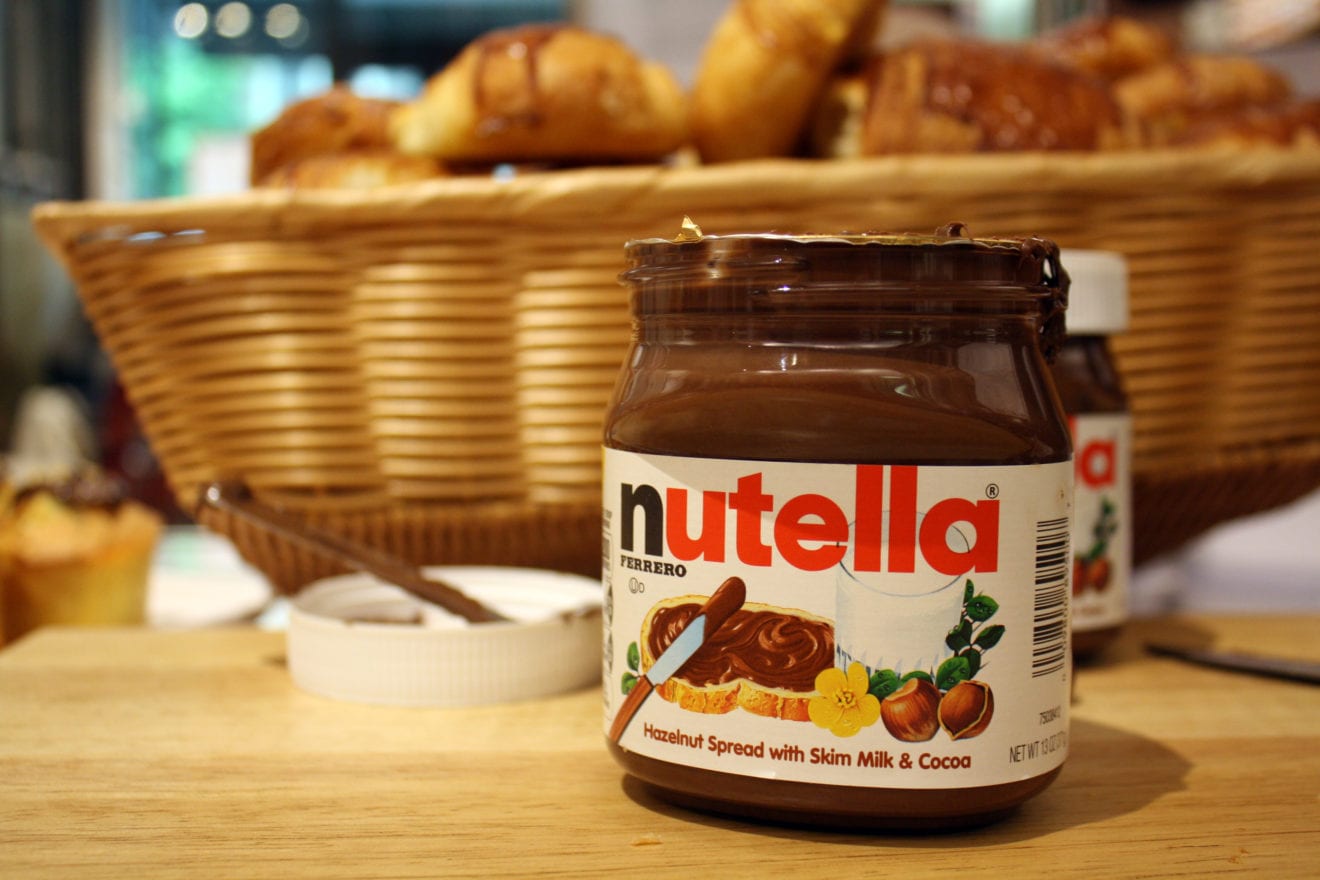
  • Nutella Biscuits rolls out in Australian grocery stores

    Nutella Biscuits rolls out in Australian grocery stores

    It has been confirmed that Nutella biscuits are finally being stocked below The biscuit is a global hit, with fans of the brand particularly popular in Europe and the US clamoring for their arrival in Australia for years.

    It has been officially confirmed that Nutella biscuits are coming to Australia in January 2023.

    Fans of the sweet treat, which is hugely popular in Europe, have been calling for the biscuits to hit Aussie supermarkets for years.

    Italian Biscuits features a creamy heart of Nutella sandwiched between two crunchy biscuits, and a bag of 20 is just $6.

    On January 9th bags of the tempting snack hit the biscuit aisle of all major Aussie supermarkets.

    It has been officially confirmed that Nutella biscuits are coming to Australia in January 2023

    Fans of the sweet treat, which is hugely popular in Europe, have been calling for the biscuits to hit Aussie supermarkets for years. The biscuits feature a creamy heart of Nutella sandwiched between two crunchy biscuits, and a bag of 20 costs just $6.

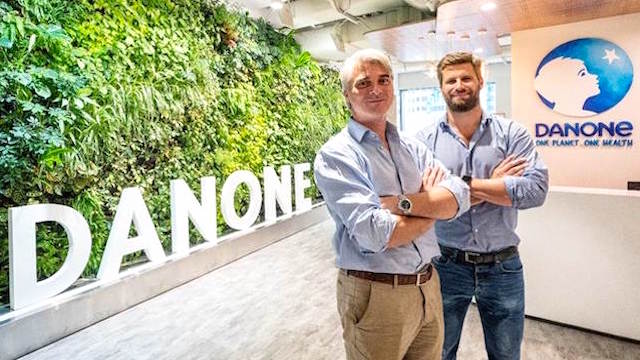
  • France’s Danone faces legal action over plastic use and reporting practices

    France’s Danone faces legal action over plastic use and reporting practices

    Some environmental groups have taken legal action against French bottled water and dairy group Danone over its plastic use, accusing it on Monday of failing to sufficiently account for all the plastic used along its production cycles.

    Danone, the world’s biggest yoghurt maker producing infant formula and the popular mineral water brand Evian, said in a statement emailed to Reuters that it was “very surprised by this accusation which we firmly refute”.

    The case, brought at a Paris civil court on Monday, comes as a growing number of non-governmental organizations are acting against large companies by using a 2017 French law establishing a ‘duty of care’ along supply chains to avoid harm to human rights and the environment.

    But unlike a similar case brought against oil giant TotalEnergies to fight a controversial pipeline project in Africa, environmental group Surfrider and its partners, Client Earth and Zero Waste France, say they do not want to launch criminal proceedings against Danone.

    “We want Danone to re-publish its compulsory duty of care report and specifically account for its plastic use, including a concrete strategy to reduce it,” said Antidia Citores, the French spokeswoman for ocean protection campaign group Surfrider Foundation Europe.

    She added that Danone so far did not sufficiently account for all the plastic used along its production cycles from agriculture to packaging and was not telling the public how exactly it intends to reduce its use.

    It is now up to a judge to decide whether or not to open a lawsuit.

    “Danone has long been recognised as a pioneer in environmental risk management”, the company said in the statement to Reuters, adding it had brought down its plastic use by 12% between 2018 and 2021.