Category: Food

Retail News Asia is committed to providing both local and global retailers with the latest Food and Food & Beverage news throughout the Asian market. This on a daily base.

  • Ernest Hillier Chocolates enters administration

    Ernest Hillier Chocolates enters administration

    Australian confectioner Ernest Hillier Chocolates has appointed voluntary administrators to sell off its business and related entities.

    Established in 1914, the company is Australia’s oldest chocolate brand and operates a manufacturing facility in Coburg, Victoria. Its Ernest Hillier and Newman’s brands have been stocked across supermarkets for many years.

    Administrators Alan Walker and Glenn Livingstone from WLP Restructuring Partners are seeking urgent expressions of interest from interested parties who could recapitalise or acquire the business’ assets.

    Partner Alan Walker, said it is “unfortunate” that such a “storied” chocolate brand has encountered distress amid rising operating costs.

    “We are working closely with all affected parties as we move with urgency to understand the business’s affairs and find a suitable buyer or investor.

    “While this process is underway, we have had to make the unfortunate decision to cease manufacturing activity and stand down employees at this stage.”

    He added the brand’s existing relationships with large multi-national food and beverage providers alongside its supply agreements may “appeal to potential suitors”.

    The first statutory meeting of creditors will be held on June 30.

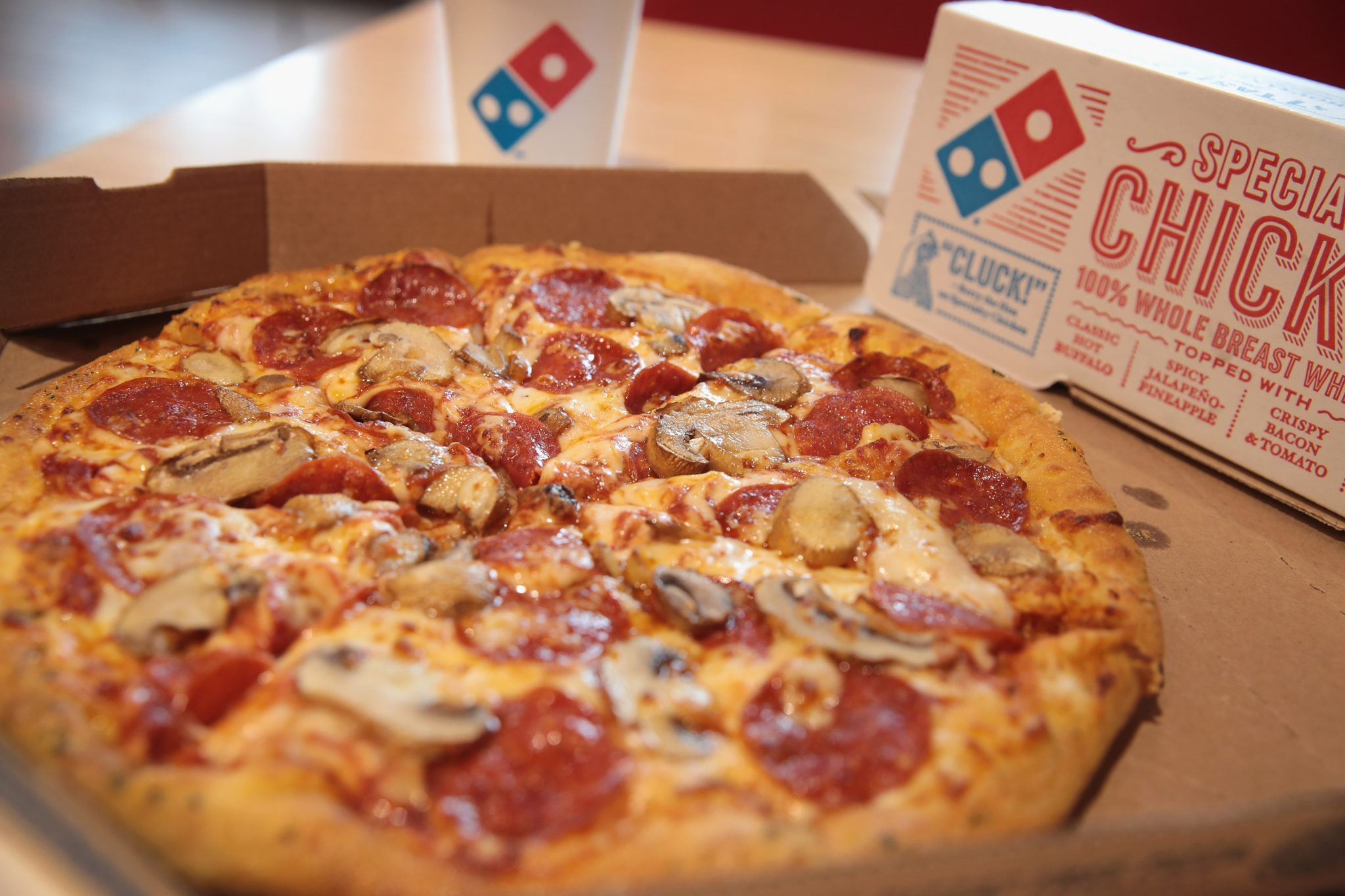
  • Domino’s app has a new feature that will deliver pizza to places without an address

    Domino’s app has a new feature that will deliver pizza to places without an address

    So let’s say you’re at a nondescript park playing in a pick-up softball game and after the game is over, you want to reward your teammates by ordering a few pizza pies. However, there is a little problem. The park you’re at doesn’t have a name and there isn’t an address for it that you know of. Well, if you order your pizza from the Domino’s app, you’re still okay even if you don’t have an address to accompany your order.
    That’s because Domino’s Pizza announced today a new feature called Pinpoint Delivery that when selected as a delivery option on the Domino’s app will allow the user to drop a pin on a map. This will allow the world’s largest pizza company to deliver a Pizza to a park (like our example), a baseball field (also part of our example), the beach, a pool, a campfire and other locations. If you don’t mind sharing your pizza with seagulls, this could prove to be a great idea.

    Christopher Thomas-Moore, Domino’s senior vice president – chief digital officer, said, “Domino’s is proud to be the first quick-service restaurant brand in the U.S. to deliver food to customers with the drop of a pin. We’re always striving to make customers’ experiences even better and more convenient, and Domino’s Pinpoint Delivery does exactly that.” The Pinpoint Delivery feature allows Domino’s to deliver to “a countless number of dynamically created hyper-local spots without a typical address.”

    While using this feature, consumers will still be able to track their order using Domino’s Tracker, see the GPS location of the driver, and have an ESTPA (estimated time of pizza arrival). When the driver arrives at the pickup spot, the customer will receive an alert. After the alert is received, the customer will activate a visual signal on his phone to help the driver spot him.
    Domino’s says “Domino’s Pinpoint locations are delivery locations without traditional addresses selected by customers who order online, pre-pay with credit, debit, or Domino’s gift cards, and agree to receive up to five text notifications that provide updates on their order. Customers and delivery experts will meet at specific locations designated in the Domino’s app that may be adjacent to places like parks, baseball fields, and beaches. Message and data rates may apply.”
    So the next time you’re lying on a towel at the beach and you get a message from your stomach that it wants you to order a pizza, using the Domino’s app and Pinpoint Delivery can make it happen. You can download the Domino’s app for iOS by tapping on this link, or for your Android phone by clicking on this link.
  • Singaporean firm acquires Novaland’s coffee and restaurant chain

    Singaporean firm acquires Novaland’s coffee and restaurant chain

    Nova FnB Company, which specializes in providing food services at projects developed by Novaland, has been acquired by a Singaporean firm through the arrangement of VinaCapital.

    Investment fund VinaCapital confirmed the deal, but information on the buyer’s identity and the deal’s value has not been disclosed.

    The transaction takes place as Novaland Group is implementing a comprehensive restructuring plan to focus on its core business, which is real estate.

    Before this deal, Nova FnB had 18 active brands, including Dynasty House, Phindeli, Mojo Boutique Coffee, and Shri Restaurant & Lounge.

    Several others such as Jumbo Seafood, Sushi Tei, and Gloria Jean’s Coffees have been developed through franchise agreements.

    Through the introduction of VinaCapital, after the acquisition, the Singaporean company has hired IN Hospitality to manage and operate Nova FnB.

    IN Hospitality is the owner of convention and wedding centers GEM Center and White Palace in Ho Chi Minh City.

    Nguyen Thanh Ha Ngoc, general director of IN Hospitality, has now become the legal representative and general director of Nova FnB.

    Andy Ho, VinaCapital’s Chief Investment Officer, said Nova FnB would have its name changed to IN Dining.

    “VinaCapital has been a shareholder of IN Holding for the past four years, so we understand its capabilities and saw opportunities when we introduced it to our Singapore partner,” he said.

    Ho added that the F&B industry in Vietnam had a lot of potential for development, especially from foreign investment.

    Sales of the full-service restaurant segment last year rose 12% year-on-year, while the coffee and bar segment grew 40%.

  • Chinese increased demand boosts Vietnam’s durian exports

    Chinese increased demand boosts Vietnam’s durian exports

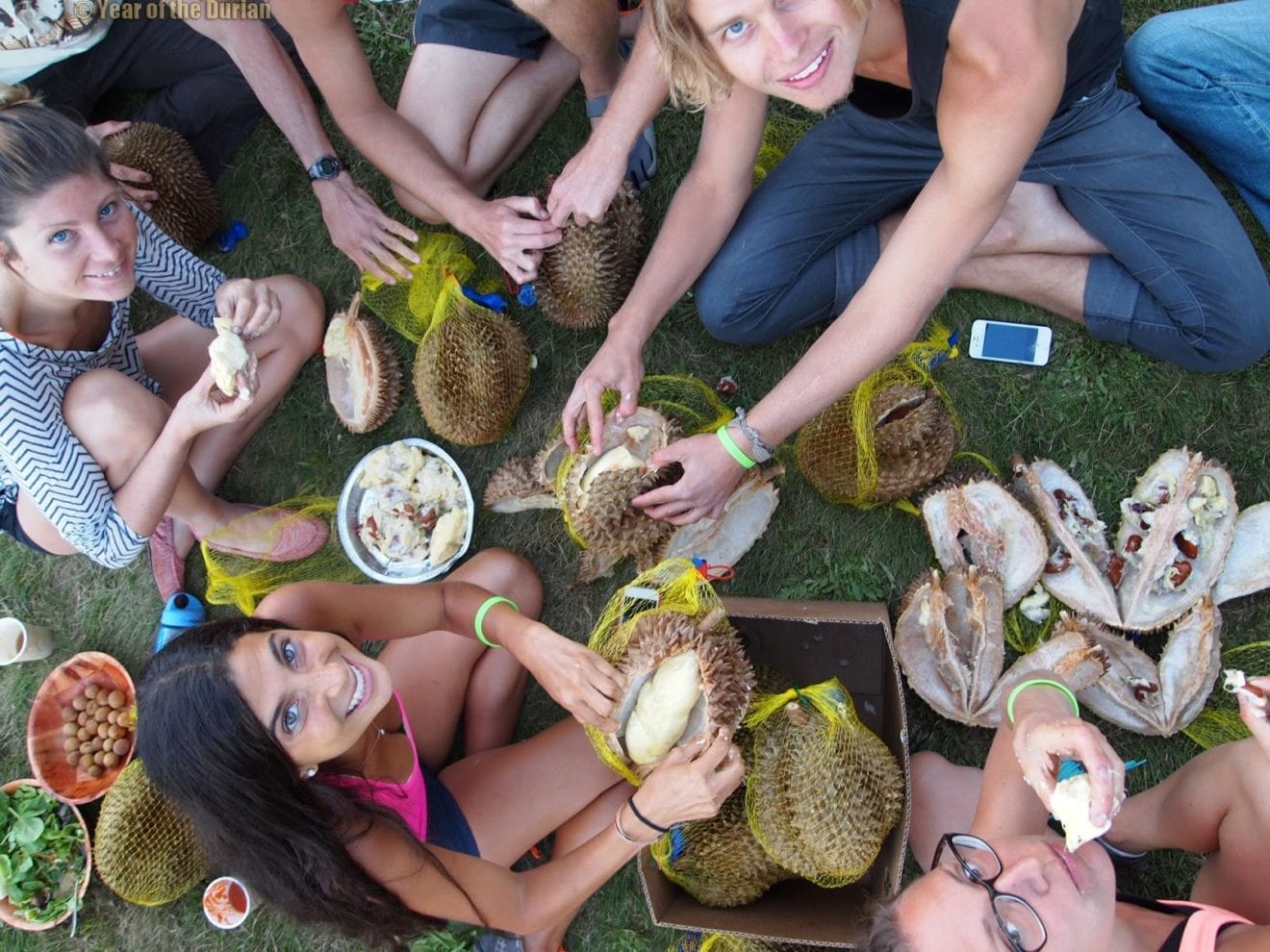
    Vietnam’s durian export value reached more than US$500 million in the first five months, an increase of more than 18 times against the same period last year.

    According to the General Department of Customs, during the period, vegetable and fruit exports stayed at $2.03 billion, up 43% over the same period last year.

    The main contributor to the increase in Vietnam’s farm exports was durian.

    In May, the export value of durian reached the highest level ever, at $332 million, more than 10 times higher than the previous month.

    In the first five months, durian export value hit $503.4 million, more than 18 times higher than the same period last year. Among the import markets, China was the biggest buyer with a value of $477 million.

    China controls its technical barriers for food safety and hygiene, but the quality of Vietnamese goods has increasingly improved and consumers favor their competitive prices, a representative of a fruit and vegetable export company in HCMC, who wants to stay unnamed said.

    Vietnam currently has 293 farming areas and 115 durian packing facilities granted with official codes to export to China.

    In May, Vietnamese durian entered its harvest season, contributing to increasing export volume and value.

    Two weeks ago, some 700 trucks, most of them carrying durian, were stuck trying to enter China from Vietnam’s Lang Son Province, prompting Vietnamese authorities to negotiate with their Chinese counterparts to solve the congestion.

    China has agreed to extend the working time for customs clearance of farm products from Vietnam by two more hours to 10 p.m. (Hanoi time).

  • Seafood exporters situation more dire than during Covid

    Seafood exporters situation more dire than during Covid

    Seafood exporters are seeing orders plummet and facing even greater difficulties than during the Covid-19 pandemic.

    In the first five months of this year their exports fell by 28% to $3.37 billion and companies saw a decline of 20-50% in export orders, according to the Vietnam Association of Seafood Exporters and Producers (VASEP).

    Prices too have been falling due to the low demand, making it harder for companies to repay bank loans and manage other expenses.

    A severe shortage of raw fish and shrimp is expected in early 2024, VASEP said.

    Seafood exports this year are projected to be $9 billion, or nearly $2 billion less than last year.

    To mitigate the industry’s problems, VASEP has called on the government to reduce bank lending interest rates and make credit more accessible to it.

    It wants the interest rates on U.S. dollar loans to be reduced to below 4% and on dong loans to under 7%.

    It has demanded a rollover of loans by four to six months and a special credit package for small seafood producers.

    It has also proposed that a VND10-trillion stimulus package for the Mekong Delta region that is under consideration should be disbursed early so that exporters can start stockpiling raw materials early.

    Prime Minister Pham Minh Chinh had instructed the State Bank of Vietnam in April to consider such a package.

  • Indonesia sharply increases agricultural imports from Vietnam

    Indonesia sharply increases agricultural imports from Vietnam

    So far this year Indonesia has imported 15 times the rice it did from Vietnam last year and nearly triple the coffee due to unfavorable weather.

    According to Vietnam Customs, it has bought US$181 million worth of rice, accounting for 9.5% of Vietnam’s exports this year and jumping from eight to third place in the list of its biggest rice buyers, behind the Philippines and China.

    Indonesia’s coffee imports from Vietnam have been worth over $76 million, up 185%.

    Its vegetables imports rose by 20% at $2.44 million, and seafood imports by 70% to $7.83 million.

    Indonesia’s Ministry of Agriculture said agricultural imports have shot up due to El Nino, which is causing drought between May and July.

    The government has decided to import two million tons of rice this year.

    The U.S. Department of Agriculture said global coffee, rice and seafood outputs are going flat due to El Nino and there is a risk of further decline, which would cause countries to increase stockpiles.

    The El Nino-Southern Oscillation is a recurring climate pattern caused by changes in water temperature in the central and eastern tropical Pacific Ocean.

  • Olive oil maker Cobram Estate introduces subscription model

    Olive oil maker Cobram Estate introduces subscription model

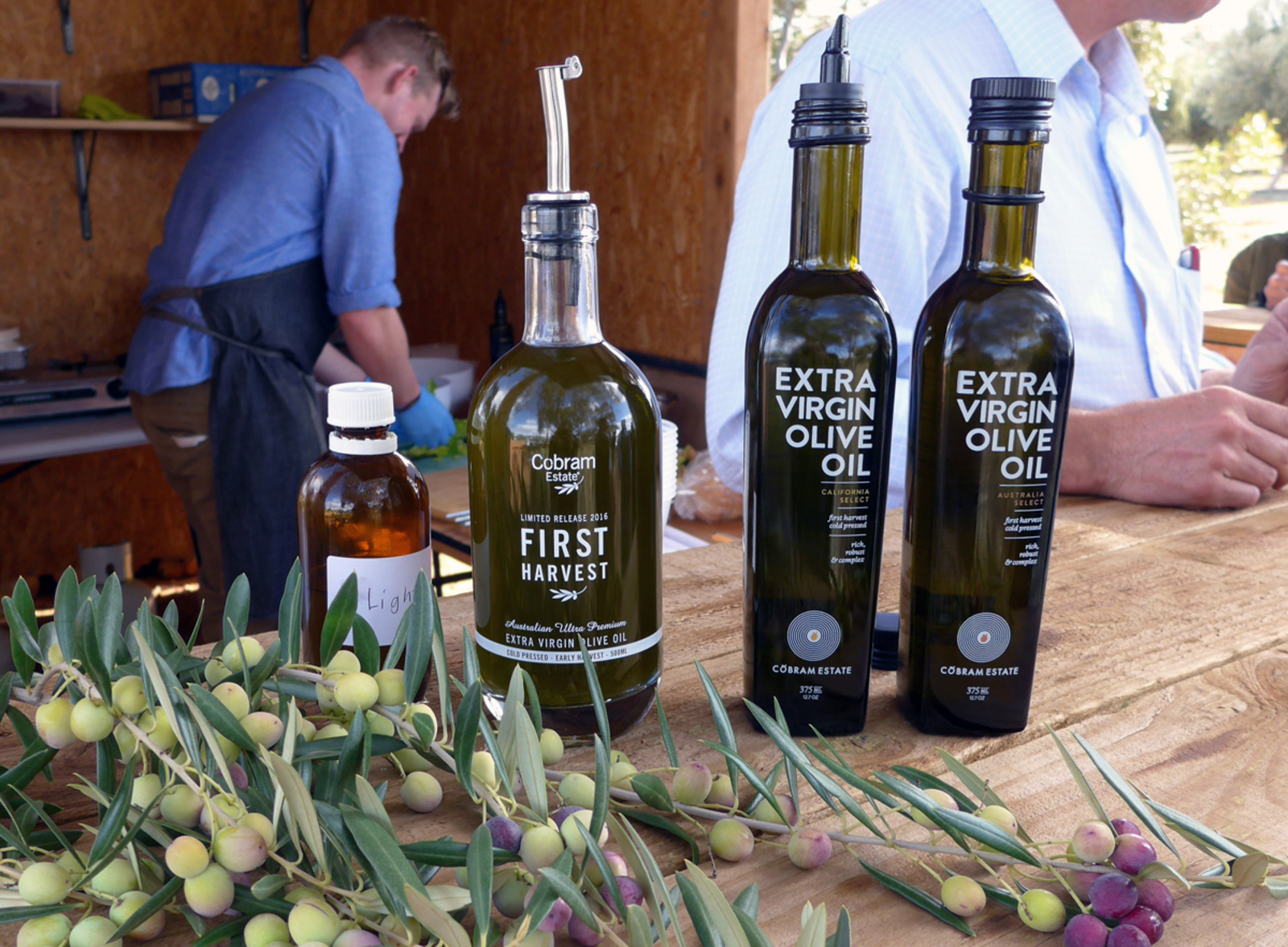
    The olive harvesters at Cobram Estate are working around the clock at Boort and Boundary Bend to bring in this year’s crop. Each day half a billion olives are picked.

    For the past 15 years a machine called Colossus has been getting the job done, but a new harvester called Optimus has joined the team, and it is tipped to be faster and more efficient.

    Both machines operate in a similar way, straddling the olive tree, before the fingers on their rotating picking heads comb the olives off the branches.

    Cobram Estate’s joint chief executive Leandro Ravetti says Optimus has six picking heads compared to Colossus’s two.

    “That gives you more flexibility but at the same time, more intensity in the action, allowing you to go faster,” he said.

    There are two Optimus harvesters at Boort this season, but Mr Ravetti thinks that number will increase in the coming years, as 40 percent of the company’s trees is still to reach maturity.

    “We need new harvesters to cope with them, but also our Colossus is an ageing group of machines and we’re looking at phasing them out and as they need replacement,” Mr Ravetti said.

    “Rather than buying a new Colossus, we’ll probably be looking at buying more new Optimus and gradually making the overall process a lot more efficient.”

    Mr Ravetti says introducing the Optimus harvester, designed in Argentina, should mean that the company’s need for seasonal workers will remain stable, even as more trees reach maturity.

    Roughly half of Cobram Estate’s olives are grown at Boundary Bend and Mr Ravetti says the new machines will eventually make their way to the groves further north.

    “Boort has the largest amount of younger trees, so naturally, the growth of harvest was going to happen here,” he said.

    “So hopefully by the time that all the machines at Boort are Optimus, the machine is going to be really well designed and very reliable.

    “That will be the time to start replacing the machines at Boundary Bend.”

  • Health Guru launches cauliflower snack

    Health Guru launches cauliflower snack

    Health Guru Cauliflower Puffs are a plant-based, savoury, baked snack, not fried.

    Founders Sarah and Don wanted to incorporate more vegetables into the average diet. Their research suggested an increasing number of consumers replacing meals with healthy snacks.

    “In 2020, puff-based products increased by 17.06% in the natural segment and 8.33% in the conventional [Spins Data, 2020],” they said. “Moreover, cauliflower reported the highest market growth per SKU in the crackers category for the natural channel and the third highest growth in salty snacks.”

    Described as “functional, delicious, and nutritious”, Health Guru Cauliflower Puffs contain no “nasties”, a serving of veggies with an “uncompromising” taste. Pure, freeze-dried cauliflower is the “hero ingredient”, retaining the natural sweetness and nutrients.

    Health Guru Cauliflower Puffs are available in the five flavours of Sea Salt, Salt & Vinegar with Apple Cider, Just BBQ, Bangkok Sriracha, and Vegan Cheddar.

  • Black Thorn durian gaining popularity in Vietnam despite high prices

    Black Thorn durian gaining popularity in Vietnam despite high prices

    Farmers grow it in the Mekong Delta and their trees have borne fruits this harvest season.

    The most expensive durian variety in Vietnam costs nine times the price of Ri6 and 2.5 times that of Musang King, another premium variety originating in Malaysia.

    A woman named Loan in Ho Chi Minh City’s District 5 said she recently paid VND5.6 million for three Black Thorn durians weighing a total seven kilograms.

    “It has a thin rind and a lot of flesh that is really delicious and soft.”

    Lan in Hanoi said: “I’ve waited for one week now to buy two Black Thorn fruits.”

    But since it is a recent entrant, there is not much Black Thorn grown in Vietnam yet.

    farm could only supply 50-100 kg at a time, and that is not enough to meet demand, fruit sellers said.

    As the first to grow the variety, Thuc in the delta’s Ben Tre Province said he has been growing it since 2019 and now has around 20 trees.

    He said each season would produce 60 kg of fruits on average.

    “I’m about to harvest 200 kg of them but cannot meet the demand. This variety grows well in the Mekong Delta, so we will grow more.

    He sells the durians at VND450,000-500,000 per kilogram at his farm.

    In Can Tho too farmers are growing Black Thorn.

    Trader Dang Mang Khuong said the variety is better than Musang King since it weighs 1.5-3kg each and has four or five locules each.

    Farmers also said Black Thorn has a faster growth rate compared to Ri6 and some other varieties.

    A tree starts to fruit after two to three years, they added.

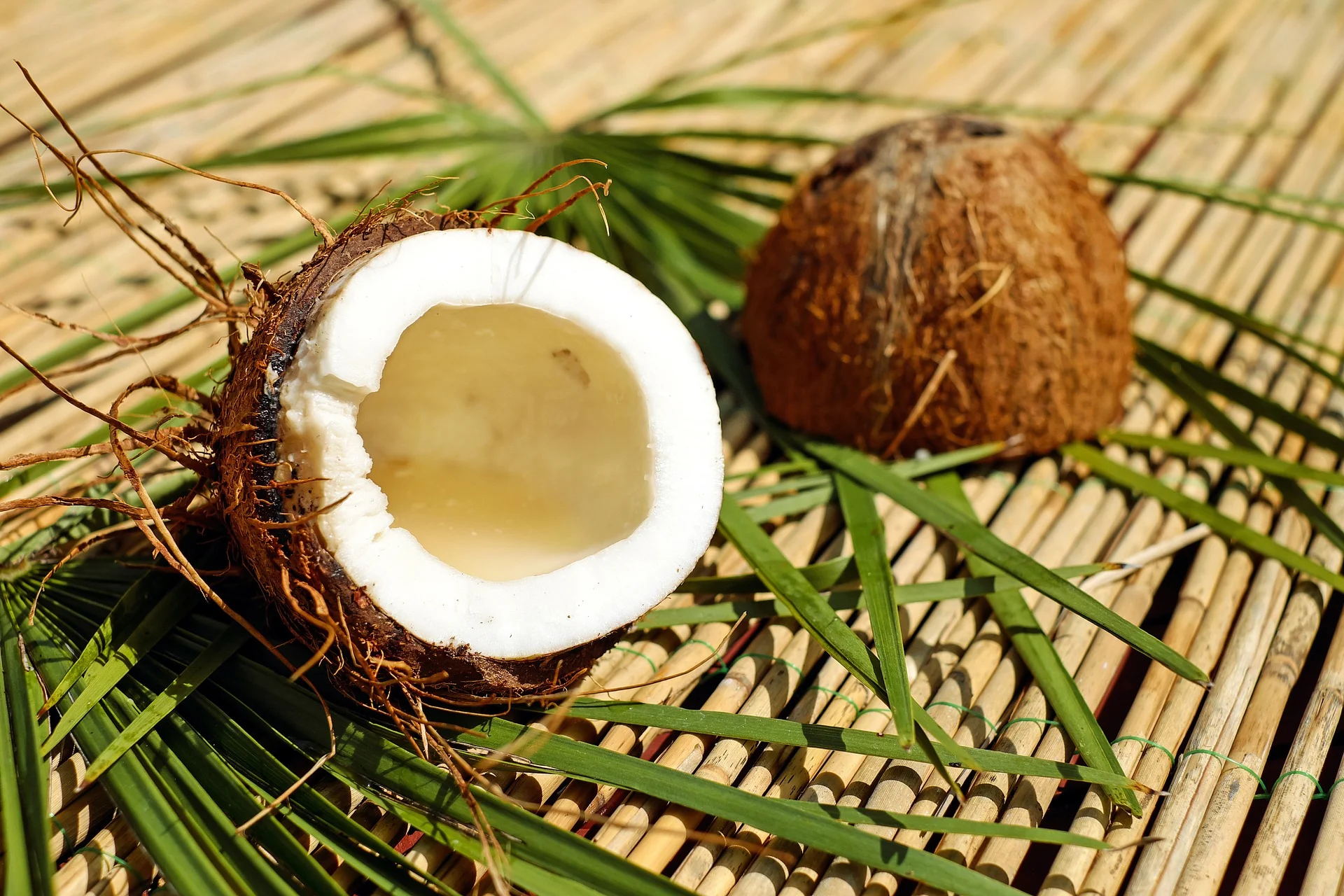
  • Coconut exports to be worth $1B this year

    Coconut exports to be worth $1B this year

    Vietnam will earn US$1 billion from exports of fresh coconuts and products made from them this year, up from $900 million last year, the Vietnam Coconut Association has said.

    China has stepped up coconut imports, enabling Vietnam’s exports to increase, it said.

    Five years ago Vietnam was not on the global coconut map, but has now become the fourth biggest coconut and coconut products exporter in the Asia-Pacific, it said.

    Nguyen Dinh Tung, CEO of Vina T&T Import-Export Company, said his company exports some 15 containers of fresh coconut to the U.S., Australia, South Korea, and Japan each month, and is increasing them.

    Nguyen Van Thu, chairman of the G.C Food Joint Stock Company, which owns the country’s largest coconut jelly plant, said there are plans to increase exports, including of jelly.

    “G.C Food is going to expand investment to raise the capacity of its coconut jelly plant to 20,000-30,000 tons a year. The products will be exported to the Chinese market.”

    The company reported jelly output of 2,800 tons in the first four months of this year, a year-on-year increase of 26%. For the full year last year production was 6,500 tons.

    Ben Tre Import-Export Joint Stock Corporation is strengthening production of coconut dried endosperm, oil and milk for export.

    Its bottled coconut juice is also popular in many countries, it said.

  • Vietnam-grown Musang King durian prices plunge by half

    Vietnam-grown Musang King durian prices plunge by half

    Vietnam-grown Musang King durian has seen prices plunging by half in Vietnam in over two months due to abundant supply.

    Loan in Ho Chi Minh City’s District 8 is selling a kilogram of Musang King durian flesh at VND650,000 ($27.68), down by half from early March.

    This is the lowest price of the variety she has seen in five years selling the fruit.

    “There is an abundant supply from southern localities. Two years ago I had to order a week in advance, but now I can source them daily.”

    A vendor in District 1 has been sourcing two or three kilograms of each shipment amid falling prices.

    “I have been buying four times as much as in March,” the vendor said.

    On social media sellers are offering “unprecedentedly low prices” at VND700,000 per kilogram of flesh.

    In the south, farmers are selling their Musang King durian at around VND130,000-150,000 per kilogram for the whole fruit.

    Oanh in Can Tho said she recently sold a ton at VND150,000, down 40% in price from a month ago.

    Dang Manh Khuong, a trader in the same city, said that the abundant supply has caused durian prices to fall by 50-70% in recent months, depending on the variety.

    Although durian is now in harvest season in Mekong Delta provinces, Chinese buyers have been cutting their purchases, causing a price drop.

    Malaysia’s Musang King is considered the “best durian in the world” and grown by Vietnamese farmers in the Central Highlands and the Mekong Delta.

    Industry insiders estimate that the Musang King production in Vietnam has surged by up to fivefold in the last few years.

  • Malaysian coffee chain OldTown White Coffee enters The Philippines

    Malaysian coffee chain OldTown White Coffee enters The Philippines

    The Philippines becomes OldTown White Coffee’s fourth international market, after Singapore, Indonesia and Hong Kong, with the coffee chain also targeting further outlet growth across Malaysia in the second half of 2023

    The Ipoh-based coffee chain, which has approximately 200 outlets across Malaysia, joins The Coffee Bean & Tea Leaf, CoCo Fresh Tea & Juice, Tealive and Wouldulike Specialty Coffee at the shopping centre. In January 2023, OldTown White Coffee announced plans to open 50 new outlets across Malaysia this year, targeting growth in the country’s northern and eastern suburban regions. The coffee chain also has stores in Singapore, Indonesia and Hong Kong.

    OldTown White Coffee, which also manufactures and distributes packaged instant coffee products to supermarkets across southeast Asia, was acquired by JDE Peet’s for $361m in 2017.

    World Coffee Portal research forecasts the Filipino branded coffee shop market will exceed 2,000 outlets by 2025.

    OldTown White Coffee is the latest branded coffee chain to enter the Philippines in the last 12 months, with Paris-based boutique café group Café Kitsuné and South Korea’s value-focused Paik’s Coffee among those to debut in the country.

    Japan’s % Arabica has also announced it will relaunch in the Philippines this year with two stores in Manila’s Bonifacio Global City financial business district.

    Further demonstrating opportunities for branded coffee chains in the Philippines, in April 2023 domestic start-up Pickup Coffee raised more than $26m to scale its value-focused coffee shop concept.

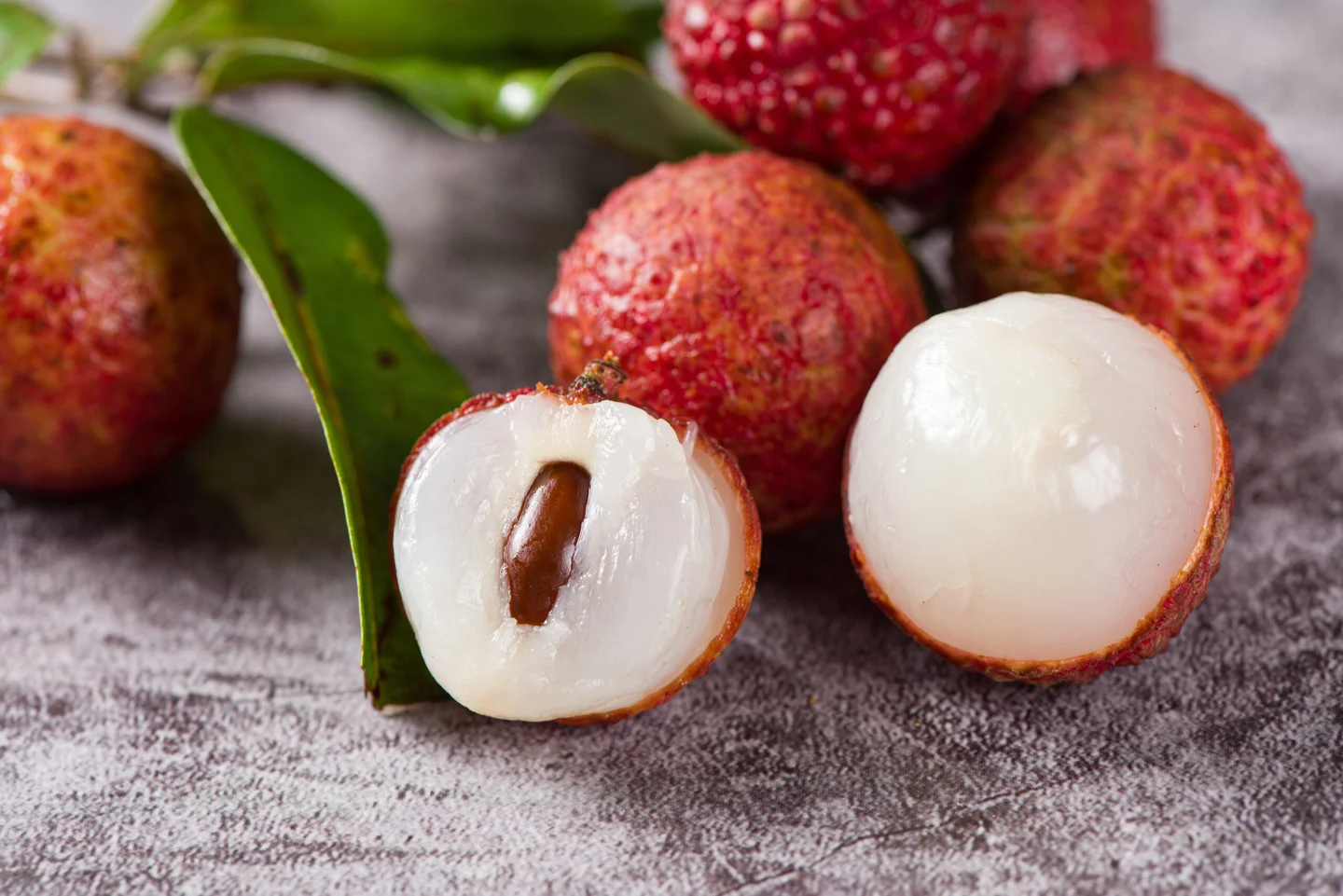
  • Vietnam seeks to expand overseas markets for lychees

    Vietnam seeks to expand overseas markets for lychees

    The Ministry of Industry and Trade held a meeting with Vietnam Trade Offices abroad on May 31 to discuss ways to boost the exports of lychees and longans as many northern localities are harvesting the fruits.

    Speaking at the event, Director of the Bac Giang provincial Department of Industry and Trade Tran Quang Tan said the province’s total lychee production is estimated at a record of over 180,000 tonnes this year. The harvesting period is scheduled from May 25 to July 30.

    Apart from the traditional market of China, its promising markets include the US, the European Union, Japan, the Republic of Korea, Australia, Malaysia, the United Arab Emirates, Singapore, the Middle East, Thailand and Hong Kong (China).

    Director of the Hai Duong provincial Department of Industry and Trade Tran Van Hao said the province now has nearly 9,000ha of lychees and expects to harvest around 61,000 tonnes this year, about 31,000 tonnes of them are early-ripening lychees.

    Deputy Minister of Industry and Trade Do Thang Hai asked relevant units to regularly update the situation of farm produce and overseas demand for these products, including lychees and longans.

    The Vietnam Trade Offices abroad were assigned to closely follow the market situation, trade policies and export requirements for key commodities, thus providing timely advices for the ministry’s leaders to support localities, associations, and businesses.

    The Vietnam Trade Promotion Agency (Vietrade) must step up policy research and forecasting to offer all possible support to enterprises in trade promotion and export-import activities, he said.

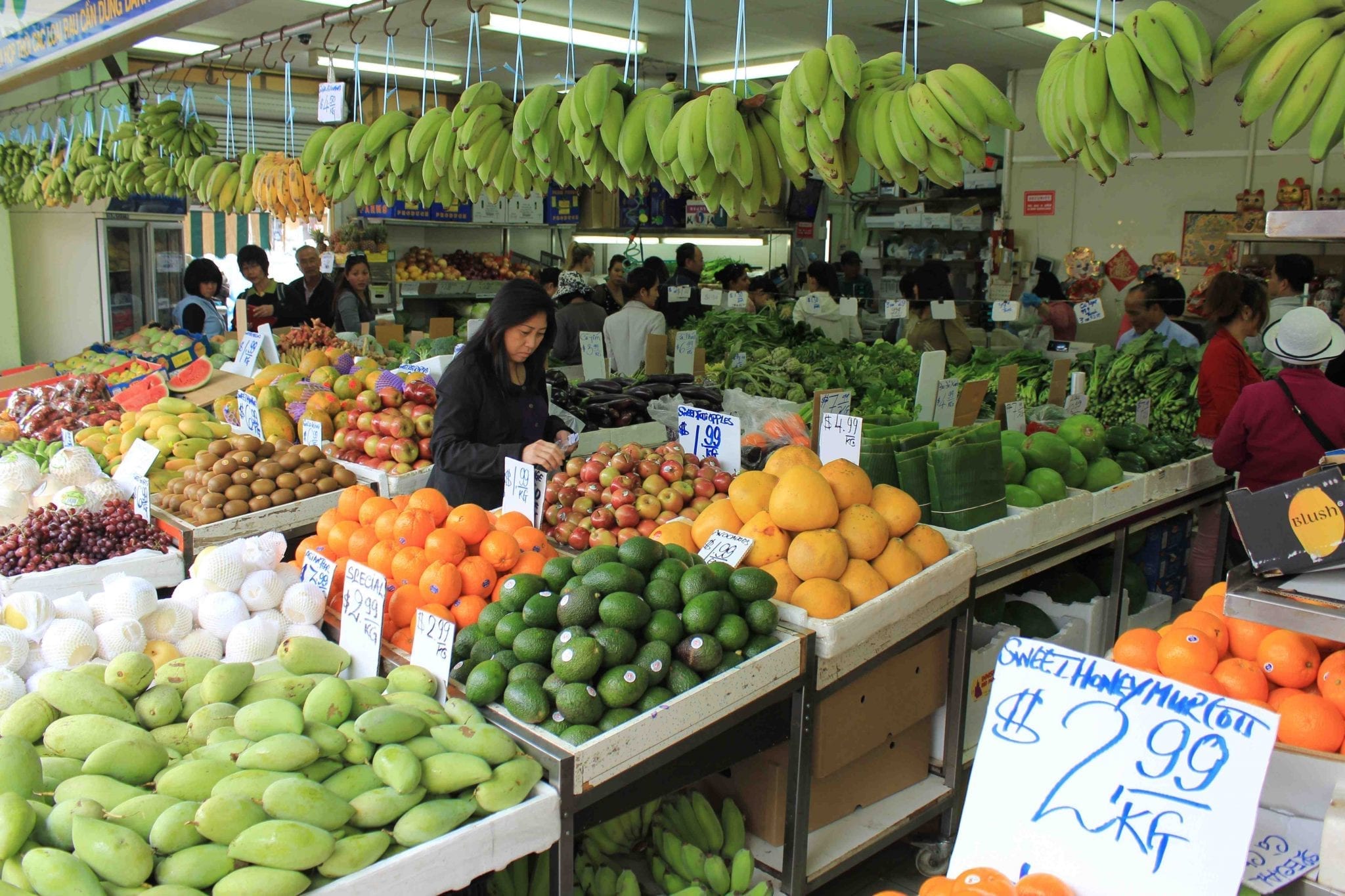
  • Rice, fruits bright spot amid Vietnam export slump

    Rice, fruits bright spot amid Vietnam export slump

    While exports of textiles, wood products and seafood plummeted in the first five months of 2023, those of rice and fruits have risen.

    Overall exports between January and May were worth US$136.17 billion, down 11.6% year-on-year, according to the General Statistics Office.

    Seafood, wooden furniture, handicrafts, and textile exports fell by double digits. Many businesses ran out of orders.

    Fruits, rice and a few other staple products were bright spots, however. Fruit and vegetable exports grew by 29% to $1.9 billion, mainly due to increased Chinese imports, according to the Vietnam Fruit Association.

    Among the top fruit and vegetable markets, strongest growth was seen in exports to China, the U.S., the Netherlands, and Malaysia. China alone accounted for $805 million worth of products.

    Exports of processed foods such as instant and rice noodles and spices grew by 10-30%. Nguyen Anh Tuan, deputy general director of Colusa – Miliket Food Joint Stock Company, said exports, which went to 30 countries and territories, were 30% higher year-on-year.

    Shipments to key export markets such as the U.S., Japan and South Korea increased sharply, he added.

    Every year Lotus Rice exports several thousand tons of the grain to the EU market, but this year it is not “able to buy enough quality rice to sell,” its director Huynh Van Khoe said.

    “There has never been a year when we’ve seen this many rice export orders. Even though rice prices have increased, our partners still want to buy large quantities.”

    China’s reopening has greatly benefited, Nguyen Dinh Tung, general director of Vina T&T Import and Export Company, said.

    In the first four months of the year his company’s fruit exports grew by 20%, he said. He added that it has a contract to ship 1,500 containers (of 15 tons each) of durian to China.

    Dang Phuc Nguyen, general secretary of the Vietnam Fruit and Vegetable Association, said Vietnamese fruits are becoming popular because of their taste.

    Vietnamese durian, mango and dragon fruit are better priced and have higher quality than their competition from China and India, he said.

    Vietnam also has a favorable climate and better farming techniques than other countries, and grows fruits all year round unlike in other countries, where they are seasonal, he said.

    In the latter half of this year fruit and vegetable exports could spike if businesses meet the demands of the Chinese market using good agricultural practices, he said. “Fruit and vegetable exports this year could top $4 billion.”‘

    Several factors drive the export boom. China’s reopening has led to a rise in demand for food staples, the war between Russia and Ukraine has forced countries to create food reserves and drought has caused a decrease in global food supply.

    Markets such as Europe, the U.S. and the UK have increased food imports for their reserves.

    A report by the U.S. Department of Agriculture said global output in the 2022-23 rice crop is expected to reduce by 2% from last year to 503 million tons, the first annual decline since 2015-16.

    Yet businesses warned that the big picture for exports during the rest of 2023 is not very bright. The global economy is still in recession, inflation remains high and the risks of rising raw material prices still lurks.

  • China to accept durian grown in 293 more areas in Vietnam

    China to accept durian grown in 293 more areas in Vietnam

    China has approved another 293 farming areas and 115 packaging facilities in Vietnam for export of fresh durian to it, eight months after the two countries signed a protocol.

    Vietnam’s Ministry of Agriculture and Rural Development is working with China’s General Administration of Customs for the approval of another 400 farming areas and 60 packaging facilities.

    Vietnam first exported the fruit to China in September last year, and ended up shipping 46,000 tons for the year, or 78% of total exports.

    Dang Phuc Nguyen, general secretary of the Vietnam Fruit Association, said the approval of more durian farming areas would encourage more farmers and traders to export to China.

    Durian could be harvested through the year, its output is large and Vietnam could transport the fruit faster to China than could Thailand, where it has been grown for dozens of years, he said.

    But Vietnam needs to improve quality and build brands to compete in the large Chinese market, he added.