Category: Food

Retail News Asia is committed to providing both local and global retailers with the latest Food and Food & Beverage news throughout the Asian market. This on a daily base.

  • Milkybar teams up with Milo for a crispy white chocolate

    Milkybar teams up with Milo for a crispy white chocolate

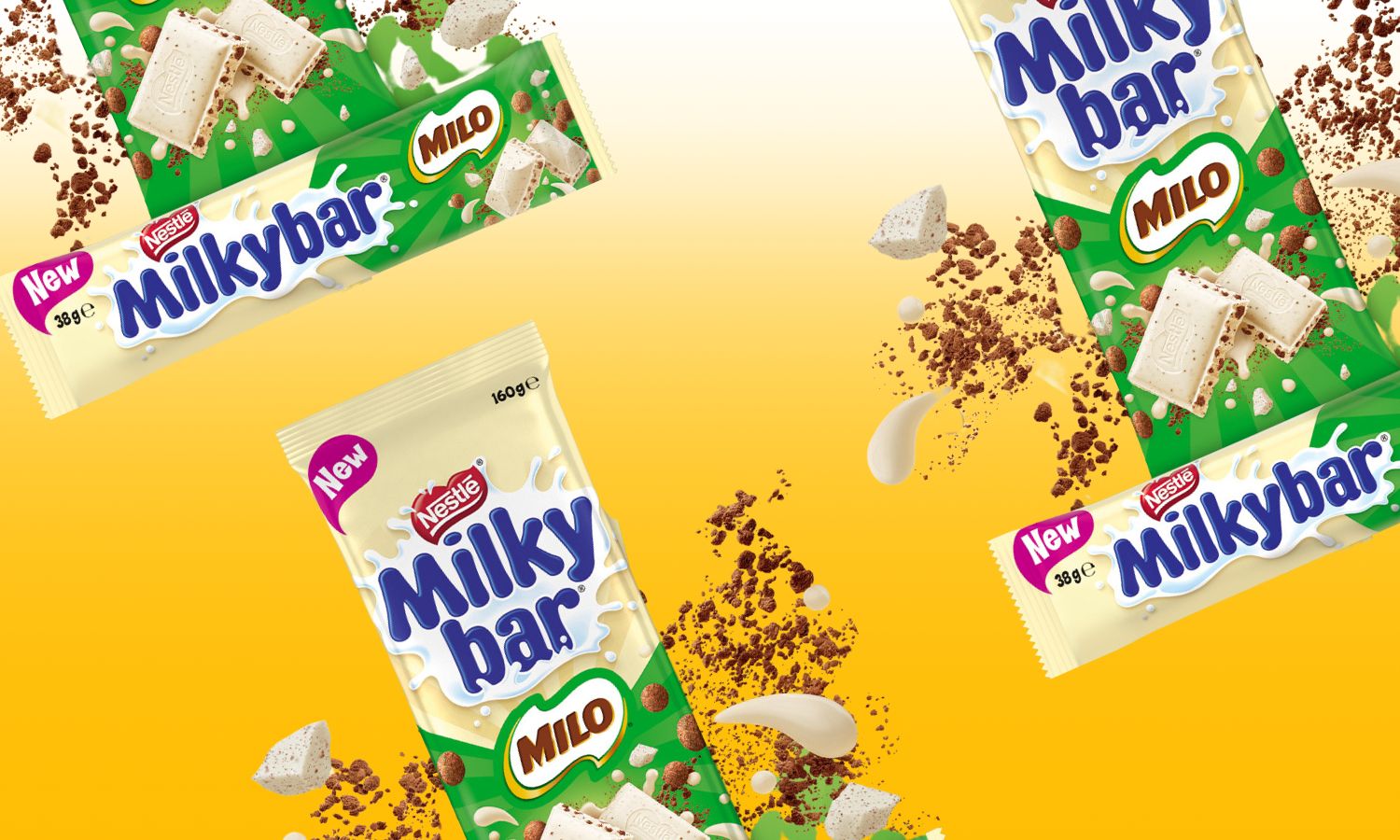
    First there was Dolly Parton and Kenny Loggins. Next came David Bowie and Mick Jagger. Now, at long last, we have Milo and Milkybar. Ok so some collabs are more memorable than others but the joining of two beloved Australian icons has got to be one of the best so far.

    Milo and Milkybar is the latest mash-up of sweet treats, with the creamy smoothness of milk chocolate plus crunch from Milo chunks. It’s giving frantic spoonfuls of extra Milo powder in your milk before your mum comes back into the kitchen. But now we’re adults and can do what we please.

    Nestle head of marketing, Melanie Chen said of the hottest power couple we’ve seen in years, “When news of Milkybar Milo was leaked, the anticipation from the Australians in-the-know has been extremely positive. We can’t wait to see the reactions when they actually experience it!”

  • Rice export prices reach 10-year high

    Rice export prices reach 10-year high

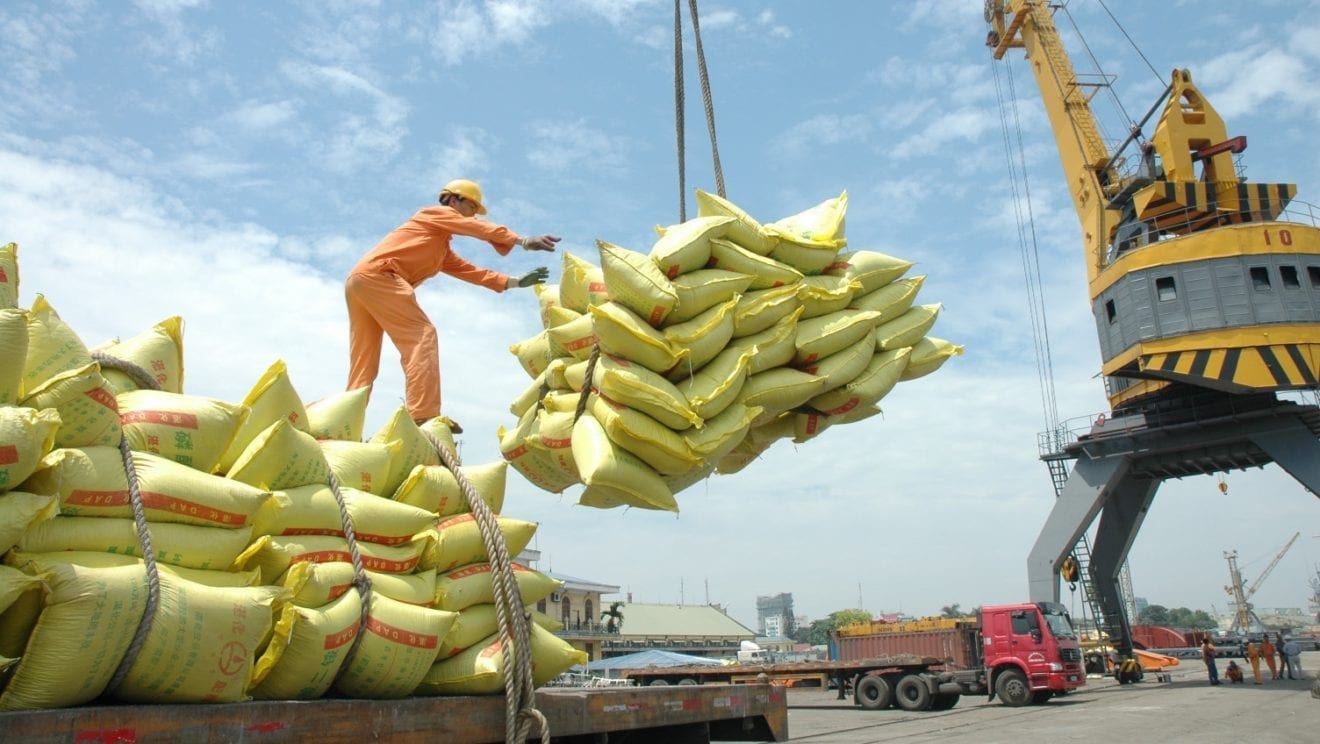
    The global decline of the rice supply and the impact of El Nino climate pattern have led to a sharp increase in the price of rice for export.

    Latest data from General Department of Vietnam Customs shows that in the first half of the year, rice exports reached more than 4.2 million tons and are valued at $2.26 billion, up over 21% in volume and 32% in value over the same period last year.

    The export price of rice in June reached an average of $650 per ton, up 9.4% compared to May and 20.8% higher than the same period last year.

    In the first six months of 2023, the export price of rice is estimated at $539 per ton, up more than 10% over the same period in 2022 and the highest of the past 10 years.

    According to the Ministry of Agriculture and Rural Development, the reason for the sharp increase is the decrease in supply. The emergence of El Nino has also forced many countries to increase rice purchases to stock up.

    The Philippines’ Department of Agriculture forecasts that El Nino will return and severely affect their domestic food production. Indonesia predicts that it may cause widespread drought in the country, so the July-August harvest for agricultural products may drop significantly.

    In the first five months of the year, rice exports to the main markets – Philippines and China, both grew strongly at double digits. In addition, rice exports to new markets such as Indonesia, Chile, Turkey, and Senegal recorded a surge from 1,100-16,000% over the same period last year.

    Bloomberg reported this week that the Indian government is banning the export of all rice that is not Basmati (a popular rice in South Asia), as prices have been on the rise and they want to control inflation.

    Retail rice prices in New Delhi have increased by 15% this year, while the domestic average price has increased by 8%, according to India’s Ministry of Consumer Affairs, Food and Public Distribution.

    Vietnam Food Association and enterprises believe that if this ban is implemented, global rice prices will increase. In the near future, Vietnamese rice will not only benefit in price but also be favorable for exports.

    An enterprise based in Can Tho in Vietnam’s Mekong Delta said that export orders were abundant and the price of fragrant rice was increasing the most. This enterprise does not even have enough supply to meet the orders. It is forecast that the rice export market in the second half of the year will reach a peak value.

    To ensure domestic and export demand, the agriculture ministry has directed key rice production areas, especially the Mekong Delta, to actively cultivate and prioritize short-duration rice varieties as well as high-quality and fragrant rice varieties suitable for market demand.

    Vietnamese rice has been exported to 156 countries and territories, including many high-end rice markets.

  • Lavazza launches its first collection of locally-roasted coffee

    Lavazza launches its first collection of locally-roasted coffee

    Italy’s biggest coffee roaster Lavazza, has announced the launch of Il Mattino Vivace its first pure filter coffee blend to be sourced and processed in India for the domestic market.

    Coffee is being sourced from Chikmagalur and Coorg in Karnataka and processed in Lavazza’a manufacturing facility at Sri City in Andhra Pradesh.

    The facility at Sri City in Tada began its commercial operations a few weeks ago, Fresh and Honest Cafe Ltd Managing Director Silvio Zaccareo said.

    Fresh and Honest Cafe Ltd is a 100 percent subsidiary of Lavazza.

    Zaccareo declined to reveal the size of investment made at the factory or the number of employees working in it.

    II Mattino Vivace meaning ‘lively morning’ is made from Arabica and Robusta beans roasted for the “at home” segment.

    “Lavazza is known the world over for its expertise in art of blending for over four generations. II Mattino Vivace is a result of combining that expertise and our understanding of the unique consumer preferences in Indian market”, he said.

    To a query, he said the coffee powder would be available in retail outlets across the country. “We are planning to complete first stage distribution by end of this month”.

    Zaccareo said the company inaugurated Coffee Training Centre last year which was the first largest centre outside Italy.

    The centre trains professionals, carries out research and explores new forms of taste. “We have trained more than 1,000 people,” he said.

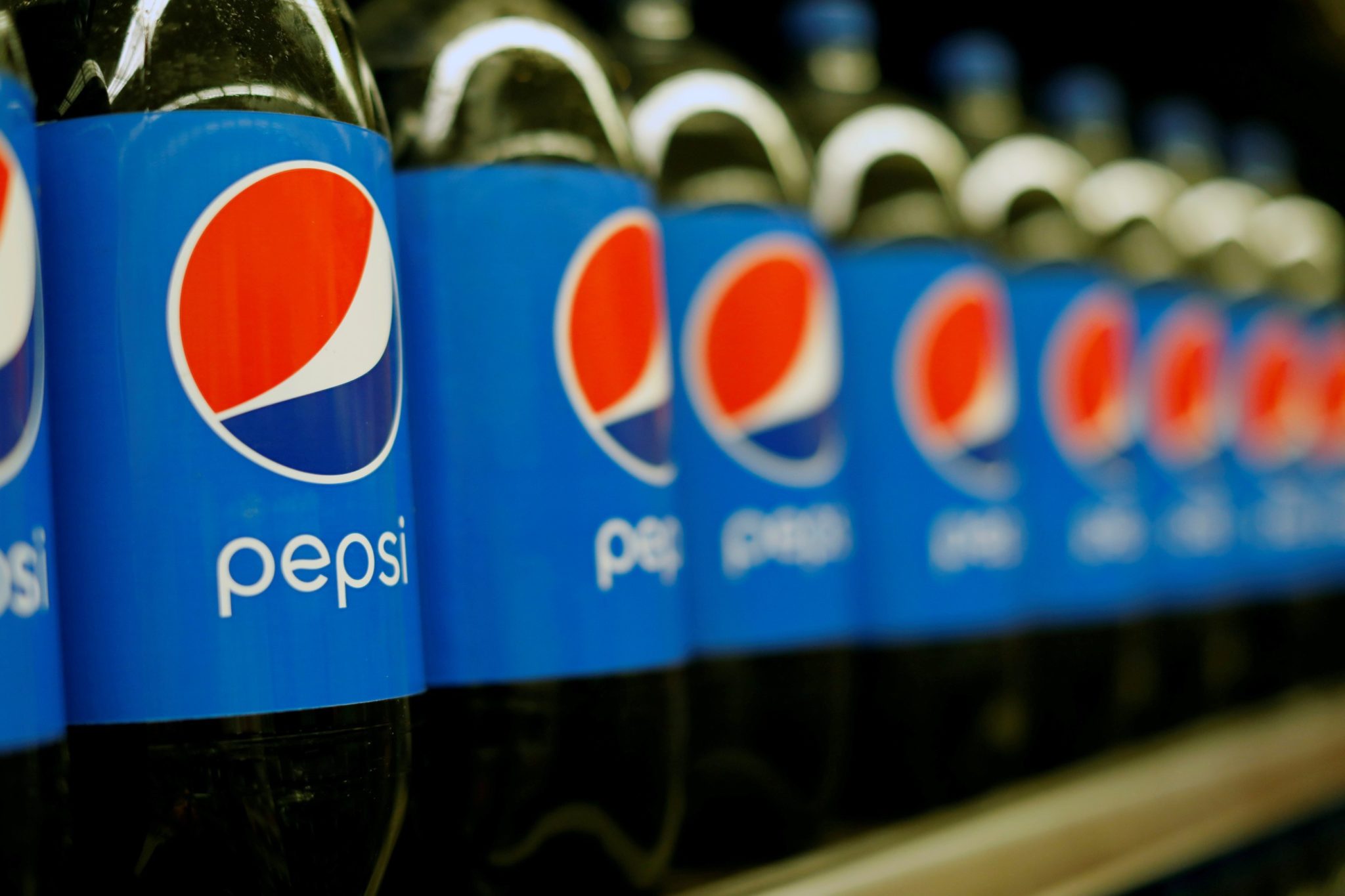
  • PepsiCo has no plans to change portfolio after WHO aspartame warning

    PepsiCo has no plans to change portfolio after WHO aspartame warning

    The World Health Organization reaffirmed its recommended intake of aspartame Thursday, but the agency’s classification of the sweetener as a possible carcinogen could still scare away diet soda drinkers and lead to new beverage formulas.

    Soda consumption has fallen over the past two decades as consumers have switched to drinking more water or picking beverages with less sugar. However, diet sodas have been a bright spot for the category in recent years.

    Although full-calorie options still dominate the soda segment, diet sodas now represent more than a quarter of sales. Coca Cola’s and Pepsi Co’s bets on zero-sugar versions of their namesake sodas have been paying off for both companies. Diet Coke, Coke Zero, Pepsi Zero Sugar and Diet Mountain Dew all contain aspartame.

    On Thursday, the International Agency for Research on Cancer, a WHO agency, identified a possible link between aspartame and a type of liver cancer called hepatocellular carcinoma. WHO officials said more research on the potential connection is needed.

    A separate body, the Joint Expert Committee on Food Additives, said in its own report that the acceptable daily intake of the sweetener is under 40 milligrams per kilogram of body weight, reaffirming prior recommendations. For most adults, that means drinking less than nine to 14 cans of diet soda every day.

    While the findings on possible links to cancer may not deter consumers who drink smaller amounts of diet soda, the announcement could at least temporarily hurt sales.

    Diet sodas are at least 50% more popular with higher-income consumers than with lower-income people, according to TD Cowen data. Those consumers could be concerned by the WHO’s report, TD Cowen analyst Vivien Azer wrote in a research note last week.

    The biggest risk for soda makers is how much attention the announcement garners. CFRA analyst Garrett Nelson wrote in a June 29 note that the news could hurt sales volumes of low-calorie sodas if enough consumers see the headlines.

    Likewise, Wedbush analyst Gerald Pascarelli told CNBC he thinks the report could hit sales in the category. But the dip might not last long.

    “These companies are quick to pivot and to do what’s necessary to maintain momentum for their brands, and we suspect they’ll do the same thing,” he said.

    Dr. Francesco Branca, head of the WHO’s nutrition and food safety division, said manufacturers who use aspartame in their food and drinks should consider making their products without the sweetener.

    But PepsiCo Chief Financial Officer Hugh Johnston said on Thursday that the company has no plans to change its use of aspartame. He added that the company doesn’t include the sweetener in much of its portfolio.

    Aspartame was used in Diet Pepsi until 2015, when the company tweaked the formula. After backlash from customers, PepsiCo brought it back a year later. But the change didn’t last long — the beverage giant got rid of aspartame in Diet Pepsi in 2020. It still uses it in Pepsi Zero Sugar.

    Coke faces more risk of losing out on sales over aspartame concerns, according to CFRA’s Nelson. The beverage giant currently uses the sweetener in both its Diet Coke and Coke Zero, but could swap it out for another, such as stevia, in the future.

    Even so, Edward Jones analyst Brittany Quatrochi said she isn’t expecting a big hit to diet soda sales.

    “Consumers may trade into a different sugar-free offering, but this isn’t the first kind of food or beverage product to be labeled a carcinogen,” she said.

    For example, the IARC classified red meat as a probable carcinogen in 2018.

    Makers of diet sodas aren’t fretting over lost sales yet. The American Beverage Association, which lobbies on behalf of Coke, PepsiCo, and Dr. Pepper’s took the WHO announcement as further confirmation of the sweetener’s safety.

    “With more than 40 years of science and this definitive conclusion from the WHO, consumers can move forward with confidence that aspartame is a safe choice, especially for people looking to reduce sugar and calories in their diets,” ABA interim CEO Kevin Keane said in a statement.

    Besides diet sodas, aspartame can also be found in a variety of foods, including breakfast cereals, chewing gum and ice cream. It’s widely used as a sugar substitute because it is 200 times sweeter, meaning it can be used in much lower concentrations.
  • Vegemite unveils retro labels to mark its Centennial

    Vegemite unveils retro labels to mark its Centennial

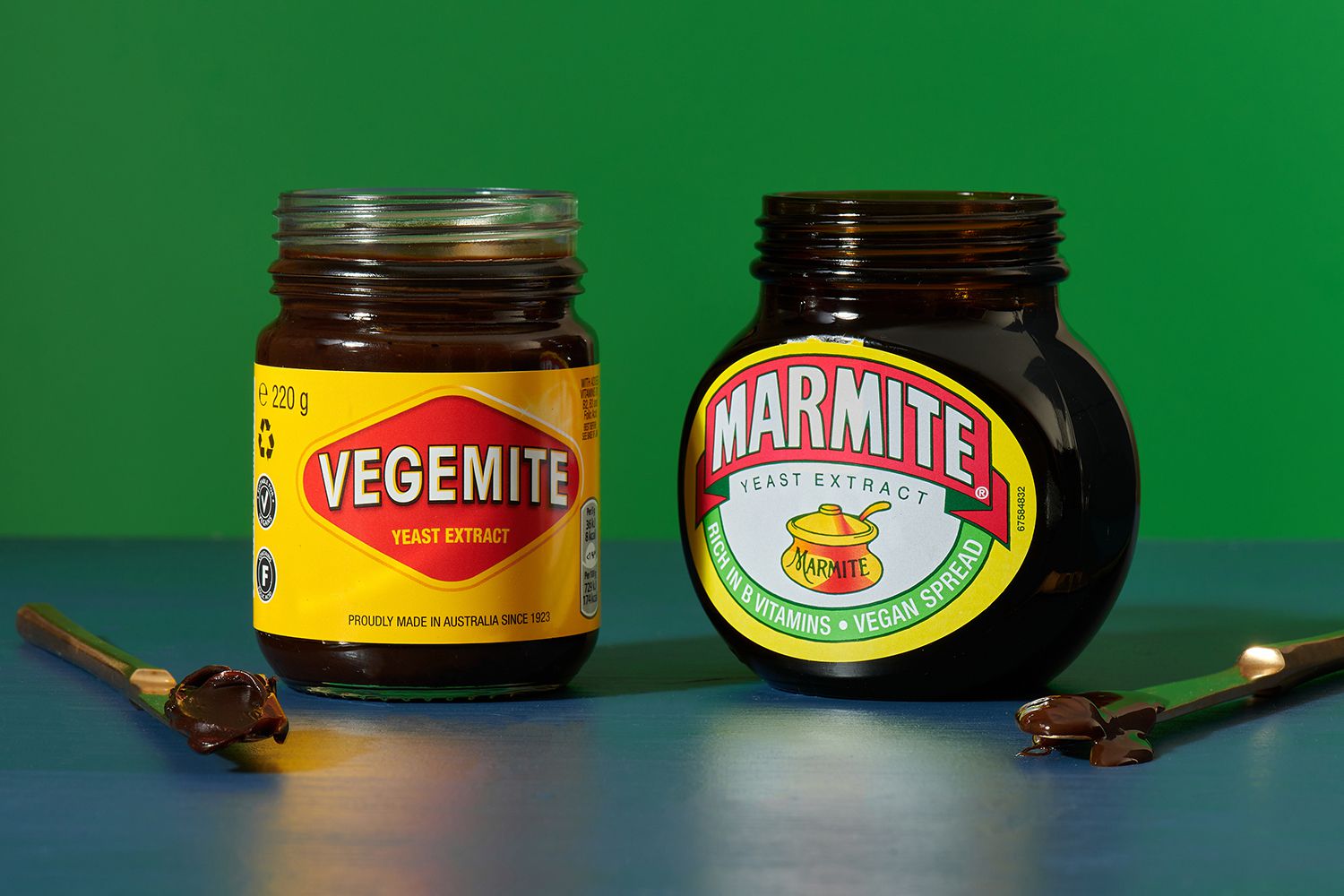
    Vegemite has unveiled a bold new look, shaking up its much-loved packaging in honour of a very special occasion.

    The iconic spread has announced it will undergo a makeover this week to celebrate its 100-year anniversary, ahead of Vegemite’s 100th birthday on October 25.

    The rollout, which hit shelves on Friday, will include three limited edition 380g jars and a limited edition 350g squeezy bottle, each featuring a commemorative design inspired by the Vegemite labels of yesteryear.

    Vegemite is getting a makeover for its 100th birthday. The jars, from left to right, are inspired by the original, 1930s and 1960s Vegemite packaging. Picture: Vegemite.

    The “100 Mitey years” celebration will include limited edition jars with a label inspired by the red-and-black label of the very first Vegemite jar, developed in 1925 when the Fred Walker Company invited Australian chemist Cyril Callister to develop a tangy new spread from brewer’s yeast.

    A second collector’s edition jar is inspired by the red, black and yellow Art Deco stripes of 1930s Vegemite packaging, as a tribute to the decade that saw Vegemite become an Aussie pantry staple enjoyed at breakfast, lunch and tea. This design will also be available in squeezy bottle form.

    The final collector’s edition jar is inspired by the 1960s, when Aussies’ love for Vegemite reached new heights. This pared-back red-and-yellow design paved the way for the iconic jar Aussies know and love today.

    Rob Carman, who has worked for Vegemite for 51 years, with the limited edition jars as they rolled off the production line. Picture: Vegemite.

    The 100th birthday jars present a chance for Aussies to own a piece of history from Vegemite’s centennial year — and a piece of Australian history as a result, Vegemite’s owner, Bega, said.

    Bega Foods General Manager Marketing Mark Gray said Australians’ love of the spread “runs deep”.

    “It is hard to believe Vegemite is turning 100 ‘Mitey’ years this year. We’re proud to continue to produce over 20 million jars of Vegemite each year,” he said.

    The new designs have rolled off the production line at Bega’s Port Melbourne facility and will be available at Coles, Woolies and independent supermarkets from Friday.

    Bega estimates the limited edition jars will be available until November, but it’s best to be quick — once they’re gone, they’re gone forever.

  • Uncle Tobys rolls out limited edition muesli bar

    Uncle Tobys rolls out limited edition muesli bar

    Uncle Tobys is celebrating 130 years of production with the release of limited-edition box designs and new recipes by chef Hayden Quinn.

    The oat brand was first milled in Wahgunyah, Victoria in 1893, and has played a significant role in the lives of many Australian families, from its cereals, snacks, oats, and muesli bars.

    Uncle Tobys is still 100 per cent Australian with all oats grown and harvested within a few hundred kilometres from its Wahgunyah factory.

    To commemorate the milestone, Uncle Tobys has enlisted the help of chef Hayden Quinn to release a series of new recipes that will bring a nostalgic and birthday-themed twist to iconic oat dishes that celebrate Australian flavours and the brand’s heritage.

    “I am thrilled to be a part of the 130th birthday celebrations for Uncle Tobys. Having worked closely with the brand for over five years, and as someone who has grown up with the iconic red box in my pantry, it’s an honour to be able to contribute to the brand’s legacy through the creation of these new recipes.”

    Recipes by Quinn include a lamington oat swirl, green and gold Aussie bowl, and fairy bread oats, all designed to show the versatility and creativity of Uncle Tobys oats.

    The limited edition boxes of Uncle Tobys traditional rolled oats are available from supermarkets and Quinn’s recipes can be found through Uncle Tobys and Quinn’s Instagram pages.

  • Olive oil brand Moro launches Eco Bottle made from recycled material

    Olive oil brand Moro launches Eco Bottle made from recycled material

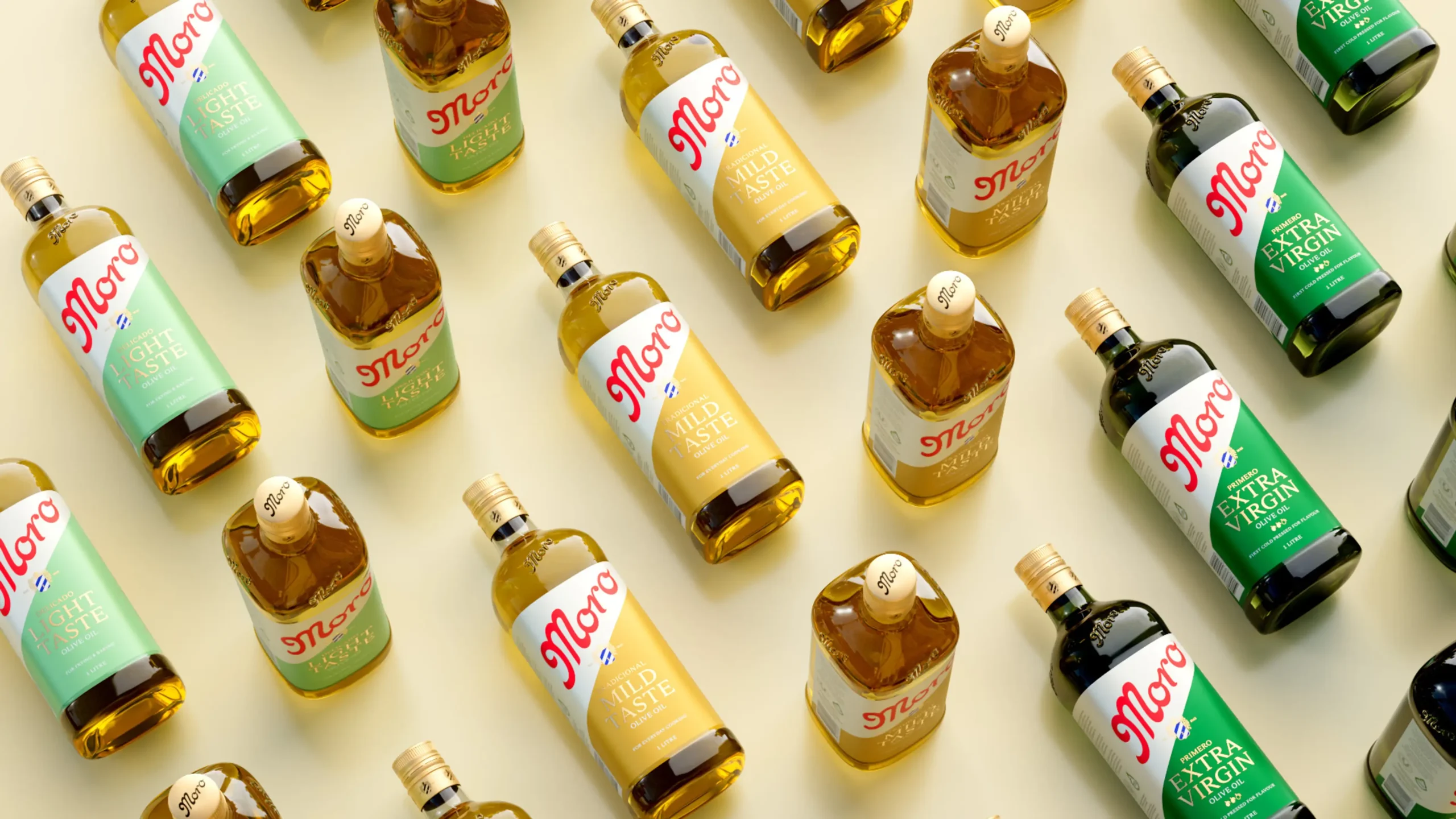
    Moro, Australia’s number one brand of olive oil*, has expanded its olive oil and vinegar ranges with the launch of four new products.
    The new flavours to market include:

    • Moro Intenso Extra Virgin Olive Oil;
    • Moro Sherry Vinegar;
    • Moro Unfiltered and Organic Apple Cider Vinegar with the ‘Mother’ and
    • Moro Gourmet Chilli Glaze with Balsamic Vinegar of Modena.

    Marketing and Innovations Manager at Moro, Nicolett Butchard, said these products were developed in response to the growing consumer trend towards inspired home cooking.

    “The ongoing trend towards home cooking and creating a meal experience, is leading consumers to increasingly want to discover new flavours and experiment with easy and new ways to add depth of flavour to meals,” Nicolett said.

    “As a category leader, Moro puts great importance on the early identification of cooking and flavour trends, a must when striving to provide accessible, quality and authentic flavours that appeal to consumers”.

    “We can’t wait to hear how consumers find the newest additions to their cooking,” Nicolett said.

    New innovations: 
    Moro Intenso is the most robust and peppery Extra Virgin Olive Oil in the Moro range and was developed in response to consumers’ growing appreciation for different flavours of extra virgin olive oil.

    Moro’s Sherry Vinegar is produced in the Jerez region of Spain and aged for six months in oak barrels . A deep and complex flavour which is ideal for simply enhancing salad dressings or marinades but versatile enough for use in stews, soups and sauces.

    Moro’s Organic Apple Cider Vinegar is unfiltered and retains ‘The Mother’ which is linked to health benefits such as improved digestion and cholesterol management. Made with the finest Italian apples, this versatile vinegar will add a hint of fruit flavour to dressings, marinades and sauces.

    Moro’s Gourmet Chilli Glaze is a deliciously thick consistency made with Balsamic Vinegar of Modena and Italian chillies. Brush over meats prior to cooking or drizzle over salads for an easy way to add some warmth and bite to dishes.

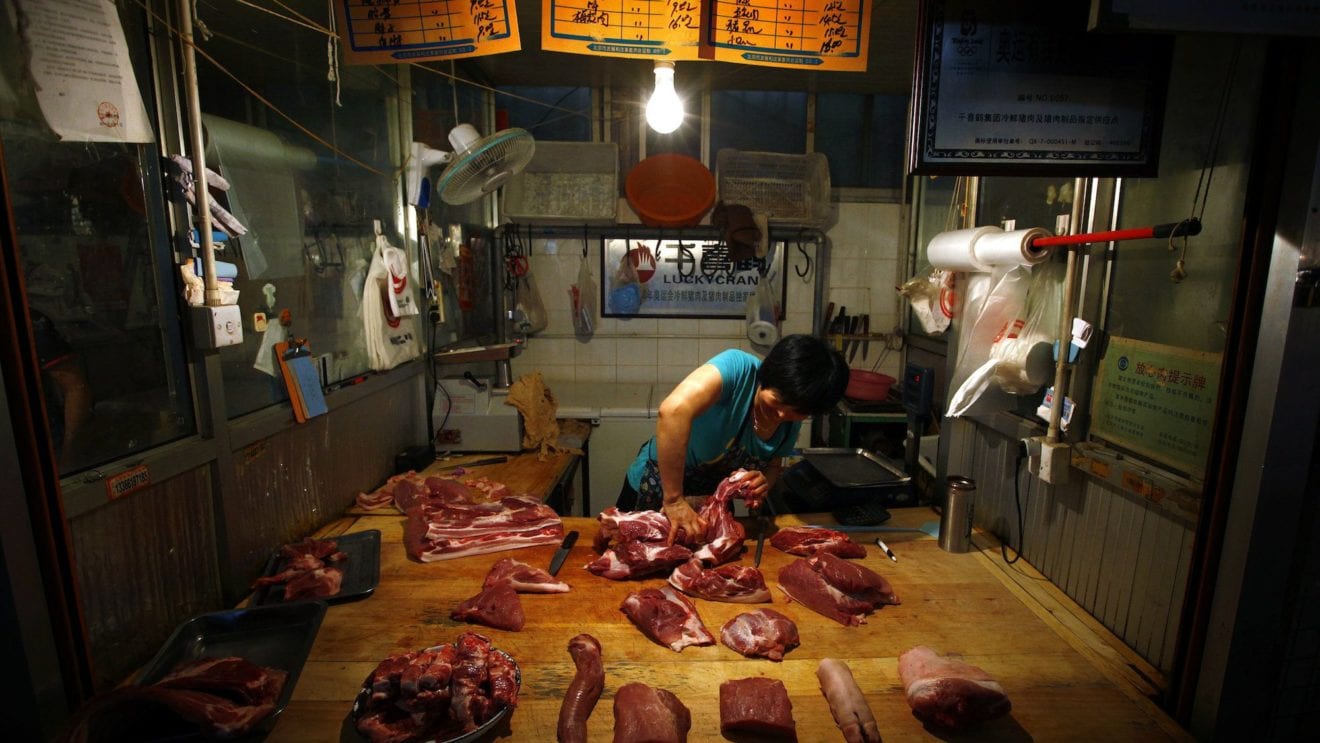
  • Vietnam spends over $480M on meat imports in first 5 months

    Vietnam spends over $480M on meat imports in first 5 months

    Vietnam imported more than 239,000 tonnes of meat and meat products worth $480 million in the first five months of this year.

    The number climbed by roughly 1.6% in terms of quantity but declined by 9.1% in terms of value, according to the General Department of Customs of Vietnam.

    In May, Vietnam imported 57,620 tonnes of meat, worth $108.8 million, up 9.5% in volume but down 10.2% in value year-on-year. This marked the fourth monthly growth in import volume of meat and meat products.

    During the period, the country imported from more than 36 markets, with the five largest suppliers being the U.S., India, Russia, Brazil, and Poland.

    In particular, meat imports from Russia have steadily soared after decreasing in 2022.

    The main types of imported meat and include poultry and offal, fresh chilled or frozen pork, and fresh chilled or frozen beef.

    Imports of chilled or frozen poultry, offal of pigs, buffaloes, and cows were on the uptrend, while pork and beef imports decreased year-on-year.

    In the first five months of 2023, Vietnam imported 29,610 tonnes of fresh chilled or frozen pork, worth $73.62 million, down 19.9% in volume and 5.7% in value.

  • Asahi reinvents Super Dry beer with a new taste and design

    Asahi reinvents Super Dry beer with a new taste and design

    Japanese beer and spirits company Asahi has unveiled a fresh look for Asahi Super Dry along with an enhanced taste inspired by the vibrancy of contemporary Japan.

    The reinvented Asahi Super Dry is curated to provide an improved drinking experience that will exceed expectations, according to the brand in a statement. It is also the first time that Asahi has reworked its recipe since Asahi Super Dry was introduced in 1987. The revamp aims to enhance the unique sake-inspired sensation that makes Super Dry a classic.

    Asahi Super Dry will now include a refined dry taste of the beer which elicits a clean aftertaste without any residual flavour and that goes well with various cuisines, boosting drinkers’ appreciation for the original food flavour.

    The changes made to the beer recipe also introduce a new hop treatment process that gives it a refreshing yet delicate hop aroma, and a new yeast control technology that provides a fermentation-driven aroma. With each sip of New Asahi Super Dry, the flavour of these two delightful aromas arrive at a quick peak of delicious sensation.

    Based on Super Dry’s iconic silver, delicate design adjustments have been made down to the finest details. Both cool and vibrant, the new design aims to highlight the unique character of modern Japan— where innovation and reinvention meet the beauty and precision of traditional craftsmanship, the company said. The design centers on two silvers: a shiny metallic silver and a deep oxidized matte silver.

    Along with this reinvention comes the commencement of partnerships with other brands. Asahi Super Dry has partnered with four city football group clubs: Manchester City, Melbourne City, Yokohama F. Marinos and Sichuan Jiuniu to be its new official beer partner. Additionally, Asahi Super Dry has been selected as one of the official sponsors for the Rugby World Cup 2023 to provide its beer to rugby fans worldwide.

    The new Asahi Super Dry will be made available in Singapore from July 7.

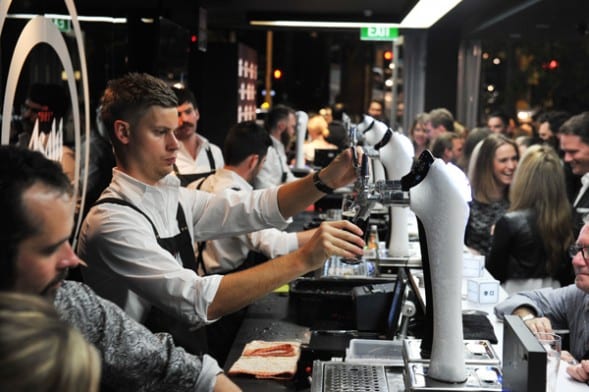
    At the ‘Art of Taste’ event, visitors are introduced to a sensorial field of barley and will utilise their sense of touch to engage with beer ingredients used in Asahi’s beer products. Additionally, the yeast room is constructed to simulate the fermentation process and provides visitors with the optimal photograph opportunity to capture their experiences and publicise it on their socials.

    Visitors are also able to experience a 30-minute step-by-step guided masterclass in a contemporary izakaya setting, where they will gain knowledge on how to differentiate between dry and non-dry versions of beer.

    Lastly, an abundance of food vendors from Hokkaido, Nagoya, Fukuoka and Osaka will be present at the taste zone, where partnerships with Kanpai Group, Courtyard Café and Otoko Japanese Restaurant will allow various types of Japanese foods to be available to reinforce that Asahi beer goes well with any food.

    “With an enriched, vibrant dry taste, the new Asahi Super Dry is ideal for different kinds of food pairings and elevates the senses for a better experience. It is the best match for every exciting “Super Dry Moment” of the modern lifestyle and drinking repertoire,” said Meryl Ho, marketing lead of Asahi Beer Asia, Singapore region.

    “Whether one is cheering on their favourite sports team, watching a movie, exploring new foods, bar hopping, or simply enjoying a day out, the new Asahi Super Dry is the perfect partner for these moments and occasions,” Ho added.

    The news comes shortly after it was announced that Carlsberg Brewery Malaysia and Asahi Group have mutually agreed to not renew the distribution of the Asahi brand in Malaysia.

    The exclusive distribution of the brand will expire on 31 December 2023, according to Carlsberg Malaysia in a statement. The brewery also noted that the renewal of the Asahi agreement is not expected to have any material financial impact to CBMB once the distribution ends.

    Stefano Clini, the managing director of CBMB shared that the parting is an amicable one, after having the sole rights to locally manufacture, sell and distribute the brand for more than a decade.

    “Having said that, the group will remain the exclusive distributor of Asahi for 2023 and we will continue to support the brand for the rest of this year,” Clini added. He went on to explain that following this development, Carlsberg will continue to drive its premiumisation strategy while simultaneously exploring opportunities to expand its premium portfolio to “deliver the best drinking experience to [its] Malaysian consumers”.

  • Lychees enter Thailand’s major shopping malls

    Lychees enter Thailand’s major shopping malls

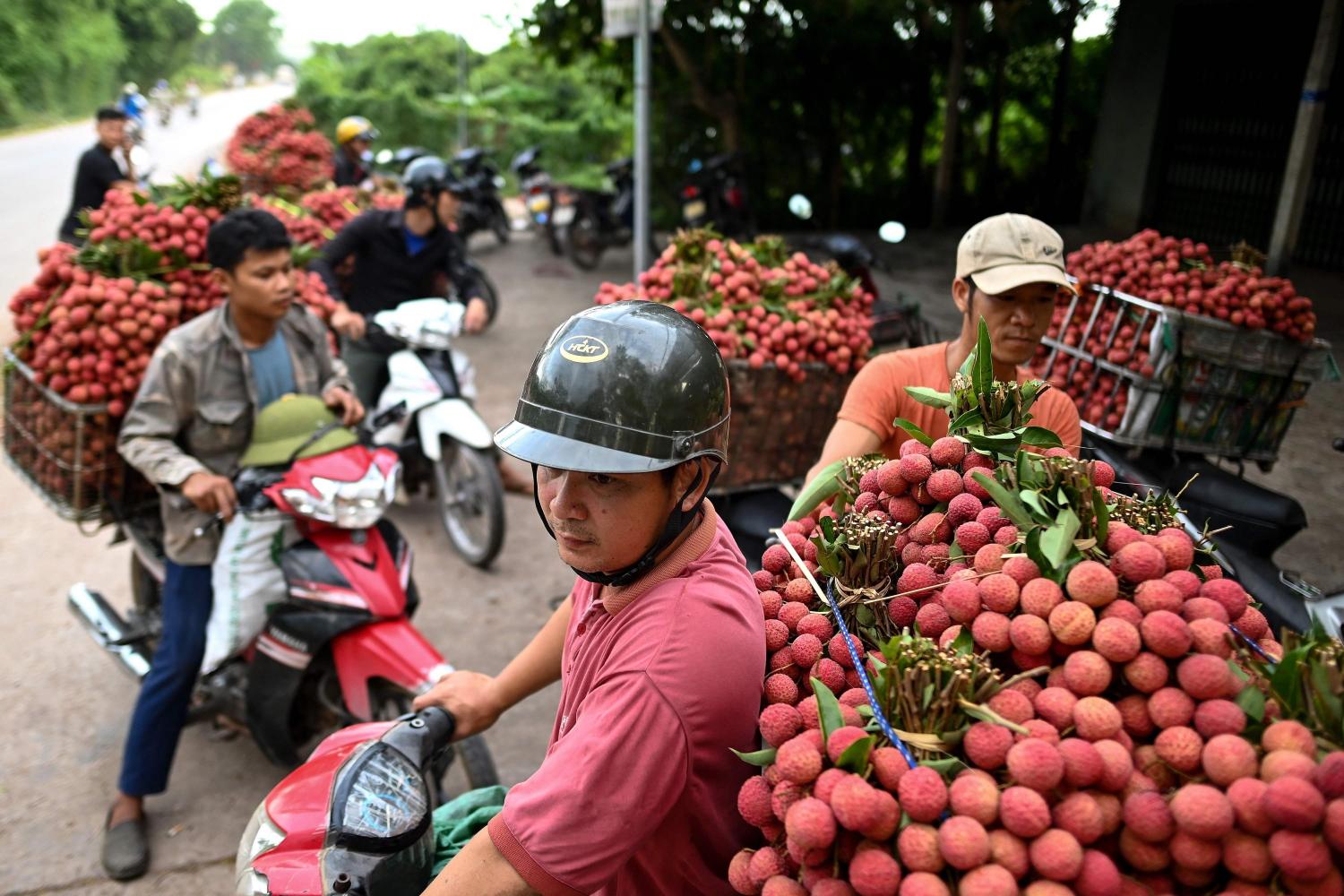
    Vietnamese lychees were already present in Thailand a few years ago, but this is the first time that the fruits are on sale at a major supermarket chain in the country.

    “I am very happy to be one of the pioneering firms to bring fresh lychees to Thai consumers,” said Nguyen Xuan Viet, Chairman of Vifoco, exporter of lychees to Thailand. “My company hopes to export from 1,000 – 2,000 tonnes of fresh lychee to Thailand next year.”

    At the Siam Paragon shopping mall, the lychees from Vietnam have attracted attention from shoppers.

    Somkiat Wongsakulchai, chief executive of Ekthai, distributor of Vietnamese lychees in Thailand, said that his company will expand the distribution of Vietnamese lychees to more branches next year.

    Lychee is grown in many localities in Vietnam, mostly in the north, with Bac Giang province known as the country’s lychee growing hub.

    The province harvested 199,500 tonnes of lychee in 2022 and earned over 290 million USD from lychee sales and support services.

    Bac Giang lychee has affirmed its brand and value in many countries and territories around the world with 75,900 tonnes shipped abroad, making up 38% of the accumulative sales.

  • South Korean cafe chain Compose Coffee to launch in Singapore

    South Korean cafe chain Compose Coffee to launch in Singapore

    The popular coffee chain from Korea, Compose Coffee, is set to open in Singapore at Suntec City.

    The scaffolding of the number one coffee in Korea can be seen around the shop, showing off the brand with two simple words: “Coming soon”.

    Its menu boasts a wide range of beverages, from its usual coffee to teas, frappés and even milkshakes.

  • Vietnam earns over $2B from coffee exports

    Vietnam earns over $2B from coffee exports

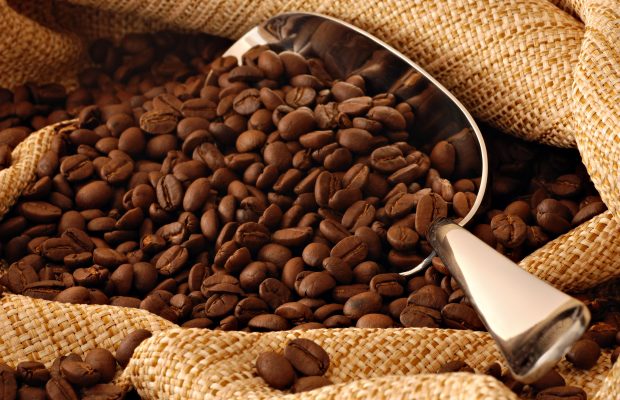
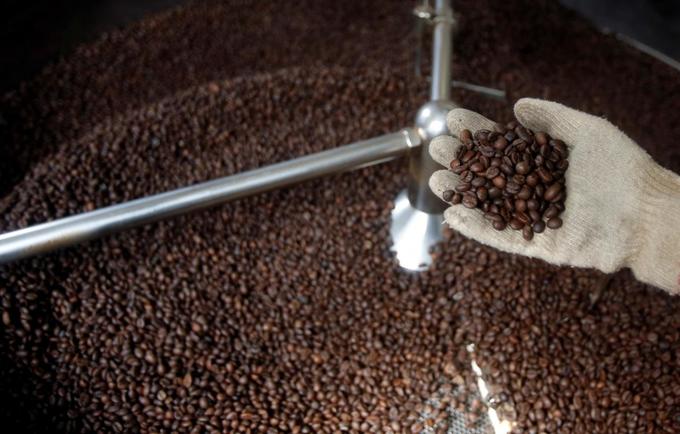
    Coffee is an export highlight of agricultural products in the first half of 2023, as the industry’s export revenue earned $2 billion in the period, the General Department of Customs has announced.

    According to statistics from the department, as of June 15, the country exported 934,900 tonnes of coffee, down 3.7% compared to the same period in 2022 with export prices increasing nearly $2 per tonnes.

    The sector has been listed in “one-billion-USD” club since 2010 and reached its peak of $4.056 billion in 2022. The club includes exports that fetch at least $1 billion a year.

    Vietnamese coffee has been present in 38 markets worldwide, of which it enjoys an export turnover of over 10 million in 25 markets and more than $100 million in six traditional ones.

    If export turnover reaches about $360 million a month from now until end of this year, the sector will set a new record of $4.5 billion in 2023, an increase of 10.9% compared to 2022.

  • Vietnamese-American billionaire’s Sriracha sauce sees eightfold price hike

    Vietnamese-American billionaire’s Sriracha sauce sees eightfold price hike

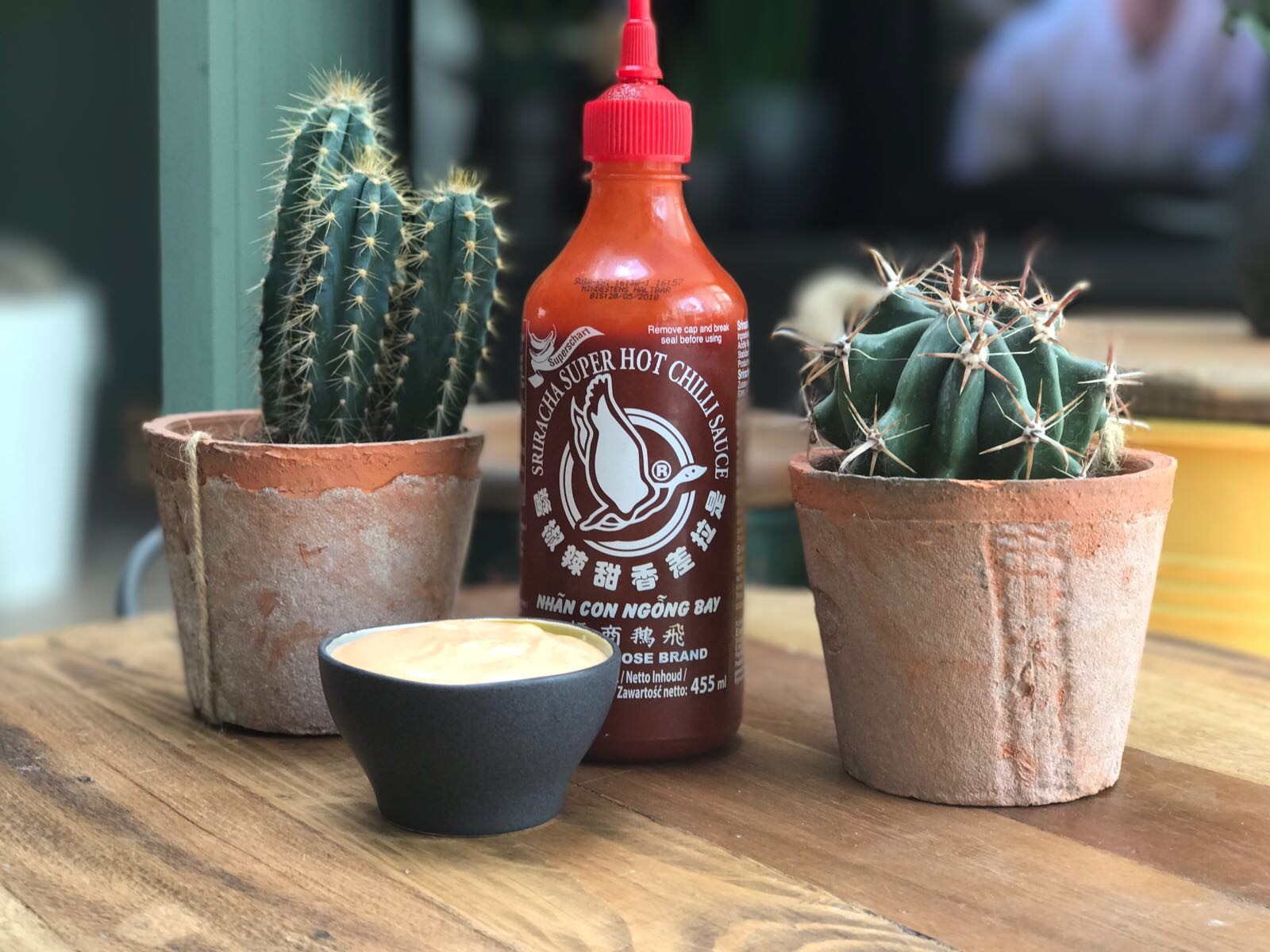
    Prices of the popular hot sauce Sriracha have surged eight times in the U.S. as drought in Mexico leads to a scarcity in the key ingredient, red jalapeños.

    The hot sauce, which is produced by Huy Fong Foods owned by Vietnamese-born billionaire David Tran, is sold at US$40 per bottle of nearly 500 grams on eBay, compared to $5 before.

    A bottle of nearly 800 grams is sold at $60 on the same platform. In Vietnam, a 500-gram bottle is sold at VND89,000 ($3.75) on e-commerce platform Shopee.

    The shop that sells it imports thousands of bottles a year from California, but since April Sriracha prices have risen as its supply become scarce. Huy Fong Foods recently told CNN that it’s still experiencing a shortage of
    raw materials.

    “Although some production did resume this past fall season, we continue to have a limited supply that continues to affect our production. At this time, we have no estimations of when supply will increase,” a Huy Fong spokesperson said.

    There’s been a shortage of the main ingredient, red jalapeños, for the past three years.

    Last year, the company temporarily stopped orders because of the shortage, which also affected its Chili Garlic and Sambal Oelek products.

    Drought in Mexico has resulted in a scarcity of chilli peppers. “It is a challenging crop to grow,” said Stephanie Walker, a plant scientist at the New Mexico State University, who serves on the advisory board of the Chile Pepper Institute.

    “Jalapeños are really labor intensive, requiring people to de-stem them by hand before they go for processing.”
    Huy Fong’s Sriracha, created in 1980 by Chinese immigrant David Tran, is sold in popular retailers like Target and Whole Foods.

  • Indonesia’s Tanamera Coffee launches in Malaysia

    Indonesia’s Tanamera Coffee launches in Malaysia

    Indonesian specialty coffee roaster and café chain Tanamera Coffee has opened its first outlet in Malaysia.

    The Kuala Lumpur outlet marks Tanamera Coffee’s third market after its native Indonesia, where it operates 22 stores, and Singapore, where it has opened eight sites since debuting in 2020.

    “We are thrilled to finally bring Indonesian specialty coffee to Malaysia with the opening of our very first outlet in the exciting and vibrant city of Kuala Lumpur. This is our third country and we can’t wait to serve you, both in this store and other upcoming outlets,” Tanamera Coffee said on social media.

    Founded in 2013 to promote Indonesian specialty coffee, Tanamera Coffee sources its coffee from the Aceh, Sumatra, Toraja, Bali, Java, and Flores regions of Indonesia.

    World Coffee Portal research forecasts the total Malaysian branded coffee shop market will exceed 2,700 outlets by 2025.

    Alongside strong outlet growth for convenience-focused operators, such as ZUS Coffee and Gigi Coffee, a wave of premium coffee chains are seeking to catalyse growing demand for specialty coffee in Malaysia.

    Having opened its first international outlet in Malaysia in October 2022, Indonesia’s Kopi Kenangan is aiming to reach 100 locations in the Southeast Asian country by the end of 2024. Luxury US brand Ralph’s Coffee entered Malaysia in the same month as part of its new flagship retail store in Kuala Lumpur.

    Meanwhile, Seattle-based Starbucks, operated in Malaysia by Berjaya Food Bhd, expects to reach 400 stores in July 2023. Additionally, Taiwanese specialty coffee chain HWC Coffee has grown its Malaysian footprint to 29 outlets and opened a flagship store and coffee academy in Kuala Lumpur in June 2023.

  • Processed fruit, vegetable exports expected to rise by 20%

    Processed fruit, vegetable exports expected to rise by 20%

    Processed fruit and vegetable exports are likely to be worth US$1.2 billion from exporting processed this year, up from $1 billion last year, according to the Vietnam Fruit Association.

    Their exports rose by 23% year-on-year to $356 million in the first four months of the year, Dang Phuc Nguyen, the association’s general secretary, said.

    While exact figures are not available yet for May and June exports grew strongly in the second quarter, he added.

    But data is available for the combined exports of fresh and processed fruits and vegetables, and they surged by 63% to $2.8 billion in the first half, according to the association. They had been worth $3.4 billion last year, with 30% coming from processed items.

    For years Vietnam’s fresh vegetable and fruit exports have largely been to China, which accounts for a 60% share. But exports to the U.S., EU and Japan have grown rapidly.

    Nguyen called it “a good sign” as fruit and vegetable processors diversify into global markets and reduce their dependence on China.

    A large volume of Vietnamese canned fruit products and bottled juices with a shelf life of up to two years has gone to the U.S., Japan and Europe this year.

    According to the U.S. International Trade Commission, imports of Vietnamese processed fruits and vegetables have grown by 30-45% annually in the past three years.

    Exports to the EU have increased by 10-20% a year. Leading exporter Westfood shipped large volumes of processed fruits and vegetables to the world market in the first five months of this year, with exports to Europe growing by 22%, its chairwoman, Nguyen Thi Minh Nguyet, said.

    She said exports to China would increase dramatically this year, while South Korea, Japan, the Netherlands, and the EU (eh?) are increasing purchases.

    According to the Ministry of Agriculture and Rural Development, the country’s annual output of fruits and vegetables is more than 31 million tons, but only 4.5 million tons, or 14%, are processed.

    Most processing and preservation establishments are very small and run by households, and so their products often fail to meet export quality requirements.