Category: Food

Retail News Asia is committed to providing both local and global retailers with the latest Food and Food & Beverage news throughout the Asian market. This on a daily base.

  • Vietnamese lobsters half price as Chinese orders dwindle

    Vietnamese lobsters half price as Chinese orders dwindle

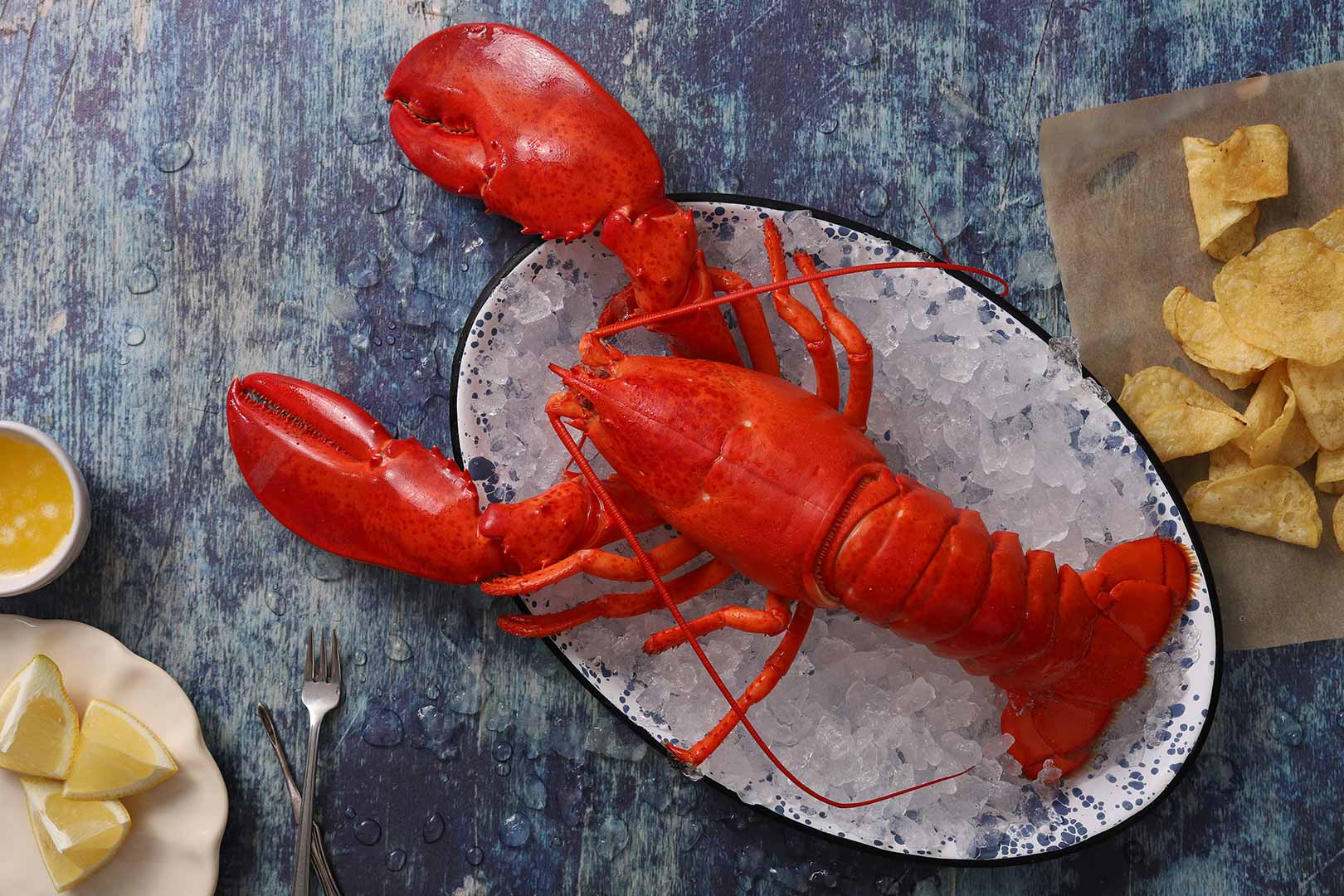
    Diminishing exports to China’s massive market has Vietnamese ornate rock lobsters selling for VND1-1.3 million (US$42-54) a kilogram, half the price of two months ago.

    According to lobster harvesters in the central province of Khanh Hoa, prices are at the lowest point in two years.

    China is the biggest importer of Vietnamese lobsters.

    Lobster vendors in the province said they have decided to stop selling their lobsters or now in hopes prices will spike for the Lunar New Year early next year.

    Seafood shops in Ho Chi Minh City are selling ornate rock lobsters for VND1.4-1.7 million per kilogram.

    Tuan, a lobster trader, said domestic and overseas demand for seafood is down.

    “China currently favors painted spiny lobsters because their prices are lower.”

    Nguyen An, people’s committee chairman of Cam Binh Commune in the south-central-coastal province of Cam Ranh, said that Vietnam has mainly exported painted spiny lobsters to the Chinese market since mid-year, not ornate rock lobsters.

    He said this was because Australian ornate rock lobsters are cheaper than Vietnam’s, “so it is difficult to compete in China.”

    According to the Association of Seafood Exporters and Producers, Vietnam exported lobsters worth a total $76 million to China in the first eight months, a year-on-year decline of 42%.

    While reducing imports from Vietnam, China is now buying more lobsters from Canada, Australia, the U.S., New Zealand, Cuba, India, Brazil, and Mexico.

    According to Vietnamese firms, the two countries should agree on official lobster quotas to boost lobster exports to China.

    A project launched by the Ministry of Agriculture and Rural Development aims to develop Vietnamese lobster production and exports by 2025, with total output of 3,000 tons per year and annual export turnovers of $200 million.

    The largest lobster farming provinces are Phu Yen, Khanh Hoa, in the north-central regions, and Kien Giang in the southern region’s Mekong Delta.
     

  • Catfish exports to China plummet

    Catfish exports to China plummet

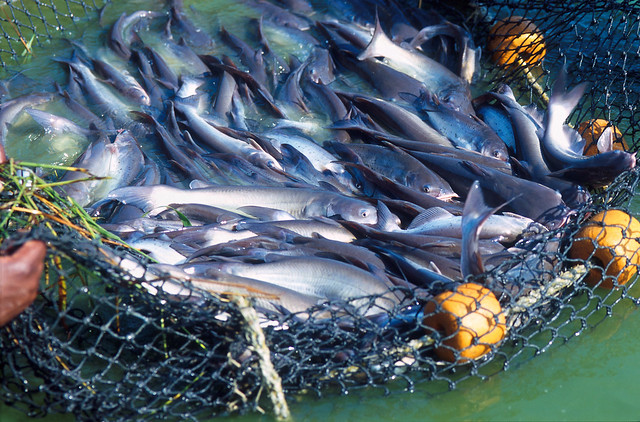
    Pangasius exports to China in the first eight months of this year fell 28%to US$406 million, according to the Vietnam Association of Seafood Exporters and Producers.

    Since September Chinese demand for the fish has not increased much even as it has stepped up imports from Norway, South Korea, Australia, and Chile.

    The director of a pangasius export company in southern An Giang Province said that demand from Chinese hotels and restaurants for catfish is low now.

    Chinese consumers prefer fresh seafood over frozen products.

    Besides difficulties in exporting, Vietnamese pangasius firms are also facing high input and farming costs.

    According to data from catfish exporters, farmers’ production costs are now VND26,500-27,000 (over US$1.1) per kilogram while their selling price is VND300-500 lower.

    The average export price is $2.5-2.6 per kilogram, down from $3.2 a year ago.

    “We are trying to sustain production, but this year profits have dropped sharply,” the export company director said.

    According to VASEP, demand for Vietnamese pangasius will increase again in the fourth quarter, the peak season in China.

  • Flash Coffee ceases operations in Singapore

    Flash Coffee ceases operations in Singapore

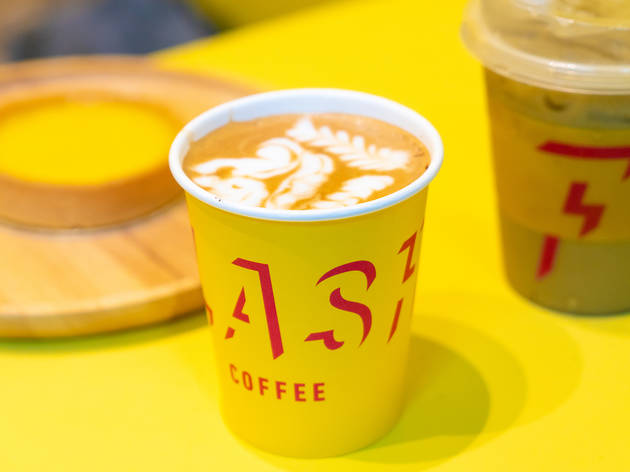
    Flash Coffee has shut its Singapore operations to focus on other markets, the company told CNA on Friday (Oct 13) in response to queries about its business here.

    The Singapore-based coffee chain had 11 outlets in Singapore, including one at Jurong Point where a sign on Thursday said employees were “on strike” over late salary payouts.

    “Contrary to reports, our staff in Singapore are not on ‘strike’,” the company said.

    “We ceased operations at our 11 stores, and consequently, our baristas are not required to report to work.”

    Flash Coffee said that to build a profitable and sustainable business, it decided to “further consolidate our future efforts and to double down on our most promising markets”.

    “To facilitate this renewed focus, we ceased operations in Singapore yesterday, comprising 11 stores out of our (around) 200 global stores,” it added.

    A search on the Accounting and Corporate Regulatory Authority (ACRA) portal showed that the company’s status was “in liquidation – creditors’ voluntary winding up”.

    Launched in 2020, Flash Coffee, with its iconic yellow storefront, also operates in Asian markets such as Indonesia, Thailand and Hong Kong.

    In 2021, it had almost 30 outlets in Singapore.

    Flash Coffee, a non-unionized company, said it is “proactively assisting” affected team members.

    “Most of our Singapore head office staff have been offered roles in other markets or with our regional team. Additionally, we are actively trying to connect our baristas with opportunities in other coffee chains,” it added.

    A union said on Friday night that Flash Coffee’s employees affected by the sudden closure of the outlets are owed outstanding salaries and Central Provident Fund (CPF) contributions. They also had prevailing leave entitlements.

    Salaries owed to workers comprise the balance of 75 per cent of their September salaries, as well as wages for work done until Oct 12. It also includes the encashment of remaining leave days, said the Food, Drinks and Allied Workers’ Union (FDAWU).

    “The workers engaged by the union shared that there were no explicit plans to put up any coordinated action following companies’ sharing of the situation at hand,” the FDAWU added.

    The union also said it is assisting affected members with salary-related claims and will provide job assistance support.

    CNA has contacted Flash Coffee to ask about the outstanding salaries owed to workers.

  • Duck Donuts opens its first Thailand store in Bangkok

    Duck Donuts opens its first Thailand store in Bangkok

    Pennsylvania-based Duck Donuts has opened its first store in Thailand in partnership with local franchisee The Great Restaurant Group Co.

    Located at the Siam Discovery shopping centre in Bangkok, the outlet is the first of 10 Duck Donuts stores The Great Restaurant Group Co. plans to open across Thailand by the end of 2028. “Bringing Duck Donuts to Bangkok is a momentous occasion for us.

    We’re excited to introduce our made-to-order donuts to the vibrant city of Bangkok and offer the local community a delightful, customizable experience. We believe in the power of sweet moments, and we can’t wait to create memorable experiences for our guests in Thailand,” said Betsy Hamm, CEO, Duck Donuts.

    Thailand is Duck Donuts’ third market entry in 2023, following its debut in Egypt and Qatar in February and August, respectively.

    Founded in North Carolina in 2007, the bakery café chain currently operates 131 stores across the US, alongside two stores in each of Canada and Puerto Rico and a single site in Saudi Arabia.

    Further international expansion is also on the cards, with Duck Donuts planning to open first stores in Pakistan and Curacao in 2024, alongside franchise agreements to enter the UK, Australia, the Bahamas and Iraq.

  • Hendrick’s unveils latest addition to its Cabinet of Curiosities series

    Hendrick’s unveils latest addition to its Cabinet of Curiosities series

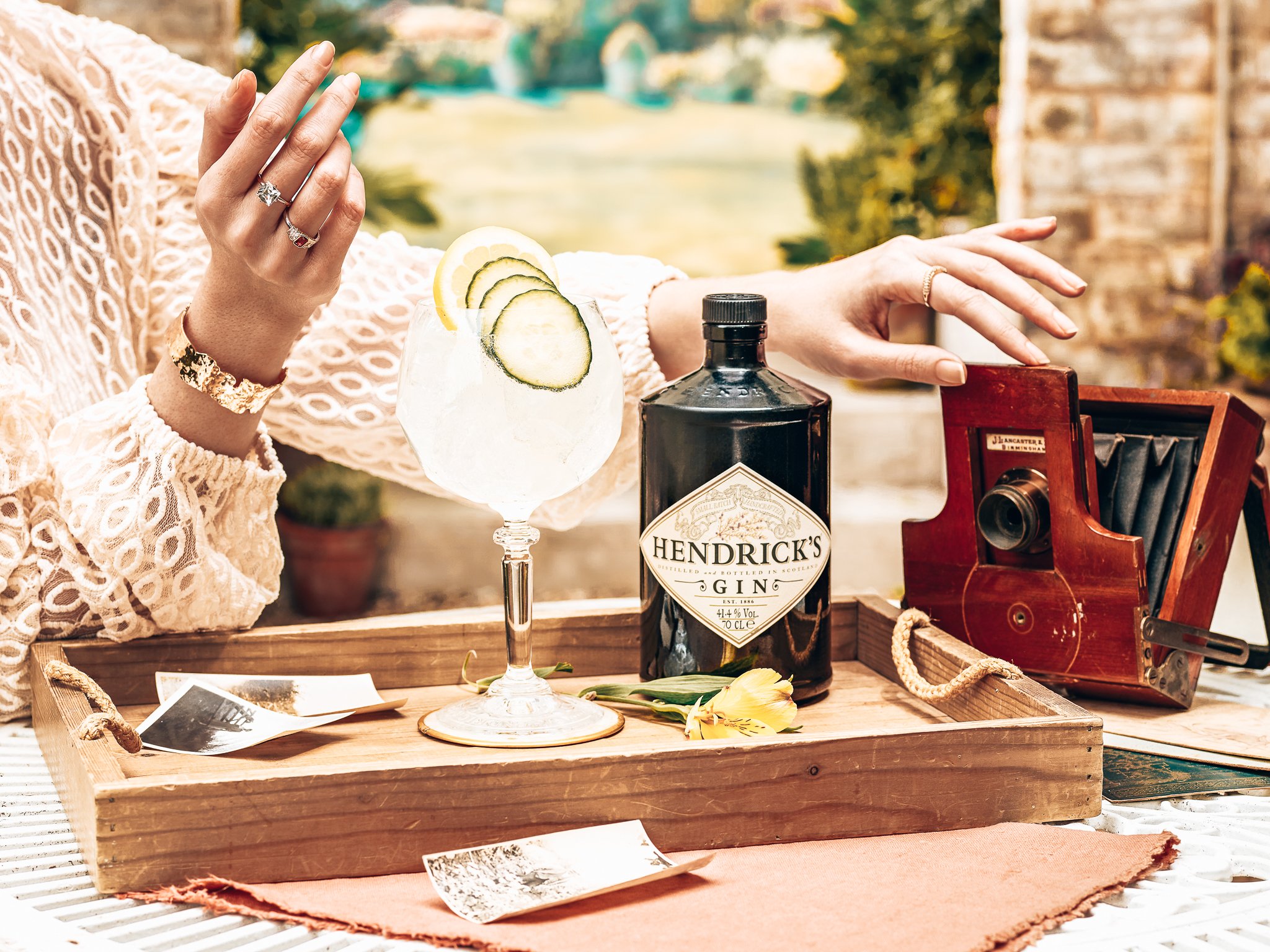
    Hendrick’s Gin has introduced its latest creation from the Cabinet of Curiosities series, Flora Adora.

    The Cabinet of Curiosities is the brand’s series of limited-edition gin releases known for their unique botanical combinations and unconventional flavors.

    Crafted at the Hendrick’s Gin Palace in Scotland, the new gin departs from traditional profiles, featuring ingredients like juniper and coriander combined with cucumber and rose to deliver a “refreshing and balanced taste experience”.

    “To welcome a magical and immersive experience, try a tantalizing floral fusion with the Flora Adora Wildgarden Cup,” suggests James McRae, brand ambassador for Hendrick’s Gin.

    “A balanced medley of fresh mint, cooling cucumber, and juicy raspberries lengthened with a refreshing lemon soda.”

    Hendrick’s Flora Adora is available for an RRP of $86 in Dan Murphy’s BWS, Liquorland and First Choice stores nationwide.

  • Hunt and Brew launches Ethiopia-sourced cold brew black coffee

    Hunt and Brew launches Ethiopia-sourced cold brew black coffee

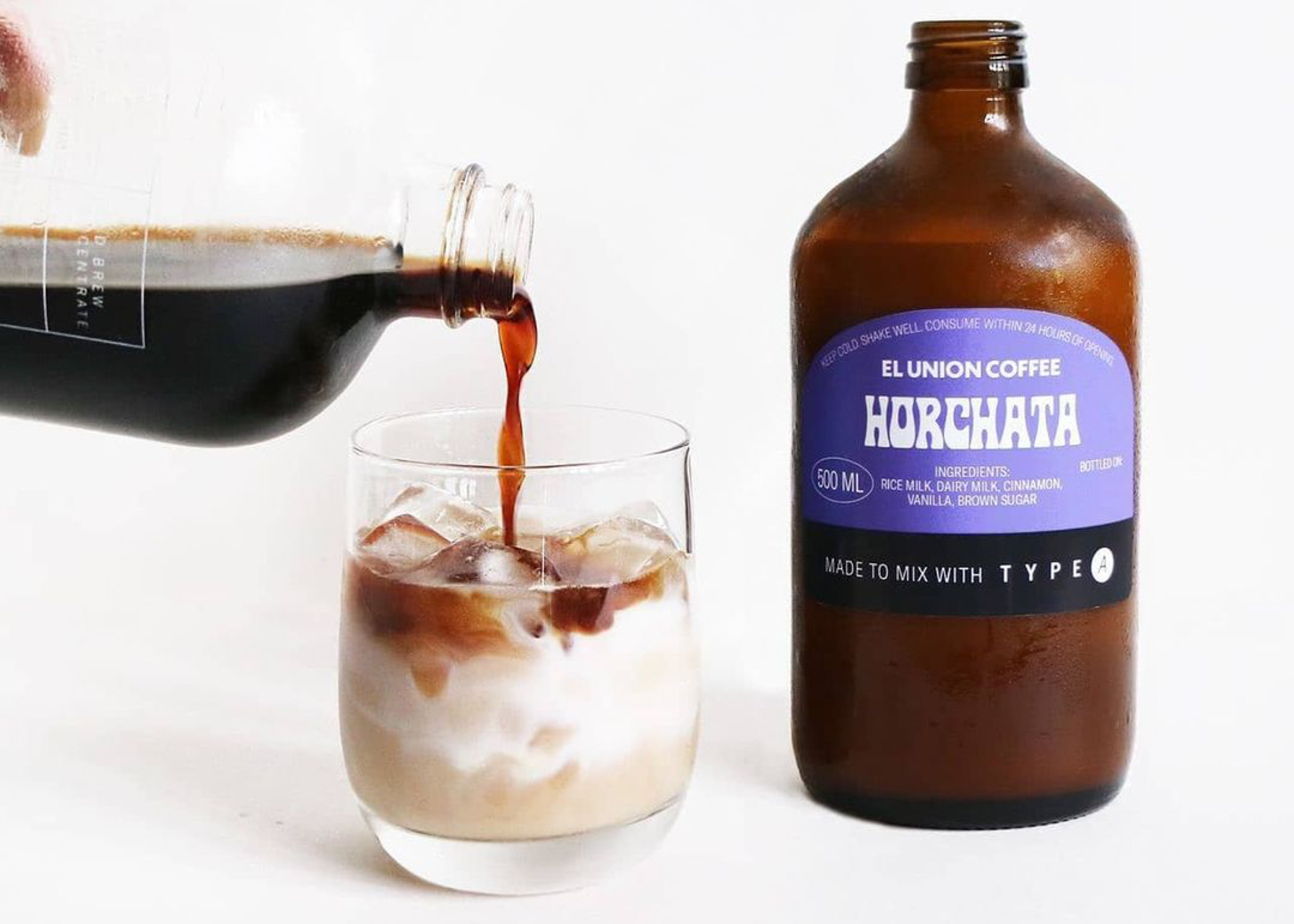
    Coffee maker Hunt and Brew has launched its new single-origin cold brew black coffee without added sugar.

    The company sources the beans of the new cold brew black coffee from Yirgacheffe, Ethiopia. The product will be sold in 400ml bottles in Coles supermarkets starting October 16 and in Woolworths supermarkets in Western Australia beginning November 6.

    It will also be available in select independent and convenience stores.

    “Our new Ethiopia Cold Brew Black Coffee caters to an emerging consumer segment that’s seeking dairy-free alternatives and healthier beverage choices,” said Jake Calabrese, brand manager at Hunt and Brew.

    “It’s also perfect for busy professionals on the lookout for quality and convenience in their lives.”

  • Bonne Maman expands range with new Hazelnut Chocolate Spread

    Bonne Maman expands range with new Hazelnut Chocolate Spread

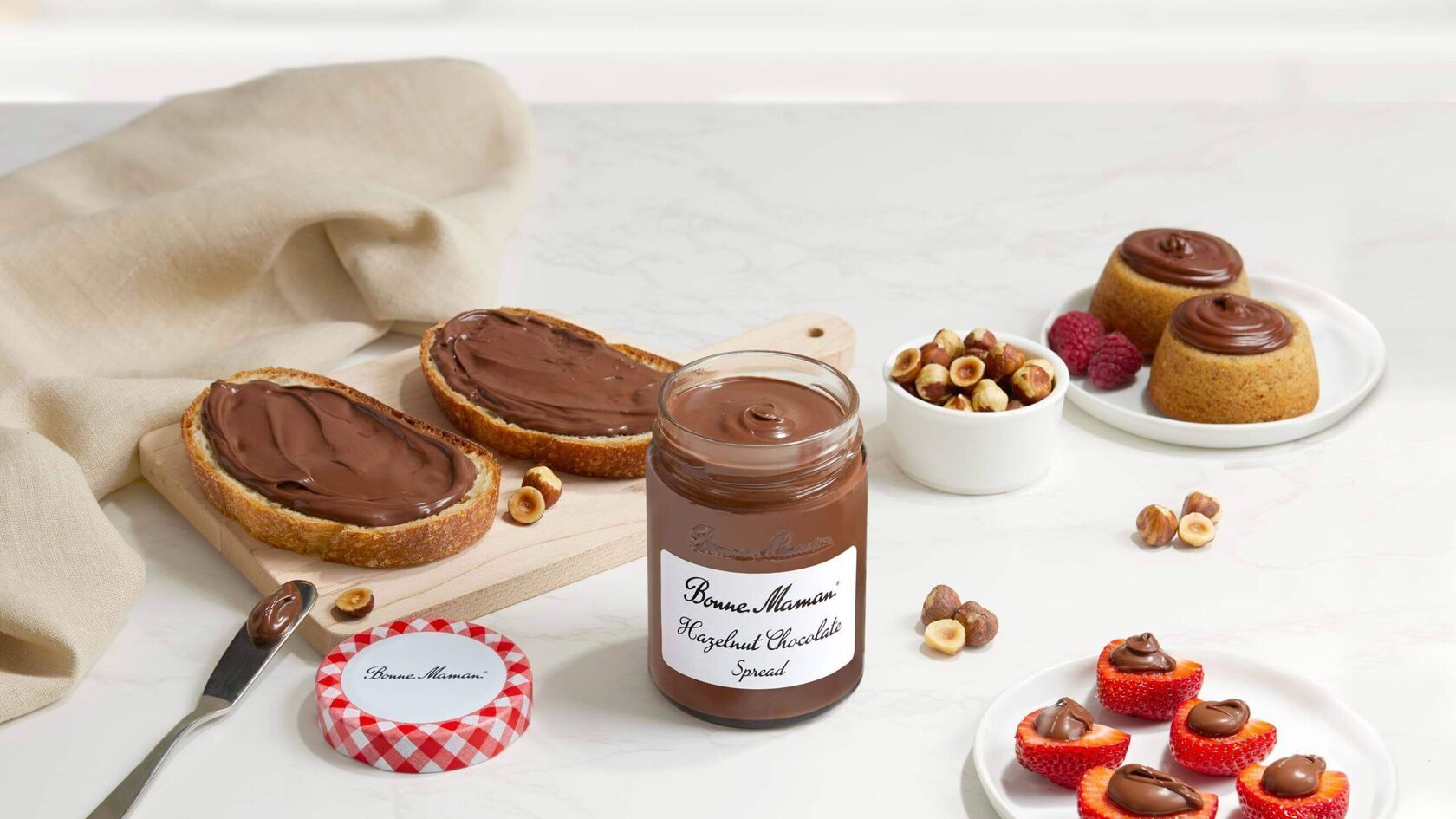
    French jam maker Bonne Maman is expanding its range of spreads with the latest addition to its Australian product line, the Bonne Maman Hazelnut Chocolate Spread.

    The new spread comes in its iconic glass jar with a red gingham lid and is made with all-natural ingredients. It contains 20 percent hazelnuts, gently roasted and combined with cocoa to provide a velvety texture. Moreover, it is free from palm oil.

    The brand recommends using the spread on sourdough, toast, croissants, or brioche. Its soft texture can also be warmed as a sauce over desserts, ice cream, biscuits, or milk to make hot chocolate.

    “Bonne Maman Hazelnut Chocolate Spread makes a wonderfully satisfying snack any time of the day,” said the company.

    Bonne Maman Hazelnut Chocolate Spread is available for an RRP of $8 in Coles, Woolworths, and leading supermarkets nationwide.

  • Nespresso creates special blend with Blue Bottle Coffee

    Nespresso creates special blend with Blue Bottle Coffee

    Nespresso has collaborated with Blue Bottle Coffee in the US to develop Blend No. 1, the first limited-edition capsule combining the specialties of both brands.

    Blend No. 1 is a blend of organically processed coffee from two distinct origins, Ethiopia and Uganda, and is notably light and short-roasted in two splits, separated by origin.

    According to the brands, although Ugandan beans are given more time to develop intensity, Ethiopian beans are roasted lighter to maintain the finer aromatics. This is a delicate combination with aromas of jammy, ripe fruit, sweet caramel, gentle white florals, and a hint of cereal.

    “Symbolic of these two coffee worlds coming together, even more coffee drinkers can now enjoy the quality and exquisite taste of this exceptional creation,” said Alexis Rodriguez, head of coffee development at Nespresso.

    Blend No. 1 is available for Nespresso Vertuo machines and will be available for purchase on October 18 online and at Nespresso locations across the US.

    Nespresso introduced its seasonal limited-edition Pumpkin Spice Cake taste for both Original and Vertuo machines earlier this year.

  • Vietnamese fruit faces tougher competition in China

    Vietnamese fruit faces tougher competition in China

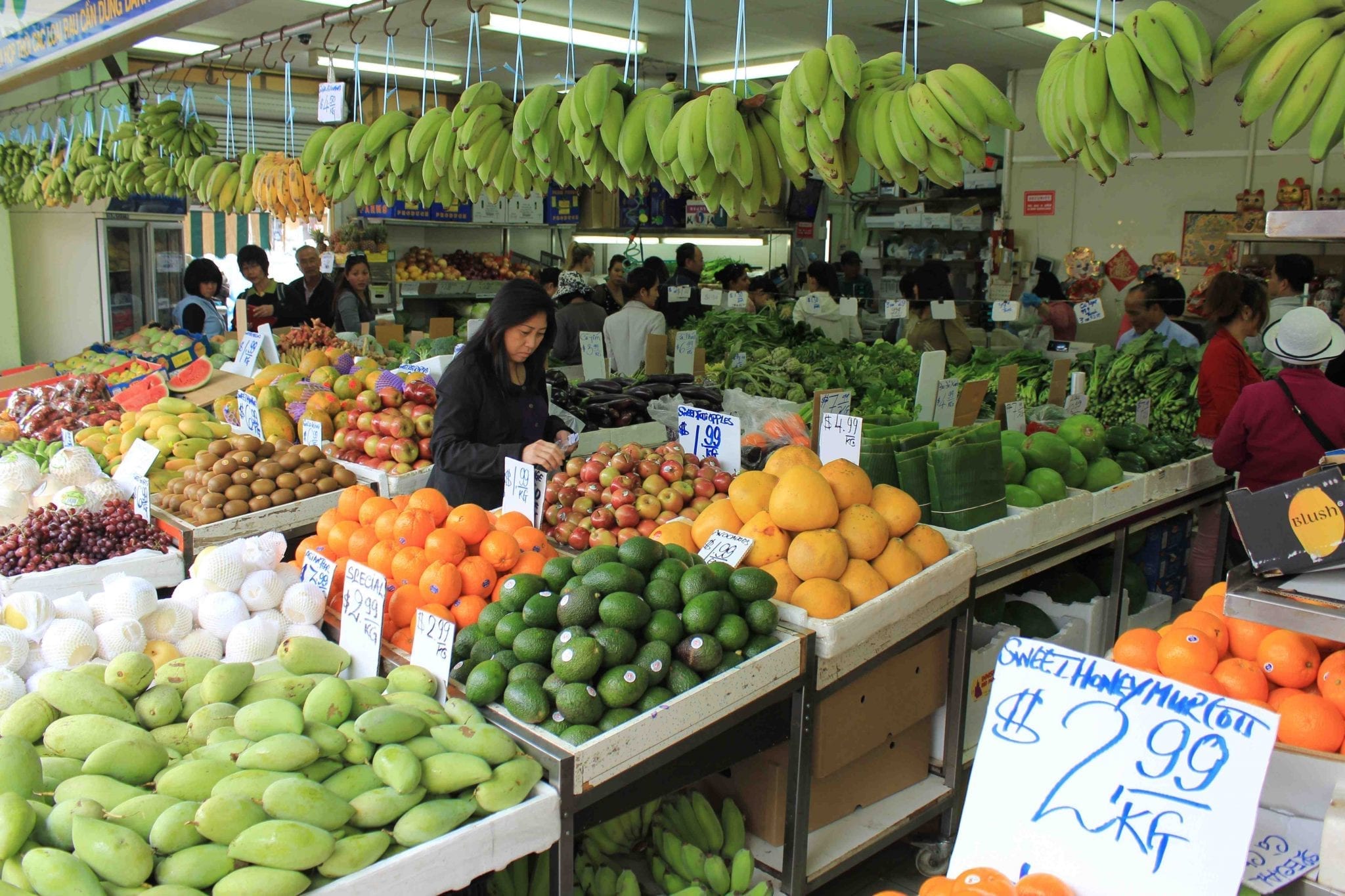
    Vietnam exported less fruit to China as the northern neighbor increased dragon fruit cultivation and allowed official import of passion fruit from Laos and longan from Cambodia.

    Data from Vietnam Customs showed dragon fruit exports to China totaled US$442 million, posting a year-on-year decrease of 4.4%. Specifically, red-fleshed dragon fruit exports fell by 38%.

    Currently, China’s dragon fruit output exceeds Vietnam’s, and its selling price is lower than that of the Vietnamese fruit.

    Passion fruit exports from Vietnam to China dropped 36.5% to $29.5 million.

    Vietnamese fresh passion fruit used to have the leading market share. Recently China has reduced import of the Vietnamese passion fruit because it has grown the fruit, and allowed Laos to export the fruit to the market on official quota since 2022.

    The Chinese agricultural product export news site Produce Report cited data from China Customs showing the country annually supplies 600,000 tons of passion fruit to the market.

    With longan, Vietnam’s annual output of over half a million tons is oversupplied and continuously sold at cheap prices as China has new suppliers from Cambodia.

    Cambodia has exported longan to China on official quota since late 2022. Data from the Cambodian Ministry of Agriculture showed their fresh longan exports to China in the first eight months of the year surpassed 8,100 tons, including 3,250 tons in August alone.

    Vietnam is the 7th largest coconut-producing country in the world, but it has not been allowed to export the fruit to China on official quota.

    Cambodia, a country outside the top 10 with only 17,000 hectares of coconut, and an output of 248,000 tons in 2022, has exported fresh coconuts to China on official quota since September.

    Vietnam’s avocado, mango, and jackfruit are also at risk of competing with other countries for the Chinese market.

    Recently, Venezuela, the 15th biggest avocado producer in the world, was allowed to export the fruit to China on official quota. Meanwhile, Vietnam still has to export avocado to China on unofficial quota at low output values via under the table border trade.

    Malaysia has recently been approved jackfruit exports on official quota to China, just like Thailand and Vietnam.

    The director of a fruit export business in the Mekong Delta province of Long An predicted that the market share and selling prices of Vietnamese dragon fruit, passion fruit, and longan in China will continue to decrease sharply.

    Dang Phuc Nguyen, general secretary of the Vietnam Fruit and Vegetable Association, said Vietnam should re-plan dragon fruit and passion fruit growing areas to control quality and output of the two fruits.

    The country should facilitate negotiations with China to have avocado exported on official quota, and export the fruit to other markets such as Japan, South Korea, and the U.S., he said.

  • Doritos launches limited-edition coriander flavour

    Doritos launches limited-edition coriander flavour

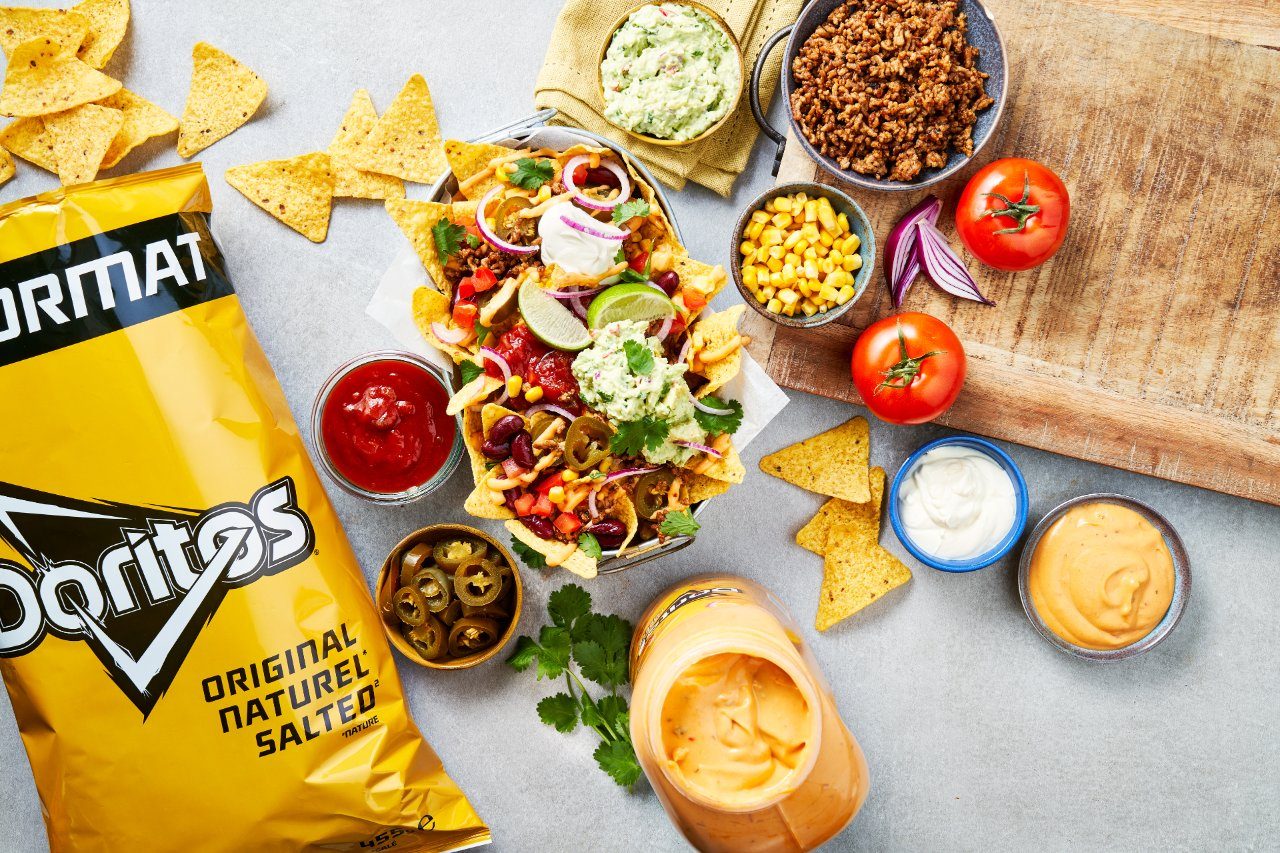
    Pepsico has launched Doritos Coriander, a new limited-edition flavour of its popular corn chips brand.

    “We’re excited to see the reaction of chip lovers from across the country as they try our super-limited-edition Doritos Coriander,” said Vandita Pandey, chief marketing officer at Pepsico.

    “With the taste of coriander being one of Australia’s most divisive flavours we want to boldly launch the flavour in chip form and see if coriander really does taste like soap.”

    Packs of the new Doritos Coriander will be exclusively available through a gateway hosted on Doritos’ Instagram page.

    The company urges the public to share in the comments why they love or hate coriander to have the chance to win a pack of the new Doritos flavour. The competition is open from October 5 to October 17.

  • China grows more dragon fruit, reduces imports from Vietnam

    China grows more dragon fruit, reduces imports from Vietnam

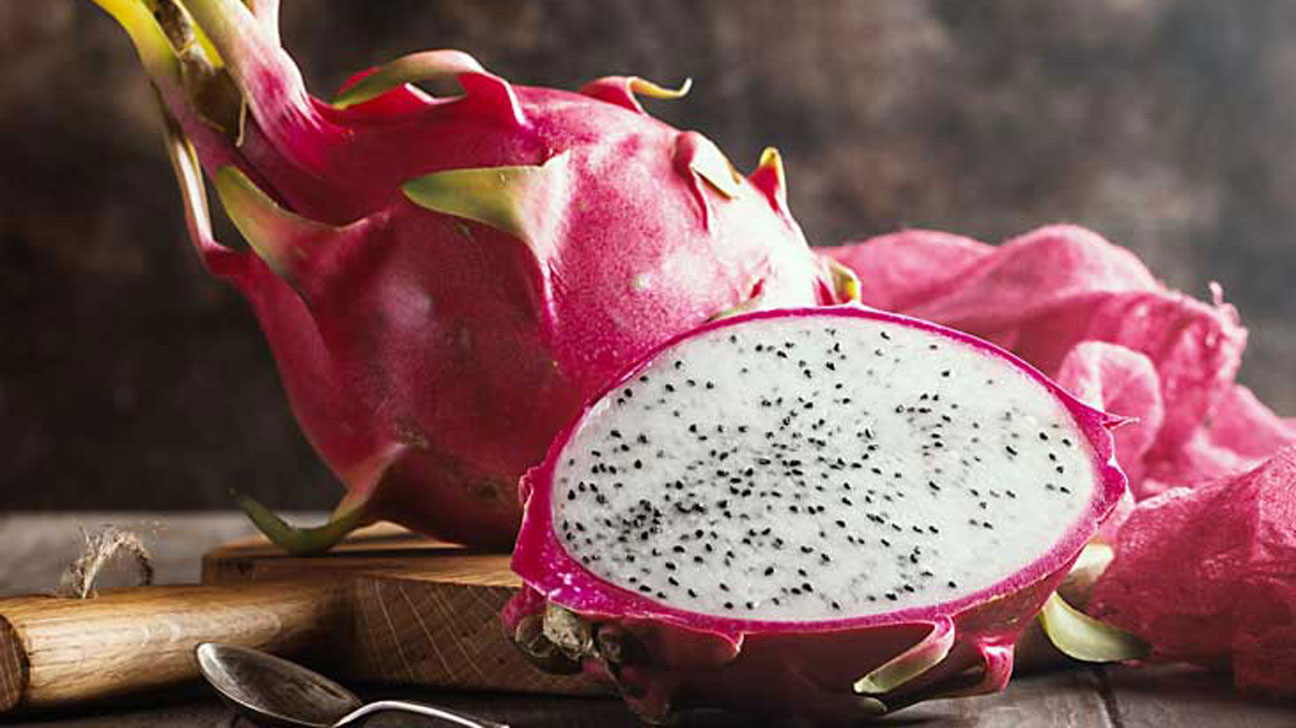
    China is expanding the cultivation of red-fleshed dragon fruit, which sells at lower prices than imports from Vietnam.

    Last year, it said it grew the fruit on 67,000 hectares and produced 1.6 million tons, which exceeded Vietnam’s output.

    The People’s Daily newspaper reported that farmers in Cixi in Zhejiang Province in eastern China worked all night to pollinate dragon fruit, ensuring a bumper crop artificially.

    Chinese news site Produce Report said July-August is the peak season for the fruit, and in Guangxi, the largest producer in the country, dragon fruit prices have dropped to record lows.

    Red-fleshed dragon fruit is selling at some seven renminbi (nearly US$1) per kilogram and white-fleshed dragon fruit imported from Vietnam at around nine renminbi in Nanning, the capital of Guangxi.

    The local produce has also flooded markets in other Chinese localities, and mostly costs less than the Vietnamese imports.

    With the jump in domestic production, imports from Vietnam are falling.

    According to data from China Customs, 206,000 tons had been imported in the first half of this year, mostly from Vietnam, for 1.37 billion renminbi ($187 million), a year-on-year decrease of 50.4% and 42.9% and the lowest levels in nearly a decade.

    In August, Vietnam’s dragon fruit exports were down 20.5% year-on-year and 34% from July to $40.6 million. Exports in the first eight months declined 4.4% year-on-year to $442 million. In the first eight months, red-fleshed dragon fruit exports to China dropped by 36.5%.

    The director of a dragon fruit export company in the central Binh Thuan Province said while dragon fruit has always been a key export item with annual shipments exceeding $1 billion, they have been sluggish this year.

    Nguyen Dinh Tung, general director of Vina T&T Export-Import Service Trading Company, said exporting dragon fruit to China is not as lucrative as before. The U.S., Canada and Mexico have also started growing the fruit, causing Vietnam’s exports to them to shrink.

    Dang Phuc Nguyen, general secretary of the Vietnam Fruit and Vegetable Association, said the dragon fruit supply chain faces two challenges.

    Farmers overuse pesticides, whose residues exceed prescribed levels and fail to not meet food safety regulations in some countries, he said.

    After harvest, the fruit needs to be preserved properly to ensure quality, but Vietnam has limited technology for this, and could only preserve it for less than 60 days, making exports by sea to distant countries difficult, he said.

    Businesses need to persuade research institutions to create better preservation technologies, he added.

    Experts have called on authorities in dragon fruit-growing areas not to expand the area under the fruit, but to replace existing plants to improve productivity and quality.

    “Bedsides, processing facilities need to research into using dragon fruit in cosmetic products such as facial masks and skin creams for both domestic consumption and export like South American countries have done,” Nguyen said.

  • Jollibee Singapore opens first drive-thru store

    Jollibee Singapore opens first drive-thru store

    Jollibee Singapore has opened its 20th location in Singapore – and its first in the city to feature a drive-thru service – at Caltex Jurong Spring station.

    “This milestone coincides with our 10th anniversary in Singapore, during which time we have expanded from a single outlet in Lucky Plaza to 20 stores across the country, growing our consumer base from serving primarily Filipinos, to now serving the mainstream Singaporean market who comprise the predominant majority of our customers today,” said Dennis Flores, president of Jollibee Europe, Middle East, Asia and Australia.

    The launch of Singapore’s first drive-thru restaurant follows the recent opening of a Jollibee store in neighbouring Malaysia, its 10th in the country, located at the Kuala Lumpur International Airport.

    Jollibee launched 38 locations internationally in the first half of 2023, with 23 of them located outside of the Philippines.

    Last month, Jollibee Foods Corporation (JFC) completed the acquisition of a 60 per cent stake in Jollibee Hong Kong’s master franchisee Meko Holdings Limited, which is valued at US$16.08 million.

  • Bonanza for sweet potato farmers as prices double

    Bonanza for sweet potato farmers as prices double

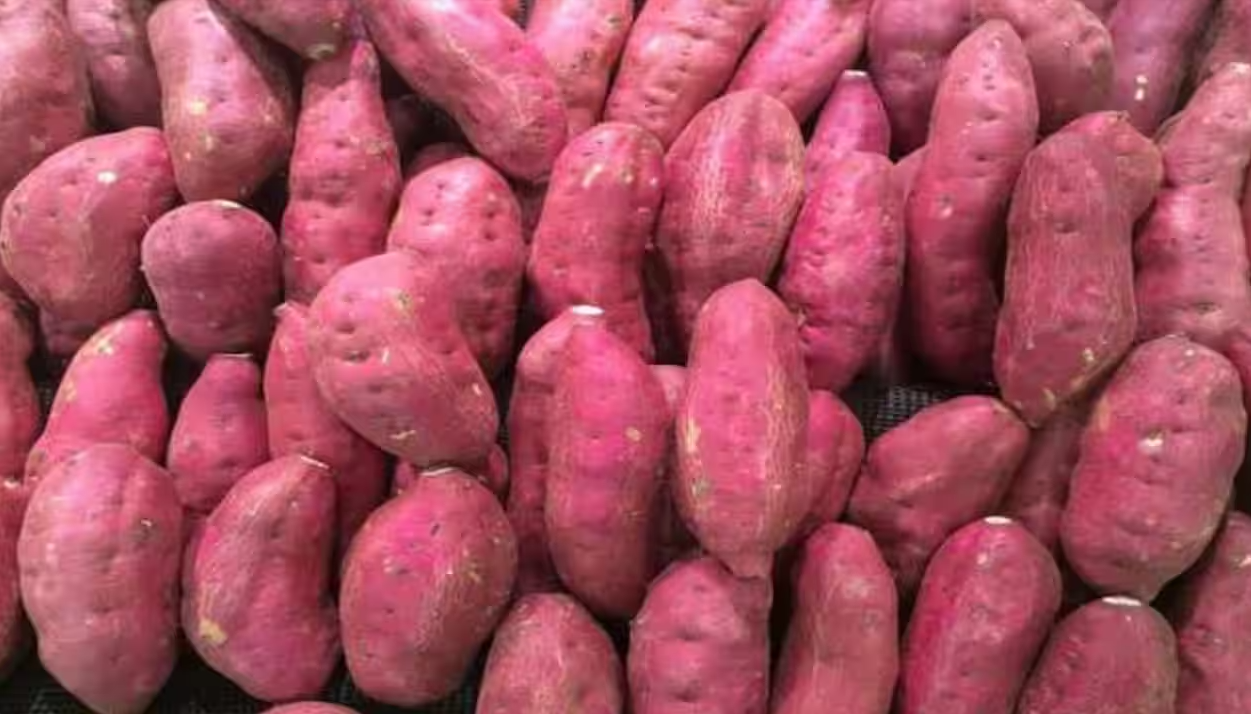
    Sweet-potato growers in the Central Highlands are enjoying a windfall as prices have doubled from last year to VND15,000–20,000 ($0.61-0.82) per kilogram on higher demand and declining output.

    Hoa, a farmer in Kon Tum who has three hectares of land, said last week he harvested 12 tons of Le Can sweet potato on one hectare, and, at VND18,000 per kilogram for type 1 quality and VND13,000 for type 2, made a profit of VND100 million.

    “I have two hectares left to harvest in a month. If prices stay this high, the harvest this year will benefit my family greatly.”

    Luong, who has been growing Japanese sweet potato for 10 years in Gia Lai, said though her yield was below expectations, she would still harvest 40 tons on her two hectares of land. Thanks to the higher prices, her profits this year might reach VND400 million.

    Thanh Mai, a trader who buys Central Highlands sweet potatoes, said when prices were VND8,000–10,000, farmers either made losses or low profits, but this year prices have doubled.

    They fetch farmers VND80–100 million profits per hectare, rising to VND100–200 million in the case of Japanese sweet potato, she said.

    She said most growers in the Central Highlands are getting high prices of VND14,000-20,000 per kilogram. This year the sweet potato is also of higher quality, he added.

    Traders said demand is higher in both the domestic and export markets, but supply is low since farmers are planting less than before.

    >General Secretary of the Vietnam Fruit and Vegetable Association Dang Phuc Nguyen, said China’s new quarantine requirement for Vietnamese sweet potatoes since late last year has driven up their prices.

    The first batch of sweet potatoes was exported to China at the end of April.

    According to its Department of Agriculture and Rural Development, Gia Lai Province has around 5,000 ha under sweet potato.

    Dak Lak has 10,000 ha. Its output is estimated at nearly 300,000 tons this year, with growing zones with area codes allotted accounting for 50,000 tons. Farmers have completed around 50% of the harvest.

  • Indonesian cafe chain Kenangan Coffee enters Singapore

    Indonesian cafe chain Kenangan Coffee enters Singapore

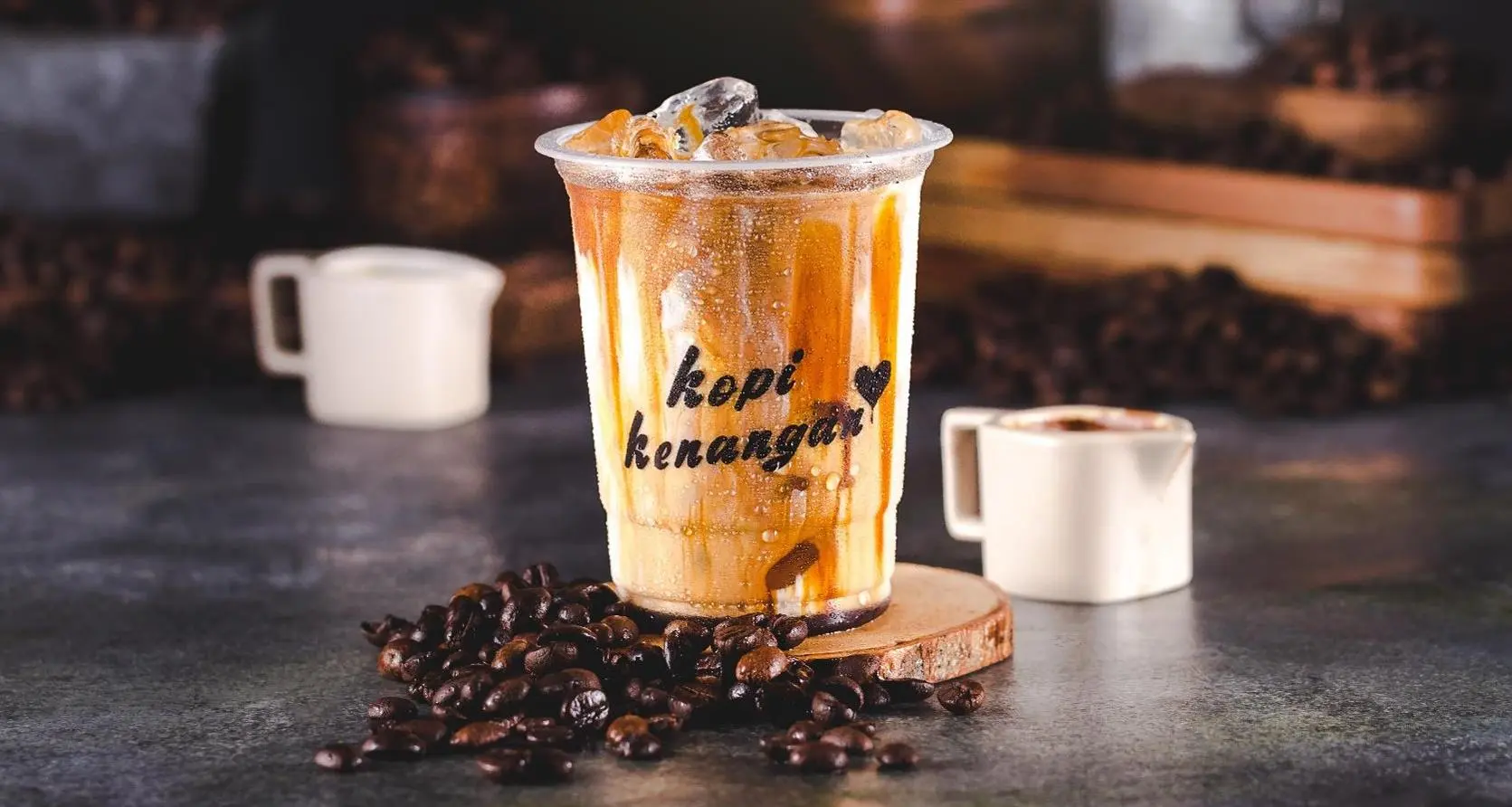
    F&B unicorn Kopi Kenangan, known as Kenangan Coffee outside Indonesia, has expanded its footprint into Singapore, opening its first store at Raffles City Shopping Centre.

    The Singapore expansion follows Kenangan Coffee’s international debut last year in Malaysia, where it currently has more than 20 stores.

    “The profound love that Singaporeans have for coffee, from kopitiams to contemporary cafes, inspired Kenangan Coffee’s leap into this vibrant market,” said Edward Tirtanata, group CEO and co-founder of Kenangan Coffee. “The city’s diversity and its global F&B prominence make our expansion here a pivotal milestone.”

    The company said it plans to expand its presence to other Southeast Asian countries before expanding globally.

    “…We aspire to be the most-loved consumer brand in Southeast Asia, and Singapore will be a key foothold in helping us achieve this mission,” said James Prananto, co-CEO and co-founder of Kenangan Coffee.

    Kopi Kenangan became the first F&B unicorn in Southeast Asia early last year after raising US$96 million in a Series C funding round, which valued the company at more than $1 billion. The coffee chain, founded in 2017 by Tirtanatam, Prananto, and Cynthia Chaerunnisa, has more than 900 stores across Malaysia, Singapore and Indonesia.

  • Ampersand Projects launches new purple gin soda

    Ampersand Projects launches new purple gin soda

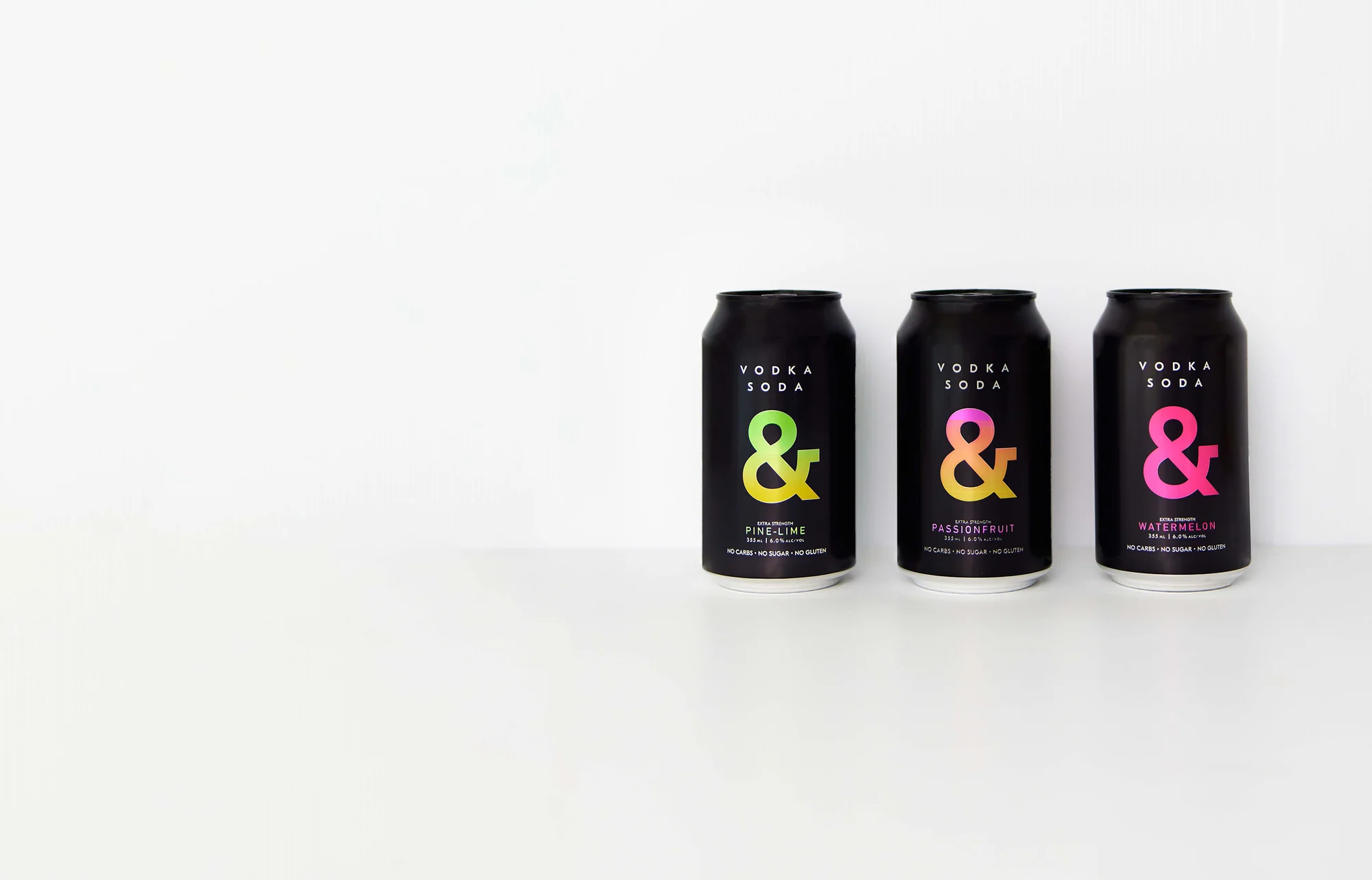
    Victoria-based spirit company Ampersand Projects has expanded its ready-to-drink gin offerings with a new product dubbed ‘Purple Gin Soda &’.

    The launch of Purple Gin Soda & comes after the release of its Pink Gin Soda & in 2020. Its alcohol level is at 6 percent. The packaging features a minimalist purple colour theme.

    The company said the new gin line combines locally distilled gin with “bright and vibrant” blackcurrant flavors and sparkling soda water.

    Purple Gin Soda & is sugar-free, carb-free, and gluten-free.

    The new Purple Gin Soda & is priced at $26.99 for a 4-pack and is available to purchase at BWS, Dan Murphy’s, and independent bottle shops around Australia.

    Ampersand Projects was founded in 2018 in NSW by Alex Bottomley and Marcus Kellett. The company was nominated for the Startup Award at the Sydney Young Entrepreneur Awards 2019.