Category: Food

Retail News Asia is committed to providing both local and global retailers with the latest Food and Food & Beverage news throughout the Asian market. This on a daily base.

  • Asahi Beverages appoints Amanda Sellers as new group CEO

    Asahi Beverages appoints Amanda Sellers as new group CEO

    Asahi Group Holdings has named Amanda Sellers as the new group CEO of Asahi Beverages, the company’s Oceania business.

    Sellers has been the Group’s interim CEO since June, following the resignation of the previous CEO, Robert Iervasi.

    “The board of Asahi Group Holdings has huge confidence in Amanda’s ability to continue with the impressive growth trajectory of our business in Oceania while also delivering our sustainability commitments and setting us up for long-term success in Australia and New  Zealand,” said Atsushi Katsuki, president and CEO, Asahi Group Holdings.

    Sellers has been working as the CFO for Asahi Beverages for almost five years. She has more than 20 years of experience in the beverages industry and has held senior positions at Treasury Wines, where she served as CFO for Asia and Europe and previously as CFO for Australia and New Zealand.

    With her appointment, Sellers has become the first woman to hold the CEO position of a regional headquarters within the Asahi Group.

    “As interim group CEO over the past six months, I’ve had the pleasure of getting to know our customers and suppliers much better,” said Sellers.

    “I’m confident that through these valued partnerships and the plans we’ve developed together, we’ll grow our businesses and deliver even more  for our consumers.”
  • Chinese tea chain Heytea expands into the US

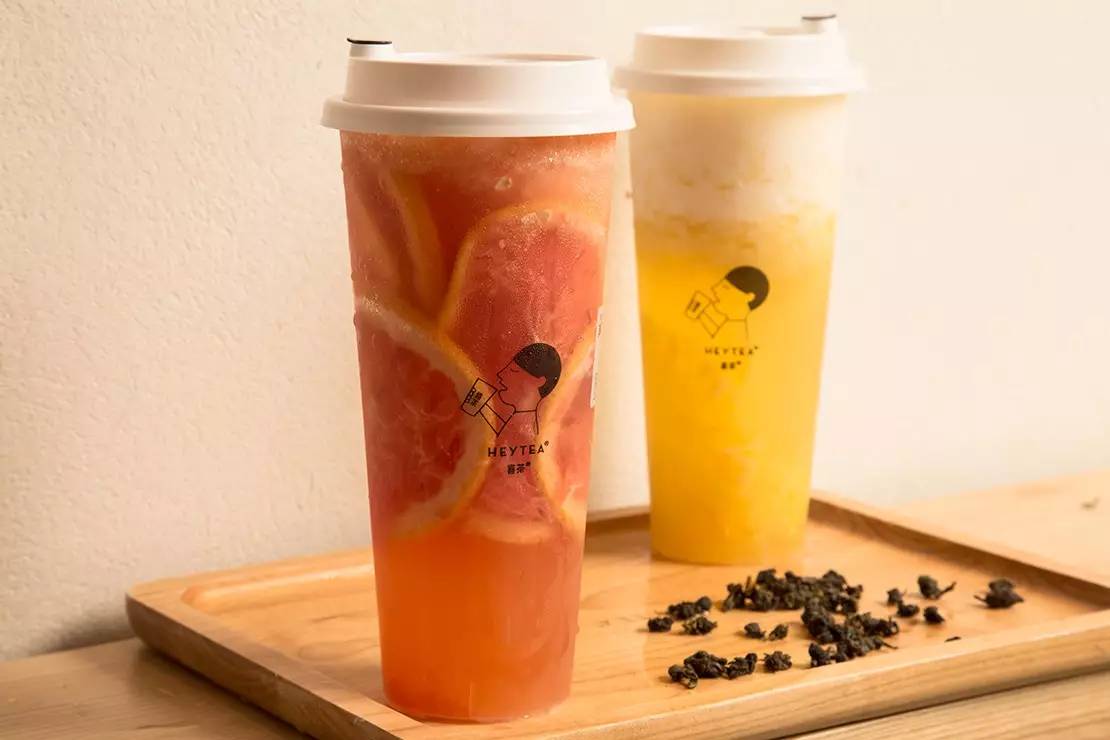
    Chinese tea chain Heytea expands into the US

    Chinese tea company Heytea has launched its first store in the US – in the heart of Broadway, New York, – as it continues its rapid international expansion, including into Malaysia, Australia, Canada, and London.

    The brand marked its US debut with a Times Square billboard and chose a location just a 10-minute walk from major New York landmarks.

    Heytea described its US entry as a success after selling 2500 cups at Broadway on opening day.

    “As the initial entry point for Heytea into the US market, New York City holds extraordinary significance for the growth of our brand,” said Yujia Gu, VP of strategy at Heytea.

    “By providing high-quality products and services, we aspire to deliver a joyful brand experience to consumers in NYC and beyond, contributing to the ongoing development of the US tea industry,” he said.

    By expressing their experiences on ‘Teaholics shared photos of the store on social media channels including TikTok and Instagram.

    Gu said the brand plans to keep expanding the tea market in the US.

    Established in 2012 and based in Jiangbianli, Guangdong, Heytea has 3000 stores worldwide.

  • Miracle Coffee opens flagship store in Singapore

    Miracle Coffee opens flagship store in Singapore

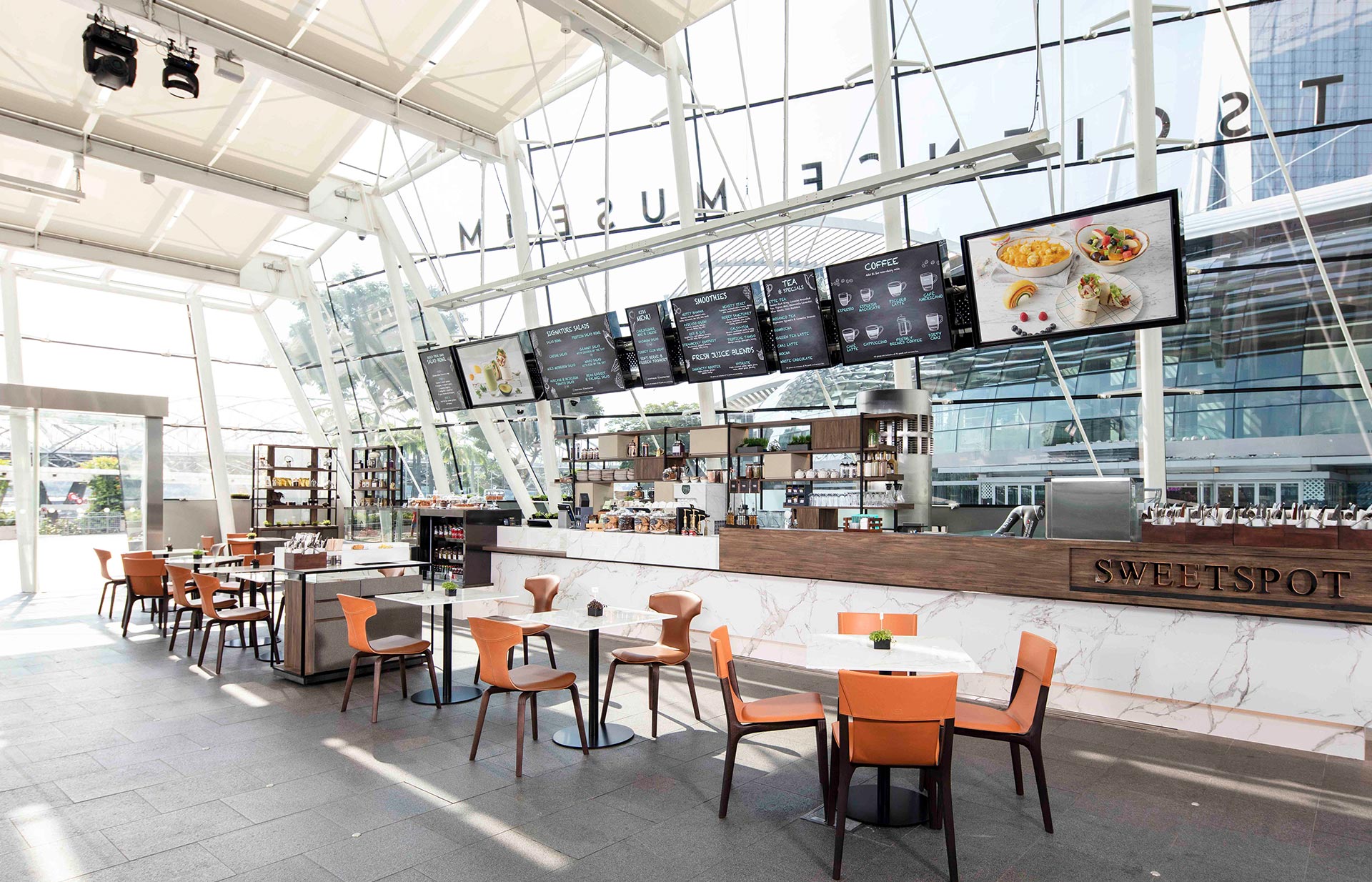
    Miracle Coffee has launched its flagship store in Singapore, succeeding the brand’s pop-up kiosk at the ArtScience Museum in Singapore’s Marina Bay Sands, which opened in September last year.

    The flagship location, created by Singapore firm Parable Studio, includes The Miracle Lab as a sharing platform to promote coffee and innovation conversations.

    Miracle Coffee, founded in 2017 by Singaporean musician JJ Lin, launched its first store in Taipei in 2017 and now has five locations in Taiwan and China.

    With a population of nearly 6 million, Singapore is an important market for foreign coffee brands due to its coffee-drinking culture. In the last 12 years, several coffee brands have arrived in the country, including Luckin Coffee, the South Korean business Compose Coffee, and Kenangan Coffee.

    However, in October, Singapore-based ‘tech-driven’ coffee business Flash Coffee closed all 11 outlets across the city-state, citing the need to “double down” on more promising areas.

  • Aldi partners with BrewDog for pop-up pub in Sydney

    Aldi partners with BrewDog for pop-up pub in Sydney

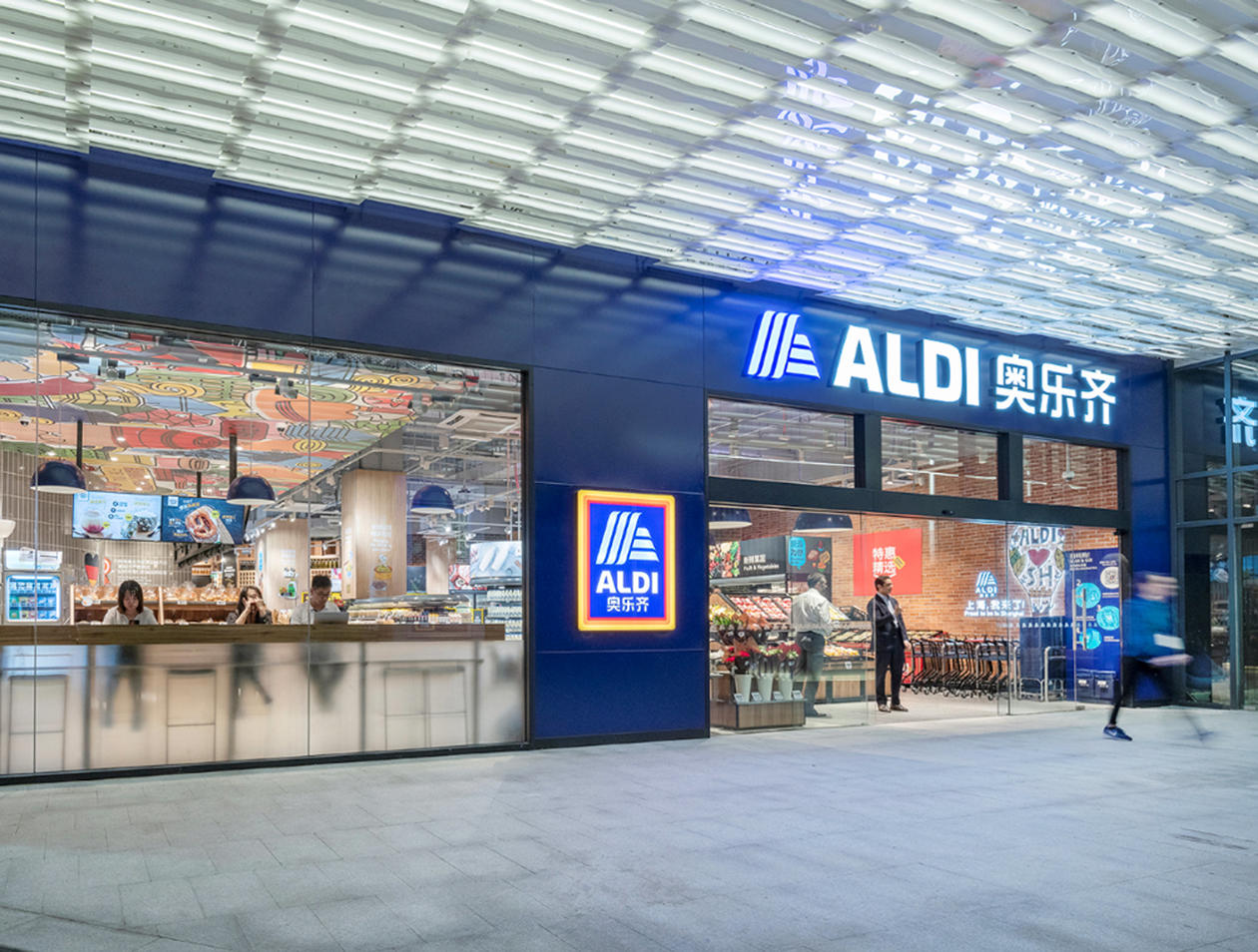
    Aldi Australia has partnered with Scottish craft beer company BrewDog to launch a pop-up pub in Sydney.

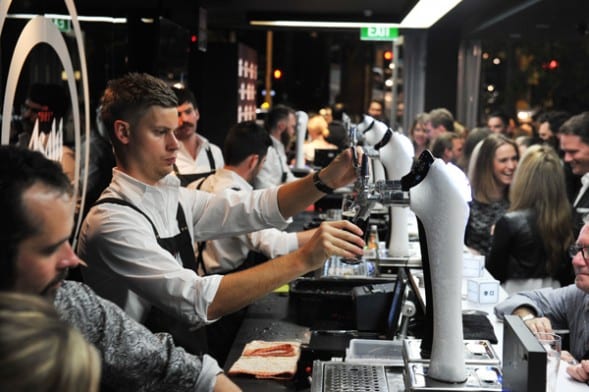
    The Special Brews by Aldi pub will open its doors at the Hotel Sweeney’s for one night only on December 13 and will offer a sneak peek at the limited-edition beer on sale at Aldi stores. It will also offer lower-priced craft beers, with the collaboration’s exclusive Ald IPA priced at $3.25 per can.

    Aside from drinks, the pop-up pub will offer custom merchandise and snacks. Customers can collect their punch card at the door and purchase up to three cans of Ald IPA, along with Aldi and BrewDog slinging limited-edition stubby holders and socks.

    “Aussies know Aldi for delivering the best value on everyday groceries, but we’re taking it further by delivering a night out in Sydney for under a tenner this holiday season,” said Paul Handley, buying director at Aldi.

    “We are excited to welcome patrons to this new experience and for Aussies to crack open the new Ald IPA.”

  • Pizza 4P’s opens its first store in Japan

    Pizza 4P’s opens its first store in Japan

    Vietnam-based artisan pizza business Pizza 4P’s has launched its first store in Japan, its second international expansion after Cambodia in 2021.

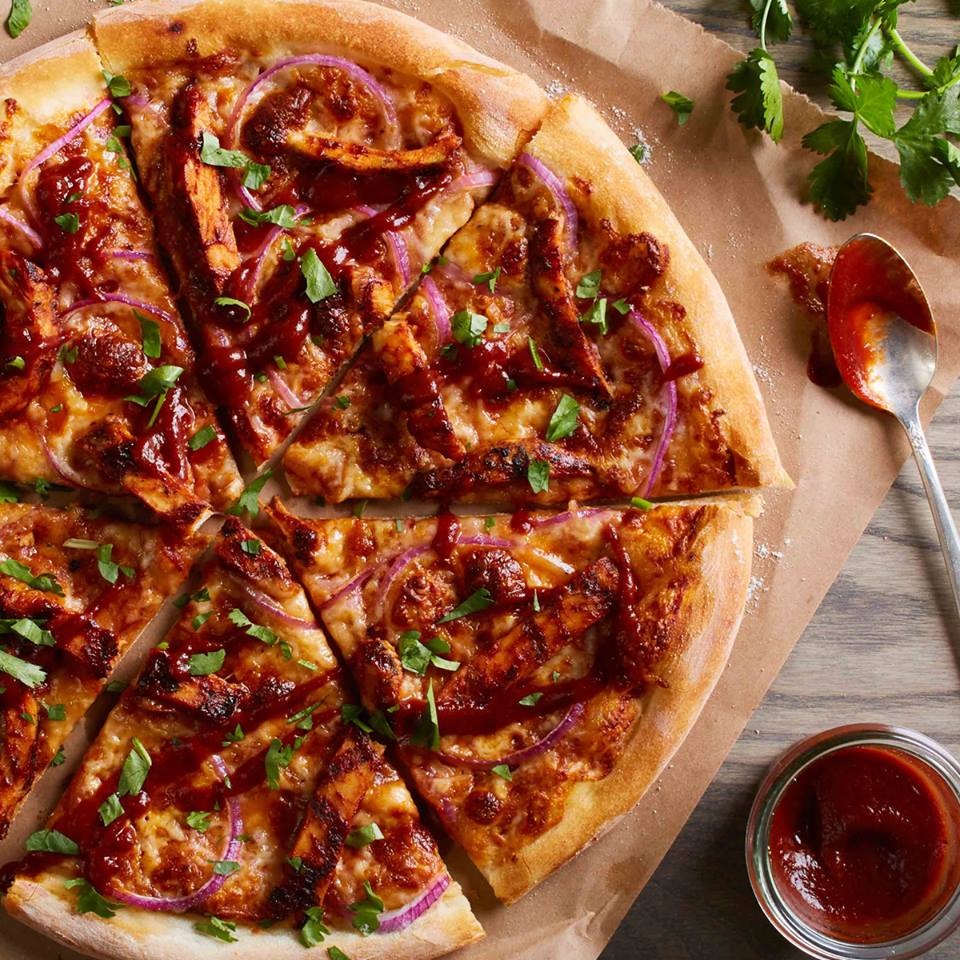
    Located in Tokyo, the store was designed by architecture firm Studio Dig and features handcrafted tiling with an earthy vibe and soft-form furniture. It’s lighting design and natural fibre cushions also provide a soft accent, symbolising the idea of “Earth to People – Oneness”.

    Following the Japan launch, Pizza 4P’s plans to open its first store in Bengaluru, India. The brand formally announced its debut on social media channels and began recruiting in October.

    Last year, Ho Chi Minh City-headquartered investment fund Mekong Capital sold its stake in the fast-growing pizza company. The business did not say who it sold the shares to or what its return on investment was in the company.

    Pizza 4P’s, headquartered in Ho Chi Minh City, was launched in 2011 by Japanese couple Yosuke and Sanae Masuko, with a single location serving wood-fired gourmet pizzas. It immediately gained a cult following among expats and locals; and by the time Mekong Capital invested in 2018, it had grown to eight locations.

    The company presently operates 39 stores in Vietnam and two in Cambodia. In addition, the company also manages global franchises such as Ippudo and About Life Coffee Brewers.

  • Rice export prices soar to new record

    Rice export prices soar to new record

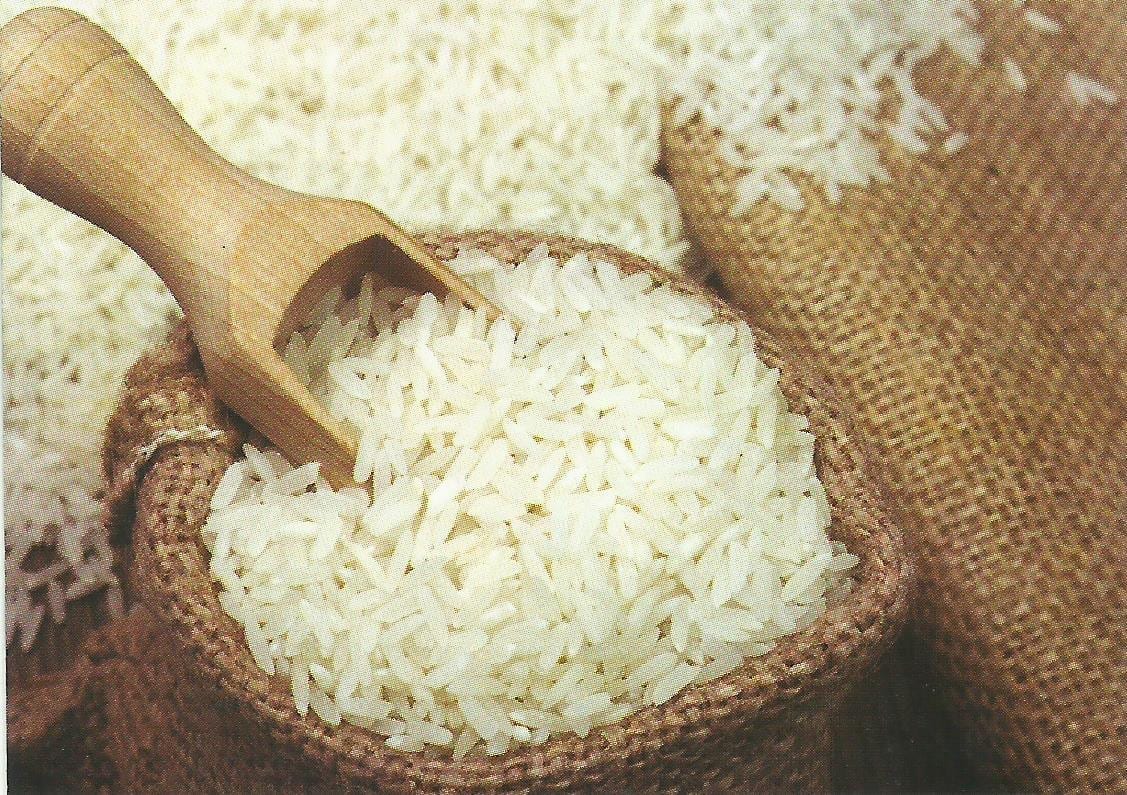
    Vietnam rice export prices have reached a new peak of US$663 per ton, the highest price in the world right now, amid rising global demand.

    On Monday prices rose 2% in a single day to $663. Rice from Vietnam’s competitor Thailand has also risen 8% in the last four weeks to $625 while Pakistan’s prices have risen 9% to $600.

    Traders say that rising global demand and declining supply in Vietnam are the reasons for the price hike.

    Dinh Ngoc Tam, deputy CEO of rice exporter Co May, said that India, which used to account for 40% of the global rice market, has not shown any sign of lifting its non-basmati white rice export ban since July.

    Concerns of trade restrictions and the impact of El Nino weather have prompted countries to increase their purchase to pump up reserves, which has sent export prices skyward.

    Up to 90% of Vietnam’s rice varieties are high quality and the country has enough for both domestic needs and exports. It can ship up to 8 million tons globally this year, according to Deputy of Ministry of Agriculture and Rural Development Phung Duc Tien.

    In the first 11 months, Vietnam exported 7.75 million tons worth a total of $4.4 billion, up 36% in value. Many buyers from the Philippines, Indonesia and China are competing to buy the rice.

  • Coffee exports hoped to set new record

    Coffee exports hoped to set new record

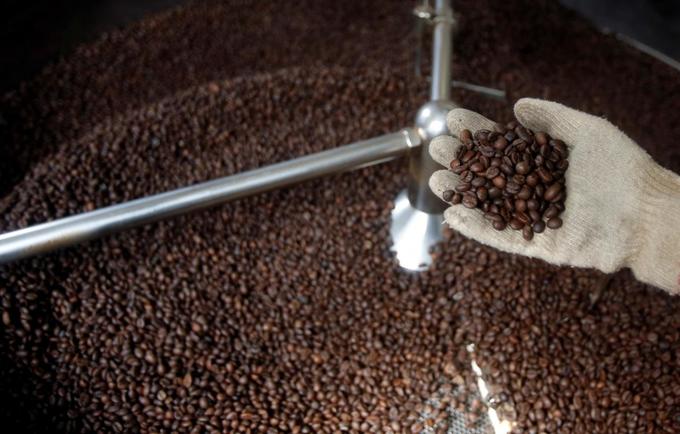
    Vietnam’s coffee exports in 2023 are expected to break the record of US$4 billion in export value set in the previous year.

    According to the Ministry of Agriculture and Rural Development, the country shipped 1.36 million tonnes of coffee abroad, earning nearly $3.5 billion.

    Vietnam entered the new 2023-2024 coffee crop which began in October, when the export price reached a record high, at $3,603 per tonne, up 8.9% month-on-month, and 40.7% year-on-year.

    With over 710,000 hectares, Vietnam ranks sixth in the world in terms of coffee farming area, but has the second biggest output thanks to high yields (1.75-1.85 million tonnes).

    However, out of the total area, only 185,000 hectares have received sustainable production certificates of different kinds.

    Experts advised localities to expand such areas to meet the strict requirements of international markets.

    At present, the E.U. is Vietnam’s biggest coffee importer, followed by the U.S. and Japan. Although coffee exports to China do not account for a high proportion, many Vietnamese businesses are paying much attention to this market which has an average increase of more than 25% per year in imports.

    However, this is also a highly competitive market, requiring businesses to invest in diversifying specialty coffee products and processed coffee, and to meet strict quality standards.

    Coffee market expert Nguyen Quang Binh analysed that currently, major markets such as the E.U. and the U.S. are changing their consumption demand from importing coffee beans to processed coffee. Therefore, Vietnam must also prioritise investment in deep processing facilities to increase the value of coffee products and aim for sustainable development.

  • Chinese bubble tea chain Heytea arrives in Malaysia

    Chinese bubble tea chain Heytea arrives in Malaysia

    Chinese tea brand Heytea has opened its first store at Kuala Lumpur’s newly-opened shopping destination, The Exchange TRX, as part of Heytea’s ambition to have a larger footprint in the country.

    The new store takes over an 80sqm space of the shopping mall’s Level C.

    The Malaysia launch, which the company described as its “important business destination in Southeast Asia,” follows Heytea’s entry into the UK on London’s Shaftesbury Avenue earlier this year. Malaysia also marks Heytea’s second Southeast Asian market after Singapore, where it entered in 2018.

    The company is also plotting its US debut, with the first store scheduled to open in Manhattan this month.

    Heytea is among the major retailers making market debuts at The Exchange TRX, including Japan’s Seibu department store, Gentle Monster, Shake Shack, and Drunk Elephant.

    Founded in 2012, the Shenzhen-headquartered tea chain is known for modern interior design and “new-generation Chinese tea drinks.”

  • PepsiCo loses tax fight with ATO

    PepsiCo loses tax fight with ATO

    PepsiCo has been ordered by the Federal Court to pay royalty withholding tax and, in the alternative, diverted products tax (DPT), which would apply.

    The first time it has been considered in court, DPT is a new tool to ensure large global businesses operating in the country are paying the correct amount of tax by the level of their economic activities.

    The tool was designed to prevent the diversion of profits offshore through contrived arrangements and imposes a 40 percent tax penalty rate to be paid upfront.

    It is a separate tax liability from income tax; therefore, a taxpayer may have an income tax assessment and DPT assessment for the same period.

    The Australian Taxation Office (ATO) has been targeting arrangements where royalty withholding tax has not been paid because payments have been mischaracterized, mainly for using intangible assets, such as trademarks.

    “The PepsiCo matter is a lead case for our strategy to target arrangements where royalty withholding tax should have been paid,” remarked Deputy Commissioner Rebecca Saint.

    “While there may still be more to play out in this matter, it sends strong signals to other businesses with similar arrangements to review and consider their tax outcomes.”

    The Tax Avoidance Taskforce (TAT) focuses on multinational tax avoidance and profit shifting. Most large businesses are meeting their tax obligations; however, the ATO said it will continue to use all the tools to challenge those who don’t.

    Since 2016, the TAT has secured more than $27.7 billion in additional tax revenue from multinational enterprises and large public and private businesses (up to 31 August this year).

  • Kraft US launches plant-based Mac & Cheese

    Kraft US launches plant-based Mac & Cheese

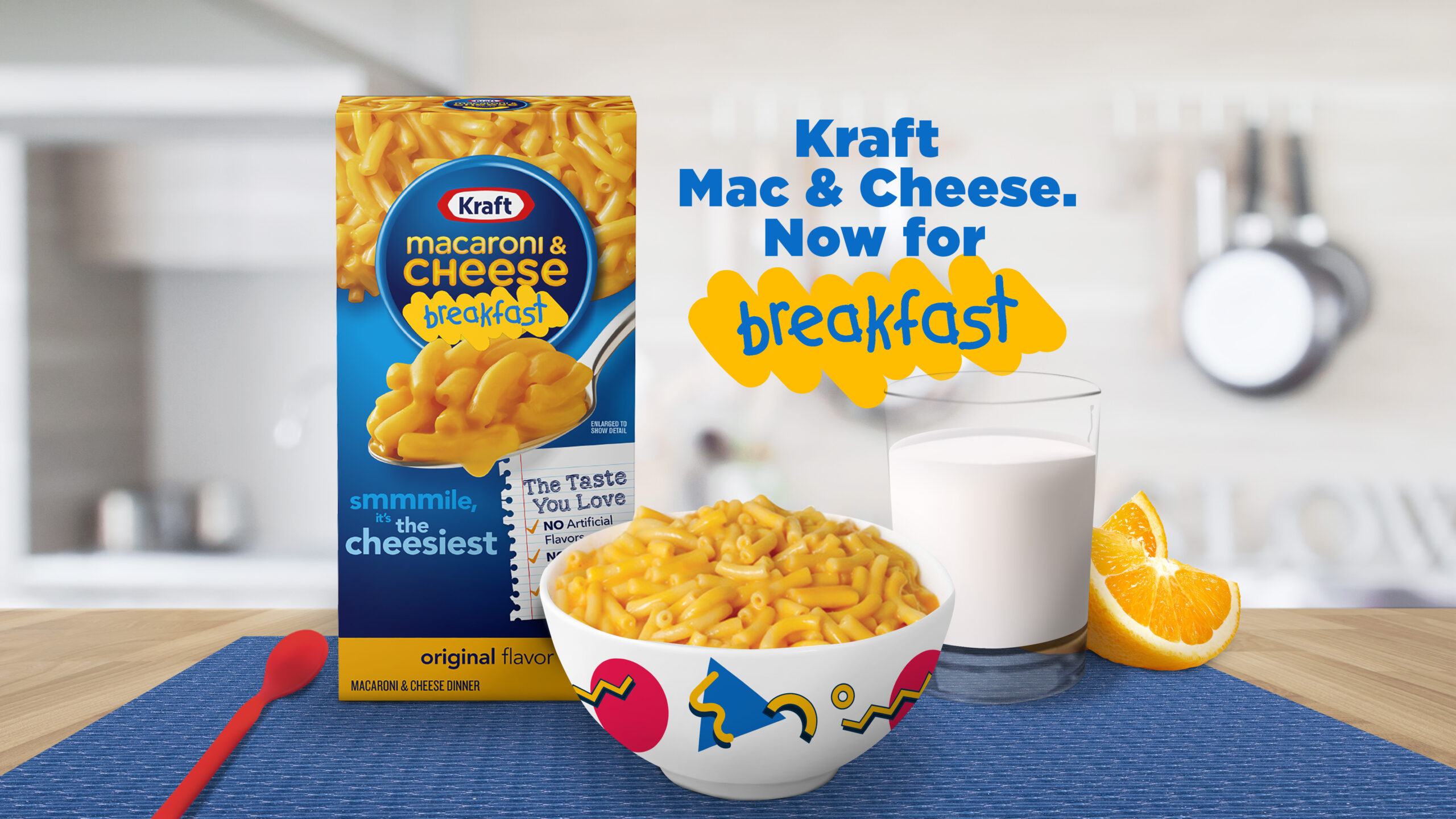
    Kraft US has launched its first plant-based Mac & Cheese, strengthening its plant-based portfolio in the market.

    The range features Original and White Cheddar flavors and is available now nationwide through early next year.

    Kraft NotMac&Cheese is an example of the brand’s plan to expand its portfolio of plant-based solutions across a broad range of categories.

    “The Kraft Heinz Not Company creates plant-based versions of fan-favorite foods that taste like the real thing, yet don’t require people to change their eating habits drastically,” said Lucho Lopez-May, CEO of Kraft Heinz Not Company.

    “NotCo brings its revolutionary AI technology that has a proven track record in creating mouthwatering plant-based foods to Kraft – the beloved mac & cheese brand that sells over a million boxes daily.”

    In addition, the introduction expands on The Kraft Heinz Not Company’s existing plant-based options, which include Kraft NotCheese Slices and NotMayo. The Kraft Heinz Company plans to expand into five additional categories and begin worldwide operations next year.

  • King orange prices hit new low as demand slumps

    King orange prices hit new low as demand slumps

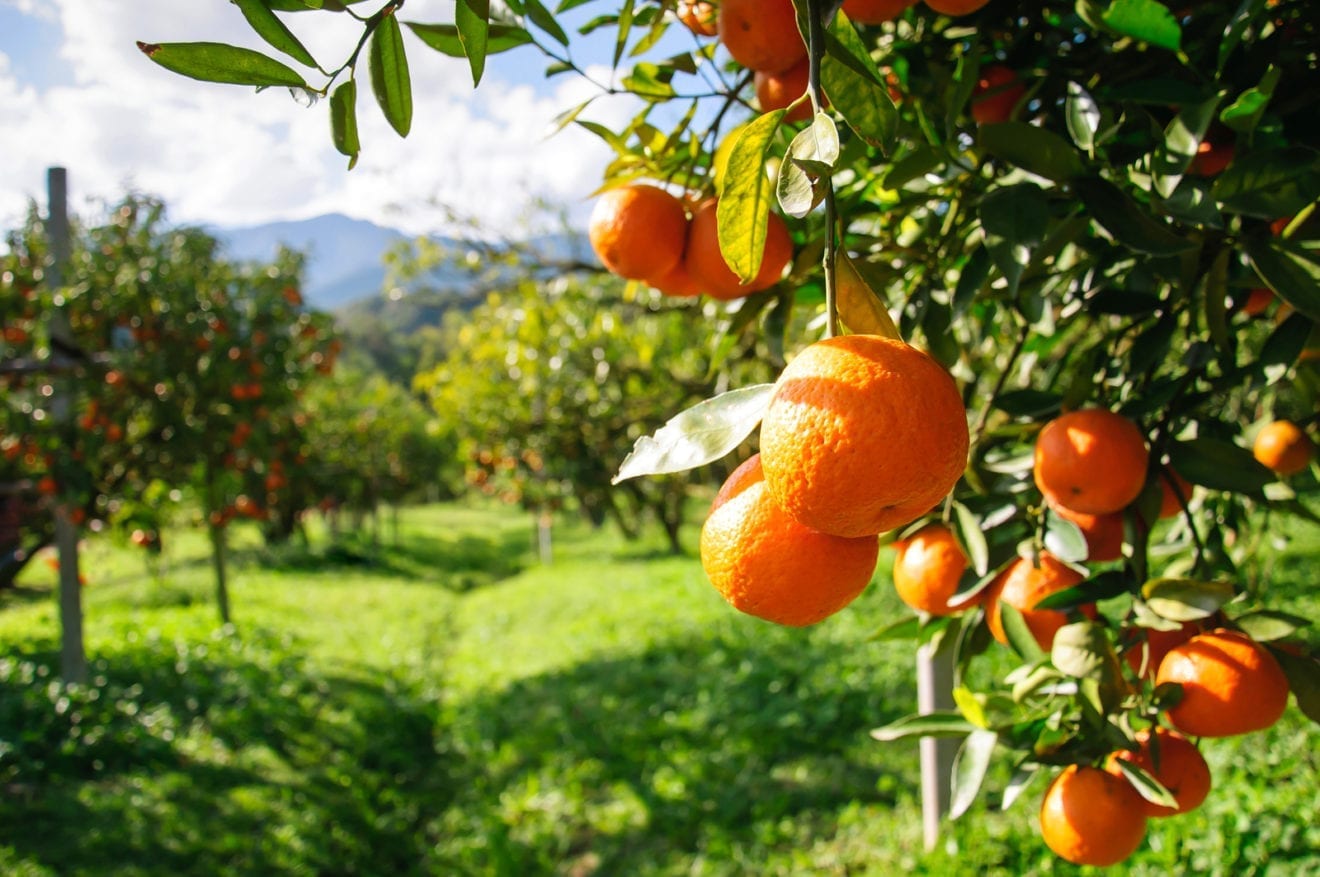
    King orange prices have sunk to VND2,000-4,000 (US$0.08-0.16) per kilogram at the farm gate, half it’s previous lowest reached in June, but still, not many merchants are buying the fruit.

    Oanh, who owns an orchard in southern Dong Nai Province, says she recently harvested three tonnes of oranges but could not sell them.

    Since they had already ripened, she had to lower her price to VND2,000-3,000 a kilogram to try and sell them before they rotted, resulting in a marginal loss.

    Similarly, Thanh’s orange orchard in southern Vinh Long Province, too, made a small loss.

    “My family will not have enough money for the next crop,” he sighs.

    At traditional markets and on online stores in HCMC, king orange prices are at an all-time low. Merchants are selling it at VND8,000 or even cheaper, at VND7,000, when bought in bulk.

    But the low prices have not helped improve demand.

    Loan, who runs a fruit store on Pham Van Chieu Street, HCMC, says sales are 30% down.

    Many merchants say the orange also has to compete with better alternatives like the Vinh variety, whose harvest is 10-15% more than last year, and other cheap fruits imported from China.

    “In the last three days I have only sold a few dozen kilograms of king oranges. So I have stopped buying them and switched to tangerine and Vinh orange, both of which are more in demand,” Loan says.

    Nguyen Huong, a merchant in HCMC who usually buys king oranges in Vinh Long, says: “Last year I sold 3-5 tonnes a day, but only 1-1.5 tonnes this year.”

    In HCMC’s Tam Binh District, type 1, the highest quality, is sold at VND4,000, type 2 at VND3,000 and bulk price at VND2,000, according to a report by the Vinh Long Department of Agriculture and Rural Development.

    It explains that demand for the fruit has decreased sharply while stocks have been piling up due to excessive supply.

    According to agriculture departments in the Mekong Delta, stocks have reached millions of tonnes, including one million tonnes in Vinh Long alone.

    Bitterly about last season’s losses, farmers have been growing king oranges perfunctorily, leading to distorted products that drag down prices even further.

    Agriculture departments in the Mekong Delta are working to promote the fruit in HCMC’s industrial zones, Binh Duong and the north, encouraging food processing businesses to use it as an ingredient in making new products.

    Since May, the Ministry of Agriculture and Rural Development’s crop production department has been discussing quality standards with Chinese regulators to export citrus fruits to their country.

  • Japan destroys five tons of durian, chili from Vietnam

    Japan destroys five tons of durian, chili from Vietnam

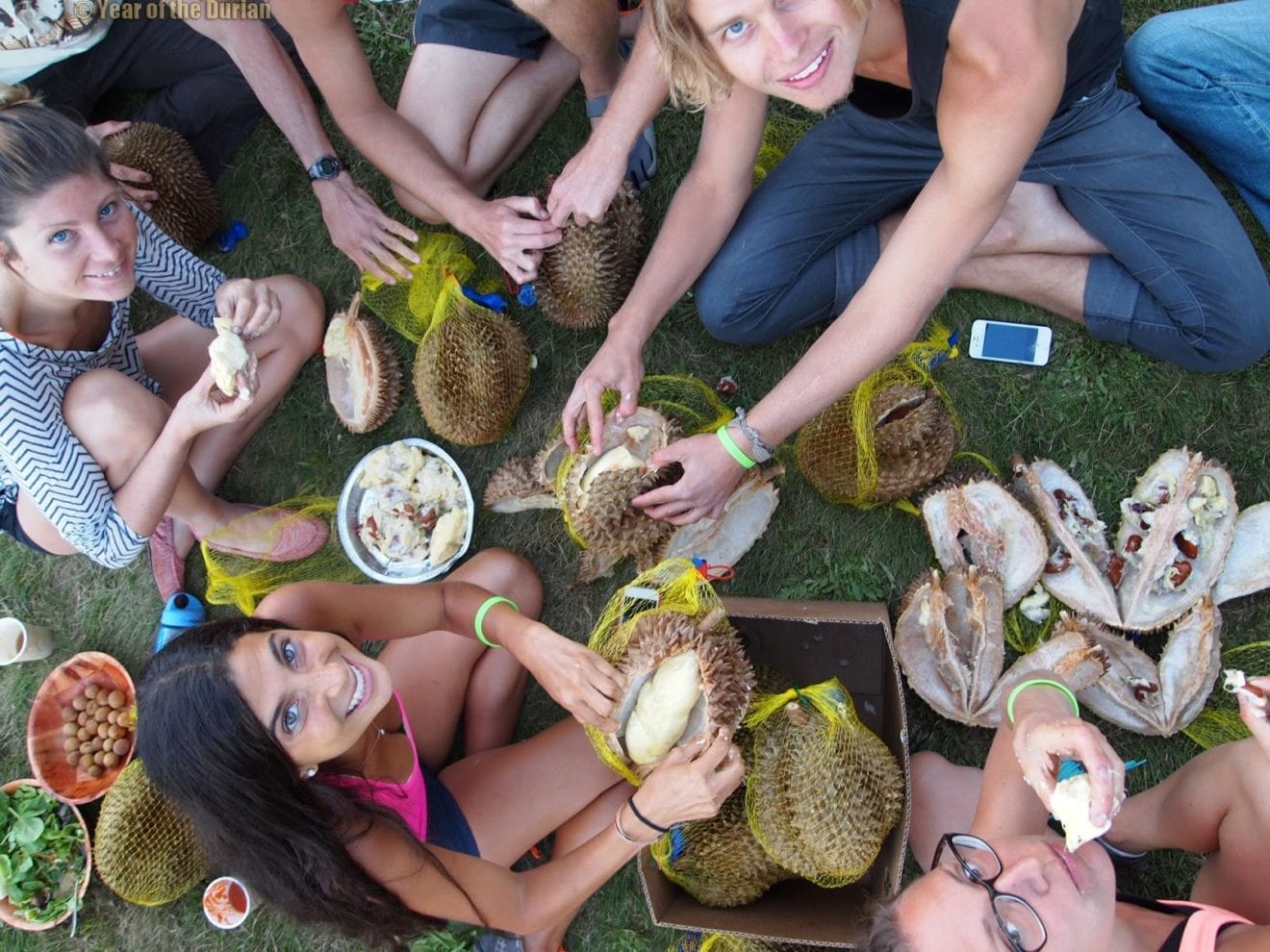
    In October, over five tons of Vietnamese durian and chili were destroyed in Japan for containing a higher dose of pesticide than the country’s standard.

    The batch of 1.4 tons of durian was exported on Oct. 5 by a company in Vietnam to Japan, where it was found to contain 0.03 parts per million (ppm) of procymidone over the Japanese standard of 0.01 ppm, according to a recent report by the commercial counselor of Vietnam in Japan.

    The batch of 4 tons of chili contained 0.2 ppm of tricyclazole and 0.03 ppm of hexaconazole against the standards of 0.01 ppm for both.

    Japanese quarantine authorities destroyed all the produce.

    Procymidone is used to kill unwanted ferns. Tricyclazole kills fungus, and hexaconazole prevents powdery mildew and other diseases.

    Do Van Dung, head of the community health faculty at Ho Chi Minh City University of Medicine and Pharmacy, said that the three pesticides are approved in many countries, and their harmful effects have only been researched on animals.

    It is, therefore, normal for these pesticides to be present on produce exported to Japan, and the fact that they exceeded Japanese standards does not mean that they would harm Vietnamese consumers.

    Some countries, such as Australia, allow a procymidone level in garlic by up to 5 milligrams per kilogram against Japan’s 0.1 mg/kg.

    Ta Duc Minh, the commercial counselor of Vietnam in Japan, said that he has informed Vietnamese authorities to prevent a similar incident.

    Many other developed countries also fail to meet Japan’s standards from time to time as this is a difficult market that requires high quality.

    Japan was Vietnam’s third biggest export market of agriculture, forestry and seafood in the first 10 months, accounting for 7.4% of the total.

    Vegetables and fruits exports rose 6.6% year-on-year to $150 million.

    Durian exports to Japan fell 12.3% year-on-year to $1.3 million.

  • Vietnam secures title for World’s Best Rice

    Vietnam secures title for World’s Best Rice

    Vietnam has been named the winner of the World’s Best Rice Contest for the second time, with six varieties, including the renowned ST25.

    The six varieties were submitted by two each from three companies: Ho Quang Tri Private Company, Loc Troi and Thaibinh Seed.

    They include the ST25 rice developed by farmer-scientist Ho Quang Tri which won the same contest in 2019.

    The organizer did not give an award for one specific variety this year but instead awarded a country as a whole. Cambodia came second and India third.

    30 rice samples were submitted by more than 10 countries for this contest.

    ST25 rice is the result of 25 years of work by farmer-scientist Ho Quang Cua and his colleagues who cross-bred the premium fragrant rice of Soc Trang Province described as having a sweet taste and a hint of pineapple flavor.

    The World’s Best Rice Contest, hosted by the Philippines this year, is held annually since 2009 by U.S. firm The Rice Trader. Last year, Cambodia claimed the first place.

  • Vietnam calls on China to resume import of ornate rock lobsters

    Vietnam calls on China to resume import of ornate rock lobsters

    Minister of Industry and Trade Nguyen Hong Dien has urged China to consider resuming imports of ornate rock lobsters from Vietnam at an early date.

    He made the request Monday at the 12th meeting of the inter-governmental China-Vietnam Economic and Trade Cooperation Committee.

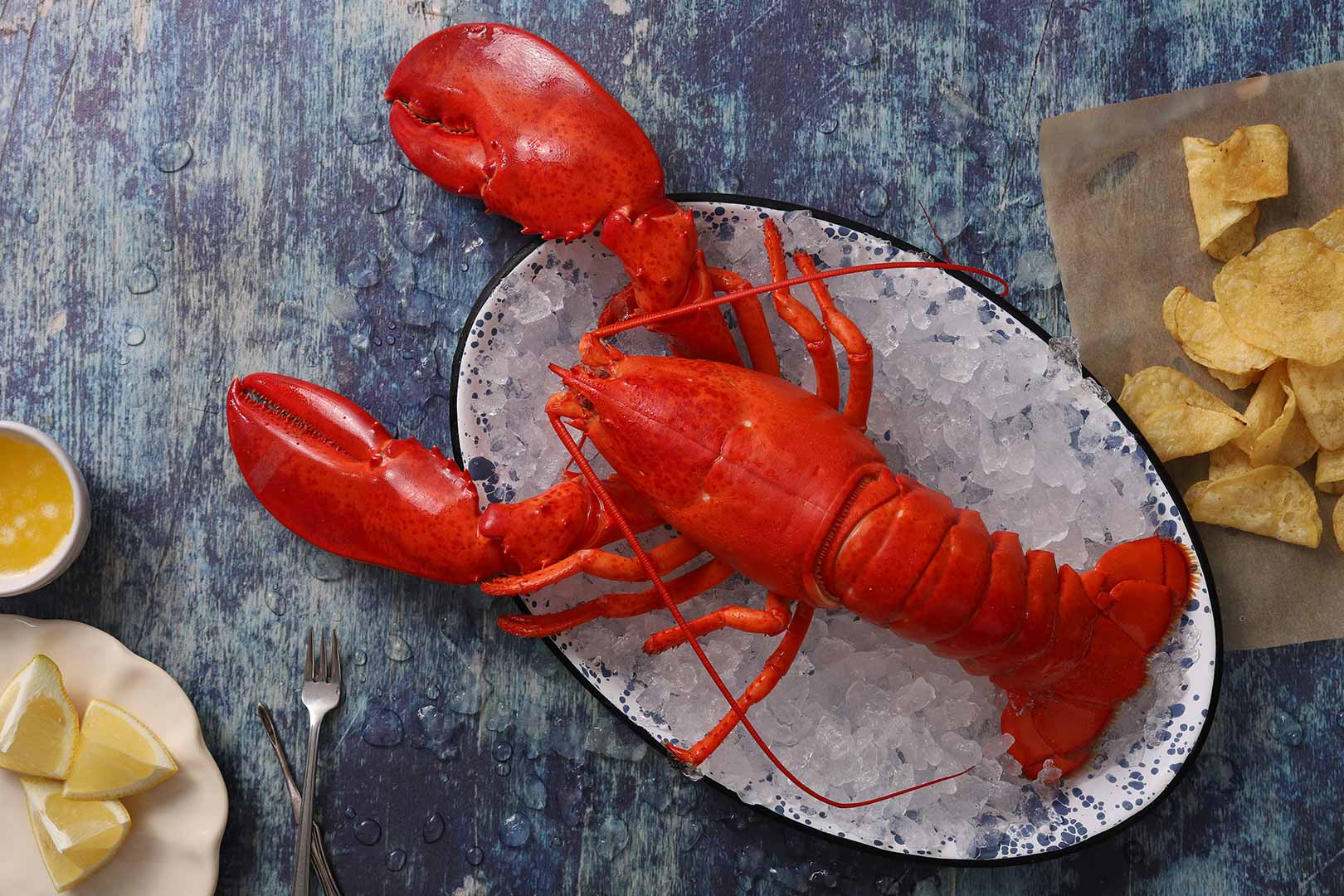
    Exports of the lobsters, one of Vietnam’s major seafood products, to China were stopped two months ago due to that country’s amendments to wildlife conservation laws that now require clear proof of the farming process, including using only second-generation (F2) lobsters raised in farms for breeding and not wild ones.

    Importers in China need to apply for a certification from its Bureau of Fisheries.

    Responding to the request, Chinese Commerce Minister Wang Wentao said Vietnamese ornate rock lobster farms and packing facilities need to register with China Customs.

    Relevant departments in both countries need to inspect and review businesses and aquaculture facilities that export the lobsters to China, he said further.

    He praised Vietnam for its high-quality agricultural products, citing the example of durian fruits, which make up nearly US$2 billion of its exports to China.

    Agricultural products from Vietnam are highly sought-after on Chinese e-commerce sites.

    Wang also said his ministry would help Vietnamese brands establish themselves in the Chinese market and work with Vietnam’s Ministry of Industry and Trade to set up an agency for promoting Vietnamese goods.

    Dien concurred with Wang’s suggestions and expressed Vietnam’s willingness to cooperate in setting up smart customs in Lang Son Province to expedite movement of goods and strengthen bilateral agricultural cooperation.

    China is Vietnam’s biggest trade partner, with their trade valued at $175.6 billion last year. Vietnam is China’s fourth biggest partner.

    The country is also one of the top importers of Vietnam ornate rock lobsters, but the recent legal hurdle has significantly affected their exports.

    In the year to August Vietnam had exported $76 million worth of ornate rock lobsters to China, a 42% year-on-year decline.

  • Tabasco teams up with IMG to broaden its offerings

    Tabasco teams up with IMG to broaden its offerings

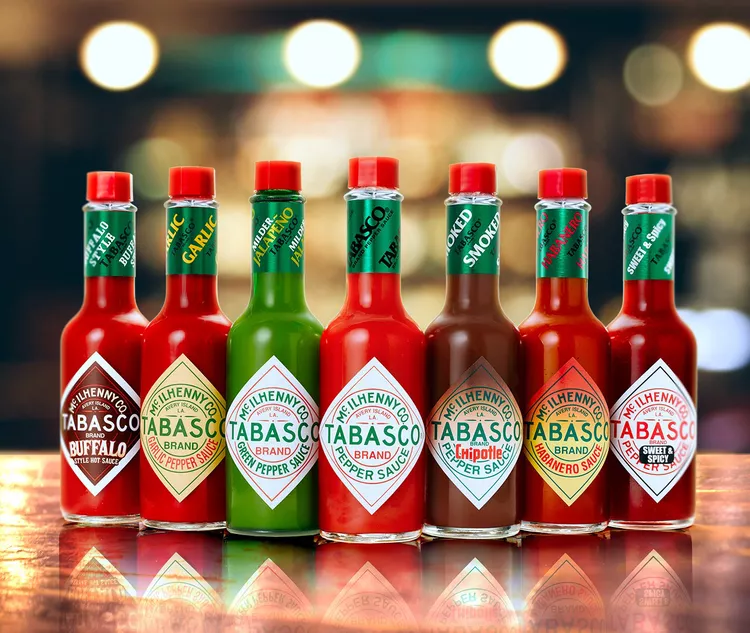
    McIlhenny Company – maker of Tabasco pepper sauces – has partnered with IMG, a global sports, fashion, and media business, to expand the brand into new product and service categories, as well as boost its consumer reach.

    Under the multi-year agreement, IMG will develop a wider range of Tabasco offerings to reflect the brand’s position in the global market. The company will also leverage Tabasco’s global footprint across food and lifestyle categories to encourage more consumers to connect with the brand.

    “Food and flavour can invoke strong human emotions and make powerful connections, as seen by the universal appeal and strong loyalty of the Tabasco Brand,” said Ricky Yoselevitz, SVP of licensing for IMG.

    “We are excited to help people embrace the Tabasco brand lifestyle by weaving these well-loved flavours and iconography into authentic new products and experiences.”

    Established in 1868, Tabasco is a globally recognised food brand sold in more than 195 countries and territories. It is known for its classic bottle with a diamond logo and signature red colour and has been a household name for generations.

    “IMG will bring its signature mix of global strategy and local expertise to leverage the power of the Tabasco brand into untapped product and service categories to help create new and meaningful connection points with our fans,” added Lee Susen, chief sales and marketing officer for McIlhenny Company.

    “We believe IMG will help us unlock new ways to engage with Tabasco sauce lovers worldwide, and we are very excited to welcome them to Team Tabasco.”