Category: Food

Retail News Asia is committed to providing both local and global retailers with the latest Food and Food & Beverage news throughout the Asian market. This on a daily base.

  • Gatorade enters new beverage category with ‘unflavoured’ water

    Gatorade enters new beverage category with ‘unflavoured’ water

    Sports drink brand Gatorade has introduced its first-ever ‘unflavored water’, Gatorade Water, entering a new category in the beverage market.

    While the idea of unflavoured water may sound amusing (because water has always been flavourless), the company said its product aims to meet the hydration needs of active people.

    Gatorade Water has a pH of 7.5 and is infused with electrolytes to provide a “refreshing and crisp taste”. Its bottles are also made from 100 per cent recycled plastic.

    “Today’s athletes are more wellness-minded than ever, and they expect Gatorade to meet all their hydration needs, 24/7,” said Anuj Bhasin, chief brand officer, of Gatorade.

    “Gatorade Water is an all-day hydration option for all active people, no matter who they are or how they move, from the leader in sports fuel that they know and trust.”

    Gatorade Water is available in the US currently, via Amazon or at gatorade.com.

  • Fruit, vegetable exports rise 38%

    Fruit, vegetable exports rise 38%

    Vietnam’s fruit and vegetable exports surged 38% to about $749.7 million in the first two months and is expected to peak at nearly US$7 billion this year.

    Durian alone would will bring in $3.5 billion after the Vietnamese Ministry of Agriculture and Rural Development and the General Administration of Customs of China signed a protocol on phytosanitary requirements for the Vietnamese fruit exported to the neighboring country last year, said Dang Phuc Nguyen, General Secretary of the Vietnam Fruit and Vegetable Association.

    Although shipments to Europe and the U.S. are forecast to be hindered by the Red Sea tension in the time ahead, exports to China will be boosted, driven by durian, dragon fruit, jackfruit, banana, and mango, he added.

    Deputy Minister of Agriculture and Rural Development Phung Duc Tien said four more Vietnamese products will be shipped to China via the official channel in the time ahead, comprising medicinal herb, coconut, frozen fruit, and watermelon, thus contributing greatly to Vietnam’s agricultural export revenue.

    According to statistics from the General Department of Customs, Vietnam’s fruit and vegetable export turnover hit an estimated $5.6 billion last year, up 66% year-on-year. Surpassing dragon fruit, durian recorded the highest export value.

    The largest importers of Vietnamese fruits and vegetables included China, the U.S., the Republic of Korea, Japan, Thailand, the Netherlands, Australia, the United Arab Emirates, and Russia.

    China remained the biggest buyer, with the import turnover reaching $3.7 billion in the year, up nearly 250% in value and 65% in market share compared to 2022.

  • Indonesian coffee chain Tomoro Coffee expands into Singapore

    Indonesian coffee chain Tomoro Coffee expands into Singapore

    Tomoro Coffee has opened its first location in Singapore as part of its ambition to become Southeast Asia’s largest coffee chain.

    The location is inside the Hon Sui Sen Memorial Library at NUS Business School, aiming to convey the brand’s dedication to quality and affordability.

    “In today’s coffee culture, we’ve noticed a growing trend where many, especially the younger generation, enjoy caffeine multiple times a day,” said CEO Star Yuan.

    “Whether savouring a single cup or seeking a refill, Tomoro Coffee aims to be the ultimate destination for all your caffeine cravings. We invite coffee enthusiasts of all ages to join the Tomoro experience.”

    The brand intends to further grow its footprint throughout the city-state and into the Philippines. Tomoro Coffee currently runs more than 400 locations in Indonesia and China.

  • Opportunity for Vietnam as Indonesia to import 1.6M tons more rice

    Opportunity for Vietnam as Indonesia to import 1.6M tons more rice

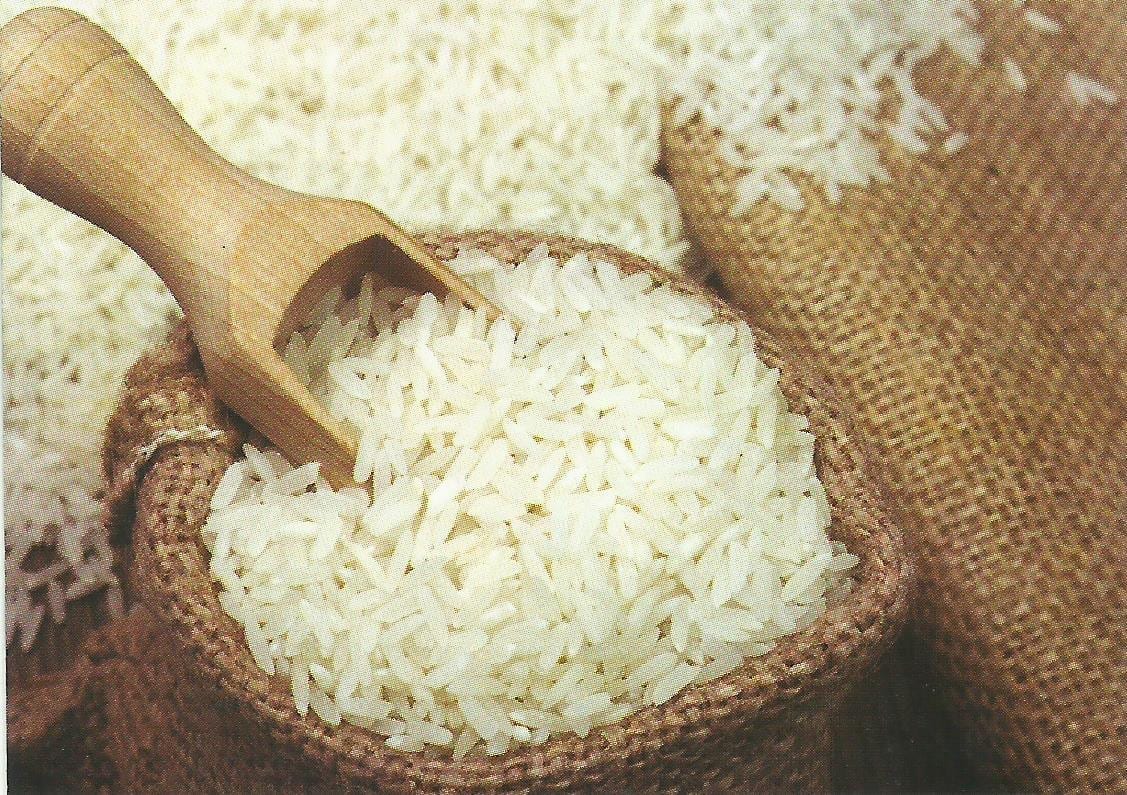
    Indonesia plans to increase rice imports by 1.6 million tons this year, giving Vietnamese exporters a big opportunity, the Vietnam Trade Office in that country said.

    The import licenses for the additional quota would be issued soon by its Ministry of Trade once legal procedures are completed, it said.
    It will increase the country’s rice imports to 3.6 million tons this year.

    Vietnamese exporters could capitalize on this opportunity, but would have to compete on price with many other countries, according to the head of a government agency in Dong Thap Province, one of the largest rice producers in the Mekong Delta.

    According to the official, Vietnam has advantages in terms of delivery times and quality, but its prices are high.

    “If businesses offer competitive prices, the chances of winning bids will be better.”

    The trade office advised businesses to push exports in the early months of the year since Indonesia’s main rice harvest has been delayed by two to three months due to a water shortage caused by the El Nino phenomenon.

    Indonesia imported 441,930 tons of rice in January, an 82% increase year-on-year, including 32,340 tons from Vietnam.

    Thailand accounted for 129,780 tons.

    Last month seven Vietnamese companies won a bid to export 300,000 tons of rice to Indonesia.

    Last year Indonesia was the second largest importer of Vietnamese rice, buying over 1.1 million tons or nearly nine times the volume it had imported in 2022.

  • Nestle’s Smithtown factory gets a $32 million overhaul

    Nestle’s Smithtown factory gets a $32 million overhaul

    Food and beverage giant Nestle has invested $32 million in its Smithtown factory, aiming to boost the site’s manufacturing line.

    The funding will also introduce state-of-the-art technology and support an increased production capacity.

    James Garley, the site’s factory manager, said the investment reflects Nestlé’s commitment to support local manufacturing.

    “Over the next 12 months, the project will inject an estimated $20 million into the local economy and support almost 200 jobs as we construct a new building to house Milo production,” explained Garley.

    The Smithtown factory – which has been operating for over 100 years – manufactures Milo, Nesquik, Malted milk, and Nescafe mixes.

    “It’s a complex project, but the team will work to ensure the facilities continue to deliver the choc-malt crunch of Milo Australians have loved for generations,” Garley concluded.

    The upgrade is due to be completed by the end of this year.

  • Chilean cherries 10% costlier than last year on lower imports

    Chilean cherries 10% costlier than last year on lower imports

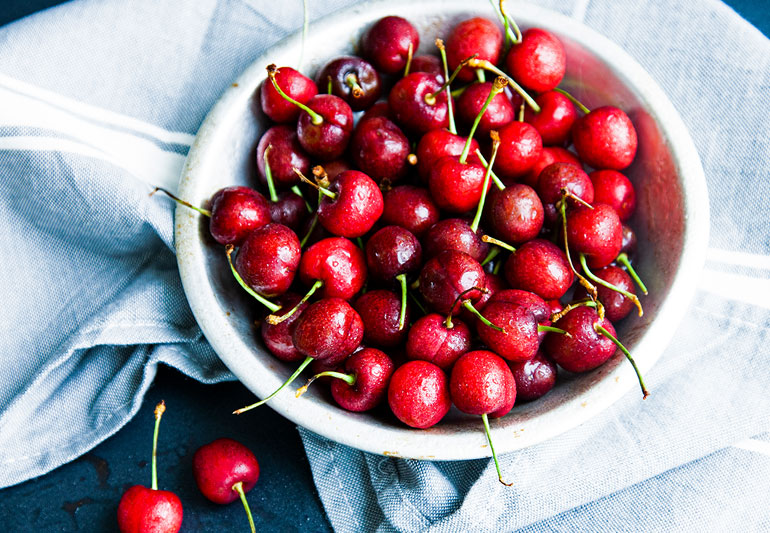
    The prices of Chilean cherries are 10% higher this year at VND600,000 (US$24.4) due to lower import volumes.

    Size 3JD cherries, which have a diameter of 30-32mm, are sold at VND599,000 per kilogram and VND580,000 if bought in bulk, at a fruit store on Phan Xich Long Street, Phu Nhuan District.

    2JD cherries measuring 28-30mm cost VND569,000 and smaller ones sell at around VND250,000-300,000.

    In Hanoi too, large cherries are being sold at VND600,000.

    Smaller cherries cost less because they are of lower quality and prone to bruising.

    The prices are 5-10% higher than at the same time last year.

    The store manager on Phan Xich Long Street said: “This year’s supply is lower than previous years. Coupled with increased shipping costs, the prices are up 10%.”

    Last year Chile exported 800-1,000 tons of cherries to Vietnam, up 16% from the 688 tons in 2022, according to the Chilean Fruit Exporters Association.

    As a result their prices dropped to as low as VND200,000-300,000 last year.

  • Seafood exports to key markets rise 64%

    Seafood exports to key markets rise 64%

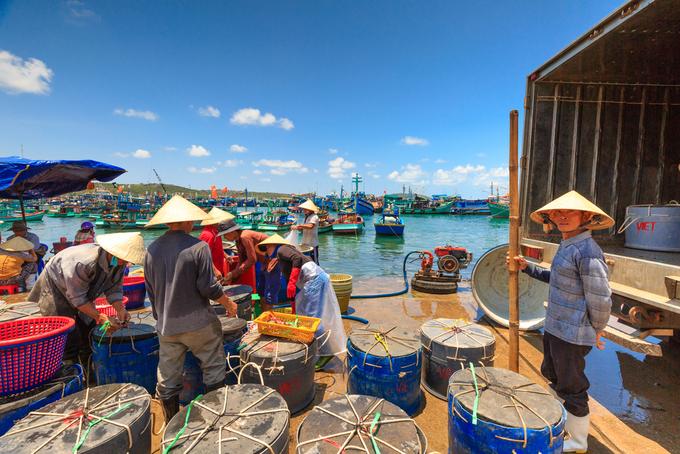
    Vietnam’s seafood exports rose by 64% year-on-year in January to nearly US$750 million, with shipments to China, the U.S. and the EU seeing sharp increases.

    Exports to China tripled, the Vietnam Association of Seafood Exporters and Producers (VASEP) said without providing specific figures.

    It said China, including Hong Kong, is Vietnam’s second biggest seafood market after Japan.

    Exports to Japan rose 43%. The increase were 63% to the U.S. and 34% to the E.U.

    But exporters said challenges that could hamper their recovery persist.

    Shrimp companies said global demand remains weak and therefore prices are low, they still have large inventories and are having difficulty competing with their Indian and Ecuadorian rivals.

    Diseases are also hitting shrimp output, they added.

    Pangasius prices increased by 11% to VND29,000 per kilogram in January.

    They expect a 10% increase in exports to $2 billion this year.

    VASEP said seafood exporters in general are facing difficulties due to geopolitical tensions in the Red Sea and the Russia-Ukraine conflict, which have caused shipping costs to soar.

    VASEP expects seafood exports to increase marginally to $9.5 billion this year.

  • Yum Restaurants India to sell stake in local Yum Brands franchisee

    Yum Restaurants India to sell stake in local Yum Brands franchisee

    Yum Restaurants India is reported to have sold its 4.4 per cent share in Devyani International for US$105 million.

    Devyani International, from which Yum Restaurant acquired the stake in 2021, is the main franchisee of Yum Brands in China, operating KFC, Pizza Hut and Taco Bell.

    SBI Mutual Fund (MF), Axis MF, Franklin Templeton MF, Nippon India MF, and Goldman Sachs are among the investors in Devyani International’s stock.

    Devyani is planning to push the expansion of these brands, strengthening its growth strategy in FY24 by purchasing 274 KFC restaurants in Thailand, marking its first foray into Thailand’s quick-service and limited-service restaurant markets.

    The business also plans 2000 stores across the globe by the end of this year, ahead of the previous target date of 2026.

  • Pepper prices rising in Vietnam

    Pepper prices rising in Vietnam

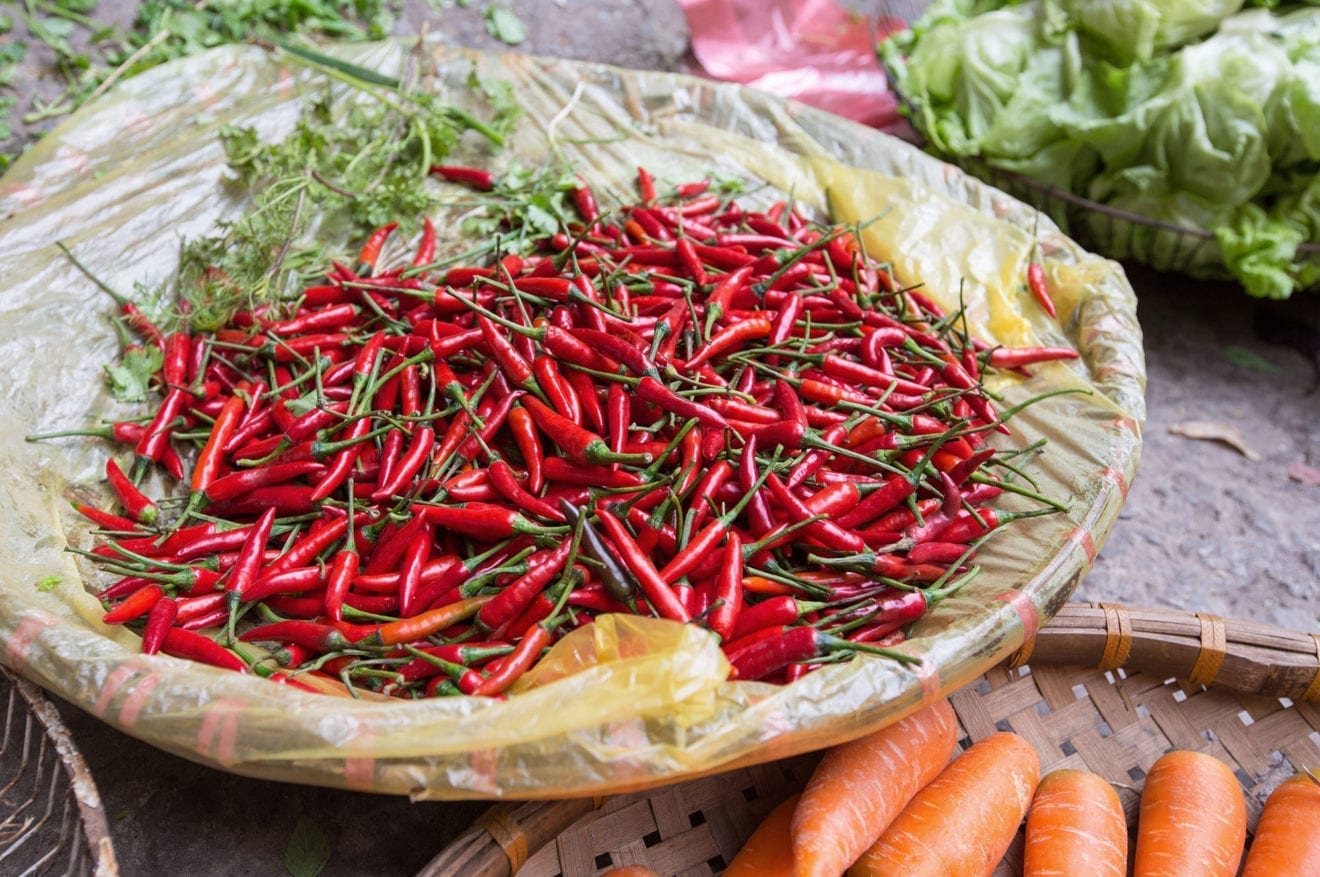
    Pepper prices rose in the central highlands and southern Vietnam 3.6% to VND86,000 ($3.50) per kilogram on Monday as sinking supply fuels higher demand, according to the Vietnam Pepper Association.

    Climbing prices were recorded in the central highlands provinces of Dak Lak and Dak Nong, as well as the southern provinces of Ba Ria – Vung Tau and Binh Phuoc, near Ho Chi Minh City.

    The association has reported that Vietnam’s pepper production is set to fall 10-15% to 160,000-165,000 tons this year.

    Prices are therefore expected to rise even further to around VND100,000.

    Indonesian black pepper prices are now around $3,906 per ton, while Malaysia’s Kuching ASTA price is at $4,900.

    Global demand is set to fall this year due to geopolitical tensions, experts have predicted.

    The Vietnam Pepper Association targets a pepper and spice exports of around $2 billion next year, equivalent to about 400,000-500,000 tons.

    Last year the country exported 267,000 tons of spices worth $912 million, up 16.6% in volume, but down 6% in value.

  • China’s Cotti Coffee launches in Australia

    China’s Cotti Coffee launches in Australia

    Chinese coffee chain Cotti Coffee has made its Australian debut with a takeaway outlet in Sydney.

    The store, located in the Cabramatta neighbourhood, offers a wide range of beverage selections including rice milk, coconut, and grapefruit-infused coffee.

    Cotti Coffee, founded in October 2022 by former Luckin Coffee executives Charles Lu and Jenny Qian, currently has over 6000 outlets in China and has expanded into 11 international countries.

    Prior to the Australian launch, the brand opened its first stores in different markets including Thailand, Vietnam, Malaysia, the Philippines and Singapore.

    The chain Cotti operates both single-store and regional franchise models in international markets.

  • Expert claims 90% of honey in Malaysia is artificial

    Expert claims 90% of honey in Malaysia is artificial

    According to Zulkifli Mustafa, a senior lecturer at Universiti Sains Malaysia (USM), up to 90% of honey available in Malaysia is not genuine.

    “The biggest challenge of the honey industry now is the presence of artificial honey, which reaches 90% in the market,” honey expert Mustafa was quoted.

    The fake product includes stingless bee honey. Mustafa’s research emphasizes the nutritional value of honey produced by stingless bees, noting its potential health benefits. This variety of bees employs biting as a means of defense rather than stinging.

    Following these revelations, the Domestic Trade and Cost of Living Ministry has announced plans to investigate the allegations that a significant portion of honey products sold in the country are counterfeit/

    Datuk Armizan Mohd Ali, the Minister for Domestic Trade and Cost of Living,has directed the ministry’s enforcement division to examine these claims thoroughly.

    This news emerges amidst a broader context of food adulteration concerns. The European Commission’s recent study found that nearly half of the honey samples tested were suspected to be adulterated with inexpensive sugar syrups, as reported by The Guardian in March 2023.

  • PepsiCo makes new leadership appointments across ANZ

    PepsiCo makes new leadership appointments across ANZ

    PepsiCo has appointed Kyle Faulconer – its current CEO for Australia and New Zealand (ANZ) – to a wider role, including responsibility for IndoChina Foods.

    Faulconer moved from the US in 2021 to join the company as its new leader in the ANZ market. According to Wern-Yuean Tan, chief commercial officer and CEO for Apac at PepsiCo, Faulconer’s leadership over the past two years has helped drive the company to new heights.

    “Kyle has identified new growth platforms that have enabled portfolio and channel expansion, as well as stronger capabilities, including marketing transformation and demand acceleration,” said Tan.

    “With a people-first approach, Kyle has also personally invested significant time into talent development, empowering teams and facilitating growth opportunities.”

    The company has also made two new GM appointments to support Faulconer’s promotion.

    Alexa Horley, CCO for PepsiCo Australia, has been named GM of Australia Foods and has end-to-end responsibility for the food business.

    Horley has an 18-year tenure at PepsiCo and has held various leadership positions locally and in Asia. In her most recent role, she has led the commercial agenda, delivering strong category growth and business expansion, transforming commercial capabilities – including the digital and data agenda – and accelerating e-commerce.

    Stephan Anderson, current CFO for PepsiCo ANZ, has been given an additional role as GM for ANZ Beverages.

    In his new role, Anderson will lead the finance functions across ANZ Food and Beverages and will be responsible for the entire beverages business.

    Anderson joined PepsiCo in 2022 and has helped transform its finance function by introducing innovative digital solutions and elevating its partnering capabilities.

    The company added that Anderson played a pivotal role in the beverage business by improving relationships with bottling partners and successfully launching Bubly last year, the first brand PepsiCo has launched since it began operations in Australia.

    “Alexia and Stephan are valuable members of our leadership team, and I am thrilled that they have taken up their new roles,” shared Faulconer.

    All appointments are effective immediately.

  • Vietnamese durian and coffee farmers see unprecedented profits in 2023

    Vietnamese durian and coffee farmers see unprecedented profits in 2023

    The record prices of durian, coffee, and rice in 2023 brought significant profits to farmers in the Central Highlands and the Mekong Delta.

    Thoai, a garden owner in the Mekong Delta province of Can Tho, stated that durian farmers had never had a bumper harvest like last year.

    The price of this fruit remained high during the peak season, reaching up to VND140,000 (US$5.73) per kilogram at times. For the first time in over a decade, he earned a profit of several billion dong from selling durians.

    The high demand is continuing through 2024. In the days leading up to this year’s Lunar New Year holiday, which lasts from Feb. 8-14, many gardens in the Mekong Delta were busy harvesting off-season durians for export to China, where many people use durians as gifts for the holiday.

    Each five-kilogram durian could be sold for nearly VND1 million ($41), equivalent to about VND200,000 per kilogram.Not only in the Mekong Delta, but durian farmers in the Central Highlands also made a large profits last year due to the continuously peaking prices of this fruit.

    Cuong, a garden owner in the region’s Dak Lak province, reported earning VND120 billion after harvesting 40 hectares of durians.

    2023 was a bumper year for the key agricultural crops of Dak Lak Province, according to Vu Duc Con, deputy director of the Dak Lak Department of Agriculture & Rural Development.

    Specifically, thanks to good prices of durians, the province earned about VND12,000 billion after harvesting 200,000 tons.

    Another agricultural product that brought in huge revenue and helped farmers “change their lives” last year was coffee.

    Hoa, from the Central Highlands province of Kon Tum, said her family harvested seven tons of coffee beans in 2023.

    With a highest-ever selling price of VND76 million per ton, her family earned more than VND530 million last year. After deducting costs, she made a profit of over VND200 million, she said.

    Thoai, Cuong, and Hoa are not the only farmers who had a year with “never-seen-before profit.”

    “2023 was the brightest year for the export picture of the agricultural sector,” said Dang Phuc Nguyen, Secretary-General of the Vietnam Fruit and Vegetable Association.

    According to him, agriculture continued to affirm its position as a pillar of Vietnam’s economy, with the export value of agriculture, forestry, and fisheries exceeding US$53 billion.

    Some agricultural products set historic peaks, including fruits and vegetables exports, which surged 70% year-on-year, bringing in more than $5.6 billion, with durians, bananas, jackfruits, longans, and watermelons recording an increase of up to four times compared to the same period.

    Rice exports also increased by more than 36% in value.

    “Vietnamese agricultural products broke through in export turnover and price, even as the domestic and global economy declined,” said Nguyen.

    The high global demand for food, along with many fruits being officially exported to the vast market of China, helped Vietnamese agricultural products increase in value and quality, he said.

    China is also the largest import market for many Vietnamese agricultural products, at $11.5 billion last year, of which durians alone accounted for more than $2 billion.

    Besides durians, 13 other agricultural products have been officially exported to this market, such as bird’s nests and their products, sweet potatoes, dragon fruits, longans, rambutans, mangoes, jackfruits, and watermelons.

    Similarly, rice also brought a bumper harvest to farmers.

    In previous years, countries like Indonesia, Chile, Ghana bought Vietnamese rice in dribs and drabs, but increased their purchases several times over in 2023. Indonesia moved from the eighth- to the second-largest buyer of Vietnamese rice, after the Philippines last year.

    The Ministry of Agriculture & Rural Development’s 2024 forecast suggests that Vietnamese agricultural products will continue to achieve many successes since the U.S., China, and many Middle Eastern countries favor Vietnamese agricultural products.

    The impact of El Nino is expected to reduce the global food supply, presenting an opportunity for Vietnamese agricultural products like rice, durian, and coffee.

    For instance, China continued to purchase Vietnamese durians at high prices as Vietnam is the only country with off-season fruits. For rice, seven Vietnamese enterprises won bids to supply 300,000 tons of rice, accounting for 60% of the amount of rice Indonesia wants to import in early-2024, earlier this month.

    However, the export of agricultural products also poses many challenges that require solutions from authorities.

    “Agriculture is still developing sporadically, small-scale, and spontaneously in Vietnam,” said Minister of Agriculture & Rural Development Le Minh Hoan.

    “So, authorities, associations, and businesses need to engage with farmers from the beginning to provide them with enough information, so that they can adjust production.”

    Minister Hoan also mentioned that the implementation of planting area codes has only been at a promotional level currently. The ministry will make it mandatory for farmers to comply soon.

    “Everything must meet standards and regulations to avoid the situation of spontaneous agricultural development,” he said.

  • Vietnam’s coffee export value doubles in January

    Vietnam’s coffee export value doubles in January

    Vietnam shipped 230,000 tonnes of coffee abroad in January, earning $623 million, up 61.6% in volume and 100.3% in value year-on-year, according to the Ministry of Agriculture and Rural Development.

    In the last days of the Year of the Cat, the average coffee price in the Central Highland provinces continued to increase compared to the previous week. Coffee is being purchased at prices ranging from VND78,200 – 79,400 ($3.2-3.25) per kg in some localities. With the current upward trend, domestic coffee prices are likely to exceed VND80,000 per kg soon.

    A surge in domestic coffee prices was attributed to the fact that traders actively purchased coffee before the Lunar New Year (Tet) holiday while exporters were afraid of supply shortages like last year so they tended to buy more.

    The coffee output of the 2023-2034 crop in Dak Lak province is forecast to reach 580,000 tonnes, thus the coffee export volume is estimated at 330,000 tonnes. If prices stay as high as they are now and fluctuate slightly in the near future, the province’s coffee export turnover could hit $900 million.

    Lam Dong province has about 175,700 ha of coffee and the output for 2023-2024 crop is expected to hit 535,000 tonnes.

    In 2023, Vietnam exported over 1.6 million tonnes, down 8.7% in quantity but up 4.6% in value compared to last year, reaching a record turnover of $4.24 billion.

    According to the Vietnam Coffee-Cocoa Association (Vicofa), Vietnam’s coffee production in the 2023-2024 crop will be 1.6-1.7 million tonnes, lower than 1.78 million tonnes in 2022-2023.

  • Vietnam wins bid to export 300,000 tons of rice to Indonesia

    Vietnam wins bid to export 300,000 tons of rice to Indonesia

    Seven Vietnamese firms have won a bid to export 300,000 tons of rice to Indonesia, or more than half the volume that country’s plans to import in January.

    Their lowest quote was US$648 per ton, including transportation costs.

    Earlier this year Indonesia said it wanted to import 500,000 tons of rice in January to increase its food reserves.

    Last year it imported more than one million tons of Vietnamese rice, making it the second biggest customer.

    According to the Vietnam Food Association and the Thai Rice Exporters Association, the current export prices of standard 5% broken rice are $656 per ton in Thailand, $642 in Vietnam and $638 in Pakistan.

    Last year Vietnam exported eight million tons of rice to rank third in the world after India and Thailand.