Category: Food

Retail News Asia is committed to providing both local and global retailers with the latest Food and Food & Beverage news throughout the Asian market. This on a daily base.

  • Grinders Coffee unveils new look after a decade

    Grinders Coffee unveils new look after a decade

    Grinders Coffee has unveiled new packaging design and branding – its first change in more than a decade.

    The new look features artwork on premium products such as Crema, Espresso, Rich Espresso, and Organic, and includes a new slimline pack for the 200g grind.

    ”The new premium packs have illustrations on the side that speak to the Grinders philosophy, connecting each of our major pillars through a fun and light-hearted attitude,” said Burcu De La Cruz, marketing manager at Grinders Coffee.

    According to the brand, the launch reflects its commitment to sustainability, reflecting community demands.

    Grinders Coffee, based in Melbourne, is one of Australia’s largest coffee roasters. The brand specialises in roasting beans with a rich fragrance and aroma. Last year, Grinders Coffee launched Cafe-Q, a premium coffee bean variety, in supermarkets.

  • Lychee prices triple at season end as poor harvest squeezes supply

    Lychee prices triple at season end as poor harvest squeezes supply

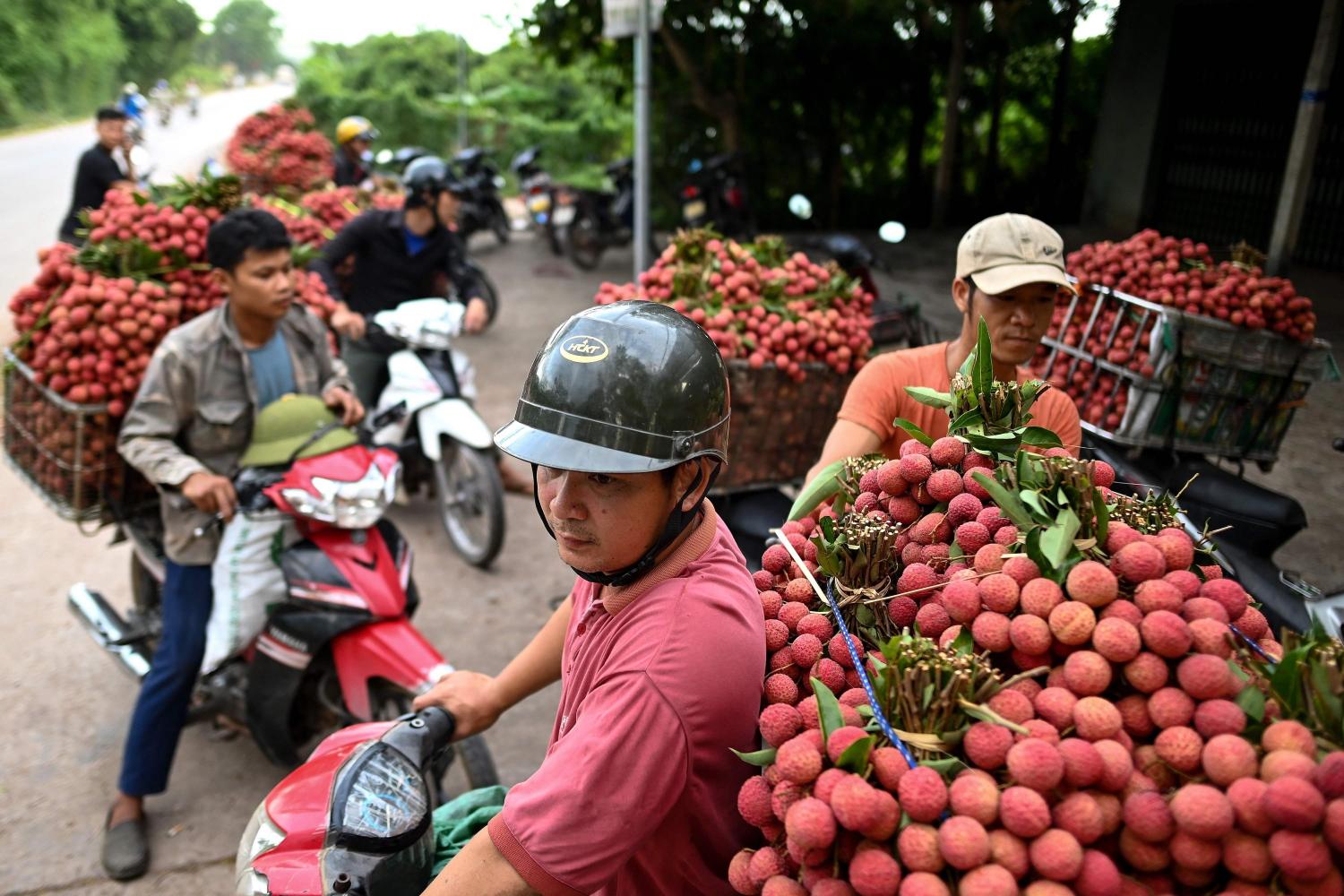
    Retailers are selling end-of-season lychees at up to VND180,000 (US$7.1) per kilogram, thrice the price a year ago, due to a poor harvest.

    They are not as plentifully available as in previous years in HCMC and cost VND165,000-180,000 at premium stores and VND85,000-96,000 at large retail chains like MM Mega Market and Winmart.

    Some supermarkets have run out of stock while others are selling the fruit in very limited quantities at VND120,000-135,000.

    Lychee output took a nosedive this year. In Bac Giang Province’s Luc Ngan District, a major producer of the fruit, lychee farmer Nguyen Thi Hien had expected her output to decrease by 30% this year, but she said it has dropped by 60%.

    She sold her last half a ton at VND80,000 per kilogram, the highest price she has got in her life.

    According to the Luc Ngan People’s Committee, even buyers and processing facilities in the district have been struggling to source lychees. While farmers usually have to transport the fruit to markets, traders are buying right at the farm gate this year, it said.

    Similarly, in Hai Duong Province’s Thanh Ha District, another large lychee grower, farmers have reported significantly lower harvests.

    One of them, Giang, said he has only managed to harvest three tons this year, down from last year’s 11. Despite the unprecedented prices he incurred losses due to the poor harvest, he said.

    Hoang Anh, a lychee merchant in the northern region, said Thanh Ha District is almost out of lychees and she is only able to procure them from Luc Ngan. The fruit is in great demand this year, both domestically and internationally, she said.

    Demand from China, the biggest consumer of Vietnamese lychees, has increased since that country also had poor harvests, while southern Vietnam has consumed a lot more lychees this year, she said.

    She was only able to buy enough to meet 50-70% of the orders she received.

    An MM Mega Market spokesperson said the falling supply has caused prices to increase towards the end of the season unlike in previous years when they would decline.

    MM signed an agreement with Bac Giang farmers at the start of the season to buy 100 tons of the fruit this year, but it now seems difficult given the poor harvest, they added.

    Central Retail, which operates the GO! supermarket chain, also said it might not be able to buy 300 tons of lychee as it had previously planned

    According to statistics from the Bac Giang Department of Industry and Trade, farmers in the province have harvested 67,000 tons so far this year.

    Around 43,000 tons have been consumed domestically, and the rest has been exported, the department said.

    China bought 23,800 tons of the remaining 24,000 tons. Japan, the U.S., the EU, Australia, Dubai, and some Southeast Asian countries also imported Vietnamese lychees.

  • Campari Australia MD Simon Durrant to depart next month

    Campari Australia MD Simon Durrant to depart next month

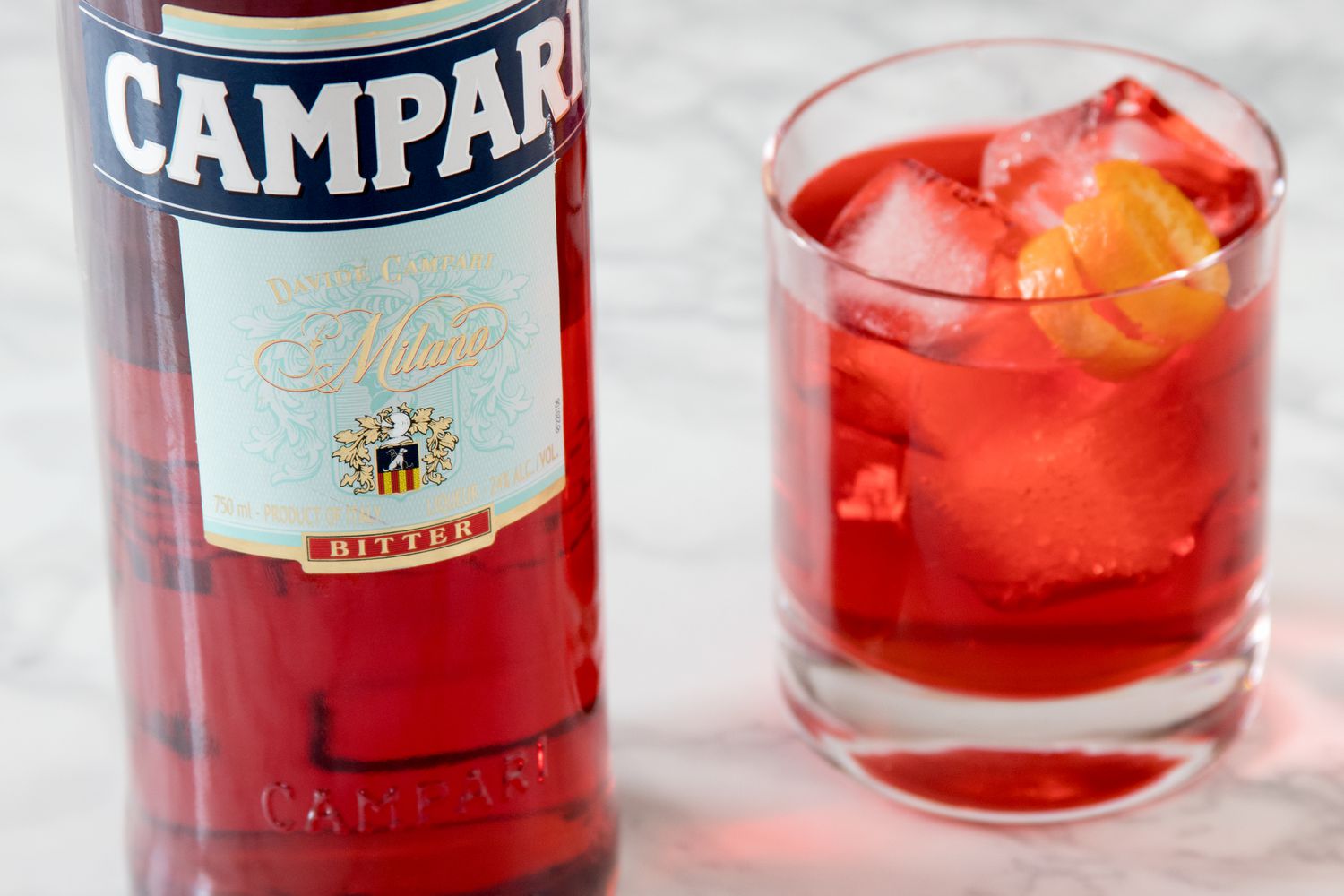
    Campari Australia’s MD, Simon Durrant, will leave the company on July 10 to pursue new opportunities. Due to family reasons, he has decided to stay in the country but will not take on another role within the company.

    During his six-year tenure, Durrant oversaw the company’s expansion and various achievements, such as expanding Campari’s product range, establishing new partnerships, and managing the company through the difficulties posed by the pandemic.

    Matthijs Kramer, CEO of Campari Asia-Pacific, highlighted Durrant’s “calm, level-headed approach” to the business in Australia and Apac.

    “We wish him well for the future, and he’ll always be welcome back at a Campari Bar for an Aperol Spritz or Negroni,” he added.

    Jacopo Borsa, MD for Mexico and Central America, will take Durrant’s place as MD for Australia.

    Borsa has been with the company for 20 years and has worked in various countries, including Spain, Jamaica, and Mexico.

    “With his strong experience in RTD (the main business in Mexico through Skyy RTD), Aperitifs, and the On-Trade channel, Jacopo is well positioned to continue the strong growth trajectory of Campari Australia,” said Campari.

    Jacopo will relocate to Sydney and work with the team for a smooth transition.

  • Vietnam’s coffee prices on the rise

    Vietnam’s coffee prices on the rise

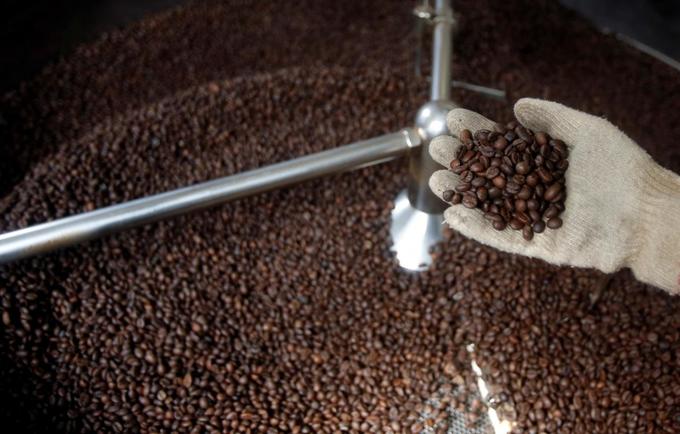
    Coffee prices continued to rise sharply, ranging from VND122,000 – 123,500 (US$4.8-4.86) per kilogram in the Central Highlands, Vietnam’s largest coffee growing area.

    Accordingly, the highest price was reported in Dak Nong province, at VND123,500 per kilogram on June 5.

    In Dak Lak province, coffee prices increased by VND3,000 per kilogram compared to June 4 to reach VND123,000 per kilogram. The product is being purchased at the same price in Gia Lai and Kon Tum.

    The weakening of the U.S. dollar to its lowest level in the past two weeks, and speculative activities in many countries worldwide, among other factors, are driving up the prices of most commodities, including coffee.

    The prices of Robusta coffee in London have seen significant increases, hovering around US$3,846-4,319 per tonne. Arabica coffee prices in New York have also experienced the rising trend.

    In addition to Brazil, other countries such as Colombia, Peru, and Honduras are in the coffee harvest season. Although production has slightly increased, it is still lower than market demand, leading to a continued upward trend in coffee prices.

  • McDonald’s Japan names Thomas Ko as next president

    McDonald’s Japan names Thomas Ko as next president

    McDonald’s Japan has selected Thomas Ko as its next president, following the departure of former chairperson Sarah Casanova.

    Ko has previously held leadership positions in the company. He joined McDonald’s in 2010 as director of consumer strategy for the Asia-Pacific, Middle East, and Africa regions. He then worked in senior positions at McDonald’s in South Korea and Portugal.

    The new president will succeed Tamotsu Hiiro, who will become chairman of McDonald’s Japan.

    Last month, former president Sarah Casanova resigned as chairperson of both the holding firm and the operating subsidiary, as she wanted to spend more time with her family.

  • Imported Thai fruit prices plummet on rising supply

    Imported Thai fruit prices plummet on rising supply

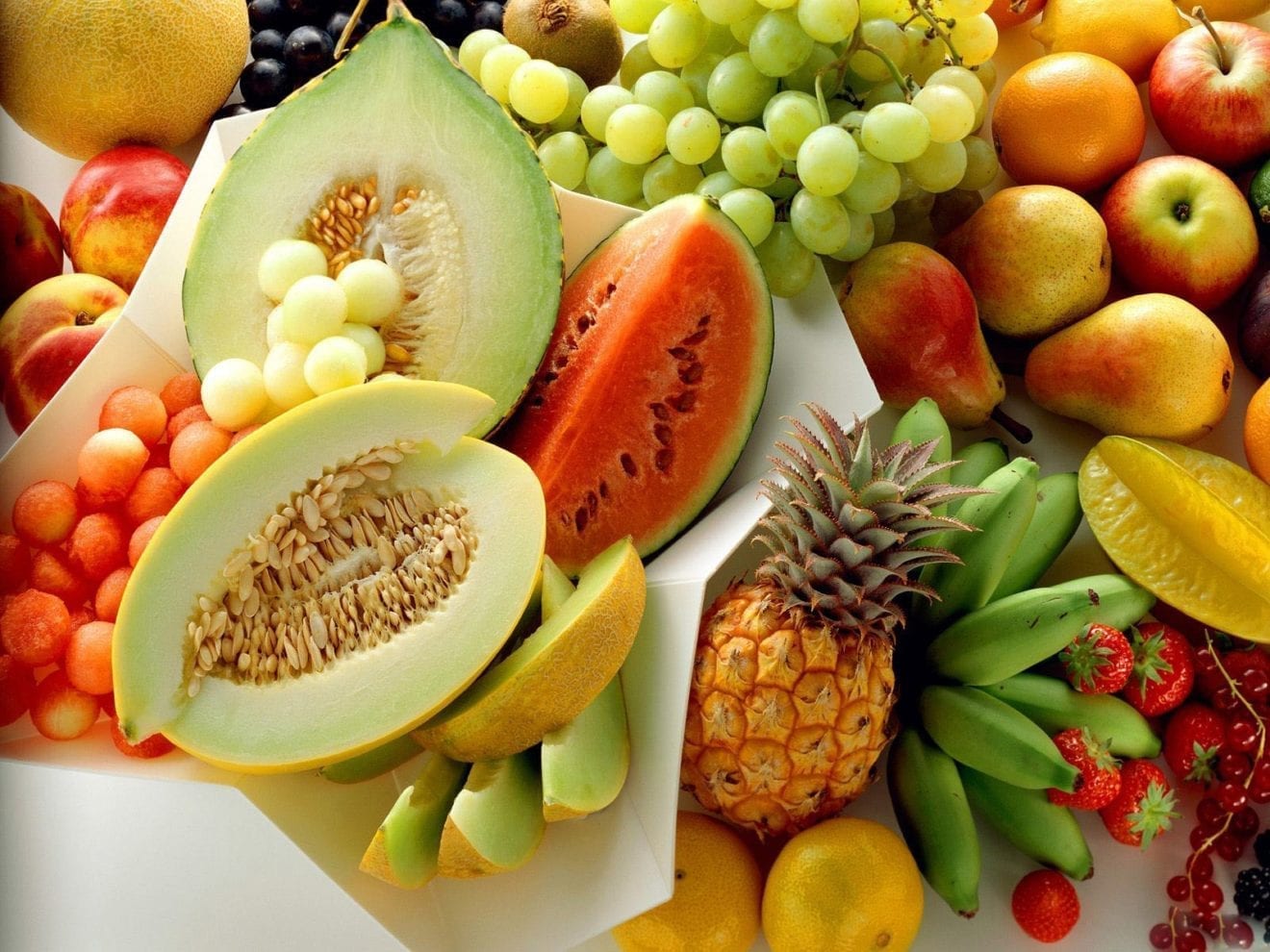
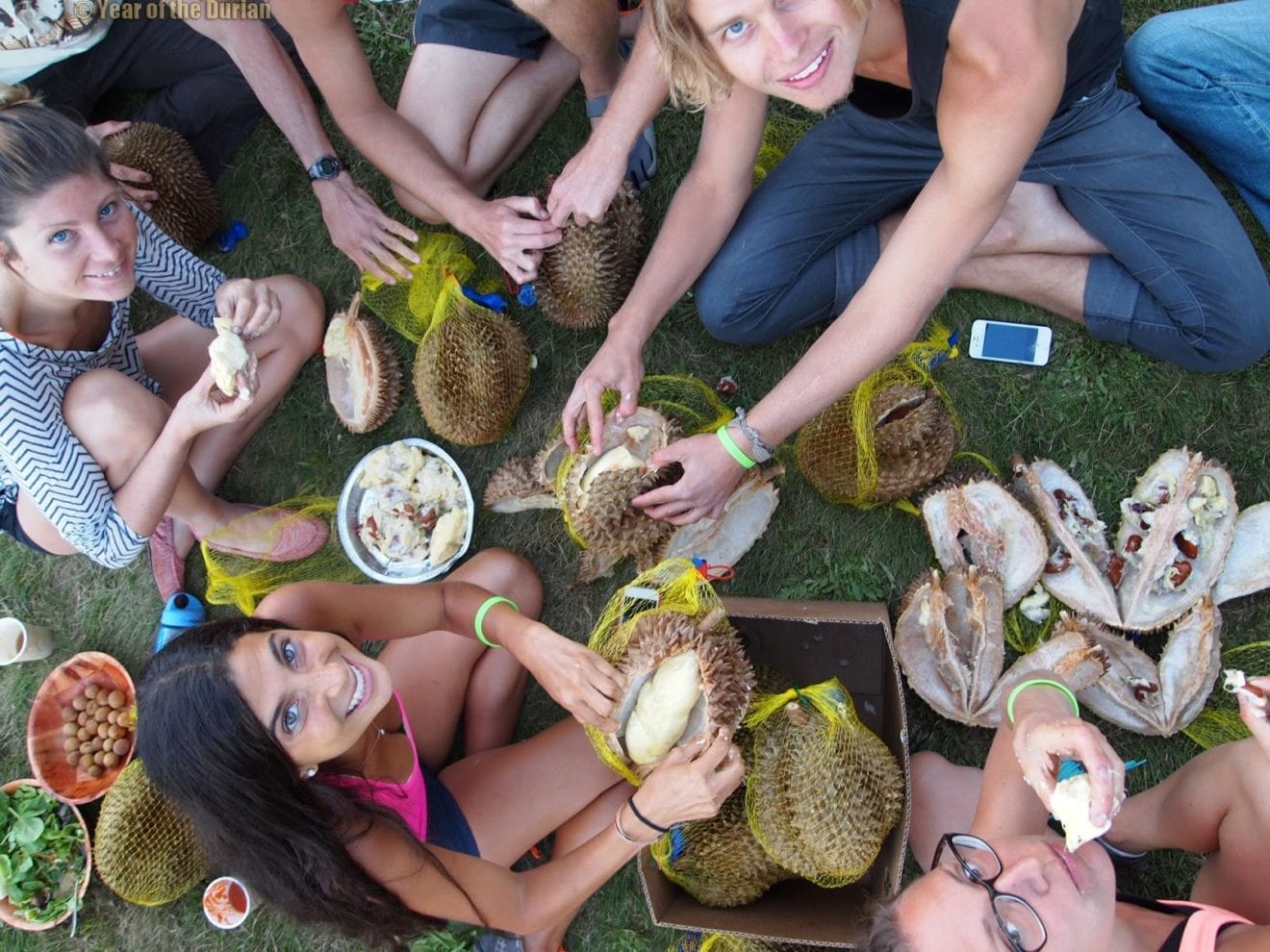
    Mangosteen, mini durian, snake fruit, and rambutan imported from Thailand are 30-40% cheaper than a year ago since supply is high.

    Loan, who runs a shop that sells imported fruits in HCMC, said Thai fruits have never been as cheap as they are this year.

    Mangosteen and langsat are sold at VND55,000-60,000 (US$2.16-2.36) per kilogram, and rambutan at VND45,000-60,000, all 30-40% less than a year ago, she said.

    Lan, a fruit merchant at the city’s Ba Chieu Market, said the prices of premium products such as Thai snake fruit and mini durian are also down 40%.

    Snake fruit sells for VND60,000-70,000 and mini durian for VND60,000-130,000, she said.

    “This year Thai fruits outcompete Vietnamese ones in both quality and price.”

    Many kinds of Thai fruits are being sold in large quantities at wholesale markets in HCMC’s Thu Duc City and Hoc Mon District.

    Thanh, an importer in An Giang Province, said the supply of Thai fruits has doubled from last year due to bountiful harvests, causing their prices to fall sharply.

    The mangosteen, langsat and rambutan from that country are of higher quality this year, while Vietnamese crops have suffered from a poor harvest, he said.

    This year, mangosteen production in Binh Duong Province, one of the main growers, is estimated to have halved from a year ago, according to local farmers.
    Durian production in the Mekong Delta has declined by 20-40% due to prolonged dry weather and scorching temperatures.

    Farmers have also been shifting away from rambutan in recent years due to its low profitability.

    This year, shipping costs have decreased by 20-30% from last year, Thanh said. Many importers have begun to transport fruits from Thailand by road through Cambodia to lower costs, he added.

    In the first four months of 2024, Vietnam imported $643 million worth of fruits and vegetables, which was up 15% year-on-year.

    Thailand accounted for $13.3 million, marking a 5% increase from last year’s period.

  • Starbucks faces price war in China as low-cost rivals gain ground

    Starbucks faces price war in China as low-cost rivals gain ground

    As Starbucks faces stiff competition for its brew in China from fast-growing, low-cost rivals who have chipped into its market share, the coffee chain is increasingly being dragged into a price war it says it wants to avoid.

    The stakes are high for Starbucks, which has come under growing pressure from investors recently due to weaker sales in its two biggest markets – the United States and China.

    While the Seattle-based company has got its work cut out in the world’s second-biggest economy, where its rival Luckin Coffee pipped it to the top spot on annual sales for the first time in 2023, management is convinced it does not need to get into a race to the bottom on prices.

    “We are not interested in entering the price war,” Starbucks’ China CEO Belinda Wong said in January. “We are focusing on capturing high quality but profitable, sustainable growth.” Those sentiments were repeated by founder Howard Schultz on a visit to Shanghai in March.

    However, analysts, Reuters checks and Chinese consumers posting on social media point to an increase in discount coupons being offered by Starbucks through its own mini-programs, as well as via the coffee-maker’s livestreams on Douyin, and third-party delivery platforms popular for ordering coffee.

    In effect, Starbucks has made it relatively easy for Chinese consumers to buy its most commonly ordered coffees with 30% discounts or two-for-one coupons without dropping their listed prices, sliding down a slippery slope of increased discounting towards a potential price war.

    While Reuters was unable quantify just how much Starbucks’ use of discount coupons has increased and the firm declined to comment on its coupons policy, these types of discounting practices were once a rarity from the U.S. coffee maker. In 2024, however, they have become easily available.

    Walker Shen, 38, is an office worker from Shanghai who frequently uses discount coupons to buy his daily coffee. He has noticed an increase in push notifications from Starbucks in recent months offering him 30% off coupons.

    “I think less people are drinking Starbucks now,” Shen said, adding that “most people aren’t that demanding when it comes to quality,” meaning fewer consumers were willing to pay a premium for Starbucks.

    The emergence of a price war in the coffee sector in China comes amid a persistent deflationary environment, exacerbated by weak consumer sentiment as the economy struggles to recover and wages stagnate.

    Unfortunately for Starbucks, says Jason Yu, greater China managing director of market research firm Kantar Worldpanel, it doesn’t really have a choice but to compete to some degree on price in a market where low cost battles have become “the new normal”.

    “Strengthening the promotional offers and increasing the intensity of their promotions, being very active on social media, are essential moves to maintain their position so market share is not further eroded,” he added.

    In second quarter results released at the beginning of May, Starbucks said same-store sales in China – its second-largest market – fell 11%, prompting it to slash annual sales forecast.

    The coffee chain had a 13.6% market share of China’s cafe and bar market in 2022, according to the most recent available data. Daxue Consulting, a market research firm, estimated China’s roast coffee market at $11.7 billion in 2023 and projected it to grow to $13.25 billion by 2025.

    Starbucks remains more discerning in its approach to distributing discount coupons than others, says independent food and beverage analyst Zhu Danpeng.

    “Starbucks will do promotions, but their promotion volume will be small, they will be in a specific period of time, or for some specific products,” he said.

    Starbucks China CEO Wong last year said “Deep Brew”, the firm’s AI data analytics engine, would allow it to pitch discounts to “the right customers at the right time” in China, though the firm declined to comment on the use of Deep Brew as part of its current strategy.

    Coffee for beans

    The list price of a large Luckin latte at 29 yuan ($4.00) is not far off Starbucks’ latte price (33 yuan), but Luckin actually often sells lattes at 9.9 yuan with a widely-available coupon.

    Offerings from other competitors are even cheaper, with Cotti, a chain launched by former Luckin Chairman Charles Lu, offering Americanos for 8.8 yuan with a coupon and KFC’s KCoffee allowing members to buy 5 yuan coffees for 30 days on a 10-yuan membership fee.

    Helped by its steep discounts and quicker store expansion – with 18,590 stores already more than double the 9,000 Starbucks says it will open in China by 2025 – Luckin revenue reached 24.86 billion yuan ($3.45 billion) in 2023, surpassing Starbucks’ comparable annual sales of $3.16 billion in China.

    Though price will be an important factor in consumer decision-making for the foreseeable future, Starbucks won’t beat its competition in a race to the bottom, Kantar’s Yu says, adding that the American firm should continue with its strategy of offering a premium in-store experience its competitors can’t match.

    “Starbucks needs to compete on price but not only compete on price,” he said. “They need to lead in innovation, lead in the conversation about coffee and lead in creating emotional value for consumers, or they will lose out more to the local competition.”
  • Nespresso launches Maple Pecan flavour capsule

    Nespresso launches Maple Pecan flavour capsule

    Nespresso has launched a Maple Pecan flavour capsule for its Vertuo coffee machine.

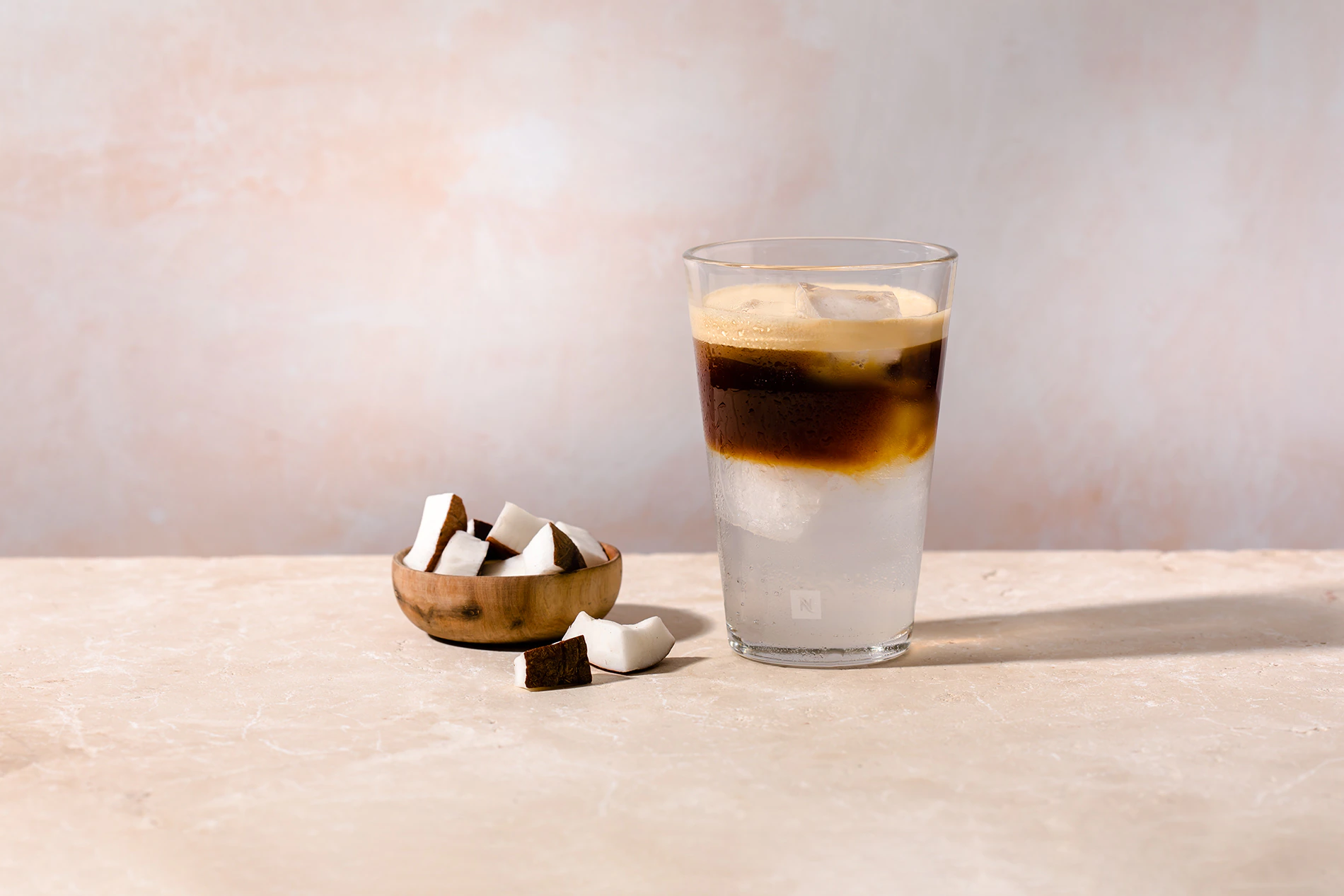
    Described as having a rich caramel flavour balanced with notes of maple syrup and nuttiness, the coffee is served in a 230ml cup size and can be enjoyed with milk, hot, frothed, or chilled over ice.

    Nespresso coffee ambassador Mitch Monaghan recommends extracting this coffee using Expert Mode to brew a double espresso, perfect for a strong iced latte or cappuccino, then topping the coffee with maple syrup and crushed pecans to enhance the flavours of the blend.

    “We’ve had many coffee lovers who’ve seen the hype overseas reaching out to ask us when Maple Pecan will come to Australia,” said Monaghan. “I’m happy to say the wait is over!”

    Maple Pecan joins the brand’s permanent collection of flavoured coffees from the Vertuo Barista Creations range and is available to purchase in Nespresso boutiques and online.

  • Lychee farmers suffer losses despite 50% price increase

    A poor lychee harvest in Vietnam’s lychee production hub, northern Bac Giang Province, has led to financial losses for farmers, despite a 50% increase in the fruit’s price.

    Last year, the 40 lychee trees of Oanh’s family were full of fruit, earning them revenues of VND150 million ($5,900). But fewer fruit this year dropped earnings to only VND100 million.

    “I’ve been growing lychees for seven years, but I’ve never seen a year with such a poor harvest,” Oanh said. Anh Huy, also from Bac Giang, said all the lychee flowers were ruined following a period of rain. Production declined by over 90%, he added.

    “This lychee season is entirely lost. No matter how high the prices might be, I will still lose money,” he said.

    Giang, from Thanh Son Commune, said his family’s 5 ha of lychee would also see production dropping by 30% from last year. Even with prices increased 1.5 times higher than normal, the revenue would only be at around 80% compared to last year.

    Lychee gardens are faring well in other localities like Hung Yen, Hai Duong and the Central Highlands, with production dropping to 50-60% of the same period last year.

    Dong Thi Thu Huong, director of Minh Tien agriculture cooperative in Hung Yen, said the cooperative’s 400 ha of lychee production declined by half this year. While a kilogram of lychee was sold at VND15,000 last year, this year, it could be VND25,000, she added.

    “The estimated revenue this year of the cooperative would see a 20-30% drop compared to the same period last year, due to low production despite rising prices,” Huong said.

    The Hung Yen Department of Agriculture said lychee production in the province would see a 30% drop from last year, while Bac Giang said it would see a 50% drop.

    According to the Department of Agriculture and Rural Development, unstable weather patterns have contributed to poor harvest. In winter last year, average temperatures were around 1.5 degrees Celsius higher than the previous year, affecting the development of lychee trees. Short cold periods and long-lasting rains in January and February this year also affected production.

    Le Ba Thanh, vice director of the agriculture department of Bac Giang, said due to abundant harvests last year, there is not enough strength to guarantee a similarly strong harvest this year.

    However Nguyen Nhu Cuong, head of the Department of Crop Production, said rising prices may help offset low production, allowing farmers to net profits.

    Export businesses said they are adjusting their plans due to low lychee production and rising prices. Mai Xuan Thin, director of the Red Dragon production, commerce and service company, said the firm is worried about potentially low supply as it plans to export to several countries this year.

    “Besides Australia, we would export products to the U.S., Japan and Canada as well,” he said.

    Businesses said low supply and high demand may make it more difficult for Vietnamese lychees to be exported, as they would have to compete with lychees from other regions, like China or Mexico.

  • Thailand heatwave gives Vietnam edge in durian exports to China

    Thailand heatwave gives Vietnam edge in durian exports to China

    Thai industry insiders say the ongoing heatwave in Thailand might reduce durian production, allowing Vietnam to increase its supply to China.

    A heatwave in April and May reduced Thailand’s harvest, which normally commands higher prices than its Vietnamese peers.

    In April the country recorded a temperature of 44.2 degrees Celsius, compared to the all-time record of 44.6 degrees last year. So far this year Thailand has recorded 61 people dying over heatstroke, higher than the total number in 2023.

    High heat causes the skin to crack or the fibers to dry out in some durians, Sam Sin, development director at S&F Produce Group, a Thai firm that exports durian to China said.

    In China’s Zhejiang province, fruit importer Huang Dapeng mentioned in a WeChat forum that some durians were becoming “overheated,” leading to their sale at prices below the market rate.

    Farmers reported that the heat is causing durians to ripen more quickly, preventing them from reaching their full size and reducing their market value.

    According to China’s General Administration of Customs, in April, China’s import price for Thai durians was US$5.80 per kilogram, marginally higher than the overall average of US$5.38 per kilogram. In contrast, Vietnamese durians were priced at US$4.22 per kilogram.

    Thai durians exported to China in the first four months of 2024 had lost 49% of their value over the same period last year.

    Another concern for Thai durian growers is drought, which could reduce the yields.

    The serve weather condition may reduce Thailand’s durian production this year by 42%, or around 540,000 tons, the Nation quoted Aat Pisanwanich, an expert on international economics and adviser to Intelligent Research Consultancy as saying.

    Vietnam gains on Thailand

    Drought and heatwaves increase durian production costs in Thailand, as farmers face additional expenses to transport water to their farms to sustain their durian trees.

    Conversely, Vietnamese exporters, who gained permission to sell fresh durians in China about three years ago, benefit from cost savings by shipping the fruit across a single land border.

    This logistical advantage results in lower prices for Vietnamese durians. In April, China’s import price for Vietnamese durians was 27% lower than that of Thai durians, at $4.22 per kilogram, according to data from China’s General Administration of Custom

    In the first quarter of this year, Vietnam exported 36,800 tonnes of durian to China, compared to just 17,900 tonnes from Thailand, official data show.

    Thailand maintained a 66% market share in China during the first four months of this year. However, according to Chinese customs data, Vietnam’s share by value rose by 82% in the period.

    Dang Phuc Nguyen, general secretary of Vietnam Fruits & Vegetables Association, said that farmers in the southern region have successfully applied new techniques in growing durian.

    “Durian is a strong advantage for Vietnam in competing for the China market. There are times when Vietnamese sellers are the only ones with supply”, he said.

    Last year China bought $2.1 billion worth of durian from Vietnam, but the figure can reach as high as $3 billion this year, he added.

  • Lotus Biscoff ice cream bars return to Woolworths

    Lotus Biscoff ice cream bars return to Woolworths

    Lotus Bakeries has brought back its Biscoff ice cream bars in the country following demand from fans to restock the frozen treat.

    The Biscoff ice cream bars are available in milk chocolate and white chocolate.

    Each stick features a crisp outer layer of Belgian milk chocolate and Biscoff biscuits, a layer of Biscoff spread on top of the dairy vanilla ice cream, and more Biscoff pieces inside.

    Biscoff biscuits – also known as Lotus biscuits – are made with a blend of cinnamon and other spices, giving them a slightly sweet and spicy flavour. The texture is crispy and crunchy, with a slight caramelised crunch that melts in your mouth. Some people describe the taste as similar to gingersnaps or speculoos cookies but with a more complex flavour profile.

    Biscoff ice cream bars are available for an RRP of $9.50 for three bars in Woolworths stores nationwide.

    Lotus Bakeries is a Belgian company best known for its Biscoff brand, which includes cookies, spread, and now ice cream bars.

  • Nutella, Lavazza partner to launch biscuits and coffee ‘Perfect Match’

    Nutella, Lavazza partner to launch biscuits and coffee ‘Perfect Match’

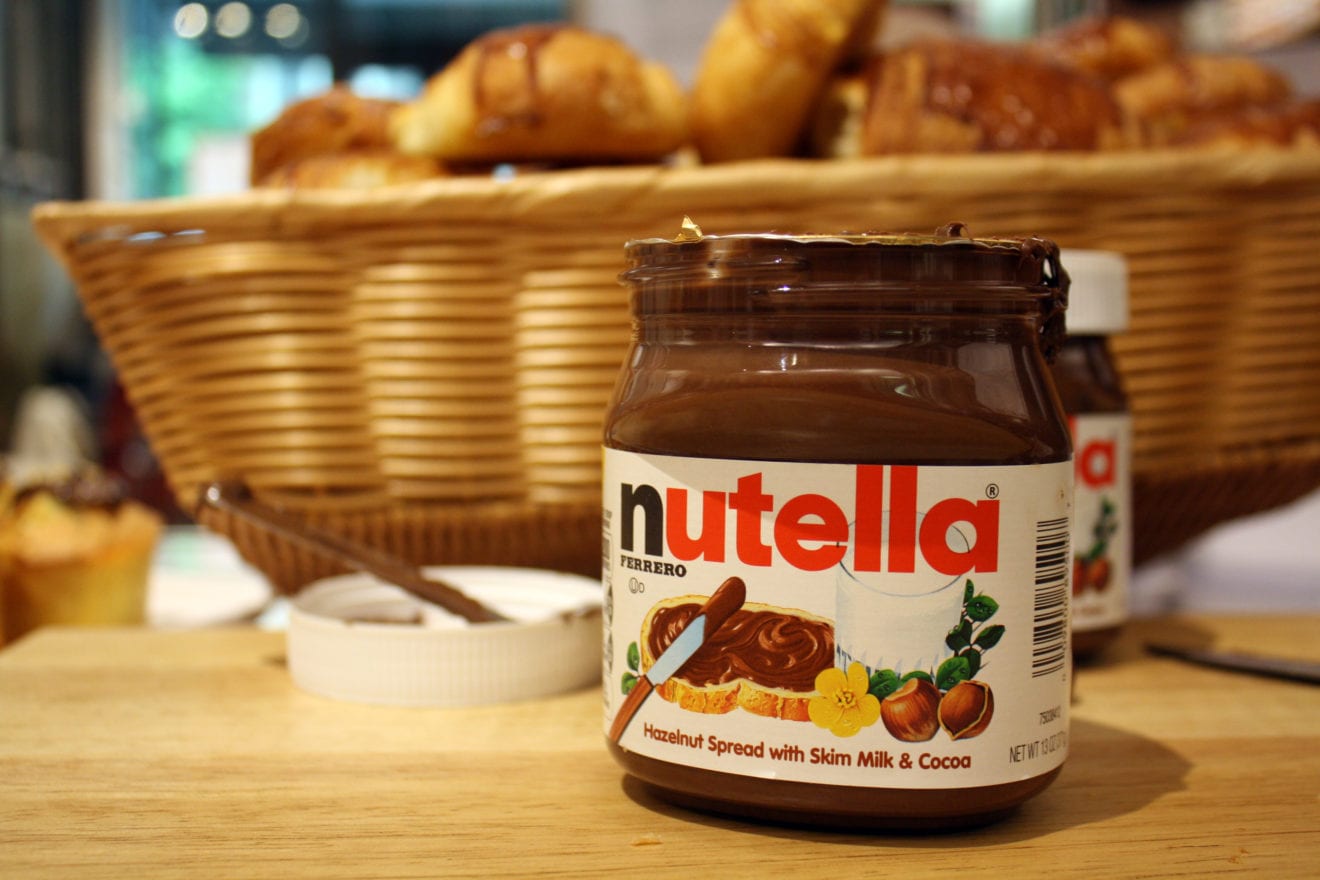
    Nutella has partnered with Lavazza to launch Nutella & Lavazza’s biscuits and coffee ‘Perfect Match’.

    Lavazza brings the Espresso Barista coffee range, which uses beans from Central-South America, Africa and Asia with aromatic notes of flowers, cocoa, and wood.

    The Espresso Barista coffee complements Nutella’s golden baked crunchy biscuits filled with the brand’s signature creamy hazelnut spread.

    “Australians are snacking more often, with biscuits being consumed throughout the day,” said Azzurra Puricelli, head of marketing and new business at Nutella Australia.

    “We also know how much Aussies love coffee. With consumption going beyond the morning ritual, expanding into the afternoon coffee break and post-dinner treat, we wanted to give consumers that feeling of completeness with a perfect match.”

    As a promotion, shoppers who spend at least $15 on Nutella Biscuits and Lavazza Espresso Barista products at participating Woolworths stores between April 24 and May 14 will have a chance to win one of the 250 $100 Woolworths gift cards.

  • Rippl launches Star Wars range in 7-Eleven

    Rippl launches Star Wars range in 7-Eleven

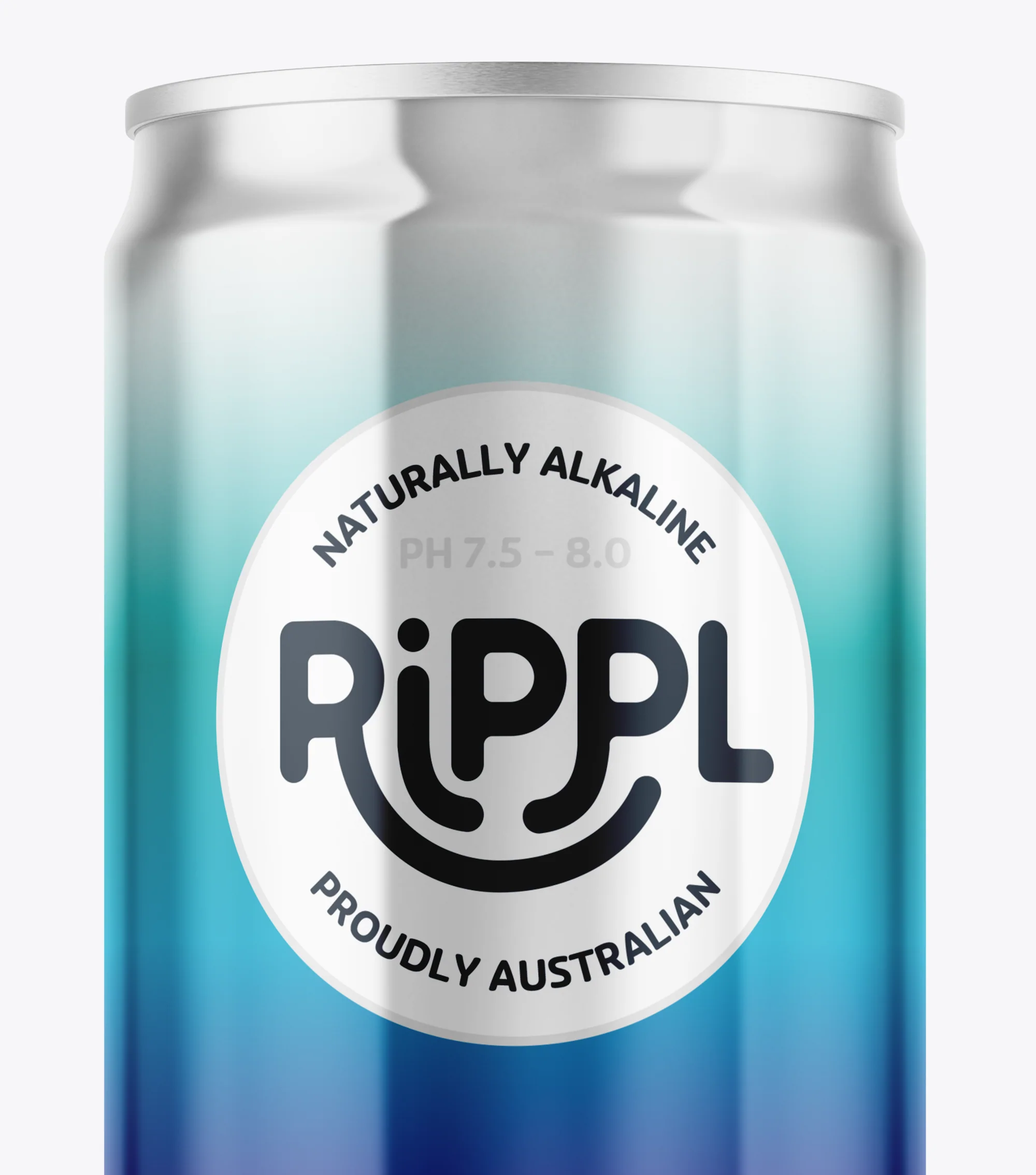
    Australian canned water brand Rippl has rolled out its Star Wars water range in 7-Eleven stores nationwide.

    The brand offers aluminium canned and bottled water in various customisable options for consumers and businesses. It sources spring water from Black Hill in Millbrook, Victoria, which boasts a natural alkalinity of PH7.8-8.0.

    In addition, Rippl features limited-edition can designs from popular brands and pop culture icons such as Disney, Star Wars, Jurassic World, Mattel, Hello Kitty, and more.

    Rob Hilton, MD of Mammoth Brands, the parent company of Rippl, said the brand aims to provide consumers and businesses with an “inspiring form of hydration” while prioritising sustainability.

    “Rippl Water is not just about drinking; it’s about making a statement with every sip,” said Hilton. “We aim is to offer a product that is both good for the planet and our customers.”

    Rippl Water x Star Wars is available for an RRP of $72 for a pack of 24 cans, and $96 for a pack of 24 bottles online and in 7-Eleven stores nationwide

  • Hot weather drives up demand for coconut water

    Hot weather drives up demand for coconut water

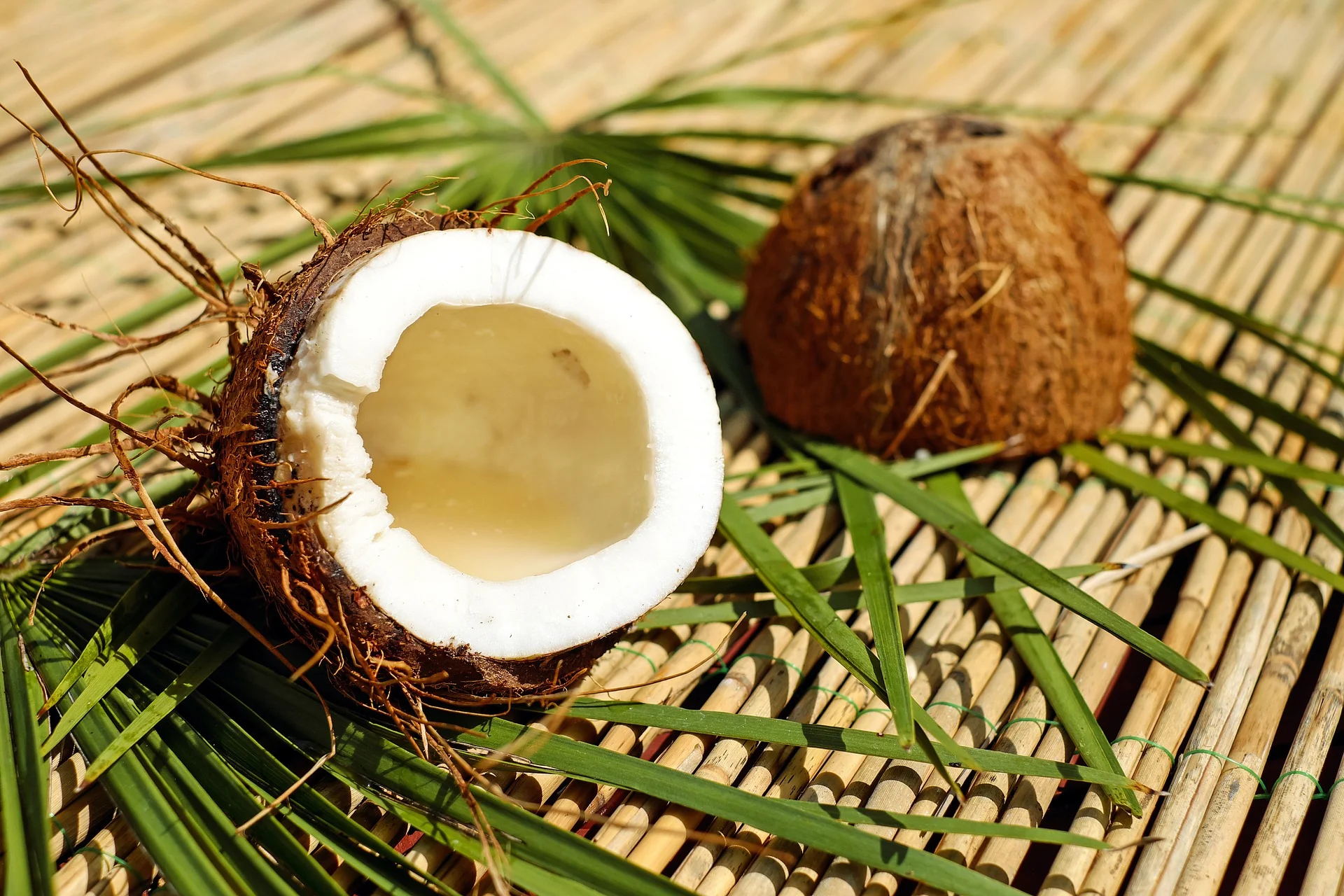
    Coconut prices have quadrupled in recent months to VND13,000 ($0.51) amid rising demand due to the hot weather.

    Prices are rising quickly, sometimes within a day, Nguyen Dinh Tung, CEO of fruit exporter Vina T&T, said at a press briefing Friday.

    Businesses have to assure farmers they would buy even when prices are low and offer other incentives to ensure regular supply, he said.

    Sellers say they sell thousands of pieces a day, much higher than usual, and struggle to buy more due to low supply.

    With temperatures rising to 40 degrees Celsius in many places, there is increased demand for fresh coconut juice, he added.

    Since the end of March the southern region has endured a severe heatwave. Temperatures have consistently exceeded 35 degrees Celsius – a threshold for heatwaves, according to meteorological classifications.

    In Ben Tre Province in the Mekong Delta, one of the largest coconut growing areas in the country, prices have been rising virtually daily, giving farmers a profit of VND3,000-5,000 per piece.

    Retailer Saigon Co.op has seen demand for coconut juice rising by 50%

    The fact that Vietnamese coconuts will soon be exported to China has also pushed up prices.

  • Asahi Beverages acquires South Australia’s Never Never gin brand

    Asahi Beverages acquires South Australia’s Never Never gin brand

    Asahi Beverages has purchased Never Never, a premium distillery in South Australia’s McLaren Vale region.

    The acquisition is expected to help the distillery expand its reach, offer better support and offerings for existing customers and consumers, and help grow the Australian gin market.

    Never Never was established in 2016 by three friends – George Georgiadis, Tim Boast, and Sean Baxter – who began distilling gin from an Adelaide shed. Since then, the company has gained popularity among bartenders and gin enthusiasts with its award-winning gins, such as Triple Juniper and Oyster Shell.

    Georgiadis, MD and co-founder of Never Never, said the partnership would allow the brand to realise its vision of growing in the country’s gin market.

    “Our values have been crucial in building our brand and align incredibly strongly with the values and culture of Asahi Beverages,” he added.

    Never Never’s three co-founders will remain in their roles and continue to oversee day-to-day operations, ensuring a smooth transition and maintaining the brand’s unique identity.

    “Adding a high-quality, Australian-made gin to our range plugs an important gap in our offering and complements our leading multi-beverage portfolio,” added Danny Celoni, CEO of Carlton & United Breweries (CUB), Asahi’s alcohol division.

    “We can’t wait to start offering this product to our customers and through our distribution network to help this internationally-recognised Aussie gin achieve the scale it deserves.”