Category: Food

Retail News Asia is committed to providing both local and global retailers with the latest Food and Food & Beverage news throughout the Asian market. This on a daily base.

  • Thailand’s rice export prices dip to 14-month low

    Thailand’s rice export prices dip to 14-month low

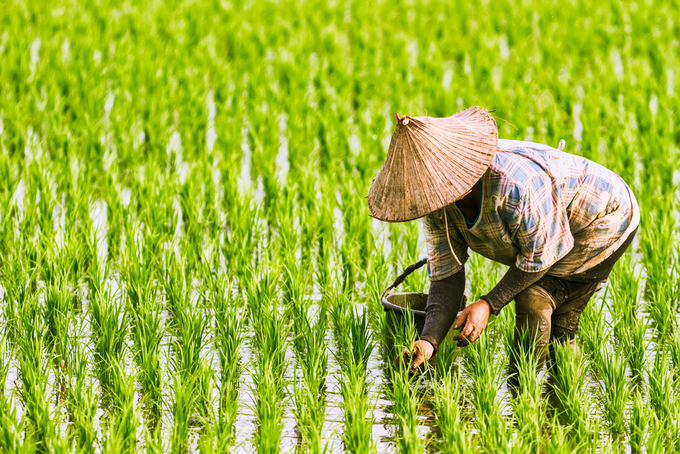
    Thai rice export prices fell to a 14-month low this week due to weak demand and competition from other rice exporting countries.

    Thai 5% broken rice was priced at US$560 per ton, the lowest level since July 20, 2023 and down from $565 last week.

    A Bangkok-based trader said on Thursday that prices could fall further if the Thai baht depreciates. Another trader said the market was waiting to see changes in Indian rice policy in the coming months and that supply was in the harvesting stages.

    Meanwhile, Vietnamese 5% broken rice was exported at $565 per ton on Thursday, according to the Vietnam Food Association, also down from around $580 last week.

    “Prices fell on competition from other suppliers such as Thailand, Cambodia and Myanmar,” a trader based in Ho Chi Minh City said.

  • Durian prices drop up to 30%

    Durian prices drop up to 30%

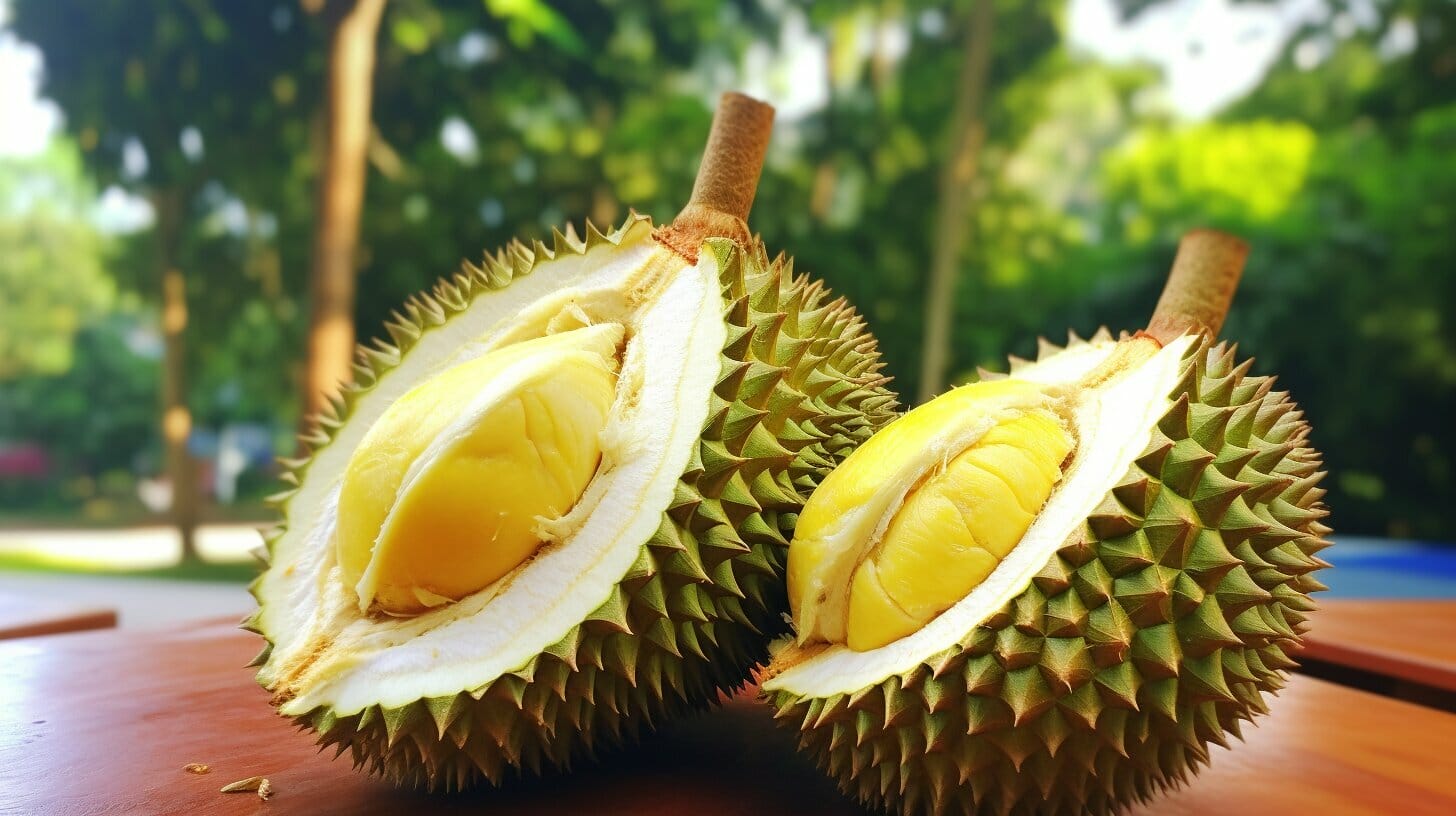
    Farmers are now selling top-grade Monthong durians for VND65,000-70,000 (US$2.64-$2.84) per kilogram, down 25-30% compared to the prices at the start of the season in July.

    Grade B durians are priced at VND55,000-63,000 per kilogram, with a similar decrease from July and approximately 10% lower than the same period last year.

    Minh Thanh, a farmer in the Central Highlands province of Dak Lak, hopes that durian prices will recover by the season’s end. However, prolonged heavy rains have compromised the fruit’s quality, leading to low selling prices at the garden.

    Similarly, Hong Anh, owner of 0.5-hectare crop in the Central Highlands province of Gia Lai, encounters challenges as buyers rescind their offers of VND80,000 per kilogram, even forfeiting deposits, compelling her to sell at only VND65,000 due to poor quality.

    Anh attributes the price drop to the fruit’s diminished quality from excessive rainfall, particularly in new orchards that lack proper cultivation techniques. The hardened fruits complicate exports, with most being consumed domestically.

    Manh Hoang, a trader in the Central Highlands, observes that durian quality suffers when grown alongside pepper and coffee. As the prices for pepper and coffee increase, many farmers prioritize them and apply unregulated fertilization, which degrades the durian quality. Some buyers only purchase durian for use in ice cream or for extracting the pulp, further complicating the export of whole fruits.

    “I buy a few tons each day, but only 50% of the fruits meet export standards,” says Hoang. “The rest are sold in HCMC, Hanoi, and Da Nang.”

    The General Department of Vietnam Customs reports that in the first seven months of 2024, Vietnam exported 476,130 tons of durian, valued at US$1.6 billion, representing a 50.5% increase in volume and 49.4% increase in value compared to the same period last year.

    However, July saw a 30.8% decrease in both value and volume compared to June, totaling only US$280 million. Exports further declined to US$200 million in August.

    Despite weather-related slowdowns, businesses note that durian export demand from China is recovering due to festive occasions. Improved weather from October is anticipated to enhance the quality of durian. Additionally, the volume of off-season produce has increased potentially, increasing export turnover.

    Dang Phuc Nguyen, Secretary General of the Vietnam Fruit and Vegetable Association, explains that the reduction in export volume during July and August is temporary. From September, durian export turnover is expected to surge, potentially reaching nearly US$3 billion this year.

    On Aug. 19, during a visit to China by Party General Secretary and State President To Lam, the two countries signed a protocol on exporting frozen durian, offering substantial opportunities for Vietnamese agriculture. Exports of frozen durian are anticipated to generate US$400-500 million this year.

    In 2023, Vietnam exported approximately 500,000 tons of fresh durian, valued at US$2.3 billion, with 90% destined for China. The area planted with durian encompassed 154,000 hectares, yielding nearly 1.2 million tons, an annual increase of 15%.

    Vietnam has around 151,000 hectares under durian, with the Central Highlands accounting for half of it. Other large growing areas include the southeast and the Mekong Delta regions with 25,000 ha and 42,000 ha.
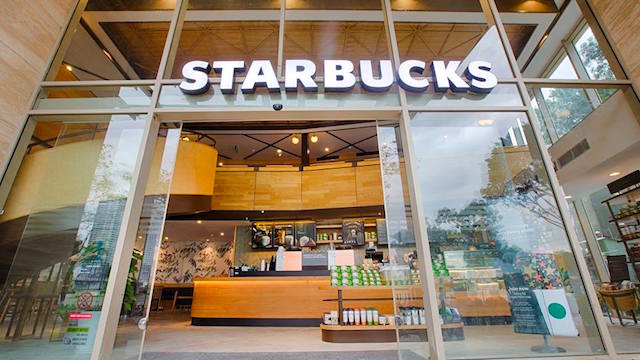
  • New Starbucks CEO shakes up China arm’s top management

    New Starbucks CEO shakes up China arm’s top management

    Brian Niccol, who became Starbucks’ CEO earlier this month, has named Molly Liu the sole chief of the coffee chain’s China operations after her one-year tenure as co-CEO.

    Bloomberg reported, citing a post on Starbucks’ WeChat channel, that the management shift aims to hand leadership to “a new generation of successors. ”

    Liu was named China co-CEO last year and had been working alongside Belinda Wong, the company said.

    Wong, who had been overseeing Starbucks’ business in China since 2011, will remain the chairwoman of that market, taking charge of innovation and China’s development strategy and boosting the brand’s social influence.

    The move came as the U.S. coffee chain is struggling with declining sales and growing local competition in China, its second-biggest market globally with over 7,300 locations, according to the trade magazine Restaurant Business.

    Revenues from Starbucks’ China stores dropped 11% year-on-year to US$734 million in the second quarter this year while comparable store sales declined by 14%, according to the South China Morning Post.

    Chinese coffee chains, meanwhile, have been offering customers drinks at much lower prices to compete with the U.S. giant, which has been in China since 1999.

    As CEO, Liu will have to stabilize the business while working toward the goal of opening about 1,700 more stores in that market.

    Her appointment is the second shift in executive management at Starbucks since the new CEO took the helm just over two weeks ago.

    The firm’s CEO for North America, Michael Conway, announced his retirement last week.

    Instead of filling his position, the company plans to hire a global chief brand officer to lead areas such as product and marketing.

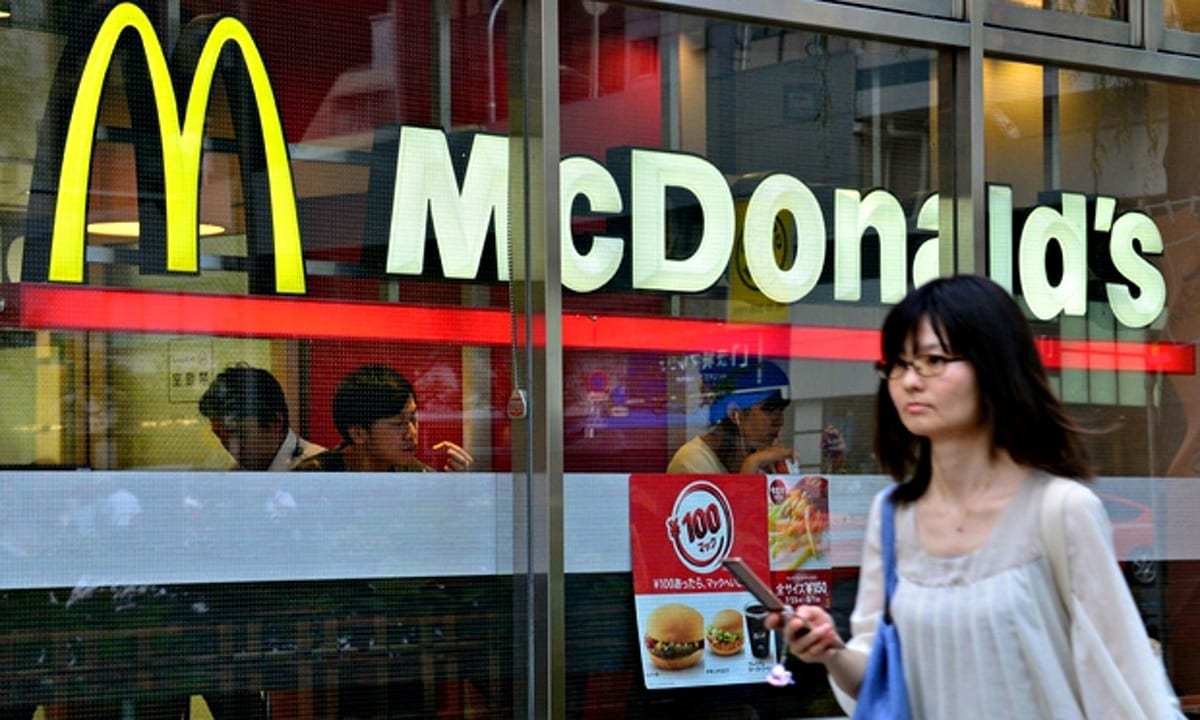
  • McDonald’s to shut down 10-year-old HCMC store

    McDonald’s to shut down 10-year-old HCMC store

    American fast food chain McDonald’s is set to close one of its oldest stores in Ho Chi Minh City.

    The Ben Thanh location in District 1, which opened in 2014, would stop operations at 2 a.m. Thursday, the chain said in a Facebook post without revealing the reason for it.

    It was the chain’s second restaurant in the city.

    After its closure, McDonald’s will have 35 stores in Vietnam, including 17 in HCMC.

    Another major American F&B chain, Starbucks, shut down a store at a prime location in District 1 last month after seven years.

    Rents for high-end retail property in HCMC surged to a record US$280 per square meter on average in the first half of the year due to limited supply.

    It represented increases of 18% increase year-on-year and 60-70% from five years ago, according to property consultancy CBRE Vietnam.

  • Thai rice prices dip to one-year low

    Thai rice prices fell to their lowest in over a year as bidders were forced to reduce their prices in a recent auction held by Indonesia.

    Thai 5% broken rice was priced at US$550-565 per ton this week, the lowest since July 20, 2023, down from $585 quoted last week.

    A Bangkok-based trader said the market still considers Thai prices too high. However, flash floods have been hurting short-term harvest yields, so prices might improve down the road.

    Another trader said competitors weighed prices down and that Thai bidders lost out to other exporters in a recent auction held by Indonesia due to higher prices.

    There will be demand from African and European customers before October because those orders would be delivered before late December, the trader said.

    Meanwhile, Indian rice export prices extended losses this week to hit an eight-month low.

    Indian 5% broken parboiled rice was quoted at $534 per ton, the lowest since mid-January, and down from the $540 a week earlier.

    According to the Vietnam Food Association, Vietnamese 5% broken rice was offered at $567 per ton on Thursday, down from $575 a week ago.

    A trader based in Ho Chi Minh City said trading activity remains slow while demand is weak.

    Traders said the ongoing floods in northern Vietnam might have an impact on rice production, though rice for export is mostly grown in the Mekong Delta in the south.

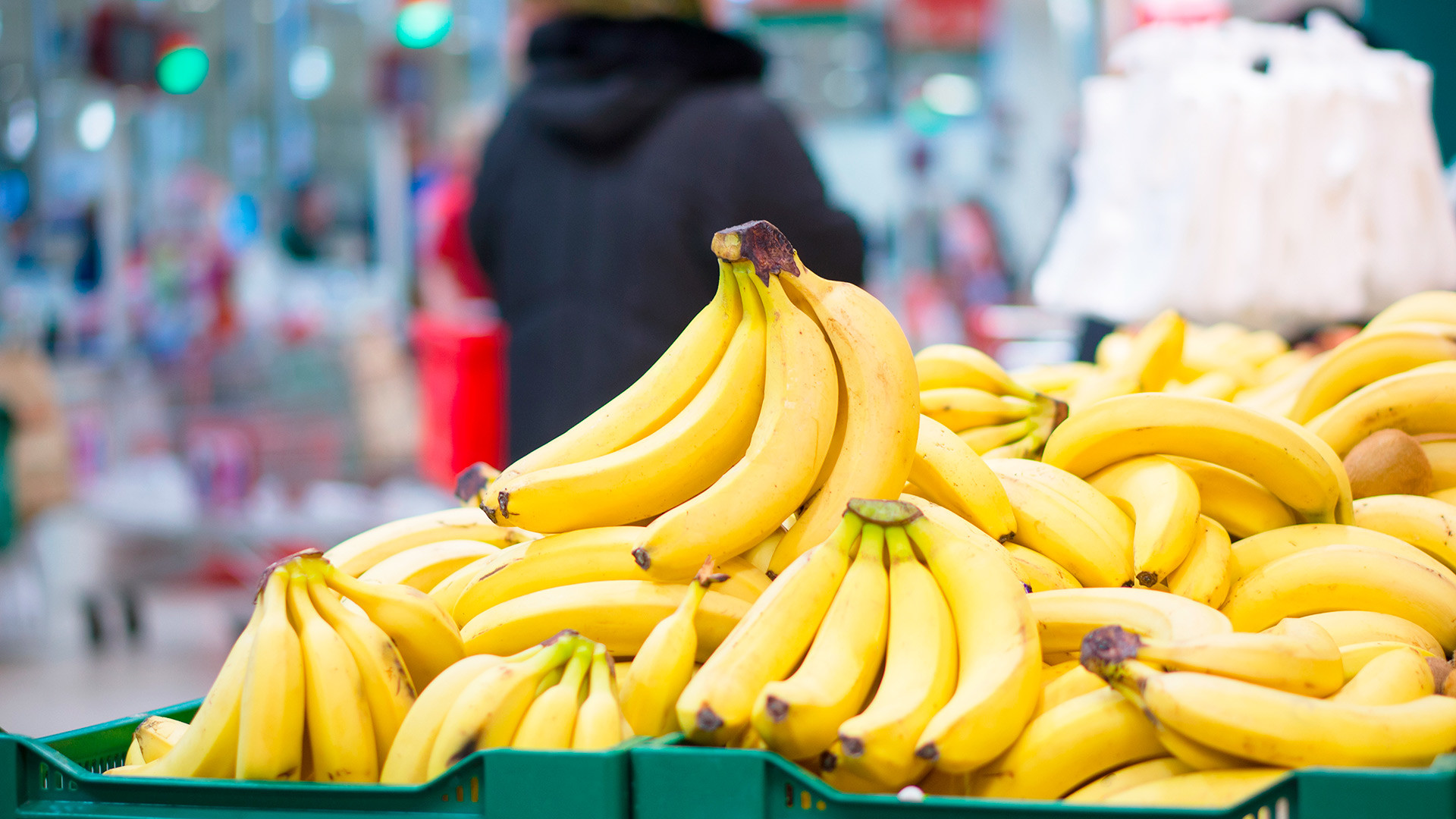
  • Banana prices double in Thailand

    Banana prices double in Thailand

    The price of kluay hom thong banana or “golden bananas” in Thailand has doubled to 30 baht (US$0.89) amid growing demand.

    Somchai Nunual, leader of the golden banana and fruit safety group in Bang Kaew district in Thailand’s Phatthalung province, said the price hike was due to the growing popularity of the fruit, while the lack of rain since the second half of last year has curtailed the supply of bananas to the market.

    Bang Kaew district has been the center of the bananas in the province since farmers discovered the soil in the district is more suited to growing bananas than rubber, rice or oil palm.

    Thailand’s Ministry of Agriculture and Cooperatives predicted that the kluay hom thong banana harvest this year will amount to just 32,000 tons, a massive drop from last year’s 120,000 tons.

    Farmers made an average of 278 baht per 100 bananas last year, up from 243 baht in 2022, according to the ministry. It forecast that banana farmers will pocket 292 baht per 100 fruits this year.

    The kluay hom thong banana is one of Thailand’s main fruit exports, with 80% going to Japan and the rest largely to China and Cambodia.

    Japan allows Thailand a quota of 8,000 tons of the fruit annually, but the actual export volume is only half that because farmers cannot produce enough of the fruit that meets Japanese standards, according to the Internal Trade Department.

  • Philippines rice imports up 19% in 8 months

    Philippines rice imports up 19% in 8 months

    Rice imports to the Philippines amounted to 2.8 million metric tonnes (MT) during the first 8 months of this year, 19% higher than he same period last year, data from the country’s Department of Agriculture (DA) showed.

    In its latest report, the department’s Bureau of Plant Industry (BPI) said in August alone, rice from abroad increased to 296,350.9 MT compared to 167,403 MT in July. However, it was still lower than the average monthly arrival of 400,000 MT logged in the earlier months.

    Agriculture Assistant Secretary and spokesman Arnel de Mesa said rice prices have been decreasing. Regular and well-milled rice is sold at around 45 PHP (US$0.8) per kilo and even as low as PHP42, he added.

    According to the report, Vietnam remained the Philippines’ top source of the staple during the period, shipping over 2.17 million MT or around 77% of the country’s total imports in the January-August period. It was followed by Thailand (371,390 MT), Pakistan (156,121 MT) and Myanmar (66,910 MT).

    Last year, inbound shipments of rice totaled 3.6 million MT, down 5.9% from the record-high 3.82 million MT in 2022. The DA projects rice imports for this year will not exceed last year’s volume.

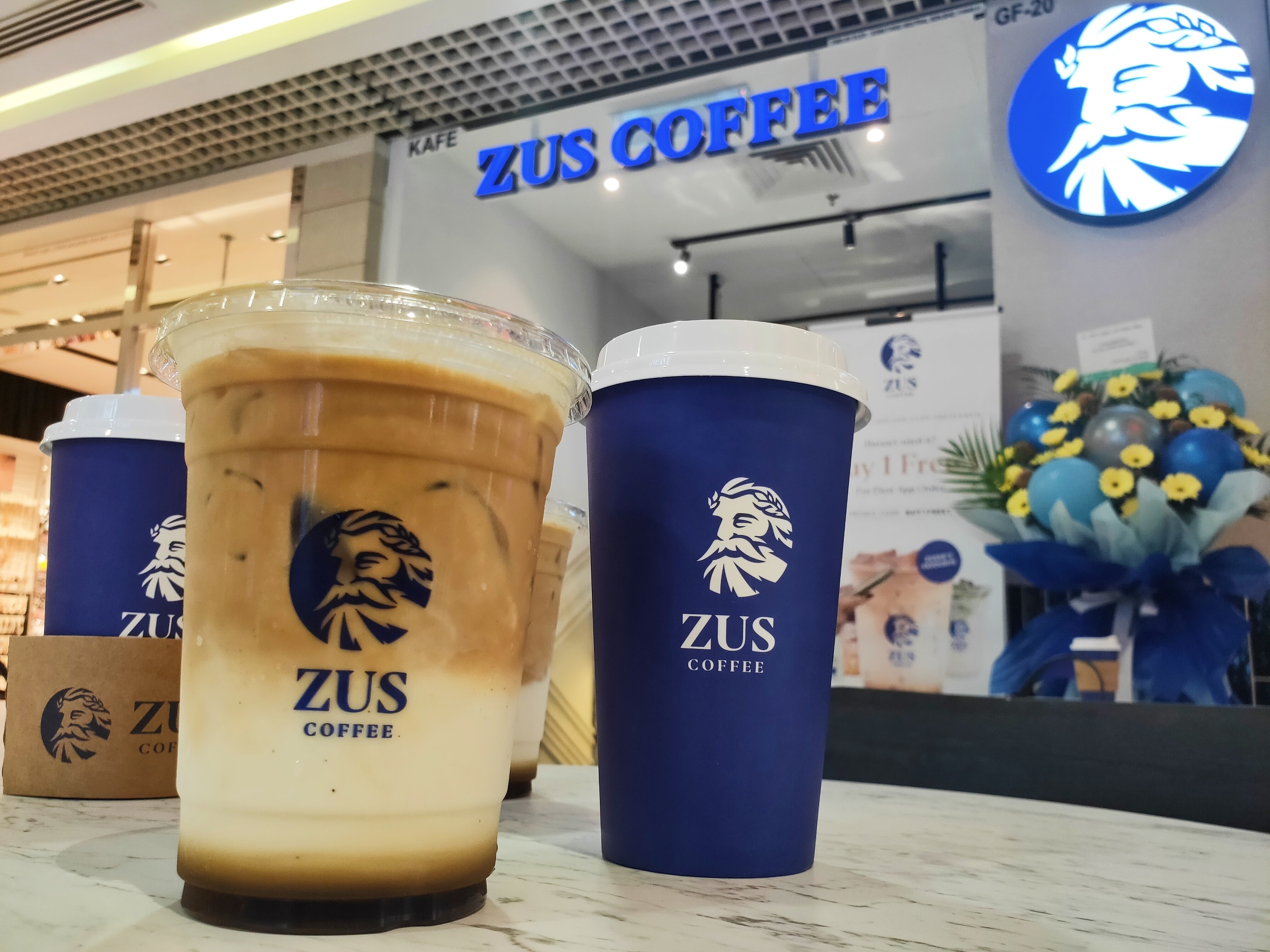
  • Malaysia’s Zus Coffee secures $57m funding, to expand into Singapore, Brunei

    Malaysia’s Zus Coffee secures $57m funding, to expand into Singapore, Brunei

    Malaysian coffee chain Zus Coffee has secured a US$57.27 million (RM 250) investment to support its expansion in Singapore and Brunei this year. The funding was secured from a consortium comprising private equity firm KV Asia Capital, Malaysian pension fund KWAP, and Indonesia’s Kapal Api Group.

    Founded in 2019, Zus Coffee has expanded to become one of Malaysia’s largest coffee chains, with an estimated  550 stores.

    It has also extended its footprint to the Philippines, where it operates 50 stores. This is following a strategic partnership with the Filipino hospitality group Choi Garden Restaurant Company, which acquired a 35 percent stake in the company last year.

    The Edge reports that the investment from KV Asia Capital will be raised in two phases: an initial US$10.7 million (RM 50 million), followed by an additional $42.8 million (RM 200 million) at a later date.

    KV Asia Capital has already invested in several other companies in Southeast Asia. These include the Taguig-based Wildflour Hospitality Group, the Vietnamese logistics firm Bee Logistics, the Indonesian beauty brand Victoria Care, the health food supplement company DXN, and the Malaysian supermarket chain TF Value Mart.

    Ernst & Young Malaysia acted as an adviser for the transaction.

  • Some markets ramp up imports of Vietnamese durian

    Some markets ramp up imports of Vietnamese durian

    Vietnam’s durian exports to several markets like Thailand, Hong Kong and South Korea rose by double digits year-on-year in the first seven months.

    China remained the biggest buyer as exports rose by nearly 53% to US$1.47 billion, accounting for 92% of all shipments.

    Thailand was second with $65 million, up 51%, followed by Hong Kong, $19 million, up 24%.

    Exports to South Korea, Papua New Guinea, Japan, and Cambodia increased by at least 50%.

    Total exports were also up 50% to $1.6 billion.

    Ngo Tuong Vy, CEO of fruit exporter company Chanh Thu, said Vietnamese durian is more competitively priced than those from Thailand, Malaysia and the Philippines.

    Her company saw exports rise by 30% this year because of a decline in Thai output due to unfavorable weather.

    Dang Phuc Nguyen, general secretary of the Vietnam Fruits & Vegetables Association, said many countries are craving Vietnamese durian because of its high quality and availability all year round.

    Vietnam and China’s recent protocol on frozen durian exports would also help boost exports, he added.

    Vietnam exported $2.3 billion worth of durian last year, 90% of it to China.

  • Domino’s chooses Made With Plants mozzarella for vegan pizzas

    Domino’s chooses Made With Plants mozzarella for vegan pizzas

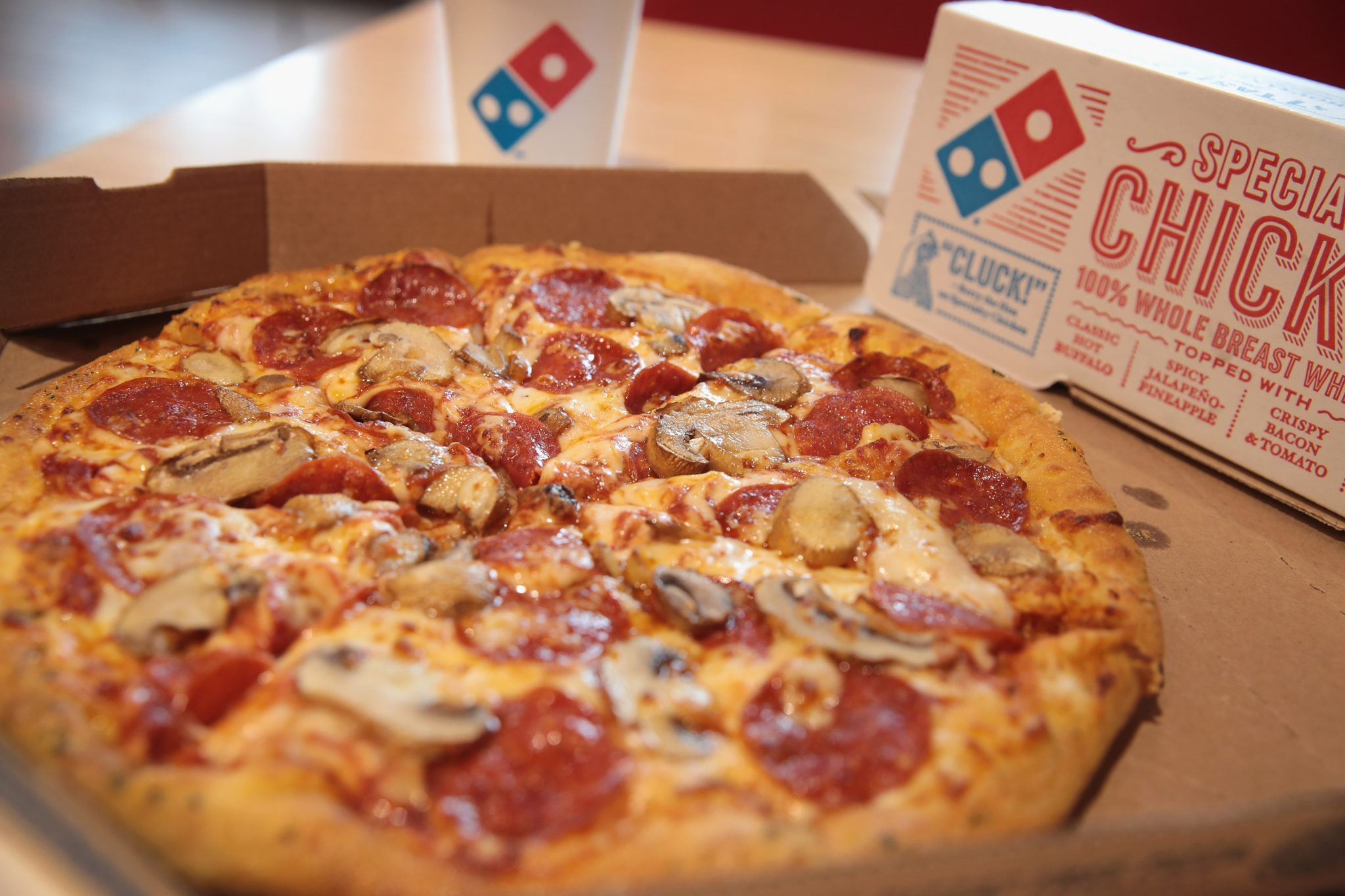
    Domino’s is now using Made With Plants‘ dairy-free and gluten-free mozzarella for its vegan pizzas across Australia.

    The pizza chain has been serving plant-based pizzas since 2019. Its vegan-friendly offerings include pizza variants Spicy Veg Supreme and Vegan Margherita and sides such as vegan cheesy garlic bread.

    “At Domino’s, we’re passionate about choice,” said Michael Treacy, head of new product development at Domino’s ANZ.

    “As the world’s best bonding food, it’s important that all our customers can share in the joy of pizza, regardless of their religious, ethical, dietary or lifestyle choices, which is why we’re proud to offer a new and improved vegan cheese.”

    Made With Plants mozzarella is also now available at select Domino’s stores and at Coles and Woolworths supermarkets.

  • Vietnamese passion fruits enter Australian market

    Vietnamese passion fruits enter Australian market

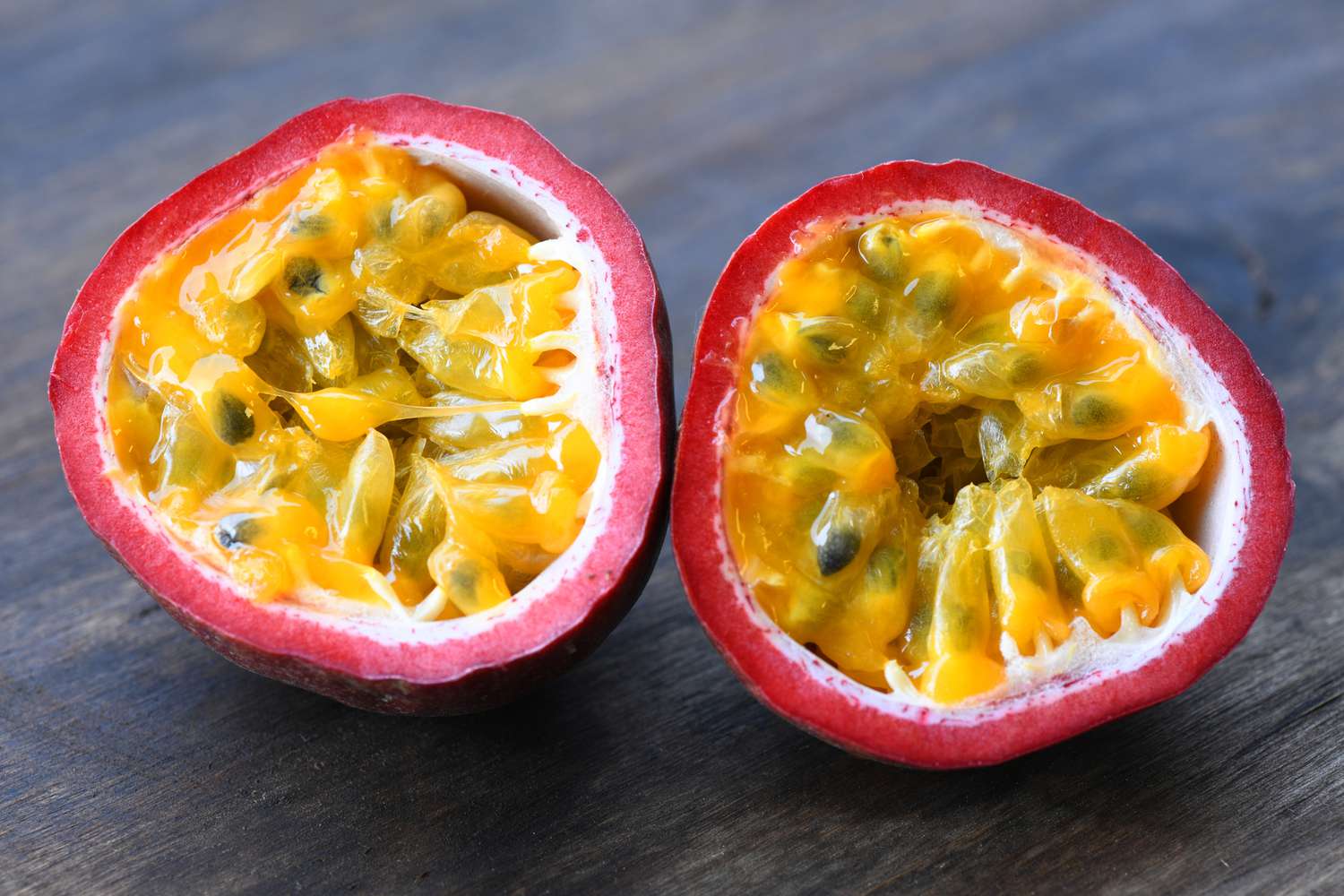
    Passion fruits have become the fifth kind of Vietnamese fruits to be officially exported to Australia, following mango, longan, lychee, and dragon fruit.

    On Monday, the Plant Protection Department under the Ministry of Agriculture and Rural Development in collaboration with the Australian Embassy in Vietnam held a ceremony to announce the export of Vietnamese passion fruits to Australia and the import of Australian plums into Vietnam.

    Huynh Tan Dat, Director of the Plant Protection Department, underlined that Vietnam has great potential and advantages in tropical fruits.

    Currently, Vietnamese fruits are available in over 60 countries and territories. Specifically, passion fruits have been exported to 20 countries in various forms such as fresh, frozen, and juice.

    The area of passion fruit in Vietnam is currently over 12,000 hectares and is expanding, mostly in the northern mountainous region. Many provinces in the Central Highlands are also expanding the cultivation area of this fruit.

    In recent years, Vietnam has concentrated on improving passion fruit quality by promoting chain production and ensuring traceability for the product, focusing on two varieties of yellow passion fruit and purple passion fruit.

  • Domino’s chooses Made With Plants mozzarella for vegan pizzas

    Domino’s chooses Made With Plants mozzarella for vegan pizzas

    Domino’s is now using Made With Plants‘ dairy-free and gluten-free mozzarella for its vegan pizzas across Australia.

    The pizza chain has been serving plant-based pizzas since 2019. Its vegan-friendly offerings include pizza variants Spicy Veg Supreme and Vegan Margherita and sides such as vegan cheesy garlic bread.

    “At Domino’s, we’re passionate about choice,” said Michael Treacy, head of new product development at Domino’s ANZ.

    “As the world’s best bonding food, it’s important that all our customers can share in the joy of pizza, regardless of their religious, ethical, dietary or lifestyle choices, which is why we’re proud to offer a new and improved vegan cheese.”

    Made With Plants mozzarella is also now available at select Domino’s stores and at Coles and Woolworths supermarkets.

  • Heinz launches pickle-flavoured ketchup in Australia

    Heinz launches pickle-flavoured ketchup in Australia

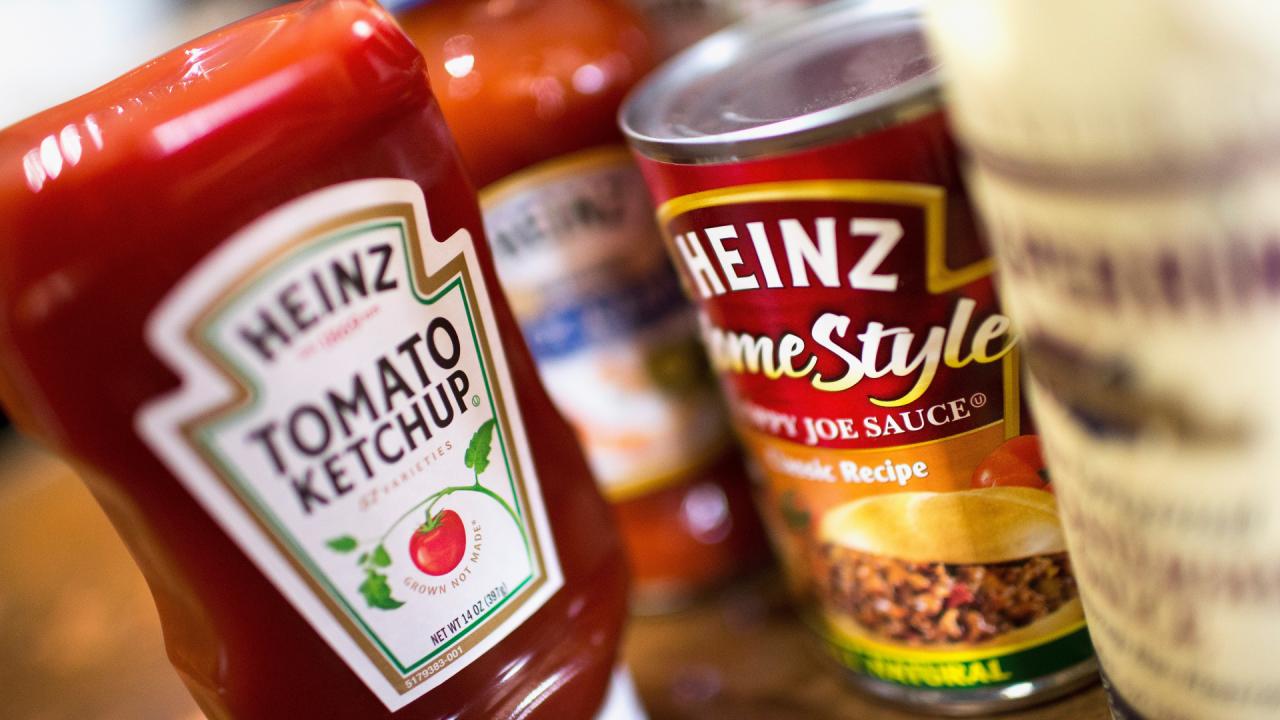
    Heinz is making a twist on its classic tomato sauce by introducing a new pickle-flavoured ketchup in Australia.

    The new flavour blends ketchup with dill pickle for a flexible sauce, which the company ensures “to thrill both pickle fans and ketchup lovers nationwide”.

    The new Heinz Pickle Flavoured Ketchup is already available in Coles stores and will be available countrywide at Woolworths and Metcash on October 14 with an RRP of $5.00.

    Last month, Heinz introduced two new mayo flavours – Cheesy Garlic Bread Aioli and Margherita Pizza Mayonnaise – which it describes as “criminally tasty”.

  • Belgian brewery Rodenbach launches cherry-flavoured beer

    Belgian brewery Rodenbach launches cherry-flavoured beer

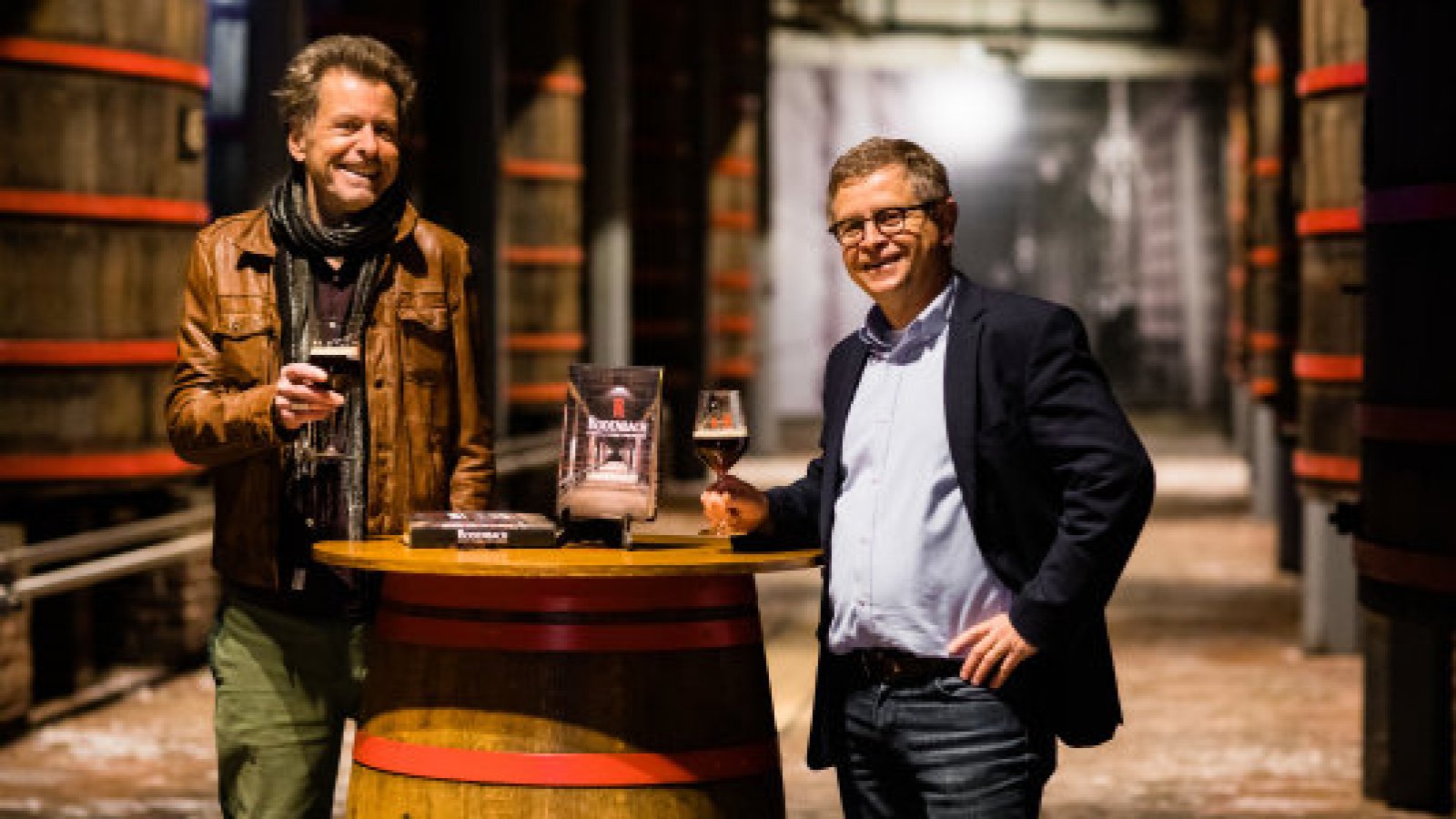
    Belgian craft brewery Rodenbach has made its cherry-flavoured craft beer, Fruitage, available in Australia.

    The beer is made from a blend of ripened and aged ale, young ale, and 7 per cent cherries, processed through “meticulous” fermentation.

    “The main fermentation and warm maturation occur with top-fermenting yeasts at ambient temperatures between 15 to 25 Celsius,” explained the brewery.

    “Secondary fermentation takes place over a two-year maturation period in oak casks, facilitated by bacterial flora and wild yeasts present in the oak.”

    These microorganisms initially produce organic acids, which are then transformed into fruity esters, giving Fruitage its distinct, vibrant taste.

    Rodenbach Fruitage is available in Dan Murphy’s and BWS stores nationwide at an RRP of $17 for a four-pack and $84.99 for a case.

  • Kopi Kenangan to enter the Philippines and India

    Kopi Kenangan to enter the Philippines and India

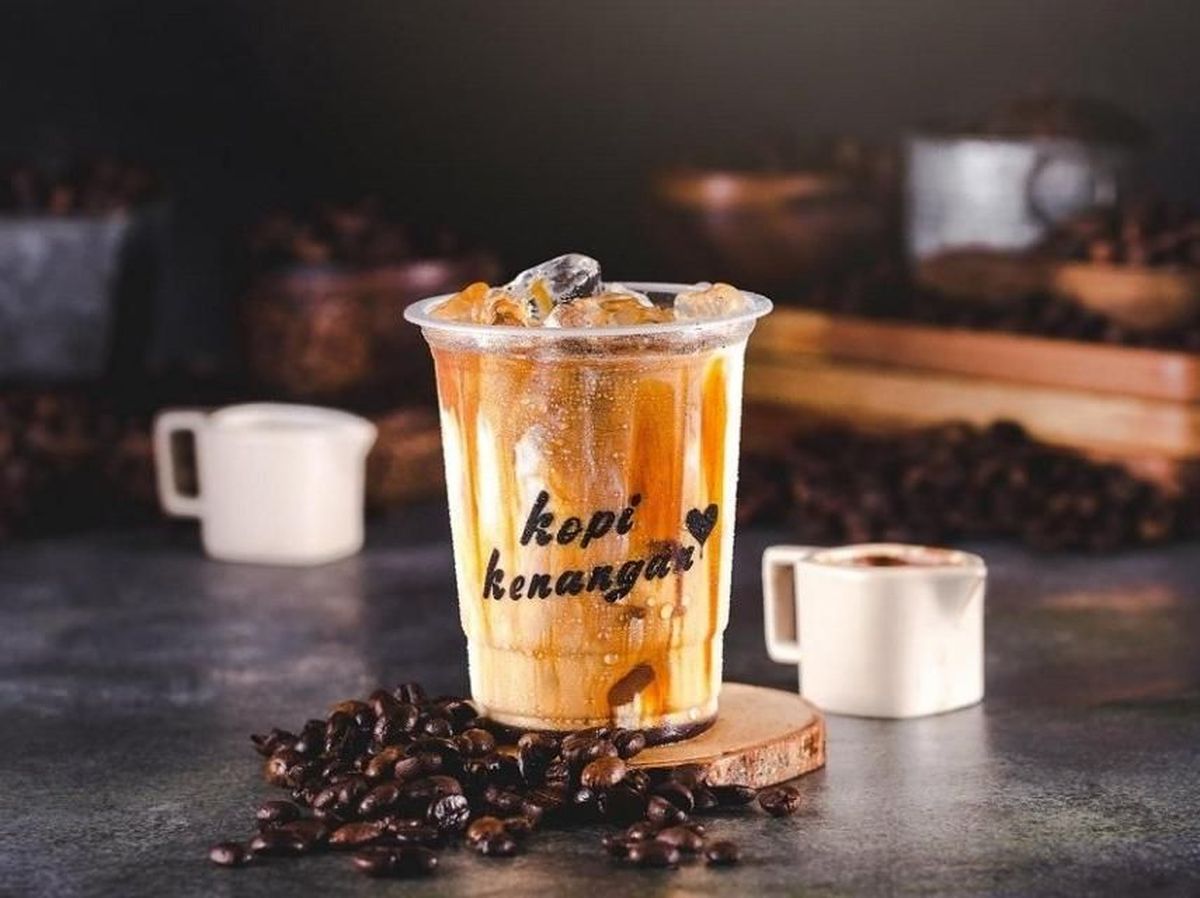
    Indonesian coffee chain Kopi Kenangan – also known as Kenangan Coffee – is expanding its global footprint, beginning with the launch of its first stores in India and the Philippines.

    The company will open its first Philippine store in October at SM Mall of Asia, Pasay City.

    In India, Kopi Kenangan will make its debut early next year through a licensing agreement with a local F&B business. However, specific details have yet to be finalised.

    During its initial expansion phase in Southeast Asia, the company said it would focus on establishing at least 10 stores in shopping centres.

    “Our expansion into Malaysia and Singapore is a testament to our commitment to serving quality coffee to more people around the world,” said Edward Tirtanata, founder and CEO of Kopi Kenangan.

    “Moving forward, we hope to continue expanding our reach by opening 500 international Kenangan Coffee outlets across various countries,” he said.

    Founded in 2017, Kopi Kenangan is one of the largest branded coffee chains in Indonesia, with more than  900 outlets across 60 cities.

    The brand made its international debut in Malaysia in 2022, followed by an expansion into Singapore last year, where it currently operates 48 and seven locations, respectively.