Category: General

Retail News Asia is committed to providing both local and global retailers with the latest General Retail news throughout the Asian market. This on a daily base.

  • Vietnam Airlines eyes airfare cap hike, fuel surcharge

    Vietnam Airlines eyes airfare cap hike, fuel surcharge

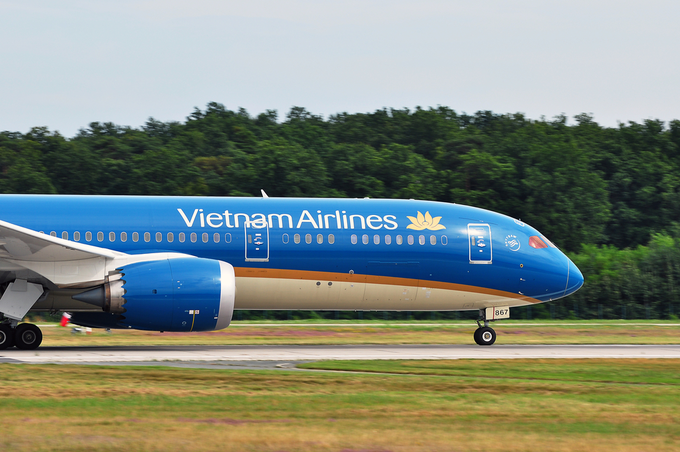
    Vietnam Airlines proposed to raise the price cap for domestic travel from April 1 and add a fuel surcharge for local routes.

    The current price cap of air transportation services is no longer suitable, the airline said in its proposal sent to the Ministry of Transportation and the Ministry of Finance on March 14.

    The current maximum fare is VND2.2 million ($96) for routes under 850 kilometers, and VND3.75 million for those above 1.280 kilometers.

    The higher cap would serve to offset costs of rising oil prices and improve service quality, the airline said.

    Its proposal also advocated for a fuel surcharge on domestic routes and full environmental tax exemption for aviation fuel in 2022, which would save the airline more than VND600 billion if approved.

    Previously, the Civil Aviation Authority of Vietnam had repeatedly requested the airfare cap be removed, but to no avail.

    Last year, the national carrier proposed to set price floors between VND560,000 and VND1.4 million for air tickets on domestic routes, but the Ministry of Transportation rejected the idea.

  • YouTube working on a new home feed with dimmed background for videos on autoplay

    YouTube working on a new home feed with dimmed background for videos on autoplay

    There is a new user interface test that’s been going on for YouTube on mobile, which is introducing some new tweaks to the “Playback in feed” feature in order to make it more immersive. The tweaks were discovered in a beta version of the app. The change to the user interface will have new in-feed controls for the volume of the video that has played automatically, as well as closed captions, alongside the ability to save it to “Watch later” or skip it. At the same time, the rest of the YouTube home feed will be dimmed shortly after a video starts to autoplay.

    If you want to access the controls, you need to tap on the three-dot expanded menu option that will be alongside the video title, channel icon, and the count of views. Pretty much, to some, this change might appear a bit intrusive.

    However, it is most probably in testing so that the YouTube auto-playing feature gets more immersive. Basically, the feature is reminiscent of the Turn Off the Lights extension for Chrome, which goes and dims all other elements of the UI except for the video player. For people who want to focus on the content in the video, this feature will prove to be quite useful.

    This change has been noticed in YouTube beta v17.10.35, but it is not widely available yet, probably more like a part of an A/B test. At the moment, it seems there isn’t a way to adjust this feature or disable it.

    We can’t help but think of TikTok for this one, as its purpose is viewing videos in-feed instead of on dedicated channels. Probably, YouTube is planning that in order to better rival TikTok’s growing popularity. We also have YouTube Shorts that’s another way the company is looking to better match what users like and how users prefer to consume content online.

  • Instagram brings parental controls to the US, confirms NFTs are coming soon

    Instagram brings parental controls to the US, confirms NFTs are coming soon

    Instagram’s parent company, Meta announced back in December it will bring new parental controls to the social network at some point this year. Starting today, these parental controls are rolling out to Instagram users in the United States, Head of Instagram Adam Mosseri confirmed this week.

    First off, a new Family Center is making its way to Instagram users in the US, which will act as a hub to access supervision tools and other related resources. These tools are available on Instagram today, and will be rolling out in VR in May.

    Additionally, Family Center includes a new education hub where parents can access resources like articles from experts, videos and tips on topics like how to talk to teens about social media. Video tutorials will also be available through the hub on how to make use of the new supervision tools.

    The first set of parental supervision tools available today on Instagram will allow parents to view how much time their teens spend on the social network and set time limits, be notified when their teen shares they’ve reported someone, as well as view and receive updates on what accounts their teens follow and the accounts that follow their teens.

    More features will be added to parental supervision tools over the next few months, including the option to set hours during which teens can use Instagram and the ability for more than one parent to supervise a teen’s account.

    In other news, Mark Zuckerberg confirmed that NFTs (non-fungible tokens) will be coming to Instagram. During his speech at SXSW, Meta’s Zuckerberg revealed the information but didn’t exactly detail how the company plans to implement the digital collectible. However, he did say that “over the next several months, the ability to bring some of your NFTs in, hopefully over time be able to mint things within that environment.”

  • AS Watson to shut down its Russian business

    AS Watson to shut down its Russian business

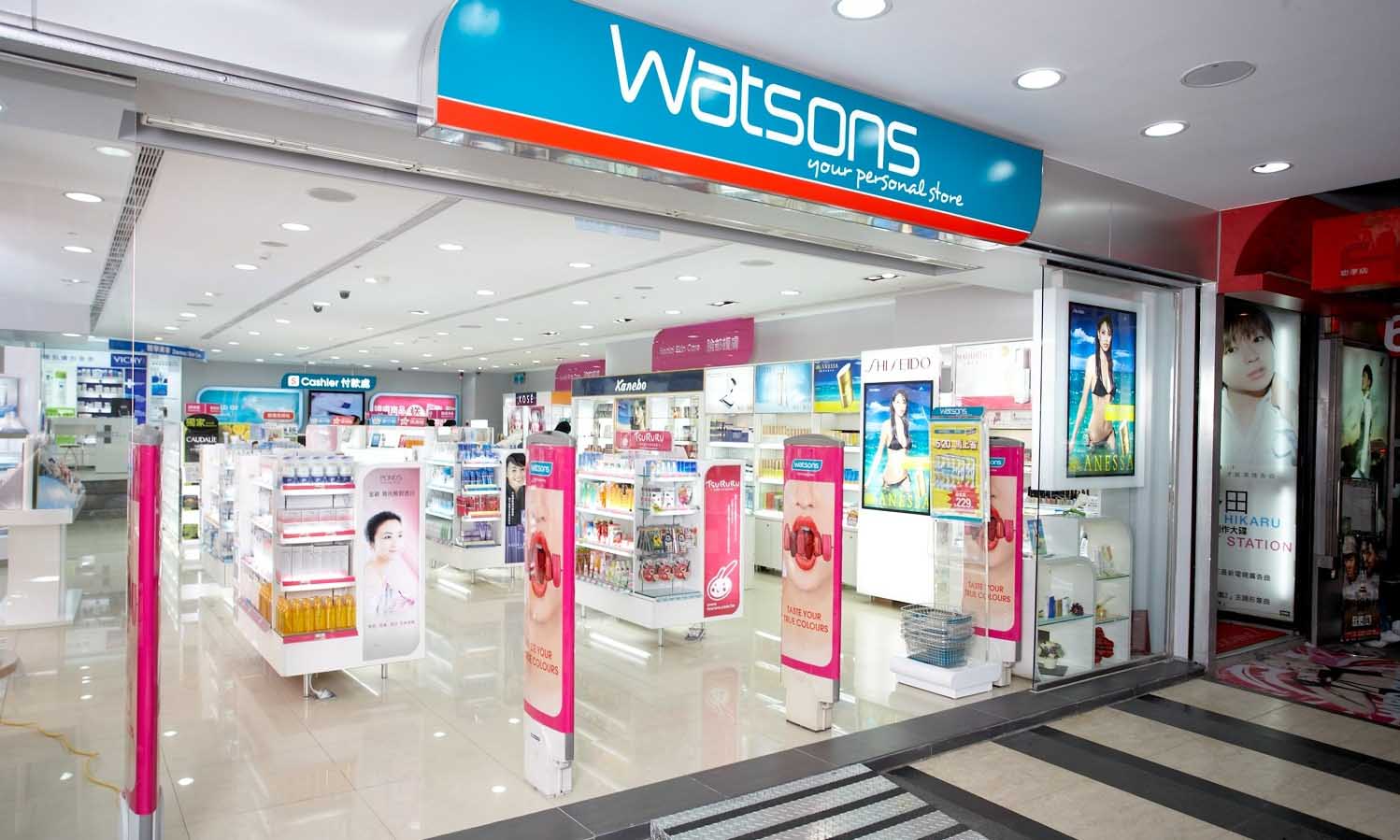
    A.S. Watson Group will be exiting the Russian market due to unsatisfactory business performance. The company did not relate its departure to the ongoing Russia-Ukraine war. In a statement, a spokesperson from A.S. Watson Group said, “After serious consideration, we decided to cease the operation of Watsons Russia by June 2022 and prioritize our investment in other markets.”

    The company added that it made the decision in late January due to the unsatisfactory business performance in the Russian market.

    Currently, Watsons Russia only has a presence in the city of Saint Petersburg with 47 stores. The company said although the local team had made many attempts to improve the business performance over the years, however, the results were not satisfactory.

    After leaving Russia, Watsons will still operate in other European countries, including Ukraine and Turkey. The spokesperson said the decision of quitting the Russian market will allow the brand to focus more on other key markets where it can generate a better return on investment.

    Many brands, including retail companies, from around the world are leaving the Russian market due to the ongoing Russia-Ukraine war. UNIQLO’s parent company, Fast Retailing, said it had become clear to the brand that it can no longer proceed its operations in Russia “due to a number of difficulties”. The fashion brand added that it is “strongly against any acts of hostility”. “We condemn all forms of aggression that violate human rights and threaten the peaceful existence of individuals,” said UNIQLO.

    UNIQLO initially announced on 8 March that it will continue to sell its clothes in Russia, with Fast Retailing’s CEO Tadashi Yanai defending the brand’s stance at that time. While other major corporations were quick to close their stores and halt operations in protest of Russia’s unprovoked attack on Ukraine, Yanai argued at that time that “Russians still needed access to daily necessities such as clothing.”

    Since the invasion, numerous companies have pulled out of the market. At the same time, other retail and luxury brands including Levi’s, Inditex, Hermès, Chanel, Cartier, LVMH, and Kering have temporarily suspended operations in Russia. LMVH’s Louis Vuitton has pledged to donate US$1.08 million to refugees, adding that it was “deeply touched by the tragic situation unfolding in Ukraine”. Chanel also cited “increasing concerns” regarding the current situation as well as the “growing uncertainty and the complexity to operate”.

    McDonald’s has also shut down its operations in Russia. However, the move is expected to cost the fast-food restaurant US$50 million a month, or about five to six cents per share, CFO Kevin Ozan said at the UBS Global Consumer and Retail Conference. McDonald’s has also closed 108 of its stores in Ukraine for the time being. Together, these stores account for about 2% of its sales, 9% of its revenue, and 3% of its operating income, CNBC reported. However, McDonald’s CEO Chris Kempczinski said in a statement that it will continue to provide salaries for all affected employees. Additionally, McDonald’s donated US$5 million to its Employee Assistance Fund to provide financial support to its employees in Ukraine.

  • China retail sales saw strong growth early 2022

    China retail sales saw strong growth early 2022

    China retail sales during the first two months of this year were up 6.7 per cent year on year, reaching US$1.1 trillion (7.4 trillion yuan), as the economy rebounded, according to the National Bureau of Statistics (NBS).

    Sales for the two months were combined to remove any influence of the timing of the Lunar New Year holiday on comparative data, given the festival dates change each year. The combined sales figures were 5 per cent higher than for last December.

    In particular, sales of goods increased 6.5 per cent, generating approximately $1 trillion (6.6 trillion yuan), while catering revenue was up by 8.9 per cent. Sales across gold, silver and jewellery, household appliances and audio-video equipment, cultural and office supplies, and daily necessities all saw a double-digit increase.

    Meanwhile, the country’s e-commerce growth maintained its momentum, recording a 10.2-per-cent increase year on year at $306 billion (1.6 trillion yuan) in sales. The online retail sales of physical goods accounted for 22 per cent of the overall retail sales of consumer goods, up 12.3 per cent.

    “Generally speaking, in the first two months, the economy enjoyed a good recovery momentum,” NBS said. “However, we must be aware that the external environment is still severe and complicated, and the national economic development is faced with mounting risks and challenges.”

  • Twitter rolls back an update that angered many users

    Twitter rolls back an update that angered many users

    If you were one of the people who were upset by the recent change to Twitter’s timeline and were angry that you couldn’t easily see all of the latest tweets, you canrelax now because Twitter has restored its timeline to what it was before. Yes, Twitter ditched its latest timeline change, which displayed algorithm-based suggestions in your timeline by default. So you no longer have to go to a separate tab to see the most current tweets.

    In a tweet regarding its decision to roll back the change to the timeline, Twitter stated, “We heard you –– some of you always want to see latest Tweets first. We’ve switched the timeline back and removed the tabbed experience for now while we explore other options.”

    Twitter’s reverting to the previous state of the timeline is completely understandable. When Twitter divided chronological and algorithmic tweets into two tabs on its iOS app and announced that the change would be rolled out to the Android and Web versions of the platform soon, many Twitter users lashed out against the change to their timeline.

    According to many Twitter users, the change to their timeline meant that they would no longer be able to see the latest tweets easily. Furthermore, Twitter configured its app to display the algorithm-based suggestions first by default when you open the app. This meant that users had no control over what they would see when they launched Twitter’s app.

    Twitter stated in its tweet that it would “explore other options.” Let’s just hope that Twitter learned its lesson and won’t make the same mistakes again by introducing changes that will upset many of its users.

  • Telegram update brings semi-transparent mode to Android, phone number links, new Download Manager

    Telegram update brings semi-transparent mode to Android, phone number links, new Download Manager

    Telegram has a new update that’s bringing a few quite useful features to the popular chat app. The app is now getting a redesigned interface for Android, a new Download Manager, phone links, and more.

    The update was announced in a Telegram blog post. One of the most noteworthy features that the new update brings is the new phone number links feature. Before this update, you could create a username on Telegram and share your t.me/username link with other people so that they can find you on the app without your phone number. However, such usernames are public and people can find you in a global search.

    With this new update, Telegram is bringing the possibility to share a direct t.me link with your phone number that instantly opens up a chat with you. The format for these links is t.me/phone number, and you have to use your full number in the international format, with the code of your country and a + sign in front of it.

    Pretty much, these links do not make you searchable by anyone while still allowing your friends to find you with your phone number more easily. Keep in mind that in order for this to work, you need to set your privacy settings so that others can find you on the app by your phone number.

    With this new update, when you download files, a new icon will appear in the search bar. You can tap on it or go to the “Downloads” tab in Search, where you can view, pause, resume, or prioritize downloads. On top of that, you can use it when sending multiple photos to see a preview of the album, rearrange photos, or remove some before sending it.

    But that’s not all. Telegram for Android is getting a new look, with a new transparency effect. The company calls it a semi-transparent interface for Android. In fact, it is a look that is seen in Night Mode. With this new look, panels and headers become subtly transparent, this way making chat backgrounds, stickers, and media files more noticeable. Another new thing coming to the Android app is a refined login screen which will now have smoother animations.

    Additionally, the update brings support for live streaming with other apps. So far, Telegram Groups and Channels support live video broadcasts with an unlimited number of viewers. However, now you will be able to broadcast from streaming tools like OBS Studio and XSplit Broadcaster, which adds overlays and multi-screen layouts easily. This way, any Telegram channel can be seamlessly transformed into a professional TV Station.

    And last but not least, this Telegram update brings a new look to the t.me link pages. This is the place where anyone can preview profiles, posts, or entire public channels in their browser. The web previews are now getting a new look with chat backgrounds and design elements from the Telegram Web client.

    Back in December 2021, Telegram had another big update that brought Telegram chat reactions with emoji, a feature that’s quite useful and fun to use in chat apps, as well as message translations.

    Additionally, the update back then brought spoiler alerts that can help you hide some text behind a blurry look. Of course, choosing to ignore the spoiler alert will let you tap on the message and view it anyway like it is on other popular platforms such as Reddit.

  • Contractors fret as Vietnam steel prices scale new peak

    Contractors fret as Vietnam steel prices scale new peak

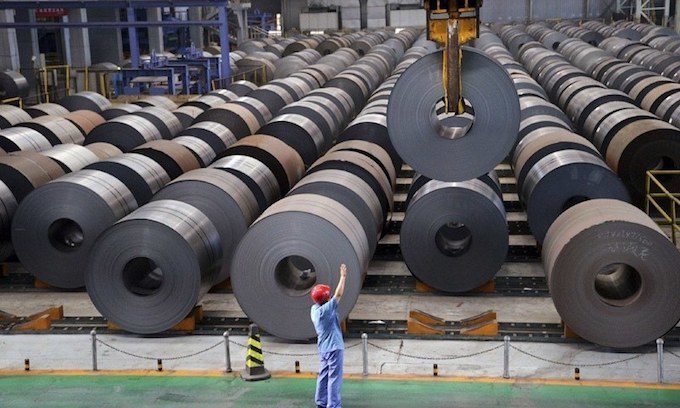
    With domestic steel prices up nearly 8 percent in 10 days, contractors are caught in a dilemma: continue work and suffer losses or suspend work and suffer fines. The Vietnam Steel Corporation (VNSTEEL) has upped its prices by 7.6 percent for both rolled and bar products.

    Its rolled steel prices reached VND18.57 million ($807) per ton, which is higher than the historic peak of VND18.3 million reached last year.

    Prices have been rising on the back of global price rises. Steelmaker Hoa Phat Group has increased its D10 bar prices to VND18.43 million per ton Mar. 11 from Mar. 1’s VND17.42 million.

    Friday’s was the third hike within over a week without a downward adjustment in between.

    The Vietnam Association of Construction Contractors (VACC) has warned that high construction steel prices will drag the industry down.

    It estimates that steel makes up 18-20 percent of the costs of building high-rise apartments, and the proportion is even higher for bridges and roads.

    Prices of other construction materials have also gone up. The association has asked the authorities to take price stabilization measures, but this has not happened yet.

    “The construction industry makes up for 8-9 percent of Vietnam’s GDP, thus any disruption can affect Vietnam’s growth target,” Nguyen Quoc Hiep, VACC chairman said.

    Many contractors are in a dilemma of whether to keep construction going at losses because of high material prices, or stop working and be penalized for slow progress, he said.

  • Bamboo Airways signs $110-mln deal with European maintenance firm

    Bamboo Airways signs $110-mln deal with European maintenance firm

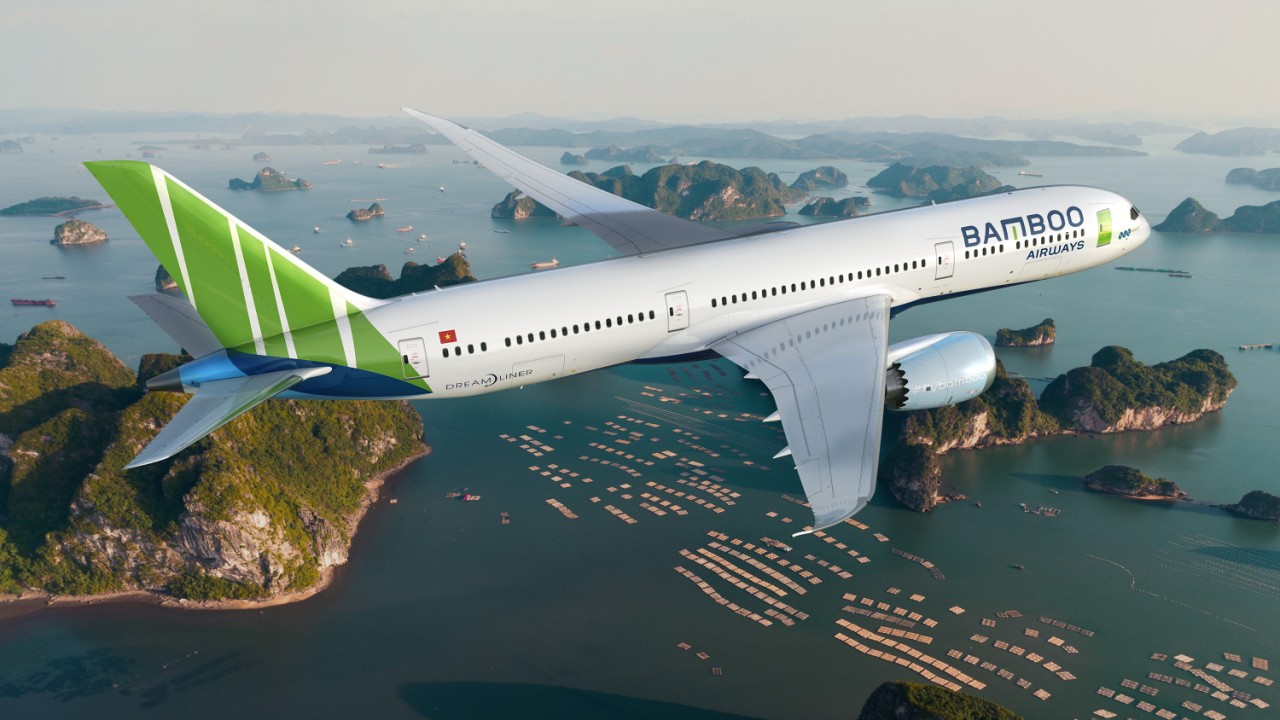
    Bamboo Airways has signed a EUR100-million ($110 million) contract with European aircraft maintenance firm Lufthansa Technik AG to service its airplanes.

    Lufthansa Technik would also supply materials for its Boeing 787 and Airbus A320 aircraft, the airline said in a statement.

    It also signed MoUs with two other European firms, AVIAREPS and Airbridge International Agencies for market expansion and cargo transport consultancy.

    One more, with Air France Industries KLM Engineering & Maintenance for engine maintenance, will be signed Thursday.

    The airline launched its first commercial flight between Hanoi and Frankfurt late last month, and plans to operate on the Hanoi-London route from March 22, it said.

  • Malaysia’s retail sales record double-digit growth in the fourth quarter

    Malaysia’s retail sales record double-digit growth in the fourth quarter

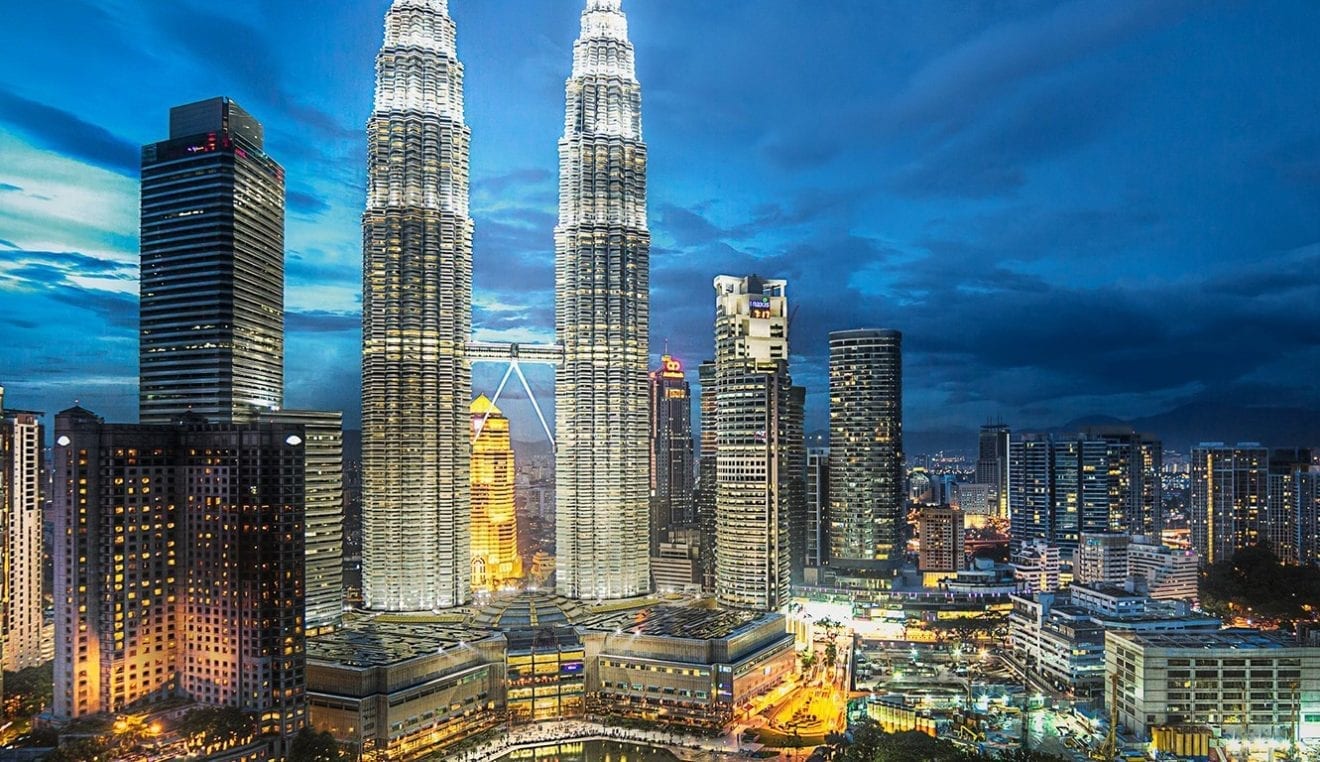
    Malaysia’s wholesale and retail trade recorded the highest monthly sales value amounting to RM120.5 billion in December, with annual sales recording a four percent growth to reach RM1.3 trillion in 2021 compared with the preceding year, according to the Department of Statistics Malaysia (DOSM).

    On a month-on-month comparison, the sales value of wholesale and retail trade rose 2.5 percent, supported by the reopening of various economic sectors including interstate travels. Recall that sales for the whole of 2020 contracted by 5.9 percent ― a historical low.

    In a statement today, chief statistician Datuk Seri Mohd Uzir Mahidin said 2021’s performance was underpinned by wholesale trade, which increased 6.4 percent to RM641.8 billion, followed by retail trade which expanded 4.4 percent to RM533.6 billion.

    In contrast, the motor vehicles sub-sector recorded lower sales compared with 2020, down by 8.2 percent to RM124 billion. Against 2019 pre-pandemic sales, the sector contracted 2.0 percent.

    On a monthly basis, the 3.5 percent rise in wholesale and retail trade in December was contributed by the retail trade sub-sector, which expanded 3.5 percent to RM48.5 billion, due mainly to the six percent growth in non-specialized stores to RM18 billion.

    However, retail sales in specialized stores remained negative, contracting 3.1 percent. The index for retail Internet sales for December recorded a 20.7 percent growth compared to a year ago.

    On a wholesale level, trade also expanded with a 4.1 percent growth to RM57.6 billion in December 2021 driven by an 8.1 percent expansion to RM11.5 billion in food, beverages, and tobacco, followed by agricultural raw materials and live animals with 14.7 percent growth to RM4.7 billion.

    Similarly, other specialized wholesale increased 2.3 percent to RM22.5 billion.

    On a month-on-month basis, wholesale trade grew 2.2 percent, contributed mainly by household goods which rose 4.4 percent.

    Meanwhile, Mohd Uzir said the 1.5 percent growth recorded in the motor vehicles sub-sector was attributed mainly to car parts and accessories sales which rose 11.7 percent to RM3.5 billion. December motor vehicle sales slipped 4.5 percent.

    On a quarterly comparison, the fourth quarter of 2021 (Q4 2021) saw wholesale trade expanding 5.1 per cent to RM169.7 billion, underpinning the wholesale and retail trade combined. Retail trade saw a 5.0 per cent growth to RM142.6 billion.

    Quarterly motor vehicle sub-sector also grew 5.3 per cent to reach RM42 billion.

    In another statement, Mohd Uzir said volume index of the wholesale and retail trade rebounded 1.4 per cent in Q4 2021, bringing the overall performance of this index for 2021 to 2.1 per cent.

    The increase was attributed to motor vehicles sub-sector, which rose 3.7 per cent, followed by retail trade at 2.0 per cent. However, wholesale trade inched down marginally by 0.03 per cent in the period.

    For quarter-on-quarter comparison, the volume index jumped 16.3 per cent, supported by motor vehicles which surged 136.9 per cent.

    Compared to Q4 2019, the volume index expanded by 2.1 per cent.

    “As for seasonally adjusted volume index, wholesale and retail trade soared 15.3 per cent as against Q3 2021.

    “All sub-sectors recorded positive growth namely motor vehicles (137.1 per cent), retail trade (8.5 per cent) and wholesale trade (6.0 per cent),” he noted.

    Mohd Uzir added that volume index of wholesale and retail ended 2021 with 124.1 points after a 2.1 per cent growth due to wholesale trade and retail trade, which grew 3.8 per cent and 3.4 per cent, respectively.

    As for pre-pandemic comparison, the sector remained below 2019 figure with a negative 4.2 per cent, pulled down by motor vehicles sub-sector, which slipped 10.2 per cent.

  • Facebook fights misinformation with new set of group tools

    Facebook fights misinformation with new set of group tools

    Meta’s Facebook announced that it has taken another step in trying to prevent misinformation from spreading by launching a new set of tools for group admins. These new features are not only meant to identify false information, but they will also help reduce admin workload and, ultimately, make them more efficient while they manage their groups.

    The first and most important new feature introduced this week is the ability through Admin Assist to automatically decline incoming posts that contain false information. Secondly, the “mute” functionality has been further improved and renamed to “suspend,” so admins and moderators can now temporarily suspend group members from posting, commenting, reacting, participating in a group chat, and creating or entering a Room in a group, not just mute them.

    To help admins manage their groups much easier, Facebook added a new feature that enables them to automatically approve or decline member requests, based on specific criteria. Also, the Admin Home design has been updated with a new overview page on desktop, a new layout, and an insights summary on mobile.

    Furthermore, Facebook announced it has added QR codes support, which will allow admins to download or copy/paste from the Share menu and advertise their groups. When scanned, people will be directed to the group’s About game where they can join or request to join. Also, a new option for admins to send invites via email to invite people to join their groups has been added too.

  • AirAsia brings back fuel surcharge

    AirAsia brings back fuel surcharge

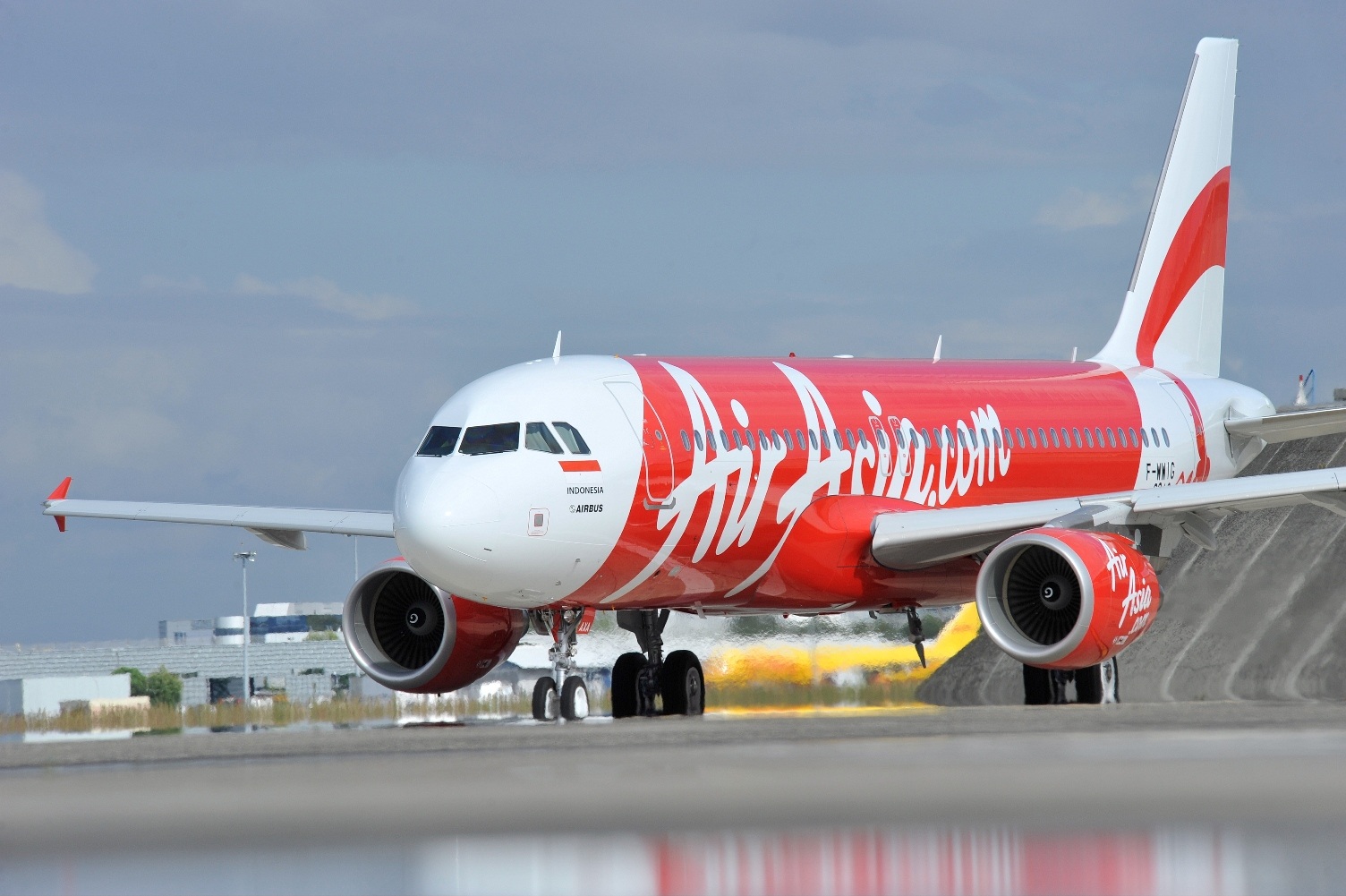
    AirAsia Malaysia will be reintroducing fuel surcharge beginning March 8 for all its domestic and international flights.

    The reintroduction of the fuel surcharge by AirAsia is to offset the escalating jet fuel prices, which has exceeded US$120 per barrel. AirAsia has not been charging fuel surcharge since it was abolished in 2015. The airline said it has been absorbing the oil price increase over the years.

    The fuel surcharge will be applicable for new flight bookings made on and after March 8. All bookings made before March 8 will not be affected.

    The fuel surcharge rates for all domestic routes within Malaysia is RM10 while rates for international routes within one to two hours is RM25.

    The rates for international routes for two to three hours, three to four hours and more than four hours are RM35, RM50 and RM60, respectively.

    AirAsia Malaysia Chief Executive Officer Riad Asmat said airlines the world over are affected by the rising oil prices and the continuous upward spiral caused by the situation in Eastern Europe and other external factors have made it imperative for the airlines to reintroduce the fuel surcharge, despite the low-cost operator’s best efforts to resist it for as long as it could.

    “Since we last abolished fuel surcharges in 2015 when the global fuel price was as low as US$48 a barrel, we have faced numerous occasions when the fluctuations have caused other airlines to start imposing surcharges.

    “However, at AirAsia, we have been absorbing past increases in oil prices to continue to provide the best value to our guests. Unfortunately, the current situation where the oil price has shot up more than 160 per cent than what it was in 2015 has made it no longer sustainable,” he said in a statement today.

    Riad hoped that the fuel surcharge will only be a temporary measure.

    He said AirAsia will continue to ensure its fares remain as low as possible despite the fuel surcharge.

    Even when faced with the devastating Covid-19 pandemic, AirAsia still managed to deflect the rising operational costs and continued to offer low fares to the people, he explained.

    “We will continue to monitor the situation and at the same time capitalise on technological and digital innovations as ways to keep costs at bay and make air travel affordable for everyone.”

    AirAsia removed its fuel surcharge twice in the past. It first introduced a fuel surcharge in 2005 and abolished it in 2008, and later reintroduced it in 2011.

    In 2015, the jet fuel price was at its high of US$78 per barrel but AirAsia removed the fuel surcharge as soon as the price went down to around US$48 per barrel that year.

  • WhatsApp working on a useful Telegram-like poll feature for groups

    WhatsApp working on a useful Telegram-like poll feature for groups

    A feature that Telegram has had for years is now going to be present in WhatsApp. The ability to create polls in group chats is something that WhatsApp is currently working on, and should make its way to a future WhatsApp version.

    Polls are a great way to interact with a large group of people and are quite helpful to reach a decision or to know what your group of friends thinks about an idea. Telegram, another popular instant messaging app, has had this feature for a while now, and WhatsApp is finally testing it to implement it to WhatsApp users.

    WABetaInfo was the first to discover the feature in WhatsApp for iOS beta version v2.22.6.70. The feature is still under development, so it is not available for public beta testers right now.

    The poll option will be available only for WhatsApp groups, and it will be end-to-end encrypted, including the answers the other users give to it. Basically, end-to-end encryption is something WhatsApp is quite popular with, and it will be present for the poll feature as well. This pretty much means only the people in the group will be able to get access to the poll and its results.

    As you can see on the screenshot, there will be a new user interface with a text field for your question, accompanied by a Create button, as well as a Cancel button. However, as this feature is still under development, it is still unknown what the maximum number of options will be if there will be any restrictions on the number of responses or how long you will be able to vote on a poll.

    And as this is a feature in beta, an official release date is not yet announced for it. As usual, beta testers will get to see how this feature works first, as WhatsApp works to get rid of any bugs and improve on it before it launches it for the general public.

    The poll option has currently been spotted in the iOS version of the popular chat app, but that doesn’t mean it won’t be coming to Android. In the meantime, WhatsApp has also been testing many other useful features. Let’s see what the most recent features currently in testing for the chat app are.

    Currently, you have a somewhat lengthy process to follow if you wish to search from your messages in WhatsApp, which includes locating a specific chat or group chat window, then tapping on the three-dots menu and searching. However, it seems that the app will be getting a simpler way to search for a message in a future update.

    WhatsApp beta for Android version 2.22.6.3 brings a new search shortcut to solve this issue. Although it sounds similar to WhatsApp’s current solution for searches, it is different in the way that it allows you to search right from the info page of personal contacts and groups, without having to go to a specific group or chat where you think the message was sent.

    Apart from that, WhatsApp is also working on the long-awaited message reactions, which will allow you to express your reaction to a message with an emoji.

    Another feature that WhatsApp is working on is a redesigned voice call user interface. Beta version 22.5.0.70 is showing a revamped user interface that should be coming to the app. With the new improved voice call UI, you will be able to see real-time voice waveforms are going to come to calls. The app has recently rolled out similar waveforms for audio messages.

    Keep in mind that, as these features here are in beta, which they may change as they undergo development before they get their official global release.

  • AirAsia Group loses appeal in airport case

    AirAsia Group loses appeal in airport case

    The Court of Appeal of Malaysia has dismissed attempts from AirAsia (AK, Kuala Lumpur Int’l) and AirAsia X (D7, Kuala Lumpur Int’l) to set aside a High Court ruling in favour summarily – without a full trial – of Malaysia Airports Holdings over outstanding passenger service charge (PSC) payments, Malaysia’s Daily Express and The Edge Markets reported.

    A three-member bench unanimously confirmed on March 3 that the High Court was correct in granting the state-run airport operator a summary judgement for a total of MYR41.55 million ringgit (USD9.95 million) against the two low-cost carriers, comprising the outstanding charges, late payment fees, and costs.

    The airlines had lodged three appeals each in an effort to strike out the rulings, and so the appeals court ordered them to pay additional costs of MYR10,000 (USD2,400) per appeal, totalling MYR60,000 (USD14,400).

    Malaysia Airports’ claim against AirAsia and its long-haul affiliate is for alleged unpaid passenger service facilities charges at the rate the Malaysian Aviation Commission (Mavcom) regulator set in 2016 and amended in 2017 and 2018.

    According to the plaintiff, the defendants had signed a contract on these fees and other conditions for the use of Kuala Lumpur Int’l Airport, rules that were also revised in 2017. The two carriers deny having accepted the terms of the contracts, however, claiming they had raised objections to the plaintiff but had been ignored.

    The Capital A (formerly AirAsia Group) airlines have argued that the rate for the charges in the current regulations is a ceiling rate, not a fixed rate, and that the amount payable was to have been negotiated between the parties.

    “We are of the opinion, and we agree with the findings of the learned High Court judge, that AirAsia’s actual dispute is not one between two aviation service providers but between AirAsia and [Mavcom] itself, because it is the commission that had prescribed the applicable PSC rate, and [Malaysia Airports] collects the same. Specifically, AirAsia’s actual dispute is against the decision of the commission to equalise the PSC rates” between Kuala Lumpur Int’l terminals one and two, the appeals court ruling said. “Accordingly, AirAsia should have addressed its PSC dispute by judicial review against the commission’s statutory decision to increase the rate.”

    AirAsia X has also been the target of a Malaysia Airports Holdings lawsuit initiated in October 2020 to demand payment of MYR78.16 million (USD18.7 million) in alleged lapsed charges related to the long-haul low-cost carrier’s debt restructuring scheme. Malaysia Airports is a secured creditor of AirAsia X, it has argued, so it should have been excluded from the carrier’s debt reshuffle. Nevertheless, the airline obtained court approval in December 2021 to restructure the debt.

  • Vietnam gold prices keep rising

    Vietnam gold prices keep rising

    Gold prices scaled another new peak in Vietnam Monday morning as global rates climbed amid the continuing Russia-Ukraine crisis.

    Saigon Jewelry Company sold bullion at VND72.87 million per tael of 37.5 grams or 1.2 ounces, up 5.15 percent from Saturday.

    DOJI sold at VND71 million, and PNJ at VND71.1 million, all new highs.

    Some sellers expected prices to keep rising as long as the conflict continued.

    “Some people are holding on to gold and waiting for prices to rise even further,” Tran Minh To, a spokesperson for a jewelry store in HCMC’s District 8, said.

    Globally spot gold gained 1.5 percent to $1,998.37 per ounce Monday morning as the fighting entered its 11th day with both sides calling on the other to lay down arms.

    Vietnam was Southeast Asia’s largest gold bullion and coin market last year and among the top 10 globally.

    The demand in the country exceeded 31.1 metric tons compared to 28.7 tons in Thailand and 19.8 tons in Indonesia, according to the World Gold Council.

    Gold continued to be the top asset class for 72 percent of Vietnamese investors, the WGC said citing a study of 2,000 investors last year.