Category: General

Retail News Asia is committed to providing both local and global retailers with the latest General Retail news throughout the Asian market. This on a daily base.

  • The Technologies that Changed Online Casino Gaming

    The Technologies that Changed Online Casino Gaming

    According to Statista, the global online gambling market is expected to grow to more than $92.9 billion by 2023. As of 2021, the total market size is valued at $59 billion, meaning the industry’s size will double in the next few years. So, what sustains the popularity and growth of the online casino industry? Aside from the growing interest from experienced and casual players, the casino’s popularity is due to new technologies and innovations. With new technology and innovations, players enjoy better, lucrative, and more immersive games. Here’s a look at the best technologies that redefine the online gambling landscape.

    Mobile gambling and mobile casino apps

    The use of smartphones to play online casino games is not new. But the current generation of casino apps offers players a more immersive mobile casino experience. Using these apps, players can enjoy a wide range of games from slots, table games to live dealer selections. Also, players can now choose between native apps and web apps. Both work on phones that run on the latest iOS and Android operating systems.

    AR and VR technologies that improve players’ engagement

    Augmented Reality (AR) and Virtual Reality (VR) are popular technologies that improve the overall casino experience. With these technologies, players enjoy ultra-realistic images and sounds for an immersive experience. A VR allows a player to enter a virtual casino, navigate the virtual game landscape or even enjoy the games with other players.

    Netent is one of the pioneers in the industry that invested in technology through its Gonzo’s Quest VR. Introduced in ICE Totally Gaming in London in 2017, this VR-powered game is an improvement on the classic Gonzo’s Quest online slot. Instead of a passive player, this game lets a player enter the virtual world and join the playful Gonzo in search of the lost gold. Aside from slots, these technologies are now used in designing poker and blackjack tables.

    Blockchain technology and the rise of cryptocurrencies

    If there’s one technology that’s been dominating the internet right now, then it’s cryptocurrency. Whether it’s in investing or in business transactions, these digital currencies reshape online payments. Blockchain technology is a distributed database that’s shared among nodes in a computer network. It stores information in digital format and serves as the backbone of the most popular cryptocurrencies today such as Bitcoin and Ethereum.

    With blockchain technology, digital currencies enjoy a secure and decentralized record of transactions. These are the primary reasons why many casinos today welcome and accept cryptocurrencies. By using Bitcoin, Ethereum, or other cryptocurrencies, players can enjoy fast, secure, and instant transactions in an online casino. Thanks to its utility, you players can now find crypto-focused casinos. Its adoption also gives rise to the popularity of provably fair online casino games. These are casino games that run on blockchain and guarantees players the transparency of results.

    Numerous safe and reliable payment methods

    Another development in casinos is the introduction of safe and reliable payment methods. Players can still rely on traditional payments like credit and debit cards and bank transfers, but newer ways to send cash are changing the dynamics. In top online casinos, it’s now common to find several leading e-wallets like Skrill, Neteller, and PayPal. As mentioned, another important innovation is the blockchain technology that paves the way for Bitcoin, Ethereum, and Litecoin. These digital currencies rely on peer-to-peer networks and not influenced by governments and Central Banks. Digital currencies like Bitcoin are known for their fast, instant, and secure casino transactions.

    New technologies mean improved user experience

    Online casino gambling becomes more entertaining with the use of new technologies and innovation. The games’ graphics and visuals are improved, and the math is solid. Also, these new technologies improve the players’ access to games, allowing them to enjoy these in different ways. It’s now possible to enjoy these casino games across devices and playing against a human dealer in real-time is now a reality.

    In short, both the casino players and operators are the winners in an industry that’s dominated and improved by new technologies. Casinos can leverage these technologies to boost their bottom-line, and players enjoy an improved user experience while playing for jackpots!

  • CompAsia Opens Latest E-Store In Singapore As It Champions The Recommerce of Mobile Gadgets in Southeast Asia

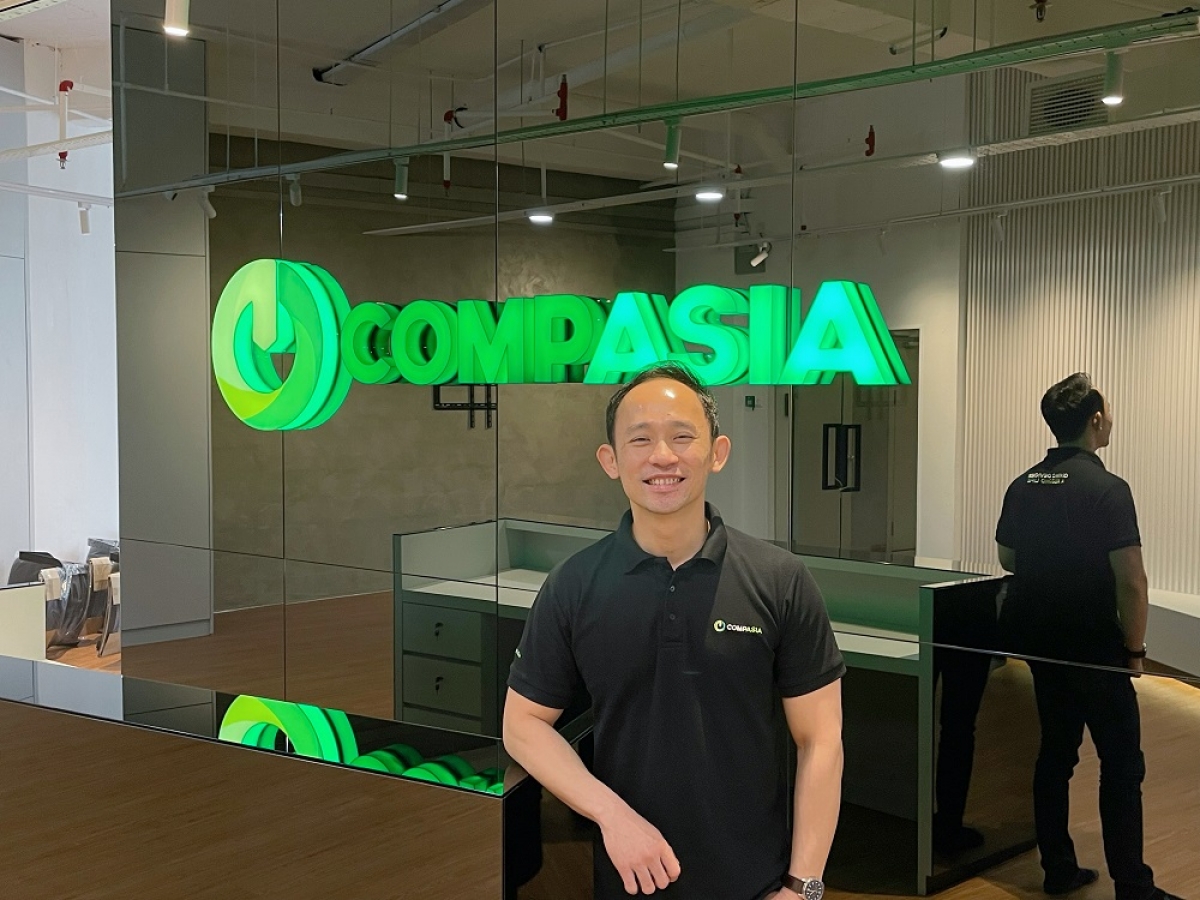
    CompAsia Opens Latest E-Store In Singapore As It Champions The Recommerce of Mobile Gadgets in Southeast Asia

    There is a new global movement in recommerce, which celebrates the trading of preloved items that extend the lifecycle of these items thus promoting sustainable and responsible consumerism.

    CompAsia, which is championing the recommerce of mobile gadgets in Southeast Asia with unrivalled success in Malaysia, is inviting more customers to consider purchasing second-hand gadgets such as smartphones, laptops, and smartwatches with the opening of new e-stores in Singapore and Thailand, and the promise of high-quality products at affordable prices.

    “We have seen an exponential growth of 2,500% in our e-store business in Malaysia over the last two years largely driven by movement restrictions that amplified the convenience of doing business on the CompAsia platform, and the assurance that we only trade in original products and we offer the highest quality second-hand gadgets,” said Julius Lim, Founder and CEO of CompAsia, which currently operates in nine markets in the region.

    “Customers trust that we are giving them excellent prices both when buying back their devices and selling them preowned ones on our e-stores,” he said, adding that CompAsia’s 32-step quality check that every device goes through, along with the secure data erasure to protect both buyers and sellers alike have also proven to be leading reasons for its growing customer base.

    With deep expertise in the device business, CompAsia provides access to high-quality devices that are backed by responsive after-sales service support, unlike anything you’ll find in regular C2C platforms or second-hand phone retailers. To date, CompAsia has sold over 500,000 devices globally and continues to ramp up sales at a blazing pace.

    “The network upgrading from 4G to 5G is further pushing the sales of smartphones and customers are actively looking for the best deals and reliable trade-in options, which is why we are already seeing increased traffic to our new e-store in Singapore,” Julius said.

    CompAsia.sg, which promises always affordable prices, is offering customers in Singapore an additional 5% discount on all devices as an opening special till 30 April 2022 that translates to almost S$300 off on its highest priced items. Customers will also enjoy CompAsia’s three-month free warranty (extendable up to 24 months) and next day shipping. Payment options in Singapore are supported by GrabPay, MasterCard, Google Pay, Zip, PayNow and Visa.

    “CompAsia is changing customers’ mindsets in buying second-hand gadgets as we are giving them the very best quality in each item and making every brand accessible to everyone,” Julius said. “When you buy on a recommerce site, you are not only extending the lifespan of the item, but you are also diverting waste from landfills, which means a healthier planet.”

  • Vietnam launches website to tax foreign tech giants

    Vietnam launches website to tax foreign tech giants

    The tax department has set up a website for collecting tax from foreign companies to make it easier for tech giants like Facebook and Google to fulfill their duties.

    The Portal of the General Department of Taxation for Foreign Providers (etaxvn.gdt.gov.vn) came online Monday for companies to declare their tax and track their payments.

    Until now foreign companies were paying their taxes through a third party, but now they could pay directly, Nguyen Van Phung, head of the Large Enterprise Taxation Agency, said.

    By filling in their details on the website, businesses could see how much they need to pay and bank account details, he said.

    “Foreign companies can now pay tax at any time, even from an airplane”.

    Generally, foreign firms are required to pay value-added tax and corporate income tax every quarter. Phung said many foreign firms have been leaving their Vietnamese partners with the burden of their tax, he added. There are at least 64 foreign service providers active in Vietnam, according to tax authorities.

    Vietnam taxed cross-border platforms like Google and Facebook a total of VND5 trillion ($218.53 million) in 2018-21. Authorities have been calling for properly taxing tech giants like Facebook and Google, pointing out they account for around 70 percent of the online advertisement market but evade taxes.

  • Vietnam is Duolingo’s largest market in region

    Vietnam is Duolingo’s largest market in region

    Duolingo, the world’s leading language learning app, said Vietnam is its largest market in Southeast Asia but it is yet to monetize its products.

    Haina Xiang, its head of marketing for China and Southeast Asia, said the number of active users in Vietnam grew by 67 percent a month in the year since Jan. 2021.

    Vietnam “has far outpaced other markets in a short time,” she said, adding that the number of active users in the country in 2022 has doubled year-on-year.

    Around 6 percent of Duolingo’s 40 million monthly active users have signed up for it to download lessons and skip ads.

    The American company reported revenues of $250 million last year, up 55 percent from 2020, and said gross profits nearly tripled to $60 million.

    According to Duolingo’s statistics, English and Chinese are the most popular courses on its platform in Vietnam.

    Users spend an average of 17.6 minutes a day on the app, usually at 9-10 p.m.

  • WhatsApp now lets you react to messages

    WhatsApp now lets you react to messages

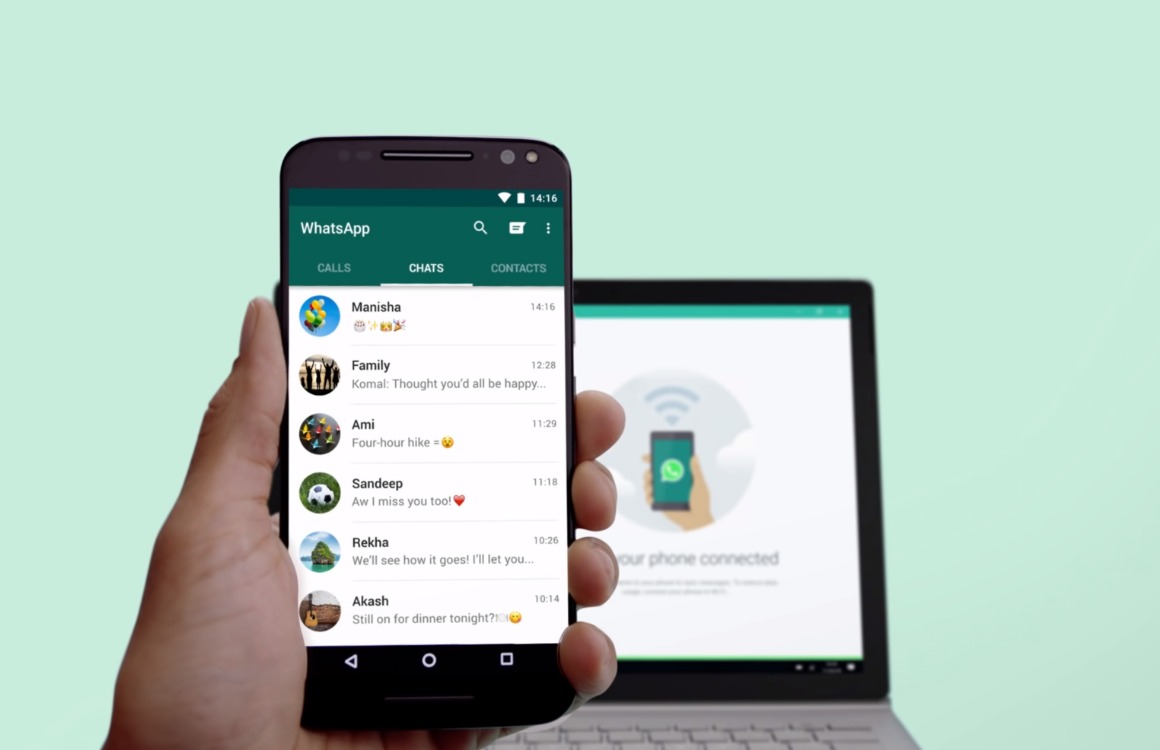
    Last month, we reported that WhatsApp was working on several new features, including search message shortcuts, and message reactions, and now the latter has finally started rolling out to users.

    The feature was first uncovered by WABetaInfo, and it seems that WhatsApp is ready to push message reactions to users running version 2.22.8.3. It is worth mentioning that this version is not the official stable one, and it is only available to Beta testers.

    Nevertheless, the fact that the feature is entering the beta version means that we would probably see it in the final stable release pretty soon. The reactions themselves are pretty similar to what other chat apps have been doing in the past couple of years, the likes of Telegram, Discord, and Slack

    According to WABetaInfo, there are six reactions to choose from – Like, Love, Laugh, Surprised, Sad, and Thanks. Even though message reactions are only available to beta testers at the moment, every WhatsApp user should be able to see them in chats.

    Have you noticed these reactions in your WhatsApp everyday chit-chat?

  • Some users are locked out of FB account if they didn’t to set up Facebook Protect

    Some users are locked out of FB account if they didn’t to set up Facebook Protect

    At the beginning of this month, some Facebook users received an email from the company to enable Facebook Protect for their accounts. However, many people seem to have ignored the email, as some generally thought it was just spam, in failing to activate Facebook Protect, some people are now locked out of their accounts.As you may have heard, not everyone has gotten emails urging them to enable Facebook Protect. According to Meta, this feature is specifically targeted at journalists, people who could generally be targeted by malicious users, including human rights activists and government officials. Emails urging them to activate Facebook Protect were coming from [email protected] and generally could have been ignored as spam.

    However, the emails were legitimate. Users had until March 17 to sign up for Facebook Protect, which is, long story short, a two-factor authentication system to improve the security of Facebook accounts. The emails that were sent had a link to sign up for Facebook Protect.

    And now, it seems some of the users who didn’t sign up (but had received the email) have trouble logging into their accounts and getting back on Facebook. Reportedly, Facebook has given info to the affected users on how to get back to their accounts, but it seems that it is not working for everyone. Some of the users took it to Twitter in order to get a fix for the situation.

    Facebook’s Head of Security Policy at Meta, Nathaniel Gleicher, has acknowledged the issue on Twitter and has announced they are working on the cases where people have been locked out of their Facebook accounts and trying to fix the issues.

    Generally, Facebook (as well as any other platform) recommends every user use two-factor authentication for their accounts for security reasons. However, the Facebook Protect program is specifically designed for people who are more likely to get attacked by hackers in comparison to the average Facebook user.

    For the regular user, no action is required unless you’re prompted by Facebook to enroll in Facebook Protect. It is a program that helps the set group of people to have stronger account security protections, such as two-factor authentication, but at the same time, monitors for potential hacking threats.

    The program was first tested in 2018 and expanded in 2020 in the United States. The global expansion of Facebook Protect started in September of 2021. According to a blog post by Meta on the topic, back in December, around 1.5 million accounts have the Facebook Protect feature enabled.

    Basically, it makes two-factor authentication easier and provides a better user experience and support, according to Meta. A similar requirement is related to Page admins that have enrolled Pages. They are required to go through Page Publishing Authorization to ensure the security of the Page. This process has to be made regardless of whether the individual Page admin has decided to enroll in the Facebook Protect program or not.

    It seems that Facebook is trying to step up its game when it comes to security on the social media platform, but not only that: as we reported recently, it is also actively fighting misinformation in an attempt to make the platform safer. The thing is, you probably have heard that in the past, Facebook has been heavily criticized for allowing misinformation to spread on there, and since then, the company has worked to prevent it.

    The latest step that Facebook has taken in this direction is a new set of group Admin tools aimed at preventing misinformation.

  • Korea Seven’s takeover of rival Ministop cleared by regulator

    Korea Seven’s takeover of rival Ministop cleared by regulator

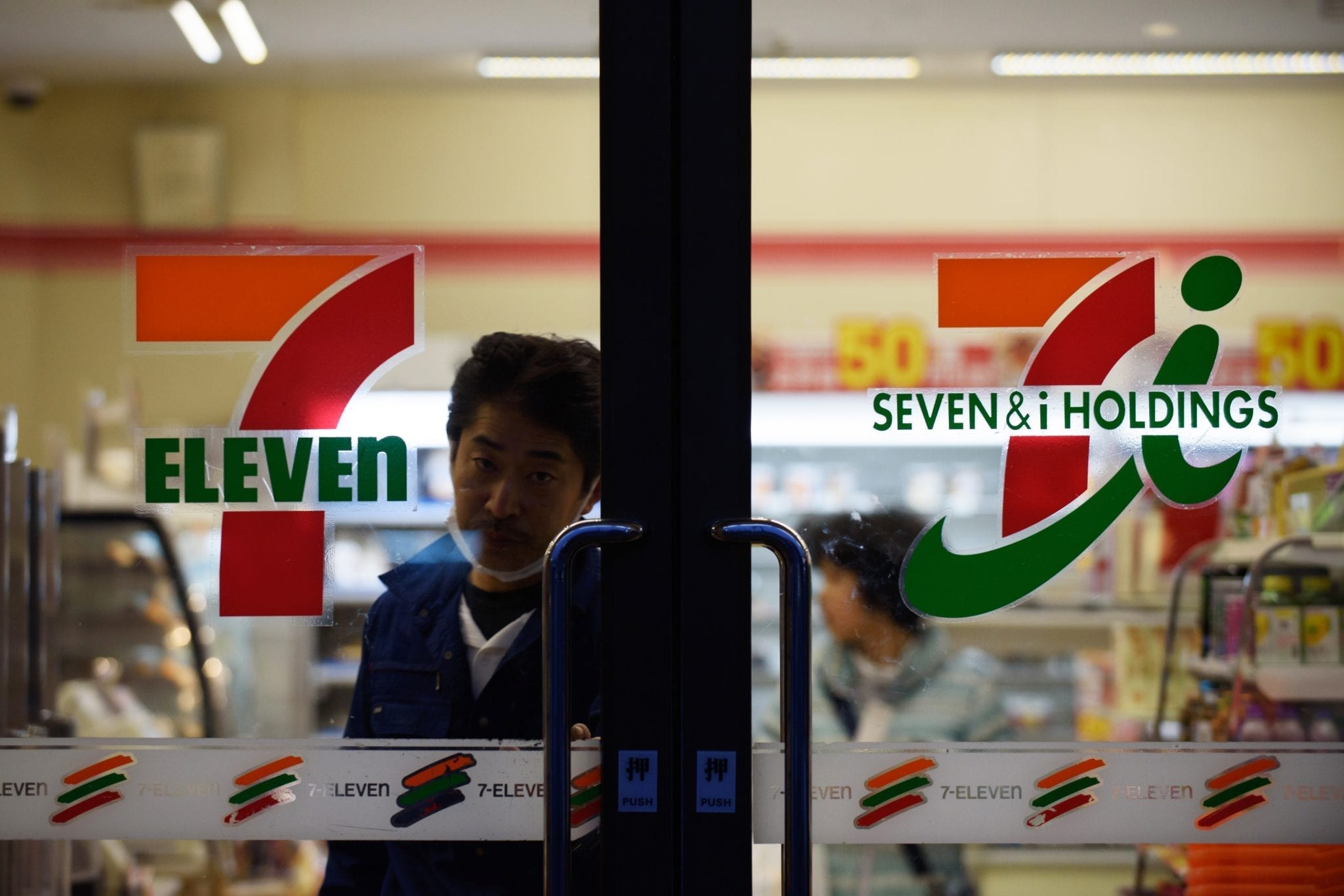
    South Korea’s antitrust regulator said Tuesday it has decided to approve a deal by Korea Seven Co., the operator of 7-Eleven convenience stores, to buy its smaller rival Ministop Korea Co.

    In January, the country’s retail giant Lotte inked a deal to acquire a 100 percent stake in Ministop Korea for 313.3 billion won (US$257 million). Korea Seven, an affiliate of Lotte, eventually bought Ministop Korea.

    The Fair Trade Commission (FTC) said it has given the green light to the deal, saying that the takeover is not expected to hamper market competition.

    South Korea’s convenience store market has been dominated by BGF Retail’s CU and GS Group’s GS25, with 7-Eleven, Shinsegae Group’s Emart 24 and Ministop being minor players.

    The FTC said its approval is expected to spur three-way competition in the market as the takeover will help Korea Seven cement its market status as the No. 3 player.

    Korea Seven operates around 11,170 convenience stores across the country.

    Ministop is an affiliate of the Japanese retail group Aeon Group and opened its Korean operation in 1990 via a business tie-up with South Korea’s leading food maker Daesang. Ministop Korea runs around 2,600 convenience stores.

  • Apple services were down, some have been restored

    Apple services were down, some have been restored

    Bloomberg reports that Apple services outage was caused by domain name system (DNS) issues. These usually are caused by human errors and happen when a server is unable to connect to an internet protocol address.

    The problem unsurprisingly didn’t just impact at-home consumers, but also those who work from home and retail workers. As noted by the outlet, such massive outages are rare for Apple. Amazon, Google, and some wireless carriers also faced similar issues around the same time, but not of this magnitude.

    Update (1): All the services are now back up. It appears that the problem lasted more than 3 hours and it’s not known what led to it.

    The original story continues below:

    If you are having a problem accessing Apple services, it’s not just you, as many of the Cupertino giant’s services, including iCloud are down currently. A quick look at Apple’s System Status page shows multiple services, including App Store, Apple Arcade, Apple Fitness+, and Podcasts are experiencing outages.

    Apple is actively working to resolve the issues, and a number of services that were previously affected have been restored. These include, but are not limited to, Device Enrollment Program, Find My, iCloud Account & Sign In, and most Maps-related functions.

    Per site status tracking platform Downdetector, over 4,000 users have reported problems with Apple Music so far, and around 4,000 said they faced problems with iCloud.

  • AirAsia adds more domestic flights as demand surges

    AirAsia adds more domestic flights as demand surges

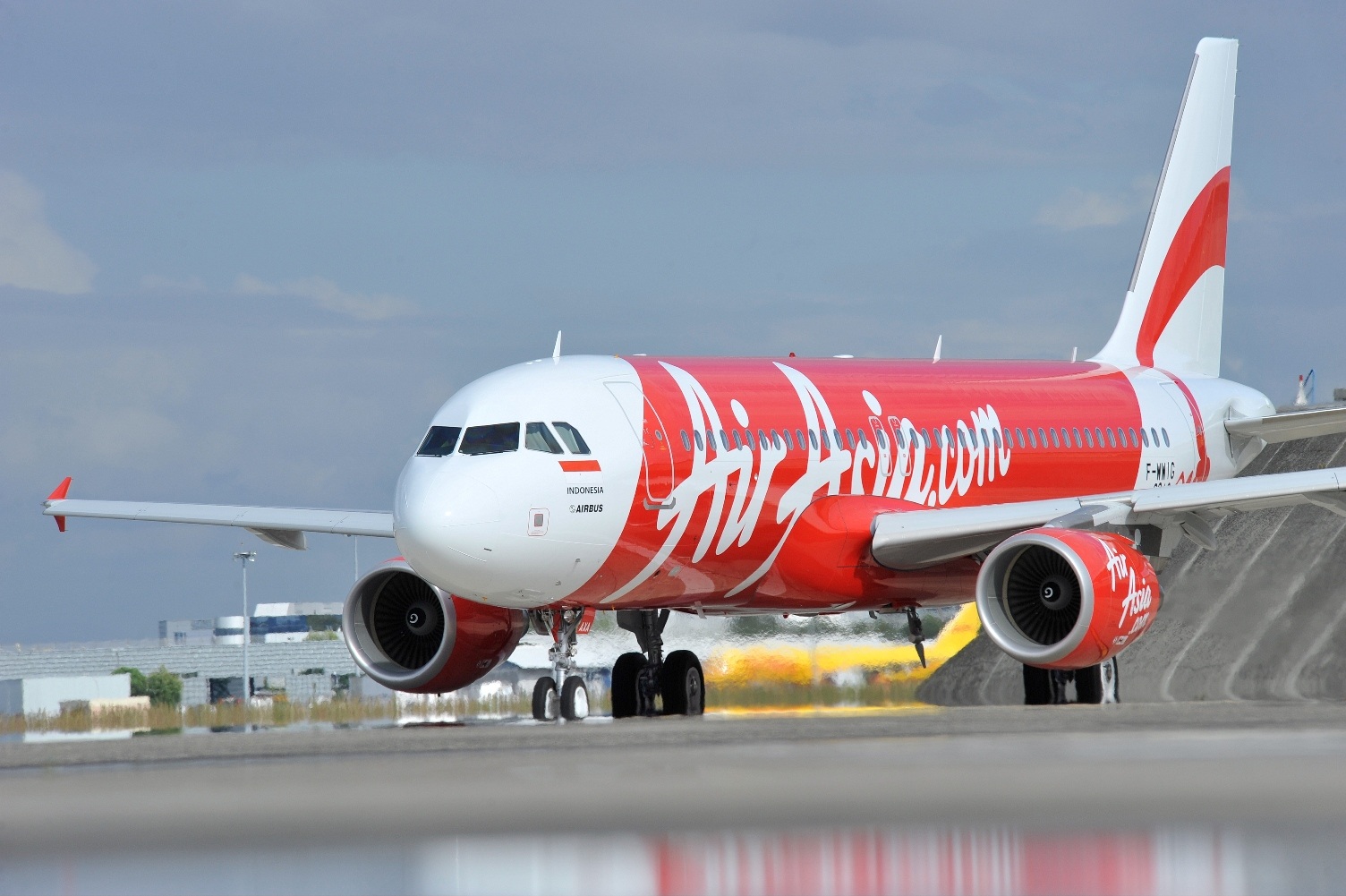
    Beginning April 1, AirAsia Philippines is adding more weekly flights to the country’s top tourist destinations, including Boracay, Puerto Princesa and Cebu, after seeing a recent surge in bookings.

    The low-cost airline, in a statement on Friday, said that it will increase by at least ten times the weekly flight frequencies to Kalibo, Boracay, Iloilo, Tacloban, Panglao, Puerto Princesa, Bacolod, Davao and Cebu next month in anticipation of foreign arrivals amid the easing of mobility restrictions.

    “The influx of foreign tourists into the country will definitely signify the strong recovery of the Philippine aviation industry. Our guests’ eagerness to travel has already manifested with the increase in AirAsia’s forward booking from 30 to 60 days,” AirAsia Philippines spokesperson Steve Dailisan said.

    As of March 18, Dailisan said they are “seeing a 97-percent increase in seats sold for travel in the month of April alone, with Boracay, Bohol, Cebu, Kalibo and Puerto Princesa on the top spots of the most booked destinations.”

    For fully vaccinated foreign visitors, the airline said that vaccination cards are the only entry requirement.

    By April 8, AirAsia will add Dumaguete City, which is the gateway to Negros Oriental, every Monday, Wednesday, Friday and Sunday in its route network.

    Manila-Roxas flights, meanwhile, will be available beginning June 16.

    The airline also offers an add-on comprehensive travel insurance plan for as low as P230 for foreign and local travelers as an “added layer of safety and protection.”

    AirAsia Philippines is ramping up its vaccination efforts with 85 percent of its workforce having received COVID-19 booster shots.

  • HCMC supermarkets roll out promotions amid rising prices

    HCMC supermarkets roll out promotions amid rising prices

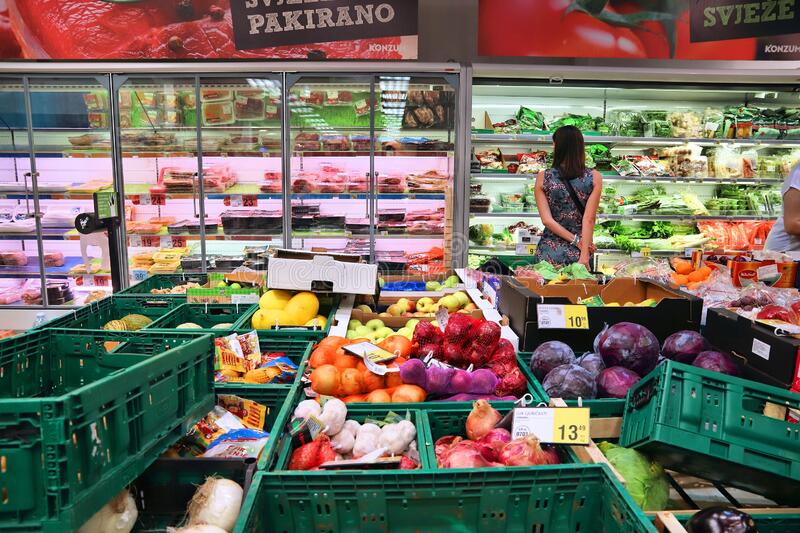
    Supermarkets in HCMC are offering double-digit discounts as food and gasoline prices surge. Central Retail is offering discounts of up to 50 percent on 390 products before 10 a.m. from Monday to Thursday every week. The list of products includes pork, vegetables, and fast-moving consumer goods.

    Co.opmart has announced a cut in prices of 3,000 essential goods until the end of this month. Another promotion is scheduled for next month, a spokesperson said. An MM Mega Market store in Go Vap District has cut the prices of beef by 5 percent, fruits by up to 30 percent, and clothes by 50 percent. Big C, Top Market, and Saigon Co.op are selling beef, chicken wings, and fruits at 10-30 percent discounts.

    Cooking ingredients like oil, chili sauce, and sugar are priced 15-50 percent lower than before. Retail industry insiders say the discounts are being offered as consumers are tightening their purse strings amid a surge in prices. Gasoline prices are up 28 percent since the end of December to a record high of VND29,820 ($1.30) per liter.

    The prices of eight of the nine main consumer products have risen sharply, with seven of them seeing double-digit increases. 50 percent of them have been impacted by food price increases and 40 percent by the increase in gasoline prices.

    This has caused many people to cut spending. Hoa of Go Vap District used to go to the supermarket once a week, but now she only goes twice a month or just once.

    “Prices of everything have risen so I buy in bulk to reduce expenses”.

    Oanh of Tan Binh District recently bought dry products and spices for the next three months in the hope of avoiding further price rises. Though consumers expect further discounts, retail chains say this is unlikely. An executive at a supermarket chain in HCMC, who asked not be named, said the company is also under pressure due to the rising costs, and it has offered the best discounts it could.

  • Thai buyer to snap up another Vietnamese plastics firm

    Thai buyer to snap up another Vietnamese plastics firm

    Plastics manufacturer Ngoc Nghia Industry – Service – Trading Jsc is set to be acquired by a Thai company. Fund management company VinaCapital, which owns a 37.8 percent stake in Ngoc Nghia, recently registered to sell it off. Founder La Van Hoang and his family, who own 58.5 percent, have also registered to sell their stake.

    Earlier Indorama Netherlands B.V., a subsidiary of Thailand’s Indorama Ventures, publicly stated its intention of buying Ngoc Nghia for an unspecified amount. Indorama Ventures is the biggest plastic and polyester yarn manufacturer in Thailand and has made acquisitions in the U.S. and Europe to become one of the biggest players in the world.

    The deal, if successful, would see a Thai company acquiring yet another Vietnamese plastic producer. Last year, SCG Packaging Public Company Ltd bought a 70 percent stake in Duy Tan Plastics, the largest manufacturer of rigid plastic packaging products in Vietnam.

    Most major companies in the plastic and paper packaging industry are foreign-owned, according to FPT Securities.

    Ngoc Nghia was established in 1993 and mostly produces plastic bottles and medical containers, with Unilever, Coca-Cola and Vinamilk being among its top customers.

    The company reported profits of VND103 billion ($4.5 million) last year.

  • Travel firm temporarily stops Russia tourist services

    Travel firm temporarily stops Russia tourist services

    The largest Vietnamese travel agency for Russian tourists has temporarily suspended its services for the market as a fallout of Western sanctions imposed on Russia.Anex Vietnam Travel and Trading announced the suspension after taking more than 300 Russian tourists home Thursday.

    Bui Quoc Dai, Deputy Director of Anex Vietnam, said they made the decision after Russian authorities advised the country’s airlines to halt all international flights (except from and to Belarus) following Western sanctions.

    “We will stop conducting tours for customers from Russia at least until March 28, when Russian authorities are scheduled to announce further changes,” Dai said.

    Earlier this month, the Russian federal agency for aviation transport FAVT told Russian airlines “which have planes registered abroad under leasing contracts with foreign partners” to halt most international flights between March 6-8. It cited the “high level of risk for planes to be detained abroad” as a reason for the recommendation.

    Dai noted that the number of Russian tourists had fallen sharply since the end of February after Russia launched its “special military operation” in Ukraine. He said his firm has racked up losses despite receiving nearly 6,000 Russian visitors since last December, as they were unable to fill charter flights.

    Vietnam tour operators specializing in Russian and Eastern European markets have also warned that the devaluation of the Russian ruble would affect the inbound market.

    In 2019, Vietnam received a record 646,000 tourists from Russia, making it the sixth-largest tourism market after mainland China, South Korea, Japan, Taiwan, and the U.S.

  • McKinsey Moves Moscow Staff to Kazakhstan

    McKinsey Moves Moscow Staff to Kazakhstan

    Like many banks, consultancy firms have announced they are pulling out of Russia in response to the country’s attack on Ukraine.

    McKinsey is the next audit firm to announce that it is moving its Russia-based staff out of the country. It will be relocating them to its existing Almaty office in Kazakhstan, citing people familiar.

    Along with KMPG, PricewaterhouseCoopers and EY, McKinsey announced that it was severing ties with Russian business partners soon after the war broke out in Ukraine.

    McKinsey, whose clients included Rosneft and Gazprom, has over 700 staff in Russia, according to the report. Its Almaty office is also strongly focused on the energy sector, it said.

    Furthermore, Boston Consulting Group is looking at relocating staff to Azerbaijan, the report added, citing a person familiar.

  • Importance of On-Demand Spare Parts Logistics (SPL)

    Importance of On-Demand Spare Parts Logistics (SPL)

    Armstrong & Associates estimates that the global spare parts logistics (SPL) market rakes in over $52 billion every year, representing about 7% of total 3rd party logistics (3PL) revenue. Since its last case study on this logistic sector, the global spare parts logistics market between 2008 and 2016 saw a compound annual growth rate (CAGR) of over 5%.

    The report outlines the global spare parts logistics estimates, which are further magnified to the region/country level and for many crucial market segments. The SPL market is driven by high-value manufactured goods and their servicing, specifically in the technological, industrial, and automotive verticals.

    The automotive segment accounts for more than $18 billion, or around 34% of total spare parts logistics revenue. This is followed by the tech sector at $17.7 billion, or around 33.5%. The industrial segment accounts for about $11 billion, or around 21% of total spare parts logistics revenue. Healthcare and elements constitute smaller portions of the total revenue: $2.1 billion—4.0 percent and $3.9 billion, or 7.4 percent.

    Shippers depend on 3rd party logistics company to fulfill short turn-around inventory supply order while reducing costs. To aid shippers’ spare parts management needs, 3PL companies provide services like warehouse management, transportation, parts and network planning, reverse logistics, inventory management, order fulfillment, and parts distribution. On top of this, some companies provide value-added services like field technician training, call center staffing as well as refurbishment and repair services. 3PLs meet shippers’ needs with their standardized processes, scalability, flexibility, analytics and reporting, value-added services, integrated IT solutions, and strategically positioned global networks.

    For each of the 8 leading companies mentioned in the report – CEVA, SEKO, Ryder, Dachser, DB Schenker, DHL, FedEx, and UPS – the report describes cases studies, customers, technology supporting SPL activities, as well as industries and markets serviced. Network scope is also highlighted, with forward stocking locations and control towers.

    UPS, for instance, has more than over 23,000 global UPS Access Points (with over 7,500 of these locations in the US), 5 global control towers, and over 1,000 forward stocking locations. Forward stocking locations are usually located within 2 hours from around 80% of the population. In Europe, about 99% of businesses are located within 4 hours of a UPS forward stocking location. Courier services can be used for next-flight out and same-day deliveries as needed.

  • Vietnam taxed tech giants $218 mln in four years

    Vietnam taxed tech giants $218 mln in four years

    Vietnam taxed cross-border platforms like Google and Facebook some VND5 trillion ($218.53 million) in 2008-2021, Finance Minister Ho Duc Phoc informed lawmakers Wednesday.

    During the four-year period, Facebook was taxed VND1.69 trillion, Google, VND1.62 trillion, and Microsoft, VND577 billion, Phoc said.

    Last year, Vietnam earned VND1.32 trillion from taxing cross-border platforms, up 15 percent from 2020, he added.

    Vietnamese authorities have been calling for properly taxing tech giants like Facebook and Google, saying these companies account for around 70 percent of the online advertisement market, but use different means to evade tax.

    The General Department of Taxation said last year that Facebook, Google, Netflix, YouTube and other cross-border platforms were not fulfilling their tax obligations in Vietnam.

    Vietnam is also looking to tax online sellers, both on e-commerce platforms and social media, as e-commerce sales have been surging by double-digits in recent years.