Category: General

Retail News Asia is committed to providing both local and global retailers with the latest General Retail news throughout the Asian market. This on a daily base.

  • Vietnam, US trade to hit unprecedented $100 billion

    Vietnam, US trade to hit unprecedented $100 billion

    Vietnam–U.S. trade could reach $100 billion for the first time this year, up 221 times against the figure in 1995 when the two countries first established diplomatic relations.

    In the first eight months, the figure hit $73 billion. Last year, it was $90.8 billion, Hoang Quang Phong, deputy chairman of the Vietnam Chamber of Commerce and Industry (VCCI), told a forum Tuesday.

    In the last five years, Vietnam’s exports to the U.S. increased on average by 230 percent each year, while the figure from U.S. to Vietnam was 175 percent.

    Vietnam is the 10th biggest trade partner of the U.S., while the U.S. is Vietnam’s biggest trade partner.

    Although the Covid-19 pandemic has disrupted supply chains, many U.S. businesses have been investing in projects in Vietnam in the sectors of manufacturing and processing, clean energy, aviation, healthcare, and pharmaceuticals.

    On the other hand, Vietnam’s exports to the U.S. are in the areas of furniture, footwear and garments.

    Ngo Sy Hoai, deputy chairman of the Association of Vietnam Timber and Forest Products, said Vietnam is the biggest exporter of wood products to the U.S.

    Vietnam is also the second biggest importer of U.S. wood material behind China, he added.

    Although the wood sector has targeted a value of $10 billion exports to the U.S., actual figures are likely to reach $8 billion this year due to Covid-19 impacts, he said.

    Hoai added that Vietnamese companies need to pay more attention to U.S. regulations on legal logging to prove their materials were not illegally cut.

    Former Vietnam Ambassador to the U.S. Pham Quang Vinh said although the U.S. cannot come back to the Comprehensive and Progressive Agreement for Trans-Pacific Partnership (CPTPP), it has made economic initiatives in digital trade, infrastructure and energy, which will offer new partnership potential between both countries.

    Vietnam and the U.S. could consider another bilateral free trade agreement based on existing commitments.

  • Gold price gains in eighth session

    Gold price gains in eighth session

    Vietnam’s gold prices climbed up for the eighth straight session Wednesday even as global rates steadied because of rising dollars.

    Saigon Jewelry Company (SJC) sold its gold at VND62.15 million ($2,727.65) per tael in the morning, up 0.57 percent from Tuesday afternoon. A tael equals 37.5 grams or 1.2 ounces.

    This means gold prices are 0.24 percent away from the previous historic peak last year.

    Since early November, gold has gained 6.6 percent.

    Vietnam’s gold is now VND11.25 million more expensive than global rates.

    Globally, spot gold rose 0.2 percent to $1,854.39 per ounce Wednesday, a marginal gain as a jump in U.S. retail sales kept the dollar close to a 16-month high.

    U.S. retail sales jumped in October, topping expectations, in an indication that high inflation was not yet dampening spending, even as worries about the rising cost of living sent consumer sentiment tumbling to a 10-year low in early November.

  • US direct flight fare around $1,000

    US direct flight fare around $1,000

    A one-way ticket from Vietnam to the U.S. will cost around $1,000 and be available on the Vietnam Airlines website in a few days, the carrier has said.

    There would be a reduced number of passengers to lower the aircraft’s weight to ensure no fuel stops are needed, CEO Le Hong Ha told reporters Tuesday.

    On the Boeing 787 and Airbus 350 planes Vietnam Airlines uses, this means a maximum of 210-220 passengers instead of the full complement of 300, he said.

    The 2.2 million Vietnamese-Americans in the U.S. would be the main targets in the future, he said.

    The Vietnam-U.S. direct route would not be profitable for five to 10 years, but it is better to fly to sustain cash flows, he said.

    Passengers allowed to enter Vietnam from the U.S. now amid Covid-19 are experts, businesspeople and high-skilled workers.

    The first regular direct flight to the U.S. will leave HCMC in the evening of November 28, achieving a dream conceived nearly two decades ago.

    It will arrive in San Francisco 13 hours and 50 minutes later.

  • Vietnam Airlines direct flight to US takes off next week

    Vietnam Airlines direct flight to US takes off next week

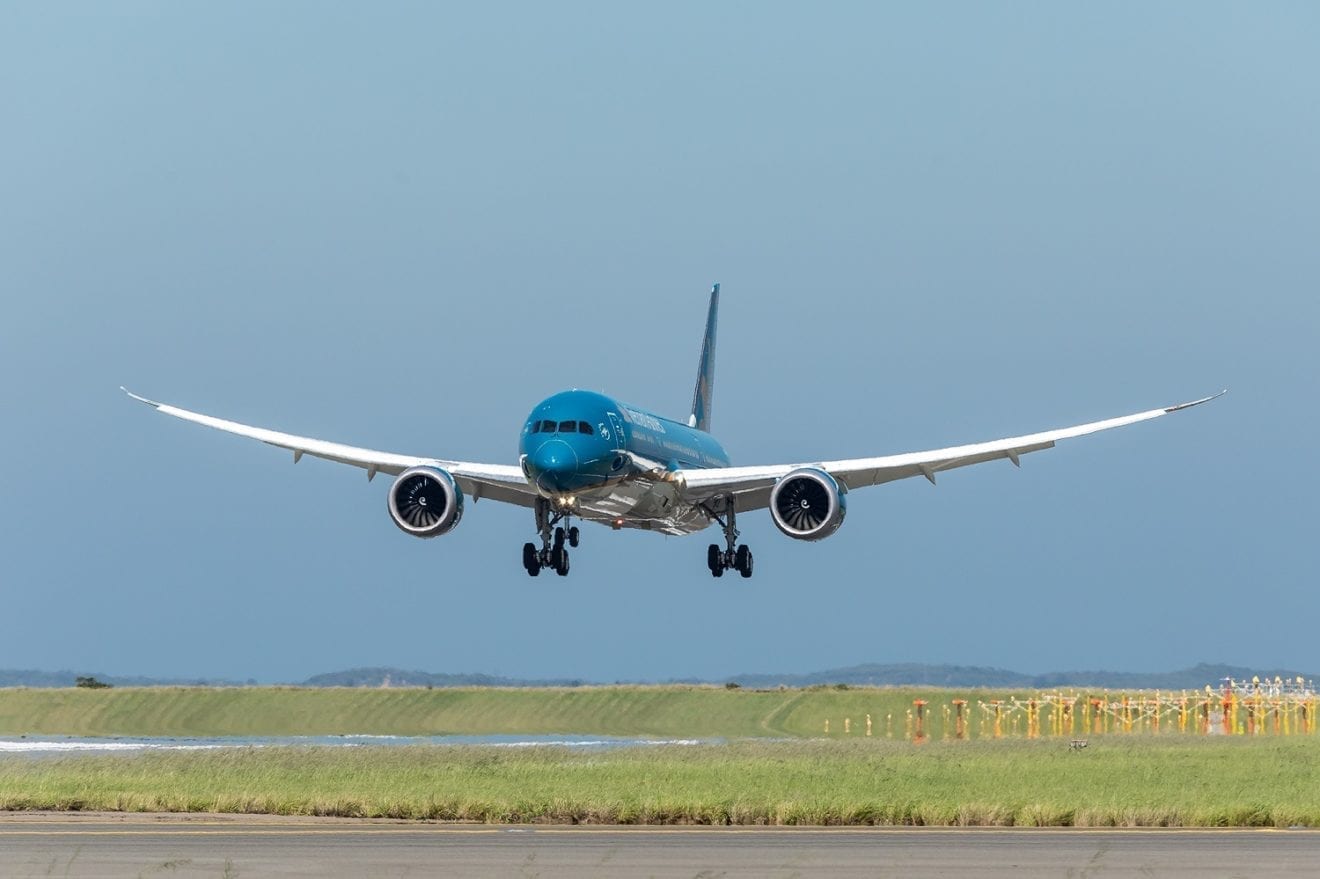
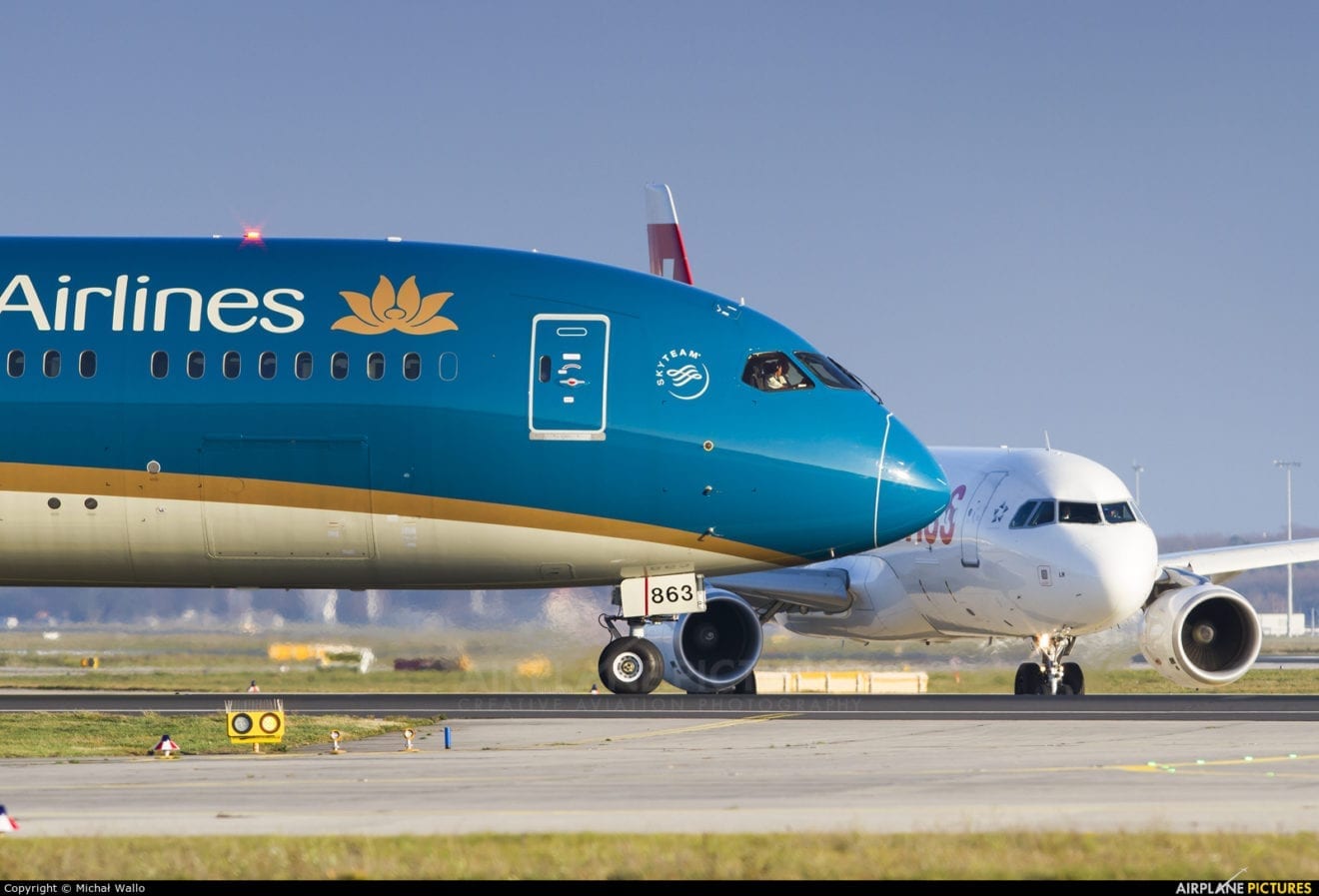
    National flag carrier Vietnam Airlines will operate its first regular direct flight to the U.S. on November 28, achieving a dream conceived nearly two decades ago.

    The flight will depart from HCMC in the evening and arrive at San Francisco 13 hours and 50 minutes later, CEO Le Hong Ha said at a press briefing Tuesday.

    The return flight will leave San Francisco on the evening of November 29 (U.S. time) and arrive in HCMC on December 1, 16 hours and 40 minutes later.

    The wide-body aircraft Boeing 787-9 Dreamliner will be used for direct flights.

    Initially, there will be two flights a week and this can be increased to seven when the pandemic situation is under control, Ha said.

    Vietnam Airlines thus becomes the first Vietnamese carrier to operate a regular flight route to the U.S.

    In 2003, the airline had been directed by the Ministry of Transport to begin direct services to the U.S. by 2005. However, concerns over profitability had kept the carrier from implementing the plan until now.

    The national flag carrier is also studying the possibility of other direct routes to the U.S., including flights between Hanoi and HCMC to Los Angeles or Houston.

    The U.S. has one of the most stringent aviation standards in the world. There are around 20 airlines operating routes between Vietnam and the U.S.

    “We needed to prepare hundreds of kilograms worth of paperwork to meet the U.S. requirements,” Ha said.

  • Instagram to bring mods to Lives, ‘likes’ for Stories

    Instagram to bring mods to Lives, ‘likes’ for Stories

    Instagram is going to be adding some welcome new features to the platform in the coming future, according to recent findings from Italian self-proclaimed reverse-engineer and mobile developer Alessandro Paluzzi.

    Paluzzi has always enjoyed tearing down beta APK releases of Instagram, Snapchat, as well as other apps to get an early glimpse of future updates, and this time is no exception. His most recent foray into Instagram’s code has revealed that Instagram is about to implement a “like” option for Instagram Stories, among other things.

    Until now, Instagram has only given users the ability to react in a number of ways to people’s Insta Stories, which is different from a regular thumbs up or alike. By swiping up from the bottom of a Story screen, for example, you could “quick react,” or choose from a predetermined group of emojis to react with.

    You could also react to the Story by sending a GIF or a written message. However, what is probably the most basic function of all—being able to “smash that like button”—has surprisingly taken this long to appear. For the record, once the Stories have been up for 24 hours, any likes or reactions sent disappear along with them.

    Aside from the ability to “like” Stories, Paluzzi has also unearthed an upcoming ability for Instagram “Live” broadcast hosts to add moderators to their streams, to monitor the feed and keep the chat in check.

    Reportedly, hosts will only be able to have one moderator per Live video. This person will have to be chosen from the “Who’s Watching” list, and will receive full permission to moderate comments (naturally), as well as turn questions on/off and manage requests to go live.

  • Korean lawmaker says Apple and Google need to do more to comply with new law

    Korean lawmaker says Apple and Google need to do more to comply with new law

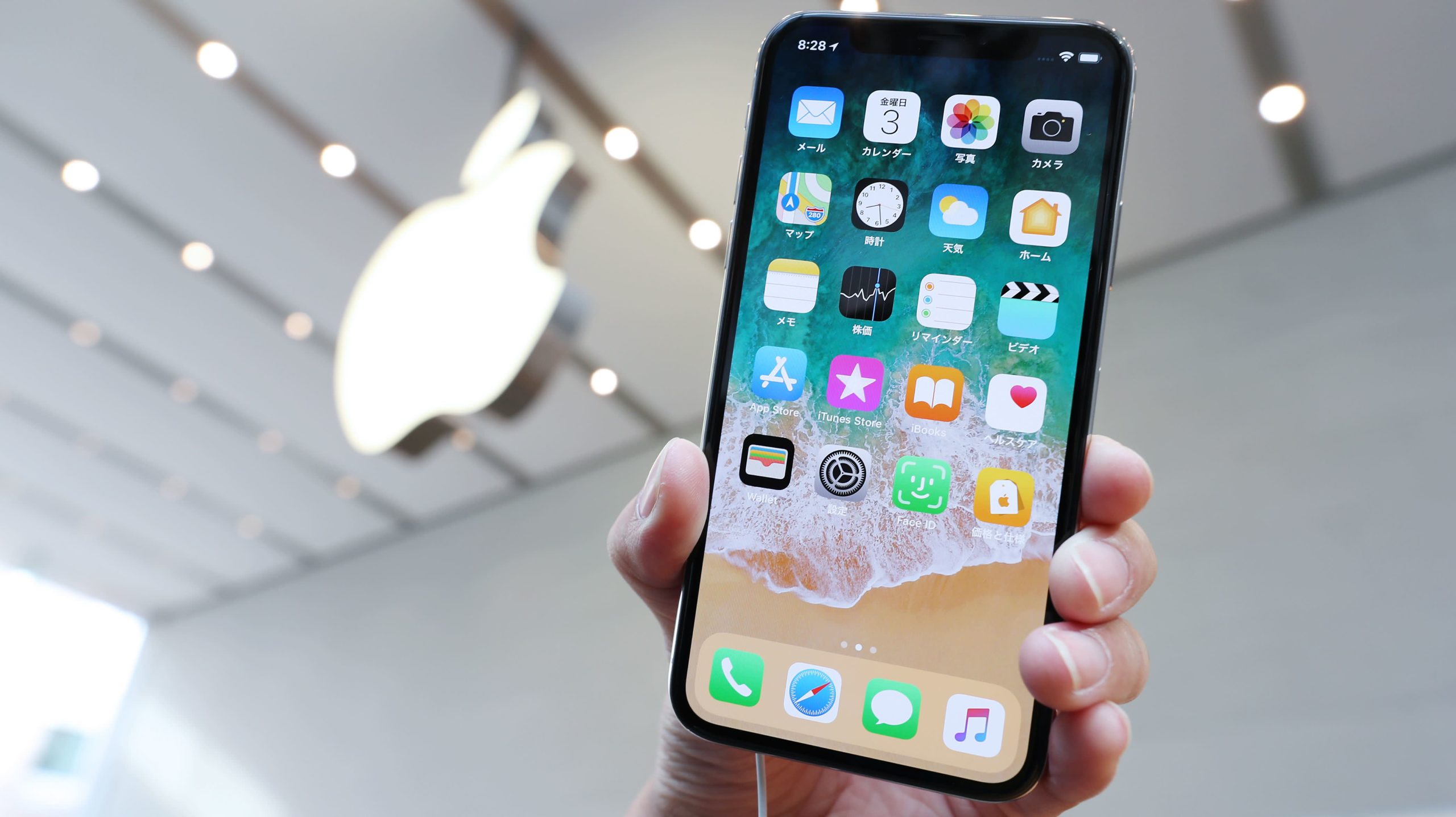
    Apple and Google are both failing to fully comply with South Korean legislation that prevents app store operators from forcing developers to use their own payment platforms. As you already know, Apple and Google, with the App Store and Play Store respectively, forced developers to route all in-app payments through their own systems to collect as much as a 30% slice of in-app payments.

    When legislation in South Korea passed, it became the first country to pass a law in an attempt to block the tech giants from imposing this “tax” on developers. An official at the Korea Communications Commission (KCC) said that tomorrow (Wednesday), South Korea will reveal what changes tech firms will need to follow in order to comply with the legislation.

    Korean lawmaker Jo Seoung-lae is the person who directed an amendment to the Telecommunication Business Act in August in an attempt to prevent Apple and Google from taking a cut of in-app payments. While the law went into effect in September, the Korea Communications Commission (KCC) still has to announce what tech firms have to do to be considered in compliance with the law.

    Google said that it would allow third-party payment processing systems to run Play Store charges in South Korea. But the Alphabet subsidiary also said that it would reduce the cut that it takes by four percentage points when such a platform is used instead. Apple told the South Korean government that it was already complying with the law and that no changes had to be made.

    Jo, the South Korean lawmaker who helped get the legislation passed, said, “Frankly, we are not satisfied… Apple’s claim that it’s already complying is nonsensical. Excessive fees take away developers’ chances for innovation … parliament is to be closely informed as the government drafts detailed regulations to make sure there is accountability.”

    Epic Games CEO Tim Sweeney, who dared to take on Apple and Google by including a link to Epic’s own payment system inside the app for its popular Fortnite game, is a vocal critic of both tech firms. Fortnite ended up getting kicked out of both the App Store and the Google Play Store. The executive said, “This is the first legislation worldwide with the chance to transform the market from a duopoly with Apple and Google.

    But Sweeney won’t be pleased just being able to promote third-party payment platforms in the App Store and Google Play Store. He wants Apple and Google blocked from charging any fees to developers promoting third-party payment platforms. This is what Google is doing in South Korea and “ruins the point of competition,” the CEO says.

    The KCC is preparing the details of an ordinance that will be reported to a parliamentary committee tomorrow according to KCC Vice-Chairman Kim Hyun. At this stage though, it is not clear what penalties tech firms like Apple and Google will face if they do not follow the law. An early draft called for a penalty of up to “2% of revenue” for app store operators who fail to abide by the law.

    But that penalty is certainly not clear. Is it based on global revenue, in-country revenue, or app store revenue? The wording here can be the difference between a stiff but affordable fine, and a hefty payment that actually takes a bite out of a company’s financials. Still, no matter what the fine is based on, Apple and Google are big enough that any fine won’t feel like anything more than a mosquito bite.

    That is the point of Meghan DiMuzio, executive director of advisory group Coalition for App Fairness who says, “We’ve seen in other jurisdictions that these monetary penalties actually don’t deter companies like Apple and Google because to them, it’s a drop in the bucket.”

  • Apple quietly buys ads for subscription apps as it profits from an arbitrage play

    Apple quietly buys ads for subscription apps as it profits from an arbitrage play

    Several app developers say that Apple is secretly purchasing Google ads for iOS subscription apps found in the App Store without approval from the apps’ developers. The report claims that Apple is doing this to help it collect millions of dollars in subscription revenue and calls it “ad arbitrage.” Arbitrage is the practice of making a hedged bet on Wall Street by buying and selling the same shares in different markets to profit from a small difference in price.

    What Apple is doing, according to Forbes, is paying its own money to advertise an app. Let’s say for example that Apple is paying to advertise HBO Max on Google, spending its own money. Now you might think that having Apple advertise your business would be great, but there is a catch. If the app in question allows subscribers to make their payments through Apple’s in-app payment process, the tech giant gets 30% of the subscription cost for the first year, and 15% for each subsequent year that the subscription runs for.

    Some subscriptions can cost users hundreds of dollars a year. Apple could be paying $5 to $10 for each ad that leads to a new subscription and the revenue could be $50 or more. One source said, “The customer doesn’t know, the user doesn’t know that $54 is going to Apple, not the developer.” And there is more. When a subscriber pays for a subscription through Apple’s in-app payment platform, they are considered Apple’s customers and Apple doesn’t reveal information about them making it hard for the developers to handle customer service.

    A marketing executive from one app developer pointed out the difference between dealing with a customer signed up through Apple and a customer whose subscription was processed by the developer. “The user experience is much worse. When you buy with the developer, they have a relationship with you … when you buy from Apple: sorry, you’re Apple’s customer, not ours, and if you have a problem with a subscription … we can’t really help them.”

    And this doesn’t take into account the hike in ad prices that Apple is causing when it bids for the same slots. While Apple is spending money on advertising HBO Max in order to get that percentage of subscription fees that run through its platform. This forces HBO to spend more than Apple to get the top ad slot so it can be noticed by consumers.

    Another source explains how Apple’s little arbitrage game is negatively affecting developers. “It hurts the advertiser LTVs (life-time value of a customer) are lower, so it doesn’t just cost more to advertise, but you can’t spend as much. Apple is not just making more money off developers, it’s hurting their business.”

    Some analysts have told clients that Apple’s App Tracking Transparency feature is a smokescreen to cover up Apple’s own advertising ambitions. As one source says, “Anyone that understands the basics of arbitrage could invent this. We all know what Apple’s doing for its privacy stuff is for its own pockets. It didn’t sit right that in the background they’ve been doing this to developers, it’s not ethical.”

    You can tell whether an ad for a subscription service was placed by Apple or the app developer by clicking the link. If it takes you to the App Store, the ad came from Apple. If the link takes you to the developer’s website, the ad came from the app’s developer.

  • Gold prices hit 15-month high

    Gold prices hit 15-month high

    Vietnamese gold prices are now at a 15-month high and, as always, well above global rates.

    The Saigon Jewelry Company (SJC) sold bullion at VND60.75 million ($2,682.23) per tael Saturday morning, up 0.75 percent from Friday. A tael equals 37.5 grams or 1.2 ounces.

    This made them around VND10 million or 19.7 percent higher than global prices.

    A spokesperson for SJC said that the gap is widening because Vietnamese prices are becoming less dependent on global rates and relying increasingly on domestic supply and demand.

    Global rates have risen by 5.26 percent to $1,864.74 per ounce since Nov. 4, bolstered by deepening fears of inflation and reassurances from major central banks that interest rates would remain low for the time being.

    Traders are taking profits after an incredible run, Phillip Streible, chief market strategist at Blue Line Futures in Chicago, told Reuters.

    Societe Generale analysts forecast gold prices to average $1,950 an ounce in the first quarter of 2022, given the “renewed commitment from the Federal Reserve to support the economy while letting inflation printing higher”.

    Gold consumption in the third quarter fell by half year-on-year to 3.3 tons as jewelry stores closed due to Covid-19 restrictions, according to a report by the World Gold Council.

  • Maybank IB lifts AirAsia outlook on reopening of major markets

    Maybank IB lifts AirAsia outlook on reopening of major markets

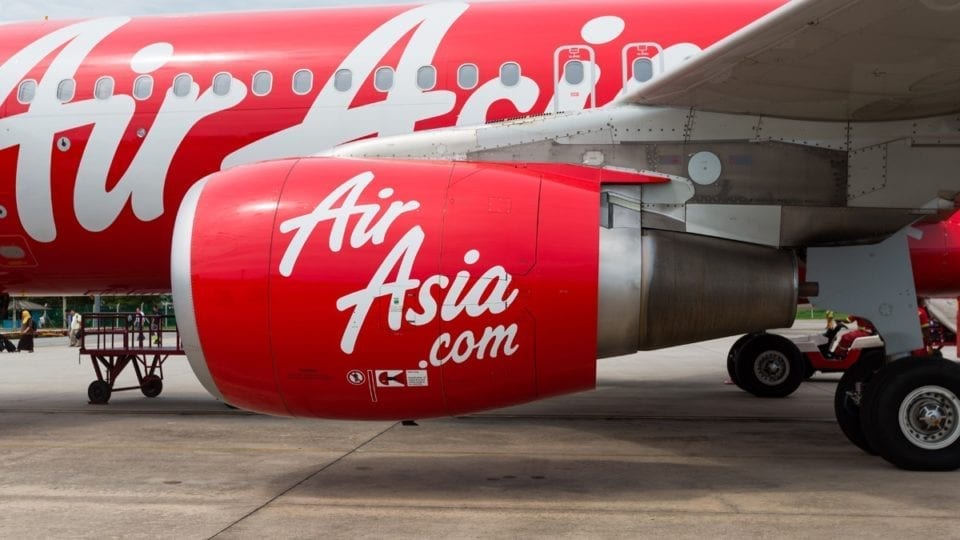
    While the Thai operations of AirAsia Group Bhd continue to drag on the earnings of the low-budget airline group, the falling rate of Covid-19 infections in the region offers optimism for a longer-term recovery, says Maybank Investment Bank Research.

    Thai AirAsia recently reported wider third-quarter losses of THB2.1bil resulting from a suspension of its flight operations to mitigate a third wave of the Covid-19 pandemic in the country

    A “spectre of PN17 classification” looms over the Thai carrier, said Maybank IB, even as the Thai airline embarks on recapitalization and restructuring initiatives. Consequently, Maybank IB forecasts that AirAsia may take a huge hit in the coming financial year.

    “For FY22E, our core net loss estimate is twice than before largely due to AAGB recognizing the huge MYR1.1b in previously unrecognized losses from TAA,” said Maybank IB.

    Over the longer term, the research firm emphasized a swing in the group’s net profit to the black in FY23, underpinned by the decelerating rate of Covid-19 cases in the region.

    There has been a resumption of mass travel in all four of AirAsia’s major markets, including Malaysia, which historically contributed 70% to 80% of group profits.

    Meanwhile, Maybank IB also noted that the Malaysian aviation industry is consolidating, which is positive for Malaysia AirAsia fares.

    “We forecast FY23E to swing to a core net profit of MYR255m from a core net loss of MYR439m before due to higher MAA fares.

    “With a profitable FY23E, we hope AAGB will no longer be classified as a PN17 listed issuer by then (if it is classified as such on 7 Jan 2022),” it said.

    Adding to the future prospects, Maybank IB said AirAsia may also list its digital assets, which will unlock a lot of value for the group.

    Given the improved outlook, the research firm upgraded AirAsia to “buy” from “sell” and raised its target price to RM1.36 from 36 sen previously.

  • Google tests new notification dots inside the Google Messages app

    Google tests new notification dots inside the Google Messages app

    Android’s notification dots allow users to see which of their apps has a notification that they have yet to open. With iOS, the number of unread notifications is placed inside the dots. A tipster named Nick Cipriani has revealed how Google is looking to use notification dots inside Google Messages to highlight the messages that the user has yet to open.

    In the latest beta version of Google Messages (version 10.6.240), a bright blue dot can be seen to the right of the time when a message has not been opened. At the same time, the unread message is in bold type similar to how the subject line of unread emails appears in bold print in the Gmail app. The update is apparently being sent out via server-side update so it will be up to you to see if you notice this change when you open the Google Messages app.

    It isn’t clear when or even if this will roll out to all Android users. It might not be a very important new feature since you will still see the notification dot on the home page next to the Google Messages icon alerting you to at least one unread message. That alone should give you the motivation to open the app whether or not you know how many messages are unread.

    Sometimes if the number of unread notifications in an iOS app is too large, you could get overwhelmed with the number of notifications to read and you might decide to skip opening that app completely. Google is known for running through a number of tests which means that not everyone will end up making it to a future build of Android.

  • AirAsia in $246mn fundraise, creditors back AAX restructure

    AirAsia in $246mn fundraise, creditors back AAX restructure

    AirAsia Group shareholders voted on November 11 in favour of a cash call to raise up to MYR1,024,058,370 ringgit (USD245.9 million) to recapitalize the group. Separately, on November 12, reports emerged that all three groups of creditors of AirAsia X (D7, Kuala Lumpur Int’l) had agreed to the airline’s radical restructuring scheme.

    The cash call, which will take the form of a renounceable rights issue of seven-year Redeemable Convertible Unsecured Islamic Debt Securities (RCUIDS) with a nominal value of MYR0.75 (USD0.18) each, was approved by 461 shareholders to 69 against at the company’s extraordinary general meeting, AirAsia Group said in a Bursa Malaysia stock exchange filing.

    The 461 shareholders hold a total of 2.23 billion shares, which indicates 99.95% support for the measure, the disclosure added.

    The issue gives shareholders the right to buy two of the debt securities, together with one detachable warrant, for every six AirAsia Group shares held. The RCUIDS have a profit rate of 8% per year and are convertible to new shares on a one-to-one basis.

    Half of the proceeds will be channeled towards working capital; up to 12% to funding its digital business and for marketing; and the rest for lease, maintenance, and fuel hedging payments. Tony Fernandes and Kamarudin Meranun, AirAsia’s largest shareholders with a 26.4% stake, have said they will put MYR257.27 million (USD61.8 million) towards the cash call via a special purpose vehicle called Sky Accord.

    Meanwhile, in consecutive meetings that had been scheduled for November 12, the first and second of three groups backed AirAsia X’s proposal to pay only 0.5% of its MYR33.65 billion (USD8.1 billion) of liabilities owed, with 100% and 97.6% voting in favor, respectively. The plan also terminates all existing contracts.

    The first group includes airports, financial institutions, and maintenance providers, the second one lessors, engine suppliers, travel agents, and passengers. Airbus (AIB, Toulouse Blagnac), the low-cost long-haul carrier’s biggest creditor, is the sole entity in the third “group”, and AirAsia confirmed earlier media reports that it too approved the deal.

    AirAsia said in a statement that across all three classes, 99.0% of all creditors had voted in favor of the scheme.

    “When the scheme was initially announced in October 2021, it was comprehensively rejected and widely derided as being wholly inadequate and unreasonable. However, through a process of many transparent discussions on our business plan and alignment of common business interests, all major creditors have agreed that the combined interests of the various groups of stakeholders are best served by allowing the airline to proceed with the scheme intact and without substantial changes to what was initially presented,” it said.

    The approvals will now be presented for court sanction in the coming weeks and, once approved, AirAsia X will embark on its recapitalization which shareholders approved in June. Completion is expected in the first quarter of 2022, after which the airline “will be well poised to compete very effectively in the markets where it will operate,” it added.

    The airline also reached a deal with Airbus to cut its outstanding order book for seventy-eight A330-900s and thirty A321-200NX(XLR)s to just fifteen A330neo and twenty A321neo(XLR)s.

  • Violence on College Campuses: Understanding its Impact on Student Well-being

    Violence on College Campuses: Understanding its Impact on Student Well-being

    College campuses are usually regarded as protected environments which makes incidences of violence more shocking and evoking questions about whether any environment can be protected today.

    Various studies indicate that students generally experience a lower victimization rate for all crimes except rape/sexual assault. Sexual assaults are a serious concern on college campuses and in most cases, they involve people who know each other and the use of alcohol or drugs. Any type of violence can have a severe impact on student well-being.

    Types of violence

    Students may experience many types of campus violence – including rape, assault, dating violence, sexual harassment, hate and bias-related violence, stalking, and even self-harm and suicide.

    Estimates of college violence often vary widely because students may be too embarrassed to report certain types of violent crime, such as sexual violence. All types of violence have significant consequences for the victims, perpetrators, and the college community.

    A wide range of consequences

    Victims of violence experience a wide range of physical and emotional consequences, often leading to social and academic difficulties. Students may restrict their activities due to fear for their safety and violence also affects the bottom line of colleges as it increases costs, lowers retention and absorbs resources that could otherwise be used to further their academic mission.

    A failure to institute basic measures such as educating students about common types of violence, creating and enforcing strong anti-violence policies, addressing alcohol abuse and reviewing incidents with the aim of preventing future incidents may expose colleges to legal action. Any programs to address violence have to be based on data to be effective.

    Mental health problems

    Victims of sexual violence usually report feelings of shock, fear, agitation, confusion and social withdrawal immediately after being assaulted. They are at higher risk for mental health problems, such as anxiety, depression, anorexia, bulimia, insomnia, and suicide. Anxiety may present as generalized anxiety disorders, social phobia, or post-traumatic stress disorder (PTSD). PTSD includes symptoms such as problems sleeping, flashbacks, nightmares and emotional detachment.

    Emotional health consequences

    Fear of violence can prevent students from attending lectures which in turn affects their academic performance. They may even drop out of college altogether. Fear, therefore, introduces barriers to a safe and healthy learning environment. Students who are victimized by others and experience hate and bias-related violence can suffer from fear for their safety. Emotional trauma can linger for years and affect nearly every area of students’ lives.

    Essay help for students on the topic of college violence

    Students often experience difficulty at college when they have to complete assignments, study for exams and attend lectures. Reading a free essay sample is often a good way to improve their own essay writing skills, which helps in their future education. They can find selected essays on violence on Samplius, such as “The impact of violence on television and in video games on society” etc.

    Anti-social, risky behavior

    Significant amounts of research show that within a week of a sexual assault, a victim shows most of the diagnostic criteria for PTSD and this leads to higher rates of self-medication. Victims are at higher risk of abusing alcohol and other substances.

    Victims who did not use alcohol or other substances before the sexual assault tend to use frequently after, and those who did use before use at a much higher rate than before. This also tends to lead to more high-risk, anti-social behavior. Victims of sexual violence may have an obsession with sexual activity and an inability to sustain healthy relationships.

    Academic performance consequences

    The impact of sexual violence on the progress and success of college students is well documented in academic reports and statistical information based on self-reported surveys and general research. One explanation for this is that the sleep patterns of victims change, which increases the amount of the stress hormone cortisol in the body.

    Both sleep disruption and increased cortisol production have been shown to negatively affect academic performance. More research needs to take place into why violence and academic underachievement is related.

    Conclusion

    Campus violence in all its forms is a complex problem with no easy solution. Sexual violence is one of the biggest problems and it can have serious mental, emotional and physical consequences on the victims and the college communities in which they live. The consequences can affect every area of students’ lives and follow them long after they leave college so it’s imperative that colleges do everything they can to find solutions.

    Author’s Bio 

    Michael Turner loves writing and it’s his passion for writing that has helped him scale new heights in the writing industry. Whether it’s blogging for premium sites or freelance academic writing assignments from college students, he works on everything diligently and loves delivering the best work that people would love.



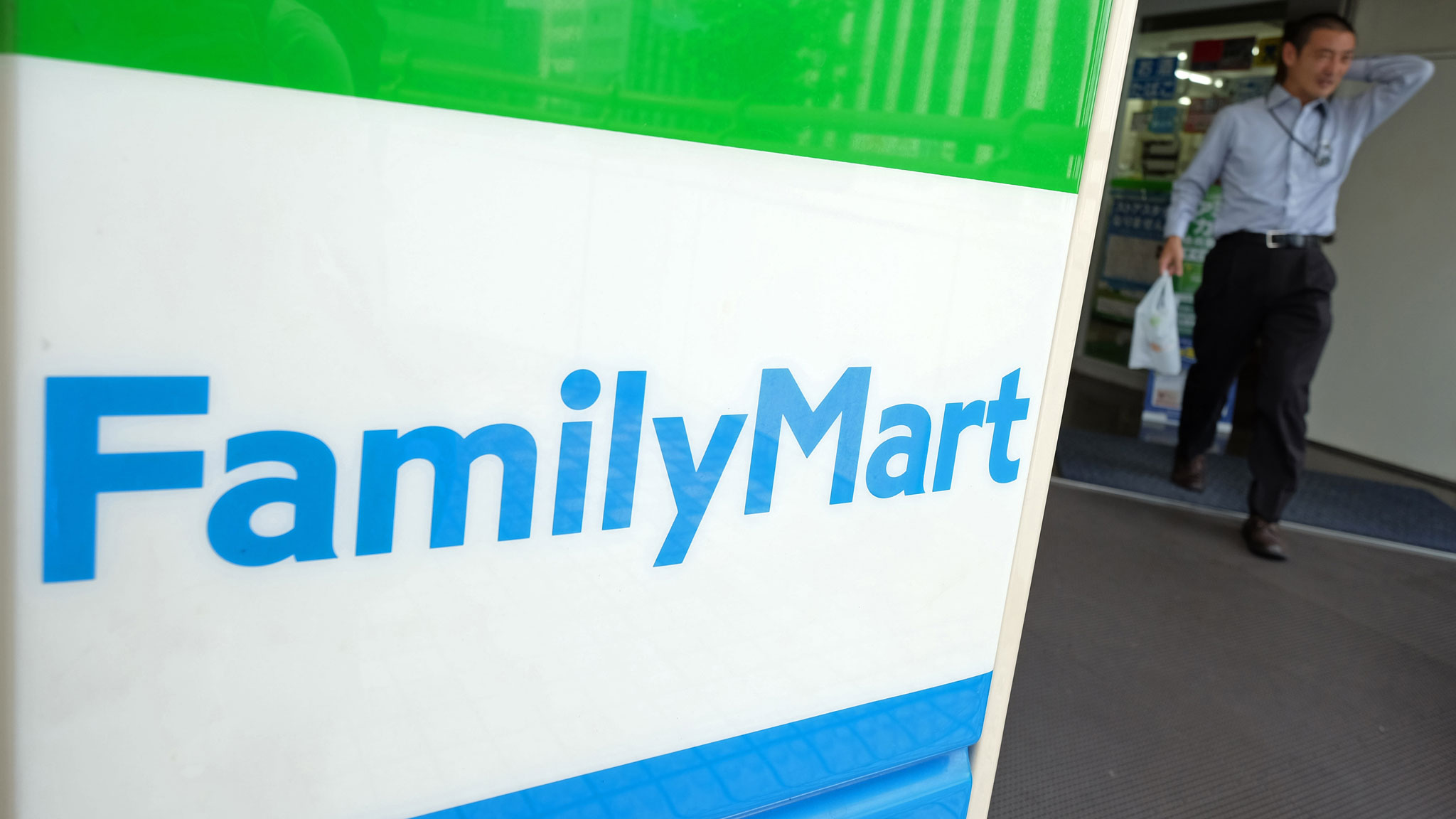
  • FamilyMart Malaysia launches ‘Food Superstores’ format

    FamilyMart Malaysia launches ‘Food Superstores’ format

    Japan’s FamilyMart is making strong inroads into Malaysia, offering a new concept in retail with the focus on fresh food, ruffling the convenience store sector which has been largely dominated by 7-Eleven and MyNews.

    The world’s second-largest convenience store chain after 7-Eleven has redefined the concept and has gained more foot traffic to its Japanese-style konbini since it opened its first outlet in Malaysia in 2016.

    QL Resources Bhd — the franchise holder of the FamilyMart chain in Malaysia — has been expanding the footprint of the stores which offer fresh foods, snack bars, meal stations and various products from Japan.

    “FamilyMart has changed the convenience store landscape in Malaysia. It has created a need for fast and fresh food in a convenience store where consumers previously go to these stores for, perhaps, fast-moving consumer goods,” TA Securities Holdings Bhd analyst Jeff Lye Zhen Xiong told The Malaysian Reserve.

    Lye said FamilyMart’s business model has taken off quite well and has enabled the company to record a higher gross margin.

    FamilyMart delivers an authentic Japanese konbini experience by integrating fresh food, services and daily goods in one brightly-lit outlet.

    The Japanese convenience stores offer a wide variety of ready-to-eat (RTE) and microwavable meals from sandwiches, coffee and softserve ice-cream to steamed snacks, oden, onigiri and bento.

    FamilyMart’s central kitchen operator QL Kitchen Sdn Bhd received halal certification from the Department of Islamic Development Malaysia in May.

    In-store services include FamiPay for paying bills; FamiLoad for phone top-ups and gaming needs; FamiCashless and FamiLounge, a sit-in area that is equipped with WiFi, USB charging docks and toilet amenities.

    “In terms of trend, there are more convenience stores in the likes of 7-Eleven and MyNews popping up and going for more fresh food,” Lye said.

    In early October, MyNews Holdings Bhd and partners, Ryoyu Baking Co Ltd and Gourmet Kineya Co Ltd, launched their Japanese-inspired food production centre (FPC) in Kota Damansara, Selangor.

    The RM100 million facility, which operates under its subsidiaries, MyNews Ryoyupan Sdn Bhd and MyNews Kineya Sdn Bhd, will supply MyNews outlets across the Klang Valley with a wide array of RTE food.

    7-Eleven Malaysia Holdings Bhd, which is owned by Berjaya Retail Bhd, has been rolling out the latest generation store format in the past few years. It has expanded its services to defend its leading position in the convenience store space.

    Petronas Dagangan Bhd’s Kedai Mesra has also upped its game with more staple fresh food offerings while having more Tealive outlets in its stores following collaboration with Loob Holding Sdn Bhd.

    7-Eleven remains the largest convenience store chain in Malaysia with more than 2,300 stores nationwide, far ahead of MyNews at over 400 stores and FamilyMart at about 150.

    Last year, 7-Eleven has lowered its target of new store opening to 100 from 200.

    MyNews is expected to open at least 90 new outlets in the financial year 2019, while FamilyMart has targeted to have 300 stores by March 2022.

    Lye said 7-Eleven has embarked on new strategies to boost footfall including weekly or monthly promotional campaigns on cheapest items.

    Overall, he said locations and rental prices are contributing factors to the performance of a convenience store, on top of product offering.

    “FamilyMart stores are located in a very strategic place. The stores are new and consumers can expect a certain standard of quality,” he added.

    The convenience store market is worth billions of ringgit in transactions value and FamilyMart is taking the fight for a bigger slice of the pie.

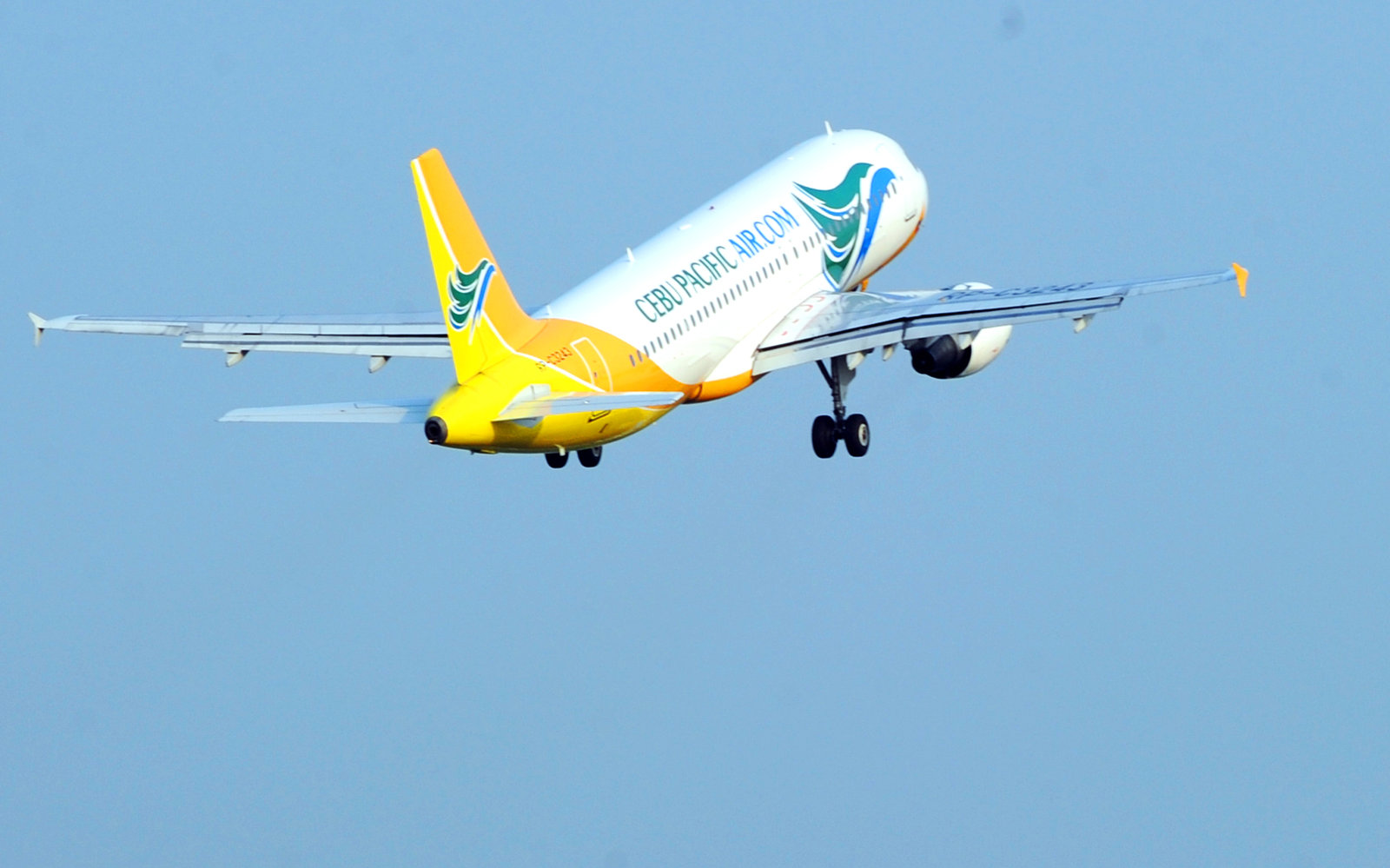
  • Cebu Pacific announces P1 seat sale for 11.11

    Cebu Pacific announces P1 seat sale for 11.11

    Cebu Pacific on Wednesday announced an 11.11 seat sale for as low as P1.

    In an advisory, the airline said the promo offer would begin at 12 midnight on November 11, 2021 and end on November 14, 2021, covering the travel period from July 1 to September 30, 2022.

    “Passengers can enjoy Cebu Pacific’s lowest base fare for as low as P1 to over 56 domestic routes and 20 international routes,” the airline said.

    Cebu Pacific vice president for marketing and customer experience Candice Iyog said that the airline welcomes the safe reopening of domestic destinations.

    “We remain cautiously optimistic while we continue to do what we can to support the recovery of the travel and tourism industry,” she said.

  • Two more river bus routes proposed for HCMC

    Two more river bus routes proposed for HCMC

    Ho Chi Minh City’s District 7 has proposed to municipal authorities that two new river bus routes be established to connect it with downtown District 1.

    A private company will invest and operate the two routes on Saigon River for five years, with a total price tag of nearly VND260 billion ($11.5 million), District 7 authorities proposed.

    The No. 3 route will run 13 kilometers from Bach Dang Wharf to Mui Den Do with a total time of 56 minutes. There will be 11 stations. A boat will have 50 seats.

    The No. 4 route will run over 13 kilometers from Bach Dang Wharf to the Phu My Hung urban area. A boat will have 40 seats.

    Authorities of District 7 said both routes would help take advantage of the waterways as the city strives to recover its economy following the fourth Covid-19 wave, the proposal read.

    HCMC is operating the No. 1 route from District 1 to Thu Duc City. The No. 2 route from downtown to District 8 is pending operation.

    River buses are part of the city’s efforts to reduce traffic congestion.

    With 110 rivers and canals covering 1,000 kilometers, the city needs over VND21 trillion to develop this network in the next 30 years, according to its Department of Transport.