Category: General

Retail News Asia is committed to providing both local and global retailers with the latest General Retail news throughout the Asian market. This on a daily base.

  • Malaysian Tycoon Tony Fernandes’ AirAsia Launches Parcel Delivery Service To Tap E-Commerce Boom

    Malaysian Tycoon Tony Fernandes’ AirAsia Launches Parcel Delivery Service To Tap E-Commerce Boom

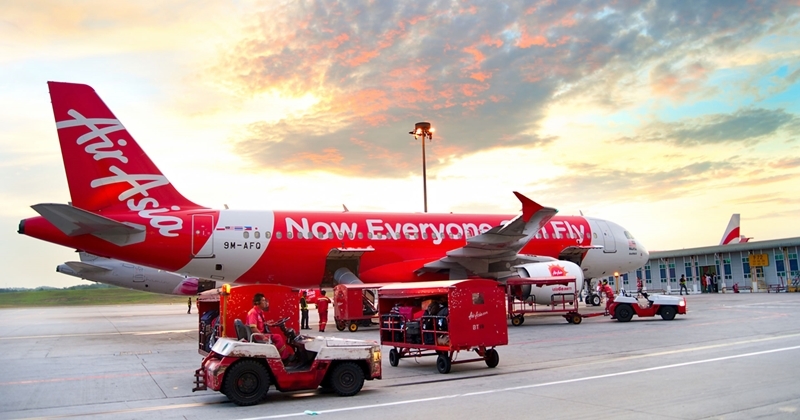
    AirAsia Group controlled by Malaysian tycoon Tony Fernandes has launched a parcel delivery service as the loss-making budget airline seeks to tap the e-commerce boom across Southeast Asia.

    The new service, called AirAsia Xpress, is the company’s latest venture as it expands its digital business to shore up the airline’s revenues that have been hard hit by the Covid-19 pandemic, AirAsia said in a statement on Tuesday. The service will initially be available in Kuala Lumpur and other areas around the densely populated Klang Valley, before rolling out to other parts of Malaysia and Southeast Asia.

    Powered by Teleport—the group’s logistics arm—AirAsia Xpress gives its super app users two options: instant delivery to receive their packages in less than an hour or same-day delivery to receive their packages within six hours. The new venture complements the airline’s food delivery and ride-hailing services, which are part of initiatives to build a super app that will compete with Southeast Asia’s tech titans such as Indonesia’s GoTo and Singapore’s Grab and Sea Group.

    “As we move forward with the post-pandemic recovery, we believe that people will remain greatly dependent on efficient and affordable delivery services—one of AirAsia’s core strengths,” said Lim Ben-Jie, head of e-commerce delivery at AirAsia’s superapp. “Combining our ease of usability and network reach across ASEAN and beyond, AirAsia Xpress will support individuals and micro-businesses with fast and convenient deliveries.”Southeast Asia is among the fastest-growing regions in the world, with gross merchandise value from the digital economy climbing 49% to $174 billion this year from the previous, according to a new study jointly published by Google, Temasek, and Bain & Company this month. As consumers across the region increasingly embrace e-commerce and other digital platforms, the study predicts the GMV to grow to $363 billion by 2025 and surpass $1 trillion by 2030.

    This strong growth trajectory bodes well for AirAsia, which is seeking to grow the share of its digital businesses to 50% of the group’s revenue by 2025. The group has been pivoting into digital businesses as Covid-19 travel restrictions drag passenger and cargo traffic lower.

    Earlier this week, AirAsia reported its third-quarter revenue declined 37% from the previous year to 296 million ringgit ($70 million). In a research note, Raymond Choo, an analyst at Kuala Lumpur-based Kenanga Research, cut his full-year earnings estimate for AirAsia by 17% to a net loss of 2.41 billion ringgit.

    “As a group, we have taken advantage of the downtime in flying to tap new revenue streams and fully transform ourselves into an investment holding company with a portfolio of synergistic travel and lifestyle businesses,” Fernandes, CEO of AirAsia Group, said in a statement when the group announced its third-quarter results. AirAsia’s superapp, along with Teleport and the group’s fintech unit BigPay, are gaining traction and building a strong presence in key markets, he added.

    Fernandes and his business partner, Kamarudin Meranun, took over AirAsia in 2001 to build a low-cost carrier that would make air travel affordable. Fernandes—who dropped out of this year’s ranking of Malaysia’s 50 Richest people—also has interests in hospitality, insurance, and education.

  • 7-Eleven introduces autonomous delivery robot in Seoul

    7-Eleven introduces autonomous delivery robot in Seoul

    Korea Seven, which operates 7-Eleven stores in South Korea, has partnered with Neubility, a South Korean autonomous robot startup, to commercialize autonomous robots for short-range delivery.

    Most large convenience store chains in South Korea offer delivery to customers via third-party food delivery apps. For example, the popular Yogiyo food delivery app delivers groceries and other products from CU and GS25 chains. Typically, third-party delivery services receive about $3.51 per delivery.

    The domestic food-delivery services market hit $19.8 billion last year, according to the South Korean Fair Trade Commission.

    Korea Seven’s agreement with Neubility calls for it to commercialize the autonomous robot Neubie in Seoul and surrounding areas by the end of this year. Neubie robots can navigate deliveries in urban areas in any weather conditions.

    However, it can be difficult for these robots to operate in the Gangnam district because the numerous skyscrapers could block the satellite signals needed for the robot’s GPS system. To overcome this, Neubie robots have cameras and sensors in addition to GPS, so they are more adaptable for those areas.

    “The two companies will cooperate to build a model for [a] next-generation delivery service that brings convenience to store management as well as increased profits,” said Choi Kyung-ho, CEO of 7-Eleven in South Korea.

    Elsewhere in Asia, 7-Eleven Japan this week announced plans to launch national delivery services by 2026. The country’s top c-store chain will mobilize its national network for last-mile delivery to take on Amazon.

  • Virtual retail real estate plot sells for a record US$2.4 million

    Virtual retail real estate plot sells for a record US$2.4 million

    A 566sqm piece of prime retail real estate sold online for US$2.4 million this week – but there’s a catch: it doesn’t exist.

    The land is ‘located’ on Fashion Street, a luxury retail precinct in Decentraland, a metaverse where people can buy land, visit buildings, and walk around and meet people as avatars. The buyer: crypto investor Tokens.com which says it plans to use the space to host digital fashion events and sell virtual clothing for avatars.

    The transaction was settled in a cryptocurrency called Mana and the agreed price of 618,000 Mana equates to US$2.4 million in real money.

    Decentraland said the site was the most expensive purchase of a plot of virtual real estate on its platform to date. It comprises 116 smaller parcels, each measuring 4.9sqm taking the plot said to 566sqm of virtual space.

    Decentraland is a specific type of metaverse that uses blockchain. Land and other items in Decentraland are sold in the form of non-fungible tokens (NFTs), a kind of crypto asset.

    Crypto enthusiasts buy land there as a speculative investment, using Mana.

    Andrew Kiguel, CEO of Tokens.com, said the assets would complement the ‘real estate’ already held by Metaverse Group.

    In June, a plot of virtual land in Decentraland sold for 1,295,000 Mana, worth $913,228 at the time. The buyers built a virtual shopping center to sell digital clothing, but Reuters reports it has visited this site multiple times since and has yet to see any shoppers.

    Environments such as Decentraland have grown in popularity this year, as the pandemic caused people to spend more time online. Interest in the concept surged last month when Facebook changed its name to Meta to reflect its focus on developing virtual reality products for the metaverse.

  • Update to Shazam makes the app more useful

    Update to Shazam makes the app more useful

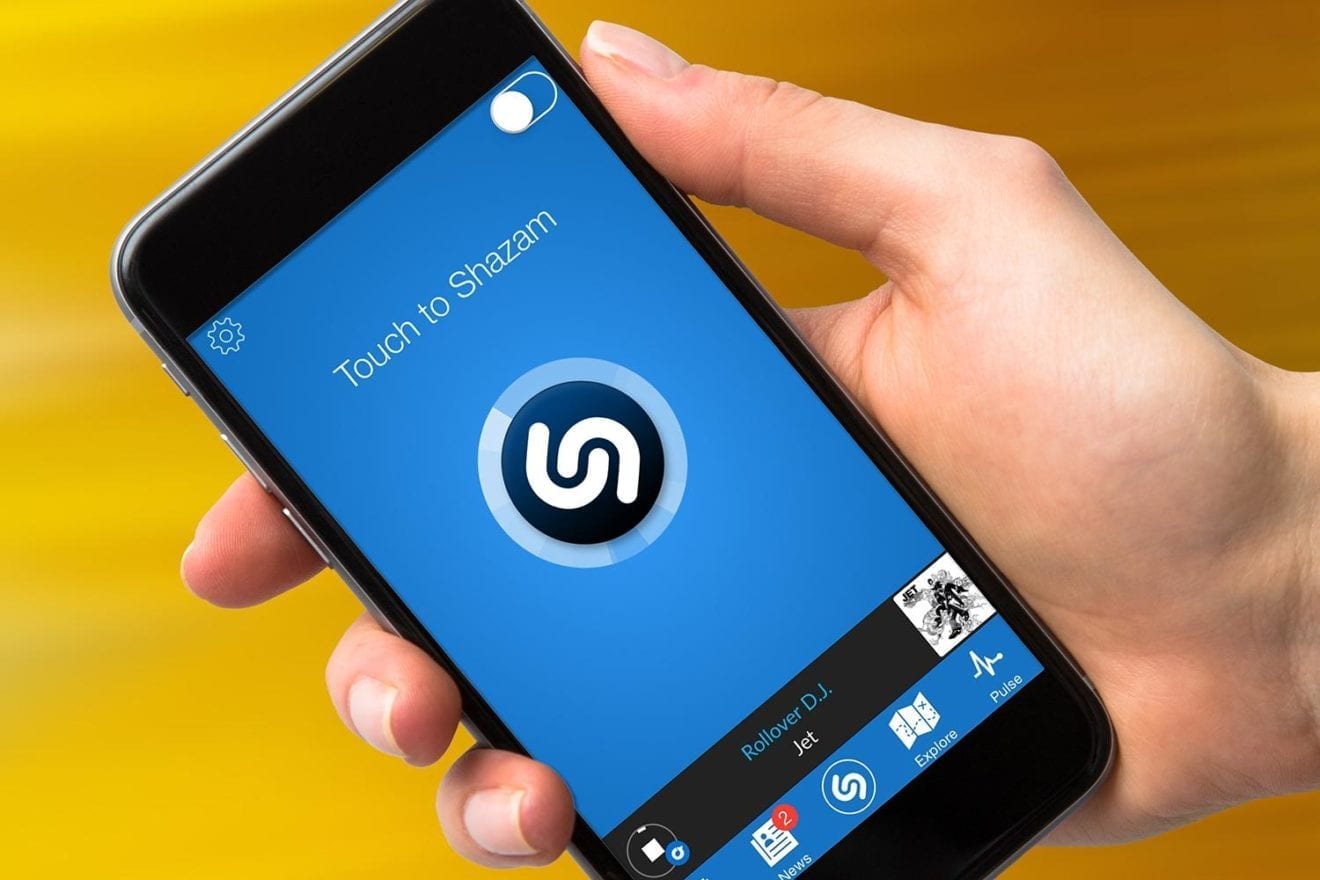
    It is hard to believe that nearly four years have passed since Apple paid a reported $400 million for the music recognition app Shazam. Whether this was a move made by Apple to compete with Pixel’s Now Playing feature is unknown. At the time that the deal was announced, Apple said that it ” has exciting plans for Shazam which was one of the first apps in the App Store.

    Apple did add Shazam to the iOS Control Center in iOS 14.2, which is not really exciting. In iOS 14, Apple added a feature allowing Shazam to recognize music playing inside an app. Again, excitement is in the eye of the beholder and we’re not sure that this would qualify as such. We noticed that Shazam had received an update that will, according to the release notes, allow the app to listen “longer” and “harder.”

    Apple says that by working harder, Shazam will find more songs. The company stated, “Shazam now finds more songs by trying harder, for longer. Tap to Shazam to give it a go.” While Shazam is supposed to be able to match just a few seconds of a song with that tune’s title, sometimes the app can be stumped at first and that is why hearing just some additional seconds of a tune could make the difference between being unable to learn the name of that song you just heard or Shazam finding out the name of that song you can’t get out of your head, and the artist.

    You might have been unaware that Apple offers a widget for Shazam. Depending on which size widget you choose, you could see up to four songs recently discovered by Shazam. To add the widget, long-press on an empty space on your iPhone screen. That puts the phone into “jiggle mode.”

    While in “jiggle mode,” tap the “+” button in the top-left corner and search for the Shazam widget which showed up first when we looked for the widget (see accompanying photo). Select which size widget you want and tap on “Add Widget.”

    Apple is currently running a promotion now through January 31st. Simply visit this website and use the camera on your iPhone to scan the QR code and redeem the offer. The five free months are available to new Apple Music subscribers only.

    The Shazam app is also available for the Apple Watch.

  • Private hospitals suffer pandemic inflicted losses

    Private hospitals suffer pandemic inflicted losses

    Private hospitals in HCMC and Hanoi are reporting losses after months of limited operations necessitated by the Covid-19 pandemic.

    After four years of making a profit, the Tam Duc Heart Hospital in HCMC’s District 7 posted a loss of VND13 billion ($571,440) in the third quarter this year.

    Its revenue plunged 63 percent to nearly VND54 billion.

    The hospital has cut down salaries but high overhead costs and additional Covid-19 measures remained major financial burdens.

    Its nine-month profit has fallen 86 percent year-on-year, the hospital said.

    In Binh Tan District, Trieu An Hospital posted its second quarterly loss in a row at VND22 billion, against VND14 billion in the second quarter.

    The hospital saw third-quarter revenues plunge 70 percent year-on-year.

    In Hanoi, the Transportation Hospital in Dong Da District saw a loss of VND11 billion in the third quarter, with revenue dropping 36 percent year-on-year to over VND24 billion.

    Its accumulated loss stands at nearly VND188 billion, the hospital said.

    Nationally, the number of health checks fell 10 percent year-on-year last year to VND167 million, according to the health ministry.

  • Japanese business giants eye expansion in Vietnam

    Japanese business giants eye expansion in Vietnam

    Japanese companies, including retailer Aeon and energy firm Enos, have told Prime Minister Pham Minh Chinh that they want to expand their investments in Vietnam.

    The country’s business environment is improving and Japanese companies have confidence in their Vietnamese operations, the heads of major companies told Chinh in Tokyo Tuesday. The Prime Minister is on a four-day official visit to Japan.

    Aeon, with six malls in the Southeast nation, has invested $1.18 billion in the country so far, and its chairman, Motoya Okada, said it wants to double the number of malls.

    It also wants to list on the Vietnamese stock market and begin exports of fisheries and garment products to Japan, he added.

    Chinh said the company’s plan is opportune since Vietnam now offers great advantages due to its 17 free trade agreements.

    Aeon could expand its business and source products from several localities like Thanh Hoa, Nghe An, Quang Ninh, Hai Phong, An Giang, and Kien Giang, he said.

    Eneos, one of the biggest energy firms in Japan and with annual revenues of $70 billion in Vietnam, wants to expand its investment.

    Chairman Tsutomu Sugimori expressed interest in Vietnam’s energy development plan and helping reduce its carbon emissions.

    Chinh welcomed this, saying his country is drafting its Power Development Plan VIII with a focus on diversifying power sources and developing clean and renewable energy.

    Fast Retailing, which owns fashion brand Uniqlo, wants to invest further in Vietnam. Chinh said the company should to help local employees reach global standards.

    Japan’s leading pharmaceutical firm Shionogi wants to establish its first Covid-19 research and manufacturing facility in Southeast Asia in Vietnam. Conglomerate Hitachi wants to contribute to Vietnam’s railway development.

    Masayoshi Fujimoto, chairman of conglomerate Sojitz Corporation, said his company is also interested in reducing carbon emissions in Vietnam.

    It has 17 ventures in Vietnam in equipment manufacturing, energy, chemicals, electricity, and others.

    Chinh said Sojitz should grow timber in his country and export it to major markets.

    Another conglomerate, Marubeni Corporation, is interested in power projects in Vietnam and wants to develop infrastructure for the Quang Yen economic zone in the northern province of Quang Ninh.

    Chinh said it should focus on Vietnam’s transition to energy sources that are modern and environment-friendly.

    He told the executives they could contact his ministers to resolve any challenges they might face while seeking to invest. “If that does not work, send me a letter directly”.

    Japan was the third biggest foreign direct investor in Vietnam in the first 10 months, behind Singapore and South Korea, with a registered capital of nearly $3.4 billion, accounting for 14.3 percent of total, according to the Ministry of Planning and Investment.

    In the first 10 months, bilateral trade rose 6.4 percent year-on-year to $34.4 billion, according to Vietnam Customs.

  • Vietnam Airlines launches e-commerce platform

    Vietnam Airlines launches e-commerce platform

    Vietnam Airlines has launched a new e-commerce platform VNAMALL, focused on selling imported products from countries to which it operates.

    As many as 300 products are available starting Monday on the platform, mainly pastries, fruit and wine.

    The airline also sells food typically available on its flights.

    It also introduced Vietnam Airlines Gift Card that comes with perks like more check-in baggage and priority check-in.

    VNAMALL is the latest initiative of the loss-making national flag carrier, which has been struggling to overcome Covid-19 impacts.

    The airline, in which the state holds a 86 percent stake, recorded an accumulated loss of VND17.77 trillion ($780.48 million) as of June 30.

  • Update for Google Messages rolls out now turning iMessage reactions into emoji

    Update for Google Messages rolls out now turning iMessage reactions into emoji

    It’s the modern, digital version of the Hatfields and McCoys. We are talking about the blue text bubble vs. the green text bubble. When an Apple iPhone user is sending iMessages to another iPhone user, the text is inside a blue “balloon.” But if even just one Android user joins a group chat, the bubbles turn green and outrage follows. Yes, iMessages and Google Messages are not compatible.

    Just a few days ago we told you that Google was planning on sending out an update to Google Messages that will allow reactions from iPhone users using iMessages to appear as an emoji on Android Messages. Currently, a reaction sent by an iPhone user appears as words on Google Messages such as “Liked an image” or “Emphasized “We’re on our way”.

    According to 9to5Google, the update has slowly been rolling out. Screenshots provided by Twitter user jvolkman (@jvolkman) show that reactions sent from an iPhone user resulted in the appearance of the same emoji showing up in Google Messages as though the reaction was sent from an Android user messaging from the RCS platform. Tapping on the reaction on an Android phone shows that it was “Translated from iPhone.”

    Not all reactions from iMessages can be perfectly matched to an RCS emoji. For example, the “love” reaction on iMessage becomes the heart-eyes emoji on RCS and the laugh reaction sent from iMessages becomes the laughing face emoji.

    RCS or Rich Communication Service is Google’s attempt to provide the iMessages experience for Android users. Instead of using a cellular network, RCS runs through the data network which means that it can be used on Wi-Fi  even if there is no internet connection. Because RCS uses a data connection, messages can contain as many as 8,000 characters as opposed to the 160 character cap on SMS.

    With RCS, users can send longer video files and GIFs. They also get read receipts and can see when someone is in the process of typing a message to the. RCS to RCS messages also use blue text bubbles similar to iMessages and end-to-end encryption has been added. Right now, only one-to-one RCS messages can be encrypted which means that group RCS messages are not covered.

    Another new feature reportedly being worked on for Google’s Messages app is a birthday reminder that will alert you if the person you are having a conversation with is celebrating his or her birthday on this very day.
    It is important for Android users to know that the messaging and texting apps offered by carriers do not have RCS features. To have RCS on your Android phone, you must go to the Google Play Store and install the beta version of the Messages app from there.

    With the update beginning to roll out now, you might want to give a call to one of your iPhone-wielding friends and ask them to react to a message that you send them. If you see an emoji attached to that message, the update has reached your Android phone (assuming that you are using the Google Messages app in the first place). If not, you can reinstall the Google Messages app from the Play Store and check with your friend again to see whether the emoji appear when your buddy sends a reaction to a message that you’ve sent.

    Is the start of some sort of cooperation between Apple and Google that could lead to a universal iOS and Android messaging platform? Probably not. Apple relies on iMessage as a differentiator and there are some iPhone users who selected iOS over Android-primarily on the strength of its messaging system.

  • 3 Mistakes You Can’t Make in Sports Betting

    3 Mistakes You Can’t Make in Sports Betting

    We have commented in our content about the importance of emotional control. While it sounds like a gambler’s cliché, this is an almost indisputable truth. Without the pillars of sports betting (bank management, discipline, and emotional control), it is practically impossible to succeed in 22Bet online betting.

    It is therefore essential to know how to deal with losses. It sounds bizarre, but the thought that you have to know how to lose to win is exceptionally true. And, in this context, the effects of the loss on the bettor are of great relevance.

    What are the effects of the injury?

    Making money from betting is not difficult in the short term, especially in a streak where everything works out. It’s not uncommon for beginners to start by leveraging their bankroll. The problem is to maintain this positivity for the long term. Sports betting has a variance, and no matter how safe your work method is, a wrong run time can come.

    And this is where a lot of people end up getting lost. After a streak of losses, many beginning gamblers resort to incorrect actions to recoup losses. The stake increase is the main resource and that, after all, only increases the chance of putting the bank even further into the hole.

    Another common mistake is investing in games without good opportunities, just because of the influence of the previous result. This is another one of the damage effects that can compromise your performance.

    3 Mistakes Related to Losses You Need to Stop Committing

    Therefore, within the psychological impacts, the damage is one of the great villains responsible for beginners’ losses. Of course, here we are not just talking about the loss of money itself, but what it can do to your psychological negative.

    Thinking about how to help you improve in this regard, today, we will mention three psychological errors related to the effects of the injury. If you commit any of them, don’t despair. The idea is precisely to identify these behaviors so that they do not compromise your results in the long term.

    Mistake #1 • Risking more than you can lose (high stake)

    First, you must have very assertive control over your stake. This is not just for setting the percentage but also for ensuring that this is a value you can afford to lose. A widespread mistake of beginning gamblers is to work with a relatively high stake, where the psychological impact of an eventual loss ends up being too great.

    Here, it is also worth including that loss situation where people double the stake to recover the loss. No one guarantees that the new bet will win, and if something goes wrong, the problem only gets worse. And, many times, the worst thing is just how your head will know that you used a value above what was correct.

    Therefore, know how to manage your stake according to your reality and values ​​that do not pressure your emotions. Tranquility is paramount to making suitable investments.

    Mistake #2 • Lack of confidence in input or strategy

    When we’re at a loss, it’s even natural for the head to start looking forward to the next game in an attempt to balance the balance. What usually happens at this time? Inputs are based purely on the emotional, without any confidence that the situation had value.

    Here, we have two problems about the effects of the injury. The first, of course, is that an unsecured entry has a high chance of going wrong. It usually comes from an impulse and a psychological desire to recover from a loss. And, going wrong again right affects your emotions (which is our second problem in this situation).

    In that sense, if you’re having a bad day, it’s worth taking a break and doing something else, at least until you feel that your emotions are back to normal and that you can make a correct decision about the new bet.

    Mistake #3 • Not knowing how to handle losses

    Finally, the third mistake reflects everything we’ve discussed so far: not knowing how to deal with losses. In sports betting, you will always be dealing with swings. It is, after all, a variable income market. You can’t always win, no matter how good you are.

    And, something ubiquitous among beginners is to despair in a negative streak. The gambler begins to question whether he is on the right path, whether what he is doing is correct, and even whether he can earn money from betting. Good strategies end up getting lost at this point.

    In this way, some of the above errors can also happen. Be careful not to get carried away by a bad run and always focus on the long term.

    How to avoid the effects of injury?

    There is no better way to deal with the effects of harm than by going through them. The human mind is very complex and practically impossible to master completely. What happens is that, with the passage of time and experiencing situations, you get used to it and don’t despair at every loss.


  • Post Covid-19 Emerging Trends In India Retail Sector

    Post Covid-19 Emerging Trends In India Retail Sector

    With the pandemic fiercely constricting the traditional brick and mortar retail stores across the country, retailers now seek a new hybrid/omnichannel commerce. The “new normal” forced the entire sector to think out of the box and come up with innovative shopping strategies. In a way, Covid-19 brought about both opportunities along with threats.

    Digital transformation for the retail segment is no longer an optional measure; rather, it is a bare necessity to sustain among the e-commerce giants. Along with the operational transformation, these players also need to rethink their strategies to fine-tune their customer journeys on the online platforms.

    Large businesses were no strangers to changes in operations. They also underwent enhancing existing levels of digitized business models followed by the added Automation component in the daily process flows.

    Seeking The Digital Innovations In Retail

    As the economy passes precariously through the health turmoil, there is a growing realization that the hybrid structure is the future for the retail industry. This is aided by the complementary nature of both offline and online channels of business. Even small business owners are now adamant about establishing an online market presence via websites/apps.

    There is also the widespread adoption of digital payment mechanisms among local retailers to enable a smoother transactional experience for customers. Indian customers have accepted mobile wallets, QR code scanning and related e-payment possibilities with open arms. They can also leverage the same payment options to play in online casinos like Asiabet – where they can find the most trusted poker sites in India.

    Users can play poker with real money and grab a chance to win a bouquet of goodies, including freeroll tournaments, sign-up bonuses, and VIP rewards. From the famous Texas Hold’em, 3-Card poker to the local variants like Teen Patti, Asiabet has them all. With plenty of player traffic at all times coupled with all security and regulatory checks in place, they can play the best online poker in India on mobile.

    Digitization among the local retail players has also improved accessibility levels by raising consumer awareness on leveraging the possibilities of technology adoption. As a result, the average Indian consumer now desires a more personalized and curated experience from retail brands. They expect to be delighted at every stage of the sales process.

    Companies are now leveraging marketing and sales campaigns extensively via Social Media platforms like Facebook and Instagram. The weekly offers, introductory bonuses, to discount coupon codes are now a common sight provided as ads by local retailers. With analytics reports provided by these platforms along with third-party tools, companies now rely on data-driven insights to measure the efficacy of their digital marketing campaigns.

    The online shopping market has undergone an even steeper climb in the past year, fuelled by the pandemic and global lockdown situation. This has immensely contributed to the growth of India’s retail segment that makes up around 10% of the country’s GDP and 8% of employment. Digitization has thus necessitated the need for upskilling the existing workforce to improve productivity in the post-Covid era.

    In the Customer Experience segment as well, retailers are initiating innovative, technology-driven campaigns. Employees also need to be reskilled in new ways of engaging prospective customers so as to execute these campaigns. Candidates with proficiency in Artificial Intelligence/ Machine Learning (AI/ML) technologies are in hot demand due to this reason. Check out the guide to machine learning in retail to understand the ever-increasing prominence of AI/ML in the retail domain.

    Big Data management technologies are employed to collect data being captured in batches and in real-time. Using data visualization and business intelligence suites, the data scientists generate insights. Based on the insights obtained from the data analysis tools and methodologies, the IT departments of retail players can fine-tune their campaigns to create maximum impact among the target customer base. At the same time, on-field sales personnel are provided training in agile methodology to offer customized shopping experiences to end customers.

    Direct To Customer (D2C) business model is gaining significance as retail players realize the increasing need to connect with customers directly. This aspect is fuelled by the stiff competition among retails during the pandemic. Raising customer awareness of the brand and attracting their attention and e-commerce strategy is necessary to succeed in these testing times.

    Another emerging trend in recent times is the prevalence of self-service outlets to facilitate social distancing. The concept is termed BOPIS (Buy Online Purchase In-Store). Another similar method is the BOSS (Buy Online and Shipped To Store). Shop owners use Retail Beacons to collect customer data for demand forecasting and buying behavior. This will also help them in seasonal planning on inventories and procurement of goods from product vendors.

    Final Thoughts

    Customers are now getting used to consistently making purchases online instead of visiting the traditional brick-and-mortar alternative. The convenience of getting a wide variety of products under a single website or application is gaining wide appeal among the Indian customer segment.

    From an employee perspective, retails prefer those with niche skills in cutting-edge technologies like AI/ML as the retail market as a whole is now fuelled by data-driven decision-making more than ever before. Embracing the digital transformation strategy along with setting up a hybrid online and physical store is the game-changer in the foreseeable future. This will minimize the need for real estate and boost customer reach via social media, especially in Tier-2 and Tier-3 cities, where huge untapped revenue potential exists!


  • Miniso continues to post strong growth as Covid’s impact eases

    Miniso continues to post strong growth as Covid’s impact eases

    Chinese discount goods retailer Miniso has reported strong first-quarter sales and profit growth for the three months to September 30 as its store network continues to expand internationally.

    Sales surged 28.1 percent to US$411.9 million and adjusted net profit to $28.6 million, 80.3 percent higher year on year and 27 percent quarter on quarter.

    As of the end of September, Miniso operated 4871 stores, with a net addition of 122 stores during the quarter.

    “In spite of the headwinds from the resurgences of the pandemic, rainstorm disaster and weak consumption data in the domestic market in this quarter, we executed our strategies well and our domestic operations recorded an encouraging performance, while our overseas operations moved further along the path of recovery,” said founder, chairman and CEO Guofu Ye.

    Part of the growth rate has been attributed to the company’s development of new retail channels, including Top Toy stores, of which 39 opened during the quarter.

    While the bulk of the store network is in China (3035), the number of overseas stores grew to 1836.

  • Bamboo Airways set to list its stocks

    Bamboo Airways set to list its stocks

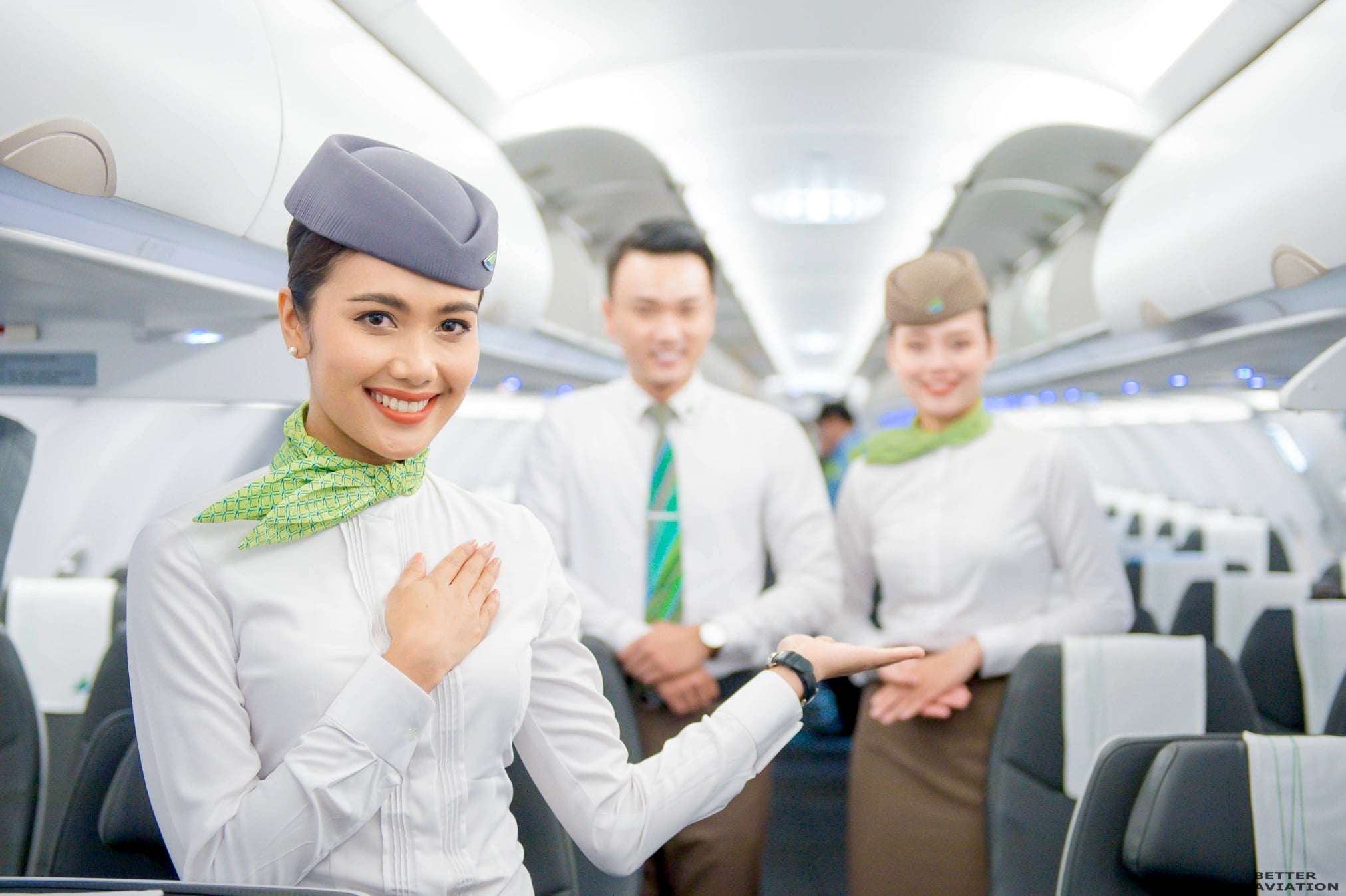
    Bamboo Airways plans to list on the Unlisted Public Company Market next quarter while preparing for an IPO in the U.S.

    Prices of the ticker BAV will be at least VND60,000 ($2.65), CEO Nguyen Khac Hai said in a statement Friday.

    UPCoM serves as a market to encourage companies to go public. Vietnam’s two main bourses are the Ho Chi Minh Stock Exchange and the Hanoi Stock Exchange.

    The company targets to raise $200 million by issuing shares on the New York Stock Exchange, giving the startup airline a market cap of $4 billion.

    The airline plans to begin regular services to the U.S. city of San Francisco from HCMC by the end of this year, with five return flights a week initially and later daily.

    It has been operating charter flights to the U.S. since the end of September.

    The airline also announced plans to fly to the U.K. this year with six flights a week from Hanoi and HCMC to London.

  • Waze blames a glitch for sending drivers into dead end roads

    Waze blames a glitch for sending drivers into dead end roads

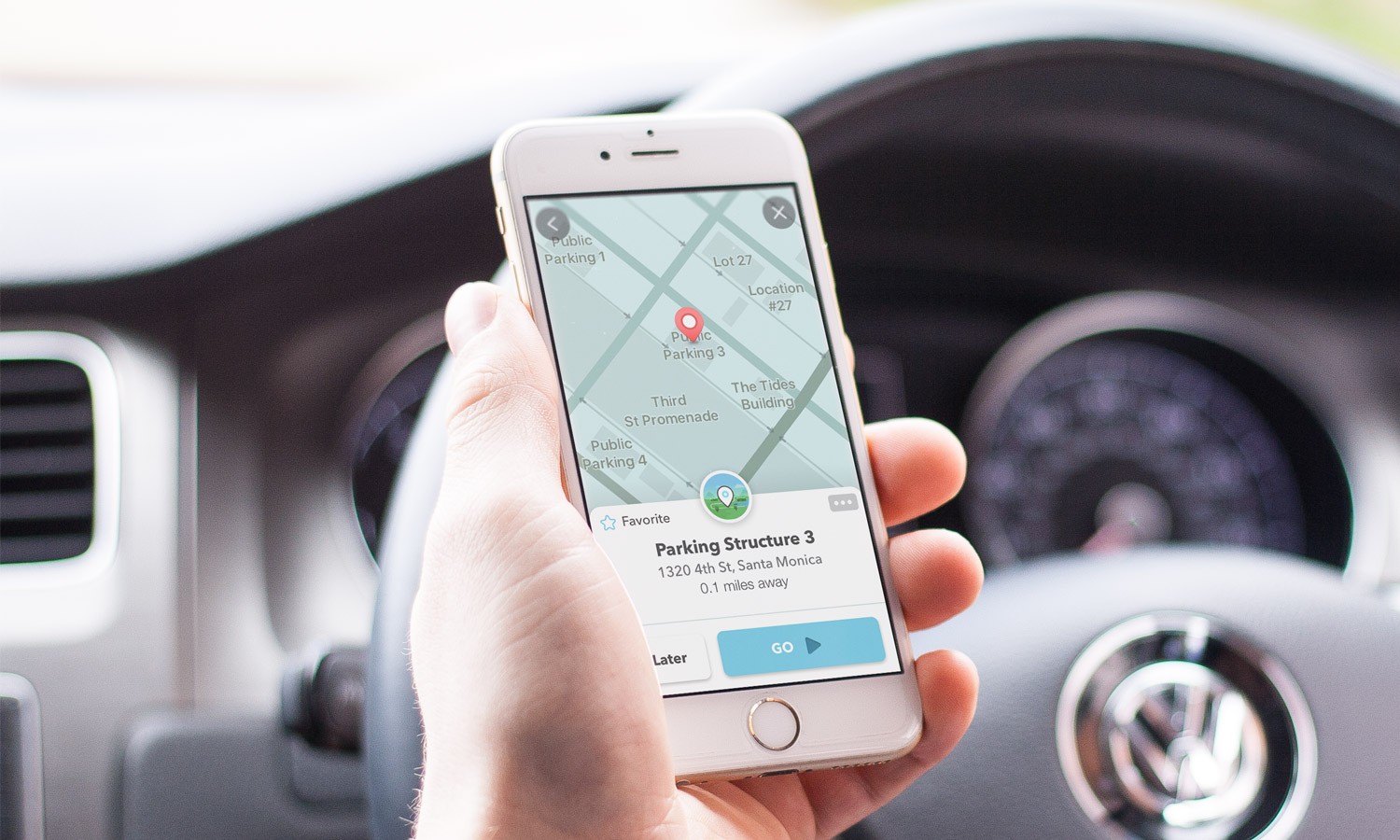
    Back in late October, we told you that Google-owned mapping and navigation app Waze was giving drivers the wrong directions and sending them right into the heart of traffic jams. Waze CEO admitted that “We have a problem with the algorithm. The more people we serve, the more it’s affected. The coronavirus has put us in a situation where we have to reinvent our algorithm.”

    Those problems that Waze was having were affecting their Israeli users. Now, according to road.cc, Waze is having problems directing users in the U.K. through the Royal Parks of London. A tweet sent from the charity to Waze said that it “would like to talk to someone about several of the reasons you [sic] we’d prefer you not directing drivers down closed roads in a park, what’s the best way to reach you please?”

    The tweet included a screenshot from Waze that showed the app directing drivers through Richmond Park. Waze at first said that it would look into the matter, and eventually, it acknowledged that it routed drivers through closed roads. While the company said that it wasn’t sure why it happened, it added that it wasn’t seeing any issues with routes at that moment and wondered whether the earlier problem was nothing more than a temporary glitch.

    Social Media users did what social media users do best; they criticized both Waze and The Royal Parks for not doing everything that they could to end the problem. The Department of Parks & Recreation told The Royal Parks: “We welcome your engagement with routing providers, although we think you should tell the providers not to route through the park at all.”

    Richmond Park, the subject of the initial tweet, is known for hosting cyclists leading Merton Cycling Campaign to complain to The Royal Parks, “You’re enabling this. You own the problem. Just close the gates to through traffic as responsible stewardship of a national nature reserve during a climate emergency requires.” Another tweet from a “Marty Velo” also blamed The Royal Parks and said, “why have you guys not tried to get in touch with them since the app was released years ago? It’s a bit late now, isn’t it? The parks are overrun with dangerous rat-running drivers.”

    And yet another tweet, this one disseminated by Madeleine Baines, showed directions inside the same park from Google Maps and the latter also navigated users to closed routes.

    Waze started life as a crowdsourced navigation app that depended on the Waze community to inform users about accidents, traffic jams, police speed traps, and more. After Google bought Waze in 2013, many questioned why Google would make the deal considering that Google Maps was (and still is) the most popular mapping and navigation app. But over the years Google took some of the most innovative features from Waze and added them to Google Maps.

    For example, back in August Google Maps started showing the cost of tolls on bridges and roads that are crossed as part of the user’s journey. This came from Waze as did incident reporting. This was one of the first features that Google added to its Maps app and it came just months after the acquisition of Waze was announced by the gang at Mountain View.

    Six years later, Google announced that Google Maps users could report slowdowns on their journey from “A” to “B” along with crashes and speed traps. Waze still has some popular features such as setting up the app to give you turn-by-turn directions in your own voice.

  • Tune Protect and AirAsia to unveil travel protection for foreign travellers into Langkawi and Thailand

    Tune Protect and AirAsia to unveil travel protection for foreign travellers into Langkawi and Thailand

    In an industry first, Tune Protect and AirAsia have launched the Covid Travel Pass as an added convenience for air travelers to meet the mandatory insurance coverage set by the governments for fully vaccinated international travelers flying into the countries. Kicking off with Langkawi, Malaysia, and various tourist destinations in Thailand, the service will be expanded to include other countries and destinations in due course.

    Currently, travelers flying AirAsia into Langkawi, Malaysia, and destinations in Thailand can subscribe to the Covid Travel Pass when booking their flight tickets on the AirAsia super app, post-flight purchase subscription options are also available before travelers depart. The introduction of the Covid Travel Pass plans is timely as they also meet the year-end travel needs of AirAsia’s guests who wish to head to their much-awaited holidays and the impending opening of regional and international borders.

    The Covid Travel Pass plans are complete with enhanced COVID-19 coverage to satisfy the Malaysian government’s requirement for international travelers coming into Langkawi to have mandatory insurance coverage of USD 80,000 while for Thailand, the required mandatory coverage is USD 50,000.

    “As Malaysia and Thailand open their international borders, AirAsia is prepared to meet the rise in the pent-up travel demand especially towards the end of the year as a peak travel period. Traveling today comes with a new set of protocols and we want to reassure our guests that we are ready to welcome them with the right travel protection products provided by Tune Protect while observing strict and disciplined protocols to ensure the safety of our passengers in-flight and beyond so that they can have total peace of mind,” said Bo Lingam, Group CEO of AirAsia Aviation.

    AirAsia has spent a period of downtime in travel over the past one-and-a-half years to further improve and revamp its flight procedures and processes. In the highest interest of safety and well-being of all its guests and employees, AirAsia will accept only fully vaccinated guests onboard its flights, and likewise, ensure only fully-vaccinated employees will operate flights and be on duty at the airport terminals.

    Despite mostly not flying for a good part of the past 18 months, all AirAsia’s aircraft are properly maintained according to procedures set by the manufacturer. AirAsia has set up an in-house maintenance, repair, and operations (MRO) unit called Asia Digital Engineering that provides services not only to AirAsia but also other airlines. Likewise, all its pilots and cabin crew are regularly sent for mandatory refresher courses and ongoing retraining so that they are always on top of their job.

  • Holiday air tickets in low demand as Covid stirs fear

    Holiday air tickets in low demand as Covid stirs fear

    Air tickets for the upcoming Tet holiday are in low demand as people are reluctant to make travel plans due to the long quarantine time and a rising number of Covid-19 cases.

    In previous years, Loan’s family had usually finished booking six Tet (Vietnam’s Lunar New Year) air tickets for the Ho Chi Minh City – Da Nang route at a total price tag of over VND40 million by the end of August.

    But this year, she has yet to make a decision.

    “My two children are not vaccinated so we are reluctant to travel. We plan to stay in HCMC this year and visit our parents later when the pandemic situation is stable.”

    Hanh and her husband in Thu Duc City initially planned to bring their children to her hometown in the central highlands province of Kon Tum, but the 14-day quarantine policy for those yet to be vaccinated discourages her.

    “There are only a few days of holiday, we don’t want to spend all of them in quarantine.”

    Ticket agents are reporting an unusual drop in demand compared to previous years in a time when sales often boom as people make travel plans for Tet, which falls in early February next year.

    Hong, the owner of a ticket office in Phu Nhuan District, said by this time last year she had sold hundreds of tickets for the biggest holiday of the year, but this year she had sold none.

    “I have texted frequent customers but none have made any travel plans.”

    Airlines have also not released specific Tet travel plans as per usual.

    Only Bamboo Airways and Vietjet Air have begun selling Tet tickets but with volume totaling 20 percent in the same period last year with prices around 15-20 percent lower.

    A media representative of Vietnam Airlines said it is difficult to plan for Tet ticket sales.

    The Civil Aviation Authority of Vietnam (CAAV) currently only allows airlines to sell Tet tickets for two routes a day or less.

    Some insiders say the rising number of Covid-19 cases and the migration of workers from HCMC and Hanoi to their hometowns would lower air travel demand this year.

    Vietnam recorded 10,250 new covid-19 cases Tuesday, the highest in nearly eight weeks.

    As Tet ticket sales often account for a third of an airline’s revenue for the year, plunging demand is set to cause even more financial challenges to carriers, which have struggled to survive the pandemic

    Vietnam Airlines posted a loss of VND8.58 trillion in the first six months, increasing its accumulative loss to VND17.77 trillion ($781.23 million).

    Vietjet Air posted a first-half post-tax profit of VND121.8 billion, most of it coming from financial services.

    The two airlines have not released earning figures for the third quarter, but most flights were suspended in the third quarter due to the fourth Covid-19 wave.

    Bui Doan Ne, deputy chairman of Vietnam Aviation Business Association, said it is difficult to make forecasts about the recovery of airlines this year as the Covid-19 situation remains unpredictable.