Category: General

Retail News Asia is committed to providing both local and global retailers with the latest General Retail news throughout the Asian market. This on a daily base.

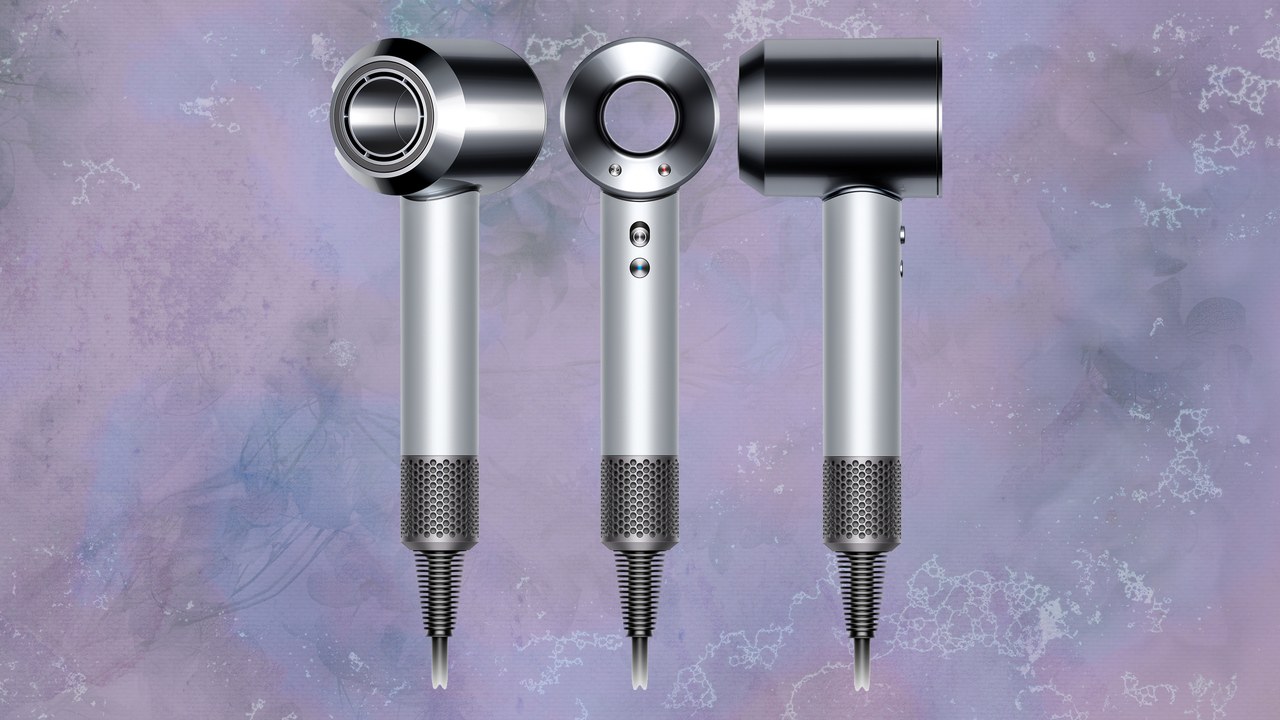
  • Dyson splits with Malaysia supplier, stoking concern over migrant worker treatment

    Dyson splits with Malaysia supplier, stoking concern over migrant worker treatment

    A transient drive right by the border from Dyson’s contemporary headquarters in Singapore is the boomtown constructed round its enterprise: a Malaysian industrial declare dominated by its finest supplier, ATA IMS Bhd (ATAI.KL).

    ATA, one amongst Malaysia’s high electronics manufacturing companies and products suppliers, rode Dyson’s success in excessive-close vacuum cleaners and air purifiers, supplying parts for a firm that got right here to story for 80% of its income.

    Ten contemporary and former workers, and a former ATA govt, tell the expansion got right here at an unseen mark: its mostly migrant workforce worked up to 15 hours a day, had been repeatedly requested to skip relaxation days to support up with set aside a query to, and had been coached to cowl correct working and dwelling prerequisites from labour inspectors and Dyson.

    In interviews over the final two months, the workers furthermore tell ATA, which analysts tell is Dyson’s finest global contract producer, employed hundreds of foreigners without work permits.

    After questions from Reuters on Nov. 18, Dyson final month stated it might perchance perhaps well pull its enterprise from ATA in six months, citing a up to date fair audit on prerequisites for workers and allegations by an unidentified whistleblower.

    ATA stated in a observation it turned into as soon as audited by the To blame Industry Alliance (RBA), a physique broadly engaged by electronics corporations to behavior factory audits. RBA hires third-social gathering auditors for the inspections. It declined to comment.

    On Nov. 29, ATA stated it had viewed the summary of Dyson’s audit, which stumbled on sad dwelling prerequisites, considerations of retaliation and unpaid allowances, among varied components. It described the findings as “non-conclusive” and stated it turned into as soon as reviewing them. Reuters has no longer viewed the audit.

    ATA declined to comment, and referred Reuters to its most recent public statements.

    Dyson stated on Tuesday it wouldn’t comment as a result of accusations associated to ATA.

    Malaysia on Wednesday stated it might perchance perchance perhaps well mark ATA over complaints it had received by the labour department. It did no longer tell what the charges or complaints had been about or whether or not they associated to the workers’ accusations about its Dyson factories.

    The country’s human resources minister, M. Saravanan, stated compelled labour allegations at Malaysian corporations had been hurting international traders’ confidence in merchandise manufactured there. He had earlier stated the federal government turned into as soon as investigating Dyson’s resolution to interrupt up with ATA.

    After Dyson’s hurry, ATA shares dropped 60%. Some analysts accept as true with raised doubts about ATA’s skill to attract contemporary customers, and on Nov. 29 a observation from the firm forecast income declines and mark cuts.

    With Dyson’s departure, six workers and shopkeepers interviewed within the Johor Bahru industrial declare stated they feared they might perchance perhaps lose their livelihoods.

    “There’s now not one of these thing as a screech of a job right here anymore,” stated one off-responsibility ATA employee, carrying his royal-blue factory work shirt on a up to date Sunday. Love others, he requested now to now not be diagnosed for dismay of reprisal.

    ATA officially employs round 8,000 workers, although four ATA workers and the former govt estimated its workers had been as excessive as 17,000 unless lately, including these without permits. Most of 17,000 had been from Bangladesh and Nepal, according to the workers and govt.

    ATA’s factories are concentrated in adjoining industrial parks in suburban Johor Bahru, a 30-minute drive to Singapore, the put Dyson is headquartered.

    ATA posted document income of 4.2 billion ringgit ($991.74 million) for the fiscal 300 and sixty five days that resulted in March. Dyson, owned by British billionaire James Dyson, accounted for nearly $800 million of that.

    Analysts tell the increased scrutiny of Malaysia might perchance perhaps well expand production charges and deter traders. The United States has banned six Malaysian corporations within the final two years over accusations of compelled labour.

    “Cost will definitely hurry up because of loads extra care must be taken into story, no longer fine on recruitment but furthermore employee accommodation. The ramifications are vastly increased charges for labour,” stated Vincent Khoo, head of Malaysia compare at brokerage UOB Kay Hian.

    Malaysia, which makes every little thing from iPhone parts to semiconductors, is reliant on electrical and electronics manufacturing in disclose for exports and economic tell. Between January and October 2021, such merchandise accounted for 36% of total exports.

    Foreigners manufacture up about 10% – 1.48 million – of Malaysia’s workforce, according to government info, although that percentage is increased within the manufacturing sector. The federal government and labour teams estimate hundreds and hundreds extra undocumented migrants.


  • New feature reveals whether your Android phone spots the latest version of the Google Play Store

    New feature reveals whether your Android phone spots the latest version of the Google Play Store

    It could just be that this writer is in the minority, but yours truly always preferred calling the Android app storefront the Android Market instead of the Google Play Store. The change was made in March 2012 as Google sought to unify the Android Market and Google in one brand. Just two years before the name switch, the Android Market contained just 30,000 apps, up from 10,000 in September 2010 and 16,000 in December 2010.

    Perhaps you remember the original Android Market icon which was a white shopping bag with the green Android bug on the front. When Google changed the name to the Play Store it created a new icon that resembles the triangular play icon found on many apps including Google’s own YouTube and YouTube Music.

    19 months later, the Android Market was home to half a million apps and Android was on its way to becoming the most popular mobile operating system on the planet. At last count, there are over 2.5 million apps in the Google Play Store.

    Coming to the Google Play Store via a server-side update is a new quick and easy way to make sure that your Android phone is running the latest version of the Play Store. Simply open the app and tap on the profile picture on the right side of the search bar at the top of the screen. From there, tap on Settings > About and when you scroll down toward the bottom of the display, you’ll see the words “Update Play Store” in green text.

    Tap on that link and if your version of the Play Store is the most recent available, you’ll get a message that says “Google Play Store is up to date.” If you need to update the app, you will be given that opportunity. While not all Android or even Pixel users have received this update, we see it (as you can tell from the image that we’ve included with this article) on our ancient Pixel 2 XL running Android 11.

    Before adding this feature, tapping on the version number from the About screen would check to see if your Android phone was sitting on an update for the Play Store. The problem is that unless you knew about this, there would be no reason for you or anyone to tap on the version number on the About screen. We should point out that the newly added link has been placed right underneath the Play Store version number.

    By July 2013, the Play Store hit one million apps overtaking the 900,000 listed in the App Store for the first time. As of last month, approximately 71% of smartphones used worldwide run Android with 29% powered by iOS. Despite this huge advantage, the revenue of the Play Store always falls well short of the amount spent on iOS.

    One theory is that in developing economies like India, the world’s second-largest smartphone market, lower-priced Android models are in demand. And in regions like India, many Android phone buyers are not financially equipped to spend much money on apps. Or to look at it another way, those able to afford to buy a new iPhone are most likely able to spend money on the purchase of iOS apps from the App Store.

    Because this is a server-side update, Android users don’t have to worry about manually updating the Google Play App. Just keep an eye out for the new link and eventually, you should find it in the Play Store app on your Android phone. In case you were wondering, the version of the Play Store on our Pixel 2 XL, which does include the new feature, is 28.2.10-21.

  • Messenger to start testing bill splitting feature in the US

    Messenger to start testing bill splitting feature in the US

    Recapping everything that’s been released from the beginning of the year, Messenger revealed a couple of surprises that haven’t yet been implemented. One of these surprises is a sneak peek at the bill splitting feature that Messenger will be testing in the United States.

    Starting next week, Messenger users in the US will be able to test Split Payments, a free way to share the cost of bills and expenses. If you’re selected for the testing sample, you can find the Split Payments feature by clicking the “Get Started” button in a group chat or the Payments Hub in Messenger.

    Any bill can be split evenly, but Messenger users can also modify the contribution amount for each individual in the chat, with or without themselves included. All requests will be sent and viewable in the group chat thread after entering a personalized message and confirming Facebook Pay details.

    Messenger doesn’t say when Split Payments will be available for everyone, but if we were to guess, they will probably be ready for prime time early next year.

  • Vietravel Airlines to resume domestic flights

    Vietravel Airlines to resume domestic flights

    Vietravel Airlines will reopen domestic flight ticket sales next Monday to tap year-end travel demands, after remaining grounded for about three months owing to pandemic restrictions.

    The carrier, which belongs to leading tourism company Vietravel, announced it will reopen ticket sales from 9 a.m. Monday, with the first flight taking off next Thursday.

    The flights will depart to and from Hanoi, Ho Chi Minh City, and beach tourist hotspots such as Da Nang, Nha Trang, Phu Quoc and Quy Nhon.

    The company said it will gradually increase its flight frequency from now to the end of the month to meet higher travel demand during the year-end peak season, including the upcoming Tet (Lunar New Year) holiday two months from now.

    Vietravel Airlines was launched at the end of Dec. 2020 and was one of the airlines that allowed to operate amid the turbulence created by the pandemic.

    After about half a year of operation, the carrier had to reduce its frequency and also closed operations since late August due to Covid-19 resurgence. It resumed business on Oct. 18.

    According to the new restructuring plan, Vietravel plans to operate as a holding company instead of engaging in operating activity itself.

    The company has invested additional capital in the carrier this year, raising its total investment from VND700 billion (over $30 million) to VND1.3 trillion (over $56 million) for the 2021-2025 period.

    The Civil Aviation Authority of Vietnam has said that domestic carriers will increase flight frequency in the coming time.

    Budget carrier Vietjet Air has increased its frequency to six flights a day on each of the Hanoi-HCMC, Hanoi-Da Nang, and Da Nang-HCMC routes.

    Another budget carrier, Bamboo Airways, will increase its frequency to 4-5 daily flights on the Hanoi-HCMC route from mid-December.

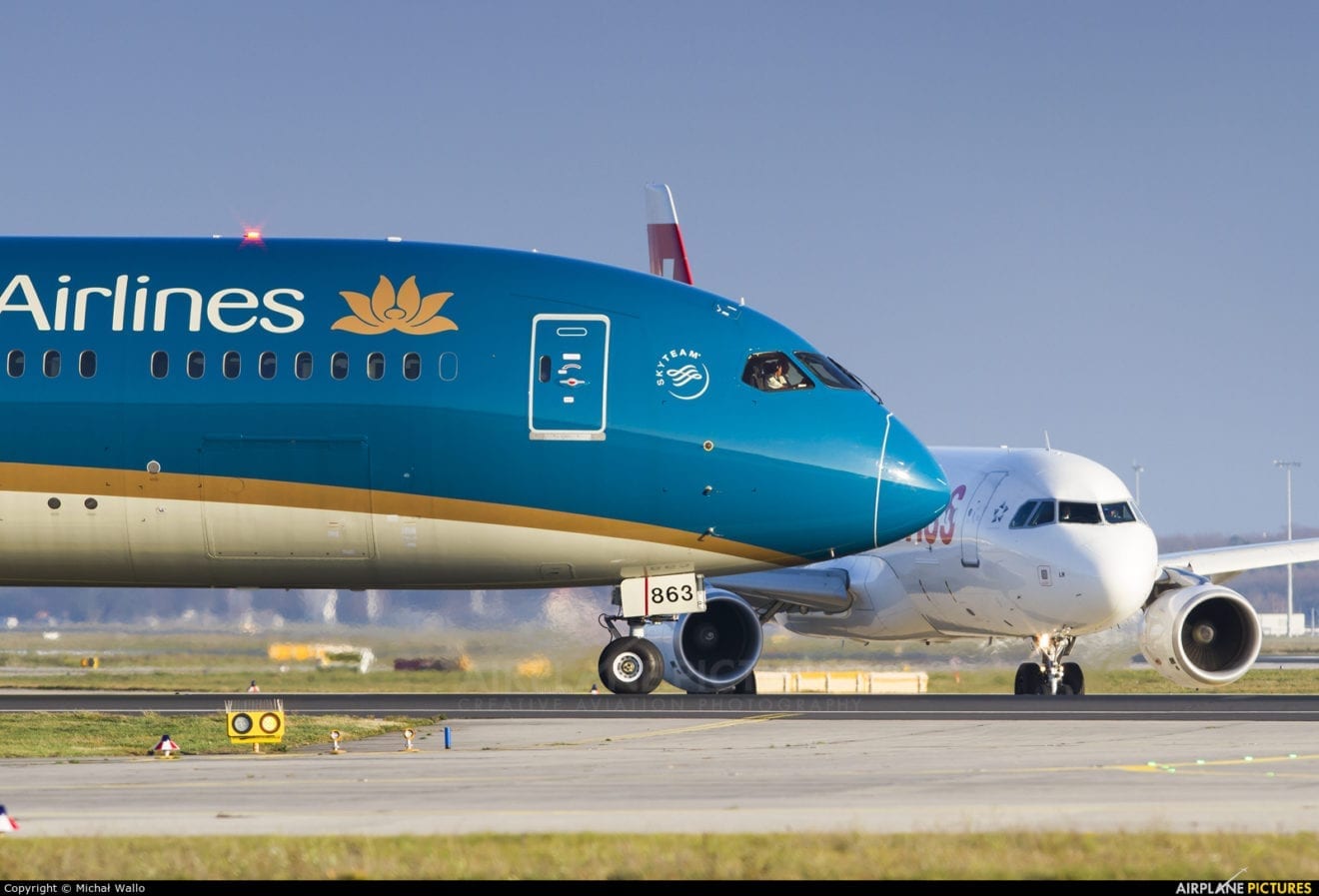
    National flag carrier Vietnam Airlines will operate about 140 flights per day on nearly 40 domestic routes. On the Hanoi – HCMC route, Vietnam Airlines operates five flights per day and its affiliate Pacific Airlines flies two flights per day. From Dec. 15, each airline will increase frequency on this route with one more flight per day.

  • Steel exports surge 130 pct as global demand shoots up

    Steel exports surge 130 pct as global demand shoots up

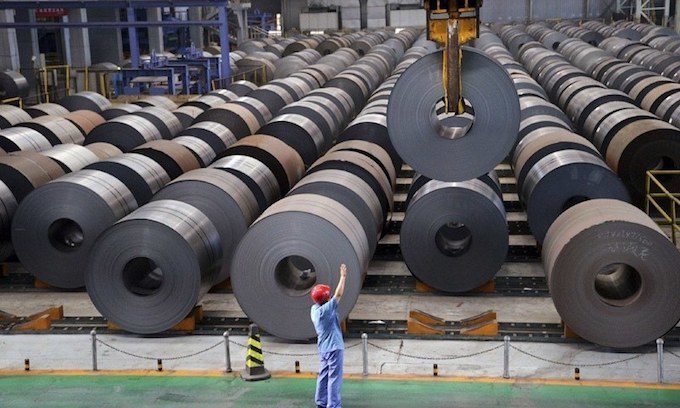
    Steel exports rose by nearly 130 percent in the first 11 months of this year to US$10.8 billion, according to the Vietnam Steel Association.

    Hoa Phat exported 914,000 tons of finished construction steel products, a year-on-year rise of 90 percent. It plans to export over one million tons, double the volume it shipped last year.

    The association expected exports to be robust this month due to rising global demand and a temporary shortage in China.

    Vietcombank Securities Company explained that China is gradually reducing its steel exports.

    The association said Vietnam has a production capacity of around 24 million tons a year, and output this year is expected to reach 21.2 million tons, enough to fully meet domestic and export needs.

  • Vivaldi is world’s first mobile browser to introduce two rows of tabs

    Vivaldi is world’s first mobile browser to introduce two rows of tabs

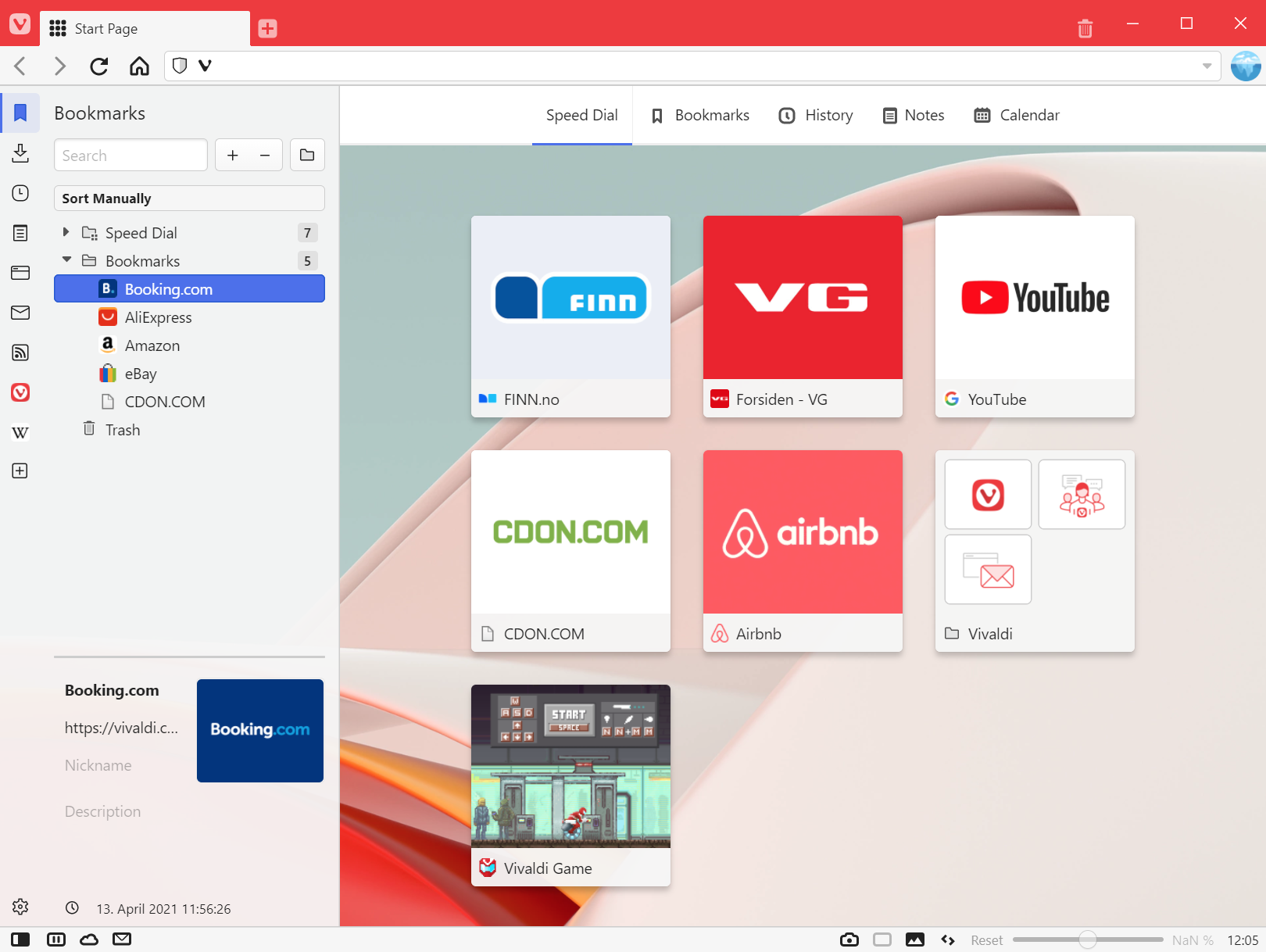
    Vivaldi is trying to appease as many Android users as possible, so the most recent update for the mobile browser brings a world premiere. Vivaldi 5.0 is the world’s first mobile browser to offer a “two-level tab stacks” solution. Additionally, Vivaldi’s Android browser brings built-in Panels on tablets and Chromebooks, another first.

    Back to the “two-level tabs stacks” solution, this has been launched on Vivaldi’s desktop browser earlier this year and allows users to manage multiple web pages smoothly and easily. Starting today, the same feature but designed for mobile devices, is available for Android users.

    To enable the new feature, simply long-press the New Tab button and select “New Tab Stack.” That should allow you to start using the new stack/group created, with the current tab and one new additional tab. There’s another way to make a group of tabs from the Tab Switcher: drag one tab on top of another to create a new stack.

    But this isn’t the only new feature included in the latest Vivaldi update. An improved tab interface and new ways to tweak the Tab Bar have been added too. The built-in Notes tool has been enhanced too so that Android users can quickly handle big chunks of text from a webpage to an existing note with an “Append to Note” option when highlighting text.

    Vivaldi 5.0 is also a big step up for tablet users, as developers have been working to optimize the browser for bigger screens. Apart from a new design, the new version of Vivaldi features a side Panel to make it easier for users to optimize their screen space better on tablets.

  • AuMake and Miniso to launch dual-branded stores in Sydney

    AuMake and Miniso to launch dual-branded stores in Sydney

    The specialist retailer in Australia and New Zealand, Aumake Limited shared on Thursday that it has entered into a distribution agreement with a Japanese-inspired lifestyle product retailer MINISO Master Franchisee Pty Ltd (MINIS0).

    As per the agreement, MINISO will provide operational support and products to three of Aumake’s physical stores initially, strategically picked for their high foot traffic locations and traction with Asian customers.

    The key terms of the distribution agreement include:

    • Initial physical stores are located in Chinatown, World Square CBD and Burwood in Sydney, NSW.
    • Physical stores to be dual-branded as Aumake and MINISO.
    • MINISO will pay Aumake a percentage of sales (GST incl.) in exchange for using Aumake’s premises to sell the products.

    Aumake’s deal with MINISO creates a significant revenue opportunity and subsequent reduction in overhead costs due to increased physical foot traffic, especially when the restrictions on international borders are likely to be eased for Asian tourists and international students in the coming weeks.

    In addition, the cooperation between the two companies will also provide Aumake with an opportunity to introduce and expand new skincare and cosmetic brands.

    Meanwhile, the stock AUK was spotted trading 10% higher at AU$0.016 per share at 2:00 PM AEDT.

  • Japan eases blanket ban on new incoming flights

    Japan eases blanket ban on new incoming flights

    Japan has softened its suspension of all new incoming flight bookings to make it easier for citizens to return, the government said Thursday, a day after it announced the move prompted by worries about the Omicron coronavirus variant.

    The transport ministry abruptly said Wednesday it was asking airlines to stop taking all new incoming flight reservations for a month, in a surprise move affecting citizens and foreign residents.

    But on Thursday, government spokesman Hirokazu Matsuno said it would be amended.

    “This request caused confusion among those affected and so the prime minister instructed the transport ministry to examine the issue and consider the needs of Japanese citizens hoping to return home,” he told reporters.

    As a result, the ministry “asked airlines to cancel the blanket suspension of new reservations for international flights to accommodate Japanese hoping to return home”, he added.

    Japan has had tight border restrictions throughout the Covid-19 pandemic, barring almost all foreign arrivals.

    It had begun to ease those rules slightly last month to allow some students and business travelers entry, but reversed that decision after the emergence of the Omicron variant.

    It has also barred all non-citizens from entering the country if they are coming from 10 southern African countries.

    All arrivals in Japan must quarantine for 14 days at home, with people coming from dozens of locations required to spend between three and 10 days of that two-week period in designated facilities.

  • Thai AirAsia X looking for new investors

    Thai AirAsia X looking for new investors

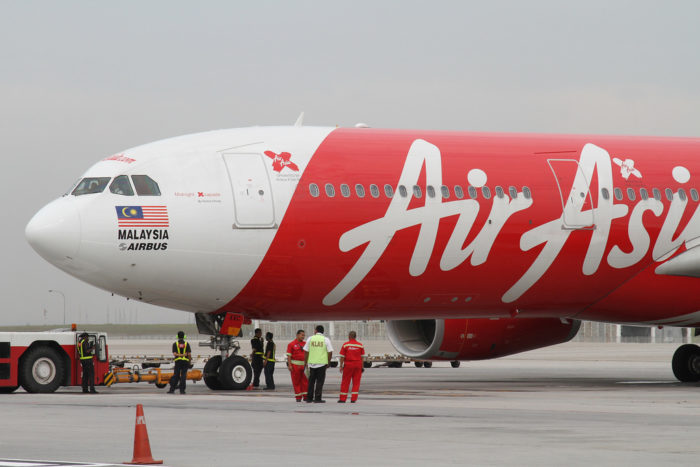
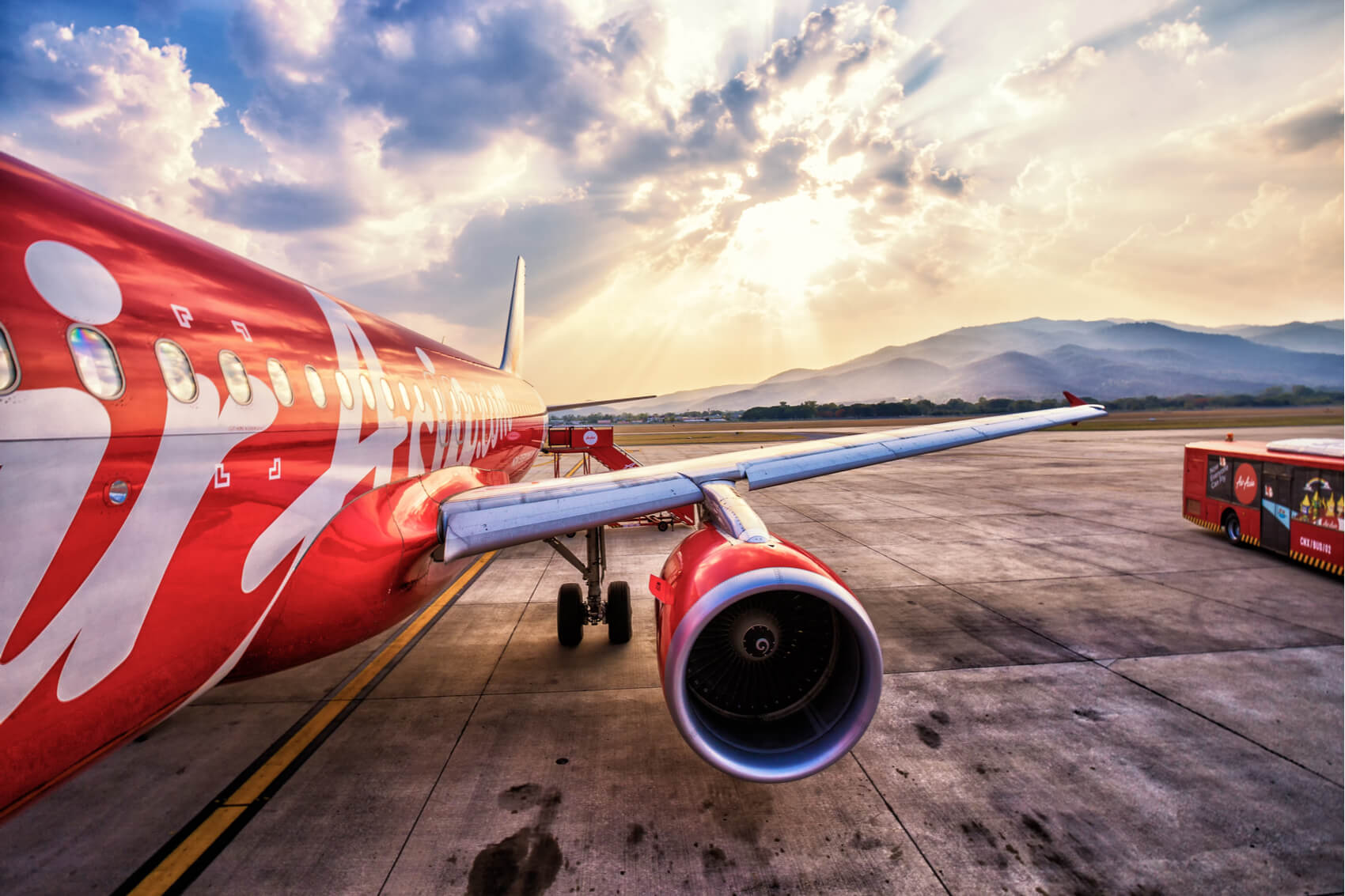
    Thai AirAsia X needs a major restructuring and new investors to prep the airline to resume international routes next year, after Thai AirAsia (TAA) already secured additional funding for the carrier last week.

    Thai AirAsia X, a long-haul, low-cost carrier under the AirAsia group, has been grounded for almost two years since the pandemic emerged in 2020. The 11-aircraft fleet was reduced to seven earlier this year, said Tassapon Bijleveld, executive chairman of SET-listed Asia Aviation (AAV), the majority shareholder in TAA.

    Mr Tassapon, also a shareholder in Thai AirAsia X, said the airline had to switch its wide-body Airbus A330 jets to cargo service to stem financial losses. Thai AirAsia X requires additional liquidity to prepare for passenger flights, which are expected to resume next year, he said.

    Tourists have started asking when international flights will resume and the airline responded by launching ticket sales for the Bangkok-Incheon (South Korea) route from April 2022 in the hope that borders will reopen by then, said Mr Tassapon.

    “Border closures should not be an option to prevent the spread of the Omicron variant as the national economy and cash-strapped tourism sector in particular cannot afford to survive another lockdown,” he said.

    Mr Tassapon said it has been over two years since the pandemic broke out and the government should learn to live with it by sourcing sufficient immunity, by using vaccines and medicines, for local communities in order to let economic activities run as usual.

    He said Thai AirAsia X, which is not yet listed on the stock market, is in negotiations with a few potential investors and will enter the restructuring process by next year.

    TAA was given approval by shareholders at a meeting on Nov 26 to commence the restructuring plan, enabling the airline to raise an additional 14 billion baht.

    Under the new structure, Mr Tassapon will hold 18% of the shares, down from 40.52% at present, while AirAsia Aviation, the investing company under AirAsia Group Berhad, will hold 40.7%, followed by commercial banks at 5.3% and new individual Thai investors at 5.2%.

    However, even though TAA is expected to receive the first allotment of fresh capital by mid-December, the cost-cutting measures have to remain until air travel fully recovers.

    On announcing massive layoffs last month, Mr Tassapon said TAA would have to bid farewell to more than 400 employees from its total workforce of 5,000. Some employees decided to join the early retirement program offered by the firm, he said.

  • Cebu Pacific receives first Airbus A330neo; targets all-neo fleet by 2027

    Cebu Pacific receives first Airbus A330neo; targets all-neo fleet by 2027

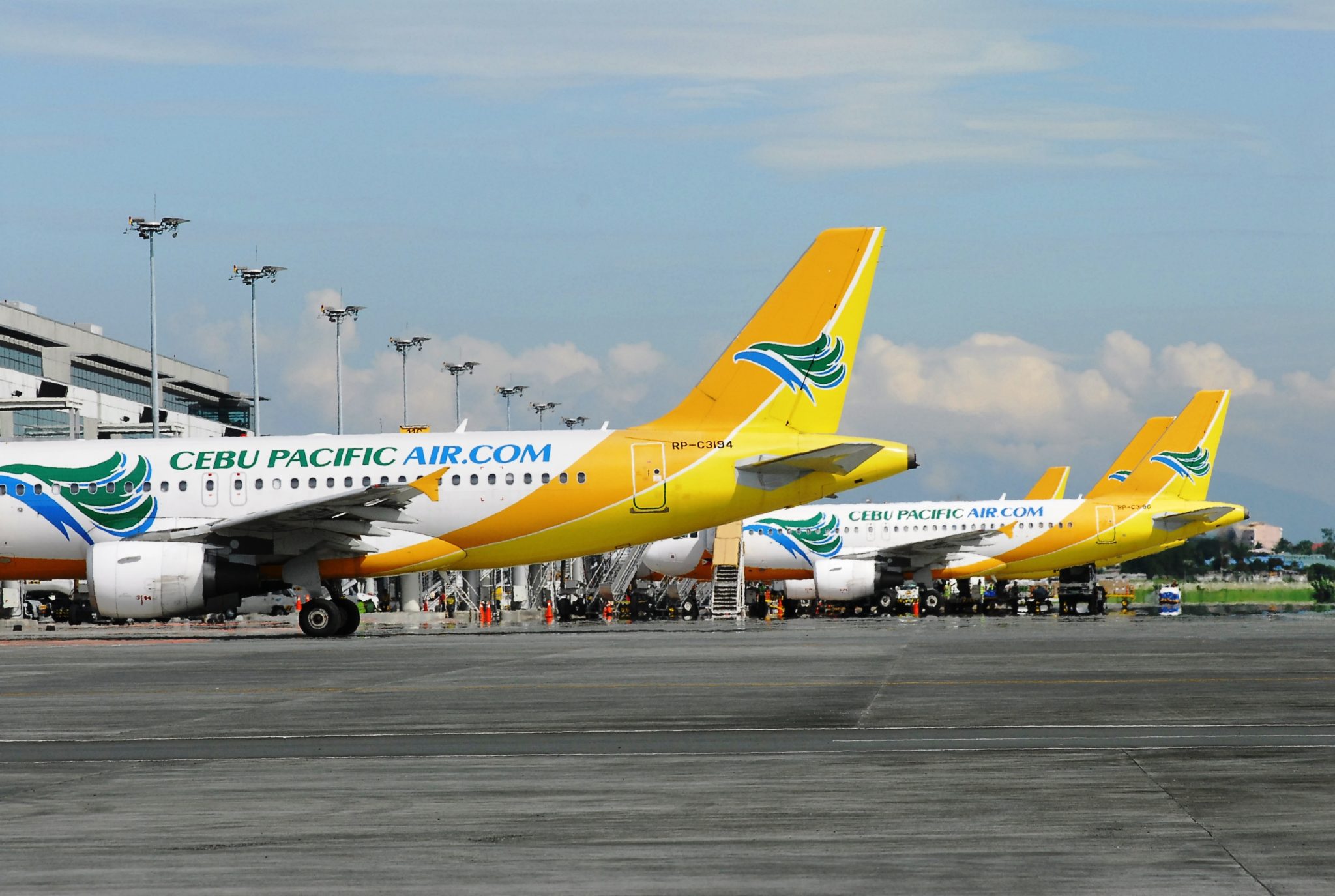
    Philippine low-cost airline Cebu Pacific received its first Airbus A330neo on November 28,2021 as it begins its widebody fleet modernization program.

    The aircraft features 459 lightweight Recaro seats, which have been ergonomically designed, and offer versatility for a wide range of routes from shorter regional services to medium and long-haul operations. The Airbus A330neo will be used to operate trunk routes within the Philippines and the rest of Asia, as well as on longer-range services to Australia and the Middle East.

    The A330neo brings a step-change in efficiency, consuming 25% less fuel than previous generation aircraft and a similar reduction in CO2 emissions. The efficiency of the A330neo also ensures compliance with current and future sustainability requirements in terms of noise and emissions.

    “Cebu Pacific’s first A330neo brings us closer to our target of having an all-Neo fleet by 2027, and shows our commitment to making air travel accessible while ensuring environmental and social sustainability,” Cebu Pacific chief strategy officer Alex Reyes said in a statement.

    Reyes added: “We believe that growth and sustainability are not mutually exclusive and should in fact be inclusive if we want to work towards the greater good. This is why we will always choose the greener options – increased aircraft efficiency, reduced noise, and carbon emissions, to ensure that lower fares will be available for every Juan.”

    In total, Cebu Pacific has ordered 16 A330neo, and also has 16 A320neo and 22 A321neo still to be delivered. The low-cost carrier currently operates 50 Airbus aircraft, comprising 43 A320 families and 7 A330ceo.

    “We thank and applaud Cebu Pacific for selecting our latest-technology A330neo as part of its fleet modernization drive to fly the greenest aircraft for a sustainable future. The A330neo is the first aircraft in the world already certified to comply with ICAO’s CO2 emissions standards beyond 2028. The airline will benefit from the aircraft’s step-change in performance and economics while maintaining passenger comfort and lowest operating costs,” said Airbus Asia-Pacific President Anand Stanley in a press statement.

    The aircraft is powered by Rolls-Royce’s latest-generation Trent 7000 engines and features a new composite wing with increased span for enhanced aerodynamics.

    The A330 remains the most popular widebody family aircraft for Airbus, with an order book of more than 1,800 aircraft at the end of October 2021.

  • AirAsia CEO ‘bullish’ on beating Omicron as airline announces resumption of Phnom Penh flights

    AirAsia CEO ‘bullish’ on beating Omicron as airline announces resumption of Phnom Penh flights

    AirAsia Group chief executive Tony Fernandes has urged governments to stop “overreacting” to the emergence of the new Omicron variant of Covid-19 and focus on reducing the cost of PCR testing instead.

    “It’s a huge overreaction. We don’t know anything about this variant yet. Let’s wait and see before we jump the gun,” Mr. Fernandes said at a virtual address at Bangkok Post’s International Forum 2021 dubbed “Unleashing the Future: A Glimpse into 2022 and Beyond” on Thursday.

    Air Asia has also hinted that Cambodia is one potential market for new ventures. Current group president for airlines Bo Lingam says: “We will continue to review new markets to operate from in the future, like Cambodia for example when we can connect Southeast Asia once again with the best value fares and lifestyle offerings.”

    The chief executive of the low-cost carrier said the world is more equipped and better prepared to deal with Omicron — first detected in South Africa — than previous strains.

    Air Asia is also reportedly looking at resuming Kuala Lumpur-Phnom Penh flights in January 26 to take advantage of Chinese New Year travelers. During its heydays prior to COVID-19, it used to mount three flights a day.

    “There are Merck pills, and Pfizer pills are coming out. We are vaccinated. There are boosters available. I’m feeling much more bullish, and I am not doom and gloom,” he said.

    “Governments need to use common sense and see what is needed. I think travel restrictions and such measures are temporary, and the world is global. No matter how much we close the borders, the viruses will travel.”

    He criticized the pricing and frequency of the PCR tests required by many governments, including Thailand, when travelers enter their borders. He said this risks deterring passengers from taking a vacation despite the pent-up demand to venture overseas.

    “No government has looked at the cost of the PCR test. PCR tests in Southeast Asia are extremely [expensive]. It’s unfair for passengers to pay that kind of cost. Of course, we want to be safe, but make it as simple as possible.”

    He praised Thailand for planning to reduce some of these charges and procedures.

    “Thailand is ahead of the rest of ASEAN, which are still quite draconian,” he said, referring to the Association of Southeast Asian Nations.

    “In Malaysia, we have a seven-day quarantine. It’s a start. At least we are opening up borders, but there’s a long way to go before we get to where we used to be.”

    As for AirAsia’s operations and outlook for 2022, Mr. Fernandes said he had restructured the company and pivoted to more digital businesses.

    So far, the low-cost carrier has launched three logistics businesses — a food delivery super-app, online bank BigPay, and parcel delivery service Teleport. The company has no plans to cut routes yet, it said.

    The group CEO was optimistic about the future of the aviation industry. He said he expects low-cost carriers to bounce back faster than full-service airlines as most passengers prefer to travel short distances. Moreover, business travelers are getting used to attending meetings virtually instead of in person, he said.

  • 7-Eleven Malaysia ventures into Indonesia’s pharmacy market

    7-Eleven Malaysia ventures into Indonesia’s pharmacy market

    7-Eleven Malaysia Holdings Bhd has teamed up with a listed company on the Jakarta Stock Exchange to set up a retail pharmacy chain in Indonesia.

    SEM, in a filing today, said its 75% owned Caring Pharmacy Retail Management Sdn Bhd has entered into a joint venture with PT Era Prima Indonesia (EPI) to establish the business.

    Caring would take a 50.1% stake in the JV.

    SEM said the total funding of the proposed JV was about RM8.55mil. “The proposals represent an opportunity for the SEM Group to venture into the pharmaceutical industry in Indonesia,” it said.

    EPI is a subsidiary of listed firm PT Erajaya Swasembada Tbk, a distributor and retailer of mobile communication products.

  • Vietnam–US air fare starts from $1,300: Bamboo Airways

    Vietnam–US air fare starts from $1,300: Bamboo Airways

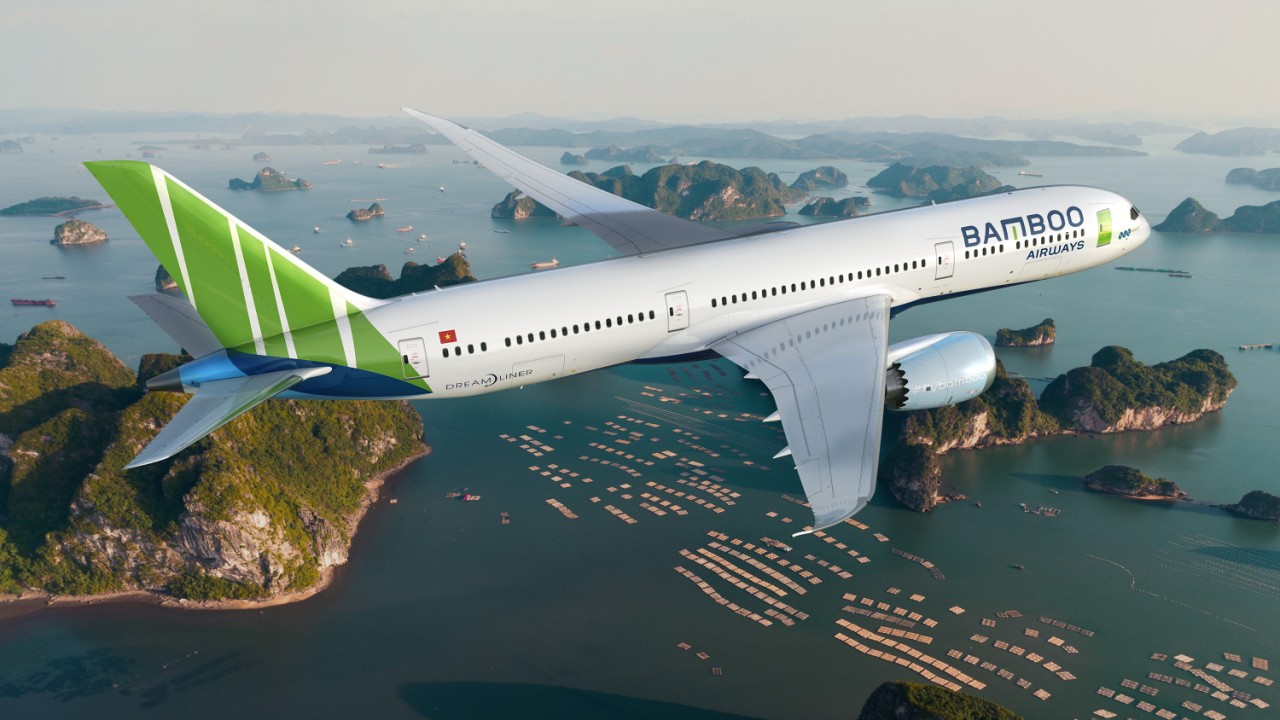
    A Bamboo Airways return ticket between Vietnam and the U.S. is set to cost $1,300-1,500, with the first regular flight planned for the first quarter of next year.

    Bamboo Airways plans to start one regular flight every two days from Ho Chi Minh City to San Francisco and increase the frequency to daily later, chairman Trinh Van Quyet told the press recently.

    This is the same price the startup airline announced two years ago. It is set to record losses with such a fare.

    “Our advantage is big resorts. The combination of aviation and tourism will bring many benefits to customers.”

    The airline is negotiating to lease wide-body Boeing 787-9 and Boeing 787-10 aircraft for flights to the U.S. and Europe.

    Quyet said the airline has submitted all necessary documents to U.S. aviation authorities.

    It will start flying once U.S. Federal Aviation Administration (FAA) gives it permission and the Vietnamese government resumes regular international flights.

    Bamboo Airways began its first charter flight from Vietnam to the U.S. on Sep. 23 as part of the 12 charter flights the U.S. Transportation Security Administration (TSA) had given permission to operate.

    Vietnam Airlines on Nov. 29 operated its first regular flight to the U.S. The airline announced earlier that one-way ticket prices would be around $1,000.

    The Vietnam-U.S. route recorded 1.4 million passengers in 2019.

  • Search bar placement and design changes are being tested for the Google app

    Search bar placement and design changes are being tested for the Google app

    Changes are taking place behind the scenes for the popular Google app. According to Mishaal Rahman, former Editor-in-Chief at XDA and currently the Senior Technical Editor at Esper, members of the Google News-Telegram group are seeing different placements and designs for the search bar in the Google app. There are both positives and negatives to these changes.

    For example, one design change puts your profile picture inside the Google app’s search bar where it can be tapped to access the settings (see image at the top of this article). Of course, the downside here is that the search bar is placed at the top of the display requiring you to have Jimi Hendrix’s legendary fingers to reach it. The integration of the settings with the search bar is no different than what you’ll find on Gmail and the Google Play Store.

    Another change being tested is one that moves the search bar to the bottom of the display. However, images show that in this test, the user’s profile picture, and thus access to the Google app’s settings, is no longer integrated inside the search bar.

    Google loves to run so-called A/B tests where in this case we’d assume that some Android users will get the new search bar with the integrated settings access at the top of the screen, and others get the version with the search bar on the bottom of the display without the settings integration.

    After the test is run over a period of time, Google grills Android users to find out which one they would like to see made permanent, “A” or “B.” Which change will Google select, or will it decide to keep the status quo? Right now, it is anyone’s guess.

  • Carrefour’s Flash 10/10 c-store deploys avatars and AI to speed purchases

    Carrefour’s Flash 10/10 c-store deploys avatars and AI to speed purchases

    Carrefour open Flash 10/10, its next-generation test store, on 24 November in Paris’ eleventh arrondissement. This new convenience store – developed in collaboration and exclusively with Californian start-up AiFi – uses technology that has never been seen before and is designed to provide customers the most accessible and fastest shopping experience ever.

    Carrefour Flash 10/10: 900 products available in a flash

    Carrefour Flash is the first store of this kind in France, and will be located at 11 avenue Parmentier, in the capital’s eleventh arrondissement. With Flash, technology is used to enhance the customer experience, making shopping more straightforward. It has nearly 900 everyday product references on sale.

    With this innovative new format, Flash 10/10 (“10 seconds to shop and 10 seconds to pay”) features a shopping journey that does not involve having to scan any products and payment that is almost instantaneous. Customers don’t even have to take their items out of their bag. This saves time for customers and creates a smoother experience. Customers are free to enter and exit the store without having to pass through a gateway. There is no need to download an app or register beforehand. And there are no surprises – they can view their total spending in real-time.

    Four employees will be on-hand to open the store and oversee its operation. They will maintain it and keep it tidy, manage its new e-commerce services (including Pedestrian click and collect), and provide customers with advice.

    This whole customer experience will be made possible by 60 HD cameras, nearly 2000 sensors built into the connected shelves, an algorithm for interpreting all the data, and a proprietary tablet payment system. Customers are tracked anonymously as a virtual avatar, allocated to them as soon as they enter the store. The products that they pick up are automatically detected and then added to their virtual basket. Once they have finished shopping, customers just get their baskets validated at a kiosk and then pay contactless. They can get an electronic receipt sent to them immediately simply

    by scanning a QR code. An automatic checkout kiosk is also available for any customers wishing to pay with cash.

    Carrefour Flash was tested at Carrefour’s head office in Massy over more than a year, during which the Innovation team was able to refine the technology and adapt the concept based on feedback from the employees using it on a daily basis.

    In March 2021, Carrefour Brazil launched Flash Scan & Go – a store where customers can use their smartphones to shop and pay for the products they want to take home. 6 such stores are currently in operation in Brazil, and the subsidiary is planning on opening another 8 or so before the end of the year.

    And in September, Carrefour launched its “Carrefour City+” concept in Dubai alongside Emirati partner Majid Al Futtaim.

    “The Flash concept checks our customers’ expectations. They want to be able enter the store easily, know what they are buying, pay quickly and then leave. Compared with other existing concepts, with Carrefour Flash, customers get speed and accessibility in a unique way”, said Elodie Perthuisot, the Carrefour Group’s Executive Director of E-Commerce, Data and Digital Transformation.

    “Following our initial testing in Massy, we are proud and delighted to be launching this store with Carrefour. Flash is definitely one of the stores with the most advanced technology in the world”, said Ying Zheng, Co-founder and President of AiFi.