Category: General

Retail News Asia is committed to providing both local and global retailers with the latest General Retail news throughout the Asian market. This on a daily base.

  • Don Don Donki opens largest Southeast Asian store yet

    Don Don Donki opens largest Southeast Asian store yet

    JONETZ By Don Don Donki just opened its second outlet in Malaysia today, 10 December, and it’s the biggest one yet — in fact, it’s the biggest store in ASEAN

    Spread across two levels in Tropicana Gardens Mall, the outlet features new sections, such as CosmeDONKI, a yatai food court, and a fully certified halal area.

    CosmeDONKI is a Japanese cosmetic shop that sells Japan’s bestsellers of high-quality health and beauty products, while yatai is a food kiosk section, where shoppers can enjoy Japanese street food.

  • YouTube TV arrives on Xfinity Flex

    YouTube TV arrives on Xfinity Flex

    Comcast’s Internet customers will be happy to know that YouTube TV is now available on the Xfinity Flex. Starting today, new and existing YouTube TV customers can access the service on Flex by saying “YouTube TV” into the Xfinity Voice Remote or by clicking on the new YouTube TV app.

    With YouTube TV, Xfinity Flex users will have access to more than 85 channels including major broadcast and popular cable networks along with local and national live sports, breaking news, major shows the moment they air, and, more importantly, unlimited cloud DVR.

    YouTube TV is one of the many other streaming services available on Flex. And for those who don’t know, YouTube TV is also available on XClass TV, Comcast’s new smart TV that was previously exclusive to Xfinity customers.

    The Flex is Xfinity’s 4K streaming TV box that comes free with Xfinity Internet. It supports hundreds of streaming services, including HBO Max, Disney+, Netflix, Spotify, Hulu, Tubi, Peacock, Prime Video, Showtime, Starz, Pandora, and many more.

  • Vietravel loss triples in year’s first half

    Vietravel loss triples in year’s first half

    Leading tourism company Vietravel, which has only now published its first-half earnings report, saw losses triple year-on-year to VND293.3 billion ($12.75 million) due to Covid-19 travel restrictions.

    Revenues were down by nearly half to VND545 billion while costs rose 42 percent to VND65.6 billion.

    Its carrier, Vietravel Airlines, recently resumed operations after being grounded for three months, and plans its first flight on Dec. 19.

    Vietravel’s stock is limited to trading on Fridays due to its delay in publishing its results.

  • Latest electronic news

    Latest electronic news

    Smartwatches and fitness trackers, for example, are difficult to deconstruct and recycle. As a result, when a new model is released, most consumers dispose of their old devices in hazardous waste streams. Unfortunately, this goes for many of the electronic sectors. Whether it’s a new iron or the latest online game, it’s all becoming a problem. Researchers have developed a two-metal nanocomposite for circuits that disintegrates when submerged in water, according to a study published in ACS Applied Materials & Interfaces. The circuits were presented in a prototype transitory device, which was a working smartwatch that disintegrated in 40 hours.

    Due to planned obsolescence and the rapid pace of technological advancements, new devices are constantly replacing older models, resulting in millions of tons of electronic waste generated each year. Recycling can help minimize the amount of e-waste produced and is required in many countries. On the other hand, small consumer electronics are generally not worth the effort to recycle because their pieces must be rescued by hand. However, some processing stages, such as open burning and acid leaching, can create health problems and pollution.

    Both of these issues could be solved by dissolvable gadgets that disintegrate on demand. Xian Huang and colleagues had previously developed a zinc-based nanocomposite that dissolved in water and could be used in temporary circuits. Still, it wasn’t conducive enough for consumer devices. As a result, they intended to improve the electrical properties of their dissolvable nanocomposite while also designing circuits that could withstand regular use.

    The researchers added silver nanowires to the zinc-based nanocomposite to solve this problem, which made it highly conductive. The circuits were then hardened through chemical processes driven by water droplets after being screen-printed onto a degradable polymer called polyvinyl alcohol.

    The watch’s components, such as an organic light-emitting diode (OLED) screen and microcontroller, as well as resistors and capacitors embedded into the circuits, were all that remained. According to the researchers, the two-metal nanocomposite may be used to make transitory devices with performance comparable to commercial ones, which could go a long way toward addressing the problem of small electronics waste.

    E-Waste Problem

    Only a portion of the problem is e-waste from discarded electrical and electronic equipment. Toxins released during mining and manufacturing are a substantial contribution to e-waste. Rare earth elements are currently essential components in high-tech electronics, yet their extraction is hazardous. Household appliances such as irons, vacuum cleaners, washing machines, and refrigerators are by far the major contributors to the amount of e-waste produced.

    However, as connectivity becomes integrated into daily products, the quickly developing “Internet of things” – internet-connected electronics – is predicted to generate more e-waste. E-waste handling is governed by rules. When selling a new version of the same product, sellers of electrical and electronic equipment (EEE) in the European Union must provide a mechanism for customers to dispose of their old household gadgets.

    Several well-known electronics businesses have been chastised for lack of spare parts or updates, as well as suspected built-in obsolescence. Apple revealed in 2017 that it had purposefully slowed down some iPhone models as they grew older. Customers felt this was to entice them to upgrade, but Apple claimed it was to extend the life of their devices. Daisy, the company’s robot, was released in 2018 and is designed to disassemble iPhones to recover and recycle minerals. Owners of Sonos speakers chastised the company in November 2019 for no longer providing software upgrades for some of its older devices. 

    What can we do?

    If you’re like most people, you’re probably stumped as to what to do with that drawer full of obsolete equipment. We all produce more electronic garbage than we can handle, which has been a big issue for the past decade. We should strive to limit the quantity of e-waste that ends up in landfills. With the advancement of technology, e-waste disposal will become a more critical issue. Because most consumer electronics, such as phones, computers, and televisions, contain hazardous chemicals and toxic elements like lead, mercury, and other heavy metals, when they are disposed of in local landfills, they endanger our soil, air, and waterways.

    Donate or sell – Selling your working devices is a simple approach to manage e-waste efficiently. You might be able to locate a buyer on eBay or Craigslist. Many of these purchasers will use, resell, or use/sell the components. Otherwise, recycling and comparison websites will give you a price for your old electronics and allow you to ship them off to be successfully repurposed or recycled.

    Think before you buy

    REDUCE is the most crucial of the three R’s (Reduce, Reuse, and Recycle). It’s so simple to get a new laptop, a smart TV, or the latest mobile phone. Most people don’t even consider whether they require them. Before purchasing anything, consider whether you genuinely need it. Why not upgrade the software instead of buying a new device if your old one is still in good working order? Instead of purchasing a new laptop, you can repair your existing one. Being a wise consumer will help you manage your household’s e-waste more effectively. 

    Online Data Storage

    Why utilise a memory stick or device when you can readily save significant amounts of data over the Internet? There are various cloud storage options available online, including Dropbox and Google Drive (free). In addition, some paid services provide a free 30-day trial period so you can see what works best for you.


  • Major new features coming to Meta’s Portal smart display

    Major new features coming to Meta’s Portal smart display

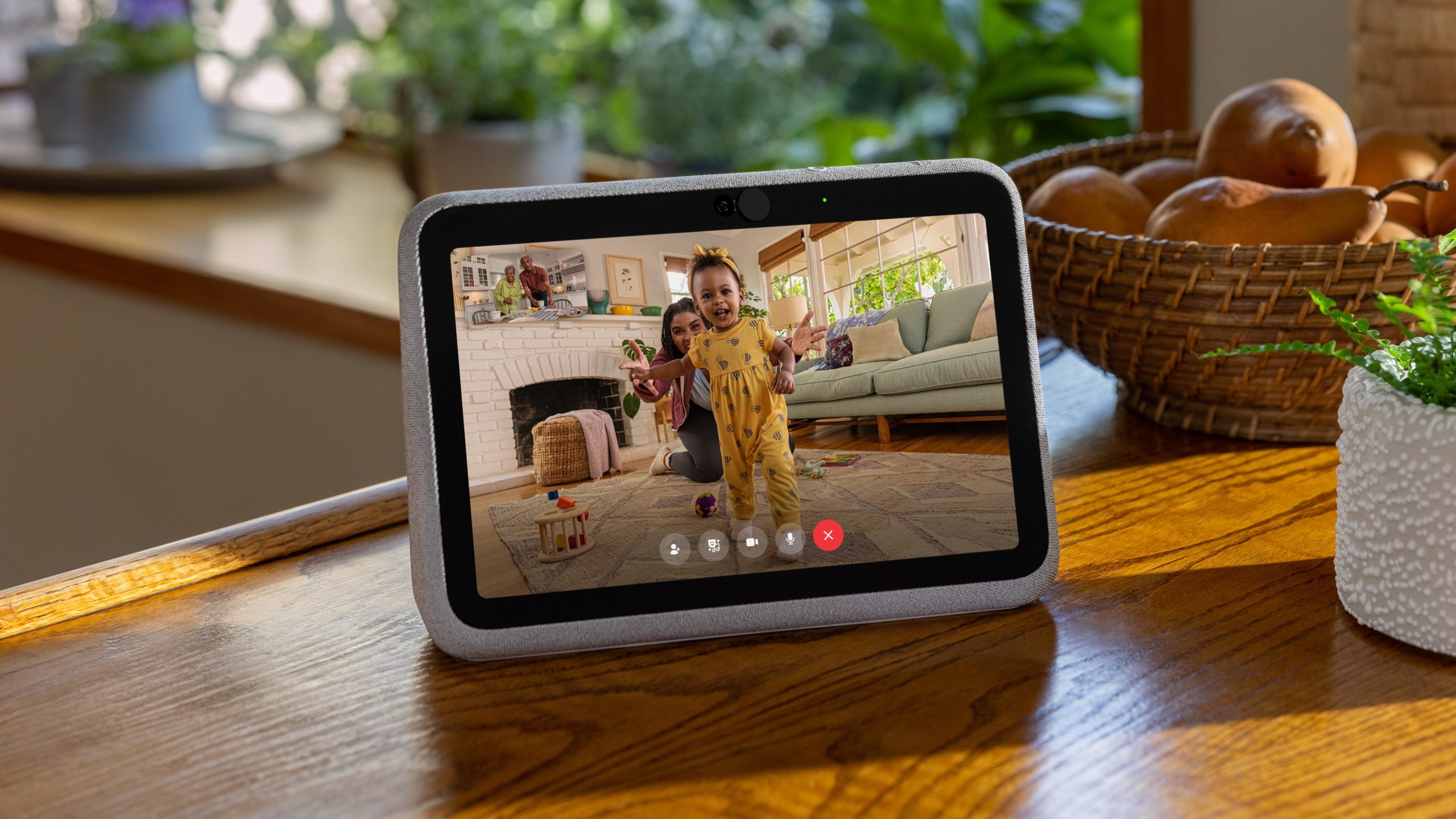
    The Portal smart display has been updated quite a few times with new features. After rebranding itself from Facebook to Meta, the social network has decided to turn its attention to the device once again.

    Earlier today, Meta announced that it has added new ways for Portal owners to use Facebook Assistant on the device. A new ability to let the Portal capture a moment during a Messenger call is now available for users, and the best thing is that it can be used hands-free by saying “Hey Portal, take a photo.”

    The update also adds the Alexa touch interface, which allows users to manage smart home devices, routines, alarms, music, smart doorbells and more by touch or directly from the Alexa app.

    As mentioned earlier, Meta is now rolling out new ways for users to stay connected with their Facebook friends on Portal, hands-free. Facebook Assistant can pull up a friend’s profile or recent posts. Portal owners can now say “Hey Portal, show me Stories” or ask about recent posts, responses and photos.

    Meta is adding group AR Effects that let people on a Messenger call to experience the same effects at the same time. Additionally, three new augmented reality games will be available for Portal owners via Facebook Assistant: Quizbee, Sequencer, and Port-a-Pet.

    Furthermore, Meta announced that starting today support for Microsoft Teams will be available on Portal, Portal+ and Portal Go. Finally, later this month, ESPN will expand from Portal TV to include Portal, Portal+ and Portal Go in the United States.

  • Nestle trims L’Oreal stake with $10 billion sale

    Nestle trims L’Oreal stake with $10 billion sale

    Nestle SA said on Tuesday it would cut its stake in L’Oreal to about 20% by selling shares worth 8.9 billion euros ($10 billion) back to the French cosmetics brand, moving to reduce the weight of the beauty giant on its books for the first time in 7 years.

    The Nescafe maker’s holding in the beauty giant has been subject of intense scrutiny over the years, and the Swiss company has maintained its interest was both financial and strategic, even when activist investor Third Point urged disposal in mid 2017. Since then, L’Oreal shares have more than doubled.

    Seeking to reduce the weight of its L’Oreal holding while maintaining a level above 20%, allowing it to consolidate the investment on accounts, Nestle approached L’Oreal two months ago, kicking off a flurry of negotiations that involved chairmen of both companies, according to a source with knowledge of negotiations.

    Following the deal, Nestle said it would own 20.1% of L’Oreal, down from 23.3% previously. L’Oreal, meanwhile, would buy back shares representing 4% of its capital and cancel them at the latest on Aug. 29.

    L’Oreal, which is paying 400 euros per share, said the deal will have an accretive effect on the company’s earnings per share of more than 4% in a full year. The beauty company is paying with cash and debt.

    As a result of the transaction, which is expected to close in the coming days, the Bettencourt Meyers family, will see their stake rise to 34.7% from 33.3%, but will not be required to launch a takeover offer, as normally required for passing ownership thresholds above one-third of the capital.

    L’Oréal stock ended Tuesday up 3.96% at 424.8 euros while Nestle gained 0.1% to 121.9 Swiss francs.

    The packaged foods maker also said its board had decided to buy back 20 billion Swiss francs ($21.6 billion) worth of its shares between 2022 and 2024, adding that it would adjust this program should it make sizable acquisitions.

    Nestle said it would terminate its current share repurchase plan by the end of the year, having bought back shares for 12.7 billion Swiss francs or almost two-thirds of the program volume.

    L’Oreal around four years ago underscored https://reut.rs/3GqHqcP its readiness to buy Nestle’s 23% stake if the Swiss shareholder was to sell it.

    Nestle in October 2019 closed the sale of its skin health business for 10.2 billion Swiss francs, as the group moved to ditch underperforming businesses.

  • This popular family safety app will sell your location data to anyone who has the money

    This popular family safety app will sell your location data to anyone who has the money

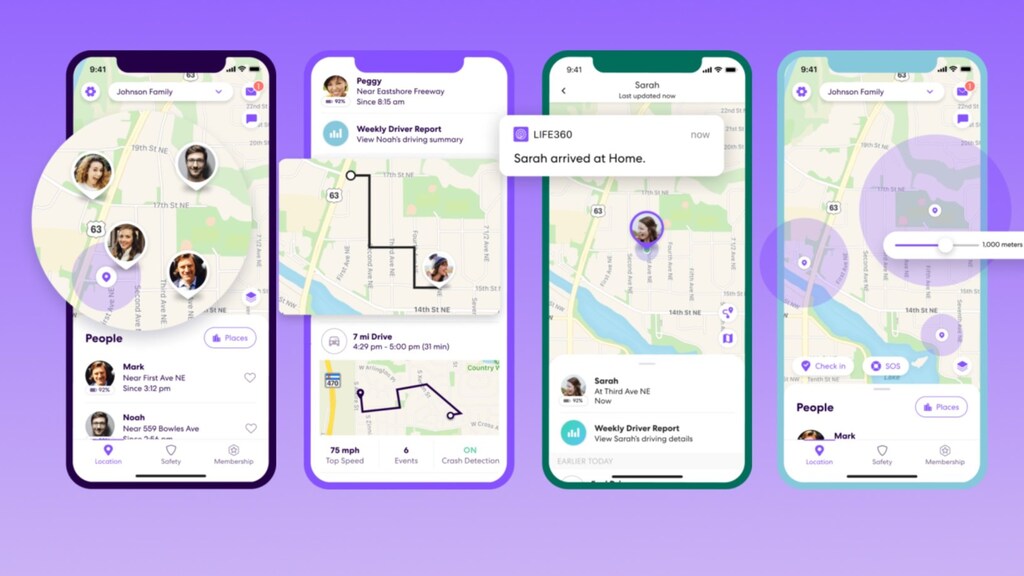
    Data sold by Life360, an app that helps people share their location with family members, is being sold by data dealers to whoever is willing to pay for it. At the center of the report are two former employees of Life360 and two people who in the past have worked for two of its customers – Cuebiq and X-Mode.

    The app has a user base of 33 million customers and is typically used by parents to keep an eye on their kids. Life360’s privacy policy clearly states that it sells data that it collects from app users in a de-identified form. The employees questioned by The Markup have revealed that the company doesn’t take the steps needed to ensure the information is not traced back to people. Some of the customers are sold raw location data and the company says it trusts its customers to obfuscate that information.

    Apparently, Life360 is the go-to source for location data for most entities, a claim that founder and CEO Chris Hulls neither confirms nor denies. He says that data is an important part of the company and allows them to keep core services free, including features that have “improved driver safety and saved numerous lives.” Last year, location data sales made up 20 percent of the revenue.

    The data is seemingly being used by hedge funds or firms that do targeted advertising and by government organizations like the Centers for Disease Control and Prevention and the U.S. Department of Defense.

    X-Mode has been found in the past to sell location data from Muslim prayers apps to U.S. government contractors. Cuebiq sold location data to news organizations like The New York Times and NBC News during the beginning of the pandemic as they were eager to learn about the new movement patterns of the public during the early lockdown period.

    Life360, which began selling data in 2016, instituted a policy barring the sale of data for law enforcement purposes in 2020 and this also applies to customers who get data from it. Whether they are complying with this is not known.

    Although Life360 made a loss of $16.3 million in 2020, it is expanding its business to include products for data breach alerts, credit monitoring, and identity theft protection.

    In 2019, it bought family screen-time monitoring app ZenScreen and in April, it acquired Jiobit which makes wearable location devices for kids, pets, and seniors. Most recently, it revealed plans to buy Tile, a company that makes Bluetooth trackers to help consumers find easily lost items like wallets and keys. Hulls says data from Tile devices won’t be sold.

    Life360 does give an option to its app users to disable the sale of location data.

  • Waze survey: more than 50% of Americans would quit their jobs for a shorter commute

    Waze survey: more than 50% of Americans would quit their jobs for a shorter commute

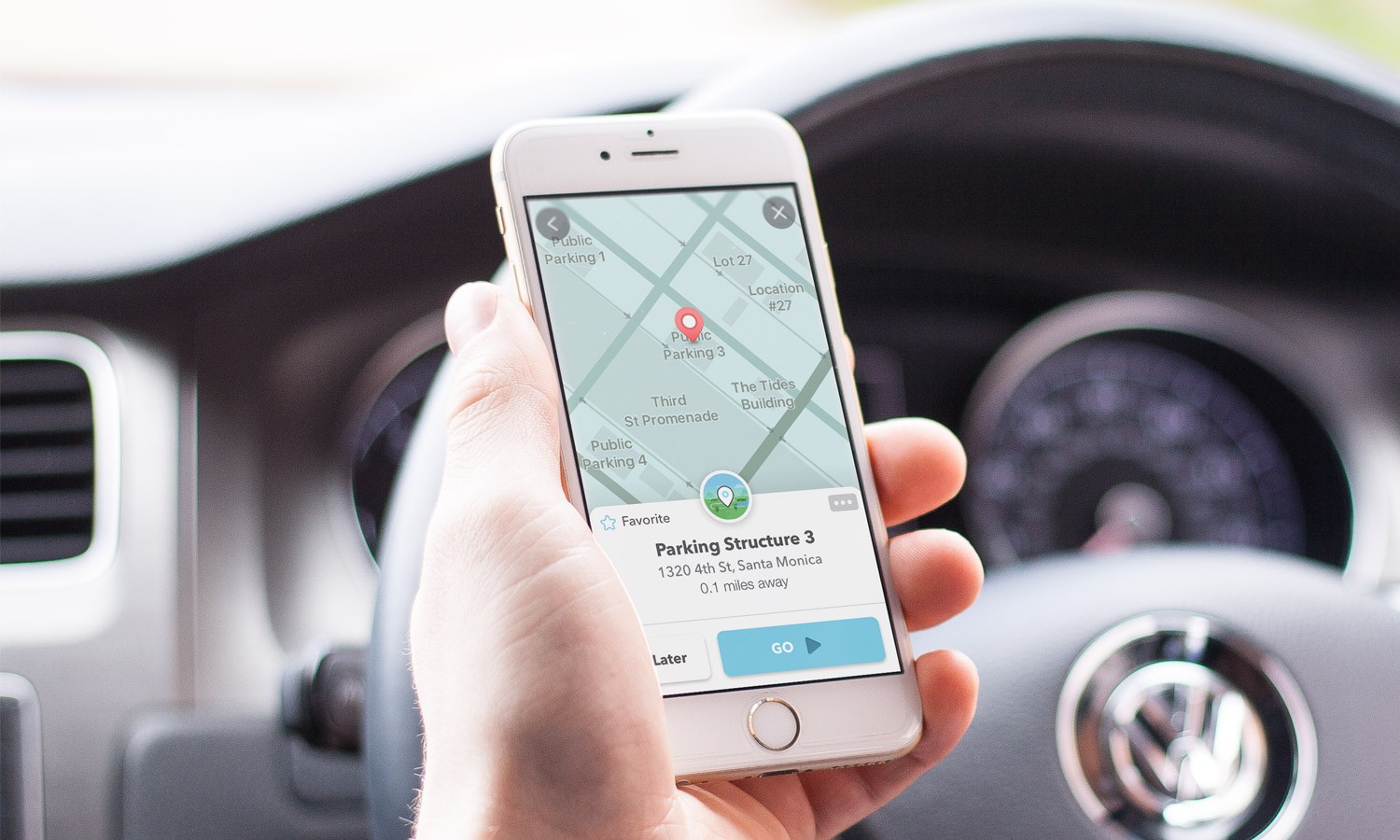
    Waze’s days of being just a simple navigation app are long gone. Today’s Waze is a fully automated companion for drivers all around the globe that not only provides navigational directions, but also entertainment (in many forms). And since there are so many people using Waze while driving, wouldn’t be interesting to know what they’re using the app for?

    Today, Waze released its first-ever Year in Rear View survey, which puts US driving behaviors from 2021 under the spotlight. Using first- and third-party data, the navigation app is taking a look back at its year in travel to see the places where Waze users drove the most, the books and music that were listened to the most, as well as other interesting habits.

    The full survey includes data from Waze users in the US, Canada, UK, France, Italy, Israel, Brazil, and Mexico, but we’re going to take a look at how US drivers made use of the app throughout the year.

    What behaviors, trends or quirky habits did drivers showcase in 2021?

    • 60% of global respondents are happy drivers, rating themselves 8 or above (out of 10). Drivers in Brazil and Mexico were ranked the happiest drivers, while drivers in the U.S. scored 7. In the US, 35–44-year-olds are the happiest drivers
    • Brits are known for being polite, so it’s no surprise 60% would wait patiently if a car ahead of them wasn’t moving. Meanwhile, 35% of Americans are more likely to honk their horns to get moving!
    • Shopping was the main reason 43% of Americans used their cars in 2021, with visiting family (36%) and commuting to and from work (36%) following behind
    • Older Americans are more confident parallel parkers: while 33% of 18–24-year-olds refused to parallel park, only 8% of those 65 and over said they wouldn’t

    As far as entertainment goes, the results are totally unsurprising, especially when it comes to drivers in the United States.

    What kept drivers entertained this year?

    • Sweets and candy were the top snack of choice for drivers across the globe, except in the U.S. where drivers prefer fast food as their favorite snack
    • U.S. drivers felt that “Easy on Me” by Adele, “Leave the Door Open” by Silk Sonic, and “Peaches” by Justin Bieber featuring Daniel Caesar and Giveon best reflected their year on the road
    • Podcasts are a more popular option for younger American drivers with 45% of 25–34-year-olds choosing this entertainment, compared to 20% of 55-64-year-olds
    • Globally, those listening to podcasts used their time to stay informed with NPR News Now, The Daily, ABC News Briefing, Times News Briefing and Sur Le Fil ranked as the top podcasts drivers listened to on Spotify via Waze
    • 45% of 18–24-year-olds in the U.S. would give up their phones if it meant a year with no traffic; while 38% of 65-year-olds and over wouldn’t give up anything to avoid traffic

    Most Waze drivers would have Elon Musk ride with them

    The survey also reveals that James Bonds’ Aston Martin was the top car of choice for North American drivers with 32% of users choosing the muscle car. Jennifer Lopez and Elon Musk were the top female and male celebs who made headlines this year that drivers across the globe would most like to have in their passenger seat, yet US drivers would rather have Beyonce and Elon Musk or Joe Biden riding with them.

    Here is something very interesting though: more than 50% of US residents would quit or change their jobs just to benefit from a shorter commute. Also, carpooling remains the best option to avoid traffic with Americans (39%) more likely to share their journey with a friend or colleague to avoid traffic than drivers in other countries.

    Finally, Waze’s survey also contains data bout US cities where the app’s users drove the most this summer: New York, Los Angeles, Washington, D.C., Chicago, Houston, Boston, Philadelphia, Atlanta, Dallas, and Nashville.

  • Coles Plus adds extra benefits

    Coles Plus adds extra benefits

    Coles customers can now earn double Flybuys points on eligible products1every time they shop in Coles Supermarkets and Coles online, thanks to subscription-based service Coles Plus.

    Since launching in February, Coles Plus member numbers have grown rapidly and now Coles is offering members unlimited free delivery2, including free Same Day Delivery at select stores3, for all orders of $50 or more – down from the previous minimum of $100.

    The new offer means customers will be able to save up to $11 per home delivery in the lead up to Christmas.

    For just $19 a month, Coles Plus members also have exclusive access to a number of benefits including a Priority Customer Care line and unlimited use of Click&Collect Rapid, which allows Coles online customers to order and pick up their groceries in less than 90 minutes – a service priced at $5 per order for non-members.

    Coles General Manager Online Commercials Karen Donaldson said Coles was listening to customer feedback and responding to changing customer needs to tailor the benefits offered to Coles Plus members.

    “In the past year we’ve seen more customers adopting a hybrid approach by shopping both in-store and online, so it’s important we expand our subscription program to reward those customers in a meaningful way,” she said.

    “We continue to see significant growth in demand for online grocery shopping and we are investing in customer experience and capacity, which is having a positive impact on customer satisfaction.

    We recently launched our shoppable Coles App enabling customers to order through the app, view the catalog, or build their shopping list and then use it to map out their trip to the supermarket aisle-by-aisle.

    “By rewarding the loyalty of our digitally-engaged customers both in-store and online, it ensures Coles continues to lead anytime, anywhere, anyhow shopping.”

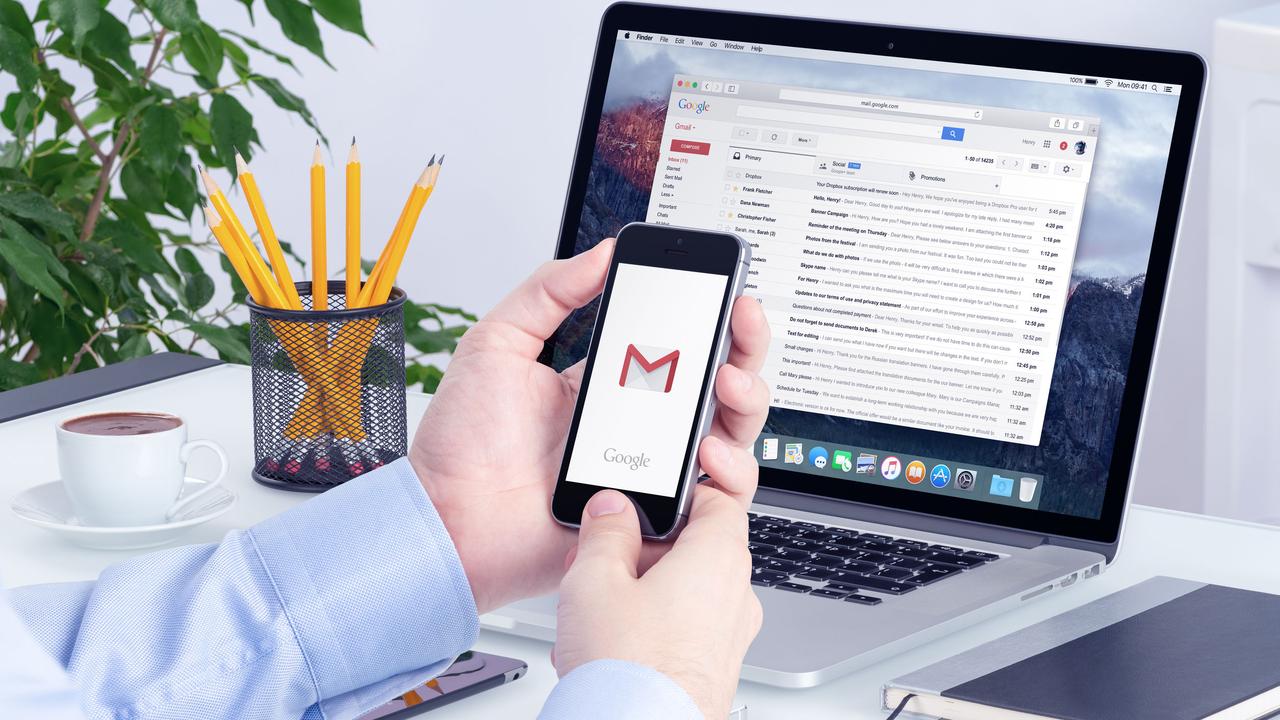
  • Google Chat in Gmail now lets users call someone directly

    Google Chat in Gmail now lets users call someone directly

    Google teased some upcoming features for the Google Chat in Gmail a few months ago but didn’t exactly say when they will be made available to the general public. With less than a month left until the end of the year, Google revealed that the ability to ring someone directly using Google Chat in Gmail is now available on mobile.

    Gmail users on Android and iOS can start or join meetings and audio calls from 1:1 chats in Google Chat within the mobile app. The new feature doesn’t work on anything else other than 1:1 chats at least for the moment.

    Simply select the phone or video icon in the top right cornet of a 1:1 chat to ring someone directly. Keep in mind though selecting “Join a call” from the Google Chat app will redirect to the Gmail app since this is where the call will take place.

    To join a call, select the phone or video within the 1:1 chat. You should be able to see a banner of the person you’re on a call with while on a call. Also, the call duration and a Meet icon are visible in the chat roster. Finally, the red phone or video icon within the conversation and the chat roster are used for missed calls.

    The new feature is available by default on Android and iOS devices, but you’ll need to install the latest version of Gmail. According to Google, the updated version of Gmail is now rolling out to users on both Android and iOS platforms, although it will take around two weeks to reach everyone.

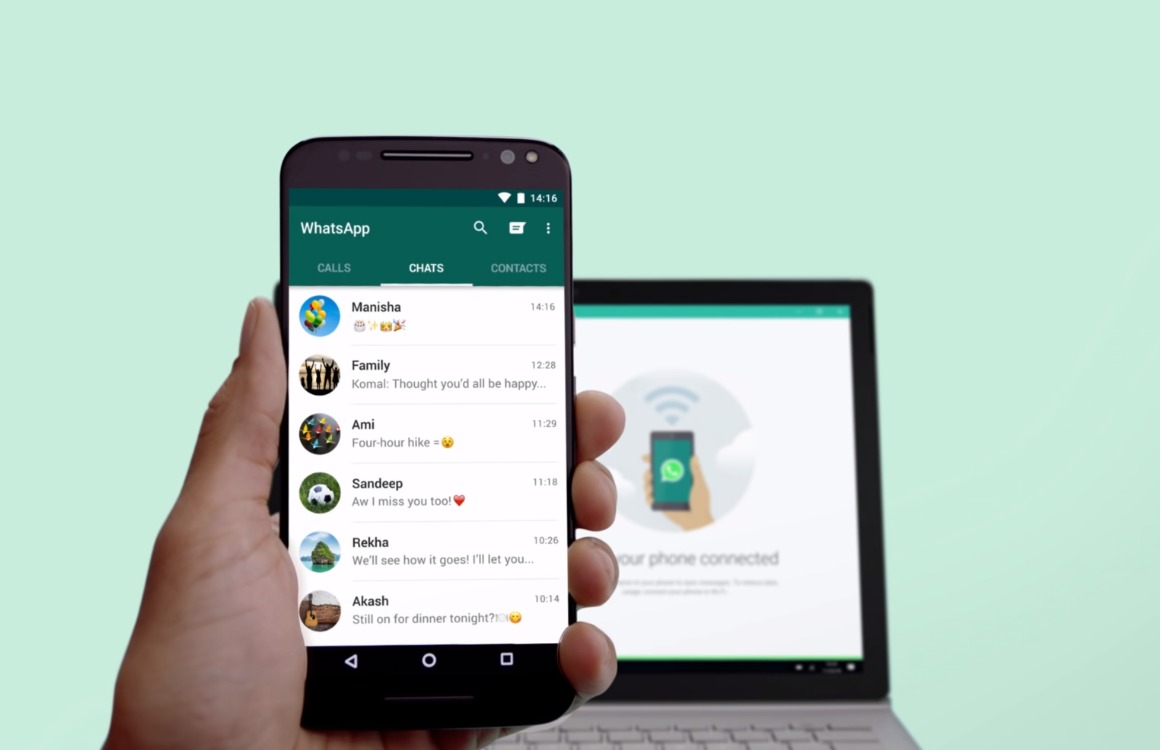
  • WhatsApp adds more options for disappearing messages on iOS and Android

    WhatsApp adds more options for disappearing messages on iOS and Android

    WhatsApp introduced disappearing messages last year. The feature was further improved not long ago with the option to make photos and video disappear immediately after being viewed once. Today, WhatsApp announced a new set of control options for those using disappearing messages.

    Starting this week, iOS and Android users will be able to control their messages and how long they will remain visible thanks to two new features: default disappearing messages and multiple durations.

    The latest version of WhatsApp adds the option to turn on disappearing messages by default for all new chats. This means that all individual chats will be set to disappear at your chosen duration. Furthermore, WhatsApp added a new option when creating a group chat that lets users enable default disappearing messages for groups. Obviously, this is an optional feature that’s not enabled by default.

    Also, the update includes two new durations for disappearing messages – 24 hours and 90 days, in addition to the existing option of 7 days. You can set durations for disappearing messages from the Privacy settings and choose “Default Message Timer.”

  • AirAsia resumes flights to Singapore after two years

    AirAsia resumes flights to Singapore after two years

    AirAsia Philippines resumed its service to Singapore last December 4, ending a two-year hiatus of its flights to the Asian city-state.

    AirAsia Philippines’ first flight to Singapore in two years departed the NAIA Terminal 3 in Pasay City at 8:00 a.m. and successfully landed at Changi International Airport at 11:40 a.m. last December 4. It made a return flight from Singapore at 12:25 p.m. and safely landed in Manila at 4:05 p.m. the same day.

    “Initially we will cater to our Filipino workers and business travelers but soon as we slowly recover from the global pandemic, we hope to open this route for leisure travel also,” AirAsia Philippines spokesperson Steve Dailisan said.

    “This is extra special for us in AirAsia because we know how Filipinos value family traditions during the Christmas season and we take pride in being an instrument to those happy and meaningful reunions,” he added.

    To recognize the heroism of overseas Filipino workers (OFWs), AirAsia gave away 100 free tickets during the inaugural Manila-Singapore-Manila flight after two years.

    One of the winners was Grace Macaraeg was very thankful for the free ticket that she considers a timely Christmas gift for OFWs.

    She says the money she saved for her ticket to Manila will be used as additional funds for her niece’s cancer medication and treatment.

    “While it is true that we are always a video away from each other, especially at times when she is going through chemo. But nothing beats being able to hug and kiss her in person, it is simply priceless,” Macaraeg said.

    Also, as part of the Department of Tourism’s “Balikan Ang Pilipinas” campaign, AirAsia is also offering an early Christmas package with Balikbayan Package. By using the promo code BLKBYN10, guests can avail of the 10-percent off on Manila-Singapore and Manila-Hong Kong flights for bookings made until Dec. 12, 2021.

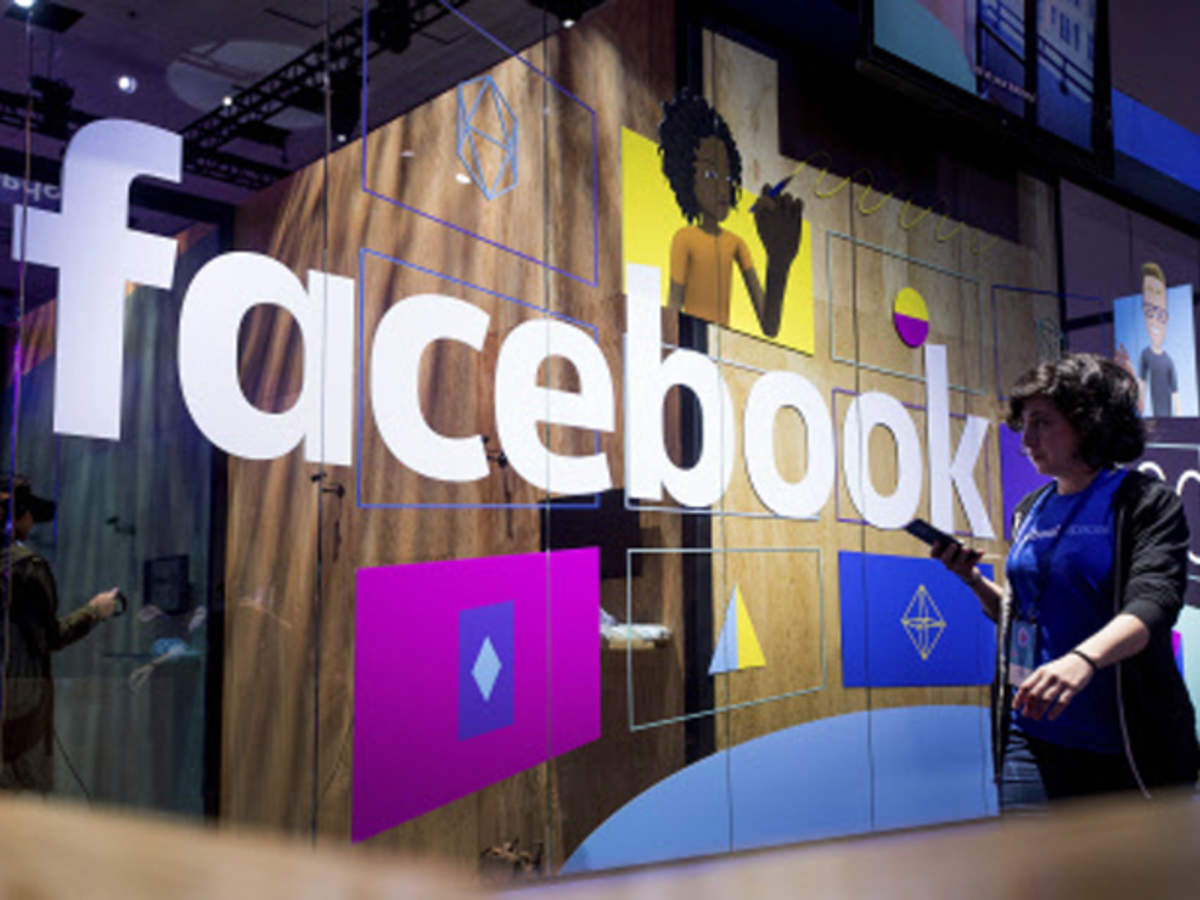
  • Facebook opens its first pop-up store in Hong Kong

    Facebook opens its first pop-up store in Hong Kong

    Facebook has opened doors to its first pop-up store in Hong Kong to educate consumers on how to personalize their Facebook experience and unlock exciting possibilities while maintaining their online privacy and safety. From December 3 to 7, Preface Coffee & Wine in Central, the F&B and lifestyle concept space, will be transformed into a temporary “Facebook home” to showcase the true benefits of technology and demonstrate the different ways users can personalize their Facebook – the way they want it – through digital experience and AR filters.

    Inspired by the way people customize their homes, Facebook last week launched “Your Profile, Your  Home” a digital consumer experience to educate people on Facebook settings that enable personalization, and to reinforce Facebook’s commitment to protecting the privacy and safety of users.

    Along with Preface Coding, Facebook has transformed Preface Coffee & Wine (Central) into a pop-up store that showcases the app’s privacy control and settings. With the tagline “What makes a perfect home?”, the pop-up store is set to be the newest Instagrammable spot in Central. Renowned local celebrity Alfred Hui attended the kick-off event to demonstrate the customizable settings.

    From December 3 to 7, anyone can visit the “Your Profile, Your Home” pop-up store and play with two fun and interactive AR filters developed by Preface Coding, including photo-taking with an avatar of Alfred Hui. Visitors can also immerse themselves in the “Your Profile, Your Home” digital experience, in which they’ll have tools to build and design their very own home as they explore the exciting possibilities of personalization on Facebook. Visitors can test their knowledge of Facebook’s new privacy settings with an on-site quiz; the first 10 winners of each day will receive Alfred Hui’s autographed gift.

    In November, Meta, also formerly known as Facebook said it plans to remove its detailed targeting options from January 2022 onwards. With this move, advertisers will not be able to target users who have interacted with content related to health causes, sexual orientation, religious practices, political beliefs and social issues, among others.

    While this move limits the way Meta’s targeting tools can be abused, VP of product marketing, Graham Mudd said the company is aware that this change may negatively impact some businesses and organizations. “We have heard concerns from experts that targeting options such as these could be used in ways that lead to negative experiences for people in underrepresented groups,” he explained. He added, “It is important to note that the interest targeting options we are removing are not based on people’s physical characteristics or personal attributes, but instead on things like people’s interactions with content on our platform.”

    According to Mudd, this decision was not simple and required a balance of competing interests where there was advocacy in both directions. While some of Meta’s advertising partners have expressed concerns about these targeting options going away because of its ability to help generate positive societal change, others understand the decision to remove them. He added, “Even after we update our targeting options, people may still see ad content they aren’t interested in, which is why we are also working to expand the control that allows people to choose to see fewer ads about certain types of content. Today, people can opt to see fewer ads related to politics, parenting, alcohol, and pets. Early next year, we will be giving people control of more types of ad content, including gambling and weight loss, among others.”

    Meanwhile, Meta said it will maintain its commitment to helping small businesses, non-profits, and advocacy groups reach their audiences. Meta will be working to expand the control that allows users to choose to see fewer ads about certain types of content, said Mudd. Today, users are able to opt to see fewer ads related to topics such as politics, parenting, alcohol and pets. Early next year, Meta aims to give users control on more types ad content which includes gambling and weight-loss, among others.

  • Dyson splits with Malaysia supplier, stoking concern over migrant worker treatment

    Dyson splits with Malaysia supplier, stoking concern over migrant worker treatment

    A transient drive right by the border from Dyson’s contemporary headquarters in Singapore is the boomtown constructed round its enterprise: a Malaysian industrial declare dominated by its finest supplier, ATA IMS Bhd (ATAI.KL).

    ATA, one amongst Malaysia’s high electronics manufacturing companies and products suppliers, rode Dyson’s success in excessive-close vacuum cleaners and air purifiers, supplying parts for a firm that got right here to story for 80% of its income.

    Ten contemporary and former workers, and a former ATA govt, tell the expansion got right here at an unseen mark: its mostly migrant workforce worked up to 15 hours a day, had been repeatedly requested to skip relaxation days to support up with set aside a query to, and had been coached to cowl correct working and dwelling prerequisites from labour inspectors and Dyson.

    In interviews over the final two months, the workers furthermore tell ATA, which analysts tell is Dyson’s finest global contract producer, employed hundreds of foreigners without work permits.

    After questions from Reuters on Nov. 18, Dyson final month stated it might perchance perhaps well pull its enterprise from ATA in six months, citing a up to date fair audit on prerequisites for workers and allegations by an unidentified whistleblower.

    ATA stated in a observation it turned into as soon as audited by the To blame Industry Alliance (RBA), a physique broadly engaged by electronics corporations to behavior factory audits. RBA hires third-social gathering auditors for the inspections. It declined to comment.

    On Nov. 29, ATA stated it had viewed the summary of Dyson’s audit, which stumbled on sad dwelling prerequisites, considerations of retaliation and unpaid allowances, among varied components. It described the findings as “non-conclusive” and stated it turned into as soon as reviewing them. Reuters has no longer viewed the audit.

    ATA declined to comment, and referred Reuters to its most recent public statements.

    Dyson stated on Tuesday it wouldn’t comment as a result of accusations associated to ATA.

    Malaysia on Wednesday stated it might perchance perchance perhaps well mark ATA over complaints it had received by the labour department. It did no longer tell what the charges or complaints had been about or whether or not they associated to the workers’ accusations about its Dyson factories.

    The country’s human resources minister, M. Saravanan, stated compelled labour allegations at Malaysian corporations had been hurting international traders’ confidence in merchandise manufactured there. He had earlier stated the federal government turned into as soon as investigating Dyson’s resolution to interrupt up with ATA.

    After Dyson’s hurry, ATA shares dropped 60%. Some analysts accept as true with raised doubts about ATA’s skill to attract contemporary customers, and on Nov. 29 a observation from the firm forecast income declines and mark cuts.

    With Dyson’s departure, six workers and shopkeepers interviewed within the Johor Bahru industrial declare stated they feared they might perchance perhaps lose their livelihoods.

    “There’s now not one of these thing as a screech of a job right here anymore,” stated one off-responsibility ATA employee, carrying his royal-blue factory work shirt on a up to date Sunday. Love others, he requested now to now not be diagnosed for dismay of reprisal.

    ATA officially employs round 8,000 workers, although four ATA workers and the former govt estimated its workers had been as excessive as 17,000 unless lately, including these without permits. Most of 17,000 had been from Bangladesh and Nepal, according to the workers and govt.

    ATA’s factories are concentrated in adjoining industrial parks in suburban Johor Bahru, a 30-minute drive to Singapore, the put Dyson is headquartered.

    ATA posted document income of 4.2 billion ringgit ($991.74 million) for the fiscal 300 and sixty five days that resulted in March. Dyson, owned by British billionaire James Dyson, accounted for nearly $800 million of that.

    Analysts tell the increased scrutiny of Malaysia might perchance perhaps well expand production charges and deter traders. The United States has banned six Malaysian corporations within the final two years over accusations of compelled labour.

    “Cost will definitely hurry up because of loads extra care must be taken into story, no longer fine on recruitment but furthermore employee accommodation. The ramifications are vastly increased charges for labour,” stated Vincent Khoo, head of Malaysia compare at brokerage UOB Kay Hian.

    Malaysia, which makes every little thing from iPhone parts to semiconductors, is reliant on electrical and electronics manufacturing in disclose for exports and economic tell. Between January and October 2021, such merchandise accounted for 36% of total exports.

    Foreigners manufacture up about 10% – 1.48 million – of Malaysia’s workforce, according to government info, although that percentage is increased within the manufacturing sector. The federal government and labour teams estimate hundreds and hundreds extra undocumented migrants.


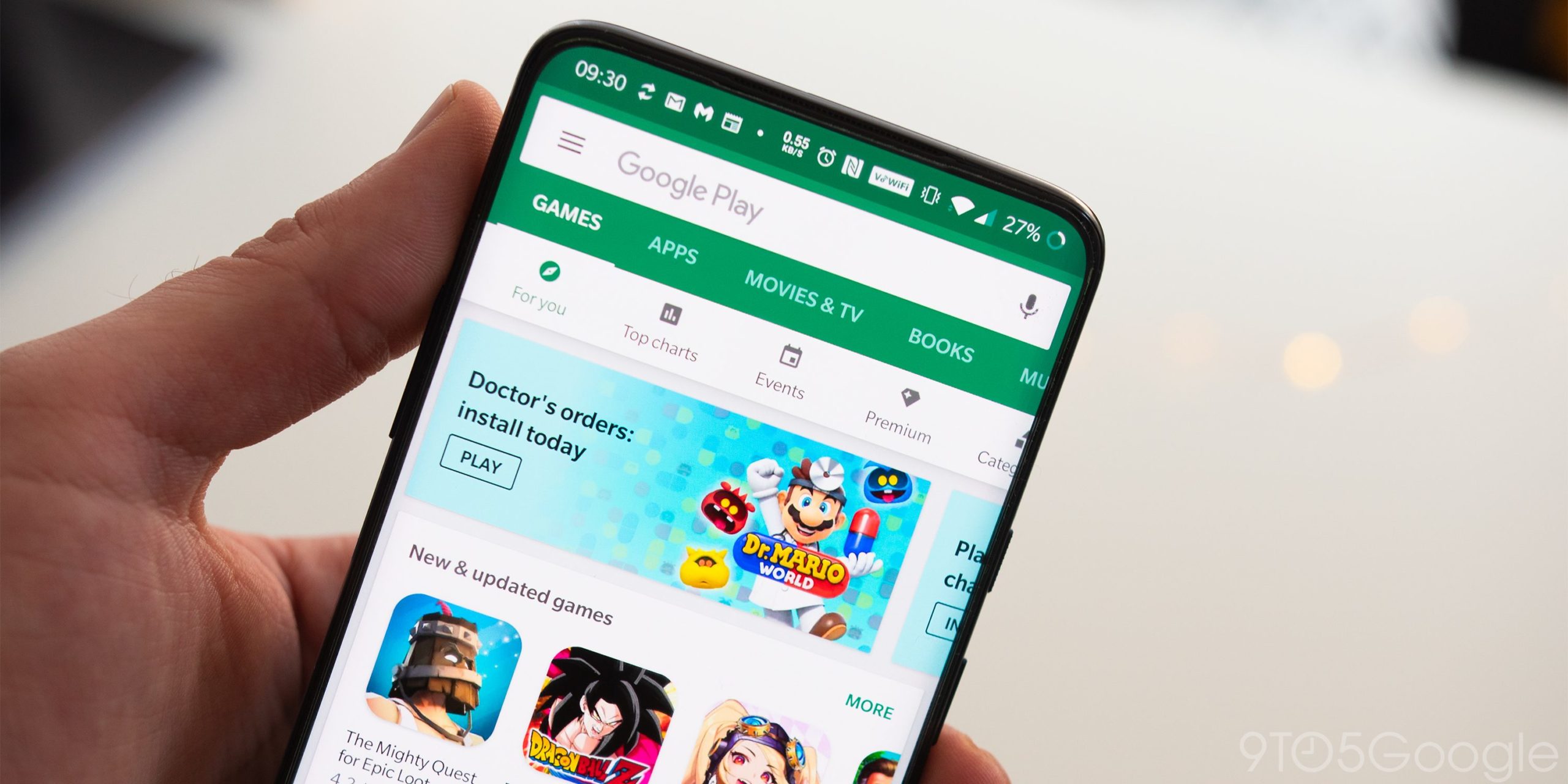
  • New feature reveals whether your Android phone spots the latest version of the Google Play Store

    New feature reveals whether your Android phone spots the latest version of the Google Play Store

    It could just be that this writer is in the minority, but yours truly always preferred calling the Android app storefront the Android Market instead of the Google Play Store. The change was made in March 2012 as Google sought to unify the Android Market and Google in one brand. Just two years before the name switch, the Android Market contained just 30,000 apps, up from 10,000 in September 2010 and 16,000 in December 2010.

    Perhaps you remember the original Android Market icon which was a white shopping bag with the green Android bug on the front. When Google changed the name to the Play Store it created a new icon that resembles the triangular play icon found on many apps including Google’s own YouTube and YouTube Music.

    19 months later, the Android Market was home to half a million apps and Android was on its way to becoming the most popular mobile operating system on the planet. At last count, there are over 2.5 million apps in the Google Play Store.

    Coming to the Google Play Store via a server-side update is a new quick and easy way to make sure that your Android phone is running the latest version of the Play Store. Simply open the app and tap on the profile picture on the right side of the search bar at the top of the screen. From there, tap on Settings > About and when you scroll down toward the bottom of the display, you’ll see the words “Update Play Store” in green text.

    Tap on that link and if your version of the Play Store is the most recent available, you’ll get a message that says “Google Play Store is up to date.” If you need to update the app, you will be given that opportunity. While not all Android or even Pixel users have received this update, we see it (as you can tell from the image that we’ve included with this article) on our ancient Pixel 2 XL running Android 11.

    Before adding this feature, tapping on the version number from the About screen would check to see if your Android phone was sitting on an update for the Play Store. The problem is that unless you knew about this, there would be no reason for you or anyone to tap on the version number on the About screen. We should point out that the newly added link has been placed right underneath the Play Store version number.

    By July 2013, the Play Store hit one million apps overtaking the 900,000 listed in the App Store for the first time. As of last month, approximately 71% of smartphones used worldwide run Android with 29% powered by iOS. Despite this huge advantage, the revenue of the Play Store always falls well short of the amount spent on iOS.

    One theory is that in developing economies like India, the world’s second-largest smartphone market, lower-priced Android models are in demand. And in regions like India, many Android phone buyers are not financially equipped to spend much money on apps. Or to look at it another way, those able to afford to buy a new iPhone are most likely able to spend money on the purchase of iOS apps from the App Store.

    Because this is a server-side update, Android users don’t have to worry about manually updating the Google Play App. Just keep an eye out for the new link and eventually, you should find it in the Play Store app on your Android phone. In case you were wondering, the version of the Play Store on our Pixel 2 XL, which does include the new feature, is 28.2.10-21.