Category: General

Retail News Asia is committed to providing both local and global retailers with the latest General Retail news throughout the Asian market. This on a daily base.

  • Woolworths unveils final step in NSW DC restructure

    Woolworths unveils final step in NSW DC restructure

    Woolworths is restructuring its NSW distribution centre operations, announcing two new facilities, closing one and repurposing another.

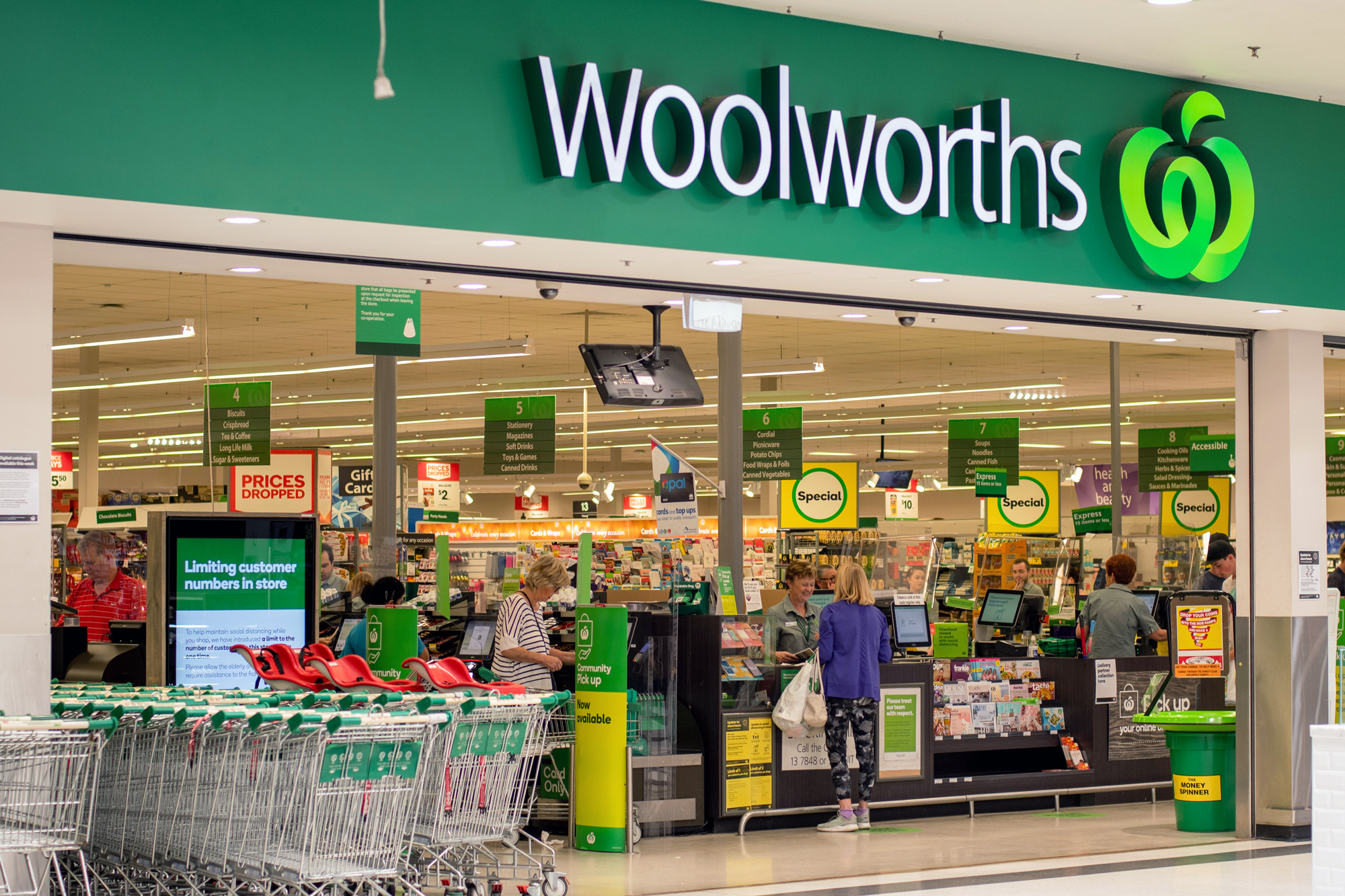
    The company’s supply chain division Primary Connect will invest $400 million in building a 76,000sqm fresh-food DC in Western Sydney’s Wetherill Park, pictured above, which will serve more than 280 Woolworths stores across the state from 2023. It will have capacity to distribute more than 3700 fresh produce and chilled lines.

    The new multistorey complex will replace the temperature-controlled facility at the Minchinbury Distribution Centre, which will close by 2024, with 330 staff being offered roles in other parts of the business.

    A second new DC will be built at Kemps Creek, a 35,000sqm facility managing liquor stocks  in partnership with Endeavour Group to service more than 400 Dan Murphy’s and BWS outlets across the state from next year.

    The existing Erskine Park Liquor DC will be converted into an ambient grocery facility once the Kemps Creek facility is operational.

    Construction of both new DCs is contingent on NSW Department of Planning approval.

    Woolworths Group CEO Brad Banducci said the facilities announced today mark the final step in what has been a major transformation of Primary Connect’s NSW supply chain network, following the Moorebank supply chain hub announced last year of which construction commenced last month.

    “The development of the Wetherill Park facility will help us deliver high-quality fruit, vegetables and chilled goods to our customers fresher, faster, and more efficiently than ever before.

    “Wetherill Park is strategically located in close proximity to a large number of our stores, suppliers and transport providers, making it an ideal base for our fresh food distribution in NSW,” said Banducci.

    “The co-location of fresh and chilled operations across a multi-storey site will also help remove more than 11,000 truck movements off Sydney roads each year – delivering environmental, traffic and road safety benefits to the community.”

    Primary Connect says the existing fresh network in NSW is nearing capacity, with products currently supplied from three sites, including two third-party facilities. Without the new DCs announced today, the company has limited capacity to handle range expansion or volume growth over the medium to long term.

  • Digital mutant orchids go on sale at cryptocurrency marketplace

    Digital mutant orchids go on sale at cryptocurrency marketplace

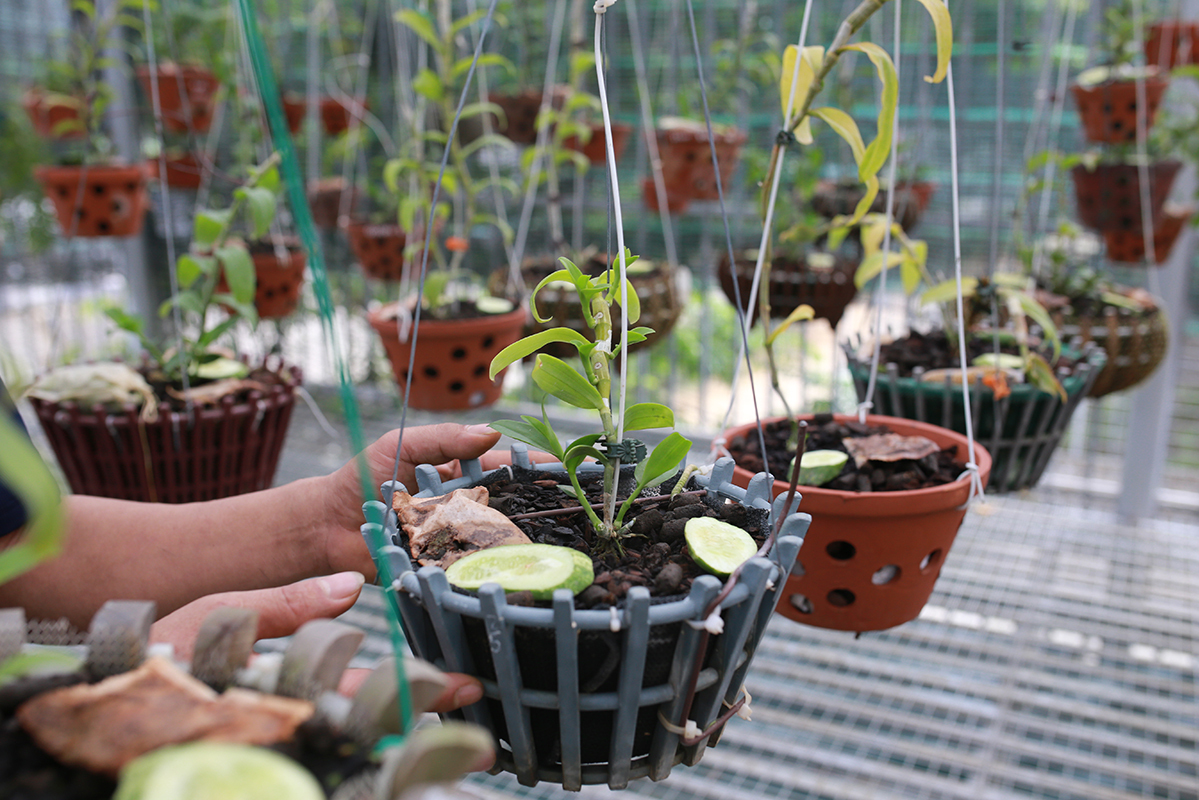
    Vietnam’s so-called mutant orchids are being turned into unique digital assets and being sold for up to thousands of dollars online.

    On the digital goods marketplace OpenSea.io, hundreds of items are displayed when a user types the keyword “Orchidaceae.”

    These items are non-fungible tokens (NFTs) which are units of data stored on a digital ledger called a blockchain that certifies a digital asset to be unique.

    In other words, NFTs transform digital works of art and other collectibles into one-of-a-kind, verifiable assets that are easy to trade on the blockchain, and a person can now buy a digital orchid plant using cryptocurrency like Ethereum.

    “The Hong My Nhan has glossy wings, harmonious pink color. Usually, the sepals are a bit darker than the wings,” says the description of a piece of the orchid that costs $428.

    These products are not real orchids. Instead, the buyer will own a digital version of the plant which is guaranteed to be sold in a limited number.

    “Although the buyer won’t own the physical plant, he or she can still show off the orchid without having to take care of it,” said digital currency expert Phan Duc Nhat.

    A Phu Tho orchid with an asking price of around $100 will have a maximum of 2,000 NFTs, while the more luxurious Co Do orchid with the asking price of $12,500 will only have 100 NFTs.

    But so far the highest bid for such an NFT is only 0.2 Etherum, or more than $400.

    The rush for the so-called mutant orchids has flooded social media in Vietnam in recent months, with investors spending hundreds of million dong (VND100 million = $4,340) to own a physical plant, hoping to sell it for a profit later.

  • Struggling Vietnam Airlines to receive $174 mln loan

    Struggling Vietnam Airlines to receive $174 mln loan

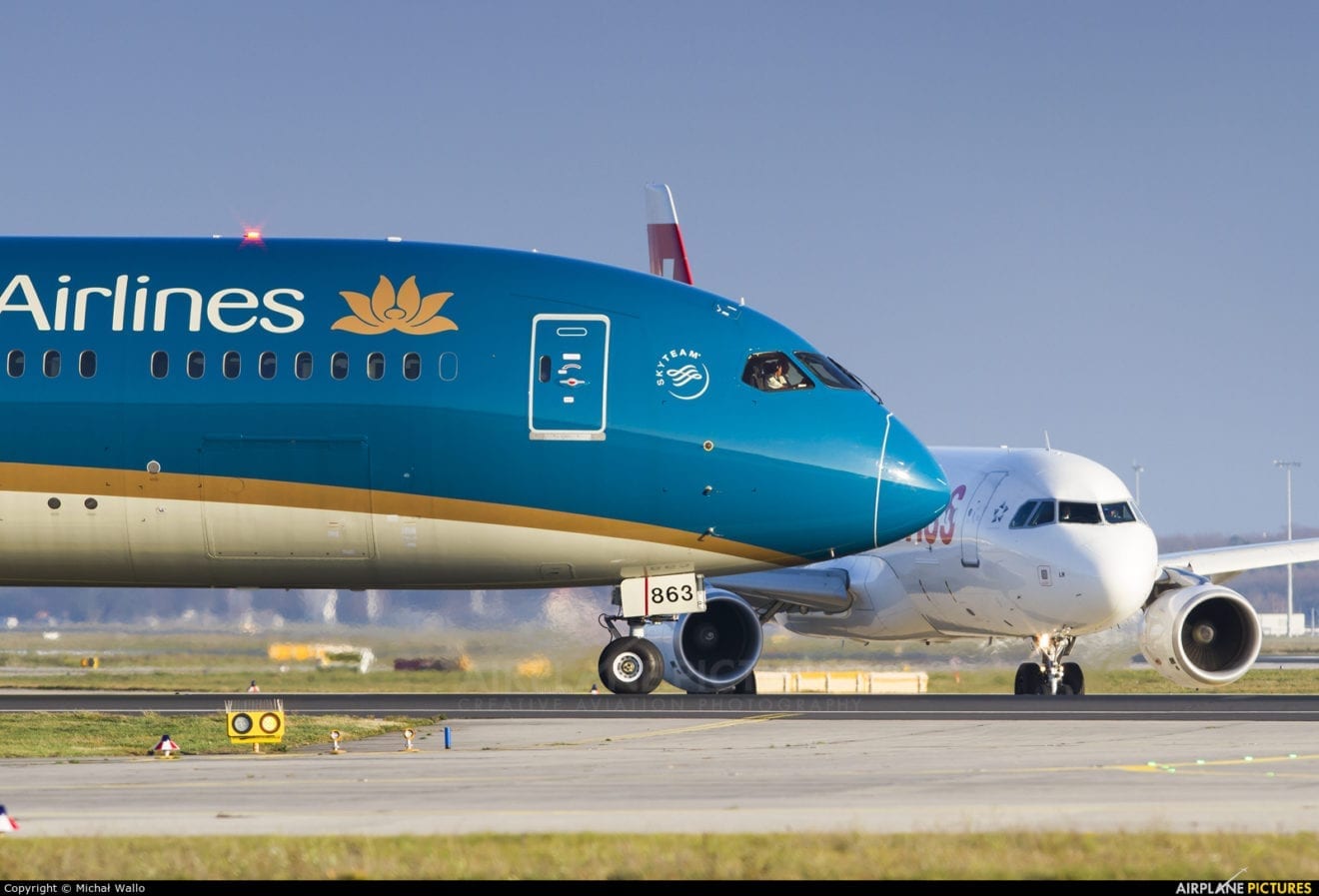
    An interest-free loan of VND4 trillion ($173.9 million) will be soon disbursed to national flag carrier Vietnam Airlines, which is on the brink of bankruptcy over Covid-19 impacts.

    The legal procedures for an aid package designated for the local aviation sector have been completed, and the VND4 trillion loan, part of the package, is “scheduled to be disbursed to Vietnam Airlines late June or early July,” Dang Anh Tuan, head of the carrier’s Communications Department, told VnExpress Monday.

    Earlier, late last year, the National Assembly had approved an aid package of VND12 trillion for the troubled carrier.

    At a press briefing held Monday by the State Bank of Vietnam, the country’s central bank, Nguyen Tuan Anh, head of the central bank’s Credit Department, said three local banks, SeABank, MSB and SHB, have pledged to offer Vietnam Airlines loans totaling VND4 trillion sourced from the central bank’s refinancing operations.

    Vietnam Airlines’ overdue debts have surged to VND6.24 trillion. According to a report recently drafted by the Ministry of Planning and Investment, the carrier, which racked up losses of nearly VND5 trillion in the first quarter of 2021, is likely to make losses of VND10 trillion in the first half of this year.

    As of March 31, Vietnam Airlines posted negative undistributed after-tax profits of more than VND14,218 billion, compared with its registered capital of VND14.19 trillion. If this problem is not solved, Vietnam Airlines shares coded HVN on the local stock market will be delisted.

    On April 15, the Ho Chi Minh Stock Exchange put HVN shares on the warning list because the carrier was posting big losses.

    At its extraordinary general meeting in late 2020, Vietnam Airlines said it would use VND8 trillion from its share issuance to pay all overdue debts, compensate for shortages of capital for production and business, and repay short-term and long-term loans from banks.

  • Apple Maps doesn’t collect data that can identify you on the iPhone like Google Maps does

    Apple Maps doesn’t collect data that can identify you on the iPhone like Google Maps does

    Unlike Google Maps, which is available on most of Apple’s devices, Apple Maps is only available to those using iOS, iPadOS, watchOS and macOS devices. In other words, Apple gets paid by device sales to help cover the costs of developing Apple Maps.

    Google, on the other hand, gets paid for Google Maps the same way it gets paid for anything it does-by selling advertising. If you look at the Privacy Labels on the App Store versions of Apple Maps and Google Maps, you can see that Apple Maps collects data from users, like Health & Fitness, Search History, Diagnostics, Location and User Data. But none of the data collected by Apple Maps is linked to a user’s identity.

    Google Maps’ Privacy Label for its iOS app shows that the app collects financial and contact information, User Content, Browsing History, Usage Data, Other data, Location, Contacts, Search History, Identifiers, and Diagnostics. This data can be collected by Google and linked to your identity. You could block this with the use of incognito mode which will prevent Google from collecting your data, but also limits some of the app’s functionality.

    To enable incognito mode on the Google Maps app, tap the profile icon in the upper right of the screen and tap  “Turn on incognito mode.” With this enabled, browser or search history is not saved, Location History is not updated, and Maps cannot be personalized.

    “Google Maps is designed to protect your information. We provide controls to easily manage your settings and use industry-leading technologies like differential privacy to keep your data safe. We continue to make Google Maps the best and most accurate way to navigate and explore the world—providing rich local business information, best in class search and navigation, and helpful features like the COVID layer and live business information.”

    Apple Maps has come a long way since its launch in 2012 when countries and streets were mislabeled and some users in Australia looking for directions to Mildura, Victoria was sent on a 24-hour trek across the outback to an area filled with poisonous snakes, no food, water or cell service. But Apple Maps is much improved and that improvement will continue with iOS 15.

    If you’re an iPhone user with a long memory, the time has come to give Apple Maps another shot. One of the features that we’ve found useful is the one that alerts us when a red light camera is in our path ready to look for drivers who commit a moving violation. And another feature will tell us whether to turn at the next light or to continue driving forward until we reach the light after the next one.

    And if you wear an Apple Watch, the integration between Apple Watch and the timepiece is outstanding. When you need to make a turn, you will feel haptic feedback on your Apple Watch that feels just like an automobile’s turn indicator against your wrist. This prevents you from missing a turn.

    Talking about the next build of iOS, Apple says that it is “committed to building the world’s best map and iOS 15 takes Maps even further with brand new ways to navigate and explore. Users will experience significantly enhanced details in cities for neighborhoods, commercial districts, elevation, and buildings, new road colors and labels, custom-designed landmarks, and a new night-time mode with a moonlit glow.”

    Google Maps has always been the first choice for mobile device users looking to navigate from point “A” to point “B,” but it appears as though Apple is ready to provide a strong challenge to Google.

  • Singapore Loses Top Spot in Competitiveness Rankings

    Singapore Loses Top Spot in Competitiveness Rankings

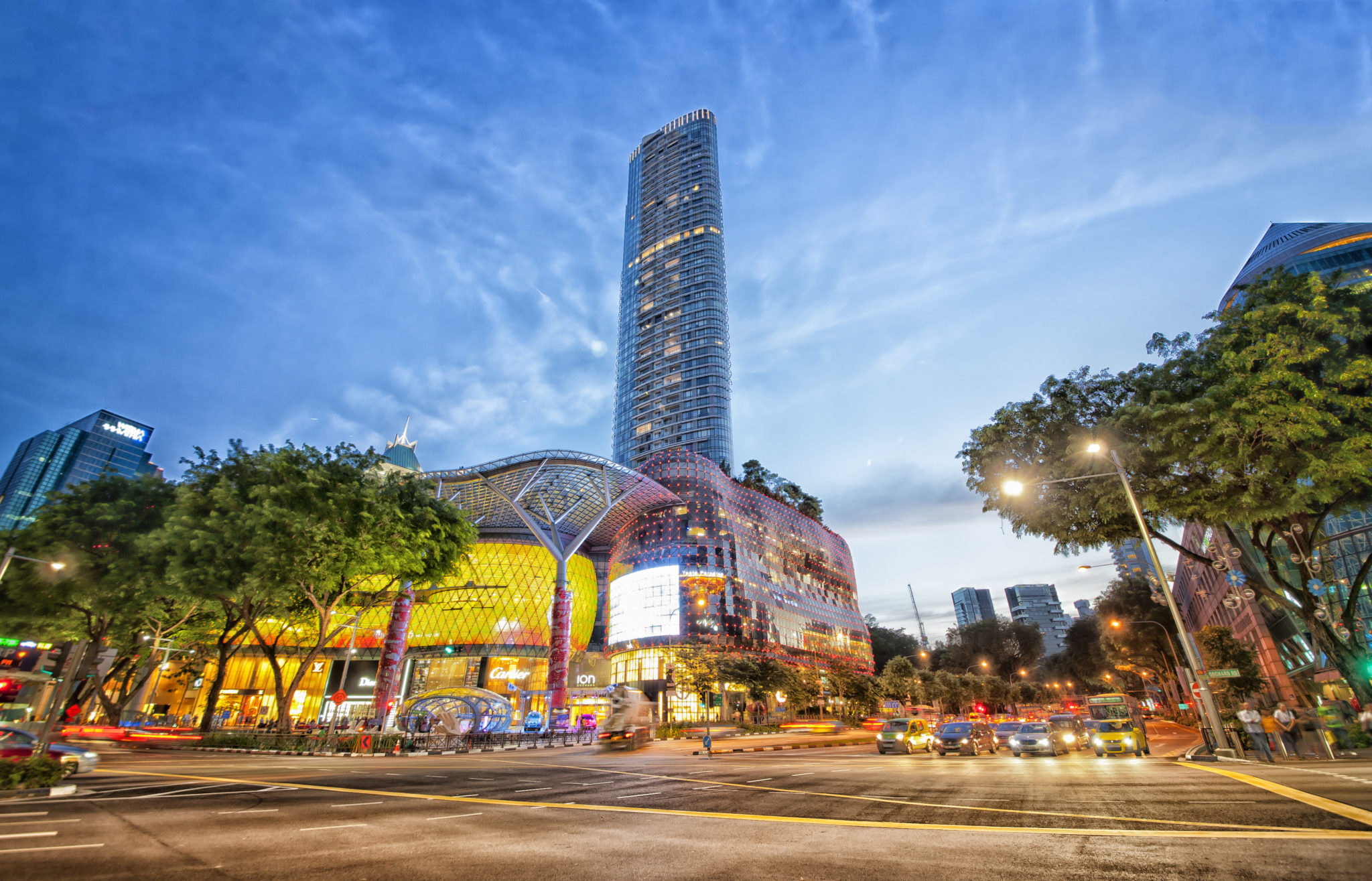
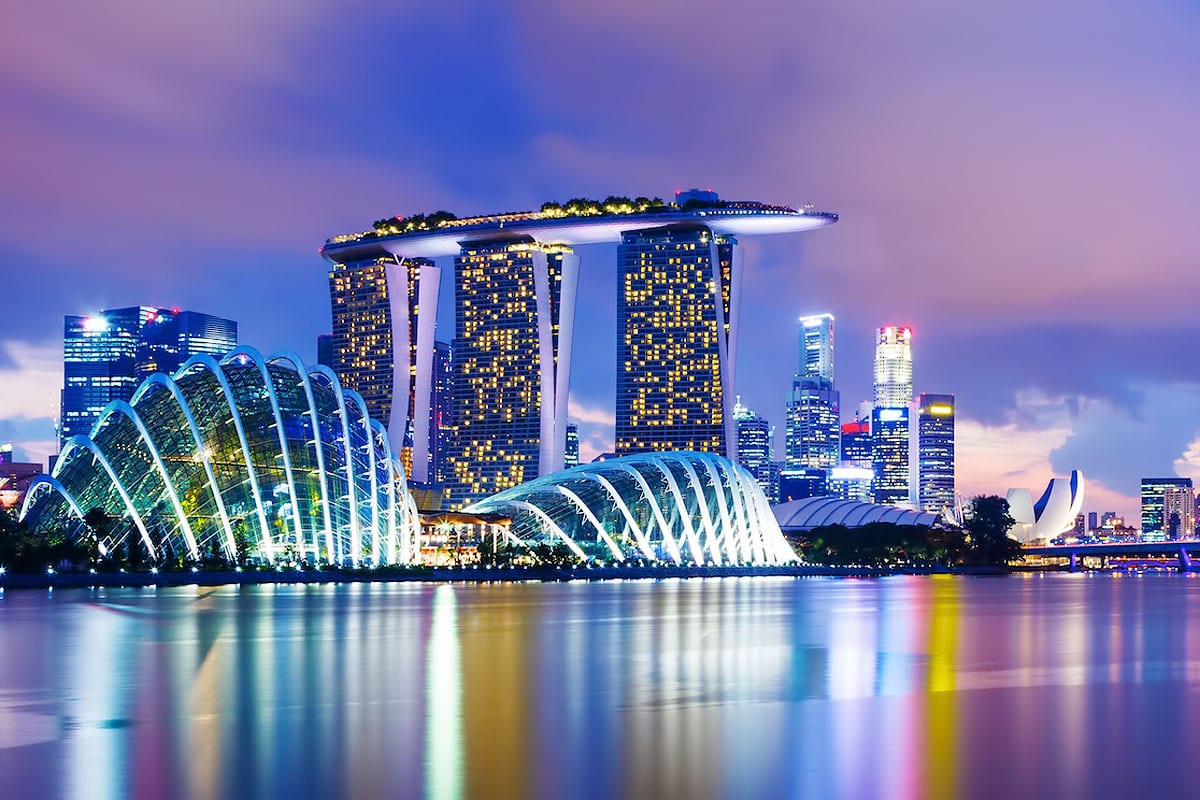
    The republic lost its crown to rival financial hub Switzerland in IMD’s latest «World Competitiveness Rankings,» as it slipped to fifth place overall.

    Singapore fell behind Switzerland, Sweden, Denmark, and the Netherlands in competitiveness as the city-state suffered significantly on an economic level during the pandemic, as it depends on the export and import of services and on people’s mobility, according to experts at IMD’s World Competitiveness Center.

    Governments that has focused in innovation, diversifying their economies, and implementing good policies pre-pandemic triumphed, IMD said in the report. The top-performing economies were characterized by varying degrees of investment in innovation, diversified economic activities, and supportive public policy.

    Singapore and Switzerland ranked highly in innovation, which takes into account education and other factors driving both a productive workforce and research, and also took top spots in health infrastructure. Singapore was also top among the 64 countries in terms of digital advancement.

    Commenting on Switzerland’s strengths, IMD said both independence and access to Europe during a period when global supply chains faced major risk was important. The country is not in the European Union (EU), but part of the bloc’s single market for goods, people and services.

    The health crisis – while devastating – is only temporary, while competitiveness measures longer-term impact, IMD said.

    Published since 1989, The ranking analyzes and ranks countries according to how they manage their competencies to achieve long-term value creation.

  • AirAsia India Operates 9 Flights With Fully Vaccinated Crew

    AirAsia India Operates 9 Flights With Fully Vaccinated Crew

    According to the airline, the flights were operated on Friday.

    “The sectors flown by fully vaccinated crew included Bengaluru-Kolkata, Kolkata-Bengaluru, Bengaluru-Chennai, Chennai-Guwahati, Guwahati-Bengaluru, Bengaluru-Pune, Pune-Jaipur, Jaipur-Pune and Pune-Bengaluru,” the airline said in a statement.

    “The operating crew members on these sectors are fully vaccinated, having received both doses in line with guidelines from health authorities and after going through all the mandatory tests and certified by the Chief Medical Officer, Dr Sangeeta Kujur.”

    AirAsia India is a venture between Tata Sons and AirAsia Investment.

  • AirAsia boss says industry could return to normal next year

    AirAsia boss says industry could return to normal next year

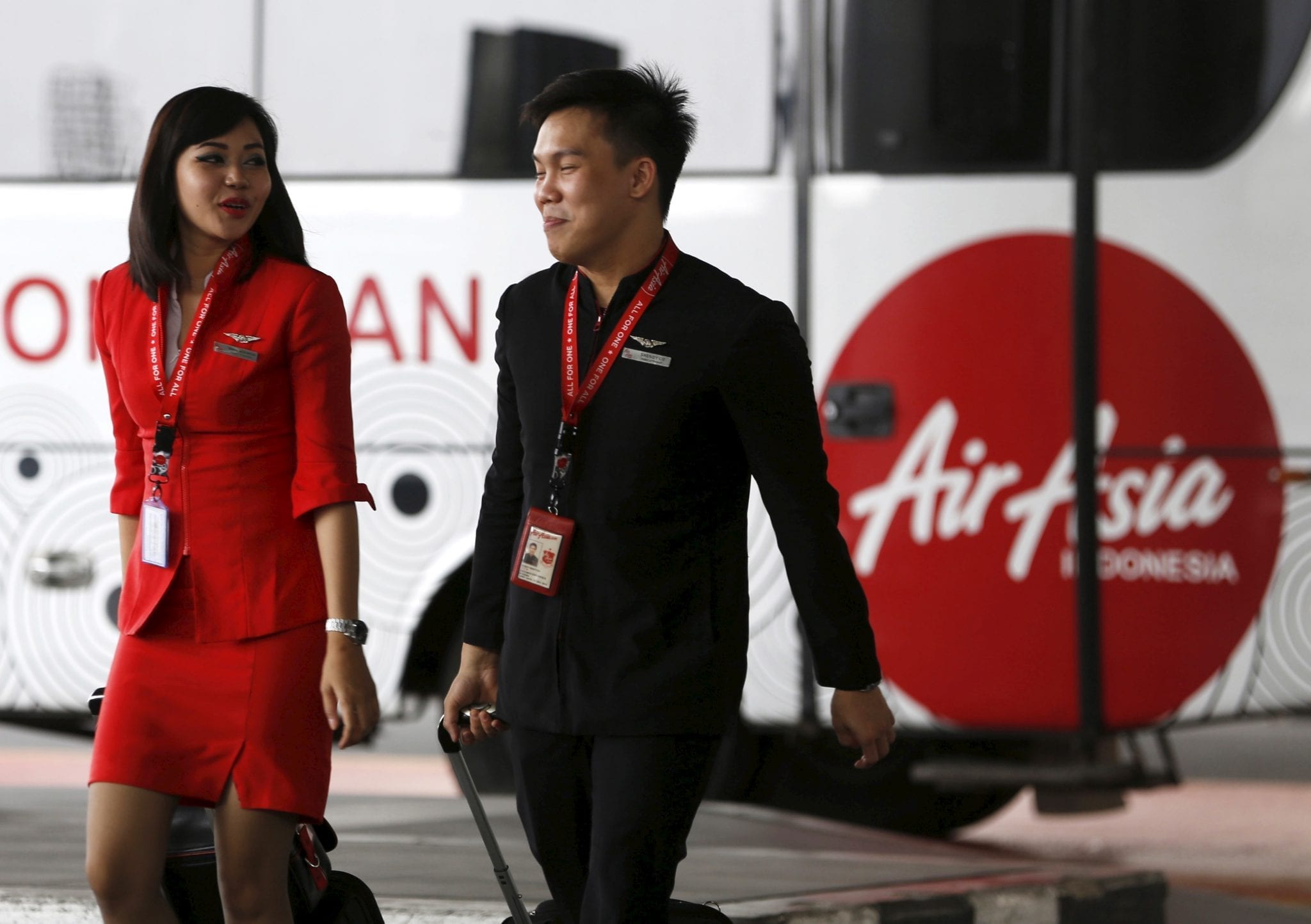
    AirAsia Group Bhd’s chief executive officer said the aviation industry could return to normal next year as international borders gradually reopened, state news agency Bernama reported on Saturday.

    Tony Fernandes also called for better government policies to avoid disruptions when travel resumed, and decisions on what would be required to open up borders, including documents needed to travel.

    “I think that will be sorted out by September or October when we allow interstate travel and some international flying,” he was quoted saying in a webinar.

  • Google Meet improves Hand Raising features

    Google Meet improves Hand Raising features

    Earlier this year, Google announced a revamp of Google Meet, promising a smoother and easier conference call experience than ever. At the annual Google I/O event, we discovered that Meet is being integrated directly into Google Docs, Sheets, and Slides, and is also receiving some significant video and audio improvements.

    But Google wasn’t done, as we find out from a recent support note that was published on Google Workspace Updates. Google has just announced that over the course of the next few weeks, one particular Google Meet element is about to become even better: the Hand Raise feature.

    The ability to raise a virtual hand during online Google Meet calls was introduced in November 2020 and has drastically improved the call experience. The small bottom-left notification and hand symbol that pops up once anyone raises their hand gives every single participant in the meeting a voice, without causing any disruptions.

    But in a meeting with many people, the main speaker could easily miss a raised hand, or in the event of many people raising their hands, there was no way of knowing who should be addressed first.

    In order to make sure that anyone raising a hand is noticed, Google will now shift the hand-raising video tile forward, to make it more visible among the other faces in the grid.

    There will also now be an audio notification sounding every time there is a hand raised. If multiple hands are being raised at the same time, don’t worry: the meeting won’t be a complete cacophony. The primary goal of hand-raising is to avoid rude interruption, after all. Instead, only the first hand will trigger the sound, and those following will only see the visual pop-up appear on their tiles.

    And in order to keep track of the order of raised hands, there will be a clickable notification that the main speaker can open to view the queue of people waiting to speak.

    While previously, anyone who raises their hand had to wait for the host to manually “lower” their hand, this will no longer be necessary. Once the participant raising their hand speaks, the visual pop-up will now be automatically lowered.

    Along with these updates, the actual hand-raising animation and visual icon appearing on video tiles will be seeing an improvement as well.

    Once the Google Meet update reaches you, you won’t have to do anything to gain access to these features; they will be automatically available.

  • Singapore Reconsiders Economic Reopening

    Singapore Reconsiders Economic Reopening

    A growing cluster of infections threatens to derail Singapore’s economic reopening, while expats in the country are growing restless from being cooped up on the island with no end in sight.

    Singapore’s Multi-Ministry Task Force is closely monitoring the growing number of community cases, particularly the expanding cluster of cases that now number 56, which originated from a neighborhood market.

    Day by day, we are seeing the number of unlinked cases – the cryptic cases in the community – is likely to be rising too. Given these developments, we are evaluating the timing and scope of the next stage of reopening, Finance Minister Lawrence Wong said in a video recording posted on Facebook and Instagram on Wednesday.

    The country is set for further relaxation of heightened alert restrictions from Monday, following a month of heightened Covid-19 related restrictions, during which community cases fell sharply, and a week-long first stage of reopening.

    Singapore’s borders have been effectively shut for more than a year now, and many expats are getting restless, particularly as the U.S. and Europe return to normalcy.

    According to a report on Thursday, many feel the country is too slow in reopening its borders and may depart in the next six months if vaccinations and travel re-opening do not go as planned. Currently, returning residents face three weeks of quarantine – if they are allowed back into the country.

    Singapore said any ease in travel curbs will depend on the pace of vaccinations, which it has targeted for half of its population by the end of August and 75 percent by October. Currently, about 35 percent of the population is vaccinated, according to «Bloomberg» estimates.

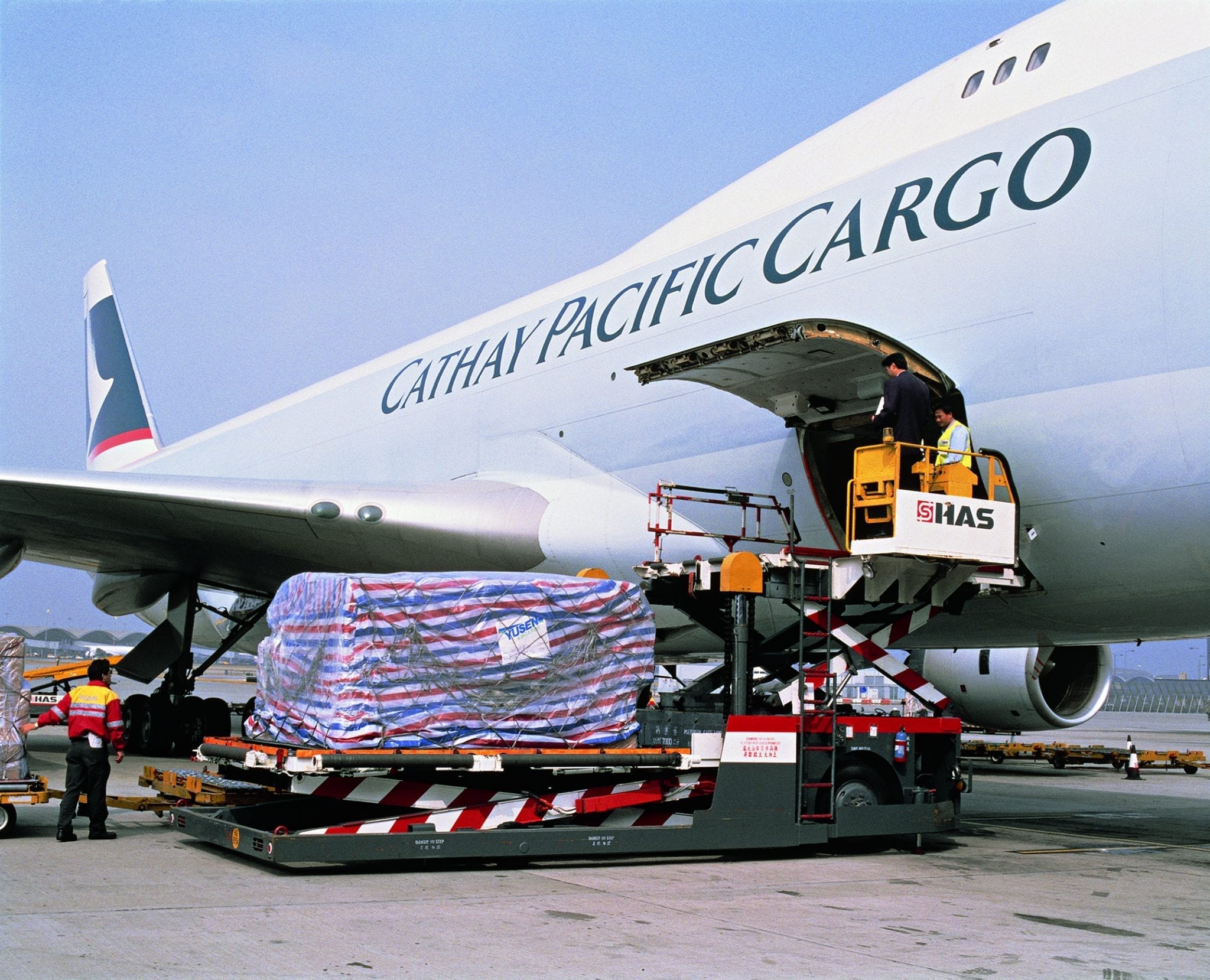
  • Cathay Pacific said to adopt new biz model likened to AirAsia

    Cathay Pacific said to adopt new biz model likened to AirAsia

    Cathay Pacific is planning to rebrand into a new business model that offers a wide range of products apart from just selling air tickets, according to a report. Hong Kong’s flag carrier is planning to reposition itself and adopt an “Amazon concept” that includes many businesses under the brand. Under the new plan, Cathay Pacific will become just one of the brands within the Cathay ecosystem.

    It’s reported that the senior management of the company has likened the plan to that of AirAsia, which offers a wide variety of businesses including food delivery, online groceries as well as health and insurance segments. Previously, the company rolled out an ad that shows multiple lifestyle items via email to its customers. In that email, the company said that it is “always searching for new ways to help you move forward in style – to connect you with people, places and experiences that matter.”

    It concluded with a statement: We’re going to elevate the Cathay experience you know and love into a lifestyle experience that will add to your pleasure and enjoyment. The ad ends with the name “Cathay” with “Pacific”, sparking speculation over an imminent rebrand. 

    The report cited a source familiar with this matter, saying that its executive director Ronald Lam will spearhead the effort. He once said Cathay Pacific is a retail service rather than an airline. The aviation industry has been heavily hit by the pandemic and as Hong Kong is a city with no domestic routes, Cathay’s income dropped drastically by 84% last year, resulting in a HK$21.6 billion loss (US$2.78 billion). It avoided collapse thanks to a government-led bailout worth HK$39 billion and cut thousands of jobs worldwide, including the shut down of its sister airline Cathay Dragon.

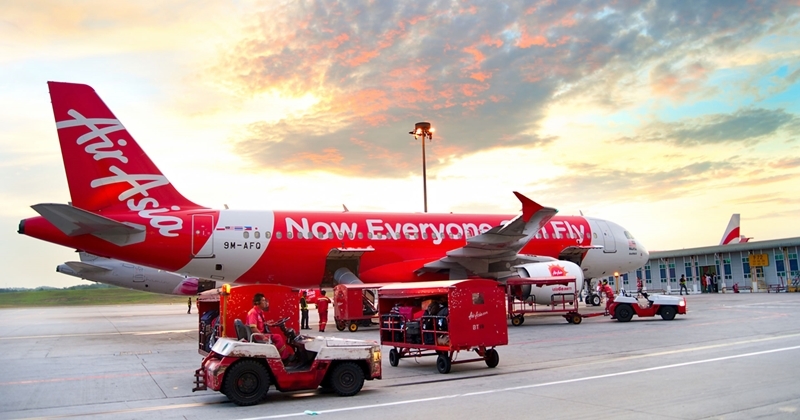
    Meanwhile, amidst the pandemic in 2020, AirAsia decided to pivot its business and realize its ASEAN super app ambition under three main pillars – travel, eCommerce, and fintech. Among the list of categories including flights, hotels, SNAP, activities, insurance, Big Rewards, unlimited deals, and wifi. The app also had a “Get it fresh” section offering groceries via its B2C platform AirAsia fresh and “Get Holla”, which allowed consumers to pay to get shout-outs from artists under RedRecords including Jannine Weigel.

    Taking its ambitions across the region, earlier this month AirAsia decided to expand its eCommerce offerings to Singapore, asking for interesting fresh produce and groceries merchants throughout the island to join its growing eCommerce delivery platform.  Merchants were invited to list their fresh produce, groceries, and sundry daily necessities on the AirAsia super app, and will be contacted by the AirAsia team within 48 hours for the next course of action.  Merchants on the AirAsia super app’s eCommerce delivery platforms can also leverage AirAsia’s marketing efforts and periodic campaigns to drive more traffic to their online stores and increase sales.

  • Google opens its first NYC store

    Google opens its first NYC store

    Five years ago, Google started making its own smartphones and voice-assisted speakers. Now, Google has a store to sell them in.

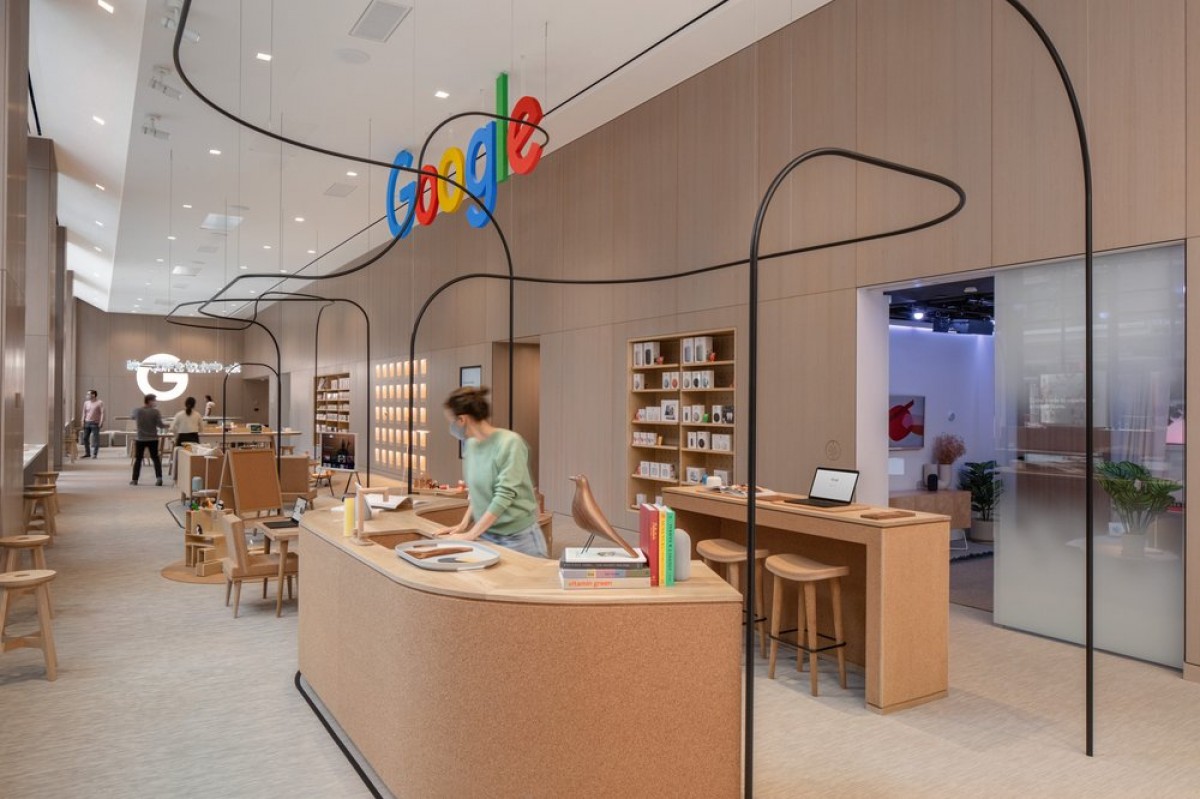
    The company is set to open its first-ever physical store on Thursday on the ground floor of its Manhattan headquarters in the Chelsea neighborhood. The store will carry a full array of Google’s gadgets, including Pixel smartphones, Nest home devices and Fitbit’s wearable fitness products, the company said.

    Inside, shoppers can try out devices and subscription services, while existing customers can get on-site repairs of broken products. The 5,000-square-foot store will include rooms where customers can experience “real-life scenarios” in which Google products can be useful, the company said.

    Some non-Google products and Google-branded gear, such as T-shirts, hats and dog toys, will also be sold.

    The store is Google’s latest attempt to give its fledgling hardware division a shot in the arm and an extension of pop-up stores that the company opened in the last few years.

    Since Google started selling Google-branded smartphones in 2016, it has expanded the kinds of devices it sells. It has also acquired Fitbit and integrated Nest, a maker of devices like thermostats. Nest had been a separate subsidiary of Google’s parent company, Alphabet.

    Although Google has invested heavily in the hardware division, it is still an afterthought to the company’s main advertising arm and its fast-growing cloud-computing unit. Google would not comment on whether it had plans to open more stores.

    The track record of technology companies that have opened retail stores is mixed. Apple’s stores stand out as a major success, elevating the brand and offering a showcase for new products. Microsoft, on the other hand, said it was shuttering all of its stores last year, more than a decade after it started opening retail outlets to augment its own push into hardware.

  • Android version of the Google Assistant app has been installed over 500 million times

    Android version of the Google Assistant app has been installed over 500 million times

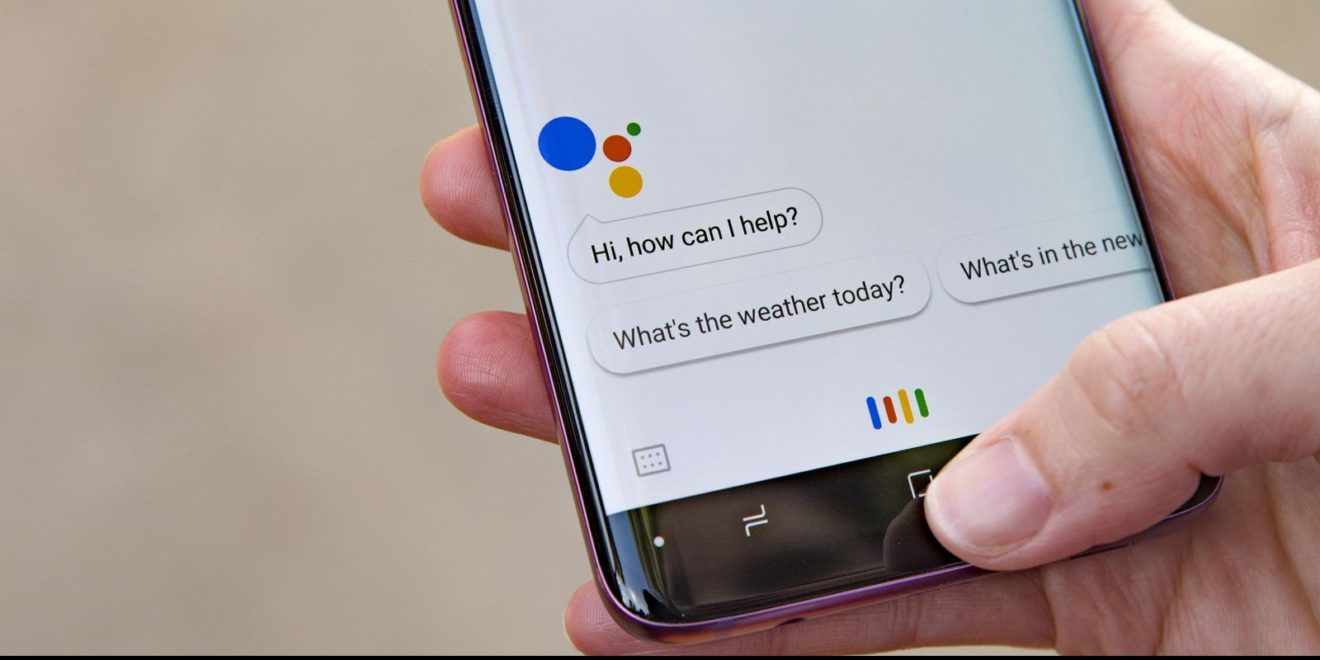
    If you look up the listing in the Google Play Store for Google Assistant, you’ll see a note near the bottom of the page that says, “You do not need this app to use the Google Assistant if you already have the Google Assistant on your device.” Since the Assistant is found on just about every Android phone that uses Google Mobile Services, the app really doesn’t need to be downloaded by the vast majority of Android users.

    The dedicated Google Assistant app has reached the 500 million installs milestone. And you can’t give credit to all of those iOS users who recognize Siri as being the absolute mess that it is and have installed the iOS Assistant app to use instead; those installations are done through Apple’s App Store and are not part of the half a billion credited to the Play Store.

    Over 500 million installs of Google Assistant have taken place via the Google Play Store

    Downloading the app will allow Android users to add it to their App drawer or home screen. There are other ways for Android users to activate Google without tapping on an app icon. The Pixel Active Edge feature allowed users to squeeze the sides of their phone to activate the Assistant although this was removed on the Pixel 4a, Pixel 4a 5G and the Pixel 5.

    Saying the hot phrase “Hey Google” will also get the assistant open without having to tap the icon or squeeze the phone. With 500 million Google Assistant installs from the Google Play Store, the app is halfway to a billion and could get there sooner than you might think.

  • Bamboo Airways to trial digital health pass

    Bamboo Airways to trial digital health pass

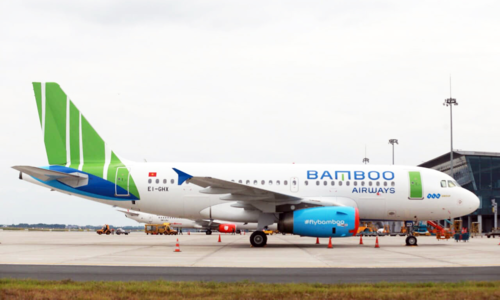
    Bamboo Airways officially entered into cooperation with the International Air Transport Association (IATA) to trial the IATA Travel Pass, laying a solid foundation for the airline’s reopening of international routes.

    In coordination with IATA, Bamboo Airways will begin preparations to trial the IATA Travel Pass on international flights in the coming months. With this move, Bamboo Airways demonstrates its commitment to relaunching international routes, opening borders safely as well as reviving the battered tourism industry.

    IATA Travel Pass is a digital health wallet where passengers can upload and share their Covid-19 tests and vaccination certificates for travel. Health information is an essential factor for both governments and carriers to conduct safe flights during and after the pandemic.

    The IATA Travel Pass is considered a safer and more effective solution compared to current paper-based procedures, especially when it comes to a multitude of test and vaccination data that needs securing.

    The app has been developed with the highest levels of data privacy and security, so passengers always remain in control of their Covid-19 health information. Besides, governments can be confident that passengers who are OK to Travel are in full compliance of Covid-19 travel requirements, said Nick Careen, IATA senior vice president for Airports, Passenger, Cargo and Security.To create the digital health wallet, passengers download the IATA Travel Pass app, and register a digital identity using their passports. Once passengers have been tested and/or vaccinated, labs will securely send data to the individual’s app. It then verifies this information and checks that passengers meet the travel requirements for their destination. If they do, they will receive an “OK to Travel.” Passengers can also choose to share this with airlines and authorities.

    By ensuring passengers meet Covid-19 health requirements for their destination, Travel Pass will facilitate more seamless transportation, playing a crucial role in the reopening of international routes in the near future.

    As of June, more than 60 airlines in the world have announced the pilot of IATA Travel Pass, including Singapore Airlines, Qatar Airlines, Air New Zealand, Air Serbia, Emirates, Etihad, Ethiopian Airlines, Iberia, Korean Air, Malaysia Airlines, Qantas, et

    As a member of IATA, Bamboo Airways is closely collaborating with the body, authorities and related units to pilot the Travel Pass app in line with government regulations on “digital health passports” or “vaccine passports”. With this trial, Bamboo Airways aims to establish an area to check the compliance of passengers at the airport and provide the government with valid information to ensure safe flights and repel the pandemic.

    Bamboo Airways is promoting the digital transformation process and effectively fulfilling the market demand and practical requirements of a “new normal” phase.

    “Alongside the valuable partnership with IATA, it’s our conviction that Bamboo Airways will substantially contribute to the revival and sustainable development of aviation in the future,” said Dang Tat Thang, CEO of Bamboo Airways.

    Thang believes the tech solution would be the cornerstone of international routes reopening, especially Bamboo Airways’ non-stop flights connecting Vietnam and the U.S.

    Bamboo Airways has successfully conducted many repatriation charter flights from South Korea, Japan, Taiwan, Australia, the Philippines, Poland, Norway, etc. The airline is also completing procedures to launch non-stop flights to many countries in Asia-Pacific, including Australia, exploit the European market, and gather pace in the operation of non-stop flights connecting Vietnam and the U.S. as soon as the government allows. Complying with the Civil Aviation Authority of Vietnam on the three-phase plan for restarting international routes, Bamboo Airways has prepared a corresponding scheme and suitable strategy based on close observation of the market and pandemic.

    At the same time, Bamboo Airways is implementing Covid-19 vaccinations for all employees and related affiliates.

    Bamboo Airways strictly complies with disease prevention measures as guided by the National Steering Committee for the Prevention of Covid-19, the Ministry of Health, the Steering Committee of the Ministry of Transport, and the Civil Aviation Authority of Vietnam, including temperature screenings at the airport, providing hand sanitizers and masks at check-in areas, departure gates and on planes, spraying disinfectant after flights, regularly maintaining HEPA filters on aircraft, etc.

    As of now, Bamboo Airways’ Covid-19 prevention process is considered the most comprehensive and effective, achieving an absolute level of 7/7 by Airlines Ratings.

    Bamboo Airways currently operates over 60 domestic and international routes, transporting 7.5 million passengers on safe flights. The airline has also maintained the highest on-time flight rate in Vietnam’s aviation market in three years up to 2021.

    The airline’s international 5-star standard-oriented service has been recognized by domestic and international passengers and media with a customer satisfaction rate of 4.5/5. Bamboo Airways was honored as Vietnam’s Best Airline, Asia’s Leading Regional Airline, and the favorite airline voted for by golfers.
  • Singapore Reconsiders Economic Reopening

    Singapore Reconsiders Economic Reopening

    A growing cluster of infections threatens to derail Singapore’s economic reopening, while expats in the country are growing restless from being cooped up on the island with no end in sight.

    Singapore’s Multi-Ministry Task Force is closely monitoring the growing number of community cases, particularly the expanding cluster of cases that now numbers 56, which originated from a neighborhood market.

    Day by day, we are seeing the number of unlinked cases – the cryptic cases in the community – is likely to be rising too. Given these developments, we are evaluating the timing and scope of the next stage of reopening, Finance Minister Lawrence Wong said in a video recording posted on Facebook and Instagram on Wednesday.

    The country is set for further relaxation of «heightened alert» restrictions from Monday, following a month of heightened Covid-19 related restrictions, during which community cases fell sharply, a and a week-long first stage of reopening.

    Singapore’s borders have been effectively shut for more than a year now, and many expats are getting restless, particularly as the U.S. and Europe return to normalcy.

    Many feel the country is too slow in reopening its borders, and may depart in the next six months if vaccinations and travel re-opening do not go as planned. Currently, returning residents face three weeks of quarantine – if they are allowed back into the country.

    Singapore said any ease in travel curbs will depend on the pace of vaccinations, which it has targeted for half of its population bu the end of August and 75 percent by October. Currently, about 35 percent of the population is vaccinated.

  • Coles spending $2.5bn on digital over the next two years

    Coles spending $2.5bn on digital over the next two years

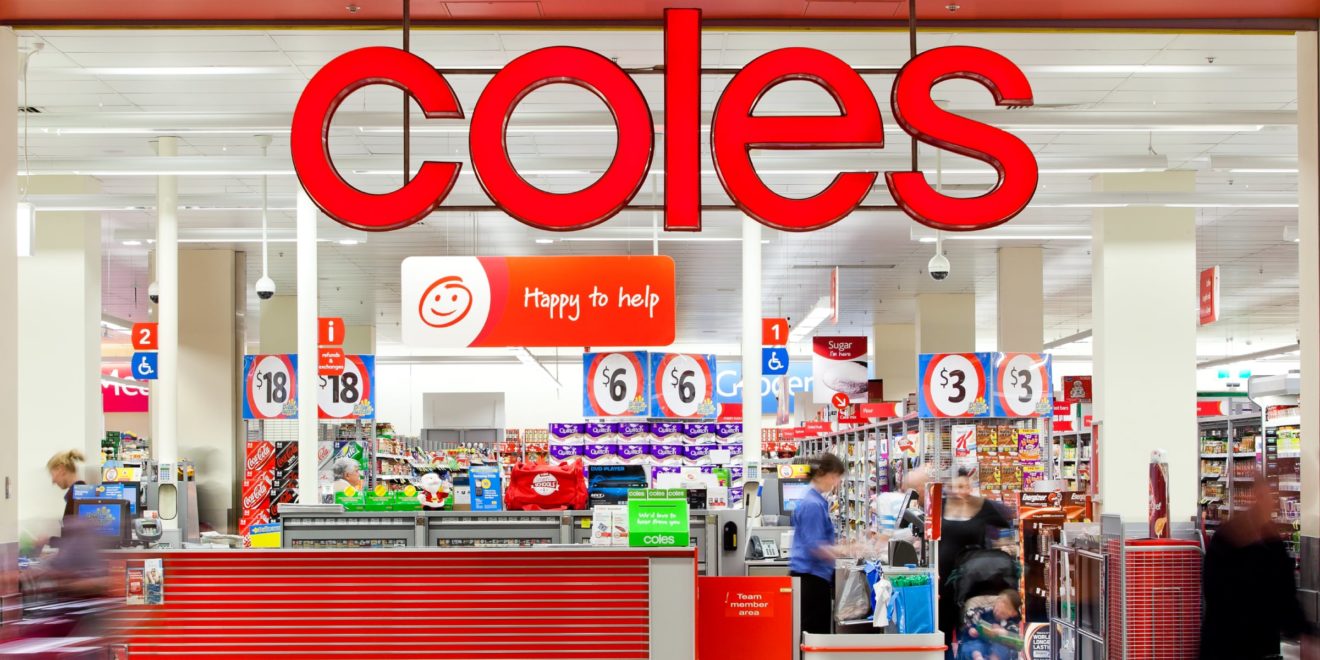
    Supermarket Coles will spend $2.5 billion over the next two years on improving its digital offer, the business announced today.

    The business will seek to improve its online shopping, as well as its self-service checkouts, data and automation across its warehouses, in an effort to streamline the experiences and make it even simpler for Australians to buy their groceries.

    Coles’ chief executive Steven Cain said following its demerger from Wesfarmers, and the subsequent Covid-19 pandemic, the business is increasing its pace of change.

    “There’s a myriad opportunity facing us. The market in Australia is very good for food and liquor. It’s growing, there’s plenty of opportunities, and we think we’ve got the assets to exploit some of them,” Cain said.

    “It’s making sure you’re confident that you’ve got the right returns before you press the accelerator. And I think what we’re saying today is we’re pressing the accelerator.”

    According to Cain, when Coles was demerged from former parent company Wesfarmers it wasn’t as advanced as it could have been – there hadn’t been enough investment in its online capabilities at the time, something he is hoping to rectify now.

    These changes have been coming for a while. Last year Coles appointed former Walmart SVP Ben Hassing to the position of Coles’ chief executive e-commerce, who said in February the supermarket’s online transformation will focus on creating a seamless and unified customer experience.

    “To activate this, we are connecting e-commerce and content. And then we’ll begin merging online and offline into a unified experience,” he said.

    This became more important as the changes to shopping behavior throughout Covid-19 opened up new pathways to the ‘omnichannel shopper’: customers who shop both online and offline.

    “These digitally-engaged customers are very, very important to Coles. We find them more loyal, they shop with Coles more frequently and they have a higher participation rate in Flybuys,” Hassing said.

    “This is a fast-growing customer segment for us. The year-over-year growth in total spend with Coles is much higher, as well.”