Category: General

Retail News Asia is committed to providing both local and global retailers with the latest General Retail news throughout the Asian market. This on a daily base.

  • Facebook takes another shot at Apple

    Facebook takes another shot at Apple

    Facebook continues to take aim at Apple for the latter’s introduction of the App Tracking Transparency (ATT) feature in iOS 14.5. With the majority of iPhone users in the U.S. (94%) and globally (84%) opting out of being tracked, Facebook says that damage is being done to small businesses who depended on the tracking to promote their wares to consumers.

    Since Facebook generated approximately $84 billion of its revenue last year from ads, it naturally was against Apple’s ATT feature. CEO and co-founder Mark Zuckerberg was so upset about it that he wrote two full-page newspaper ads blasting Apple. However, it turns out that some companies are doing the same amount of data tracking as they were before ATT launched.

    As we told you yesterday, marketing strategy consultant Eric Seufert says that third-party apps are still able to collect data from 95% of its iOS users by using IP addresses obtained from their phones and the networks they employ. A technique called “fingerprinting,” banned by Apple, is employed. Zuckerberg yesterday took a shot at the 30% cut of in-app payments that Apple collects in the App Store by forcing developers to use its in-app payment platform for such transactions.

    The beleaguered executive said in a Facebook post-Monday, “To help more creators make a living on our platforms, we’re going to keep paid online events, fan subscriptions, badges, and our upcoming independent news products free for creators until 2023. And when we do introduce a revenue share, it will be less than the 30% that Apple and others take.” Zuckerberg added that “We’re also launching a new payout interface so creators can see how different companies’ fees and taxes are impacting their earnings,” another shot at Apple.

    But Apple was able to get some revenge by announcing new features yesterday for iOS 15 that will interfere with Facebook’s own app assets. Take the Messages app for iOS which is receiving new features that will allow users to share photos, tunes from Apple Music, articles from Apple News, weblinks and more. These are things that Instagram, Facebook, and WhatsApp users would be more apt to share (all three of those apps are owned by Facebook).

    Zuckerberg has called Apple a major competitor because of apps like FaceTime and Messages which come pre-installed on the 1 million+ active Apple devices in use today. And with that in mind, Apple previewed some new features for FaceTime that will start working with the release of iOS 15 this coming fall. For example, Android and Windows users will be able to tap into FaceTime videos for the first time.

    SharePlay will allow a user to host a FaceTime call while sharing with his buddies a streaming video, streaming audio and more. Apple is trying to take the features that you otherwise might find on Instagram, WhatsApp and Facebook and place them on iOS 15 with additional privacy features.

  • Test allows YouTube viewers to watch in full-screen mode while also viewing comments

    Test allows YouTube viewers to watch in full-screen mode while also viewing comments

    Google has been testing a revision to the comments section for the Android version of YouTube. With the test, Google will allow YouTube users to view and scroll comments on Android even when in full-screen mode. Previously, in full-screen mode users would not be able to read comments because of the lack of room. With the update, the video is minimized allowing users to view the content while the comments appear on a sliding panel.

    After viewing all of the comments that a user might care to read, swiping down on the screen from the top of the banner will hide these comments and once they are swiped away, the screen returns to its usual size. Now we should point out that you can also read comments and view a YouTube video at the same time if you’re watching the video in portrait mode.

    If Google is pleased with the response from the testing and decides to roll this out to all Android-powered YouTube users, we might get a good idea what Android users think about certain content on the app. Instead of having to choose between watching full-screen YouTube content and getting to read comments from those fellow YouTube users, you’ll be able to do both. It’s called multitasking!

    Again, the testing by Google appears to be limited in scope, but we won’t object if you decide to see whether you and your phone are part of the test.

  • New Google Maps feature directs drivers away from accident-prone routes

    New Google Maps feature directs drivers away from accident-prone routes

    Earlier this year we told you that instead of giving you the fastest route between two points by default, Google Maps will suggest a route that is more environmentally friendly and uses less energy. Now, looking to prevent accidents, the Google Maps app will route users away from roads where drivers are known for braking hard which can lead to accidents. Google will then give other drivers an alternative route to prevent accidents from happening.

    If a driver on the road slams on his brakes, a car behind him might not be able to stop in time causing a chain reaction of crashes. Keeping users away from those roads were slamming on the brakes is typical, Google hopes to see fewer accidents, fewer injuries, and safer driving. According to Auto-Evolution, over 100 million hard-braking events can be eliminated a year if Google Maps directs drivers to take safer routes.

    Google says, “For example, if there’s a sudden increase in hard-braking events along a route during a certain time of day when people are likely to be driving toward the glare of the sun, our system could detect those events and offer alternate routes.” The new feature will be available on both the Android and iOS versions of Google Maps.

    To determine which roads are dangerous because of drivers who are braking hard, Google turns to sensors that are placed inside drivers’ mobile devices. Accelerometers and gyroscopes can spot areas of the road where there is sudden deceleration pointing to hard braking. But even Google has to admit that just relying on sensors can lead to a false alarm.

    Slamming a phone into a cup holder can create a false alarm and Google Maps might read that sudden stop as a car whose driver just slammed on the brakes. To improve the accuracy of the feature, Google turns to AI and analyzes Google Maps to see whether the driver slammed on the brakes along the route that was taken. Google can also analyze the actions taken by other vehicles taking the same road at the same time in order to determine the reason why a driver slammed on the brakes.

  • Vietjet raises $43.6 mln from bonds

    Vietjet raises $43.6 mln from bonds

    Budget airline Vietjet has raised VND1 trillion ($43.61 million) from a domestic company to expand operations amid the Covid-19 pandemic.

    The bonds are without collateral with a maturity of five years starting from May 24.

    Revenues in the first quarter fell 56 percent year-on-year to VND4.05 trillion. In the same period, the company reaped post-tax profit of VND123.32 billion.

    The profit came from its other investment to make up for the loss in its main business that is taking hits from social distancing.

    It managed to lower operating costs by half and sales and administration costs by 39 percent.

  • Bamboo Airways to launch US transit flights

    Bamboo Airways to launch US transit flights

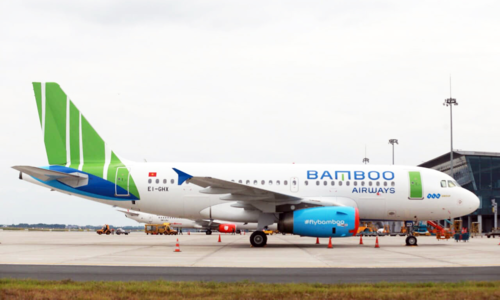
    Private budget carrier Bamboo Airways plans to open flight routes to the U.S. with transit in Taiwan or Japan starting Q3.

    The airline has proposed to the U.S. Department of Transportation that is allowed to operate regular connecting flights – four to seven a week – carrying passengers and goods between Hanoi and HCMC to Los Angeles and San Francisco. The flights will have one transit point at Taiwan’s Taipei, or Japan’s Osaka or Nagoya.

    The flights would use the Boeing 787-9 Dreamliner aircraft.

    The proposal marks a change in plans because the carrier had been hitherto mentioning plans to launch direct flights between Vietnam and the U.S. It had acquired last month slots to operate regular direct flights from HCMC to San Francisco and Los Angeles starting September 1.

    The carrier is rushing to complete the final steps in the process of building its personnel apparatus, including pilot and flight crew training, for the direct flights, it had said.

    Bamboo Airways chairman Trinh Van Quyet had said the airline is considering an initial public offering of shares in the U.S. this year to raise $200 million.

    The IPO offering a 5-7 percent stake in the company is also expected to launch in Q3.

    It plans to expand its fleet from 30 aircraft to 40 this year and launch flights to other new destinations like Australia, Germany, Japan, and the U.K. if the Covid-19 pandemic is brought under control.

    It currently flies 60 domestic routes.

    Last year, it carried over seven million passengers to account for a 20 percent market share, and hopes to increase it to 30 percent this year.

    The carrier’s pre-tax profit last year rose by 30 percent year-on-year to VND390 billion ($17 million). Its total assets value at the end of 2020 was nearly VND13.4 trillion.

  • Coles trialling BYO container scheme in Melbourne this week

    Coles trialling BYO container scheme in Melbourne this week

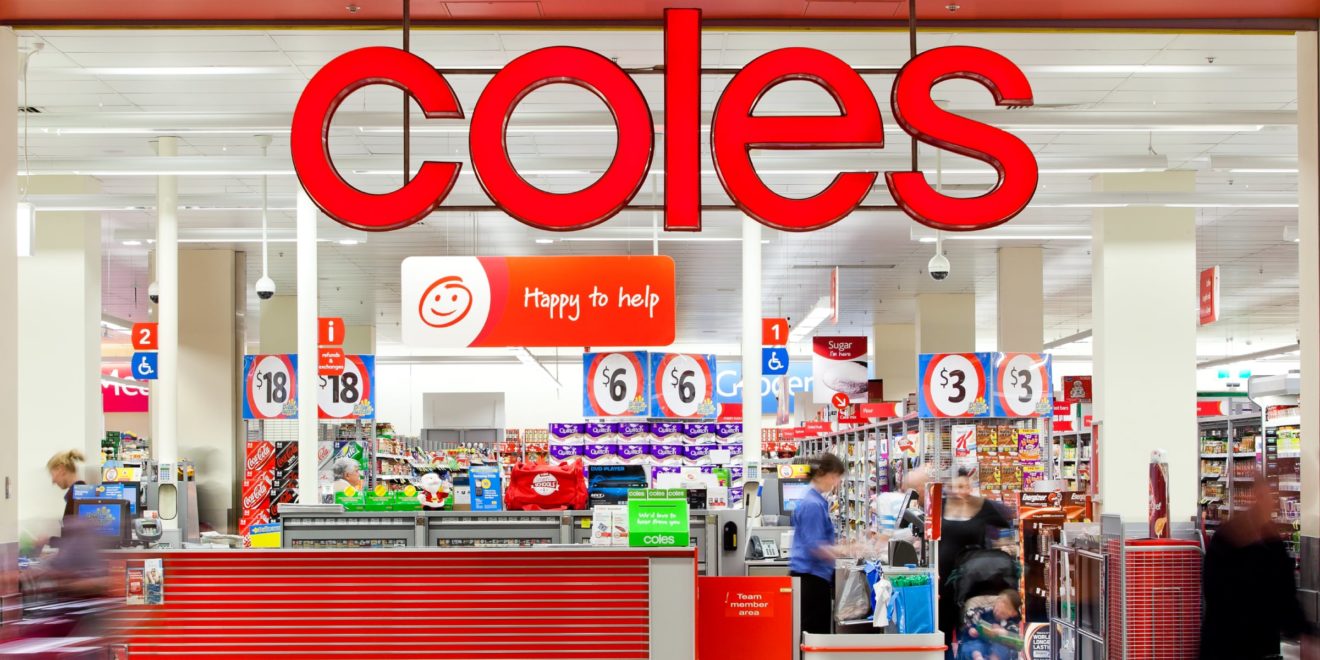
    This week Coles Group is looking to trial a bring-your-own container scheme at its supermarket in Fitzroy, Melbourne, which will allow customers to fill up on shampoo, coffee, and soaps in a more environmentally sound way.

    The announcement, which will see customers able to use their own containers for select ‘scoop and weigh’ products, came ahead of June 4th’s World Environment Day.

    “To achieve our goal of being Australia’s most trusted retailer and creating long-term shareholder value, you can’t do that if you’re not going to be sustainable,” Coles’ chief sustainability, property and export officer Thinnus Keeve said.

    “We’re under no illusions we’ll need to work together to achieve some of these targets, we cannot do it ourselves.”

    And, according to Keeve, the trial is part of its larger push to reduce the number of plastics it uses company-wide – which saw the company sign on as a founding member of Australia, New Zealand and Pacific Islands Plastic Pact, and investigating the benefits of a local plastics recycling facility in Victoria.

    The facility could recycle old soft plastics into oils that can be used to produce new soft plastics.

    “We are committed to innovating when it comes to packaging so that where we can’t eliminate packaging and plastic, we are ensuring it’s contributing to the circular economy by being produced with recycled content where possible, as well as being recyclable,” Keeve said.

  • CP All to roll out 700 more 7-Eleven stores in Thailand

    CP All to roll out 700 more 7-Eleven stores in Thailand

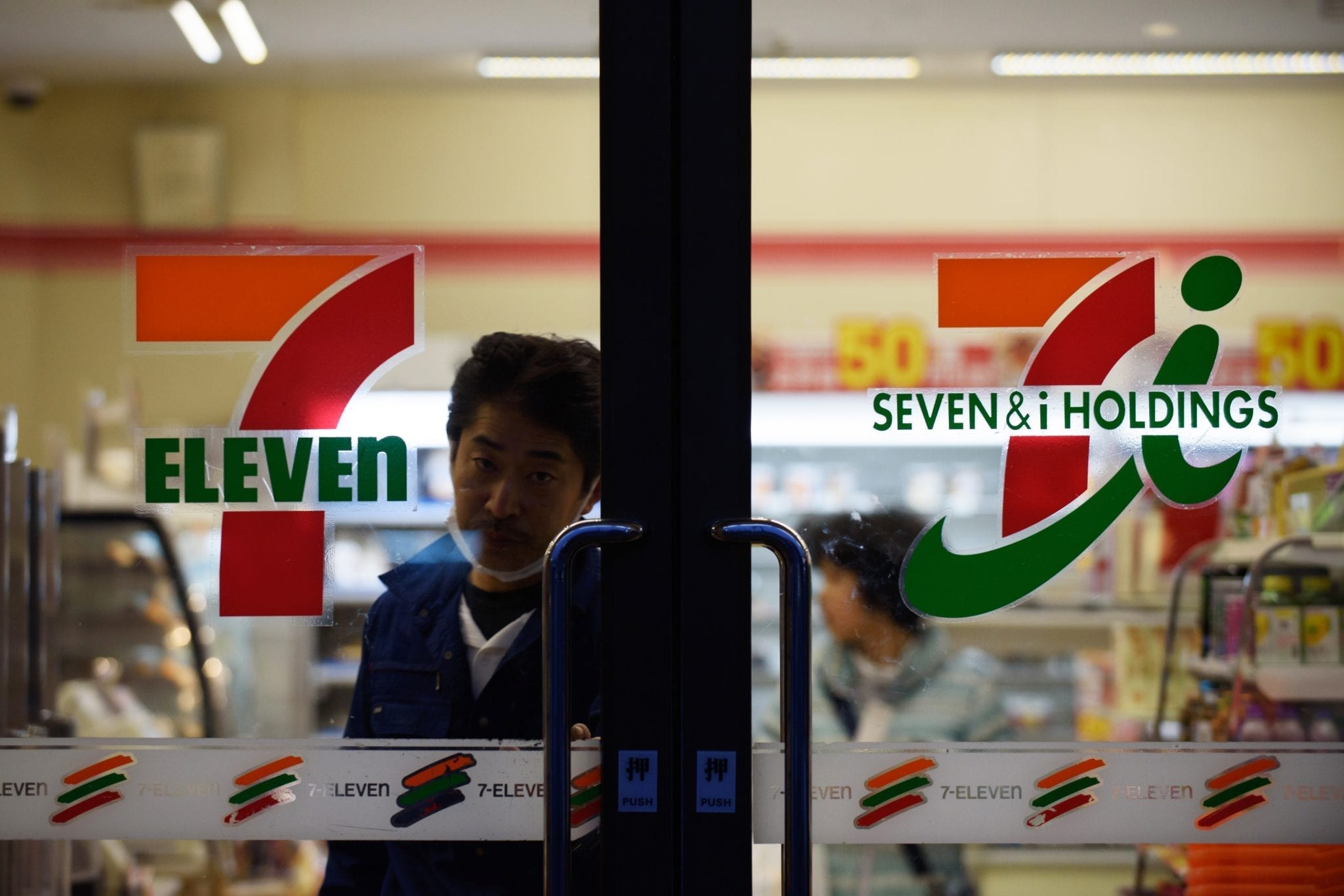
    CP All Plc, the operator of 7-Eleven convenience stores, plans to spend 11.5-12 billion baht this year to expand its business.

    Kriengchai Boonboapichart, the company’s chief financial officer, said 4-4.1 billion baht of total spending is for investment in new projects, subsidiaries and distribution centres, 3.8-4 billion is slated for store expansion, 2.4-2.5 billion is for store renovations, and the remaining 1.3-1.4 billion is for fixed assets and IT systems.

    The company plans to open 700 new convenience stores this year, on par with last year.

    Some 155 new 7-Eleven stores were opened in the first quarter this year.

    “We will continue to open new stores, but with a more cautious approach. There are many uncertainties, so we will select locations that can build revenue and have real demand from customers,” Mr Kriengchai said.

    “Moreover, each location has to possess the capability to support our O2O [online-to-offline] retailing strategies.”

    CP All operated 12,587 branches of 7-Eleven at the end of the first quarter this year.

    Of the total, 6,771 stores belong to business partners and 5,816 stores were owned by CP All.

    Moreover, 85% of the stores were standalone with 15% located in PTT petrol stations.

    CP All reported total revenue of 547 billion baht in 2020, down 4.3% from the previous year, with a net profit of 16.1 billion, a decrease of 27.9%.

    In the first quarter this year, the company’s total revenue dropped by 8.5% year-on-year to 133 billion baht, with a net profit of 2.59 billion, a fall of 54%.

    The decrease in revenue was largely attributed to outbreaks of the pandemic, resulting in a slow recovery of domestic consumption, decreased consumer purchasing power and a lack of tourism.

    Footfall per store per day in the first quarter this year declined to 845, down from 949 in 2020 and a peak of 1,187 before the Covid-19 outbreak.

    The decrease is mainly a consequence of the first wave of the outbreak, followed by a new wave in late 2020.

    The government announced measures to control the pandemic, resulting in a decrease in economic activities.

    The slow recovery of the tourism industry and domestic consumption has also hurt prospects.

    Furthermore, customer lifestyles are shifting to shopping online.

    The company continues to implement O2O retail strategies, such as 7-Eleven Delivery, All Online and 24Shopping to satisfy customer demand.

    CP All aims to provide prompt access to various consumer products, including at 7-Eleven stores, with delivery and pick-up service at branches seeing a good response, said Mr Kriengchai.

  • Miniso is growing at a speed of one new store a day

    Miniso is growing at a speed of one new store a day

    Miniso, a leading lifestyle product retailer, has opened 364 brick-and-mortar stores globally in the last 12 months, an average pace of one per day – bucking pandemic retail trends.

    The latest was the mid-May new store opening in the cultural hub and university city of Lille, France. It is the country’s third MINISO location, and the 10th opening in Europe this month alone– indicative of both the retailer’s accelerated global expansion and its buildout into smaller cities.

    Fueled by a boom in toy sales and e-commerce in its home market of China, MINISO is looking to replicate and localize these successes overseas.

    “Online business had been accelerated by the pandemic and will be one of the priorities for the future development of MINISO,” said Robin Liu, Chief Marketing Officer and head of e-commerce at MINISO. “In addition to the existing collaborations with all major e-commerce platforms, MINISO is also digitalizing in other ways.”

    Liu pointed to MINISO’s use of social apps to keep closer contact with customers, implementing an advanced membership system, stationing vending machines, and planning to have more shopping live streams in and outside of mainland China.

    “By implementing these digital retail technologies, we are making shopping at MINISO more convenient and with less physical contact required,” said Liu.

    MINISO’s total revenue for Q3 2021 reached US$340.3 million, representing a year-over-year increase of nearly 37%, as posted in the brand’s unaudited financial results for the third quarter of fiscal year 2021, which ended on March 31, 2021. Net profit was US$22.7 million, representing an increase of 77% from the previous quarter – beating Wall Street analysts’ estimates and setting a new high for MINISO since the outbreak of COVID-19.

    The revenue contribution from online channels, including e-commerce and O2O (online to offline) sales, exceeded 10% for the first time this quarter, reflective of MINISO’s continued efforts to further develop its omnichannel marketing. The retailer’s e-commerce business contributed around US$26.1 million in revenue, increasing 86% year-over-year, with a revenue contribution of 7.7%. The O2O business contributed nearly US$10.7 million in revenue, accounting for 3.1% of total sales.

    The toy category became another new growth engine for MINISO. Toy sales in the China market nearly doubled (189%) compared to last year, and the brand is to duplicate that success in overseas markets.

    In response to the strong market demand, MINISO launched its first independent sub-brand called TOP TOY to serve the higher-end collectibles and art toy markets. Since its debut in latest December 2020, TOP TOY has launched over 2,000 products ranging from US$9 to upwards of a thousand dollars, geared for children to adults. TOP TOY is angling to become a leader in China’s booming toy market, and has opened 25 stores in the last five months – breaking its own sales record in each Chinese market in which it opens.

    TOP TOY is poised to make its international debut in the second half of 2021.

    Since the pandemic hit, MINISO has opened 364 stores in the past 12 months – at a pace of nearly one store per day – contributing to its total of 4,587 stores in China and across 94 overseas markets, according to the retailer’s Q3 earnings report.

    MINISO has performed strongest in China, a market that has rebounded rapidly from COVID-19 implications. In a nod to the retailer’s expansion strategy, notably, nearly 70% of MINISO ‘s new stores were opened in Tier 3 and Tier 4 cities in China. MINISO’s domestic business rebounded strongly in Q3, with a physical store and online e-commerce revenue exploding 69% and 86% respectively, compared to the same quarter in 2020.

    Similarly, MINISO continues to explore smaller international markets.

    “We will continue to make efforts in overseas markets, not only to further develop new markets and existing markets, but also to further localize,” said Vincent Huang, MINISO’s Vice President of International Business.

  • Criminals spread malware by getting Android users to install fake versions of popular apps

    Criminals spread malware by getting Android users to install fake versions of popular apps

    Cybersecurity firm Bitdefender points out that one of the things that separate the Google Play Store from the App Store is also a problem for Android users. While both Apple and Google collect as much as a 30% cut of in-app revenue that is run through their respective in-app payment platforms, iOS users are forced to make their in-app purchases through Apple since Apple prevents developers from offering an alternative payment platform.

    Epic offered its customers an alternative payment platform, violating Apple’s rules. This is why Epic’s big hit game Fortnite was kicked out of the App Store.

    Unlike App Store customers, Android users are technically not forced to make in-app purchases through Google. That’s because the Play Store is not a walled garden like the App Store is and Google allows Android users to sideload apps from a third-party app store. However, by tricking Android users to use such third-party app stores, criminals are persuading Android users to install apps that most likely haven’t been properly vetted leading to the spread of malware.

    Bitdefender cites two new banker trojan malware programs called TeaBot and Flubot that help trick Android users into installing what they think are legitimate apps from popular and well-known brands but turn out to be malware-infested. Bitdefender recently found five new malicious Android apps that contain the TeaBot trojan and imitate legitimate Android apps that are popular with at least one app having been installed over 50 million times.

    The cybersecurity firm discovered that the infected TeaBot apps use fake Ad Blocker apps to distribute malware. The fake apps ask permission to display over other apps, show notifications, and install apps outside of the Play Store. Once these apps are installed, their icons are hidden.

    Make no mistake about it, TeaBot has the potential to do some serious damage including “overlay attacks via Android Accessibility Services, intercept messages, perform various keylogging activities, steal Google Authentication codes, and even take full remote control of Android devices.”

    While TeaBot is dropped by an app pretending to be an ad blocker, Flubot is spread through SMS spam and according to Bitdefender, “It steals banking, contact, SMS and other types of private data from infected devices while sporting an arsenal of other commands available, including the ability to send an SMS with content provided by the CnC.”

    Flubot imitates shipping apps like DHL Express Mobile with over 1 million installs from the Google Play Store, Fedex with over 5 million Android installations, and Correos with over 500,000 downloads.

    There is actually a way to protect yourself from having this malware infect your phone. Bitdefender suggests that you never, ever sideload apps on your device, In other words, stick to the App Store and the Google Play Store when installing apps for your iOS and Android devices respectively. Also, you should never tap on links in messages, and “always be mindful of your Android apps’ permissions.”

    The fake apps containing the TeaBot payload are designed to look like the real thing although some of them have small changes in their label name and icon. For example, the real version of streaming television app Pluto TV has a label that reads “Pluto TV-it’s free TV.” The fake and infected version of the app has no space between Pluto and TV and reads “PlutoTV.”

    Nearly 93% of the fake apps trying to distribute TeaBot come from an app called MediaPlayer that tries to imitate one of the most popular titles in the Google Play Store, VLC. The latter is a “free and open source cross-platform multimedia player” with over 100 million installations. Note the big difference in the icon between the clean and infected versions of the app.

    79.5% of Teabot malware has been discovered in Spain with 11.18% disseminated in Italy and 4.6% distributed in the Netherlands.

  • The Body Shop is going full vegan

    The Body Shop is going full vegan

    British cosmetics retailer The Body Shop recently announced that it will solely manufacture and sell vegan products by the year 2023. The beauty company has championed its vegetarian and cruelty-free range of products for years, but finally, the brand decided to go 100 percent vegan. It revealed that its company line will be certified by The Vegan Society, ensuring that its entire formulation portfolio will be completely vegan.

    The Body Shop already offers a large number of vegan products. Even though nearly half of the company’s products are fully vegan, some contain honey, shellac, lanolin, and beeswax, all derived from animals and insects. The company has said before that it plans to move away from animal-derived products, promising to phase out the products that use ingredients such as honey and beeswax. Earlier in 2021, the company’s renowned “White Musk came out with a redesigned vegan recipe, bottled in a recycled container.

    “Our delicious to go 100 vegan is the natural next step for The Body Shop,” The Body Shop’s global brand director Lionel Thoreau told Global Cosmetics News. “Vegan beauty is a critical next step in our sustainability and environmental endeavors. This, along with our global refill and in-store recycling programs makes The Body Shop a destination for ethically-minded customers.”

    Beyond its shift to veganism, the company plans to enhance its recyclable materials and facilities. The chain announced that it wants to establish refill stations for its products later this year. The company wants to begin with 500 stores and then continue with 300 more in 2022. The recycling plan will allow customers to reuse the bottles that they buy from the bottle shop, minimizing the company’s waste footprint. The Body Shop claims that its full range of products will be fully recyclable by 2025, while currently 68 percent of its products come packaged in recyclable containers.

    Founded by Dame Anita Roddick in 1976, The Body Shop launched itself into the beauty and cosmetics industry as one of the few brands that highlighted vegan and cruelty-free products. At the time, the cosmetics industry rarely paid attention to sustainability and animal testing, making consumers unaware of the dangers of the products. The Body Shop, however, jumped into the industry to challenge the market’s status quo. Now decades later, several big cosmetics companies have shifted their policies regarding animal testing. The company’s move to go completely vegan will potentially impact the market further as more companies begin to realize a growing consumer concern regarding sustainability and ethical practices.

  • Bamboo Airways on 5-star roadmap

    Bamboo Airways on 5-star roadmap

    Dubbed the most intriguing airline startup in 2020 by Forbes, Bamboo Airways is now among three leading carriers in Vietnam, proving an ideal option for a 5-star oriented flight experience.

    Inspired by its founder’s dream of exploring the sky at the age of 19, Bamboo Airways was established as the torchbearer leading Vietnamese airline service to the next level. Hence, the international 5-star rating has become Bamboo Airways’ ultimate goal since its earliest days.

    Bamboo Airways adheres to its target of quickly updating service quality and getting 5-star certification by 2023. Therefore, the airline has entered into official cooperation with Yates and Partners, the world’s premier aviation and hospitality consultancy with the most experience in 5-star service consultation and guest experience design. Bamboo Airways has taken drastic actions in achieving its initial goal, even during this period of turmoil for both domestic and international aviation.

    Only 10 airlines have achieved the international 5-star rating in the world, accounting for roughly 4 percent. That number demonstrates the level of difficulty in reaching the 5-star rating as encountered by every airline, even in countries with the most developed aviation industry.

    Each carrier will identify and promote one or several decisive strengths. Qatar Airways takes the top spot in the “World’s Best Business Class” category. Singapore Airlines leads in the “World’s Best Cabin Crew” and the “World’s Best First Class.” Meanwhile, Hainan Airlines is rated the “World’s Best Business Class Amenities” airline.

    Bamboo Airways has identified two of its initial goals on the 5-star roadmap, which are “the airline with the best customer service” and “airline with best business lounges.”

    “5-star human” resources

    In the roadmap towards an international 5-star rating, numerous strict flight attendant requirements are mapped out regarding standard TOEIC score, appearance, BMI (Body Mass Index), female attendant number, etc.

    Bamboo Airways has selected and provided standardized training courses for its very first cabin crew, passing numerous criteria like communication skills, English proficiency, customer service, first aid…

    Flight attendants must reach a height above 1.7 meters (for males), and above 1.6 meters (for females) with an arm reach of at least 2.12 meters. The airline also focuses on criteria for appearance, customer interaction, problem-solving skills, taking women’s tenderness as the basic standard for customer service on each flight.

    “Bamboo Airways always prioritizes the sense of hospitality and responsibility when selecting its ‘sky ambassadors’. As Bamboo Airways aims to provide “more than just a flight” experience, its flight attendants need to provoke passengers’ feelings of trust, being secured and cared for through words, actions and professional problem-solving skills,” said Le Dang Khoa, captain of Bamboo Airways’ cabin crew.

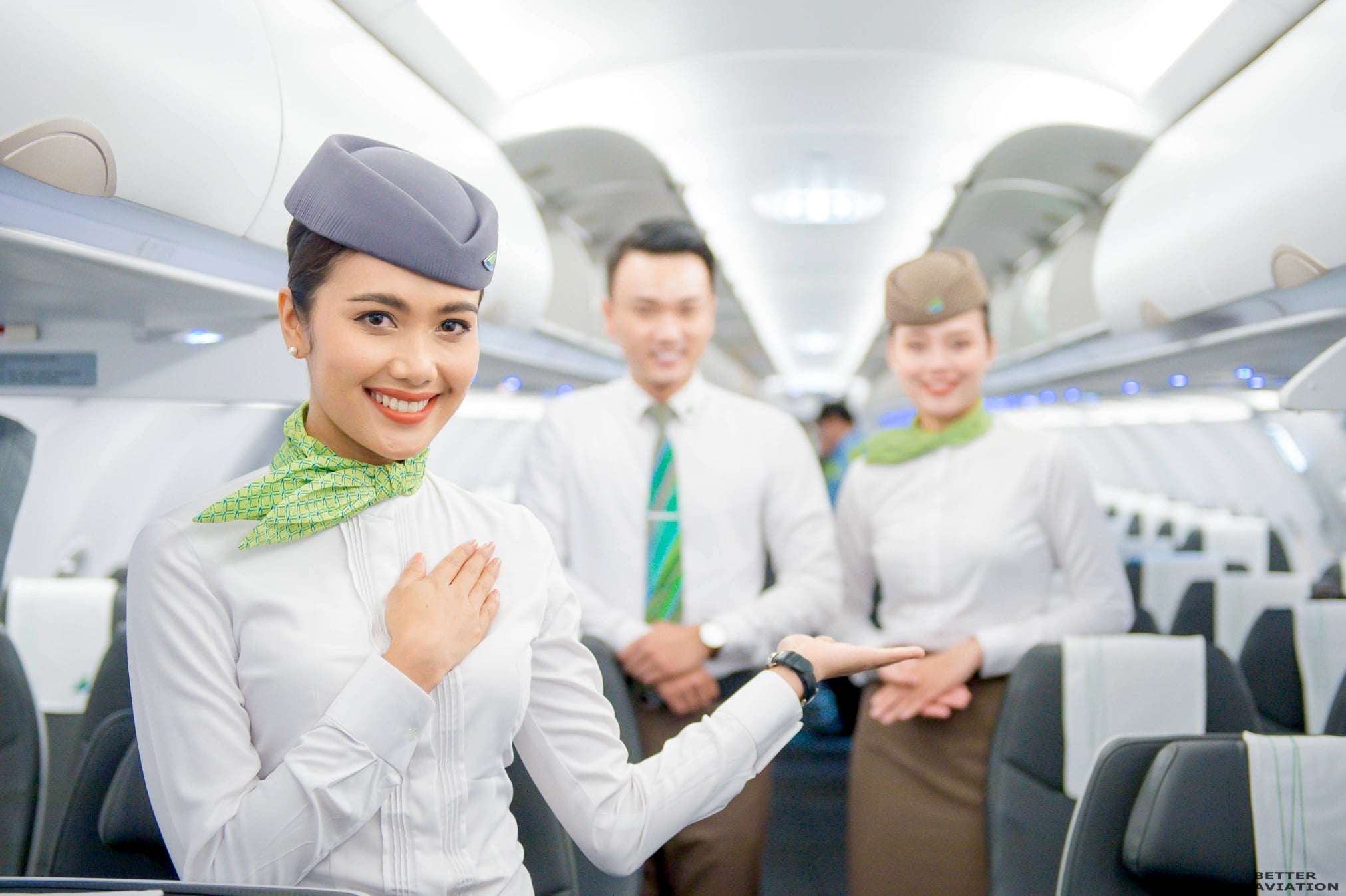
    A hand on the heart with a broad smile has become the symbol of Bamboo Airways at every customer touchpoint, from ticket offices, waiting rooms to boarding gates.

    First Vietnamese private airline to operate business lounges

    In addition, Bamboo Airways has put its business lounge system into operation. In 2020, Bamboo Airways became the first Vietnamese private airline to launch a business lounge at Noi Bai International Airport and Con Dao Airport.

    The business lounge is a crucial customer touchpoint at airports for not only carriers but also business enterprises. Now, more and more leading banks in Vietnam aim to operate business lounges at airports to provide customer services for VIP guests.

    Acknowledging the importance of this customer touchpoint, Bamboo Airways has standardized its 5-star oriented business lounge service at airports. It offers first-class amenities and services, from restaurant-quality dishes, smoking and working areas to stunning runaway views.

    Despite the demanding period for the aviation industry, Bamboo Airways has constantly developed and expanded its lounge system at numerous domestic airports such as in Quy Nhon, Phu Quoc, etc. to provide consistent 5-star oriented services to customers.

    Even in the process of fleet expansion, the customer experience factor remains Bamboo Airways’ priority when choosing aircraft, apart from other factors that control the exploitation of resources.

    For instance, Bamboo Airways is a pioneer in utilizing Embraer jets in Vietnam. Built by the world’s third-largest manufacturer of civil aircraft, Embraer 190 and 195 not only attribute to Bamboo Airways’ monopoly on routes connecting Con Dao but also turns the airline into the first and only carrier to provide business class services to Con Dao.

    Bamboo Airways has made substantial investments in fleet expansion and pilot training courses to achieve excellent service quality. In 2019, Bamboo Airways welcomed the first Boeing 787-9 Dreamliner to its fleet, becoming the first Vietnamese private carrier to operate wide-body aircraft.

    Besides modern narrow-body aircraft like the A320NEO and A321NEO, Bamboo Airways expanded its fleet to 30 aircraft with the constantly upcoming Boeing 787-9 Dreamliners, aiming to increase capacity and service quality.

    Highly evaluated core value and service mindset

    According to aviation experts, passenger expectations regarding an airline service derives from the carrier’s prestige.

    In cooperation with Bamboo Airways, the chairman of Yates and Partners highly evaluated the airline’s core value and service mindset, which are important factors for any carrier in the path towards the international 5-star rating.

    Consultants of Yates and Partners will accompany Bamboo Airways on a long-term roadmap, supporting the airline in setting international 5-star service standards at all customer touchpoints, including standards for business and economy class services, F&B strategies, catering services on each flight, personnel training for staff and cabin crew on domestic and international flights.


  • Vietnam Airlines to sell 11 aircraft

    Vietnam Airlines to sell 11 aircraft

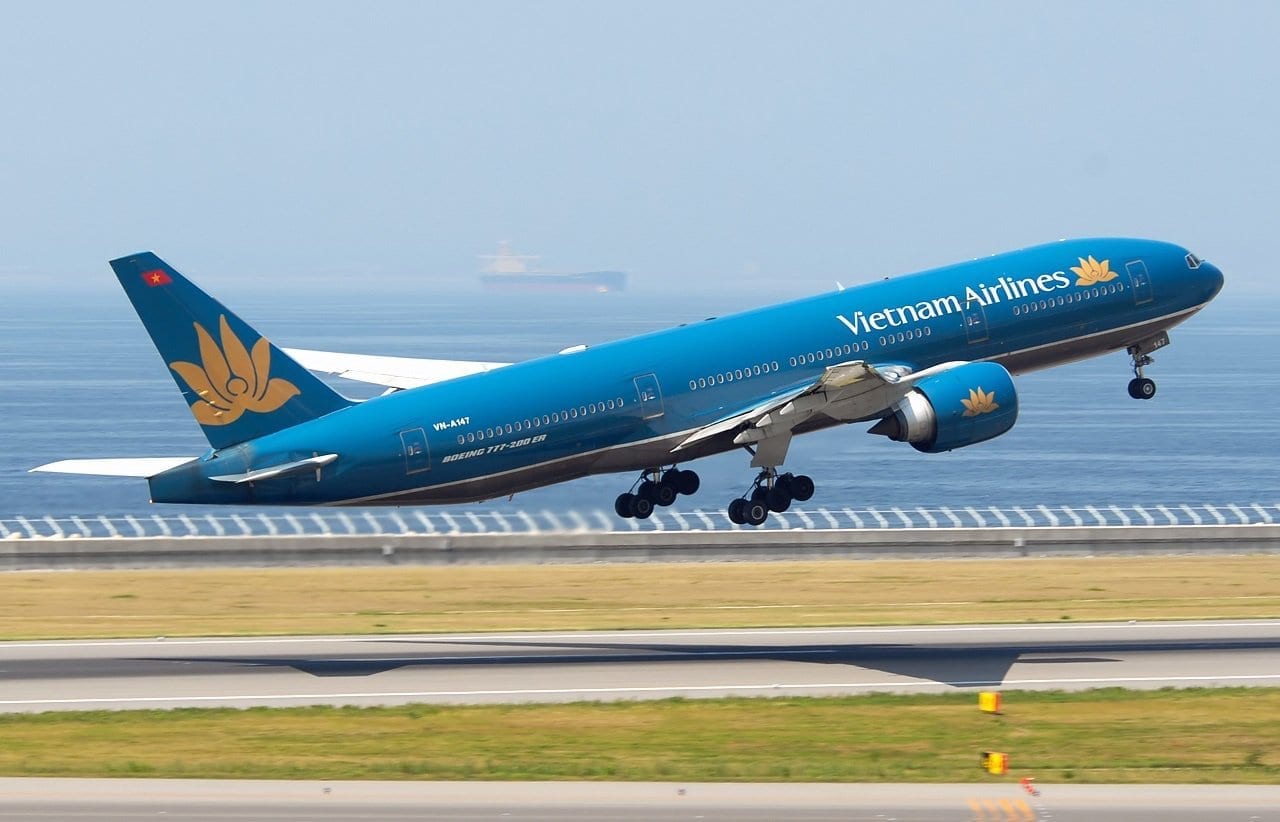
    National flag carrier Vietnam Airlines has said it will auction 11 Airbus A321 CEO aircraft manufactured in 2004, 2007 and 2008.

    The sale, which is set to take place this year, is part of its program to replace old-generation aircrafts that have been used for over 12 years. It also aims to increase its cash flow at a time of trouble for the pandemic-hit aviation sector.

    The carrier had sold nine aircraft last year and five in 2019. It had a fleet of 107 aircraft at the end of last year, including 51 Airbus A321 CEO aircraft.

    The carrier posted its largest quarterly loss ever in Q1 at VND4.97 trillion ($216 million), pushing its accumulated loss to VND14.22 trillion, marginally surpassing its charter capital.

    If its performance continues in the same vein, the airline’s HVN ticker on the Ho Chi Minh Stock Exchange (HoSE) might be delisted. It has already received a warning from the bourse on April 15.

  • App Store billings and sales hit a whopping $643 billion last year

    App Store billings and sales hit a whopping $643 billion last year

    Based on an independent study of the App Store, the iOS app storefront generated $643 billion in sales and billings last year (which includes Apple’s cut of in-app purchases and ad sales), up 24% from the $519 billion that the App Store brought in during 2019. The study, titled “A Global Perspective on the Apple App Store Ecosystem,” reveals that not only did iOS app developers expand their business in 2020, they also expanded their customer base.

    It also turns out that since 2015, the number of small developers on the App Store has grown by 40%. The definition of a small developer is one with fewer than 1 million downloads and less than $1 million in earnings and 90% of App Store developers fit this definition. And of those small developers, 25% of them have managed to increase their earnings by 25% a year over the last five years.

    The report also shows that close to 80% of small developers have apps in App Stores across different countries. On average, App Store developers get paid from customers located in more than 40 countries. Overall, the App Store is available in more than 175 countries and regions, supports more than 40 different languages, 45 different currencies, and over 200 different payment methods.

    Apple CEO Tim Cook says, “Developers on the App Store proves every day that there is no more innovative, resilient or dynamic marketplace on earth than the app economy.” Cook adds that “The apps we’ve relied on through the pandemic have been life-changing in so many ways — from groceries delivered to our homes, to teaching tools for parents and educators, to an imaginative and ever-expanding universe of games and entertainment. The result isn’t just incredible apps for users: it’s jobs, it’s an opportunity, and it’s untold innovation that will power global economies for many years to come.”

    We should point out that the App Store has also generated conflict between Apple and developers because of the company’s in-app payment system under which Apple snags as much as a 30% cut of in-app transactions. And any developer that offers its own platform to compete with Apple and get around the 30% Apple Tax will find its app removed from the App Store. This is what happened with Epic Games and its popular Fortnite title.

    Last month Epic and Apple wrapped up a two-week trial and we expect the judge to announce her decision sometime during the third quarter. Apple and the App Store have been called anticompetitive since Apple doesn’t allow iOS and iPadOS users to install apps from any other app storefront outside of the App Store. This is one area where there is a big difference between iOS and Android since Android users are allowed to sideload apps from third-party app stores.

    Apple’s in-payment platform did get a thumbs up from the CEO of Snapchat parent Snap, Evan Spiegel. The executive said that Snap is “happy” to pay Apple’s 30% cut noting that Snapchat would not be around if it weren’t for Apple and the App Store. This is the minority view, but another developer has praised Apple’s app ecosystem.

    Wakeout! is an app that offers 1,500 exercises to keep users active and its founder, Andres Canella, called Apple’s in-app payment system “essential” for a small business. He states that “It’s enabled us to expand globally without having to worry about calculating things like local taxes or currency conversion. And using it is so transparent for our customers — we’re able to reach everywhere, China, France, you name it. We get all the benefits of selling globally without ever having to think about it, which is priceless.”

    Still, for every Snapchat and Wakeout! there is a Fortnite, a Netflix, or a Spotify that publicly attacks the App Store and Apple calling the setup a monopoly and anticompetitive.

  • Woolworths launching stand-alone payments platform, Wpay

    Woolworths launching stand-alone payments platform, Wpay

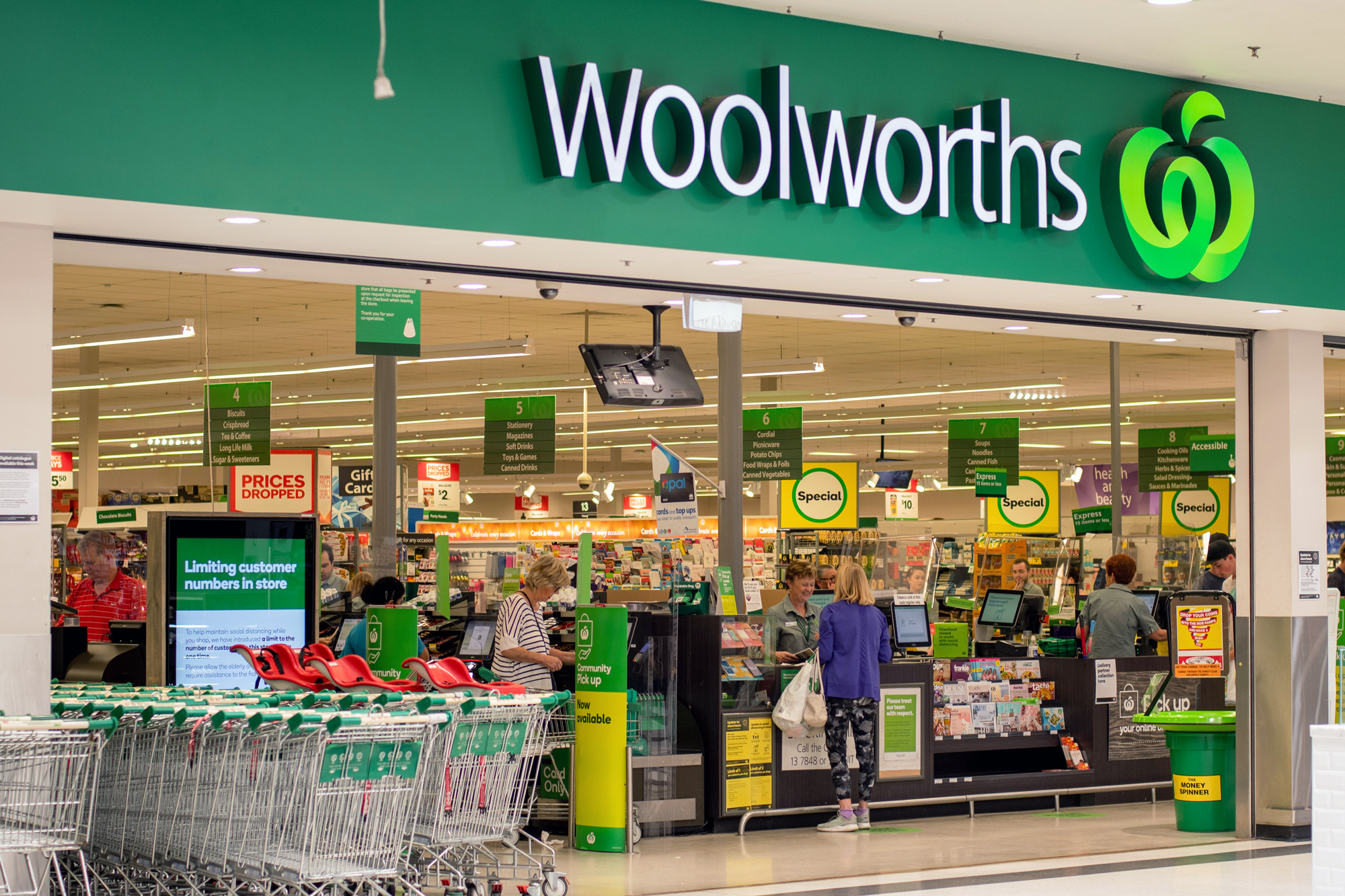
    Woolworths is launching its own stand-alone payments platform, Wpay, which will power payments inside and outside its group of businesses, and further extends the group into the retail ecosystem in Australia.

    Wpay will provide an end-to-end payment solution, and will draw on Woolies’ national scale and capabilities to offer Australian merchants an integrated in-store and digital payment platform utilising digital wallets, as well as traditional card and alternate payment methods.

    “As Australia and New Zealand’s largest retailer, we’ve been investing in leading-edge payment capabilities to service our retail businesses for many years,” Woolworths Group chief executive Brad Banducci said.

    “We believe there is value in extending the benefits of the investments we’ve made in our payment platform to other merchants who may not have the scale to build it themselves.”

    As for why the supermarket giant is getting into the payments space, Banducci notes how important the convenience of a smooth payment experience has become to the overall shopping experience, and its expertise as a user of payments, rather than simply a provider, gives it a unique perspective in the space.

    Woolies’ head of fintech and the man behind the supermarket’s successful Scan&Go app, Paul Monnington, has been named managing director of Wpay.

    “It’s an exciting time in the world of payments with new technology driving better experiences for consumers,” Monnington said.

    “Wpay enters the sector with a strong Australian pedigree serving high volume retail brands across food and grocery, fuel, liquor, hospitality and e-commerce.

    “Aside from payments, we know merchants are also looking for simpler ways to integrate gifting, loyalty and direct marketing platforms to engage customers while maintaining direct relationships [and] we look forward to partnering with merchants to help bring this to life.”

  • Google Assistant to replace dialogue bubbles and small text with large bolded print

    Google Assistant to replace dialogue bubbles and small text with large bolded print

    Google is testing a major change to Google Assistant that makes the digital assistant look better on an Android phone. Right now, responses made by Google Assistant include showing the user appropriate cards, posting web results, opening an app, or showing a text response. Instead of showing the latter using a dialogue balloon with tiny print, Google is making a change.

    Some users are seeing text responses in larger bolded print without the comic strip-style dialogue balloons. For those who believe that seeing is believing and would rather see Google Assistant’s response to an inquiry than hear it, this is a positive change. Older responses on the screen will shrink and gray out.

    You won’t see the bolder, larger text for replies related to a weather-inspired task, a response that is put on a card, or on inquiries that return a list of web results. Instead, it appears that the change is more apt to appear when asking Google Assistant to tell a joke or for other tasks that might be considered “fun.” The hope is that the new response interface will eventually be used for other topics since it is easier to read.

    The larger, bolded text has been spotted with the latest build of the Google app from the Google Play Store. It also has been seen with the latest version of Google Assistant for Pixel models, and with the light bar version of Assistant on other Android devices.