Category: General

Retail News Asia is committed to providing both local and global retailers with the latest General Retail news throughout the Asian market. This on a daily base.

  • Ha Long casino operator posts losses for six straight quarter

    Ha Long casino operator posts losses for six straight quarter

    Royal International Corporation, which operates the largest casino in the northern town of Ha Long, has reported a post-tax loss of nearly VND27 billion ($1.17 million) in Q1.

    This is the sixth consecutive quarter that the HCMC Stock Exchange-listed company has reported a loss.

    In its financial report, the company has blamed the loss on the impacts of the new Covid-19 outbreak that happened late January this year.

    First-quarter revenues were down 24 percent year-on-year to VND27 billion.

    For the whole year, it estimates revenues of VND10.3 trillion ($447.3 million), mainly from its accommodation (hotel and villa) business.

    Last year, the company suffered a loss of VND82 billion ($3.6 million).

    For a long time, the Vietnamese government treated gambling as a social evil that was banned. Even when the allowed casinos to open, Vietnamese citizens were prohibited from them. In January 2019, the country opened certain casinos to local people as part of a three-year trial, saying it would decide the admission policy on a case-by-case basis.

    Vietnamese who want to gamble in a casino must be over 21, earn a minimum of VND10 million ($430) a month and have no criminal record or objection from their family.

    A group of casino owners recently requested the government to let Vietnamese into their establishments to make up for the absence of foreigners under Covid-19 travel restrictions.

  • Steel makers see profits skyrocket

    Steel makers see profits skyrocket

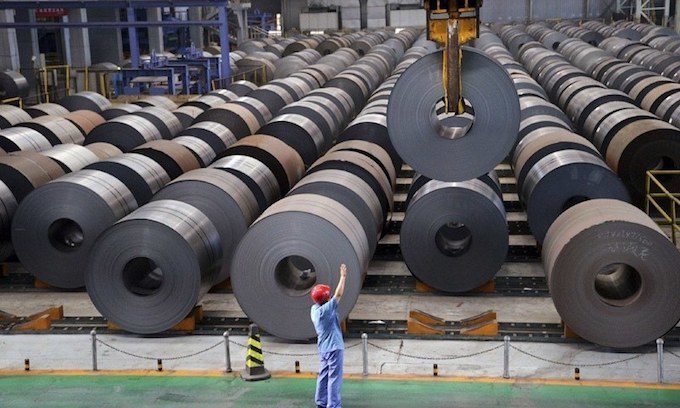
    Steel manufacturers in Vietnam have seen profits increase as much 30-40 times in the first quarter as demand surges and prices rise.

    In Hanoi, Me Lin Steel saw a post-tax profit surge 41 times year-on-year to VND15.5 billion ($672 million), as steel prices started rising towards the end of last year and the company managed to cut costs.

    Tien Len Group in the southern province of Dong Nai saw its post-tax profit rise 30 times year-on-year to over VND120 billion, meeting half of this year’s target.

    Meanwhile, the Thai Nguyen Iron and Steel (TISCO) company in the northern province of Thai Nguyen, which has been reporting repeated losses, posted its highest first-quarter profit in the last three years at VND44 billion.

    The Hoa Phat Group has not released its profit figures, but saw March sales hitting a new record one million tons, the highest monthly figure ever.

    The profit surge has happened as steel prices skyrocket due to limited availability of materials from China and India even as the global economy recovers from Covid-19 impacts.

    Material prices have risen 30-40 percent from early March and are expected to continue rising until the end of the third quarter, according to the Vietnam Steel Association.

    Analysts with leading brokerage SSI Securities Corporation have said that local steel producers are benefiting from the recovery of the real estate market, foreign direct investment and public spending on infrastructure.

    Some big companies, like HPG of steelmaker Hoa Phat Group, can take advantage of the low supply of hot-rolled coil steel and do even better next year, they said.

  • Fuji Xerox changes name to FUJIFILM Business Innovation

    Fuji Xerox changes name to FUJIFILM Business Innovation

    Brand change reflects corporate strategic direction and ongoing commitment to innovation. FUJIFILM Business Innovation Vietnam Company Limited (formerly known as ‘Fuji Xerox Vietnam’) today announced it had changed its name as part of a region-wide rebranding initiative, following the name change of its parent company, Fuji Xerox Co., Ltd., to FUJIFILM Business Innovation Corp.

    The move follows Fuji Xerox’s decision to end its technology agreement with Xerox corporation on the agreement’s expiration date of March 31, which provided for brand licenses, technology and sales territories. The name change takes place with immediate effect.

    As FUJIFILM Business Innovation Vietnam Co., Ltd, the company will continue to offer its core printing and document technologies and services, in addition to an expanding portfolio of enterprise software solutions and managed print room services.

    While the company will continue to sell existing products under the Fuji Xerox brand, it will also commence sales and marketing activities of new products under the Fujifilm brand.

    Over the years, Fujifilm’s considerable research and intellectual property has yielded an array of new applications for its technologies, such as using microporous photographic film technology to create yeast filters used in brewing beer, or creating lightweight sensors from the company’s Fujinon lens technology designed especially for outer space and carried aboard satellites.FUJIFILM Business Innovation is one of more than 300 subsidiaries in the FUJIFILM Holdings portfolio, including leaders in diverse fields such as healthcare, biotechnology, imaging, and photography.

    FUJIFILM Business Innovation offers innovation to businesses globally to help maximize their organizational strengths. The company has pioneered numerous technologies and accumulated expertise since being established as Fuji Xerox in Tokyo in 1962.

    As a $9 billion enterprise with approximately 40,000 employees globally, the company portfolio includes R&D, manufacturing and sales of world-class multifunction printers, production printers and IT solutions, and business process outsourcing services.

  • Pandemic grounds 39 Vietnam aircraft

    Pandemic grounds 39 Vietnam aircraft

    Vietnam had 39 aircraft, or over 14 percent of its fleet, grounded in the first quarter after a new Covid-19 outbreak cut travel demand.

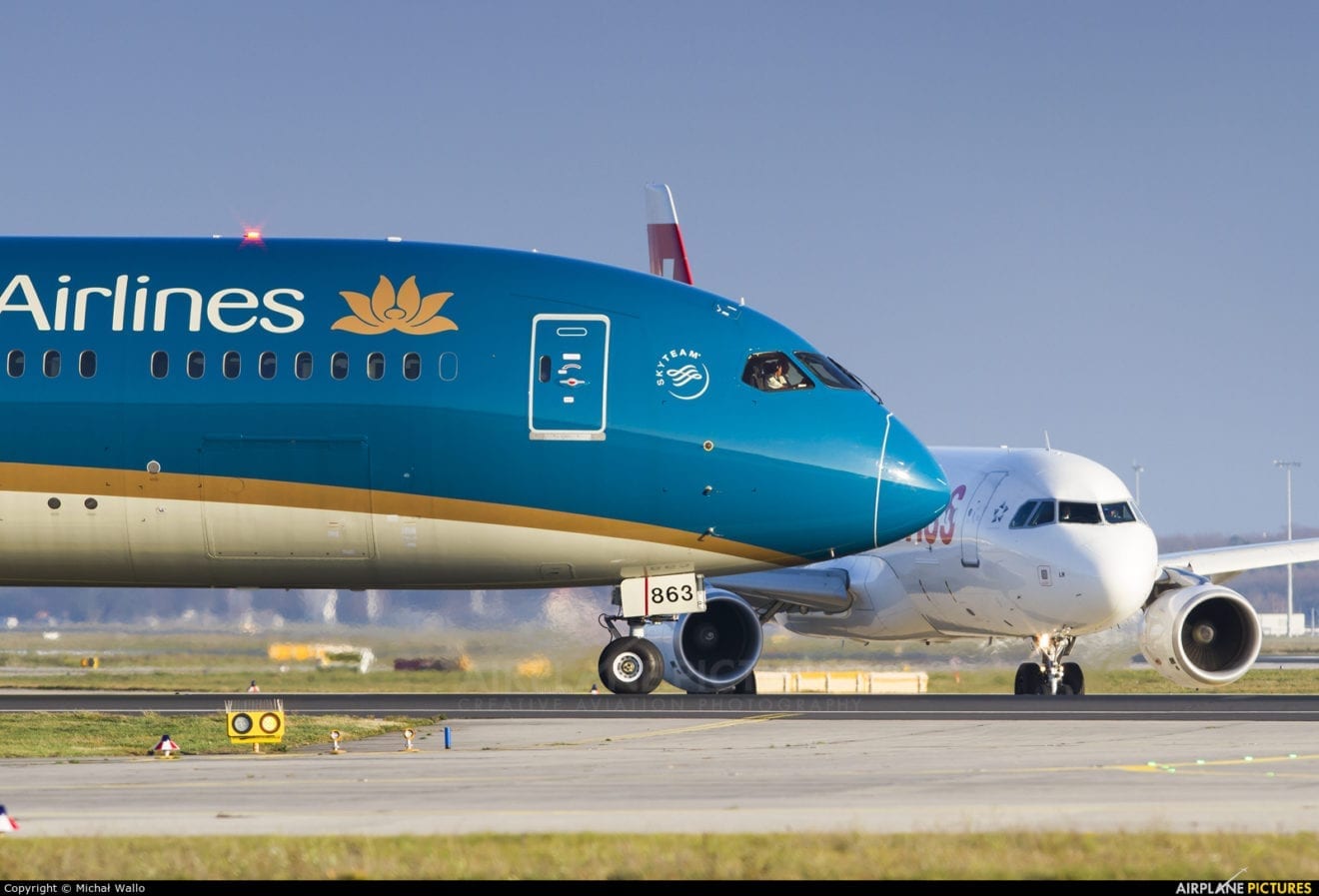
    Eighteen of the grounded aircraft belonged to national flag carrier Vietnam Airlines, 14 to budget carrier Vietjet, four to Pacific Airlines and three to Bamboo Airways, according to the Civil Aviation Authority of Vietnam (CAAV).

    Vietnam’s fleet of 269 aircraft is 13 more than it had last year.

    The country closed the borders and canceled all international flights in March last year, allowing in only certain categories of people with stringent conditions.

    Vietnamese carriers served 5.8 million passengers in the first quarter this year, down 45 percent year-on-year.

  • Naiise founder confirms company’s liquidation

    Naiise founder confirms company’s liquidation

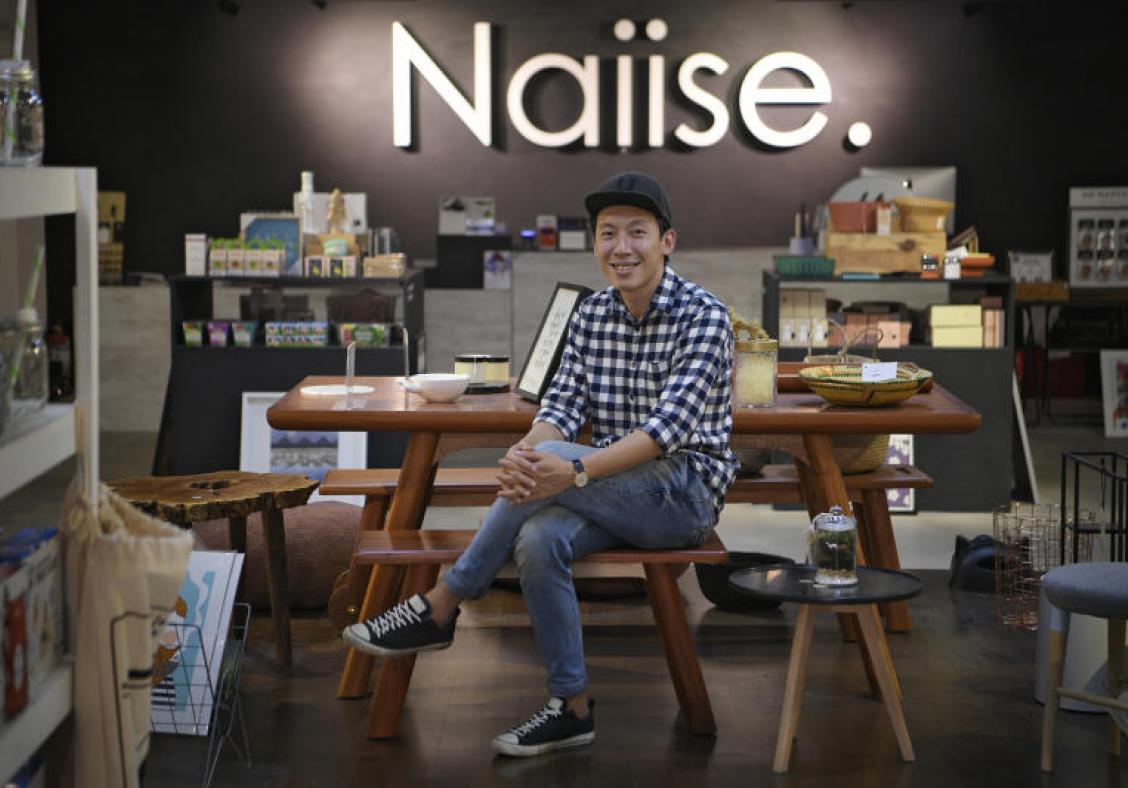
    Troubled home-grown retailer Naiise has gone into liquidation, after closing its last store last weekend following years of late payments to its vendors. The company’s founder, Dennis Tay, will also be filing for personal bankruptcy. In a Facebook post on Thursday, Mr. Tay said he had “exhausted (his) savings and borrowed heavily from banks” to keep the business afloat and repay Naiise’s vendors.

    He also signed personal guarantees for the loans, “because as long as Naiise was still a going concern, there was a chance that Naiise would be able to repay, however slowly”.

    “Unfortunately, I am now out of time and options,” Mr. Tay wrote, adding that it has been “an extremely difficult two years” and that the last few weeks were “the darkest of his life”.

    Last Sunday, Naiise closed its Jewel Changi Airport store – its last and largest in Singapore, amid an ongoing struggle to pay its vendors.

    It owes vendors sums ranging from hundreds of dollars to five-digit figures for selling their stocks on a consignment basis and has reportedly defaulted on payments since as early as 2016.

    Naiise was also fined S$8,000 last year for late payments of CPF contributions for employees. Currently, it has been charged with another offence under the Central Provident Fund Act, with the case slated for hearing next week.

    Mr. Tay, who started Naiise in 2013, wrote in his Facebook post: “As a business owner, the blame for Naiise’s demise is mine alone.

    “I’m sorry to the employees I let go. They helped build Naiise and I consider many of them friends. To those who are owed money, I am sorry I failed you all, and for all the inconvenience and distress this has caused. Apologies also to our marketplace sellers for shuttering operations so abruptly.”

  • AirAsia announces free rescheduling on all flight bookings till May 15

    AirAsia announces free rescheduling on all flight bookings till May 15

    AirAsia India has announced free rescheduling on all flights for bookings till May 15, 2021.

    In a statement, the airline said that guests can now make unlimited changes for all bookings and changes made till May 15, irrespective of the travel dates, without incurring any flight change fees.

    “To ensure that its customers continue to have the greatest flexibility if their travel plans change with increased uncertainty and travel restrictions, the airline has extended this offer on its new website www.airasia.co.in as well as other major booking channels,” it said.

    The airline said that it left no stone unturned in adopting a multi-layered approach to offering safe and seamless travel for guests from booking to check-in and arrival.

    All aircraft undergo deep cleaning and sanitation, while cabin disinfection takes place before each flight, it said.

  • CBD spending recovery underway, says CommBank

    CBD spending recovery underway, says CommBank

    Consumer spending across Australia’s central business districts has grown 22.4 percent in the last six months, with workers slowly returning to workplaces following the easing of Covid-19 restrictions.

    According to data from Commonwealth Bank, Gen X and older millennials aged between 35-49 led this spending increase across most CBDs, though Sydney and Melbourne saw spending growth mainly from younger millennials.

    This spending, recorded between September 2020 and February 2021, is compared to March to August 2020 – a period when most CBDs were effectively ghost towns due to the stay-at-home orders issued across the country.

    “We’re encouraged to see spending in our CBDs on the up, and we hope to see this trend continue as more people start coming back into city centers more regularly,” said Commonwealth Bank executive general manager of small business Claire Roberts.

    “Small businesses in CBD areas have had it really tough over the past year but we’re seeing encouraging signs of recovery.”

    The growth wasn’t even across the country’s cities, however. Perth led the way, with spending up 33.7 percent, while Sydney sat in the middle of the pack at 21.5 percent. Melbourne, still yet to recover from the longest lockdown period across the country, recorded just 2.36 percent growth.

    And while this growth is likely to welcome, the fact it is rising off an effective nil base means CBD retailers are not exactly out of the woods.

    “Our CBDs are not the thriving places they once were pre-Covid, and we need innovative ways to get people back supporting these hard-hit businesses,” said ARA chief executive Paul Zahra last month, when welcoming the City of Sydney’s hotel voucher scheme.

    “The office occupancy rate in the Sydney CBD is less than 50 percent. It means there aren’t as many people doing the things they would be normally, like grabbing a coffee from a nearby cafe, shopping during their lunch break, or having dinner and drinks in the city after work.”

  • Vietnam among WeWork’s top markets in Southeast Asia

    Vietnam among WeWork’s top markets in Southeast Asia

    Vietnam is among the top countries in Southeast Asia for coworking space provider WeWork, growing by 8 percent since early last year.

    Most of its customers in the country are in technology, pharmaceuticals, and manufacturing, while financial organizations are among the new ones, Elizabeth Laws Fuller, WeWork’s head of growth in Southeast Asia said.

    It entered Vietnam in 2018 and now has two locations in Ho Chi Minh City out of its 30 in Southeast Asia.

    Vietnam is seeing rising demand for coworking space.

    A recent survey by WeWork and market research firm International Data Corporation found that 80 percent of companies plan to use coworking space in the next three years.

    Another reason for the improving figures in Vietnam is its success in containing the Covid-19 pandemic and sustaining economic growth, Fuller said.

    Many global corporations have been investing or expanding in Vietnam in recent years, and they have a demand for flexible workspace, she said.

    The pandemic has changed companies’ perception of coworking space, and in the long term customers would not be only small and medium-sized players but also large companies, she added.

  • Facebook set to announce new audio products – Recode

    Facebook set to announce new audio products – Recode

    Facebook will announce a series of products under the umbrella of “social audio” on Monday, including its take on audio-chat app Clubhouse and a push into podcast discovery and distribution, Recode reported on Sunday.

    These plans include an audio version of Rooms, a video-conferencing product Facebook launched a year ago. The Clubhouse-like product will let groups of people listen to and interact with speakers on a virtual “stage”.

    Facebook will also launch a product allowing its users to record brief voice messages and post them in their newsfeeds, and a podcast discovery product that will be connected with Spotify, according to the report, which cited sources.

    The announcement will be made on Monday but some products will not show up for a while, the report added.

    A Facebook spokeswoman declined to comment. Spotify did not immediately respond to a request for comment on

    Facebook started public testing of a new application dubbed Hotline earlier this month, where creators can speak and take live questions from an audience.

    This Q&A product combines audio with text and video elements and comes as social media platforms experiment with a rush of new live audio features.

    The success of the invite-only, year-old app Clubhouse, which has reported 10 million weekly active users, has demonstrated the potential of audio chat services, particularly during the COVID-19 pandemic.

    Twitter has been testing its audio feature Spaces and Facebook is also dabbling with a live audio room offering within its Messenger Rooms.

  • AirAsia to invest heavily in digital business

    AirAsia to invest heavily in digital business

    AirAsia Group plans to raise USD300 million to expand its digital business arm, AirAsia Digital, as it intensifies the diversification of its business to offset the COVID-19 crippling effect on aviation.

    Bloomberg, quoting “people with knowledge on the matter”, reported the low-cost carrier was negotiating with prospective investors for a fundraising deal that would involve the issuance of new shares in the digital unit.

    In March 2021, founder and Chief Executive Officer, Tony Fernandes, said the airline’s so-called “super app”, launched in October 2020, would turn over USD250 million this year. The app can be used for shopping, booking flights, and ordering food. Services are predominantly in Malaysia at the moment with “airasia Shop” having expanded to the Philippines and Indonesia, while “airasia Food” has launched in Singapore. In 4Q2020, order amounts with “airasia Food” grew more than five times quarter-on-quarter, the company said in its Fourth Quarter and Full Year 2020 financial results.

    As part of the group’s diversification push, AirASia also aims to launch an air taxi service and drone delivery service, state news agency Bernama reported earlier this month.

    Facing a record net loss of MYR2.7 billion ringgit (USD653 million) in the October-December 4Q2020, Fernandes recently told the South China Morning Post the carrier would be returning 22 aircraft to lessors in 2021 and 2022.

    The airline’s revenue decreased by 92% year-on-year (YoY) due to partial lockdown in Malaysia in October and November 2020, while non-airline revenue declined by 46% in the same period. The company said the weaker YoY performance was due to the shortfall in revenue and several one-off costs, including a fuel hedging loss of MYR391 million (USD77.2 million), impairment of right-of-use assets, receivables, finance lease receivables of MYR1.5 billion (USD363 million), and bankruptcy costs for AirAsia Japan (DJ, Nagoya Chubu) of MYR20 million (USD4.8 million).

    Meanwhile, AirAsia Digital’s performance for the quarter grew by 13% YoY in terms of EBITDA (Earnings Before Interest, Taxes, Depreciation, and Amortisation). Launched in October 2020, the AirAsia “super app” increased revenue by 15% YoY to MYR12 million (USD2.9 million), while the “BigPay” mobile payment app narrowed EBITDA loss by 41%. The company’s cargo and logistics arm, “Teleport”, reported a positive EBITDA of MYR17 million (USD4.1 million) despite a decline in revenue from impacted cargo capacity due to closed borders. Its loyalty programme, “BIG Rewards”, also reported positive EBITDA for the quarter.

  • Vietnam’s largest wind power plant enters operation

    Vietnam’s largest wind power plant enters operation

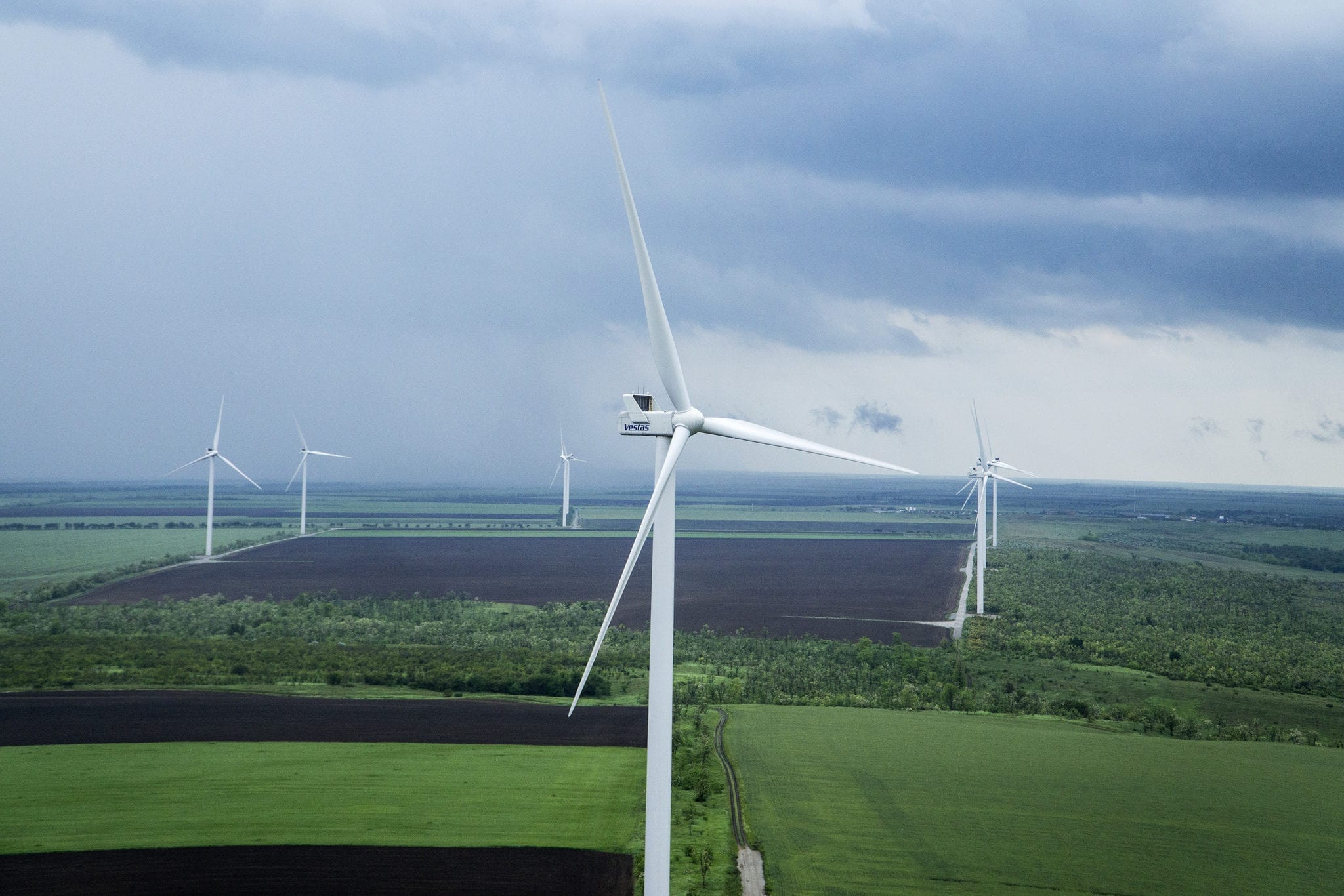
    HCMC-based energy firm Trungnam Group Friday has put its wind power plant in central Ninh Thuan Province into operation, considered the country’s largest to date.

    The plant, which spreads over an area of 900 hectares in Thuan Bac District, has 45 turbines with a total capacity of 151.95 megawatts that costs VND4 trillion ($173.4 million), the Government portal reported.

    The wind power plant is combined with a 204 MW solar power plant to form the solar-wind farm complex considered the largest in Southeast Asia. The complex will supply a total 950 million kWh per year for the country’s grid.

    The private energy company has added a total 1,064 MW to the national grid comprising hydropower, solar and wind power. It plans to have a renewable output of nearly 10,000 MW by 2027.

    Tran Quoc Nam, chairman of Ninh Thuan, said the province is now taking the lead with 32 solar power projects with a total capacity of 2,257 MW, and three wind power projects with an accumulative capacity of 329 MW.

    Vietnam has great potential for renewable energy with its long coastline and 2,700 hours of sunshine a year on average.

    Solar power currently accounts for just 0.01 percent of the country’s total power output, but the government plans to increase the ratio to 3.3 percent by 2030 and 20 percent by 2050.

    Vietnam aims to produce 10.7 percent of its electricity from renewable energy sources by 2030, mainly through solar and wind power projects.

  • Google Assistant driving mode now rolling out to more countries

    Google Assistant driving mode now rolling out to more countries

    If you live in the United States and use an Android smartphone, chances are that you’ve already seen Google’s new Android Auto-like experience for mobile devices. Although not a full-fledged experience yet, the new Assistant driving mode meant to replace Android Auto was limited to just one market: United States.

    After several months in development, it looks like Google is confident that the Assistant driving mode is ready to be shared with more audiences. Beginning this week, Android users in more countries will start seeing the new Android Auto-like experience.

    Google’s support page mentions that this preview of Google Assistant driving mode will now be available to Android users in the following countries: Australia, Great Britain, Ireland, India, and Singapore.

    Just like Android Auto, Google Assistant driving mode should let you use voice to send and receive calls and texts, as well as alert you to an incoming call to allow you to answer or decline it with voice. Naturally, you can also use the driving mode to play your favorite music from whatever streaming service you’re subscribed to (i.e. Spotify, YouTube Music).

    Keep in mind that if you live in one of the countries where Google is now rolling out the Assistant driving mode, you’ll need a smartphone running Android 9.0 or higher with at least 4GB RAM.

  • Bing Search for Android receives big update

    Bing Search for Android receives big update

    Microsoft has released a redesigned version of its Bing Search app for Android and the updated app is available now from the Google Play Store. Bing is the second most popular mobile search engine in the world after Google and ahead of number three Yahoo. Those iOS users who depend on the search engine last received an update for Bing last month.

    The Android update delivers a new homepage to Bing that includes the top stories of the day including updates on topics that you’ve been following. From the homepage, you can quickly open up some of Microsoft’s other tools. You can also search from the home screen and feel confident about the responses you get from the app.

    With Bing you can check the current weather at a glance as soon as you open the app. Tap on the current temperature and conditions for an expanded forecast for the day and the upcoming week. You can also translate more than 70 languages directly from Bing.

    Other features include a large selection of wallpaper that you can use to give your phone a brand new look, and Sports fans can track their favorite teams on the scoreboard and in the standings. Tap the microphone icon to conduct a voice search and use it to convert unit measurements (“Bing, convert 324.57 inches into feet”). Tap on the Math button and you can snap a picture of a math problem that the app will solve.

    You can conduct a visual search through Bing by taking a photo or by uploading a picture. And with the COVID tracker, the latest numbers pertaining to the pandemic are right in front of your eyes. Bing will also browse and search for visual media throughout the web.

    The more you search with Bing, the more points you can earn with Microsoft Rewards. These points can be redeemed for gift cards and other rewards. The bottom line is that as long as Microsoft is bribing you to use Bing instead of Google, you might as well give Bing a shot.

  • Former Apple executive “rips” the App Store

    Former Apple executive “rips” the App Store

    Over the last few days, we’ve passed along some interesting horror stories about the Apple App Store and certain iOS apps. These were discovered by FlickType creator Kosta Keleftheriou who is having problems of his own with Apple. In fact, the company that Kleleftheriou runs with his business partner is suing Apple after the latter promoted FlickType copycat apps and scams.

    Just this past week, Kosta tweeted about a children’s app that doubled in certain countries as an online casino where gamblers had real money at risk. He also posted about XGate VPN, an app that did nothing it promised while ripping off iOS users at a rate of $5 million a year. How do these apps jive with Apple’s proclamation that “the App Store has proved to be a safe and trusted place to discover and download apps.”

    On Friday, Apple’s former Senior Director of Worldwide Product Marketing, Michael Gartenberg, tweeted some comments about the App Store. Gartenberg, who worked as a tech analyst for Gartner at one time, said yesterday about the App Store that “The ecosystem that is often praised is breaking at the seams IMHO.” He also stated that he hopes that “Apple gets its act together soon.”

    Both the App Store and the Google Play Store appear to have issues keeping malware out of their respective app storefronts and protecting their users from paying ridiculously high prices for apps that offer features available for free on other apps. Apple and Google should be doing their best to make sure that their valued customers aren’t getting ripped off by bad actors.

    The App Store in particular has been called a monopoly with users blaming Apple’s walled garden for keeping app prices higher than they should be. That’s because Apple’s 30% cut of in-app payments has lead some developers to hike their prices. And while Google also takes a 30% cut from in-app payments, Android allows users to sideload apps from a third-party app store while Apple doesn’t.

    Apple’s App Store is also the center of another legal issue involving Epic Games, the developer behind the popular Fortnite game. Players purchasing special in-app currency for the game were prompted by Epic to pay less for the currency over its own payment platform. This happened to violate Apple’s own rules that prevent apps listed on the App Store from offering its own in-app payment system.

    As a result of Epic’s actions, Apple removed the game from the App Store leading Epic to take legal action against Apple. Speaking of apps, what are the weirdest ones that you can install on your phone?

  • Reliance to boost Hamleys India network to 500 stores

    Reliance to boost Hamleys India network to 500 stores

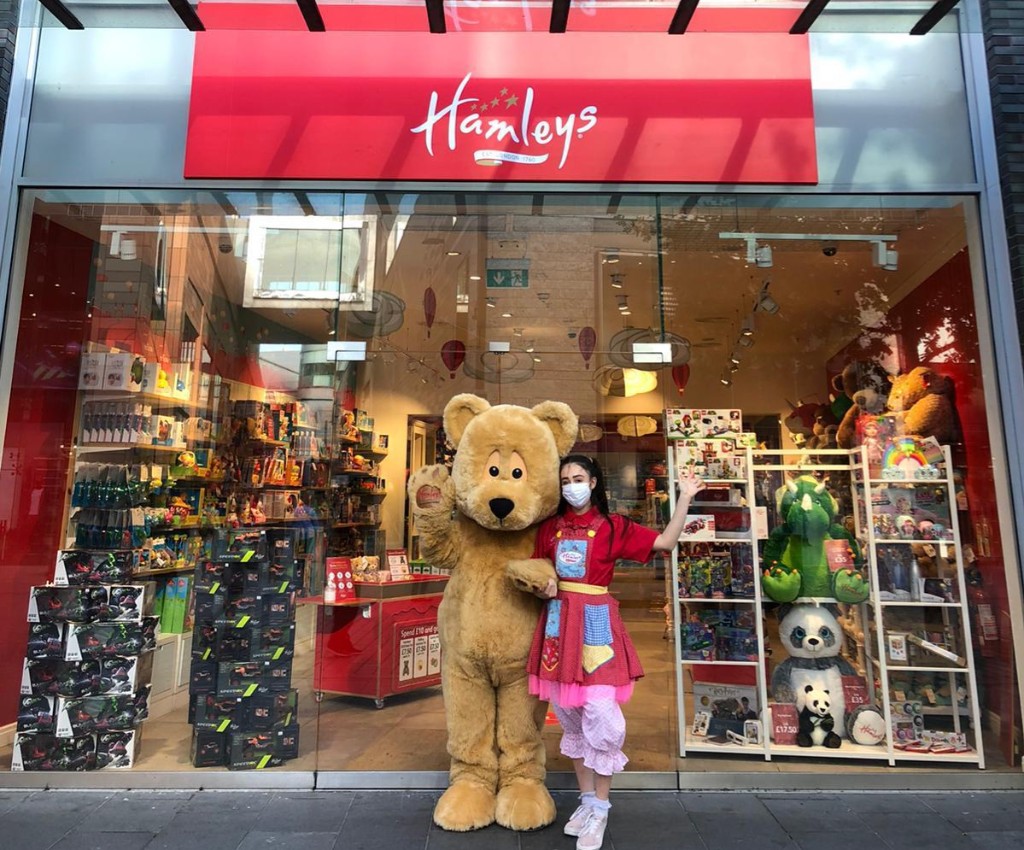
    A struggling 261-year-old U.K. toy-store chain is seeking a new lease of life in the hands of billionaire Mukesh Ambani, who’s looking to India where about a fifth of the world’s babies are born to fuel its revival.

    Hamleys, a British retail icon that hasn’t made a profit for a number of years, plans to quadruple its outlets in the former British colony to more than 500 in three years despite the pandemic, according to Darshan Mehta, chief executive officer of Ambani’s Reliance Brands Ltd. Besides the main growth market, the company is also adding stores from Europe to South Africa and China, he said in an interview.

    Ambani, 63, bought Hamleys in 2019 to strengthen his retail footprint as part of the ongoing transformation of his oil-and-chemicals conglomerate Reliance Industries Ltd. into a consumer and technology behemoth. The deep pockets of Asia’s richest man and India’s demographics could help breathe new life into Hamleys, whose share of global toy sales was estimated at 0.6% last year by Euromonitor International, and see it avert the pitfalls faced by rivals such as Toys “R” Us Inc.

    With a backer whose net worth is $72 billion, Hamleys is seeking to tap into what it sees as an inadequately serviced section of India’s almost 1.4 billion people, of which about 27% are children under 14. The country accounts for just 1% of the $90 billion global toy industry, meaning the potential for growth is high, Mehta said.

    “There is a lot of headroom and India is no way near saturation,” Mehta said. “We are now mulling how we can roll out stores in newer geographies and new formats.”

    Hamleys stores are famed for the carnival-like experience, allowing children to race toy cars, enjoy model train sets and play various games. In a country like India, with its densely packed cities and limited entertainment options, such an environment could be a hook to get customers to visit again. Product prices appealing to buyers of modest means as well as the super-rich make Hamleys an “elastic brand,” said Mehta.

    In Asia, Hamleys is seen as “high class and it’s on par with Harrods in some ways,” said Marc Alonso, a London-based senior research analyst at Euromonitor. “So it’s attracting that customer base, which is why in some places like India and China, it has been seeing some good sales growth in the past few years.”

    While the pandemic has been hitting parts of India’s economy, Mehta sees the toy industry as ”recession-proof’’ because many families choose the happiness of kids over anything else.

    But other chains have struggled before the virus. Toys “R” Us was the biggest victim of the U.S. retail apocalypse when it filed for bankruptcy in 2017, crushed by debt and felled by competition from online sellers such as Amazon.com Inc. Though the American chain is on a recovery path now under a new owner, a protracted pandemic points to an uncertain future for retailers.

    Nailing online sales is key to avoiding the fate of other high-end toy chains, according to Reliance. As part of Ambani’s e-commerce and technology pivot, his group is building Jiomart, a shopping portal, to take on giants such as Amazon.com and Walmart Inc.’s Flipkart in the local market. Reliance Industries has roped in Facebook Inc. and Google as investors to fuel those ambitions.

    With Covid-19 accelerating the group’s digital strategy, Mehta expects 30% of Hamleys’ sales coming from orders online in five years, versus 20% now. Direct selling over the phone or via WhatsApp would account for 20% in the same period, he said.

    Euromonitor’s Alonso said that target may be too ambitious because some customers could go to another portal that offers cheaper prices. “You can get the same product much cheaper by going straight to Lego, for example, on their e-commerce site,” said Alonso.

    Founded by William Hamley in 1760, Hamleys has seen its share of troubles. Ownership of the London-based chain has changed at least three times in the past decade alone — from an Icelandic bank to a French group and then to a Chinese fashion retailer. Two years ago, Ambani snapped it up for about $89 million in cash. Hamleys’ most recent books for 2019 show a loss of almost 9 million pounds ($12.4 million) on revenue of about 48 million pounds.

    Environmental services clean outside of the Regent Street store ahead of a reopening last year, on June 11. The flagship store has been closed for much of the past year. Photographer: Chris J. Ratcliffe/Bloomberg

    The onset of the pandemic just months after Reliance took control compounded Hamleys’ financial distress in the U.K., where it runs 21 outlets. Like most shops in the deserted streets of London, its grand seven-story Regent Street flagship store that opened in 1881 remained closed for much of the past year until earlier this week, while it cut a quarter of its staff to weather the crisis.

    Mehta believes the U.K. operations will “come out very strongly” with non-essential stores reopening this week following the easing of curbs. Another coronavirus wave could temporarily disrupt the business globally — like delayed plans for the U.S., a market it wants to crack.

    Prior to the acquisition of the chain, Reliance had the master franchise for Hamleys in India. The retail unit of Reliance is also the local partner for over 45 international brands including Burberry, Hugo Boss, Jimmy Choo and Tiffany & Co., according to the company’s website.

    The pandemic has limited Hamleys’ India target to just about 50 new stores this year before the roll out picks up pace. The toy retailer is looking at outlets in the U.S. this year or next, depending on travel restrictions, as well as in tourist hot spots in European countries, including France and Italy, the Reliance executive said.

    Hamleys Toy Store Chain Expanding Across Asia under Ownership of Asia’s Richest Man

    Ambani bought Hamleys in 2019 to strengthen his presence in retail. Photographer: Prashanth Vishwanathan/Bloomberg

    Still, India is likely to be a key market, said Arvind Singhal, chairman of Indian retail consultancy Technopak Advisors. With about 26 million children born in the country each year, Hamleys is unlikely to be short of customers there even if only the top 5% of the population can afford to shop at its store, he said.

    “Toys is one category where emotions sometimes overtake your financial abilities,” said Singhal. “Hamleys is probably one of the best investments from Mr. Ambani’s point of view in retail — the visibility the Hamleys brand has in India is unparalleled.”