Category: General

Retail News Asia is committed to providing both local and global retailers with the latest General Retail news throughout the Asian market. This on a daily base.

  • London based Techsembly closes US$1.37 million investment round

    London based Techsembly closes US$1.37 million investment round

    London-based multi-store, mutli-vendor e-commerce solution for global scaling platform Techsembly has raised £1 million from SuperSeed Ventures and a number of undisclosed private investors.

    The funding is expected to be used to assemble a cross-marketing team that will initially target European and Asian markets.

    “The opportunity to scale is huge. Amy and the Techsembly team have already built a best-in-class solution, and have demonstrated that they can deliver real value to their users. This is just the beginning,” comments SuperSeed Managing Partner Mads Jensen.

    Breaking into local markets is never an easy task. The sheet cost and logistics can be overwhelming. Meeting this demand, Techsembly is an e-commerce SaaS solution built specifically for businesses that want to cross-borders, particularly when they want to appeal to and remain relevant in local markets.

    Understanding that localization goes far beyond simply changing the currency sign, Techsembly eases the pain by providing a platform for scaling, all under one umbrella. Options include multiple languages, multiple currencies, unique fulfillment and logistics mechanisms, and multiple payment gateways and payout methods.

    “Our ambition is to empower brands to build a truly impactful localization strategy from the start, not as an afterthought,” says Techsembly co-founder and CEO Amy Read. “We want to encourage greater appreciation and knowledge of the cultural differences and similarities across the world, so brands can better connect with local audiences and compete with local incumbents.”

    Techsembly says that clients who’ve migrated to the platform report a 70% increase in foreign sales when localising their outlets. To date, Techsemble counts Curate Beauty, Scots of the World, The Peninsula Hotels and Anglo-American fashion platform Not Just a Label, who alone have over 40k independent fashion designers under them as clients.

  • Bamboo Airways plans US IPO in Q3

    Bamboo Airways plans US IPO in Q3

    Private carrier Bamboo Airways is considering an initial public offering of shares in the U.S. this year to raise $200 million.

    The IPO is expected to take place in the third quarter, with the company likely to offer a 5-7 percent stake to secure a market capitalization of up to $4 billion, quoted its chairman, Trinh Van Quyet, as saying on Wednesday.

    It is preparing for the issuance together with an international auditing firm and plans to list on the New York Stock Exchange.

    Last month, Quyet had announced the airlines’ plans to list 105 million shares on either the Ho Chi Minh Stock Exchange or Hanoi Stock Exchange at an initial price of VND60,000 ($2.61), but on Wednesday he said that has now become “a backup plan.”

    “The US IPO will be part of our efforts to expand our services globally.”

    It expected to operate charter flights to the U.S. from July this year and thrice-weekly commercial flights from HCMC to San Francisco from September.

    The airline has received a permit from the U.S. Department of Transportation to carry passengers and cargo to that country.

    This year it also plans to expand its fleet from 30 aircraft to 40, and launch flights to other new destinations like Australia, Germany, Japan, and the U.K. if the Covid-19 pandemic is under control.

    It currently flies on 60 domestic routes.

    Last year, it carried over seven million passengers to account for a 20 percent market share, and hopes to increase it to 30 percent this year.

  • Facebook just made the world a better place: 100% renewable energy

    Facebook just made the world a better place: 100% renewable energy

    It’s a big day in the book of the Earth! Facebook has officially reached the goal of one-hundred-percent renewable energy for its global operations. The social media giant might have come under fire for security issues and political scandals, but we’ll give it to them on this one.

    According to the company’s own news channel, the journey was gradual. It started back in 2011 with a ‘wind project’ in Iowa, and about ten years later, it has come full circle. At least as far as Facebook’s own operations are concerned, they are now operating with net-zero emissions!

    We recognize the urgency of climate change. We know the next ten years will be the defining time for a reduction in greenhouse gas emissions and that we have a role to play in this effort—both as a platform that connects people to information and as a global company that supports climate action.

    Mark Zuckerberg and the company have already set another goal for a more sustainable future. The social media platform aims to bring emissions down to zero, but this time across its entire value chain, including suppliers, business travel, and employee commuting. This goal has been given a due date of 2030. The part about zero-emission employee commuting, for one, sounds particularly interesting. We’re wondering how exactly they plan to do that; are they going to give away Teslas? Bicycles? Or maybe accommodate employees so they never have to leave the office? Theirs is indeed a very ambitious goal, but also very ambiguous—we call it “ambiguities.” Try saying it out loud!

    The transition will be handled by their Responsible Supply Chain Program, which works to discover innovative ways for making operations greener. Whatever they have in mind, we are curious to see how it turns out. If you are too, Facebook’s team has released a video dedicated to the long journey from 2011 to today. Take a look for yourself:

    As reported by Facebook’s Director of Renewable Energy, Urvi Parekh, the company’s goal for 100% renewable energy was set back in 2018.

    We couldn’t help but notice that this timeframe coincides with Apple’s move towards greener operation. Back in April 2018, the company from Cupertino announced that their global facilities were finally powered with one-hundred-percent clean energy.

    Whether Facebook took inspiration from Apple or not, we applaud their commitment. Google and Amazon have also taken steps in that direction, and we’d be happy to see more tech corporations follow suit.

  • Buy2Sell Vietnam adds new stores in HCMC

    Buy2Sell Vietnam adds new stores in HCMC

    The B2B e-commerce platform’s newly opened stores are located in two of the most crowded shopping locations in Ho Chi Minh City, Lotte Mart and SC VivoCity Shopping Mall.

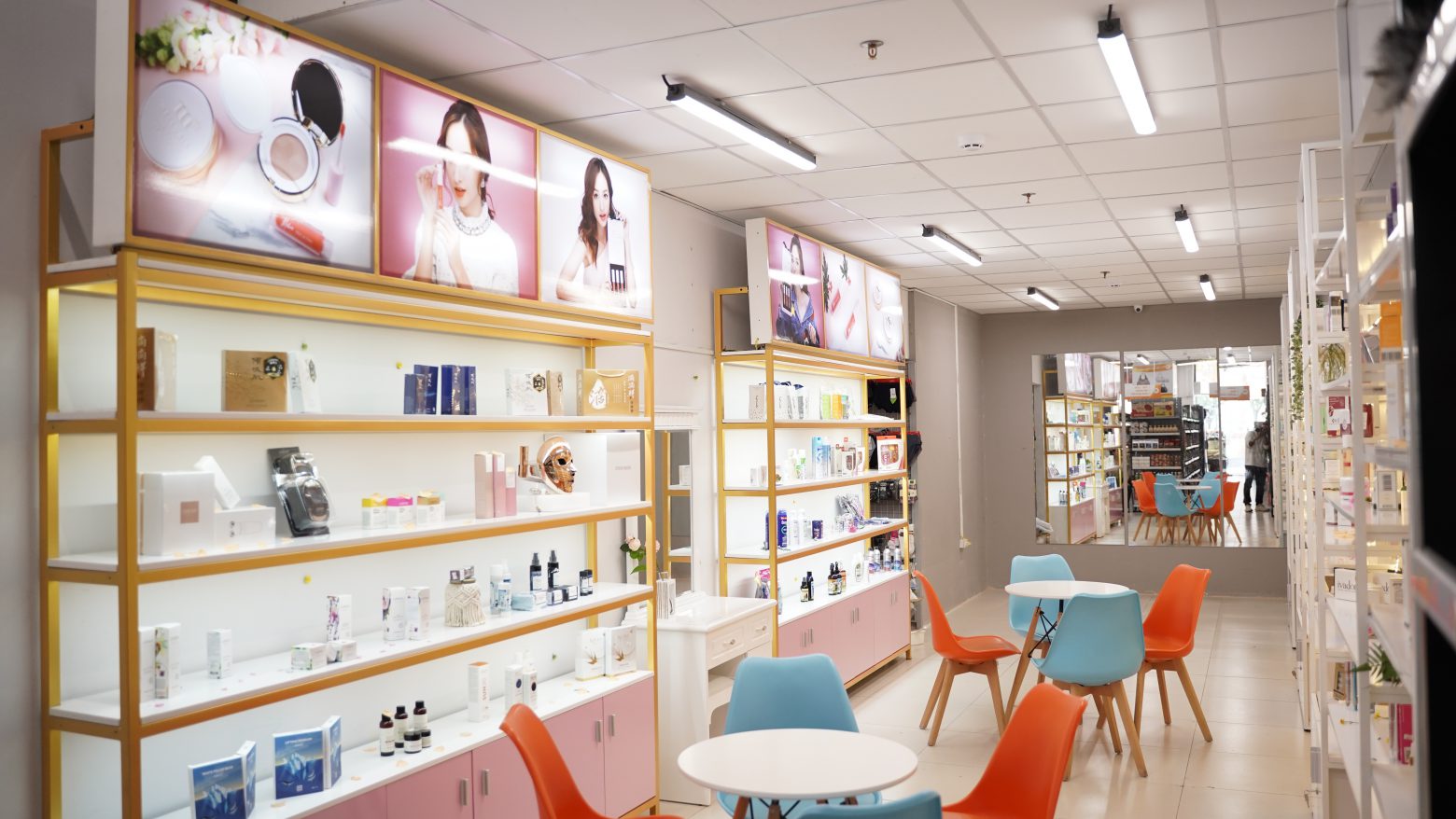
    Buy2Sell has launched a cosmetics store at Lotte Mart Vietnam, offering attractive choices and new selections of high-end cosmetic brands from Europe, South Korea, and the U.S.

    “Buy2Sell will continue to act as a strategic partner of Lotte Vietnam, distributing goods and developing a brand identity for foreign companies through Lotte Mart’s distribution system for a long time, broader coverage,” a Buy2Sell representative said.

    Lotte Mart is a retail brand of South Korea’s Lotte Group, a major supermarket chain in Asia. It now runs 46 stores in Indonesia, 14 in Vietnam and 123 in South Korea.

    On March 24, Buy2Sell continued to open a new store in SC Vivo City, specializing in a wide range of unique international appliances, accessories, gifts, food, and beverage, electronics and pet products.

    SC Vivo City is an all-in-one destination with five floors, offering the latest fashion products, hypermarkets, movie theaters, restaurants, entertainment, education and lifestyle brands. The shopping mall covers a total of 62,000 square meters.

    Since 2015, Buy2Sell Vietnam has distributed a diverse range of branded goods to the medium and high-end Vietnamese market.

    The company has signed distribution agreements with thousands of international suppliers and distributed over 200,000 items, including cosmetics, food and beverage, fashion, household appliances, pharmaceuticals and electronics items, imported from over 60 countries around the world.

  • Singaporean retailer opens three AI-powered unmanned grocery stores

    Singaporean retailer opens three AI-powered unmanned grocery stores

    Cheers, a sub-brand of Singapore’s largest Convenience store chain FairPrice recently launched an AI-powered cashierless store with Cloudpick. This is not the first unmanned convenience store opened by Cheers. The company piloted its first “unattended” store in Nanyang Technological University (NTU) in 2017, followed by two more at the National University of Singapore.

    Unlike the first three stores, the new unmanned and cashless store is equipped with Cloudpick,the world’s leading AI digital retail technology solution provider, replacing self-checkout counters and creating a completely frictionless shopping experience powered by its patented AI system and computer vision technology.

    Cashierless checkouts have been evolving for years. With the ongoing global pandemic, retailers are seeking new ways to enhance the shopping experience, including reducing in-store human-to-human contact by eliminating the checkout lines.

    Cloudpick has empowered many retail chains in more than 11 countries around the world, and has landed more than 130 AI-powered cashierless stores. Other players providing computer vision checkout solutions such as Aifi, Zippin and Standard Cognition, which announced recently that it has raised $150 million in Series C funding led by Japan Softbank.

    The grab-and-go Cheers store sells a variety of drinks, prepackaged food and snacks. When entering the Cheers store for the first time, the customers can download the Cheers SG app and add their payment method. They can use facial recognition or scan the QR code from App to enter the store. The customers then can just walk in, grab any items they want and simply walk out. The AI system track which products customers pick up and return; virtual baskets are updated accordingly by the algorithms, and customers’ digital accounts are automatically charged after exiting the stores. Consumers can quickly purchase their favored products even during peak hours.

    In addition to ‘fast billing speed’, the store can also enrich the customer’s shopping experience through smart bar screens in the store, this is also the first of its kind in the world. The smart bar screens can be used to effectively communicating with customers, such as displaying product information, suggestions, invoking coupons, and even playing competing advert campaigns if brands are willing to do so. The AI system is accurately identifies the audience standing in front of the screen, and play only the advert that is relevant and most efficient in creating conversion and facilitate customers’ decision-making process.

    On the other hand, Cheers cashier-less convenience store has gotten rid of its high dependence on human resources. The automated cashier-free solution allows store operator to save on labor costs and allow 24/7 store operations, it removes the repetitive and tedious checkout work and provides more in-person services for customers. Meanwhile, the Cloudpick AI system completely digitizing ‘people, product and place’, it makes the operations and management process easier and more effective.

    For instance, no more store inspection is needed for store operators, they will be notified in real-time when a product needs restocking. The real-time inventory check function allows the clerk to replenish products without spending countless times counting each of the items and verify the inventory. In terms of product selection, the business intelligent reports enable operating personnel to accurately grasp the most popular brands and product categories to make the best product selection decision, thus increasing sales based on improving customer satisfaction.

    Mr.Seah Kian Peng, CEO of FairPrice Group mentioned, once the AI system adopted by Cheers autonomous convenience store is proven successful, the system may be rolled out to more sub-branches in the future.

    With Cloudpick’s advanced technology and experience, the company will help FairPrice stores to break through manpower constraints, and through digital transformation, comprehensively enhance the customer shopping experience.

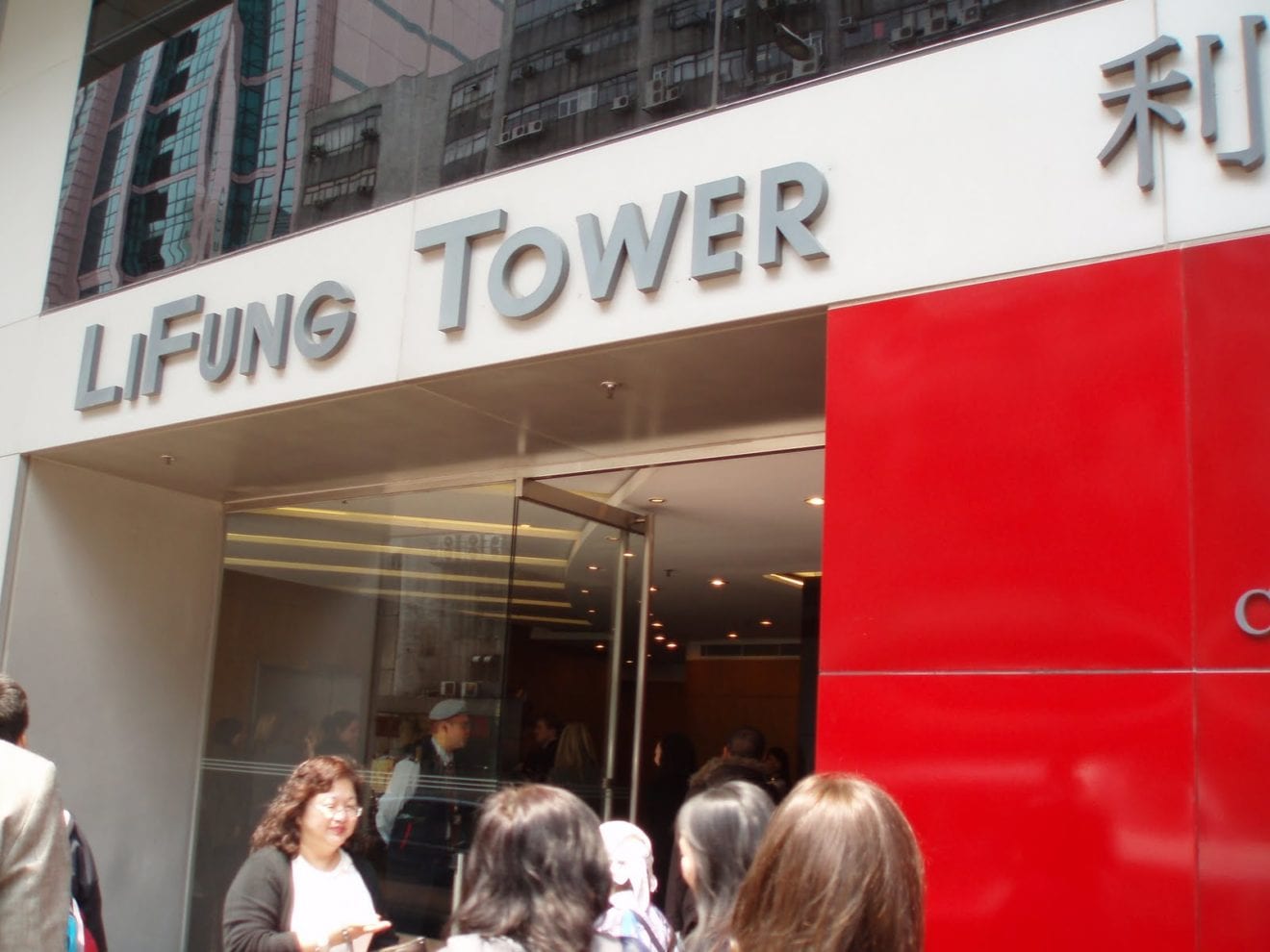
  • Li & Fung launches incubator LFX to kickstart sustainable consumption

    Li & Fung launches incubator LFX to kickstart sustainable consumption

    With the rapid evolution of the retail industry shaped by digital technologies and complex consumer demands, the parent company of Li & Fung Limited, the world’s leading supply chain orchestrator, today launched a new company – LFX – to capitalize on new digital opportunities transforming the retail industry and enabling supply chain sustainability.

    LFX’s business model is focused on being an incubation, investment, and operating platform providing digital solutions and digitally-enabled services across the end-to-end consumer goods supply chain. LFX will launch and operate digital ventures delivering solutions directly to brands, retailers, e-commerce companies, C2M (consumer-to-manufacturer) players, as well as manufacturers. Its solutions aim to cover all aspects of the value chain, encompassing trade, information, and fund flows. Its initial ventures will focus on 3D digital product development and supply chain fintech. Additionally, a venture capital arm has been formed to identify and invest in technologies that transform global retailing, supply chain, and logistics.

    As an offshoot of Li & Fung, LFX brings knowledge, hands-on experience spanning 100+ years, and relationships across the global supply chain. LFX has the unique ability and insights to identify and bring to market digital technologies that will have an immediate impact today, while also knowing what needs to happen next to realize the sustainable supply chain of the future, at a time when the retail industry is being shaped by digital technologies and complex consumer demands.

    Spencer Fung, Group Executive Chairman, Li & Fung, and LFX said, “We have established LFX as a separate company to build on Li & Fung’s supply chain knowledge to bring new ways of thinking and revolutionize how we create, make and sell products. Sustainable consumption starts with supply chain digitalization and LFX is forming an ecosystem that connects the innovations, people, and companies committed to accelerating digitalization and transforming the retail industry.”

    Ed Lam, CFO and Executive Committee Member of Li & Fung, has been named CEO of LFX. He brings over 25 years of strategic, financial, and commercial experience with deep supply chain knowledge and insights to lead the new company. Li & Fung is in the process of appointing a new finance leader.

    “Roughly 40 million tons of textile waste goes to landfill every year, and it is estimated that just 60% of garments were sold at full price[1]. Sustainable consumption requires behavioral shifts, and it starts with the supply chain. Our goal at LFX is to reduce the environmental impact of our industry and promote sustainable consumption. We believe that by merging real-world industry experience with new ideas that entrepreneurs and technologists bring, we get practical innovations the industry will embrace,” said Ed Lam, Chief Executive Officer, LFX.

  • Daiso opens first store in Canada comeback

    Daiso opens first store in Canada comeback

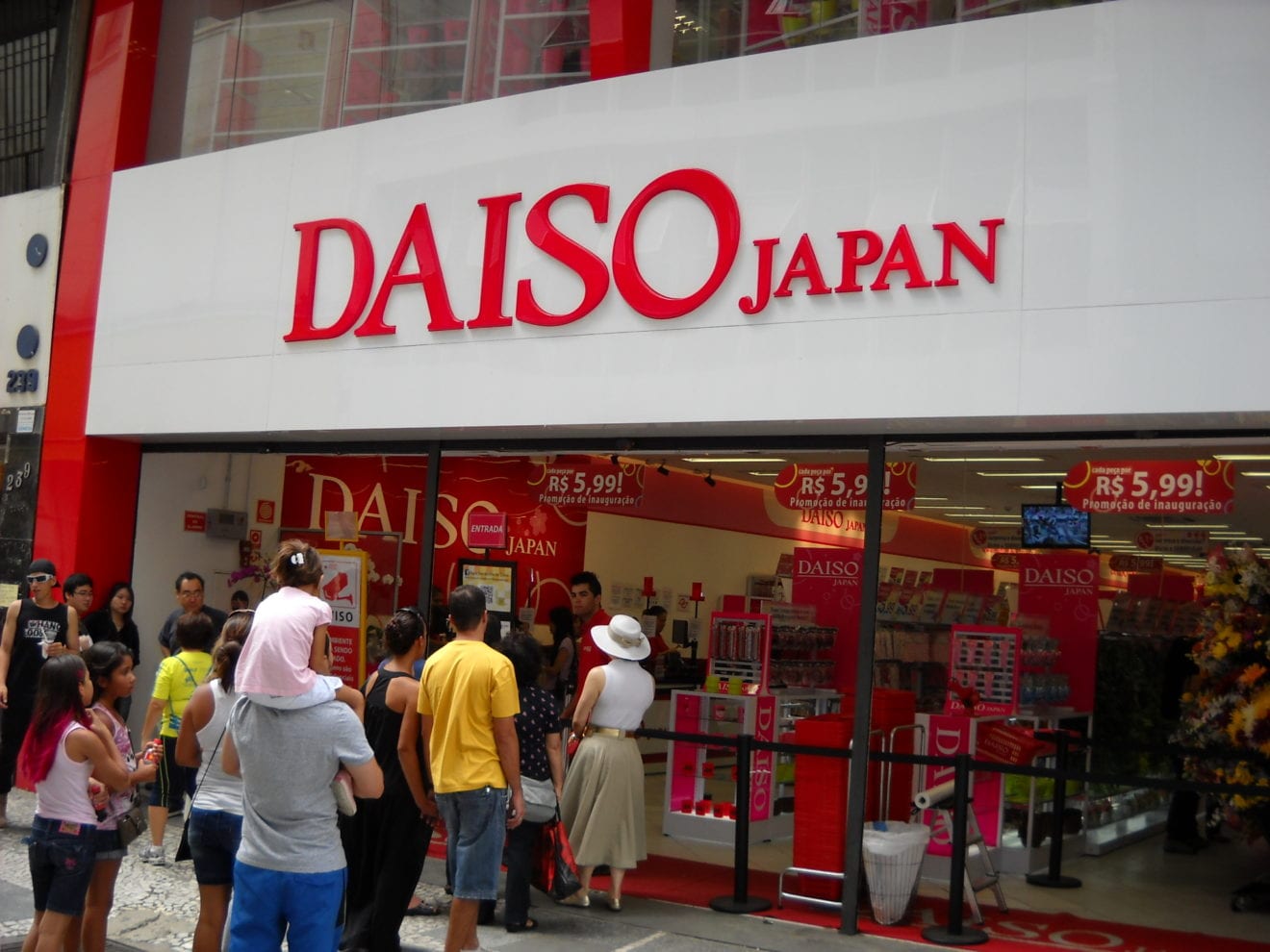
    Japanese retailer Daiso has launched its first directly operated Canada store in downtown Vancouver.

    Taking over a former bookstore space, the debut Daiso Canada spans 4700sqft and features a selection of 12,000 products, ranging from seasonal items, stationery and cosmetics to homewares – mostly imported from Japan.

    JLL Canada will be responsible for Daiso’s further expansion in the country, identifying sites for further stores.

    This is the second time the Japanese retailer has entered Canada. It first launched in 2003 through a franchise agreement with Fairchild Group, however, in 2019, the store was taken over by Japanese variety store Oomomo.

    Daiso now operates more than 3000 stores in its home country and 5000 internationally.

    The company’s business model is the so-called ‘100-yen shop’ concept where all products are priced similarly.

  • New Zealand to Introduce Climate Change Law

    New Zealand to Introduce Climate Change Law

    Banks, insurers and asset managers in New Zealand must make climate change-related disclosures for their businesses as New Zealand becomes a first-mover in green finance laws.

    All banks with total assets of more than NZ$1 billion ($703 million), insurers with more than NZ$1 billion in assets under management alongside equity and debt issuers listed on the country’s stock exchange will have to make disclosures, according to the proposed law which will see its first reading this week.

    Once the law is passed, the first disclosure reports will be released in 2023.

    The move towards more climate change-related disclosures will make New Zealand the world’s first to introduce such a law.

    Approximately 200 domestic firms and several foreign firms meet the NZ$1 billion thresholds to fall under the legislation.

    We simply cannot get to net-zero carbon emissions by 2050 unless the financial sector knows what impact their investments are having on the climate, said minister for climate change James Shaw said in a statement. This law will bring climate risks and resilience into the heart of financial and business decision-making.

  • DuckDuckGo reveals how you can block Google’s new method of tracking Chrome users

    DuckDuckGo reveals how you can block Google’s new method of tracking Chrome users

    Privacy-first search engine DuckDuckGo on Friday posted a blog that discussed Google’s new data-tracking system called Federated Learning of Cohorts (FLoC). Using an algorithm and browsing histories, Google groups together those with similar interests and demographics. FLoC replaces the use of cookies to track users and feed them ads and other targeted content.

    When Google added FLoC to Chrome, it did so without giving users a choice as the tracking system is enabled by default. As DuckDuckGo noted in its blog post, “The criteria for being opted into FLoC are somewhat hidden and conflicting.” As scary as that sounds for those who value their privacy, there are things that you can do to block FLoC from trying to fit you into a category.

    Google claims that FLoC is good for privacy. And while FLoC, in theory, replaces third-party cookies, the latter won’t be removed until 2023 at the earliest. Thus, Google is getting to track users via two different methods for the time being.

    With FLoC, the websites you visit will be able to target ads since they will know things about you from the moment you enter the site. While Google says that you are placed in a group of others with the same interests in demographics, you are more protected as an individual. However, the data that is available to websites, combined with your IP address (which these sites receive automatically), means that you remain tracked as an individual.

    It seems fairly straightforward, but if you don’t want to be tracked by Google Chrome, use a different browser on your iOS and Android devices and on the desktop. If you own an iPhone and don’t like Safari, this writer has started using the recently updated version of Opera Browser which is available for iOS and Android). Besides Opera, on Android the Samsung Internet Browser would be a great choice to replace Chrome.

    If you must continue to use Chrome, DuckDuckGo says that you might be able to avoid FLoC by changing the settings on the Chrome browser. Some suggestions include logging out of your Google account, avoid syncing your history data with Chrome, disabling “Web & App Activity” or “Include Chrome history and activity from sites, apps, and devices that use Google services” in Google Activity Controls. In Google Ad Services you should shut down “Ad Personalization” or “Also use your activity & information from Google services to personalize ads on websites and apps that partner with Google to show ads.”

    Since Google has been profiling users for years, even if FLoC reduces you to a series of numbers based on your interests and demographics, it will only be a matter of time until the code is broken and your identity becomes known. Google says that FLoC is 95% as effective as third-party cookies and DuckDuckGo says that this means that Google will continue “to target people based on age, gender, ethnicity, income, and many other factors. This targeting, regardless of how it’s done, enables manipulation, discrimination, and filter bubbles that many people would like to avoid.”

    DuckDuckGo has also enhanced its tracking blockers on its extension. This protection from FLoC appears on version 2021.4.8 and newer of the DuckDuckGo extension and is also in the process of being approved for the Chrome Web Store. Keep in mind though that by default it will set your default search engine and homepage to DuckDuckGo Search.

    Several organizations dealing with privacy pleaded with Google not to use FLoC, but to no avail. While Google makes it sound as though it is trying to improve privacy online, replacing third-party cookies with a tracking system that is enabled by default certainly sounds just as bad.

  • 1.3 million Clubhouse users have their personal data leaked

    1.3 million Clubhouse users have their personal data leaked

    For those who have been fast asleep for the last few months, one of the fastest-growing apps has been Clubhouse. It is an audio-only chatroom and at the moment it requires an invitation to join. It also is only available for iOS and a version for Android is reportedly months away.

    Cybercrooks have used Clubhouse for some of their nefarious schemes including one we told you about yesterday. Fake ads on Facebook attempted to get victims to join the non-existent Clubhouse for PC. Signing up for this fake software resulted in malware being sent to users’ devices although the ads have been discontinued.

    The latest issue to pop up around Clubhouse is a major leak that exposed 1.3 million scraped user records. The incident occurred a few days after more than one billion user records from Facebook and LinkedIn were offered for sale online. The difference is that the Clubhouse records were leaked for free on a widely read hacker site.

    The data that was leaked included a subscriber’s User ID, Name, Photo URL, Username, Twitter handle, Instagram handle, Number of followers, Number of people followed by the user, Account creation date and the user profile name used by the person who invited this subscriber. In other words, it is a treasure trove of information for hackers.

    Clubhouse has responded by saying that it has not experienced a data breach and that some of the information supposedly leaked has been available for free via the company’s API. That alone brings up some questions about the user privacy policy put into place by Clubhouse. Why should there be a need for all of this data to be available (financial information like credit card numbers were not included)?

  • Microsoft could announce purchase of key Siri supplier as soon as tomorrow

    Microsoft could announce purchase of key Siri supplier as soon as tomorrow

    Microsoft is in “advanced” talks to purchase speech technology and AI company Nuance for a price reported as “about $16 billion.” The deal could be announced as soon as Monday although Bloomberg News says that the discussions are continuing and a deal could still fall apart. Nuance’s voice technology helped Apple launch its Siri voice assistant on the iPhone 4s in 2011 and later that year Nuance acquired QWERTY swiping app Swype.

    The price as currently rumored works out to about $56 for each Nuance share. The company’s stock closed Friday at $45.64 in after-hours trading and at $56 the deal would represent a premium of 22.7%. If done at $16 billion, a purchase of Nuance would be Microsoft’s second-largest deal of all time after the software giant’s $27 billion acquisition of networking app LinkedIn in 2016.

    Nuance software including the Dragon line of speech recognition software is used in a variety of industries from automotive to health care and is used to transcribe voice mails, Doctor’s visits, and customer service calls. For the fourth quarter, the company earned $7 million on revenue of $346 million. For the fiscal year ended last September, Nuance had a net income of $91 million on revenue of $1.48 billion after losing $2.17 billion over the previous fiscal year.

    Anurag Rana, a Bloomberg Intelligence senior analyst, said, “This can really help Microsoft accelerate the digitization of the health-care industry, which has lagged other sectors such as retail and banking. The biggest near-term benefit that I can see is in the area of telehealth, where Nuance transcription product is currently being used with Microsoft Teams.”

    s far as Siri’s connection with Nuance is concerned, the latter provided Apple’s digital assistant with its speech recognition engine. Microsoft recently dropped the iOS and Android apps for Cortana, its digital assistant, and Siri rival. Not enough iOS and Android users were using the Cortana app for Microsoft to keep it active.

    Nuance helped provide Siri with the technology needed for the assistant to hear tasks requested by users and understand what was being asked. It is unclear what the current relationship is between Apple and Nuance.

  • Singapore’s Naiise all but collapses under debts

    Singapore’s Naiise all but collapses under debts

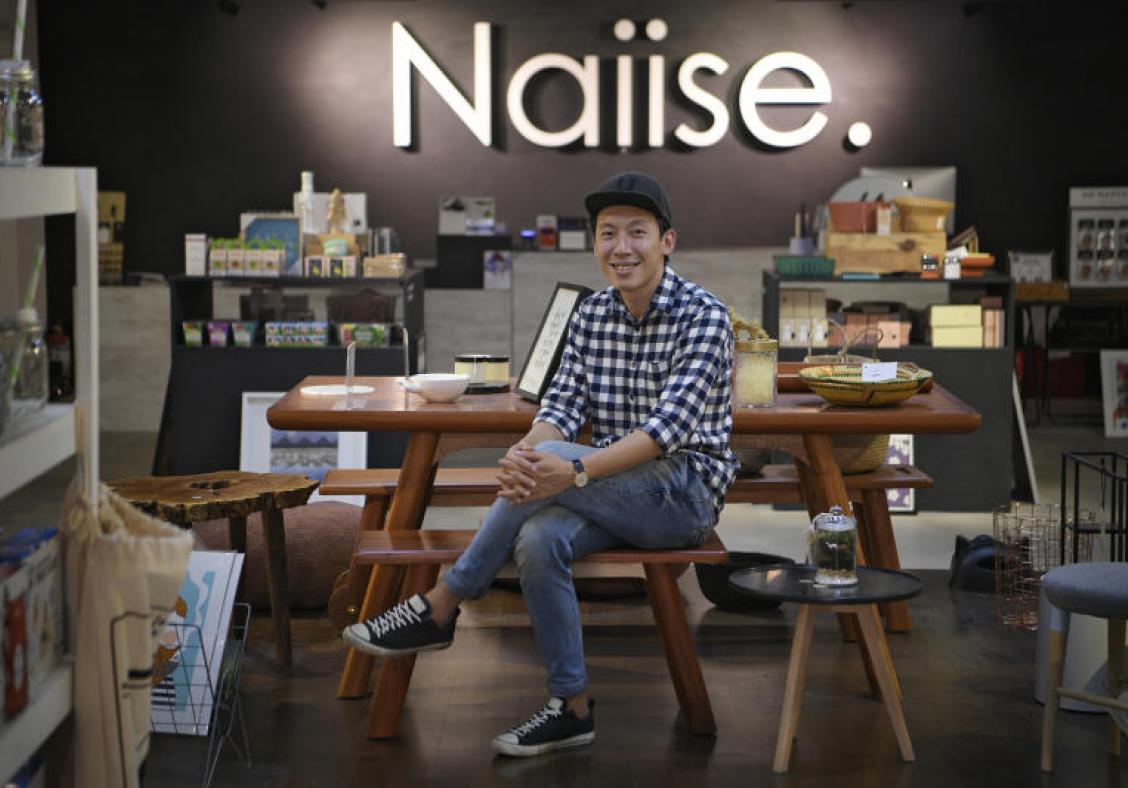
    Singapore gift and homewares chain Naiise has closed its last store – the Iconic at Jewel Changi Airport – suggesting the end of the eight-year-old brand.

    Multiple sources say Naiise has collapsed due to its inability to paying debts to suppliers, and weak sales in the wake of the Covid-19 pandemic. Opened in May 2019, Naiise Iconic at Jewel Changi was considered one of the company’s biggest investments, unknowingly made at the wrong time – just before Covid hit.

    Last year, the retailer fielded multiple complaints from vendors accusing of defaulting payments. At the same time, Naiise’s co-founder Amanda Eng reportedly quit her role in the company.

    According to Today, Naiise owes up to US$7500 to vendors, many of whom have ended their relationship with Naiise and given up claims on the grounds the legal process is too costly and time-consuming.

    “My game-publishing studio has been a vendor of Naiise since 2015 and we have been owed money since 2018,” said Lye Wen Song Xeo, co-founder of Capital Gains Studio wrote on Facebook. “Promises made to repay have all been broken again and again and we had no choice but to pull our games out early last year.”

    “Covid-19 has been very hard on many of our distributors and I appreciate those distributors that came clean with us and honestly shared with us their problems and what their plans [were] if they are unable to pay us. However, shirking responsibilities and not coming clean with your vendors is honestly… not Naiise,” said Xeo.

    Despite its physical stores closing, Naiise continues to trade online and at a Kuala Lumpur outlet. Founded in 2013, Naiise had six stores in Singapore and Malaysia.

  • SpaceX satellite Internet faces regulatory hurdles in Vietnam

    SpaceX satellite Internet faces regulatory hurdles in Vietnam

    U.S. aerospace company SpaceX can only launch its satellite Internet service Starlink in Vietnam if it ties up with a local partner, Vietnam’s Department of Telecommunications said.

    SpaceX, owned by South African-American billionaire Elon Musk, recently announced that Starlink, now in its beta testing phase, would be launched in Vietnam next year and customers could preorder it for $99.

    However, telecommunications and Internet companies are in the list of conditional businesses, which requires the foreign enterprises to partner with a Vietnamese enterprise that is licensed to provide telecom services or establish a joint venture.

    According to the Department of Telecommunications, foreign enterprises are not allowed to independently provide internet and telecommunication services in Vietnam.

    The Department of Telecommunications told VnExpress that the company has yet to apply to launch the service in Vietnam.

    The department said prospective subscribers should consider carefully before making the pre-order since “it is unsure if Starlink can provide satellite Internet services in Vietnam.”

    The pre-order is currently available in 15 countries, according to its website.

  • Google’s redesigned Play Store could be on your Android device right now

    Google’s redesigned Play Store could be on your Android device right now

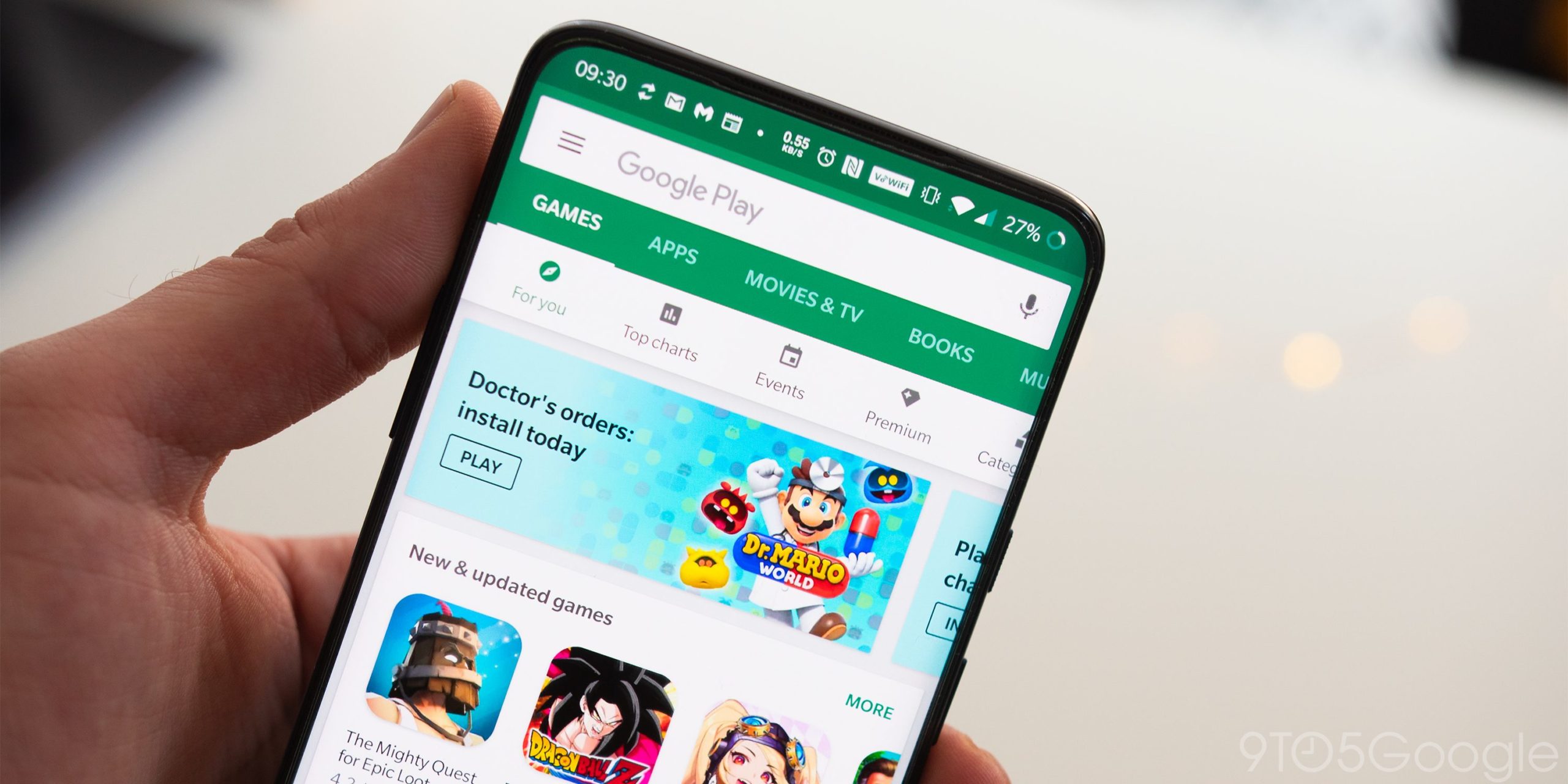
    Google has started to disseminate the next major redesign of the Google Play Store. The big change is the removal of the hamburger menu to the left of the search bar. Tap the profile photo in the upper right corner and you’ll see a menu that gives you access to your apps, games, payment methods, Google Play points and more.

    The settings menu is now broken up into four different categories such as General (information pertaining to your account, auto-update, auto-play video options, and a lot more different preferences you can choose from), User Controls (fingerprint controls and purchase authentication), Family (parental control and a parent guide), and About. The latter gives you information like the version of the Play Store installed on your device.

    Google has been rolling out the redesigned Play Store for weeks and the distribution of the new design is getting wider. If for some reason you don’t have the new version, you can try and force the issue by long-pressing on the Play Store app on the home screen to get the App info page. Tap on “Force Stop” and the next time the Play Store app is opened, it should feature the new design.

    Yesterday, we learned that Google I/O will once again be a streamed affair. The event will take place May 18th through the 20th and we should learn then about what Google has up its sleeve for Android 12.

  • Myanmar crisis sounds death knell for garment industry, jobs and hope

    Myanmar crisis sounds death knell for garment industry, jobs and hope

    Two years after opening his garment factory in Myanmar, Li Dongliang is on the verge of closing down and laying off his 800 remaining workers. The business had been struggling because of the Covid-19 pandemic, but after a February 1 coup that sparked mass protests and a deadly crackdown – during which his factory was set alight amid a surge of anti-Chinese sentiment – orders stopped.

    His story is emblematic of the perilous situation facing a sector critical to Myanmar’s economy, which accounts for a third of its exports and employs 700,000 low-income workers, according to UN data.

    “We would have no choice but to give up on Myanmar if there are no new orders in the next few months,” said Li, adding he has been operating at about 20 percent capacity, surviving only on orders placed before the coup, and had already shed 400 staff.

    Li said he and many of his peers were considering moving to other low-cost garment hubs like China, Cambodia or Vietnam, as big fashion brands like H&M and Primark have stopped trading with Myanmar due to the coup.

    Chinese nationals like Li fund nearly a third of Myanmar’s 600 garment factories, according to the Myanmar Garment Manufacturers Association, by far the largest investor group.

    At least two other Chinese-funded garment factories in Myanmar, employing a combined 3000 workers, had decided to close, said Khin May Htway, managing partner of MyanWei Consulting Group, which advises Chinese investors in Myanmar. She said the two firms were her clients but declined to identify them citing privacy.

    Foreign investment in garments surged in Myanmar over the past decade as economic reforms, an end to Western sanctions, and trade deals helped establish the sector as the greatest symbol of its nascent emergence as a manufacturing hub.

    Myanmar garment shipments rose from less than $1 billion in 2011, about 10 percent of exports, to more than $6.5 billion in 2019, about 30 percent of exports, according to UN Comtrade data. But the sector has been rocked by the pandemic which plunged the world into recession and choked consumer demand, resulting in tens of thousands of garment factory jobs lost in Myanmar and elsewhere in Asia. Then the coup happened.

    In the weeks that followed, many garment workers joined protests or couldn’t get to work as streets became battlegrounds. The turmoil also jammed the banking system and made it difficult to get goods in and out of the country, factory owners said.

    With international condemnation of the coup growing, European and US fashion brands last month issued a statement through their associations saying they would protect jobs and honor commitments in Myanmar.

    However, many have recently halted orders there including the world’s second-biggest fashion retailer, Sweden’s H&M, Britain’s Next and Primark, and Italy’s Benetton.

    Next said it would split its orders previously going to Myanmar between Bangladesh, Cambodia, and China, while Benetton said it would mainly move the business to China. H&M and Primark have not commented on how they will redistribute orders.

    Escape from poverty

    In Vietnam, garment factory owner Ravi Chunilal told Reuters he was starting to get more business from European buyers diverting from Myanmar.

    “They don’t want to abandon Myanmar … but it’s being forced upon them,” said Peter McAllister of Ethical Trade Initiative, a labor rights organization whose members include European high-street brands.

    McAllister said that it would be very difficult for Myanmar’s garment sector to recover if Chinese investors left.

    Anti-China sentiment has risen since the coup, with opponents of the takeover noting Beijing’s muted criticism compared with Western condemnation. It was against this backdrop that several Chinese-funded factories, including Li’s, were torched by unidentified assailants during a protest last month.

    Rights groups have repeatedly raised concerns about exploitation in Myanmar’s garment sector, where mostly women workers earn as little as 4800 kyat ($3.40) a day, the lowest rates in the region.

    But it has provided an escape from poverty for many, as workers have migrated from rural areas to the factories, mainly around the commercial hub of Yangon, and sent money back to their families.

    Khin Maung Aye, managing director of Lat War garments factory, which employs 3500 people, says the sector faces collapse if the military does not restore a democratically elected government.

    That would result in “terrible outcomes of poverty”, he said, adding that he was also staying afloat on orders placed before the coup but feared orders for next season, normally due later this month, will dry up.

    The US, which has imposed targeted sanctions on Myanmar’s military, late last month suspended trade talks with it and said it was reviewing its eligibility for its Generalized System of Preferences scheme, which reduces tariffs and provides other trade benefits for developing countries.

    That could “portend future disruption” for Myanmar’s garments sector, said Steve Lamar, president of the American Apparel & Footwear Association, which represents more than 1000 fashion brands.

    But some unions representing garment workers have called for the international community to impose tougher sanctions to press the military, even though it may further damage their industry.

    “I accept orders moving away,” Myo Myo Aye, founder of the Solidarity Trade Union of Myanmar, said through a translator. “Workers would face difficulties and hardship because there would be no jobs. On the other hand, we simply don’t accept the military regime.”