Category: General

Retail News Asia is committed to providing both local and global retailers with the latest General Retail news throughout the Asian market. This on a daily base.

  • Singapore Airlines unveils new short-haul economy catering

    Singapore Airlines unveils new short-haul economy catering

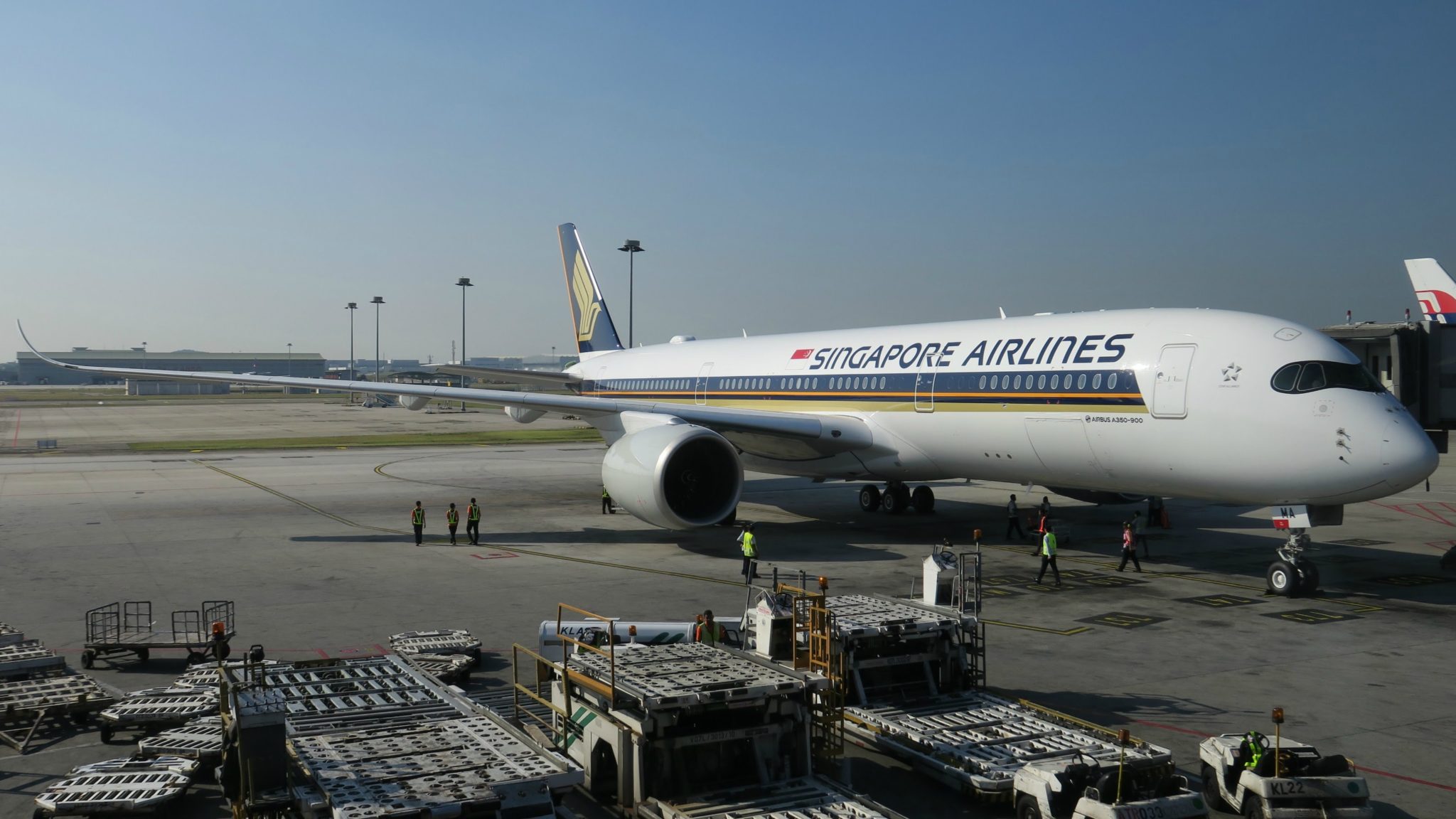
    Singapore Airlines passengers will see a change to short-haul economy class catering as the carrier ditches casseroles and appetizers in favour of boxed meals. Beginning on December 1, flights under three and a half hours will feature a rotation of more than 40 new Singaporean and international dishes.

    Economy class passengers on Silkair, a subsidiary of SIA, will also see the same catering changes as the regional carrier edges closer to fully merging with its parent.

    SIA’s new meal concept follows a broader trend among industry peers to shake up the economy class dining experience. In recent years, Delta and Qantas, for instance, have moved towards bistro-style catering on international flights with an emphasis on quality over quantity.

    Yeoh Phee Teik, senior vice president customer experience at Singapore Airlines, commented:

    “We are delighted to be able to offer a greater variety and quality of meals on our short-haul flights, including selections from Singapore’s popular local favorites that we hope both Singaporeans and international customers will find familiar and comforting.”

    The revamped breakfast dishes on SIA flights include congee with pork ball and century egg, mee siam, and pear cinnamon steel-cut oat porridge. Outside of meal hours, soups such as beef barley, beef goulash, and white bean with smoked duck, will be served.

    Meanwhile, flights featuring lunch or dinner will serve heartier courses including beef brisket with egg noodles, laksa goreng, and lamb albondigas. This is complemented by a variety of cakes for dessert, such as pulut hitam (pictured above) and earl grey chiffon.

    SIA said the new meal concept will help reduce the amount of inflight waste. By opting for leak-proof paper boxes, bamboo cutlery, and a simplified meal-offering, the airline will reduce single-use plastic consumption by 80 percent by weight.

    The boxed meals hold the same amount of food as the previous casseroles, according to the airline. However, SIA will remove appetizers such as bread rolls and fresh fruit portions, previously standard with economy class meals, as part of the new concept.

    A SIA spokesperson said:

    “We have done an extensive research to understand our customers’ preferences. From this, we have learned that most customers prefer a larger portion of the main course compared to an appetizer. We also found that there was high waste of appetizers, especially on short-haul flights. As such, we have removed the appetizers in [short-haul] economy class as part of efforts to reduce food waste.”

  • How Modern-Day Technology Has Placed Casino Industry In A Much Better Position

    How Modern-Day Technology Has Placed Casino Industry In A Much Better Position

    The inception of the internet and thrive in current technology has offered galore of advantages till now. Almost all sectors across the globe have been notably changed because of the flourish in modern-day technology. And, being a renowned one, the casino industry is no exception to it. Because of the inception of high-speed internet and the advancement of portable devices and gaming PCs, casino games have found a new breeze of oxygen.

    Within this very little time, the industry has also adapted various innovative technologies for bestowing the players with a seamless and more immersive gambling experience. The introduction of virtual reality to innovative blockchain technology is the only technology that has made the industry’s path to success smoother.  Let’s discuss how the casino industry has become efficient for punters because of technological development.

    Online Gambling Experience

    The internet had appeared to change the entire scenario of casino gambling, opening up a galore of fresh opportunities for players and casino service operators both.  Gambling games include the element of fortunes and depend on mathematical calculations. Therefore, casino games have been conveniently transformed into online activities. Besides, for playing through online gambling sites, a gambler needs to share minute information with the casino site; hence, it’s relatively easy to access.

    At present, interested players can easily visit the best online casino sites through personal computers and mobile devices for indulging in their preferred wagering variant anytime they desire. The enticing part is that all the casino games are at players’ disposal for 24×7, so they don’t have to wait to play them.

    The Industry has Reached a Wider Audience Base

    Before the internet has appeared, casino-oriented services are limited to a comparably small number of punters. But, in modern times, because of the gradual growth of technology, casino gambling has successfully reached a broader audience base. Anyone who can access the internet can play any online gambling game he desires. Besides, gambling enthusiasts can also indulge in online gambling action with their friends, family, or strangers.

    Enhanced Protection

    Gambling of any kind encompasses real money amounts. Hence, safety concerns are quite natural. Brick and mortar casinos usually offer players physical chips in exchange for cash. As with online casinos, players need to make an online transaction of cash amounts; the service providers took the assistance of technology and put concerns on back seats.

    For protecting players’ sensitive data, online casinos have Security Socket Encryptions. For maintaining fairness in gambling outcomes, they use RNG (random number generators). And, as all renowned online casinos are licensed and regulated by well-known gambling controlling authorities, you don’t need to worry about any deception related issues.

    The Overabundance of Online Gambling Variants

    Do you know it is impossible to play every gambling title available on the internet? Yes! It’s quite right, and hence, it’s very tough to tell you how many games are available online. But, players are enjoying close to all possible gambling game formats, including slot machines, progressive reels, video poker, table games like blackjack, roulette, and many more.

    Besides, many online casino entities are proffering players with specific applications for experiencing their game offerings more seamlessly.

    Marketing Tactics

    The gambling industry has crafted plenty of changes in its style, operations, and features after the appearance of an internet connection. It was challenging for casino operators to perform required marketing as there are prohibitions in different media outlets. However, this impediment, too, has been diminished after online platforms have appeared. Now, over the internet, online casino service providers can extensively market themselves without any such restrictions. And, this has brought them closer to every gambling enthusiast from all around the world.

    Technology is serving the casino industry by making it more entertaining and accessible to gamble loving people. Thanks to the thriving modern-day technology, the sector is also set for a mentionable growth for proffering a more intense convenience level in the future. Players can even choose online platforms for playing live casino games; different games are getting developed with life-like three-dimensional technology. Transaction methods are getting better with lesser time and sturdier security. And, possibly, the introduction of technologies like artificial intelligence and virtual reality will lead the industry towards more success.

  • Hong Kong retail sales fall again in October

    Hong Kong retail sales fall again in October

    Hong Kong’s retail sales fell 8.8% in October, the first single-digit fall since June last year, showing further signs of a recovery after coronavirus restrictions had slammed the brakes on spending and tourism in the global financial hub.

    The drop compared with a revised 12.8% decline in September and a 6.7% fall in June 2019.

    October’s sales plummeted from a year earlier to HK$27.4 billion ($3.5 billion), government data showed on Tuesday, falling for the 21st consecutive month.

    In volume terms, retail sales slumped 9.3%, compared with a revised 13.3% fall in the previous month. It was also the first single-digit decline since June 2019.

    “With the fourth wave of the local epidemic spreading widely and quickly, the business environment of the retail trade may deteriorate again in the near term,” a government spokesman said.

    For the first 10 months of 2020, the value of total retail sales fell 27%, and 28.3% by volume, from the corresponding 2019 period.

    Hong Kong leader Carrie Lam on Tuesday again urged residents to stay at home and avoid unnecessary family gatherings as the global financial hub scrambles to contain a rise in coronavirus cases.

    Games centres, karaoke lounges and swimming pools will close from Wednesday, while the Ocean Park theme park and DisneyLand will also close.

    The worsening situation in the city also prompted the government to extend the postponement of an air travel bubble with Singapore on Tuesday to beyond 2020.

    Hong Kong’s economy shrank 3.5% in the third quarter compared with a year earlier as the coronavirus pandemic hammered consumer spending, trade and tourism, but at a slower pace as the outbreak had eased.

    The city’s tourist arrivals in October plunged 99.8% from a year earlier to 7,817 visitors, the tourism board said, compared with a drop of 99.7% in September.

    Sales of jewellery, watches, clocks and valuable gifts, which depend heavily on mainland tourists, fell 26.6% in October versus a revised 25.6% plunge in September.

  • Thai company buys Vietnam solar farm

    Thai company buys Vietnam solar farm

    Thai energy firm Gunkul Engineering Plc has acquired the 50-megawatt Phong Dien II solar power plant in the central Thua Thien Hue Province for $39.9 million.

    The plant is set to begin commercial power generation on December 15 with a feed-in tariff of 7.09 U.S. cents per kilowatt-hour for 20 years.

    The acquisition is part of the company’s plan to expand in Southeast Asia in the renewable energy sector, which it says has low risk and high growth potential

    Other Thai investors have also made moves to buy solar power plants in Vietnam, taking advantage of the country’s incentive feed-in tariffs to promote solar energy amid growing demand for electricity.

    Other Thai energy firms have also been busy in Vietnam.

    Gulf Group increased its ownership of two solar farms in the southern province of Tay Ninh from 49 percent to 90 percent during the second quarter of this year.

    Super Energy Corporation has invested $457 million in four solar power plants in southern Vietnam.

    Power production by Vietnam’s 100 odd solar plants surged 2.3 times year-on-year in the first 10 months to 7.95 billion kilowatt-hours, according to Vietnam Electricity.

  • Tokyo pop-up mask store lures shoppers with festive face coverings

    Tokyo pop-up mask store lures shoppers with festive face coverings

    As a new wave of coronavirus infections sweeps Tokyo, a pop-up store near Japan’s capital is luring Christmas shoppers with 250 types of face mask, including festive versions with decorative lights.

    Tokyo Mask Land, which opened Tuesday for a month in an office building in Yokohama, also has a mask bar and is offering mask-making workshops to draw visitors.

    People often wore face mask in Japan before the pandemic, particularly during the winter flu season and in Spring when cedar and cypress pollen triggers hay fever.

    Although no law mandates wearing them, it is currently unusual to see someone without a mask in Tokyo, even outside.

    The store also plans an exhibit on the history of face coverings and a photo booth featuring Christmas trees and a mannequin dressed up as Santa Claus.

    “I don’t think you would come up with an idea like this if there had been no coronavirus outbreak,” 23-year-old Ryota Nabetani, who was shopping for masks with his mother, said of the photo spot.

    Although it has had far fewer cases than in the United States and Europe, a recent surge in coronavirus infections prompted authorities in Tokyo last week to request bars and restaurants to shorten opening hours.

    Japan’s capital on Tuesday reported 372 new cases, the seventh straight day above 300, according to public broadcaster NHK.

    A spokesman for the store said it had implemented measures to ensure that visitors didn’t catch the coronavirus while shopping for masks.

  • Google Steps into the VPN Market — Starting with Android

    Google Steps into the VPN Market — Starting with Android

    Google Steps into the VPN Market — Starting with Android

    With the size and dominance technology companies like Apple and Google have, it can be a surprise when there isn’t a service they offer, or, at least, one that isn’t closer to being well known. The VPN industry is a thirty-billion-dollar industry, but Google, Apple, nor Facebook have a mainstream product available. That changes with Google announcing an Android-based VPN.

    But, considering the fact that VPNs are nothing new, and plenty of ‘mainstream’ internet users are currently deploying them for professional and personal use, why has Google chosen to advance on this tech now? Read more below.

    Changing Priorities

    The issue of online security for the average internet user is growing more profound every year. The world is continuing to foster an ever more versatile approach to internet use, with public Wi-Fi spaces continuing to open up digital spaces and make public usage easier than ever before.

    Google’s decision also coincides with the broadening scope of the gaming industry. Cloud gaming services are increasing the industry’s sway over the hardware and software that goes into creating our phones. We will be using them in public spaces more than ever before, and need to ensure that our connections are safe.

    This is in line with the ongoing changes within the gaming industry. Consumer trends demand better features in support of safe and efficient gaming, and this has placed the onus on the developers to ensure that they are keeping up with the player’s priorities. In response to widespread fears over security, for instance, the online casino industry needed to ensure that the steps in using free spin bonuses were able to strike the perfect balance between efficiency and safety — all while appearing attractive enough to draw in players.

    Similarly, large scale developer Zynga, for instance, experienced a significant (and highly public) breach that put millions of users at risk. Their efforts were out of a necessity simply to continue to compete against other developers whose track records were more appealing to players.

    For Subscribers

    Google’s VPN is nestled into a subscription for their 2TB cloud storage. This isn’t exactly committing to a mainstream rollout of a Google VPN yet. Their cloud storage service has 100GB, 200GB, and 2TB tiers.

    The 2TB is the premium one which offers 10% back on Google store rewards, Pro sessions (which means users can schedule a meeting with Google experts to learn more about one of their services, features, or products), gold status on Google play points (which automatically promotes users to the third tear of the Google play points system, meaning users can earn more points to spend in the store), as well as the VPN, for seven dollars a month more than the 200GB. These perks are also available in the higher tiers for higher prices. If someone is sitting in a Starbucks, using the free Wi-Fi to send work emails or to play Call of Duty: Mobile, they can rest assured the VPN will protect them.

    Google has had a VPN-enabled system for a while now: Google Fi. This is their carrier service. How it works is that a user’s phone, in the United States and if it’s designed for Fi, will be able to connect to T-Mobile, Sprint, and U.S. Cellular towers, switching between them for whichever offers the best signal. Additionally, the device will constantly be looking for available Wi-Fi. It has a database of reliable networks which it will prefer, but it will connect whether the Wi-Fi is known or not. Enter the VPN. When connecting to Wi-Fi, it will automatically run it through Google’s VPN, ensuring their safety.

    Mainstream release?

    The Google cloud-storage VPN must be enabled. It isn’t like the Google Fi VPN which is automatically running when it connects to Wi-Fi. There is a separation. Everything is ready for a wider release.

    Google are treating the cloud-storage VPN as part of the process of rolling out into the more mainstream market. Subscribers are guinea pigs. Or, as the market is quite competitive at the moment – even if it’s lucrative – Google might be keeping it simple and exclusive, using VPNs as an added incentive to use their cloud storage services.

    Google do, however, have a business security option but isn’t a VPN – though it is something similar.

    Business Security

    In the 1990s, the original VPN technology wasn’t developed with wider use in mind. It was for businesses. They wanted their different offices spread over countries or continents to be able to access their company’s data and share files securely. As such, it was imperative to secure the connection between various terminals, as opposed to the terminals (which is what anti-virus attempts to achieve).

    Google has developed this business-use VPN technology further, without the need for a VPN itself. It’s called BeyondCorp Remote Access. It offers exactly the same service as a VPN, in that employees from untrusted networks can access their company’s sensitive data securely. Sunil Potti and Sampath Srinvias wrote in a blog post how VPNs, for businesses and organizations, might increase risk because it increases their network perimeter and assumes everyone with it can be trusted. However, their new system enables policies to be set and, therefore, access can be better managed.

    Google will always be – either through in-house innovation or acquisitions – on the forefront of technological development. As for its market interests, they might look at the business, VPN-less, remote access market as something which is better suited to their long-term goals.

  • Social Factors that Influenced the Retail Industry in 2020

    Social Factors that Influenced the Retail Industry in 2020

    In the world of retail businesses, reaching success won’t solely depend on being able to offer your goods to consumers. Instead, you need to understand that both your customers and your offer are just a cog – and a very important one for that matter – in a well-oiled machine your enterprise is, or at least needs to be. That’s why every business needs to try and define their ideal customer base as early as possible.

    By defining your customer base, you’ll be able to – more clearly – define some of the social factors that may influence your retail business experience. Needless to say, social factors do and will continue to affect your potential success. These factors are tightly connected to the changes in the overall population. Social media and the ever-growing concern for the environment are just some of the leading ones. So, with that in mind, here are some of the social factors that influenced the retail industry in 2020.

    Advertising preferences

    Since we’re living in the age of technology, it comes as no surprise that the world of advertising has experienced some serious changes. Aside from all of the traditional forms of marketing, online marketing now reigns supreme. That said, it’s important to also realize that not all consumers find the same type of advertisements equally appealing. While some consumers may find simple calls to action more appealing, others may prefer longer formats or even video advertising. That’s why retailers need to determine which approach best resonates with their audience, in order to maximize their reach.

    Buying habits

    Buying habits also changed quite a bit, especially in 2020. With consumers being encouraged to practice social distancing and minimize their outings, the way in which consumers shop in 2020 widely differs from just a year ago. What this means for the retail industry is that they also need to reshape their offer to meet this new type of demand. Additionally, 2020 brought huge emphasis on online shopping which is another thing that simply shouldn’t be neglected.

    Customer service expectations

    Customer service is arguably one of the most important areas of your business. Since without customers you wouldn’t really be able to conduct your business, you need to ensure that you provide them with the best possible service. But in order to be able to do so – at least to the best of your abilities – you’ll first need to learn what those customer service expectations are. As an example, while some customers prefer shop clerk assistance when browsing a retail store, others prefer to be left alone. An interesting way you can combat this is by introducing a two-basket system. Some stores decided to add two different colors of shopping baskets, so that the customers who prefer to be assisted could take one and the ones that prefer being left alone while shopping could take the other color.

    Dress code

    Along somewhat of the similar lines, the retail dress codes also experienced some changes. Aside from the fact that the majority of dress codes is nowadays far more casual than they used to be, they now also feature a new addition – a protective face mask. Having a clear dress code was always a great way to visually diversify your employees from the rest of the crowd. That way your customers know who to address in case they need some assistance. Even in other industries, such as the casino industry for instance, a dress code was a great way to somewhat uniform your staff. That’s why casino dress code has actually experienced very little change since its early days. And nowadays, even if your company has a very loose and casual dress code, you can still rely on the face masks to bring that sense of uniformity among your employees.

    Green consciousness

    Another change in the retail industry that’s gradually increasing its impact is the green movement. With the green consciousness being at an all-time high, more and more businesses need to recognize this and work their way towards making it an integral part of their offer. There are so many ways businesses can make their operations eco-friendlier. Offering reusable bags, discounts and special promotions to your eco-conscious consumers is just one of the ways you can make it clear to your consumers that your business also cares about the environment.

    Comfort with technology

    In the end, it’s also important to mention modern technology. Even though it may seem that everyone and their dog nowadays has access to some type of a smart device and the internet, that doesn’t necessarily mean that everyone is savvy or feels comfortable using them. That’s why retailers should ensure that their offer can be accessed both through the online world and the physical brick-and-mortar stores. This way, only will you expand your reach to both the online and the offline world but you’ll also endure that you cater to all of your customers equally.


    Undoubtedly, 2020 brought numerous changes in seemingly all industries in the world. And while  some industries were more affected by these changes than others, it’s safe to say that those industries that managed to adapt have better chances of reaching success than the ones that were overrun by all the latest trends.

  • AirAsia X plunges deeper into red amid ongoing grounding

    AirAsia X plunges deeper into red amid ongoing grounding

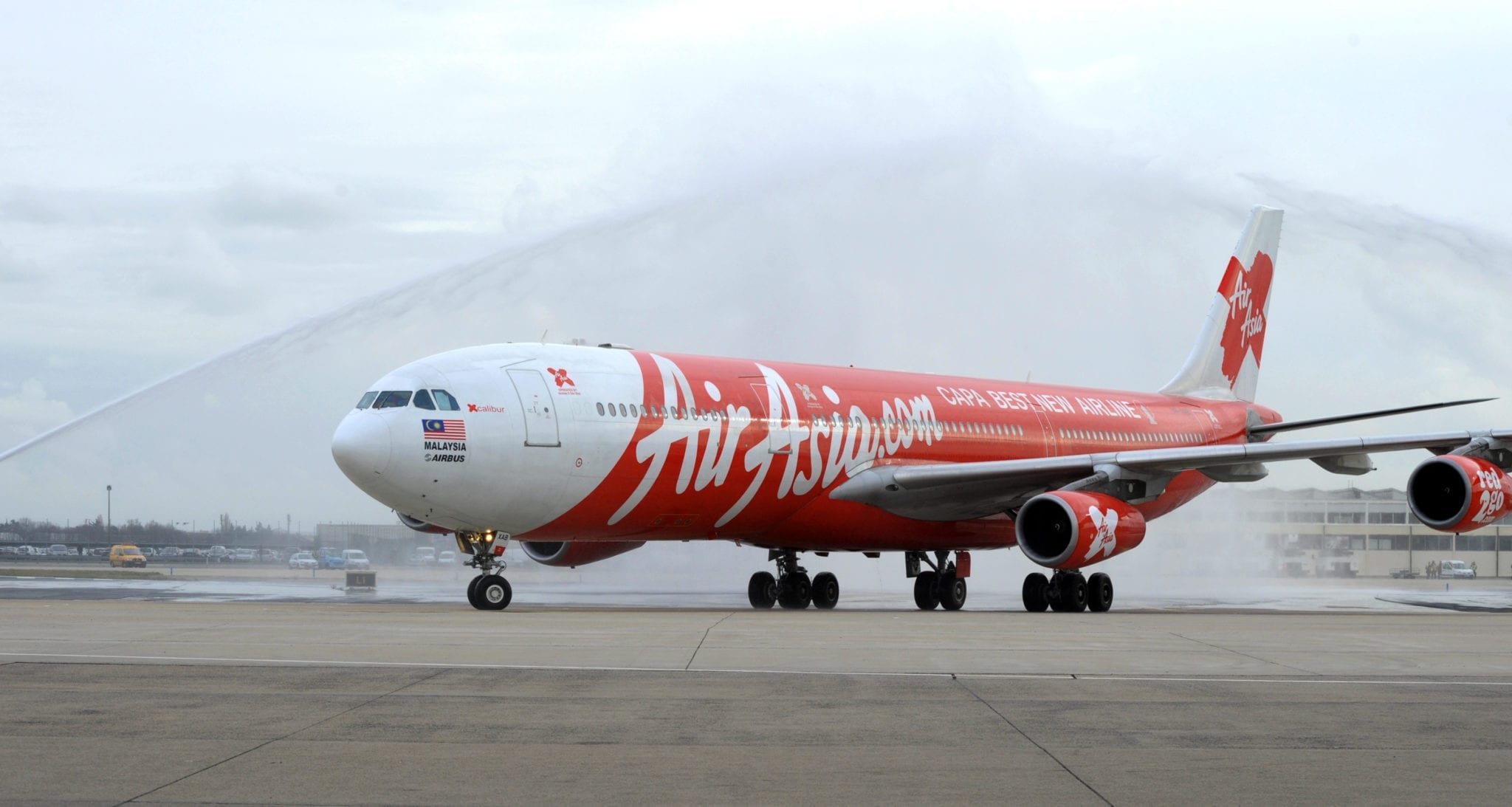
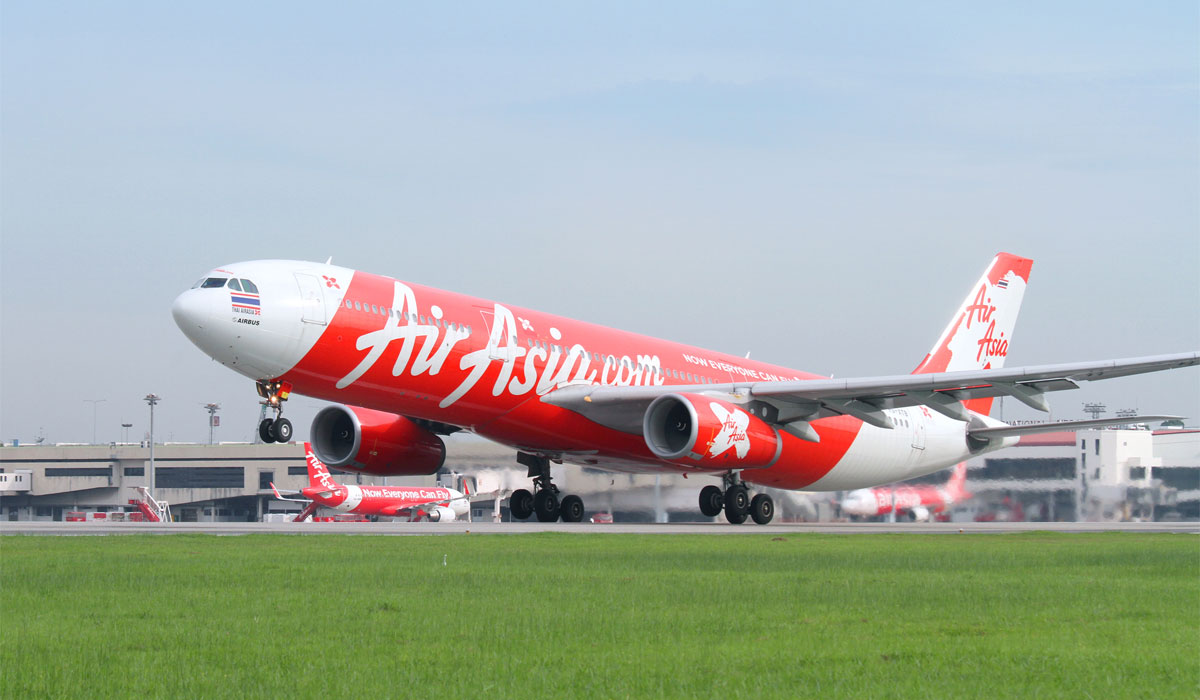
    Troubled long-haul, low-cost carrier AirAsia X widened its quarterly loss, as it remained grounded amid the coronavirus pandemic.

    For the quarter ended 30 September, the carrier, which recently unveiled a restructuring plan, reported an operating loss MYR498 million ($122 million), a staggering seven-fold increase year on year. It was also higher than the previous quarter’s MYR323 million operating loss.

    Revenue for the period plunged 94% year on year to about MYR60 million, as the carrier reported zero revenue from scheduled passenger operations. AirAsia X remains grounded amid international travel restrictions aimed at curbing the pandemic’s spread.

    Revenue from cargo operations and charter flights — amounting to some MYR8.5 million — were not enough to stave off any further revenue loss.

    Meanwhile, expenses for the period fell 53% to MYR487 million, due mainly to its ongoing grounding, which has reduced flying activity.

    AirAsia X widened its net loss to MYR308 million, compared to MYR230 million the same period last year.

    The carrier gave no operational statistics for the quarter, stating: “[The] company has suffered the full impact of the Covid-19 pandemic and, with the suspension of scheduled flight operations in April, and the parking of the majority of the aircraft fleet, the performance indicators for the business are not meaningful.”

    In early October, the embattled carrier rolled out plans to restructure its debts — of around MYR63.5 billion — and trim its network and fleet. It said then that the restructuring — subject to approvals — was essential to its future.

    Under its revised business plan, AirAsia X aims to emerge as a low-cost medium-haul operator. The airline adds that it hopes to restart operations with two aircraft in the first quarter of 2021.

    Cirium fleets data shows that Air Asia X has a fleet of 23 A330-300s, 21 of which are in storage. The carrier owns five A330s and leases the rest from various lessors. It also has orders with Airbus for 10 A350s, 76 A330neos and 30 A321XLRs.

    Among plans outlined to return to profitabilty, AirAsia X says in its latest financial results that it plans to “focus on core markets to improve yield”. These include “focusing on mature routes in core markets with historically proven demand”, as well as axing unprofitable routes. It also plans to operate a “leaner fleet size” in the future, which will necessitate the return of excess aircraft to lessors.

  • Singapore’s retail recovery remains to be seen

    Singapore’s retail recovery remains to be seen

    Shortly after the outbreak, e-commerce sales surged in many countries as consumers avoided crowded places and social distancing measures kicked in.

    In Singapore, a surge in online grocery sales overwhelmed booking systems. Demand for online food delivery soared, requiring operators to expand their workforce. Retailers, ranging from home furnishings to healthcare products and electronics, also saw a rise in online sales.

    Many shoppers, staying at home, buying online for the first time, and discovering the ease of online shopping, could form new digital habits, which may become permanent. This could propel the surge in online shopping to the next level, especially in Singapore, where the internet penetration rate is high and the online market share of retail sales is still low (8.5% in March 2020, according to SingStats), compared to developed countries.

    Amid rapid structural changes, retailers accelerated the adoption of e-commerce strategies. Some outsourced their online businesses by partnering with large established e-commerce marketplaces that offer integrated services, ranging from hosting product listings to sales, payment, inventory management, delivery and tracking. This minimises their capital commitment and administrative burden in the face of a liquidity crunch amid the pandemic. Robinsons partnered with Lazada to expand its e-commerce reach, for example.

    Many F&B players partnered with food logistics operators, including GrabFood and FoodPanda, or logistics providers, Lalamove and Zeek, while others looking to establish a stronger online presence built their own e-commerce platform. A new digital platform offered by DBS Bank built a branded e-menu with an integrated shopping cart, order management and payment platform within three business days. The service includes connecting merchants with logistics partners to offer food delivery services.

    Nevertheless, post-pandemic, consumers will return to physical stores for real-life shopping experiences. Frustrated shoppers without a grocery delivery slot may return to the supermarket.

    According to SingStat, the online market share of grocery sales in Singapore for March 2020 has fallen to 7.5%, from 7.8% and 8.5% in January and February 2020, respectively. The surge in food delivery may ease as some consumers prefer to enjoy the full dining experience in a restaurant ― when safe ― rather than eating out of takeaway boxes. Shoppers generally desire the “look, touch and feel” experience of buying.

    However, concern about pandemic safety is set to continue. Restoring shoppers’ confidence regarding their safety is key to driving foot traffic back into physical stores. Industry players need to enforce safe distancing and hygiene rules and step up efforts on contactless buying initiatives such as self-checkout and cashless payment options.

    Shoppers will also have reduced spending power amid the economic downturn. Industry players need to revamp their offerings at accessible pricing to widen the consumer base and target promotions towards visiting stores upon their reopening.

    Incorporating in-store strategies for pent-up demand, alongside an omnichannel strategy for the medium-term, could drive a post-pandemic recovery of the retail market in Singapore.

  • Tata Group may increase stake in AirAsia India and plans to Rebrand it

    Tata Group may increase stake in AirAsia India and plans to Rebrand it

    Tata Group, which was reportedly in talks with AirAsia’s parent company AirAsia Group Berhad last week for a $50 million emergency funding to keep the carrier flying in India, is now planning to raise its stake in AirAsia India to more than 76 percent.

  • How Brands Can Expand to Asian Markets 

    How Brands Can Expand to Asian Markets 

    Expanding into other countries requires a lot of forethought and planning. Expanding into different continents, however, can cause a massive failure without really understanding the culture and consumer. Asian markets are notoriously difficult for Western brands to succeed in, and that’s not just because of the language barrier. Many Asian countries are at a different period in their development than Western nations, and their consumption habits reflect this.

    Going in without respect to their culture, or an understanding of what they value, and need is a big mistake. Even bigger of a mistake is to assume that Asia is one, homogenous market. Every country, and more than that, every region, has its own cultural identity that needs a unique approach to succeed in.

    Without this dedication to connecting to each area, local businesses will destroy your efforts. They have the presence, and they know their audience. It isn’t a mistake that some of the largest and most prominent brands in the world began and operate from these countries.

    Their market is big, and their influence is greater. If you want to expand into the Asian markets, you need to be smart, and you need to use this guide:

    Improve Your House, First

    Expansion needs to be done at the right time. For that right time to be taken advantage of, however, your house needs to be in order, first:

    Improve Your Skillset

    As the owner of your business, the best thing you can do for its future is to complete an online MBA. There are a variety of specializations you can choose when you work on an online MBA, and ideally, you will want to choose one that you are not already excellent at. Rounding out your skillset as a leader and business owner is often hard, especially without someone taking a good, hard look at your current self and figuring out where you can improve.

    With that in mind, the online MBA that you choose must have a few key characteristics:

    • 100% online
    • Flexible; you should be able to take on as little as one course at a time
    • No mandatory log-in times
    • Career coach
    • Accreditation

    With these as the base of qualifications, you can then go on and find an online MBA that offers the specialization that you are most interested in. This could be in marketing, managing, or even data analysis. In regard to expanding into eastern markets, it is best to focus on more technical elements, like data analysis, as this will make the biggest difference both at home and overseas.

    Build a Cloud-Based, Integrated System for Your Business

    Your online MBA will help you better manage the human element of your business, and to take creative challenges to the next level. What it cannot help you with is manual labor. Admin tasks take a long time when done manually, and your business will not be able to keep up if you do make headway in your efforts towards eastern expansion. You, and your team, need a system that works with you.

    Everyone on your team will be put to better use solving and working on creative challenges. To allow them to focus on that, you need a cloud-based, integrated system. What this means in effect is that storge-wise it can expand as you need to, without any need to upgrade your system. It also means that your western and eastern teams can handle and use the same data, and have it updated for each other instantaneously.

    Finally, it means you can introduce automation. Automation is important for any business, as it makes easy work of boring and simple admin tasks that, done by a person, could take days.

    Optimize Your Efficiency

    The last step in improving your house is to optimize your efficiency. You will have learned a lot of possible strategies and possibilities during your online MBA, but never be afraid to outsource help, too. Some people specialize in auditing a company’s efficiency so that you can get a list of areas to improve on, as well as a recommended action. Doing this before you expand is best because these audits – and their improvements – only become more difficult the larger your business becomes.

    Learning About Your New Markets

    One thing that your online MBA will teach you is the importance of study. That is why before you actively make overtures to expand into new markets, you need to research them.

    Research

    You will ideally know exactly what to research and how to research and create detailed reports in your online MBA. If not, then simply brush up on these skills and follow suggestions found from white papers and even from hired consultants.

    You want to understand each country. Getting your foot in the door correctly means choosing the right market to focus on. As stated before, every country is vastly different and even more than that, regions within that country vary drastically. It would be best if you targeted where your customer base is, and ideally where there is a hole in the market for your business.

    Having a good idea about where to start can save a lot of money and headache, but don’t assume that your research alone is enough. If you want to expand into new markets, then you will need people to help you.

    Hiring New Talent

    The right people will help you make the right decisions both in terms of where you intend to launch, and how you can do it correctly. You have two main options. If you can afford to open a head office in that country, then you will ideally want to populate it with talented locals who best understand your new customer base, as well as that culture. Have a few members from your head office to ensure that your brand and values are translated over well, but for the most part, you need to trust your new employees to represent your brand well.

    The second option is to be represented by an agency. Marketing and PR agencies exist that can take you on as a client. They will work on marketing your brand to that new audience successfully. There will even be those you can hire to help you identify unique opportunities to expand further into that market.

    Slow and Steady

    It takes time to do this properly, so don’t put too much pressure on yourself. Instead, use what you have learned in your online MBA and manage. Manage the right people and make smart delegation decisions so that your business doesn’t just open in the right Asian market, but that it has a chance to succeed.

    Trends to Know About Asian Markets

    Building up your team and your business can help you prepare to expand, but you should never start without that key research. Even if your solution is to outsource and hire agencies to help improve the success of your transition, it is foolish not to do your own research. Understanding your customer base is the key to success in every instance and understanding Asian markets can help you provide additional value and cater to their needs as a priority. An online MBA can help you prepare, absolutely, but you must use your new skills to create a unique and comprehensive strategy to help appeal to the Asian markets, rather than expand your existing strategy, as this rarely works.

    1.   Online Shopping and Engagement

    One trend that is universal throughout the world, and why 2020 is a very smart time to expand into Asian markets with a digital branch of your business is the increase in online shopping. Though brick-and-mortar shops are slowly starting to recuperate, night-time shopping, mall shopping, and other key points of contact are still minimal.

    All eyes are online, and not only are they online, but they are spending an average of 21% more than before. Overall, online shopping is an average of 15% higher than it was before the pandemic.

    2.   Marketing to Focus On

    Marketing tactics, in particular, are very different in comparison to the west, and you need to be smart before launching your own brand into that market. Google might be banned from places like China but make no mistake – it was failing in that market long before it was formally pushed out.

    You cannot just expand marketing efforts from the west into the east. To see success, you need to use different strategies, as well as different marketing tactics. Rather than learn as you go, which is very difficult when extending your business’ branch so far out east, it is better to rely on those familiar with the markets in question.

    Hire marketers and experts who have made their career working within Asian markets or rely on external firms and agencies to build a successful expansion plan and marketing strategy so that you can succeed in the area.

    3.   What Consumers are Looking For

    The new decade is sure to bring about some significant consumer trends, particularly in Asian markets. Whereas western nations are waking up to the importance of sustainability, it is countries in Asia that are working fast to mitigate the huge environmental problems their countries face. China, in particular, has made headlines in its effort to cut emissions and clean up their air. It has actively begun to start collecting the funds needed (an estimated RMB 40.3 trillion) through an environmental tax. Coal plants are being shut down, and new sustainable development zones have been approved in Shenzhen, Guilin, and Taiyuan which implement the 2030 SDGs. They are headlining new technologies designed to clean air and new energy solutions, and the fight to clean up their own backyards has infected their citizens as well.

    In the next decade, trendwatchers expect the consumer appetite for new and innovative to take a turn towards the environment, with sustainable stewards, good police, and business as social being the key trends for businesses to watch out for.

    This echoes other consumer trends around the world, where sustainable lifestyles are becoming the latest status symbol, concerns over privacy and data and making headway, and the importance of community has never been so crucial than it is today.

    This occurs alongside a slowing of growth, both in GDP and in personal wage increase. The income growth, in particular, alongside high household debt, is also sure to decrease consumption in these areas. By providing not just a great product, but also catering to that new sense of status, you can appeal to Asian consumers.

    Expanding into Asian Markets

    If you are set on expanding into Asian markets, you have two options. If you operate a large company, then you must set up a dedicated office, with employees who are familiar with and have worked in that country for their entire career. You can have a few of your home office employees work in that eastern office to ensure that the overall brand identity and your values are upheld, but everything else should be decided on by those who understand that market. It is how you will best connect with these consumers, and the fact is this suggestion applies when expanding into any new country.

    Operating and marketing from the US to the UK or Spain, for example, will all look drastically different. There are various cultural attitudes, as well as trends that you can take advantage of to best appeal to those living in the area. Having a team of people who live and breathe these markets will help your business make a big splash abroad.

    Smaller companies can also do this, but rather than hiring an entirely new office, you’ll need to find agencies and outsource to them. This way, you still get the right direction for your expansion, but without the high cost of renting an office and hiring an entirely new team.

    Leverage all that you have learned in your online MBA to manage and transition your business into Asian markets successfully. Understanding how to properly manage your teams, as well as keeping your budgeting and finances in order, will be your secret weapon. It won’t happen overnight, but with the right people and the right vision, you can expand your business into the Asian markets.

     

  • Time is running out for Google to fix frustrating Chrome OS bug found on Android apps

    Time is running out for Google to fix frustrating Chrome OS bug found on Android apps

    Google is racing against the clock to get a bug fix out in time because in just three days, Chrome OS 87 is to be released on the Stable channel. Android apps have never fared well on Chrome OS and now this bug is greatly slowing down the input speeds that a user deals with when typing on the keyboard while running an Android app on Chrome OS 87. The keyboard input slows down to a crawl forcing the user to wait for the previous line he typed to hit the screen before typing the next line. The issue has been affecting users on the Beta, Dev, and Canary channels on Chrome OS 87.

    Even though the slowdown doesn’t affect the Stable channel at the moment, that could change because after the aforementioned three days, Chrome OS 87 starts running on the Stable channel bringing the keyboard input bug to those who are used to a relatively bug-free experience on that channel. Chrome OS users have been complaining about the issue on the Google support page. One member with the user name of Mattev writes, “Some apps are very slow to type into. What I mean is, if I’m typing stuff like this, the characters lag and take a few seconds to appear on the screen. The Chrome browser works fine. The problem happens in other apps like Opera browser. I’m on the beta channel. Another problem is that when hovering over a tab in Chrome browser, some other tabs flicker light/dark. I don’t know if it’s related.”

    A Diamond product expert named Jim Dantin, considered to be at the top of those helpers that browse through Google support communities seeking to answer questions, had some solutions for a short-term fix. He wrote “The usual cause of “slow” issues, is one or more extensions causing problems, flags that you may have altered, too many tabs open, you haven’t completely turned off your Chromebook recently, you are low on storage space, or you have too many extensions installed.

    • Reboot your Chromebook, don’t just close the lid, every night.
    • Reset all flags. Flags are really intended for the Google engineering/development team, not end users.
    • Delete or disable unneeded extensions. Or, do a Browser Reset to disable them all.
    • Keep the number of open tabs to a minimum, especially if you are doing something where performance matters.
    • Make sure that you have adequate (more than just a few GB) of available space on your internal storage.

    Check your internet speed. I like speedof.me or speedtest.net as a test. Compare to what you should be getting from your internet provider.”

    There is no question that creating documents or just generally typing with this latency bug is frustrating. Last month, Chrome OS users had another issue taken care of. To make sure that Android apps can be readable on Chrome OS, they were universally scaled to be 25% larger. The problem with this is that in the process of scaling these apps, content appears to be too big on the screen resulting in the cutting off of content. Another problem was that users with a digital pen discovered that the tip of the pen was not matching up with where the “ink” was starting from on the display. In other words, the “ink” trailed the tip of the digital pen making it hard for users to draw since the lines were off to the bottom right. Users would be forced to guess when they put the pen’s tip on the display, where the actual drawing was going to show up. And since there was no way to shut off uniform scaling, some workarounds were suggested such as the use of an app called Activity Launcher.

    1) Install the app, launch it, and search for “display.” 2) Click on com.android.settings. DisplaySettings to launch hidden display settings.3) Click on “Advanced” and then “Screen Size.” 4) Move the display size to “small” bymoving the slider to the left.You must repeat these instructions from step two to four every time you log out or restart your Chromebook. Following this workaround will return the apps to the way they looked before uniform scaling was first tried on Chrome OS.

  • Airbus resells six unwanted jets built for AirAsia

    Airbus resells six unwanted jets built for AirAsia

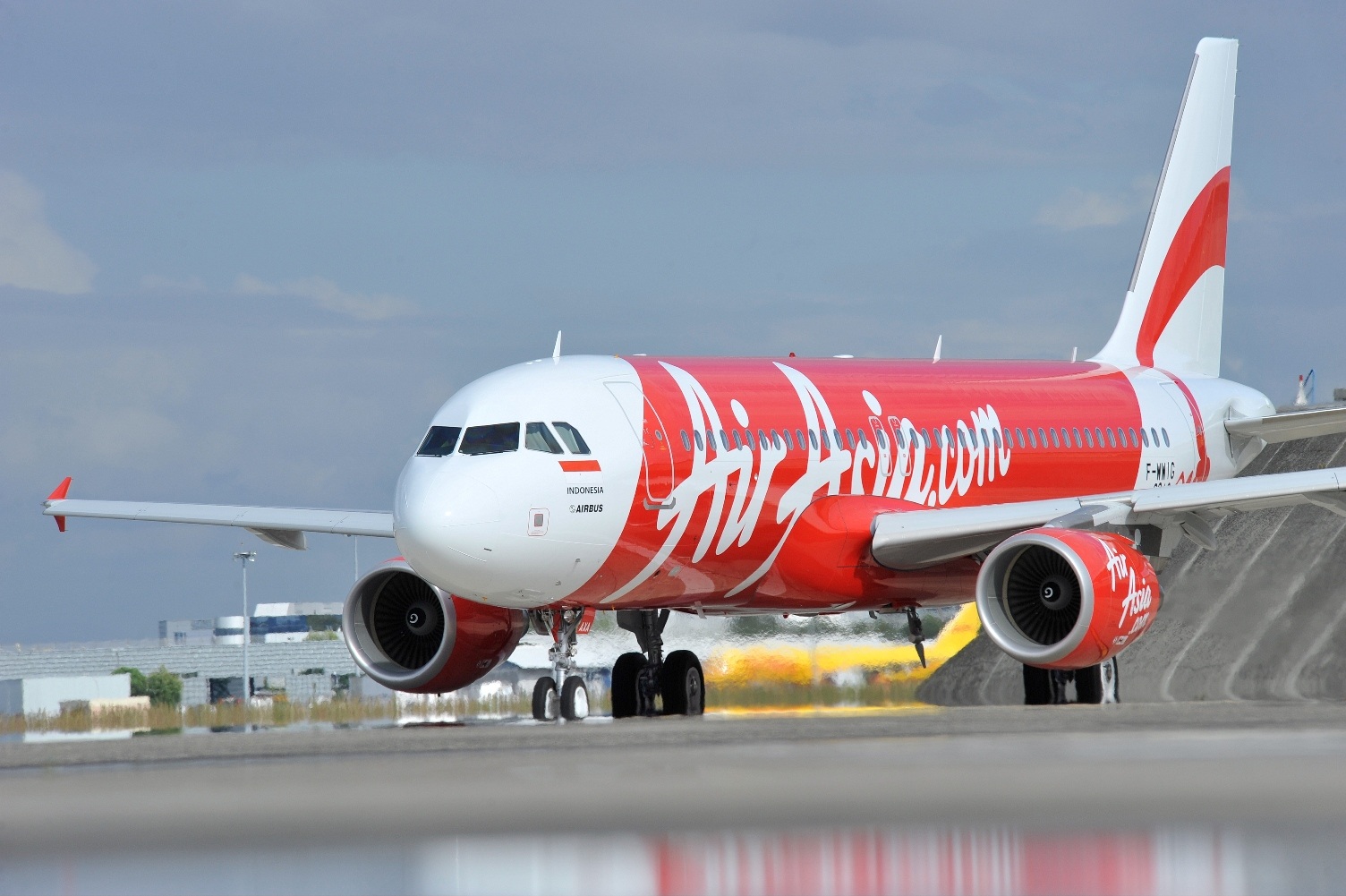
    Airbus has found buyers for six aircraft from the A320neo family rejected by one of its main customers, Malaysia’s AirAsia, as it works off a surplus left by the coronavirus crisis, industry sources said.

    Unwanted jets have become an emblem of pandemic-induced problems in the aerospace industry that have come on top of a chill in ties between two of its major players.

    Tensions became unusually public when Airbus in April invited tenders for six jets that AirAsia had failed to take delivery of.

    It has now found homes for all six, the last of which is being delivered this month, a European industry source told Reuters. Airbus provided no comment.

    Airbus has been steadily increasing deliveries as it strikes deals with airlines to reschedule deliveries or store jets.

    It said last month it had reduced an overhang that it had been unable to deliver during the crisis by 10 units to 135 jets. The redeployment of AirAsia orders is expected to trim the surplus further as deliveries top output in November.

    Airbus is seeing strong demand, relative to the rest of the battered sector, for its A321neo jet, and the aircraft has broadly held its value, the European source said. It is sticking with plans to increase output of the single-aisle jets.

    The A321neo competes with the two largest versions of the Boeing 737 MAX, which won approval last week to re-enter service after a 20-month grounding in the wake of two crashes.

    Boeing is expected to re-sell dozens of 737 MAX whose buyers cancelled during the grounding, potentially depressing prices.

    According to the UK-based consultancy IBA Group, all aircraft have lost some value during the COVID-19 crisis but the A321neo is trading around 5% below its inherent value while the MAX is 10% below – hurt also by the recent grounding.

    Doubts remain, however, about demand for a larger Airbus, the A330neo, whose largest customer, AirAsia’s long-haul unit Air Asia X, is seeking new funding to survive.

    AirAsia said in April it would stop taking deliveries of all Airbus jets this year and review remaining orders.

    The move exacerbated concerns about demand in Southeast Asia, which was already struggling with overcapacity before the crisis.

    AirAsia’s relations with Airbus were further clouded when it was drawn into an Airbus bribery case before being cleared by local investigators, industry sources have said.

    AirAsia co-founders denied any wrongdoing in a sports sponsorship deal cited in a wider Airbus bribery settlement with prosecutors in January. The European source said AirAsia remained an important partner for Airbus.

  • Vietnam leads in number of accounts removed by Facebook

    Vietnam leads in number of accounts removed by Facebook

    Facebook has removed 290 fake accounts in Vietnam so far this year, making the country top in number of account cancellations.

    Of those fake accounts, some had forged that of the Health Ministry to post fake news about the Covid-19 pandemic.

    The removals were made via coordination between Facebook and the authorities of Vietnam, Le Quang Tu Do, deputy head of the Authority of Broadcasting and Electronic Information under the Ministry of Information and Communications, told a conference in HCMC on Friday.

    Aside from the fake accounts, Facebook also removed 330 pages advertising online games and gambling as well as 2,200 links that promote trading of illegal products and services.

    In the past year, Vietnam has led the world in terms of the number of fake accounts being removed and violating posts being deleted by Facebook, Do said.

    Aside from Facebook, the authority had also worked with YouTube to either remove channels with toxic, offending and anti-government contents or block advertisements for them.

    In the year to date, more than 29,000 YouTube videos and 24 accounts have been removed.

    Previously, YouTube only removed or blocked ads for channels whose owners had been prosecuted in Vietnam but now, it will do the same for all videos deemed to have toxic contents by authorities, he said.

    Vietnam has so far licensed 800 social media platforms and the number of social media accounts has risen from 47 million in 2018 to 96 million this year, Minister Nguyen Manh Hung told legislators earlier this month.

    Facebook and YouTube account for the biggest amount of users in the country.

    In 2018, there were about 54.7 million internet users in Vietnam.

    The figure rose to 59.2 million last year and is estimated at 63.6 million this year. By 2023, it was forecasted to be 75.7 million, according to German data portal Statista.

    Statista also said Facebook had removed almost 1.5 billion fake accounts in the second quarter this year, down from 1.7 billion fake accounts in the preceding quarter.

  • AirAsia India plans expansion; to induct 3 more A320 neos by June 2021

    AirAsia India plans expansion; to induct 3 more A320 neos by June 2021

    Budget carrier AirAsia India plans to add three more Airbus A320 neo planes by June next year as part of its fleet and network expansion. The airline — a joint venture between Tatas and Malaysia’s AirAsia Investment currently has 32 aircraft, including two A320 neos inducted recently.

    In a statement to PTI, an AirAsia India spokesperson said the airline had signed an agreement for inducting five A320 neo planes last year.

    The Bengaluru-based airline took delivery of the first A320 neo in October and another one earlier this month.

    “We will be inducting our third Airbus A320 neo in December and we look forward to inducting our fourth and fifth A320 neo by June 2021,” the spokesperson said in the statement.

    The statement was issued in response to the queries sent to the airline’s managing director and chief executive officer Sunil Bhaskaran.

    On November 17, Malaysia’s AirAsia Berhad had said it was reviewing its investment in AirAsia India. Against this backdrop, there have also been concerns about the domestic airline.

    Indicating that AirAsia India is on an expansion path, the airline’s spokesperson said it is planning to scale up the capacity to 70 per cent from 55 per cent at present.

    “We are soon planning to amp up our capacity to 70 per cent,” the statement said.

    Domestic commercial flights were suspended for two months from March 25 to curb the spread of coronavirus infections.

    The Civil Aviation Ministry permitted increasing the capacity to 45 per cent with effect from June 27 from a maximum of one-third at the time of resumption of domestic flights from May 25. It was scaled up to 60 per cent from September 2.

    Airlines were allowed to operate at 70 per cent of the pre-COVID-19 capacity from November 11.

    Earlier this month, senior AirAsia India officials informed travel agents that it remains on the path of serving Indian market by growing its network and scale of operations.