Category: General

Retail News Asia is committed to providing both local and global retailers with the latest General Retail news throughout the Asian market. This on a daily base.

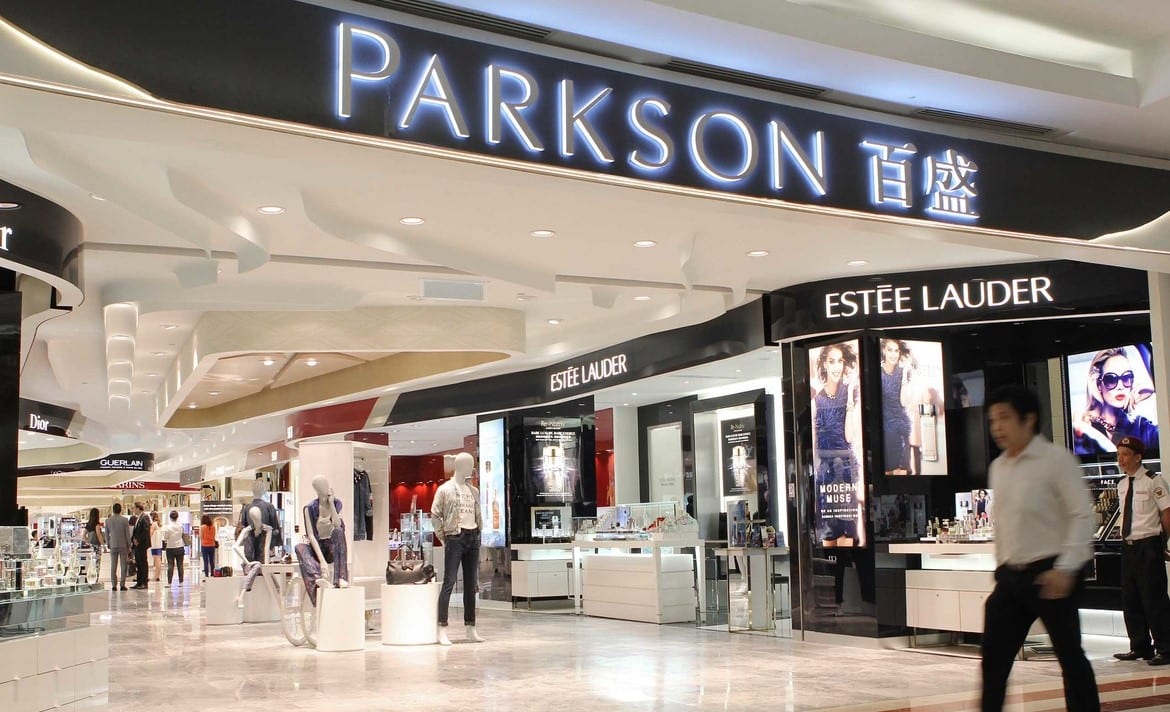
  • EY casts doubt over Parkson Retail’s ability to trade

    EY casts doubt over Parkson Retail’s ability to trade

    Parkson Retail Asia’s auditor has flagged the department store operator’s ability to continue as a going concern, given that its total liabilities exceeded total assets by about S$66 million.

    In its report for the audited financial statements for the year ended June 30, the auditor Ernst & Young (EY) highlighted as an emphasis of matter that the group incurred a net loss of about S$85 million, current liabilities exceeded its current assets by S$117.4 million, and total liabilities exceeded total assets by S$66 million as at the financial year-end.

    These conditions indicate the existence of a material uncertainty that may cast significant doubt about the group’s ability to continue as a going concern, Parkson Retail Asia reported in a regulatory filing on Monday.

    EY, however, did not qualify its opinion.

    Parkson Retail Asia said its operations were significantly impacted by movement restrictions and store closure caused by the pandemic in its key markets.

    The ability of the group to continue as a going concern is dependent on it generating sufficient cash flows from operations to meet working capital needs and continued support from its suppliers and creditors, Parkson Retail Asia said.

    But its board said the auditor’s report for the preceding financial year had also included a similar emphasis of matter.

    The counter ended flat at 1.4 Singapore cents on Monday, and it is still under watch-list by the bourse operator.

  • Largest solar plant in Southeast Asia begins operating in Vietnam

    Largest solar plant in Southeast Asia begins operating in Vietnam

    The largest solar farm in Southeast Asia has been commissioned in Vietnam’s central province of Ninh Thuan.

    The 450 megawatt Trung Nam Thuan Nam Solar Power Plant, which spreads over an area of nearly 560 hectares in Thuan Nam District, went on stream on Monday evening, 102 days after construction began in mid-May.

    Built by Ho Chi Minh City-based energy firm Trungnam Group at a cost of VND12 trillion ($518 million), it has a plant that can produce over one billion kilowatt-hours of electricity a year and a 17-kilometer transmission line to connect it with the grid.

    This is the first time a private company has been allowed to install a transmission line, a preserve thus far of state-owned utility Vietnam Electricity (EVN).

    Laying transmission lines has become a critical task since the rising number of renewable energy plants is overloading existing ones.

    Trungnam has added a total of 1,064 megawatts capacity to the national grid comprising of hydropower and solar and wind power. It plans to have a renewable output of nearly 10,000 MW by 2027.

    There are over 100 solar power plants operating in the country with a total capacity of over 6,300 MWp.

    The Ministry of Industry and Trade is drafting a national power development plan for the next decade with a 80 GW addition to the generation capacity of which 37.5 percent will come from wind and solar power.

    Vietnam needs over $133 billion over the next decade for building new power plants and expanding the grid to fully meet its surging demand for electricity.

  • Google shuts down Play Music Store, users advised to transition to YouTube Music

    Google shuts down Play Music Store, users advised to transition to YouTube Music

    Despite repeatedly announcing the upcoming closure of Google Play Music, there are probably a lot of people who are still using the music streaming service. Google has been adamant that regardless of whether or not YouTube Music will reach the parity of Play Music feature-wise, those using the latter will eventually have to switch to the former.

    Today, Google took one important step toward the deprecation of Play Music. The search giant announced that the Music store on Google Play is no longer available. If you’re one of the many music lovers who are still using Google Play Music, you have three choices as of today.

    First off, if you wish to continue listening to your Play Music library, discover new music with personalized recommendations, you must transfer your library to YouTube Music. Secondly, if you don’t want to transition to YouTube Music, you can keep your purchased music via Google Takeout. This option allows you to download previously purchased music from Google Play Uploaded tracks, your music wishlist and reviews, a list of the tracks, playlists, and radio stations in your library.

    Finally, there’s also the option to delete your Play Music library and recommendations history from the Google Play Music account settings. No matter which of the three options you choose, you must act by the end of the year, since that’s when the Google Play Music app will no longer be accessible and all data will be lost.

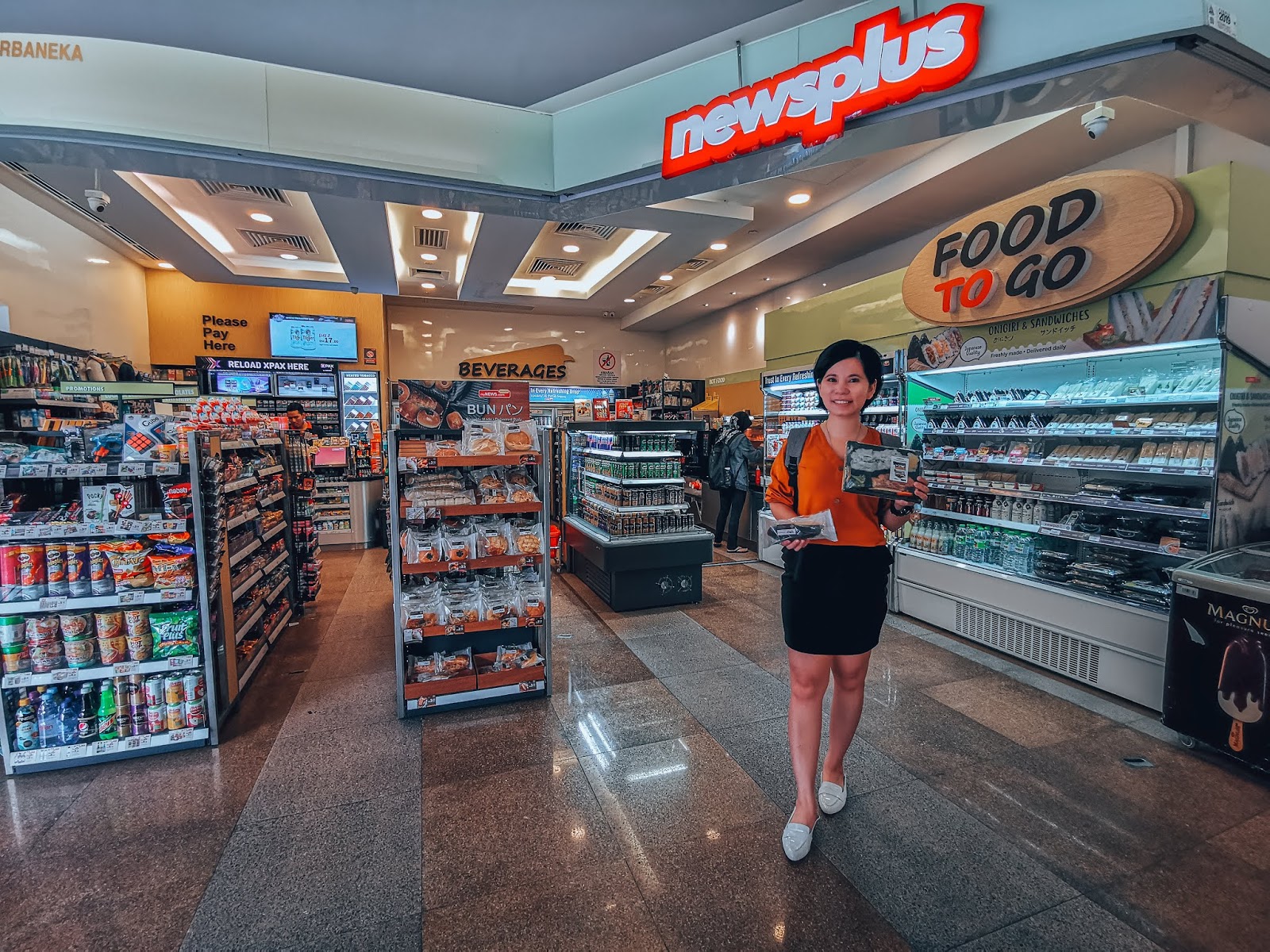
  • MyNews to open 500 CU convenience stores across Malaysia

    MyNews to open 500 CU convenience stores across Malaysia

    Home-grown MyNews Holdings Bhd, which already operates some 570 stores, is bringing a South Korean convenient store brand to the Malaysian market.

    At its headquarters in Kota Damansara, the convenience store operator announced that its wholly-owned subsidiary MYCU Retail Sdn Bhd had signed a licensing agreement with BGF Retail Co Ltd, which runs the CU line of convenience stores in South Korea.

    There are some 15,000 CU stores in the republic.

    MyNews chief executive officer (CEO)-cum-founder Dang Tai Luk said the group will open 500 CU stores in five years’ time, with the first set of stores set to be open in Malaysia by early 2021.

    When asked about the geographical location spread of the new stores, Dang said the group will look at launching the stores in bigger cities first.

    “The Klang Valley is where we would start our CU journey,” he said, noting that onboarding the CU stores is part of the group’s expansion strategy.

    In the first year, Dang said, the group will be looking at opening 30 to 50 CU stores first to monitor how they perform.

    He noted that CU will be using MyNews’ food processing center (FPC) and, as a result of this, the center’s utilization rate will be increased to around 70%, partly aided by CU products at end-2021, from 35% currently.

    The group expects the CU stores to break even in two to three years’ time, with MyNews spending RM30 million to RM40 million in capital expenditure (capex) on the stores.

    In terms of earnings contribution, he noted that group will see higher revenue as a result of the new stores that are expected to achieve better gross margins when compared to the MyNews stores, whose margins tend to be 30% to 40% currently.

    He noted that there is a gestational period for the CU stores and that initially the MyNews outlets will continue to be the group’s main earnings contributors, but opined that as the CU stores grow, they will contribute more to the bottom line.

    Dang was not concerned about oversaturation in the convenience store market, noting that the market in Malaysia is still young and growing with the penetration rate still low.

    The licensing agreement will last for 10 years, with an option to renew for another 10 years.

    There are currently 570 MyNews stores at the moment. When queried about whether it will slow the launch of MyNews stores in favor of the CU stores, Dang noted that the group will monitor the situation and adjust its portfolios accordingly.

    MyNews was last traded at 67 sen, with a market capitalization of RM457.04 million.

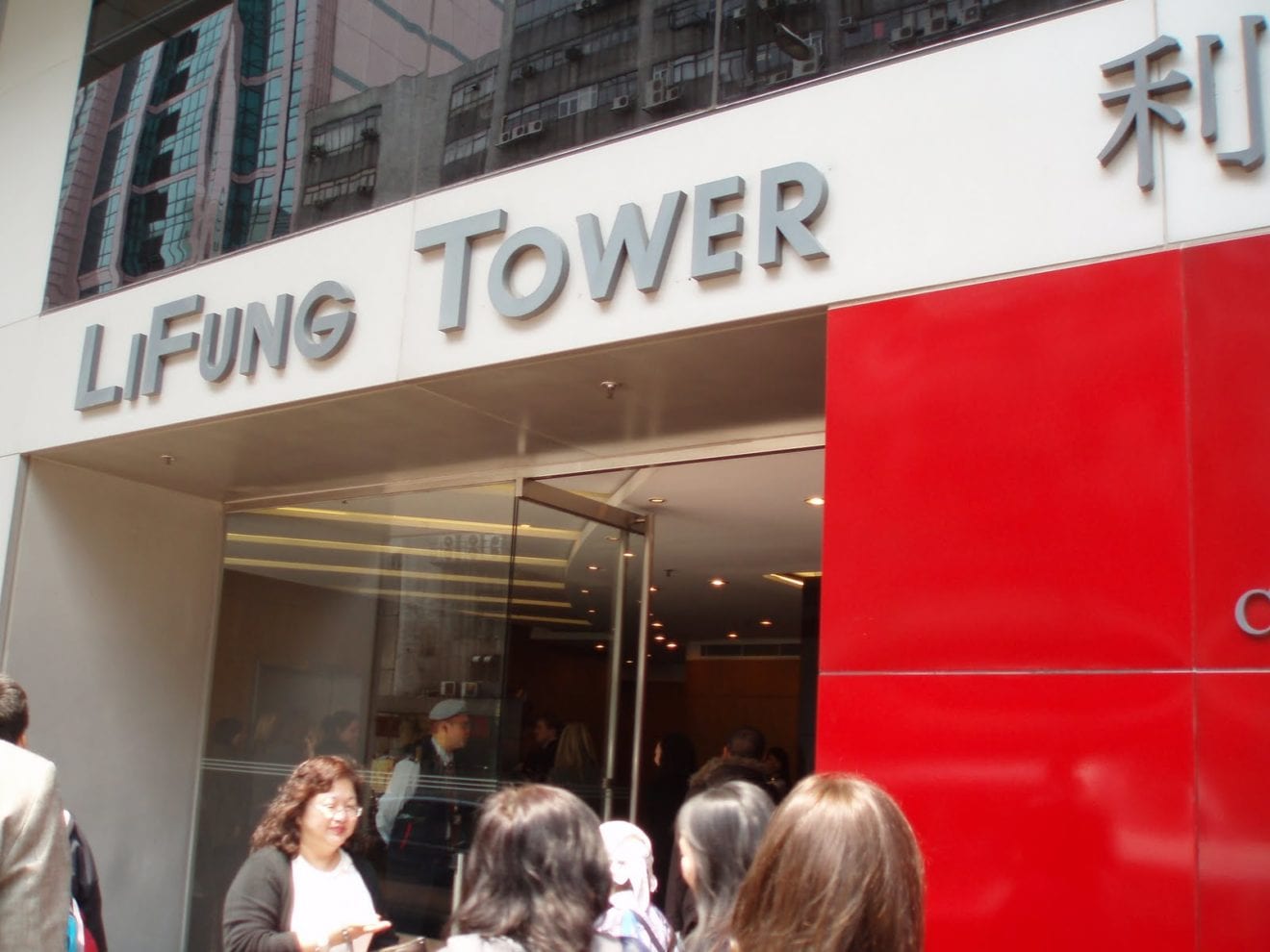
  • New management take the helm at Li & Fung

    New management take the helm at Li & Fung

    Li & Fung has appointed a new group CEO and executive chairman following its recent privatization.

    The group has named its group president Joseph Phi as Group CEO and Spencer Fung succeeds William Fung as executive chairman.

    Joining Li & Fung in 1999, Joseph Phi held the group president role since last year before being appointed to the new position. According to the company, he worked as executive director of Integrated Distribution Services Group Limited from 2004 until its acquisition by Li & Fung in 2010.

    “Joseph has a strong track record at the company, having organically grown its logistics business successfully over the past decade,” said William Fung, group chairman. “He was appointed group president, Li & Fung last year to bring his strong execution focus to our Supply Chain Solutions business and has since then expanded his responsibilities to our Sourcing and Production Platform across 50-plus economies.”

    With the new role, Spencer Fung will oversee all of Li & Fung’s businesses, working closely with the company’s new partners GLP and JD.

    Appointed as CEO in 2014, Spencer Fung joined the group as the fourth generation of the Fung family.

    “Spencer has a clear view and great ambition for the future of Li & Fung and what needs to be done to succeed in today’s ever-changing environment,” said William Fung.

  • Convenience stores are emerging as new centres of day to day life

    Convenience stores are emerging as new centres of day to day life

    In 2018, Nielsen had reported that FMCG sales growth in Southeast Asian convenience stores reached 8.3% and Mintel published that sales through Chinese convenience stores hit US$19.78billion with a CAGR of 24% over the past 5 years.

    These gains made by such retail channels reflect changing consumer lifestyles influenced by the constant and rapid urbanization of Asia’s developed and developing cities. Urbanization across the globe has caused people’s lifestyles to evolve to be more mobile and time-constrained. Concomitantly, these changes lead people to seek new communal spaces and a shift toward having smaller households and families. As such, convenience stores are beginning to adapt to these changes to become more integral to people’s daily lives. This also means emerging opportunities for producers of FMCG and F&B brands to tap into.

    To become an essential part of people’s every day, convenience stores have, and are, taking on new roles through innovation and experimentation in space management and retail strategy. The busy and hectic lifestyles of consumers today have given rise to convenience stores providing one-stop service solutions. These solutions range from bill payment, banking, postal and travel services, online purchase collection points, and even laundry drop off points.

    For instance, e-commerce giants Zalora and Lazada in Hong Kong and Singapore have paired up with 7-11 stores across the city that provide easily accessible and trusted locations to pick up their parcels if they had missed their home deliveries. Here, there is tremendous potential for e-commerce brands to expand their access through convenience stores in more remote or inaccessible areas. Accessibility of convenience stores also presents partnership opportunities for brands and companies offering these services to grow ever closer to consumers. Convenience stores are also starting to provide an extended selection of easy-to-eat meals that have moved beyond mere ‘quick fixes’. Easy-to-eat meals on offer in stores overlap convenience with attributes of quality, authenticity, and health to cater to consumer’s busy schedules without forgoing trends, taste, and dietary preferences. Stores also offer air-conditioned seating areas to take their meals in an affordable and comfortable space. Hence, convenience retail channels are turning into alternative third spaces – new places for social engagement – as lifestyles and social interactions grow more and more fluid and mobile.

    With a wide range of food and beverage options coupled with free wifi and air-conditioned seating areas, convenience stores are being redesigned to attract and retain consumers on-site.

    Furthermore, it is not entirely uncommon these days to see stores such as 7-11 hosting events or musical performances, becoming sites and spaces of entertainment consumption. This presents partnership opportunities for brands to co-host events and invent both novel and practicable product formats for consumers spending more time in the store.

    Thus, convenience stores are no longer just a space to buy basic and practical necessities. It has turned into an experiential place where customers can enjoy and discover things they like. Convenience stores today function as ideal discovery centers for both brands and consumers to experiment with new products in smaller low-risk formats. Brands can use these stores as introductory and experimental test-grounds for new products and packages for consumers to try before full conversion.

    Apart from product testing and brand discovery, convenience stores today also provide novel and experiential consumer retail experiences through creating or testing seamless purchase journeys. In this sense, cashless payments and unmanned kiosks open up opportunities for detailed consumer analytics. Brands can take advantage of this and partner with convenience stores to use data to create personalized marketing campaigns and build stronger customer engagements.

    Tapping into the future of convenience retailing

    The ongoing diversification of consumers’ needs overtime has made convenient stores more than just a convenient space to shop. Convenience is being redefined as this particular channel grows to become more of a cornerstone in people’s daily lives. To grow closer to customers, brands need to adapt to these changes in consumers’ lifestyles and make use of convenience retail channels in varied ways to:

    1) provide access to services and products
    2) provide a wide range of food and beverage options to satisfy different dietary preferences
    3) partner with such channels to host events
    4) use these channels as a testbed for novel and innovative product formats
    5) create personalized marketing campaigns from consumer-generated data

    In order to capitalize on the growth and opportunities convenience stores present, FMCG, and food & beverage brands need to map out areas of play in convenience retail channels to achieve success. This includes an understanding of formats and the market in CVS, along with a thorough comprehension of new developments and trends through general retail and category deep dives, as well as ensuring a design strategy exists for product categories to meet customers’ lifestyle needs.

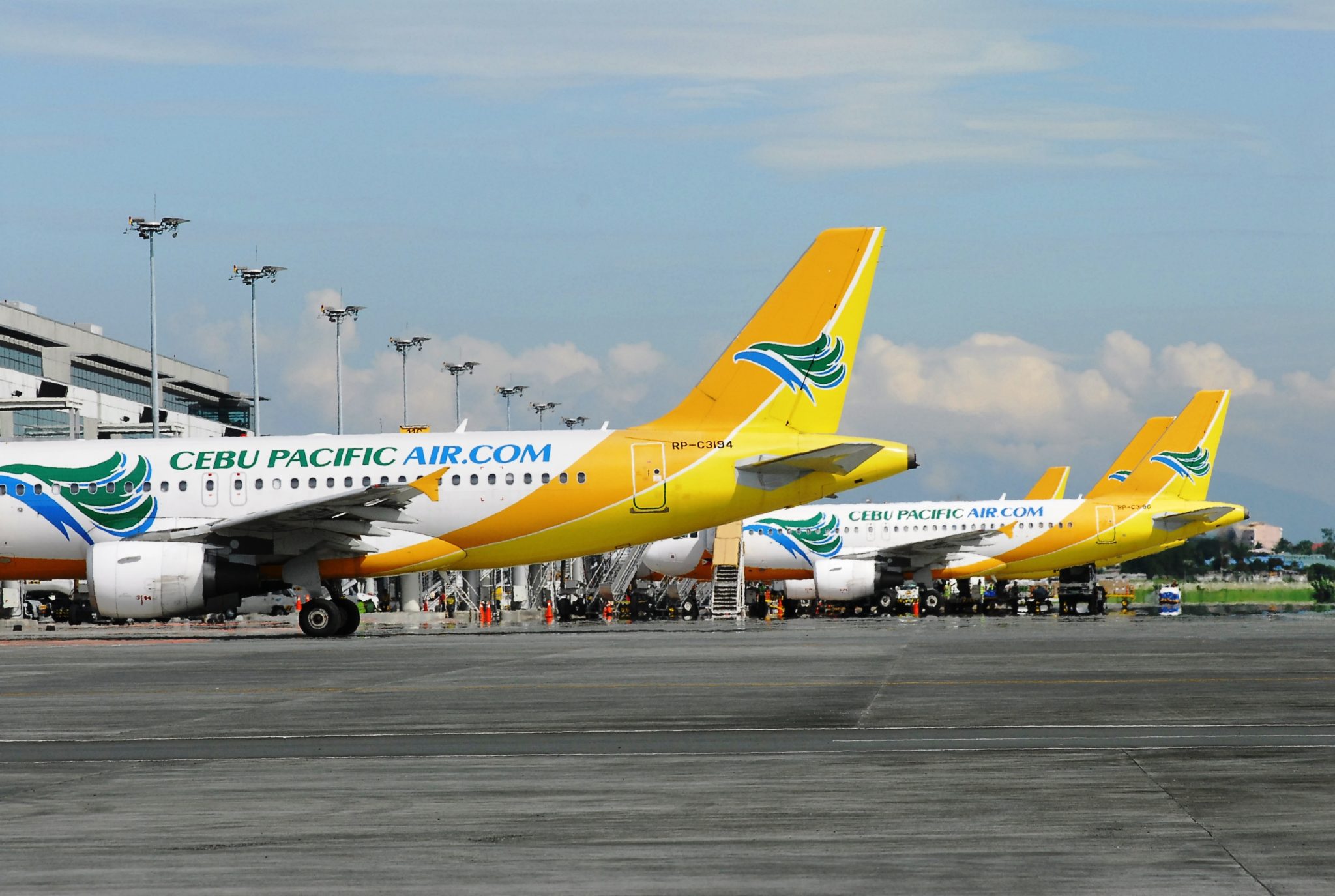
  • Cebu Pacific to raise $500 million in fresh capital

    Cebu Pacific to raise $500 million in fresh capital

    Cebu Pacific announced plans to raise up to $500 million in additional capital — by selling preferred shares and bonds — as it undertakes a restructuring exercise that sees it cut its fleet and network to cope with reduced travel demand.

    The Philippine low-cost carrier discloses that it will raise up to $250 million in new convertible preferred shares and another $250 million in a private placement of convertible bonds.

    Proceeds from the recapitalization exercise, subject to shareholder approval by November, will help strengthen the carrier’s balance sheet, it adds.

    It also comes as part of a wider business transformation exercise that the carrier is undertaking.

    Like many carriers in and around the region, Cebu Pacific has acutely felt the impact of the coronavirus outbreak, which has seen travel restrictions crimp demand.

    It notes that it is only operating about 15% of pre-pandemic capacity. For the first six months of the year, Cebu Pacific reported a 61% year-on-year decline in revenue, at Ps17.3 billion ($357 million).

    It also reported an operating loss of Ps6.29 billion for the quarter ended 30 June, widening the Ps693 million loss incurred in 2020’s first quarter.

    “Due to this exceptional change in market conditions and industry dynamics, [Cebu Pacific] saw the urgent need to fast track its transformation. It is currently implementing a business transformation exercise that involves the right-sizing of network and fleet to meet new demand, and improvement of operations efficiency through process and policy enhancements and digitalization, among others,” the carrier discloses.

    Cebu Pacific adds that since the start of the pandemic, it has been accelerating efforts in digitalization, “resulting in a significantly reduced unit cost, allowing the carrier to continue offering affordable air travel”.

    “This capital raising exercise will provide the airline with the needed runway to withstand the financial challenges it faces as it slowly goes back to pre-Covid business levels and settles into the ‘new normal’,” it states.

  • US$1bil loan offer for AirAsia data

    US$1bil loan offer for AirAsia data

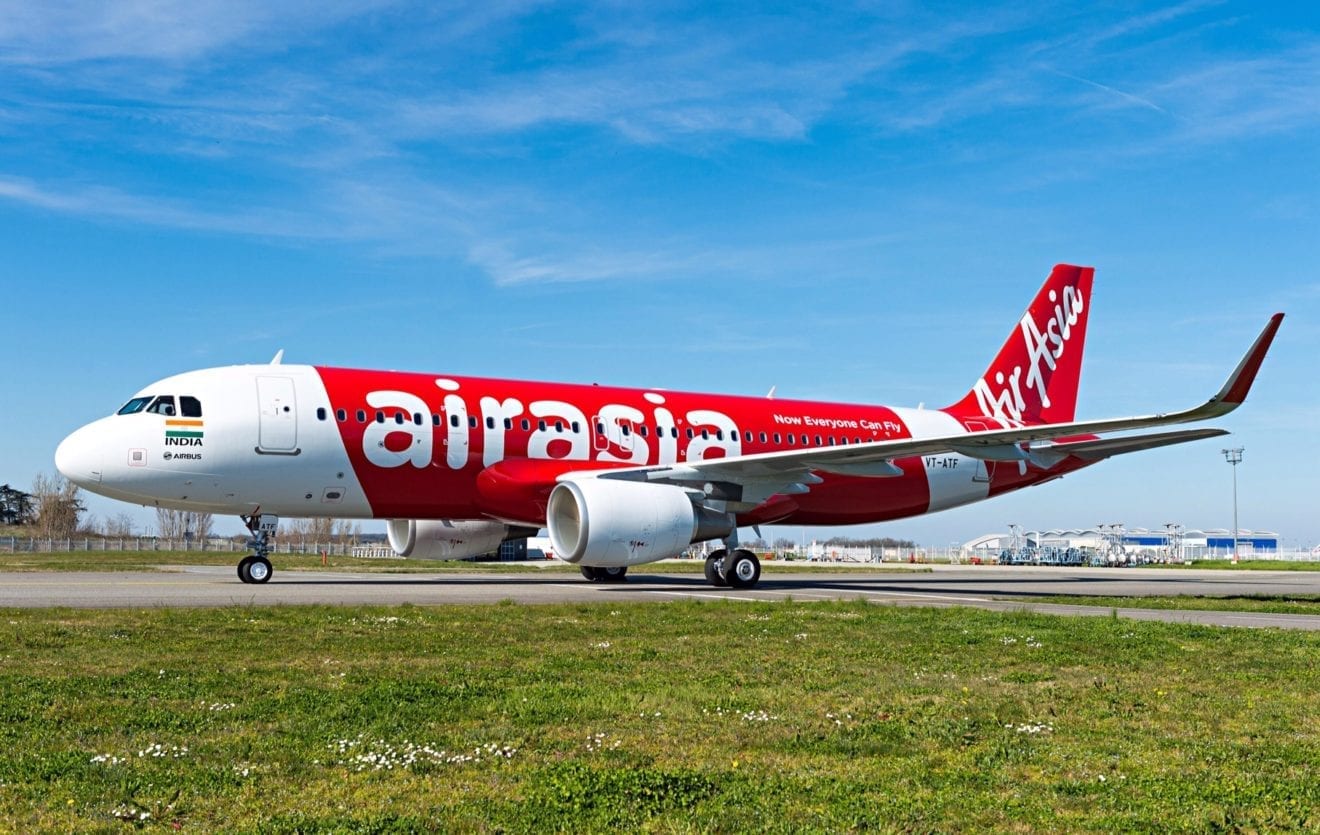
    An American lender is willing to loan AirAsia US$1bil for the data of its customers it has accumulated from its business over the years. AirAsia Group Bhd CEO Tan Sri Tony Fernandes did not reveal the name of the potential US lender but spoke on how its data-driven new “super app” would become an equal contributor to group profit with its airline business in five years.

    “The airline has created this amazing business, ” he said, adding that post-Covid, the app has seen 50 million unique visitors every month.

    “We didn’t rush into the digital age as we started this journey two years before the Covid-19 outbreak, ” he told the media.

    The contribution forecast is based on AirAsia flying 300 aircraft in five years.

    He said there was a cash-raising potential to be done at the airasia.com and airline levels.

    “The first lot of financing will be announced by the end of this month, ” he said.

    Fernandes said that all pillars of the airasia.com app have already broken even except the fintech segment of the digital business because of the interchange fees it has to pay credit card companies. However, it has secured a money lending license from the Housing and Local Government Ministry to add another element towards the app’s fintech business.

    In a statement yesterday, AirAsia said it’s airasia.com Asean super app provides over 15 types of products and services under three main pillars, which are travel, e-commerce, and fintech.

    Fernandes believes the app can be a competitor to some of the established apps in Asean like Grab and Gojek and will provide competition in a fierce segment like food delivery.

    In the lucrative food delivery business, restaurants would not have to pay a commission to airasia.com like they do for other food delivery apps, but pay instead to the food deliverer, which translates to a commission rate of between 3% and 9% per delivery.

    “Now, everyone can travel, experience, shop, eat, enjoy rewards, and more with the new airasia.com super app. From travel needs to everyday lifestyle essentials, there is something for everyone, ” said airasia.com CEO Karen Chan.

    Fernandes said AirAsia would not be taking delivery of new planes as there is a lot of excess aircraft within the industry.

    “No one is going to fly the same size of fleets they did pre-Covid-19 for a couple of years, I imagine.

    “My guess is that we would be able to fly 180 planes by end-2021 for the entire group.

    “It depends on when the borders re-open for all our markets, ” he said. AirAsia has 245 planes currently.

    In fact, Fernandes said the airline would be returning 22 planes this year to its lessors.

    “I don’t see us getting to a position where we want to buy planes for a number of years.

    “Even when you want to buy planes, there will be cheaper second-hand planes out there, ” he said.

    As for travel, Fernandes said leisure travel would likely bounce back ahead of business travel.

    “Leisure, budget, short-haul business travel will bounce back to pre-Covid-19 level and we are already seeing it.

    “In Thailand, we are 95% of the capacity of pre-Covid-19. In fact, by Q4 we will be 10% ahead of where we were.

    “When the borders re-open, (the business) will bounce back really fast, ” he said.

  • Miniso eyes US expansion

    Miniso eyes US expansion

    Miniso, is not, as has been reported, a Chinese dollar store. It is not a Japanese dollar store. In fact, it is not a dollar store.

    But it may give Canadian dollar stores a run for their money.

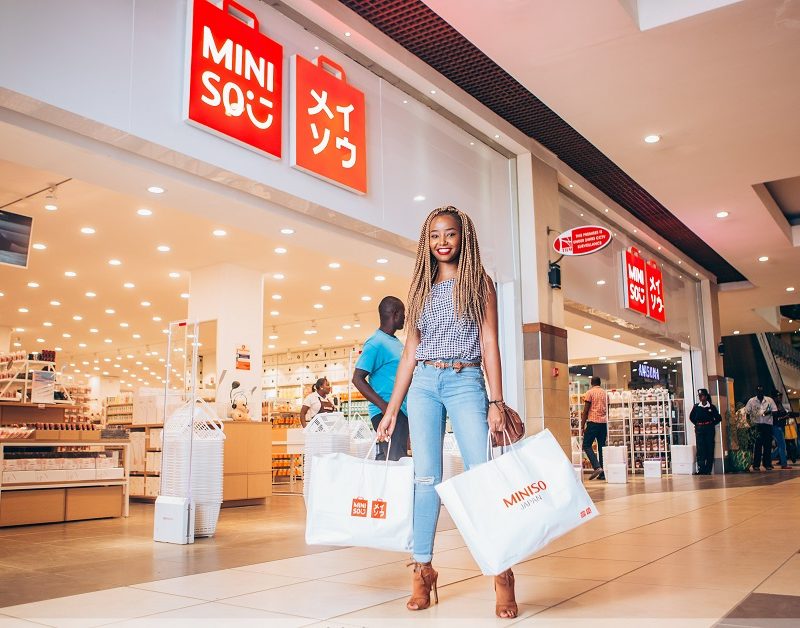
    When the first GTA Miniso opened in October at Pickering Town Centre in a slip of a space — 1,500 square feet — shoppers lined up to buy the retailer’s whimsically designed plushies, cosmetics and homewares and electronics, ranging in price from $2.99 to $34.99.

    “It’s fun, it’s fresh, it’s new,” said Pickering Town Centre general manager Diane Camelford, explaining the appeal.

    “Our philosophy is high-quality goods at an affordable price. So if people call us a dollar store, that’s fine with us, but we’re more of a variety-retail, lifestyle store at a very reasonable price,” said Sherman Leung, district manager, Miniso Canada Investments.

    Miniso, launched in 2013, is the result of a collaboration between a Japanese designer and a Chinese entrepreneur. It is headquartered in China, where it has more than 1,000 stores and is a mainstay in malls and at transit stops, Leung said. The company also has stores in the U.S., Mexico, Australia, Europe and the United Arab Emirates.

    It opened its first Canadian store in the spring in Vancouver and expects to have about 18 in operation in B.C., Ontario and Alberta by 2018, including locations at Oshawa Centre, Hillcrest Mall and Upper Canada Mall.

    It’s aiming for 100 stores in Canada by the end of next year and 500 in three years, which is still less than half as many locations as Canada’s most successful dollar-store operator, Montreal-based Dollarama, with 1,135 locations.

    The other dollar store chains in Canada together operate fewer than 500 locations: Dollar Tree has 226 stores; Dollar Store with More has 125, Great Canadian Dollar Store has 99 and Buck or Two has 47.

    And Dollarama is still expanding, at a current rate of about 60 to 70 new stores per year, with each averaging 10,099 square feet and stocking an estimated 4,400 items. Party supplies and seasonal items are a big draw at Dollarama.

    Miniso stores vary in size, but the largest in Canada to date is at Bramalea City Centre, at 4,300 square feet, selling 2,500 items, just 500 more than the small store at Pickering Town Centre. Plushies are the biggest seller, according to Leung — a hit with the store’s millennial target market.

    Mall managers like the chain because although Miniso’s target market is 18 to 35, the stores hold appeal for shoppers in all demographics.

    “I think it’s for every shopper, to be honest,” said Hillcrest Mall general manager Brian Marentette.

    The Miniso expansion comes at a time when analysts have been questioning the value underpinning Dollarama’s soaring stock price and whether the sector is ripe for change.

    Dollar stores began expanding rapidly after the 2008 financial crisis and the sector is ready for innovation, according to Doug Stephens, founder, Retail Prophet, a Toronto-based retail advisory.

    “I think there’s an opportunity for someone to come in and say: We know you want inexpensive stuff, but that doesn’t mean that you can’t have nice design at the same time — kind of like what Ikea did for furniture,” Stephens said. “If Miniso gets it right . . . I think they could take a chunk out of Dollarama.”

    Dollarama shares, which hit a high of $166.62 on Nov. 28, suffered a setback after third-quarter earnings released on Dec. 6 failed to meet some performance targets set by analysts.

    Same-store sales growth was 4.6 percent, below forecasts of 5 percent and higher, driving share prices to a close of $149.73 for the day.

    BMO Capital Markets analyst Peter Sklar called the initial adverse reaction “overdone.” Desjardins Capital Markets analyst Keith Howlett, meanwhile, kept a buy rating on the stock, calling Dollarama “the best organic growth story within our coverage universe,” with a target of $165.

    Dollarama company executives seem so far unfazed by the threat presented by Miniso.

    “We consider all retailers to be our competition, of course, and as far as Miniso goes, we consider them a pure China-based, Chinese import dollar store,” said Neil Rossy, Dollarama president and chief executive officer, on the company’s earnings call.

    “They do a very nice job in stores about a quarter to a third the size of ours, but their merchandise is focused on a very different customer base than ours. It’s very much design-oriented non-essentials. We’ll continue to watch them, as we do all other retailers in Canada and abroad, and we have been watching them well before they came to Canada, and we will consider them as competition, as we consider all the other retailers in Canada as competition, but there’s nothing for us to react to at this time.”

    Whether Miniso can catch up to Dollarama remains to be seen — for now, analysts aren’t exactly betting on it.

    Retail expert Farla Efros, president, HRC Advisory, believes the future for Dollarama lies in moving the price point as high as $5 to $6 over time, pointing to Five Below in the U.S., founded in 2002 and expanding rapidly across that country, with more than 600 stores in 32 states. The chain sells everything for $5 and under.

    “Like everybody else, quarter-to-quarter Dollarama will go up and down, but I think they still have a good opportunity in the market,” said Efros.

    Alex Arifuzzaman, founder of InterStratics Consultants Inc., says Dollarama is not in mortal peril yet. “It would take a while to ramp up to the number of stores needed to affect Dollarama,” he said.

  • Google makes Gmail Go available to all Android users

    Google makes Gmail Go available to all Android users

    Just like many other popular mobile apps, Gmail has its own lighter version, which is mostly recommended for those using low-end smartphones. Gmail Go has been available to a certain category of Android users in select regions for quite a while, but that’s about to change starting today.

    Google released Gmail Go in the Play Store so that anyone can download and use it. Gmail Go offers the same email experience as the full-fledged app, it’s just that it does away with some visual elements.

    For starters, it doesn’t have the “Meet” button at the bottom of the screen. Also, the overall aspect of the app is slightly “cleaner” in the sense that it doesn’t make use of shadows. Truth be told Gmail users can set up their app’s UI so that the Meet button won’t appear at all, but that’s another discussion.

    The bottom line is if you want to try out a lighter version of Gmail, supposedly optimized to work on devices with less RAM, you should be able to download Gmail Go via the Google Play Store right now.

  • Google Assistant now supports third-party apps shortcuts

    Google Assistant now supports third-party apps shortcuts

    Google Assistant is now smarter and more useful than ever. Google revealed that its personal digital assistant now supports shortcuts for third-party apps. Basically, Android users will be able to use Assistant voice commands within some of the most popular apps not made by Google.

    For example, if you’re looking for something specific within an app, you can say, “Hey Google, open Taylor Swift on Snapchat.” But that’s not all! The new functionality allows Android users to play music, start a run, post on social media, order food, make payments, hail a ride, and much more – all with just their voice.

    To make things even more convenient, Google Assistant now lets users create custom shortcut phrases for their favorite apps. For example, you could create a shortcut to just say, “Hey Google, lace it,” instead of saying the longer version, “Hey Google, tighten my shoes with Nike Adapt.” To start making shortcuts simply say, “Hey Google, show my shortcuts,” and you’ll be taken to the setting screen.

    There are dozens of third-party apps that now support shortcuts, including Yahoo! Mail, Nike Adapt, Nike Run Club, Spotify, Best Buy, Instagram, Google Maps, YouTube, Instagram, Uber, PayPal, Discord, Walmart, Snapchat, and many more.

  • Aeon sales down due to Covid-19, but now up again

    Aeon sales down due to Covid-19, but now up again

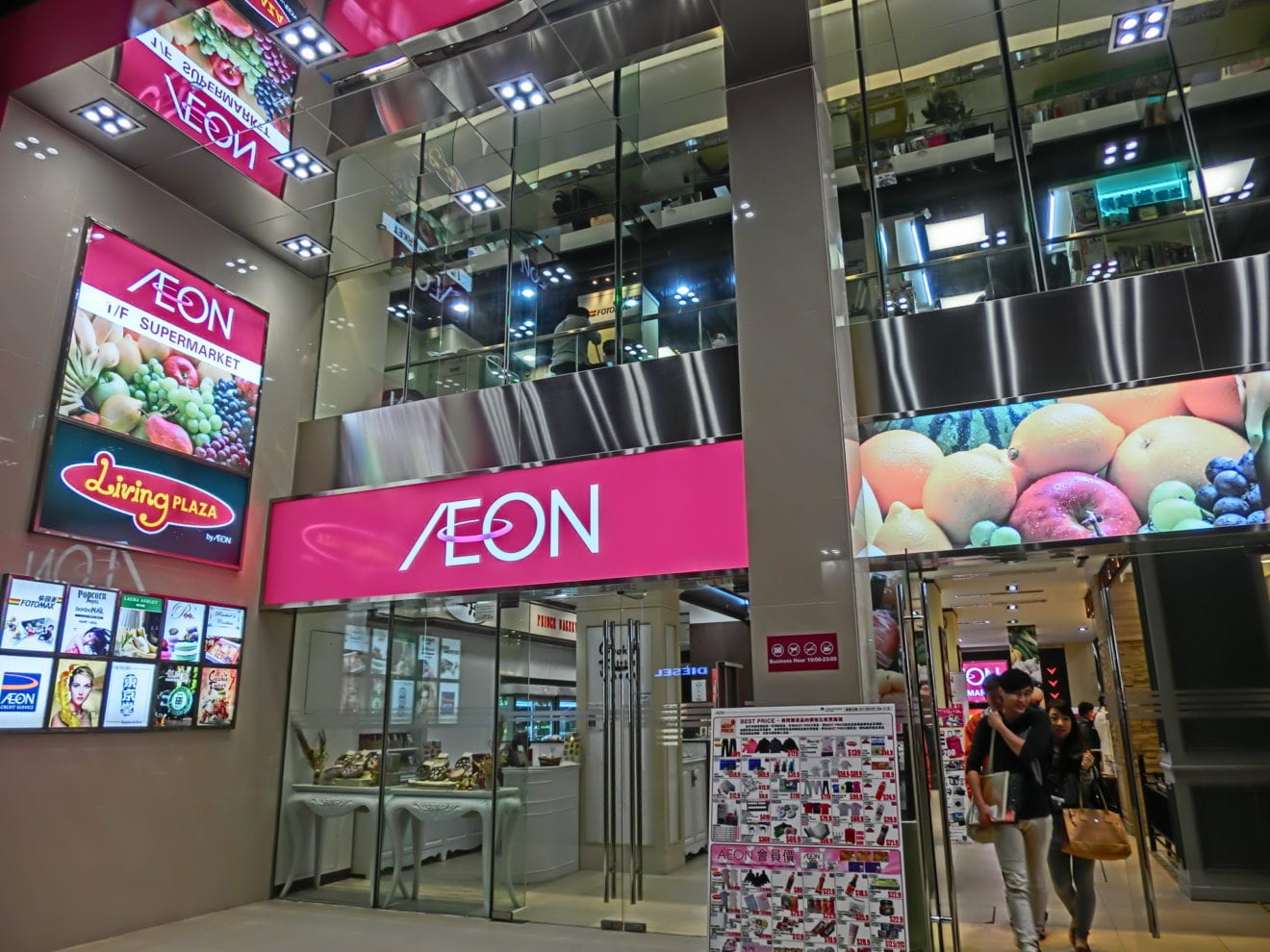
    Aeon logged a consolidated net loss of ¥53.9 billion in the March to May period, it’s the largest loss since the retail giant began releasing quarterly net balance information in the fiscal year to February 2005.

    The company was in the red in its first-quarter net balance for the second straight year, according to its earnings report released on Wednesday.

    The massive red ink reflected the impact of the COVID-19 epidemic on Aeon’s mainstay general merchandise retail business, with temporary closures of Aeon shopping malls amid the virus crisis also weighing on the retail group’s earnings.

    People’s efforts to stay home to avoid infections that started to spread in March led to plunges in sales of all goods excluding food items at Aeon’s general merchandise outlets, and the drops accelerated after the government’s declaration of a state of emergency over the novel coronavirus that causes the disease in April.

    The retail group’s real estate development business, for shopping malls and other commercial facilities, also struggled as the pandemic caused temporary closures of half of its Chinese facilities in February and all of its domestic facilities in April, leading to a large cut in rental income from tenants.

    Meanwhile, food sales grew as more people stocked up food items for consumption at home. The brisk food sales led to an improvement of some ¥20 billion in the company’s operating income for the category.

    The health and wellness business also boomed on the back of robust sales at drugstores.

    Aeon did not revise its earnings forecasts for the full fiscal year ending next February, saying that, while businesses are recovering faster than expected, the company is not yet in a state that would require estimate revisions.

  • Vingroup app to digitise 300,000 vietnamese mom-and-pop shops

    Vingroup app to digitise 300,000 vietnamese mom-and-pop shops

    Vietnam’s biggest conglomerate, Vingroup, has recently launched a mobile app for mom and pop retail stores, helping to digitize a traditional business that has been upended by modern convenience stores such as 7-Eleven.

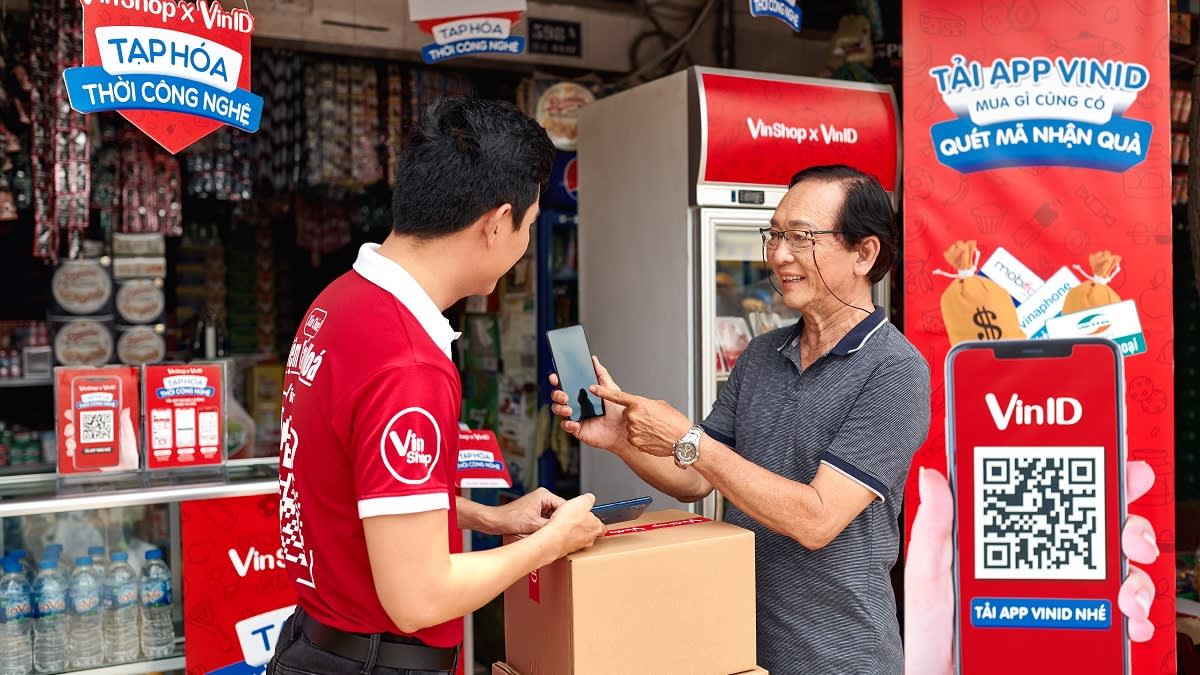
    Vingroup announced Monday that its VinShop app is used by 20,000 small shops in Hanoi and Ho Chi Minh City. Those stores, called tap hoa, are typically family-run and sell sundries. Shopkeepers use the app to order hundreds of items from suppliers, eliminating the need to contact them individually. They also use it to connect to another Vingroup app, VinID, used by 10 million retail shoppers to make payments.

    VinShop began building its retail network in July, aiming to connect manufacturers and shops through the app, which includes purchase and distribution functions. “VinShop’s revenue will be based on a targeted advertising platform, financial services offerings and market development for suppliers,” Truong Quynh Phuong, business director at Vingroup’s logistics arm, One Mount Group, said last Wednesday.

    Tiny brick-and-mortar shops have long underpinned Vietnam’s “sachet economy,” an allusion to the common practice of selling single-use packets of many daily consumables, such as shampoo and coffee.

    Small shops face growing competition from 7-Eleven, Ministop, B’s Mart, and even Vinmart+, the chain of convenience stores launched by Vingroup now run by local consumer goods giant Masan following a merger in December. Sales at the major chains reached $170 million in 2019, about four times as much money as traditional shops took in, according to a July report from Deloitte, a consultancy.

    The VinShop app is the latest addition to the suite of Vingroup brands, from VinFast cars to VinSmart phones, as the company founded by Vietnam’s richest man, Pham Nhat Vuong, turns its focus to technology and manufacturing.

    Vingroup says its app will raise the income of small shops, which it calls grocery stores, by $432 a month on average by making their operations more efficient and cutting costs.

    “This solution is expected to improve the efficiency of the entire supply chain, and help overcome the current weaknesses in the distribution of products from manufacturers to grocery stores,” the company says.

    National and international convenience store chains have become hangouts for young Vietnamese, who gather to sip juice and slurp instant noodles. Traditional shops, by contrast tend to be windowless rooms that are often attached to owners’ homes, and piled high with things like chips, bottled water and laundry detergent.

    “For many rural consumers and lower-income urban consumer segments, who need to budget daily for food and make purchases in small quantities, traditional grocery retailers, such as local markets and mom and pop shops, are a convenient and affordable alternative to modern trade outlets,” according to the Deloitte report.

    Consumption has dropped across the board during the novel coronavirus pandemic, which has left Vietnamese reluctant to go out, said Infocus Mekong Research. In its July survey of shoppers, 36% said they would visit convenience stores less often, even after the pandemic ends, versus 22% who said they would shop more often.

    Similar efforts to modernize traditional shops through technology are taking off elsewhere in Southeast Asia. In Indonesia, startups BukuWarung and BukuKas have raised millions of dollars for similar smartphone apps.

  • Korean firm invests in Vietnam car-wash chain

    Korean firm invests in Vietnam car-wash chain

    South Korean oil refiner GS Caltex Corp has bought an 11.56 percent stake in car-wash startup Vietwash for $1.7 million. Nguyen Thanh Duong, founder of Vietwash, said the money would be used to double the number of outlets to over 100 in the next few years.

    It now offers car and motorbike wash services at 51 locations in Ho Chi Minh City and central Da Nang City.

    Hur Joon-hong, GS Caltex executive vice president, said his company would help Vietwash develop an automatic car maintenance system and expand.

    Vietwash, which began operations in 2014, claims to be the first car-wash chain in Vietnam and serves 1.3 million customers a year.

    In 2016 it received an investment of $1 million from private-equity firm Vietnam Investments Group. GS Caltex has been selling vehicle lubricants in Vietnam since 2017.

  • Google adds new “high visibility” security alerts

    Google adds new “high visibility” security alerts

    Google published a blog on Wednesday explaining how the company plans on using a new process to alert Google Account subscribers when a serious security issue pops up. Back in 2015, Android alerts were used to notify people when they had a security issue with their Google Account. This notification would appear if someone’s account was, for example, hacked. With the new notifications, Google saw a 20-fold increase in the number of users who responded to them within an hour of their receipt compared to those who received word of a security issue via email.

    Soon, Google says that it will release a new security alert that will surface on whichever Google app that the user has open and it will help him address a problem. These new alerts cannot be spoofed so if one shows up on a Google app, the user can be sure that it is genuine. This feature will be rolling out on a limited basis over the next few weeks with a broader distribution expected to begin early in 2021.

    Google also announced today that it has added a new Guest mode for Google Assistant. With Guest mode, you can use a simple voice command to save your Assistant interactions somewhere else instead of on your device. You can also turn off Guest mode at any time to get the full personalized version of Google Assistant back again. You can also use your voice to delete what you just said to Google Assistant. And the latter will now instantly answer more questions about privacy and security.

    Google says, “To make it easier to control your privacy, you’ll soon be able to directly edit your Location History data in Timeline by adding or editing places you’ve visited with just a few taps, and because Search is the starting point for so many questions, starting today we’ll display your personal security and privacy settings when you ask things like “Is my Google Account secure?”

    Google claims to block over 100 million phishing attempts a day; the Google Play Project scans over 100 million apps daily looking for malware and other problems.