Category: General

Retail News Asia is committed to providing both local and global retailers with the latest General Retail news throughout the Asian market. This on a daily base.

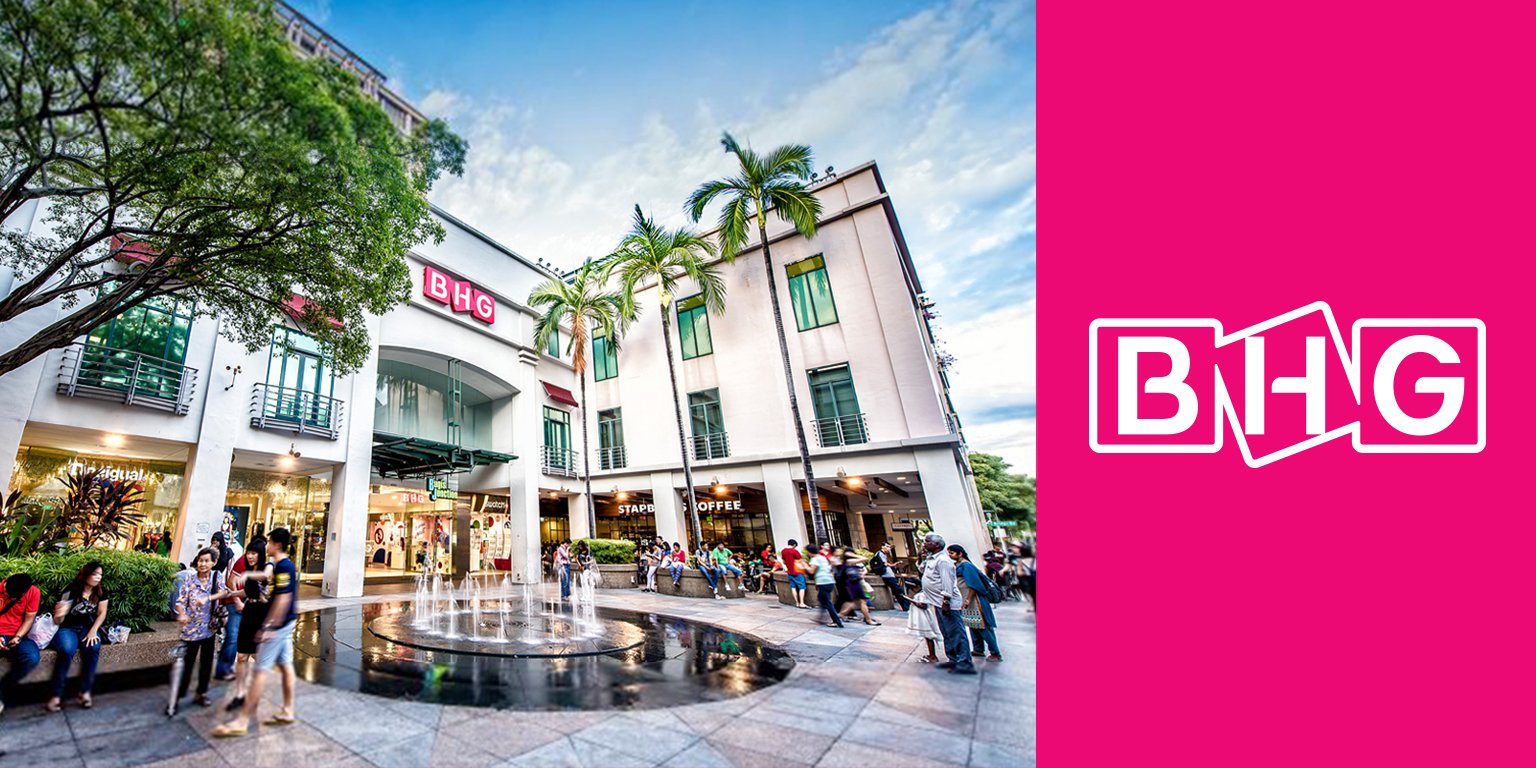
  • Singapore’s BHG Bugis opens reimagined Beauty Hall

    Singapore’s BHG Bugis opens reimagined Beauty Hall

    BHG Bugis has launched a Beauty Hall, spanning more than 13,000sqft, featuring 27 beauty brands and 45 fragrance labels, 12 new beauty counters, a ‘Beauty Library’, and five spa concepts.

    According to the company, the launch is part three of BHG’s reinvention plan, following the launch of its e-commerce platform, and the introduction of in-house locally designed fashion labels.

    The concept space Beauty Library features nature-inspired beauty products, including local skincare brand Rooki and a selection of vegan makeup products from Makeup Store.

    The Beauty Hall offers several digital touchpoints, including Lift and Learn digital walls where customers can find information about products. Exclusive gamification and a social wall at HoneyWorld Counter allow customers to collect points they can exchange for HoneyWorld products.

    The precinct also houses SkinCeuticals’ largest departmental store counter, where customers are welcomed by an AI Robot Assistant.

    The Beauty Hall also features store-in-store cashiers, allowing customers to purchase within the brand area without having to go in search of a traditional cashier counter.

    BHG was originally opened as a joint venture between Japan’s Seiyu and Hong Kong’s Wing On in 1995. Seiyu took over Wing On’s share in 1998 and in 2005 the stores were bought out and renamed BHG.

  • Google tests cool new feature for the Play Store

    Google tests cool new feature for the Play Store

    In its never-ending battle to improve the Google Play Store, Google is testing a method to allow users to make comparisons between two or more apps. This comes after Hamburgers were removed from the Play Store menu earlier this month. No, Google wasn’t competing with Mickey D’s. The Hamburger menu was an icon consisting of three straight horizontal lines that looked like a Hamburger from the side (top bun, meat, and bottom bun) and when tapped, a menu list appeared.

    The Compare apps section appears near the bottom of a Play Store listing and at the moment it seems to be limited to a few side-by-side comparisons of media players under the heading of Compare apps. The apps are compared based on things like offline playback, visual quality, ease of use, controls, and whether or not a particular app will cast content. A major assumption is that Google is gathering the information it uses for comparisons directly from feedback from users who are prone to leave reviews.

    Remember that this is just a test right now and it has appeared in the Play Store when some users are running version 22.4.28 of the app. Being able to compare key elements of two or more similar apps listed in the Google Play Store is sure to improve the experience of using Google’s Android app storefront.

  • Cebu Pacific promotes Philippine tourism with ‘Juan Love’ campaign

    Cebu Pacific promotes Philippine tourism with ‘Juan Love’ campaign

    The resilience of the country’s tourism sector was put to the test as local businesses and industries had to deal with the immense challenges brought about by the COVID-19 pandemic.

    However, it also brought out the Filipino spirit of Bayanihan, sparking hope for the nation as everyJuan provided support to one another.

    As an airline that strongly believes in #EveryJuanWillFlyAgain, Cebu Pacific further encourages everyJuan to step up and support the country as it gradually recovers.

    The country’s leading carrier has launched its newest campaign “Juan Love – One love for the Philippines.” At a time when borders are slowly reopening, this online campaign aims to inspire everyJuan to travel again – to see the places they have missed and experience the local culture and cuisine unique to every destination.

    The Juan Love campaign will not only highlight the beauty and wonders of Philippine destinations but will also capture how flying supports the people keeping the tourism industry afloat. Each flight, each tourist will help people sustain livelihoods – everyJuan for everyone.

    As this campaign showcases the scenic spots, thrilling activities, and native delicacies each destination is known for, Juan Love will also shed light on all the local businesses and fellow Filipinos making all these possible.

    “We are delighted that Cebu Pacific came up with this heartfelt initiative. More than rekindling the desire of Filipinos to travel once again, the Juan Love campaign also puts a spotlight on the people whose jobs and livelihoods depend on the inclusive growth brought about by tourism,” expressed Secretary Berna Romulo-Puyat of the Department of Tourism.

    “We are always grateful for the support, and rest assured that we will continuously collaborate with the aviation sector so we may all help our industries, and our economy, recover,” she also said.

    Staying true to its commitment to provide safe, affordable, and fun-filled air travels for everyJuan, Cebu Pacific celebrates local tourism with a series of exciting Juan Love Seat Sales!

    “We have been continuously working hand-in-hand with our partners in the government to help ensure the nation bounces back from this crisis. We believe as more destinations open up for tourist travel, we are able to support the small businesses and communities,” said Candice Iyog, Cebu Pacific Vice President for Marketing and Customer Experience.

    “With the launch of our Juan Love campaign, we hope everyJuan joins us in showing one love for the Philippines,” Iyog added.

    A total of one million seats to domestic destinations will be up for grabs throughout the ‘ber’ months for the Juan Love push.

  • L’Occitane sales recover fast in APAC

    L’Occitane sales recover fast in APAC

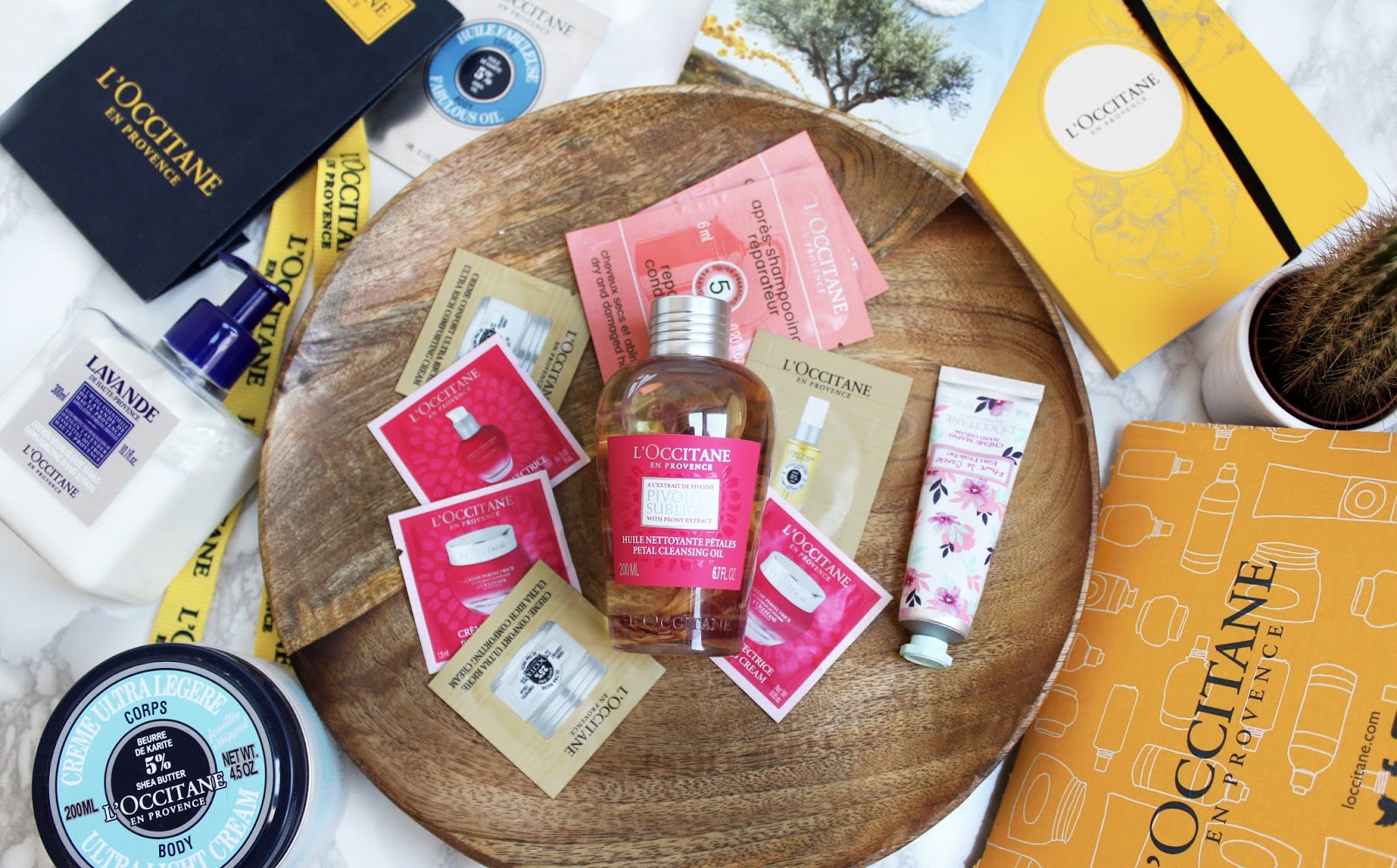
    Beauty products brand L’Occitane saw sales momentum improve significantly in the September quarter as consumers resumed shopping in the wake of Covid-19 lockdowns in much of the world.

    The year-on-year decline in sales improved from 22.2 percent in the June quarter to a more modest 4.5 percent in the subsequent three months.

    Sales for the combined first half-year reached US$726.2 million, down 13.1 percent in the same period a year earlier. Growth in South Korea was the most spectacular – up 37.4 percent year on year, with China close behind, up by 30.5 percent, and Taiwan up by 15.3 percent.

    While foot traffic into physical stores began to recover, the company’s online channels outperformed brick and mortar shops, soaring 80.8 percent to account for 40.7 percent of total sales in the September quarter.

    L’Occitane chairman Reinold Geiger said all of the company’s brands saw significant improvements in sales momentum in the second quarter, compared to the first. L’Occitane en Provence was particularly resilient — its sales decline narrowing from 25.7 percent to 4.1 percent. The travel retail business also showed some improvements, particularly in Asia.

    The group recently commenced a reorganization process aiming to be more efficient and flexible, which will likely lead to the loss of about 300 jobs, primarily in corporate roles, from its global workforce of 9000.

  • Tokyu department store leaves Thailand

    Tokyu department store leaves Thailand

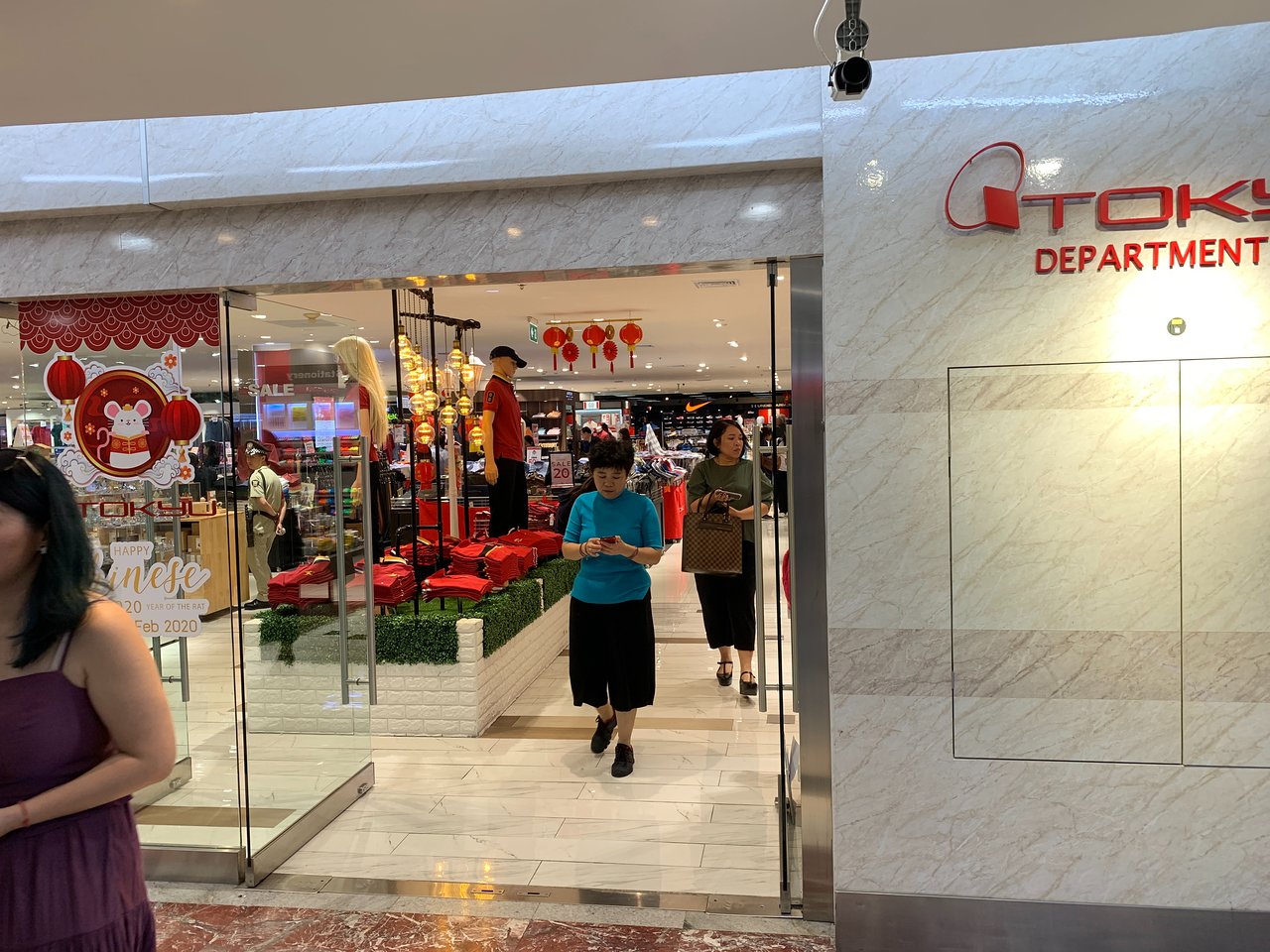
    Japanese department-store chain Tokyu is to exit Thailand, the third Japanese retailer to withdraw from the country this year.

    Tokyu aims to close its last store at Bangkok’s MBK shopping center next January, ending 35 years of trading in the city. The retailer closed its second, newer store at Paradise Park last year.

    The department store has been struggling in the shopping center competition due to the launch of a series of new developments in Bangkok. However, the tourism depression resulting from Covid-19 proved a fatal blow to the company, forcing it to retreat home.

    The closure came suddenly, with the management of MBK saying just two weeks ago that the store would undergo a renovation after the lease agreement was extended for another nine years.

    Tokyu’s withdrawal follows the departure of Japan’s upmarket department store Isetan in September. That company pulled out of Thailand after 28 years of trading there, saying it was unable to continue to compete with other retailers.

    With Tokyu leaving Thailand, Takashimaya will become the only Japanese department-store chain left in the country.

    Another Japanese retailer, FamilyMart effectively withdrew this year after selling its stake to local partner Central Retail, effectively becoming a franchisor.

  • Apple Music update brings some iOS 14 features to Android devices

    Apple Music update brings some iOS 14 features to Android devices

    Apple briefly tested some iOS 14 features for its Music app for Android devices last month, but they were only available for those able to access the beta version of the app. Starting this week, just about all the important changes that were spotted last month are now making it to the stable version of the Apple Music app.

    If you’re using Apple’s music streaming service on an Android phone, here is what you’ll get in the latest update. First off, the update adds Listen Now, a new section that replaces the For You tab, a brand-new search experience, which involves relocating the search icon to the bottom bar, and, finally, an enhanced playback experience.

    Under the “enhanced playback experience” tag, you can include important new features like Autoplay, Crossfade, as well as the possibility to share on Instagram, Facebook, and Snapchat Stories. All of these new features are now available to all Apple Music users on Android devices.

    Besides the most obvious stuff, Apple mentions that the update also improved the app’s performance, which means a lot of under-the-hood changes were made too. To get the most out of your Apple Music app, you can download the latest update right now via the Google Play Store.

  • Cebu Pacific and SIAEC dismantle maintenance joint ventures

    Cebu Pacific and SIAEC dismantle maintenance joint ventures

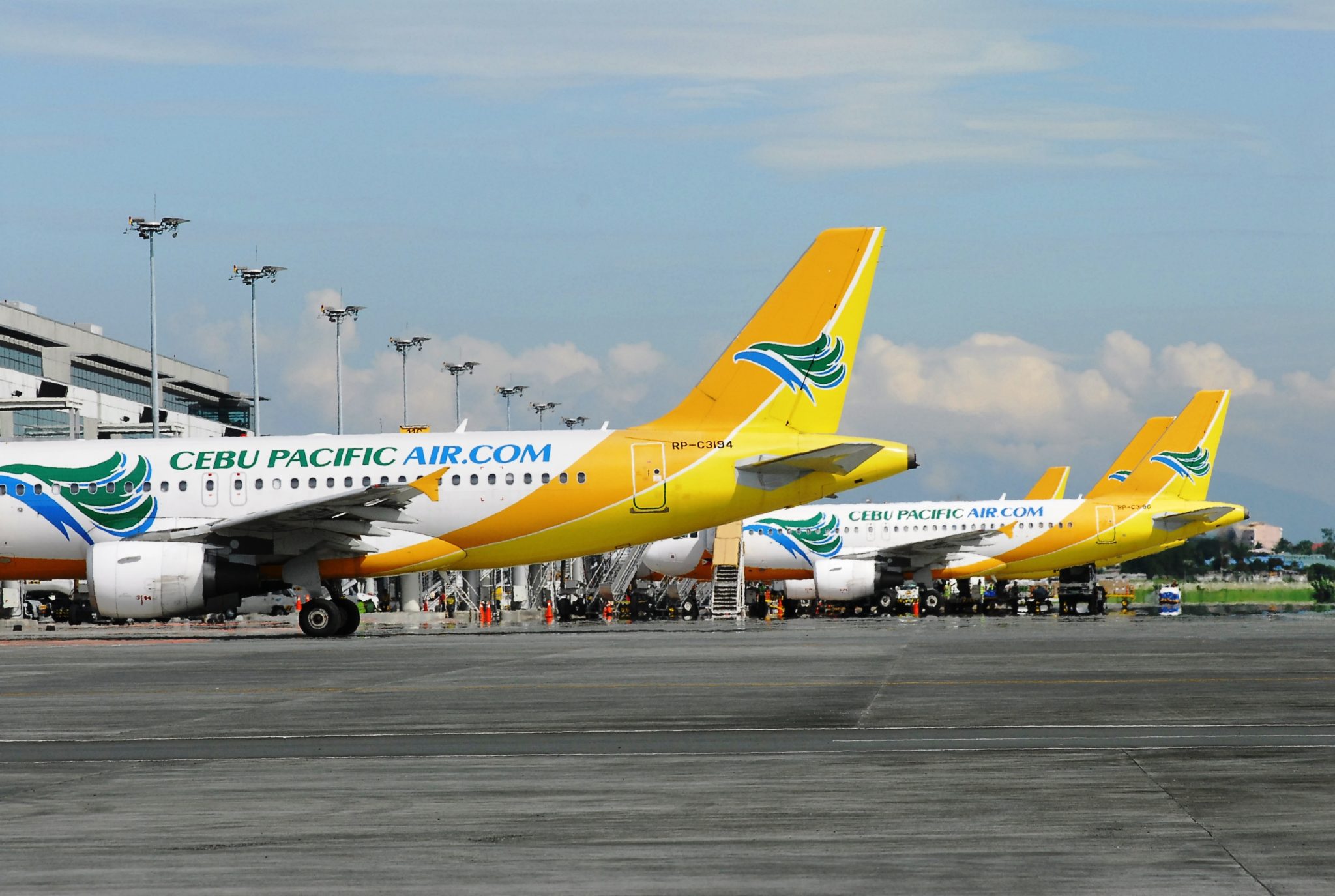
    Cebu Pacific Air (CEB) and SIA Engineering are unwinding their partnership in both their joint venture MRO companies based in the Philippines.

    These are Aviation Partnership (Philippines) Corporation (APPC), 51% owned by SIAEC and 49% by CEB, and SIA Engineering Philippines Corporation (SIAEP), 65% owned by SIAEC and 35% by CEB, established in 2005 and 2008, respectively. SIA Engineering Philippines is based in Clark.

    APPC is based in Manila and provides line maintenance, light aircraft checks, technical ramp handling, and other MRO services, at Manila, Cebu, Davao, and Clark, as well as other secondary airports in the Philippines.

    Clark-based SIAEP provides airframe maintenance, repair, de-lease checks, cabin retrofits, and overhaul services for Boeing 737, Airbus A320, and A330 aircraft, as well as line maintenance at Clark.

    CEB is acquiring SIAEC’s entire 51% stake in APPC for a cash consideration of nearly $5.61 million.

    SIAEC is acquiring CEB’s 35% stake in SIAEP for $7.74 million cash and states that this will be accounted for as an equity transaction.

    CEB and SIAEC signed on 26 October a share sale and purchase agreement for each entity. When completed, each joint venture company will become a wholly-owned subsidiary of the acquiring partner while the divesting partner will cease to hold any equity interest.

    The valuation for each transaction was arrived at after arm’s length negotiations on a willing-buyer, willing-seller basis, taking into account the net asset value and financial performance of each joint venture, among other factors.

    SIAEC states in a disclosure to the Singapore Exchange that based on each entity’s unaudited financial statements for the financial year ended 31 March, 51% of APPC’s net asset value was equivalent to $4.76 million and 35% of SIAEP’s net asset value was $9.32 million.

    According to CEB’s disclosures to the Philippine Stock Exchange, its financial statements for the quarter ended 30 June put its net carrying value of a 35% stake in SIAEP at $7.5 million while 51% of APPC’s net asset value works out to $4.5 million.

    CEB says that acquiring APPC is in line with its overall strategy to align line maintenance operations with its network and service requirements more closely, “for significant operational efficiencies and optimization of resources for an even stronger competitive advantage.”

    SIAEC says that the SIAEP acquisition fits its strategy to strengthen core competencies and enhance the entity’s status as the group’s center of excellence for narrowbody aircraft MRO offerings.

    It states: “The SIAEC Group is now in a stronger position to seize new opportunities, and provide customers with cost-competitive and integrated MRO solutions, from airframe to engines and components, for modern aircraft fleets of various sizes and composition.”

  • Korloff opens new store in Shanghai

    Korloff opens new store in Shanghai

    French jewelry house Korloff has opened its first flagship store in Shanghai.

    Located at Shanghai Avenue Mall, the store offers Korloff’s full range, including fine jewelry, bridal collection, watches, small accessories, and fragrances.

    The store’s facade features glass doors and windows highlighted with back frames. The interior uses beige and brown as its theme colors.

    The launch is part of the brand’s international expansion plan and its strategy to strengthen its presence across Asia. According to Korloff, the company aims to expand in more international markets in the coming months.

  • Mainland China proves key growth driver for fashion retailer SMCP

    Mainland China proves key growth driver for fashion retailer SMCP

    French-headquartered, Chinese-owned affordable luxury fashion retailer SMCP has reported a healthy boost in Asia-Pacific sales, largely on the back of Mainland China during the third quarter.

    Mainland sales surged 29.6 percent, a combination of having more stores in the territory than last year and double-digit like-for-like store sales growth.

    That drove Asia-Pacific regional sales up 13.8 percent, although that was not enough to prevent a global year-on-year decline of 10.6 percent on an organic basis.

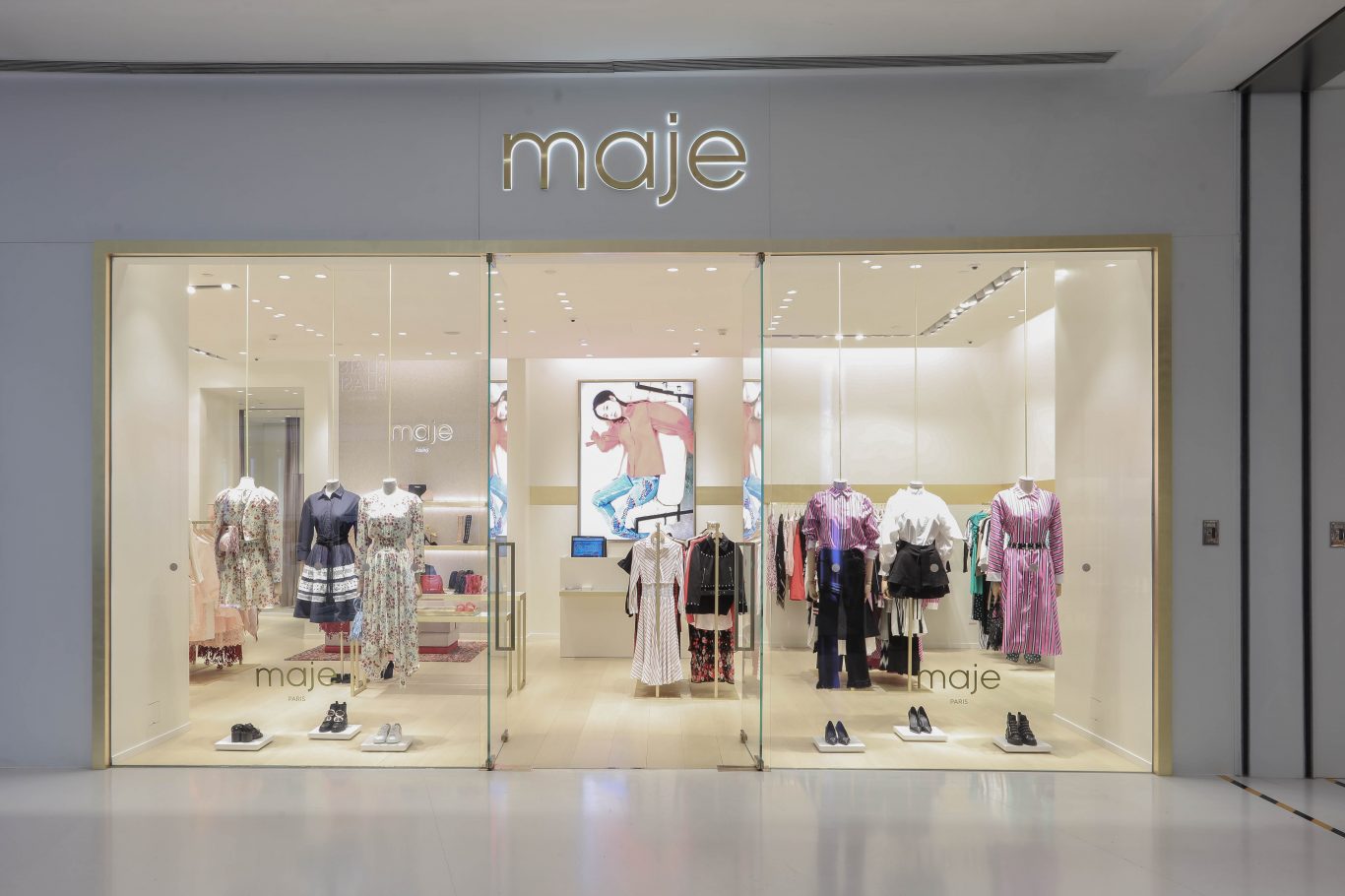
    SMCP sells under the brands Sandro, Maje and Claudie Pierlot.

    Sales were particularly buoyant in South Korea and Taiwan, however, there was only a small improvement due to “challenging” market conditions in Hong Kong, Macau and Singapore.

    The company said sales were strong on Tmall and generally online across the region.

    “Our third-quarter performance is very encouraging,” said SMCP CEO Daniel Lalonde.

    “I am particularly satisfied with our figures in Mainland China, which is undoubtedly a key driver of our future growth. However, as visibility remains limited due to the intensification of the Covid-19 pandemic worldwide, we remain cautious about the coming quarters.”

    Consolidated worldwide group sales for the quarter were €248.4 million (US$293.7 million). E-commerce sales surged 27.6 percent globally.

    During the last year it has expanded its network by a net 38 stores, 20 of those in Asia Pacific, 17 in Europe, Middle East and Africa, (where it closed 10 in France in an ongoing store rationalization program) and 11 in the Americas.

  • Online boom sees South Korean retail sales surge in September

    Online boom sees South Korean retail sales surge in September

    South Korean retail sales rose by 8.5 percent year on year in September as online stores enjoyed brisk sales amid the new coronavirus pandemic, government data shows.

    The combined sales of 26 major offline and online retailers reached US$10 billion last month, up from $9.87 billion won in September last year, according to the data compiled by the Ministry of Trade, Industry, and Energy.

    Online platforms led the overall growth, with their revenue advancing 20 percent over the period, the data showed, apparently as people purchased more goods through such stores amid the country’s social distancing scheme.

    Sales of foodstuffs from online stores jumped 60.2 percent, while those of electronic goods and daily products advanced 26 percent and 14.7 percent, respectively.

    Due to the Covid-19 pandemic, however, sales of tour packages and concert tickets dipped 12.3 percent, while those of fashion items also moved down 1.6 percent.

    Sales from offline stores edged up 1 percent as people purchased more gifts to celebrate the Chuseok holiday, which ran from late September to early this month.

    Convenience stores saw their sales improve 2.3 percent, due to higher sales of tobacco products and alcohol.

    Sales from supermarkets also climbed 5.3 percent on the back of gift sales.

    Department stores, on the other hand, saw their sales drop 6.2 percent due to sluggish demand for fashion goods.

    In the first six months of the year, the combined retail sales reached $59.1 billion, up 3.7 percent from the previous year. Shipments by online stores advanced 17.5 percent, while those of offline stores dipped 6 percent.

    Last year, South Korean retail sales rose by 4.8 percent year-on-year, with online shopping up 14.2 percent, and offline down 0.9 percent.

  • Help small businesses instead of AirAsia

    Help small businesses instead of AirAsia

    A political economist has questioned the decision of the government-owned Sabah bank to lend AirAsia RM300 million and said the money should instead be spent to help small and medium enterprises in the state.

    Firdausi Suffian of Sabah UiTM said he was surprised to read reports that the budget airline has secured an RM300 million loan from Sabah Development Bank, a wholly-owned subsidiary of the state government.

    Firdausi said while there was nothing wrong with a bank to issue loans to a company, a state-owned bank’s priority should be to assist companies in Sabah, particularly SMEs, which have been badly affected by Covid-19.

    “Against the backdrop of Covid-19, one would think that the focus would be on SMEs rather than a company which has been making huge profits for the past few years.”

    Last week, SAPP president Yong Teck Lee had urged the state government to stop the loan, as the bank was mandated to provide financing for projects in Sabah and not on “risky ventures”.

    However, in a stock exchange filing on Friday, the airline said the loan had been secured and disbursed and would be used to enhance logistics in Sabah, helping to create over 100,000 new jobs.

    Firdausi said SMEs were the backbone of the economy, and that Sabah had 55,000 SMEs employing over 150,000 people.

    “SMEs are only getting the assistance of around RM90 million in the two Sabah government stimulus packages,” he said, pointing out that the sector contributes close to 57% of Sabah’s gross domestic product.

    Another economist, Barjoyai Bardai of Universiti Tun Abdul Razak, said he could not see the Sabah government’s rationale in wanting to loan AirAsia so much money that could be used to support struggling businesses in the state.

    “It is a different story if they are investing in the company. I think the state government will have to explain the rationale behind this decision because it will come under scrutiny.”

  • More domestic firms enter list of best workplaces

    More domestic firms enter list of best workplaces

    Though foreign firms continue to dominate the best workplace list, things are changing with more and more Vietnamese companies making the cut.

    The latter accounted for half of this year’s top 20 in the 100 Best Places to Work survey released on Thursday by career network service Anphabe and market researcher Intage Vietnam.

    Vietnamese dairy giant Vinamilk remained the best company for the third year in a row, followed by lender Vietcombank, Swiss-based food giant Nestle, telecom giant Viettel, and American multinational medical devices and health care company Abbott Laboratories.

    Last year there had been only eight Vietnamese firms in the top 20.

    The survey polled 71,450 employees at 559 international and domestic companies and ranked the latter based on employees’ salaries and bonuses, welfare, and work-life balance.

    Many Vietnamese firms made leaps up the list, including private conglomerate Vingroup (23rd to 11th), food giant Masan Group (32nd to 17th), dairy producer Nutifood (31st to 25th), and technology company FPT (35th to 15th).

    Real estate firms Hung Thinh Group and Nam Long Group and telecom operator Vietnam Posts and Telecommunications Group made the list for the first time.

    Overall, there were 35 local firms in the top 100. Once again multinational Unilever failed to make it.

  • German firm hopes to build $1.5 bln offshore wind farm in Vietnam

    German firm hopes to build $1.5 bln offshore wind farm in Vietnam

    Binh Dinh Province has given approval to a German company to study the possibility of building the country’s second offshore wind power plant. PNG AG will carry out a year-long study for a $1.5-billion wind power plant in the districts of Phu Cat and Phu My.

    The company, which has over 20 years of experience in renewable energy, had earlier proposed building a 500-700-MW power plant in the province, its first project in the country.

    The first offshore wind power plant, the 99MW Bac Lieu Wind Power Project in the southern province of the same name, went on stream in 2016.

    It is expected that in 2021-30, for which period the national plan is being drafted, the country will need 30 GW of wind and solar power.

    There are 11 wind farms in the country with a total capacity of 429 MW, according to Vietnam Electricity (EVN).

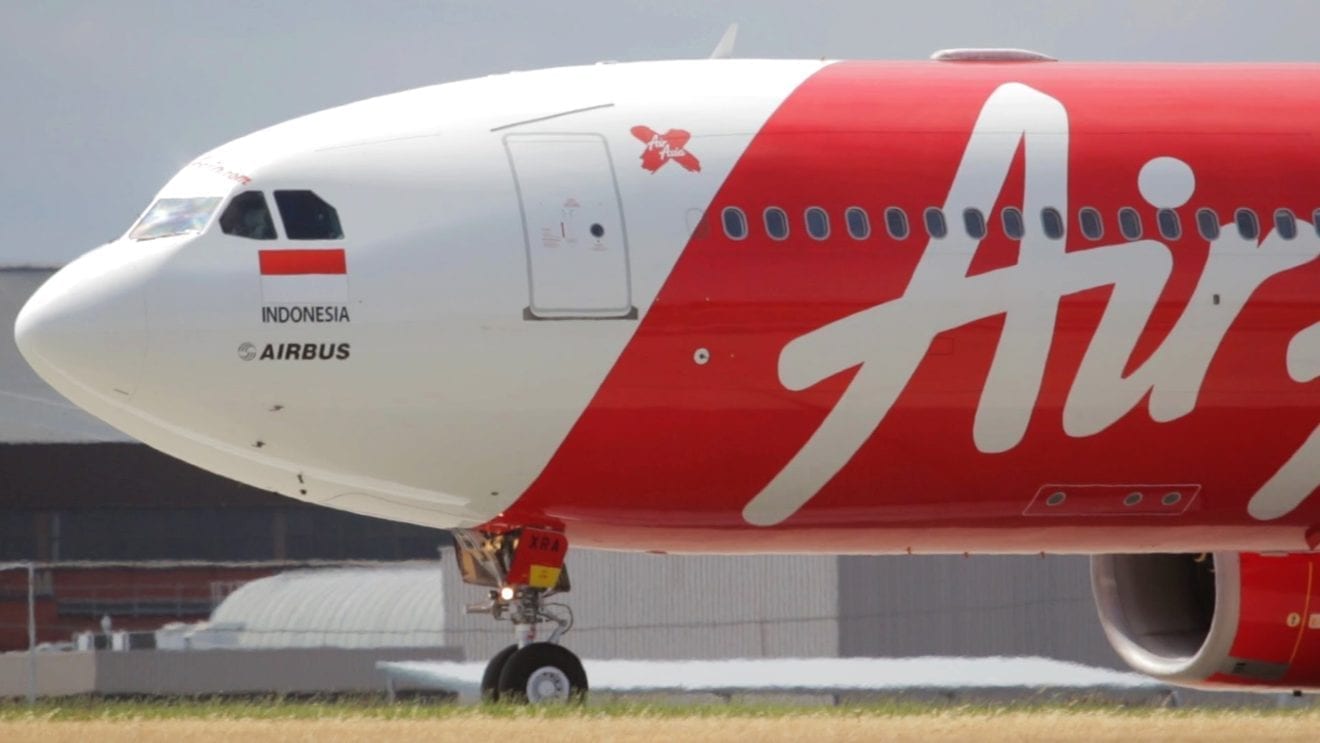
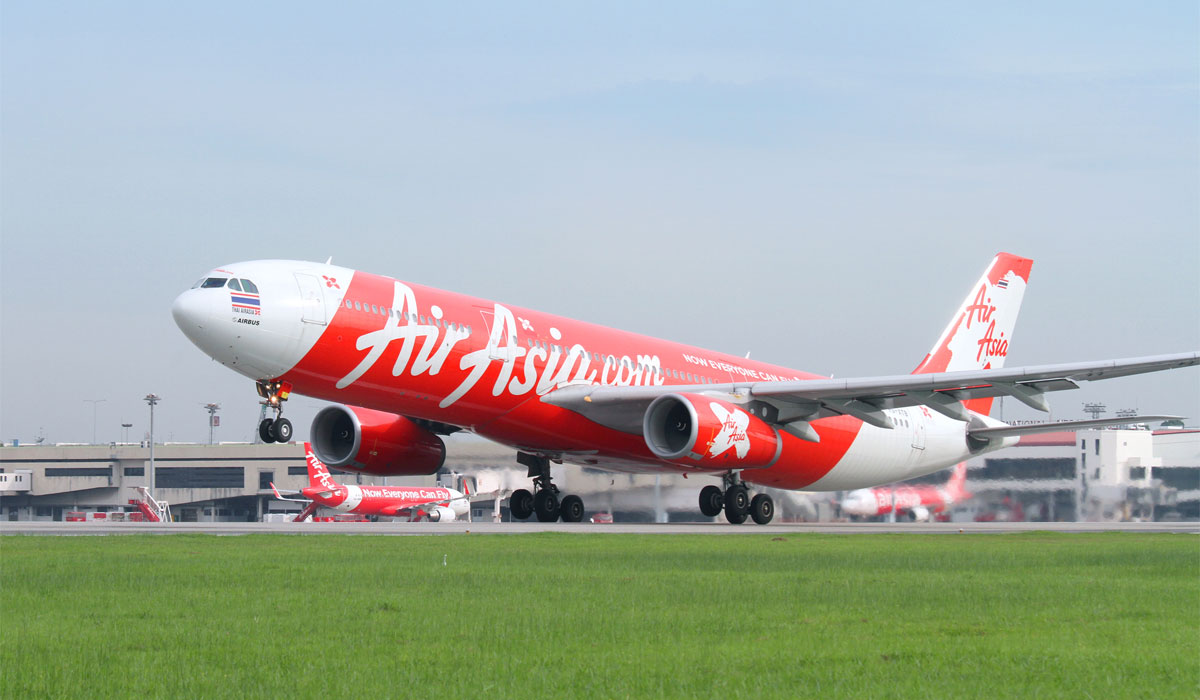
  • AirAsia X ‘out of money’

    AirAsia X ‘out of money’

    The long-haul budget carrier AirAsia X Bhd has run out of money and needs to raise up to 500 million ringgit (US$120 million) to restart the airline, according to deputy chairman Lim Kian Onn. The Malaysia-based affiliate of AirAsia Group said this month it wanted to restructure 63.5 billion ringgit ($15.3 billion) worth of debt and slash its share capital by 90% to continue as a going concern.

    “We have run out of money,” Lim said in an interview. “Obviously, banks will not finance the company without shareholders, both old and new, putting in fresh equity. So, a prerequisite is a fresh equity.”

    He said the airline had actual liabilities of 2 billion ringgit, with the larger figure of 63.5 billion ringgit including all lease payments for the next eight to 10 years and its large order for Airbus planes and contracted engine maintenance with Rolls-Royce.

    “If we find 300 million ringgit in new equity, then the shareholder funds are 300 million at the restart of business and if we are able to borrow 200 million ringgit, we feel that we will have a good platform to start all over again,” Lim said.

    He said AirAsia X also needed to convince its lessors of its business plan, adding that an unnamed lessor recently took back one of the airline’s planes to convert it to a freighter.

    The airline plans to liquidate its small Indonesia-based carrier and has completely written down its stake in Thai AirAsia X, with the Thai carrier not part of the restructuring scheme, Lim said.

    Rival Malaysia Airlines is also in financial trouble, but Lim said there would be “no good outcome” from seeking to merge two airlines in dire straits.

    Initial negotiations with creditors have been tough as they are understandably upset, Lim said in the interview. They had asked for better terms, including free equity for the forgiven debt — something that would be impossible for the airline to fulfill, he added.

    Still, Lim said all of them genuinely wanted to find a common ground to take the airline forward. “No one has anything to gain from our demise,” he said.

    The airline is planning to resume flights in the first quarter of 2021, though the process remains “dynamic”, said Lim. Should the rescue plan get approval, the company will have to renegotiate every single contract and will do its best to look after all stakeholders’ interests, he said.

  • Face unlock support coming soon to WhatsApp on Android

    Face unlock support coming soon to WhatsApp on Android

    WhatsApp already offers users security features that allows the lock of the app using various methods. The easiest form of protection involves the fingerprint sensor, but there’s another one that’s just as easy to use, yet unavailable for WhatsApp users: face unlock.

    It looks like WhatsApp is recognizing that there are phones that don’t feature a fingerprint sensor, so owners have to rely on other methods of protecting their WhatsApp conversations. If your phone does feature support for face unlock, you’ll be happy to know that you’ll soon be able to use it with WhatsApp.

    A new WhatsApp update has been submitted through the Google Play beta program, which adds two important features. The first one is the ability to join a group call even after you missed the initial invitation.

    The second major feature we expect WhatsApp to release soon is face unlock support. A new “Biometric lock” menu has been added in the new beta version of WhatsApp, which will replace the current “Fingerprint lock” menu.

    The new panel confirms that WhatsApp will let users authenticate with fingerprint, face, or other unique identifiers to open the app. As the title says, the new security features have been spotted in the Android version of WhatsApp, although there’s no telling when they will be available for everyone.