Category: General

Retail News Asia is committed to providing both local and global retailers with the latest General Retail news throughout the Asian market. This on a daily base.

  • Masan closes 433 VinMart stores to cut losses

    Masan closes 433 VinMart stores to cut losses

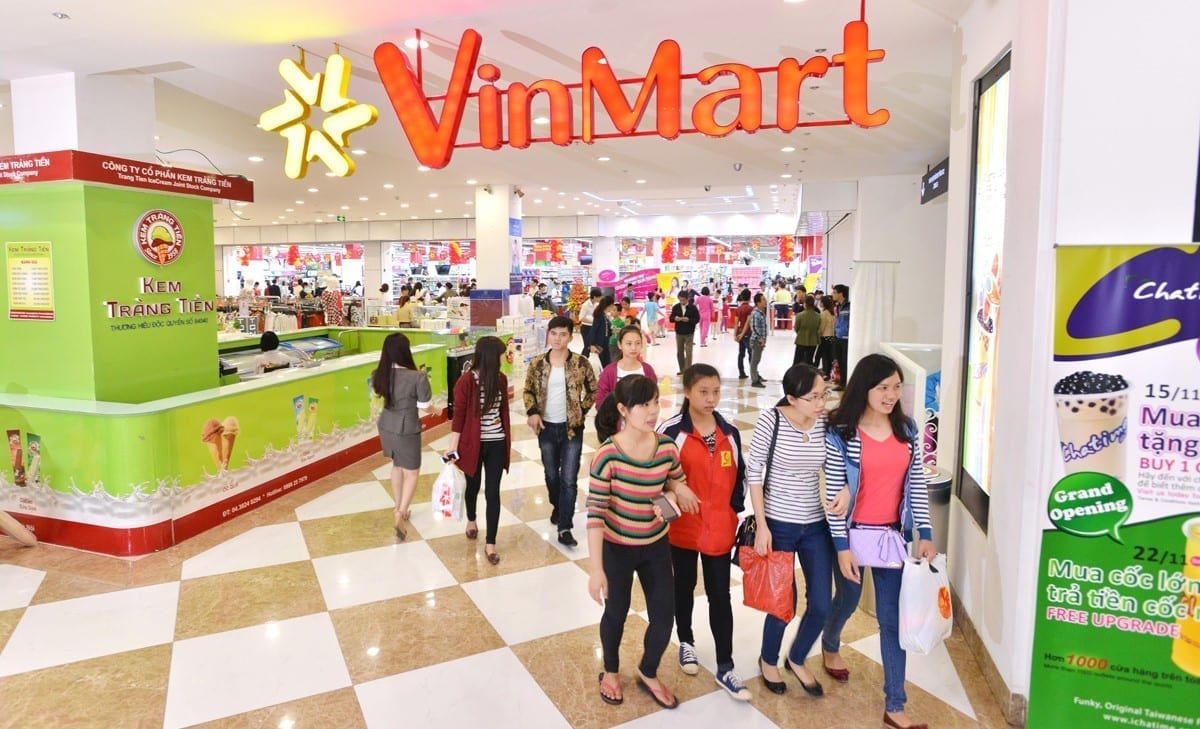
    Masan has closed 421 VinMart+ convenience stores and 12 VinMart supermarkets this year as it restructures the retail business it acquired this year from Vingroup. Most of the closed stores were in Ho Chi Minh City. The closure has resulted in a cut in losses for its VinCommerce subsidiary, with the earnings before interest, taxes, depreciation and amortization (EBITDA) margin increasing from negative 6.7 percent in the first nine months of last year to negative 2.8 percent in the same period this year, Masan said in a release.

    Most of the 433 outlets had revenues 50 percent lower than optimal levels required to achieve breakeven and posted a combined loss of VND239 billion ($10.3 million) this year before their closure.

    VinCommerce hopes to reach breakeven EBITDA in the last quarter and achieve 10 percent revenue growth over the third quarter. Its gross profit is set to be improved by optimizing product assortment and renegotiating terms with suppliers, the release said.

    “Improved profitability from closing underperforming locations is expected to be fully realized in 2021.”

    The company also opened 57 new VinMart+ outlets and one new VinMart supermarket in the first nine months, launched three new concept VinMart+ store formats in Ho Chi Minh City and Hanoi with more fresh products and an improved layout to understand consumer behavior and design model stores for the next round of expansion.

    As of the end of September VinCommerce had 2,646 outlets, 122 of them supermarkets.

    Masan acquired VinCommerce from Vietnam’s biggest private company, Vingroup, in January this year and owns a 83.74 percent stake in it.

  • Vietnam retail sales up despite absence of tourists due to Covid

    Vietnam retail sales up despite absence of tourists due to Covid

    Asia is currently going through widespread economic and business disruptions caused by the outbreak of the coronavirus (COVID-19), which originated in Wuhan, Hubei province in China, and the stringent government measures to contain it, threatening to stall the economic growth of major markets in Asia. Reason enough for Fung Business Intelligence, the knowledge bank and think tank for Hong Kong-based multinational Fung Group, to analyze the impact of the coronavirus disease on Asia’s retail markets, with a focus on department stores and the duty-free sectors. The resulting report “Impact of Coronavirus Disease on Asia’s Retail and travel-related Sectors” also looks at the coronavirus’s impact on the tourism industry in Asia.

    Fung Retail Intelligence believes that the current COVID-19 outbreak could have a deeper impact on Asian economies and their respective retail and travel-related markets compared to the SARS epidemic in 2002-03 given that there are now more Asian countries with increased economic ties to China – for instance, China is now the largest export country for Vietnam, Singapore, Japan, South Korea, Malaysia and others. “As these countries become more reliant on Chinese demand as a source of growth, dampened consumer demand from China, along with supply chain disruptions on the production side, will have a significant impact on their economies,” cautions the report.

    Add to that the fact that Chinese tourists remain the biggest spenders of all international travelers, thus their absence, following the Chinese government’s ban on all outbound group travel after the Chinese New Year (from 27th January 2020) to contain the spread of the disease, comes as a tough blow to the retail and travel-related sectors in many Asian countries, of which the fashion and luxury industries are a part. “The outbreak also reveals how dependent retail businesses – especially department stores and travel retailers – are on visitors from China,” finds the report.

    However, Fung Business Intelligence remains positive and points to four important reasons why Asia is now better geared to handle the current crisis than almost two decades ago when SARS 2002-03 struck: “The difference for Asia, now, is that its economic fundamentals are more robust, its technology more advanced, its services more diverse, and its consumers more resilient. For these and other reasons including a raft of initiatives launched by local governments and relevant parties to support businesses, we believe the COVID-19 outbreak is not likely to cause long-term effects on Asia’s retail and travel-related markets.

    As of 18th February 2020, there are now more than 73,000 confirmed coronavirus cases, with a majority (more than 72,600) in China, followed by Japan (more than 500 including cases on the Diamond Princess cruise ship) and Singapore (more than 80). Other cases have been confirmed in Hong Kong, Thailand, South Korea, Malaysia, Taiwan, Vietnam, Australia, India and the Philippines. Thus, many people are calling off travel plans over coronavirus fears and hassles over the currently imposed travel bans and quarantine requirements.

    According to the Economist Intelligence Unit (EIU), this means that Chinese outbound tourism is unlikely to recover to pre-coronavirus levels until the second quarter of 2021 and the coronavirus outbreak is expected to cost the global tourism industry about 80 billion US dollars (about 60 billion pounds) in lost revenue, with key players in the market probably taking more than a year to recover.

    ASEAN countries will suffer the most as they are all among the top 20 destinations for Chinese outbound tourists, continues the EIU, estimating that visitors from China will decrease sharply by 30 – 40 percent this year, resulting in a loss in tourism revenue of 7 billion US dollars (about 5.4 billion pounds) in the region. Especially Japan has felt the pinch, where Chinese tourists represent 30 percent of all foreign visitors, and spent 16.2 billion US dollars (12.55 billion pounds) in Japan last year.

    According to the Singapore Tourism Board, China is the city’s largest tourist source and Singapore is thus expected to see a drop in tourism arrivals of up to 30 percent compared to last year, representing a daily loss of 18,000- 20,000 foreign tourist arrivals. In Thailand, this number even dropped by 86.5 percent in the first week of February and is expected to plummet to 50 percent in the first half of 2020 according to the Tourism Authority of Thailand, costing the Thai economy 3.05 billion US dollars (2.36 billion pounds) in the first four months of the year alone.

    Though the impact on the tourism sector in Europe and the United States is comparatively milder, with Chinese tourists only making up 4 percent of total foreign visitors, “some European economies are likely to see weakened consumption if there is a sharp decline in Chinese tourists throughout 2020,” states the report. In the first half of 2019, Chinese nationals made 3 million visits to European countries, up by 7.4 percent year-on-year, according to the Chinese Tourism Academy.

    In Japan, department stores like Isetan Mitsukoshi, Takashimaya, Sogo & Seibu, and Daimaru Matsuzakaya all have seen a decrease in foreign visitors starting from the Chinese New Year holidays, resulting in a drop in sales. In South Korea, department stores like Lotte, Shinsegae and Hyundai and Lotte and Shilla duty-free stores were temporarily closed due to sterilization efforts. Sales dropped between 11 and 30 percent during the first weekend in February.

    In Singapore, department stores like Honestbee, OG, and BHG Holdings either adjusted their timings or shut their stores temporarily, with the latter seeing sales of its six outlets drop between 40 and 50 percent since the first case was confirmed in the city on 23th January. Luxury travel retailer DFS announced the closures of its locations T Galleria by DFS in Tsim Sha Tsui East and Hong Kong T Galleria Beauty by DFS from 8th to 29th February.

    While the Japanese government announced a limited 96 million US dollar (about 74 million pounds) package of emergency funds on 14th February, the Taiwanese Ministry of Economic Affairs plans to provide financial assistance to domestic retailers and foodservice providers by offering loans, loan extensions and subsidies on interest. The government also considers providing coupons worth 66.1 million US dollars (around 51 million pounds) to be used at night markets, shops and restaurants as a means to boost local consumption once the spread of the virus subsides. In Singapore, the government announced that it has set aside 4.02 billion US dollars (about 3.11 billion pounds) in the coming year to help businesses and households.

    The Restaurant Association of Singapore has also asked shopping mall landlords for a rental rebate of 50 percent from February to April to help the food and beverage industry, which has seen a significant drop in business. Singapore’s largest property developer, CapitaLand, has launched a 10- million-Singapore-dollar (7.14 million US dollars or close to 6 million pounds) marketing assistance program to help its retail partners cope. Jewel Changi Airport announced a rental rebate of 50 percent for its tenants during February and March.

    “It is hard to predict when COVID-19 is going to end. Considering the sharp drop in the number of Chinese tourists and the subsequent adverse impact on domestic consumption, we expect major retail markets in Asia to remain under pressure in the first half of 2020. That said, the sound economic fundamentals of these markets, along with a raft of initiatives launched by local governments and relevant parties to support the retail and travel-related sectors during the COVID-19 outbreak, are likely to guide businesses through the tough times and pave the way for recovery,” ends the report.

  • AirAsia’s new platform for medical services

    AirAsia’s new platform for medical services

    Karen Chan, chief executive officer of AirAsia.com said the digital platform is aimed at making it as seamless as possible for everyone from the initial consultation to post-treatment services. “Healthcare is essential, and its affordability and accessibility should be a right for everyone. We want to help facilitate that. AirAsia Health is where healthcare meets travel, complemented by the strength of our ecosystem encompassing travel logistics such as flights, accommodation and mobility options, enhancing the convenience factor for any medical traveller’s end-to-end journey,” she said.

    Furthermore, AirAsia Health will partner with reputable medical providers and hospitals.

    To kickstart the launch, it is offering booking for Covid-19 RT PCR tests on its platform, provided by its medical partners from Lifecare Diagnostic Medical Centre and Sunway Medical Centre.

  • Thai Airways offers ‘semi-commercial’ flights to 7 international destinations

    Thai Airways offers ‘semi-commercial’ flights to 7 international destinations

    After a major slowdown in both international and domestic travel due to coronavirus travel restrictions, Thai Airways is now offering flights to and from 7 international destinations over the next 2 months, according to the airline’s chief executive Wiwat Piyawirot.

    These flights are “semi-commercial.” Wiwat says return flights are intended for Thais returning home from overseas, those with families in Thailand, those traveling to Thailand on business, students, and travelers with connecting flights.

    Departures in November and December

    • London – Sundays
    • Frankfurt – Fridays
    • Copenhagen – Sundays
    • Hong Kong – Wednesdays (expect November 11 and 25)
    • Tokyo – Wednesdays and Saturdays
    • Taipei – Fridays and Wednesdays
    • Sydney – Sundays (Must inform the Australian Embassy in Thailand)
  • 7-Eleven Malaysia appoints CEO team

    7-Eleven Malaysia appoints CEO team

    7-Eleven Malaysia Holdings Bhd has appointed CFO Wong Wai Keong and executive director Tan U-Ming as the co-CEOs for the company, effective Dec 1, 2020. Wong will also be appointed as an executive director of the company, effective Nov 1, 2020.

    They will jointly succeed Colin George Harvey, who will relinquish his post as executive director and CEO effective Dec 1, 2020 for health reasons. Harvey will continue with the company in his new capacity as an advisor and consultant.

    7-Eleven Malaysia chairman Tan Sri Abdul Hamid Embong said Wong and Tan’s combined 15 years of experience with the company will provide the strength and stability needed to weather through the uncertain economic conditions caused by the Covid-19 pandemic.

    Wong was appointed as CFO of the company in March 2018. Prior to joining 7-Eleven Malaysia, he was the group finance director of SyAqua Group Inc overseeing the Asian markets and Florida, USA where he was involved in the organization expansion and was instrumental in transforming the group into an integrated functional business. He has previously held management roles in Avon Cosmetics, KFCH Marketing, Ayamas Food Corp, Abbott Laboratories, and Wyeth. He was also a lead application consultant with JD Edwards.

    Wong is also a member of the Chartered Institute of Management Accountant, the Malaysian Institute of Accountants, and the Chartered Global Management Accountants.

    Tan was appointed as a director of 7-Eleven Malaysia Sdn Bhd in 2008, where he was responsible for overseeing the merchandising, supply chain, procurement and marketing functions. He was appointed to the position of executive director in 2011. Tan was appointed to the board of 7-Eleven Malaysia in August 2013. He currently holds directorships in other private companies of various industries.

  • AirAsia awarded Asia’s Leading Low-Cost Airline &  Low-Cost Airline Cabin Crew at World Travel Awards 2020

    AirAsia awarded Asia’s Leading Low-Cost Airline & Low-Cost Airline Cabin Crew at World Travel Awards 2020

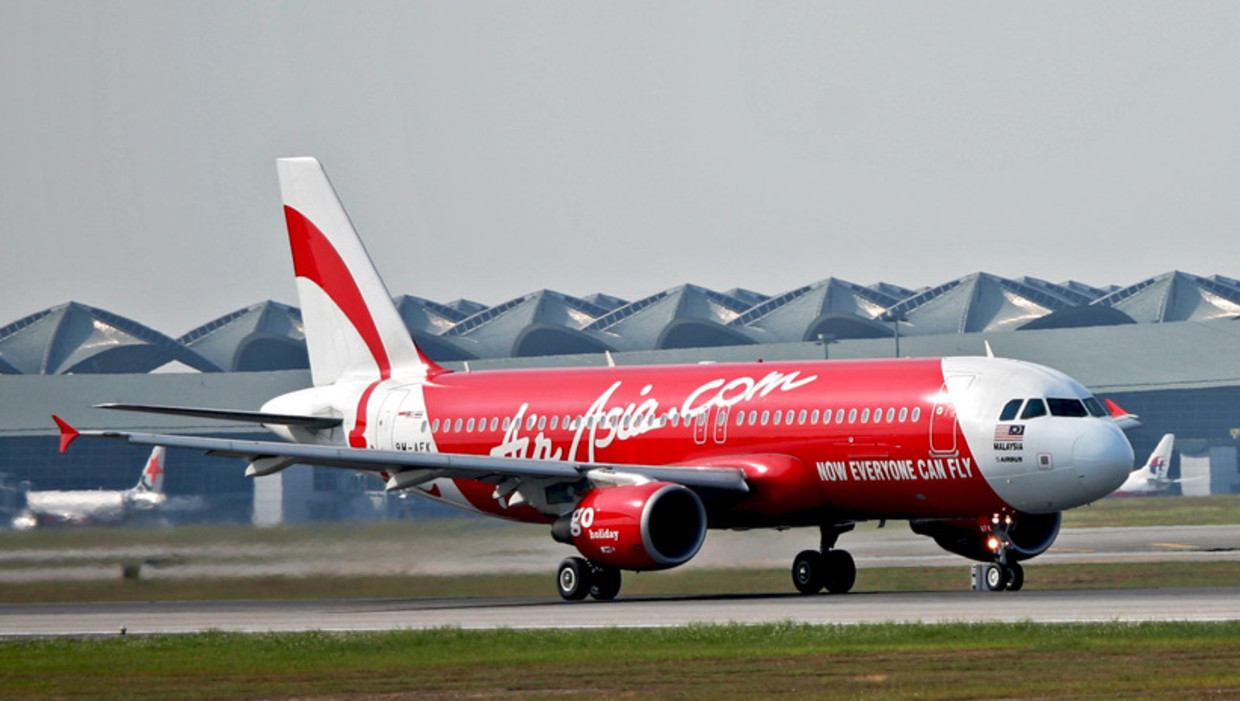
    AirAsia has been awarded Asia’s Leading Low-Cost Airline for the eighth consecutive year at the World Travel Awards (WTA) – one of the most prestigious, comprehensive and sought after awards programs commemorating excellence across key sectors of travel, tourism, and hospitality.

    AirAsia emerged top in the category having received the highest votes from travel professionals and industry players from around the region, ahead of regional players such as Scoot, Nok Air, VietJet Air, Jetstar and Firefly to win the top low-cost carrier awards – Asia’s Leading Low-Cost Airline 2020 and Asia’s Leading Low-Cost Airline Cabin Crew 2020.

    Tony Fernandes, CEO of AirAsia Group said, “I am deeply humbled and honored to receive Asia’s Leading Low-Cost Airline 2020 Award for the eighth consecutive year. Winning the award this year is more important than ever and is of profound sentimental value as the industry is going through the most turbulent times. Our gratitude goes to every one of our over 600 million guests for their continued support and faith in us since day one, and their understanding as we weather through the most difficult period in AirAsia’s history. Most importantly, this award is dedicated to AirAsia’s Allstars (staff), including those who have left us recently through no fault of their own. I thank every Allstar for their commitment, perseverance and dedication  as we navigate our way through this incredibly challenging year.”

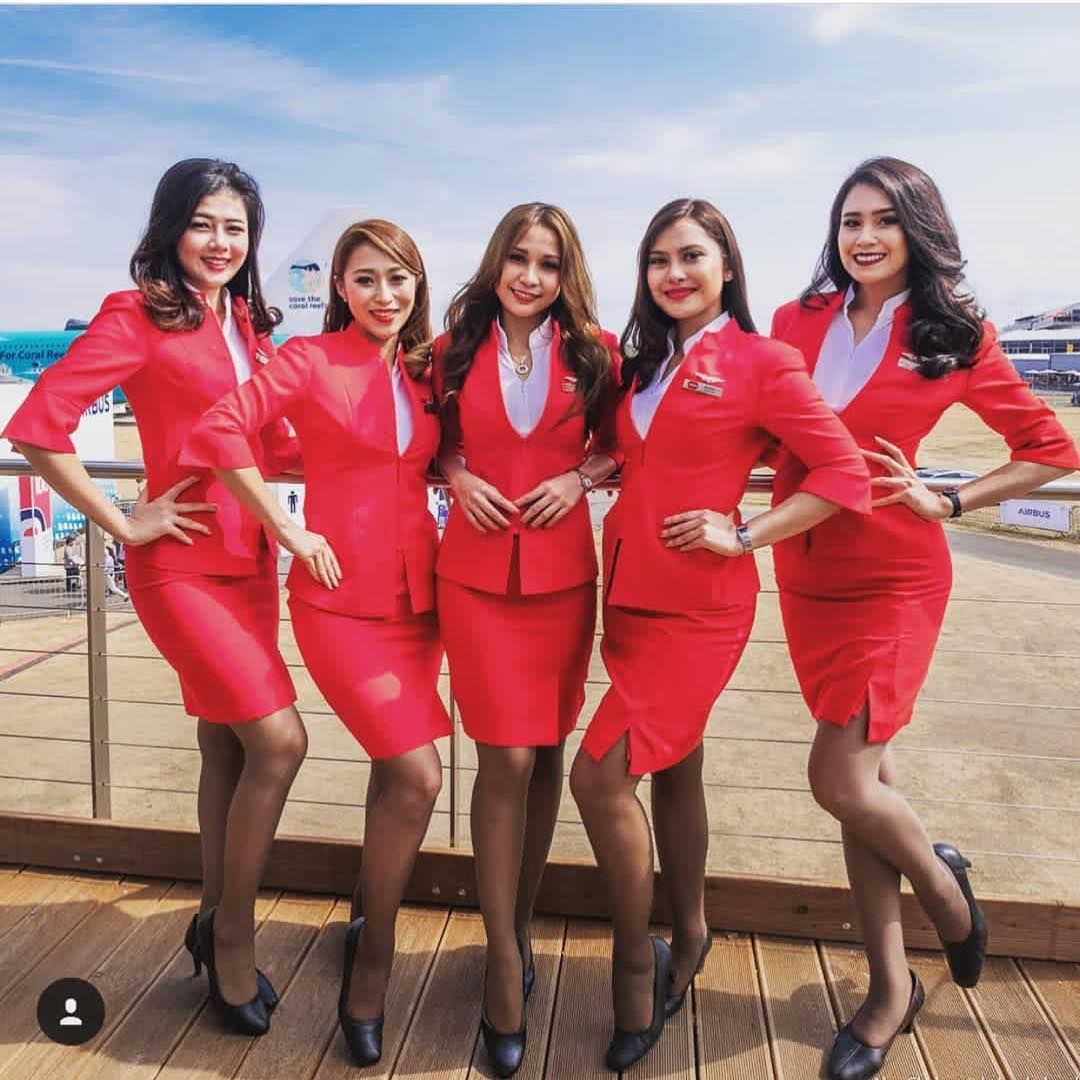
    AirAsia Group Head of Cabin Crew Suhaila Hassan said, “This pandemic has taken a toll on all of us, and the journey has been far from easy. Despite the crisis, I can say with confidence that our dedicated crew has risen to the challenge to show their service excellence and hospitality, adapting to the constantly changing rules and regulations. Our focus is to safeguard the wellbeing, health, and safety of each guest. And this award is a testament to our hard work and passion.”

    World Travel Awards Founder Graham E Cooke said, “Despite the unprecedented challenges faced by the aviation industry this year, AirAsia continues to lead the way in low-cost aviation in Asia and beyond. Its strive for excellence remains unrivaled and I am delighted that it has been acknowledged by both the travel trade and the public by being voted ‘Asia’s Leading Low-Cost Airline 2020’ and ‘Asia’s Leading Low-Cost Airline Cabin Crew 2020’.”

     Established in 1993, the World Travel Awards, one of the most prestigious and noteworthy awards programs in the global and tourism industry, acknowledges and celebrates excellence across key sectors of travel, tourism, and hospitality. The World Travel Awards brand is globally recognized as the ultimate hallmark of industry excellence.

    Despite the incredible challenges faced by the aviation industry over the course of 2020, this year’s World Travel Awards program saw record month-on-month voting numbers from the all-important tourism consumers, whilst the official website continues to receive more search traffic than in any previous year. Organizers say, this indicates that the hunger for travel and tourism is as strong as ever, providing encouraging signs to all in the aviation and tourism industries.

  • 100 Million Loyal Watsons Members Reached

    100 Million Loyal Watsons Members Reached

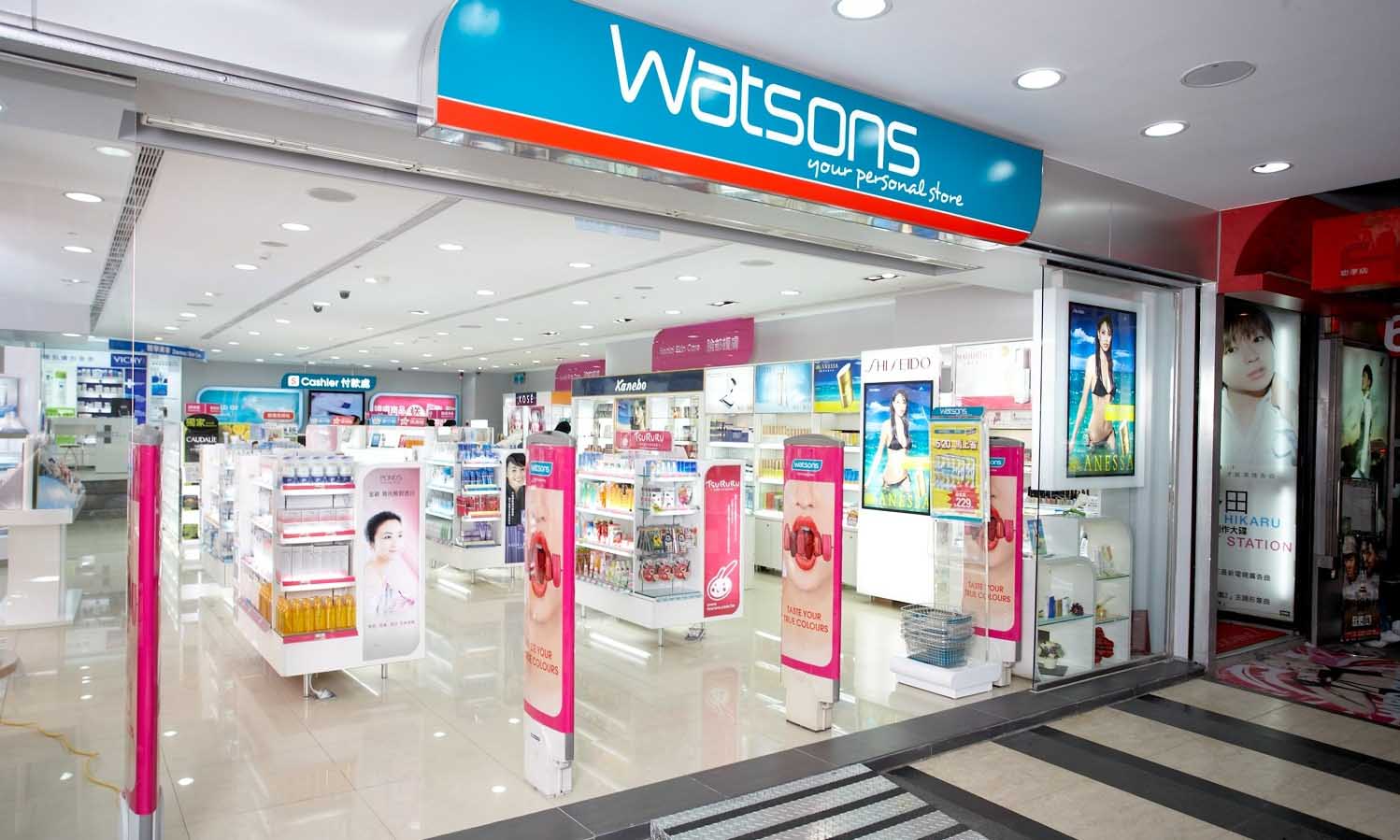
    Watsons, the flagship health and beauty brand of A.S. Watson Group, has reached the phenomenal milestone of 100 million loyalty members in Asia. Having grown rapidly since its launch, the Watsons membership program is now available and well-established in 14# markets worldwide, connecting beauty and wellness lovers and helping them to Look Good Feel Great.

    This is a strong global community of 100 million beauty and wellness enthusiasts, and Watsons is dedicated to introducing a healthier and more sustainable lifestyle. By always staying connected with the members, Watsons strives to inspire them to do good, feel great together as a powerful movement.

    Customer relationships and connectivity are at the heart of Watsons’ strategy and its loyalty program was established in 2008 to reward and connect with customers. Member insights are used to better anticipate customers’ needs and to offer a personalized shopping experience, both online and offline.

    Watsons keeps evolving its offering to further cement its position as Asia’s no.1 brand loyalty program. In 2018, Watsons launched an Elite VIP Members program adding an additional tier for its most loyal customers, and in July 2019 Watsons One Pass© was launched, allowing members to enjoy cross-border shopping benefits at Watsons stores globally.

    Malina Ngai, CEO of A.S. Watson (Asia and Europe), says, “Today, Watsons reached a major milestone of connecting 100 million beauty and wellness lovers in Asia. We’re now growing at roughly one million new members every quarter. This isn’t just a big milestone for us; it’s also an important one for all of our members who form a community that inspires each other to look and feel good inside and outside. The COVID-19 pandemic has created stronger bonds between us and our members and we have been able to stay in touch and share relevant contents during this challenging time. We want to thank every one of you, our 100 million members, for making this milestone happen. Our mission as a community is to Look Good and Do Good for ourselves, the people we love and society.”

    Watsons understands that customers care about the social purpose of businesses, and they want to shop with brands that share their values and take sustainability seriously. The brand has been striving to make a positive impact on its customers, communities and planet through its “Do Good Feel Great” initiatives. Watsons has extended the ban of microplastics in all rinse-off cosmetics and personal care products this year. In June, the Group became the first health and beauty retailer to sign-up to the New Plastics Economy Global Commitment to reduce plastic waste and took membership with the Roundtable on Sustainable Palm Oil to help address the environmental impact of palm oil.

    Improving customer wellness is also one of Watsons’ key initiatives. The “Smile Inside-out” campaign was launched to raise awareness of mental health and wellbeing, encouraging a positive lifestyle to the customers as well as colleagues. Watsons will continue to look for new ways to do more to create a healthier and more sustainable world with its community.

  • AirAsia offers UNLI Flight pass for a limited time only

    AirAsia offers UNLI Flight pass for a limited time only

    The tourism industry is slowly recovering, starting with the re-opening of Boracay to leisure travelers. More flights, accommodations, and tours are resuming operations to accommodate excited travelers after being stuck at home for so long! With travel restrictions gradually being lifted in the Philippines, AirAsia introduces a unique product that will allow people to travel as many times as they want around the Philippines. Yes, you read it right!

    Filipinos are known to always seek the best deals: Buy-one, take-one, 50% off, and unlimited offers on Korean BBQ, rice, and call and text promos, but have you heard of unlimited flights? AirAsia is offering the UNLI Flight pass for a limited time only!

    What is the AirAsia UNLI Flight Pass?

    UNLI Flight Pass offers a travel bundle so you can fly as many times as you want to any AirAsia domestic destination available on airasia.com or AirAsia’s mobile app for a fixed price of only PHP 4,999. The promo covers flights from AirAsia’s domestic hubs (Manila, Cebu, Clark) to your favorite island destinations such as Boracay, Cebu, Palawan, Davao, Bacolod, Zamboanga, General Santos, and so much more. The UNLI Flight Pass is perfect for both leisure and business travelers alike, especially those who are frequent flyers who aim to get a good deal.

    The UNLI Flight Pass is valid for a year, so you can plan and plot your trips ahead of time. Scratch your travel itch and grab your very own AirAsia UNLI Flight Pass available for purchase on airasia.com, through the ‘Unlimited Deals’ tile. The pass purchase period will start from November 2 until November 8, 2020, wherein flights can be redeemed from November 9, 2020 until October 16, 2021, and be used to travel between November 23, 2020 and October 30, 2021.

    How to Purchase UNLI Flight Pass?

    • Log in to your BIG Member account. If you haven’t, register already. It’s for free!

    • Click the AirAsia UNLI Flight Pass bundle

    • Purchase and pay. Only Credit and debit cards will be allowed.

    • Receive your confirmation voucher via e-mail

    How to Redeem Flights using the UNLI Flight Pass?

    • Log in to your BIG member account on Airasia ‘Unlimited Deals’

    • Select your purchased UNLI Flight Pass, confirm your full name (upon first redemption only), and click “Redeem”

    • Search dates and choose flights labeled ‘100% OFF’

    • Enter your passenger details

    • Pay any add-ons, taxes, and other fees

    • Receive your flight itinerary in your e-mail

    Disclaimer: Flights redeemed with the Unlimited Pass are subject to government taxes and fees, add ons, and other applicable charges. Seats are subject to availability. Embargo dates and other terms and conditions apply.

  • Sa Sa International flags loss as store traffic drains

    Sa Sa International flags loss as store traffic drains

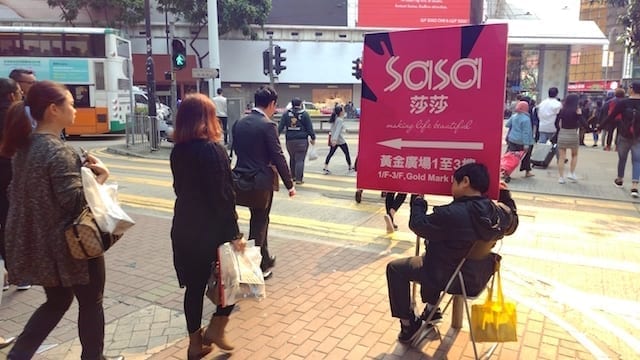
    Plummeting sales and write-downs have led Hong Kong-headquartered beauty-products retailer Sa Sa International to warn of a loss of up to US$38 million in the September half year.

    “The global Covid outbreak has affected the operation of all of the group’s physical stores including its businesses in Hong Kong, Macau, Mainland China and Malaysia,” chairman and CEO Simon Kwok said in a note to shareholders on Friday.

    While cross-border visitor numbers now almost nil in most markets, sales through Sasa stores to local customers were weak for most of the period due to social-distancing requirements.

    “As a result, both the footfall and retail sales at the group’s stores in those markets have fallen sharply. Retail consumption has been very weak,” he said.

    While final results will not be released until late this month, Sa Sa expects a trading loss of and impairments to range between HK$230 million and $300 million, compared to a profit in the same period a year earlier of $35.5 million (US$4.6 million).

    The impairment has arisen from the drastic decline in sales at the group’s retail stores, especially those in Hong Kong’s tourist districts, amid the Covid-19 pandemic.

    However, the group’s cash and bank balances of around HK$590 million as at September 30 are adequate to meet its current business needs.

    Sa Sa has reduced the number of stores in tourist areas, negotiated rent reductions and strengthened its category management to mitigate the decline in customers, along with reducing inventory and managing costs.

    “In addition, the group has accelerated its adaptation to the new retail era by actively developing its e-commerce and online-to-offline (O2O) businesses,” said Kwok.

  • Update rolling out now adds useful new feature to Google Messages app

    Update rolling out now adds useful new feature to Google Messages app

    Google has started rolling out an update for the Google Messages app that might make it faster to find certain messages. The update adds a new feature that places SMS messages into one of five different categories: personal, transactions, OTP (one-time passwords), offers, and more. The feature can be enabled or disabled through the use of a toggle switch found in the Google Messages app settings.

    If your Google Messages app has been updated, you will see the different categories just below the app’s search bar on the top part of the UI. If you’re not happy with the category that a certain message has been assigned to, you will have the opportunity to do so and even share the message with Google. This will help similar messages get categorized correctly in the future.

    Google has been beefing up the Messages app allowing it to work with many of the features available with Rich Communication Services (RCS). This means that messages are sent through data networks instead of a carrier’s cellular network allowing messages to be sent over Wi-Fi. At the same time, users can fill each message with as many as 8,000 characters instead of the previous limit of 160. And Android device owners will get a read receipt to confirm that their messages have indeed been read.

    Google starts to roll out a new feature that places SMS messages in different categories.

    Not all Android users have received the update. It appears to be disseminated to Android users via a server-side update so just keep your eyes peeled.

  • AirAsia X flying out of money

    AirAsia X flying out of money

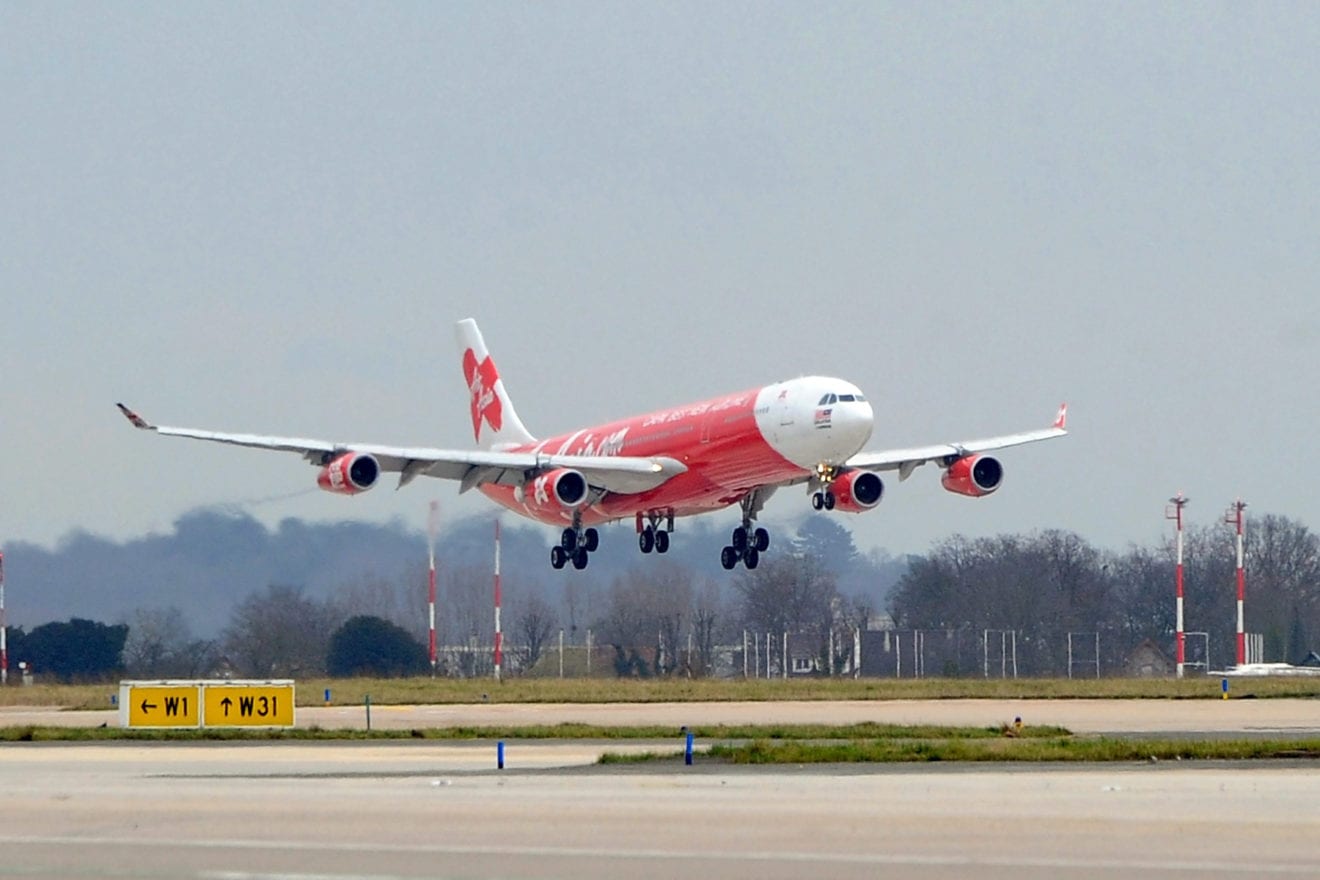
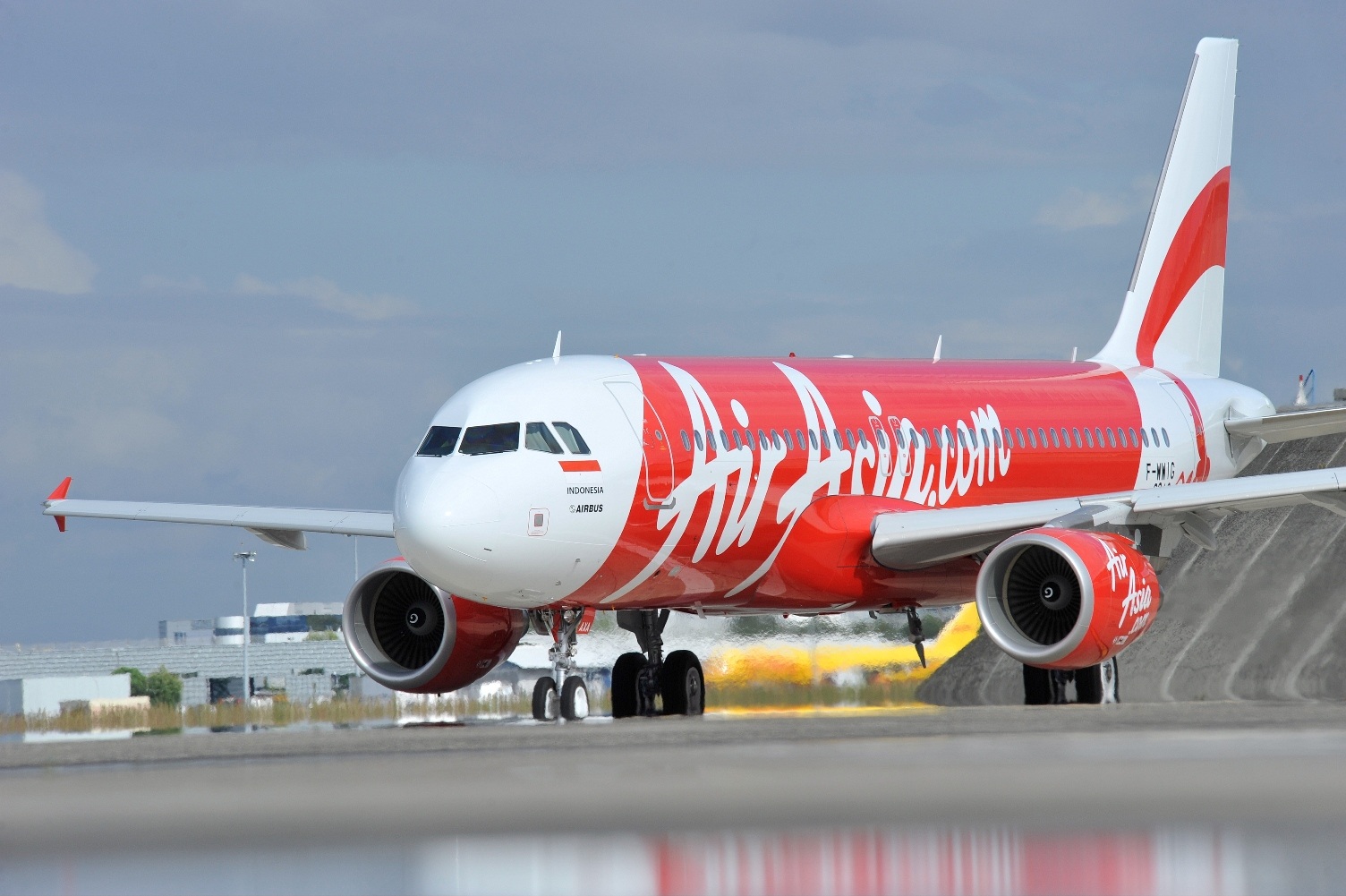
    The long-haul budget carrier AirAsia X Bhd has run out of money and needs to raise up to 500 million ringgit (US$120 million) to restart the airline, according to deputy chairman Lim Kian Onn.

    The Malaysia-based affiliate of AirAsia Group said this month it wanted to restructure 63.5 billion ringgit ($15.3 billion) worth of debt and slash its share capital by 90% to continue as a going concern.

    “We have run out of money,” Lim said in an interview. “Obviously, banks will not finance the company without shareholders, both old and new, putting in fresh equity. So, a prerequisite is fresh equity.”

    He said the airline had actual liabilities of 2 billion ringgit, with the larger figure of 63.5 billion ringgit including all lease payments for the next eight to 10 years and its large order for Airbus planes and contracted engine maintenance with Rolls-Royce.

    “If we find 300 million ringgit in new equity, then the shareholder funds are 300 million at the restart of business and if we are able to borrow 200 million ringgit, we feel that we will have a good platform to start all over again,” Lim said.

    He said AirAsia X also needed to convince its lessors of its business plan, adding that an unnamed lessor recently took back one of the airline’s planes to convert it to a freighter.

    The airline plans to liquidate its small Indonesia-based carrier and has completely written down its stake in Thai AirAsia X, with the Thai carrier not part of the restructuring scheme, Lim told the newspaper.

    Rival Malaysia Airlines is also in financial trouble, but Lim said there would be “no good outcome” from seeking to merge two airlines in dire straits.

    AirAsia X declined to comment beyond the details published in the newspaper article.

    Initial negotiations with creditors have been tough as they are understandably upset, Lim said in the interview. They had asked for better terms, including free equity for the forgiven debt — something that would be impossible for the airline to fulfill, he added.

    Still, Lim said all of them genuinely wanted to find a common ground to take the airline forward. “No one has anything to gain from our demise,” he told the newspaper.

    The airline is planning to resume flights in the first quarter of 2021, though the process remains “dynamic”, said Lim. Should the rescue plan get approval, the company will have to renegotiate every single contract and will do its best to look after all stakeholders’ interests, he said.

  • Why Retail Businesses Needs Small Business Management Software

    Why Retail Businesses Needs Small Business Management Software

    Retail businesses’ owners and managers are always looking forward to finding approaches that can improve their businesses. There are several wise and effective ways to do it, and one of those is the implementation of project management software and online collaboration. These refer to the web-based applications that allow anyone involved in the company to work remotely and sign in anywhere. Nevertheless, this is just one of many reasons why startups and small businesses must have small retail business management software solutions. Here are further reasons to persuade you more. 

    • Business managers and owners can be helped by integrated calendars to view what tasks are done by the staff with ease. 
    • It can help you save, as well as your employees a great time every working day. When there is only one application being used within the entire work, additional or switching to other applications will not be needed just to complete the task. 
    • Invoicing and quoting is more straightforward through the creation of both in one application. This then leads to increased sales that are followed by easy and simple checking of quotes created, as well as those that aren’t followed up. Also, whenever a quote is accepted, there is a change into an invoice, which means more time is saved. 
    • With online project management software, there is even simple project management. This is possible through the creation of projects and then assigning each to the entire staff. Afterward, it can be tracked, especially the process through a simple click on the project. Hence, there will be no more chasing of employees just to view if they are already done with the assigned project. 
    • Small businesses with 50 employees can use the management software, which means that they aren’t small businesses anymore to benefit from it. 
    • The document storage often sparks problems within the whole business process. Good thing, it can now be streamlined with the small business management software. Here, as soon as the documents are created, it can be directly saved onto the application. Hence, there will be no more waiting for the documents to be done and emailed to anyone in the business. Also, once the documents are saved in one application, it can be retrieved easily when lost. In addition to that, the small business management software helps businesses to wave goodbye to any missing documents that everyone will welcome. 
    • Off Site employees in any business need to fill up the timesheets so that the management software can easily track the employees during working hours. They can log into the application that will be used by the owners and managers as information to work their wages. This is considered a very useful and important software since it is way easier and more effective compared to the manual filling up of timesheets. 

    Hence, there are lots of reasons why your business must consider having small business management software. This has a lot of uses, especially cutting down time spent on drastic tasks. It also has comprehensive business functionality, as well as it is easy to access. 

    Moving forward, let us proceed to the benefits that can be gained when you use small business management software. 

    10 Benefits of Using Small Business Management Software

    1. Small business management software is web-based, which means only the internet connection and PC are accessible by the employees. These then help the employees to work from home or in another country. 
    2. In a more streamlined way, the leads can become or turn into sales. This is possible through the small business management software, which stores the information in one safe place. So, every time there is a quote created, it makes the customer’s information able to be held in a lead file for later follow up calls.
    3. There is only one needed application to store and create documents, quotes, invoices, timesheets, projects, calendars, and a lot more. This means that loading several applications up every morning is no longer needed, as well as switching in between to accomplish tasks and projects.  
    4. Projects can be easily monitored or tracked by the owners and managers. This is done through a simple login into the application of online project management. There will be less due to missed deadlines as an outcome of inefficient practices. This is good news for the managers and owners. 
    5. The workers can still log in by giving their username and password to the small business management software application, despite being away. This applies to workers who are in other places yet still connected to their jobs. 
    6. A small business management software can accommodate and make sign-ups for up to 50 employees. This only means that it doesn’t require the business to be huge to make it benefit from its services. 
    7. The purchasing habits of customers can be tracked and monitored easily. This is a huge advantage for the business when anticipating the customer’s purchases, as well as to provide them with improved experiences in the business. 
    8. The license for applications can be stopped or ended. Besides, why will you spend a lot of money per month or year when there is a single application to help you run your business easily. Just take a look at other small business owners who already implemented their CRM software and look at how they saved a lot and made the business run towards success. 
    9. An internal email system is no longer needed to help the employees share a particular document. This may be a useful tool; it can still take a lot of time from writing to sending emails. But with small business CRM software, the files are stored in a single place, accessed, and sent at one time. 
    10. It is easy to use that the employees are no longer required to spend a lot of time to learn how to use it effectively. 

    After viewing and understanding these 10 reasons why small business management software is a must-have, you can now see how much you need it. This can help a lot to revolutionize your business and increase profits and customer satisfaction and decrease inefficiency.  

  • Sheng Siong profit climbs but management tempers expectations

    Sheng Siong profit climbs but management tempers expectations

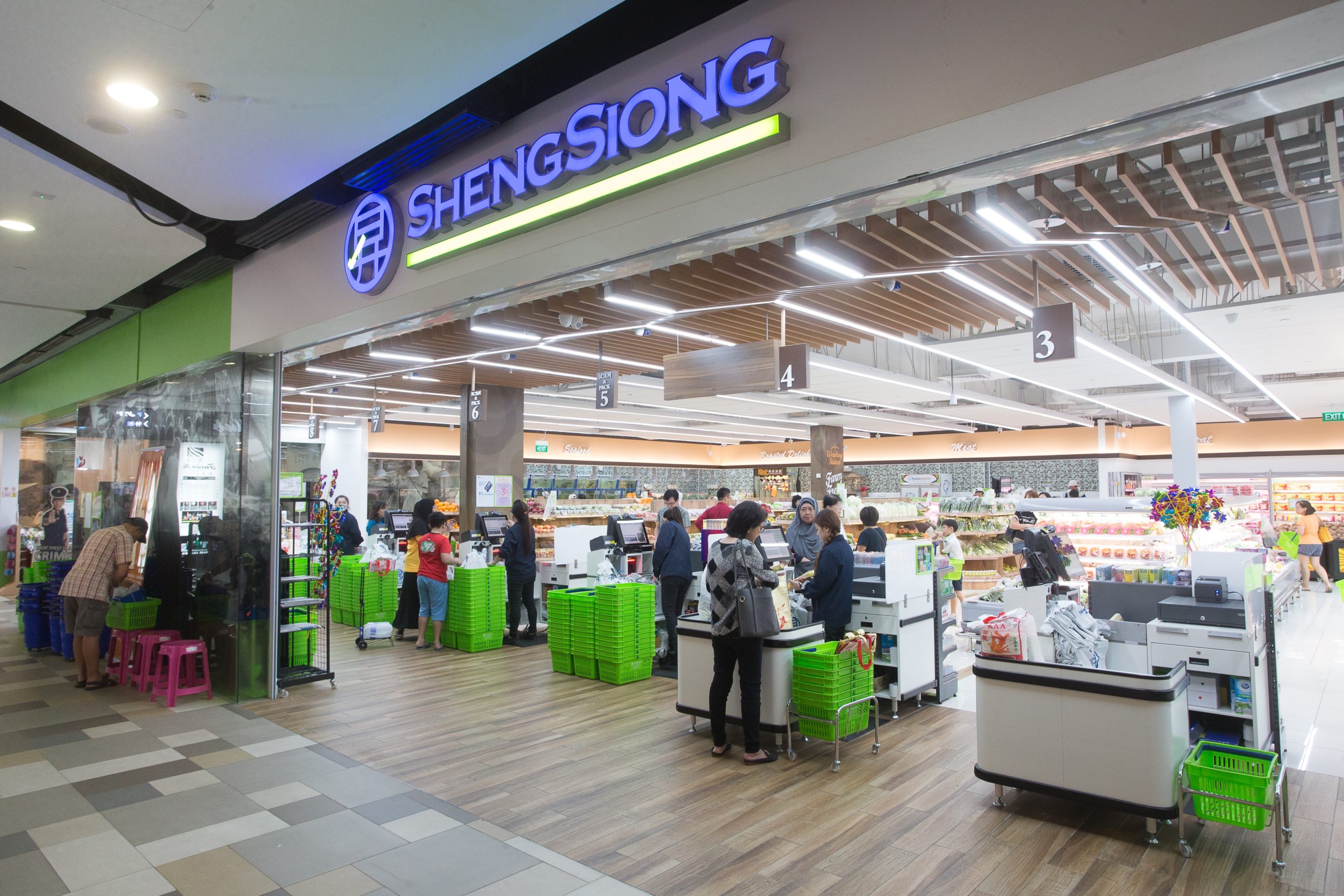
    Listed Singaporean supermarket chain Sheng Siong’s profit soared 54.4 percent in the third quarter to US$23.27 million, riding a wave of increased sales in the grocery sector.

    Revenue jumped 28.9 percent to $239.5 million, while gross profit grew 28.7 percent to $64.68 million, largely off the back of increased home cooking and stocking of pantries throughout, and beyond, the country’s Circuit Breaker period.

    However, with stay-at-home orders easing across Sheng Siong’s markets, this elevated demand is likely to begin to stabilize in the following months, said CEO Lim Hock Chee.

    “Competition in the supermarket industry is expected to remain keen and challenging among the traditional brick and mortar operations and e-commerce platforms, which have gained a larger share since the onset of Covid-19,” Chee said.

    “The risks to supply chain disruption because of Covid-19 and other natural disasters are still there and may lead to higher input prices.”

  • Best Black Friday TV deals available now and coming up

    Best Black Friday TV deals available now and coming up

    The best time to upgrade your TV is less than a month away, Black Friday. If you’re in the market for a brand-new TV, we already have loads of new deals, as US retailers are gearing up for one of the biggest sales One of the main highlights of a Black Friday sale is the As we’re getting closer to Black Friday, many US retailers offer amazing deals that will probably not return on November 27.

    We’ve piled up a list of pre-Black Friday deals on TVs, but we’ll update the article with fresh new deals as we’re getting them. More importantly, be sure to return on Black Friday to find the best TV deals that you’ll be able to get this year.

    We’ve compiled a list of some of the best and most expensive smart TVs that are on sale right now at Best Buy and Walmart. If you wish to watch 4K content or play games in super high-definition, these are the TVs that you’ll want to get. Although some of these TVs are getting a discount of more than $500, they remain quite expensive.

  • Vietjet posts $39.8 mln loss

    Vietjet posts $39.8 mln loss

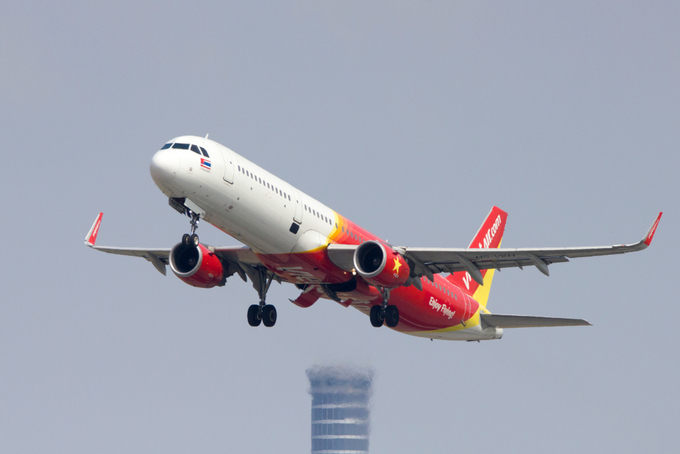
    Budget airline Vietjet has recorded a loss of nearly VND925 billion ($39.83 million) in the first nine months due to pandemic-imposed flight restrictions. The second-largest airline in Vietnam in terms of market share saw Jan-Sept revenues fall 64 percent year-on-year to VND13.78 trillion, according to its Q3 financial statement.

    Vietjet served over three million passengers in the third quarter and opened eight new domestic routes, bringing the total number of routes to 52.

    However, the second Covid-19 outbreak in the last week of July and throughout August brought down travel demand again, resulted in Q3 revenues falling nearly 80 percent year-on-year to VND2.8 trillion. The total number of domestic flights plunged 35 percent to just over 15,000 in this period.

    The budget carrier has been increasing the number of cargo flights to make up for dwindling revenues from passenger flights and increase the application of the self-service system at the Noi Bai International Airport in Hanoi to lower costs.

    Last year Vietjet posted a pre-tax profit of VND5.01 trillion, down 14 percent from 2018.