Category: General

Retail News Asia is committed to providing both local and global retailers with the latest General Retail news throughout the Asian market. This on a daily base.

  • Japanese supermarket Meidi-Ya opening flagship in Singapore

    Japanese supermarket Meidi-Ya opening flagship in Singapore

    Japanese supermarket Meidi-ya will be opening its second outlet at Millenia Walk on November 25, 2020, with a grand opening on November 28, 2020.

    The two-story flagship outlet spans 24,000 square feet. The first floor will comprise a bakery and food hall. The Japanese supermarket will be located on the second floor.

    Meidi-ya at Millenia Walk also has a wine and liquor store which is already open to the public. It boasts 700 kinds of liquor from various countries. Its sake selection alone has 270 types, including Dassai sake imported from Yamaguchi.

    There are several notable features in this Meidi-ya outlet. It will have a Japanese Cafe and Bar on the first floor which seats 88. It serves popular Japanese dishes and beverages.

    The Hokkaido Dosanko Plaza will feature products like snacks, ice cream, and bento sets imported from Hokkaido. These products come with the label Dosanko to signify that they originate from Hokkaido.

    This is what the Hokkaido Dosanko Plaza at the Great World City outlet looks like.

    The Gokoku Japanese Bakery hails from Kobe. This will be its third outlet in Singapore — the other two being in Great World City and Jurong Point.

    The bakery offers rather hearty bread with a Japanese twist like Potato Mentaiko, Peanut Shio Butter Pan, Matcha Cream Pan, and Malt Kurumi Bun.

    Meidi-ya at Millenia Walk will also have a Food Hall which offers a variety of authentic Japanese food both cooked and raw (sashimi). The sashimi in particular are directly brought in by Nakajima Suisan, Japan’s largest fish supplier.

    Meidi-ya at Millenia Walk is located at 9 Raffles Boulevard, Millenia Walk #01-65, #01-51 to 56, #02-26 to 36. It opens daily from 10am – 10pm.

  • HAGL boss to sell 35 million shares to restructure loan

    HAGL boss to sell 35 million shares to restructure loan

    Chairman Doan Nguyen Duc of agricultural giant Hoang Anh Gia Lai (HAGL) will sell 35 million shares to restructure a company loan.

    The shares, registered under the ticker HAG, amount to a 3.8 percent stake in the agricultural firm, approximately. They will be sold via the put through option, according to filings with the Ho Chi Minh Stock Exchange (HoSE). They will be transferred to undisclosed buyers on November 12-13.

    Based on the current market price of HAG shares, the value of the deal is estimated at over VND157 billion ($6.77 million). If it goes through, Duc’s ownership will be reduced to 342 million shares, or 36.85 percent of Hoang Anh Gia Lai’s capital.

    The HAGL chairman had bought 50 million HAG shares through the put-through option on October 29. The order was executed at VND4,800 ($0.21) per share for a total value of VND240 billion.

    At the end of Wednesday’s trading session, HAG shares were trading at VND4,470, down 1.11 percent compared to the previous day.

    In the past three months, HAGL has recorded a net revenue of VND700 billion, up nearly 26 percent year on year, thanks to bigger fruit harvests. However, losses incurred in selling goods and a sharp decline in financial activities led to an after-tax loss of VND568 billion, the biggest quarterly loss in a year. It was also the company’s sixth consecutive loss-making quarter.

    HAGL’s cumulative revenue for the first nine months this year was VND2.17 trillion, up 47.3 percent over the same period last year, and the after-tax loss of over VND700 billion was down 14.9 percent.

    Fruit continued to account for the biggest proportion of its revenue structure at 80 percent, followed by services, rubber, and other products, according to the group’s latest financial statements.

    HAGL, once the leading real estate firm in Vietnam, has been growing fruits and vegetables since 2016. It mainly grows passion fruit, bananas, dragon fruit and chili. Its main markets are China and Thailand.

  • Bamboo Airways licensed to fly directly to the US

    Bamboo Airways licensed to fly directly to the US

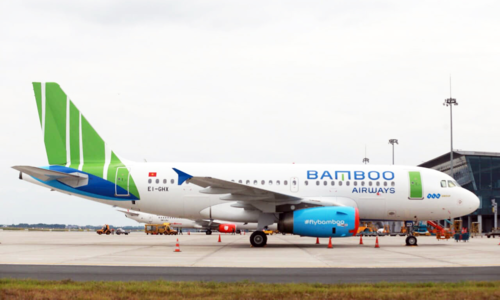
    Bamboo Airways has received a permit from the U.S. Department of Transportation to carry passengers and cargo to that country.

    It has been allowed to use the wide-body Boeing 787-9 Dreamliner to fly directly from Hanoi and Ho Chi Minh City to places like Los Angeles and San Francisco.

    Bamboo Airways is the second airline to get permission after Vietnam Airlines.

    It is set to begin direct service to the U.S. at the end of 2021 or early 2022, and will next seek licenses from the Federal Aviation Administration (FAA), the Transportation Security Administration and other relevant agencies in the U.S.

    The FAA granted a Category 1 rating to the Civil Aviation Authority of Vietnam under its International Aviation Safety Assessment program last February, which meant the latter met safety standards to operate flights to the U.S.

    There are currently no non-stop routes between the two countries, and passengers have to transit through East Asia, taking 18-21 hours in all. A direct flight would bring the travel time down to 14-16 hours.

    Americans are among the top foreign visitors to Vietnam, with 687,226 arrivals last year, while an ethnic Vietnamese population of over 2.1 million in the U.S. is also expected to be a steady source of travel demand.

  • Cebu Pacific extends flexible booking options

    Cebu Pacific extends flexible booking options

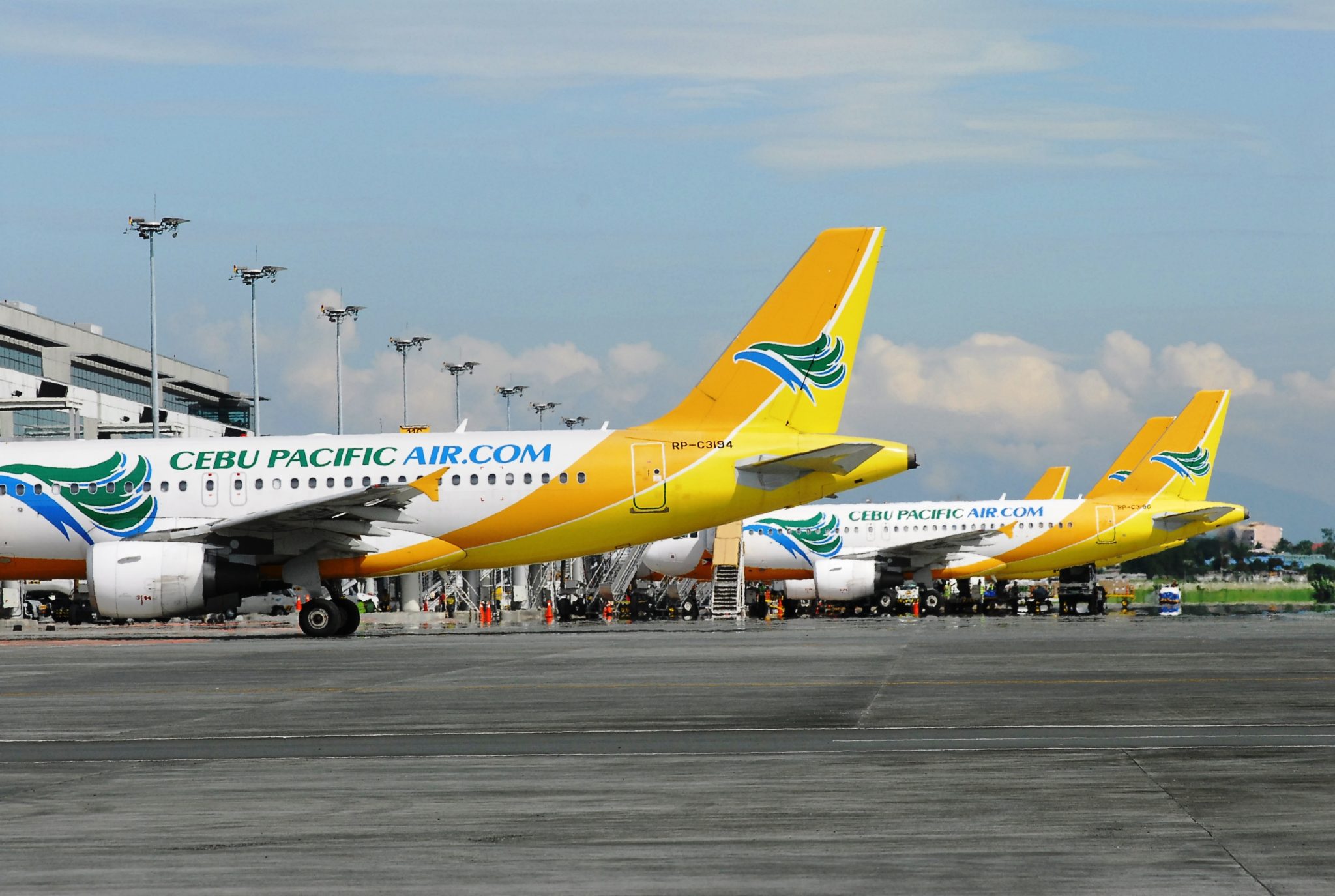
    CEBU Pacific (CEB) extends the coverage of its flexible booking options for passengers traveling until Dec. 31, 2020.

    The Travel Fund, valid for two years, can be used to book flights up to 12 months ahead, given that transactions are done before the fund expires. This means customers can use their Travel Funds to book trips potentially until 2023.

    This virtual wallet will consist of the full cost of the ticket and can even be used for purchasing ancillaries such as baggage allowance and seat blocking.

    For customers with existing Travel Funds, the two-year validity will be applied retroactively.

    Those who wish to postpone travel plans may opt to rebook their flights as many times as possible. A minimal fare difference may apply.

    Those with canceled flights will continue to have the following options: placing the full cost of the ticket in a Travel Fund valid for two years; rebooking flights with no limit (both rebooking fee and fare difference are waived if new travel date is within 90 days); or availing of a full refund.

    One simply has to go to the “Manage Booking” portal on the Cebu Pacific website. Bookings can be modified up to two hours before the flight.

  • Cebu Pacific refunds hit P2.7B as virus grounded flights

    Cebu Pacific refunds hit P2.7B as virus grounded flights

    Cebu Pacific said ­refunds to customers for flights canceled due to the COVID-19 crisis already reached P2.7 billion, with billions of pesos more to be returned.

    The budget airline assured passengers their refund requests would be processed but it could take up to six months from the time of filing.

    “We understand how difficult this situation is for everyone and we sincerely apologize for the delay,” Cebu Pacific said in an update to flyers this week.

    The latest figure was higher by P300 million from its previous update last September. At the time, Cebu Pacific also suggested total refund request during the pandemic reached nearly P5 billion.

    Cebu Pacific said it was currently processing refund requests filed in June.

    Like other airlines, it was severely hit by the global health crisis while strict lockdowns grounded flights for extended periods during the summer travel season and in August.

    The industry is currently operating a fraction of its pre-pandemic network as broad travel restrictions remain in place and customers defer their travel plans.

    Refunds add to the financial strain at a time when airlines are struggling to generate revenues.

    In its update, Cebu Pacific pointed to efforts to raise fresh capital. That includes an earlier-announced plan to raise $500 million selling shares and bonds to strengthen its balance sheet.

    Local carriers will no longer have to worry about new refund filings with the passage of the Bayanihan to Recover as One Act last September. While in effect, the law allows airlines to instead issue travel vouchers.

    Cebu Air Inc., which operates Cebu Pacific, earlier announced a P9.1-billion loss in the first half of 2020, during which there was an almost three-month strict lockdown of major cities across the Philippines.

    The loss reverses a P7.14-billion profit in the January to June period of 2019.


  • AirAsia X set to amend debt revamp plan

    AirAsia X set to amend debt revamp plan

    AIRASIA X, the low-cost long-haul affiliate of AirAsia Group Bhd, is expected to file an amendment to its originating summons next week, to make its debt restructuring proposal more palatable to the 1,200 unsecured creditors that the airline is asking to write down their dues.

    This was disclosed to Kuala Lumpur High Court Judicial Commissioner Anand Ponnudurai by the lawyer for AAX last Friday (Oct 30). The matter came up before Anand at a case management hearing of an application by several of AAX’s unsecured creditors to intervene in the airline’s application for leave to hold a creditors’ meeting to vote on its proposed debt restructuring scheme.

    Sources say AAX seeks to amend its originating summons, as well as some of the terms of its proposed scheme. This comes as more lessors and creditors have come out against AAX’s proposed scheme that was disclosed on Oct 6.

    Under its proposed scheme, AAX is seeking to get at least 75% of the total debt value of its unsecured creditors to agree to take a 99% haircut, effectively cutting RM2 billion in current debts and another RM61 billion in future liabilities to RM200 million. It also entails undertaking a 90% share capital reduction to RM150 million from RM1.53 billion currently, and a consolidation of every 10 existing shares into one consolidated share.

    It is learnt that apart from airport operator Malaysia Airports Holdings Bhd (MAHB) and aircraft leasing company BOC Aviation Ltd, Macquarie Aircraft Leasing Services (Ireland) Ltd, Sky High I Leasing Co Ltd and three other creditors are the latest to file an intervention application for their objections to the proposed debt restructuring scheme to be heard. Oct 30 was initially the date of the hearing for AAX’s application for leave to convene the creditors’ meeting for purposes of voting on the proposed scheme.

    Sources say during the case man­agement hearing, AAX had no objections to the intervention application filed by the creditors, which means the concerned parties are allowed to intervene and take a position in terms of the proposed scheme.

    According to sources, Anand has also decided to recuse himself from the case, as he had previously appeared on behalf of AirAsia in its dispute with MAHB and the Malaysian Aviation Commission before he was pulled from private practice into the judiciary last November.

    It is understood that another case management would be held next week to fix the leave hearing for the concerned creditors to raise the reasons for their objections to the proposed debt restructuring scheme. This is likely to be held before Judicial Commissioner Ong Chee Kwan.

    “At the leave hearing, the creditors will then state if they think the proposed scheme is not good, unfair, or that they want to be excluded from the scheme,” one source said.

    Sources also say the hearing date for AAX’s application for leave to hold the creditors’ meeting to vote on its proposed scheme is also expected to be fixed at next week’s case management hearing. “Depending on the judge’s schedule and subject to the availability of all the lawyers (representing the scheme creditors), the hearing could be held at the end of November or early December. Of course, it is best for AAX to hold the creditors’ meeting as soon as possible,” another source adds.

    On a recent report that AAX plans to revise its scheme to address concerns raised by MAHB to be excluded from it — as the airport operator takes the view that it is a secured creditor — sources say this was not raised during the case management hearing on Oct 30. “There is nothing formal to suggest their removal (from the scheme) at the moment,” says one source.

    At the case management hearing, AAX was represented by Foong & Partners with Gopal Sreenevasan as its lead counsel. MAHB and Sky High were represented by Claudia Cheah of Skrine while BOC Aviation and Macquarie were represented by Kwan Will Sen and Joyce Lim of Lim Chee Wee Partnership. David Hoh, counsel for Abdullah Chan, represented three other creditors.

    On Oct 22, MAHB announced that it was suing AAX to recover RM78 million in outstanding aeronautical charges. The debt that it is owed is less than 0.01% of the total debt owed in the proposed scheme, it added.

    BOC Aviation had also filed an intervention application in the court for its objections to the proposed scheme to be heard. It is seeking about US$30 million in dues from AAX.

  • Google Maps Street View might soon allow users to upload their own photos of places and streets

    Google Maps Street View might soon allow users to upload their own photos of places and streets

    Google Maps is now one of the most popular navigation and exploration tools, and a new feature coming to its Google Street View might soon allow people to upload photos to make sure hardly reachable areas of streets or cities can be visible in Google Street View. The feature to upload images will be present in the standalone app Google Street View, which will allow you to use your smartphone to contribute to Google Maps.

    In the beginning, in order to be able to place you on a street in Google Maps, Google had cars that went about with big 360-degree cameras that took photos of the streets. This later helps anyone who needs more precise navigation or to get a feel of the streets in Google Maps and Google Street View to virtually place themselves in the middle of the street and look around.

    Now, to further this capability and make previous unavailable-for-visualization places accessible, Google’s Street View will have a feature that can use your smartphone to take photos of the place as you drive. Reddit user -J-G- spotted the feature in Google Street View Driving mode. Additionally, Google might need to use some image processing and software to merge the photos together for a 360-angle view.

    As expected, the app will blur faces and vehicle plates, protecting the privacy of everyone while at the same time providing more images and visualization to Google Street View in places unreachable for Google alone.

  • VF Corp adds Supreme to its stable in US$2.1 billion deal

    VF Corp adds Supreme to its stable in US$2.1 billion deal

    VF Corp pays US$2.1 billion to purchase streetwear attire firm Supreme, including one other standard model to the Vans shoe maker’s portfolio. VF Corp, which additionally homes manufacturers reminiscent of The North Face and Timberland, mentioned it might make a further fee of up to $300 million, topic to satisfaction of sure post-deal closing milestones.

    Shares of VF Corp surged about 13 percent to $78.94 in afternoon buying and selling.

    The firm mentioned present buyers Carlyle Group and New York-based personal fairness agency Goode Partners had been promoting their stakes in Supreme, based by American-British businessman James Jebbia in 1994.

    Known for its pink field emblem with “Supreme” written in white, the model has gained a following amongst “hypebeasts,” or followers of the streetwear model, with product launches of the whole lot from hoodies to burner telephones promoting out in minutes and folks lining up outdoors its 12 shops worldwide for hours.

    The perceived shortage has helped Supreme to purchase a cachet amongst younger folks and allowed it to cost far increased costs than different streetwear manufacturers like VF’s Vans and Nike.

    “This scarcity, novelty and strong social influence model supports meaningful pricing power resulting best in class profitability,” VF Corp CEO Steve Rendle mentioned.

    VF Corp estimated the broader streetwear market to be a roughly $50 billion world alternative and that Supreme was on the epicenter of this market, he mentioned.

    The firm mentioned the Supreme deal will assist bolster its e-commerce enterprise, which has change into extra pressing for attire and footwear makers due to the Covid-19 pandemic.

    Supreme, which has collaborated with many outstanding style names together with Louis Vuitton in addition to Nike, Levi and Vans, will get over 60 percent of its income from the net enterprise.

    The deal, which is predicted to be accomplished late this 12 months, is anticipated to contribute a minimum of $500 million of income and adjusted earnings per share of 20 cents in fiscal 2022.

    Supreme doesn’t present group gross sales or revenue figures however its UK-based European arm is obliged to publish annual accounts and these have confirmed speedy development and industry-leading margins in current years.

    In the 12 months to the top of January 2019, Supreme’s European enterprise racked up the income of 100 million kilos ($130 million) regardless of having simply two shops and a revenue margin, earlier than curiosity bills, of 44 percent – a number of of the margins earned by different streetwear manufacturers like Vans, Abercrombie & Fitch and even luxurious manufacturers like Gucci, firm filings present.

    Analysts have questioned whether or not Supreme will probably be in a position to preserve its premium pricing as its merchandise change into extra ubiquitous, however, had been extra sanguine after Monday’s announcement.

    “Supreme is a strong streetwear brand …. and while the brand has built its appeal on scarcity, we believe the market will be excited at the margin and growth profile and its contribution to VFC,” Bernstein analyst Jaime Merriman mentioned.

  • Zoom lied about using end-to-end encryption and is lightly spanked by the FTC

    Zoom lied about using end-to-end encryption and is lightly spanked by the FTC

    Announced on Monday, a settlement between video conferencing app Zoom and the FTC revealed that since 2016, Zoom had been lying about providing ‘end-to-end, 256-bit encryption’ to protect the security of users’ communication. The truth was that Zoom was actually giving users a lower level of security. As the FTC said on Monday, “Zoom maintained the cryptographic keys that could allow Zoom to access the content of its customers’ meetings, and secured its Zoom Meetings, in part, with a lower level of encryption than promised.”

    The FTC complaint chronicles the rapid growth of the company. In July 2019 it had 600,000 paid subscribers and 88% of its paid subscribers were small businesses with 10 or fewer employees. By December of 2019, 10 million people around the world were participating in a Zoom chat daily. And by the time COVID-19 hit the U.S. big time in April 2020, the number of people around the globe participating on a Zoom chat everyday had skyrocketed to a whopping 300 million.

    During this amazing period of growth, Zoom made various representations about the strength of its security measures. On its websites and in its security guides Zoom said that it takes “security seriously,” that it “places privacy and security as the highest priority.” Zoom also made it known that “it is committed to protecting your privacy.” Since 2016 Zoom has been making claims that its chats offer end-to-end encryption. One way that it did this was by placing an icon of a green padlock in the top left corner of a Zoom Meeting. When a user hovered near the icon, he or she would see a popup that read “Zoom is using an end-to-end encrypted connection.”

    But as the FTC notes, “Zoom did not provide end-to-end encryption for any Zoom Meeting that was conducted outside of Zoom’s Connector product. On a blog post written by Zoom’s Chief Product Officer, the company finally admitted that “while we never intended to deceive any of our customers, we recognize that there is a discrepancy between the commonly accepted definition of end-to-end encryption and how we were using it.” The FTC also noted that the claim made last year by Zoom that its recorded meetings were stored encrypted as soon as the Meeting was over simply was not true. As it turns out, recorded Meetings were kept in Zoom’s own server unencrypted for up to 60 days before they were transferred to Zoom’s secure cloud storage where they were stored encrypted.

    The Democrats on the FTC panel are not happy about the settlement since they feel that it does not punish Zoom enough for its lies. Democratic Commissioner Rebecca Kelly Slaughter said, “Zoom is not required to offer redress, refunds, or even notice to its customers that material claims regarding the security of its services were false. This failure of the proposed settlement does a disservice to Zoom’s customers, and substantially limits the deterrence value of the case.” However, Zoom does face lawsuits from customers and investors and these could result in the company being ordered to make financial restitution to those who were hurt by the firm’s dishonesty.

    The proposed settlement that Zoom has agreed to includes beefing up its security including the use of multi-factor authentication as a way to prevent unauthorized access to the Zoom network. The settlement is open for the public to comment on it for 30 days; once that time is up, the Commission gets to vote on making it final. The 30 days begins once the settlement is published in the Federal Register. Zoom will have to notify the FTC if there are any data breaches. All software updates will need to be examined by Zoom for any security flaws. And a third-party will need to sign-off on Zoom’s security program once the settlement is finalized and for every two years after that for a total of 20 years.

  • Tesco Thailand takeover gets regulatory nod

    Tesco Thailand takeover gets regulatory nod

    Thailand’s competition regulator has given the nod for British retail giant Tesco to sell its supermarket businesses to the Charoen Pokphand Group, despite monopoly concerns.

    The $10.6 billion sale to Thailand’s biggest conglomerate was first flagged in March and also covers Tesco’s operations in Malaysia.
    “The majority of commissioners agreed that the merger of those businesses (could create) market dominance… but it’s not a monopoly,” Thailand’s Office of Trade Competition Commission said in a statement on Friday.

    The regulator said CP Group is not allowed to pursue other retail merger deals during the next three years.

    Thai Retailers and Wholesalers Association president Somchai Pornrattanacharoen, who was on the regulator’s vetting committee, last month publicly expressed concerns that the deal would grant CP Group a monopoly, according to local media.

    It is a boomerang sale of sorts — Tesco has nearly 2,000 grocery stores across Thailand which it bought from CP Group during the Asian financial crisis in 1997-1998.

  • LINE Pay and LINE Financial Recognized at Good Design Award 2020

    LINE Pay and LINE Financial Recognized at Good Design Award 2020

    LINE Corporation announced today that it received two awards at the Good Design Award 2020. LINE Pay’s rebranding project was selected in the “Best 100” category while LINE Financial received a “Good Design Award” in the application category.

    Operated by Japan Institute of Design Promotion, the Good Design Award is considered a globally renowned design accolade, receiving more than 4,700 entries from around the world this year alone. Winners are allowed to use the “G Mark” logo on their products in recognition of their excellence.

    Both designs were produced by the BX Design Team at LINE Plus. The LINE Pay rebranding project was chosen for its sleek and scalable design, offering familiarity for users while increasing business potential. The LINE Financial services logos were recognized for their intuitive and easy-to-understand icons that are suitable for users of all ages. More information about both awards can be found on the Good Design Award website.

    LINE Pay Corporation, the operator of LINE’s digital wallet service, carried out a rebranding to refocus the company’s messaging, emphasizing how is evolving with society and becoming “The Next Payment Platform.” The rebrand also added visibility and simplicity to the LINE Pay logo, with the rebranded logos having a positive impact on both merchants and users, leading to an increase in the installation of the LINE Pay point of sales materials (POSM) in stores.

    LINE Financial has been introducing a range of financial services, including insurance, investment services, loans, and a credit scoring service, with the aim of bringing people and finance closer by creating new financial experiences. The brand design of these financial services captured a simpler user experience while also presenting a unified identity.

    With these awards, LINE Plus BX Design Team has been now recognized for its excellence in design by three of the most renowned international design awards: by the iF Design Award 2019, Red Dot Award 2020, and Good Design Award 2020.

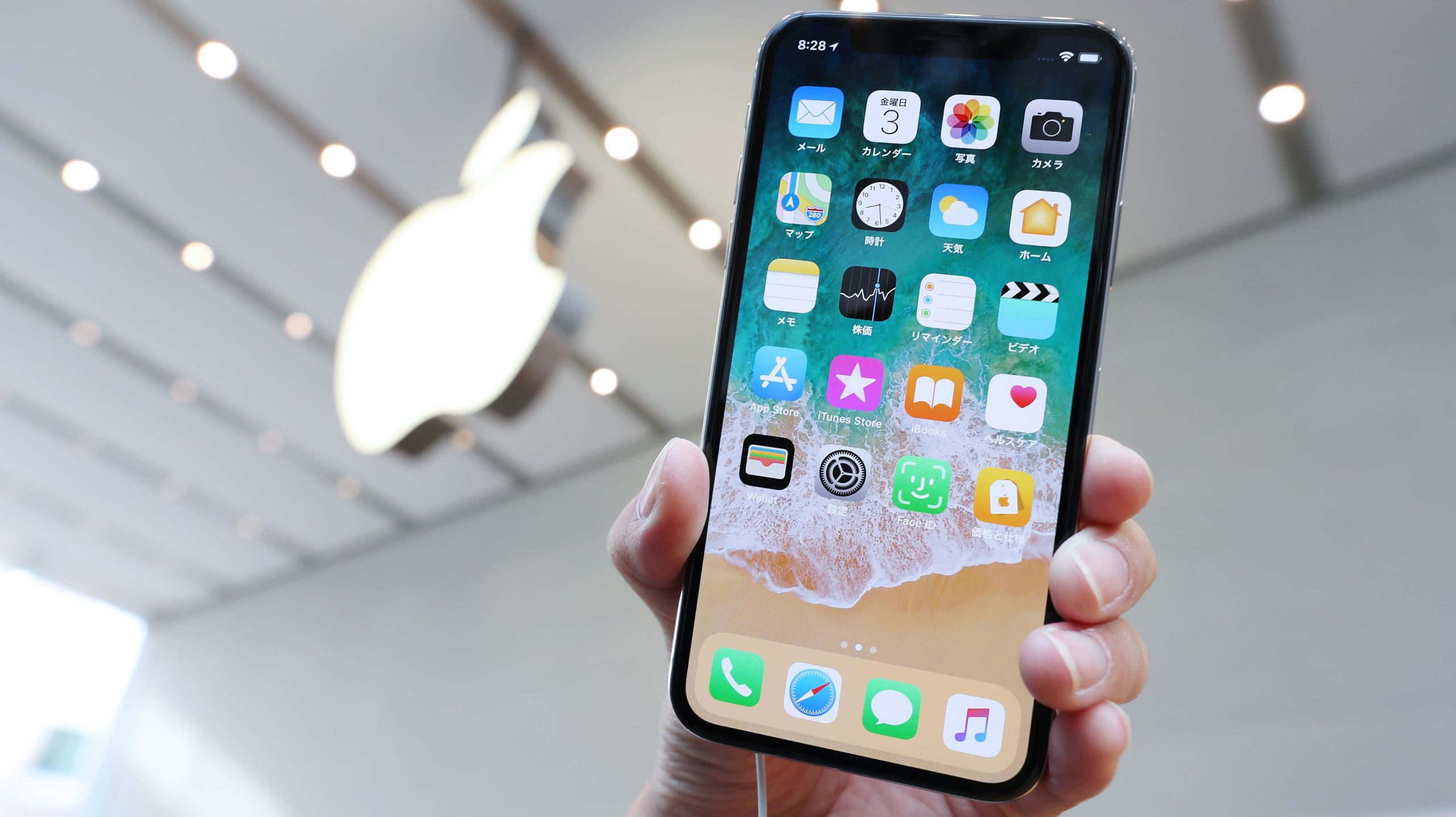
  • Apple brings 100 new emoji and more to the iPhone with release of iOS 14.2

    Apple brings 100 new emoji and more to the iPhone with release of iOS 14.2

    Emoji fans using an iPhone should be happy to see that iOS 14.2 has been released. Why? Because the latest build of Apple’s mobile operating system features a large number of new emoji including a transgender pride flag, a dodo, a pinched finger emoji, an anatomical heart, lungs, a man feeding a baby, and more. You can see the entire list of new emoji that comes with iOS 14.2 by visiting the Emojipedia website.

    One of the fun new features for iOS 14.2 brings music discovery app Shazam to the Control Center. We first told you about this back in September when Apple dropped a public beta for iOS 14.2. Shazam is able to listen to a song playing in the background and fairly quickly, it will post the name of the tune, the artist who sings it, the lyrics, and more. The app was one of the first to be featured by Apple in a series of iconic ads for the brand new App Store that told us that whatever we are doing, “there’s an app for that.” Three years ago, Apple decided to purchase Shazam for $400 million.

    The update includes eight new wallpapers in both light and dark mode. Those with an iPhone 12 series handset can use the magnifier app to detect people nearby and measure their distance away by using the LiDAR depth sensor. The Time-of-Flight sensor computes how long it takes for a beam of infrared light to bounce off of a subject and return to the phone. With this data, more accurate depth measurements are computed allowing the iPhone 12 Pro and Pro Max to deliver enhanced AR capabilities and improved bokeh blurs on portraits. Speaking of the iPhone 12 series, iOS 14.2 adds support for the Leather Sleeve MagSafe accessory. Leather cases with MagSafe will be available to be pre-ordered starting today. The sleeves and the MagSafe Duo Charger. Both the leather sleeves and the MagSafe Duo Charger will be released at a later date, possibly not until 2021.

    The update to iOS 14.2 also helps provide optimized battery charging for the AirPods slowing the rate at which the wireless Bluetooth earbuds batteries age. Users will receive a notification whenever the audio levels on their headphones are too loud and could cause problems to users’ hearing. New AirPlay controls can stream entertainment throughout your home. And there are many more items on the changelist.

    The update also fixes a number of issues including one that keeps the iPhone screen black while viewing Netflix content, and one that makes the camera viewfinder appear black when the camera app is open. Some of the resolved issues revolve around widgets such as the weather widget that displays the temperature in Celsius even when it is set to Fahrenheit. One bug forces the Apple Watch app to unexpectedly close when opened and in some cases, Apple Pay won’t send or accept cash via Siri. One bug prevents devices from charging wirelessly.

    To update your iPhone go to Settings > General > Software Update. If the update is on your device, tap on Download and Install. As we said, iPadOS 14.2 is also available to be installed on a compatible iPad tablet, and to do so, use the same directions we told you for the iPhone. The new update to watchOS 7.1 contains “new features, improvements, and bug fixes.” To update your Apple timepiece, first, make sure that your iPhone is running the latest version of iOS. Make sure that your Apple Watch is updated to at least 50% and connect your iPhone to Wi-Fi. Keep your iPhone nearby your Apple Watch and the update will take place over several minutes to an hour. Thus, you might want to wait to update overnight.

    You can also try to update your Apple Watch using the iPhone:

    • Keep your Apple Watch on its charger until the update completes.
    • On your iPhone, open the Watch app, then tap the My Watch tab.
    • Tap General > Software Update.
    • Download the update. If asked for your iPhone passcode or Apple Watch passcode, enter it.
    • Wait for the progress wheel to appear on your Apple Watch. It could take from several minutes to an hour for the update to complete.

    If your Apple Watch is running watchOS 6 or higher, you can update your Apple Watch without using the iPhone. Follow these directions:

    • Make sure that your watch is connected to Wi-Fi.
    • On your watch, open the Settings app.
    • Tap General > Software Update.
    • Tap Install if a software update is available, then follow the onscreen instructions.

    Leave your Apple Watch on its charger while the update completes. Don’t restart your Apple Watch, and don’t quit the Watch app. When the update completes, your Apple Watch restarts on its own.

    Apple also released a special update that adds security updates to older iPhone, iPad, and iPod touch units. The update installs iOS 12.4.9 to iPhone 5s, iPhone 6, iPhone 6 Plus, iPad Air, iPad mini 2, iPad mini 3, and iPod touch (6th generation).

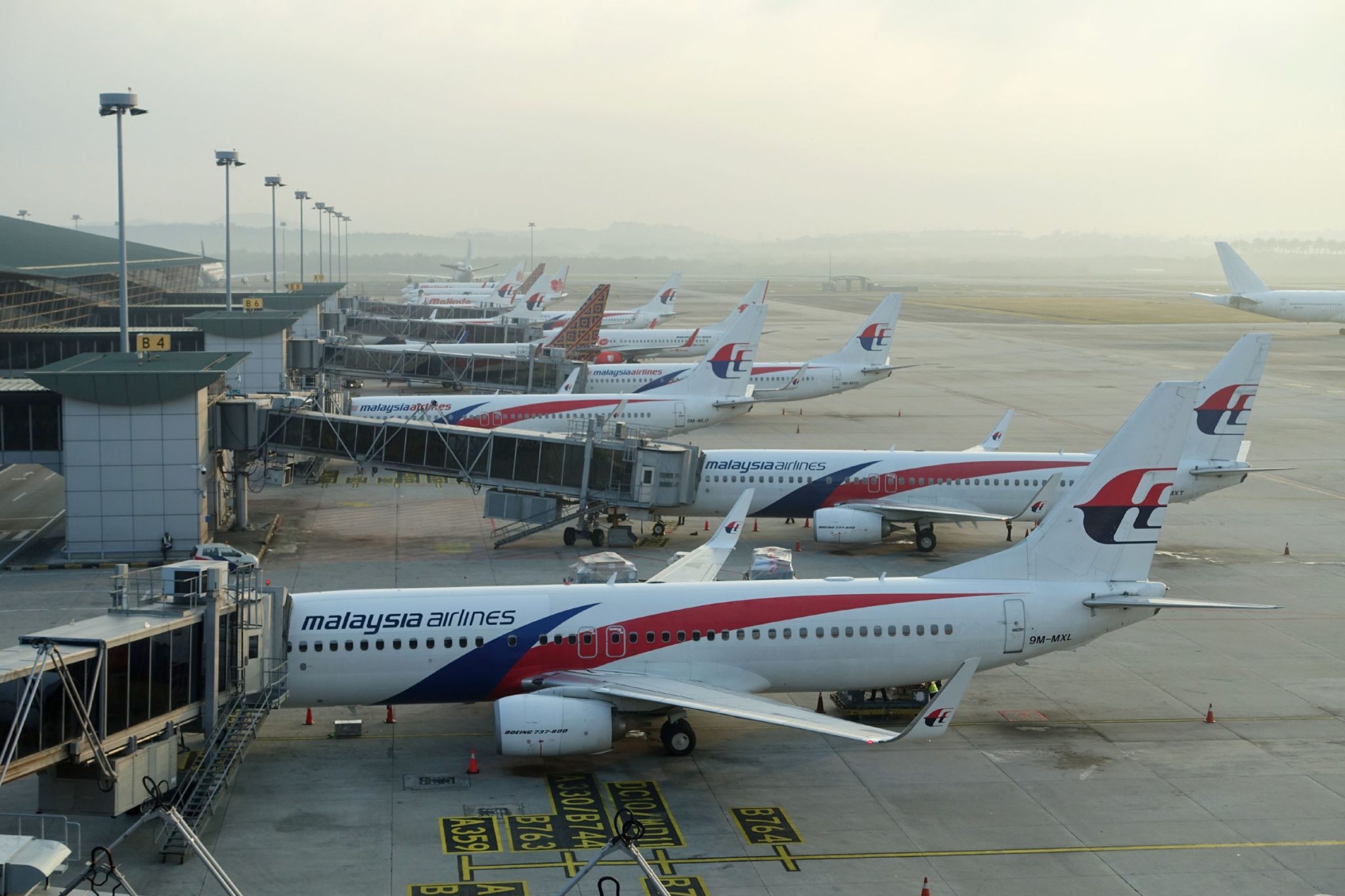
  • Malaysia Airlines and AirAsia, once contrasting, now face same crisis

    Malaysia Airlines and AirAsia, once contrasting, now face same crisis

    Struggling flag carrier Malaysia Airlines’ previous attempt turn itself around collided with low-cost local rival AirAsia Group’s rise. Now, both companies have run into the same turbulence.

    Malaysia Airlines, which has yet to recover from two 2014 tragedies that made global headlines, faces a growing risk of being forced to halt flights unless it secures aid. But the state has frowned on the idea of another bailout.

    A group of creditors recently rejected a proposal by Malaysia Airlines to restructure its 16 billion ringgit ($3.85 billion) in liabilities. This comes after the company made deep pay cuts for management and pilots, as well putting staff on unpaid furloughs to reduce costs as the coronavirus pandemic paralyzed global air travel.

    This disruption has also clouded the prospects for leaner AirAsia Group, which together with the flag carrier holds a majority market share in the country.

    “Our partners and creditors will have to sacrifice for the better of the future,” Izham Ismail, group CEO of Malaysia Airlines, told The Edge Malaysia newspaper in mid-October. “If they don’t want to help themselves to survive, I have no choice but shut it down.”

    Malaysia Airlines revealed that it entered into debt restructuring negotiations with creditors in early October. The airline called on leasing companies and suppliers to cooperate with the turnaround effort. If the creditors had agreed, the restructuring would have been completed within the next few months, according to Malaysia Airlines’ plan.

    The government has expressed its unwillingness to embark on another public-sector bailout of the national carrier, which is fully owned by the sovereign wealth fund Khazanah Nasional.

    “The Ministry of Finance will not be injecting any cash or any capital into Malaysia Airlines through Khazanah,” said Finance Minister Tengku Zafrul Aziz. A proposal has been floated to liquidate the airline and transfer a portion of the assets and staff to Firefly, the group’s low-cost carrier.

    Khazanah first took over Malaysia Airlines in 2001 following the ravages of the Asian financial crisis, holding a stake of 69%.The carrier’s fortunes turned again in 2014, when flight MH370 disappeared mysteriously en route from Kuala Lumpur to Beijing. This was followed months later by flight MH17 being shot down over Ukraine.

    The two tragedies drove away passenger traffic, prompting Khazanah to acquire the remaining shares in Malaysia Airlines and fully nationalize the carrier. Malaysia Airlines laid off roughly a third of its staff in a bid to revive its earnings.

    This previous restructuring effort never bore fruit because of competition from powerful rival AirAsia. The budget carrier made great strides in the 2000s with its low fares, eventually gaining control of half the domestic market.

    Malaysia Airlines, meanwhile, has lost money since 2011. Part of the problem is Malaysia’s unstable political situation. Former Prime Minister Mahathir Mohamad’s government sought capital and operational tie-ups with foreign carriers after determining that Malaysia Airlines could not heal itself. Japan Airlines was seen as a leading candidate to sponsor a turnaround due to the company’s experience recovering from bankruptcy.

    But Mahathir abruptly resigned and was succeeded by Muhyiddin Yassin this March. Not only has the pandemic sapped the finances of any potential sponsors, but Muhyiddin has his hands full maintaining his hold on power. Malaysia Airlines’ restructuring took a back seat.

    “None of the restructuring went deep enough,” said Brendan Sobie, an independent analyst. He added that it is too early to tell if the proposed debt restructuring plan would be sufficient.

    “All airlines face an incredibly challenging outlook,” Sobie said. “A lot will depend on how quickly the market recovers and if it fully recovers.”

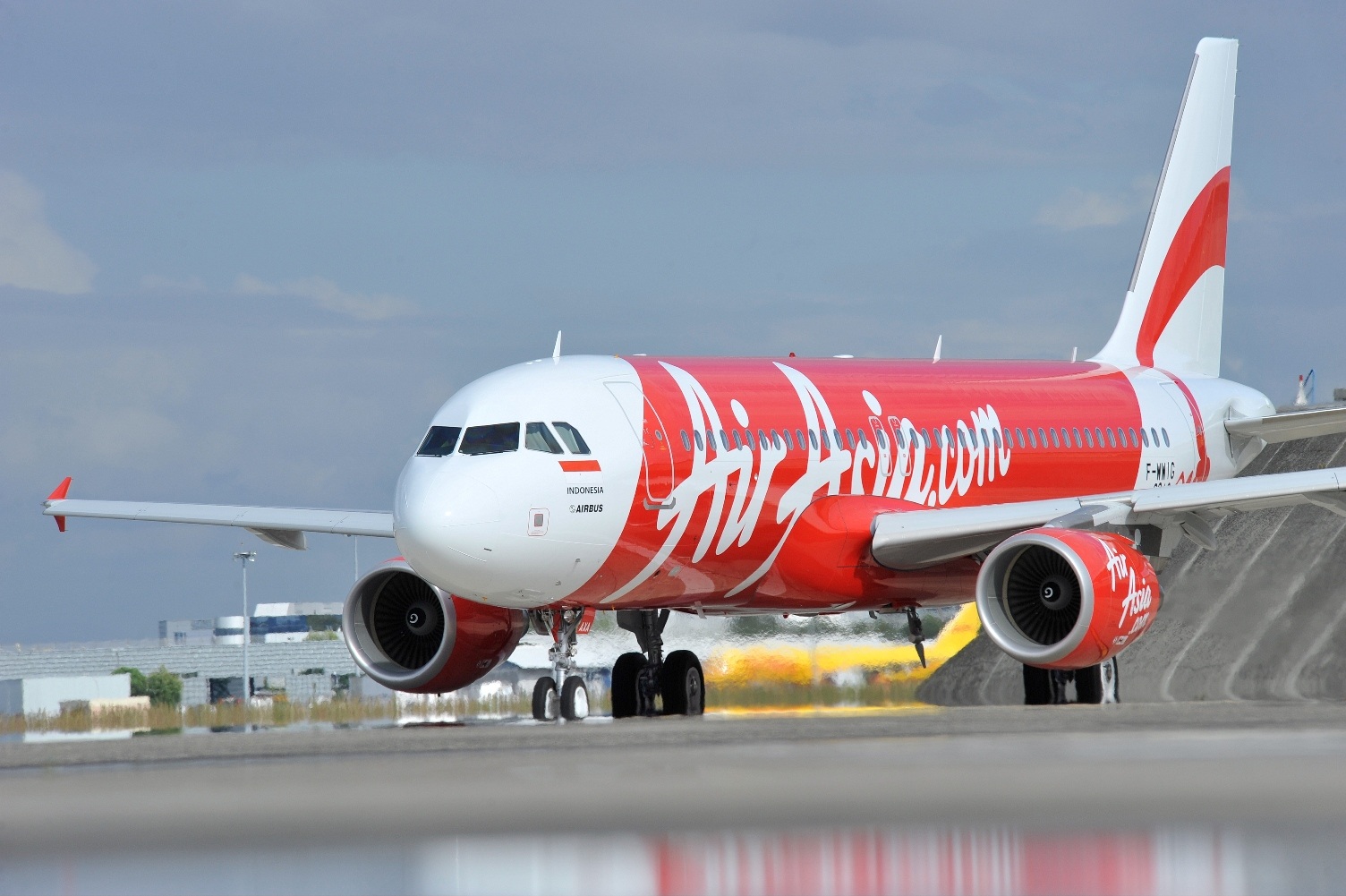
    AirAsia planes sit at Kuala Lumpur International Airport on Oct. 6. The budget airline has not been immune to the effects of the pandemic   © Reuters

    Because Malaysia Airlines is the flag carrier, observers believe the government will ultimately be forced into a new bailout. But the damage to corporate value may have already been done by the drawn-out restructuring process.

    Other flag carriers in the region have been faster to rehabilitate. Singapore Airlines, which is majority-owned by government investment group Temasek Holdings, came out with a $10.5 billion fundraising plan in March that leans on existing shareholders. Thailand, which holds 51% of Thai Airways International, signed off on a court-supervised rehabilitation process for the carrier in May.

    Long profitable private-sector carrier AirAsia has not been immune to the effects of the pandemic, and it has sought to steer out of its slump.

    The group founded by CEO Tony Fernandes won Malaysian state backing of a 1 billion ringgit loan in October. Early that month, the group’s long-haul carrier AirAsia X applied in court for a debt forgiveness plan that would slash 63.5 billion ringgit in liabilities, including aircraft purchase commitments, to just 200 million ringgit.

    The plan still needs the approval of creditors holding 75% of the debt. AirAsiaX said the debt relief is needed “to avoid a liquidation and to allow the airline to fly again.”

    AirAsiaX — which offers flights to Australia, Hawaii and other Asia-Pacific destinations — operated at a loss in the most recent two years.

    AirAsia Group said in October it would end its Japan operations, and analysts expect further cutbacks in scale. The group posted a 992 million ringgit net loss for the April-June quarter on a 96% plunge in revenue.

    “AirAsia was a profitable airline and was potentially sustainable had it not added capacity rather recklessly,” said Nungsari Ahmad Radhi, ex-executive chairman of the Malaysian Aviation Commission. “It got to the point where the seat growth probably outstripped demand growth. The pandemic was a fatal blow.”

  • Couche-Tard acquires Circle K business in Hong Kong

    Couche-Tard acquires Circle K business in Hong Kong

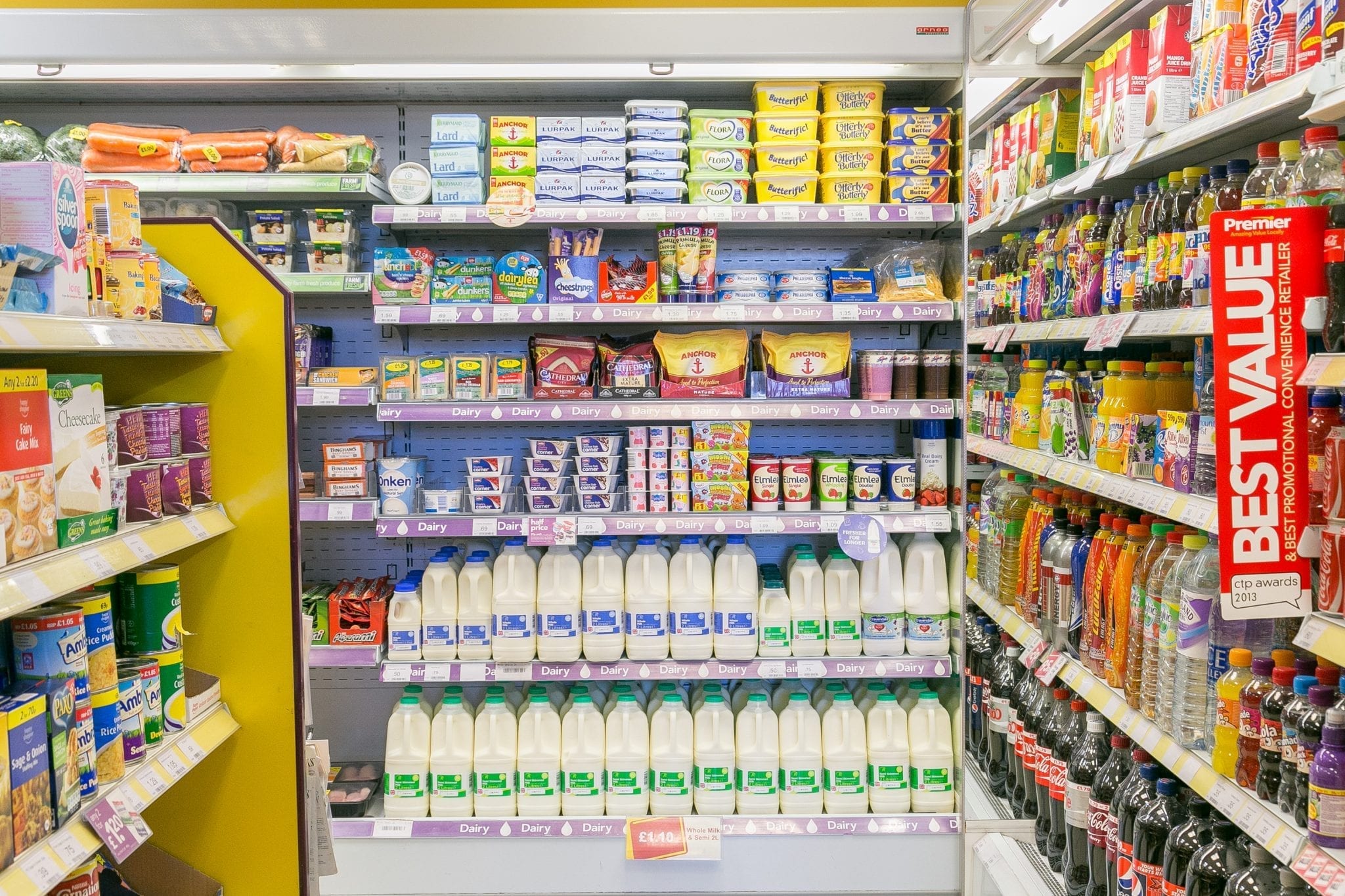
    Convenience Retail Asia Ltd said on Thursday it had agreed to sell its convenience store business in Hong Kong to Canadian convenience store and road transportation fuel retailer Alimentation Couche-Tard Inc for HK$2.79 billion ($359.8 million).

    The Circle K convenience stores and Saint Honore bakery chain operator plans to declare a special dividend of HK$3.85 per share to its shareholders, with the dividend to be paid before the end of 2020, the firm said in a filing to the Hong Kong bourse.

    The convenience store business, with a net asset value of HK$622 million as of end-June 2020, comprises of 340 Circle K stores in Hong Kong, and the net proceeds will be used to pay the special dividend, the Hong Kong-listed firm added.

  • WhatsApp adds new filters for storage management

    WhatsApp adds new filters for storage management

    One day after WhatsApp detailed the Disappearing Message feature, the social app is bringing yet another important improvement to its users: new filters for storage management. For those who are using smartphones with low storage, the new filters are going to be of great use.

    An update is now rolling out to Android users that will allow them to review, bulk delete items and free up space much easier than before. The update introduces a new design for the storage management tool, which can be found in Settings / Storage and Data / Manage Storage.

    Also, whenever your phone’s storage is getting close to being full, WhatsApp will notify you via a warning card in the Chats tab. You can even see how much of the disk is full thanks to the storage meter that’s now sitting at the top of the screen.

    More importantly, thanks to the new filters, WhatsApp users can order files by size whenever they want to free up some space. A preview tool for media files is available as well, allowing users to see what they’re deleting at a glance.

    According to WhatsApp, the new update that adds the new filters for storage management is rolling out this week, so be patient if you don’t see it yet on your phone.