Category: General

Retail News Asia is committed to providing both local and global retailers with the latest General Retail news throughout the Asian market. This on a daily base.

  • Hong Kong retail sales fall again in August

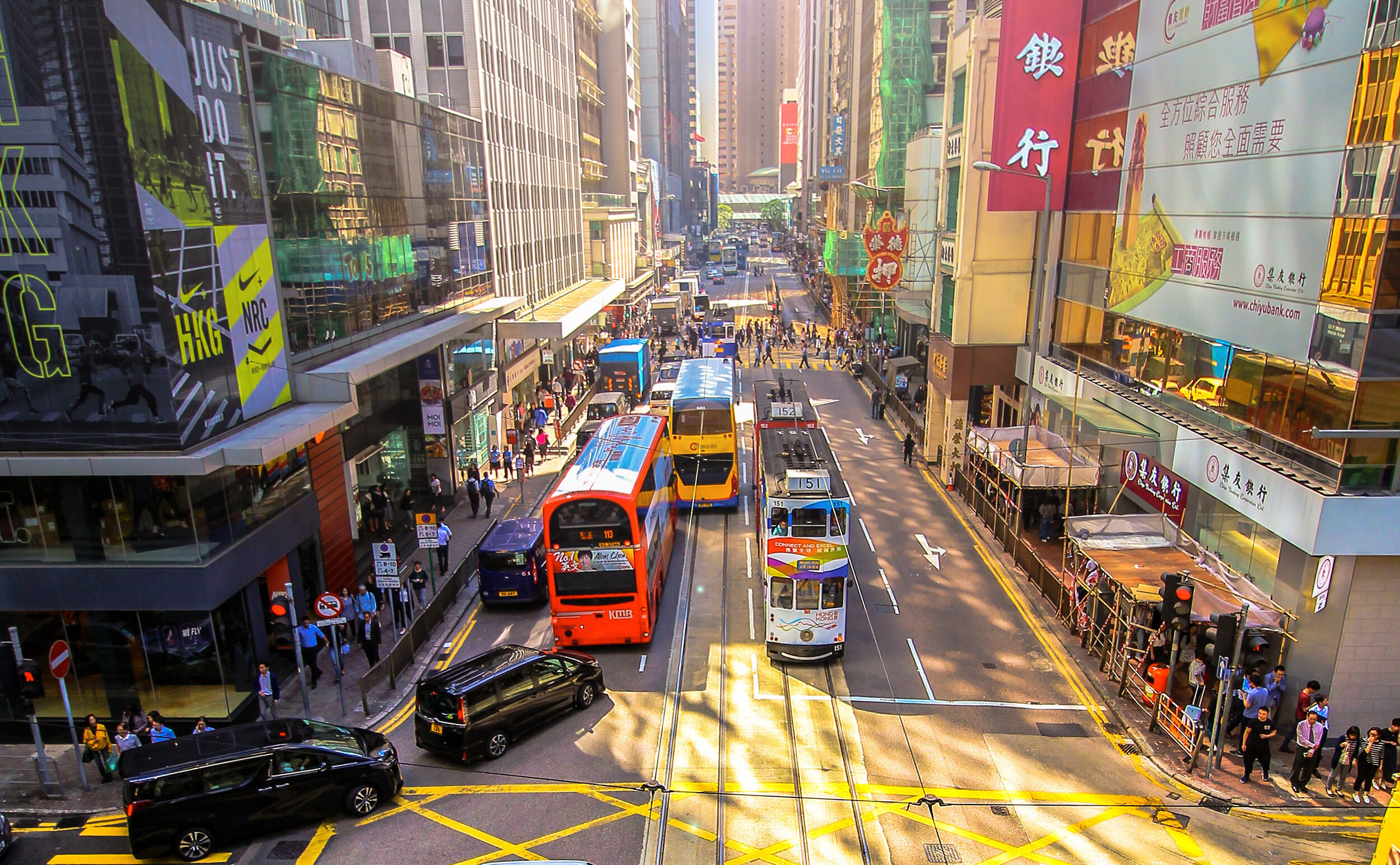
    Hong Kong retail sales fall again in August

    Hong Kong retail sales plunged 13.1 percent year on year in August, as the coronavirus pandemic continued to batter the struggling sector, marking a 19th consecutive month of contraction. Consumer spending dropped to HK$25.6 billion (US$3.2 billion) in August, contributing to sales for the first eight months of the year falling 30 percent from the same stretch in 2019, according to provisional figures released by the Census and Statistics Department on Wednesday.

    The monthly year-on-year decline was not as steep as recorded recently, but that was mainly attributed to the data comparison with last August when the city was gripped by anti-government protests.

    “I hope everyone can understand that and won’t be misled by the figure,” said Annie Tse Yau On-yee, chairwoman of the Hong Kong Retail Management Association, adding this August’s slump reflected a serious situation for the industry.

    The total value of retail sales in the city between January and August this year was HK$213 billion, compared with HK$305 billion for the same period last year.

    Most retailers continued to suffer a contraction in sales in August, with supermarkets once again among the exceptions, a trend Tse linked with residents staying in to cook during the city’s third wave of Covid-19.

    All eyes are on how retail businesses perform between October 1 and October 4, which is traditionally a peak period for sales because of the National Day holidays, popularly known as “golden week”.

    Previously, millions of mainland Chinese would travel domestically and overseas during the break but would be kept away from Hong Kong this year by the city’s travel restrictions for the pandemic.

    Tse noted that sales might improve for those selling goods relating to people’s daily lives, such as furniture and food, due to the long weekend in Hong Kong overlapping with the Mid-Autumn Festival.

    “But everyone predicts it will help boost the footfall rather than sales. Maybe due to the ease of pandemic, then the foot traffic, in general, will be better… the sales will still remain weak,” she said.

    “The help for sectors which had continued to record a decline in sales would be minimal.”

    A government spokesman said as economic conditions remained under pressure and inbound tourism was unlikely to recover in the short term, the business environment would continue to be difficult.

    “Nonetheless, local consumption sentiment may further improve if the recent stabilization of the local epidemic situation sustains,” he said.

    After the third wave of infections intensified in July, evening dine-in services were banned in Hong Kong restaurants for nearly 1½ months, only reopening in late August. Most entertainment premises such as bars and karaoke lounges also remained closed in August, dampening consumer sentiment across the city.

    The ongoing global lockdown also played a role in subdued consumption, as tourist arrivals to the city collapsed 99.9 percent, with fewer than 4,500 people in August.
  • South Korean retail sales surged in August

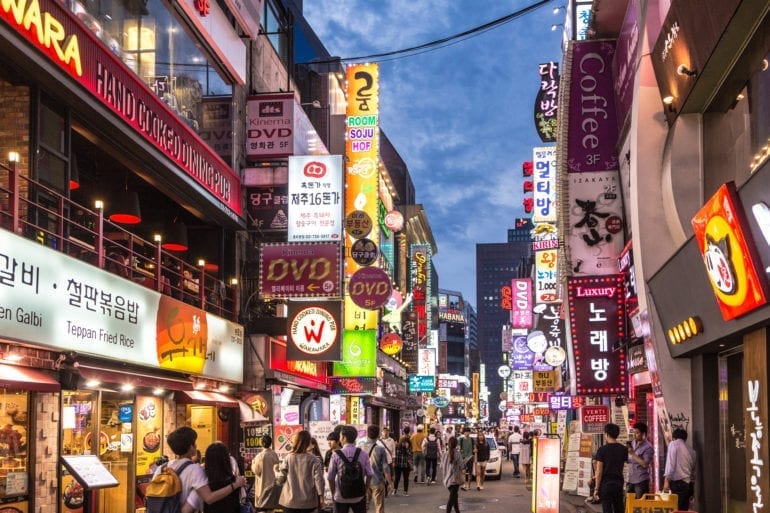
    South Korean retail sales surged in August

    South Korea’s non-store retailers including online shopping and delivery operators raised a record 46.2 trillion won ($39.1 billion) in sales in the first six months of the year as consumers relied much on non-face-to-face businesses amid coronavirus fears.

    According to data from Korea Small Business Institute and Statistics Korea on Monday, non-store retail sales jumped 19.4 percent year over year to an all-time high of 46.2 trillion won in the January-June period. The amount was 13 percent more than the second half of last year and more than doubling 22.6 trillion won in the first half of 2015.

    It was the first time for the bi-annual amount of non-store sales to jump more than 7 trillion won on year from the previous six-month period. The previous record increase was 4.8 trillion won in the first half of last year.

    The rapid increase was largely attributed to the outbreak of COVID-19 as non-store retailers gained huge popularity for its convenience of being able to allow consumers to purchase goods without having to visit offline stores amid social-distancing measures to contain coronavirus. Many companies also advised employees to work from home.

    According to Woowa Brothers, the operator of the country’s largest food delivery app Baedal Minjok, the number of mobile orders jumped 176 percent on year in the January-June period. The surge has further accelerated during the coronavirus outbreak.

    Amid growing demand for non-store shopping due to the virus scare, retailers have turned aggressive in selling products via online and home shopping channels.

    As more people opt for non-store shopping, sales at department stores fell 13.4 percent on-year to 12.9 trillion won in the first six months of the year and those of specialty retailers 10.3 percent to 61.1 trillion won. Sales of duty-free stores especially plunged 37.1 percent during the cited period as board-crossing traveling was virtually impossible.

    Sales at large discount stores, supermarkets, and convenience stores increased in the first half of the year from a year ago but growth was smaller than those of non-store retailers.

    Large discount stores raised 16.2 trillion won in sales in the January-June period, up 1.1 percent from a year ago. Sales at convenience stores increased 2.8 percent to 12.7 trillion won and supermarkets 6.8 percent to 23.2 trillion won.

  • Google reveals one change coming to Android 12

    Google reveals one change coming to Android 12

    We’ve been asked this question multiple times. If both Apple and Google take a 30% cut of in-app purchases, why is Apple and the App Store considered a monopoly while Google and the Play Store are not? It comes down to this: Apple does not allow iOS users to install apps from third-party stores. Thus, the infamous walled garden forces iPhone users to install apps from the App Store even if it means paying more for an app. Google allows Android users to sideload apps from third-party app stores such as the Amazon Appstore or Samsung’s Galaxy App Store thus giving Android users the opportunity to install an app from another store rather than the Google Play Store.

    Thanks to the Epic v. Apple suit, the question about whether Apple is a monopoly because it demands that developers use its In-App Payment system (and only this system) to list its app in the App Store is highly relevant. Epic Games wanted to give iOS users who downloaded Fortnite from the App Store the opportunity to subscribe to the game at a cheaper price directly from Epic. Apple emphatically said “No!” and removed the popular game from its iOS App storefront.

    Google says that it will respond to feedback from developers with next year’s Android 12. The 2021 release, Google announced, will “make it even easier for people to use other app stores on their devices while being careful not to compromise the safety measures Android has in place.” However, Google is going to continue to demand that developers selling digital items in their apps use the Google Play billing system. Just to make this clear, it is changing the language of its payment policy. Any app not using the Google Play system for in-app payments must add it by September 30th, 2021.

    Pointing out its differences with the App Store, Google notes that even with Epic Games’ Fortnite kicked out of the Play Store for supporting alternative payment methods, the game can be downloaded on an Android device via a third-party store. Google states that “even if a developer and Google do not agree on business terms the developer can still distribute on the Android platform.”

    Certainly, Android 12 will bring plenty of new features that we will probably hear about next May during Google I/O 2021. But for now, Google promises to make the use of third-party app stores easier with Android 12.

  • Microsoft’s OneDrive updated with several new features for iOS 13 and 14 users

    Microsoft’s OneDrive updated with several new features for iOS 13 and 14 users

    The last time OneDrive for iOS was updated, the app received a couple of new features specifically designed for iOS 14. This time Microsoft is rolling out a slew of new features aimed at both iOS 13 and 14 users.

    First off, we have a brand new OneDrive widget available only for iOS 14 users. Then, there’s a new Home tab that should make it easier for OneDrive users to pick up where they left off. The new Home tab features a user’s Recent view for easy access to files, as well as an Offline Files section that lets you access and manages files already downloaded for offline access. The new Home tab is available now for all iOS users.

    Microsoft also revealed that OneDrive personal users will get On This Day featured at the top of the new Home tab. Finally, the update makes it easier for users of OneDrive at work or school to get their Shared Libraries from the Home tab.

    Besides the new features related to the Home tab, Microsoft made two improvements to OneDrive for iOS. Firstly, it fixed an issue with an unexpected dialog showing up when users would tap the widget to sign into a personal account. Secondly, it improved the widget to make it look even better.

    The new OneDrive for iOS 12.0.2 is already available for download via the App Store, so you might want to update your app to benefit from all these nifty improvements.

  • Firefox for Android to get some useful extensions soon

    Firefox for Android to get some useful extensions soon

    After Firefox for Android received a major redesign one month earlier, now Mozilla is working on improving the user experience on the mobile browser even more. The company is now going to add some welcome browser extensions, however, these are first coming to Firefox Nightly for testing.

    The company says that the new extensions will be available in the release version of Firefox for Android in November, that’s why they are currently being tested out on the browser’ Firefox Nightly version (used to be called Firefox Preview).

    The new extensions the mobile browser is getting include some quite useful features. The first one, called Video Background Play Fix will keep videos playing in the background when you switch to a new tab. The browser will also get Image Search Options, a tool that will help you dig deeper into web content and find images more easily.

    In the privacy department, the browser will get the extensions FoxyProxy, which is a proxy management tool, and Bitwared, a password manager tool.

    Keep in mind that these extensions are for now only available in Firefox Nightly (if you want to test them, you can install Firefox Nightly) and will be available in the official Firefox for Android in November.

  • Singapore’s market undervalued because of the problems in 2020

    Singapore’s market undervalued because of the problems in 2020

    Financial experts have noted that because of the fact that Singapore did pretty badly in 2020 for various reasons, it is undervalued and a lot of people do not pay attention to it. Even though it has been a bad period for the Asian Tiger, it is a good idea to buy the market in Singapore.

    This trend was not typical for Singapore only, as China and North Korea also experienced the same very heavily amid the coronavirus pandemic. Singapore’s Straits Times Index is among Asia’s worst performing indexes by far in 2020. It is still down more than 21% year to date.

    Huge allocation of funds from the government

    About 8 billion Singapore dollars ($5.8 billion) to support the economy to overcome the consequences of the coronavirus was allocated by the Singapore government, Deputy Prime Minister and Finance Minister Heng Swee Keat declared that on August 17.

    The minister said in a televised address that as a result of the damage brought by the coronavirus, the economic consequences were serious. He also added that “the global economy remains very weak,” and the recovery “will depend on how well countries are at containing the spread of the virus.”

    Because of the crisis in the country, the Forex industry was also affected and forex trading brokers in Singapore expressed their fears about the upcoming period as well.

    The government has allocated an additional S $187 million (US $136.5 million) in assistance to the airline industry; it also provides cash payments to unemployed Singaporeans or those who have lost significant income, as well as workers with low wages.

    Meanwhile, the new measures also include S $20 million in “travel loans” to Singaporeans to encourage domestic tourism.

    The Southeast Asian country last week reported a 13.2% decline in its gross domestic product in the second quarter compared to the same period last year, the worst ever, according to official statistics.

    According to official figures, the Singapore government expects the economy to contract 5-7% this year, the worst recession on record.

    Economic growth contracted 41.2% due to the coronavirus pandemic.

    Singapore’s economy plunged into recession in the second quarter. Economic growth contracted 41.2% from the previous quarter, according to the BBC.

    According to local authorities, this recession is one of the worst in the country’s history since independence from Malaysia in 1965. One of the reasons is the coronavirus pandemic, which has affected business and trade in the city-country.

    Official data show that Singapore’s GDP contracted 12.6% in the second quarter over the previous year. Before that, there was a drop in GDP in the first quarter by 2.2%.

    The coronavirus pandemic has significantly impacted the country’s trade, especially its exporters. The construction industry is also experiencing record rates of decline.

    Singapore is not the only Asian country to experience serious economic problems due to the coronavirus pandemic. Japan’s GDP in the second quarter contracted by 20% compared to the previous period. But the data for China indicate its return to economic growth.

    In Singapore, the total number of coronavirus cases was more than 56,000. The death toll stands at 27.


  • Thai Airways to open flight simulators to public

    Thai Airways to open flight simulators to public

    Thai Airways is opening up its Boeing and Airbus flight simulators to the public this October in its latest bid to boost business amid the drop in travel demand due to the coronavirus crisis.

    As part of the airline’s “Thai Flying Experience and Beyond” project, customers will get to enter a mock cockpit of an A380, B777-300ER, B747-400, and a B737-400 aircraft.

    “Pilots and co-pilots will accommodate customers throughout the entire session,” reads a statement from the carrier.

    According to Thai Airways, customers can choose from the following three packages:

    • Basic Package (30 minutes) 12,000 Baht for two users
    • Deluxe Package (60 minutes) 24,000 Baht for two users
    • Ultimate Package (90 minutes) 36,000 Baht for three users

    The flight simulator project is the airline’s latest effort to generate revenue amid the Covid-19 pandemic as flights continue to remain grounded, and the airline looks to restructure 245 billion baht ($7.83 billion) worth of debt.

    Earlier this month, the national airline converted the cafeteria of its headquarters in Bangkok into a plane-themed restaurant.

  • AirAsia to raise capital to fund AirAsia Digital

    AirAsia to raise capital to fund AirAsia Digital

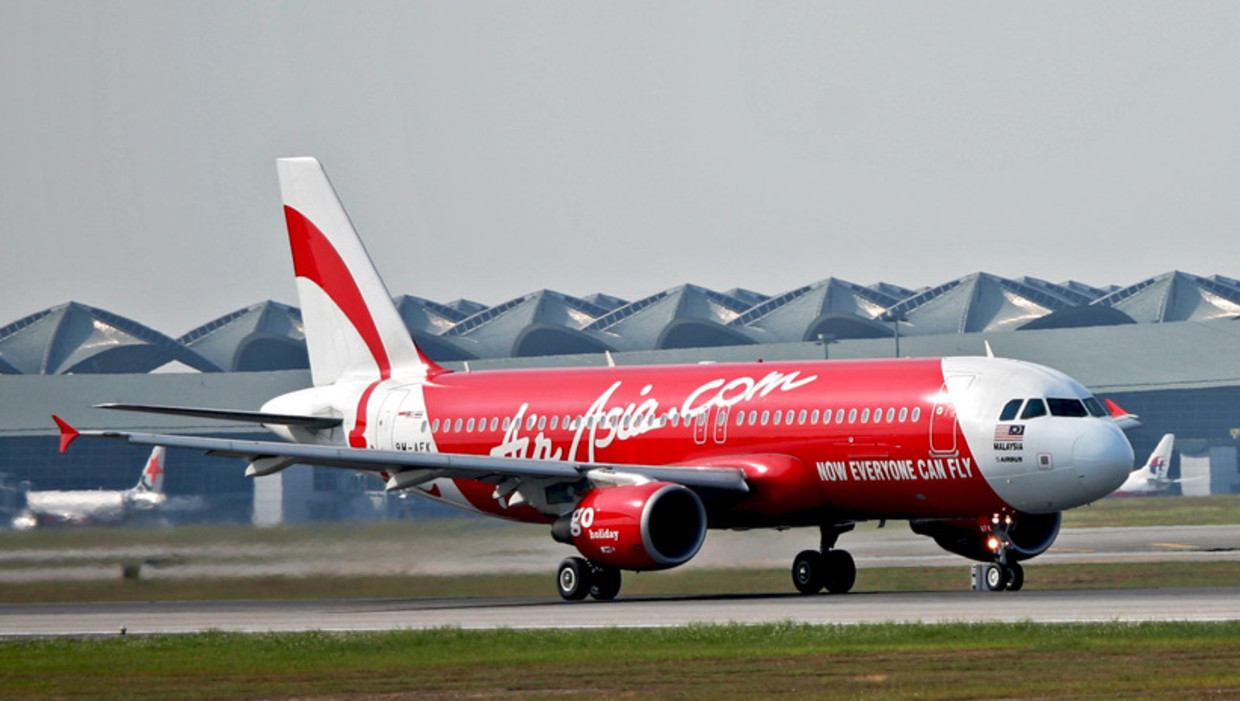
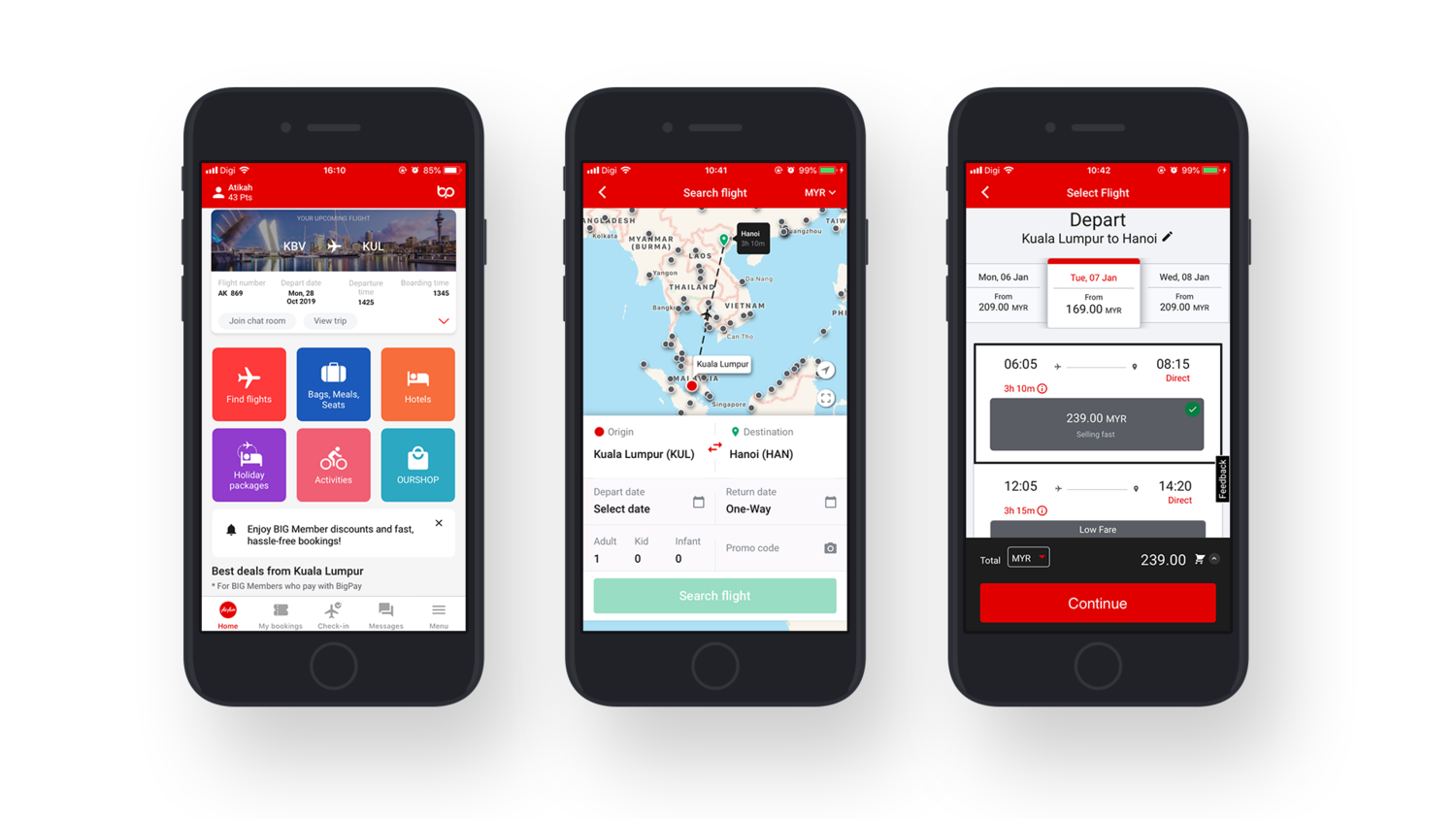
    Airasia Group is looking into raising capital to fund its digital arm AirAsia Digital to further diversify revenue stream for the group. Group CEO Tan Sri Dr Tony Fernandes said AirAsia Digital is the group’s “next phase” and aims to be a new kind of travel technology company in the region through the strength of its assets and access to talents.

    “Our aim is to be an ASEAN super app, our strength is in ASEAN. Obviously, we have accelerated this plan in this post-Covid-19 world,” he told reporters in a media briefing in Kuala Lumpur yesterday.

    Previously known as RedBeat Ventures Sdn Bhd upon launch in 2018, AirAsia Digital leverages the group’s physical and digital assets to create an ecosystem of businesses that connect with its customers in their everyday life.

    It comprises three main pillars — venture builder, RedBeat Academy, and data center. Venture builder is dedicated to incubating and growing strategic businesses that focus on logistics and e-commerce and financial services. It includes its five portfolio companies AirAsia.com, Teleport, BigPay, BIGLIFE, and Santan.

    RedBeat Academy trains and produces a steady pool of digital experts to fill and boost the talent gaps in ASEAN, while the data center is a data consultancy department that provides a range of services including data governance, data engineering, and various types of analytics.

    Asked about the company’s strategy against competitors and to fit into an ASEAN market such as Indonesia, Fernandes said they are there to complement the market instead of competing.

    “In the same way that AirAsia is much smaller than Lion Air, but we fitted into that market. We are nowhere near the size of Gojek but again, AirAsia is not about being dominant in one country, it’s about providing an Asian product and serving the market,” he said.

    Fernandes said the business will seek venture capital or other investors to grow the user base of the super app, similar to how AirAsia raised its capital.

    “AirAsia’s first capital was raised with private equity money while the second capital was from our IPO. We will do the same.

    “We built the super app in our own capital just like we built AirAsia. We have some debt capital coming in that has been secured for part of the group including Teleport and Santan,” he added.

    He added low-cost airlines will bounce back faster than their premium counterparts in the current economic climate as people will look for value at affordable fares.

    Additionally, Fernandes mentioned AirAsia’s digital and logistics company Teleport which operates its cargo delivery.

    “We are a fantastically strong cargo operator, the strongest cargo operator in Asia, only Singapore Airlines have more tonnage than us but that’s because they fly to Europe and the US but there are no airlines that fly to all the destinations that we fly.

    “We’ve been cleared now and we are able to carry all kinds of cargo that we weren’t able to do before, so we are not far away from the DHL’s and FDex’s of the world,” said Fernandes.

  • Giant Singapore cuts prices long term after store revamps

    Giant Singapore cuts prices long term after store revamps

    From today, supermarket chain Giant will lower the prices of 650 daily essentials for six months by 20 percent, on average. It will also refresh its brand, with its 53 Singapore stores incorporating new features including in-store bakeries and Guardian pharmacies.

    The price reduction is costing Giant around $17 million and is prompted by its consumer research found that cost of living concerns are top on people’s minds during the ongoing pandemic, said Dairy Farm’s chief executive officer for its South-east Asia food business Chris Bush yesterday.

    “The one thing that they told us loud and clear is they would like cheaper prices, they’d like greater value and they’d also like more stable prices, particularly on those essential products that they buy most often,” he told reporters during a media conference.

    The price reductions will apply to products across Giant’s own brands, fresh products as well as national brands like Dove. Vannamei prawns, for example, will be sold for $1 per 100g, down from $1.89 previously. A box of 50 green tea bags by OSK will retail for $5, down from $6.95. About 2,000 new products have also been added to Giant’s stores, along with such features as $1 zones and stalls selling fried chicken.

    Only its hypermarkets in Tampines and IMM will have the full range of new offerings, owing to space constraints. Giant’s move to make essentials more affordable follows FairPrice’s price freeze of 100 house brand items, which began in March last year and will run until the end of this year.

    Asked if it was influenced by FairPrice’s price freeze and foray into the hypermarket format, Mr Bush said Giant’s plans are based on customer feedback and not a response to any particular competitor.

    The closure of several of Giant’s bigger stores in recent years – including those at VivoCity and Parkway Parade – are part of the group’s normal business review and leasing arrangements, he added.

    “Every now and again, unfortunately, we need to close some stores, but at the same time, we open a lot of stores. So I wouldn’t read anything more into that.”

    Beyond the physical revamp, Giant is also working on improving store operations, hygiene standards, product availability and service levels, he said.

    The $17 million it will forgo in cutting prices is largely funded from the savings amassed from higher productivity and supply chain efficiencies, he added, declining to disclose the total cost of its rebranding exercise.

    Mr Lee Yik Hun, marketing director of South-East Asia Food at Dairy Farm Group, said Giant hopes to maintain the price reductions beyond the six-month commitment.

    “The only way we can do it is to get the volume and support from our customers and supplier partners,” he added.

  • AirAsia adding services in super app

    AirAsia adding services in super app

    AirAsia Group announced on Thursday that it is building a super app off its existing mobile application and website to provide services such as e-commerce, delivery, and payments. The app is to be available next month in Thailand and ASEAN.

    AirAsia chief executive Tony Fernandes said the idea to build a super app came before the pandemic, but new revenue streams are desperately needed after most of AirAsia’s fleet has been grounded for months because of travel restrictions. The company suffered losses of US$238 million in the second quarter of this year.

    “This journey didn’t start during the pandemic but it was accelerated because of the outbreak,” Mr Fernandes said. “This is not a Plan B, this was always our Plan A, but we still think aviation will definitely come back.”

    The new platform will be accessible through AirAsia.com and AirAsia’s mobile app on Oct 8, including digital services under subsidiary AirAsia Digital.

    These services include BigPay, a digital payment app; Teleport, a wholly-owned logistics, e-commerce, and delivery business; and Santan, a food and beverage franchise. Mr Fernandes said these services are already earning revenue for AirAsia except for BigPay, which is in negotiations with regulators to set its rates.

    Teleport came to Thailand in 2019 through a joint venture, while BigPay is available in Thailand and can transfer money to Thai bank accounts. Santan is only available in Malaysia or on AirAsia flights.

    “AirAsia’s roots are from moving people from A to B and moving cargo from A to B, and that is the basis of AirAsia Digital and the basis for our platform AirAsia.com,” Mr Fernandes said.

    The app will also allow users to book hotels and flights (from airlines other than AirAsia) and offers a travel and lifestyle rewards program. The company ended its partnership with Expedia and is offering its own travel booking service.

    AirAsia’s new venture will face stiff competition from existing super apps Grab and Gojek, which are both spending billions in venture capital to expand their presence in Southeast Asia. Grab and Gojek are in talks for a merger, which if completed would create a virtual monopoly for ride-hailing and food delivery in Asean.

    Grab is valued at about $14 billion, while Gojek was valued last year at almost $10 billion. Neither company is publicly traded.

    AirAsia, which is listed on the Malaysian stock exchange, has a market capitalization of $624 million.

    “We are nowhere near the size of Grab or Gojek, but AirAsia’s not about being dominant in one country, but providing an Asean product,” Mr Fernandes said.

    The AirAsia app hopes to differentiate itself by leveraging the data it has collected from millions of passengers, while also stressing its cross-country appeal for cross-border travelers in Asean.

    “I don’t believe we are here to compete, but here to complement,” Mr Fernandes said. “Airlines always see us as competitors, but we complemented the full service and created a new market that was not there — before, only a few people could fly, now everyone can fly, and in the same way we will complement the market.”

    He said the platform will also be open to new partners and services, not just those owned directly by AirAsia Digital.

    Michael Araneta, associate vice-president of IDC Financial Insights, said traditional businesses like AirAsia can find success with a super app by leveraging existing customer bases and technical resources.

    “AirAsia has shifted to being a lifestyle company and already has spent considerably on developing technology,” he said. “The company might not need to invest a substantial additional amount to turn their tech offerings into a super app.”

    Users of AirAsia’s super app will benefit from usage points that convert to discount flights and other related partner services supporting its core business, Mr Araneta said.

    During a pandemic, users cannot take advantage of these flight privileges as much.

    Mr Araneta said a winning super app is one that leverages considerable real-time data and various partners to provide relevant benefits to its customer base.

  • 7-Eleven opens Snoopy concept stores in Hong Kong and Macau

    7-Eleven opens Snoopy concept stores in Hong Kong and Macau

    7-Eleven has always been known for running attractive redemption programs that offer appealing collectibles. However, the team decided to do things differently this time around, they wanted to shift the program from simply being a way to reward loyalty into a platform to increase brand equity and authentically engage the customer in a fun and exciting way.

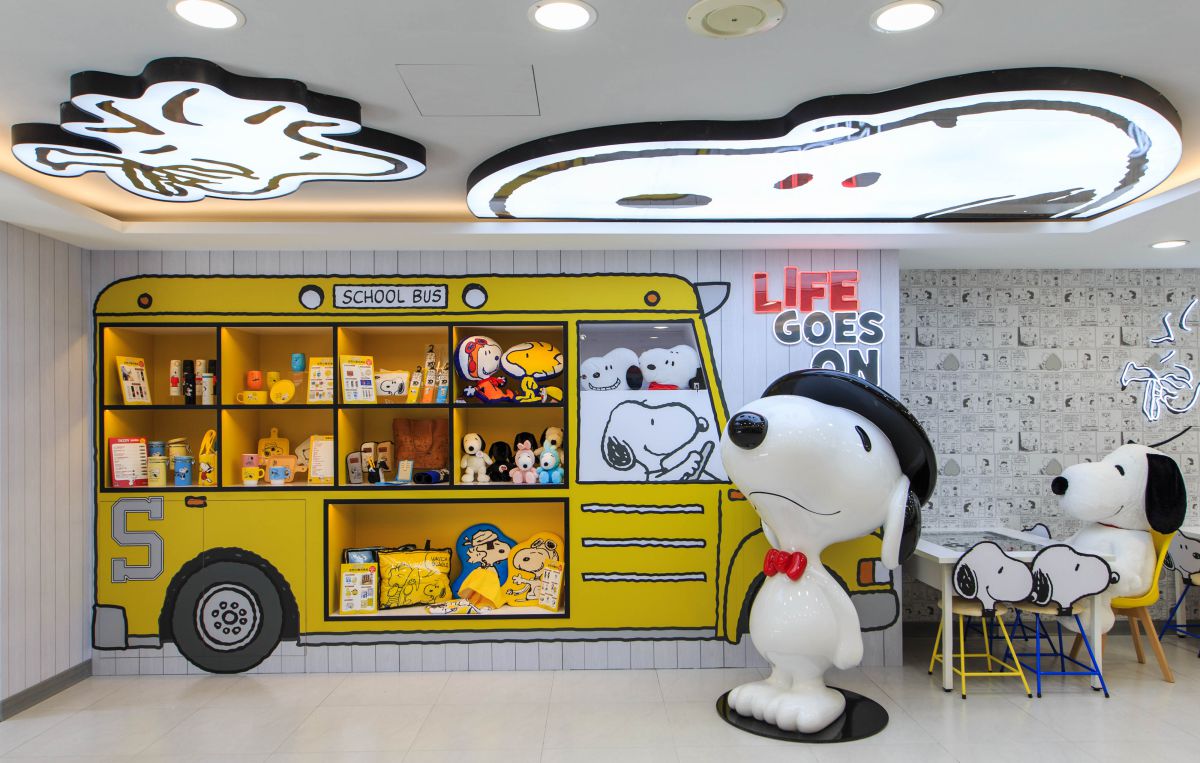
    So, 7-Eleven launched a total of four Snoopy concept stores in Hong Kong and Macau to not only showcase and generate awareness of the program itself but also create an exciting destination for Snoopy fans to visit and enjoy.

    To coincide with Snoopy’s 70th birthday, 7-Eleven chose to collaborate with PEANUTS, the iconic cartoon strip featuring Snoopy and his friends. “HAPPINESS IS….” was selected as the overarching platform for the campaign; a famous catchphrase from the PEANUTS cartoons that encourages us to appreciate the little things in life.

    In their latest redemption program, 7-Eleven partnered up with PEANUTS and Japanese lifestyle fashion brand Niko and… in their first-ever crossover collection in Hong Kong to launch a series of eight colorful, stylish eco-bags featuring Snoopy and the gang. To accompany the launch and promote the program in an exciting and engaging way, 7-Eleven developed the innovative idea of the Snoopy concept store.

    The rationale behind the Snoopy concept stores was to bring the redemption program to life and create an opportunity for customers to truly experience the wonderful world of Snoopy and his friends within selected 7-Eleven stores.

    Four locations were chosen to undergo the transformation; a hub of three stores in the high traffic district of Mongkok to create a “Snoopy Town” for added impact and one store in Macau. Each store is decorated individually in a special theme to represent a particular concept under the umbrella of the HAPPINESS IS… platform — Friendship and Togetherness, Sharing, More Hellos, and A Day Out. The different fit-outs not only flesh out the HAPPINESS IS…concept but also give customers a compelling reason to visit each and every concept store to create and share even more happy moments.

    To create a true 360-degree customer experience, stores were decorated from top to bottom. Special Snoopy touches have been added throughout including the shopfront, category signage, chiller and freezer doors, walls, and, in some stores, even the ceiling! The finished stores look as though they have just leaped off the pages of a PEANUTS comic; shelving has been transformed to look like Snoopy’s iconic red doghouse and a custom-made gondola end display installed featuring a jumbo Snoopy figure driving a bright yellow school bus.

    Team members at the Snoopy concept stores can also join in on the fun. An exclusive Snoopy x 7-Eleven T-shirt featuring the iconic Charlie Brown chevron stripe has been designed for them to wear within the stores.

    The eye-catching displays and appealing artwork put smiles on customers’ faces and also give them many opportunities to take “Instaworthy” images to share on social media with their friends and family. The authentic user-generated content is invaluable in creating buzz for the stores and far-reaching exposure of the campaign.

    One of the team’s primary objectives was to strengthen the brand association between 7-Eleven and the PEANUTS franchise in a fun and engaging way. Visitors to the concept stores can see Snoopy and his friends enjoy a range of 7-Eleven SIGNATURE products including Slurpees, Sundae, and 7Café coffee and Hot Shot. And if you look carefully, Snoopy can even be spotted wearing a 7-Eleven uniform himself!

    After experiencing the store, take Snoopy and the gang home with you in the form of exclusive PEANUTS merchandise! Snoopy’s influence is not just noticeable in the store decoration but also in the product range of these specialty stores. One store contains a dedicated Snoopy corner where customers can purchase exclusive PEANUTS-themed merchandise including pet products, lunch boxes, cutlery sets, and other accessories. Yet another chance to bring a little bit of Snoopy happiness home with them.

    The Snoopy concept stores are a successful example of building on an already popular market promotion to give customers a fun and exciting store experience. The introduction of the concept stores elevates the redemption program to another level, turning it into a platform to authentically connect with customers and reshape how they think and feel about 7-Eleven as a brand.

  • Apple releases final versions of latest iPhone, iPad, and Apple Watch updates

    Apple releases final versions of latest iPhone, iPad, and Apple Watch updates

    Apple today released an update to iOS 14.0.1 that exterminates some bugs and more. This isn’t the first public update released by Apple over the last week. On September 16th, the final public build of iOS 14 was introduced bringing changes to the home screen, Android-style widgets, picture-in-picture capabilities, App Clips, and more. The latter allows a user to take advantage of an app’s feature set to take care of tasks without having to completely install the app.

    So what are the issues that iOS 14.0.1 fixes? One causes the default browser or Mail app you’ve selected to reset to Safari or Mail when your iPhone or iPad is rebooted. With today’s update, this problem is erased which means that once you’ve selected your default browser or mail app, you won’t have to select it again. The update also corrects a problem with the Apple News widget that prevents images from showing up on the screen. Other bug fixes are related to Wi-Fi connectivity, and the sending of email through certain mail providers. And there is even an issue specific to the iPhone 7 and iPhone 7 Plus related to camera previews that Apple repairs with iOS 14.0.1. Also being pushed out today update to iPadOS 14.0.1, and watchOS 7.0.1. The latter “fixes an issue where some payment cards in Wallet were disabled for some users.”

    To update your devices, on your iPhone and iPad go to Settings > General > Software Update. To update your Apple Watch, on the device itself go to General > Software Update. If an update is ready, tap on Install and follow the directions on the device. The Apple Watch must be within the range of your iPhone’s signal and must have a Wi-Fi connection. The installation will begin once the timepiece is charged to 50% or higher. Keep the watch connected to the charger until the update is completed.

    The update to iOS 14.0.1 weighs in at approximately 171.MB and the watchOS update to version 7.0.1 weigh in at 1GB. Updates to macOS Catalina 10.15.7, and tvOS 14.0.1 have also been made available by Apple today.

  • Google adds a COVID-19 layer to Google Maps

    Google adds a COVID-19 layer to Google Maps

    Google continues to work on improving Google Maps and on Wednesday a “COVID-19 layer” started rolling out. With this layer, users can see areas where the virus is spreading and it is coded by color based on the number of people with the coronavirus in each region. The layer produces these color codes based on the seven-day average for the number of new COVID-19 cases per 100,000 people and even reveals whether the number of cases is trending higher or lower.

    Google said that over a billion people rely on Google Maps to help them safely get from point “A” to point “B.” And that includes safely navigating around the virus by using the COVID-19 layer. As Google says, “This week, we’re introducing the COVID layer in Maps, a tool that shows critical information about COVID-19 cases in an area so you can make more informed decisions about where to go and what to do.”

    When you open Google Maps, tap on the layers button in the upper right corner of the screen and click on “COVID-19 info.” You will then see the seven-day average of new COVID cases per 100,000 people for the area of the map you’re looking at. The color-coding also reveals the density of new cases in the area. The COVID-19 layer starts rolling out on iOS and Android phones this week.

    The source of the data that you’ll see comes from legitimate places such as Johns Hopkins, the New York Times, and Wikipedia. Those places get their info from the World Health Organization, state and local health agencies, government organizations, and hospitals. And while consumers can get the same info through Google Search, they can also obtain it from Google Maps. As Google says, “While getting around is more complicated these days, our hope is that these Google Maps features will help you get where you need to be as safely and efficiently as possible.”

  • Steel exports to China multiplies 19 times

    Steel exports to China multiplies 19 times

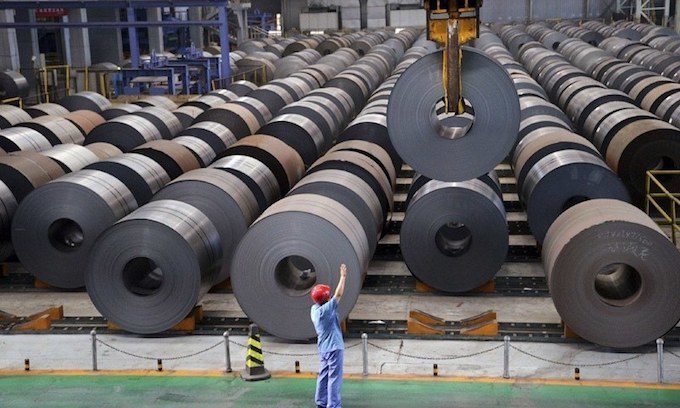
    Vietnam’s steel exports to China surged 19 times to 2.07 million tonnes between January and August on the strength of rising demand in a recovering economy.

    This was nearly 35 percent of Vietnam’s total steel exports in the period, and its value rose 15 times to $844.5 million, according to Vietnam Customs.

    China’s customs data shows that steel imports in the first eight months rose 11 percent year-on-year to 759.9 million tonnes.

    The country, the largest steel producer in the world, became a net steel importer in June for the first time since the last global recession in 2009 as demand overshot supply in the rapidly recovering economy.

    The surge in domestic demand for steel has been driven by infrastructure projects and the property market, the report said, citing China’s commodity price reporting agency.

    Vietnam’s steel exports in the first eight months to all markets rose nearly 37 percent year-on-year to 5.96 million tonnes, with increases of 195 percent to Brazil and 143 percent to Germany.

  • Cebu Pacific now halfway through refund claims

    Cebu Pacific now halfway through refund claims

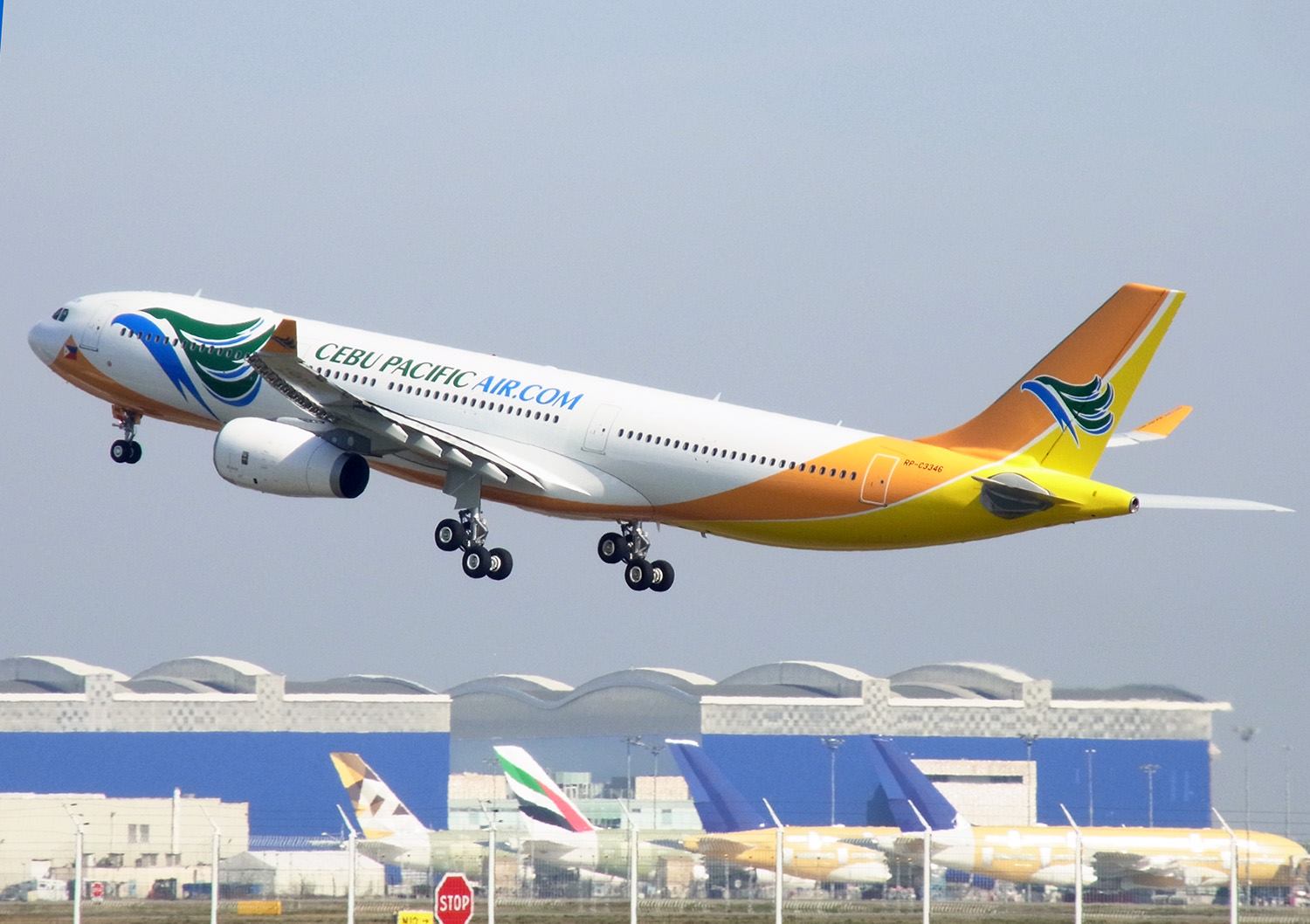
    Budget carrier Cebu Pacific is asking passengers for patience as it works through a pile of refunds that reached almost P5 billion. Like other airlines, Cebu Pacific has been hit hard by the COVID-19 pandemic, which forced the mass cancellation of flights and prospective trips.

    “We understand how challenging this whole situation is, and we sincerely apologize for the delay,” Cebu Pacific said in an advisory to passengers.

    Cebu Pacific said it had already refunded over P2.4 billion to customers but this was just about half of the requests received.

    “Since the start of this pandemic, we have received an unprecedented number of refund requests due to flight cancellations brought about by the lockdown,” Cebu Pacific said.

    “Our refund process than was originally not designed to handle this volume of requests, and this resulted in a backlog. We have since then revamped our procedures in order to address this,” it added.

    Cebu Pacific said processing of refund requests would take about six months.

    “We remain committed to our customers to complete pending refunds and will update them once these have been processed. We are currently halfway through refund requests filed last April,” Cebu Pacific said.

    At present, Cebu Pacific has restored just 10 percent of its pre-COVID network.

    Cebu Air Inc, which operates Cebu Pacific, announced a P9.1-billion loss in the first half of 2020, which included the almost three-month lockdown of major cites across the Philippines.

    The loss reverses a P7.14-billion profit in the January to June 2019. With the recent signing of the Bayanihan to Recover as One Act, airlines will have the option to stop issuing refunds for new requests while the law is in effect.

    Under the law, they will be allowed to issue travel vouchers instead.