Category: General

Retail News Asia is committed to providing both local and global retailers with the latest General Retail news throughout the Asian market. This on a daily base.

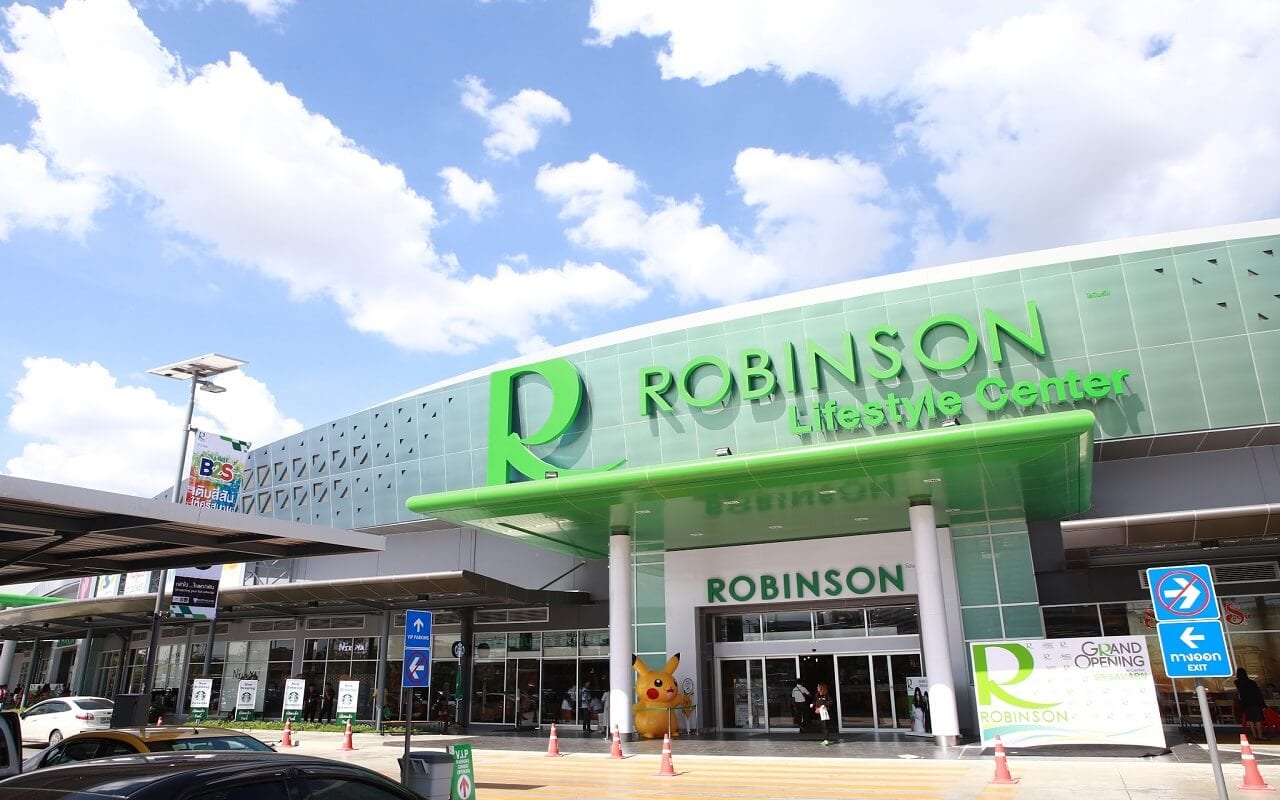
  • Central Retail to merge Central with Robinson

    Central Retail to merge Central with Robinson

    Thailand’s Central Retail group plans to merge its two department-store businesses – Central and Robinsons.

    According to CRC, the merger is part of the company’s strategy to be the first omnichannel department store in Thailand. However, the company will continue to operate Central and Robinson as independent banners.

    “The business synergy will give the combined department stores a significant acceleration to become more customer-centric, as well as to strengthen the company’s omnichannel competencies,” said Nicolo Galante, president of Central Retail.

    “Through this new chapter of our business, we want to ensure that we continue to grow and create a winning company for the long term,” Nicolo said.

    Robinson department stores focus on apparel and beauty with 74 stores across the country. Central department stores are generally larger and have a more comprehensive product category-spanning multiple categories.

    It appears from information supplied by the company that the greatest impact of the merger plan will be in the fashion and apparel categories, streamlining offers.

    CRC also said it plans to open between two and five new stores annually.

  • Razer releases data on 100,000 customers

    Razer releases data on 100,000 customers

    Global gaming retailer, manufacturer and payments ecosystem Razer has inadvertently exposed personal information about some 100,000 of its customers online due to a misconfigured server.

    The data was stored on an Elasticsearch cluster that was set to allow public access, potentially exposing the customers to targeted phishing attacks by individuals posing as the company. Sensitive personal data such as credit card numbers and passwords were not revealed.

    According to a comment posted by the firm, the server misconfiguration was fixed on September 9 prior to the lapse being made public. The information had been exposed for three weeks as Razer’s non-technical staff processed a report alerting the firm to the problem.

    The breach was uncovered by cybersecurity consultant Volodymyr Diachenko, who has since offered to conduct a live educational session to raise cybersecurity awareness within the firm. It is unclear whether or not Razer has accepted the offer.

  • Marina Bay Sands Casino Hires Law Firm for Money Transfer Probe

    Marina Bay Sands Casino Hires Law Firm for Money Transfer Probe

    Marina Bay Sands has hired a law firm to investigate employees transfers of more than $1 billion of gamblers’ money to third parties.

    Dispute resolution and international arbitration specialist Davinder Singh Chambers LLC has been hired for the investigation, according to a «Bloomberg» report citing unnamed sources.

    In addition to numerous high-profile lawsuits in banking, debt structuring and fraud, Davinder Singh in Singapore is most notably known for representing Prime Minister Lee Hsien Loong in a number of defamation cases.

    In 2019, MBS faced a lawsuit from patron Wang Xi who alleged that the casino transferred $6.7 million of his money to other gamblers without his knowledge.

    The lawsuit was subsequently settled out of court in June with non-admission of liability from both sides and full reimbursement of Wang’s money by MBS.

    Marina Bay Sands (MBS) continues to work closely with its regulators to monitor MBS’s compliance with all legal obligations, the casino said.

    Previously, law firm Hogan Lovells reviewed more than 3,000 letters of authorization from 2013-2017 for fund transferals from patrons to third parties totaling about $1 billion.

    It was found that there were multiple instances where employees did not comply with proper standards, filling payment details on pre-signed or photo-copied authorization forms, according to the report, as well as cases where original documents were destroyed.

    Of the total amount transferred, $268 million was based on multiple authorization letters that «bore signatures that appeared to be similar» and another $561 million was transferred by a concentrated group of employees – both of which led to red flags raised.

    Following Wang’s case, MBS faced increased scrutiny from the likes of the Singapore police and the Casino Regulatory Authority which said it would continue to exercise close oversight to ensure that MBS’ measures are effective.

    But local authorities are not the only bodies stepping up scrutiny against Las Vegas Sands’ Singapore unit. The U.S. Department of Justice also launched its own probe, including involvement of the casino’s former compliance chief to provide an interview or documents on money laundering facilitation” and any abuse of internal financial controls.

  • This is why iOS app developers are not happy with Apple

    This is why iOS app developers are not happy with Apple

    While Apple iPhone users were excited today about receiving the update to iOS 14, iOS developers were not; in fact, many were fuming. That’s because in announcing on Tuesday during the “Time Flies” event that iOS 14 would be unveiled today, Apple did not give its developers enough time to test their apps before releasing the next build of its mobile operating system.

    All the developers could do was send out tweets to alert users that the features they hoped to launch with the launch of iOS 14 would not yet be available. One example of this approach was seen in a tweet disseminated by podcast app Overcast (@OvercastFM) which read, “Sorry, my iOS 14 features aren’t ready yet. Since it’ll be a while before most of my customers use iOS 14, I spent the summer prioritizing bug fixes and my family’s pandemic/school logistics (we’re OK, just busy). Like you all, I’m just doing what I can this year. More soon. Since it’ll be a while before most of my customers use iOS 14, I spent the summer prioritizing bug fixes and my family’s pandemic/school logistics. Like you all, I’m just doing what I can this year. More soon.”

    Nintendo noted that its Animal Crossing: Pocket Camp game won’t work following the update to iOS 14, so the company told game players to hold off on updating to iOS 14 until it has time to update the game. How many iPhone users do you think will heed that suggestion.

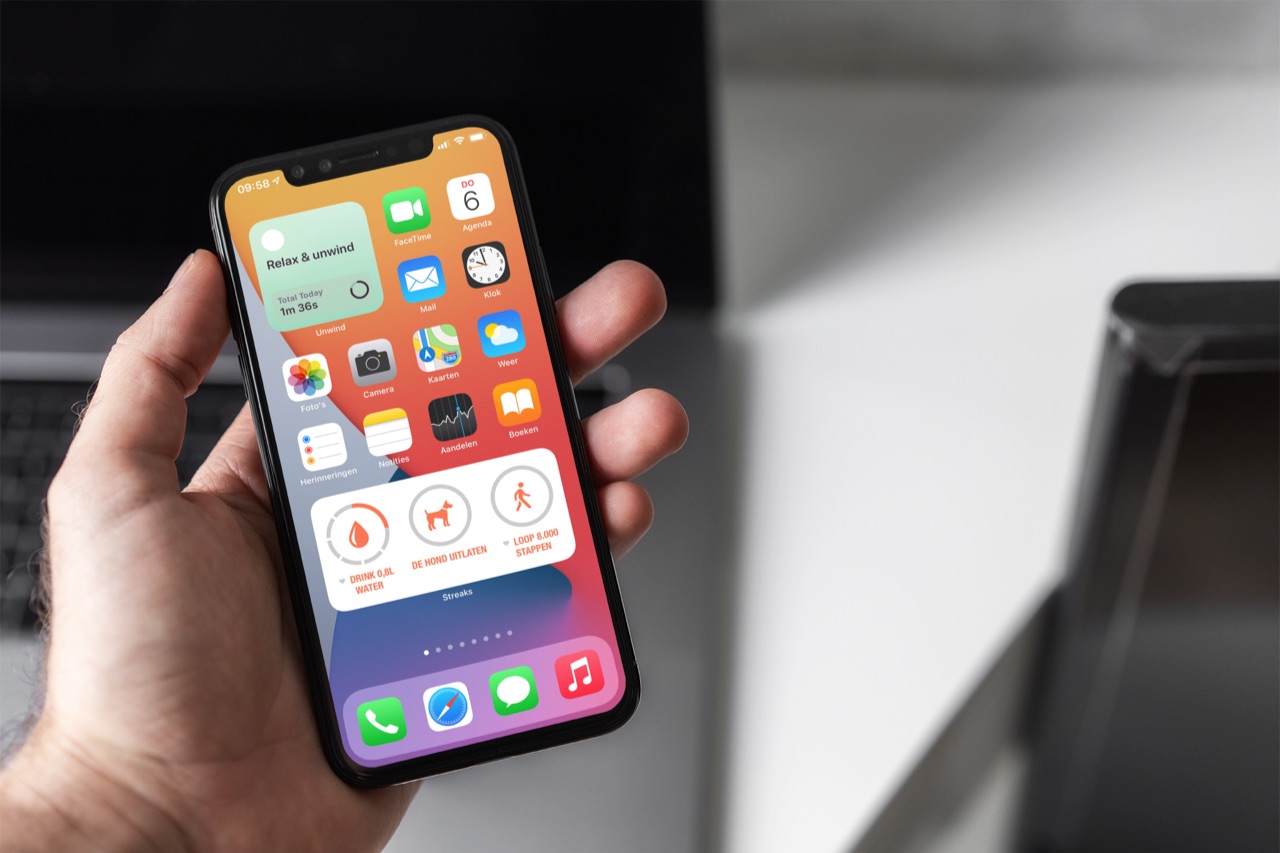
    In addition, many third-party apps don’t have a widget yet because of Apple’s surprise release of iOS 14. As you might know, Apple is adding Android-style widgets to iOS 14. You can choose different sizes depending on where you want the widget to fit and how much information you want it to contain. As time goes on, more developers will create widgets for their apps. You can see which apps are offering them now by touching and holding the home screen until you see the “+” icon inside a circle on the upper left side of the screen. Tap on it, tap on a widget from the gallery, and then select the size you want.

    Have you installed iOS 14 on your iPhone yet? Go to Settings > General > Software Update if you have yet to do so.

  • H&M says it’s straightening its back from Covid-19

    H&M says it’s straightening its back from Covid-19

    Global fashion retailer H&M had warned its preliminary third-quarter results may well be below that of the previous corresponding period – but it beat profit forecasts and has recovered much faster than expected.

    The company’s pre-tax profit for the quarter to August 31 was US$227.3 million, well below the $570 million from the previous corresponding period. H&M attributed the success to selling more goods at full-price, combined with strong cost controls.

    “As a result of appreciated collections together with rapid and decisive actions, the H&M group’s recovery is better than expected,” the retailer said in a statement.

    For the period, H&M group’s net sales decreased by 16 percent in local currencies compared with the corresponding period last year.

    The company said the improving sales through the quarter reflected the Covid-19 situation: at the beginning of the quarter, about 900 of the group’s more than 5000 stores were temporarily closed. At the end of the quarter, the other stores had reopened and only about 200 stores remained temporarily closed.

    The final results for the third quarter will be published on October 1.

    Meanwhile, the company denied it had any ties with a Chinese yarn producer over accusations of “forced labor” that involves ethnic and religious minorities from China’s Xinjiang province, according to a report.

    The report stated the fashion retailer specified it didn’t work with any garment factories in the area and would no longer source cotton from Xinjiang, China’s largest cotton-growing region.

  • Thailand’s Central Group acquires OfficeMate

    Thailand’s Central Group acquires OfficeMate

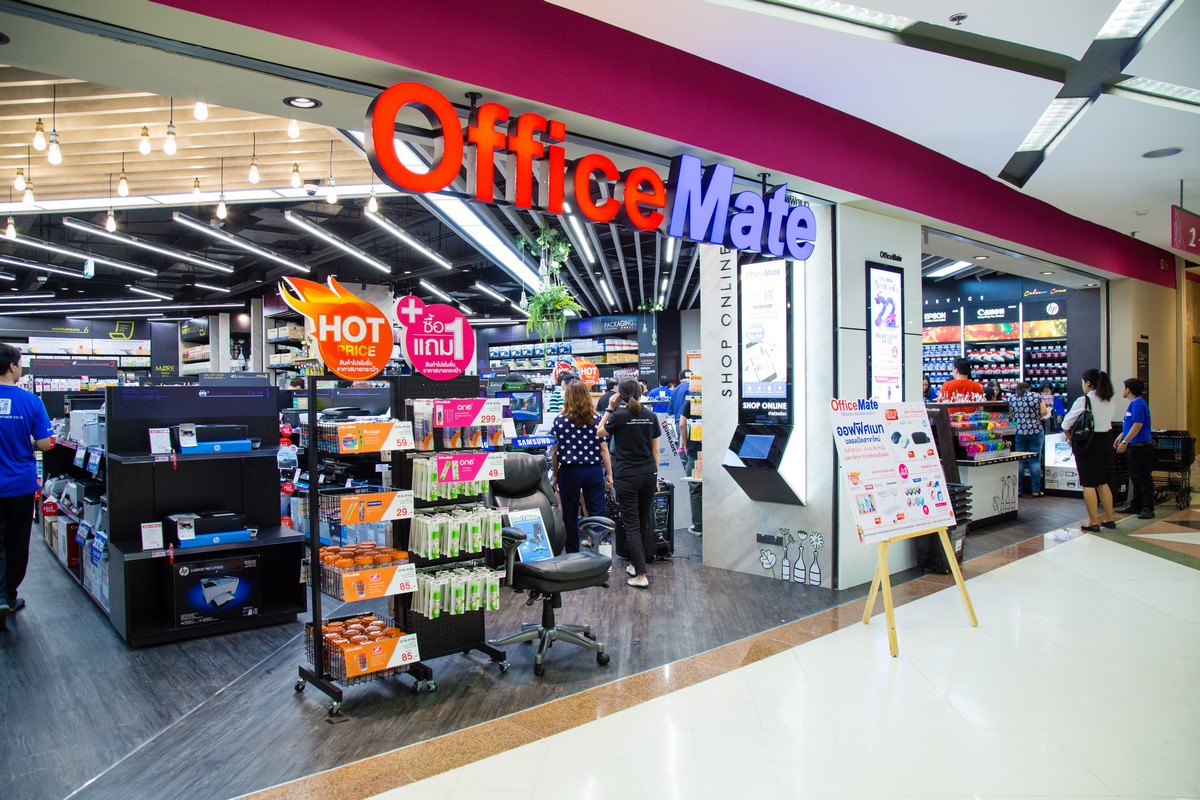
    Central Retail (CRC) is to buy out COL Public Company, the parent company of Thai retail chains OfficeMate, B2S, and Meb E-Books.

    The deal with COL, which is estimated at US$390 million, will add the three brands to CRC’s existing retail portfolio and “strengthen Central Retail’s hardlines group” the company said in a statement. The move is part of the group’s strategy to expand its range of retail product categories, formats, and channels domestically and globally.

    COL is one of Southeast Asia’s largest office supplies, books, entertainment media, lifestyle products, and e-books retail business. The company’s board on Monday approved the terms of the takeover proposal which will now be put to a shareholders’ meeting. Once endorsed the company will be delisted from the Thai stock exchange.

    The company was incorporated in February 1994 by the Ounjai Family which had more than 40 years of experience in selling stationery and office equipment.

    “We are supremely confident that this plan to buy out the business and all the shares of COL will be mutually beneficial,” said Yo Phkasub, CEO of Central Retail. “It will enable both businesses to grow sustainably, and upgrade Thai retail for long-term national economic growth.”

    According to Central Retail, the deal will help the company to expand its customer base into new groups, particularly B2B and the younger customer segment. On the other hand, COL will enjoy greater exposure for its products through CRC’s omnichannel platform.

    The acquisition of 640 million COL shares is still subject to regulatory approval and expected to complete within the first quarter of next year, according to Yo.

  • Waze announces partnership with Amazon Music, adds new features

    Waze announces partnership with Amazon Music, adds new features

    During its first major virtual event suggestively called Waze On, the navigation company owned by Google revealed a slew of new features coming to the app, as well as an important partnership with another big name – Amazon.

    First off, Waze confirmed that Amazon Music will join its audio player partner program in the coming months so that Waze users can listen to Amazon Music in the app’s audio player without having to switch between apps.

    As far as the new features go, Waze revealed a bunch of those that will be available sooner or later on all compatible platforms. Lane Guidance is one of the new features announced today that will probably make many drivers very happy.

    With Lane Guidance, drivers will receive information in real-time about which lane to be when merging or exiting a stretch of freeway or highway. This is rolling out to users worldwide starting right now.

    Traffic Notifications is another important feature that will be available to users next month. It tells drivers how traffic will impact their journey to favorite/frequent destinations, in addition to one-time planned drives.

    Another major improvement coming to Waze users in October is Trip Suggestions, which shows personalized recommendations based on trips taken in the past, as well as locations are recently driven to. With Waze Trip Suggestions, drivers will get all the information they need before leaving, including the time the trip will take and the traffic along the way.

    Finally, there are some carpool features that Waze users in some markets will get later this month. The so-called “real-time rides” feature is meant to notify Waze drivers when they leave about riders on their route that are looking to carpool. This feature will also include integration with Moovit.

  • Naver leads US$80m financing round in Carousell

    Naver leads US$80m financing round in Carousell

    South Korean online platform Naver has invested in Singaporean classified-ad service Carousell.

    The US$80 million investment was made by a consortium led by the firm that includes other Korean investment businesses Mirae Asset-Naver Asia Growth Fund and NH Investment & Securities.

    The completed transaction will elevate Carousell’s value above $900 million and reflects the increased importance of e-commerce in the region, especially following the influence of the coronavirus pandemic.

    “The last six months have been challenging for all,” said Carousell co-founder and CEO Quek Siu Rui. “It’s inspiring to see how the Carousell community is making the best out of a challenging situation, helping those in need and rallying each other on.

    “Their stories of how Carousell has been essential to them to make ends meet and afford what they need during this global health crisis reminds us to keep heads down focused in serving our community.”

    Naver’s technologies will be of service to Carousell’s focus on making online trading simpler and more effective, personalizing search and recommendations for millions of listings and users.

  • China retail sales rise again after Covid-19 outbreak

    China retail sales rise again after Covid-19 outbreak

    Officially released data for retail sales in China show a rise for the first time this year as the economy recovers from the impact of the coronavirus.

    Figures for August showed a year-on-year increase of 0.5 percent in retail revenues. Dramatic increases were seen in sales of communication equipment (25.1 percent) and automobiles (11.8 percent).

    By contrast, figures for the months previous to August this year showed a drop of 8.6 percent, during which time online sales increased by 15.8 percent.

    China’s economic recovery has been fuelled by pent-up demand, government stimulus, and strong exports.

    “We think that China’s economic recovery is on a reasonably firm footing now and should continue through the fourth quarter and into 2021,” Oxford Economics head of Asia Louis Kuijs said, “with solid investment growth, gradually recovering consumption momentum and resilient exports.

    China’s industrial output also accelerated at the fastest rate this year during August, according to data from the National Statistics Bureau.

    “We expect a further, albeit gradual, recovery of the services sector, a steady improvement in retail sales and elevated fixed-asset investment growth, said Nomura’s chief China economist Ting Lu.

  • Alibaba Weighs Investment in Grab

    Alibaba Weighs Investment in Grab

    The Chinese e-commerce giant is in talks with Singapore-based ride-hailing and payments firm Grab over a potential $3 billion investment into the company.

    Part of the funds will be used to purchase Grab stock held by Uber, which acquired 23.2 percent of the company when it exited Southeast Asia in 2018, as reported on Monday, citing people related to the matter.

    Alibaba’s potential tie-up with Grab gives it access to data on millions of users in eight countries, a growing delivery fleet as well as a stake in a digital wallet and financial services noted.

    The news comes just a day after Grab had resumed merger talks with Jakarta-headquartered rival Gojek, at the urging of shareholders including SoftBank. The two companies are facing large losses due to Covid-19 related restrictions – Grab already laid off 5 percent of its workforce in June, which founder and CEO Anthony Tan said would help it better face the challenges of a post-Covid economy.

    Grab was valued at $14 billion in its last funding round in 2019, when it raised $1.5 billion from SoftBank’s Vision Fund. However, «FT» noted, citing secondary market brokers, that Grab shares have been trading at a 25-percent discount, while shares in Gojek, valued at close to $10 billion last year, have also been selling at steep discounts, particularly from early shareholders wanting to exit.

    Grab rolled out a new strategy in August to expand its consumer services ecosystem, with new products including a micro-investment solution, a third-party loan platform, and a buy-now-pay-later service.

    The firm has partnered Singtel in its application for a digital bank license in Singapore. It also moved into wealth management with the acquisition of Singapore-based robo-advisor Bento, which was relaunched as GrabInvest.

  • Bamboo Airways poised to expand international services

    Bamboo Airways poised to expand international services

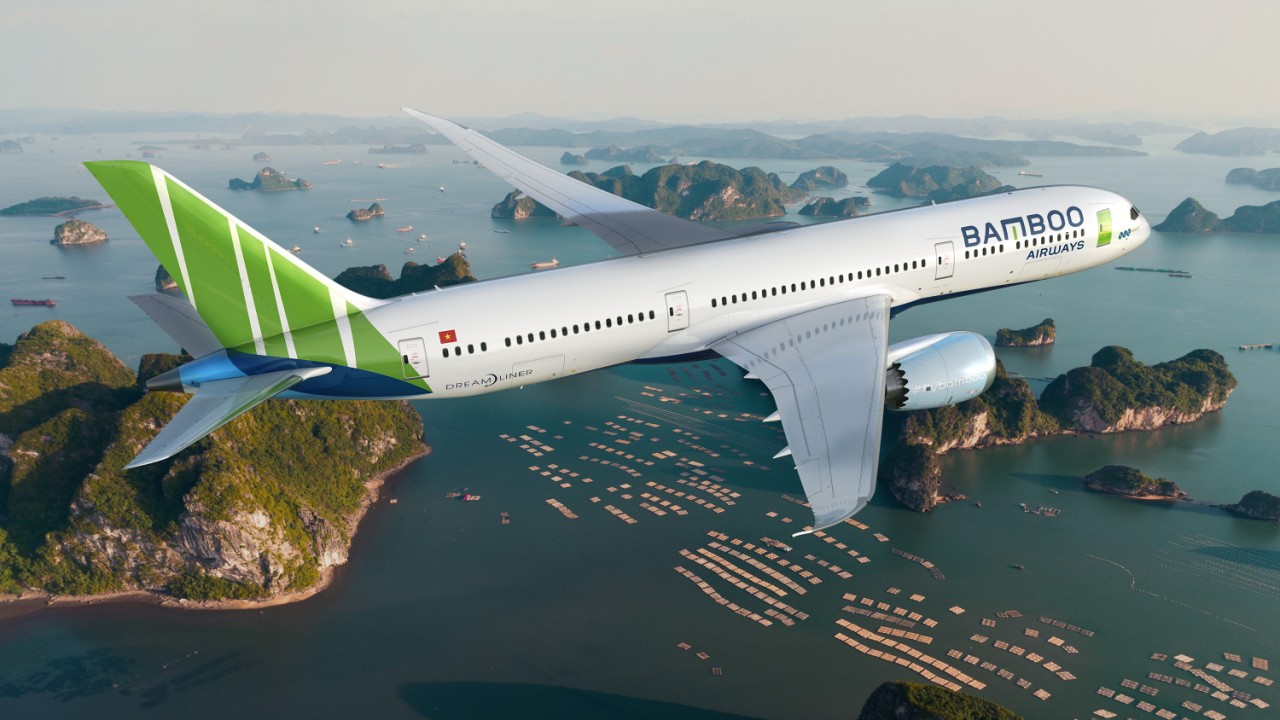
    Bamboo Airways plans to launch more new routes to Asian destinations like Japan, Singapore, and Australia besides resuming services to Taiwan and South Korea.

    It will resume flights from Hanoi to Taipei in Taiwan on September 29 and Seoul in South Korea on October 7. There will be one weekly round trip to begin with.

    The airline will begin to fly on the HCMC-Tokyo sector from November 1 and the Hanoi-Tokyo sector from December.

    It will also begin service between the northern port city of Hai Phong and Singapore besides direct flights from Hanoi and HCMC to Melbourne, Australia, in the fourth quarter.

    A spokesperson for the airline said wide-body Boeing 787-9 Dreamliner aircraft would be used for long-haul flights, adding preparations are underway to fly to Europe once Covid-19 is contained globally.

    It is scheduled to start services from Hanoi and HCMC to London in the U.K. and Munich/Frankfurt in Germany in the first quarter of 2021 and is awaiting approval.

    Nguyen Ngoc Trong, the deputy CEO of Bamboo Airways, said there are long-term plans to fly to 27 European destinations. Vietnam suspended all international flights on March 25.

    Bamboo Airways, launched in January last year, was operating on 40 domestic and international routes before the pandemic struck in January. It reported a pre-tax profit of VND303 billion ($13 million) in 2019.

  • Miniso sees positive and steady development in Vietnam market

    Miniso sees positive and steady development in Vietnam market

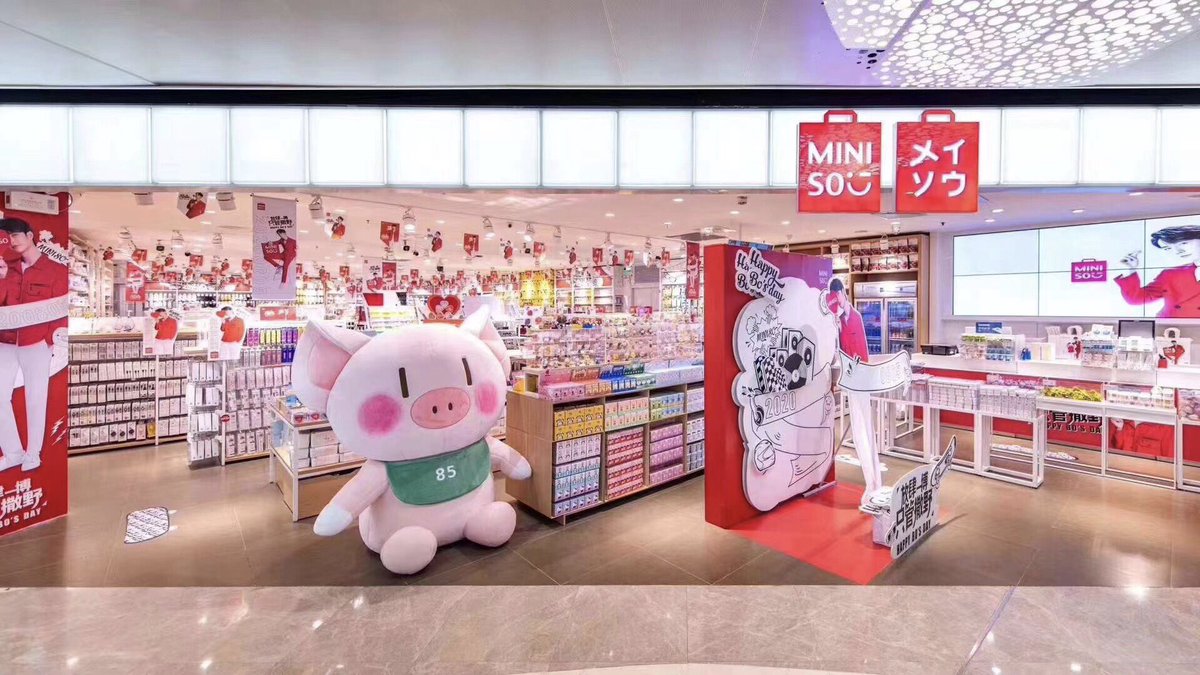
    Chinese discount retailer Miniso has opened more than 40 stores in Vietnam, four years since it launched in the market.

    Miniso entered Vietnam with its first store in Hanoi in 2016. Since then, the brand has been the local’s favorite destination for discount merchandise. Miniso now has more than 700,000 fans following its Facebook account.

    Miniso operates in key cities in the country and has a presence at major shopping malls including Aeon, Lotte, and Vincom.

    During the early stages of entering Vietnam, Miniso showed its understanding of the market by choosing local top star Son Tung M-TP as a brand ambassador. The brand also teamed with well-known Vietnamese host Sam to launch a beauty line called Sam Skin and Makeup.

    “The Vietnamese market has always shown great potential for development,” the company said in a statement. “Even under the epidemic, the market’s increasing demand for consumer experience and cost-effective products have made Miniso very confident in the future development of the Vietnamese market.”

    Miniso has not only joined several e-commerce channels, including Shopee, Lazada, and Tiki, but also created Shopify to provide “a barrier-free shopping environment”.

  • Japan retail sales remain lacklustre last month

    Japan retail sales remain lacklustre last month

    Japan’s retail recovery continued to proceed slowly during August following the largest recorded single-quarter sales decline in the nation’s history.

    According to the country’s Cabinet Office, the national real gross domestic product for April to June fell by 28.1 percent year on year, performing worse than at the depths of the global financial crisis in 2009.

    WWD reported a poll of major retailers in the market, finding sales performance between the firms generally low. Uniqlo operator Fast Retailing was an exception, seeing a 29.8-pera-cent increase in same-store sales growth during August, with summer products selling fast in the midst of the current Japanese heatwave. About 90 Uniqlo stores are still operating below peak hours, however, two have been permanently shuttered and six remain closed due to the Coronavirus pandemic.

    In contrast, Isetan Mitsukoshi saw sales drop by 29.1 percent under last year’s results, especially hard hit at its Mitsukoshi store in an area traditionally popular with foreign travelers, where sales fell 47.8 percent. Takashimaya’s sales dropped 18.8 percent against August figures for last year across 13 department stores.

    “In addition to a drastic decline in tax-free sales, the effects of a heatwave and the continuing trend of people refraining from going out resulted in not being able to meet the sales levels of last year,” Takashimaya was quoted by WWD. “On the other hand, we did see the movement of items meant to make people’s time spent at home more comfortable, as well as of luxury brand goods.”

    Hankyu and Hanshin department store chains operator H2O Retailing saw a sales decline of 15 percent, with same-store sales down 26.9 percent. J. Front Retailing was hit with a sales drop of 29.4 percent year on year in August, commenting “Sales of volume fashions and food products in particular suffered”.

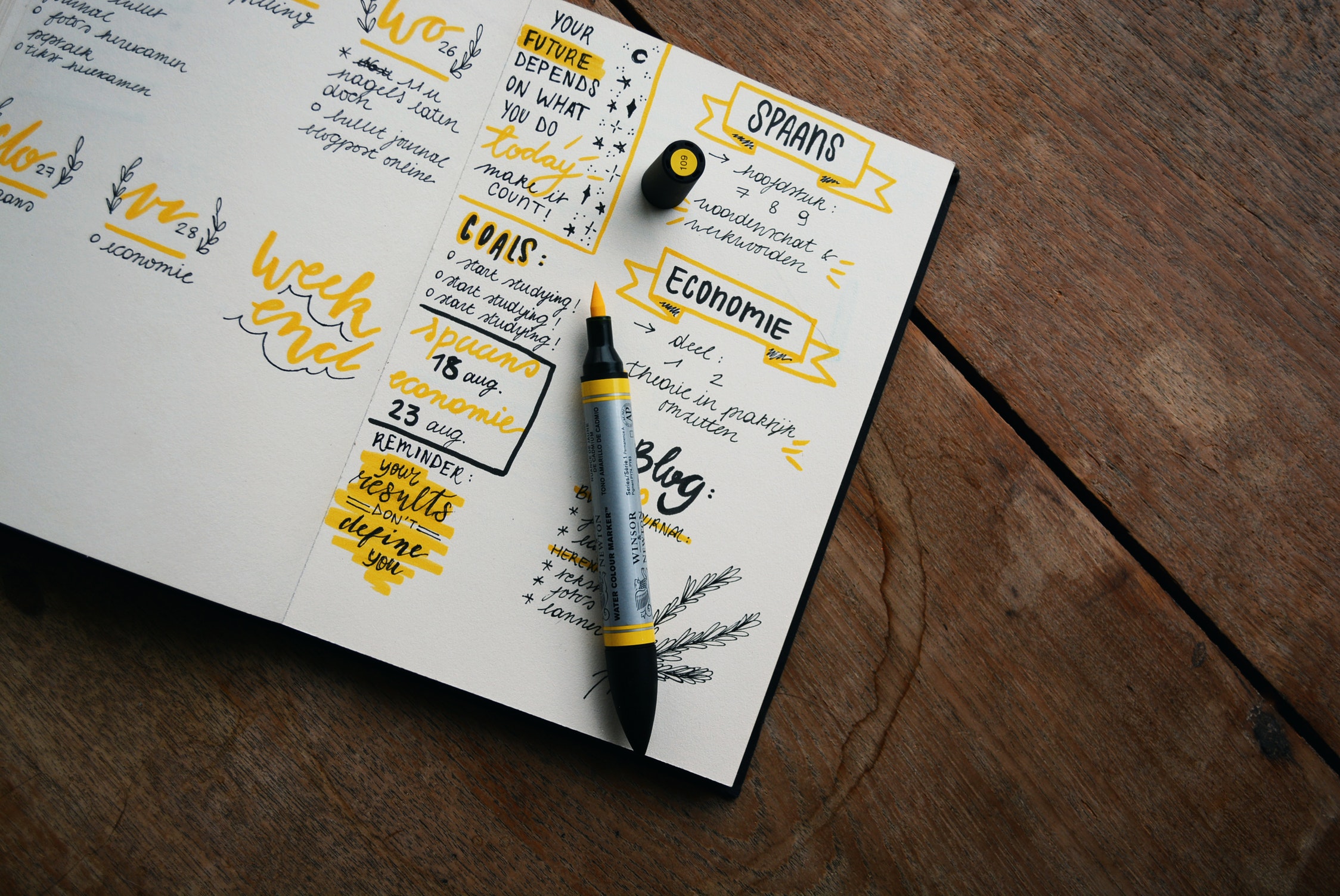
  • Moleskine’s new CEO discusses creativity and the brand’s plans for Asia

    Moleskine’s new CEO discusses creativity and the brand’s plans for Asia

    Premium brand Moleskine is setting its eyes on Asia as a major potential growth market, planning expansion both online and offline and integrating more smart technology into its product range.

    In an interview with Inside Retail Asia, recently appointed CEO Daniela Riccardi says one of the core priorities of a five-year plan she has drafted for Moleskine globally will be to create greater brand awareness among Asian consumers.

    “We want to share with them the Moleskine heritage and values in order to develop brand presence and overall business throughout this very important region.”

    Moleskine was founded 23 years ago in Milan, Italy. It began with a little black notebook with rounded corners and ivory-hued pages inspired by those used by great writers and artists of the past – prodigious note-takers who would inspire generations with their creative genius. Since then, it has evolved into a whole ecosystem of notebooks, diaries, bags and accessories, and smart tools and services.

    The conspicuous quality and style of Moleskine products notwithstanding, these kinds of items have become rather commoditized in many parts of Asia. Riccardi believes the brand is up for the challenge of building a premium brand in such a context.

    “I believe that what has made Moleskine so unique is that what Maria Sebregondi and the founders of the brand created was more than a bundle of pages within two covers: what was created was a tool for the creative community,” Riccardi explains.

    “Every detail of the notebook was carefully looked at when it was designed: the quality of the paper, the “in case of loss” label, the pocket on the back cover to hold bits and bobs, the rounded corners that allow it to slip effortlessly into a pocket, the elastic band closure. It was first distributed in bookstores and labeled “the book yet to be written”, because a Moleskine notebook becomes meaningful once our customers start filling its pages. It is quite simply more than a notebook and our ever-growing community embraces that.”

    Overcoming the Covid-19 era

    While the onset of the Covid-19 pandemic has disrupted business throughout the world, Ricccardi is confident Moleskine will ride out the storm and remains committed to its growth agenda.

    “Clearly Covid has been difficult for all businesses worldwide and Moleskine has also inevitably suffered, but I am working alongside all the people in the company to implement a long-term plan that will ensure that Moleskine will ride this extraordinarily difficult wave and overcome what I am certain is a moment.”

    The five-year plan she created soon after taking office on April 1 is based on the belief that a brand can never rest on its laurels.

    “Any evolving company needs to constantly look at itself in order to renew and continue to grow, which is why building this plan was my first order of business.”

    The plan includes equal focus both on- and off-line in order to optimize the customer experience for all of its customers.

    We have also partnered with some of the most significant institutions and brands worldwide and will continue to do so with a focus on bigger strategic partnerships with cultural institutions such as universities and museums. Partners with whom we share a like-minded ethos. Learn more about Moleskine’s co-branding project.

    The shift to digital 

    As the world moves increasingly to digital – with less reliance on paper and physical (rather than virtual) note taking – Moleskine is mindful of adjusting its business model to adapt.

    “Moleskine has grown alongside the internet and when our founders created the brand, the importance and the relevance of the digital world was very clear in their minds. We create objects that live together with the digital world, that complement each other. The Smart Writing System is a perfect example of this: it is composed of a smartpen and centers around a specially created paper that when written or drawn on recognizes pen strokes. The system allows for all notes and thoughts to appear in real-time on digital devices as they are written on this almost “magical” paper,” says Riccardi.

    “We have always embraced technology as it is an essential part of everyone’s lives.”

    Alongside its digital foray, Moleskine continues to work on new products and designs to remain relevant to today’s consumers.

    “We have a small in-house team that has worked on creating new ideas and designs. This is one of the areas I intend to better develop going forward. The Moleskine aesthetic is very clear and staying true to those values is what makes the brand so authentic and appreciated by our customers.”

    Such a focus will help the brand build greater market share in existing markets as well as expanding into relatively new frontiers like Asia and Africa.

    “In terms of product categories, I believe that we have a great richness in our original and iconic notebook from where it all started. It is a small but great tool that we hope contributes to the development of creativity, culture, and knowledge and I would like to see a return to our origins as the first step to future growth.”

    Taking the reins

    Taking over the helm of Moleskine in a world where borders were closed was a surreal experience for Riccardi, an executive with previous management experience in companies including Procter & Gamble and fashion brand Diesel in 2010, where she was CEO, before taking over as CEO of 250-year-old French crystal maker Baccarat in 2013.

    “Taking over the helm of a company without meeting the team in person was an extraordinary experience to say the least. Not being able to travel to see the markets myself was initially a challenge. But as the saying goes, where there is a will there’s away, and I am confident that together with the team we will overcome this difficult time and move forward as a stronger company and brand.”

    Riccardi’s greatest achievement in business to date, she tells Inside Retail Asia, is building gender diversity within the companies she has led.

    “Gender diversity has always been important to me and throughout my career, I have sought to inspire and empower women, particularly in circumstances where age or social or religious factors can be a challenge.”

    At Moleskine she wants her legacy to have grown the brand to greater heights and recognition than when she took over this year.

    “I am very careful about the projects I decide to undertake and the brands I decide to work with. It is important to me that I have the utter conviction of the strength of a brand and its unique values. Moleskine has these qualities in spades, and I see in it untapped opportunities that are the cornerstone of my work for developing a framework for growth in the years to come.”

    Based in her native Italy, Riccardi has several directorships in addition to her Moleskine role. She is on the board of French luxury-goods powerhouse Kering, of Comité Colbert, an association of French Luxury Brands and cultural institutions, and the world’s largest communications and advertising company, London-based WPP.

    If there is a common element to the companies which Riccardi commits her time to it has to be style and creativity – not to mention heritage – a group into which Moleskine fits perfectly.

    “Moleskine at its core celebrates the power of creativity and has a unique connection to paper where human genius has always given its best. We provide tools for empowerment and spaces for ideas to grow, with the idea of unleashing the limitless human potential,” reflects Riccardi.

    “After all creativity is universal and timeless and will always be relevant to the world.”
  • TikTok picks Oracle over Microsoft as possible candidate

    TikTok picks Oracle over Microsoft as possible candidate

    With Tuesday’s deadline forcing TikTok parent company ByteDance to divest itself of the short-form app’s U.S. operations or get banned in the states, Reuters reports that a group led by U.S. tech firm Oracle has been chosen by TikTok to buy the U.S. version of the very popular app for an undisclosed amount. Just before Oracle was announced as the winner of the contest, Microsoft said that it had been informed by ByteDance that TikTok would not be sold to the software giant. The company was originally the front runner in a deal that was estimated to be valued at $20 billion dollars and up.

    Walmart was also expected to be part of the Microsoft bid and it is unclear whether the retailer still has an interest in TikTok. In a statement announcing that it is bowing out of the battle for the U.S. operations of TikTok, Microsoft said, “We are confident our proposal would have been good for TikTok’s users while protecting national security interests. To do this, we would have made significant changes to ensure the service met the highest standards for security, privacy, online safety, and combatting disinformation, and we made these principles clear in our August statement. We look forward to seeing how the service evolves in these important areas.”

    TikTok, with over 2 billion installs worldwide, has 100 million monthly users in the states, up from 11 million in early 2018. The app, which has a large community of teenage users, shows community created videos of 15 or 60 seconds in length. Content includes lip-syncing, pranks, dancing, and more. During the pandemic, when teens and others were locked up in their homes, TikTok becomes even more popular than ever. And that popularity got the Trump administration worries that the Communist Chinese government could obtain personal information from TikTok users and send it to Beijing. ByteDance says that the U.S.operations of TikTok have only two servers in operation with one in the states and the other in Singapore. The next step requires the Committee on Foreign Investment in the U.S. (CFIUS) and the White House to get approval for the deal. People familiar with the transaction say that it should satisfy fears that some participants had about the security of data obtained by TikTok in the U.S.

    China almost threw a last-second issue into the deal when the Chinese government added new export restrictions that banned the U.S. from receiving certain information created by artificial intelligence. These algorithms are used to determine which videos TikTok users get to see and are considered the app’s “secret sauce’” they were believed to be part of the negotiations of the deal. President Trump announced an executive order back on August 6th, giving ByteDance 45 days to divest TikTok before demanding that its U.S. operations be banned. The White House considers the app to be a national security threat.

    Microsoft, as we mentioned earlier, was originally the front runner and had decided to take on Walmart as a partner. The original plan called for both to acquire TikTok’s operations in the U.S. along with those in Australia, Canada, and New Zealand. For the deal to close, ByteDance will need to get approval from both the U.S. and Chinese governments.

    This isn’t the first time that the U.S. government has gotten itself involved in a messy takeover battle involving China. In March 2018, the president blocked Singapore chipmaker Broadcom from purchasing Snapdragon chip designer Qualcomm for $117 billion. The U.S. was reportedly concerned that the deal would weaken Qualcomm thus giving power to the Chinese. A few months later, Qualcomm’s bid to acquire Dutch company NXP Semiconductors NV was blocked by Chinese antitrust regulators.