Category: General

Retail News Asia is committed to providing both local and global retailers with the latest General Retail news throughout the Asian market. This on a daily base.

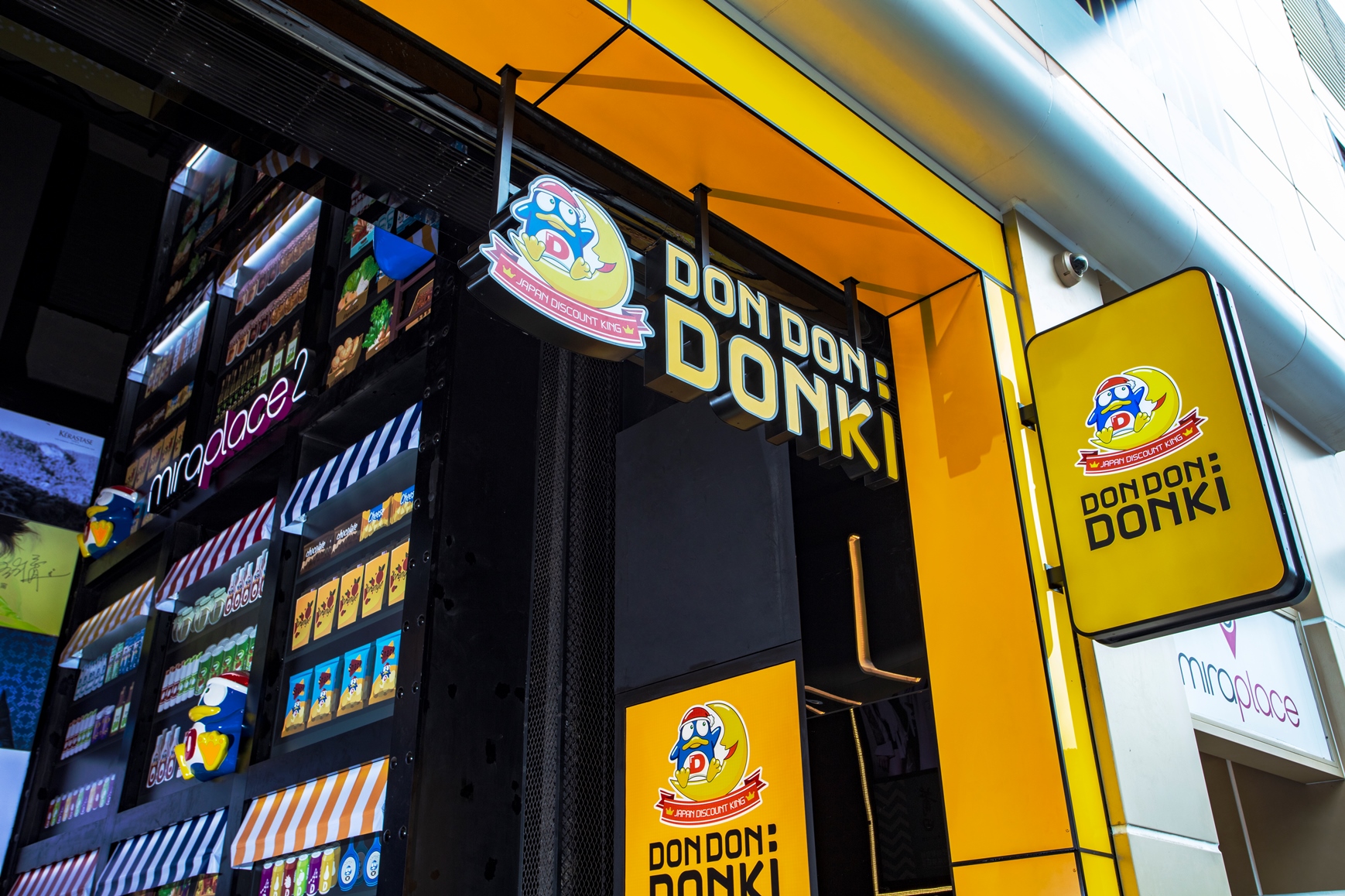
  • Don Don Donki lifting off in Taiwan

    Don Don Donki lifting off in Taiwan

    Japanese discount retailer Don Don Donki is set to make its debut in Taipei. As yet, the company has not revealed any details regarding the location or opening date, however, various sources have confirmed the store will trade 24-seven in the popular shopping destination of Ximendeng.

    New of the company’s Taiwanese debut spread quickly after advertising was spotted to recruit around 400 employees.

    With over 160 branches in Japan, Hong Kong, Singapore, Thailand, and Hawaii, this will be Don Don Donki’s first venture in Taiwan.

    Don Don Donki is a favorite destination for Taiwanese visitors to Japan. The discounter had previously launched a free international shipping promotion on its e-commerce platform last year, proving the brand’s appeal to Taiwanese fans.

    Meanwhile, Don Don Donki’s fifth Hong Kong outlet of the year is expected to open in Central next month in October. Its owner, Japanese group Pan Pacific, has been aggressively expanding within the Asian region in the past year, from Thailand to Malaysia.

  • YouTube Music introduces assistive playlists on Android and iOS

    YouTube Music introduces assistive playlists on Android and iOS

    YouTube Music has added a lot of new features and improvements in the last couple of months, but the most recent one is quite useful for those who’d like to listen to similar songs that made it their favorite playlists.

    As the title says, YouTube Music now features so-called “assistive playlists,” an easy way to provide users with suggestions of relevant songs based on playlist name, existing songs in the playlists, and listening history.

    Google’s algorithm will now know what music you like and suggests songs that are not on your playlists but you might like. The new feature offers up to seven suggestions when editing playlists, but you can add even more when you hit the Refresh button.

    If you missed any of the previous new features introduced by YouTube Music in recent months, here is a quick rundown of the most important ones. First off, we have collaborative playlists that let you create and modify playlists with other YouTube Music users.

    Then, there are the profile page playlists that allow you to browse other listener’s public music playlists and uploaded music videos from their profile page on the music streaming service.

    With the new “Mixed for You” section in the YouTube Music home feed, users can easily find playlists created by Google including Discover mix, New release mix, Your mix, and Liked songs playlists.

    Last but not least, YouTube Music has been improved with programmed mood and genre playlists for those who want to listen to specific tunes. All the new YouTube Music features are now available worldwide on Android and iOS devices.

  • 7-Eleven Japan to start home delivery from stores

    7-Eleven Japan to start home delivery from stores

    Japanese convenience-store operator 7-Eleven is launching a home-delivery service from its outlets to meet continued demand sparked by the Covid-19 outbreak.

    The service will commence this year initially with 100 Tokyo stores, to be expanded to 1000 from next year. The service will take on other e-commerce operators in the territory such as Amazon with a 30-minutes target delivery time and by accepting late-night ordering, partnering with Seino Group to handle logistics.

    Tests of the service are already being conducted at 39 stores in the Tokyo area within a limited delivery radius. Observers say a full rollout of the service may depend on 7-Eleven’s ability to secure the necessary workforce at a time of labor shortage in the market.

    The news comes as the firm deals with what may be a growth ceiling on its 50,000-store network, while e-commerce continues to blossom in Japan.

  • Gambling Development and the Best Land Based Casinos in Singapore

    Gambling Development and the Best Land Based Casinos in Singapore

    Gambling is popular all over Asia, with Macau being the traditional centre for glamorous casinos and high stakes rollers. But Singapore has risen in popularity as a casino destination as well. Singapore is famous for having stringent laws affecting such things as chewing gum and e-cigarettes – possession of either of these things will land you a hefty fine, and possible jail time. So it comes as no surprise that gambling is heavily regulated – in fact it has only been legal for a few years. The authorities have realised that regulated gambling is safer gambling, and also a lucrative, taxable part of the industry. Singapore may only have two active, licensed casinos – Resort World Casino and Marina Bay Sands – but it turns over multiple billions every year.

    History of gambling in Singapore

    Singapore’s rank as the second-largest Asian gambling zone after Macau may seem a little unlikely, especially when you consider that the Casino Regulatory Authority of Singapore was only set up in 2008, and casinos -just two of them- only opened in 2010. But of course, legal or otherwise, gambling has always been a popular pursuit in the city-state. In the early 1800s, the British rulers of Singapore banned cockfights and outlawed gambling dens, bringing in a system of regulation by 1820. In the 20th century, a series of legislative measures were introduced, including the Private Lotteries Act of 1952 and the Common Gaming House Act of 1961. Common gaming houses are illegal operations under Singaporean law. In 2006 the Casino Control Act was passed, lifting a 40-year ban on gambling, and allowing the city to grant special licenses for legal gambling venues. There are only two casinos in Singapore, but they are both enormous and among the two most expensive built in the world.

    Legal status

    There are only two licensed land-based casinos in Singapore. It is illegal to place bets in any other land-based establishment, and as these places are unregulated they put punters at risk. Online casinos were outlawed by the Remote Gambling Bill of 2014, but two companies were given an exemption to operate. A shakeup next year looks likely to define the rules more clearly. Currently, online casinos operating out of other countries are not technically illegal in Singapore. But it makes sense to do some research and find casinos that don’t have restrictions for Singaporeans making withdrawals and accessing special prizes.

    Resort World Casino

    The world looked on in shock as the Resort World Casino opened in 2010. First, the Singaporean government had allowed dancing in bars. Then they had a Formula One Grand Prix. And now a casino! Famously averse to vice, the moralistic government seems to want to limit the revelry to foreigners – admission price for Singaporeans is an eye-watering $100. Built on Sentosa Island, a mere ten minutes journey from the central business district, Resort World is a vast place, featuring more than just a casino. There are restaurants serving food from all over the globe, but with emphasis on the unique culinary makeup of Singapore itself – Indian flavours mingling with Chinese and Malay influences. There is a beautiful aquarium and an amazing waterpark. But the casino itself is something to behold – 15,000 square metres of glamour and glitz, with no expense spared. Featuring thousands of cutting edge slot machines, with various themes lifted from all facets of popular culture, card tables offering baccarat, blackjack and poker, and roulette wheels aplenty, there is something for everyone in the casino. It cost a massive $4.5 billion to build this gambling colossus, and the results speak for themselves.

    Marina Bay Sands

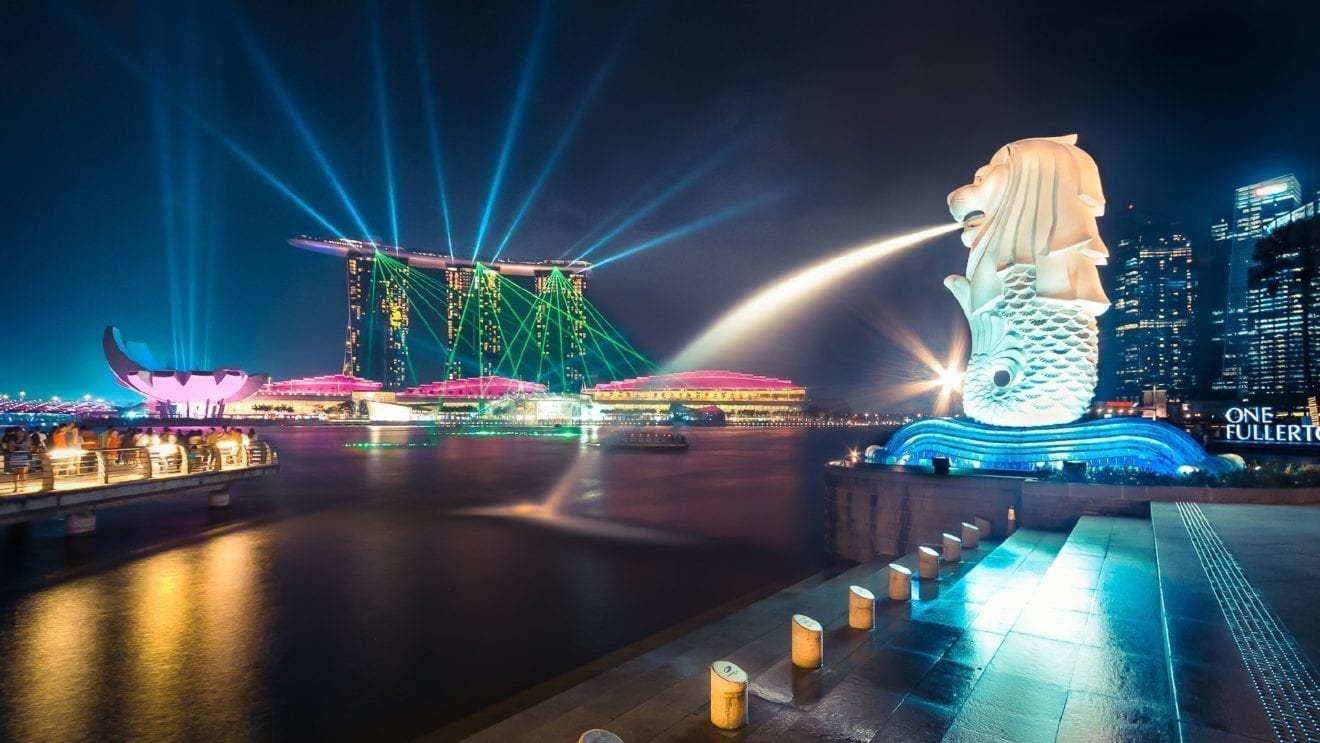
    Opened mere months after Resort World Casino, Marina Bay Sands will be recognised by all Formula One fans, imposing itself magnificently on the Singapore skyline. Three vast towers, linked together by the iconic ‘Skypark’ – a rooftop deck 200 metres above the marina below. As well as the casino and hotel complex, Marina Bay Sands offers a vast array of other distractions, including the ArtScience museum featuring major exhibitions that blend art, science, culture and technology – recently with an emphasis on conservation and sustainability. Cinemas are dotted about the complex, there is an extensive retail space, and plenty of places to eat. And don’t forget about the famous infinity pool on the deck! As for the casino, well, it is even more monied than its nearby rival, costing $5.5 billion to build. Set over four floors, punters can enjoy the usual range of card games, slot machines, crap tables and roulette wheels, with variants and tournaments available. The casino boasts 2,400 state of the art slot machines, VIP table areas for celebrities and high-rollers, and three noodle bars in case your poker makes you peckish. Free (soft) drinks are available throughout.

    Singapore’s gambling industry adds another feather in its cap as far as tourism goes. But it has also cemented itself as a serious destination for jet-setting casino players, and may usurp Macau in revenue (and appeal) in the years to come.


  • TikTok in talks to avoid a full sale of its U.S. operations

    TikTok in talks to avoid a full sale of its U.S. operations

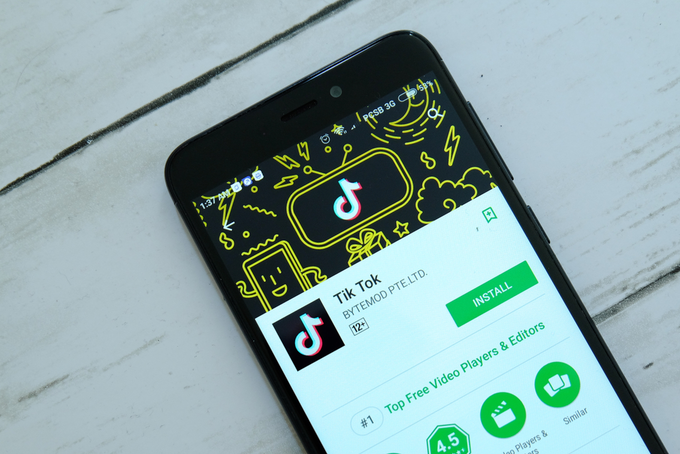
    TikTok parent ByteDance has to divest itself of the app’s U.S. operations by September 15th or else the popular short-form video app will be banned in the states. The U.S. is concerned that because of perceived ties to the Communist Chinese government, TikTok users could have their personal information obtained by the Chinese. Thus, President Donald Trump issued an executive order forcing TikTok’s parent to get rid of the app. Still, ByteDance denies that the security of American TikTok users is at risk. In fact, ByteDance says that the only servers used by TikTok for its U.S. subscribers are in the U.S. and Singapore.

    Over two billion times TikTok has been installed from the App Store and the Google Play Store. 100 million users in the states and 800 million globally use the app to create 15 to 60-second videos featuring lip-syncing, pranks, dancing, DIY clips, and more. Microsoft was one of the leading candidates to buy TikTok and other possible buyers include Twitter, Oracle, and Walmart. As recently as two weeks ago, ByteDance said that a deal was close to being announced and Kevin Mayer gave up his position as CEO. Mayer came to TikTok from Disney where he worked on the Disney+ streaming service. At the time, the move was seen as an attempt by ByteDance to inject some Americana into the app.

    But things have apparently changed and the U.S. government and ByteDance are having discussions about an alternative that would allow ByteDance to avoid a full divesture of TikTok’s U.S. operations. The U.S. had to rethink its demands after China put restrictions on the export of its AI technology; this could have a negative impact on the sale of the app because it might not allow TikTok to include its important algorithms in any deal with a U.S. firm. If the algorithms are not included, the purchase of TikTok becomes less attractive.

    ByteDance has been trying to convince President Trump that he would be taking a huge political risk if the app is shut down. That’s because TikTok users-surprisingly-are more conservative than thought. Thus, forcing the app to shut down could be upsetting to voters that the president is counting on. But that view of TikTok seems out of touch with reality. After all, a large number of teenage subscribers ordered tickets to the president’s rally in Tulsa, Oklahoma, and didn’t show up in an effort to embarrass him with a plethora of empty seats.

    Regardless of which political party favors TikTok, time is running out. The bottom line is that if no deal can be salvaged in less than five days, the president might be forced to accept a deal that would be a far cry short of what he was hoping for. For example, one option could be a restructuring of TikTok that would have it take on an American partner to keep its data secure and to take a minority stake in the company. Still, the president doesn’t back down easily and with his current hatred of China because of the coronavirus, Trump might still hold out for a divestiture of the app. His base would surely see a partial victory as a critical victory against China nonetheless.

    For now, the Treasury Department “is focused solely at this time on discussions associated with the sale of TikTok in accordance with the August 14 divestiture order signed by the President.”

  • Google Maps returns to the Apple Watch

    Google Maps returns to the Apple Watch

    Back in 2017, Google Maps no longer worked with the Apple Watch. The reason why Google pulled it from the Apple Watch reportedly had something to do with the app’s limited capabilities on the watch compared to the iPhone app. At the time that Google made this announcement, it promised that Maps would return to the Apple Watch. And that apparently is what is happening. After a new update, Google Maps is once again available for Apple Watch wearers providing them with directions and the estimated time of arrival.

    Users cannot input a new destination directly on the watch and Google directs wearers to enter a location using the phone app and then moving to Apple Watch. Using Google Maps on Apple Watch will allow those walking, driving, taking public transportation, or riding a bicycle from point “A” to point “B” to receive step-by-step directions and show the Estimated Time of Arrival. The primary screen on the Apple Watch shows the user’s current trip with travel times to other destinations such as work and home. Icons show when a turn needs to be made and also identify the current mode of transportation being used. Haptics help users know when they need to make a turn and there is a complication on the Apple Watch that shows the Google Maps icon and opens the app.

    Live Google Maps are not available on the Apple Watch (although live Apple Maps are). Version 5.5.2 of Google Maps is available for the Apple Watch through the App Store.

  • Bamboo Airways announces first ever Hanoi-Con Dao Island direct service

    Bamboo Airways announces first ever Hanoi-Con Dao Island direct service

    Bamboo Airways will launch the first-ever direct flight from Hanoi to Con Dao Island, a tourism hotspot off the southern Ba Ria-Vung Tau Province, on September 29. There will be two round trips daily.

    The airline will also begin daily flights to Con Dao from the northern port city of Hai Phong and central Vinh Town from September 29. It will use twin-engine Embraer jets with 120 seats on all three routes.

    Nguyen Ngoc Trong, deputy director of Bamboo Airways, said the airline would carry a maximum of 100 passengers on a flight to ensure safety amid the Covid-19 pandemic.

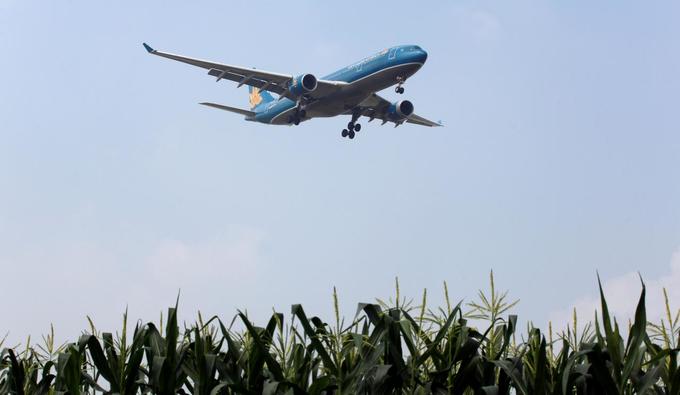
    Vietnam Air Services Company, commonly known as VASCO, a subsidiary of Vietnam Airlines, is the only airline currently operating regular flights to the island, flying from Ho Chi Minh City and the southern city of Can Tho.

    Con Dao has a 3C classification, meaning it can only receive ATR 72 and other similar aircraft. It closes at night since it lacks a runway lighting system.

    Property developer FLC, the parent company of Bamboo Airways, has sought to invest in a lighting system so that the airport could operate at night.

    Con Dao received 400,000 visitors last year.

  • AirAsia Seeks Up to $600 Million Cash Injection to whitstand Crisis

    AirAsia Seeks Up to $600 Million Cash Injection to whitstand Crisis

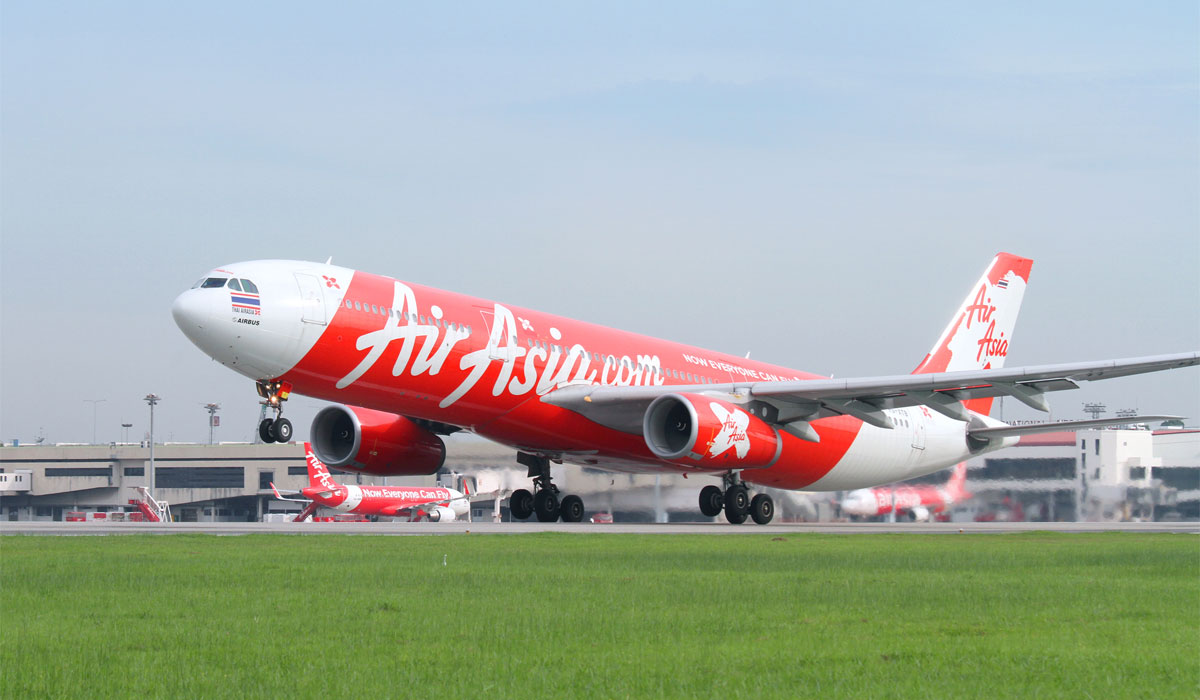
    AirAsia Group is seeking to raise as much as 2.5 billion ringgit ($600 million) by the end of the year as it tries to survive a business slump exacerbated by the coronavirus pandemic.

    The Subang, Malaysia-based budget carrier may borrow up to 1.5 billion ringgit from banks and another 1 billion ringgit from investors, a spokeswoman said Tuesday. AirAsia is also in talks with local and foreign investors including private equity firms, strategic partners, and conglomerates, she said, confirming an earlier report that cited Group Chief Executive Officer Tony Fernandes.

    Airlines around the world are losing money after grounding thousands of planes as countries shut borders and restrict people’s movements. AirAsia, which last month posted its largest quarterly loss on record, resumed domestic operations in late April but its long-haul unit, AirAsia X Bhd., still isn’t flying. Auditor Ernst & Young said in July their ability to continue as going concerns may be in “significant doubt.”

    South Korea’s SK Group said in June that it was in talks to buy a small stake in AirAsia, without providing further details. AirAsia has also cut the salaries of management, trimmed jobs, and deferred plane deliveries in an attempt to shave costs by 30% this year.

    AirAsia is also evaluating its operations in Japan and will make a decision very soon, the company’s spokeswoman said Tuesday. Its India venture remains as is, she said without elaborating. The airline is looking to consolidate and strengthen its business in Southeast Asia, even if that means exiting Japan and India, Reuters reported earlier.

    AirAsia said last month that it needs to reach agreements with major creditors to restructure outstanding debt because it faces “severe liquidity constraints” that threaten its ability to resume flying and continue as a going concern.

    The long-haul budget unit and its AAX Leasing Two Ltd. have received a claim from BOC Aviation Ltd. regarding $23 million of outstanding amounts due under lease agreements, according to an exchange filing Friday. AirAsia X, which said it is seeking legal advice, leases four aircraft from BOC.

    AirAsia is one of Airbus SE’s major customers for A320s while AirAsia X is the world’s biggest customer of Airbus A330neo planes. AirAsia X has 78 of the aircraft on order, according to Airbus’s website, and has already deferred the delivery of some A330neos.

  • AS Watson Group entering Middle East in partnership with Al-Futtaim

    AS Watson Group entering Middle East in partnership with Al-Futtaim

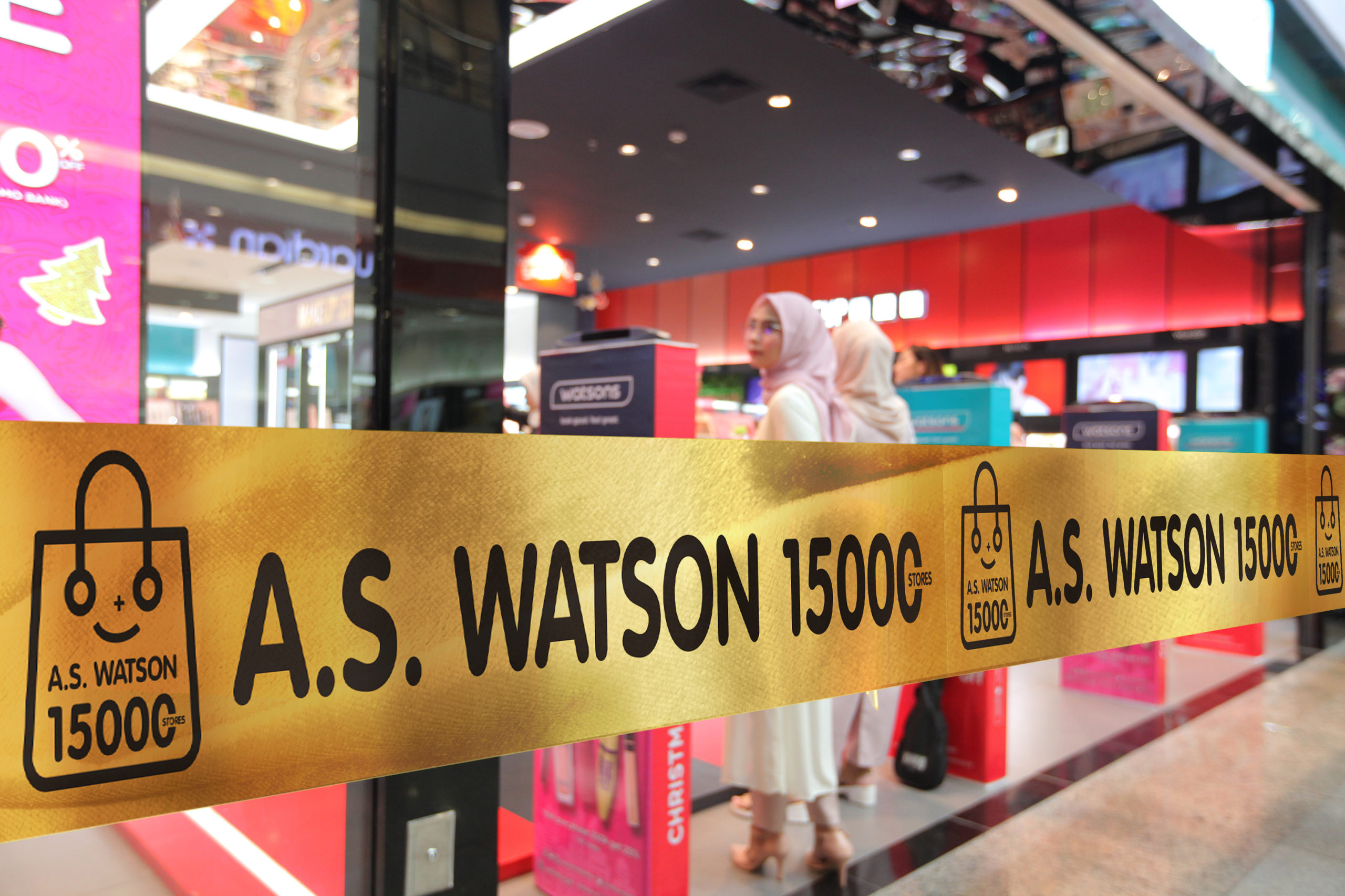
    Middle Eastern retail conglomerate Al-Futtaim is bringing Asian beauty retail brand Watsons to the Gulf in a partnership with AS Watson Group.

    The partnership marks AS Watson Group’s first franchise agreement in its almost 180-year of history and its first venture into the Middle East.

    The first Watsons flagship will launch in Dubai Mall on October 1 together with its e-commerce store and mobile app. Al-Futtaim said it plans to open 100 stores by the end of 2025.

    “As a local business operating across the globe, it is our duty to support and contribute to the economic growth of the region we belong to while bringing quality and customer-oriented brands to our retail network,” said Omar Al Futtaim, vice chairman at Al-Futtaim Group.

    “Our partnership with A.S. Watson Group is another milestone in our journey to further enhance both the UAE and the Middle East’s position in the world’s top retail destinations map,” he said

    Al-Futtaim will roll out two more Watsons outlets in Dubai Festival City Center and The Mall of the Emirates by the end of this year. The beauty retailer will make its debut in the Kingdom of Saudi Arabia next year.

    “Al-Futtaim has impressed us with its proven experience and track record in quality management of retail brands,” said Dominic Lai, MD at AS Watson Group.

    “We are excited to partner with them to bring new offline and online beauty experiences as well as numerous trendy brands to customers in the region.”

  • Bamboo Airways eyes direct route to Australia

    Bamboo Airways eyes direct route to Australia

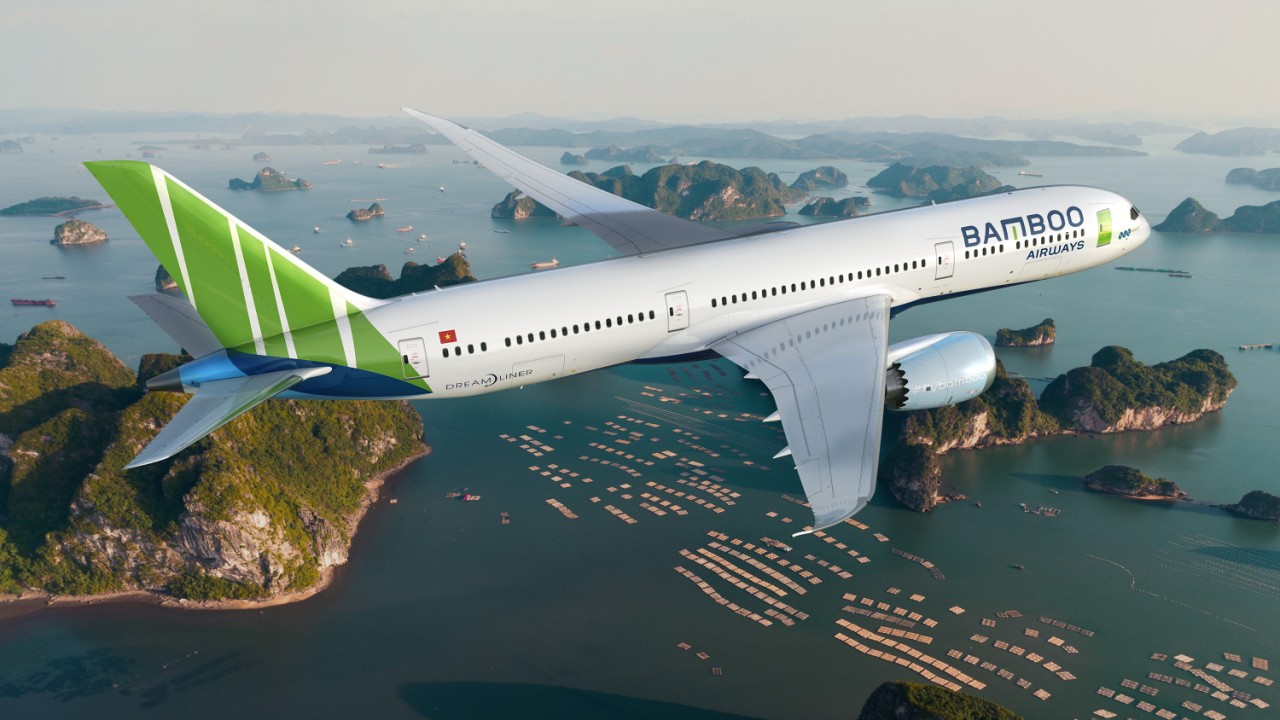
    Bamboo Airways plans to open a direct regular route between Hanoi and Melbourne early next year using the wide-body aircraft Boeing 787-9 Dreamliner.

    The airline made this announcement after conducting its first flight to Australia last Sunday to carry nearly 300 Vietnamese workers and students home. Nguyen Ngoc Trong, the deputy CEO of Bamboo Airways, said in a statement that Australia was one of the most important aviation markets for Vietnam.

    The airline is preparing to operate international flights once the Covid-19 situation has been contained globally. It is eyeing in particular flights connecting Vietnam with destinations in Oceania, Southeast Asia, and Asia.

    For the remaining months of this year, Bamboo Airways will continue to operate charter flights to international destinations like South Korea, Australia, Malaysia, Singapore, Taiwan, mainland China, Prague, and the U.S., Trong said.

    The airline was launched in January last year and was operating 40 domestic and international routes before the pandemic struck Vietnam this January.

    It conducted 2,040 flights last month, up 21 percent year-on-year, according to the Civil Aviation Authority of Vietnam (CAAV).

  • Google Maps continues to stay a step ahead of the crowd

    Google Maps continues to stay a step ahead of the crowd

    Google uses historical traffic data with Google Maps to help it produce an estimated time of arrival (ETA). This allows a user to see what time he should arrive at his destination. The ETA can also be shared with friends or family so that the user won’t have to pick up his phone while driving to pass along the information. But we don’t have to tell you that there have been changes in traffic patterns over the last few months because of the pandemic which led many cities to shutdown. When cities starting closing earlier this year, worldwide traffic declined by as much as 50%.

    The lockdowns led to a situation where data from Google Maps could not be relied upon, forcing Google to revise traffic patterns.  To account for the effects of COVID-19 on Google Maps, the apps prioritize more recent traffic patterns from the last two to four weeks while deprioritizing patterns from any time before that.

    Last week, Google published a blog post that discusses how the company computes traffic and routing on the Maps app. Location data is aggregated and used as a tool to determine what the traffic is like on roads around the world. As Google points out, this information is great at determining current driving conditions but doesn’t explain what will happen to traffic “10, 20, or even 50 minutes into your journey.”

    To guess what will happen in the future, Google Maps analyses traffic patterns on specific roads. For example, one pattern shows that the 280 freeway in Northern California typically has vehicles traveling at 65mph between 6-7 am, but only at 15-20mph during the late afternoon. Google combines the data from historical traffic patterns with the data from live traffic conditions. Using machine learning on both sets of data, Google generates an estimate of an estimated time of arrival.

    Google says that on 97% of trips using the Maps app, its predictions have been accurate. Partnering with parent company Alphabet’s DeepMind AI research lab, Google can reduce the number of inaccurate ETA’s through the use of Graph Neural Networks. Available in places like Berlin, Jakarta, São Paulo, Sydney, Tokyo, and Washington D.C., the technology allows Maps to predict whether you will be caught in a slowdown that hasn’t even started yet.

    To help the app pick the route that you should take, different factors are looked at including the amount of traffic along the way; less traffic is preferred of course. Road quality is also important; is the road paved or is it a gravel-covered road that is hard to drive on. Other drivers can report things like the weather (snowstorm, torrential showers, etc.), accidents, construction, and police activity that can slow things down.

    Have you ever used Google Maps to get directions to a place that you’ve been to many times before, but noticed that the app is taking you a different way? That’s because Google will find a new route if the usual one includes delays. Google describes what happens: “Say you’re heading to a doctor’s appointment across town, driving down the road you typically take to get there.

    When you leave the house, traffic is flowing freely, with zero indication of any disruptions along the way. With Google Maps’ traffic predictions combined with live traffic conditions, we let you know that if you continue down your current route, there’s a good chance you’ll get stuck in unexpected gridlock traffic about 30 minutes into your ride—which would mean missing your appointment. As a result, Google Maps automatically reroutes you using its knowledge about nearby road conditions and incidents—helping you avoid the jam altogether and get to your appointment on time.”

  • Singapore government issues retail pricing transparency guidelines

    Singapore government issues retail pricing transparency guidelines

    Singapore retailers are on notice: tough new rules have been released covering drip pricing, price comparisons, discounts, and the improper use of the term “free” in a bid to eliminate misleading pricing practices.

    The state’s regulatory body, the Competition and Consumer Commission of Singapore, has issued a set of guidelines designed to educate retailers on pricing behavior. They take effect on November 1.

    The guidelines clarify how the commission will apply the Consumer Protection (Fair Trading) Act, to mandate price transparency.

    Under the guidelines, suppliers should ensure all charges (including taxes, surcharges, service fees, etc) are disclosed in total headline prices and institute an “opt-in” approach to any purchase add-ons that carry a charge. They must also take care that price comparisons with competing suppliers are accurate, based on genuine research, and not misleading – regardless of any offer of a refund.

    Discount prices must be genuine and reflect an actual drop from a demonstrably higher previous price and should be provided on a valid basis, with any time limits openly stated.

    “Free” items must represent a price of SG$0, and any qualifying terms clearly represented. Suppliers are encouraged to notify consumers before the end of any free-trial period, providing clear information on any subsequent fees as well as the cancellation procedure.

    “These guidelines aim to give suppliers greater clarity on how to comply with the CPFTA,” said CCCS CEO Sia Aik Kor. “Suppliers should ensure that their prices are represented accurately and communicated clearly and prominently so that consumers can make informed choices and shop confidently.

    “Suppliers also stand to gain as fair-trading practices can go a long way in building a solid reputation as a trusted trader. In short, the guidelines help to build a credible marketplace.”

  • Singapore retail sales show first signs of retail recovery

    Singapore retail sales show first signs of retail recovery

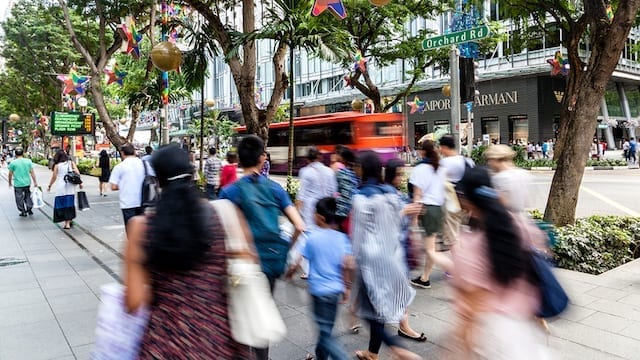
    Singapore retail sales rebounded in July as social-distancing rules were relaxed, but there was still a year-on-year decline of 7.7 percent, excluding motor vehicle sales. That was significantly better than June’s fall of 24.2 percent and May’s 52 percent.

    Month on month, seasonally adjusted retail sales increased by 19.5 percent.

    Online retail sales comprised about 11 percent of the monthly total, accounting for 49.1 percent of computer and phone sales, 21.8 percent of furniture and household equipment, and 11.4 percent of supermarket sales.

    In July, sales in department stores and of apparel, footwear and jewelry and watches declined by between 21 percent and 32.1 percent year on year, with those categories most affected by low tourist arrivals due to Covid-19 restricting international travel.

    In contrast, sales in supermarkets rose by 28.6 percent, and of computers and phones by 27.4 percent.

    Food and beverage services turnover fell by 25.4 percent, which was an improvement over June’s decline of 43.6 percent. Statistics Singapore says sales of food and beverage services reached US$486.9 million for the month, with online orders accounting for 21.1 percent of that.

  • International flights resumption fails to enthuse Vietnam tourism firms

    International flights resumption fails to enthuse Vietnam tourism firms

    Vietnamese tourism companies are not enthused about the possibility of flight resumption to six Asian destinations because they don’t expect large numbers of tourists to board these flights.

    Nguyen Cong Hoan, deputy CEO of Hanoi Redtours, said that flights to these destinations will mostly serve businesspeople, workers and students and not tourists.

    “Although this shows that the Vietnamese government is opening up the doors to other countries, tourism will not see immediate benefits because the mandatory 14-day quarantine policy will discourage tourists,” he said.

    Hoan was commenting on a plan by Vietnam aviation authorities to resume commercial flights to Guangzhou (mainland China), Seoul (South Korea), Tokyo (Japan), Taipei (Taiwan), and Cambodia and Laos as early as later this month.

    The Civil Aviation Authority of Vietnam (CAAV) said this plan, if approved, will bring in about 5,000 passengers a week to Ho Chi Minh City, Hanoi and Can Tho City.

    Phan Dinh Hue, CEO of Ho Chi Minh City-based tourism firm VietCircle, said people only travel when they feel safe, and amid the ongoing pandemic, not many are willing to take the risk contracting the virus on a flight.

    People also do not want to be “trapped” in a destination if it is locked down, as happened to many last month when there was an outbreak in Da Nang City, he added.

    What tourism companies want now is a chance to reboot domestic travel. Nguyen Quoc Ky, chairman of leading tourism company Vietravel, said authorities need to establish a map of safe travel destinations in the country to boost demand and help tourism companies survive.

    Hoan of Hanoi Redtours proposed that authorities in each locality assess the Covid-19 situation in their area and make appropriate decisions.

    If there were no Covid-19 cases recorded in a locality, tourism and entertainment activities should be allowed, he said.

    He added that in the long run, if the resumption of international flights does not result in a surge of community transmissions of the novel coronavirus, the government could remove the 14-day quarantine policy. Only then would tourism companies be able resume their international operations.

    The Covid-19 pandemic has seriously damaged Vietnam’s tourism sector. Tourism revenues in the first eight months fell over 54 percent year-on-year to VND13.1 trillion ($569 million), according to the General Statistics Office.

    Foreign arrivals fell 67 percent to 3.77 million in the period.

    Last year, Vietnam welcomed 18 million foreign tourists, up 16.2 percent year-on-year.
  • Dh200 airfare to fly Dubai-Manila with Cebu Pacific in September offer

    Dh200 airfare to fly Dubai-Manila with Cebu Pacific in September offer

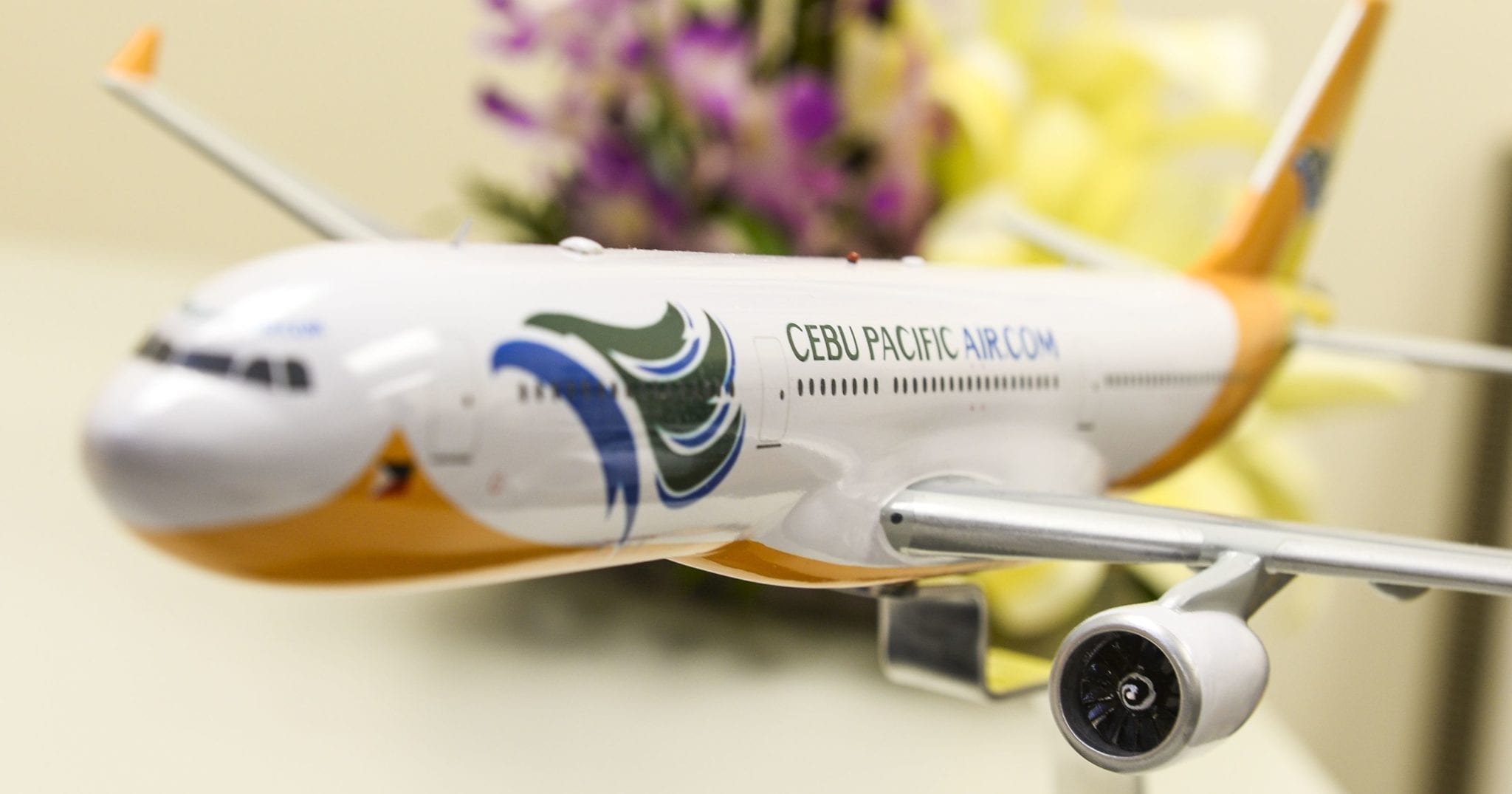
    At a base fare of Dh200 from Dubai to Manila, the Philippines’ no-frills carrier Cebu Pacific has unveiled a week-long airfare discount blitz on Tuesday (September 1, 2020).

    The move is aimed to boost demand and post-COVID-19 confidence among flyers, especially overseas Filipino workers and their families in the UAE.

    The quoted discounted fare is valid for one-way travel only, inclusive of base fare. It also does not include taxes and fees, “web administration fee”, and fuel surcharge.

    The carrier is known for its “Piso” fare (1-peso, $0.021) offers. But, with the lingering threat from COVID-19, it remains to be seen whether such price-drops would indeed translate to a post-recovery spike in travel demand.

    The airline has also stated that promo fares offered are limited and are non-refundable — but rebookable subject to fees and charges.

    Flight changes, availing of prepaid baggage allowance for check-in baggage and web check-in service can also be done up to 4 hours before scheduled flight. International fare is on a book and buy basis, according to the airline.

    The Philippine economy, like the rest of the world, is reeling from the coronavirus pandemic. Up to 3,000 companies reportedly went bust in the last seven months.

    Quarantine measures remain in place for travelers as the Philippines reported 224,000 COVID-19 infections, with 158,000 recoveries and 3,597 deaths as of September 1, 2020.